tag > Culture
-
In a society that abolishes adventure, the only adventure is in abolishing that society

-
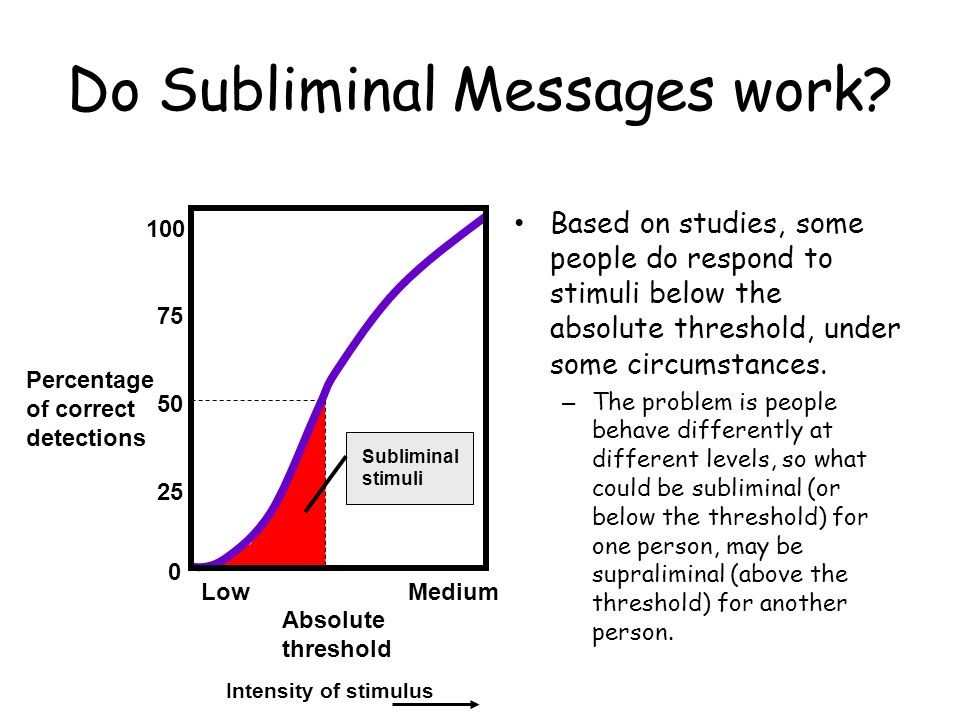
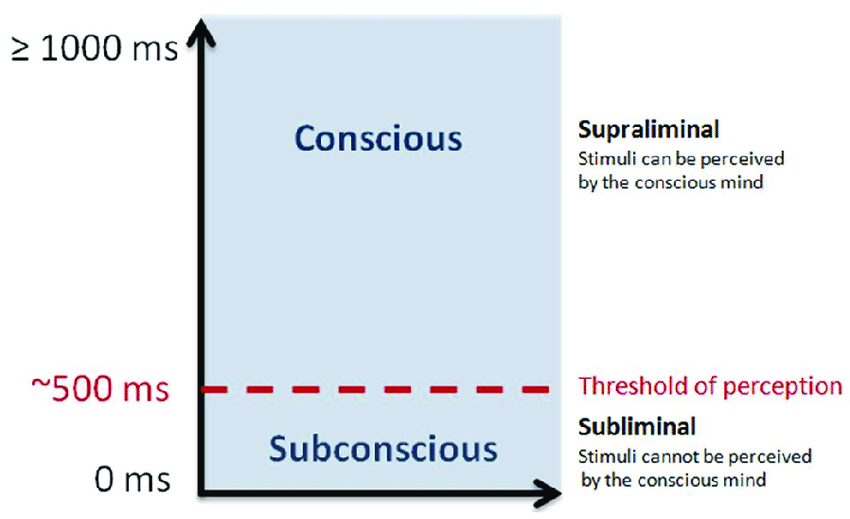
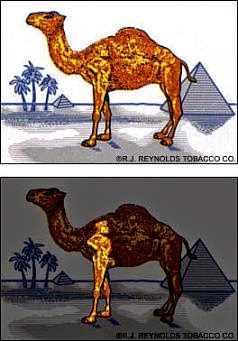
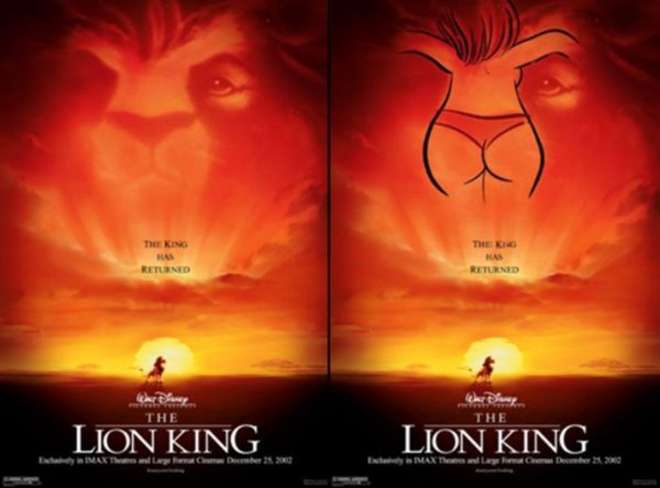
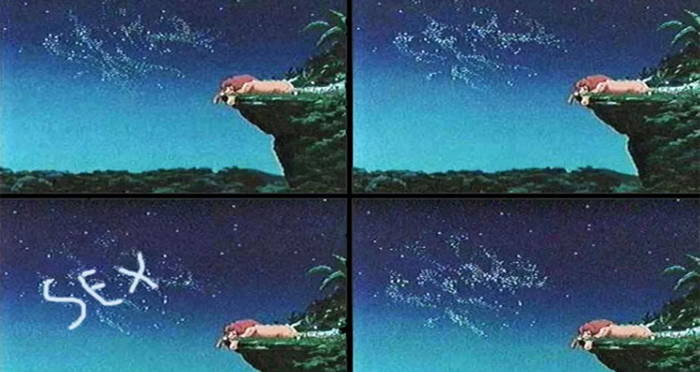
The initiative to develop systems for "watermarking AI-generated media" for IP protection and trust assurance is, in some ways, related to the broader effort to create AI that embeds targeted subliminal messages for use in influence operations and advertising.

-
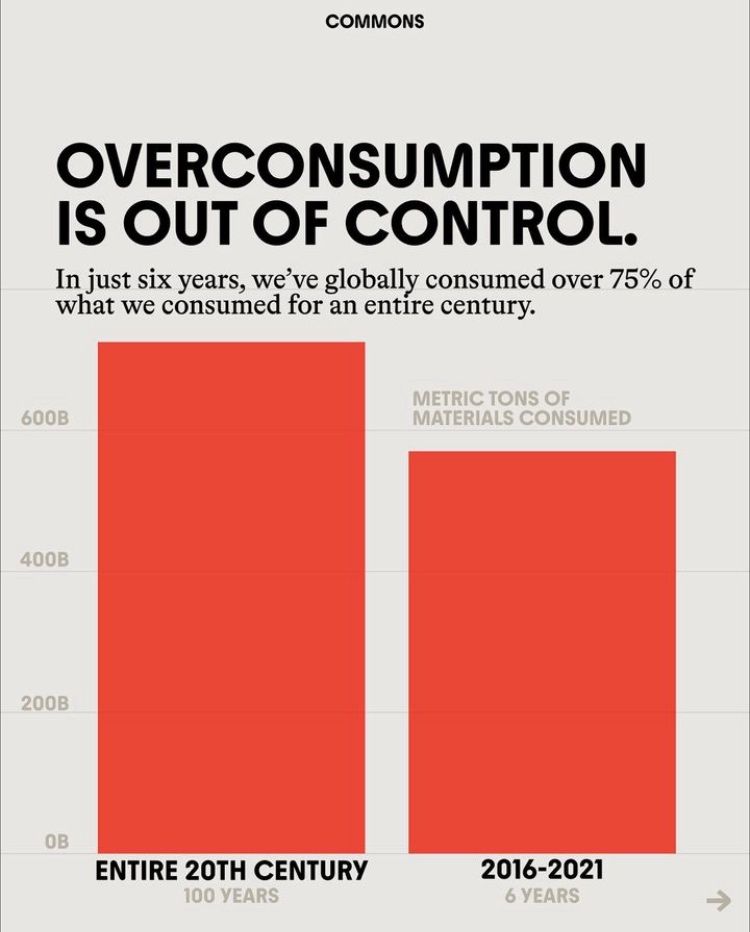
In just six years (2016-2021), we've consumed over 75% of what we did over the 20th century.
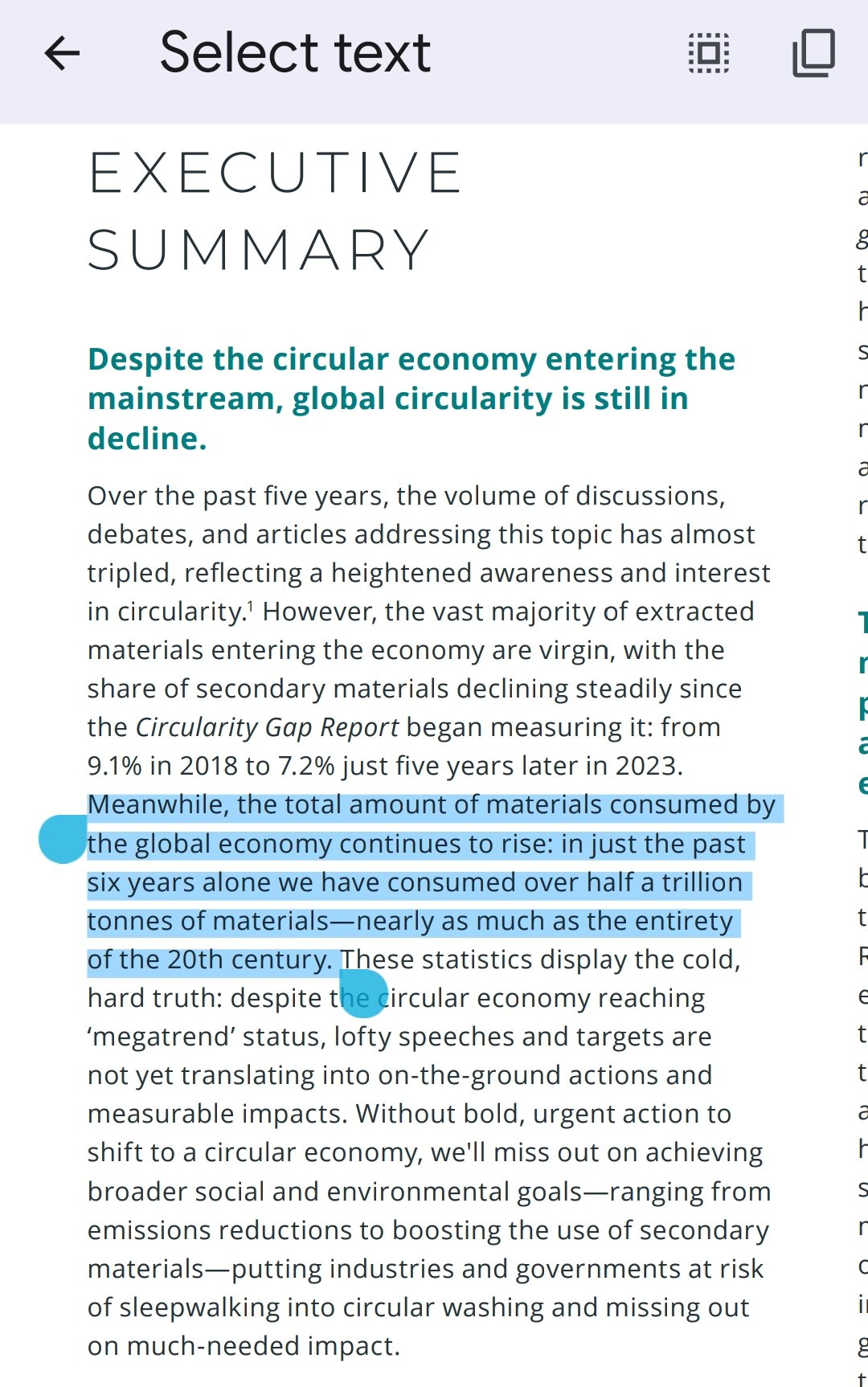
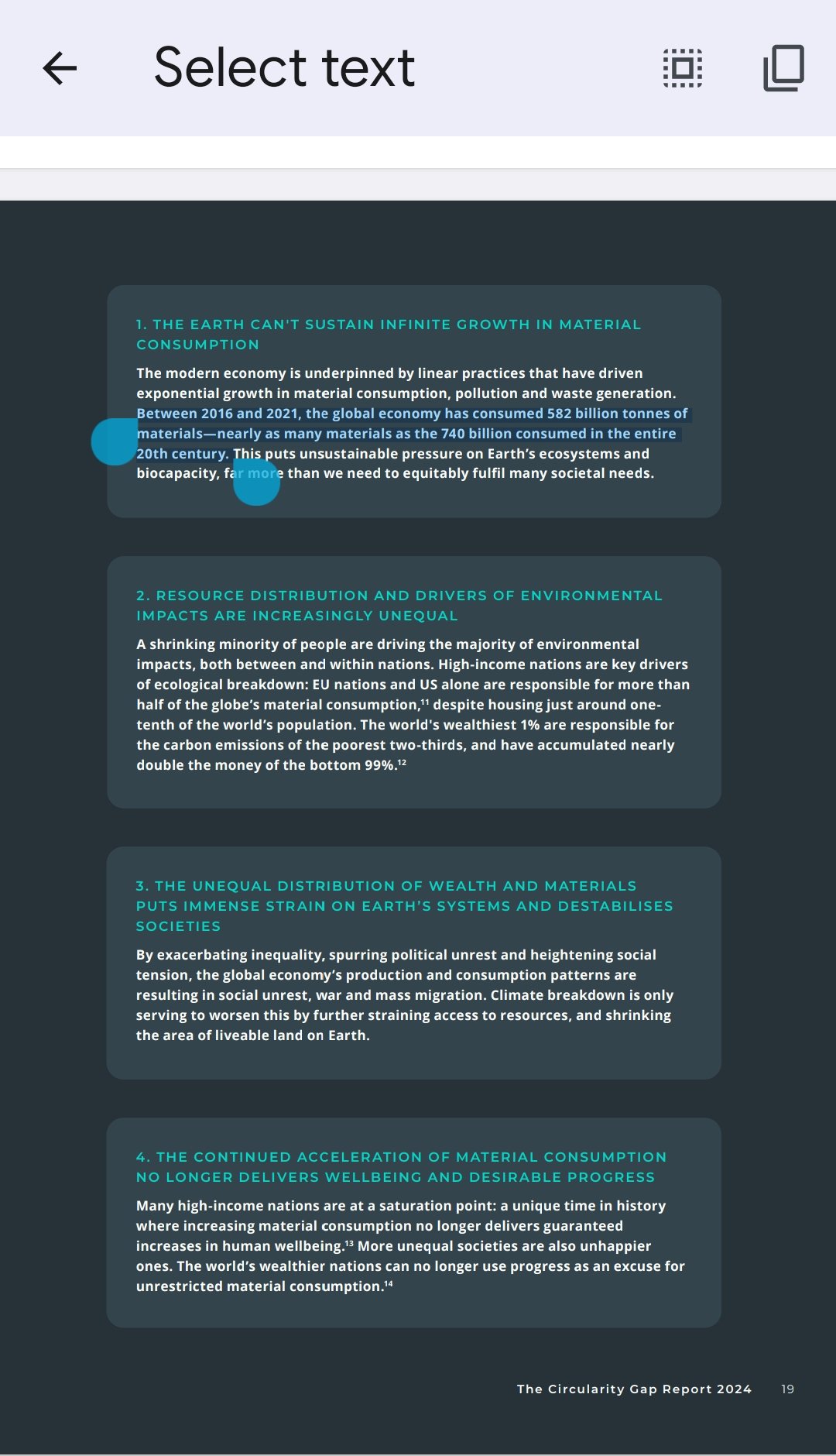
Source: The circular gap report 2024 (Page 8, Executive Summary, Para 1) and Page 19, where it is mentioned more specifically (582 billion tonnes) along with the years (2016-21)
-
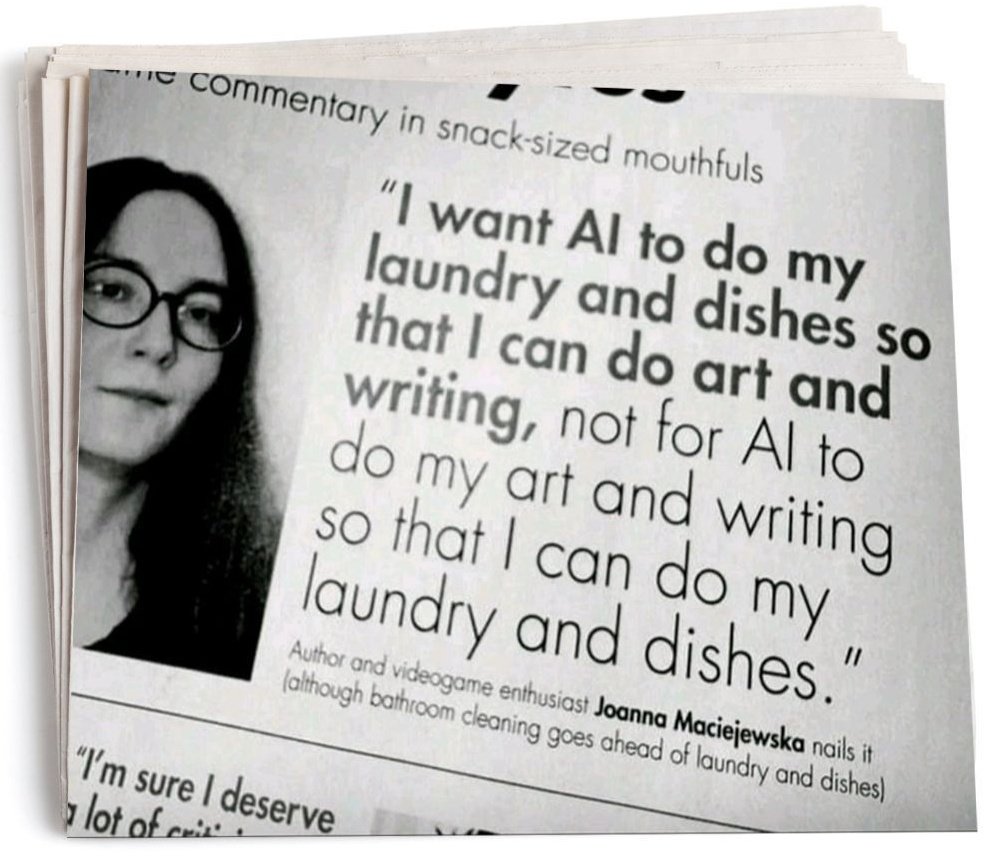
This meme that recently went viral is absolute bullshit. Deep down, most want AI for 4 archetypal reasons: 1) Get laid (AI to sexually please them) 2) Get payed (AI to make them rich) 3) Get to reaxed (AI to entertain them to death) 4) Get holy (AI to be their personal Jesus & God).
-
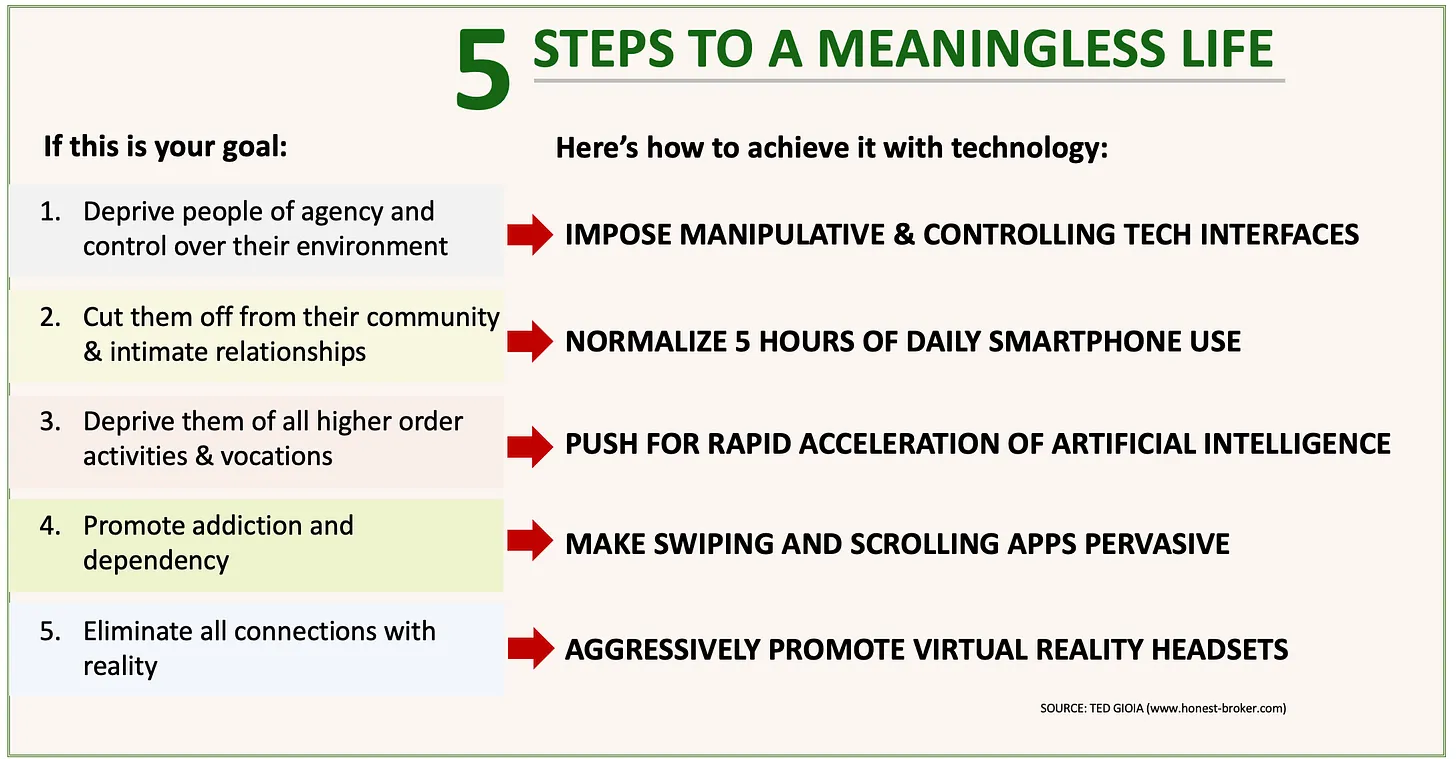
Is Silicon Valley Building Universe 25? How a creepy experiment from 1968 is eerily relevant today
-
Omar Khayyam Mausoleum, Neyshabur, Iran
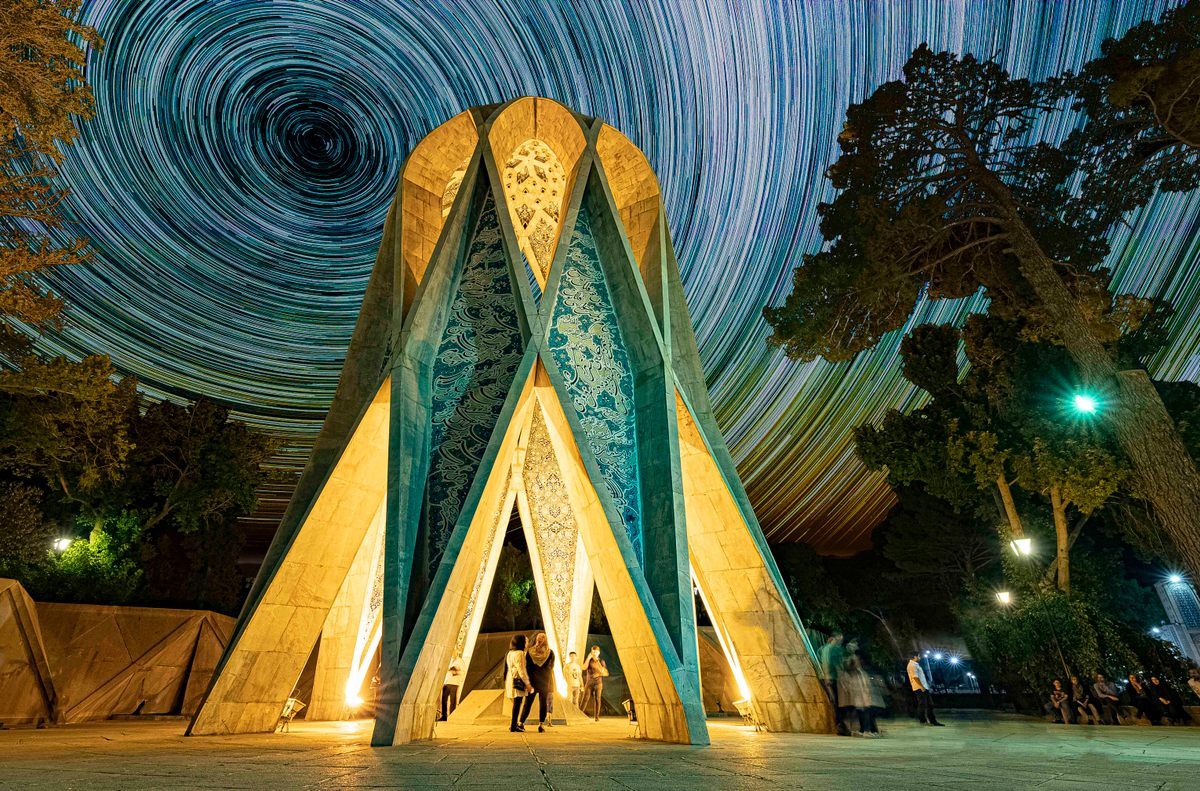
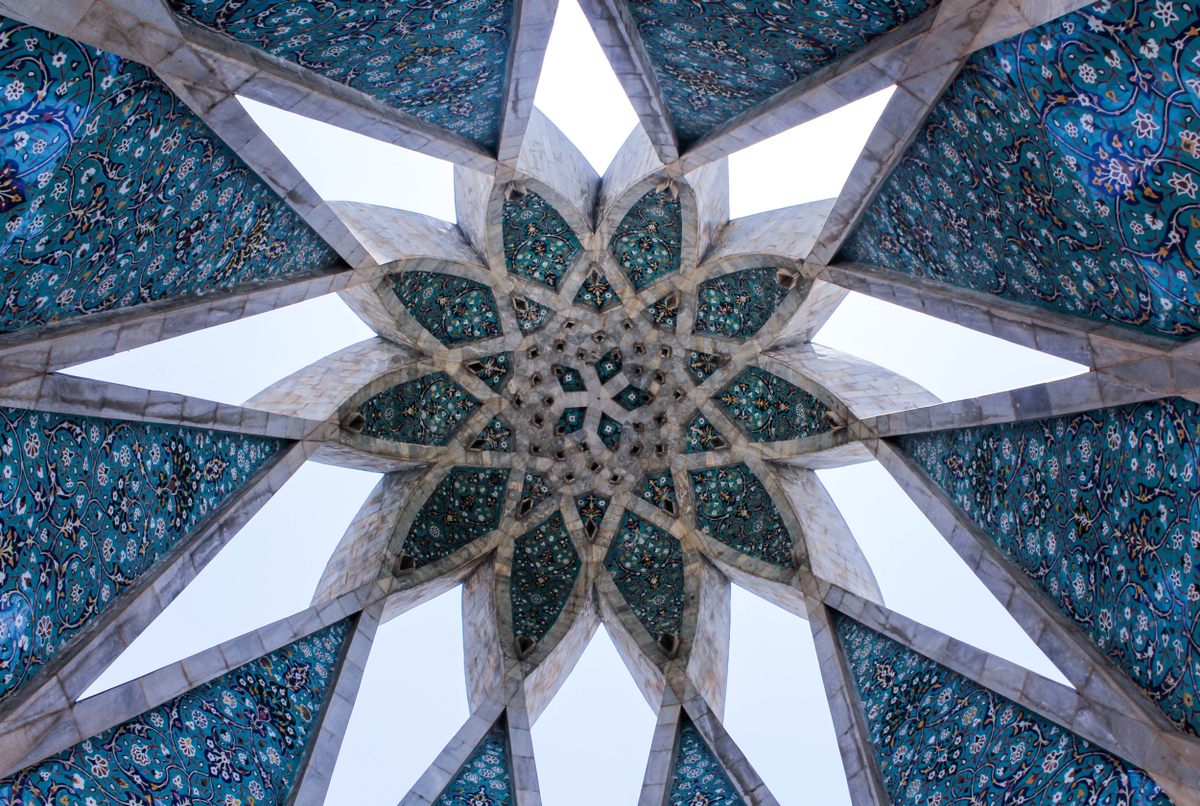
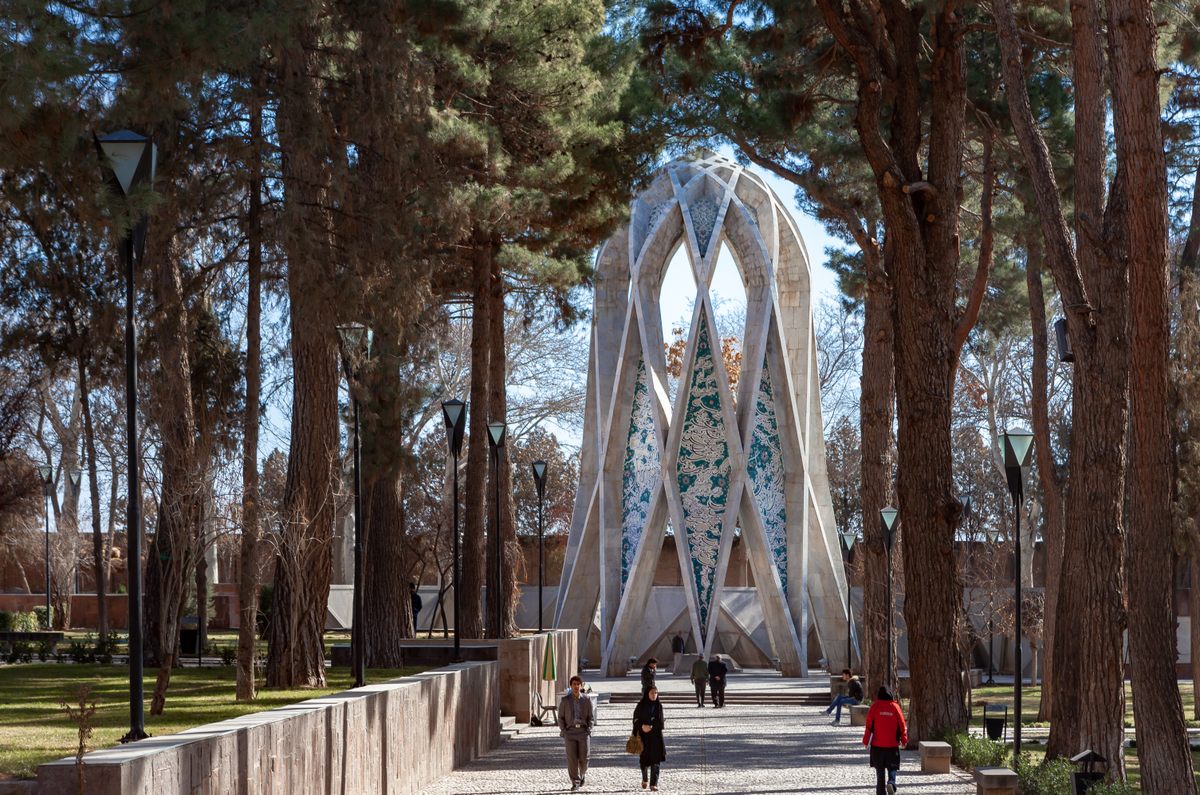
Omar Khayyam, best known for his poetry Rubáiyát, was a Persian polymath learned in the ways of astronomy, philosophy, and mathematics. Born in the ancient city of Nishapur, he died in 1131 at 83 and was buried in his hometown.
The poet’s tomb survived the test of time through Mongol invasions and natural disasters, developing into part of a shrine. In 1934, the Iranian government under the Pahlavi dynasty commissioned the reconstruction of his mausoleum, which would be completed 31 years later.
Designed by the architect Hooshang Seyhoun, the new Omar Khayyam Mausoleum is an outstanding beauty many consider a masterpiece of modern Persian architecture. A large marble monument standing in a serene garden, it is decorated with verses from Rubáiyát written in the taʿlīq script, glowing in an oasitic blue shade.