tag > Design
-
A principled way to solve problems: Constantly ask yourself what you are trying to do.
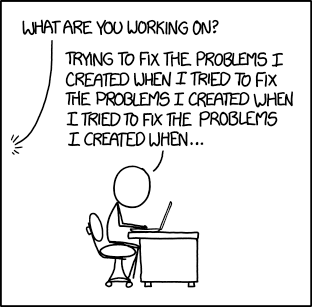
- Ask yourself what’s the problem you’re trying to solve
- Be sure that you understand it deeply, and that you at least have an idea of how would you know that the problem is solved.
- Propose a course of action
- Remind yourself: what I was trying to do?
- Ask the question: does doing this solve my problem?
- Doing this should transform your problem into your imaginary solved problem (that’s why it’s important to have an idea of how does the solved problem looks like)
- Do I need to do this? All actions should be needed for solving the problem. Any action that is not obviously needed, should be discarded
-
Do The Simplest Thing That Could Possibly Work
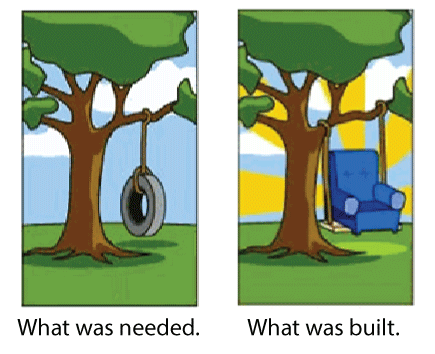
DoSimpleThings enables design via two rules: First, implement a new capability in the simplest way you can think of that "could possibly work". Don't build a lot of amazing superstructure, don't do anything fancy, just put it in. Use an if statement, even. Make the code pass the Unit Tests for the new feature (and all features, as always). Second, and this is critical to the rule, refactor the system to be the simplest possible code including all the features it now has. Follow the rule of OnceAndOnlyOnce and the other code quality rules to make the system as clean as it can possibly be.
-
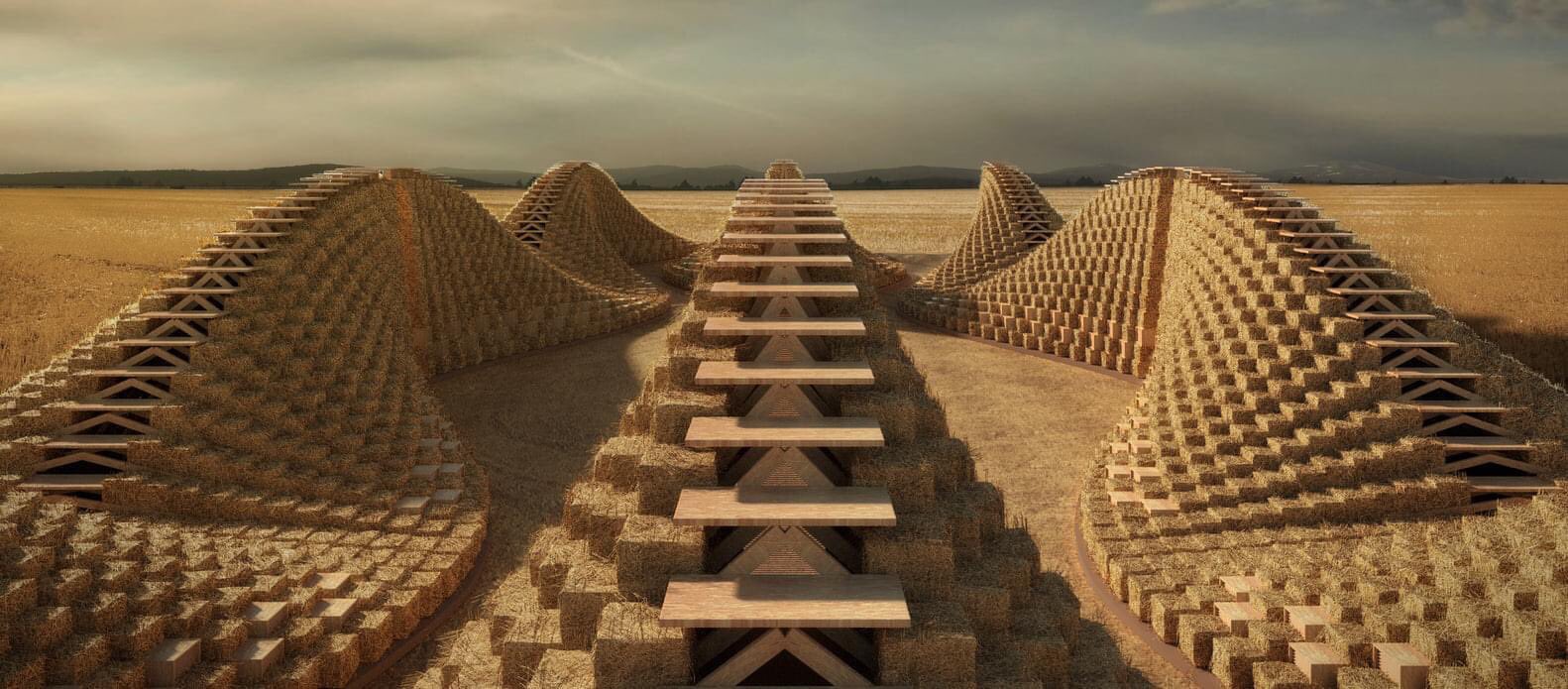
This is a secondary school in Malawi, made from wood and straw bales, designed by Nuru Karim and co.


-
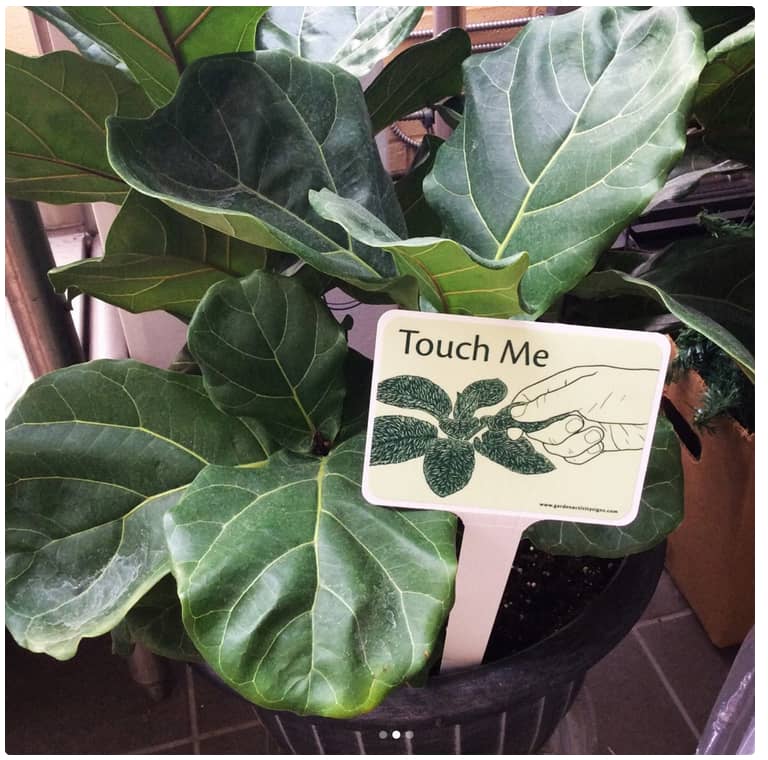
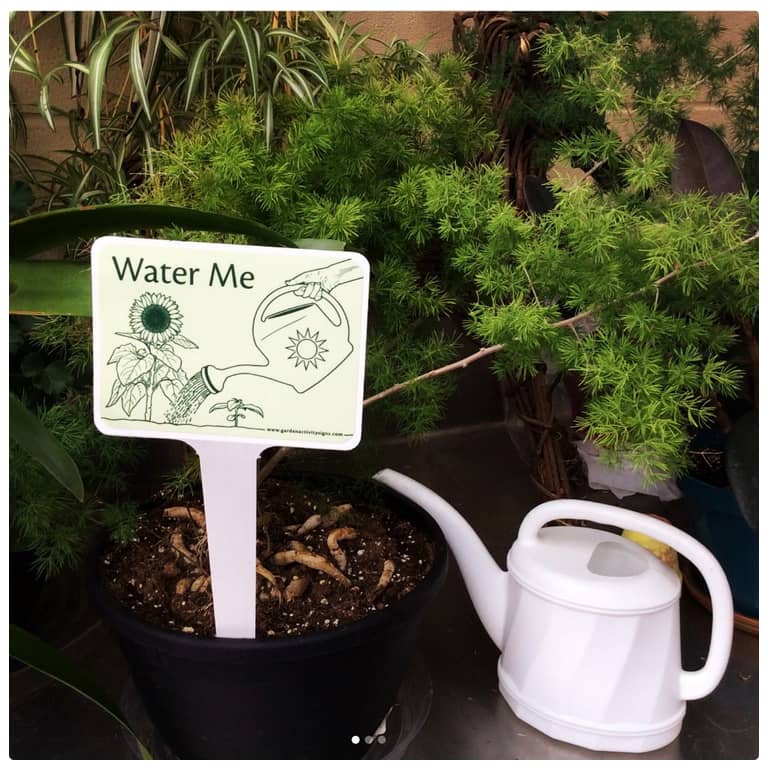
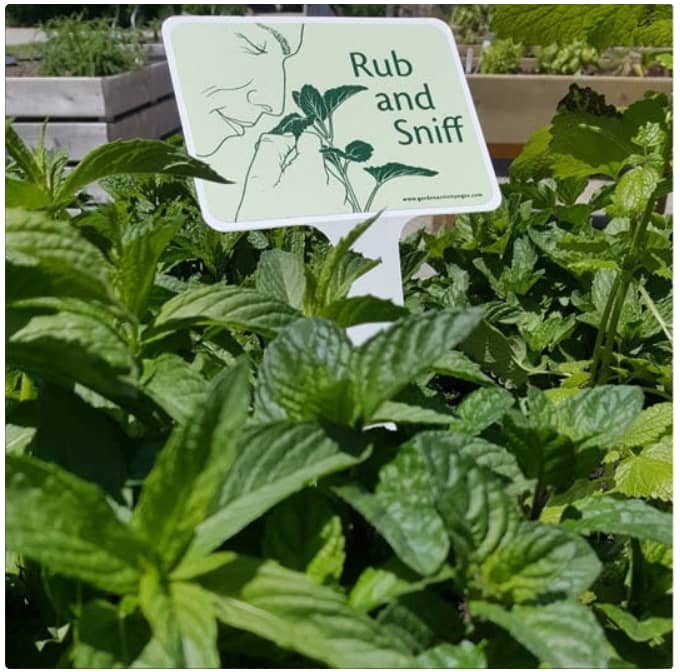
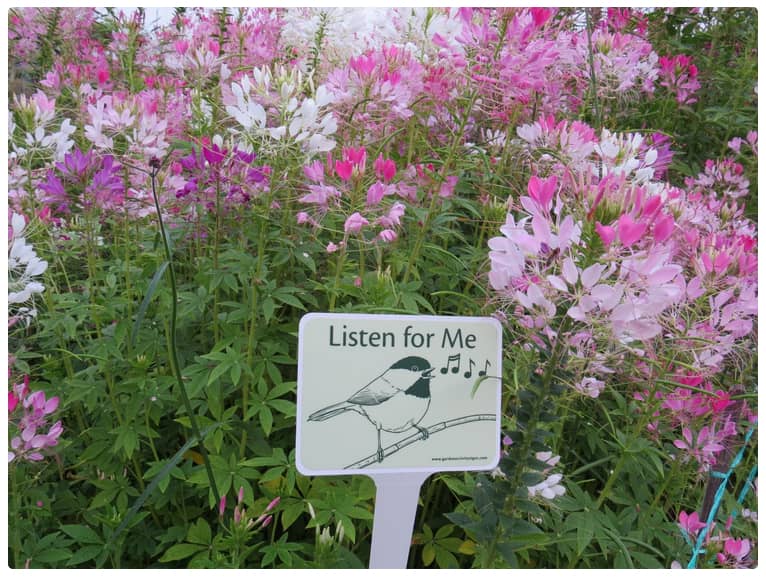
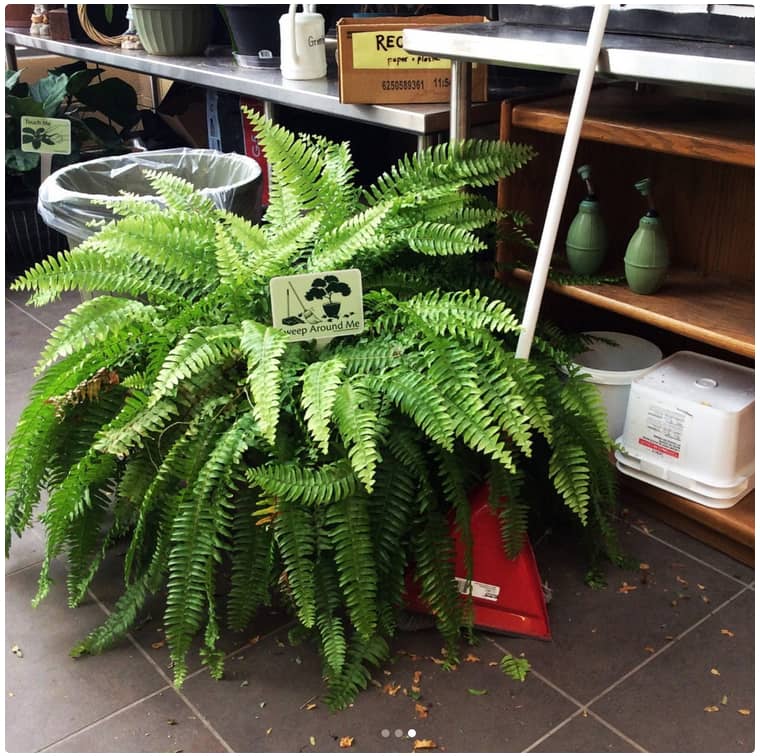
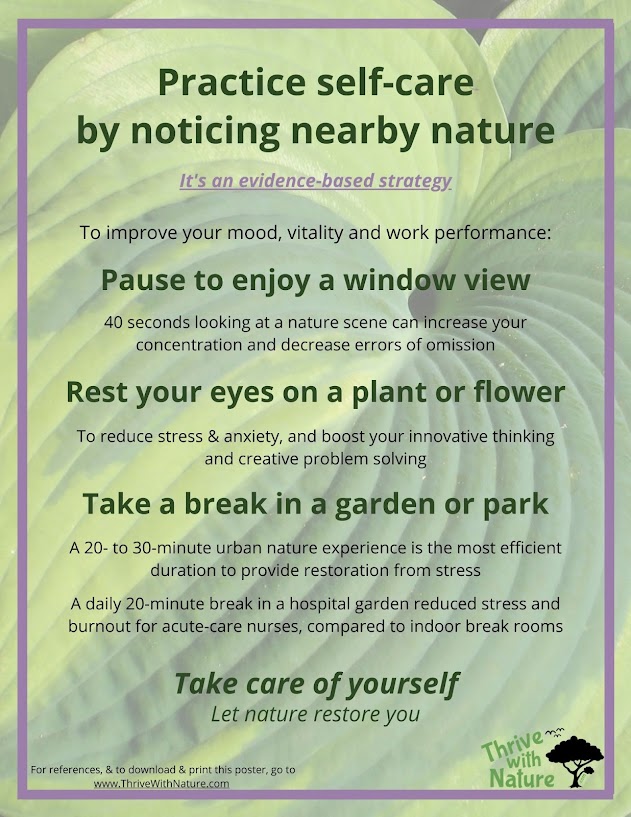
Garden Activity Signs - by Shelagh Smith
"Sometimes we're distracted with thoughts or tasks and we just don't hear the birds. A 'Listen for Me' sign can bring us into the present moment"
-
A Look At Nsibidi: The Long Lost Nigerian Writing
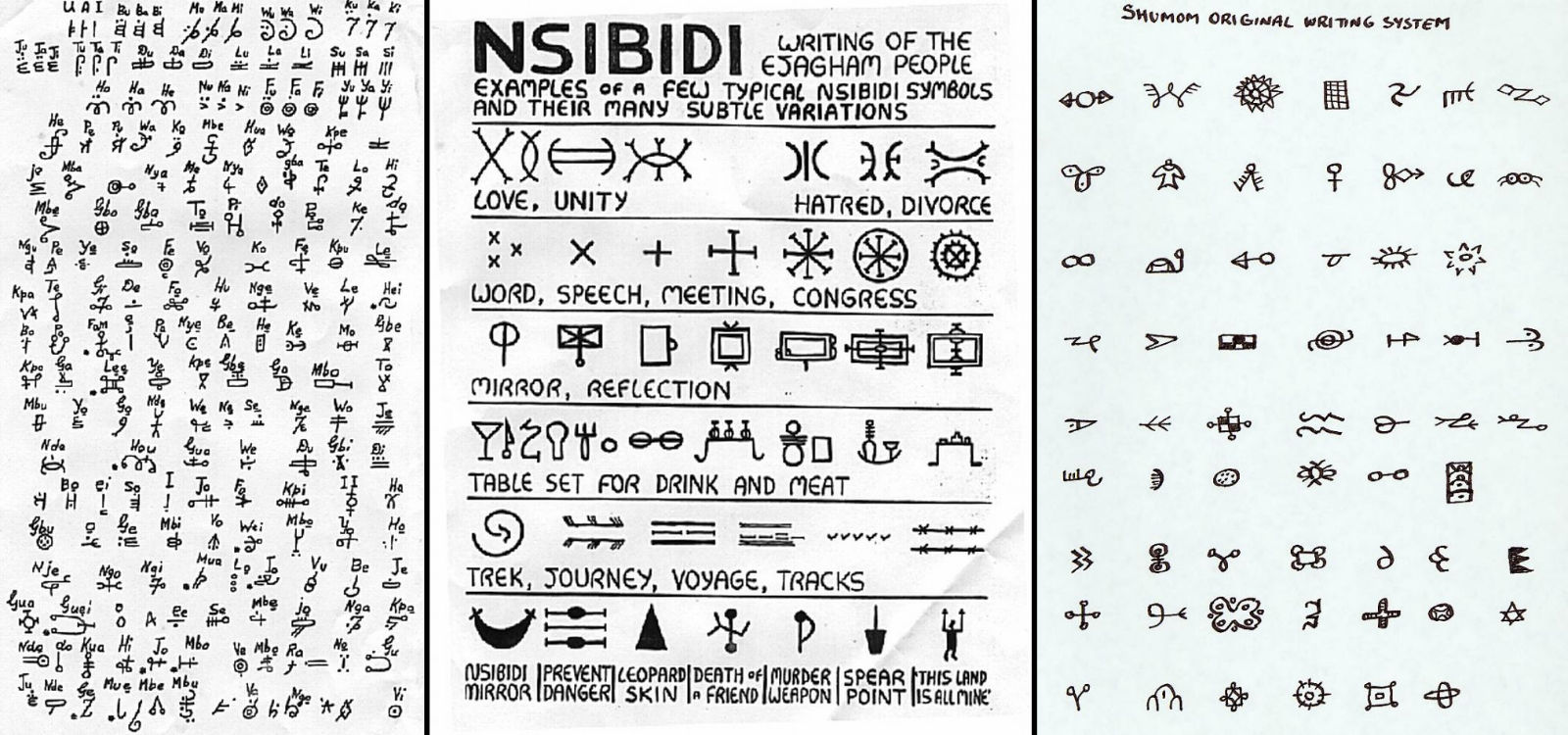
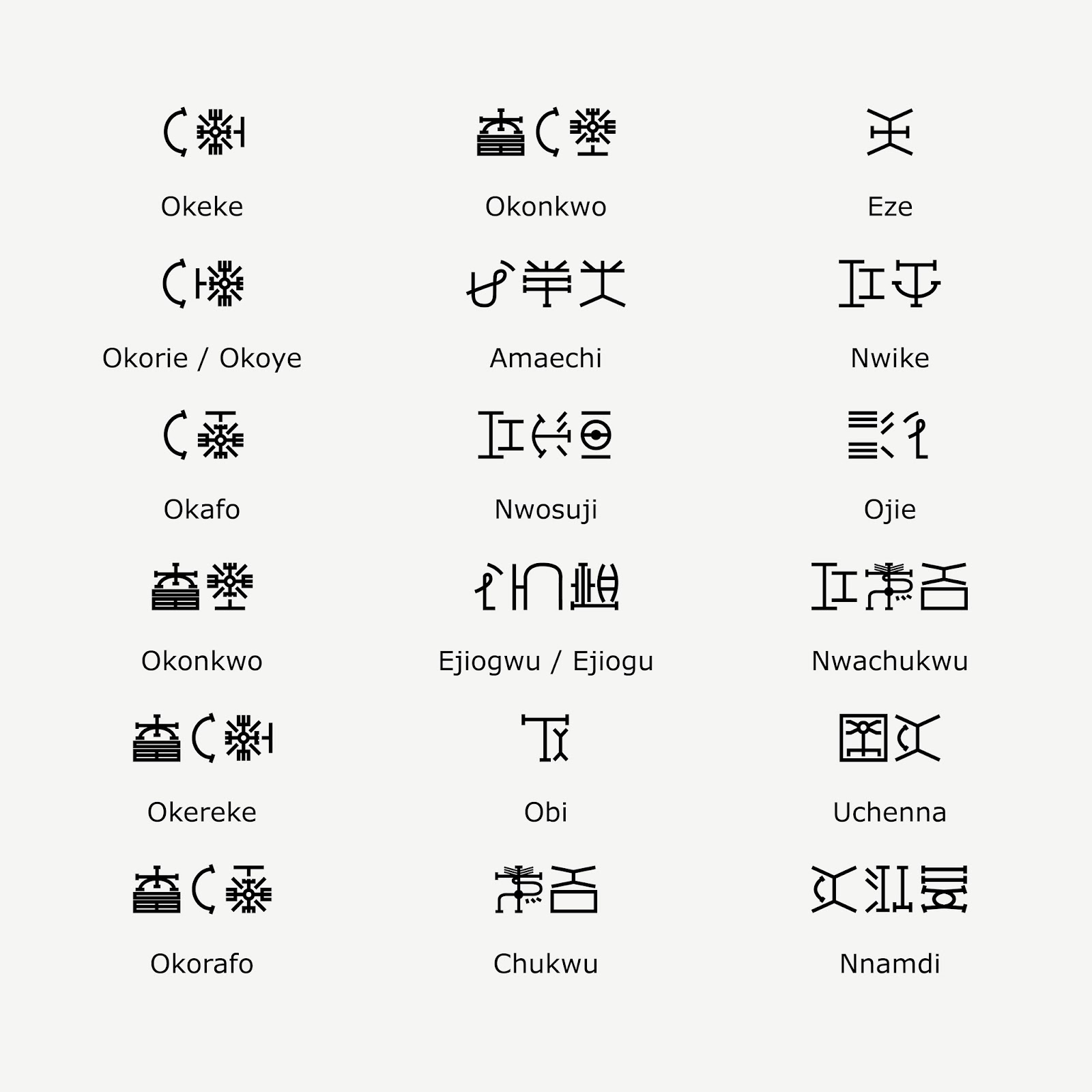
Nsibidi is an ancient system of graphic communication indigenous to the Ejagham peoples of southeastern Nigeria and southwestern Cameroon in the Cross River region. It is also used by Ibibio, Efik and Igbo peoples. Aesthetically compelling and encoded, nsibidi does not correspond to any one spoken language. It is an ideographic script whose symbols refer to abstract concepts, actions or things and whose use facilitates communication among peoples speaking different languages.
Nsibidi comprises nearly a thousand symbols that can be drawn in the air (as gestures), on the ground, on skin (as tattoos), on houses and on art forms, such as masks and textiles. Though it is enjoyed as an artistic practice by the general public, deeper knowledge of the nsibidi symbols is restricted to members of men's associations, which once controlled trade and maintained social and political order. Nsibidi continues to inspire the work of many Nigerian contemporary artists such as Victor Ekpuk.
-
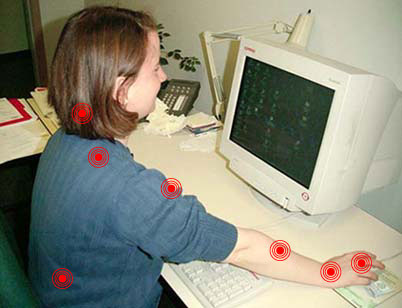
Computer Interfaces are inhumane
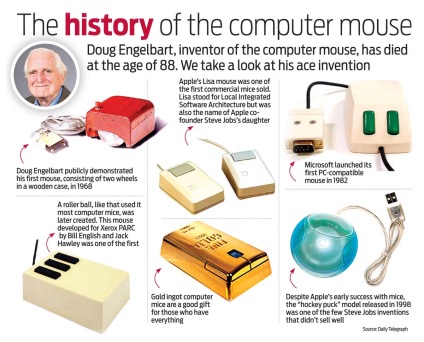
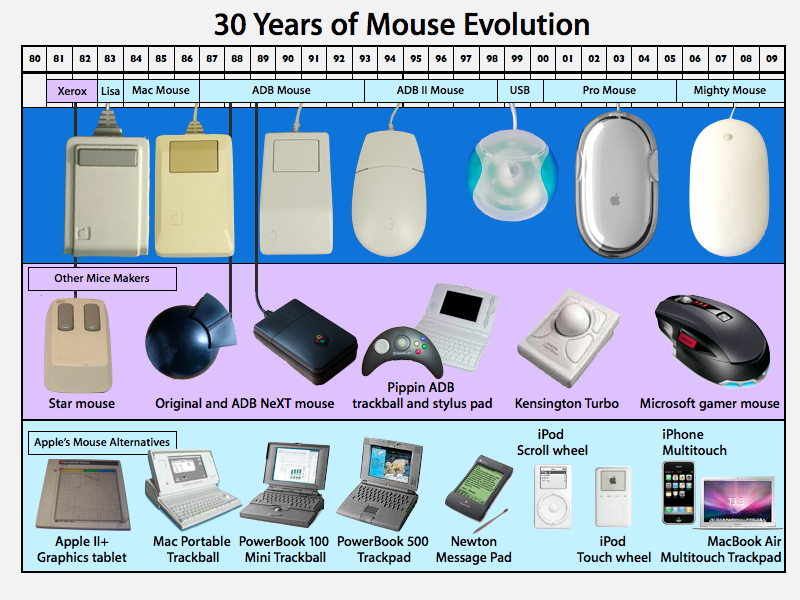
1 mouse click amounts to about 7 gram of movement pressure. Over an average day of computer usage, this amounts to 2 tonnes. The long term effects of this on the human body are profoundly damaging.
-
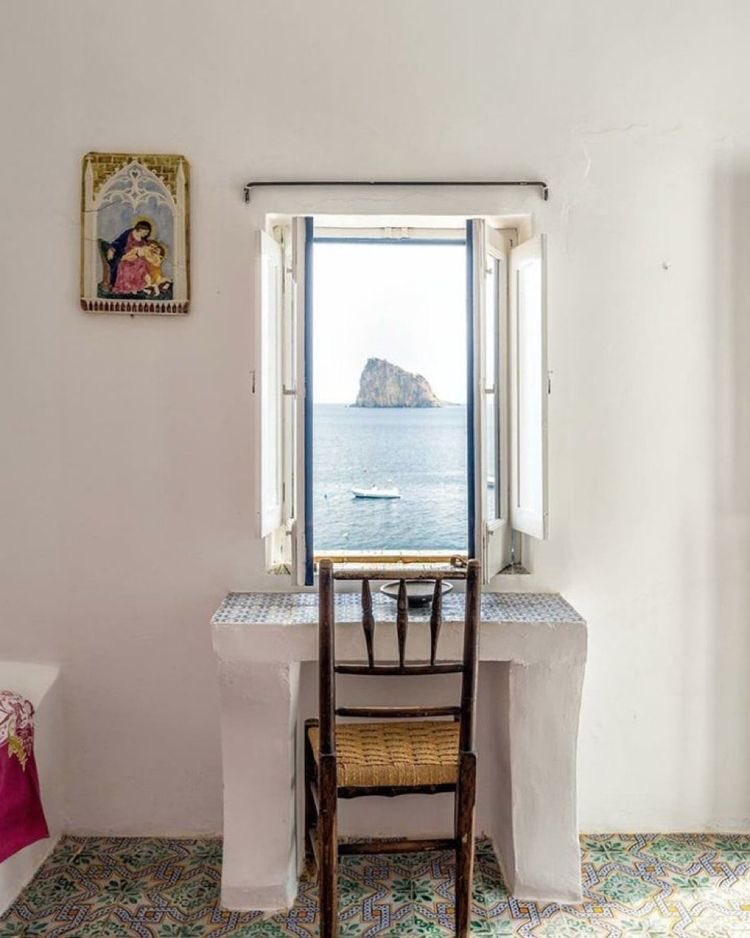
A good morning window
“A good morning window looks out on some kind of constant object or growing thing, which reflects the changes of season and the weather, and allows a person to establish the mood of the day as soon as he wakes up.” - Christopher Alexander.