tag > Education
-
Notes on the Historical Division between "Logical thinking" and "Visuals"
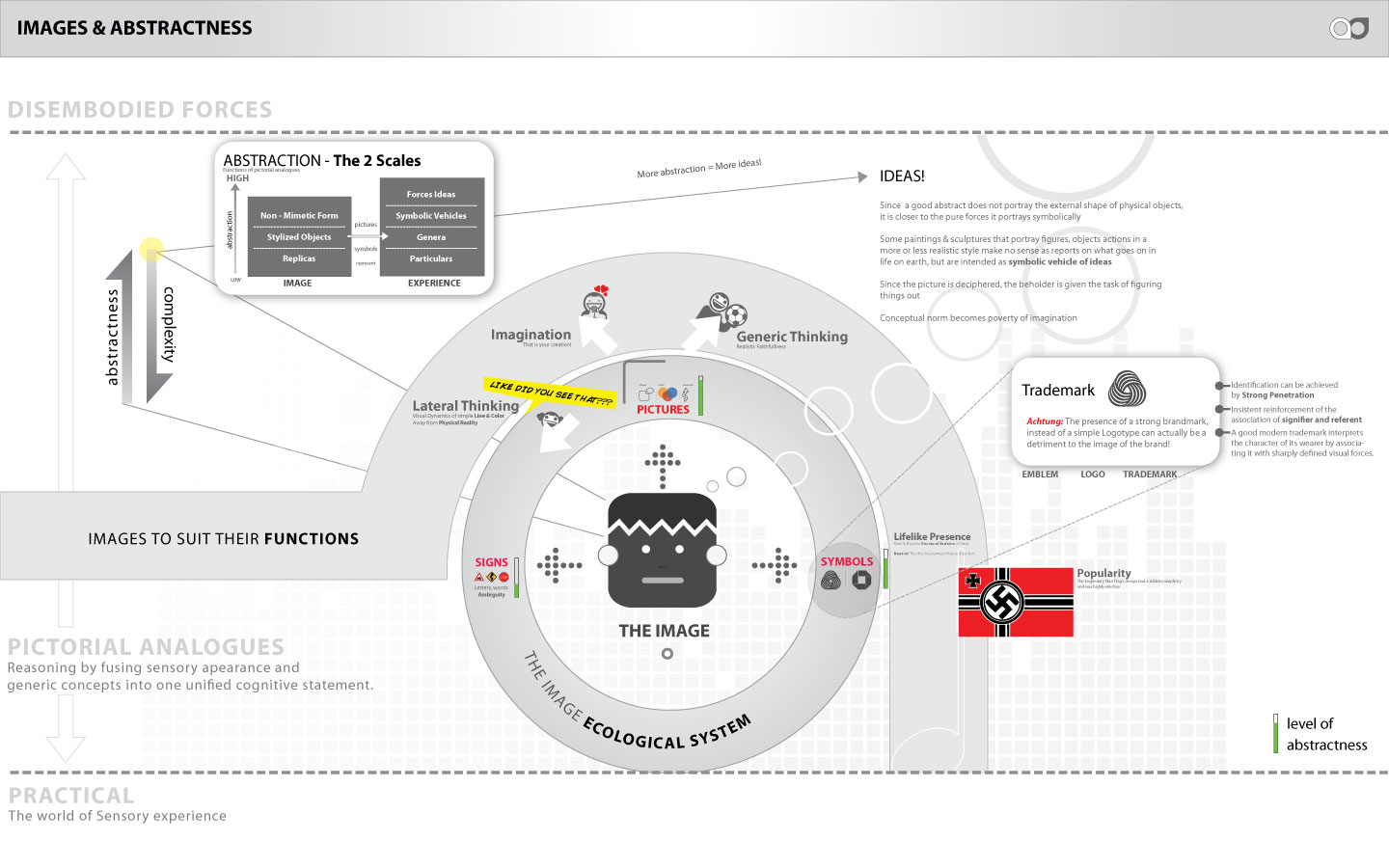
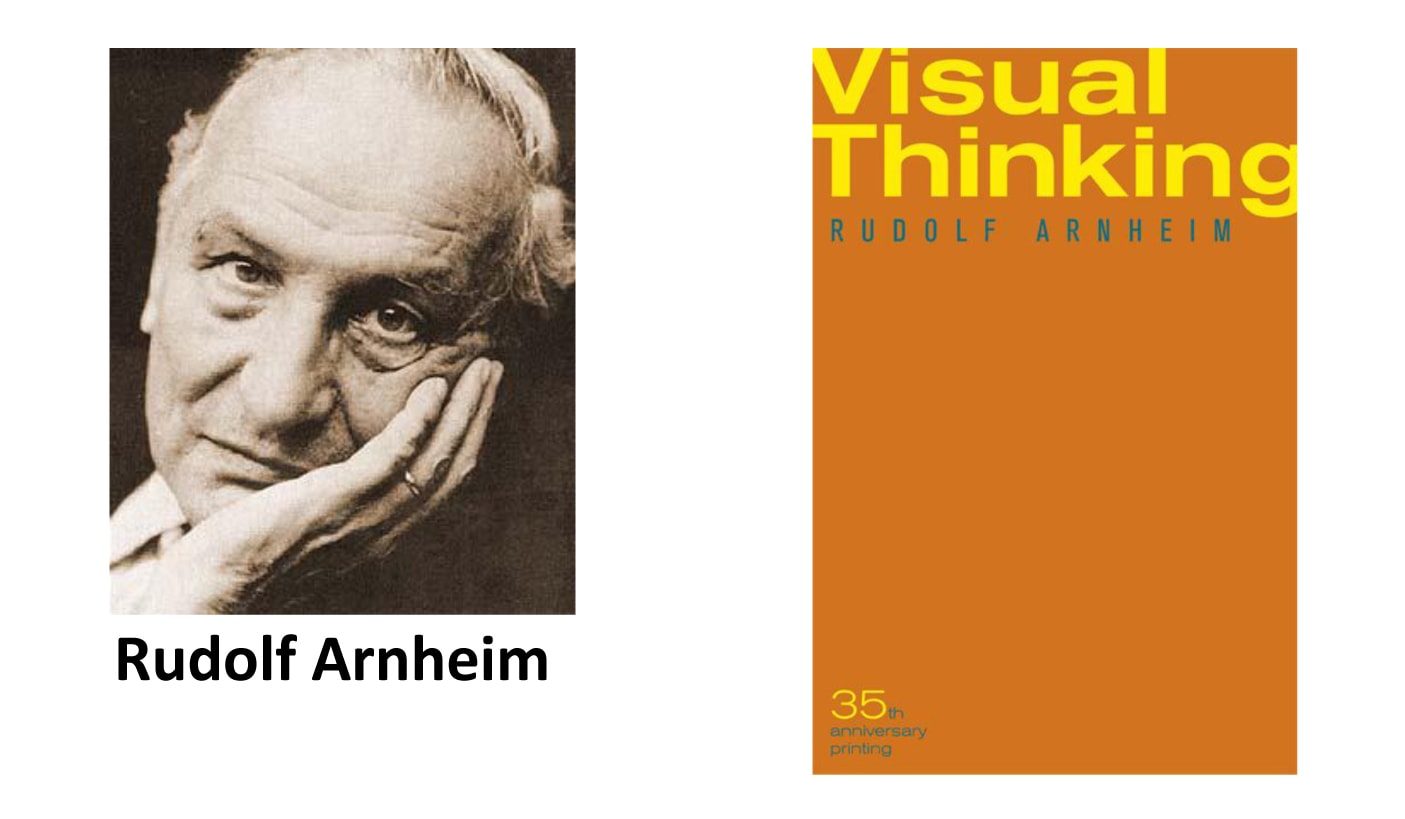
An description of the Image and its functions as a Picture, Signs & Symbols from the book "Visual Thinking" (1969) (via) Rudolf Arnheim suggested a historical division between "Logical thinking" and "Visuals" in his ground-breaking book, Visual Thinking (1969).
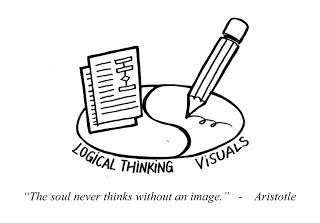
He pointed out that philosophers in ancient Greek credited the direct vision as the start and end source of wisdom although they also learned possible distortion in human’s visual perception (Arnheim, 1969. pp. 12). However, hundreds of years later, the potential of using sketching in creative problem solving are still paid less attention. Sketching is often not considered as a form of thinking. (found via viz-up-the-world)
In his book, Arnheim (1969. pp. 2-3) reflected on the issue as the followed:
“Today, the prejudicial discrimination between perception and thinking is still with us. We shall find it in examples from philosophy and psychology. Our entire educational system continues to be based on the study of words and numbers … More and more the arts are considered as a training in agreeable skills, as entertainment and mental release."
"As the ruling disciplines stress more rigorously the study of words and numbers, their kinship with the arts is increasingly obscured, and the arts are reduced to a desirable supplement…. The arts are neglected because they are based on perception, and perception is disdained because it is not assumed to involve thought. In fact, educators and administrators cannot justify giving the arts an important position in the curriculum unless they understand that the arts are the most powerful means of strengthening the perceptual component without which productive thinking is impossible in any field of endeavor. The neglect of the arts is only the most tangible symptom of the widespread unemployment of the senses….”
"All perceiving is also thinking, all reasoning is also intuition, all observation is also invention." - Rudolf Arnheim
Mind map: Rudolf Arnheim - Visual Thinking & The Intelligence of Visual Perception.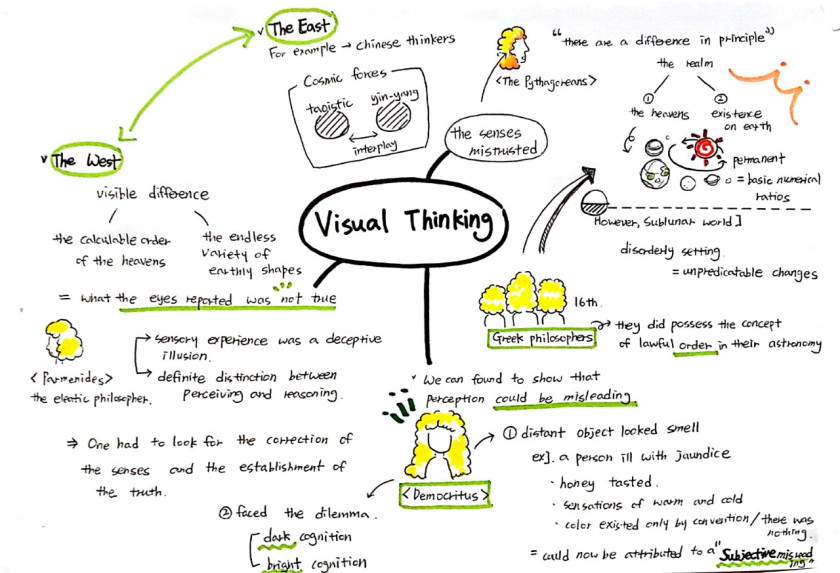
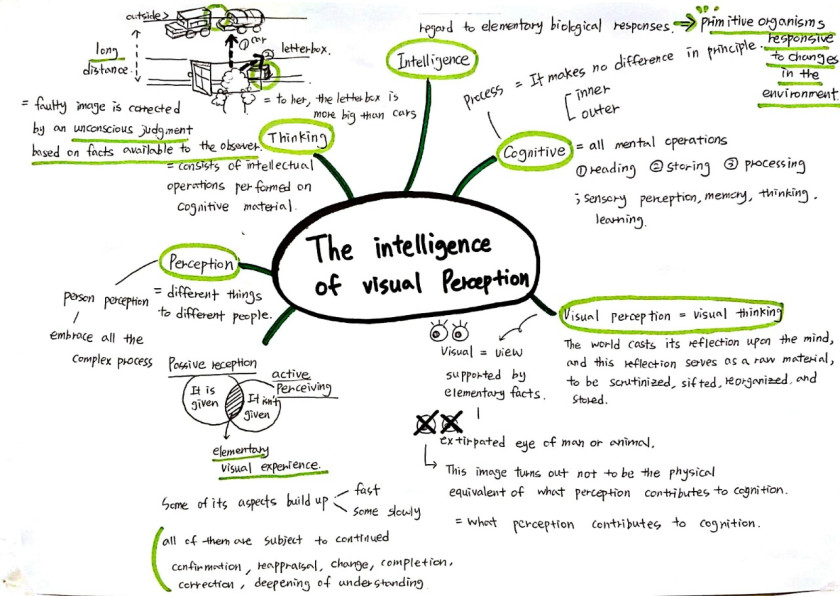
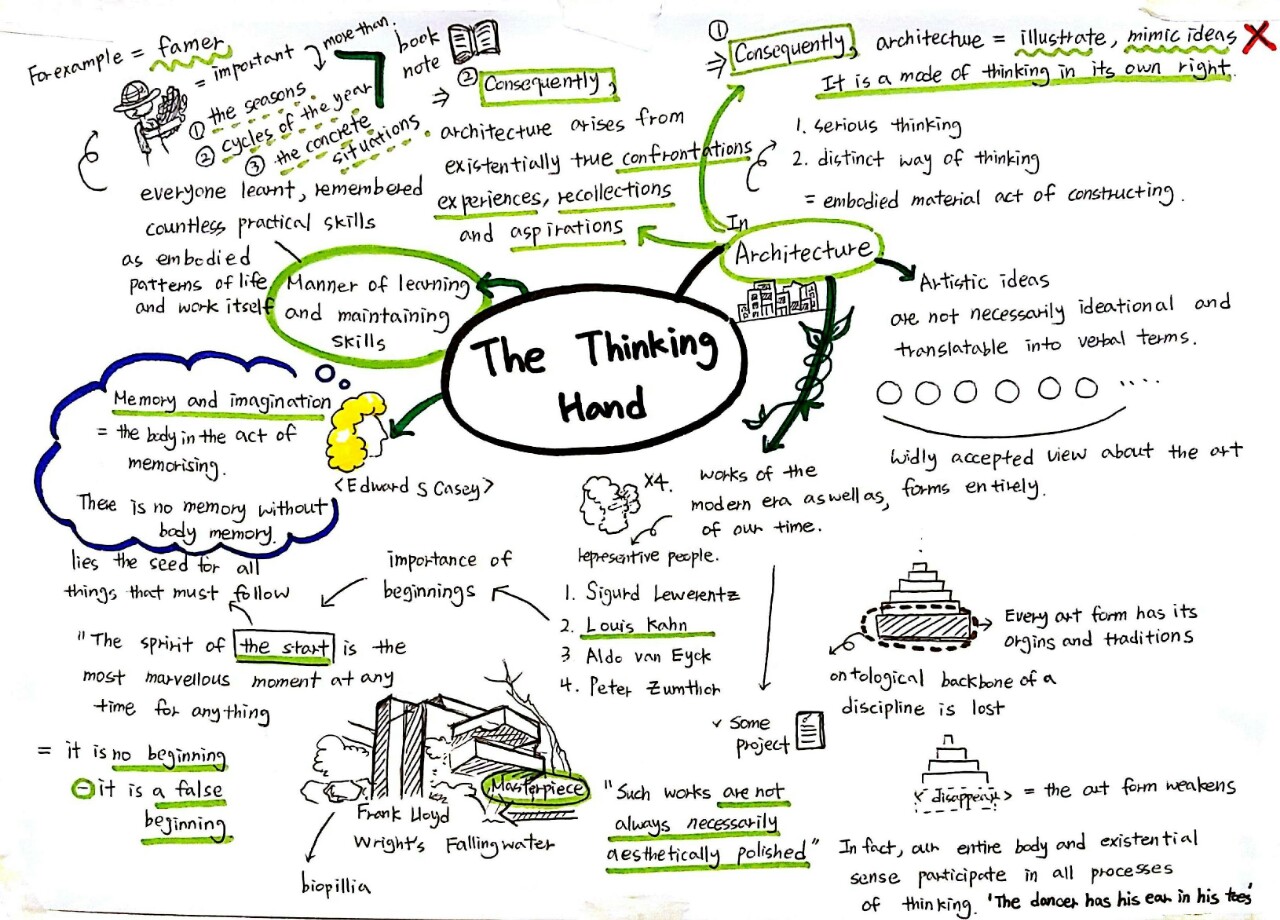
Simplicity, clarity, balance: A tribute to Rudolf Arnheim - by David Bordwell (2007):
"My teachers Max Wertheimer and Wolfgang Köhler were laying the theoretical and practical foundations of gestalt theory at the Psychological Institute of the Uni of Berlin, and I found myself fastening on to what may be called a Kantian turn of the new doctrine, according to which even the most elementary processes of vision do not produce mechanical recordings of the outer world but organize the sensory raw material according to principles of simplicity, regularity, and balance, which govern the receptor mechanism. This discovery of the gestalt school fitted the notion that the work of art, too, is not simply an imitation or selective duplication of reality but a translation of observed characteristics into the forms of a given medium" (from Film as Art)
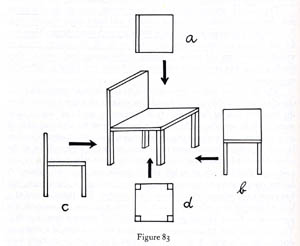
"We have been trained to think of perception as the recording of shapes, distances, hues, motions. The awareness of these measurable characteristics is really a fairly late accomplishment of the human mind. Even in the Western man of the twentieth century it presupposes special conditions. It is the attitude of the scientist and the engineer or of the salesman who estimates the size of a customer’s waist, the shade of a lipstick, the weight of a suitcase. But if I sit in front of a fireplace and watch the flames, I do not normally register certain shades of red, various degrees of brightness, geometrically defined shapes moving at such and such a speed. I see the graceful play of aggressive tongues, flexible striving, lively color. The face of a person is more readily perceived and remembered as being alert, tense, concentrated rather than being triangularly shaped, having slanted eyebrows, straight lips, and so on" (from Art and Visual Perception, first ed., 430).
"Without the flourishing of visual expression no culture can function productively" - Rudolf Arnheim
Related: What Is Visual Thinking? - by xplane (2019)
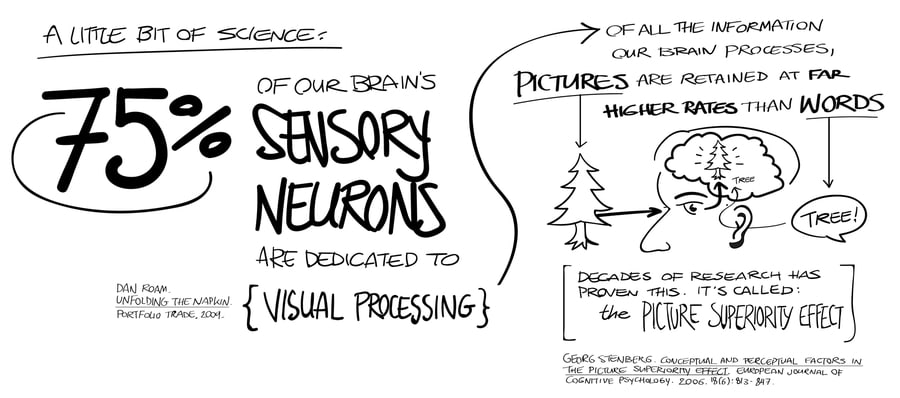
Related: Perceptual Psychology (wikipedia)
#KM #Design #Media #Book #Creativity #Education #HCI #Philosophy
-
Book: A New Culture of Learning - Cultivating the Imagination for a World of Constant Change - by Douglas Thomas and John Seely Brown (2011)
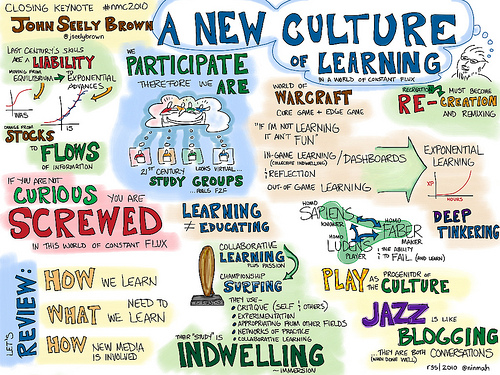
“What happens to learning when we move from the stable infrastructure of the twentieth century to the fluid infrastructure of the twenty-first century, where technology is constantly creating and responding to change?” - Douglas Thomas and Seely Brown (A New Culture of Learning p.17)
-
Book: Educating the Reflective Practitioner: Toward a New Design for Teaching and Learning in the Professions - by Donald A. Schön (1983)
"Design as a Reflective Conversation with the Situation" - Donald A. Schön
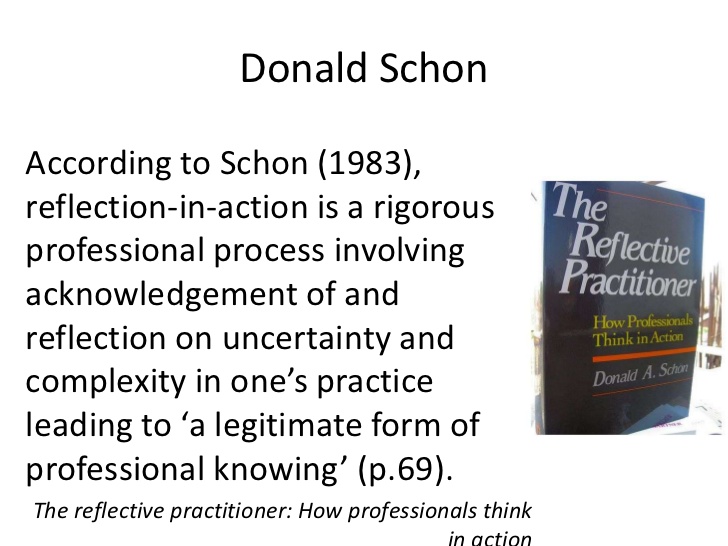
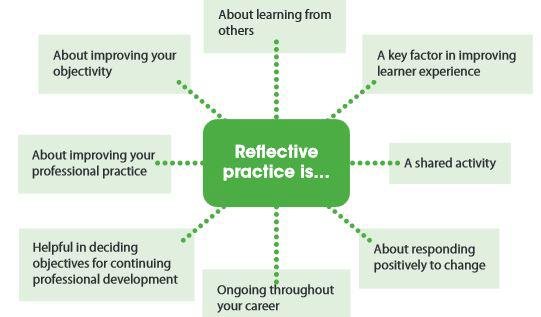
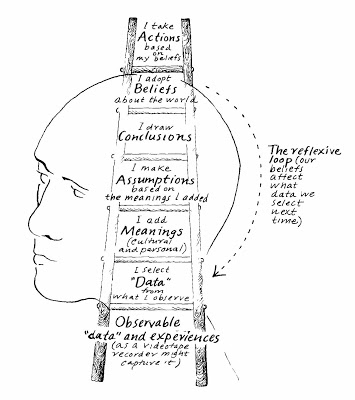
Reflective Practice Links
- Wikipedia: Reflective Practice
- Overview blog: The Reflective Practitioner by Donald Schon - by Peter Buwert (2012)
- Paper: Re-Educating The Reflective Practitioner: A Critique - by C.Cáceres (2017)
- Paper: An Ontology Of Donald Schön’s Reflection In Designing - by John.S.Gero
- Blog: Donald Schon (Schön): learning, reflection and change - by infed
- Presentation: Reflective Practice
#Design #Philosophy #Education #Urban #Architecture #Book #KM
-
Scientific Misconduct: Can Religion Help?
"A 2009 systematic review and meta-analysis of survey data discovered that among the scientists, 2% confessed to have “fabricated, falsified or modified data or results,” and over 14% had known colleagues to have committed the same. Moreover, over 33% of scientists confessed to “other questionable research practices,” and up to 72% had known colleagues to have done so."
"According to one survey by Nature, more than half of the researchers failed to successfully reproduce their own results; and over 70% failed to successfully reproduce another scientist’s results. Given this difficulty, hindered further by financial and other limitations, and by the complexity of the science concerned, it becomes easy to fabricate, manipulate, or selectively publish results."
"Like many of his contemporary biologists, Haeckel was a materialist. It is not materialism in itself that creates the problem, but rather the lack of accountability that results from it. It clears the way for deceit, corruption, and indeed the worst of crimes against humanity."
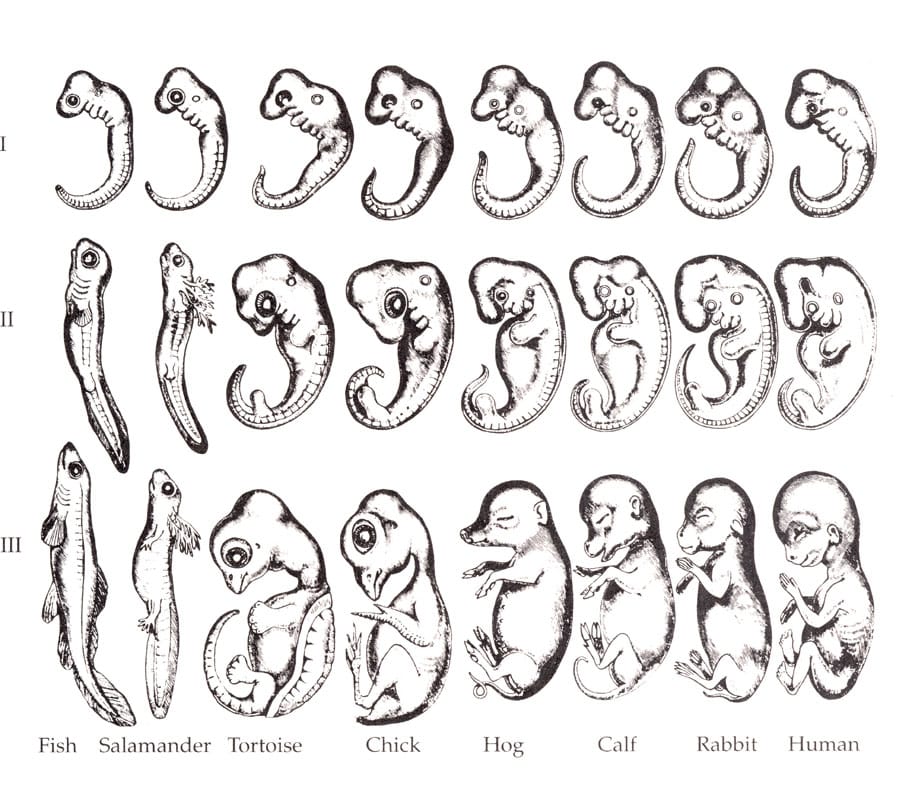
Ernst Haeckel's controversial embryo drawings The article uses recapitulation theory as example of scientific misconduct:
"The theory of recapitulation, also called the biogenetic law or embryological parallelism—often expressed using Ernst Haeckel's phrase "ontogeny recapitulates phylogeny"—is a historical hypothesis that the development of the embryo of an animal, from fertilization to gestation or hatching (ontogeny), goes through stages resembling or representing successive adult stages in the evolution of the animal's remote ancestors (phylogeny)."
Related:
- "Encountering Ernst Haeckel’s 'Ontogeny Recapitulates Phylogeny'" - by Eugene Lemcio
- Drawing by German biologist Ernst Haeckel:
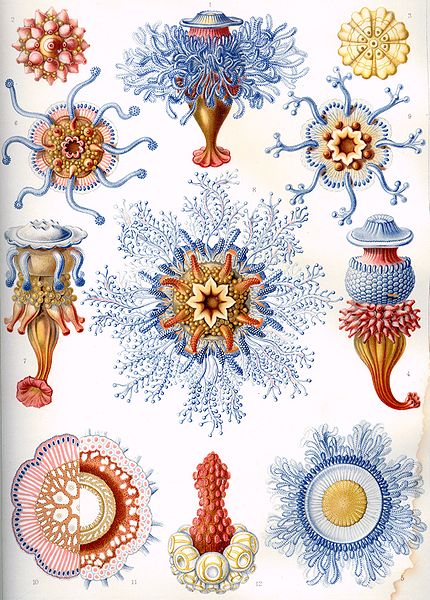

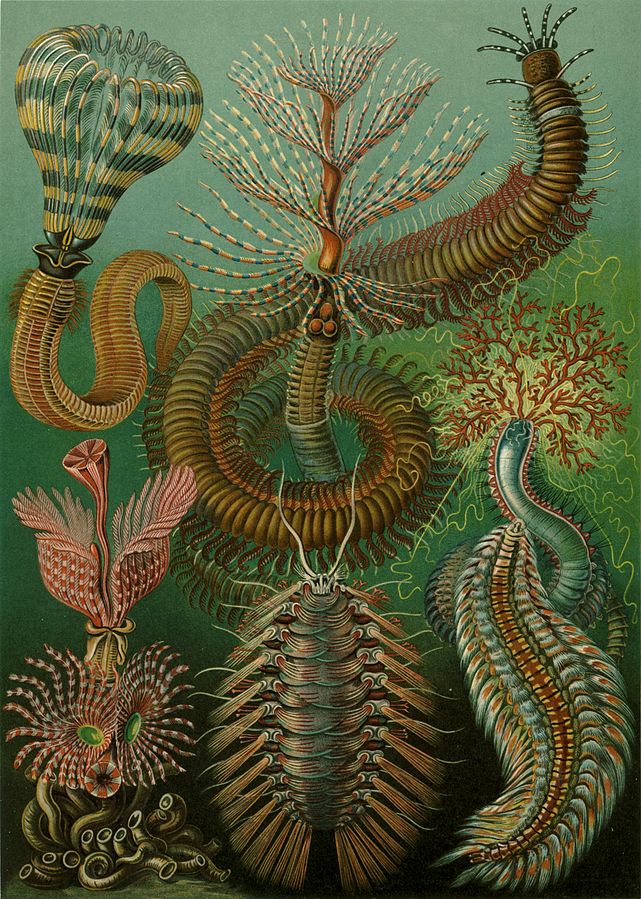
-
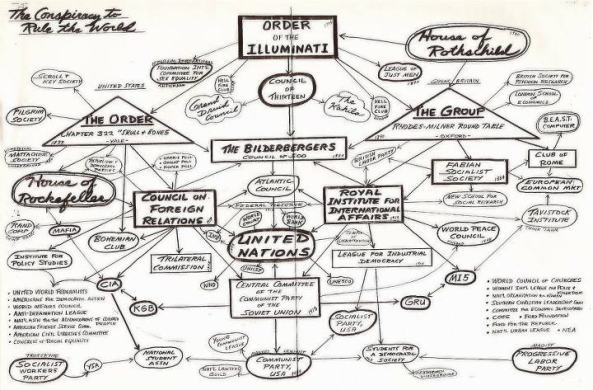
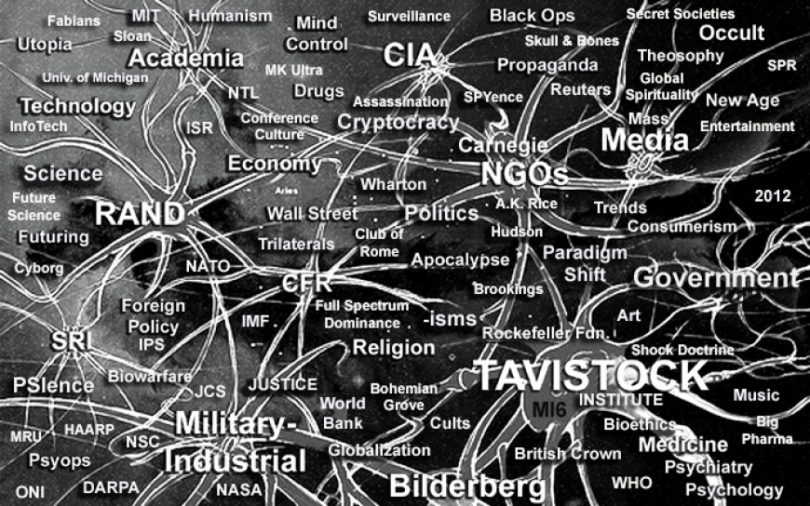
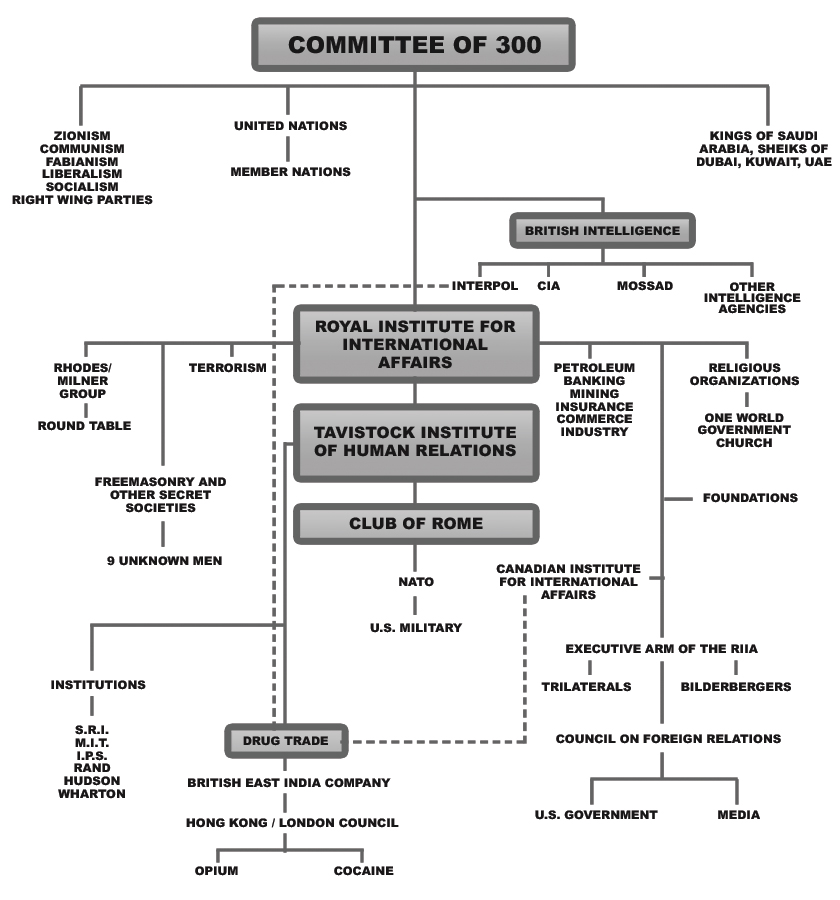
Impossible Knowledge. Conspiracy Theories, Power, and Truth - By Todor Hristov
"Conspiracy theorists claim impossible knowledge, such as knowledge of the doings of a secret world government. Yet they accept this impossible knowledge as truth. In effect, conspiracy theories detach truth from knowledge.
Knowledge without power is powerless. And the impossible knowledge claimed by conspiracy theorists is rigorously excluded from the regimes of truth and power – that is not even wrong. Yet conspiratorial knowledge is potent enough to be studied by researchers and recognized as a risk by experts and authorities.
Therefore, in order to understand conspiracy theories, we need to think of truth beyond knowledge and power. That is impossible for any scientific discipline because it takes for granted that truth comes from knowledge and that truth is powerful enough to destroy the legitimacy of any authority that would dare to conceal or manipulate it. Since science is unable to make sense of conspiracy theories, it treats conspiracy theorists as individuals who fail to make sense, and it explains their persistent nonsense by some cognitive, behavioral, or social dysfunction.
Fortunately, critical theory has developed tools able to conceive of truth beyond knowledge and power, and hence to make sense of conspiracy theories. This book organizes them into a toolbox which will enable students and researchers to analyze conspiracy theories as practices of the self geared at self-empowerment, a sort of political self-help."
-
If You’re Busy, You’re Doing Something Wrong: The Surprisingly Relaxed Lives of Elite Achievers: https://www.calnewport.com/blog/2011/11/11/if-youre-busy-youre-doing-something-wrong-the-surprisingly-relaxed-lives-of-elite-achievers/
To summarize these results:
- The average players are working just as many hours as the elite players (around 50 hours a week spent on music),
- but they’re not dedicating these hours to the right type of work (spending almost 3 times less hours than the elites on crucial deliberate practice),
- and furthermore, they spread this work haphazardly throughout the day. So even though they’re not doing more work than the elite players, they end up sleeping less and feeling more stressed. Not to mention that they remain worse at the violin.
What the Study of Chess Experts Teaches Us about Building a Remarkable Life: https://www.calnewport.com/blog/2010/01/06/the-grandmaster-in-the-corner-office-what-the-study-of-chess-experts-teaches-us-about-building-a-remarkable-life/
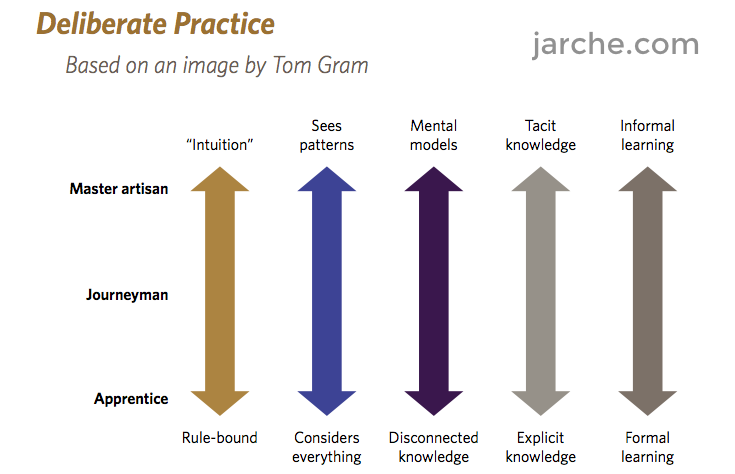
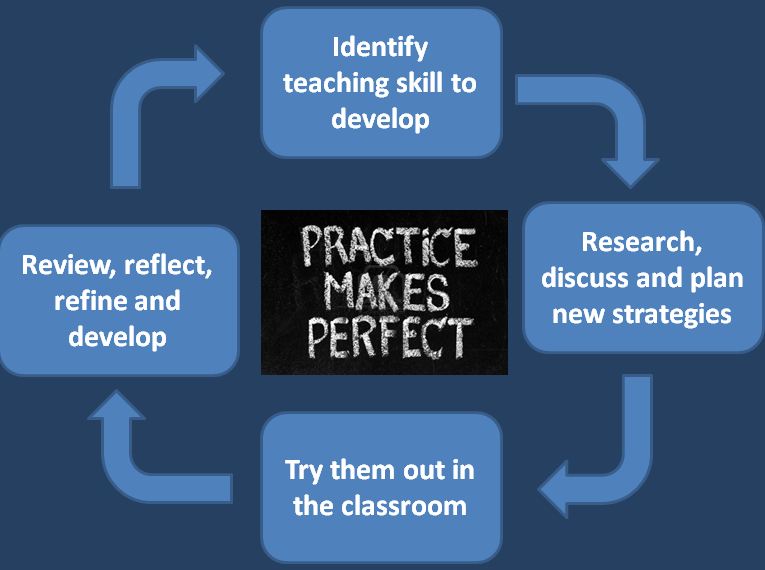
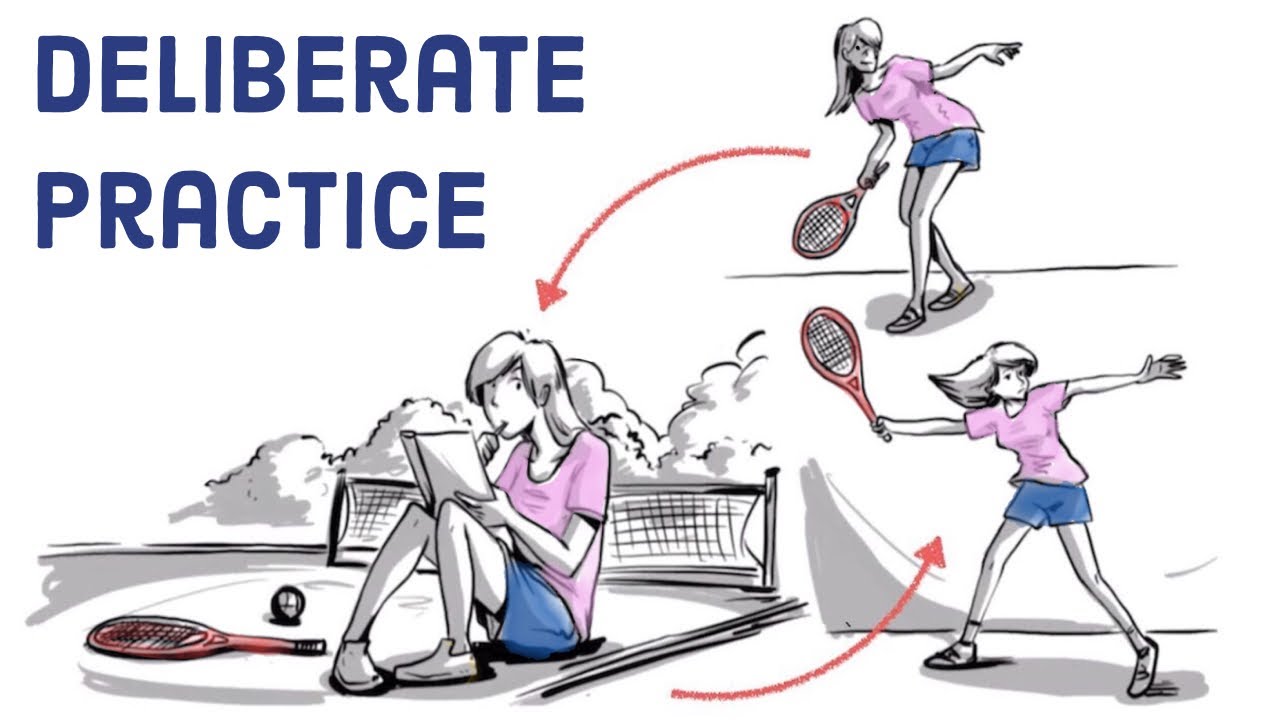
Deliberate Practice:
- https://jamesclear.com/deliberate-practice-theory
- https://jamesclear.com/beginners-guide-deliberate-practice
- http://jarche.com/2016/07/from-knowledge-worker-to-master-artisan/
-
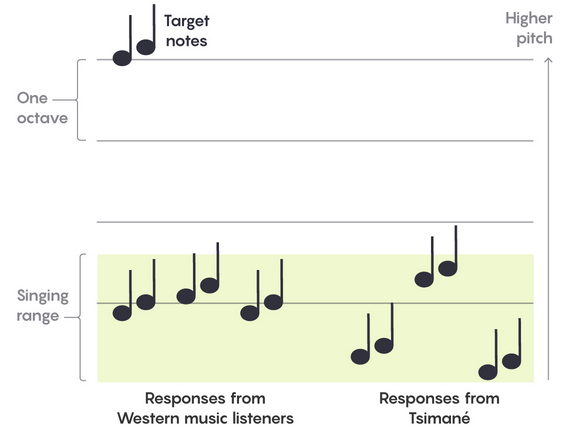
Perceptions of Musical Octaves Are Learned, Not Wired in the Brain: https://www.quantamagazine.org/perceptions-of-musical-octaves-are-learned-not-wired-in-the-brain-20191030/
-
Teachers talk too much! http://teachinglearning.albapages.net/teachers-talk-too-much/
Most teachers talk too much. They enjoy standing up there, in front of a largely captive audience, and talking about what they know. It makes them feel important.Is that learning? Is that the best way to teach? Nope. Of course not.
Teachers should not talk more than 10 minutes in each class. The rest of the class time students should be doing something – practising what they have learned, be engaged in finding answers to questions their teachers have asked, be at work on a learning project, doing group work, pair-work. They should be learning actively. Research has shown that students taught by active learning, score a grade & a half higher than those who learn in traditional (boring) ways.
-
"Calling Bullshit" is a comprehensive online video course (10h+) on the science of Bullshit: What it is, How to detect it, Fake News, Refuting Bullshit and more: https://www.callingbullshit.org/videos.html #Education
-
Microsoft, Google and Apple clouds banned in Germany’s schools: https://nakedsecurity.sophos.com/2019/07/17/germany-bans-schools-from-using-tech-giants-clouds/ #Politics #Education #Technology
-
Establishing an idea of the self - Alexander Meshcheriakov’s Awakening to Life is a joy to read and invaluable for educators, says Leda Kamenopoulou:
http://www.aworldtowin.net/reviews/Meshcheriakov.html
“Shared action involving objects is indeed the tiny cell from which sprouts the whole ‘body’ of human behaviour and mentality.” - Awakening to Life
-
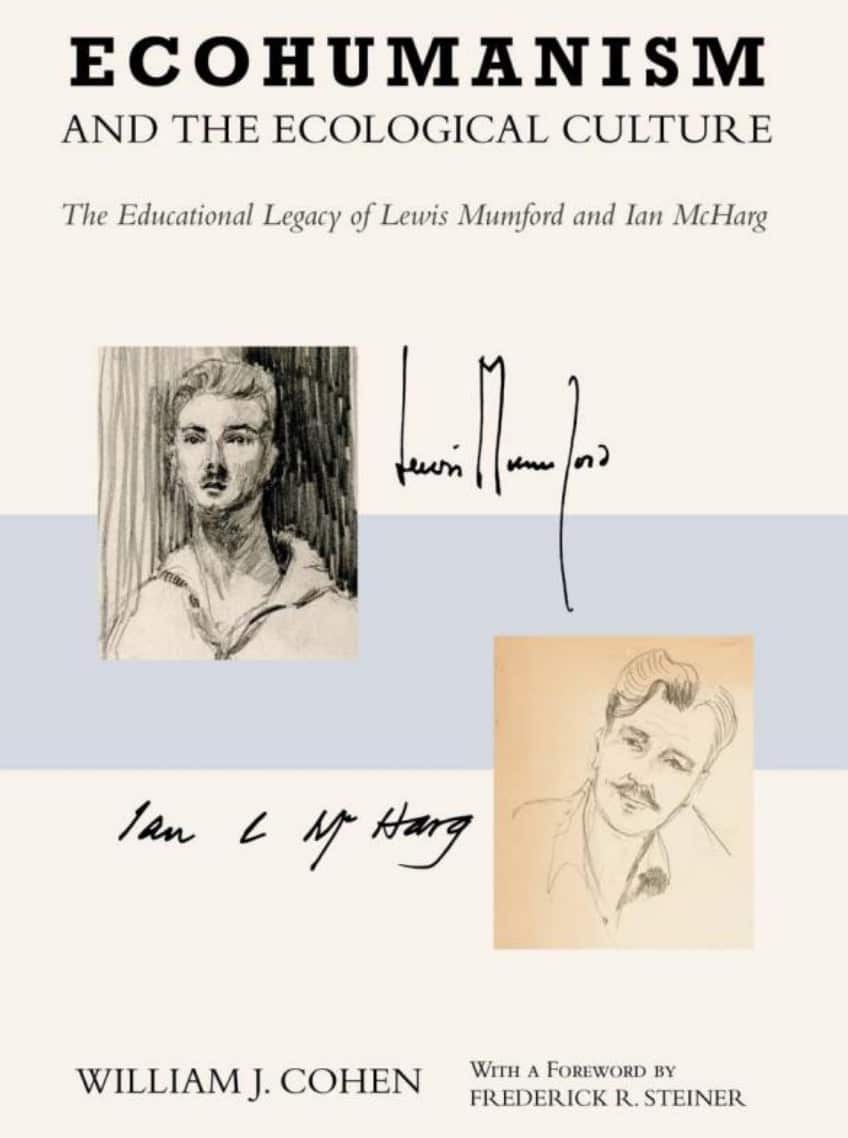
Ecohumanism and the Ecological Culture: The Educational Legacy of Lewis Mumford and Ian McHarg: https://www.amazon.com/Ecohumanism-Ecological-Culture-Educational-Mumford/dp/1439918279/ #Regenerative #Education #Book
-
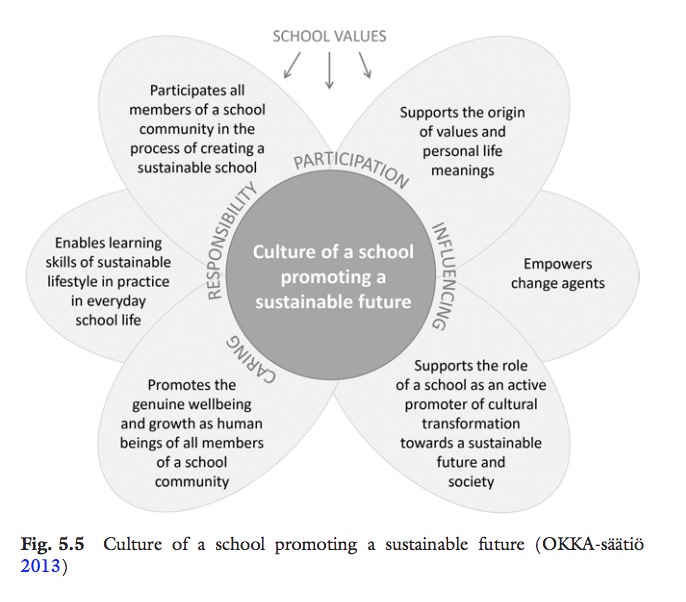
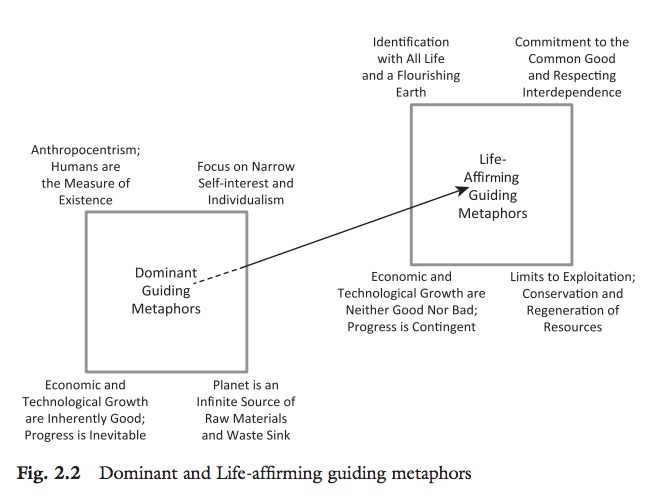
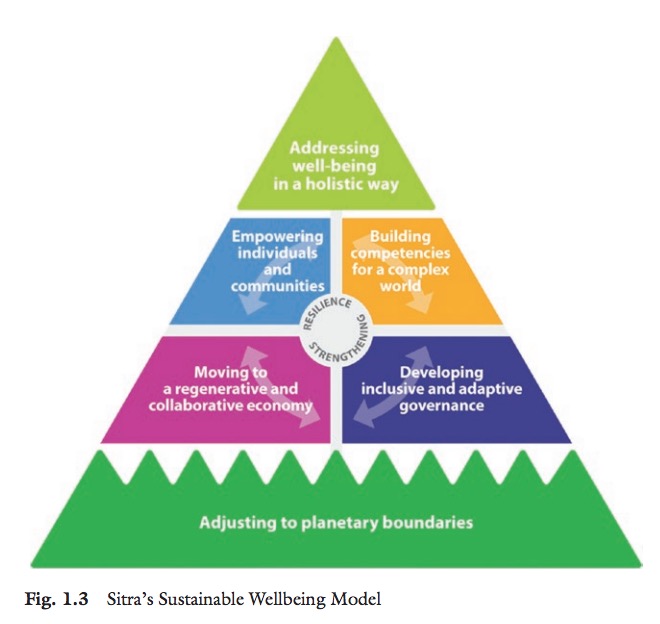
"Sustainability, Human Well-being and the Future of Education" - book by @sitrafund: https://www.sitra.fi/en/publications/sustainability-human-well-future-education/ full open-access e-book: https://link.springer.com/content/pdf/10.1007%2F978-3-319-78580-6.pdf
-
While it is fantastic that "open-access/source" is becoming a standard in academia globally, what is urgently needed is "Open Comprehension": The majority of outputs from universities etc. are unnecessarily over-complexified & incomprehensible for 99% of people - often by design.
Suspect the cult of experts & expertise, and the fetishisation of knowledge are primary culprits. Science from the people for the people - life long education embed in daily life - is *far* more exiting than the ivy league system which produces bloated brains and shrunken hearts
-
"Hello, My name is Revel Carlberg West. I'm 9yo and I love reactjs. I recently gave a talk at NYCReact on "My Coding Journey" and on Hooks. Here's the video"
-
All machines which humans teach to learn, should learn to teach humans.
-
"Thinking About Thinking About Seymour": 5h recording of a symposium at the @MIT Media Lab celebrating the ideas and research of Seymour Papert.
"You can't think about thinking without thinking about thinking about something." - Seymour Papert
-
Return rate of Chinese students studying abroad: https://www.scmp.com/comment/insight-opinion/asia/article/2157081/how-chinese-students-who-return-home-after-studying
1987: 5%
2007: 30%
2017: 79% -
What is programming anyway? - talk by https://twitter.com/Felienne #Education