tag > FFHCI
-
Microbiome-Inspired Green Infrastructure (MIGI)
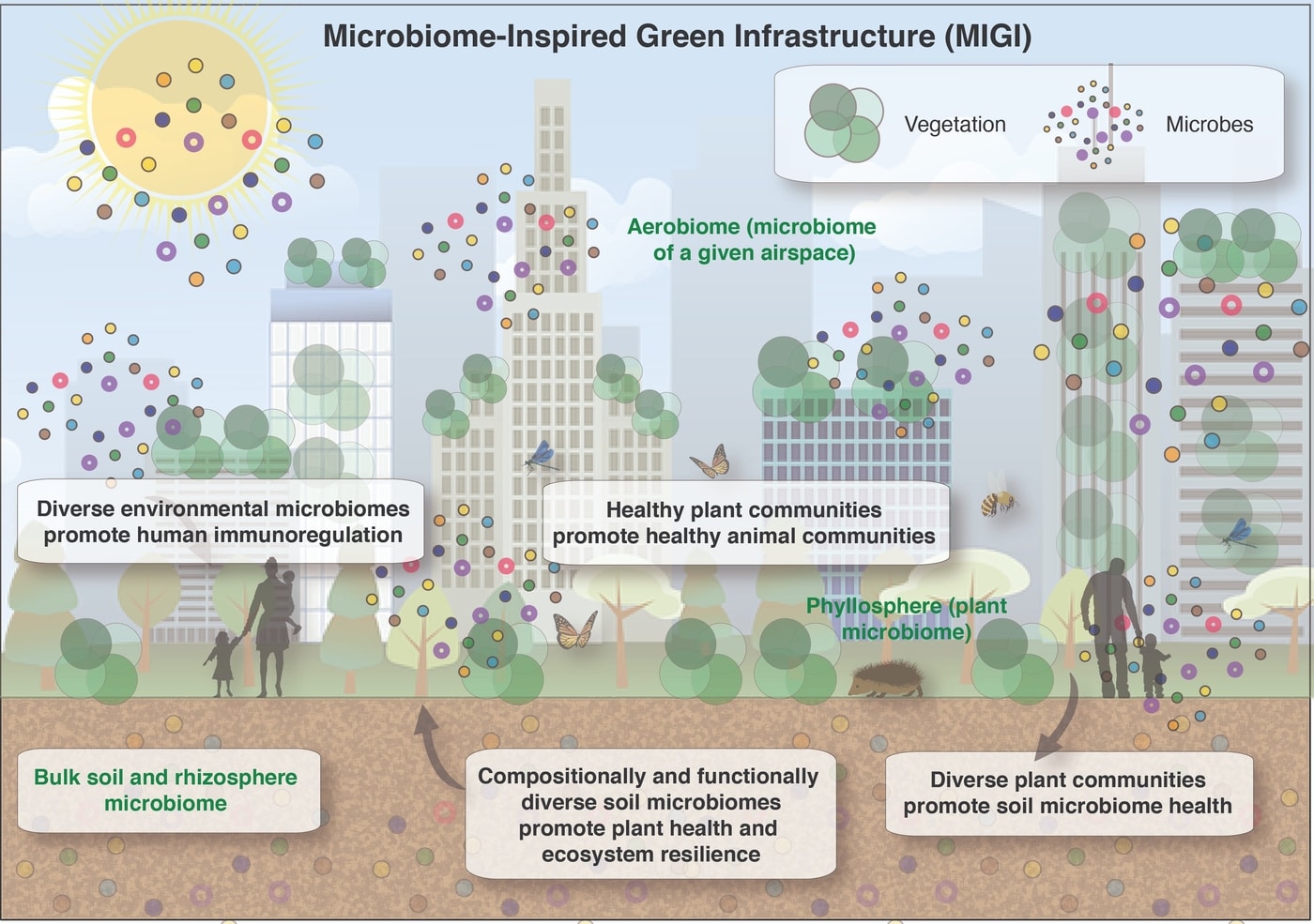
"Considerations for the microbiome (from the ground up) need to be central in urban ecosystem management. Microbes are foundational to healthy ecosystems yet are rarely considered (apart from human pathogens = <0.0001% of all microbes)"
-
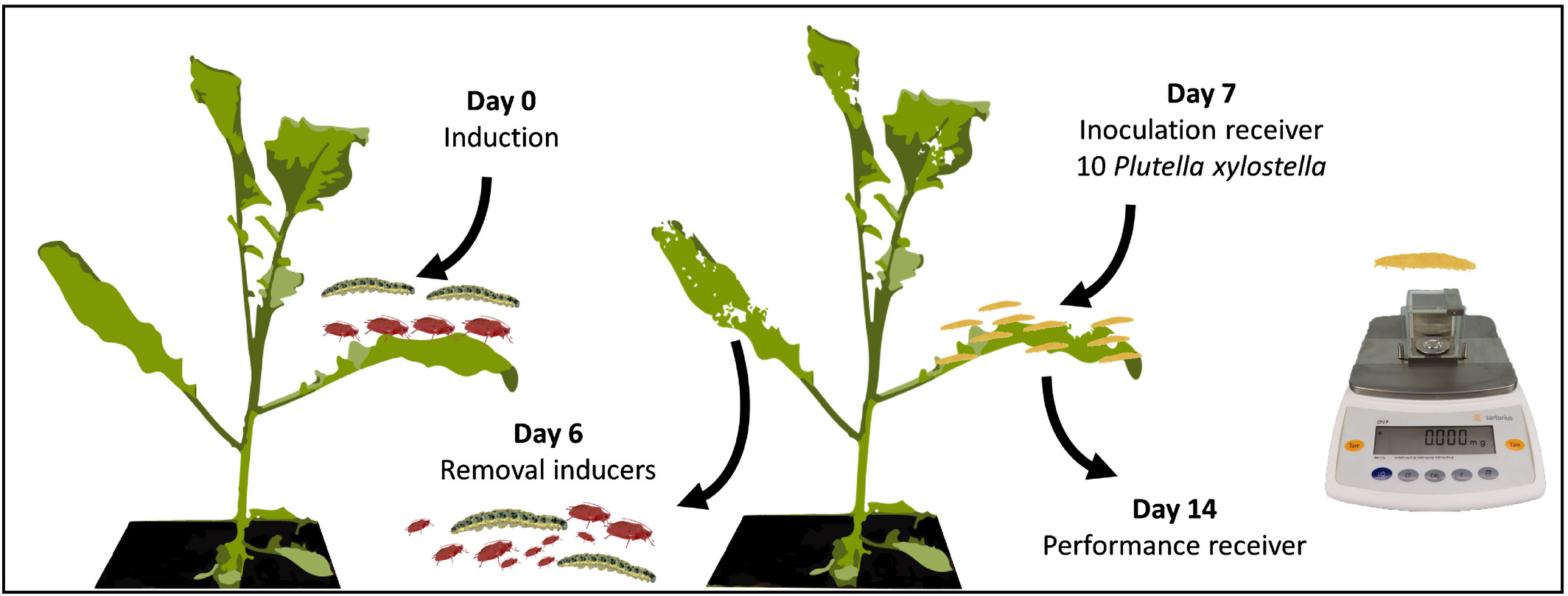
Insect species richness affects plant responses to multi‐herbivore attack - How plants respond to the diverse community of insects that interacts with them.
-
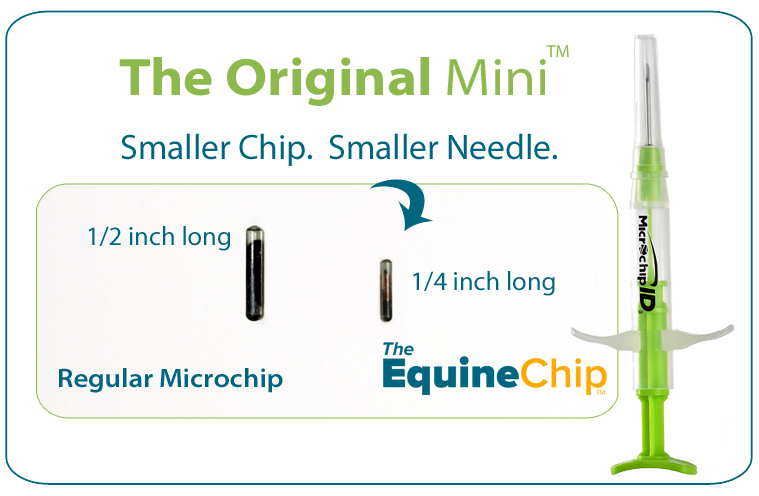
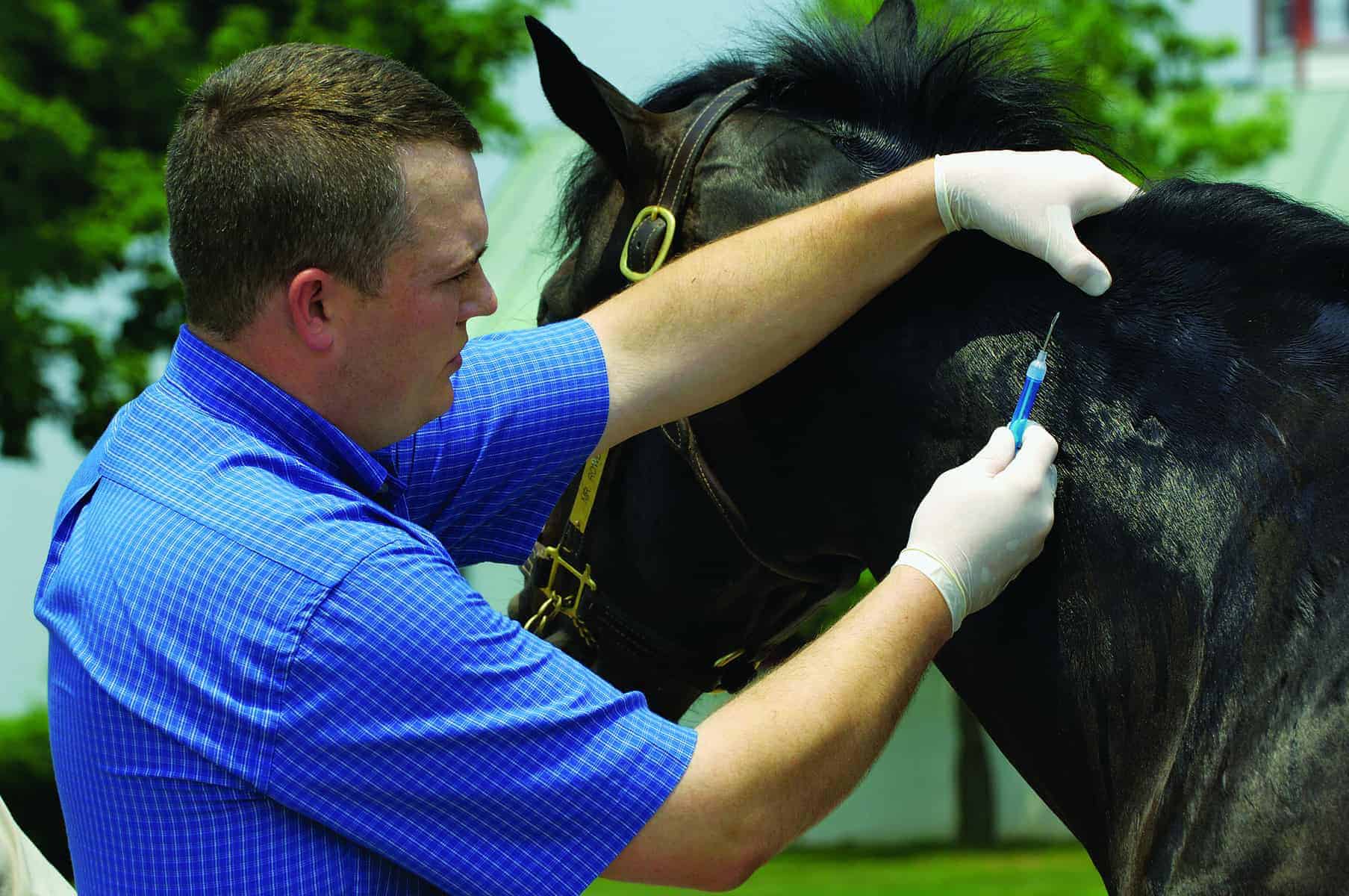
Get your animal microchipped today! It is mandatory.
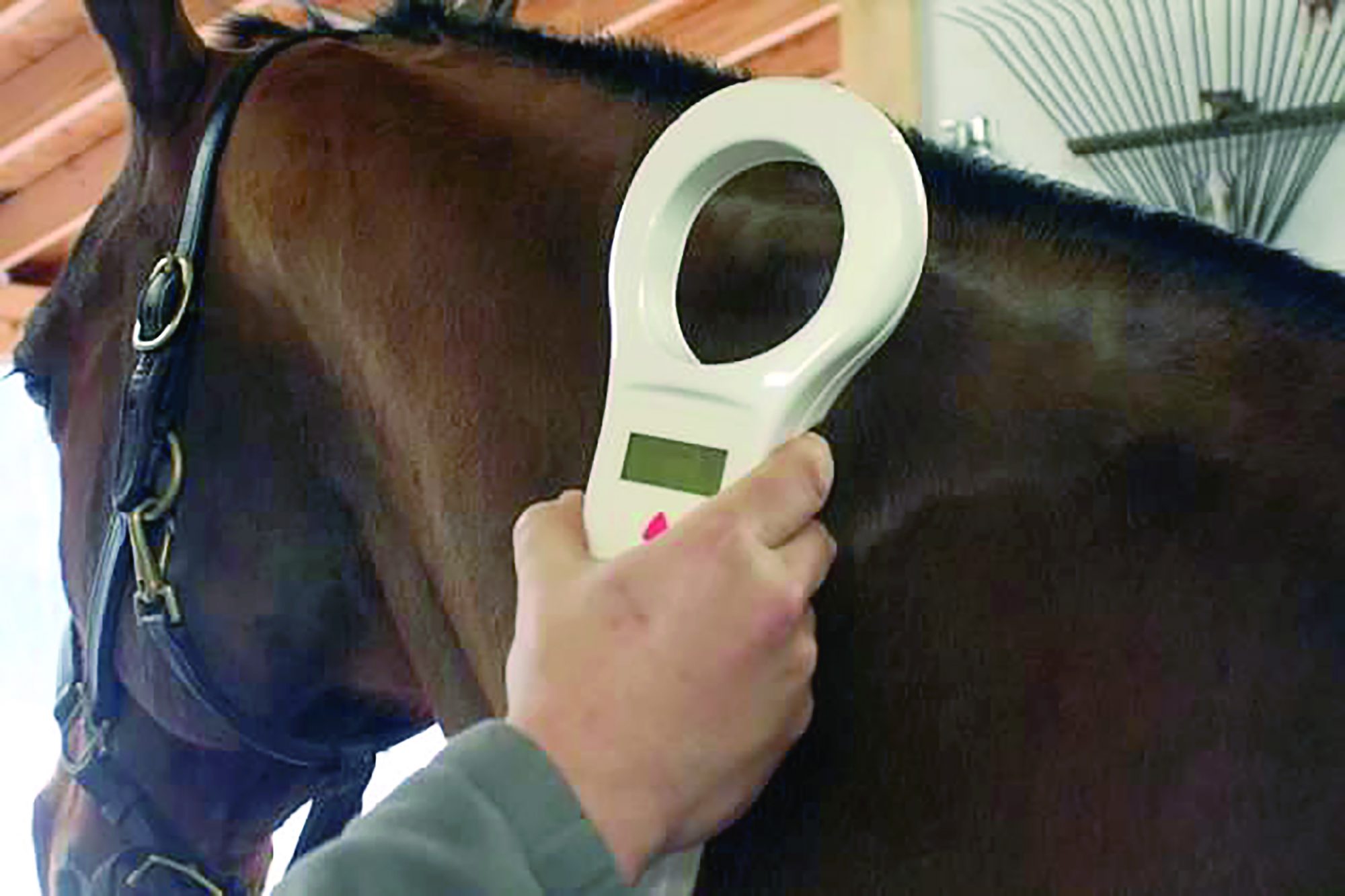
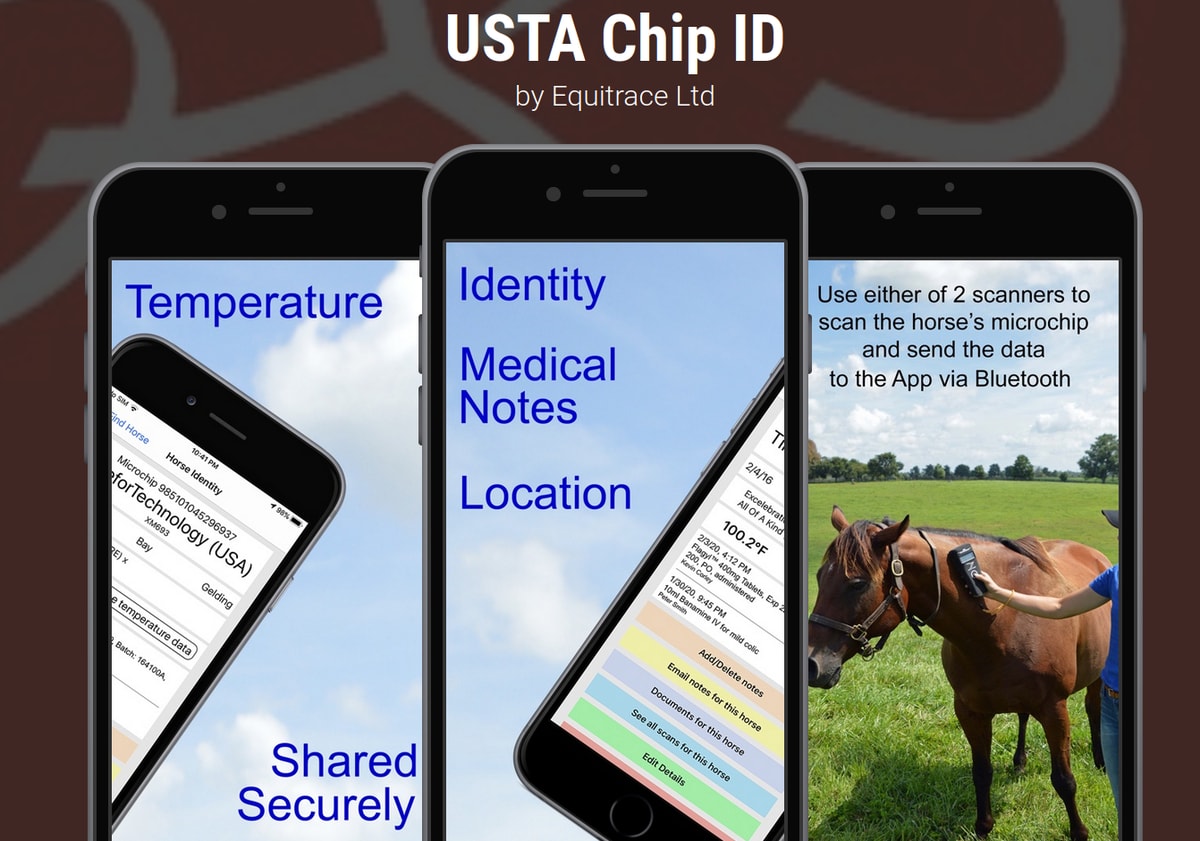


#FFHCI #Military #Biotech #ML #Augmentation #Biology #Politics
-
Robust Soldier Crab Ball Gate - A study that shows how swarm behaviors can be Turing complete
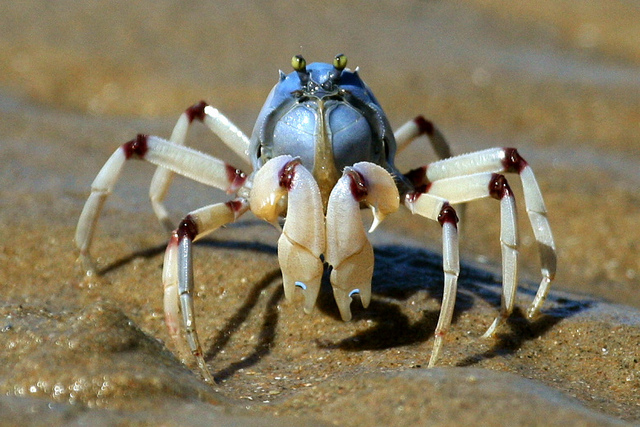
“Soldier crabs Mictyris guinotae exhibit pronounced swarming behaviour. The swarms of the crabs tolerant of perturbations. In computer models and laboratory experiments we demonstrate that swarms of soldier crabs can implement logical gates when placed in a geometrically constrained environment.”
-
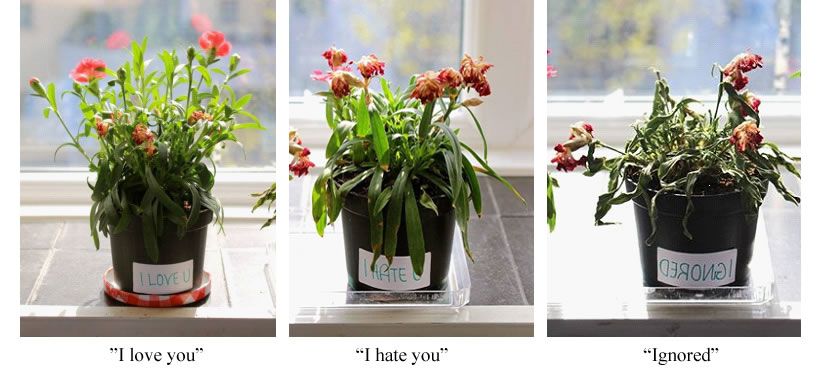
“If you have a peaceful mind and peaceful thoughts, water becomes more peaceful.” – M.Emoto
-
Scientists identify over 140,000 virus species in the human gut, half of which new to science

Viruses are the most numerous biological entities on the planet. Now researchers have identified over 140,000 viral species living in the human gut, more than half of which have never been seen before. The paper published in Cell, contains an analysis of over 28,000 gut microbiome samples collected in different parts of the world. The number and diversity of the viruses the researchers found was surprisingly high, and the data opens up new research avenues for understanding how viruses living in the gut affect human health.
-
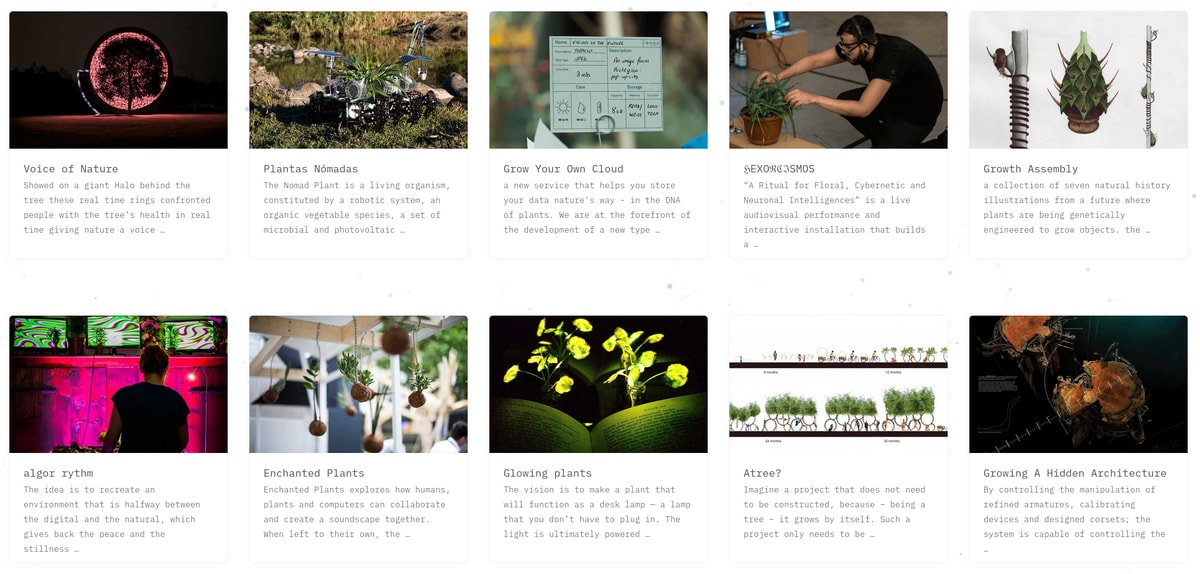
Cyberbiomes - Discussions with mycelium and solarpunk futures & Cyberbiomes.org - Concepts, projects and initiatives at the intersection of nature, culture and technology - by Ilja Panić
-
Memory Without a Brain: How a Single Cell Slime Mold Makes Smart Decisions (scitechdaily)
Article about the paper: Encoding memory in tube diameter hierarchy of living flow network: "We follow experimentally the organism’s response to a nutrient source and find that memory about nutrient location is encoded in the morphology of the network-shaped organism."
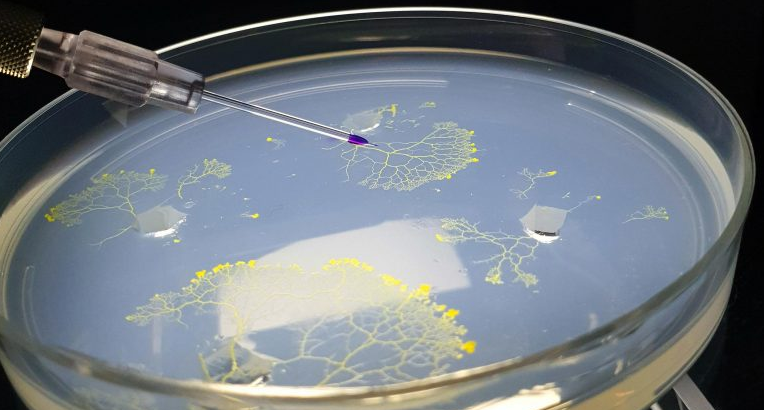
Slime Molds: When Micro Becomes Macro
-
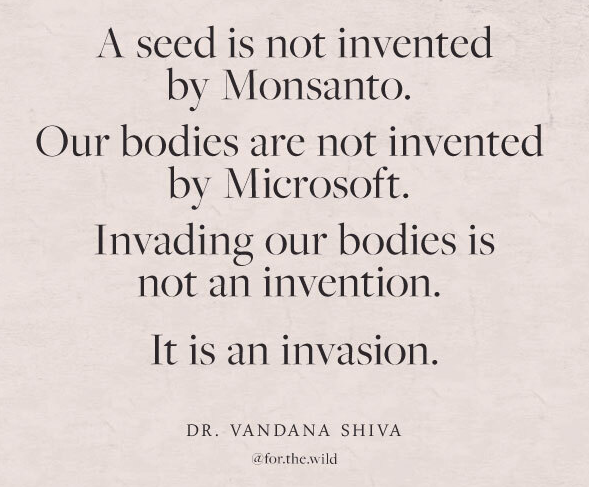
In 2012-2013 the courts first allowed genetic modified organisms to be patentable
-

It may sound like something out of a futuristic science fiction film, but scientists have managed to engineer spinach plants which are capable of sending emails. Through nanotechnology, engineers at MIT in the US have transformed spinach into sensors capable of detecting explosive materials. These plants are then able to wirelessly relay this information back to the scientists.
When the spinach roots detect the presence of nitroaromatics in groundwater, a compound often found in explosives like landmines, the carbon nanotubes within the plant leaves emit a signal. This signal is then read by an infrared camera, sending an email alert to the scientists. This experiment is part of a wider field of research which involves engineering electronic components and systems into plants. The technology is known as “plant nanobionics”, and is effectively the process of giving plants new abilities. “Plants are very good analytical chemists,” explains Professor Michael Strano who led the research. “They have an extensive root network in the soil, are constantly sampling groundwater, and have a way to self-power the transport of that water up into the leaves.” “This is a novel demonstration of how we have overcome the plant/human communication barrier,” he adds....
Meanwhile in Poland they seem to have overcome the mussels/human communication barrier:
The clams filter the water. They check whether the water is polluted or clean
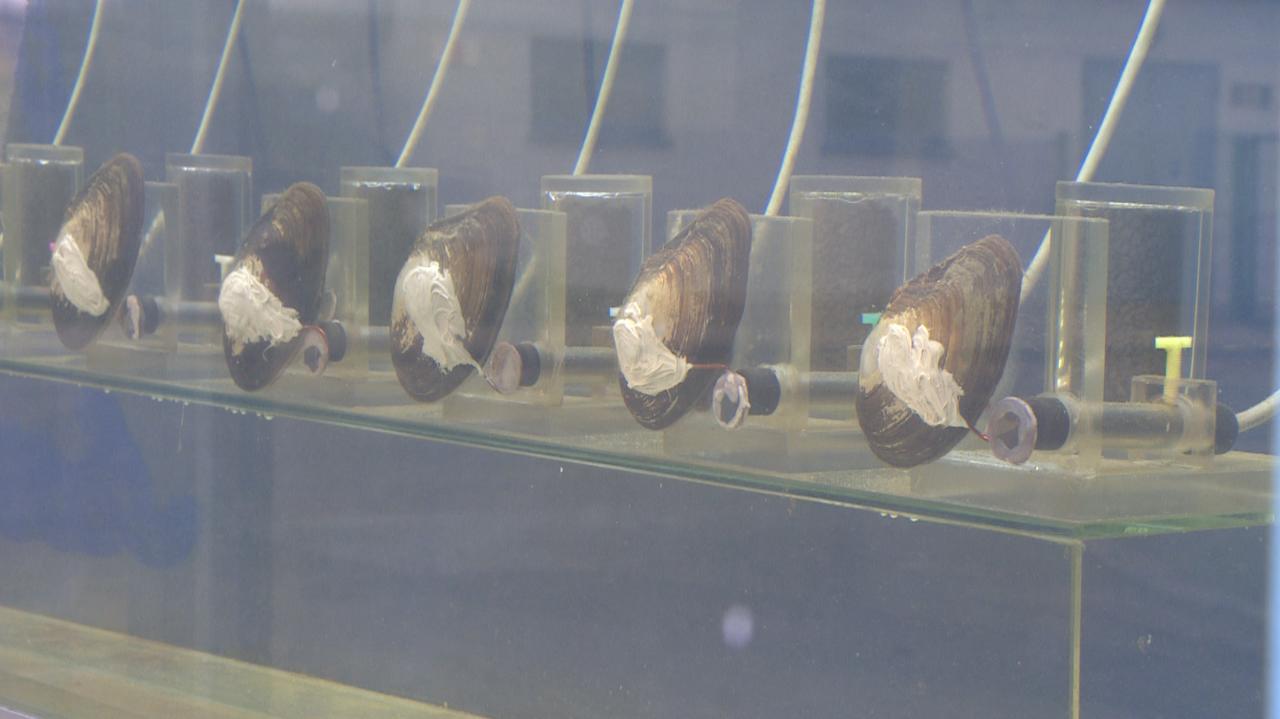
Mussels have been “evaluating” the condition of water for 26 years. It is different with biomonitoring. – Here one organism, in this case a clam, checks many parameters and if there is any chemical contamination, it lets you know. And that’s enough to take a sample, take it to the laboratory and see what it is about: confirm or deny that something is happening to the water. It is a system that ensures safety against pollution and even terrorist activities. The work of the mussels is closely related to what the laboratory does, adds Podolski.
-
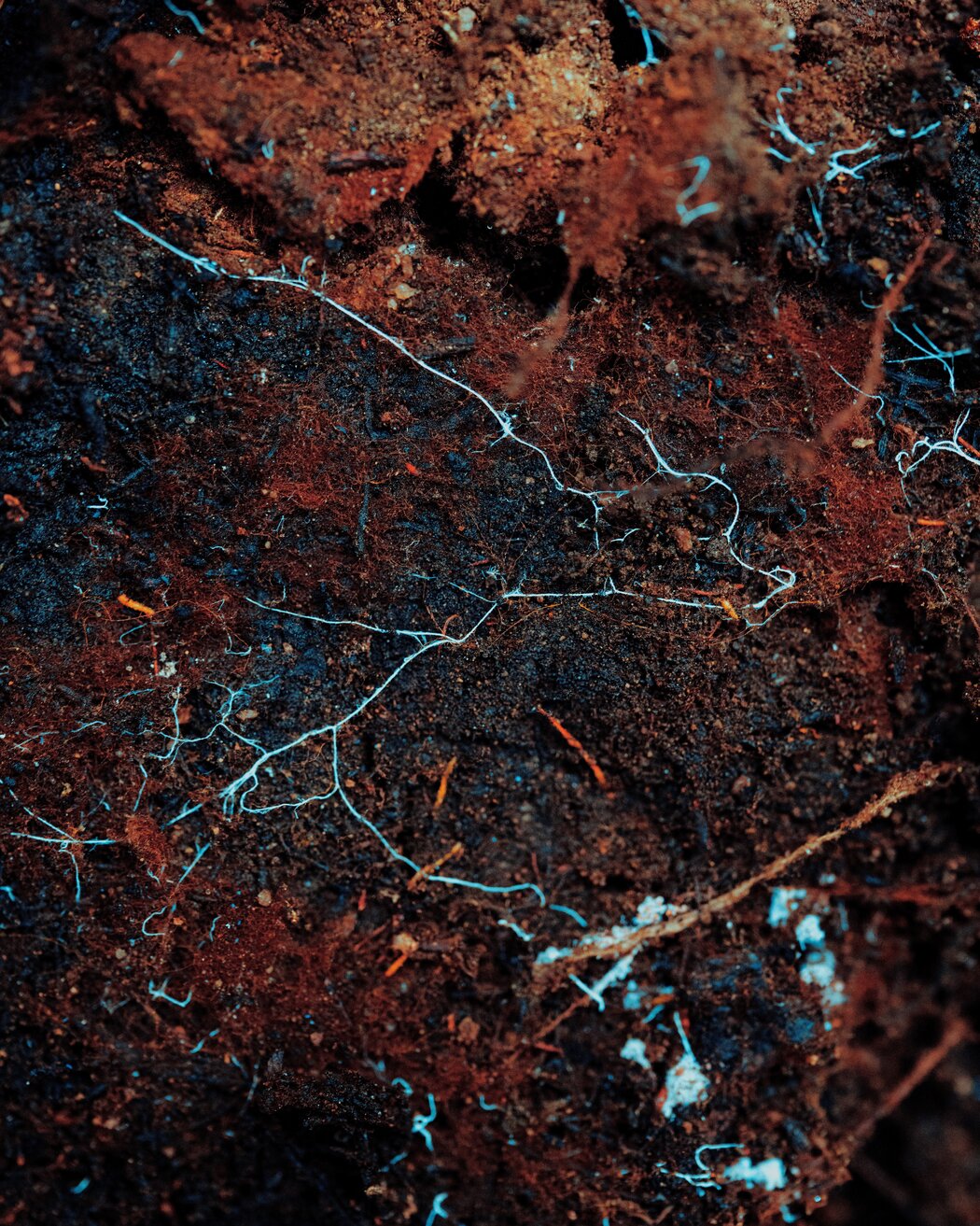
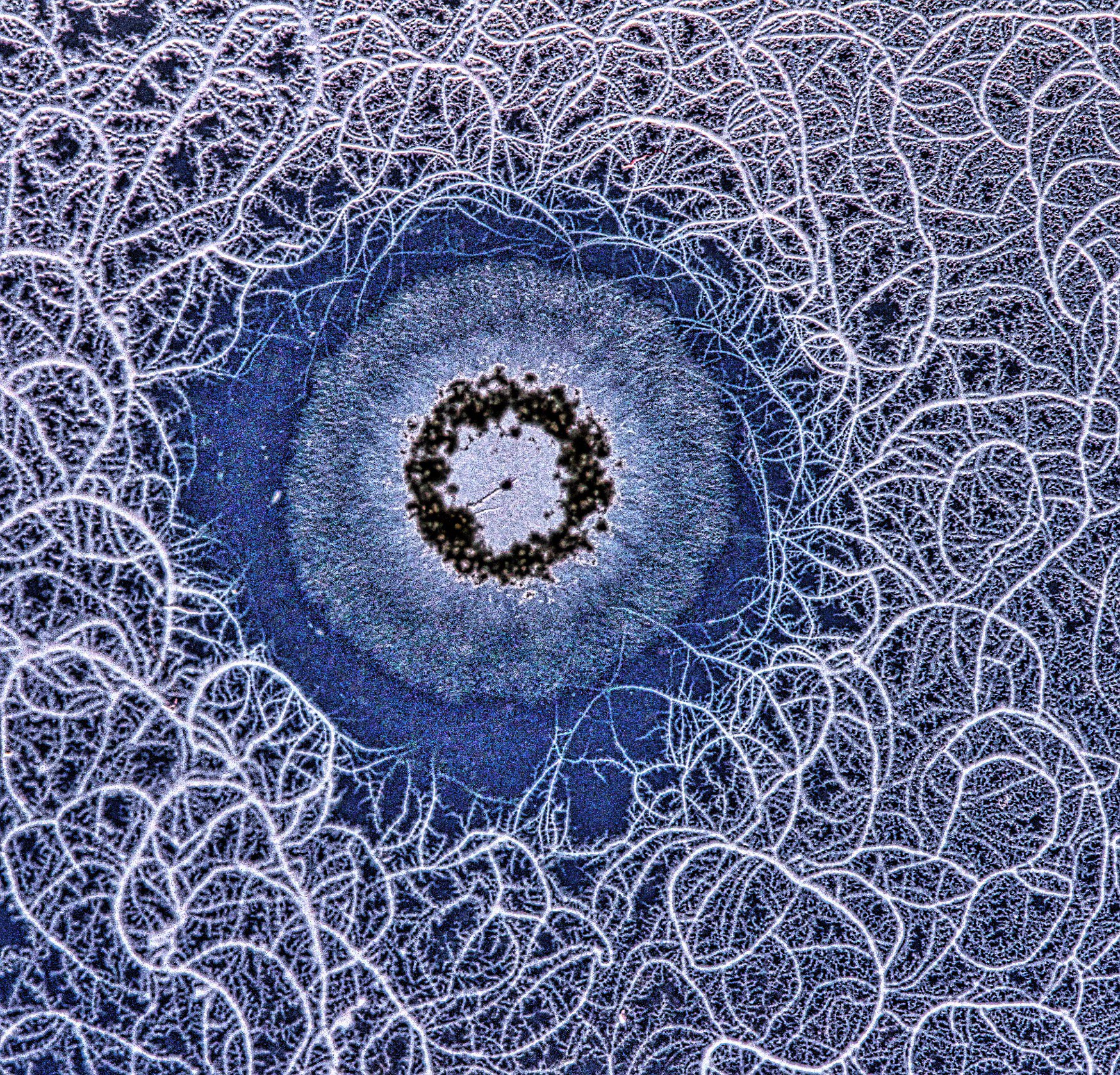
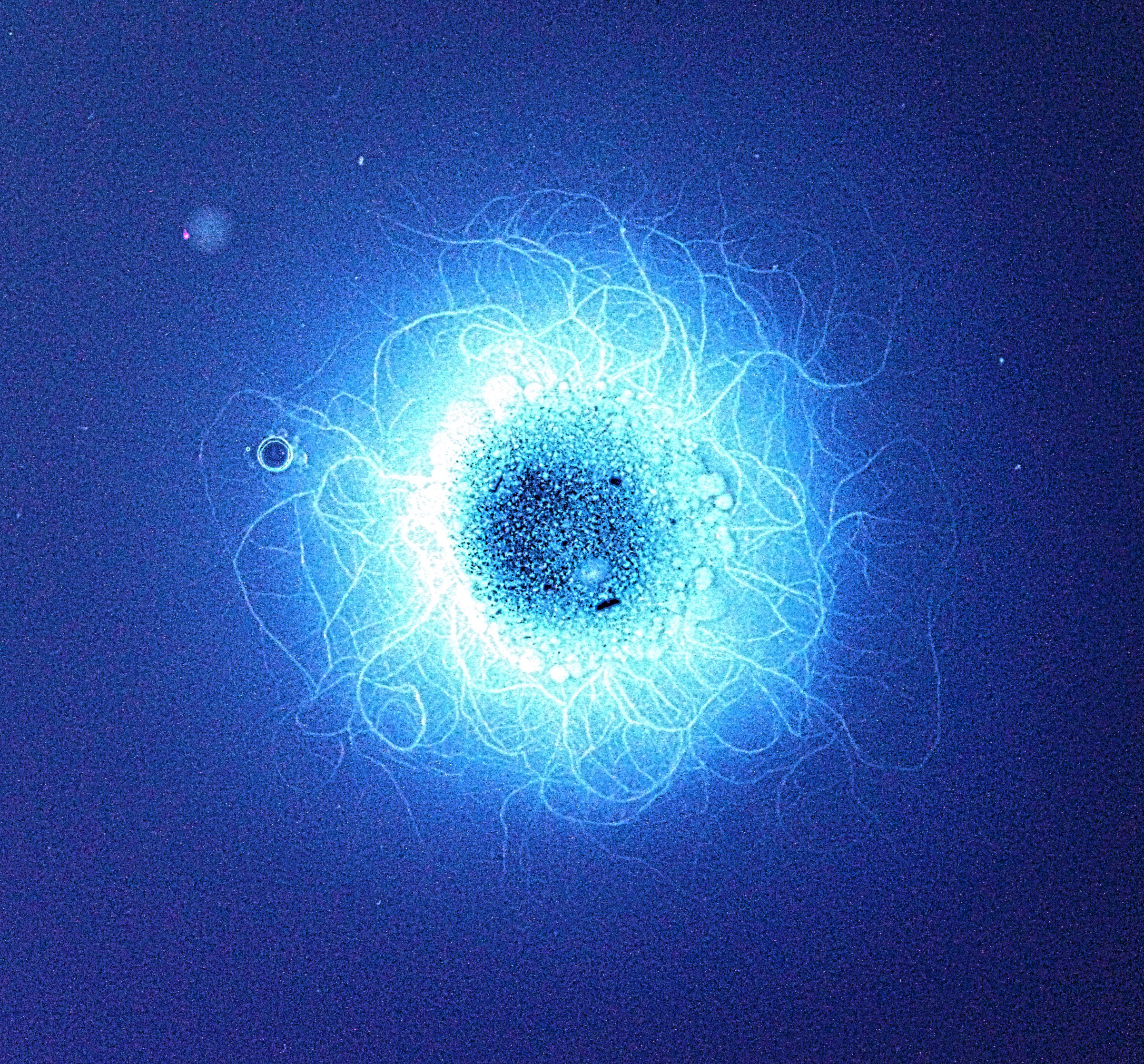
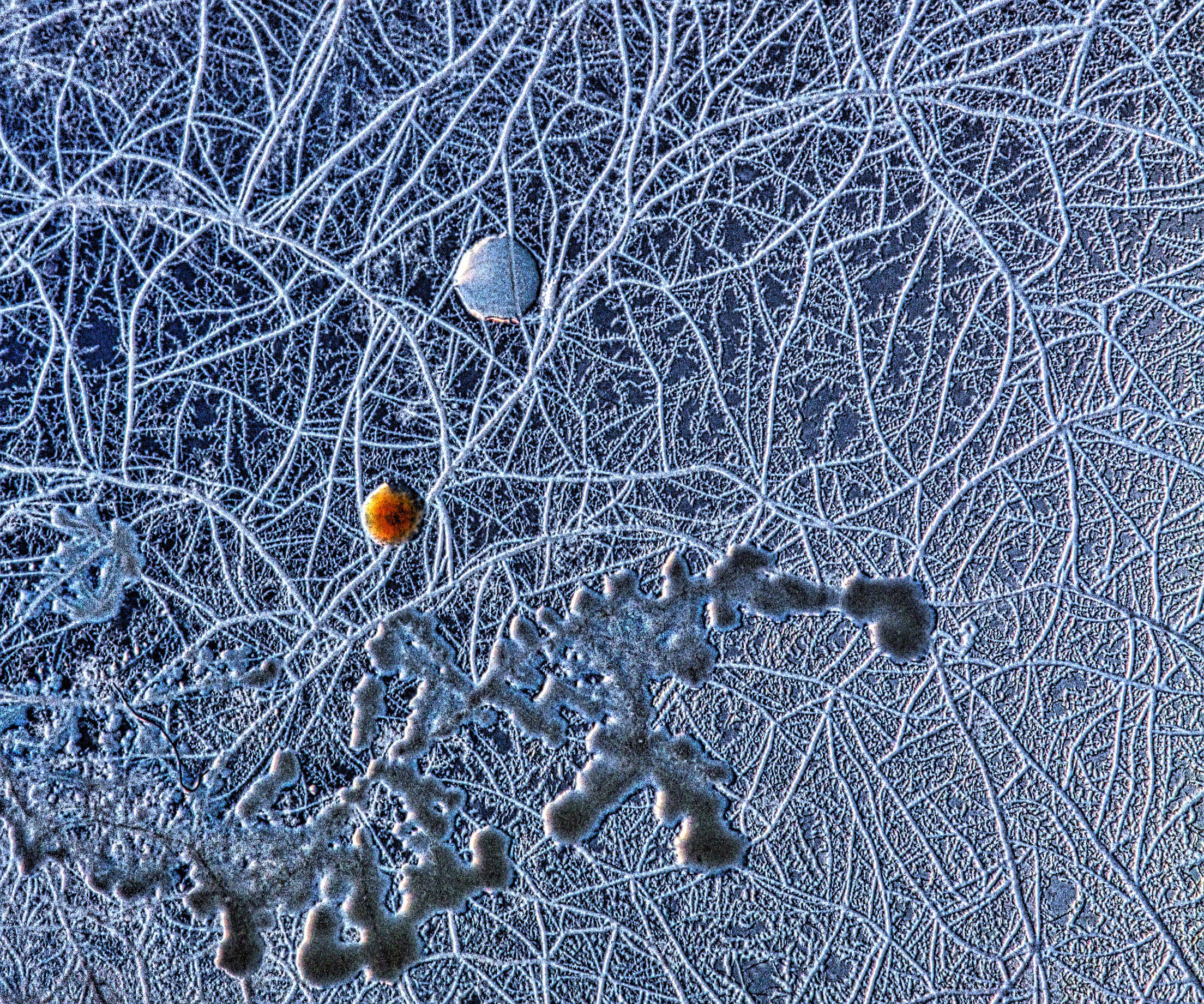
A soil superorganism emerges from a drop of soil, and across an agar surface. It's easy to imagine some kind of biological signal passing down these fibres, comprising mostly bacteria.
-
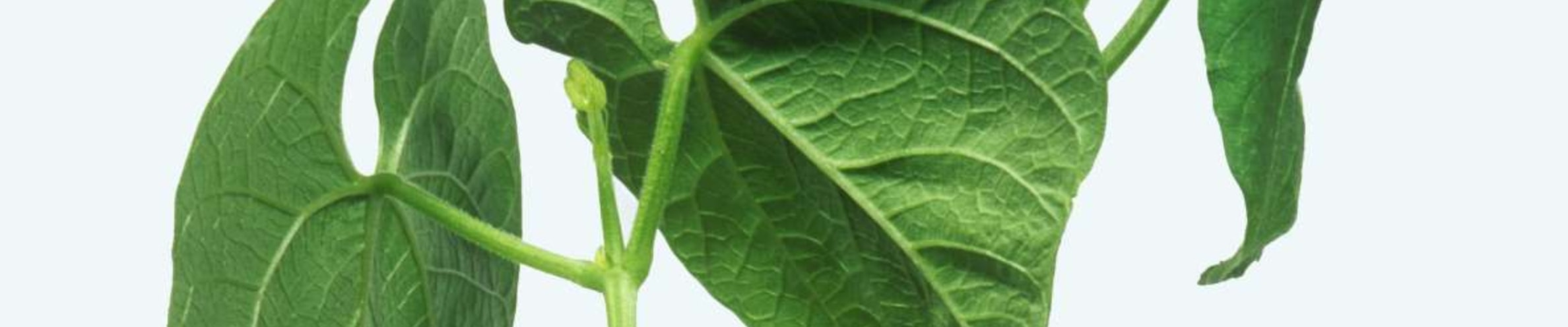
Food for thought? French bean plants show signs of intent, say scientists (the guardian)
Many botanists dispute idea of plant sentience, but study of climbing beans sows seed of doubt.
-
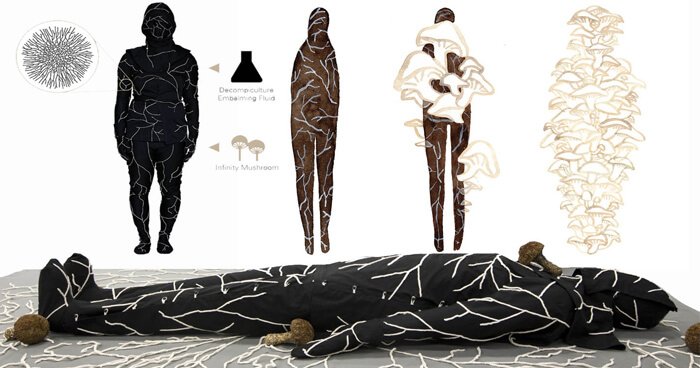
The Infinity Burial Suit is put on the deceased to cleanse the body and soil of toxins, delivers nutrients from body to surrounding plants, and speed up the decomposing process.
-
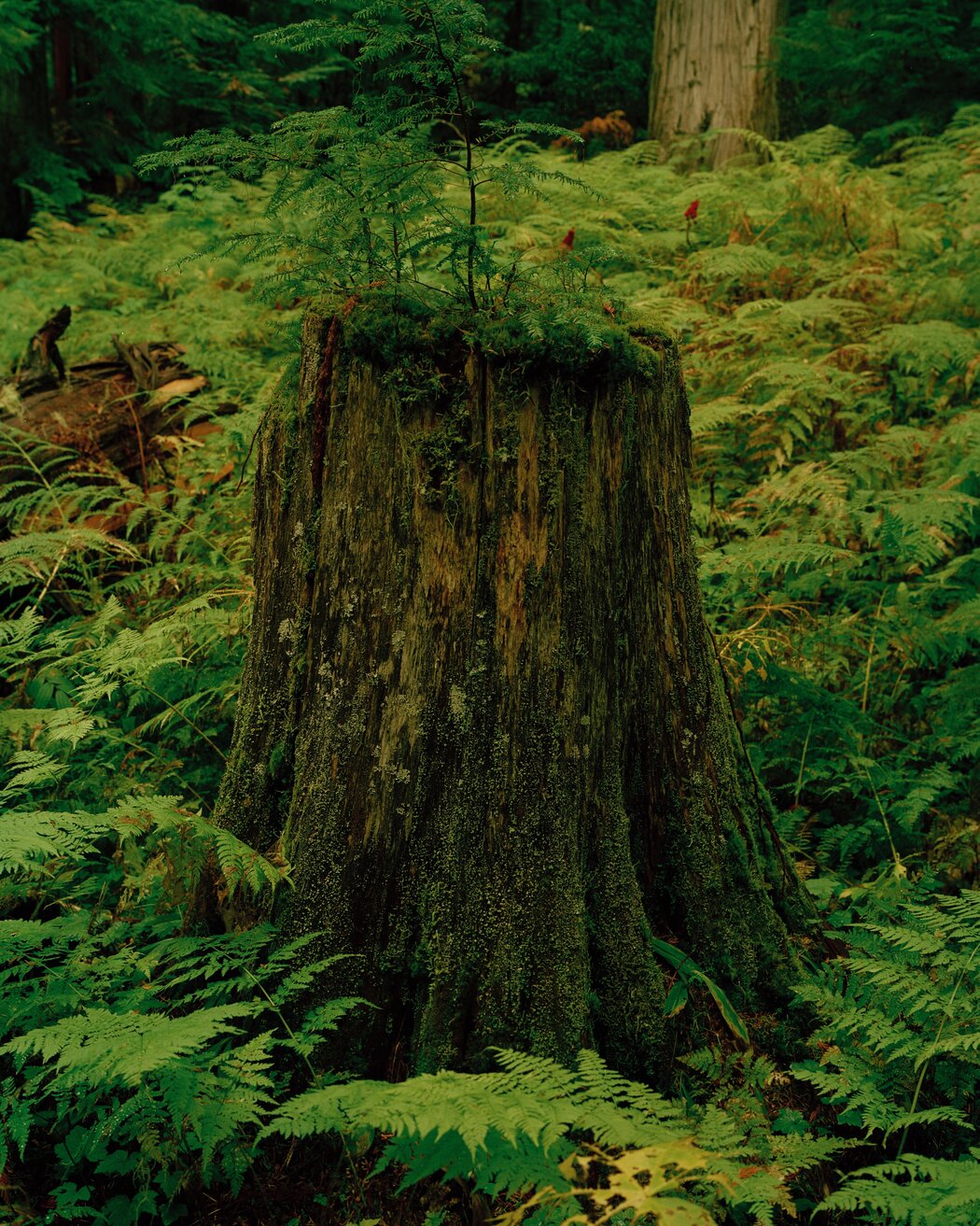
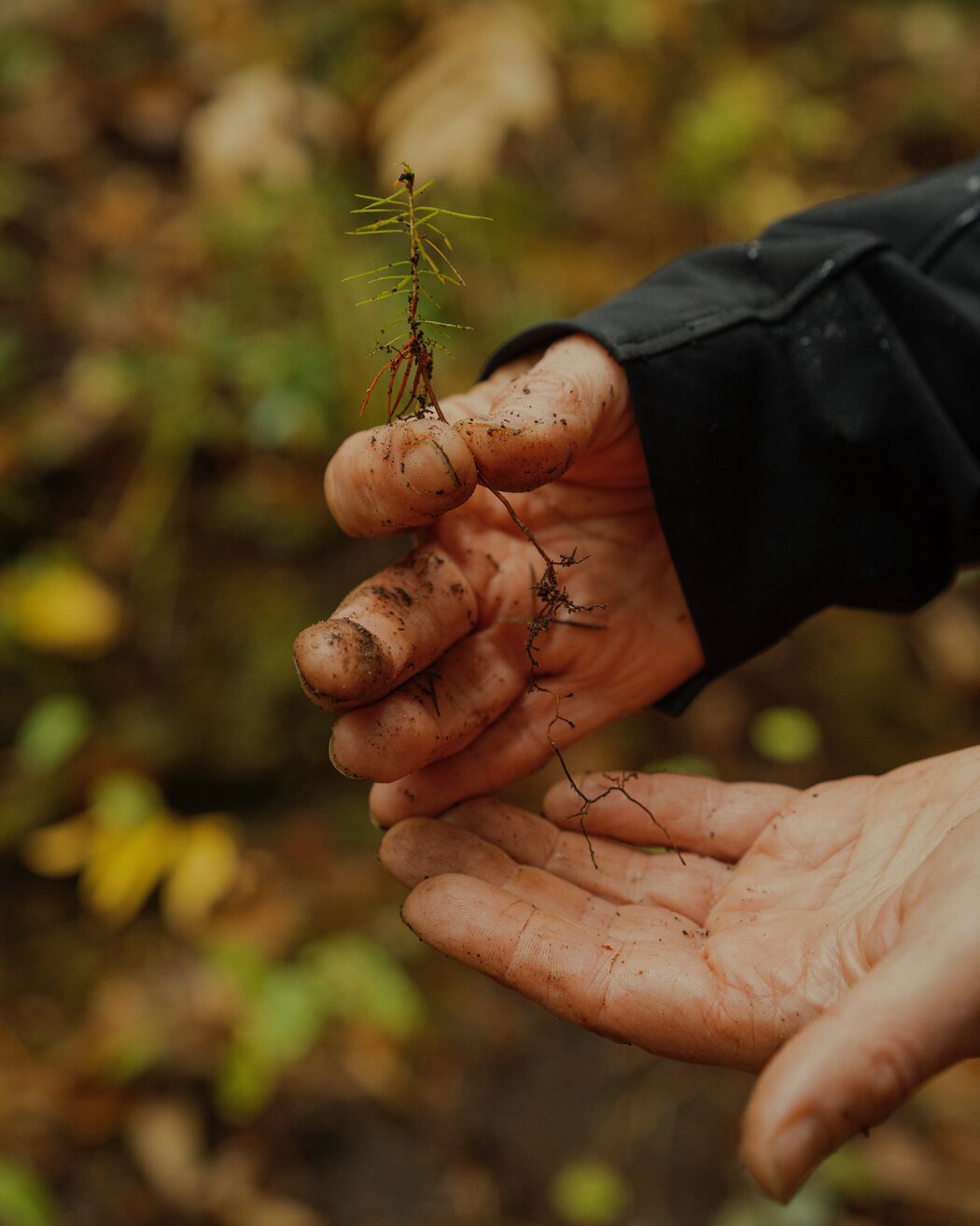
The Social Life of Forests (NYTimes)
Trees appear to communicate and cooperate through subterranean networks of fungi. What are they sharing with one another? The question of whether plants possess some form of sentience or agency has a long and fraught history.