tag > FFHCI
-
AI in the Wild - Sustainability in the Age of Artificial Intelligence - by Peter Dauvergne
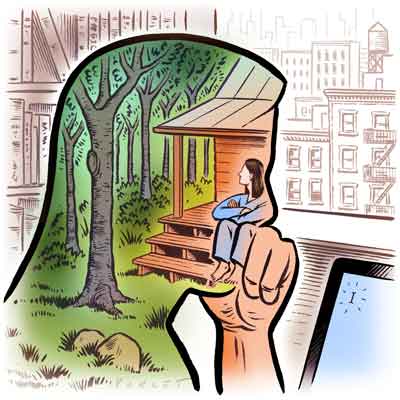
Illustration by Christophe Vorlet This book analyzes the complex relationship between AI and sustainability. Using analytical tools from environmental politics, it describes the potential for AI to restore balance to earth systems — like its use in wildlife monitoring and improving efficiency of the electricity grid — but also emphasizes its capacity to reinforce economic and political structures, like resource extraction and suppression of activists, that have resulted in modern environmental crisis.
Machine learning for geographically differentiated climate change mitigation in urban areas - Nikola Milojevic Dupon & Felix Creutzig
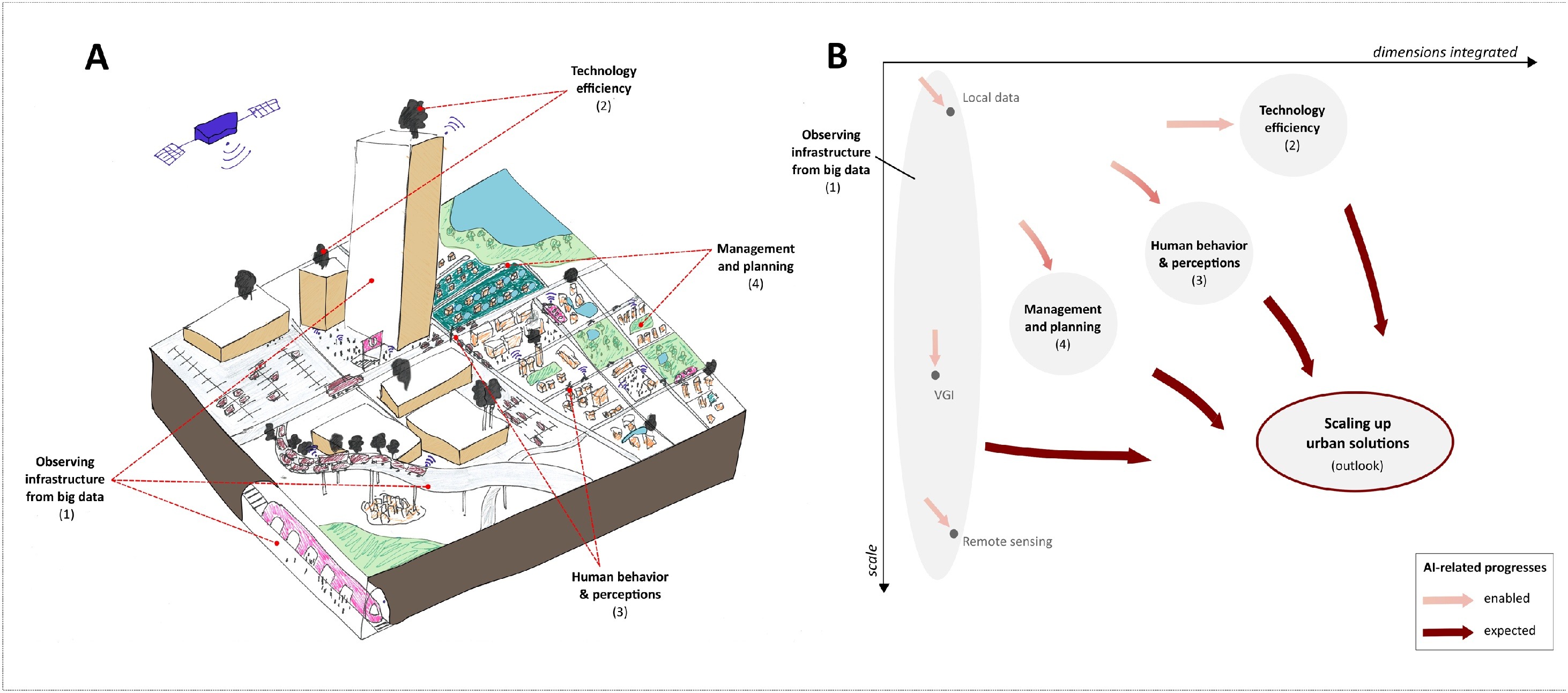
Traditionally, mitigation policies have been guided by coarse-scale scenario analysis. However, more and more data are available that can be used to characterize the carbon emissions of cities, from building footprints to mobility patterns. More than simply guiding efficiency improvements, the authors advocate that these data inform decarbonization via urban planning and policy recommendations, through a meta-algorithm they call Machine Learning for low-carbon Urban Planning.
Advancing AI for Earth Science: A Data Systems Perspective - by Manil Maskey, Hamed Alemohammad, Kevin J. Murphy, and Rahul Ramachandran
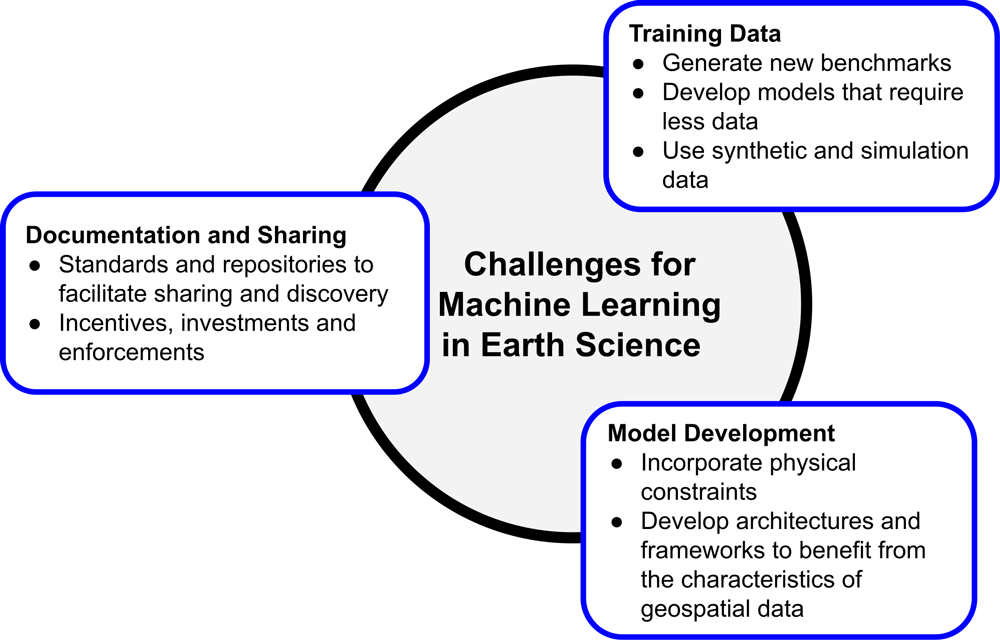
Tackling data challenges and incorporating physics into machine learning models will help unlock the potential of artificial intelligence to answer Earth science questions.
Continuing the conversation - Climate Change, Machine Learning, and the Power Grid
-
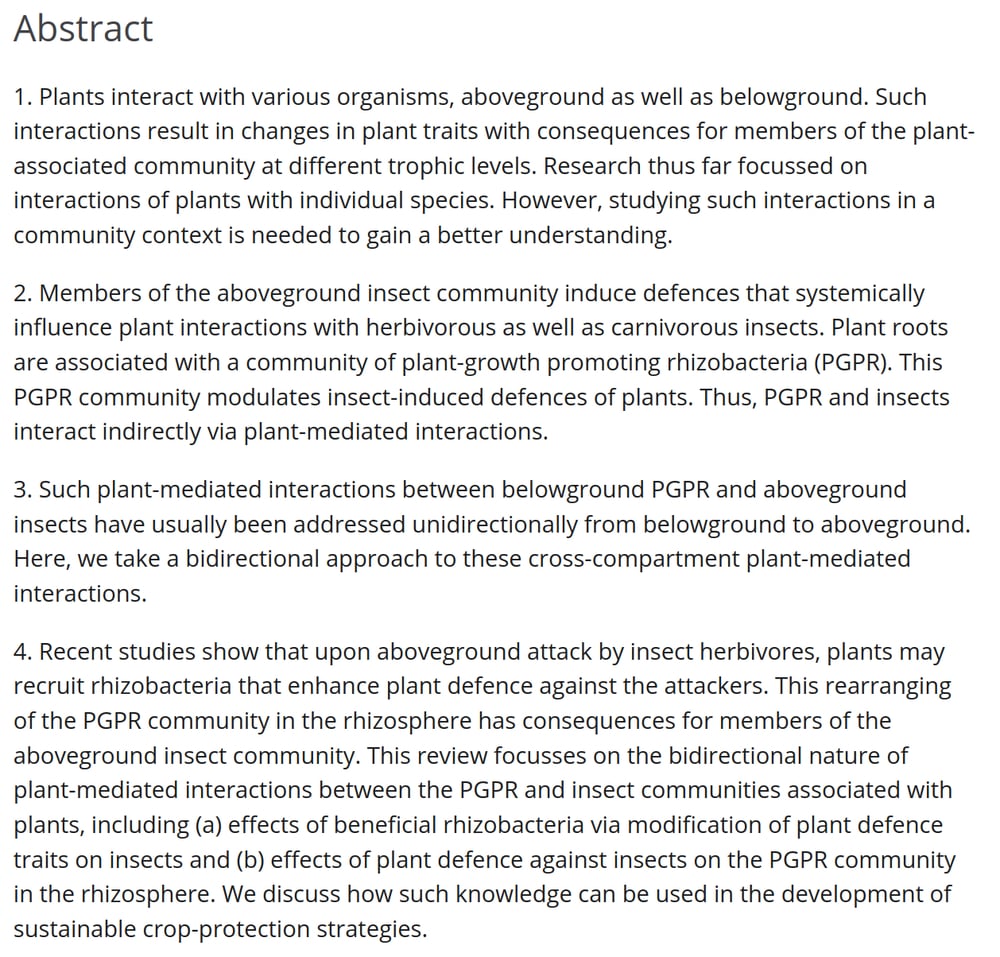
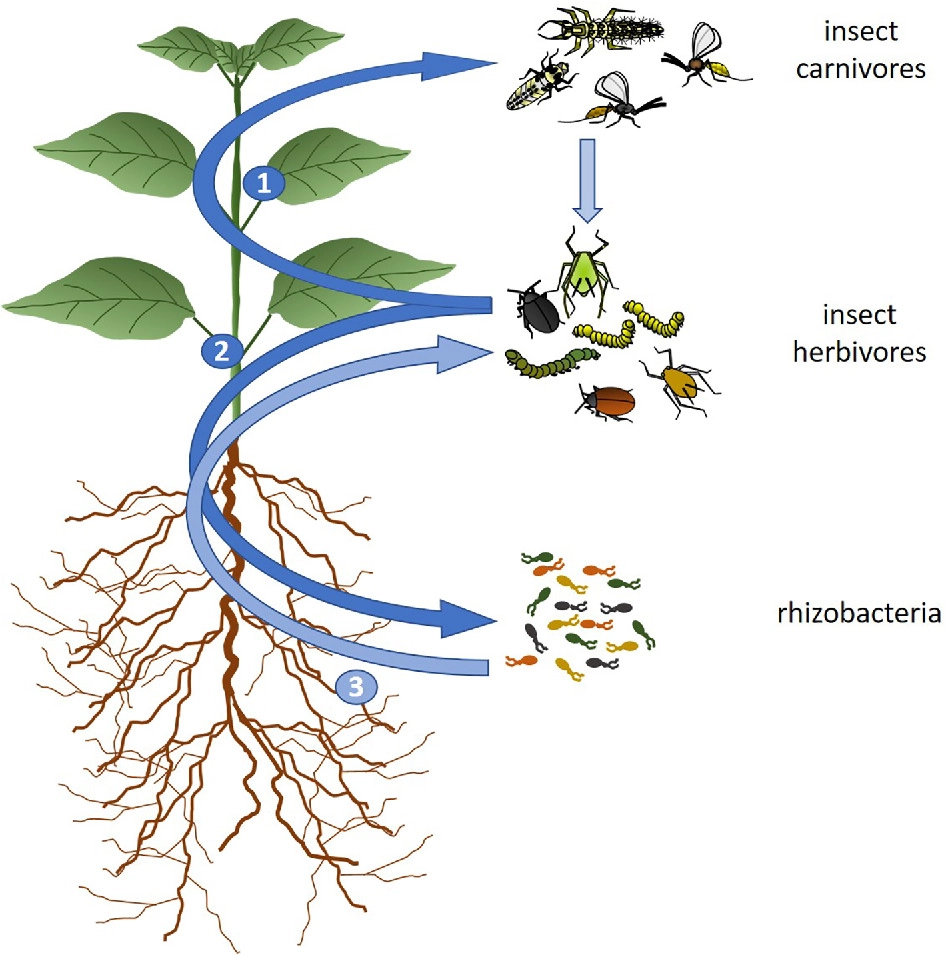
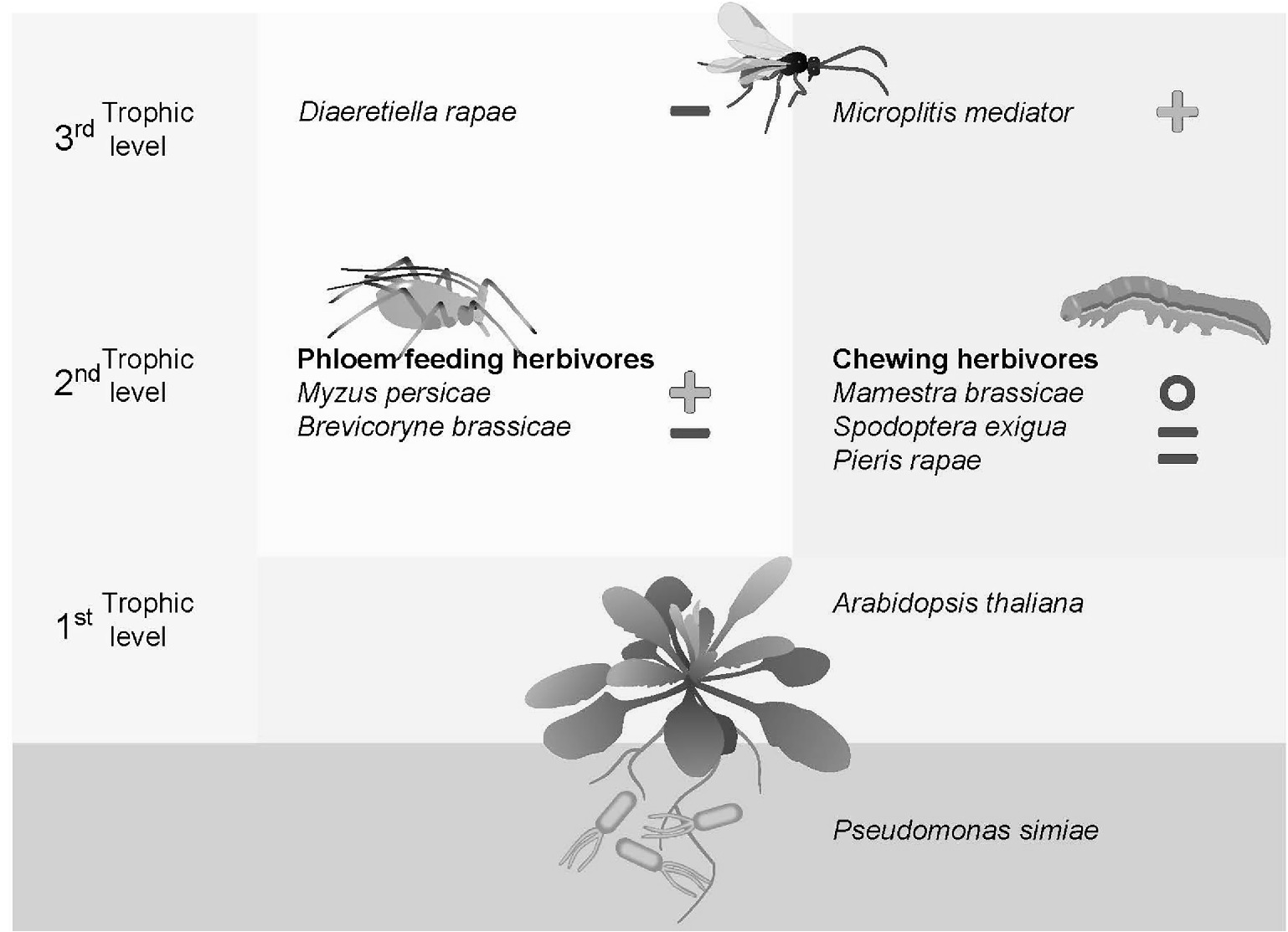
Plants cry for help and thus recruit the enemies of their enemies as well as soil microbes that both assist the plant in its defence against insect herbivores
-
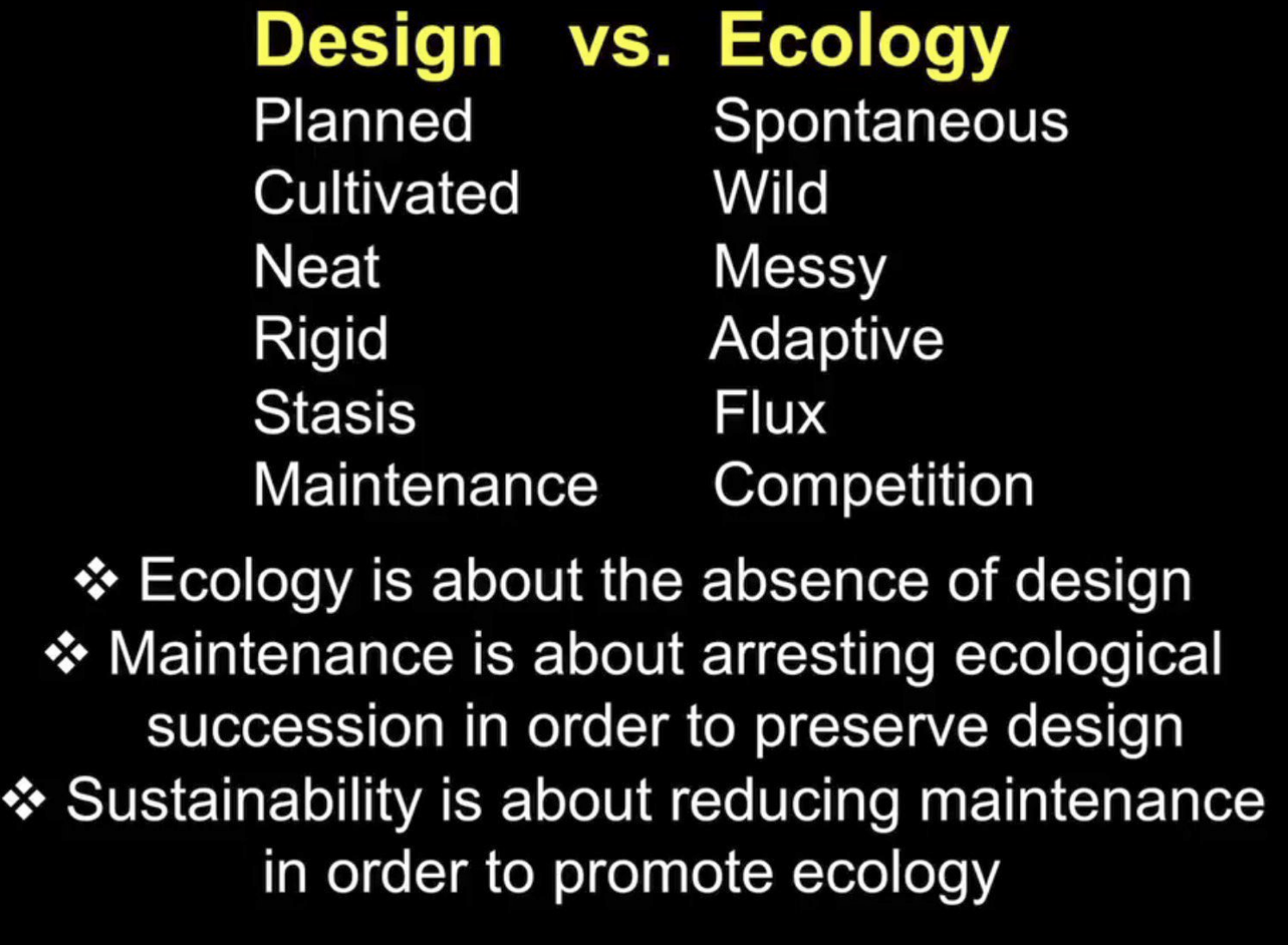
Masanobu Fukuoka (1913 - 2008) was a profoundly inspiring person. A powerful voice against the current omnipresent control fetishism that stems from a deep distrust in the self, others and nature.
-
Artificial Intelligence Reveals Hundreds of Millions of Trees in the Sahara
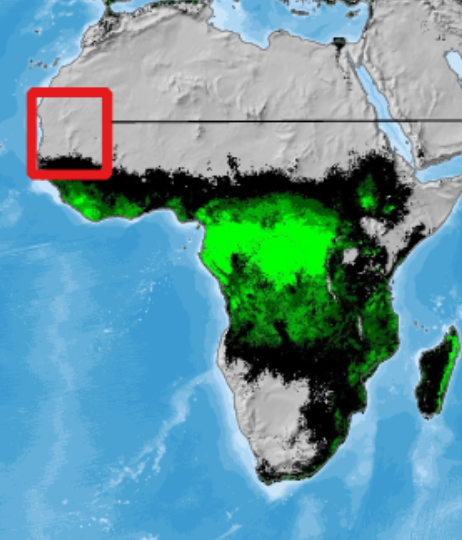
If you think that the Sahara is covered only by golden dunes and scorched rocks, you aren’t alone. Perhaps it’s time to shelve that notion.
Satellites could soon map every tree on Earth
An analysis of satellite images has pinpointed individual tree canopies over a large area of West Africa. The data suggest that it will soon be possible, with certain limitations, to map the location and size of every tree worldwide.
How Egypt is growing forests in middle of the desert
Amid the success of the Serapium Forest, a massive plantation in Egypt, the country is now looking to plant more desert lands with trees as part of plans to fight climate change.
-
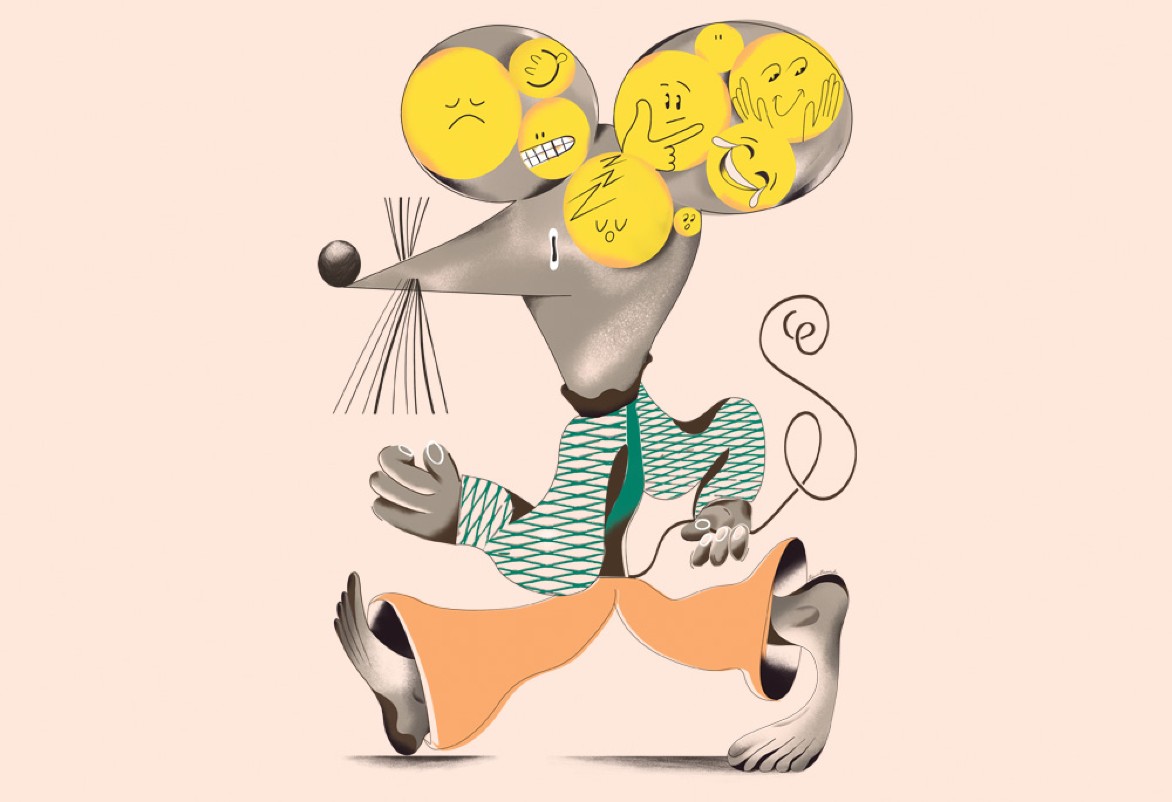
Using terabytes of neural data, neuroscientists are starting to understand how fundamental brain states like emotion, motivation, or various drives to fulfill biological needs are triggered and sustained by small networks of neurons that code for those brain states.
-
Android is becoming a worldwide earthquake detection network
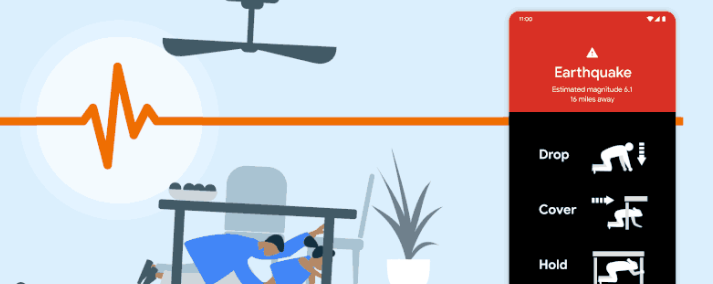
Google is creating a worldwide, Android phone-powered earthquake alert system. The first part of that system is rolling out today. If you opt in, the accelerometer in your Android phone will become one data point for an algorithm designed to detect earthquakes. Eventually, that system will automatically send warnings to people who could be impacted.
#Technology #ML #Augmentation #HCI #FFHCI #CrowdIntelligence #Military
-
These ancient seafloor microbes woke up after over 100 million years
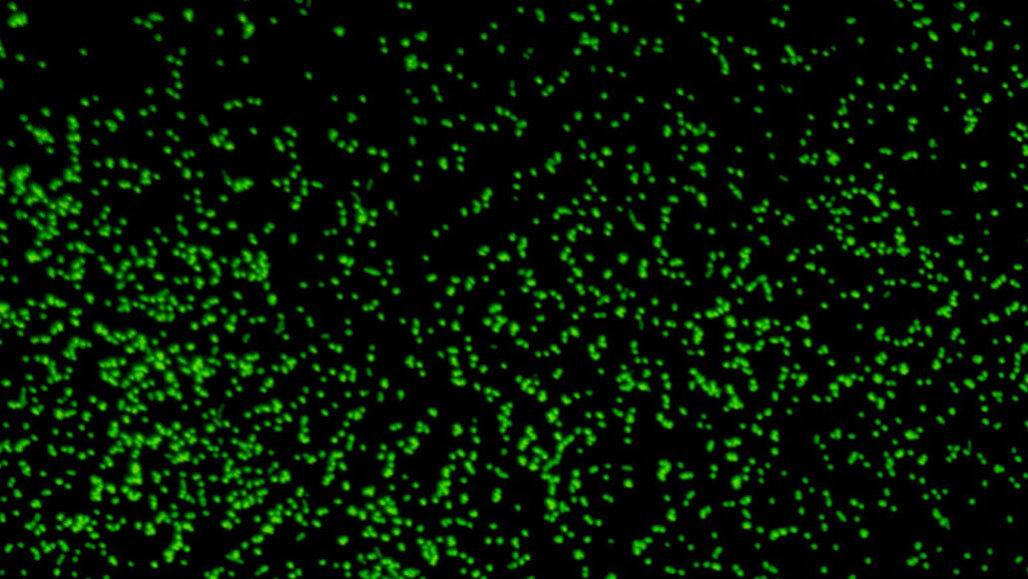
Even after 100 million years buried in the seafloor, some microbes can wake up. And they’re hungry. An analysis of seafloor sediments dating from 13 million to nearly 102 million years ago found that nearly all of the microbes in the sediments were only dormant, not dead. When given food, even the most ancient microbes revived themselves and multiplied, researchers report July 28 in Nature.
-
All Dogs in Shenzhen, China Will Get Microchipped By 2020

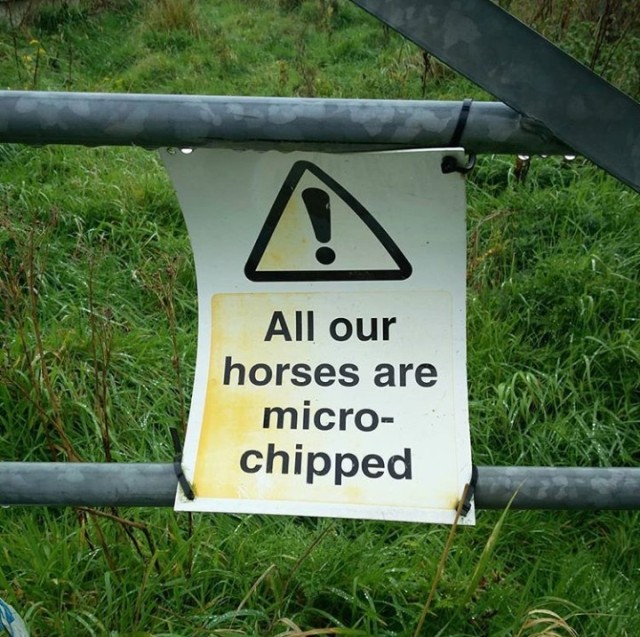
In May, China's southern city Shenzhen announced that all dogs must be implanted with a chip, joining the rank of the U.K., Japan, Australia and a growing number of countries to make microchips mandatory for dogs. This week, city regulators began to set up injection stations across their partnering pet clinics, according to social media posts from the Shenzhen Urban Management Bureau. The chip, which is said to last for at least 15 years and comes in the size of a grain of rice, is implanted under the skin of a dog's neck. Each chip, when scanned by authorized personnel, reveals a unique 15-digit number matching the dog's name and breed, as well as its owner's identity and contact information -- which will help reduce strays.
-
Enhancing road verges to aid pollinator conservation: A review
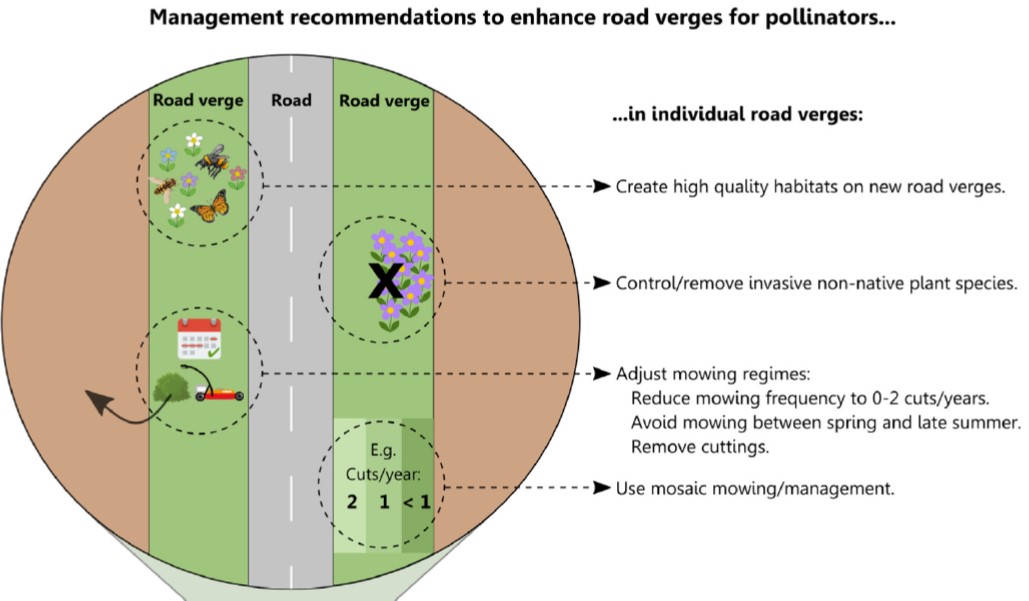
Road verges have considerable potential to be used for pollinator conservation. Verges can be hotspots of flowers and pollinators in managed landscapes. Traffic and road pollution can cause mortality and other impacts on pollinators. Evidence suggests the benefits of road verges to pollinators outweigh the costs. Road verges can be enhanced for pollinators through strategic management.
-
Scientists Hack Mouse Brains to "Erase" Opioid Addiction
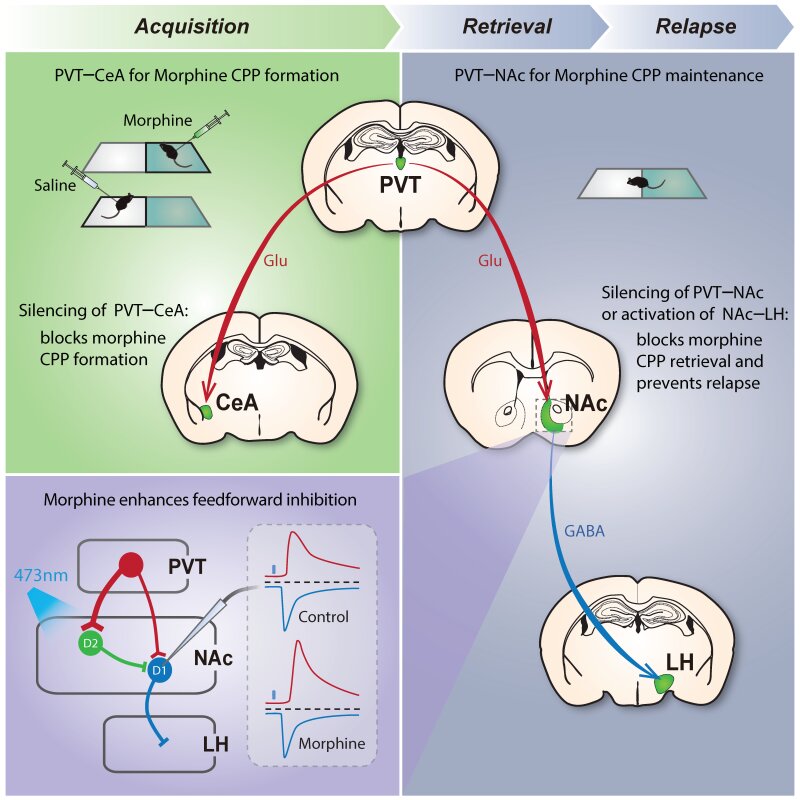
One of the hardest parts of treating addiction is keeping patients from relapsing. Now, researchers at the Chinese Academy of Sciences say that they’ve “interrupted the brain pathway responsible for morphine-associated memories in mice, that is, ‘erasing’ the drug-associated memory from the brain.” To treat the mice, the team gave them brain implants: a fiber optic that shined light onto a region called the paraventricular thalamus and blocked withdrawal symptoms. A day later, the mice no longer sought out morphine and relapse — or at least do the lab mouse version of relapsing — even after two weeks.
-
Dogs May Use Earth's Magnetic Field to Navigate
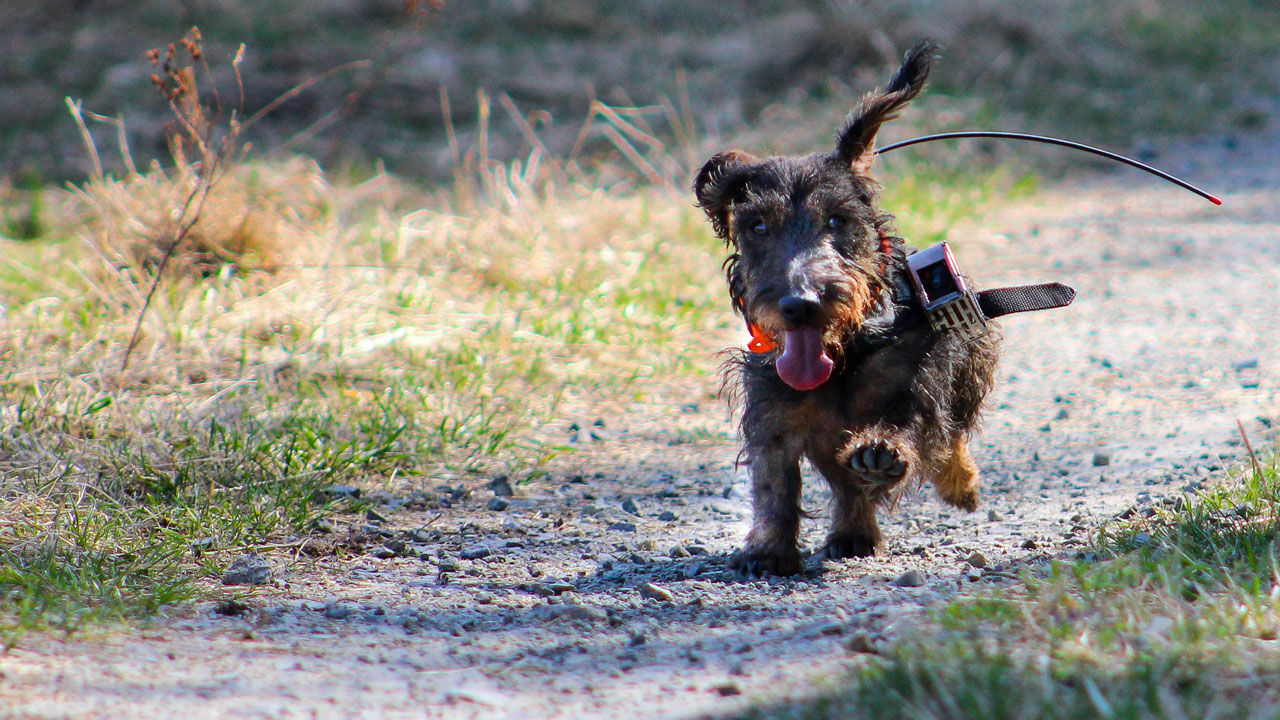
Dogs are renowned for their world-class noses, but a new study suggests they may have an additional — albeit hidden — sensory talent: a magnetic compass. The sense appears to allow them to use Earth's magnetic field to calculate shortcuts in unfamiliar terrain.