tag > Games
-
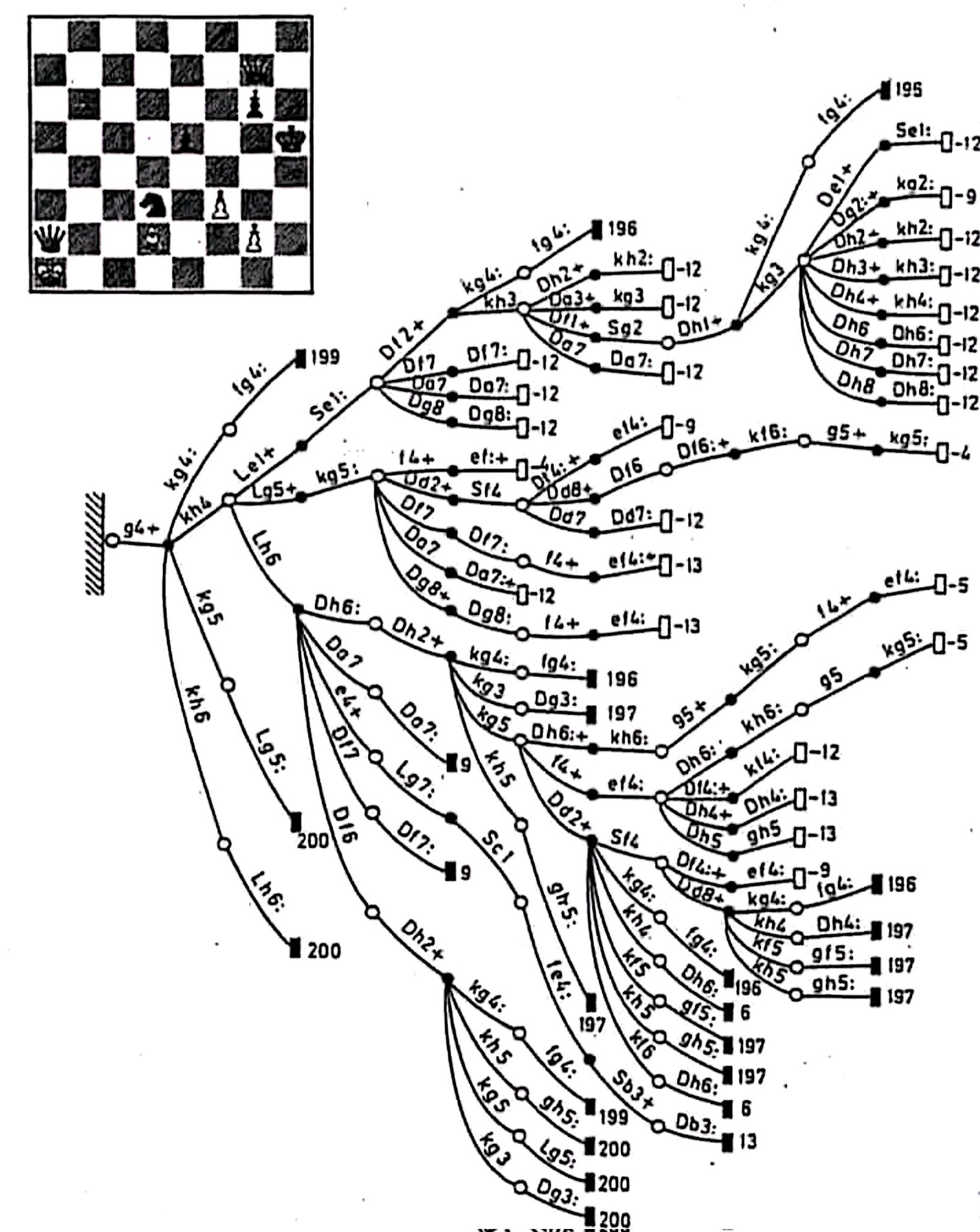
A chess game starts with 20 moves, then 40+, 8,900, and 197,740 by the 4th. By the 40th, it's 10⁴⁰—like the atoms in the universe. That’s chess magic.
-
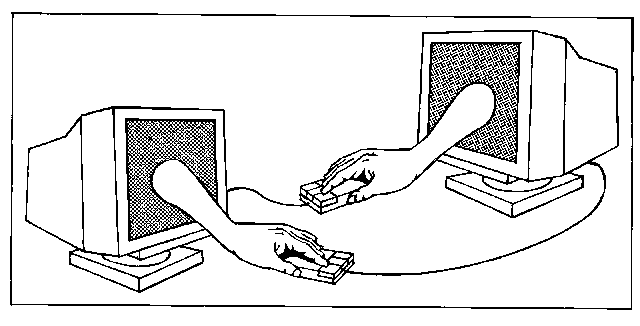
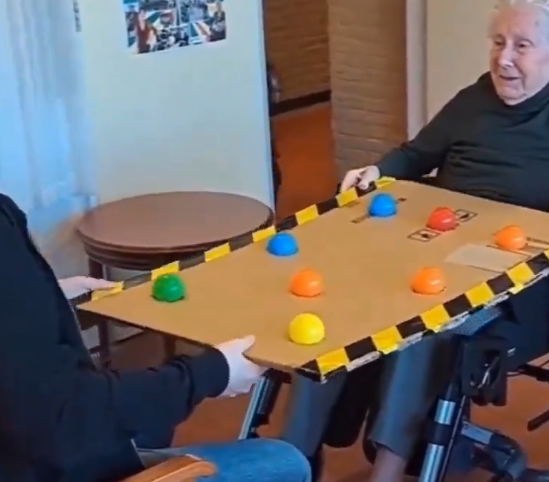
#Comment: The art of spending meaningful time with strangers, without the need for conversation, is an untapped opportunity—especially beyond video games.
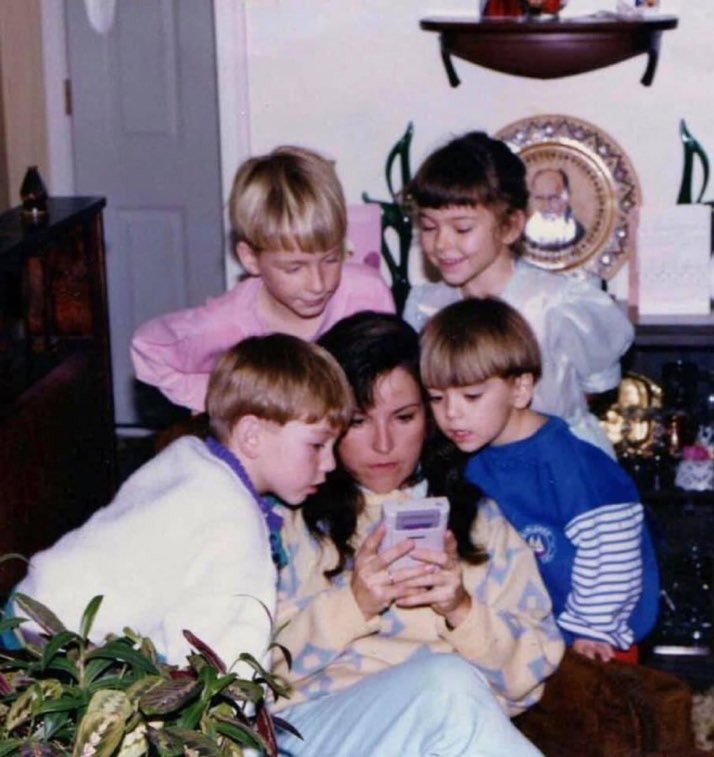
A mom helping her kids beat a hard level in Super Mario Land, 1990s
-
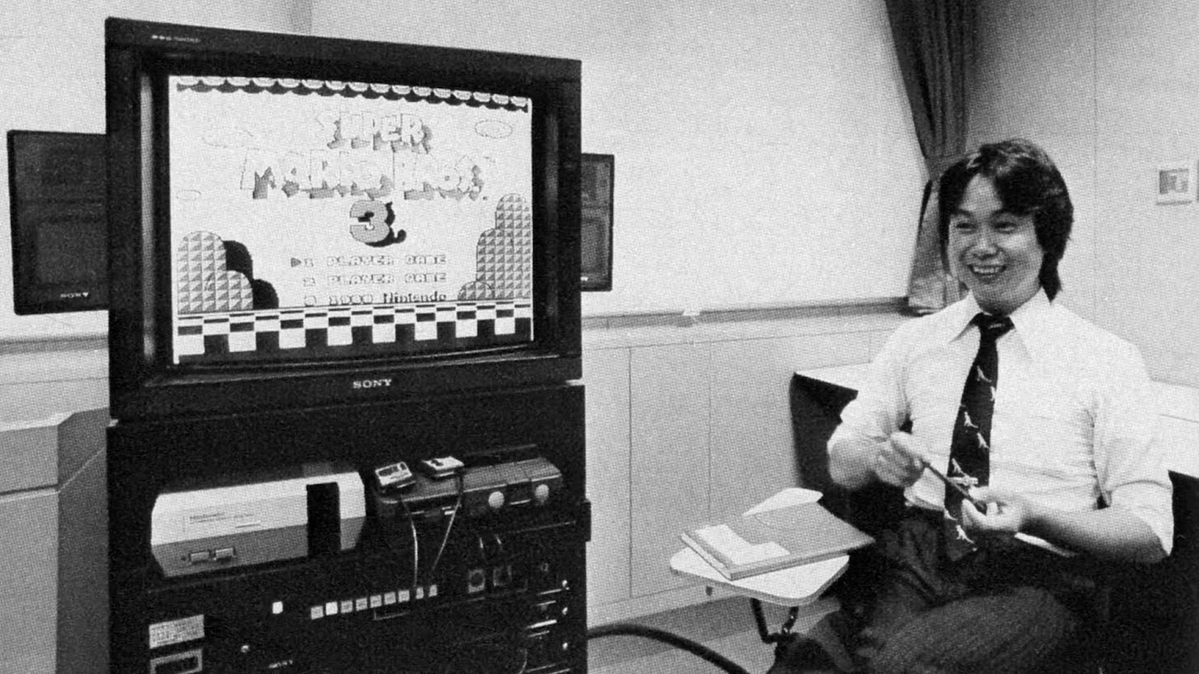
Nintendo completely sat out the video game graphics wars. It’s winning anyway. What Nintendo lacks in fancy pixels, it makes up for in dopamine. That’s why it basically prints money.

Nintendo is a money machine. It’s been raking in more than $10 billion in revenue (more than 1.6 trillion yen) annually for the past several years, and its profits have grown sharply, topping out at about $3.3 billion in the fiscal year ended March 2024.
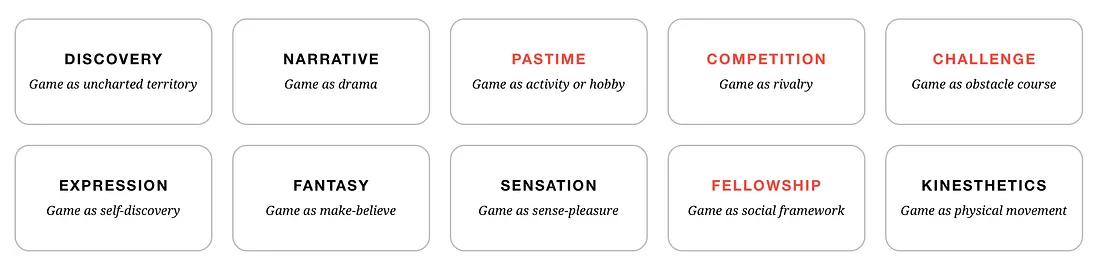
According to NYU Professor Joost van Dreunen, it’s more accurate to look at Nintendo as a toy company rather than a gaming one. “If you look at Nintendo as a company, it's over 100 years old,” “It originally started as a trading-card game company,” he said, “and over the years really just identified itself as a toy maker. So everything that they do is colorful, it's accessible, it's fun. It's very easy to get into. Maybe not necessarily easy to master, but it's easy to get into their games.”
Instead of innovating on technology, Nintendo has mastered the dopamine-reward system. You get out of a Nintendo game exactly what you put into it. The actions you take in their games feel good and natural.
The misleadingly basic gameplay mechanics of today’s Nintendo games are the very same that launched the company into the sales stratosphere in the late 1980s and early ’90s. Press A to jump. Press B to punch. And if you press A to jump and then press B in the air, you perform a separate third move. That is to say that the B button behaves differently depending on the circumstance the character is in. It sounds remedial today, but the mechanics were so successful back then that entire franchises were born out of copying it.
-
“Play becomes joy, joy becomes work, work becomes play.” — Johannes Itten (1888 - 1967)

-
"Science does not remove the terror of the gods" - Elvira, the 1990 RPG game

-
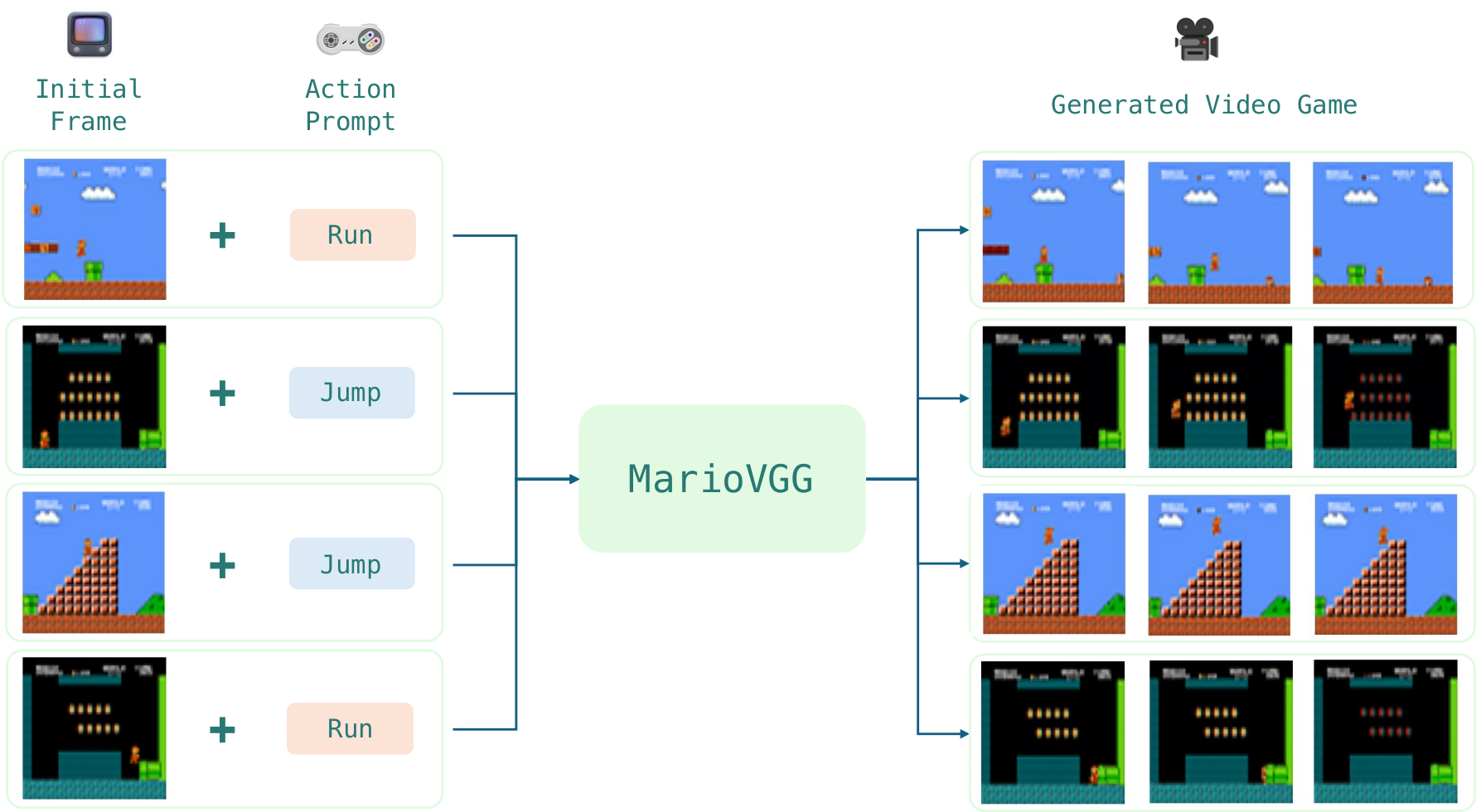
Has anyone built any truly compelling things for kids (age 4 - 12) with all the gen AI stuff yet, beyond shallow gimmicks? Any success stories?
-
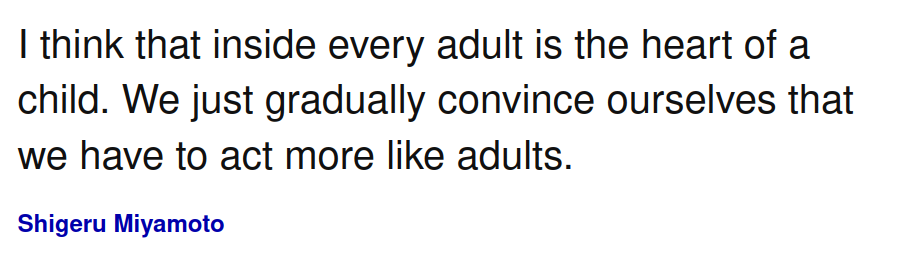
The timid little flame of an idea needs playful fun to transform into a blazing magical fire
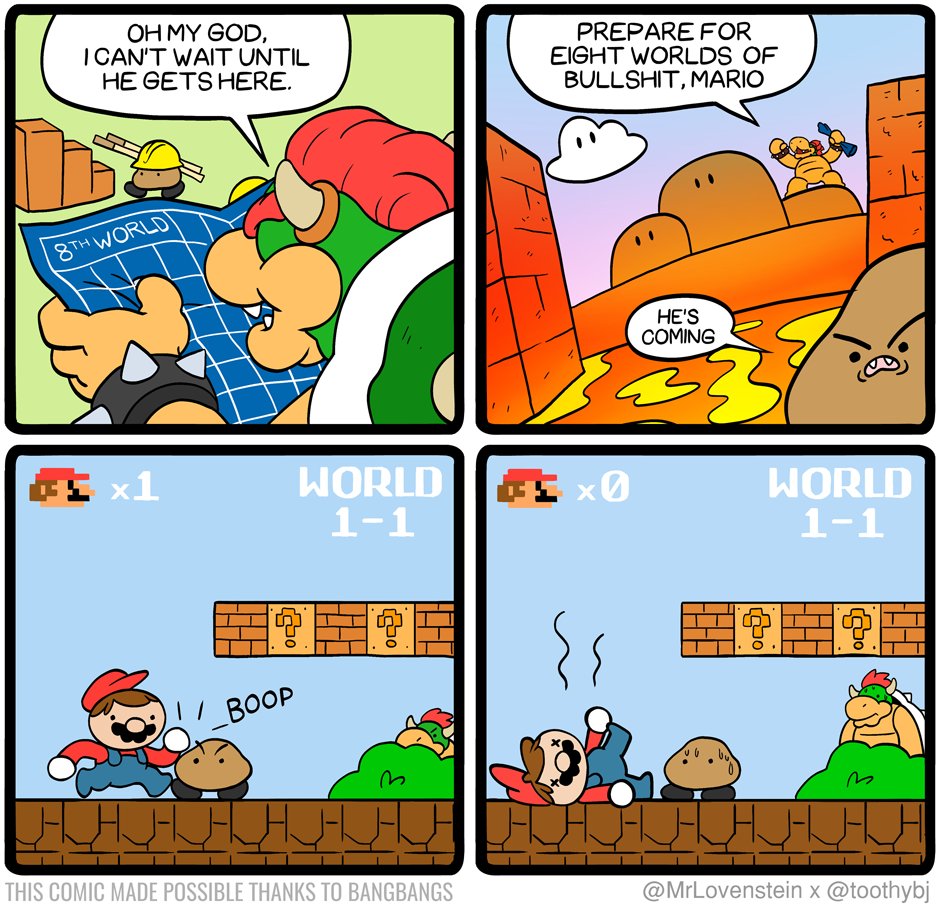
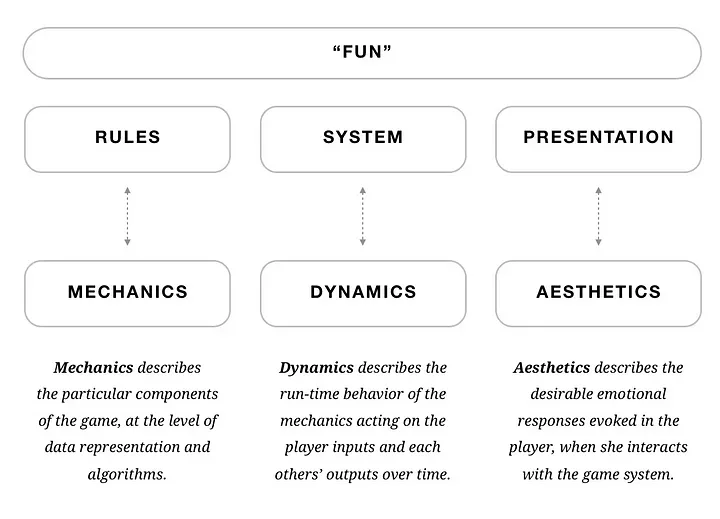
I forgot for a sec just how important "having fun" is as a gradient for success. One can research, engineer and optimize anything to the nth degree, but if the journey is not fun and personally meaningful, it's likely dead in the water.

Regardless of the project idea one considers, upon closer examination, one inevitably concludes that there are numerous ambiguities and challenges associated with it. Moreover, when presenting any idea to a group of ten people, at least five may fail to grasp it until a compelling pitch is crafted. Approaching ideas exclusively with an analytical engineering mindset swiftly spells doom for nascent concepts—it stifles innovation at its core, depriving it of the essential spark of playful creativity necessary for initiation. Consequently, the focus should not initially be on achieving a robust implementation with universal applicability, but rather on swift implementation and eliciting feedback. The timid little flame of an idea needs playful fun to transform into a blazing magical fire