tag > Health
-
How one hour of slow breathing changed my life - by James Nestor (The Guardian)
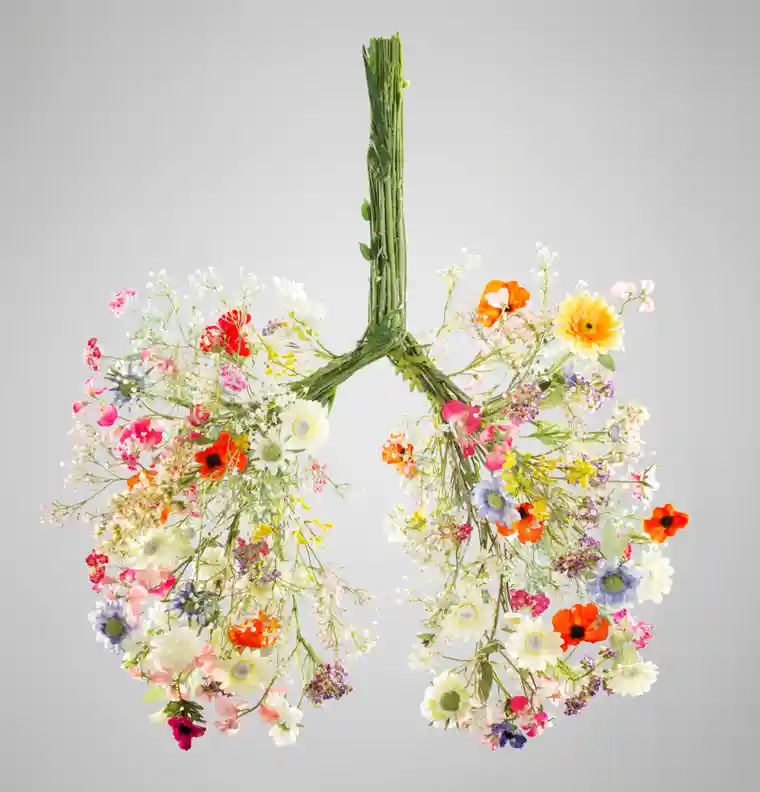
For me, the perfect breath is this: inhale for about 5.5 seconds, then exhale for 5.5 seconds. That’s 5.5 breaths a minute for a total of about 5.5 litres of air
.
It took me years to find out why. Most days, I treat it like a stretch, something I do after a long time sitting or stressing, to bring myself back to normal. By the law of averages, you will take 670m breaths over your lifetime. Maybe you’ve already taken half of those. Maybe you’re on breath 669,000,000. Maybe you’d like to take a few million more.
-
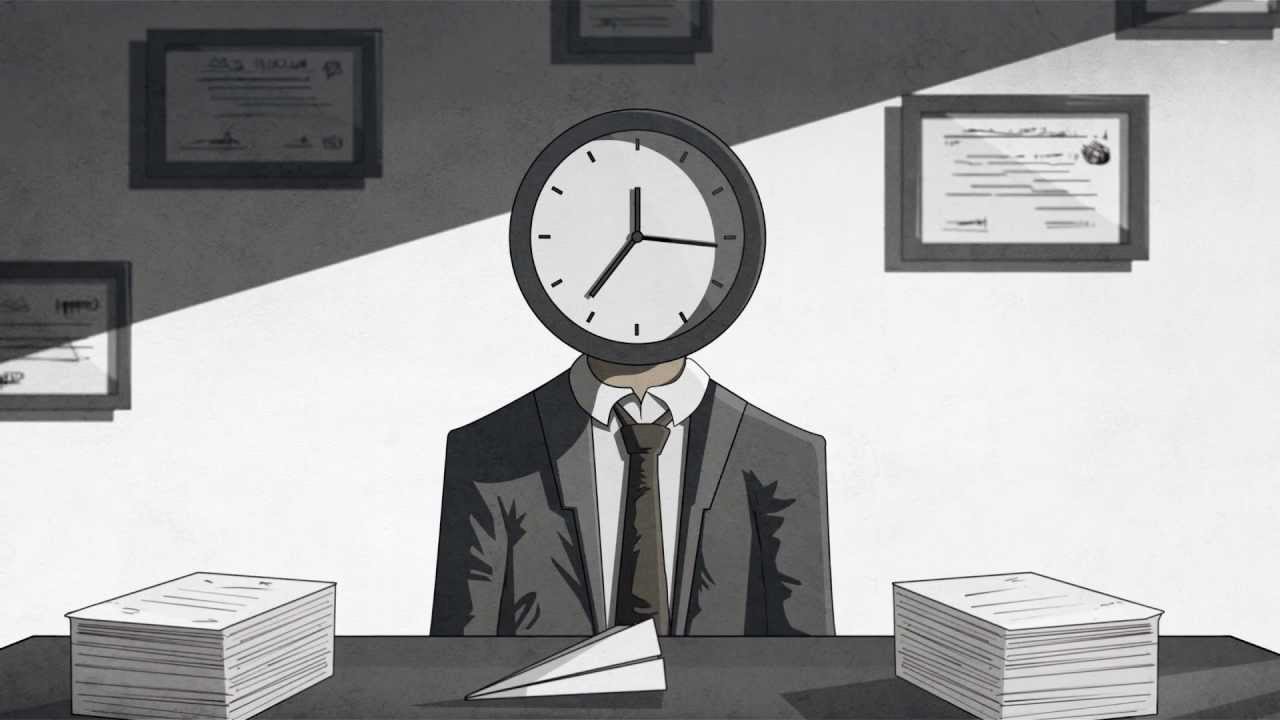
Chronophobia is anxiety over the passage of time. Chronophobia is especially common in prison inmates and the elderly, but it can manifest in any person who has an extreme amount of stress and anxiety in their life.
-
Diet and Weight Loss: Using Social Robots to Support Human Health and Well-being
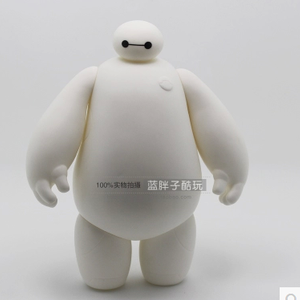
Monash University’s Dr. Nicole Robinson explains how social robots can play a role in diet and weight reduction without the need for human intervention.
#Comment: A brain dead narrative proposed by scientists who in their blind love of the machines have become robots themself. If all you have is a hammer, everything looks like a nail.
-
Google Promises Privacy With Virus App But Can Still Collection Location Data

Some government agencies that use the software said they were surprised that Google may pick up the locations of certain app users. Others said they had unsuccessfully pushed Google to make a change.
-
'Erasure' - from Carlos Ayesta and Guillaume Bression
Documenting the exclusion zone surrounding the stricken power plant of Fukushima Daiichi



-
People who are easily hypnotized are more likely to be addicted to their smartphones
New research published in Frontiers in Psychology suggests that being absorbed by your smartphone might bear some resemblance to a hypnotic trance. A hypnosis experiment found that students with heightened smartphone addiction scores followed more hypnotic suggestions than their counterparts.
-
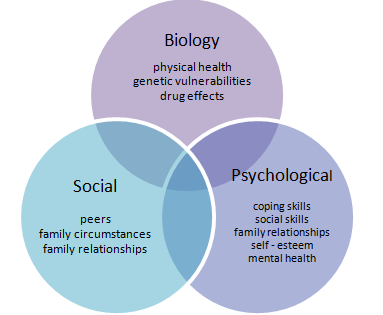
The biopsychosocial model is an interdisciplinary model that looks at the interconnection between biology, psychology, and socio-environmental factors. The model specifically examines how these aspects play a role in topics ranging from health and disease models to human development. This model was developed by George L. Engel in 1977 and is the first of its kind to employ this type of multifaceted thinking.
-
Scientists Say You Can Cancel the Noise but Keep Your Window Open
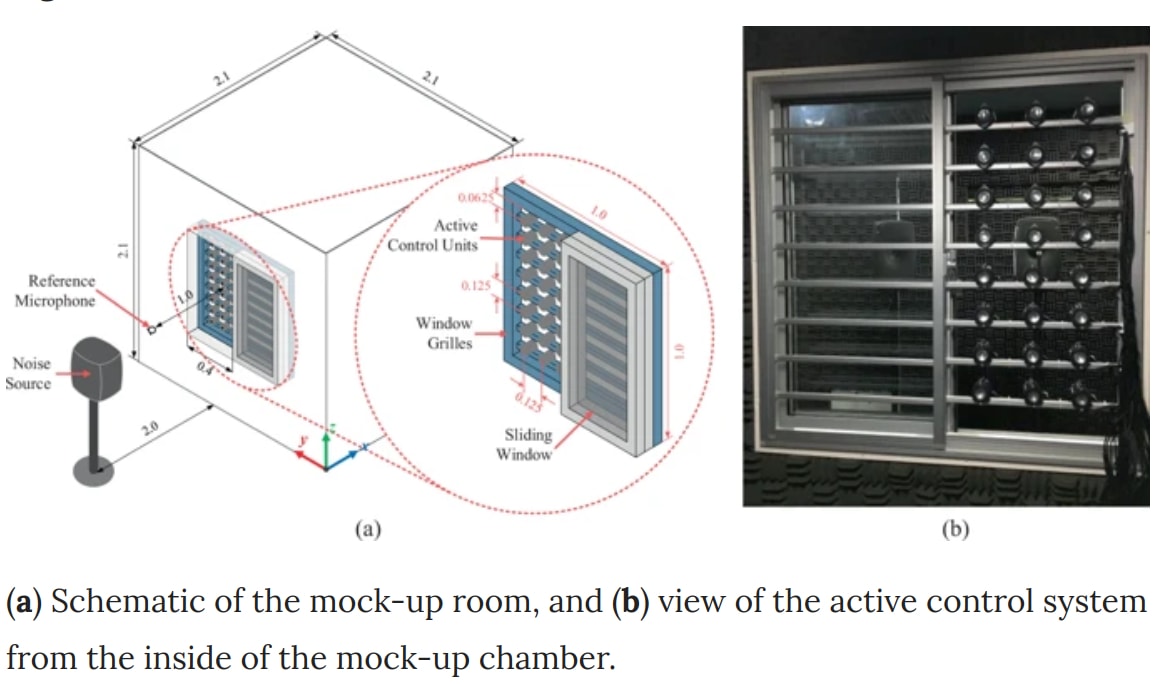
Researchers in Singapore developed a system that’s sort of like noise-canceling headphones for your whole apartment. Their results were published on Thursday in Scientific Reports. The prototype is not yet the most practical device in real world conditions, but it points the way toward the development of technologies that may help ease the strain of noisy city living.
-
Scientists Find Brain Center That 'Profoundly' Shuts Down Pain
A research team has found a small area of the brain in mice that can profoundly control the animals' sense of pain. Somewhat unexpectedly, this brain center turns pain off, not on. It's located in an area where few people would have thought to look for an anti-pain center, the amygdala, which is often considered the home of negative emotions and responses, like the fight or flight response and general anxiety.
-
FEMA Tells States to Hand Public Health Data Over to Palantir

"If their AI learns to infer and predict patterns of the disease from our public data, then that becomes a hugely lucrative advantage for Palantir, especially now when every business sector wants to know where COVID is going and how hard it’s going to hit"
-
Unintended Consequences Or Collateral Damage - by Gunter Pauli @MyBlueEconomy
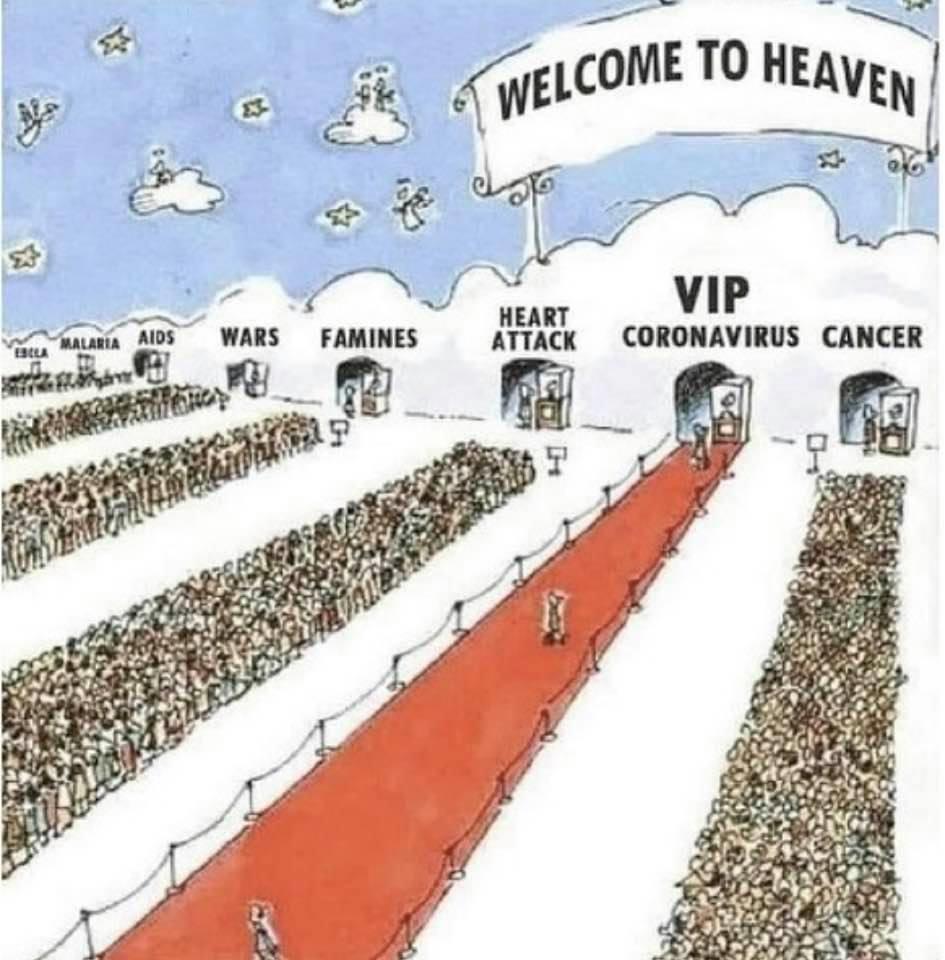
When decisions are made in haste, seldom can one foresee all the consequences. Whatever the impact beyond the original objective of eliminating “the bad”, (he spread of a virus), are considered unintended consequences. However, once the facts are on the table, and the adverse side-effects are documented, it is necessary to take corrective measures. If the decision-maker knows that actions taken deeply affect the livelihood of people beyond the original objective, and takes no steps to mitigate the negative impact, then these are no longer unintended consequences, International Law qualifies these, as collateral damage.
-
Code Review of Ferguson’s Model - Review of the software the UK Covid plan was based on.
Conclusions. All papers based on this code should be retracted immediately. Imperial’s modelling efforts should be reset with a new team that isn’t under Professor Ferguson, and which has a commitment to replicable results with published code from day one. On a personal level, I’d go further and suggest that all academic epidemiology be defunded.
-
A Wendy’s With No Burgers as Meat Production Is Hit (nytimes)
Hundreds of the fast-food chain’s locations aren’t serving hamburgers and grocery stores are limiting meat purchases, as shoppers begin to feel the impact of meatpacking plant shutdowns.
-
Malaria 'completely stopped' by microbe (BBC)
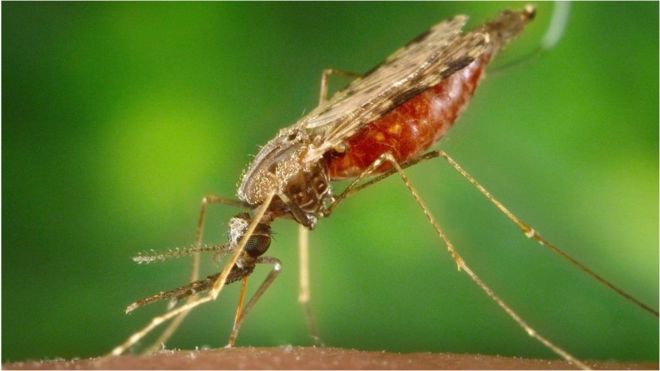
Scientists have discovered a microbe that completely protects mosquitoes from being infected with malaria. The team in Kenya and the UK say the finding has "enormous potential" to control the disease. Malaria is spread by the bite of infected mosquitoes, so protecting them could in turn protect people. The researchers are now investigating whether they can release infected mosquitoes into the wild, or use spores to suppress the disease.
-
French researchers to test nicotine patches on coronavirus patients
Study – which stresses serious health risks of smoking – suggest substance in tobacco may lower risk of getting coronavirus