tag > History
-
Human Computer: The Forgotten Women’s Profession
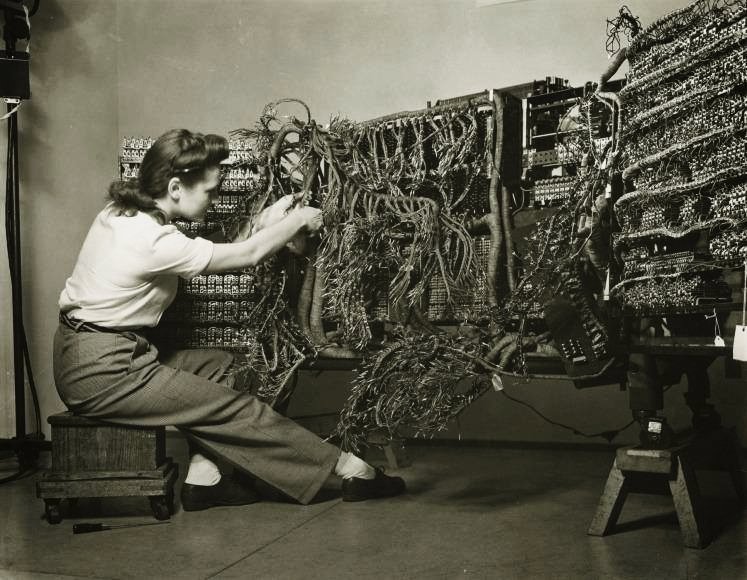
Woman wiring an early IBM computer, photographed by Berenice Abbot -
Was Modern Art Really a CIA Psy-Op? - The number of MoMA-CIA crossovers is highly suspicious

-
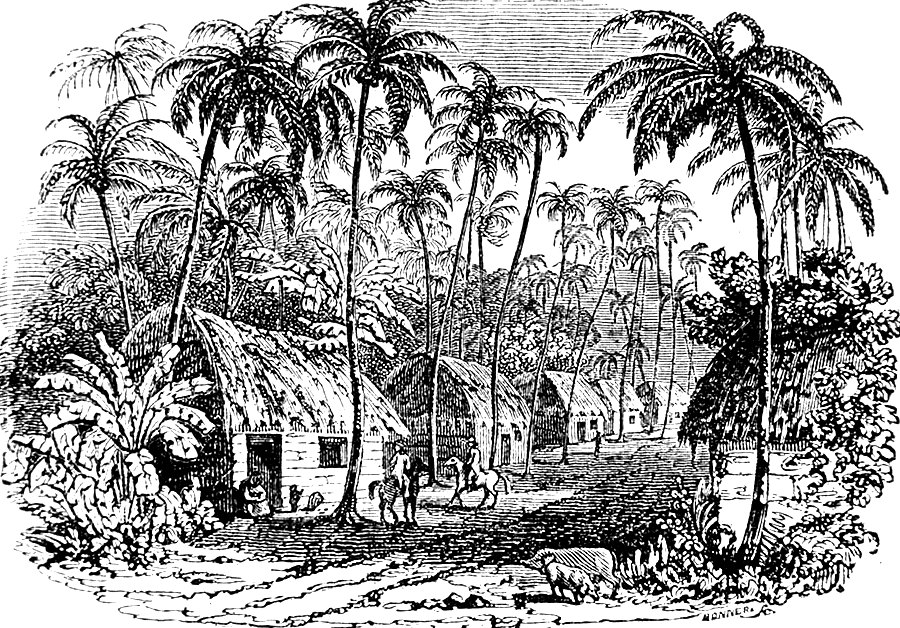
To supplement basic provisions provided by their master, some bondpeople grew their own foodstuffs and staple crops for personal consumption or sale. Enslaved men and women typically tended these gardens or "patches" after they had finished their daily or weekly work for their master. For some slaves, these gardens provided crucial supplements to an otherwise nutrient-deprived diet.
-
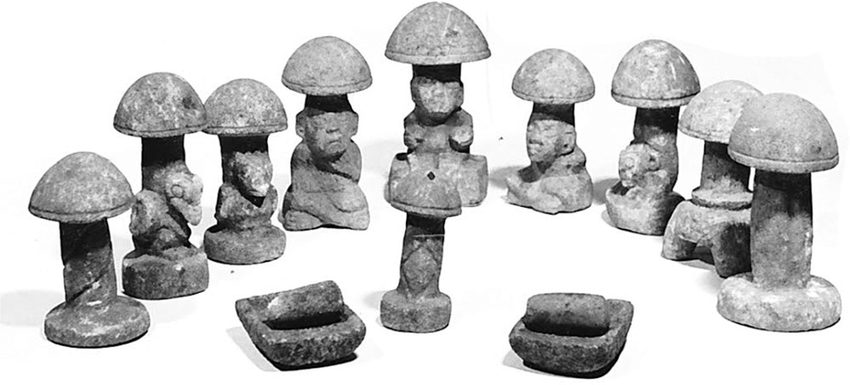
Mushroom stones found at the highland Maya archaeological site of Kaminaljuyu
-
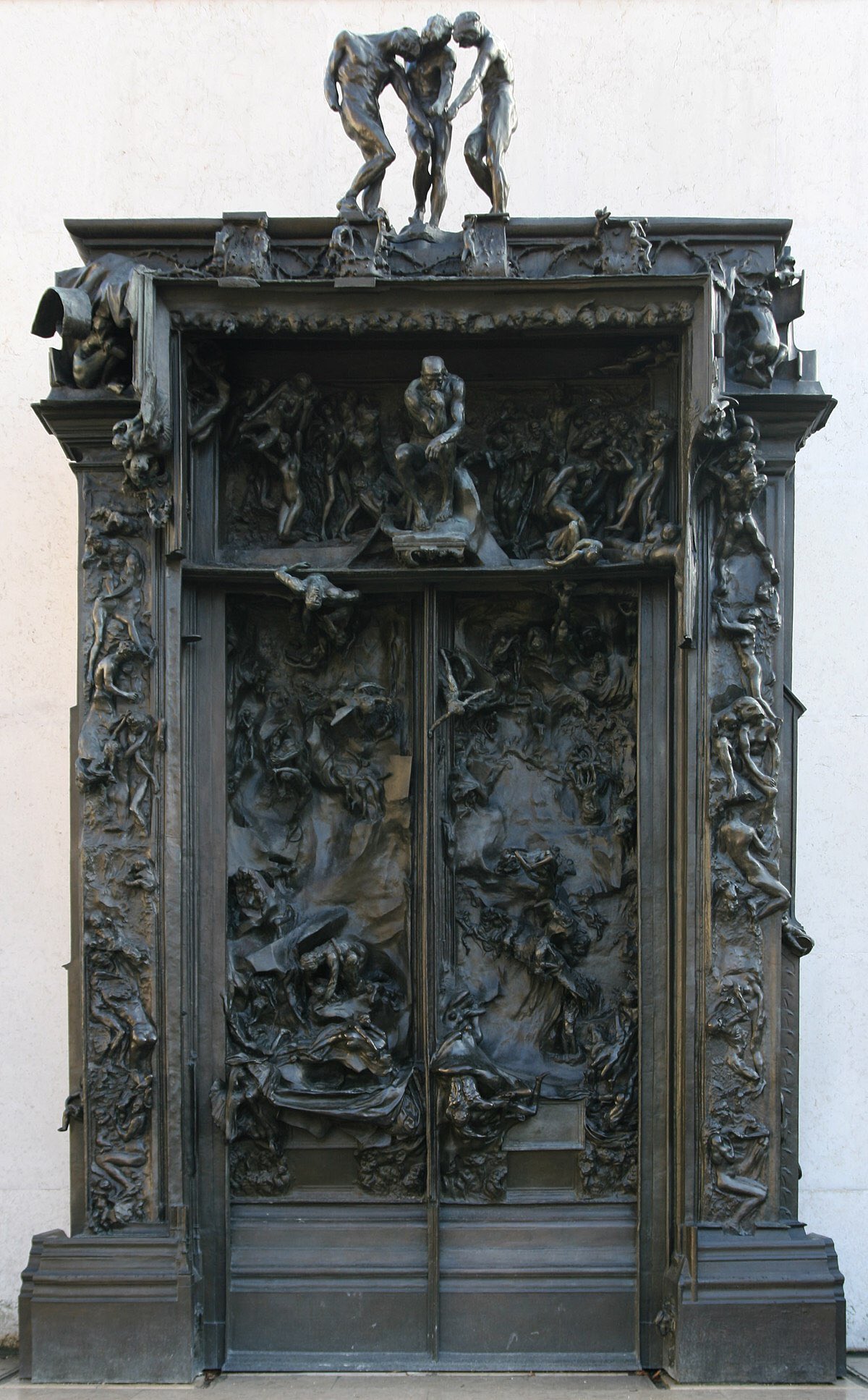
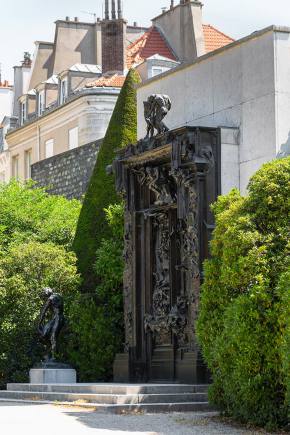
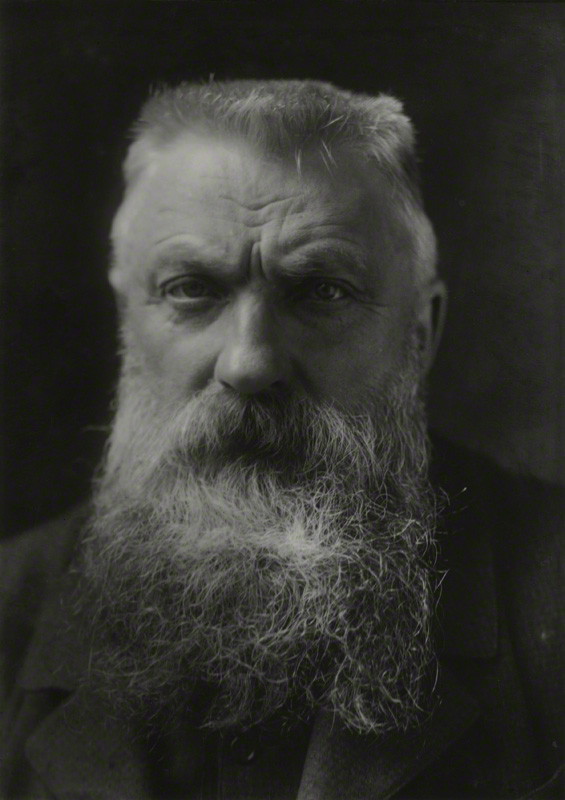
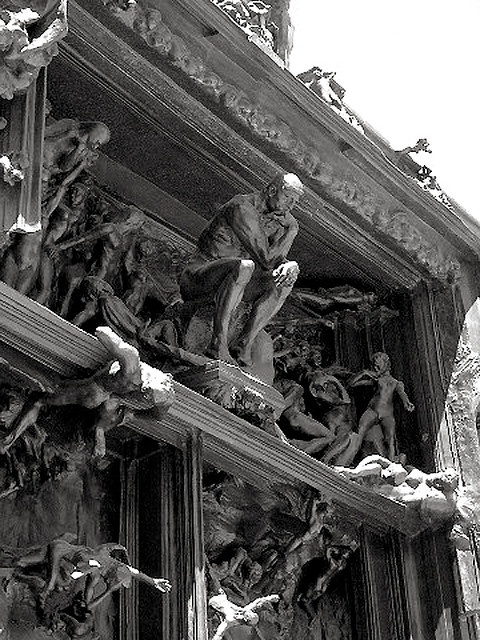
Auguste Rodin's (1840-1917) unfinished sculpture "Gate of Hell" will be inaugurated at the Quirinale stables in Rome on October 15, 2021. On loan from the Rodin Museum in Paris, the «Inferno» exhibition will remain open until 9 January 2022.
-
Charon carries souls across the river Styx - by Alexander Dmitrievich Litovchenko (1835-1890)
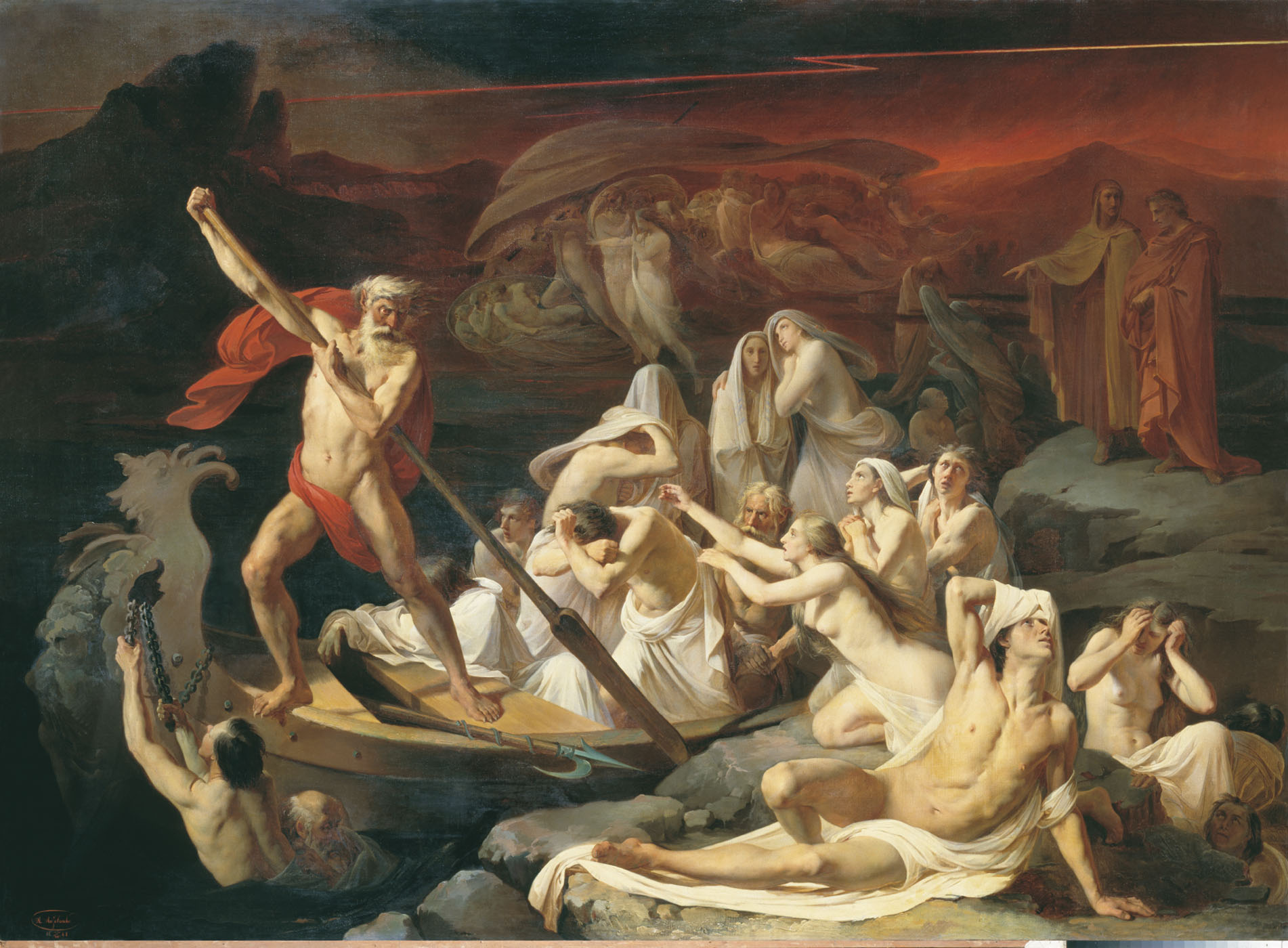
In Greek mythology, Charon or Kharon (pronounced /ˈkɛərən/; Greek Χάρων) was the ferryman of Hades who carried souls of the newly deceased across the river that divided the world of the living the world of the dead. A coin to pay Charon for passage, usually an obolus or danake, was sometimes placed in or on the mouth of a dead person. Some authors say that those who could not pay the fee, or those whose bodies were left unburied, had to wander the shores for one hundred years. In the catabasis mytheme, heroes — such as Heracles, Orpheus, Aeneas, Dionysus and Psyche — journey to the underworld and return, still alive, conveyed by the boat of Charon.
-

Psychopomps are creatures, spirits, angels, or deities in many religions whose responsibility is to escort newly deceased souls from Earth to the afterlife. Their role is not to judge the deceased, but simply to guide them. Classical examples of a psychopomp are the ancient Egyptian god Anubis, the deity Yama in Hinduism, the Greek ferryman Charon and god Hermes, the Roman god Mercury, the Norse Valkyries, the Aztec Xolotl and the Slavic Morana.
-
200,000-Year-Old Hand Art Found Near a Tibetan Hot Spring (gizmodo)
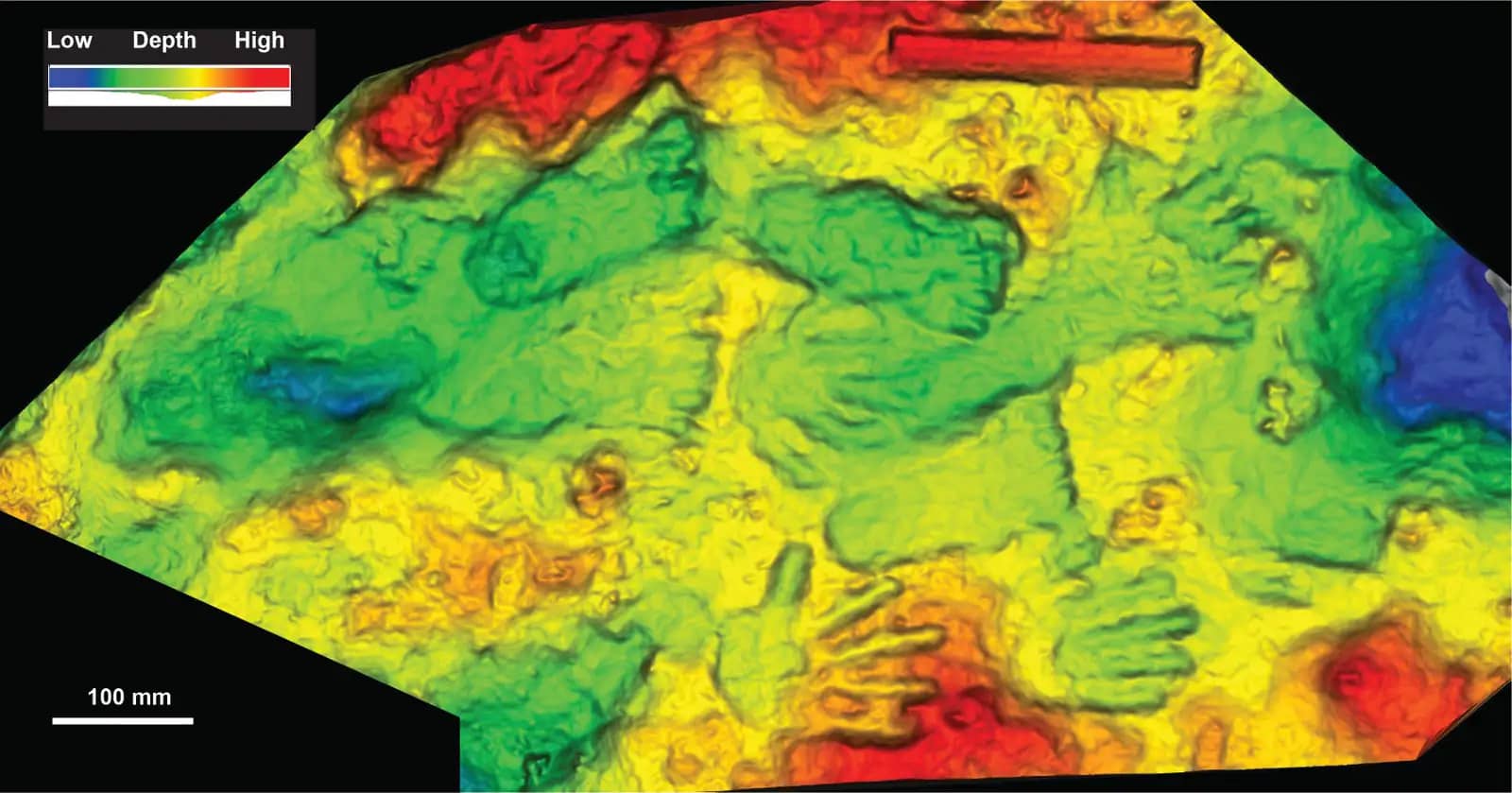
A three-dimensional scan of the Quesang print panel, showing the depth gradient of the prints. An international team of researchers has reported the discovery of hand and foot prints from Quesang, in the Tibetan Plateau. The fossil impressions, which date to between 169,000 and 226,000 years ago and seem to have been created intentionally, could represent the earliest known art of its kind. Called parietal art, this form of ancient visual expression typically crops up on cave walls but can also be made on the ground, as appears to be the case for the recent Tibet discovery.
-
The Gilgamesh Dream Tablet is headed back to Iraq (NPR)
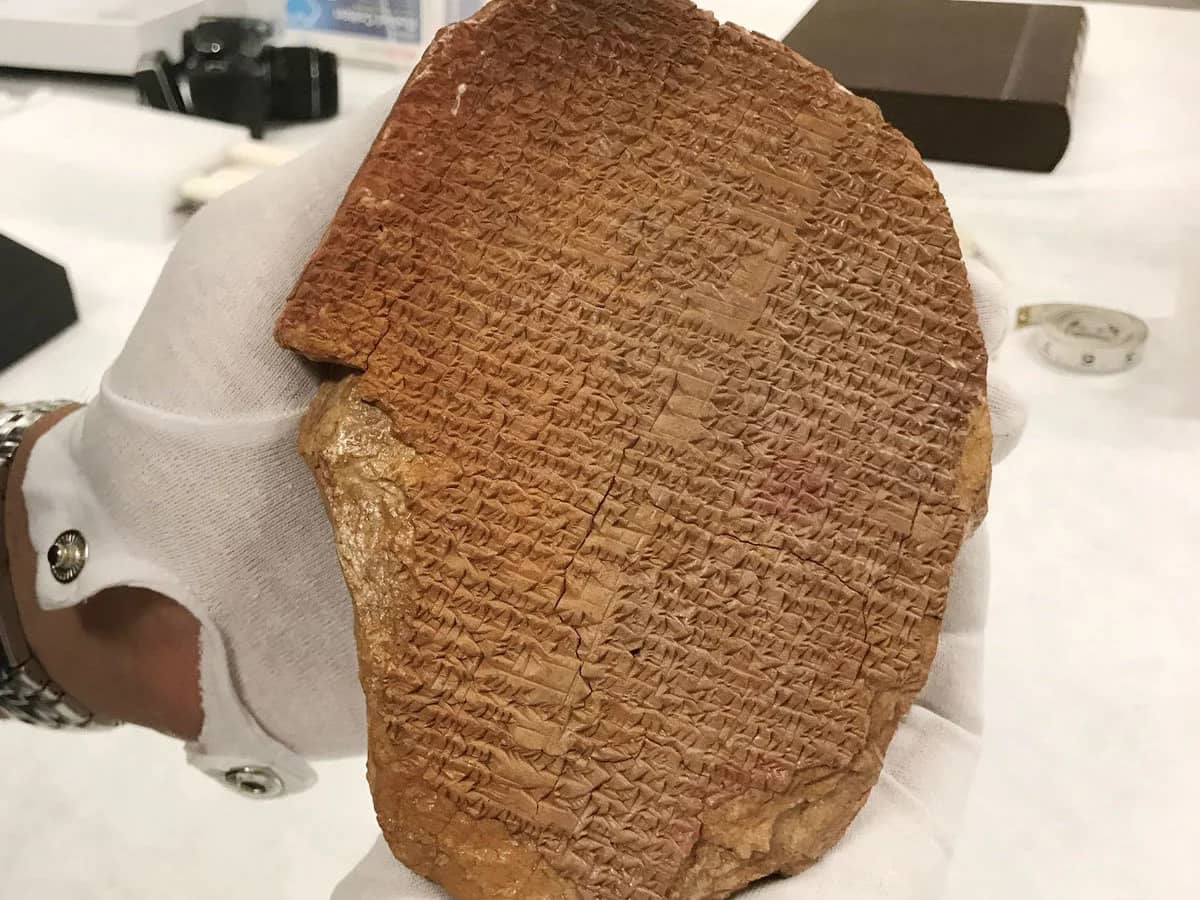
"The 3,500-year-old clay artifact, which was looted from Iraq and bought by Hobby Lobby, was seized by authorities who demanded it must be returned."
-
Abū Mūsā Jābir ibn Ḥayyān (أبو موسى جابر بن حيّان) (c. 806−816)
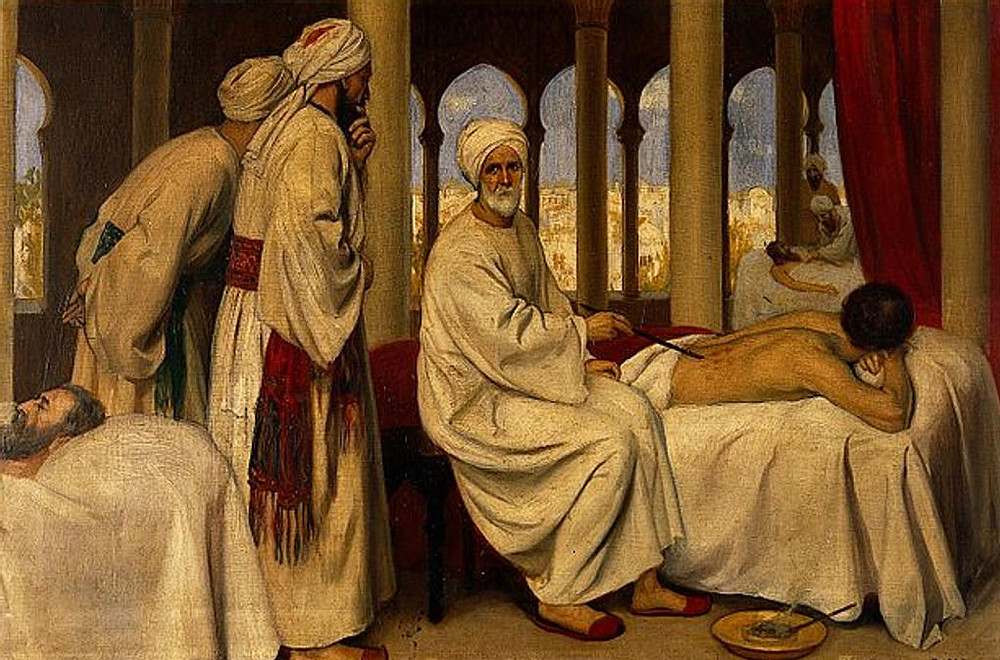
Abū Mūsā Jābir ibn Ḥayyān is the purported author of an enormous number and variety of works in Arabic, often called the Jabirian corpus. The works that survive today mainly deal with alchemy and chemistry, magic, and Shi'ite religious philosophy. However, the original scope of the corpus covered a wide range of topics ranging from cosmology, astronomy and astrology, over medicine, pharmacology, zoology and botany, to metaphysics, logic, and grammar.
Abū Bakr Muḥammad ibn Zakariyyāʾ al-Rāzī (أبو بكر محمد بن زكرياء الرازي) (864 - 935)
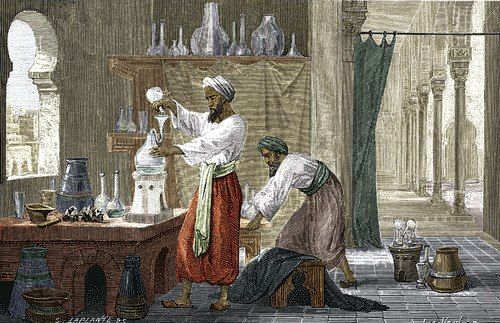
Abū Bakr Muḥammad ibn Zakariyyāʾ al-Rāzī was a Persian physician, philosopher and alchemist, widely considered one of the most important figures in the history of medicine. He also wrote on logic, astronomy and grammar. A comprehensive thinker, al-Razi made fundamental and enduring contributions to various fields, which he recorded in over 200 manuscripts, and is particularly remembered for numerous advances in medicine through his observations and discoveries.
-
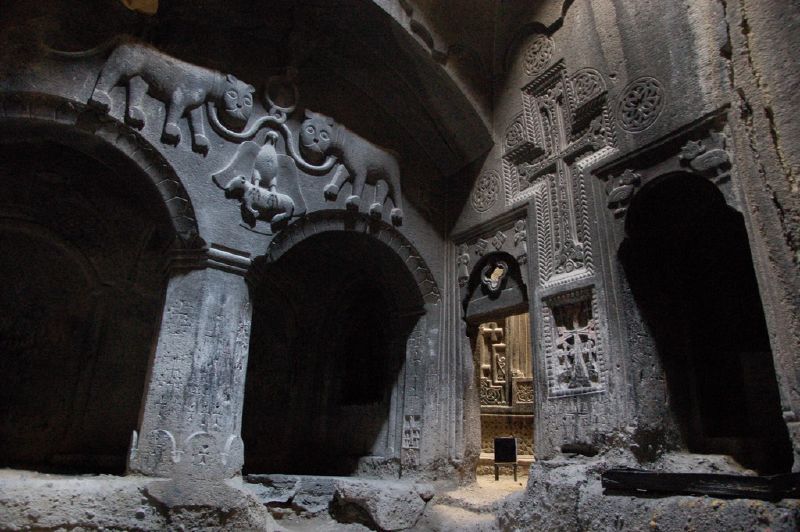
The interior of the monolithic Geghard monastery (Armenian: Գեղարդ) located in the Kotayk Province of central Armenia, carved directly out of the mountain in the 12th century.