tag > History
-
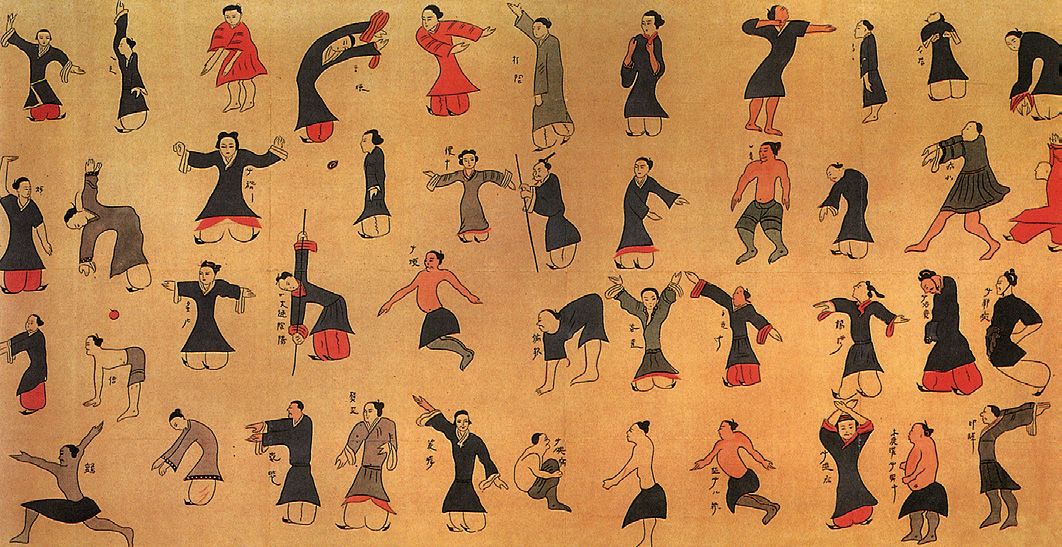
Daoyin tu - chart for leading and guiding people in exercise for improving health and treatment of pain, containing animal postures such as bear walk. This is a reconstruction of a 'Guiding and Pulling Chart' excavated from the Mawangdui Tomb 3 (sealed in 168BC) in the former kingdom of Changsha. The original is in the Hunan Provincial Museum, Changsha, China.
-
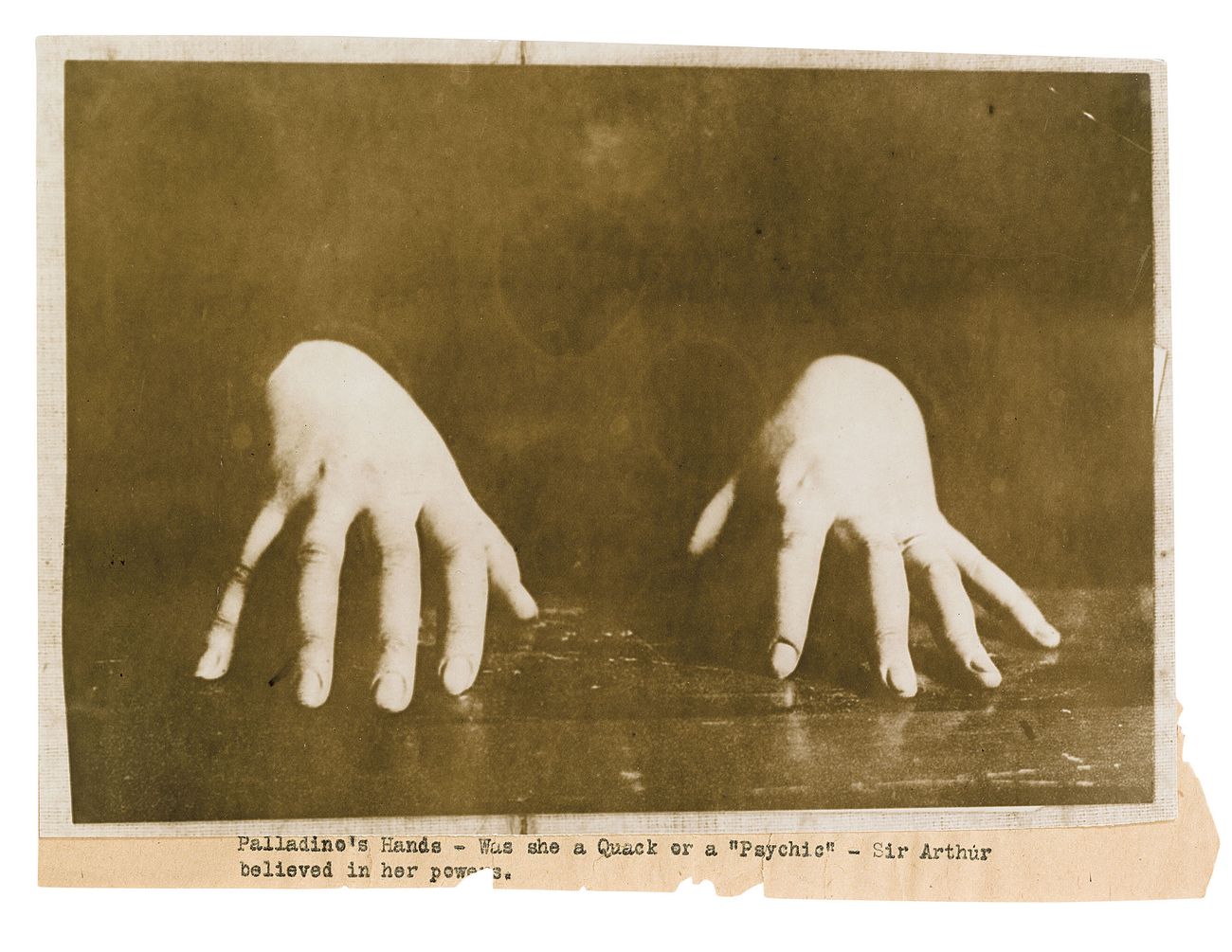
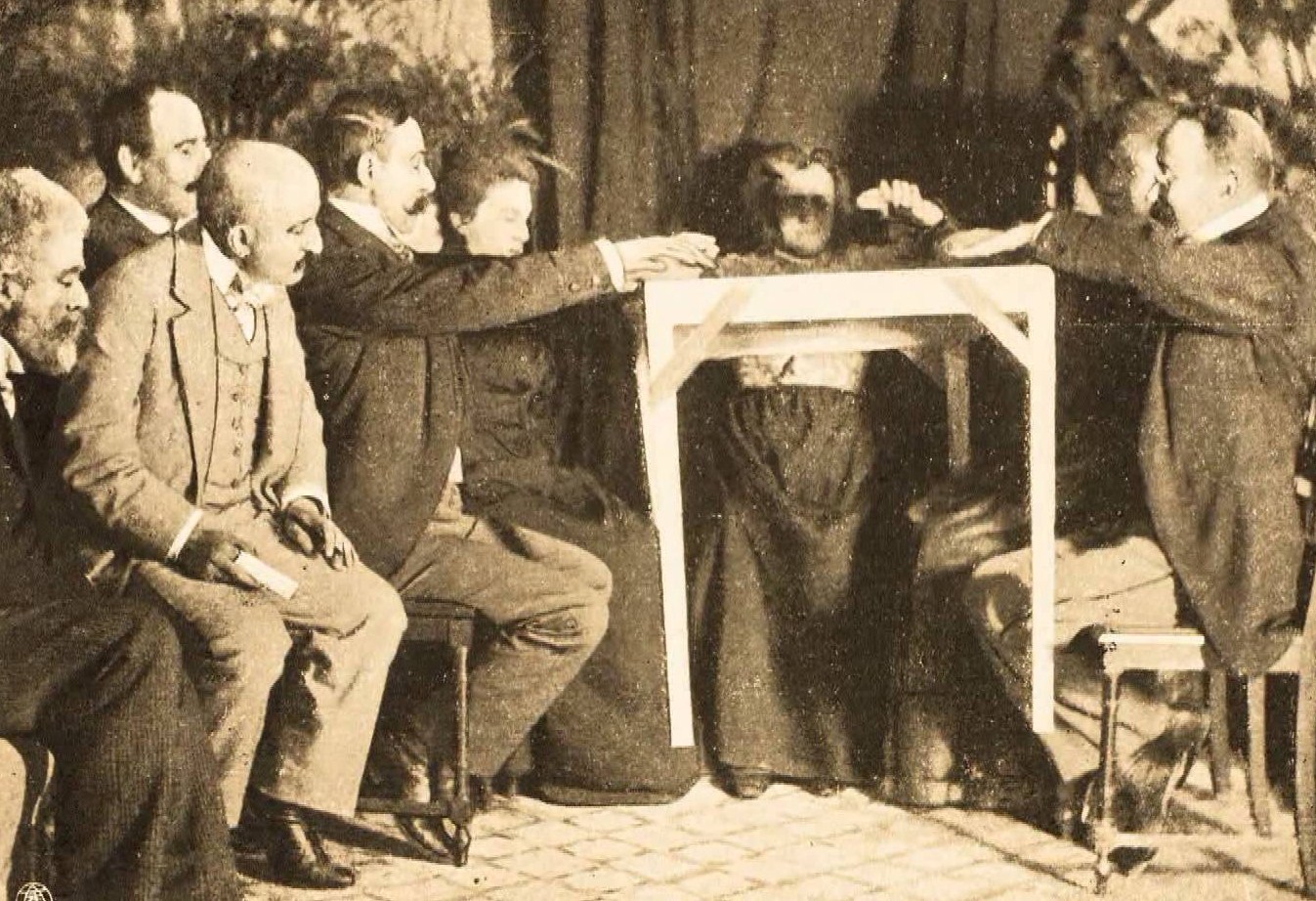
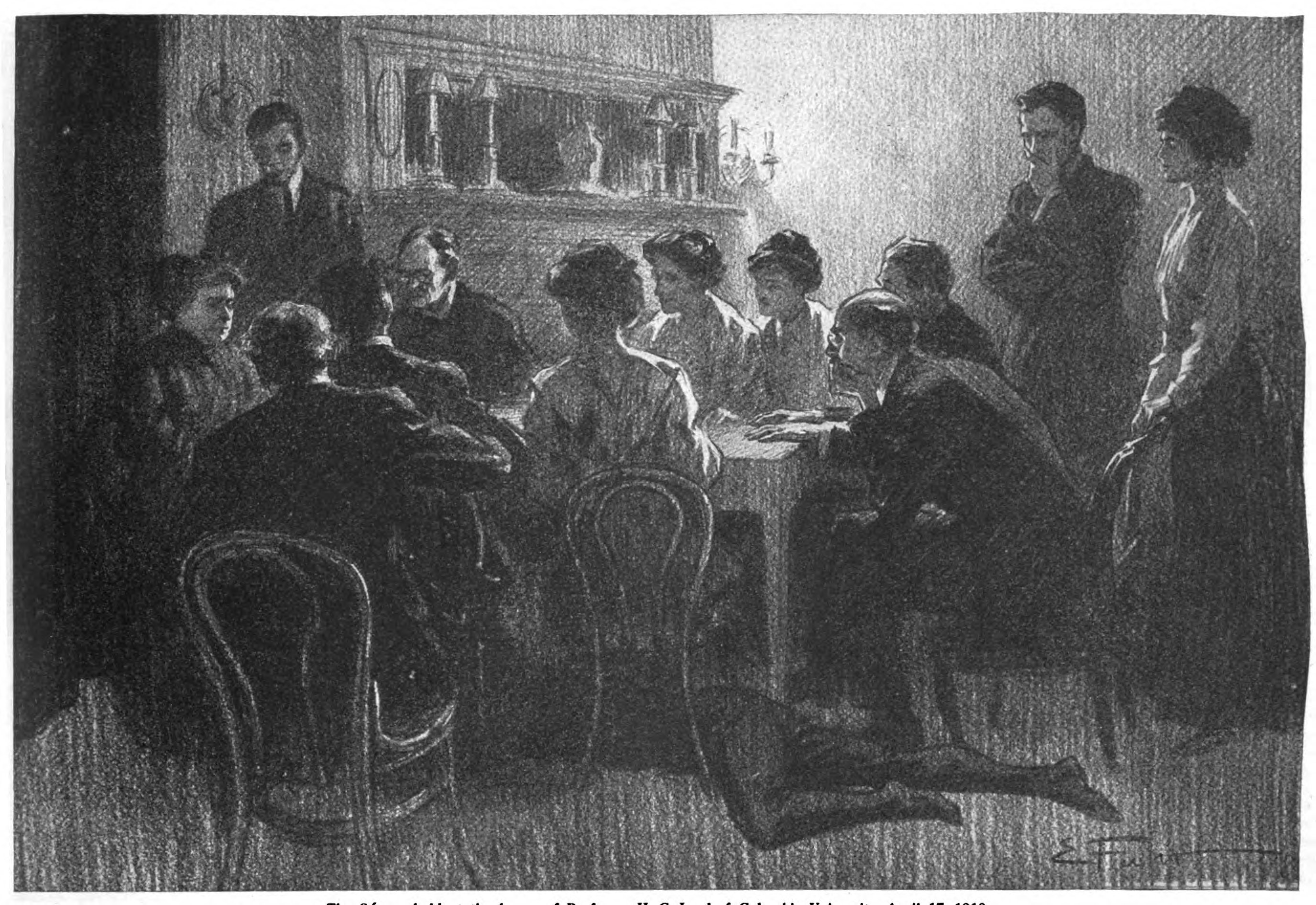
"There is here, in my opinion, a whole domain of entirely new facts and physical states in space of which we have no conception." - Pierre Curie about Eusapia_Palladino (1906)
-
An ancient sign of the real secret society
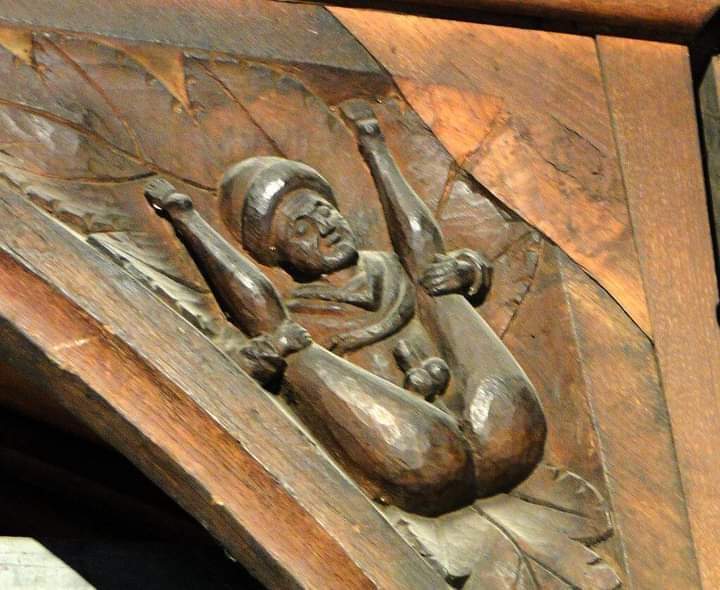
800 years ago at All Saints Church in Hereford, England, a skillful carpenter carved this gentleman high up in the dark roof where nobody could see him. Five years ago they built an extra floor with bright lights for a restaurant.
-
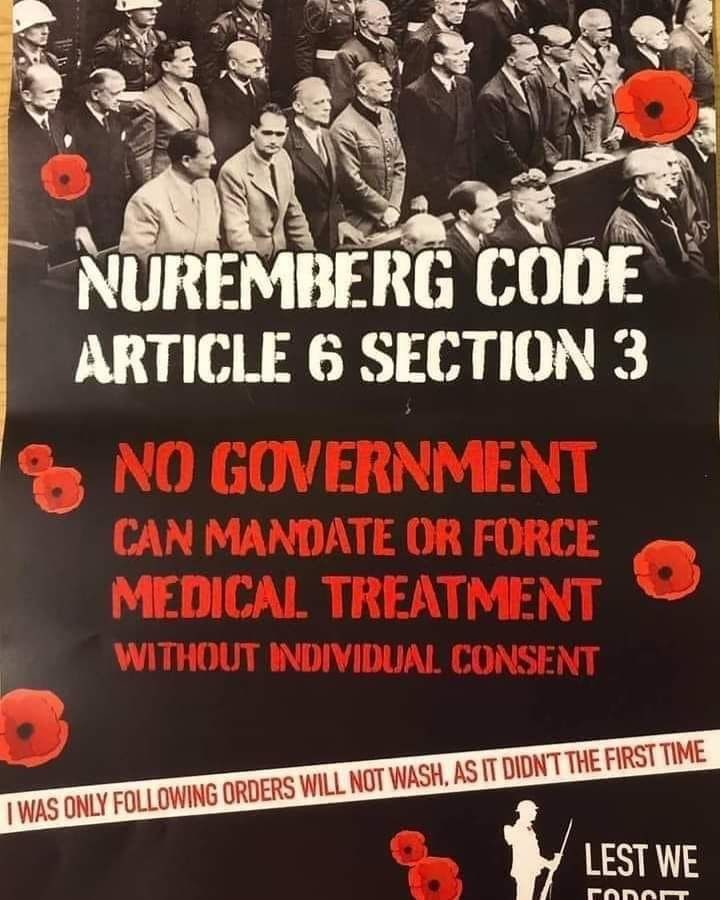
Nuremberg Code Article 6 Section 4: "No government can mandate or force medical treatment with out individual consent"
-
List of mass hysteria cases - List of totalitarian regimes - List of genocides 👈 All these lists need to be upgraded shortly (which of course won't happen on cryptocratic captured wikipedia)
-
Jabir ibn Hayyan (721 - 815) - Iranian chemist, scientist, alchemist, polymath
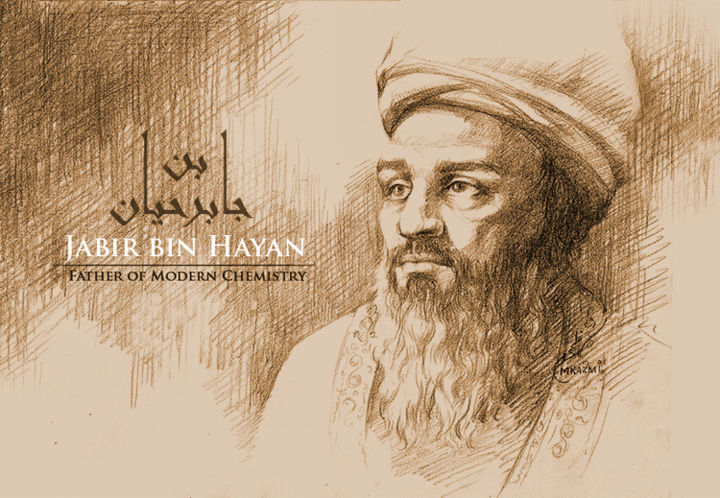
Jabir ibn Hayyan (also known by the Latinized version of his name, Geber, 721–815 AD, 103–200 AH) was a Muslim polymath, philosopher, and alchemist. He was probably born in Tus, Khorasan, in present-day Iran, although some sources claim that he was born and grew up in Kufa, Iraq. Some aspects of the life of Jabir ibn Hayyan as well as the authenticity of tens, if not hundreds, of the titles of his vast body of work have been questioned.
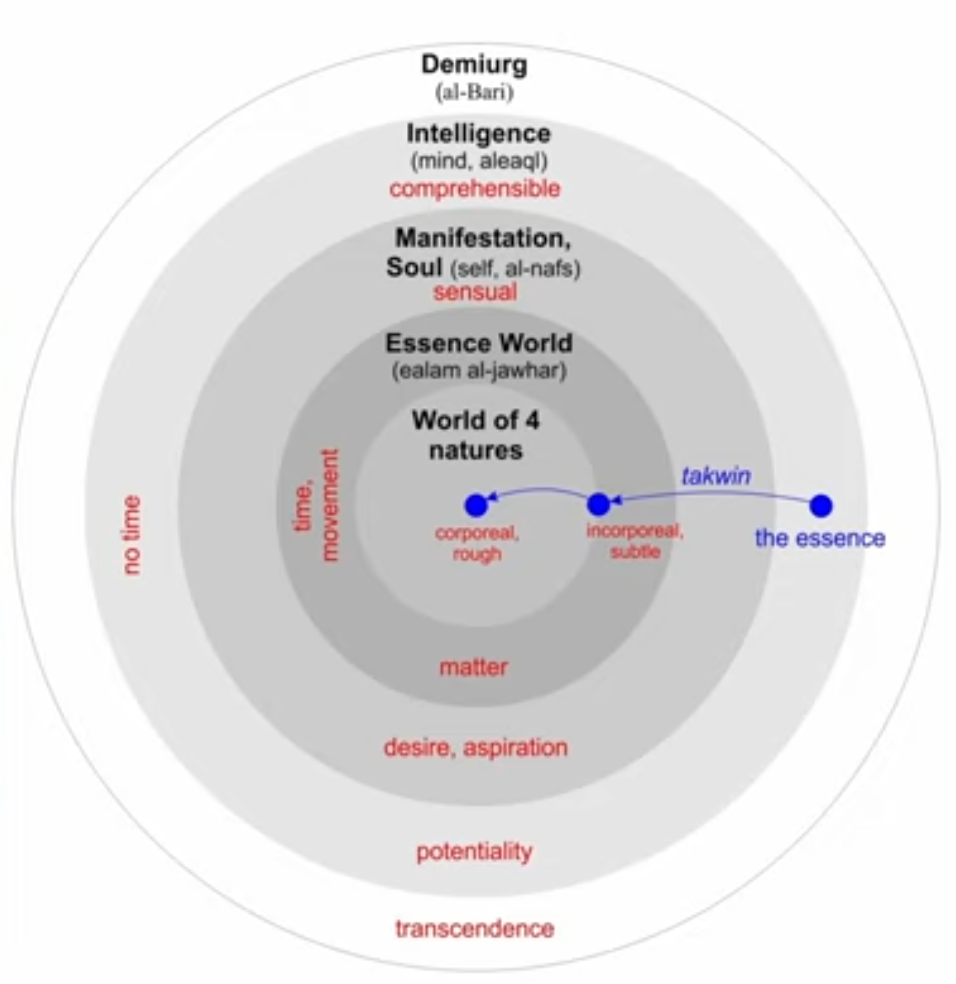
More than 3,000 treatises or books are attributed to him in one way or another, covering fields that include cosmology, music, medicine, magic, biology (including the artificial generation of living beings), chemical technology, geometry, grammar, metaphysics, and logic. This work is a biography of Jabir ibn Hayyan by Zaki Naguib Mahmoud (1905–93), who was an Egyptian writer, academic, and philosophy professor. He was an encyclopedic writer who was known for his ability to simplify complex ideas, and for taking philosophy out of its “ivory tower” and into the public domain.