tag > History
-
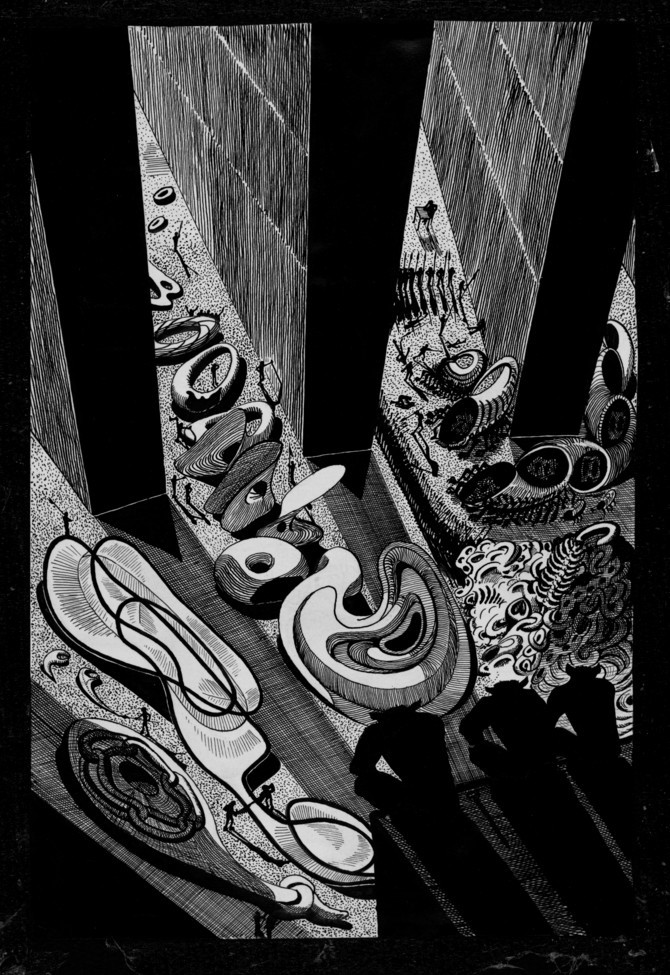
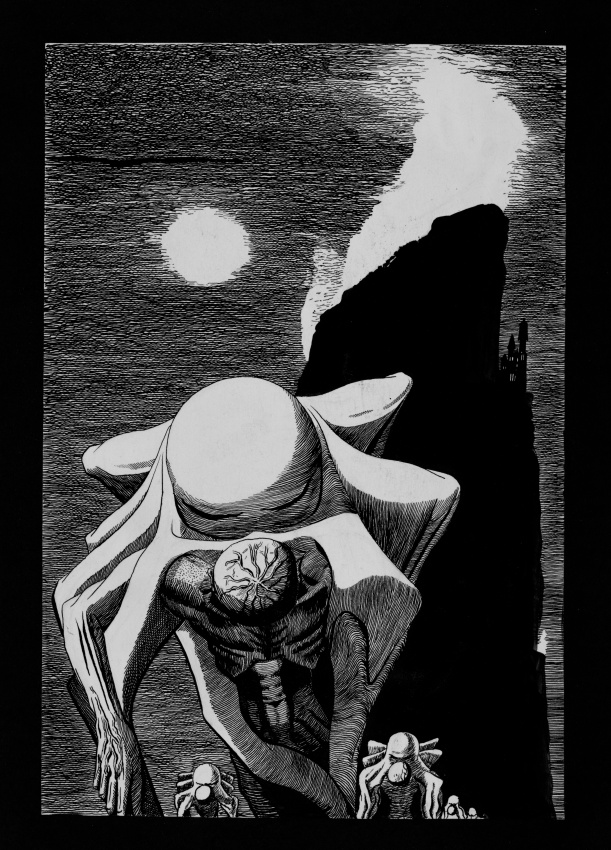
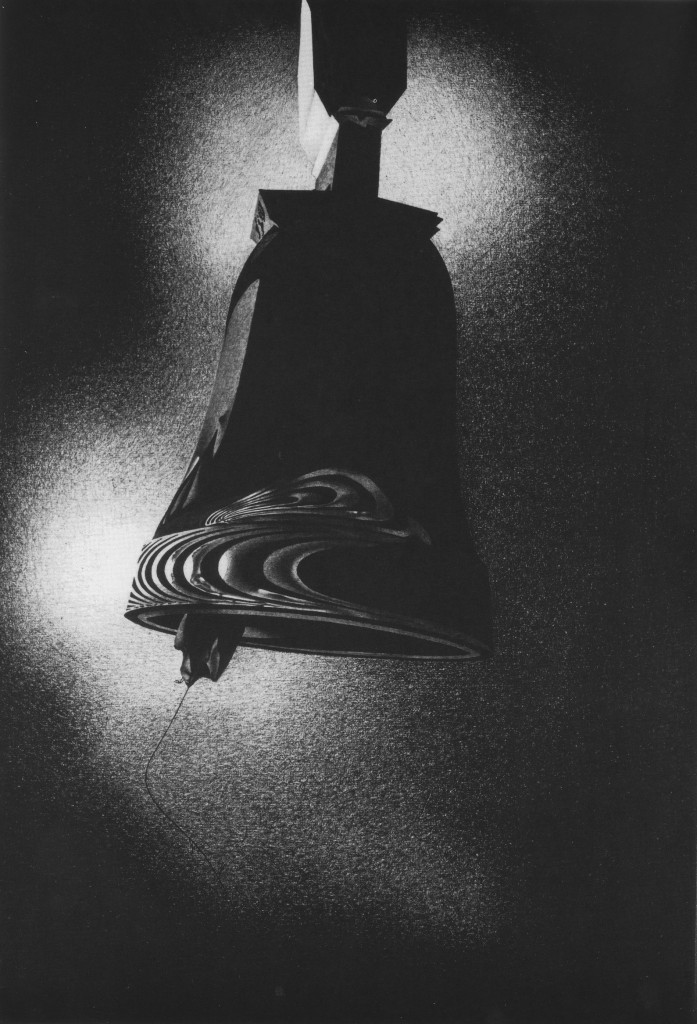
Art by Anatoly Fomenko (Born 1945, USSR) - who is not only an influential mathematician, topologist and an accomplished artist, but also a renegade historian.
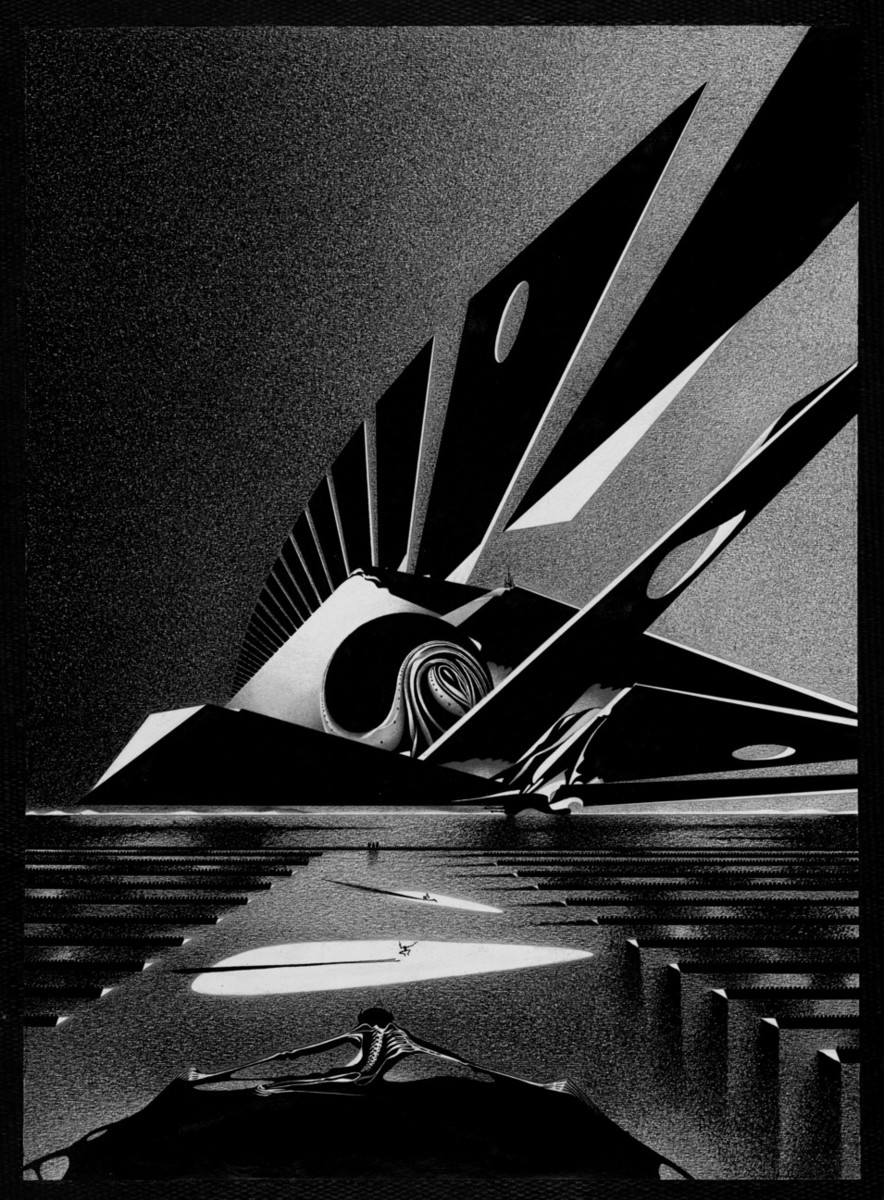
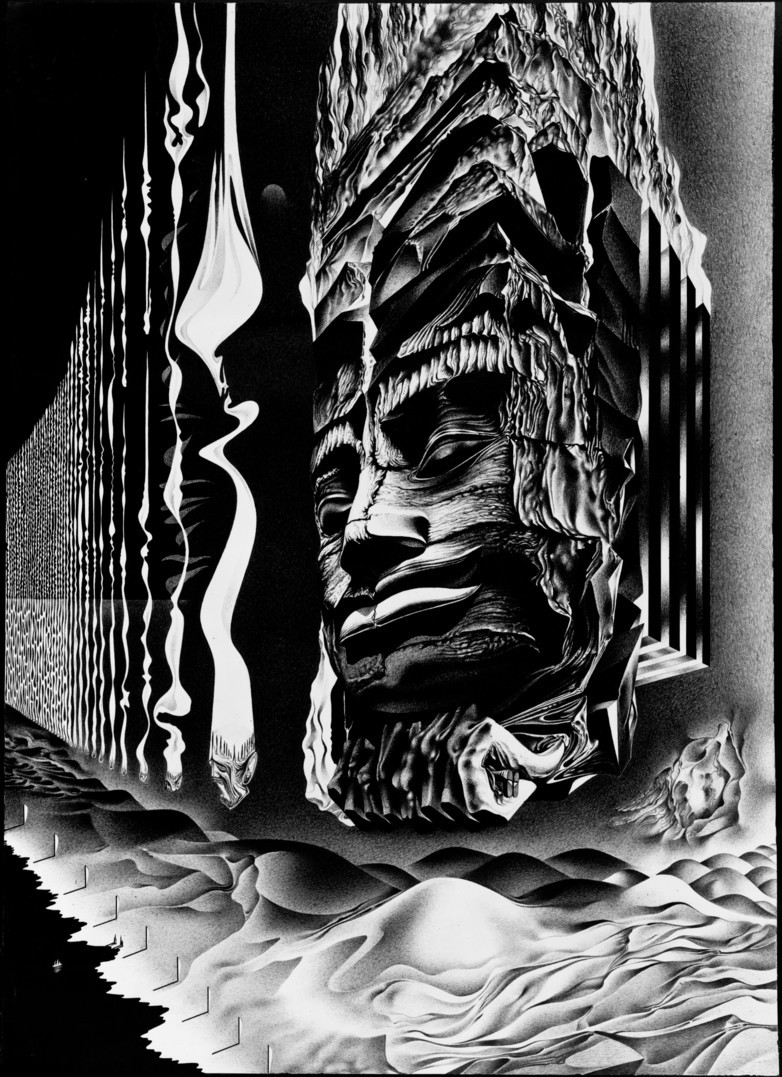
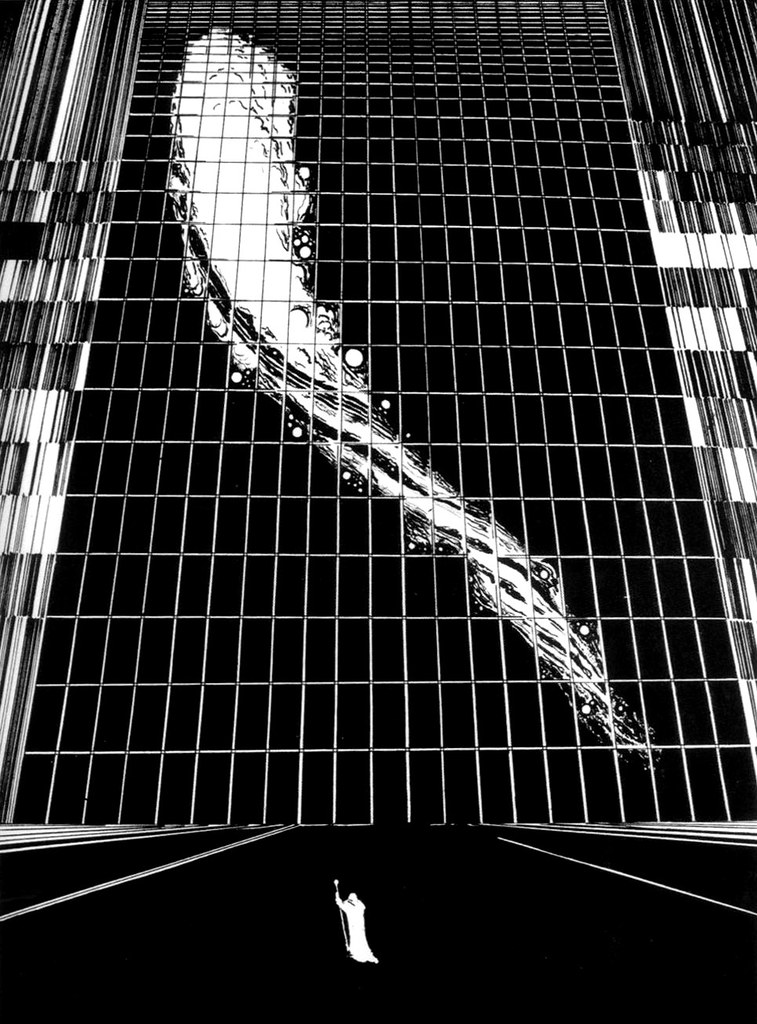

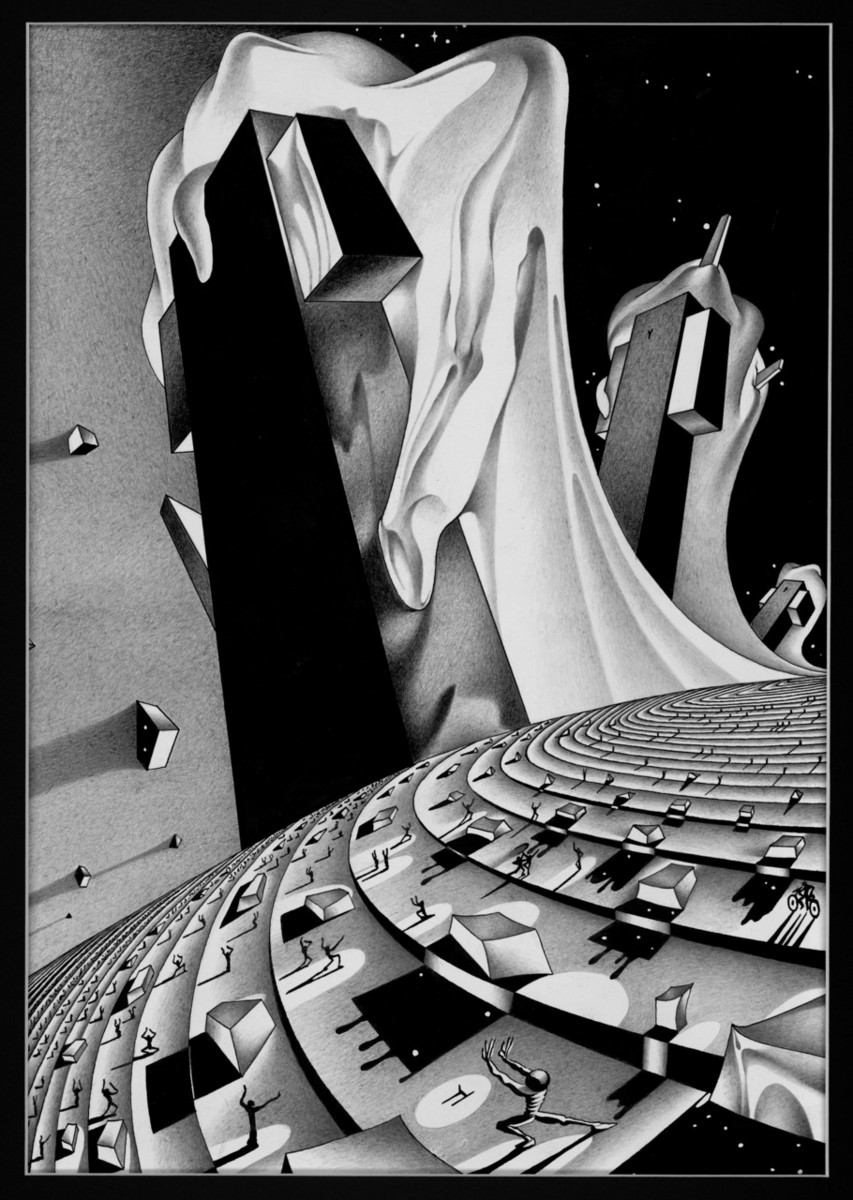
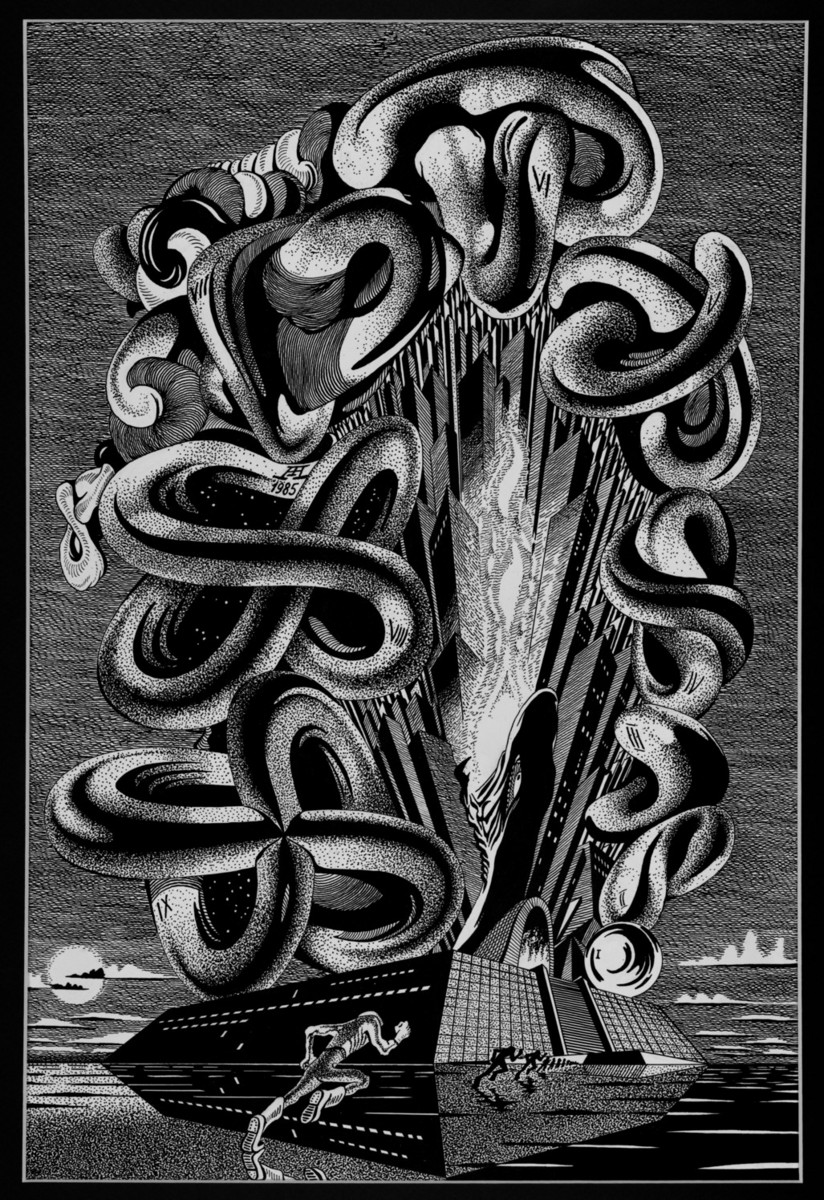
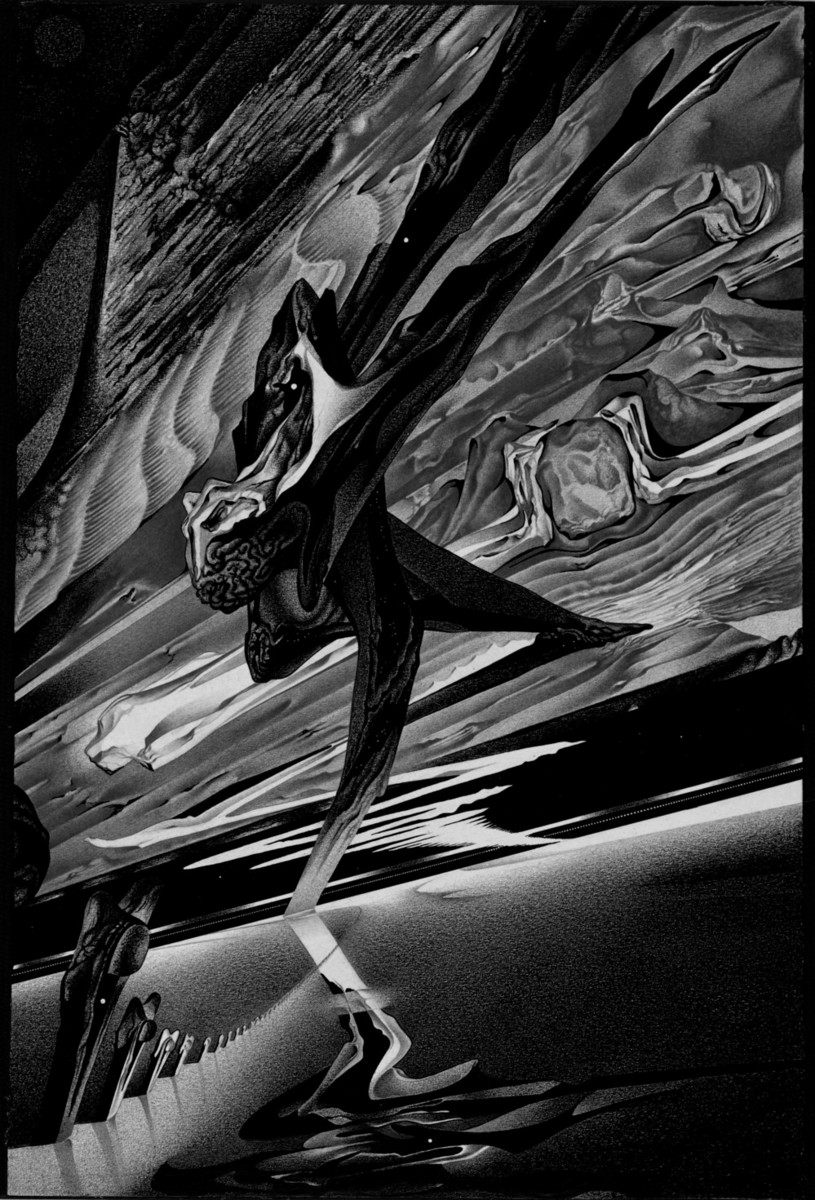
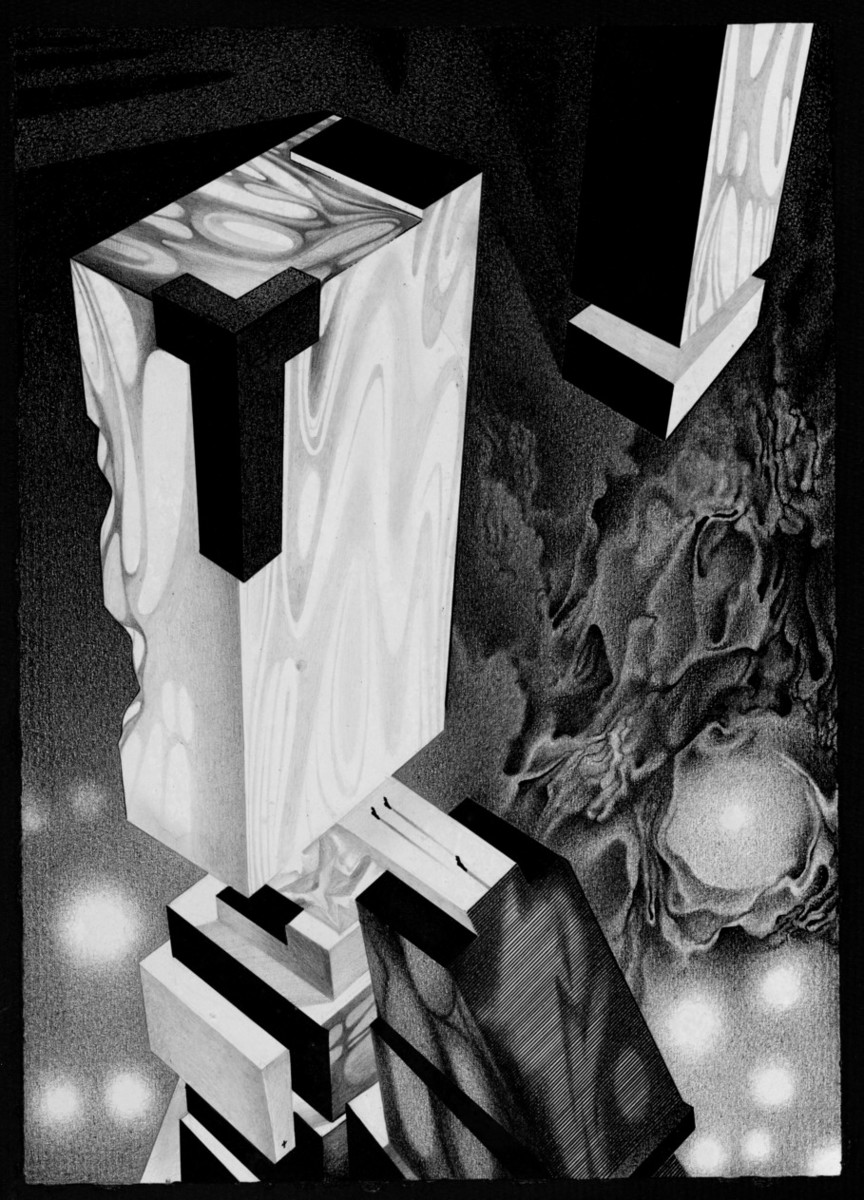
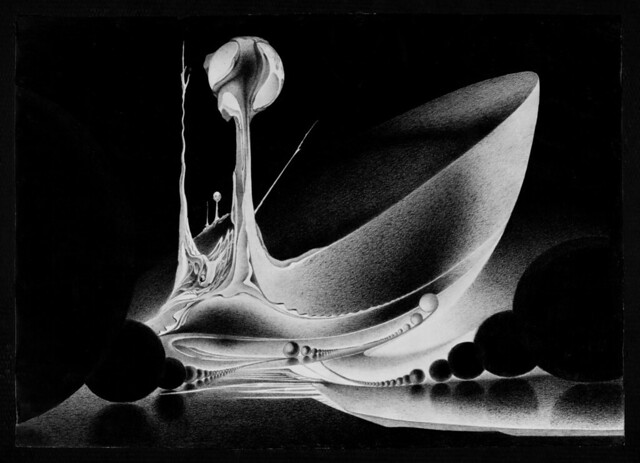
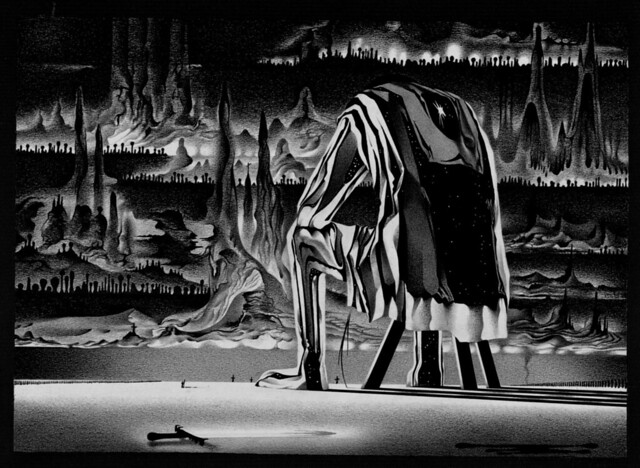
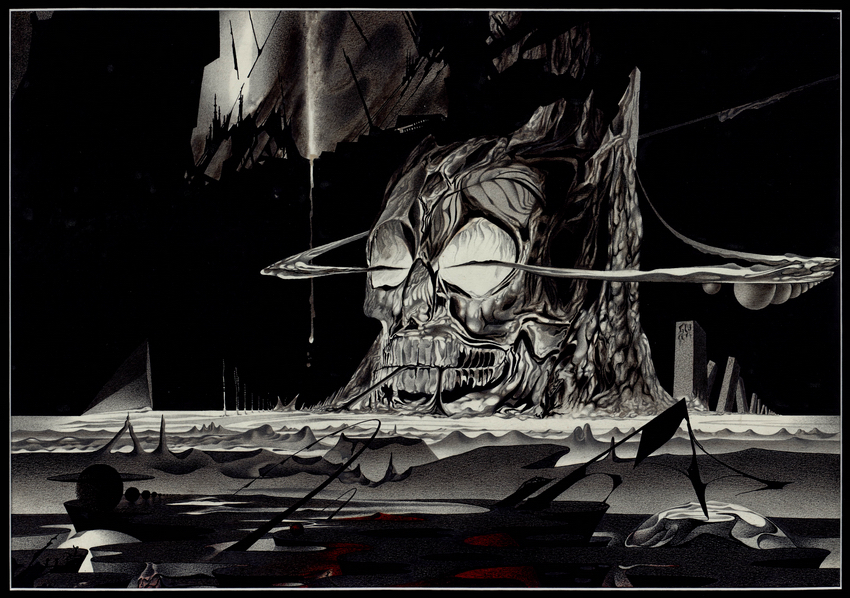
More Art can be found here.
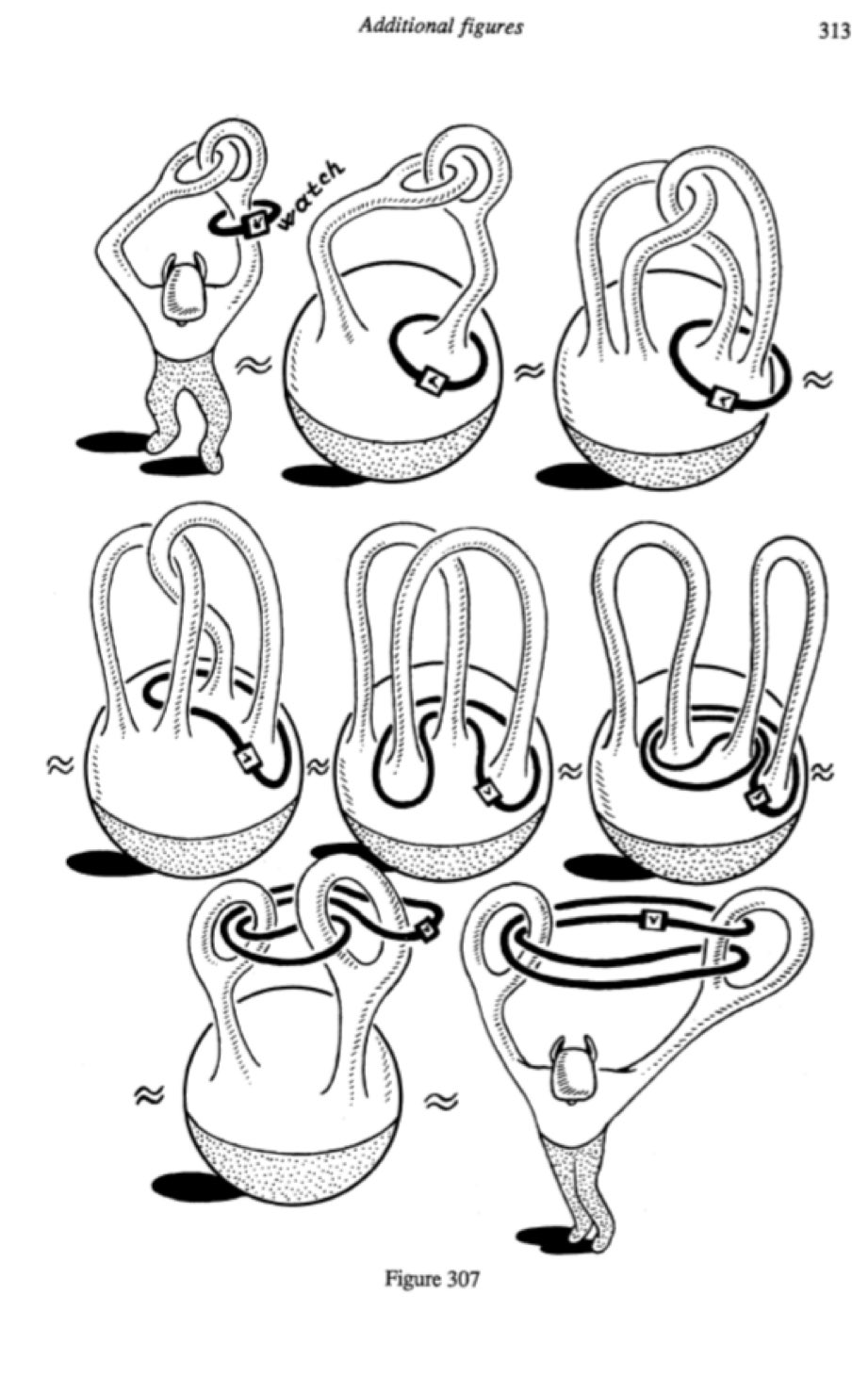
Topological cartoon by Anatoly Fomenko
Fomenko the renegade historian
Fomenko has created his own revision of History called New Chronology, based on statistical correlations, dating of zodiacs, and by examining the mathematics and astronomy involved in chronology. Fomenko claims that he has discovered that many historical events do not correspond mathematically with the dates they are supposed to have occurred on. He asserts from this that all of ancient history (including the history of Greece, Rome, and Egypt) is just a reflection of events that occurred in the Middle Ages and that all of Chinese and Arab history are fabrications of 17th and 18th century Jesuits.
He also claims that Jesus lived in the 12th century A.D. and was crucified on Joshua's Hill; that the Trojan war and the Crusades were the same historical event; and that Genghis Khan and the Mongols were actually Russians. As well as disputing written chronologies, Fomenko also disputes more objective dating techniques such as dendrochronology and radiocarbon dating (see here for an examination of the latter criticism). His books include Empirico-statistical Analysis of Narrative Material and Its Applications and History: Fiction or Science?
History: Fiction or Science? - Book by Anatoly Fomenko

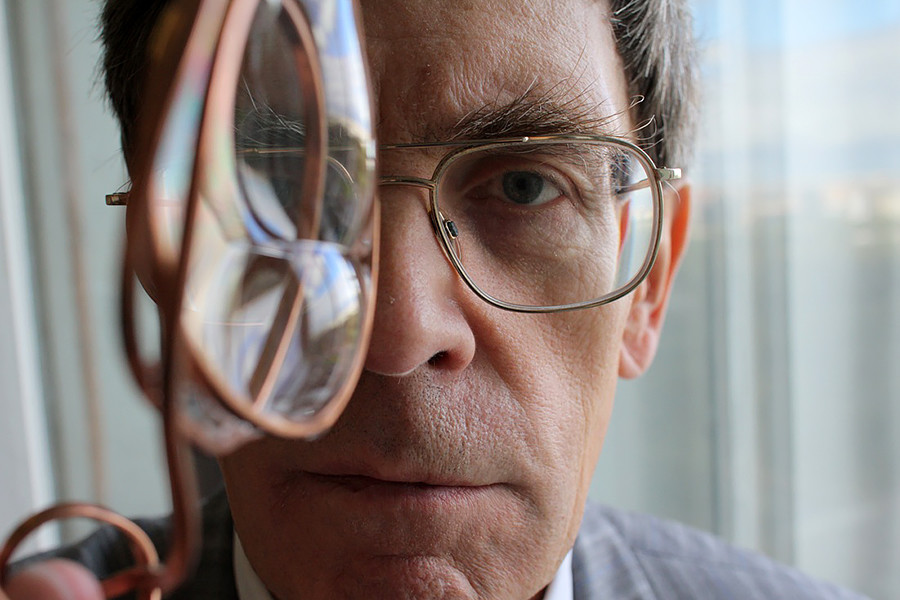

Is Ancient History Completely Made Up By 'The Man'? (gawker)
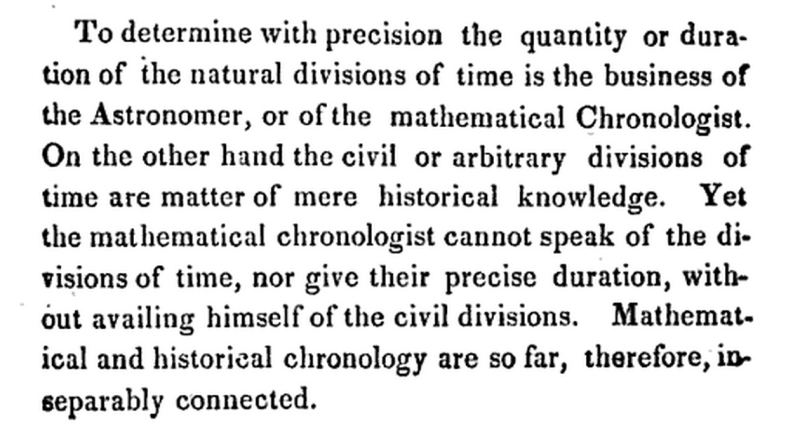
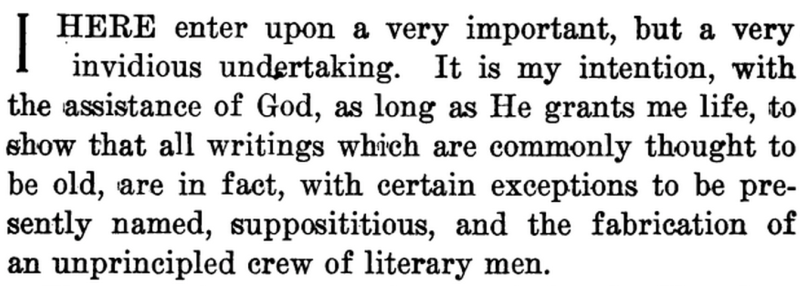
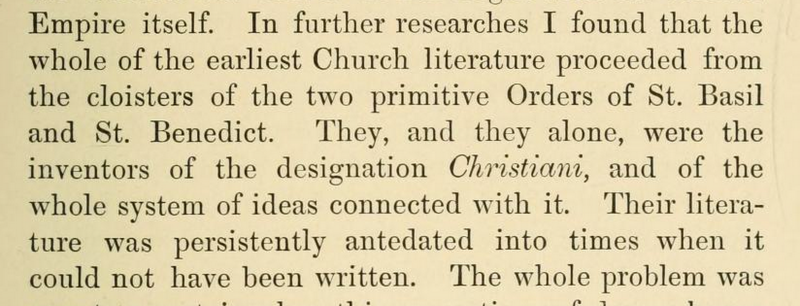
The Chronological Revision Chronicles, Part One: The Fomenko Timeline
-


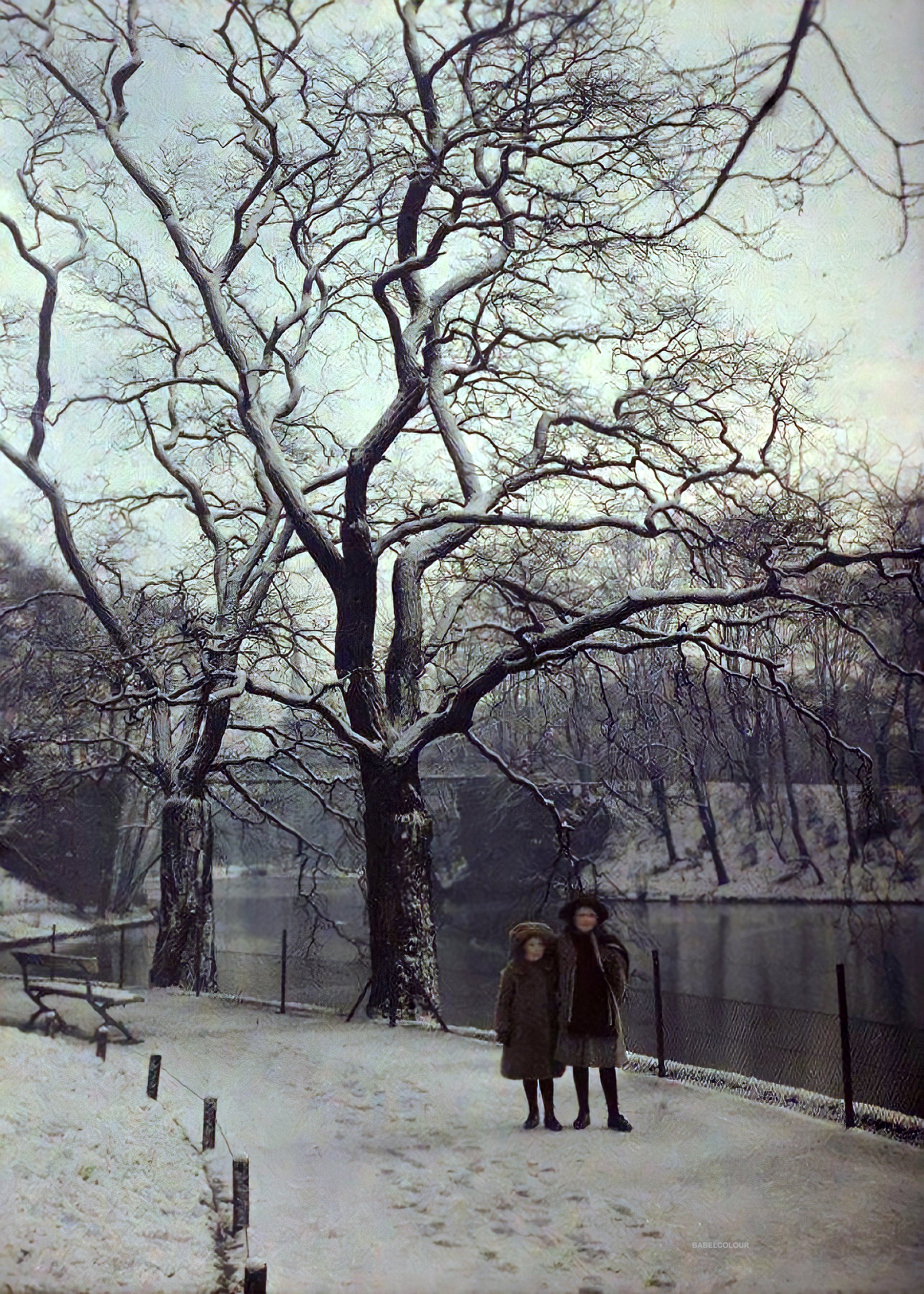
Pilgrim in a Rocky Valley, ca 1820. Artist: Carus, Carl Gustav (1789-1869)

-
Project Pandora and the MJ-12 Eisenhower Briefing Document
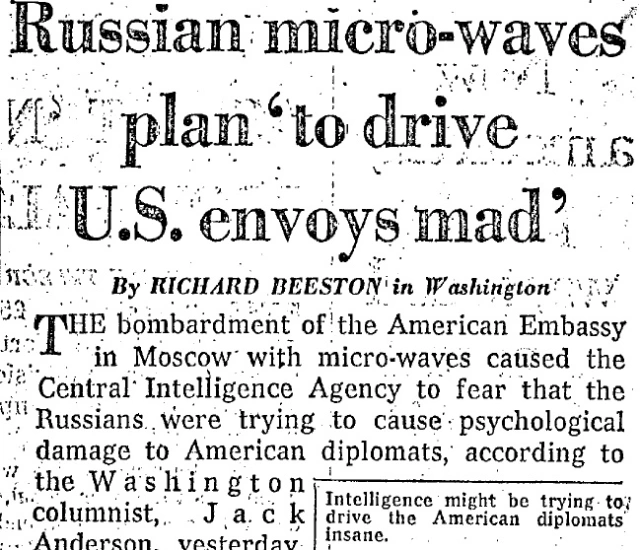
From 1965 to 1970, a study dubbed Project Pandora was undertaken to determine the health and psychological effects of low intensity microwaves, the so-called “Moscow signal” registered at the American Embassy in Moscow. Initially, there was confusion over whether the signal was an attempt to activate bugging devices or for some other purpose. There was suspicion that the microwave irradiation was being used as a mind control system. CIA agents asked scientists involved in microwave research whether microwaves beamed at humans from a distance could affect the brain and alter behavior.
-
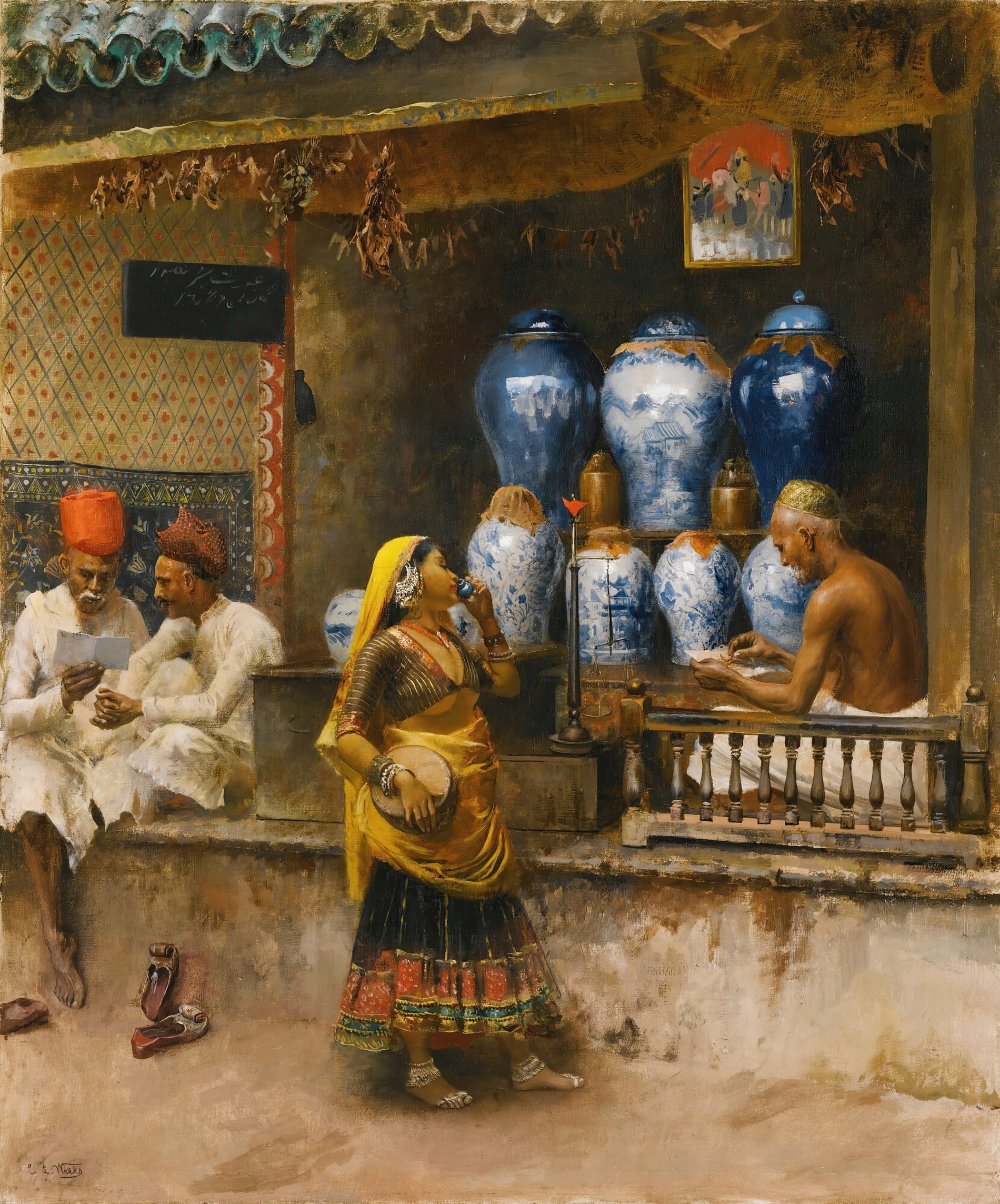
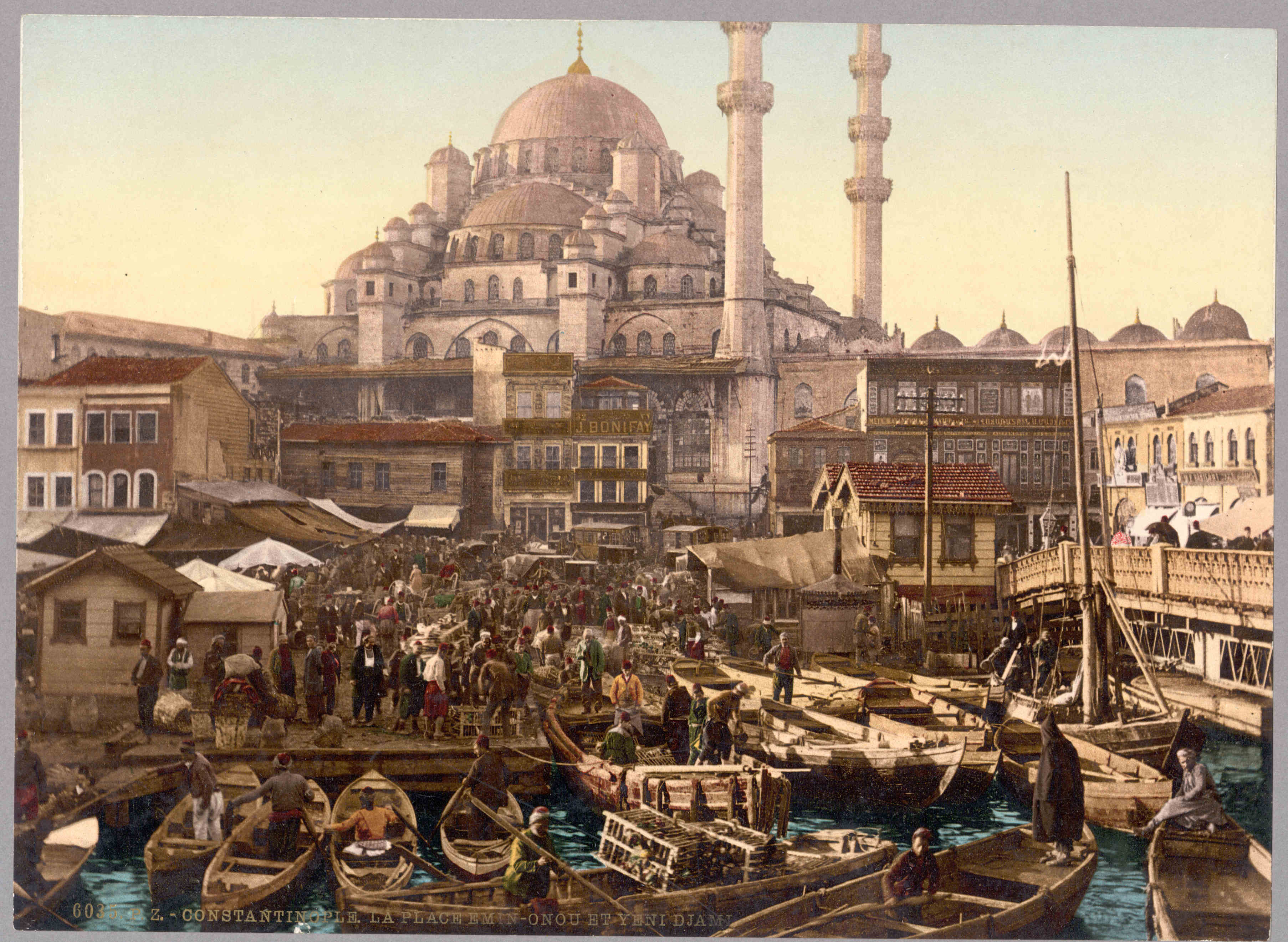
The bazaar in front of the Yeni Cami Mosque, in Constantinople (Istanbul) around 1890
-
The remains of the Kingdom of Kush

Photo of sudanese tourists visit Jebel Barkal to climb the small butte that has been considered sacred for thousands of years, especially when the Kingdom of Kush was at its height. Ruins of temples, one of which was dedicated to a god living atop the butte, are scattered around the base of the mountain. The legendary Kingdom of Kush, with its capitals in what is now northern Sudan, helped define the political and cultural landscape of northeastern Africa for more than a thousand years. Yet past archaeologists have offhandedly—and inaccurately—dismissed the Kushite kings as racially inferior, and their accomplishments as an inheritance of older Egyptian traditions. - Photograph by Nichole Sobecki
-
This week we time travel to 1530 and Geneva
Text from François Bonivard (1493–1570), "Chronicles of Geneva", second volume, pages 395 - 402:
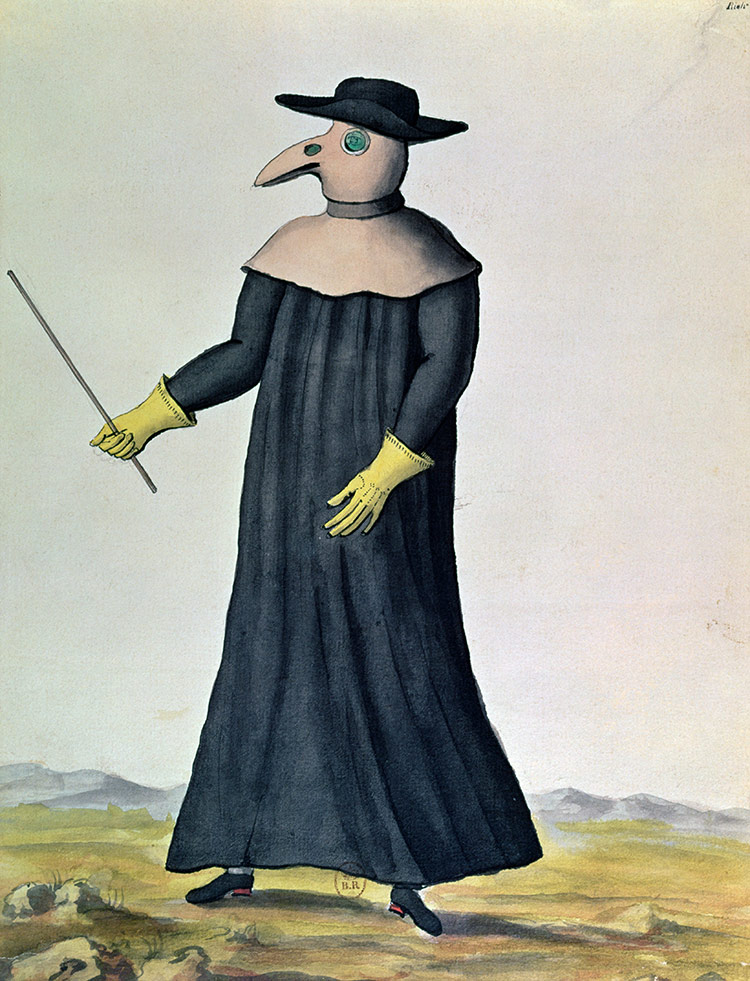
"When the bubonic plague struck Geneva in 1530, everything was ready. They even opened a whole hospital for the plague victims. With doctors, paramedics and nurses. The traders contributed, the magistrate gave grants every month. The patients always gave money, and if one of them died alone, all the goods went to the hospital.
But then a disaster happened: the plague was dying out, while the subsidies depended on the number of patients. There was no question of right and wrong for the Geneva hospital staff in 1530. If the plague produces money, then the plague is good. And then the doctors got organized.
At first, they just poisoned patients to raise the mortality statistics, but they quickly realized that the statistics didn't have to be just about mortality, but about mortality from plague. So they began to cut the boils from the bodies of the dead, dry them, grind them in a mortar and give them to other patients as medicine. Then they started dusting clothes, handkerchiefs and garters. But somehow the plague continued to abate. Apparently, the dried buboes didn't work well. Doctors went into town and spread bubonic powder on door handles at night, selecting those homes where they could then profit. As an eyewitness wrote of these events, "this remained hidden for some time, but the devil is more concerned with increasing the number of sins than with hiding them."
In short, one of the doctors became so impudent and lazy that he decided not to wander the city at night, but simply threw a bundle of dust into the crowd during the day. The stench rose to the sky and one of the girls, who by a lucky chance had recently come out of that hospital, discovered what that smell was.
The doctor was tied up and placed in the good hands of competent “craftsmen.” They tried to get as much information from him as possible. However, the execution lasted several days. The ingenious hippocrats were tied to poles on wagons and carried around the city. At each intersection the executioners used red-hot tongs to tear off pieces of meat. They were then taken to the public square, beheaded and quartered, and the pieces were taken to all the districts of Geneva.
The only exception was the hospital director's son, who did not take part in the trial but blurted out that he knew how to make potions and how to prepare the powder without fear of contamination. He was simply beheaded "to prevent the spread of evil".
Related: "Social Concern in Calvin's Geneva" - "Plagues, Poisons and Potions: Plague-spreading Conspiracies in the Western Alps, C. 1530–1640"