tag > History
-
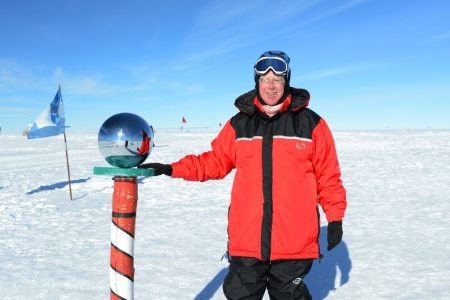
Founder of Autodesk Inc. (https://www.fourmilab.ch/autofile/) and supporter of many interesting initiatives such as the RetroPsychoKinesis project (https://fourmilab.ch/rpkp/) Born in the US, he lived in Switzerland for decades.
-
Nazi Design Legacy

It is telling that the currently leading design language in western tech is heavily inspired by a design tradition which evolved in Germany before, during & after the Nazi time. Dieter Rams' guiding philosophy "Das Chaos beseitigen" ("Clean up the chaos") has a dark history.
-
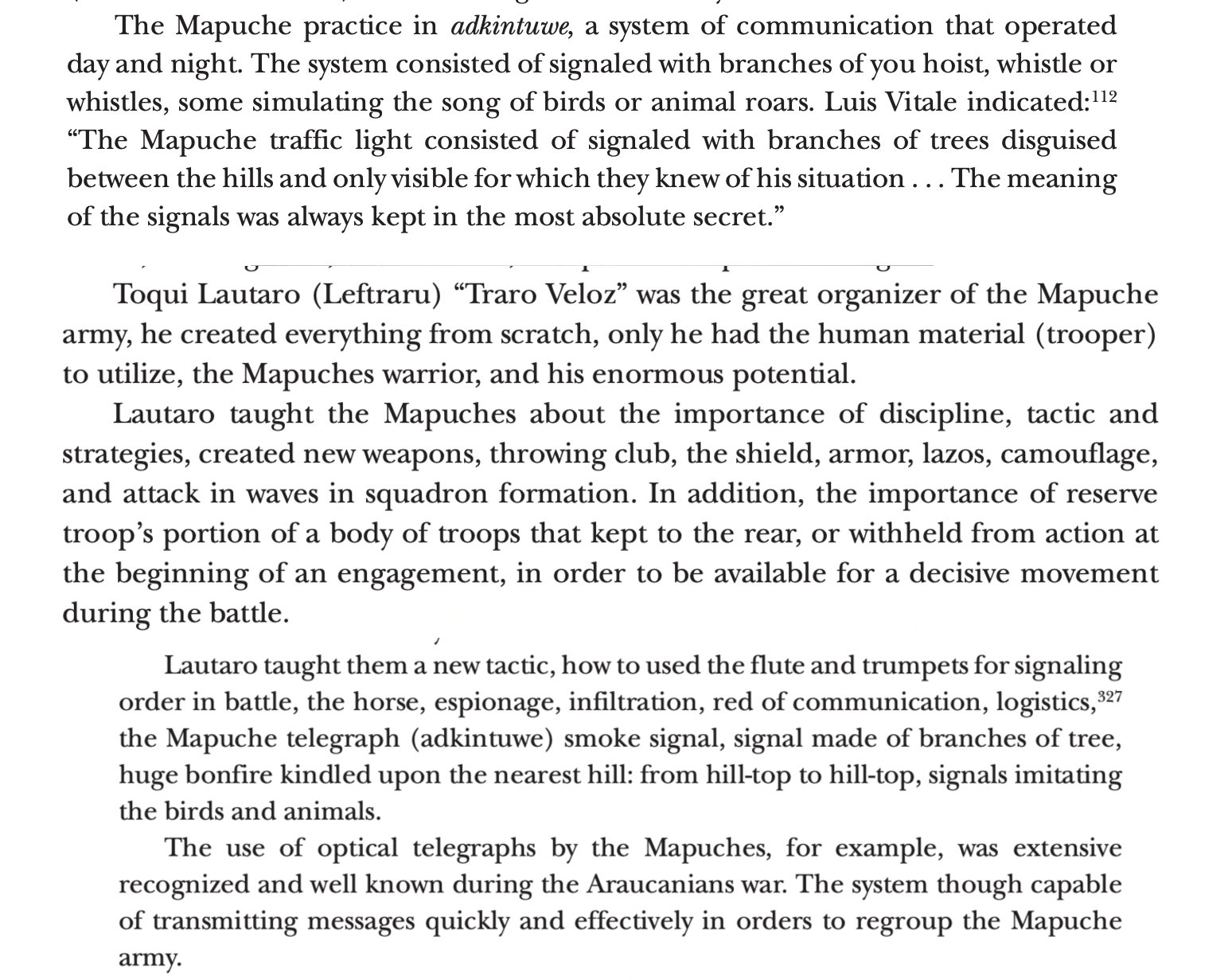
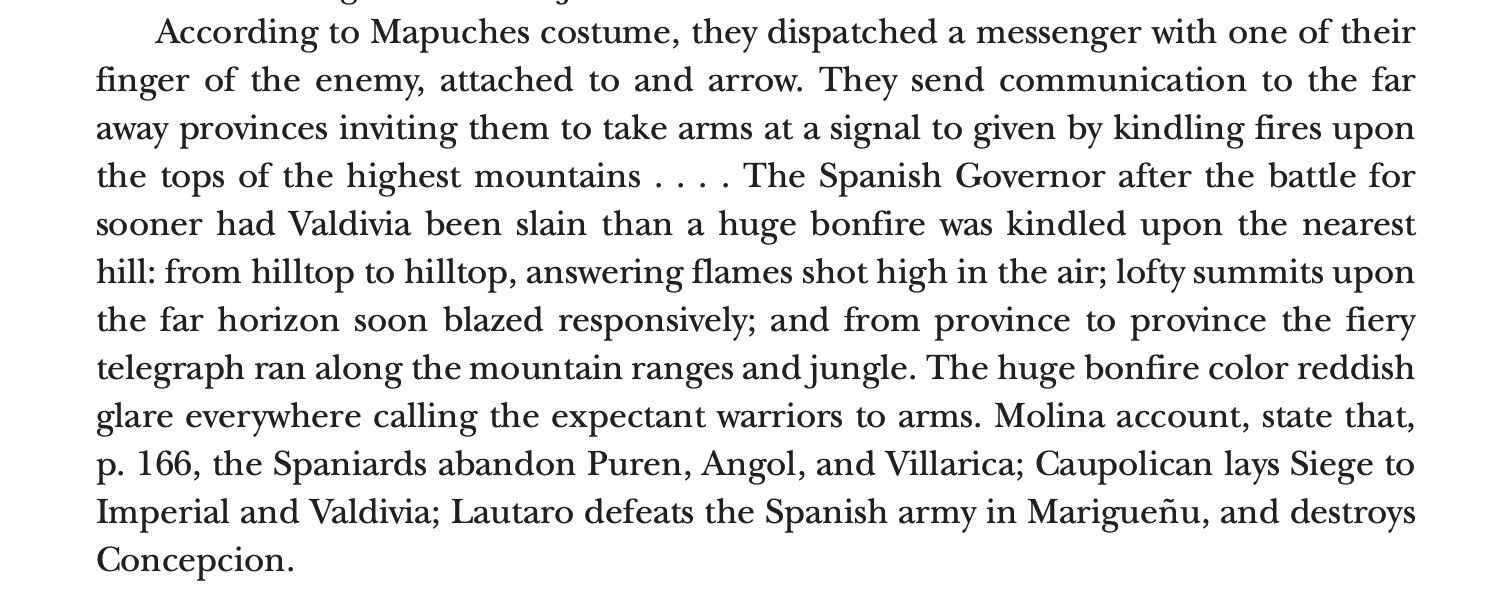
THE GRAND Araucanian Wars (1541-1883) IN THE Kingdom Of Chile (PDF)
Mapuche tree branch telegraphs used during their 16th century revolt against the Spanish (as well as other secretive and long-distance communication)
-
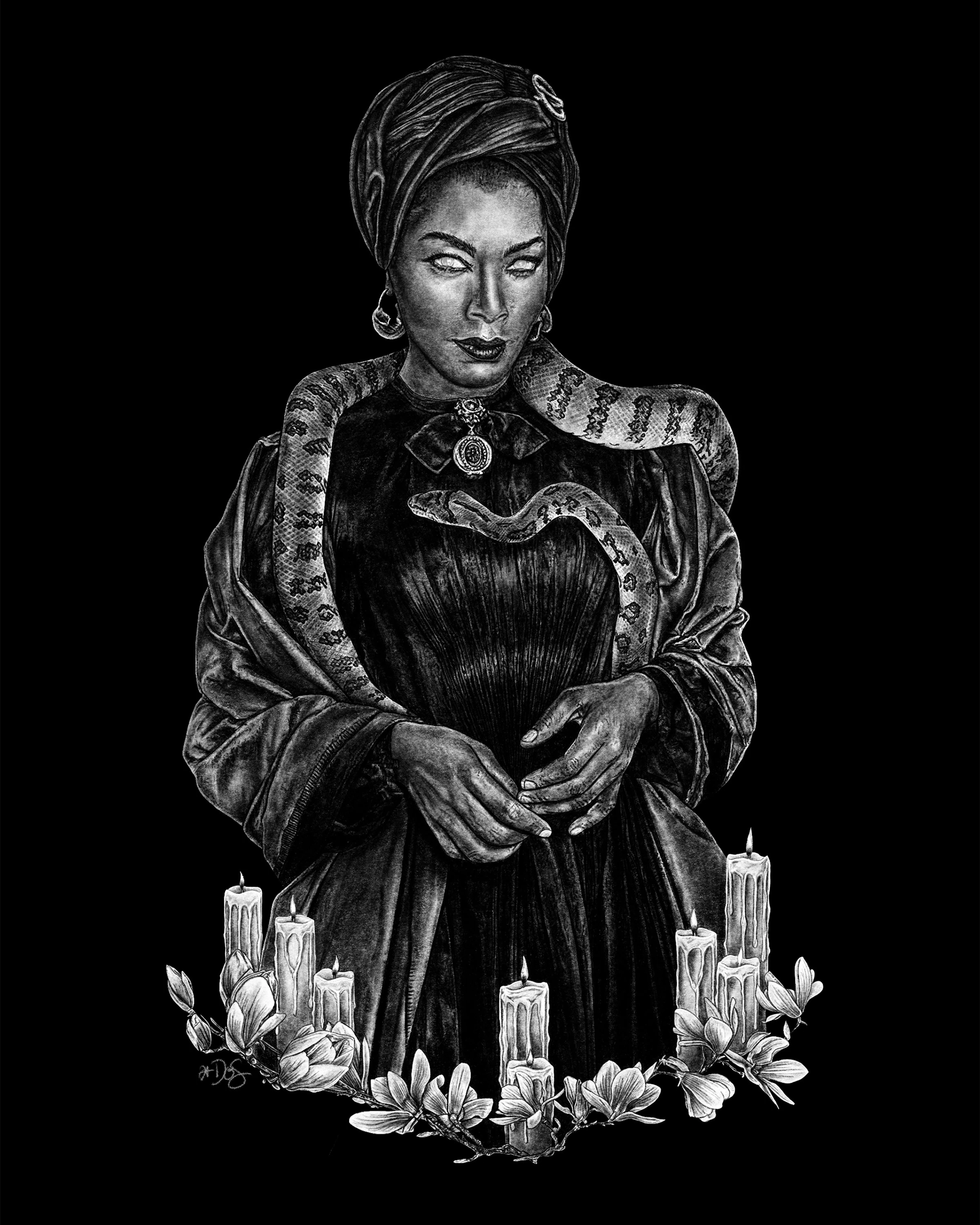
Marie Laveau (1801 – 1881) - Louisiana Creole practitioner of Voodoo, herbalist and midwife who was renowned in New Orleans.
-
"Sub Rosa" comes from the Latin "under the rose" that denotes secrecy & confidentially; Happening or done in secret. The rose has an ancient history as a symbol of secrecy.
-
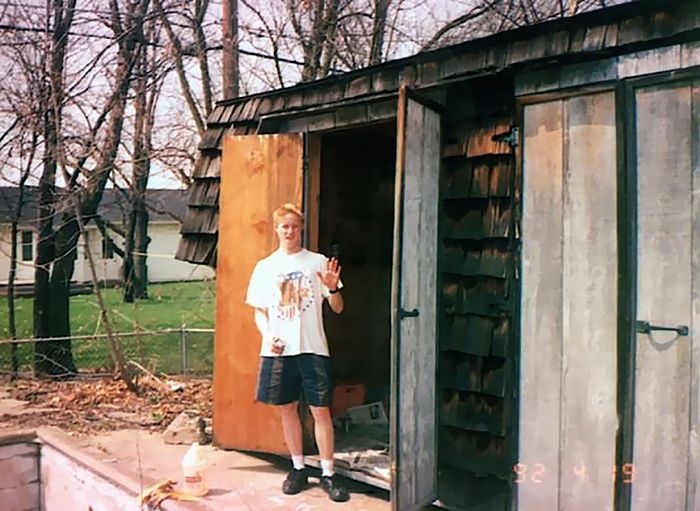
David Hahn (1976 - 2016), know as "Nuclear Boy Scout" was an American nuclear radiation enthusiast who built a homemade neutron source at the age of seventeen.
-
Espionage in Ancient Rome with Colonel Rose Mary Sheldon
"The roman empire had the highest rate of assassination of any monarchy at any time at any place in the world. 75% of roman emperors winded up dead by assassination"
-
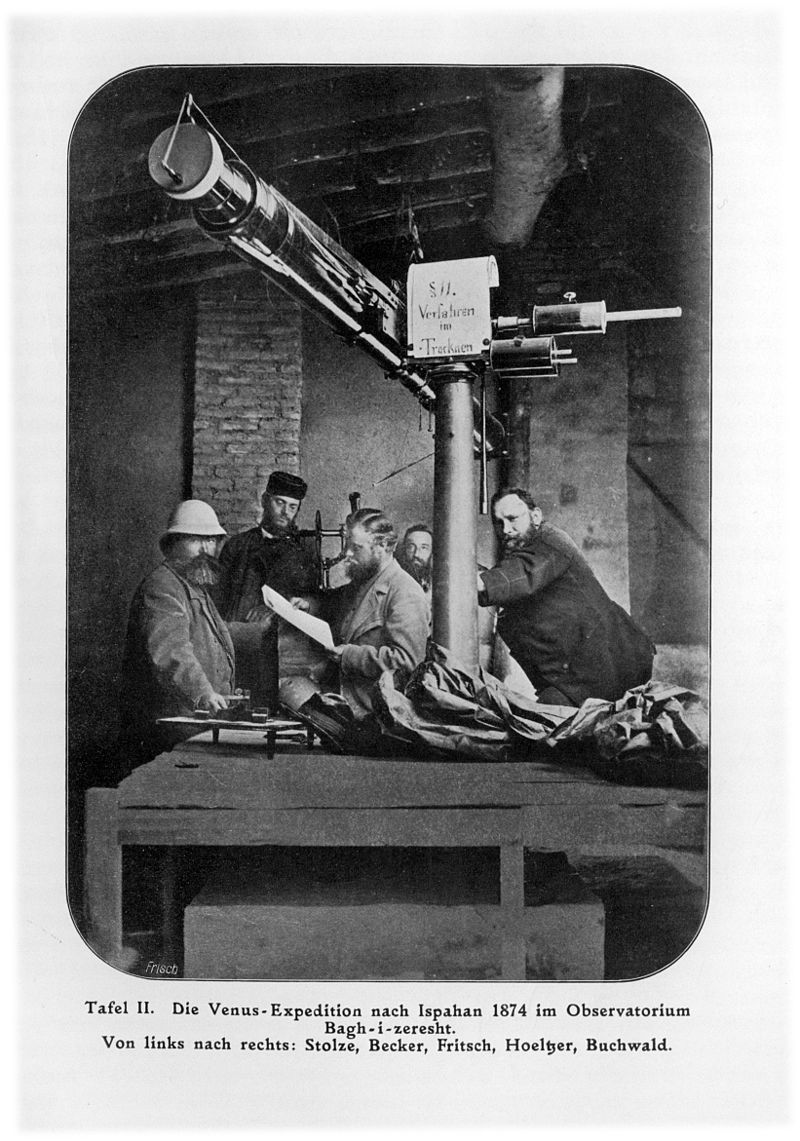
Research trip to Isfahan to observe the Venus transit of 1874, Gustav Fritsch third from left
-
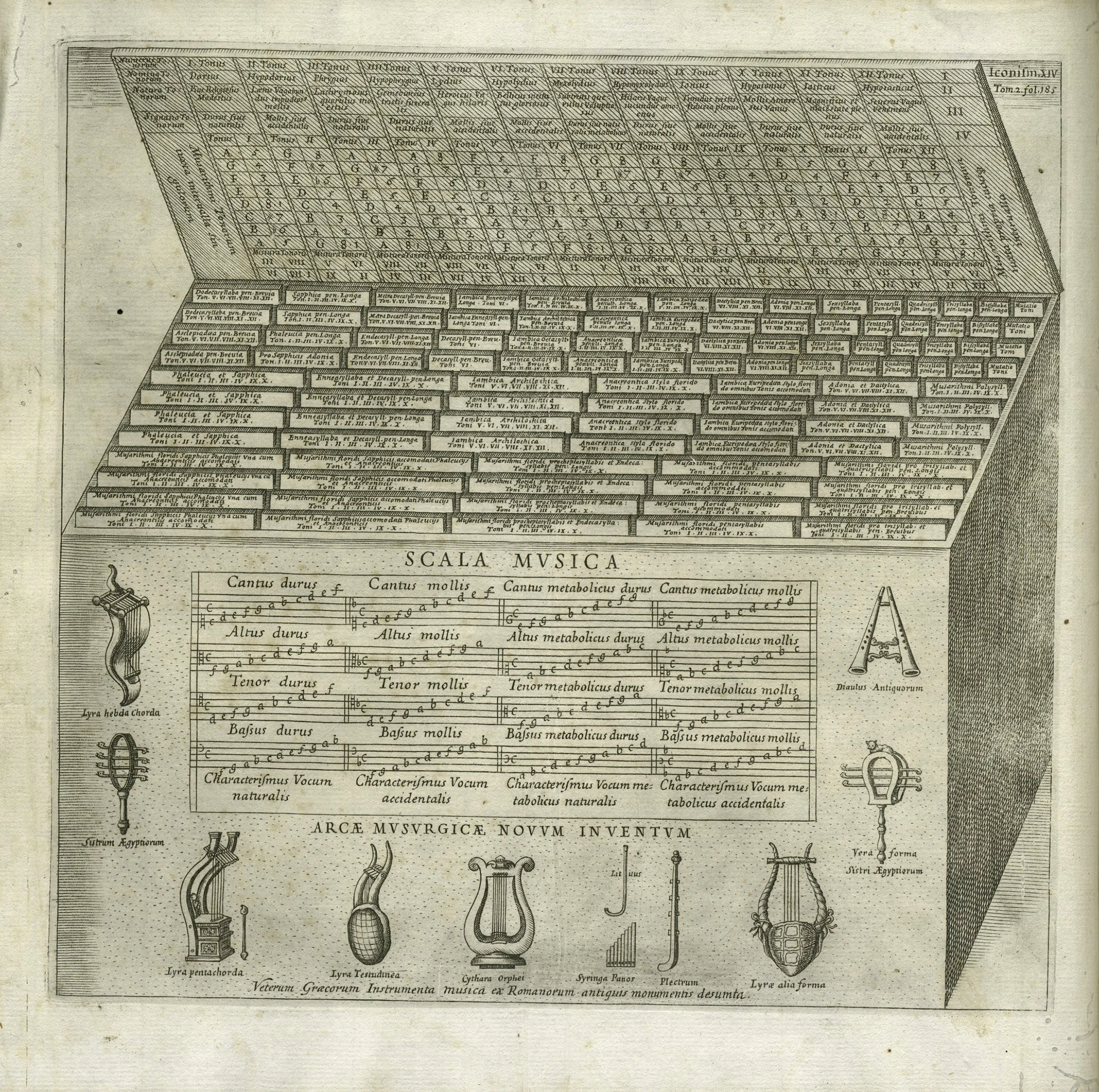
Athanasius Kircher's (1602 - 1680) “Musical Ark” - The first algorithmically generated music came to us in the seventeenth century, courtesy of Kircher and his Arca musarithmica.
-
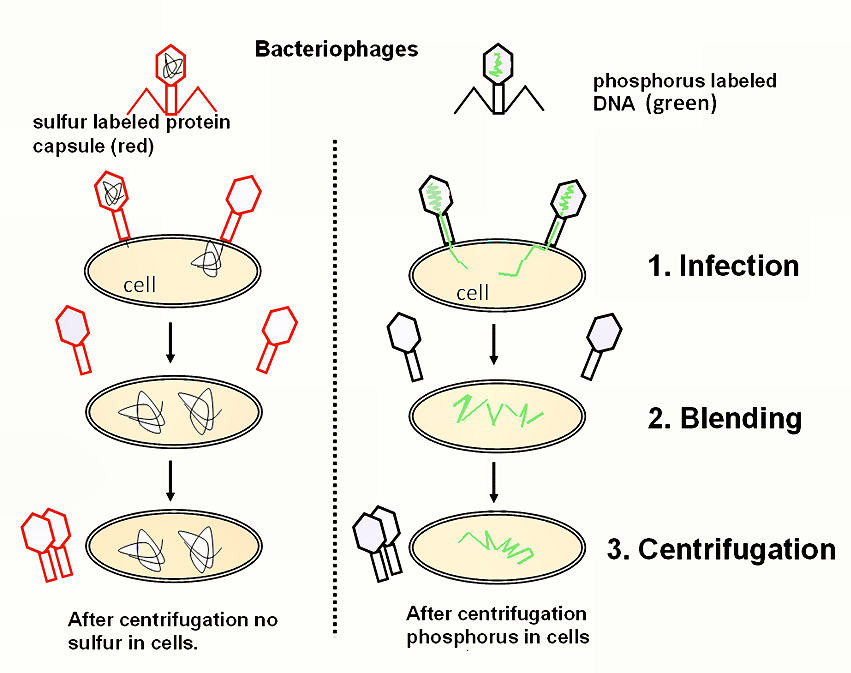
The Hershey–Chase experiments were a series of experiments conducted in 1952 by Alfred Hershey and Martha Chase that helped to confirm that DNA is genetic material.
-
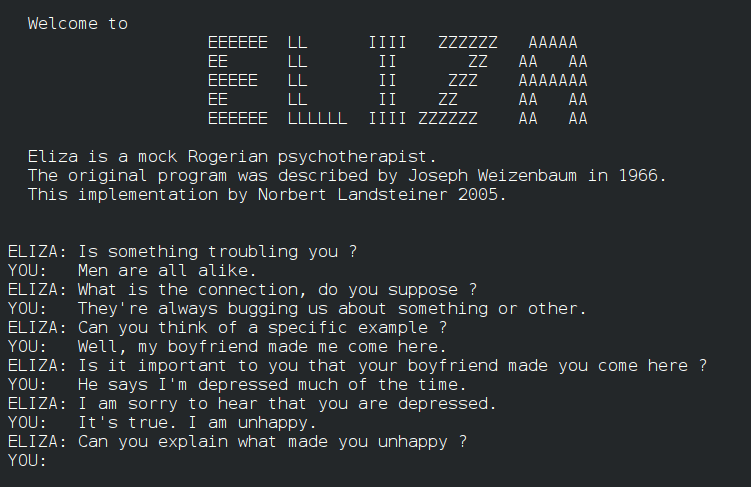
“I had not realized … that extremely short exposures to a relatively simple computer program could induce powerful delusional thinking in quite normal people.” - Joseph Weizenbaum (1960s)