tag > History
-
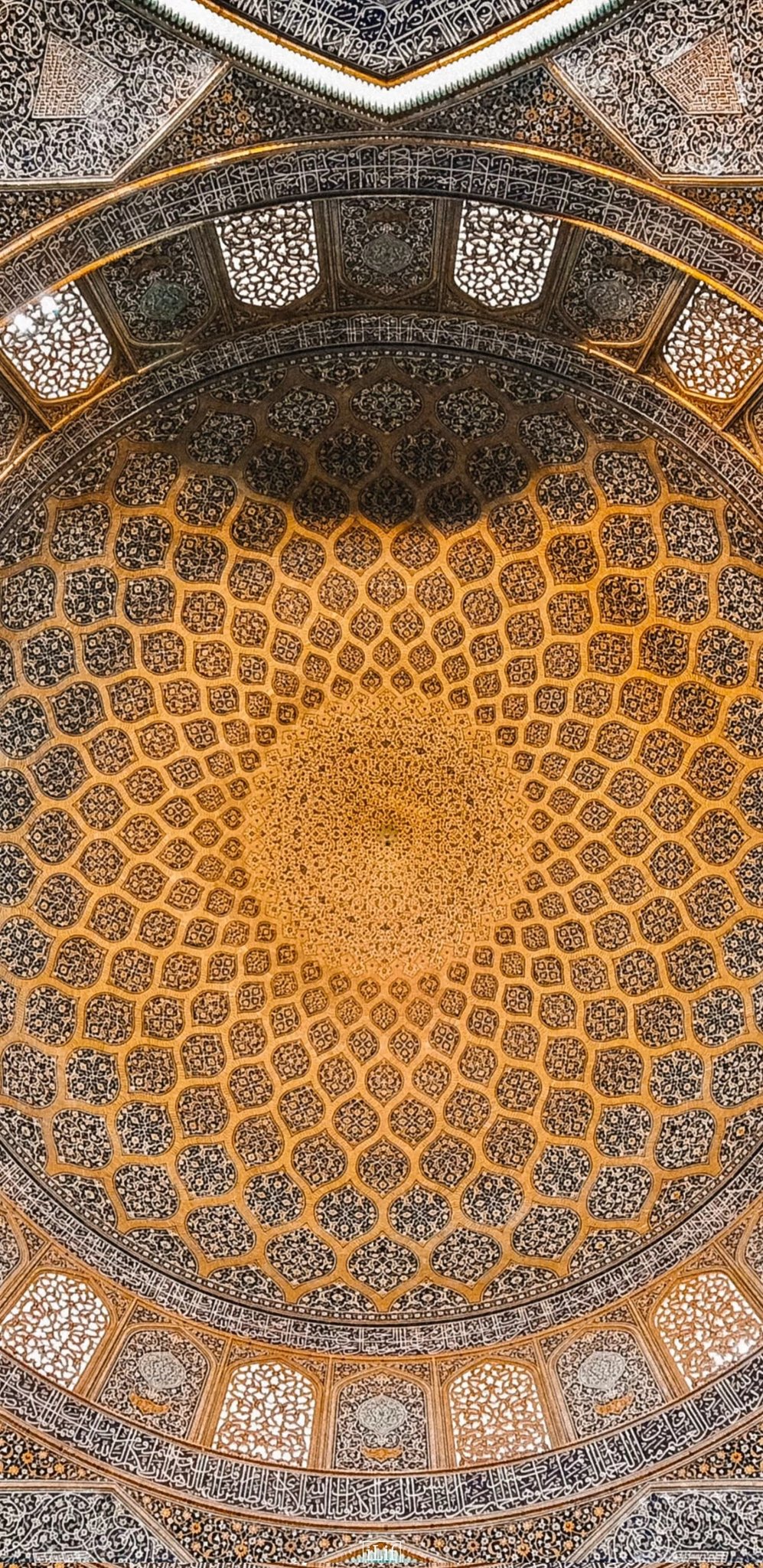
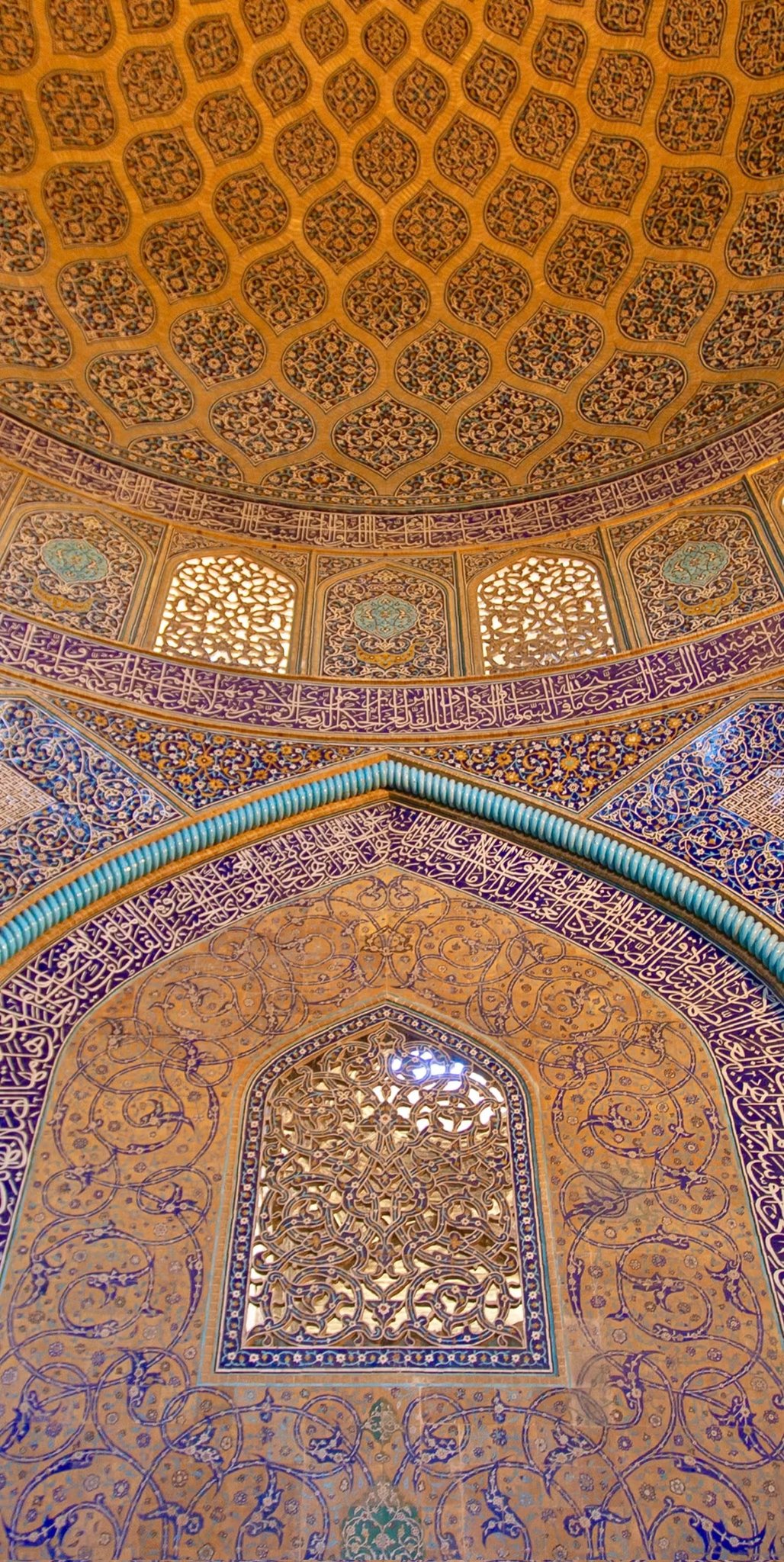
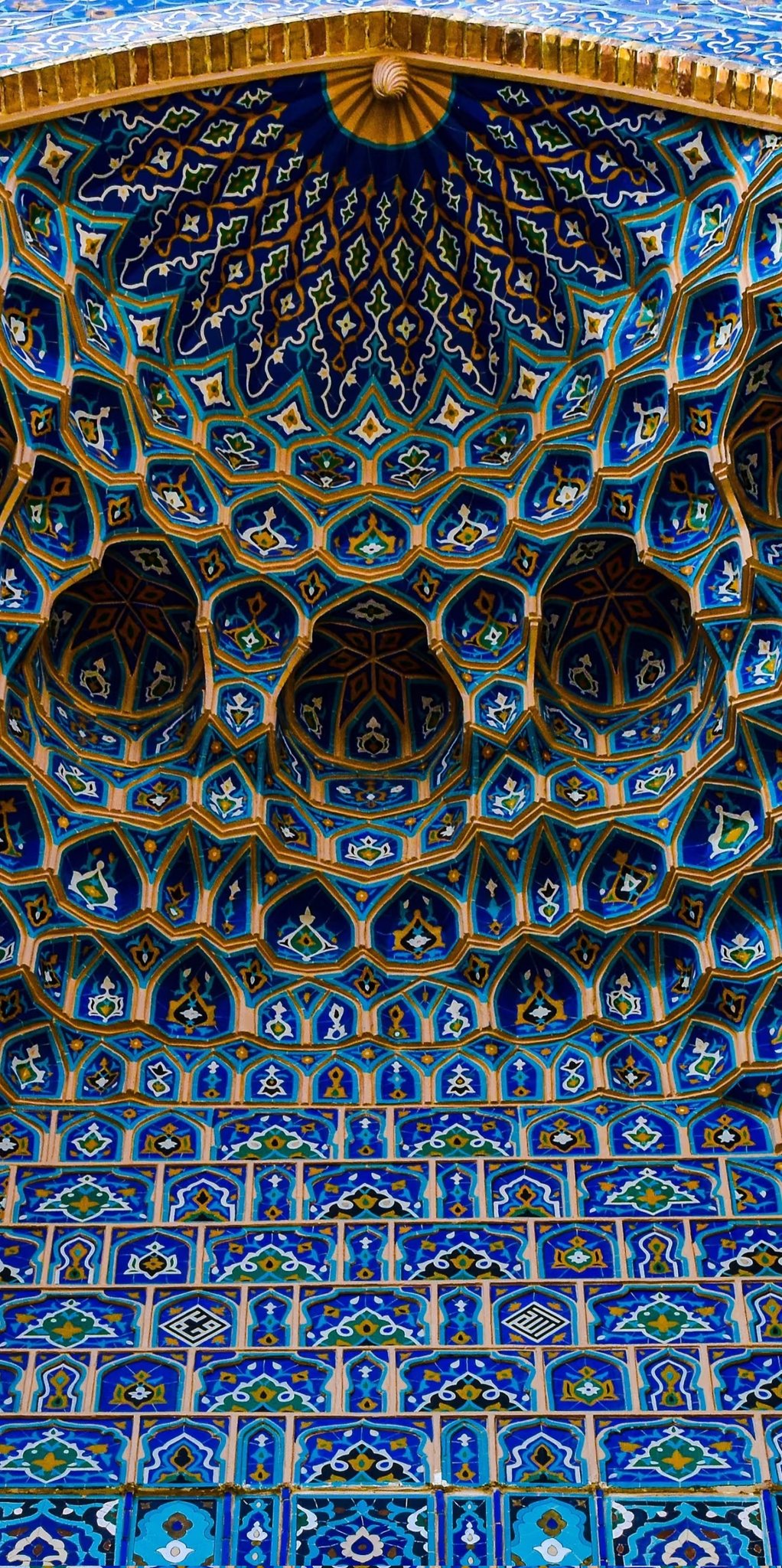
Persian architecture was literal art. Modern buildings look like they were designed by spreadsheets. We went from temples for the soul to glass prisons for productivity. If that’s progress, I want a refund.

-
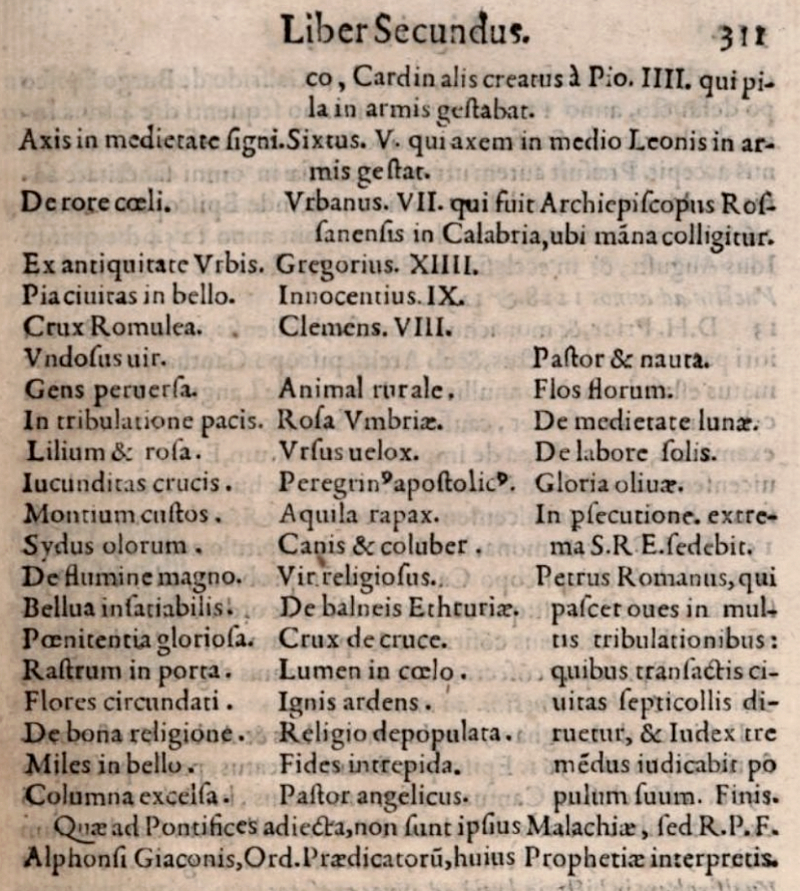
The pope did not die on Easter Sunday. He died today, on the Birthday of Rome. Pope Francis was the last Pope in the Prophecy of the Popes. After him, the city of Rome is supposed to be apocalyptically destroyed.
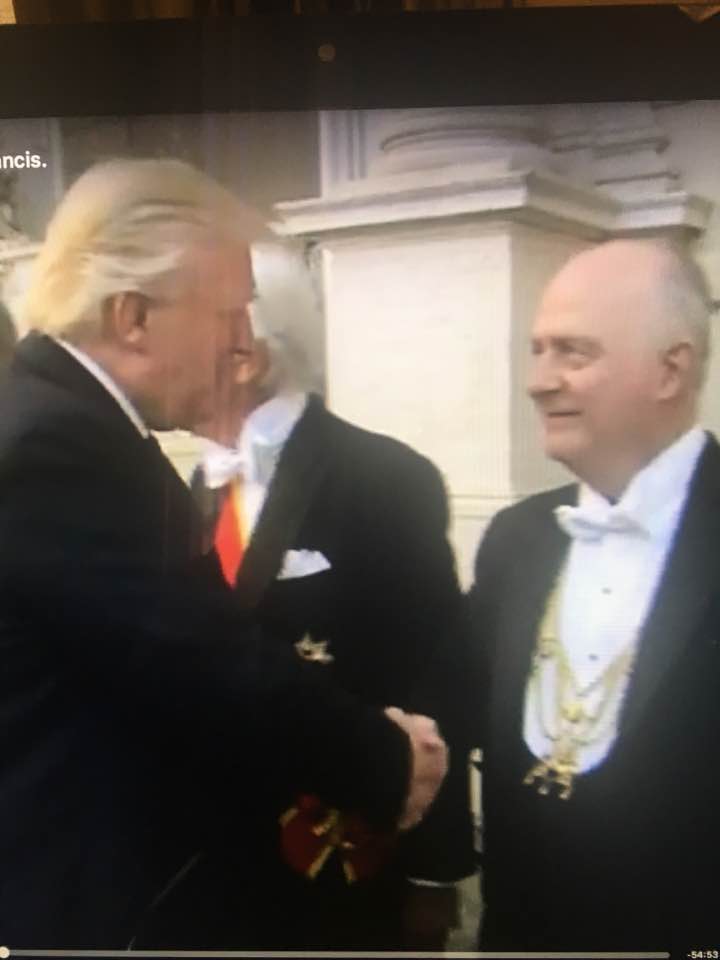
Benedetto Orsini e Donald Trump — with Hussien Abed.
-
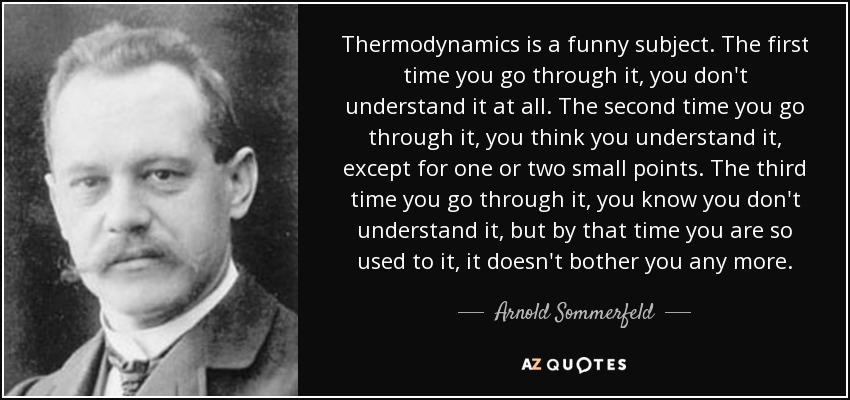
Arnold Sommerfeld (1868-1951) was a peculiar man
As where many of his colleges, such as Hans Wolter, Werner Braunbek, and other German scientists of the time - in the vicinity of the Center of the Mathematical Universe at the time.
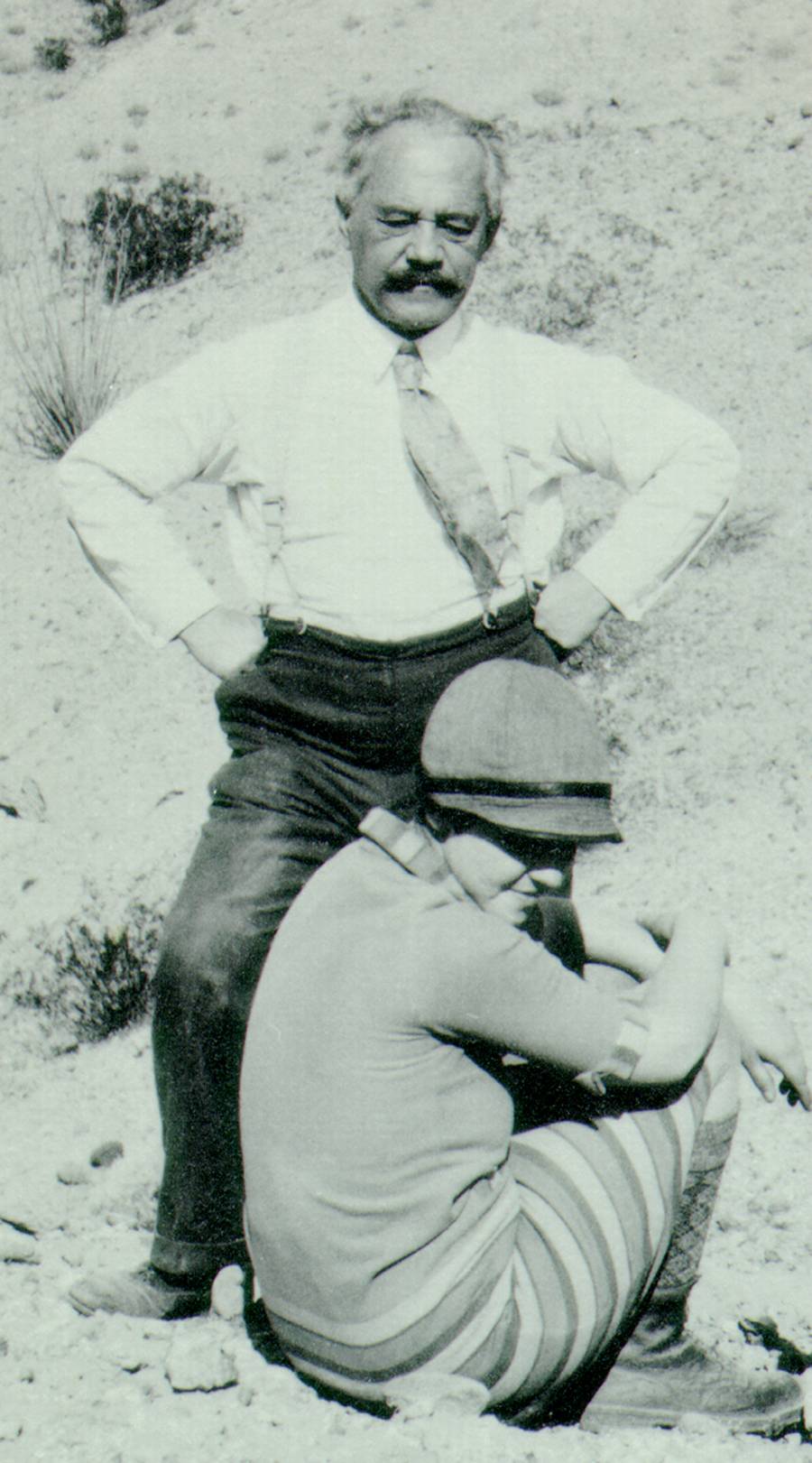
Arnold Sommerfeld and Ava Helen Pauling in the Coachella desert, California. 1928.
-
“To myself I am only a child playing on the beach, while vast oceans of truth lie undiscovered before me” - Isaac Newton
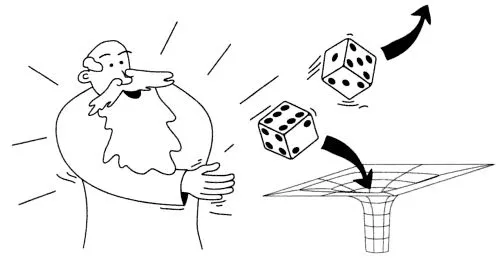
"The human mind is not capable of grasping the Universe. We are like a little child entering a huge library. The walls are covered to the ceilings with books in many different tongues. The child knows that someone must have written these books. It does not know who or how. It does not understand the languages in which they are written. But the child notes a definite plan in the arrangement of the books—-a mysterious order which it does not comprehend, but only dimly suspects." - Albert Einstein
-
Plotting the Pareto frontier of global scientific knowledge throughout history has become surprisingly feasible. The resulting patterns and models are both peculiar and illuminating.
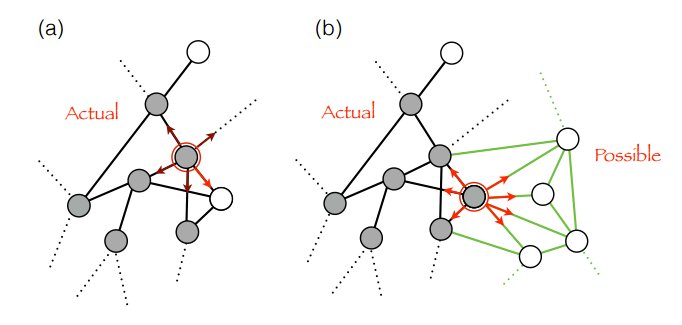
Image from: Dynamics on Expanding Spaces: Modeling the Emergence of Novelties (2017)
-
Gotthard Günther (1900 - 1984)
The Consciousness of Machines: A Metaphysics of Cybernetics.
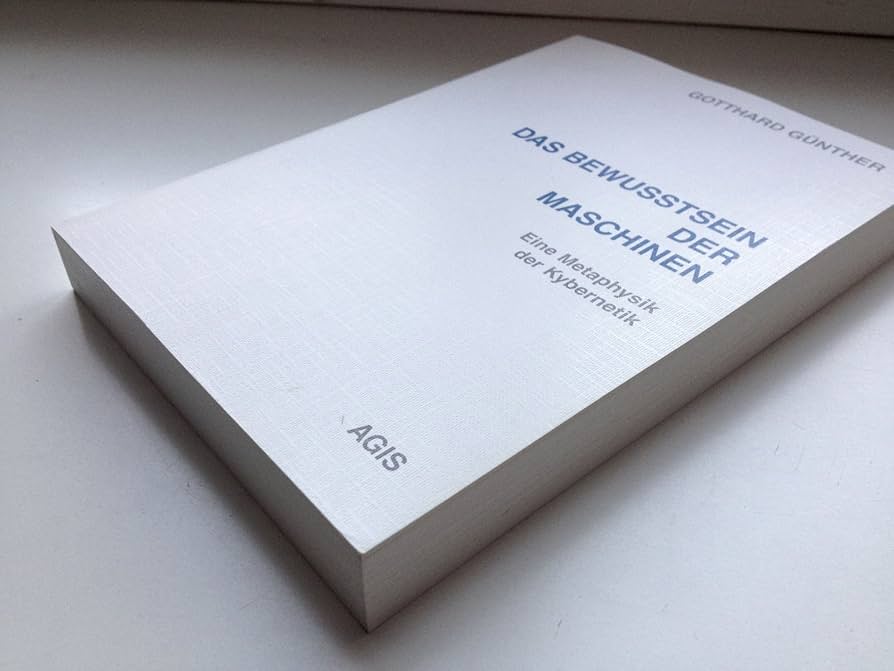
ANALYSE DER MORPHOGRAMMATIK VON GOTTHARD GÜNTHER - von Steffen Heise
Morphogrammatik: Eine Einführung in die Theorie der logischen Form
-
Rudolf Kaehr über Künstliche Intelligenz
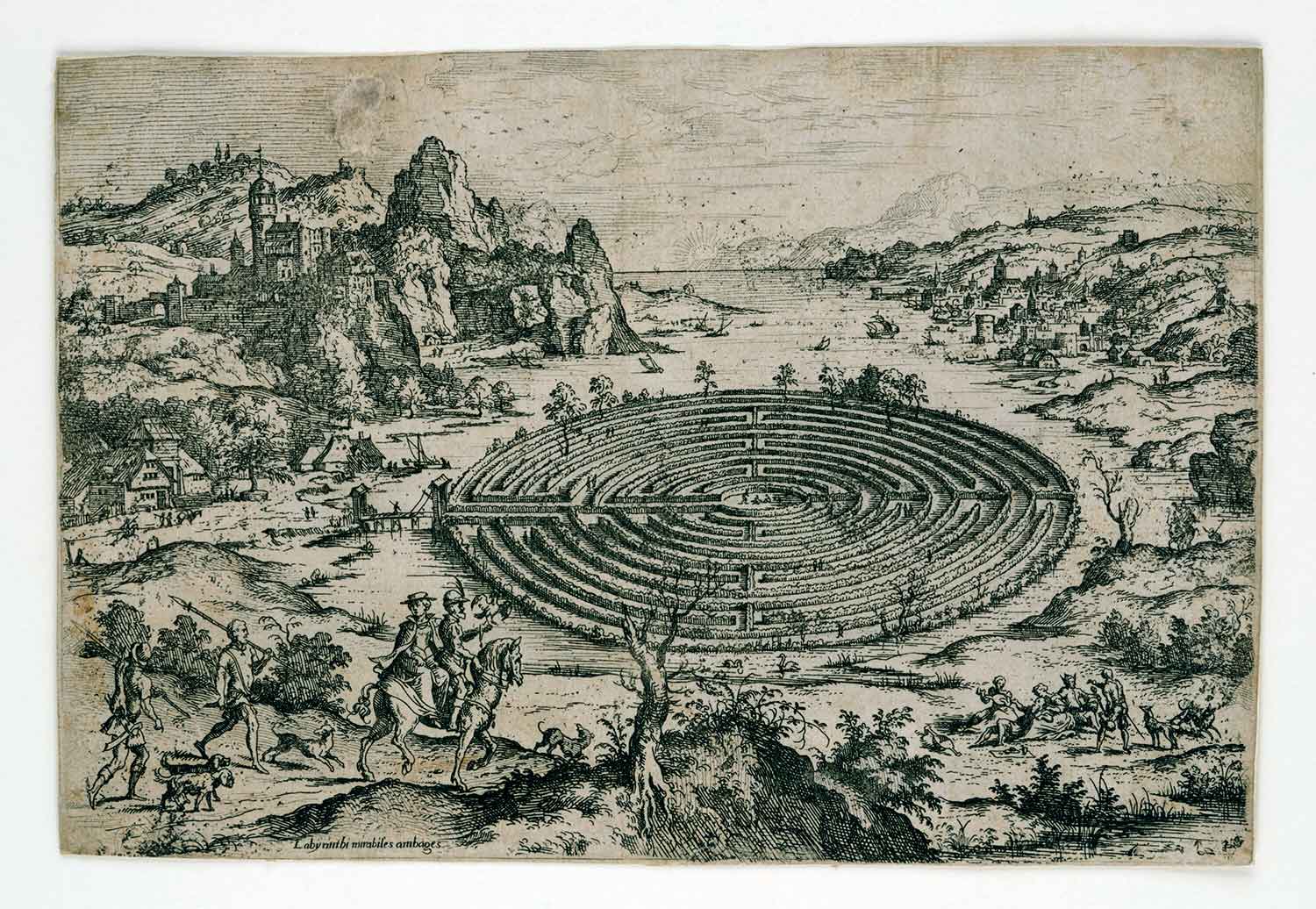
The labyrinth and its walker co‑create each other. Each step reshapes the maze—and defines the traveler. It can’t be pinned down on paper; it’s a living structure born of life itself.
-
Thomismus - A brief summary:
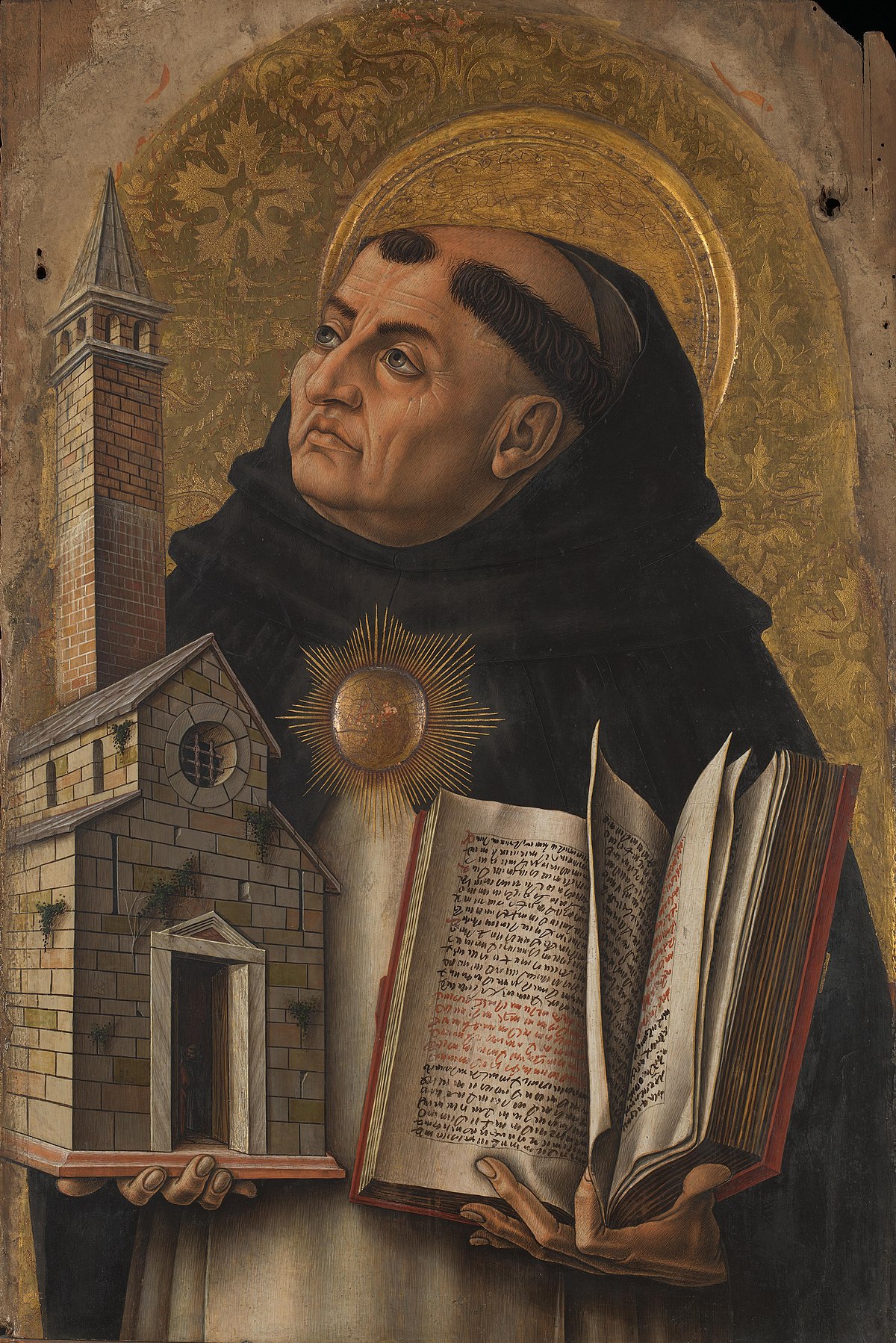
- Synthesis of Faith and Reason: Thomas Aquinas integrates Christian revelation with Aristotelian philosophy, employing reason to illuminate and defend the truths of faith.
- Essence–Existence Distinction: In all created beings, “essence” (what a thing is) is distinct from “existence” (that it is); only in God are essence and existence identical.
- Act and Potency: Every substance comprises potentiality (capacity to be otherwise) and actuality (realized state); change occurs through the actualization of potential.
- Doctrine of Creation: God is the uncaused First Cause, eternal and self‑existent; the universe is created ex nihilo (out of nothing) by His will.
- Analogy of Being (Analogia Entis): We can speak of God and creatures analogically—neither identically nor entirely equivocally—recognizing both similarity and greater dissimilarity.
- The Five Ways (Proofs for God’s Existence):
- The Argument from Motion
- The Argument from Efficient Causes
- The Argument from Contingency and Necessity
- The Argument from Gradation (degrees of perfection)
- The Teleological Argument (design and purpose)
- Natural Law: God’s eternal law is reflected in the rational order of creation; humans discern moral principles (e.g., “do good and avoid evil”) through natural reason.
- Virtue Ethics: Virtues are stable dispositions to choose the good: the four cardinal virtues (prudence, justice, fortitude, temperance) and the three theological virtues (faith, hope, charity).
- Theory of the Soul: The human soul is the substantial form of the body, rational and immortal, endowed with intellect and will, oriented toward the ultimate good.
- Sacramental Theology: The sacraments are efficacious signs instituted by Christ to confer grace, with the Eucharist as the “source and summit” of Christian life.
- Beatific Vision: Human fulfillment (beatitude) consists in the direct, eternal vision of God, the ultimate end and happiness of the soul.
- Political Philosophy: Political community serves human perfection; just governance must aim at the common good in accordance with divine and natural law.
-
The ‘Triadex Muse’ Edward Fredkin & Marvin Minsky, USA, 1971
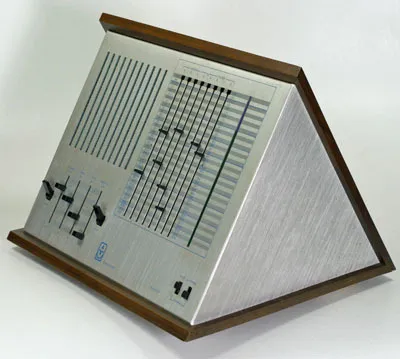
The Triadex Muse was an idiosyncratic sequencer based synthesiser produced in 1972. Designed by Edward Fredkin and the cognitive scientist Marvin Minsky at MIT, the Muse used a deterministic event generator that powered by early digital integrated circuits to generate an audio output. The Muse was not intended as a musical instrument per-se but as a compositional tool (as well as an artificial intelligence experiment), therefore the audio output was left purposefully simple; a monophonic square-wave bleep. The Muse was designed to be connected to a number of other Triadex units – an Amplifier and speaker module, a Multi-Muse Cable (used to link multiple Muses together), and a Light Show module; a colour sequencer whose 4 coloured lamps blink in time to the Muse’s signals, using Triadex’s own proprietary standard (therefore they were unable to connect to any other voltage controlled instrument)

The Muse had no keyboard control but a series of eight slider each with forty set positions. Four of the sliders controlled the interval between notes, and the other four controlled the overall sequence ‘theme’. Visual feedback was provided by a series of displays next to the sliders showing the status of the logic gates. Another set of sliders control the volume from the internal speaker, the tempo of the sequence, and the pitch. Additional switches allow you to start the sequence from the beginning, step through it note-by-note, or substitute a rest point in place of the lowest note.