tag > History
-
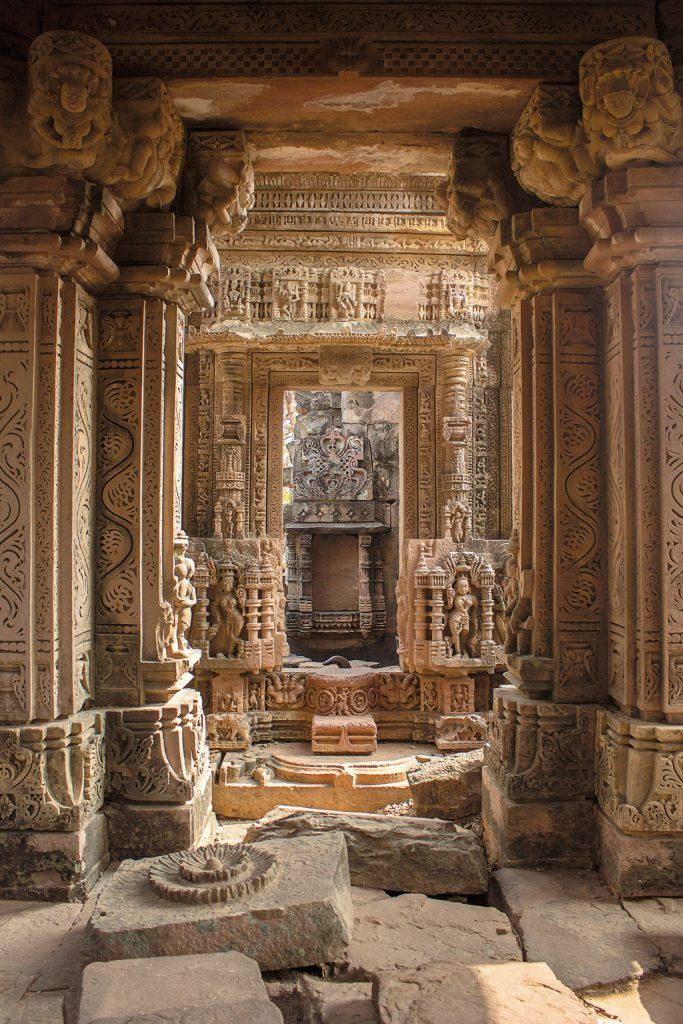
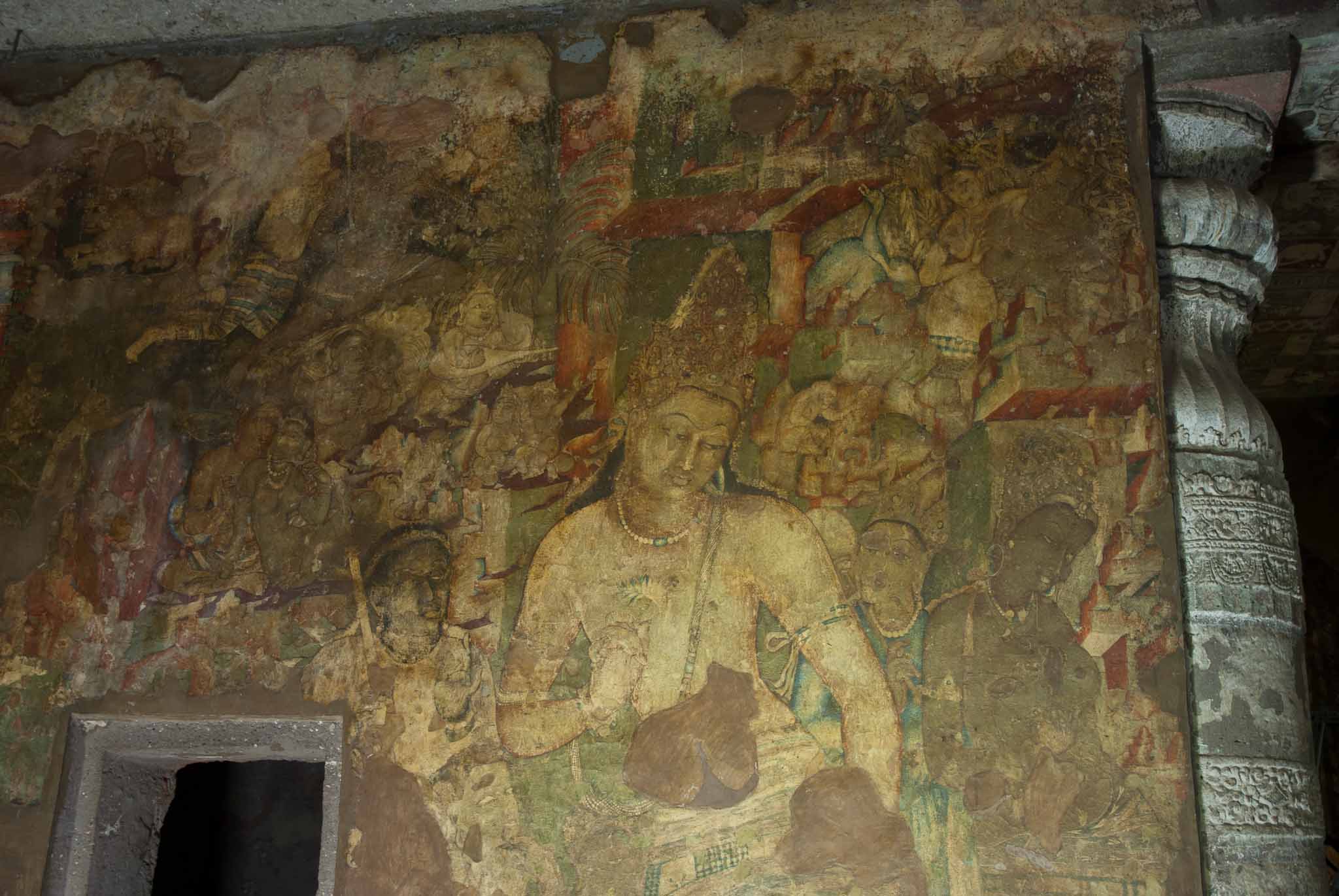
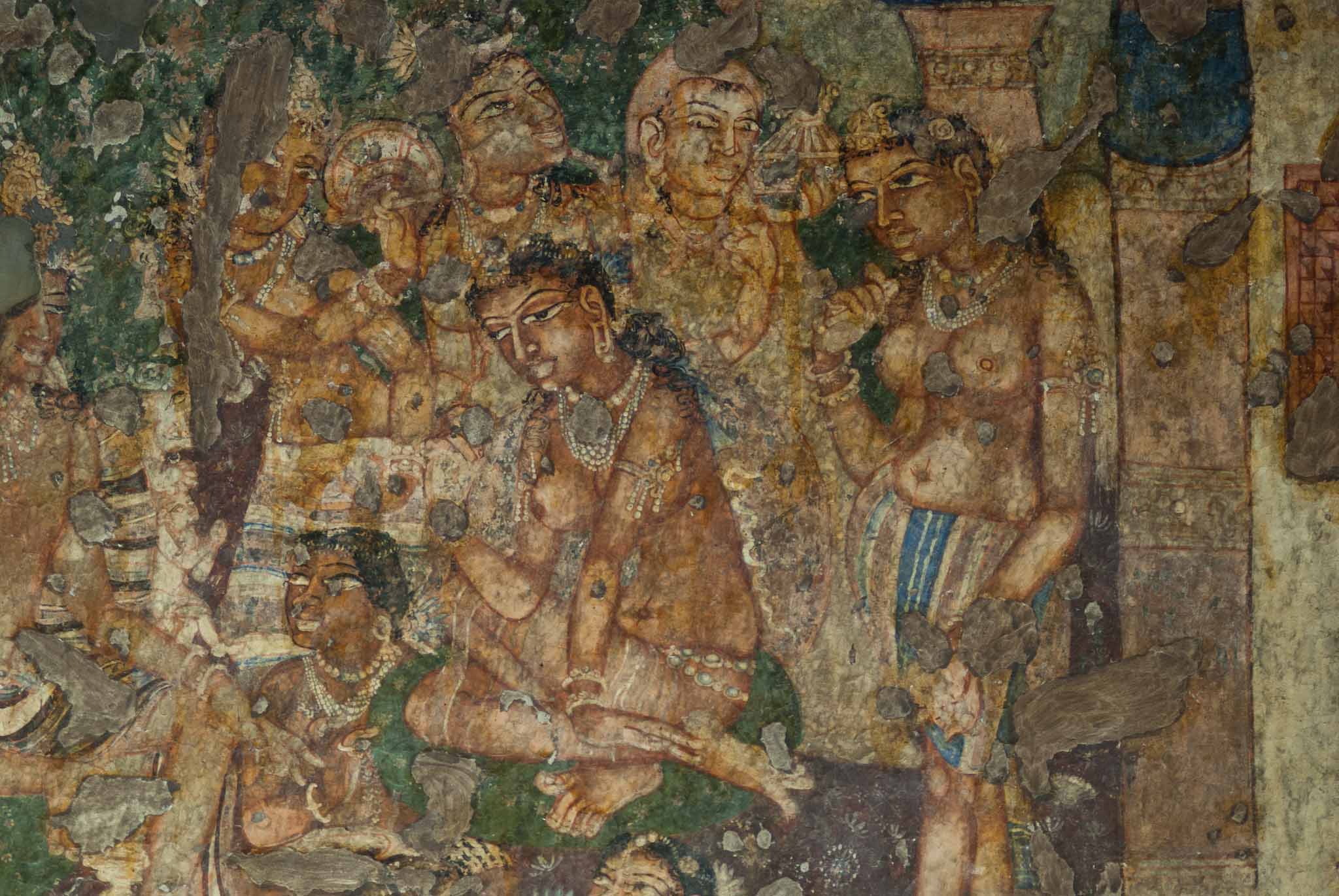
Ajanta Caves - Maharashtra, India
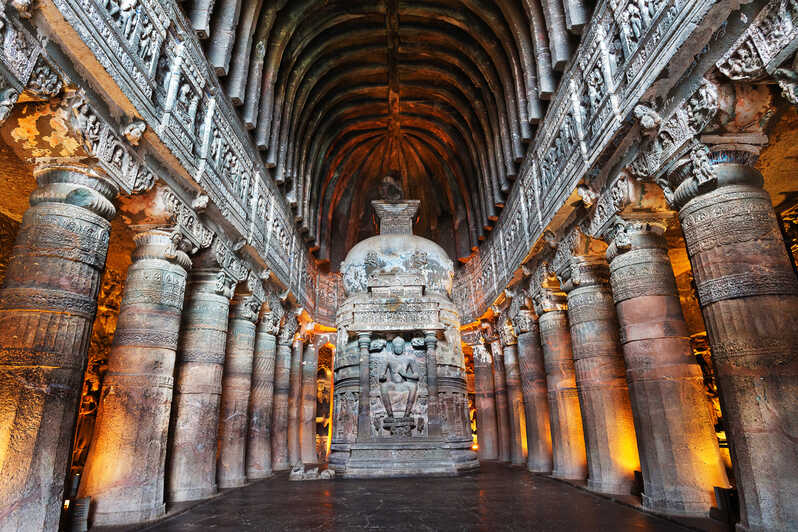
30 rock-cut Buddhist cave monuments which date from the 2nd century BCE to about 480 CE in Aurangabad district of Maharashtra state of India. The caves include paintings and rock-cut sculptures described as among the finest surviving examples of ancient Indian art, particularly expressive paintings that present emotions through gesture, pose and form.

-
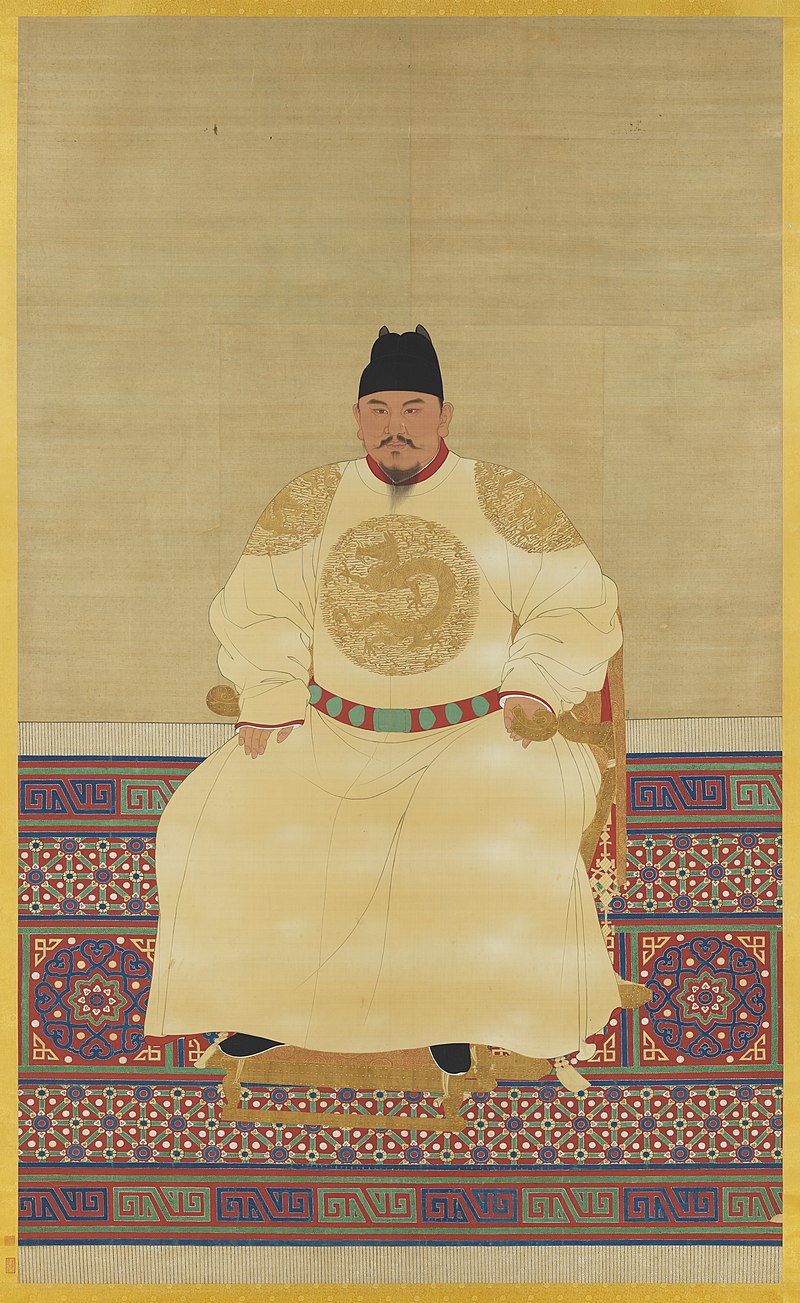
Kublai Khan as the first Yuan emperor, Shizu. Yuan dynasty (1271–1368)
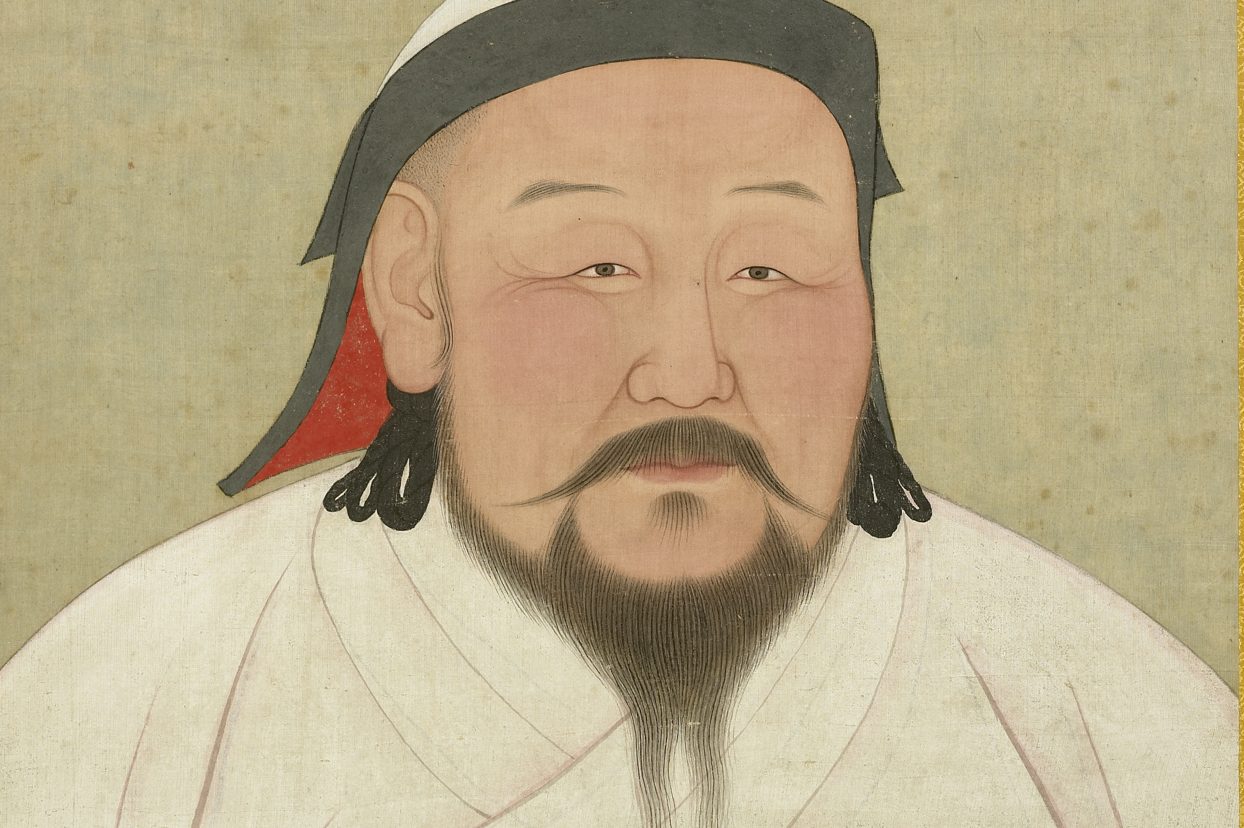
Album leaf, ink & color on silk. National Palace Museum, Taipei. Photo: Wikimedia Commons/National Palace Museum, Taipei -
Minakata Kumagusu (1867 - 1941) was a Japanese author, biologist, naturalist and ethnologist.
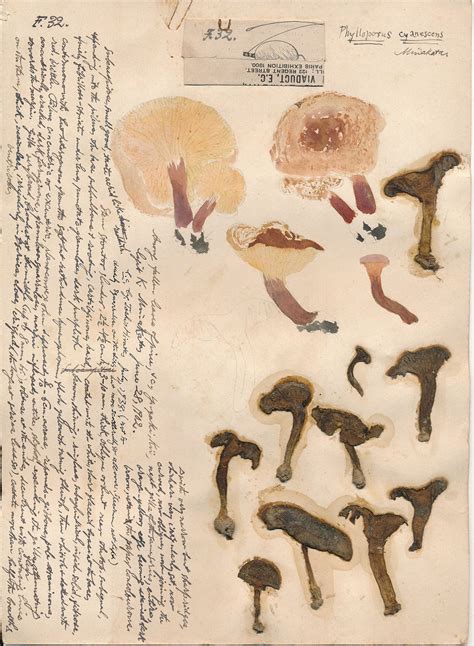
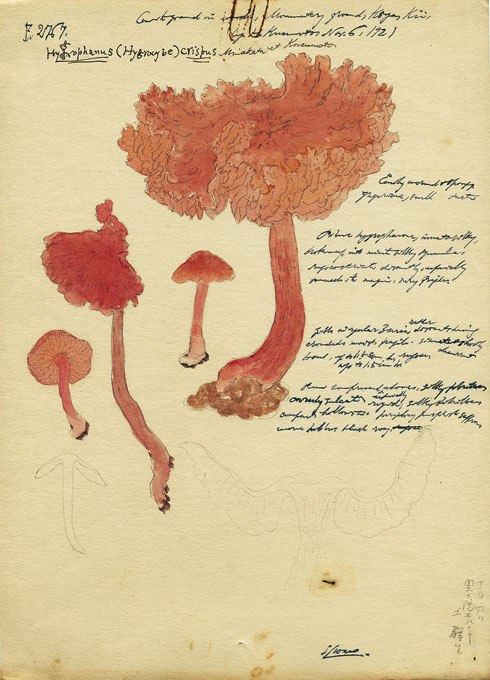
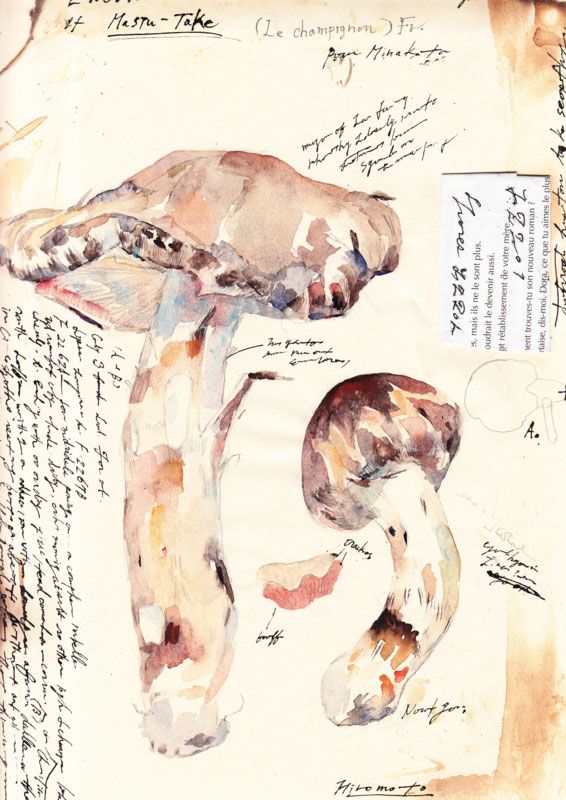
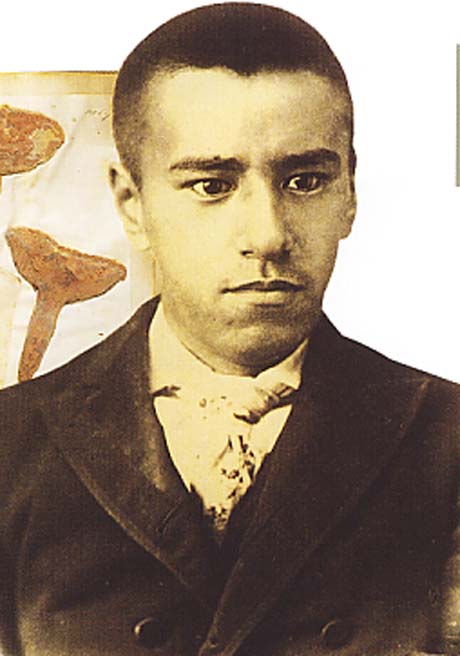
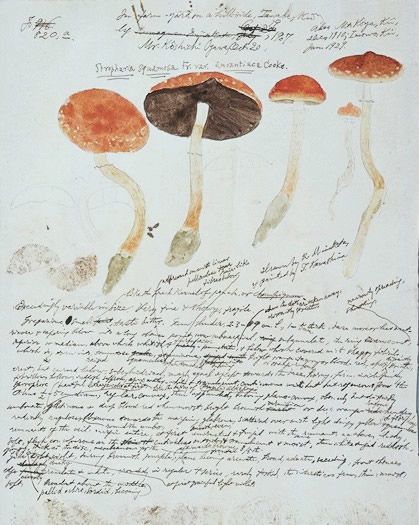
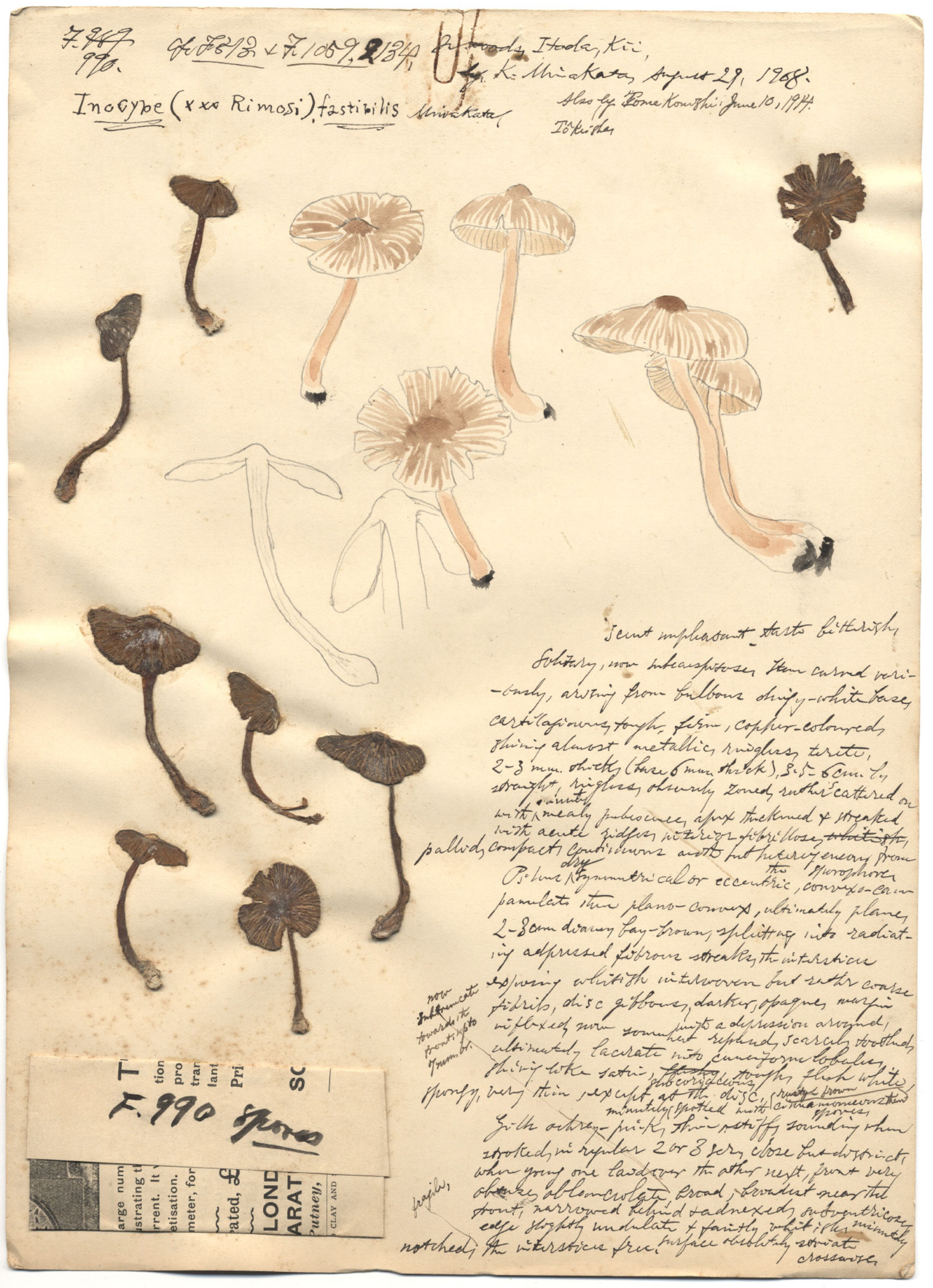
The English Essays of Minakata Kumagusu – Centering on his Contributions to “Nature”
-
Kui is a polysemous figure in ancient Chinese mythology. Classic texts use this name for the legendary musician Kui who invented music and dancing; for the one-legged mountain demon or rain-god Kui variously said to resemble a Chinese dragon, a drum, or a monkey with a human face; and for the Kuiniu wild yak or buffalo.
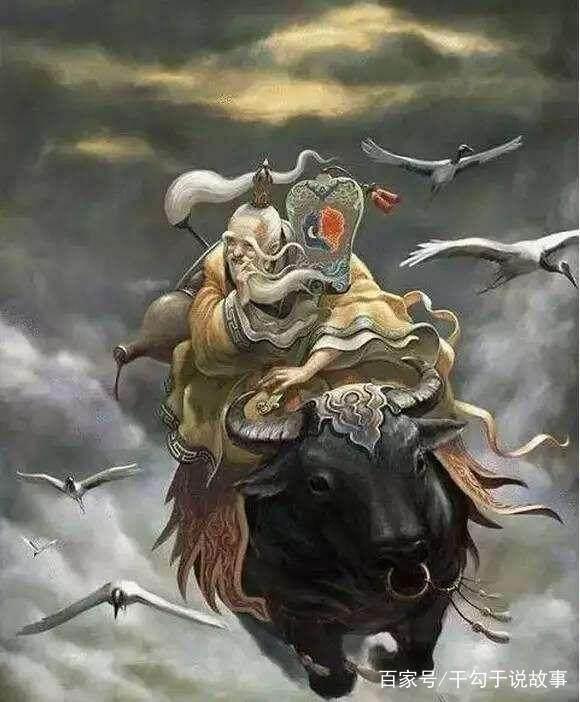

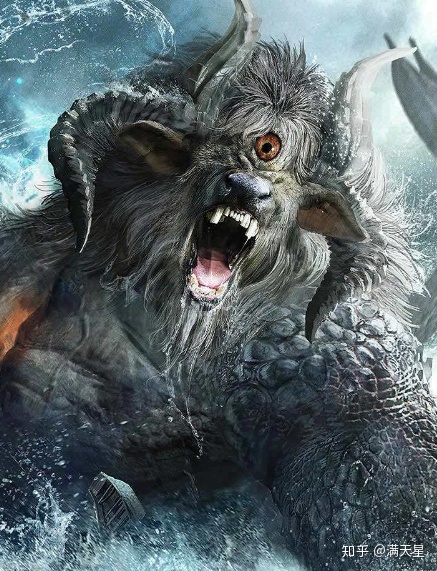
-
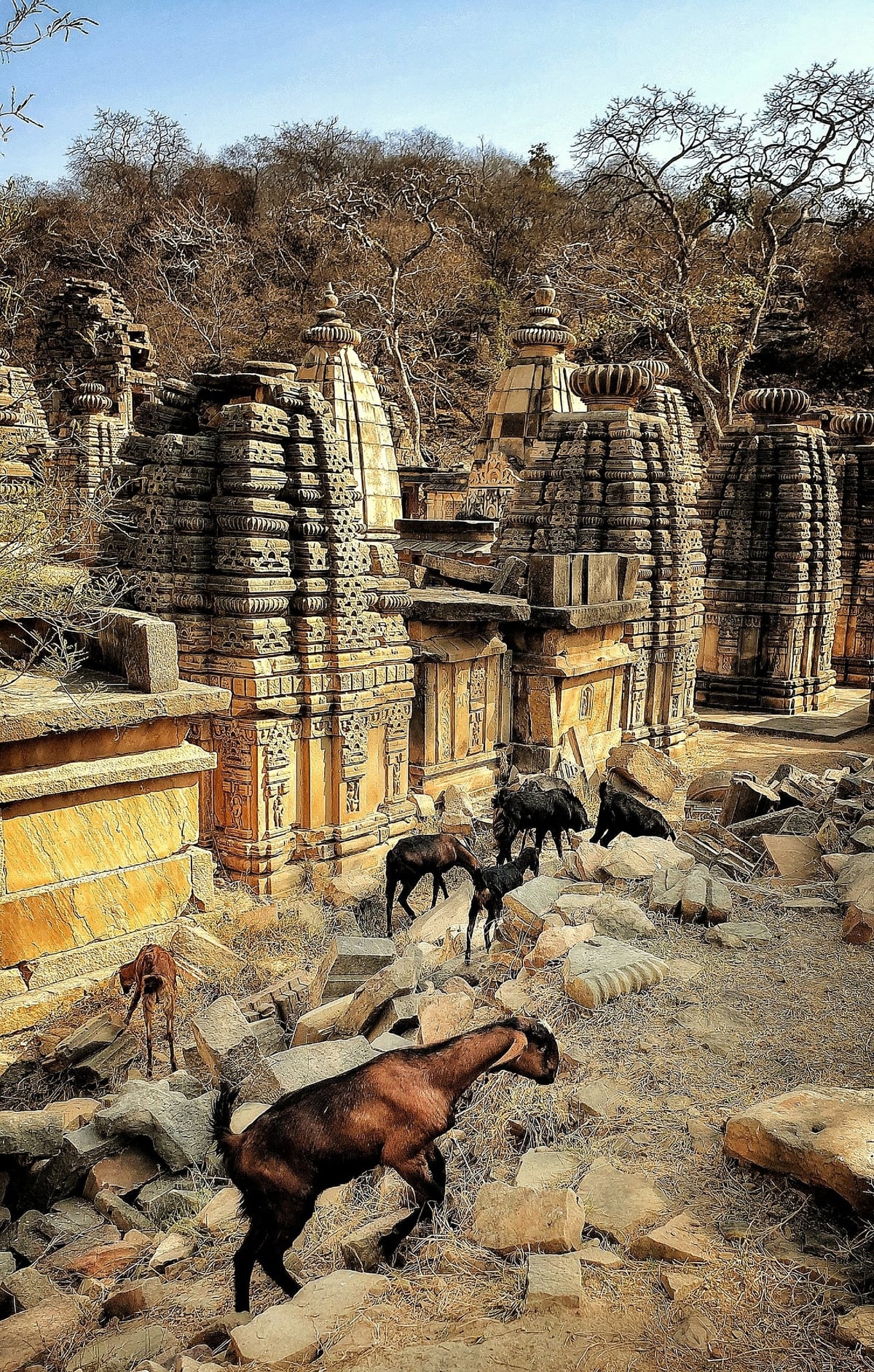
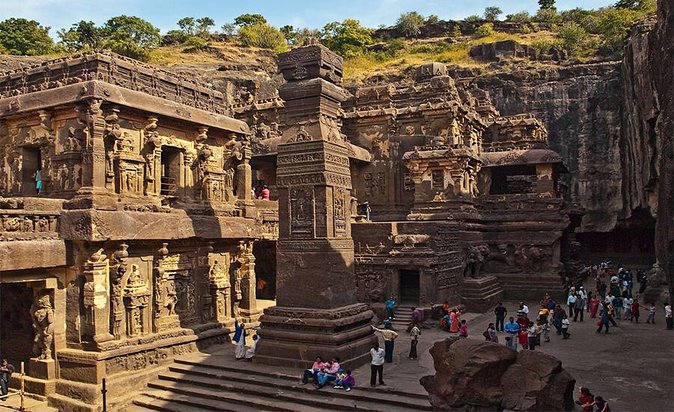
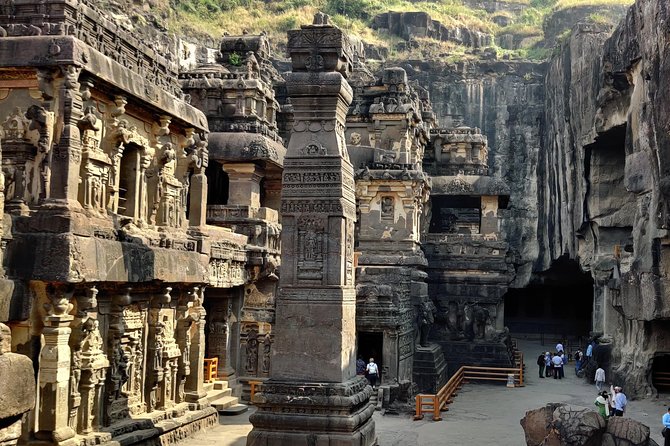
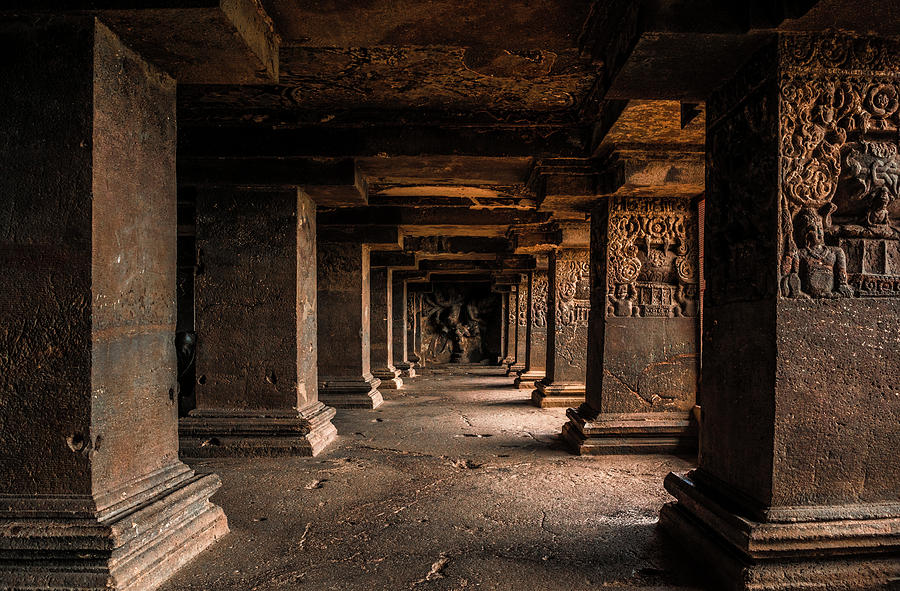
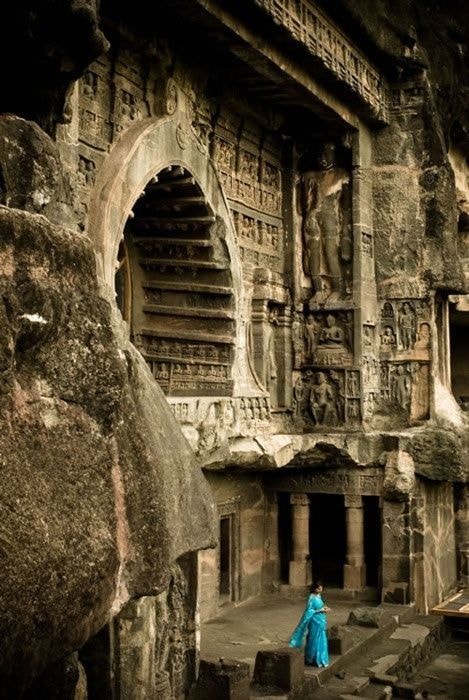
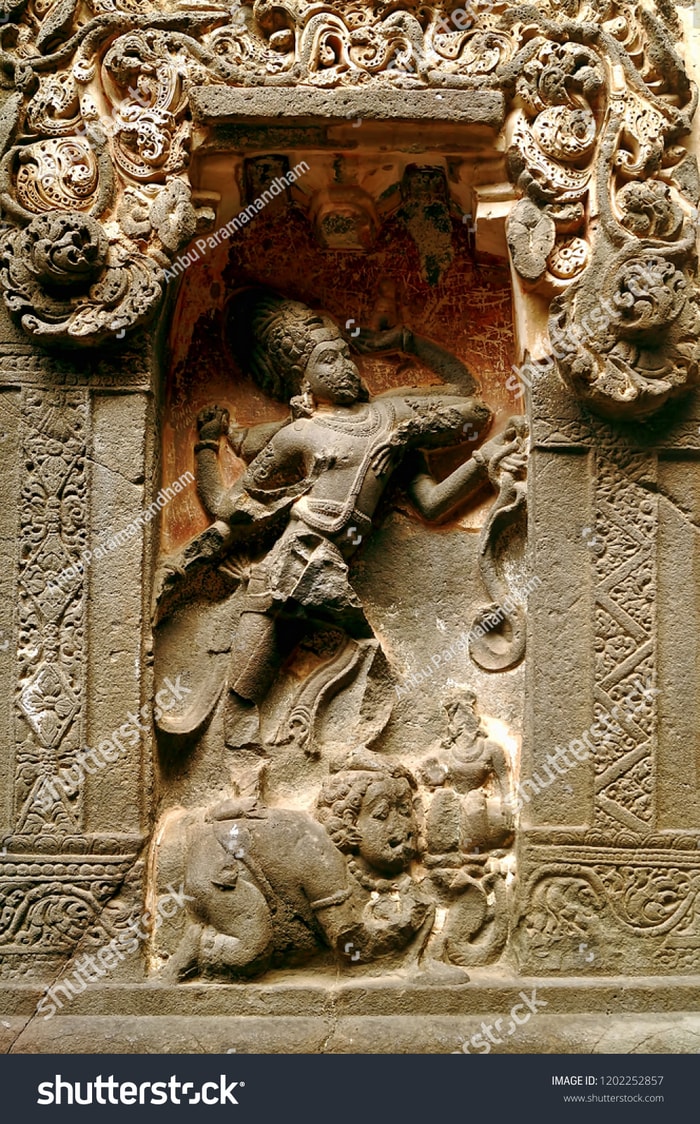
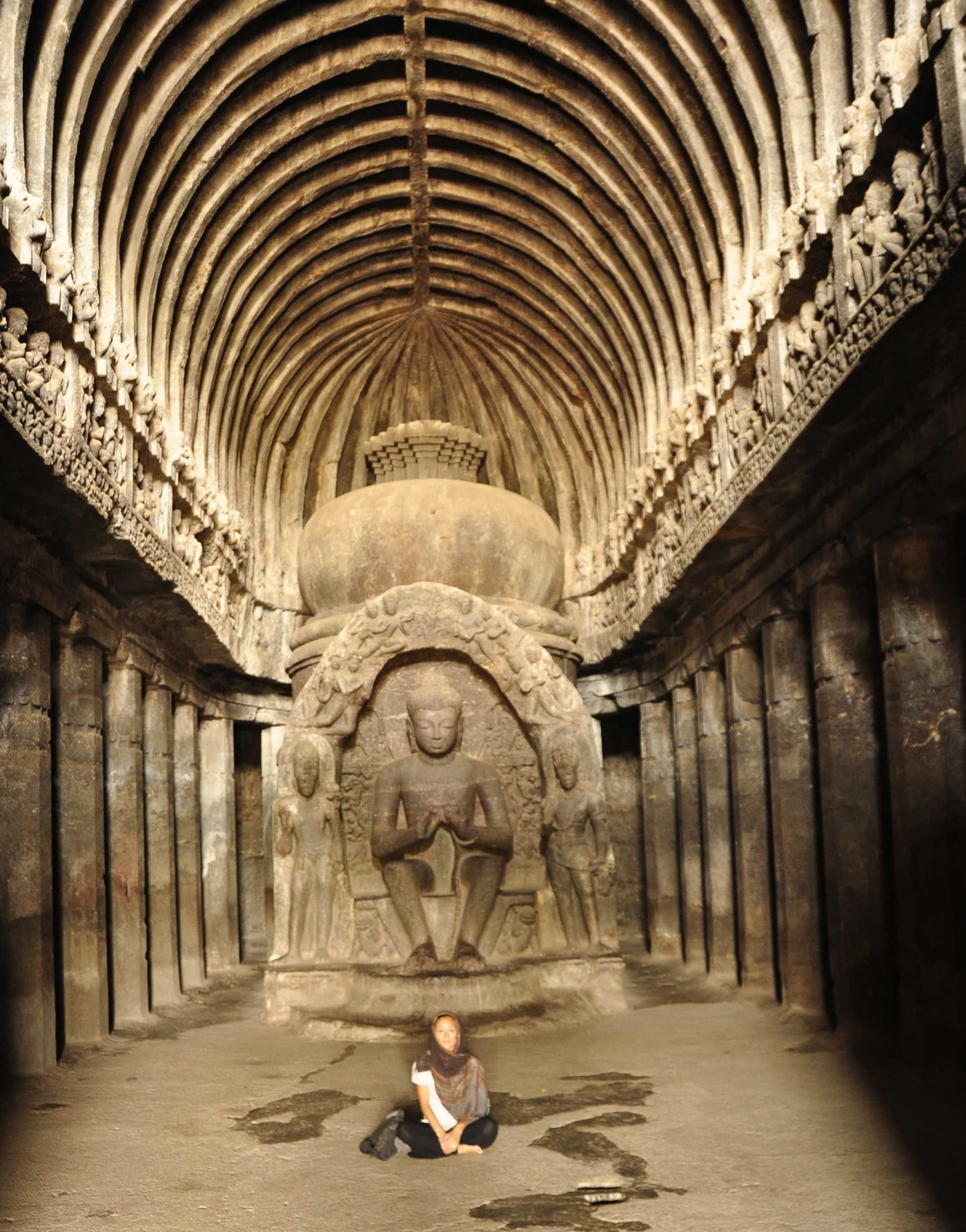
Formed from a single block of excavated stone, Kailasa temple is considered one of the most impressive cave temples in India. The enormous structure is one of 34 cave temples and monasteries that are collectively known as the Ellora Caves.
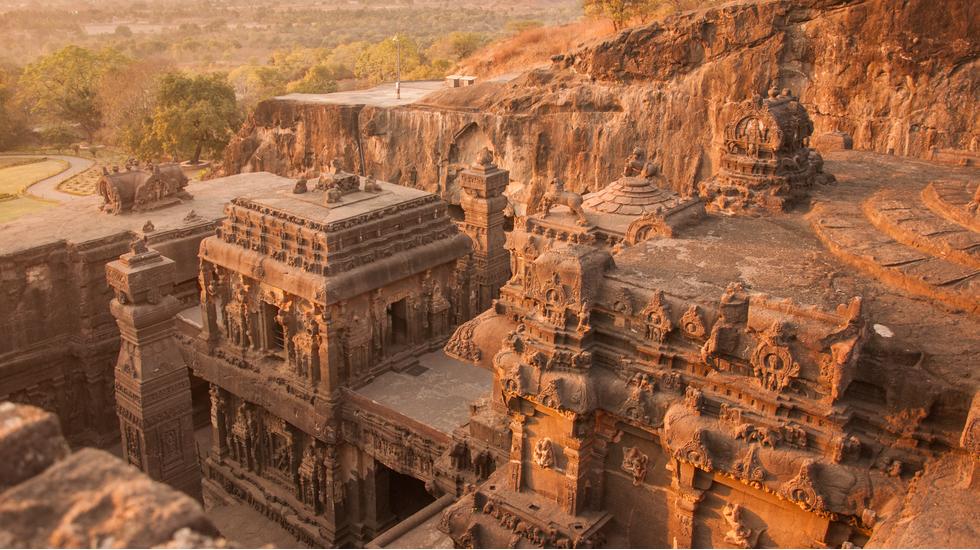
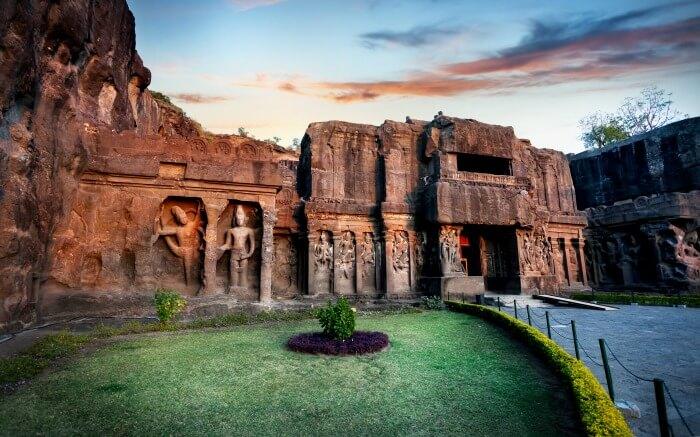
-
Huangdi Neijing - The Yellow Emperor's Classic of Medicine
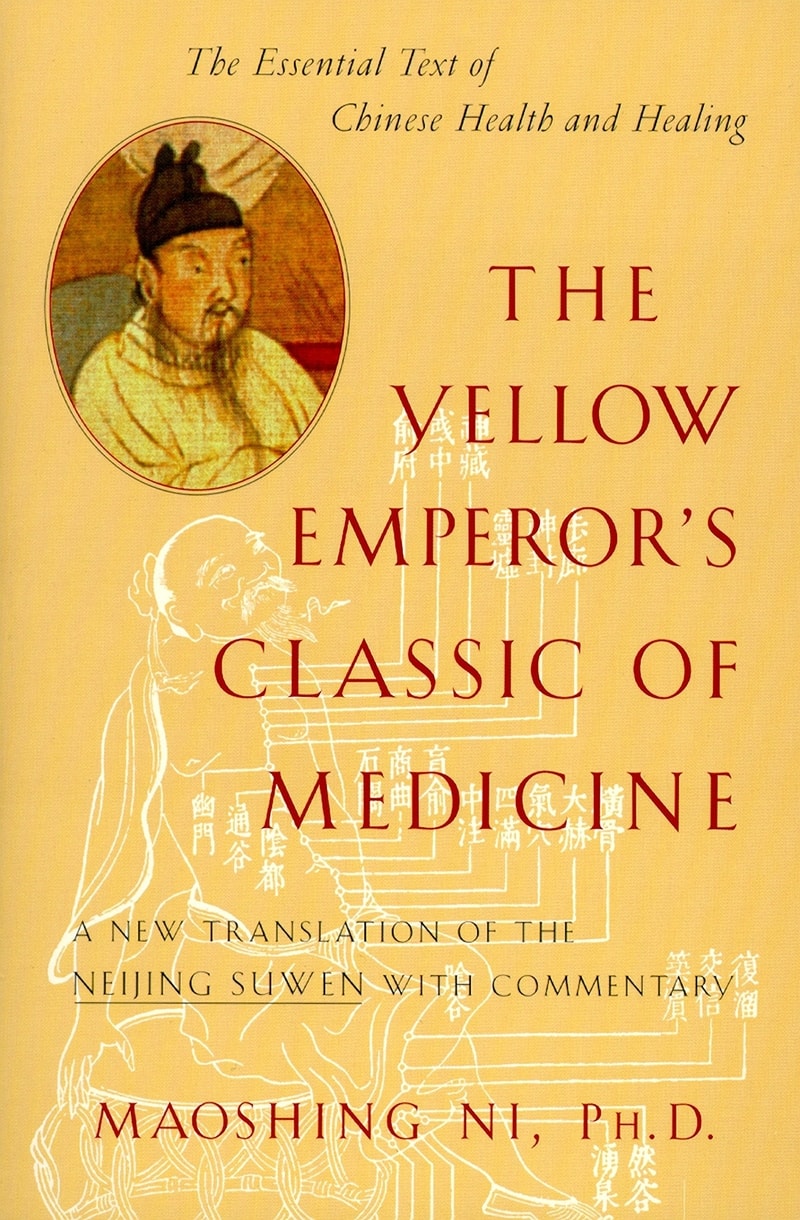
The Neijing is one of the most important classics of Taoism, as well as the highest authority on traditional Chinese medicine. Its authorship is attributed to the great Huang Di, the Yellow Emperor, who reigned during the third millennium BCE. Written in the form of a discourse between Huang Di and his ministers, The Yellow Emperor's Classic of Medicine contains a wealth of knowledge, including etiology, physiology, diagnosis, therapy, and prevention of disease, as well as in-depth investigation of such diverse subjects as ethics, psychology, and cosmology. All of these subjects are discussed in a holistic context that says life is not fragmented, as in the model provided by modern science, but rather that all the pieces make up an interconnected whole. By revealing the natural laws of this holistic universe, the book offers much practical advice on how to promote a long, happy, and healthy life.
Excerpts
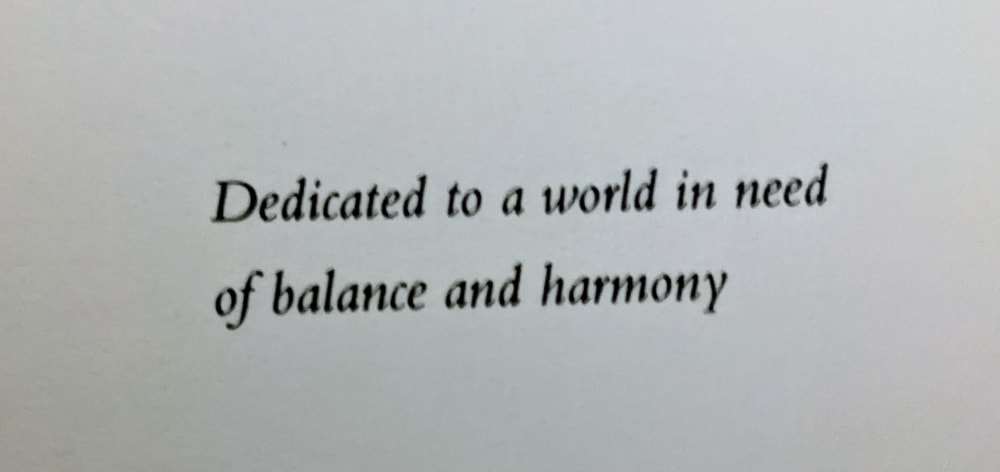
"Dedicated to a world in need of balance and harmony"
"Those who understand the principles of wholesome living tame their minds and prevent them from straying. They do not force anything upon themselves or others, are happy & content, tranquil & quiet, and can live indefinitely. These are the ancient methods of self-maintenance."
-
The first contact with Tardigrades
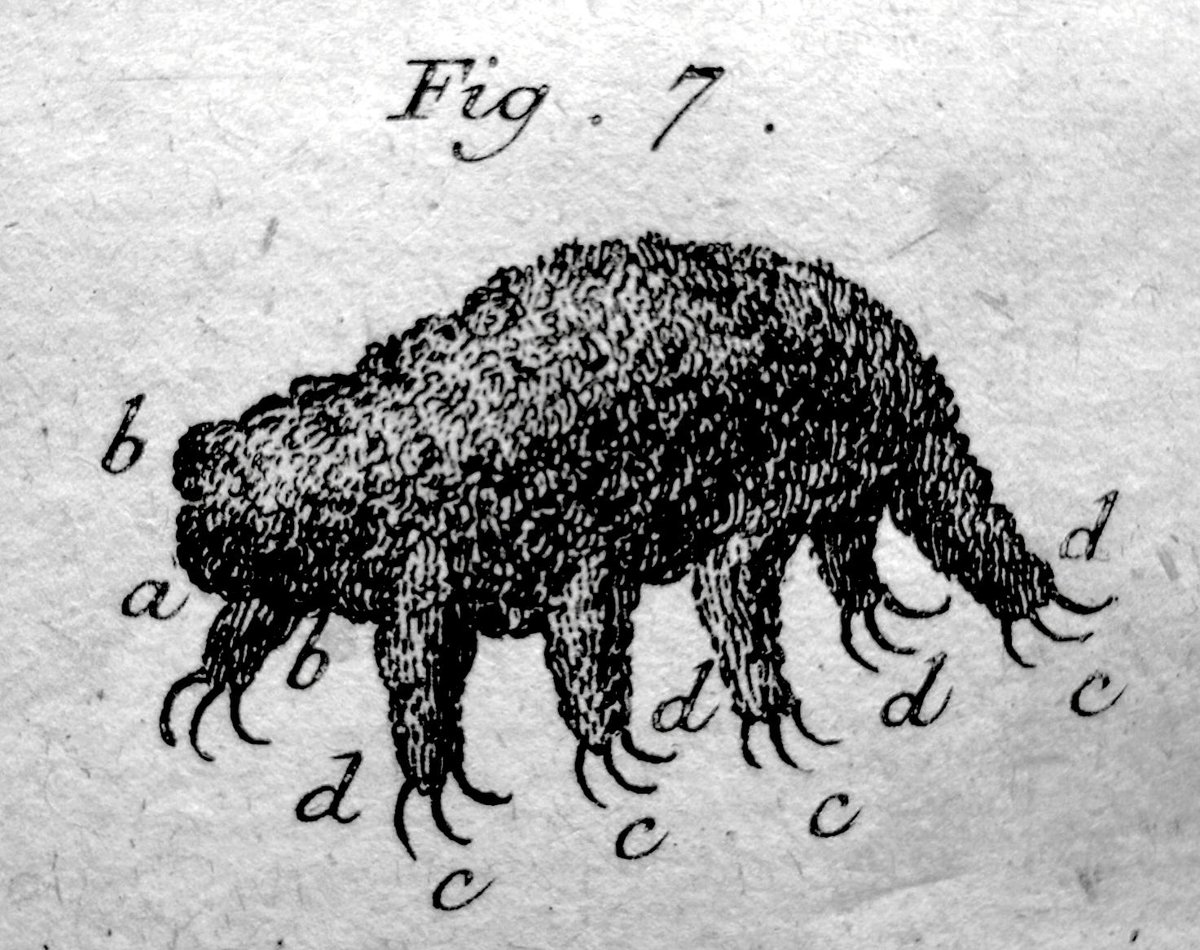
Every story has a beginning, and the story of the relationship between the tardigrades and the human being began in 1773. Johann Goeze was the first to observe and describe a “Kleiner Wasser Bär” (little water bear). And here is his drawing.
-
"Science needs to be lived alongside religion, philosophy, history and aesthetic experiences; alone it can lead to great harm" - Joseph Needham in "Science and Civilization in China
-
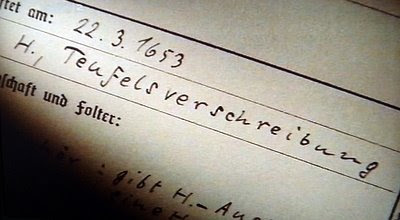
H is an abbreviation for Hexen, witches. Created by Heinrich Himmler, the researchers of this special and secret part of the SS studied source material in more than 260 archives and libraries throughout German territory and systematically detailed cases of people prosecuted and punished for witchcraft.
-
Book of Ritual Knowledge - Sumatra, Indonesia (1895)
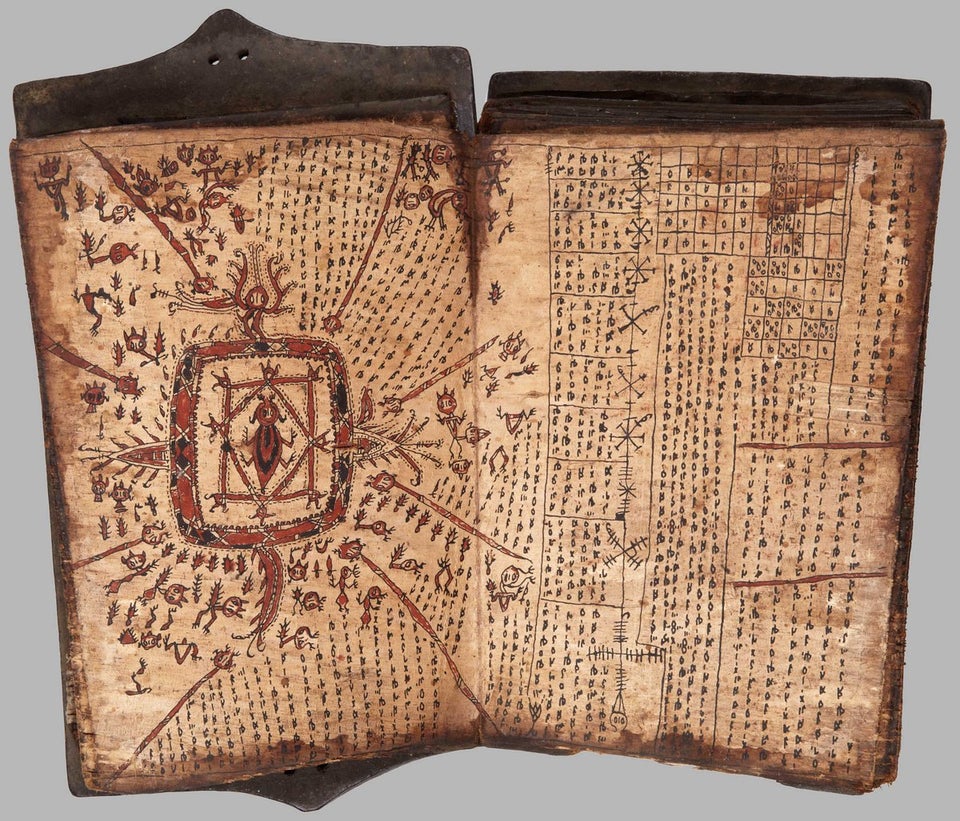
The book contains magical formulas, divinations, recipes, and laws. The pustaha is written and compiled by a Batak magician-priest known as the datu (or sometimes the guru). A datu wrote the pustaha in Batak script using an ancient language style.
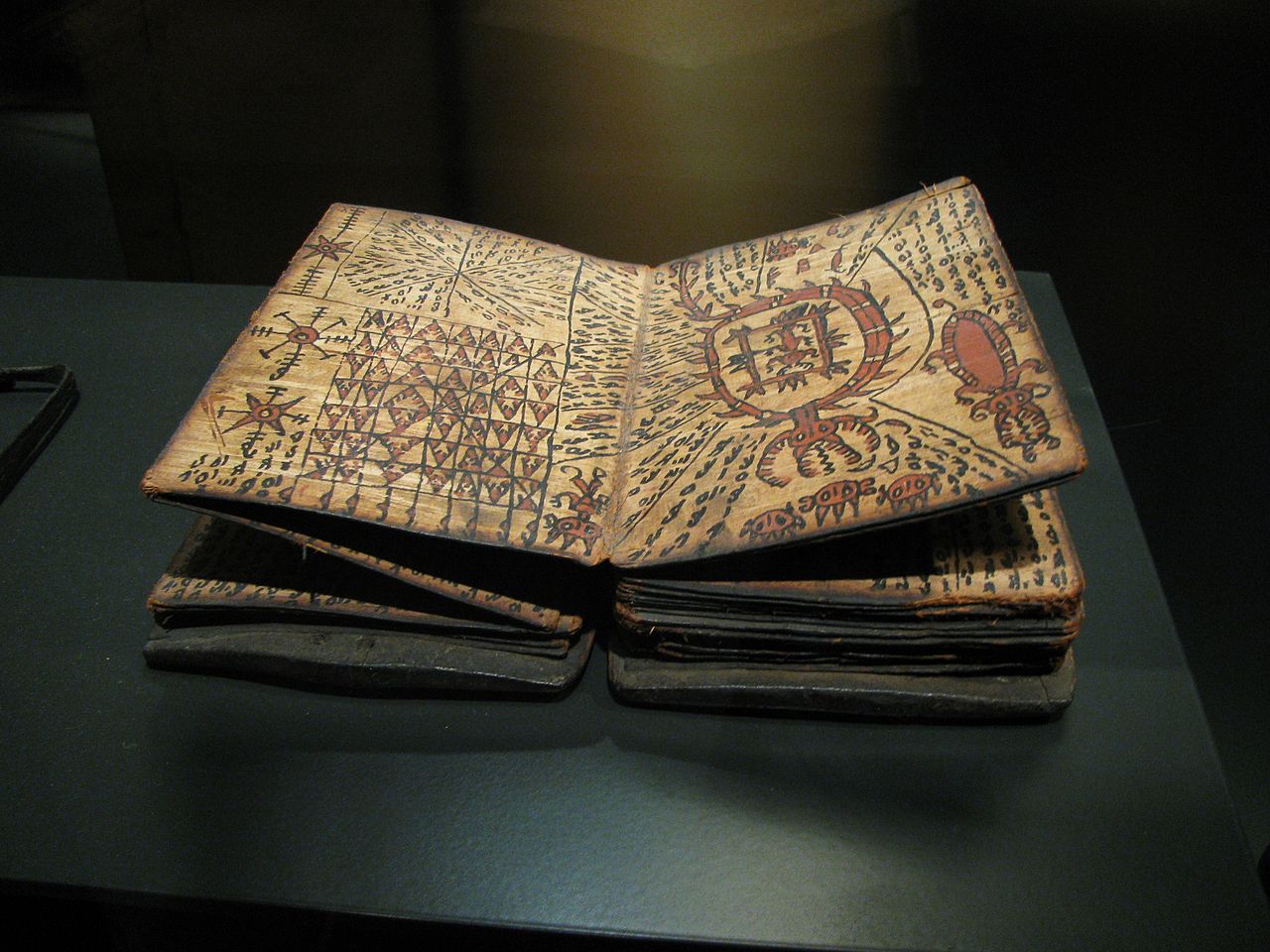
The book contains magical formulas, divinations, recipes, and laws. The pustaha is written and compiled by a Batak magician-priest known as the datu. A datu wrote the pustaha in Batak script using an ancient language style. The pustaha is used by the datu as a reference for him and for his students for all kind of information related to magic, rituals, prescriptions, and divination.
The magic knowledge contained in a pustaha is known as the hadatuon ("knowledge of the datu"). Johannes Winkler, a Dutch doctor was sent to Toba in 1901 and learned the pustaha from a datu priest. The result of his study divided the content of the pustaha into three types of main knowledge: the art to sustain life (white magic), the art to destroy life (black magic), and the art of divination.
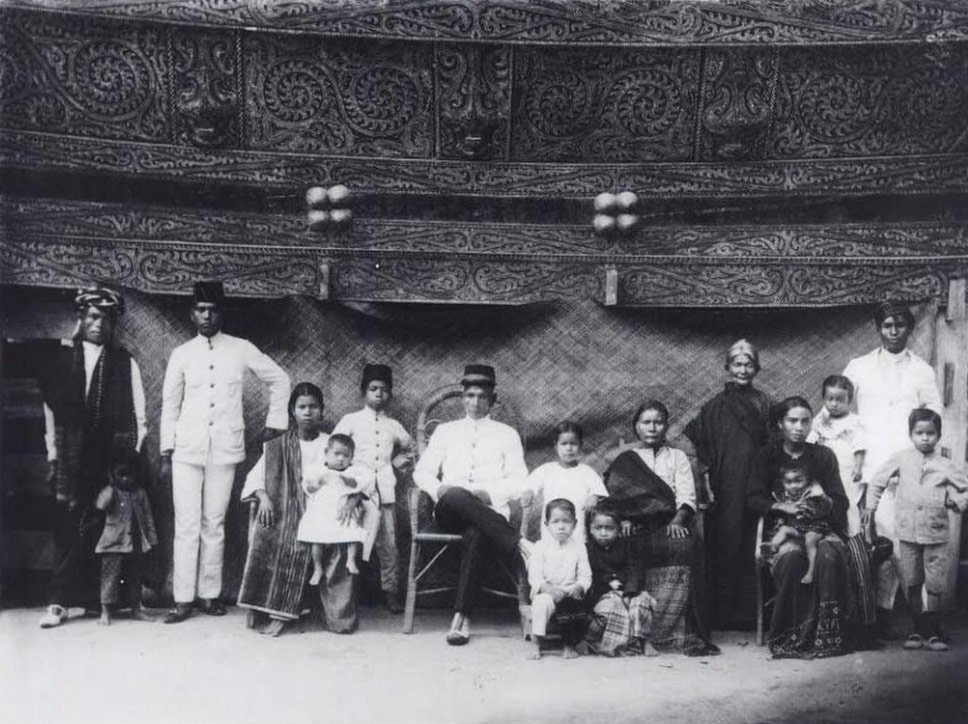

What happened to all the historic books in Sumatra? Something similar to this:
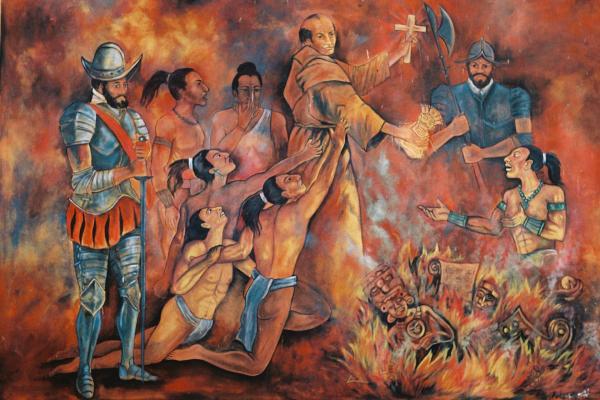
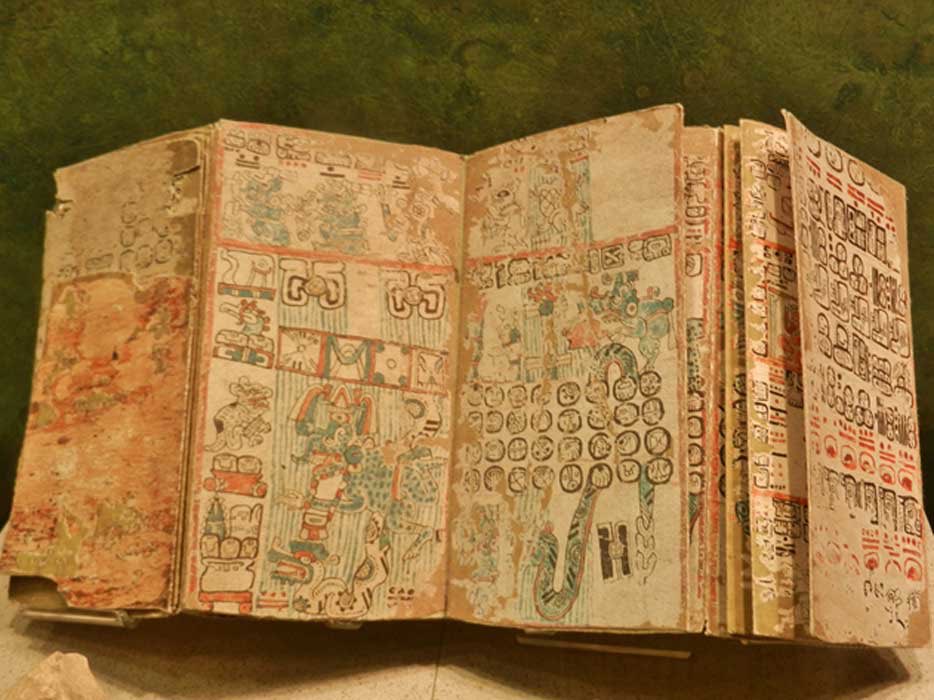
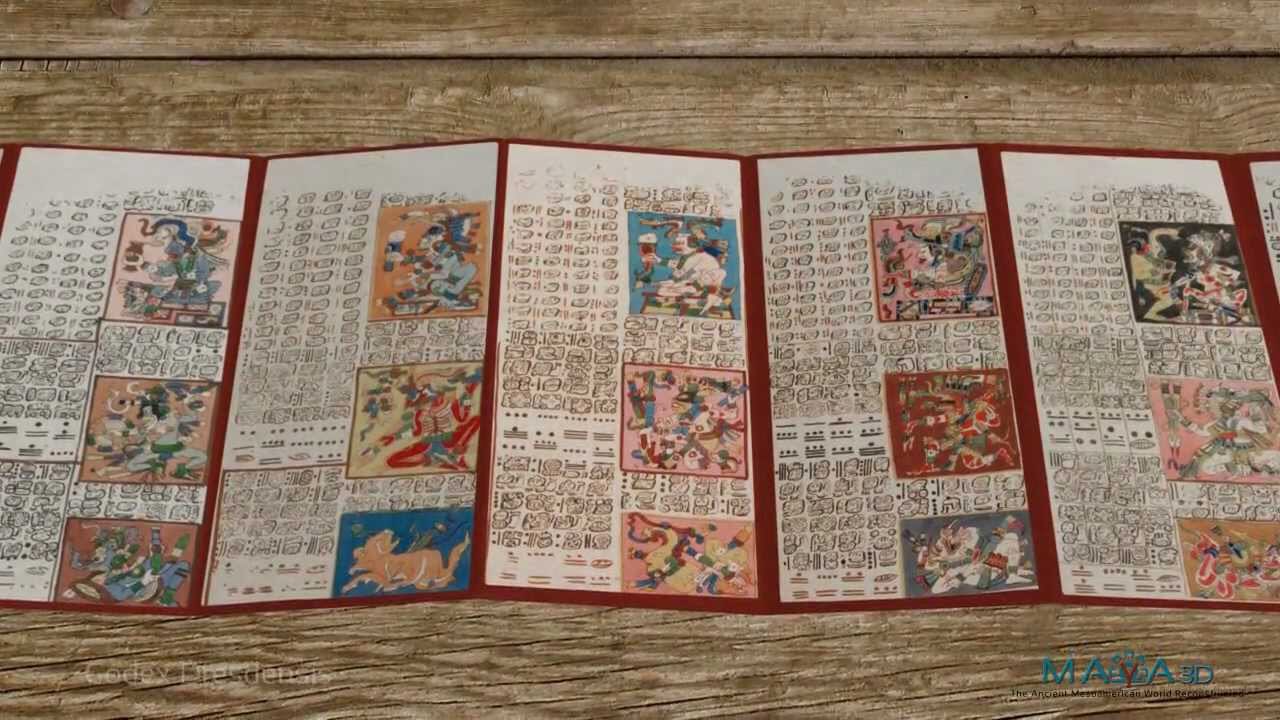
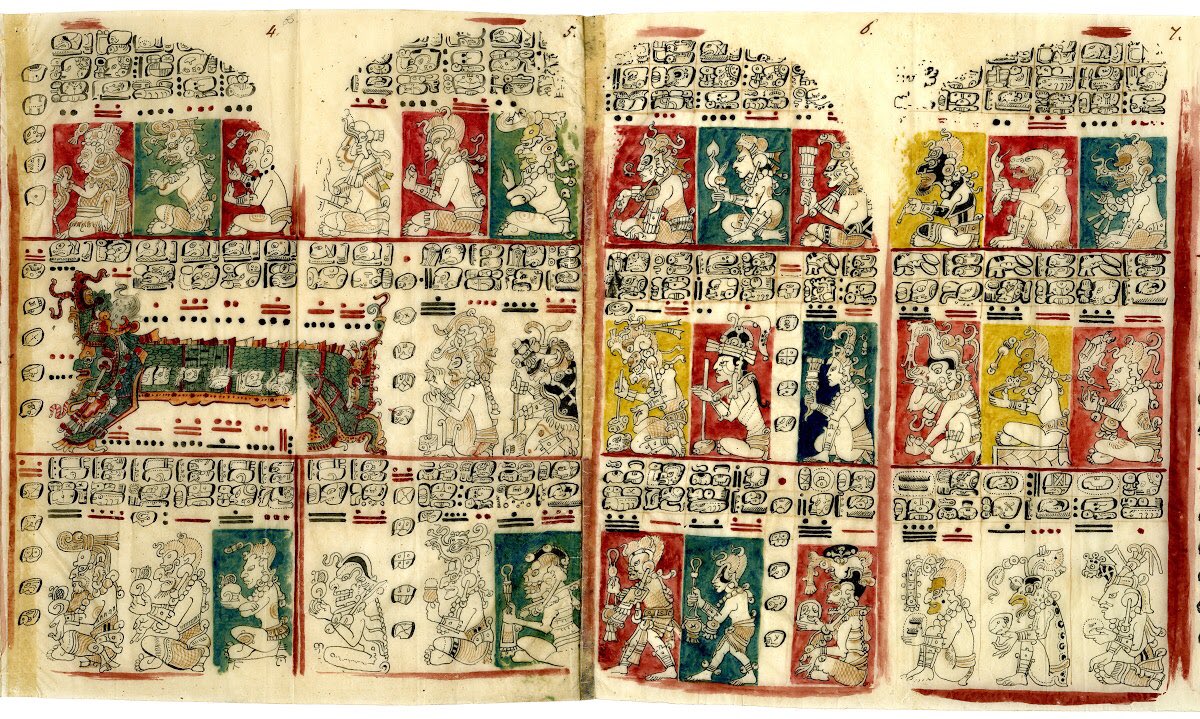
Of the thousands of books written by the ancient Maya, only three - possibly four-survive today. On one night in July 1562 Bishop Diego de Landa destroyed thousands of Maya books, but throwing them on a bonfire. Overnight, the literature, science, and myths of the Maya was lost
-
Lives of Chinese Martial Artists: Tang Hao – The First Historian of the Chinese Martial Arts
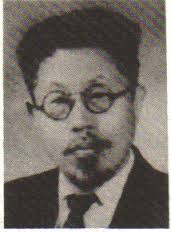
Tang Hao Tang Hao (1887–1959) is not a household name, even among avid practitioners of the traditional Chinese martial arts. While little known outside of certain specialized circles, few people have had a more profound impact on the way that we write and think about these hand combat systems. A lawyer by training and profession, Tang Hao was the first individual to undertake a serious, sustained, investigation of the history of the Chinese martial arts using modern documentary and field research methods. Tang Hao was very aware of the transformative social power of well written historical research. He was counting on it. In an era when so many other martial artists were (sometimes literally) taking up the sword for the defense of the nation, he instead picked up his pen.