tag > KM
-
First Principles: The Building Blocks of True Knowledge

First-principles thinking is one of the best ways to reverse-engineer complicated problems and unleash creative possibility. Sometimes called “reasoning from first principles,” the idea is to break down complicated problems into basic elements and then reassemble them from the ground up. It’s one of the best ways to learn to think for yourself, unlock your creative potential, and move from linear to non-linear results.
-
Futures Cone
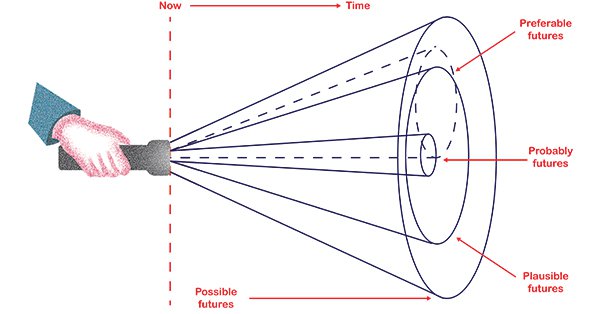
- Possible futures These include the kinds of futures that "might happen" - all the kinds we can imagine (the "warp drive" of Star Trek is a good example), these might also involve transgressions of currently-accepted physical laws or principles.
- Plausible futures These cover those futures which "could happen" according to our current knowledge of how things work. They stem from our current understanding of physical laws, processes, causation, systems of human interaction, etc.
- Probably futures These contain those which are considered "likely to happen". It is a simple linear extension of the present and often called "business-as-usual".
- Preferable futures By contrast, these are concerned with what we "want to" happen; in other words, these futures are largely emotional rather than cognitive, and derive from value judgements. Because values differ between people, this class of futures is quite varied.
-
"Don't waste your time with explanations: people only hear what they want to hear." - Paulo Coelho
-
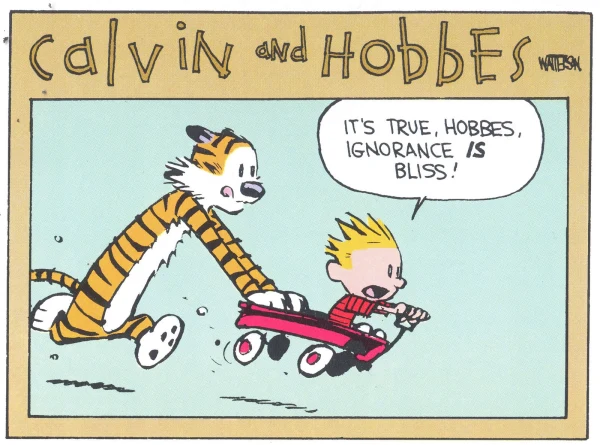
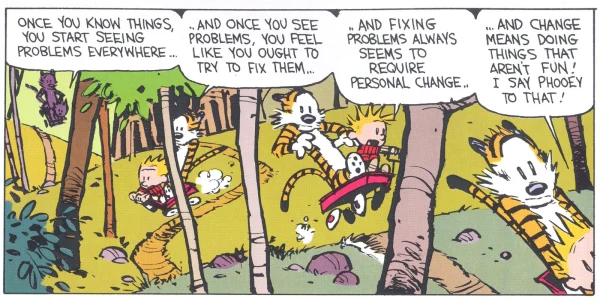

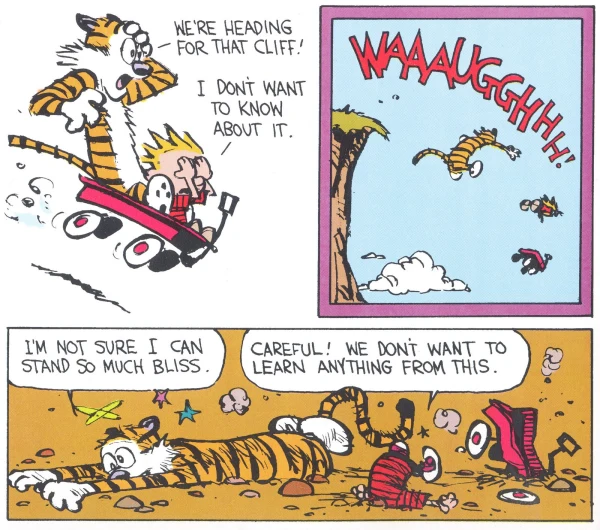
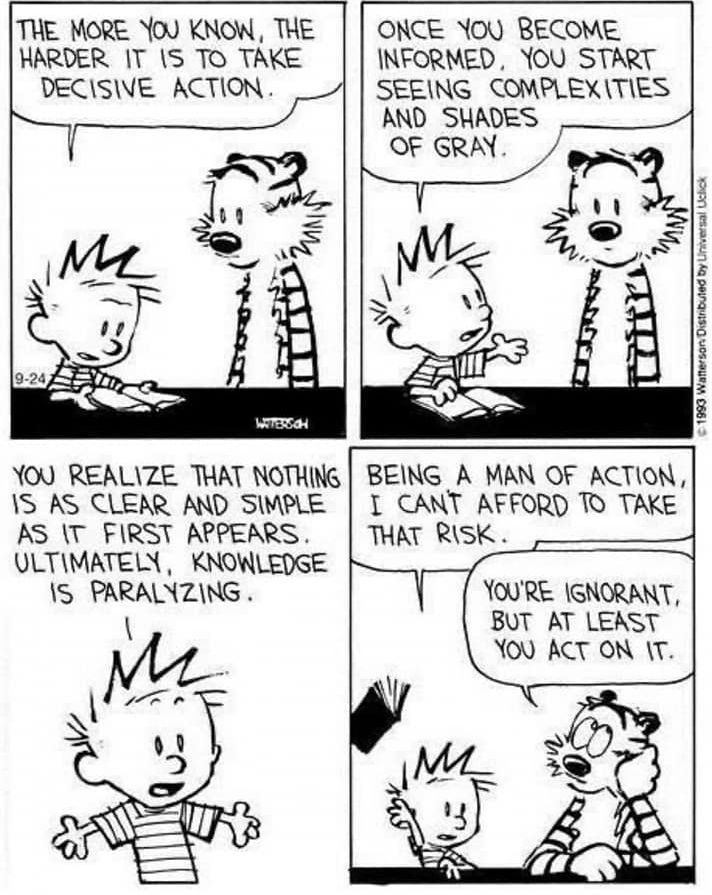
"The more you know, the harder it is to take decisive action"
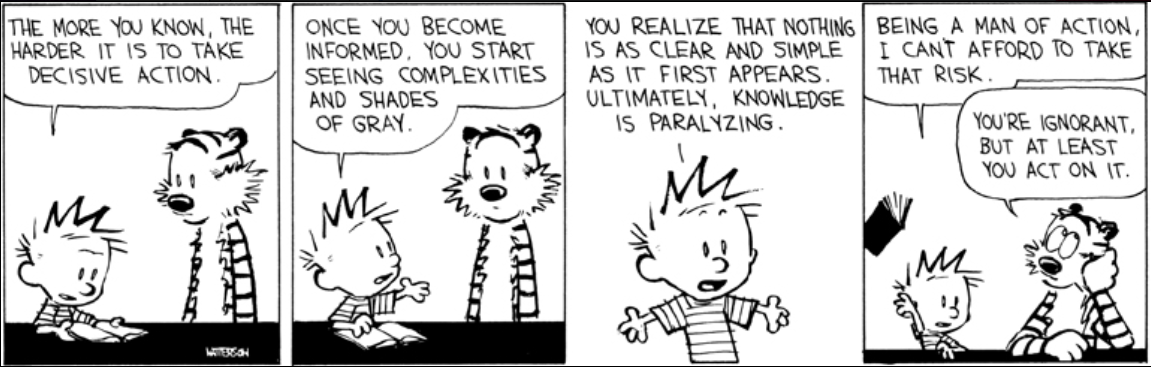
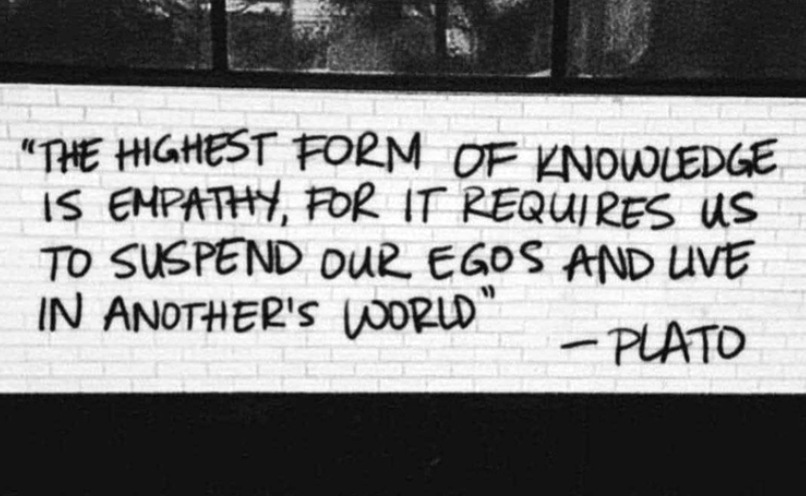
"A sign of Intelligence is an Awareness of one's own Ignorance." - Niccolo Machiavelli



"Real knowledge is to know the extent of one’s ignorance." - Confucius

-
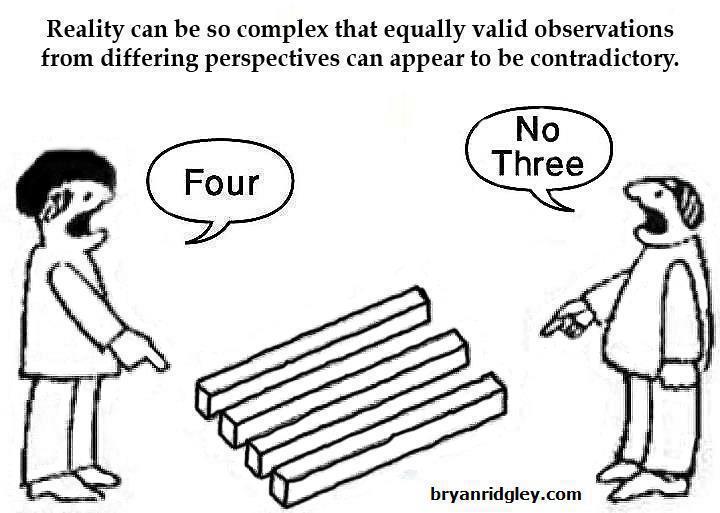
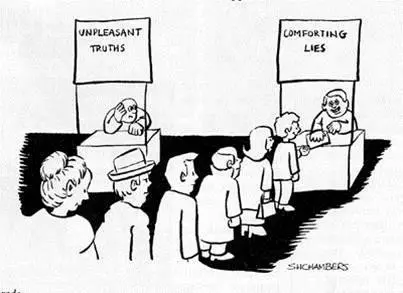
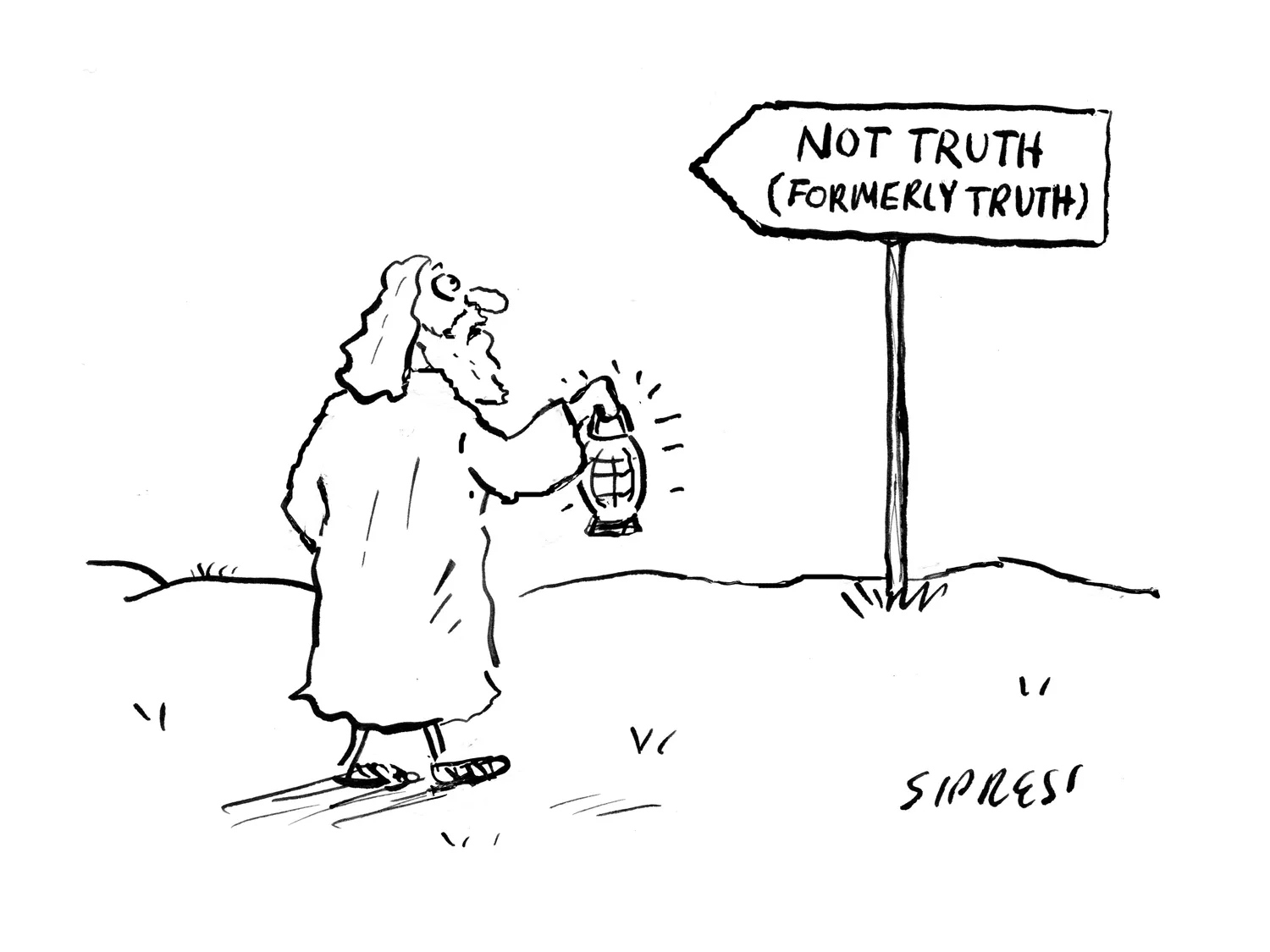
"The truth of these days is not that which really is, but what every man persuades another man to believe" - Michel de Montaigne
-
Pro Life Tip: Make all major decisions based on "randomness" (Flipism) - The result will most likely be the same as if you spent years preparing and contemplating choices - just minus the stress.

-
Is Control controlled by its need to control? Answer: Yes
-
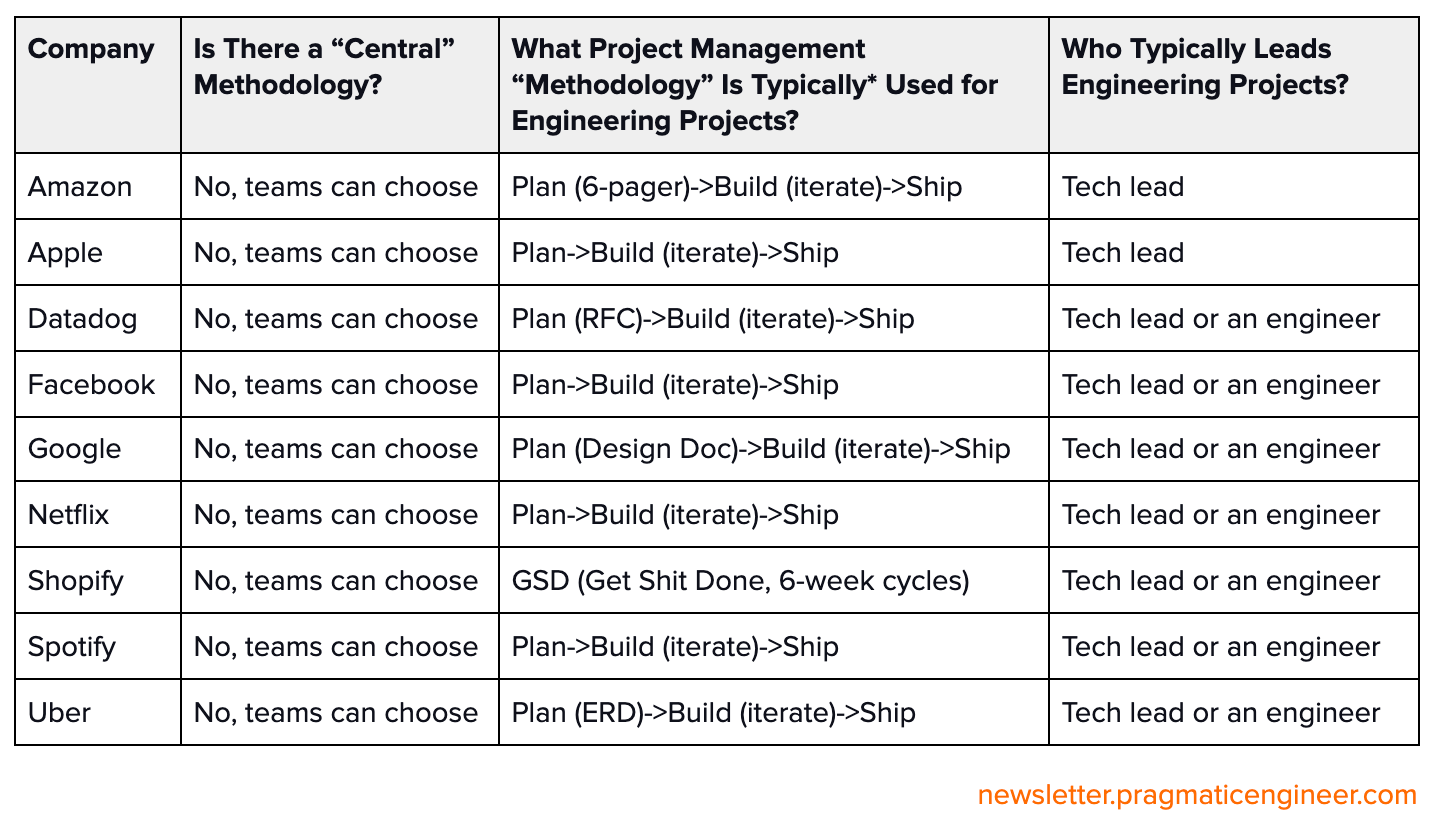
How Big Tech Runs Tech Projects and the Curious Absence of Scrum - "Team autonomy and high satisfaction seemed to be correlated."
-
"Intimacy is redefined as inefficiency."
- Nicholas Carr, from "An android dreams of automation" (2014)