tag > KM
-
Simulation model as a decision support tool
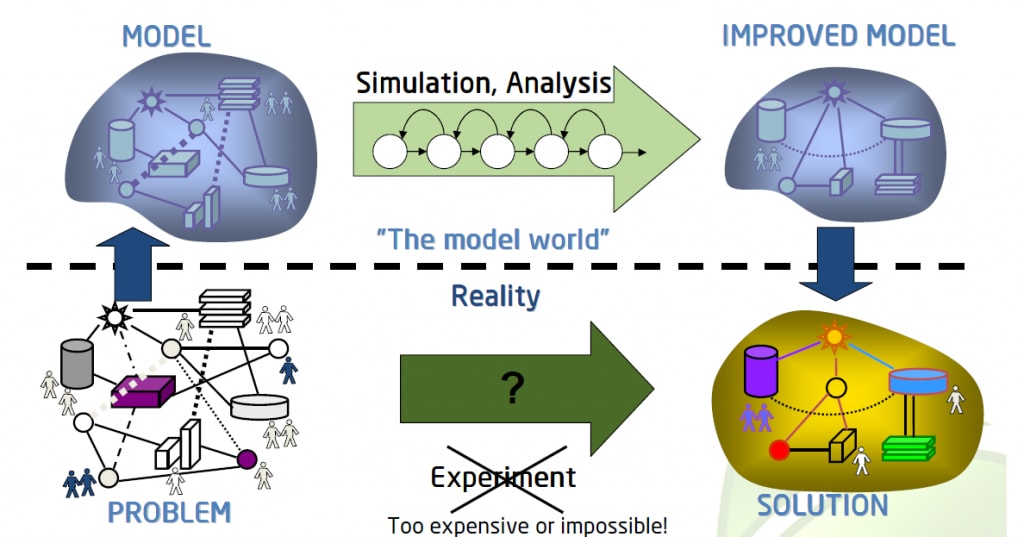
The simulation model does not give optimal decisions, unlike analytical solvers used for classical optimization tasks. The main advantage of this model is that it allows experts to answer the question of “What if?” using computational experiments. In the last decade, a lot of work was done to apply simulation to an opposite task: “What is need for?” This may also be called simulation-based optimization.
-
"That knowledge which stops at what it does not know, is the highest knowledge"
- Zhuang Zhou
The butterfly dream of Zhuang Zhou - ink drawing by Lu Zhi (1496–1576) -
Wang Yangming (王陽明) - The Unity of Knowledge and Action
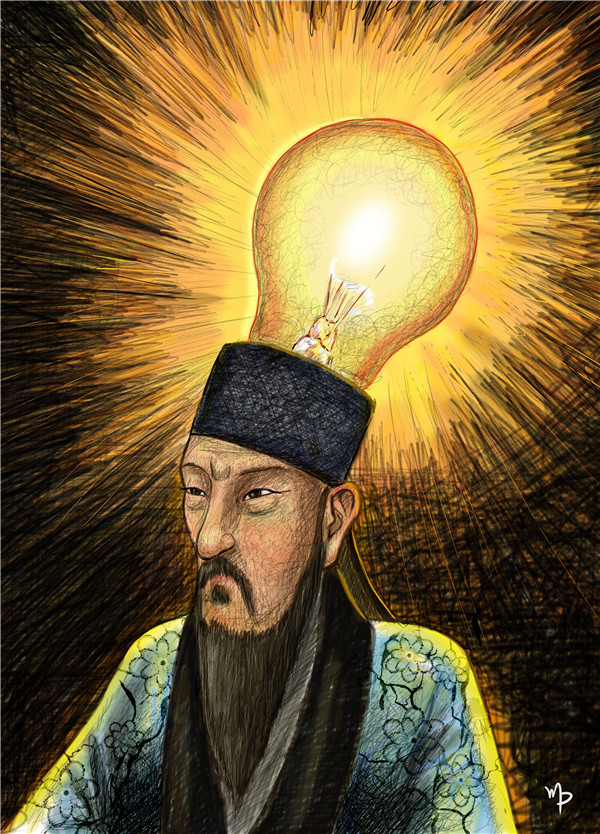
Wang Yangming (1472 - 1529) was a Chinese calligrapher, military general, philosopher, politician, and writer during the Ming dynasty. He is commonly regarded as the most important Neo-Confucian thinker, with interpretations of Confucianism that denied the rationalist dualism of the orthodox philosophy of Zhu Xi. Wang was the leading figure in the Neo-Confucian School of heart. This school championed an interpretation of Mencius, a Classical Confucian who became the focus of later interpretation, that unified knowledge with action. Their rival school, the School of Principle (Li) treated gaining knowledge as a kind of preparation or cultivation that, when completed, could guide action. (wikipedia)
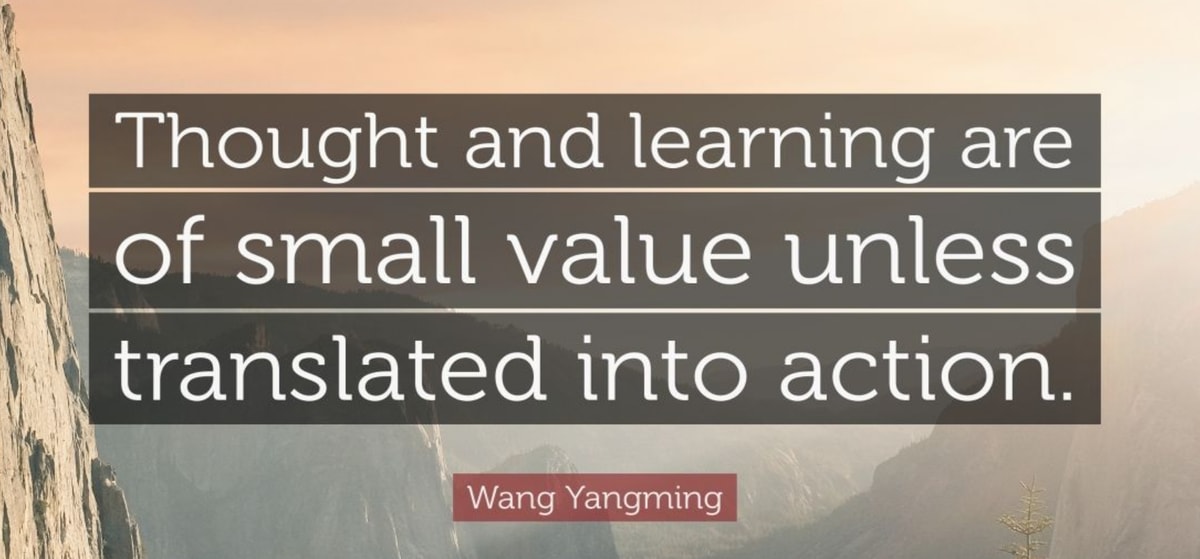
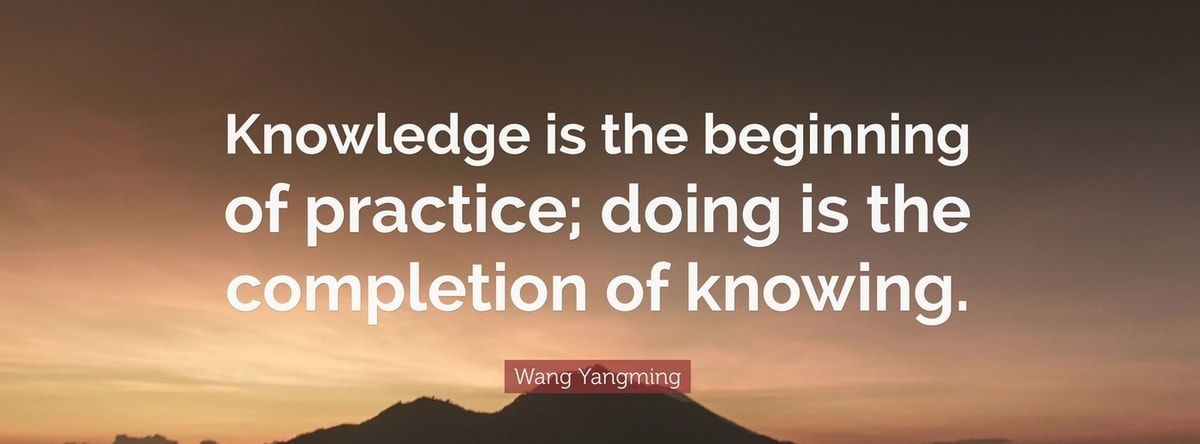

Wang Yangming: Integration of Knowledge and Action (text source)
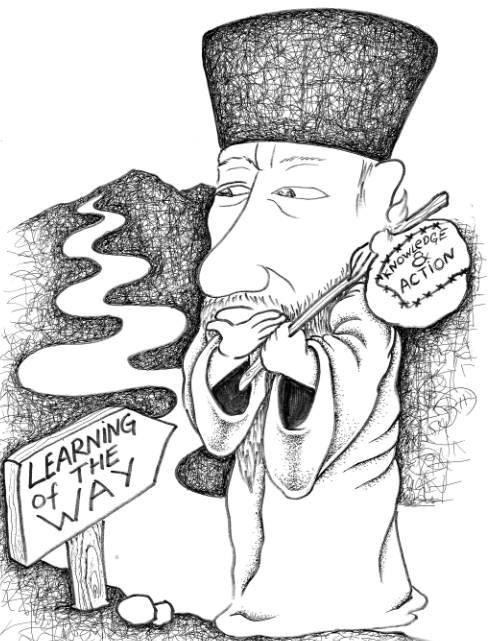
Wang Yangming was the leading figure in the Neo-Confucian School of Mind in Ming Dynasty. In his work about “Great Learning” or Daxue, Wang said, “A great learner makes himself united with Heavens, earth and all living beings. He views the whole world as one family, and all people as one individual.” With that, we understand that “great learning” is not just the learning for adults or learners with great mind, it relates to total harmony between human and nature. All things are ONE, not two, not three, not four. With this understanding, he can be named “gentleman of virtues” or “man of enlightenment”.
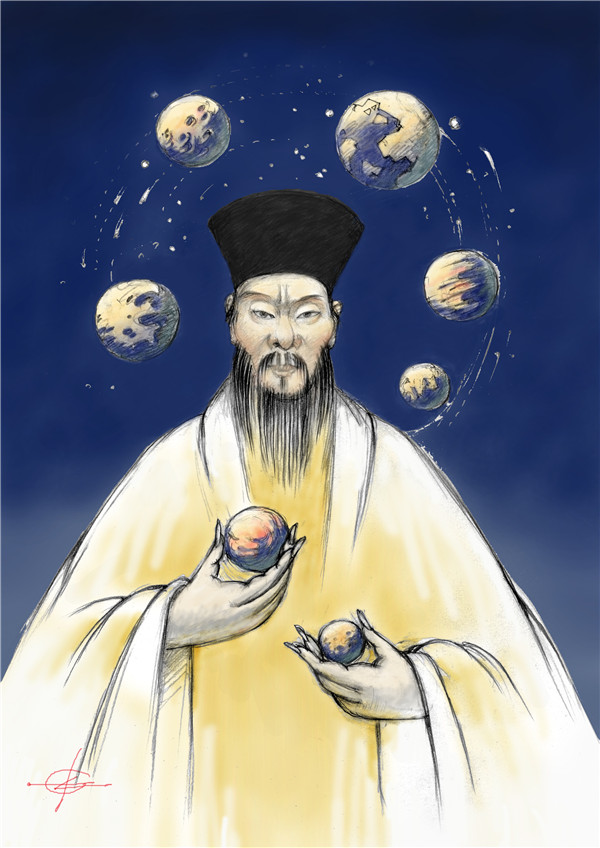
Out of Cheng-Zhu’s Neo-Confucianism that was mainstream at the time, Wang Yangming developed the idea of innate knowing, arguing that every person knows from birth the difference between good and evil. Wang claimed that such knowledge is intuitive and not rational.Wang said, “The man of supreme goodness is one of enlightenment and kindness to other people. He who loves his own father also loves the fathers of others; He who loves his own son also loves the sons of others. And he extends this goodness to animals and plants on earth”. Wang held that everything finally finds its root in the mind. It’s the goodness of the mind that directs people to do good to others.
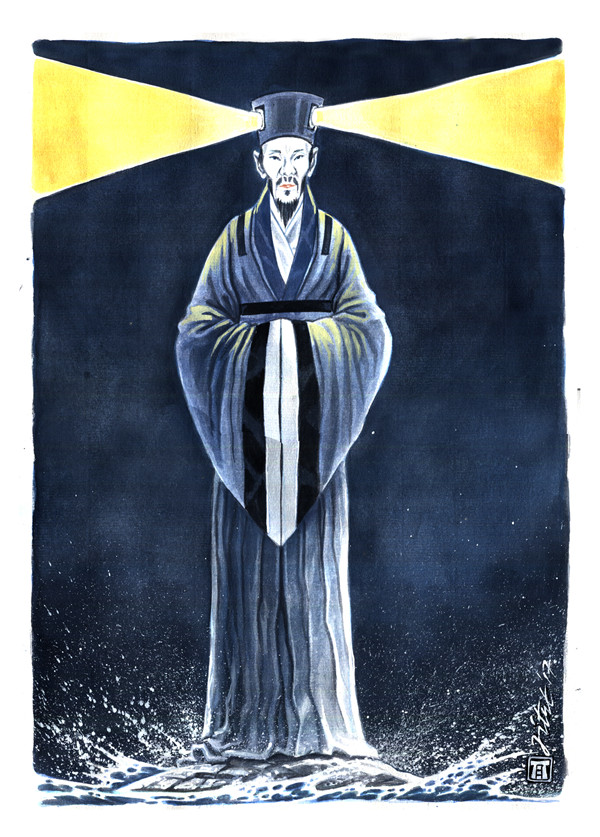
He spoke highly of the integration of knowledge and action.Wang’s rejection of the pure investigation of knowledge comes from the traditional view of Chinese belief that once one gained knowledge, one had a duty to put that knowledge into action. In develop his philosophy of action, Wang believed that only through simultaneous action could one gain knowledge and denied all other ways of gaining it. To him, there was no way to use knowledge after gaining it because he believed that knowledge and action were unified as one. Any knowledge that had been gained then put into action was considered delusion or false.
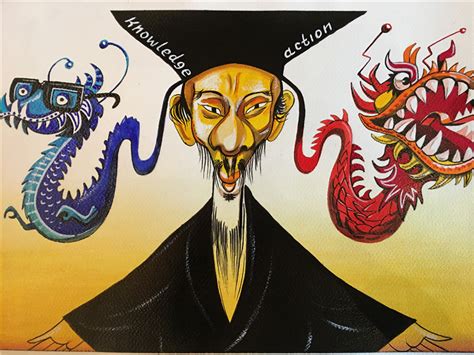
Confucius believes that one shall behave themselves as daily training before they can serve the nation and the people with good management. This training is all about the mind. Wang held that objects do not exist entirely apart from the mind because the mind shapes them. He believed that it is not the world that shapes the mind, but the mind that gives reason to the world. Therefore, the mind alone is the source of all reason.
He understood this to be an inner light, an innate moral goodness and understanding of what is good. Wang agreed with ancient philosophers that to be enlightened, one has to cut his selfish wants and desires. In order to eliminate selfish desires that cloud the mind’s understanding of goodness, one can practice his type of meditation often called tranquil repose or sitting still. This is similar to the practice of Zen meditation in Buddhism.
Wang Yangming Art
Wang Shouren - Poems in cursive script - Sold by Sothebys for 965,000 USD
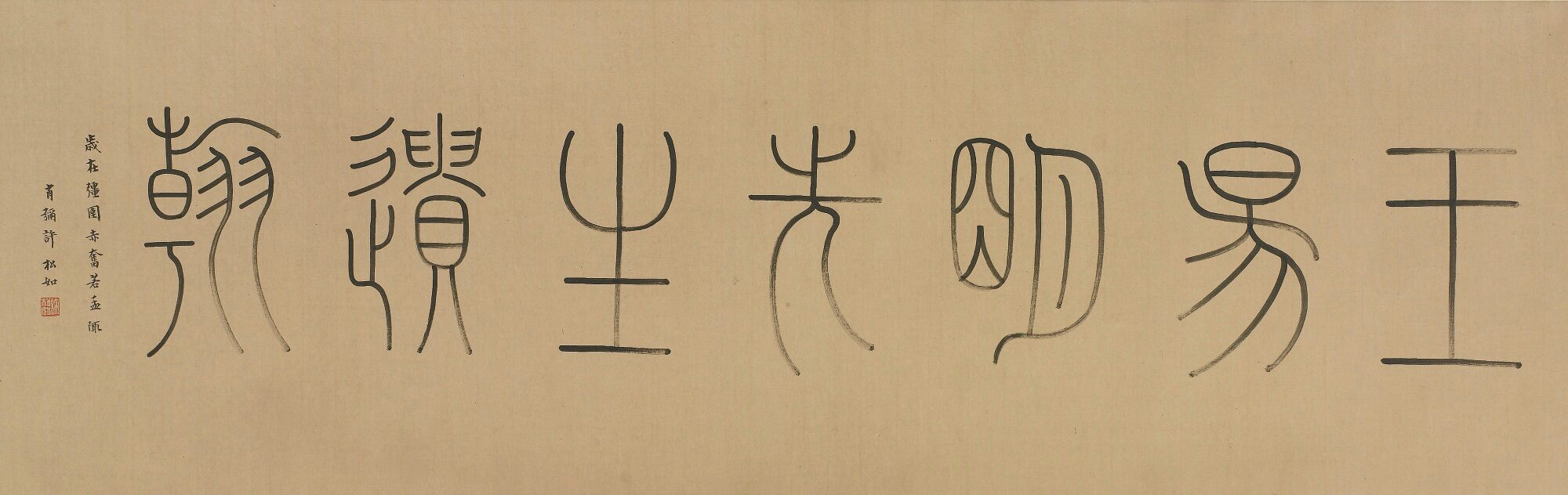
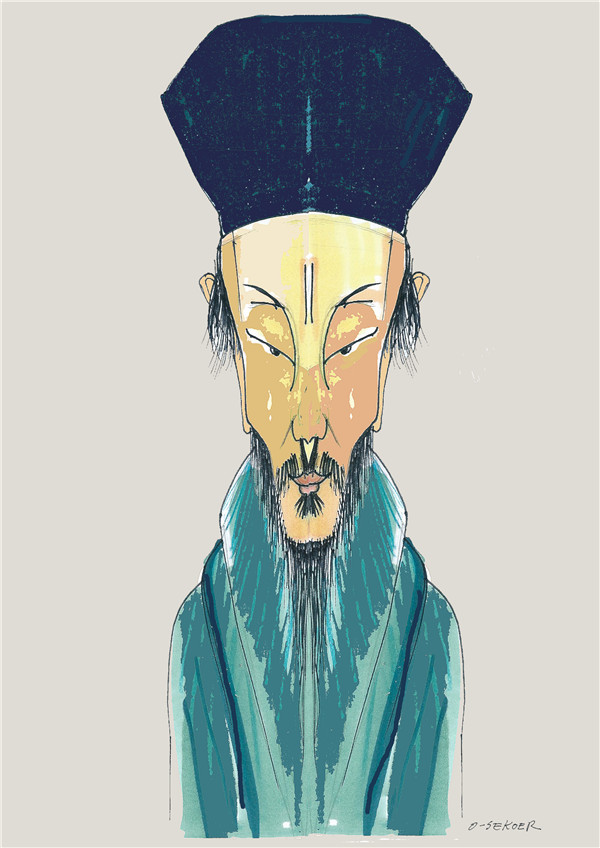
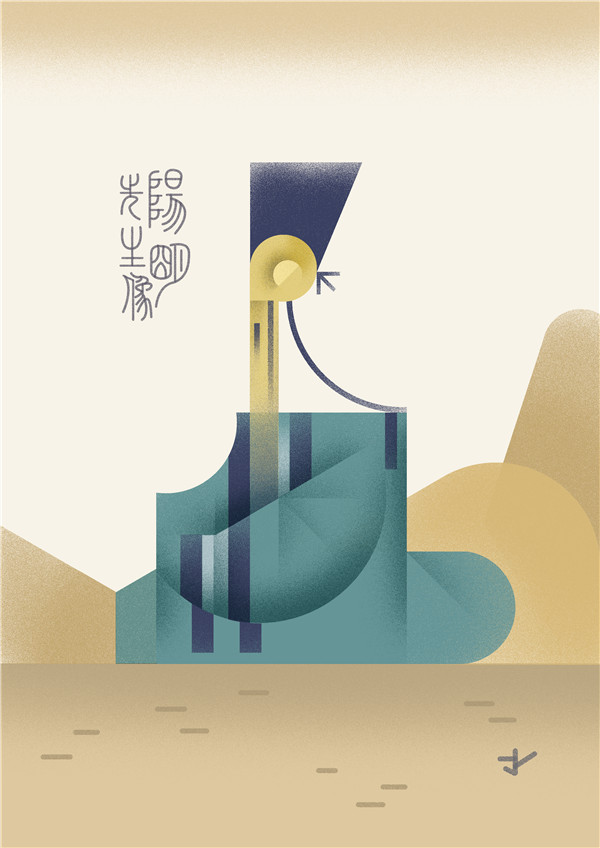
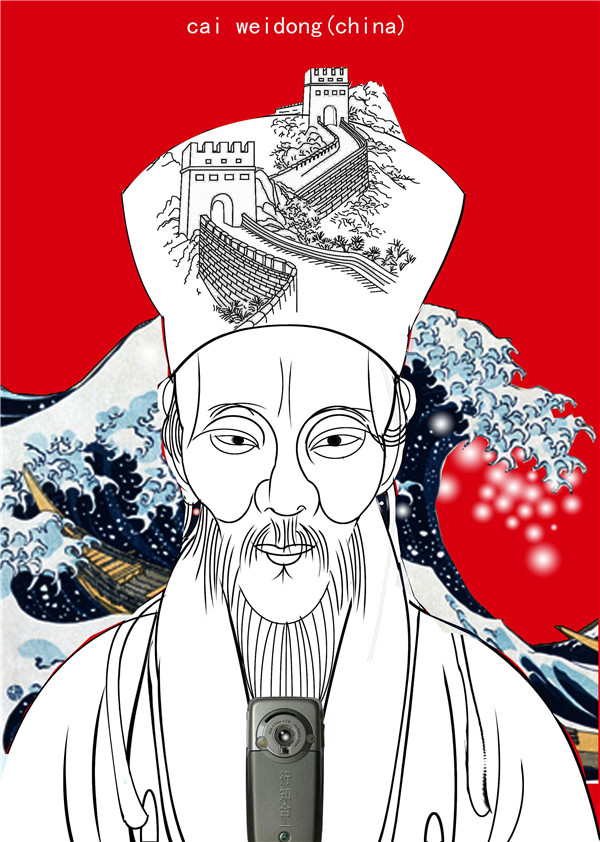
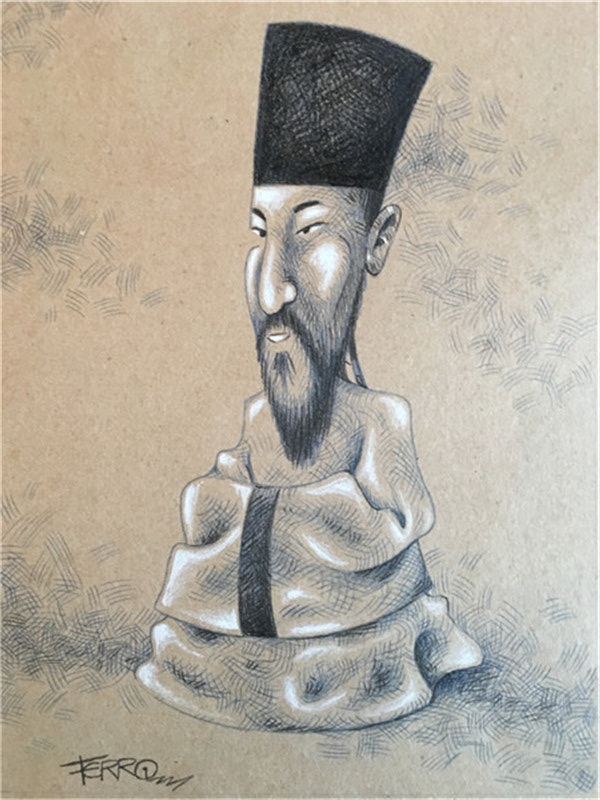
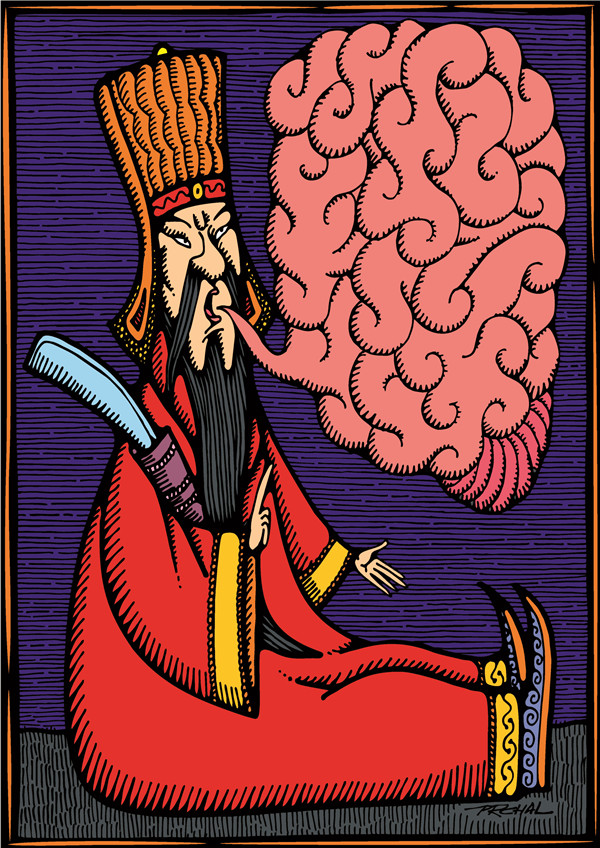
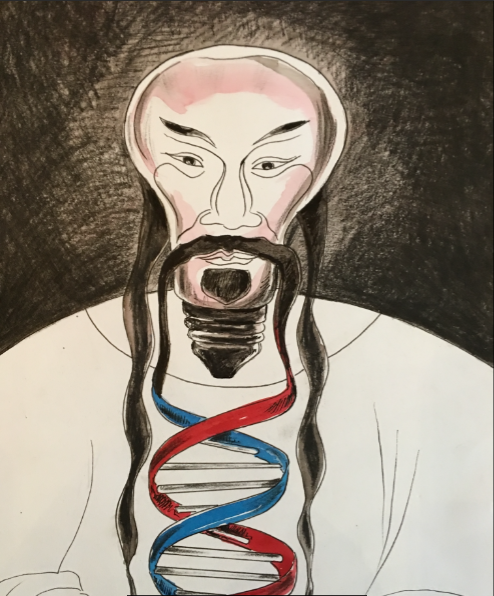
Wang Yangming Research
Presentation: "Neoconfucianism. Renewal of Confucianism Occurring in the Song dynasty Dàoxué – ( 道學 ) teachings of Dao Dàotong – ( 道统 ) transmission of Dao."
Knowledge is the beginning of action and action is the completion of knowledge.
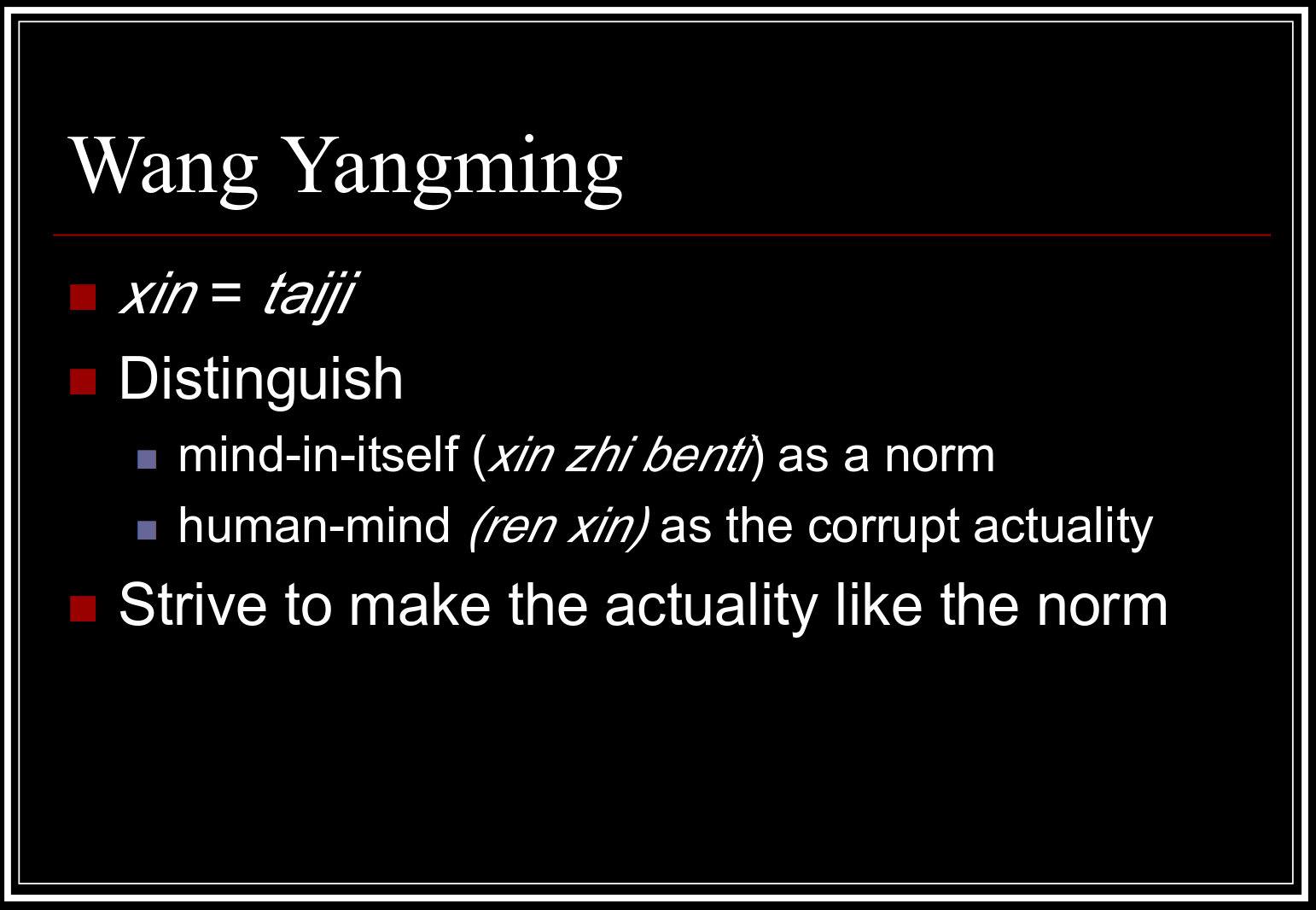
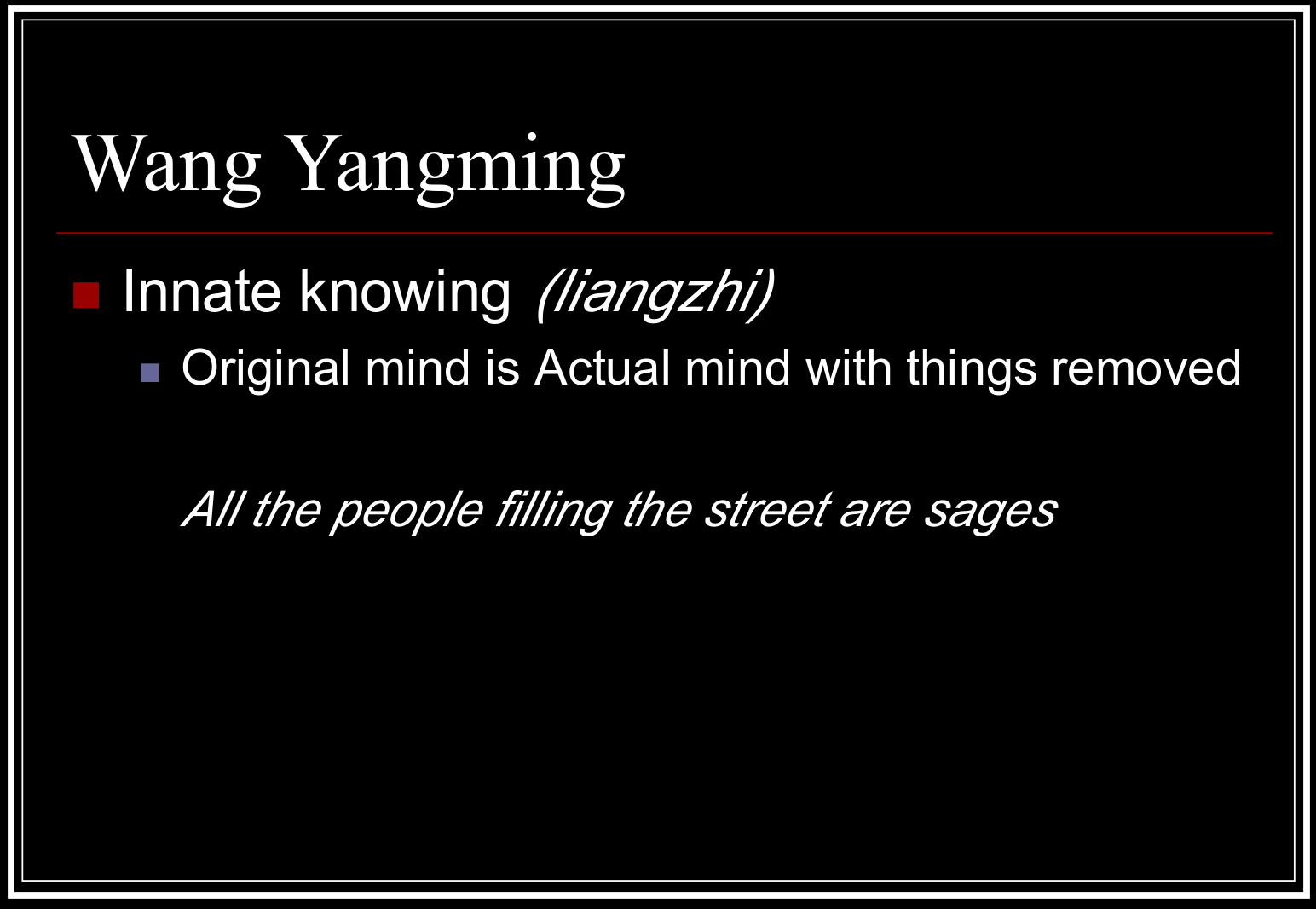
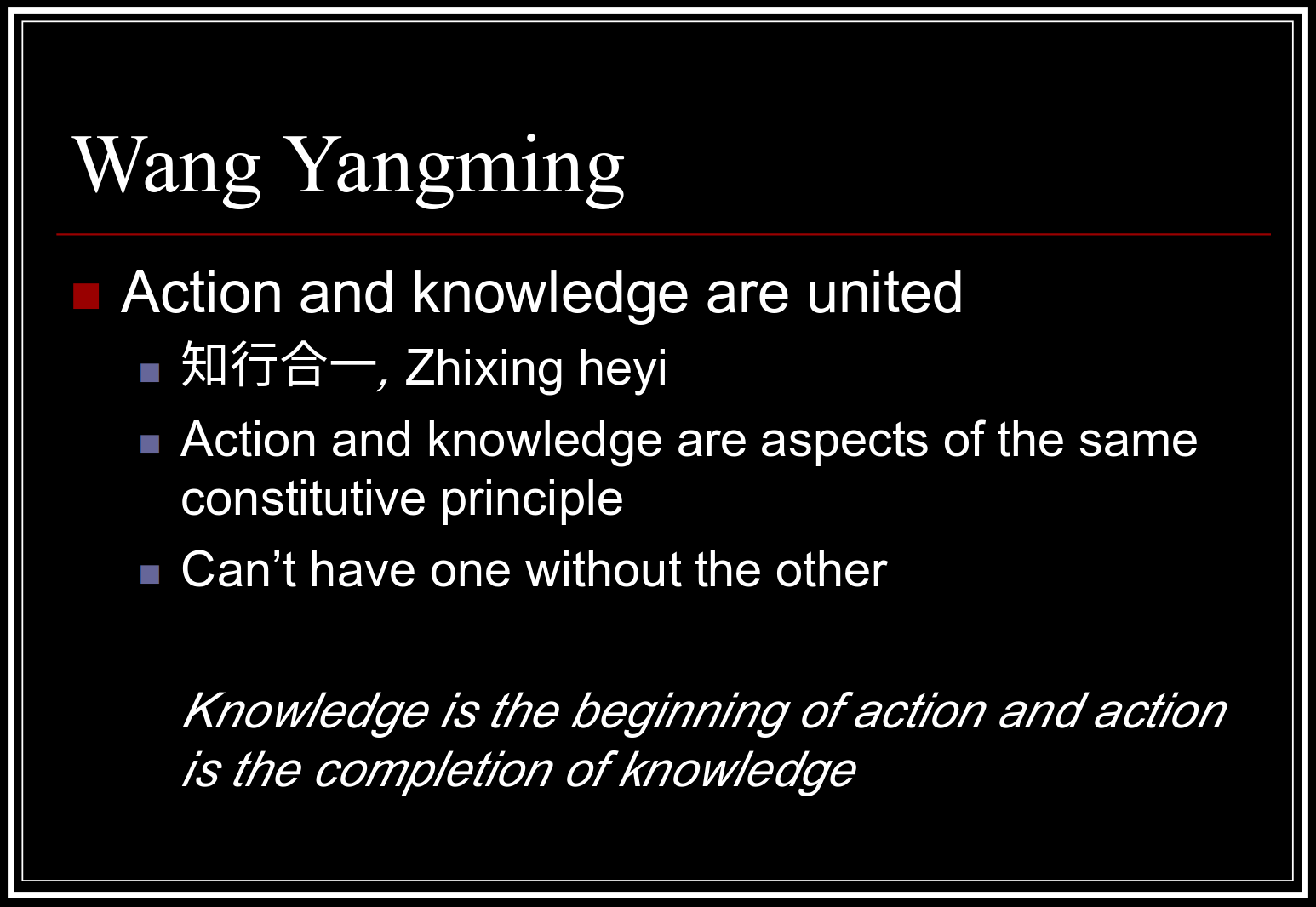
Wang Yangming (Stanford Encyclopedia of Philosophy)
Wang Yangming (1472–1529) was a Chinese statesman, general, and Neo–Confucian philosopher. He was one of the leading critics of the orthodox Neo–Confucianism of Zhu Xi (1130–1200). Wang is perhaps best known for his doctrine of the “unity of knowing and acting,” which can be interpreted as a denial of the possibility of weakness of will.
A portrait of Wang Yangming, the philosopher who expanded the concept of the “thing” beyond materiality to embrace moral precepts and ideas. Neo-Confucianism combined principles from the three major ancient philosophies of China—Daoism, Buddhism, and Confucianism—and the Wang Yangming school was one of its dominant and most influential movements.
The Quest For Ethical Truth: Wang Yangming On The Unity Of Knowing & Acting - by Weimin Shi (PDF)
Abstract: Drawing an analogy between Wang Yangming’s endeavor to know ethical truth and Descartes’ quest for epistemic certainty, this paper proposes a reading of Wang's doctrine of the unity of knowing and acting to the effect that the doctrine does not express an ethical teaching about how the knowledge that is already acquired is to be related to acting, but an epistemological claim as to how we know ethical truths. A detailed analysis of Wang’s relevant texts is offered to support the claim.
The Introspective Model of the Unity of Knowledge & Action - by Harvey Lederman, Assistant Professor in the Department of Philosophy at Princeton (2019) (PDF)
Abstract: This paper presents a new interpretation of the great Ming dynasty philosopher Wang Yangming’s (1472-1529) doctrine of the “unity of knowledge and action” (知行合一). My interpretation focuses on a new understanding of Wang’s notion of“genuine knowledge”, according to which Wang held that genuine knowledge requires freedom from a particular form of doxastic conflict. I argue that Wang believed that freedom from this form of doxastic conflict requires freedom from motivational conflict, and that if a person is free from motivational conflict, they are acting virtuously. Thus, on my interpretation, Wang held that knowledge and action are unified at least in the sense that, if a person has genuine knowledge, they are acting virtuously.
Perception and Genuine Knowledge in Wang Yangming - by Harvey Lederman (2020) (PDF)
Conclusion: The first aim of this paper was to develop the perceptual model in more detail than has been done before. I argued that Total Knowledge was the best hope for making sense of the claim that perception is a part of some episodes of genuine knowledge, and I showed how, given Total Knowledge, we could make sense of Unity, which I take to be the core of the unity of knowledge and action.This result is already surprising. Proponents of the perceptual model have spoken in quite different ways about the supposed role of perception in genuine knowledge.They have not taken perception to be merely a side-light of the total mental event which36is genuine knowledge. Rather they have focused on a value-laden form of perception,and seen their interpretation as making Wang’s doctrine centrally about how we should perceive the world around us. But I argued that no such interpretation could be squared with Wang’s examples of the qualities we genuinely know, and that Total Knowledge was the best hope for the perceptual model.I then presented the introspective model, and argued that it was a more natural interpretation of what Wang wrote than the perceptual model. Wang doesn’t speak very much at all about the role of perception in virtuous action; by contrast he constantly emphasizes the role of liang zhi in recognizing one’s good inclinations and fostering them.Aside from two passages, the evidence points firmly toward the introspective model.Even those two passages, on inspection, do not clearly favor the perceptual model –one of them ([T4]) tells against it. So we should prefer the introspective model.The unity of knowledge and action is not a doctrine about a rich form of perception.Rather, it concerns the conditions under which the conscience-like faculty of liang zhi could fully recognize the ethical qualities of one’s own mental events. Wang believed that people could achieve this full recognition – genuine knowledge – when and only when they were acting virtuously. In this sense, he believed, knowledge and action are one.
Wang Yangming on the Unity of Knowing and Acting (The Splintered Mind , 2016)
There have never been people who know but do not act. Those who "know" but do not act simply do not yet know.... Seeing a beautiful color is a case of knowing, while loving a beautiful color is a case of acting. As soon as one sees that beautiful color, one naturally loves it. It is not as if you first see it and only then, intentionally, you decide to love it.... The same is true when one says that someone knows filial piety or brotherly respect. That person must already have acted with filial piety or brotherly respect before one can say she knows them. One cannot say she knows filial piety or brotherly respect simply because she knows how to say something filial or brotherly (Ivanhoe 2009 trans., p. 140-141).
-
Thinking about Practices - by Caminao (2013)
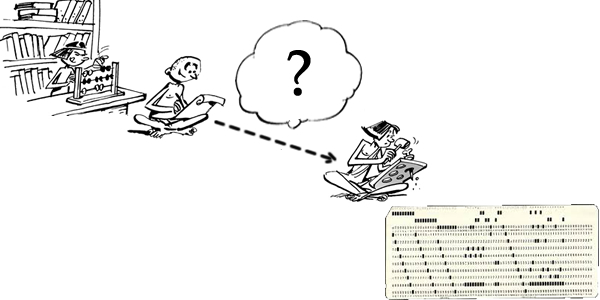
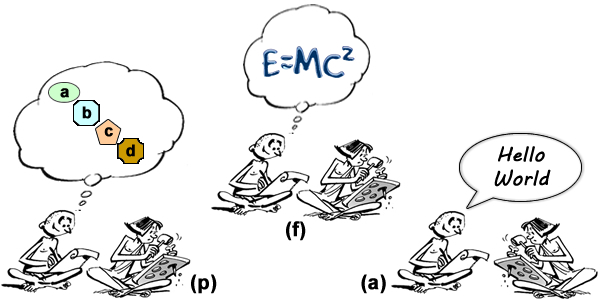
A theory (aka model) is a symbolic description of contexts and concerns. A practice is a set of activities performed in actual contexts. While the latter may be governed by the former and the former developed from the latter, each should stand on its own merits whatever its debt to the other. "Good practices hold sway without showing off theoretical subtext" - D.Chiparus.
-
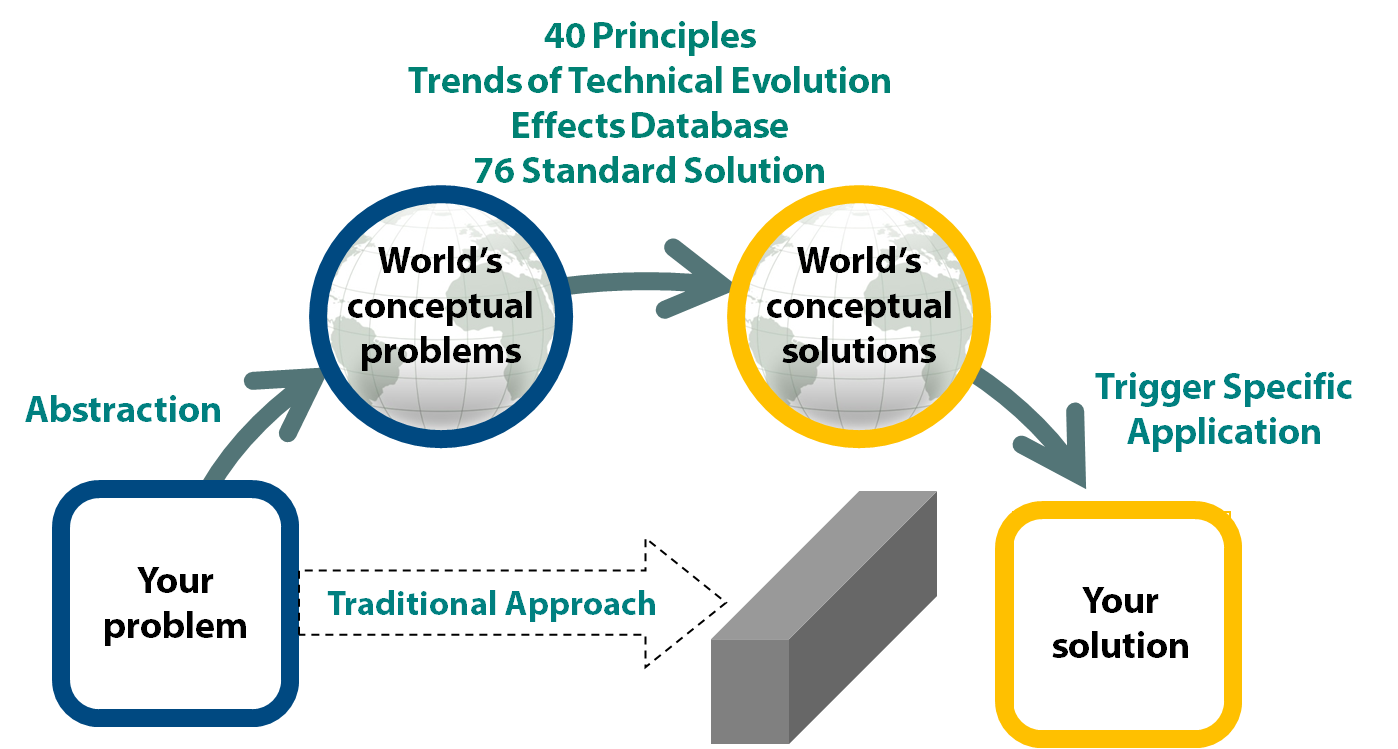
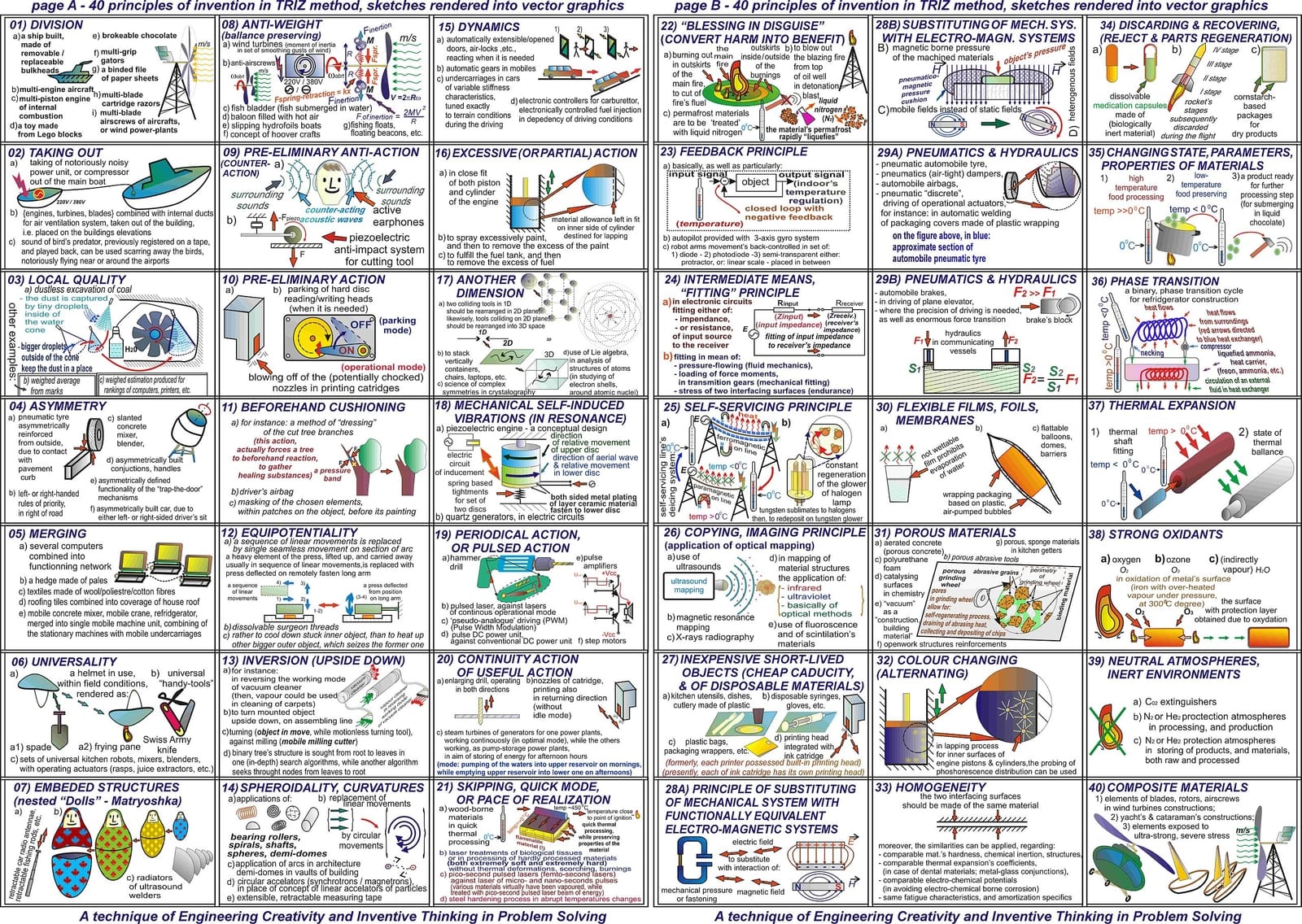
TRIZ is a "problem-solving, analysis and forecasting tool derived from the study of patterns of invention in the global patent literature". It was developed by the Soviet inventor and science-fiction author Genrich Altshuller (1926-1998) and his colleagues, beginning in 1946. The theory developed on a foundation of extensive research covering hundreds of thousands of inventions across many different fields to produce a theory which defines generalisable patterns in the nature of inventive solutions and the distinguishing characteristics of the problems that these inventions have overcome.
-
“Learning preserves the errors of the past as well as its wisdom.” - A.N.Whitehead
“It isn’t what we don’t know that gets us into trouble, it’s what we know that ain’t so.” - Will Rogers
“Every man takes the limits of his own vision for the limits of the world.” - Arthur Schopenhauer
“The art of being wise is the art of knowing what to overlook.” - William James
“Never try to tell everything you know. It may take too short a time.” - Norman Ford
-
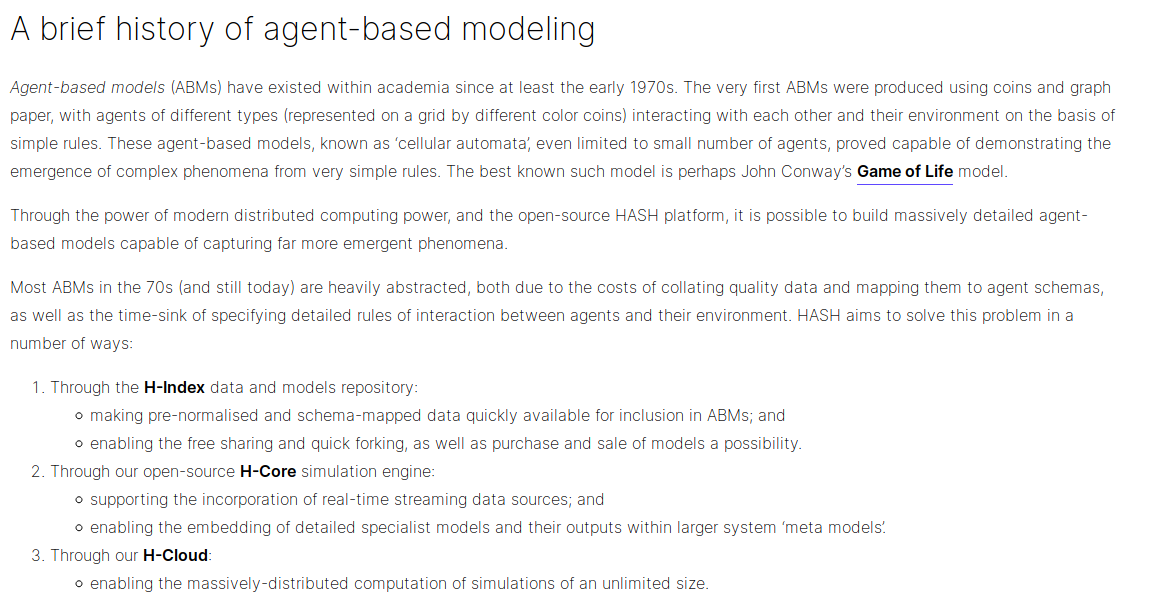
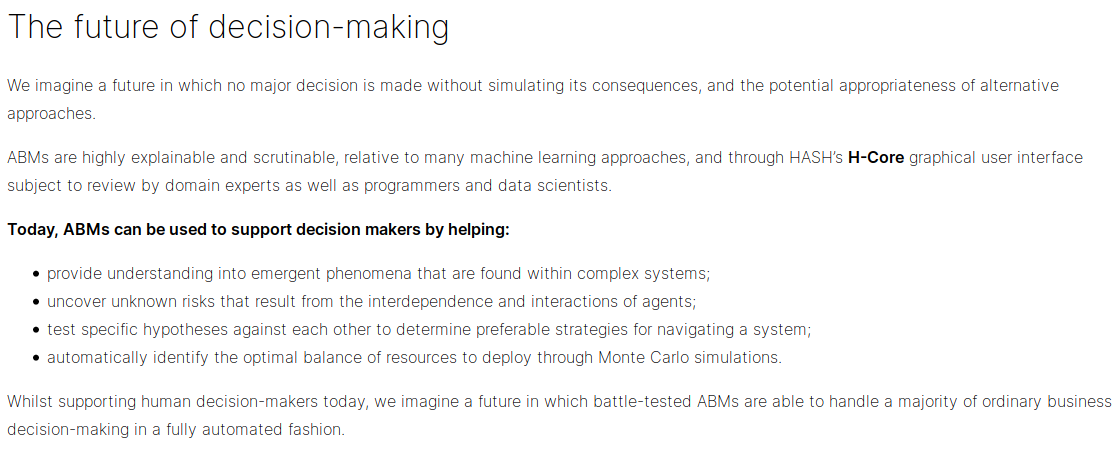
Hash: Do we see a new player pushing simulation into the mainstream? - Benjamin Schumann about the simulation startup https://hash.ai/ (see their post "Information Failure")

-
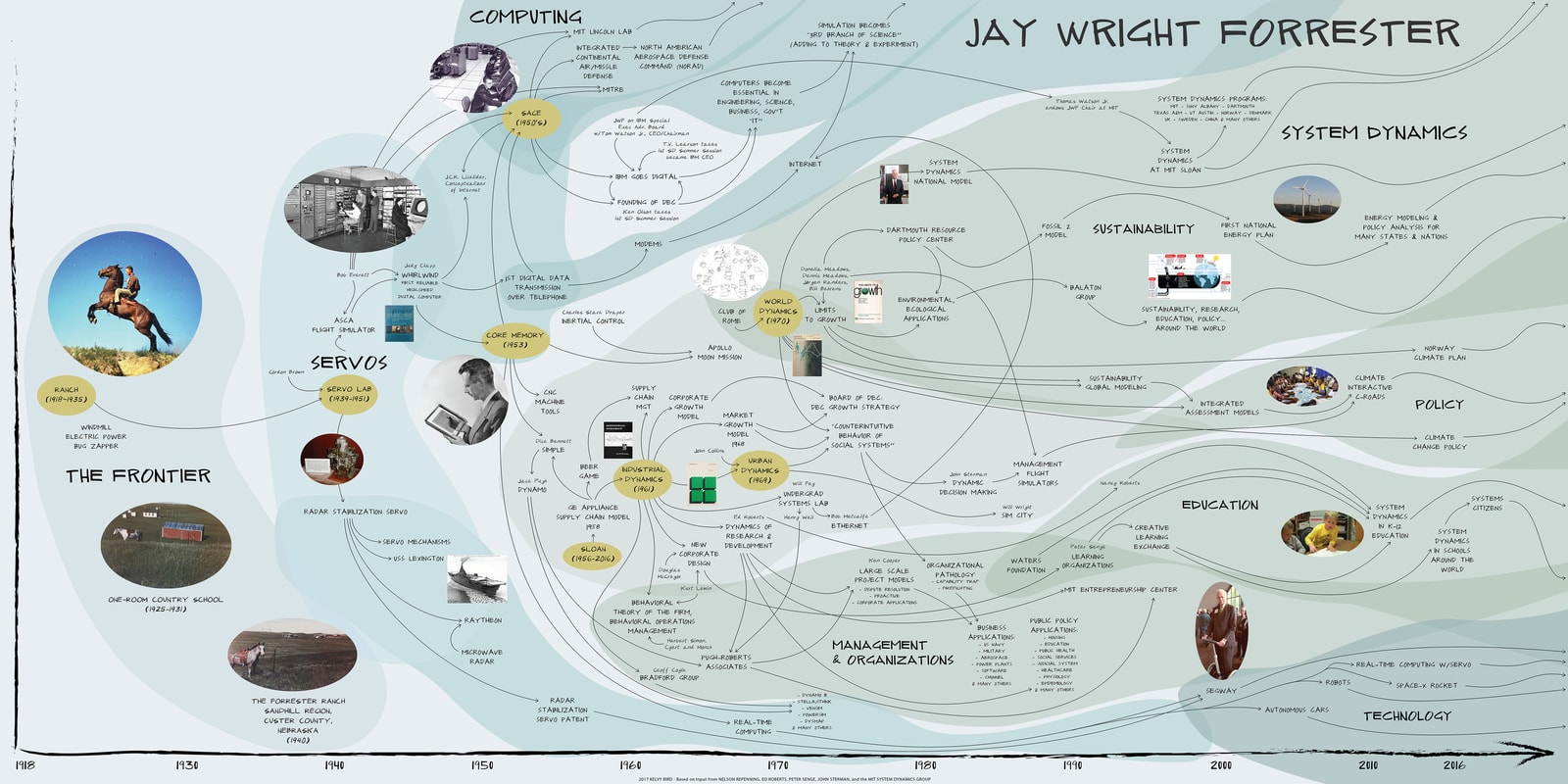
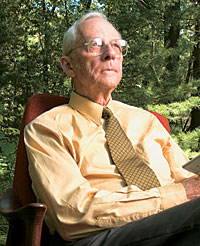
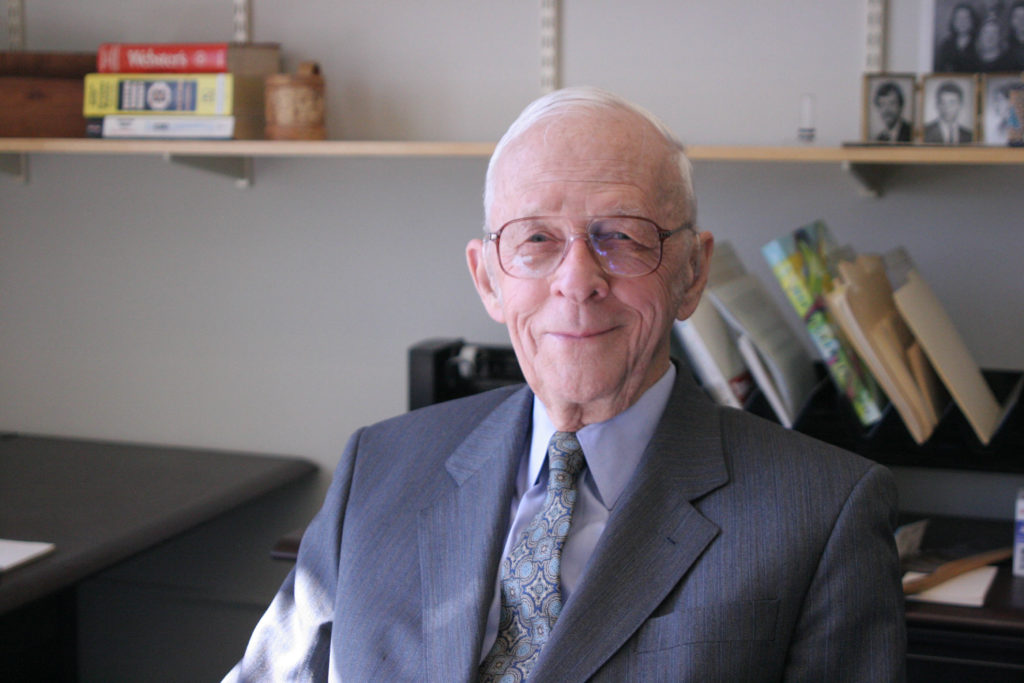
Jay Wright Forrester (1918 – 2016)
Jay Wright Forrester was a American computer engineer and systems scientist. He was a professor at MIT. Forrester is known as the founder of system dynamics, which deals with the simulation of interactions between objects in dynamic systems and is most often applied to research and consulting in organizations and other social systems.
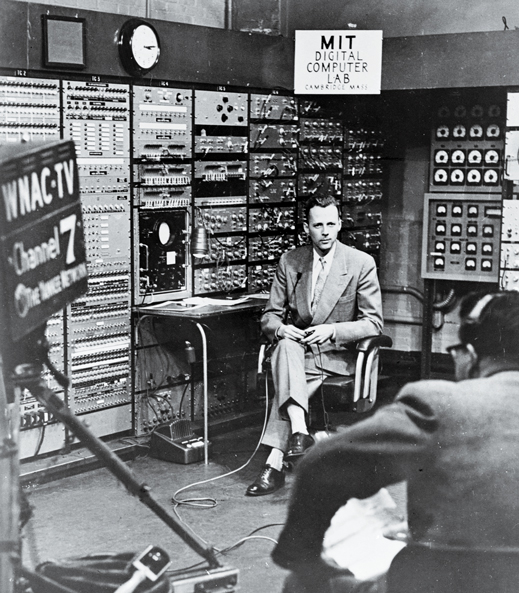
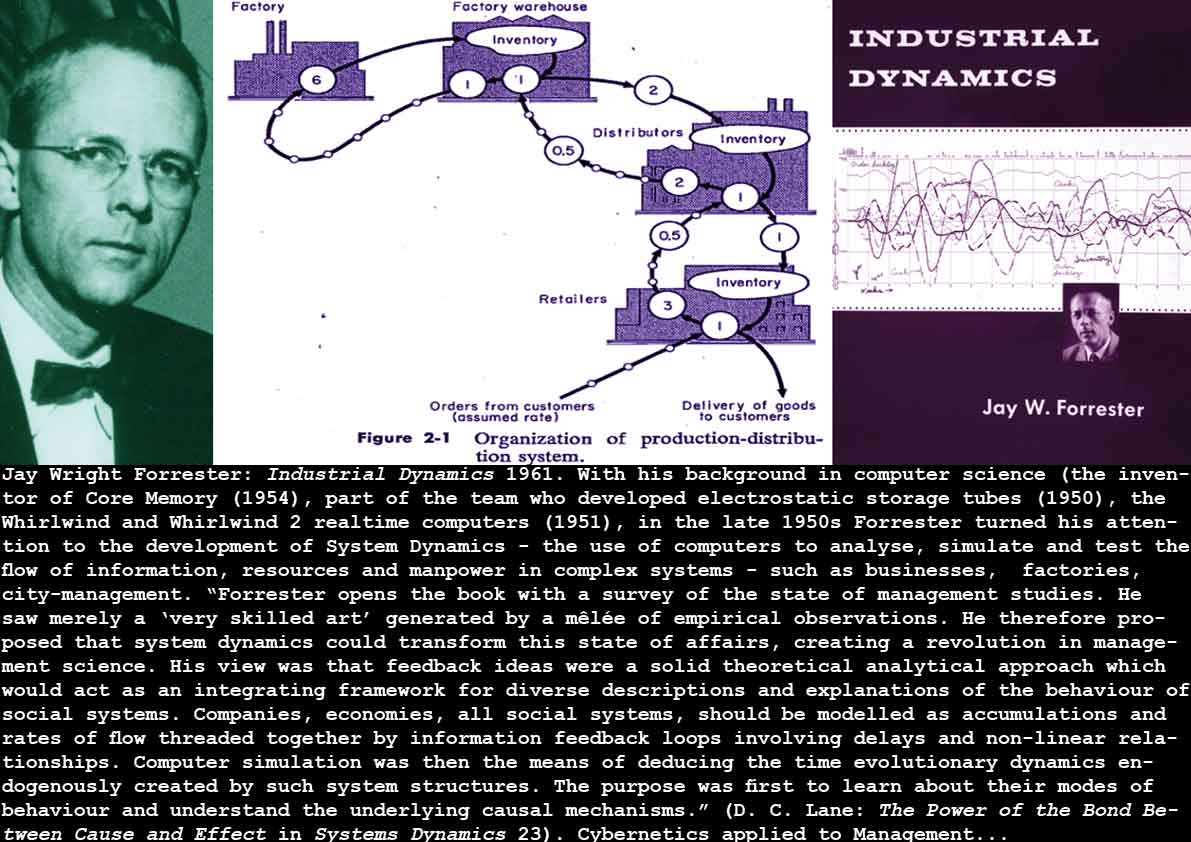
Image from: https://mediainspiratorium.com/1960-1970/ The Many Careers of Jay Forrester (MIT Tech Review)
"Computing pioneer Jay Forrester, SM ’45, developed magnetic-core memory. Then he founded the field of system dynamics. Those are just two of his varied pursuits."
Jay Forrester’s System Dynamics and World Model
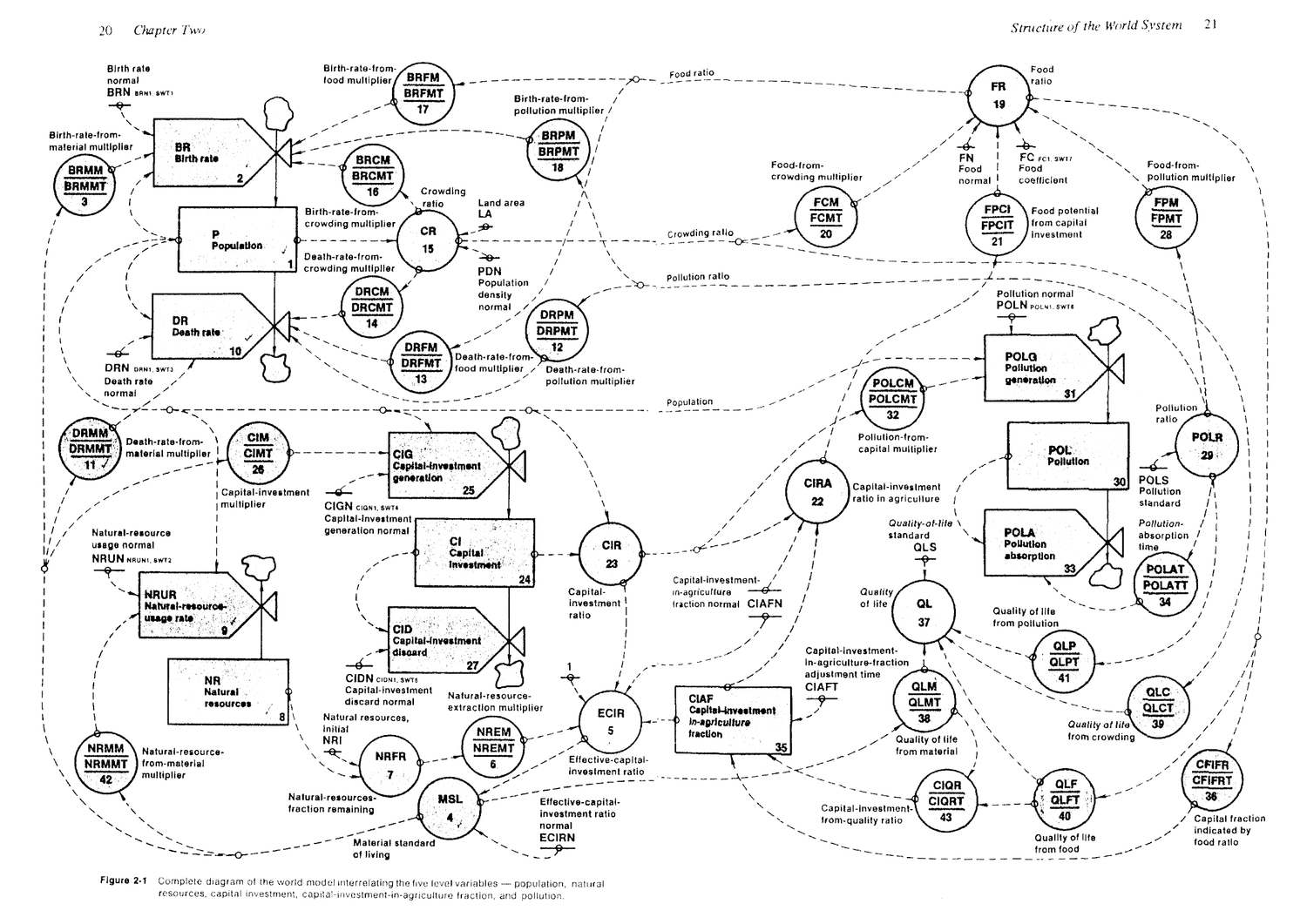
Forrester's model of the world's dynamics. This map models the dynamics between population and economic growth (from 1971 to 2021) by relating population, natural resources, pollution, capital investment, food and quality of life (Jay W. Forrester, 1973, p. 144). 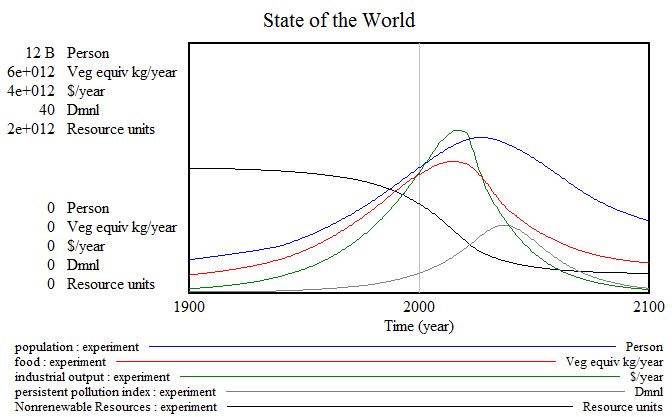
"The second major noncorporate application of system dynamics came shortly after the first. In 1970, Jay Forrester was invited by the Club of Rome to a meeting in Bern, Switzerland. The Club of Rome is an organization devoted to solving what its members describe as the "predicament of mankind"—that is, the global crisis that may appear sometime in the future, due to the demands being placed on the Earth's carrying capacity by the world's exponentially growing population. At the Bern meeting, Forrester was asked if system dynamics could be used to address the predicament of mankind. His answer, of course, was that it could. On the plane back from the Bern meeting, Forrester created the first draft of a system dynamics model of the world's socioeconomic system. He called this model WORLD1. Upon his return to the US, Forrester refined WORLD1 in preparation for a visit to MIT by members of the Club of Rome. Forrester called the refined version of the model WORLD2. Forrester published WORLD2 in a book titled World Dynamics."
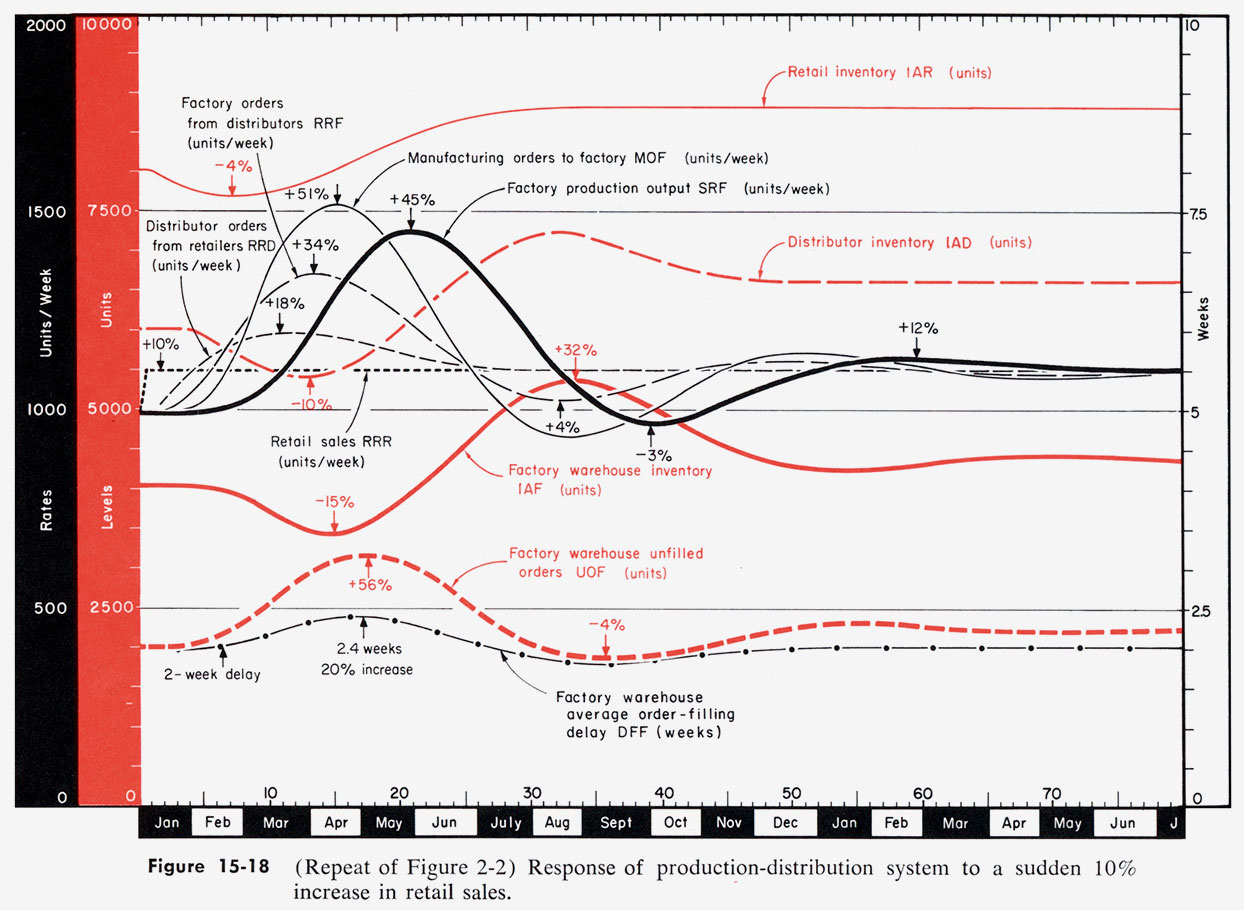
From Jay W. Forrester, Industrial Dynamics (Cambridge, MA: MIT Press, 1985 / 1st edition 1961), 174. The Prophet of Unintended Consequences - by Lawrence M. Fisher.
"Jay Forrester’s computer models show the nonlinear roots of calamity and reveal the leverage that can help us avoid it."
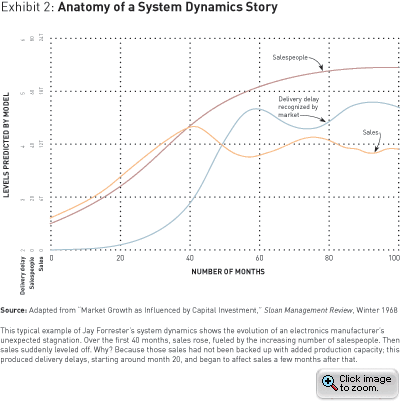
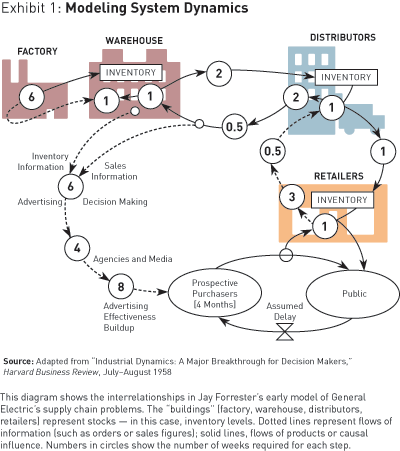
Model Metropolis - by Kevin T. Baker "Behind one of the most iconic computer games of all time is a theory of how cities die—one that has proven dangerously influential."
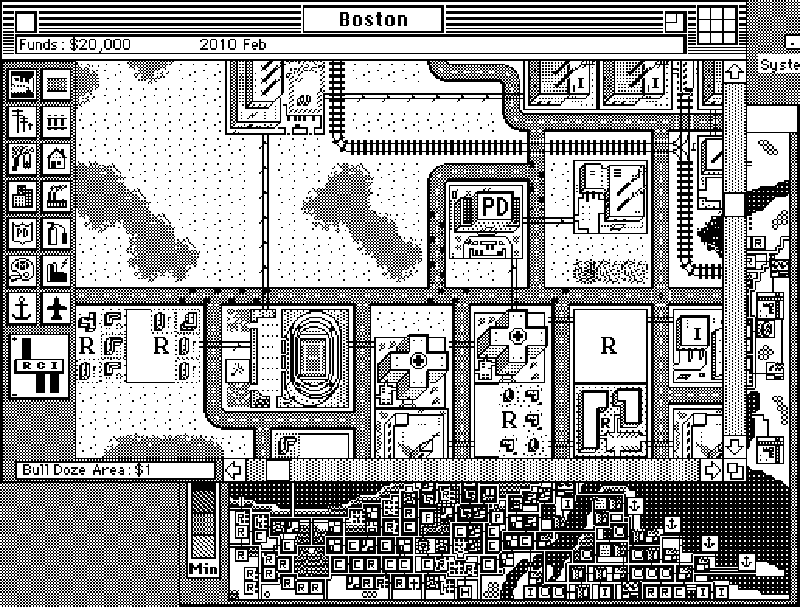
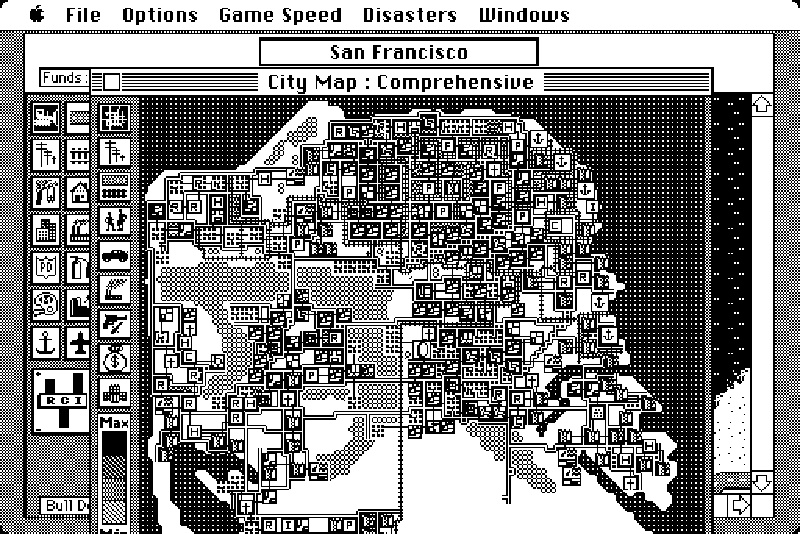
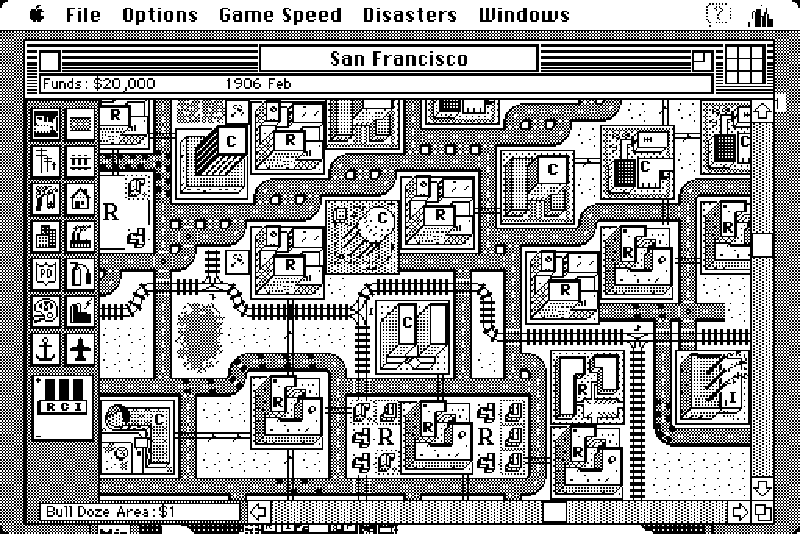
"Will Wright‘s SimCity was originally a map developing feature within the game Raid on Bungeling Bay. Born of Wright’s love for the intricacies of urban planning and of his interest in Jay Wright Forrester‘s System Dynamics, the city-building simulator was later developed as a spin-off program because Wright was more interested in building the city’s maps than playing the actual game. (via)"
Video: A Model Simulator: Lives of Jay W Forrester
Video: Jay Forrester (Part 1)
Applications of System Dynamics - Jay W. Forrester
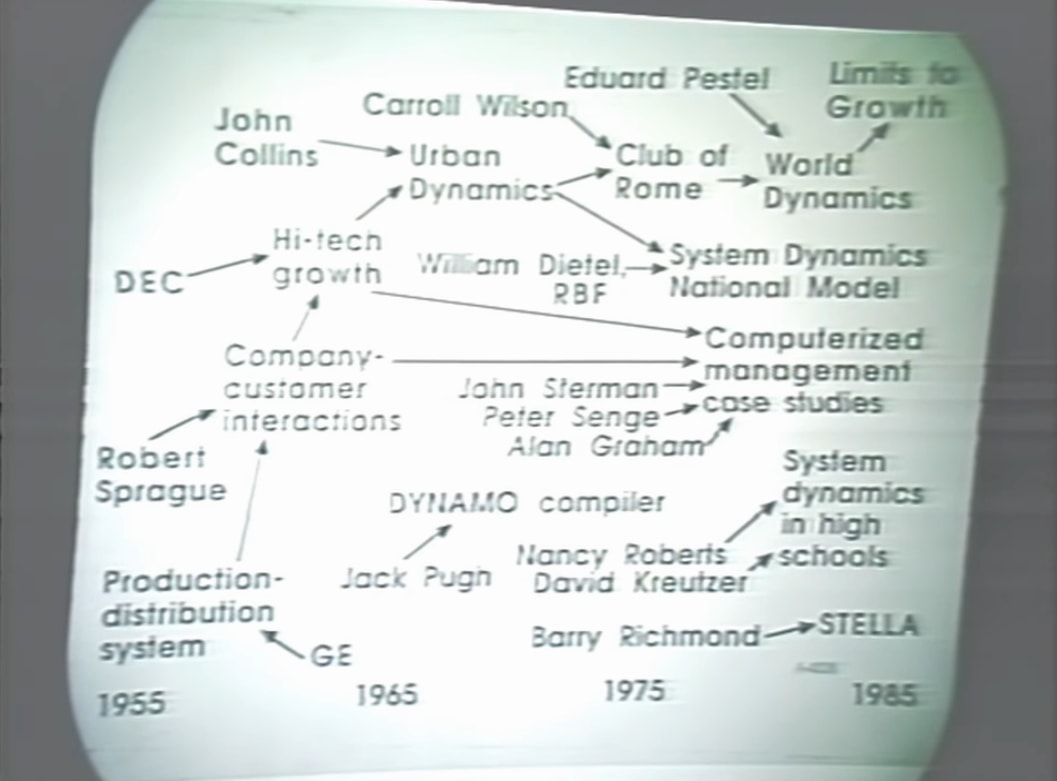
Forrester on Courage
"Life must be very practical, it is not theoretical, it is not conceptual with out purpose. What works gets results." - Jay Forrester
#Complexity #Systems #Business #Military #ClimateChange #Regenerative #ML #KM #SE
-
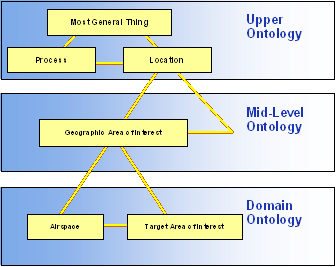
"In information science, an upper ontology is an ontology which consists of very general terms (such as "object", "property", "relation") that are common across all domains. An important function of an upper ontology is to support broad semantic interoperability among a large number of domain-specific ontologies. Terms in the domain ontology are ranked under the terms in the upper ontology, e.g., the upper ontology classes are superclasses or supersets of all the classes in the domain ontologies."
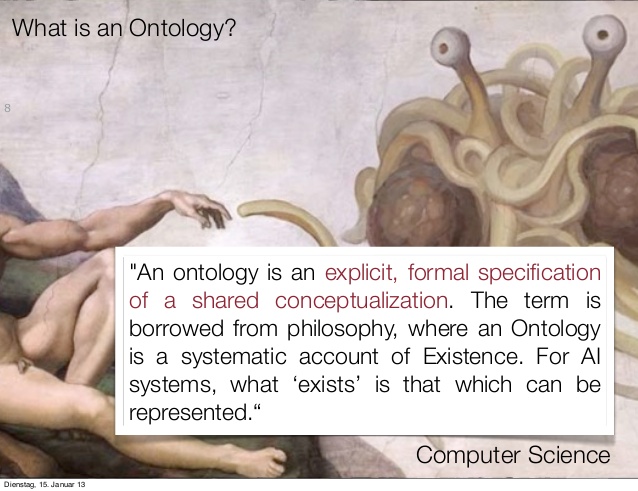
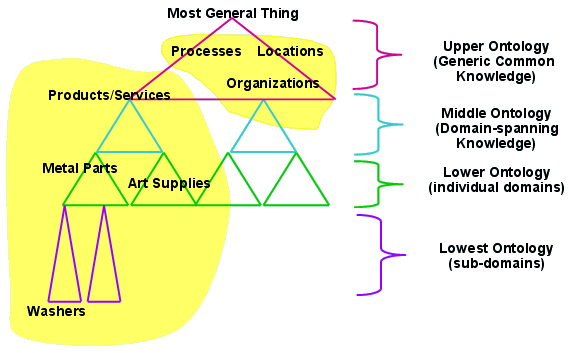
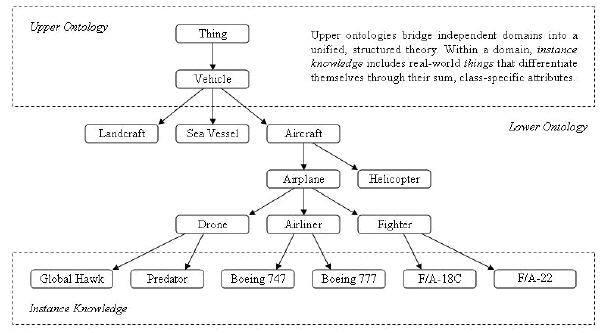
Image from the presentation "Semantic Web Technologies - Ontological Engineering"
-
“Study requires calm, talent requires study. Without study there is no way to expand talent; without calm, there is no way to accomplish study.” - Zhuge Liang
-
Moving from Documents to Models - Presentation by Dr. Darius Silingas (2016)
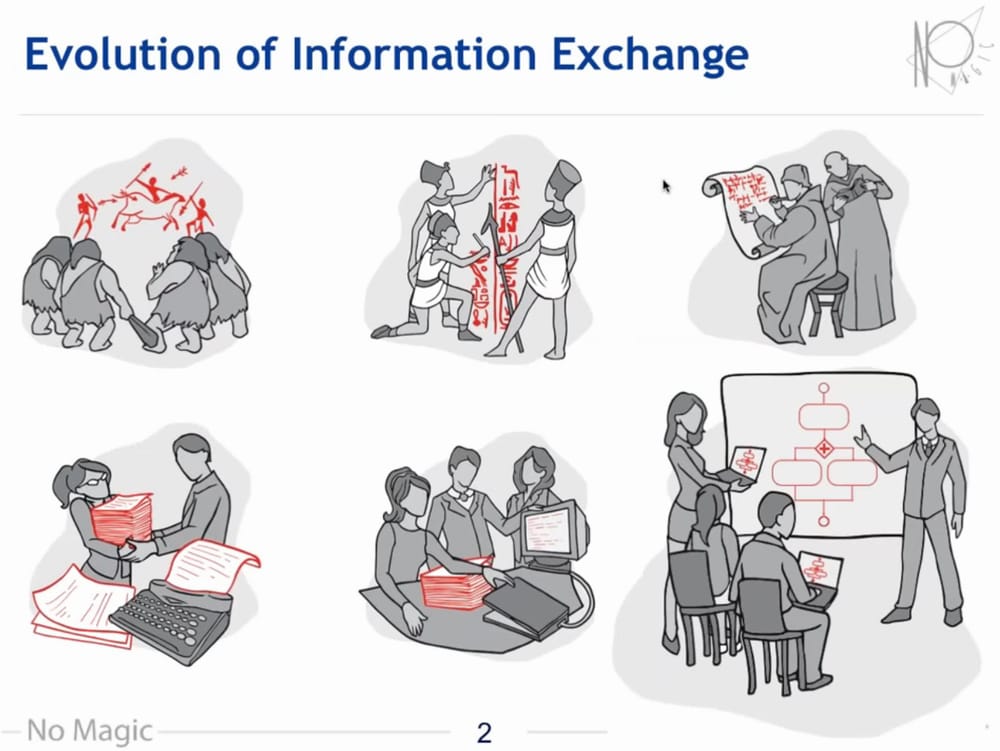
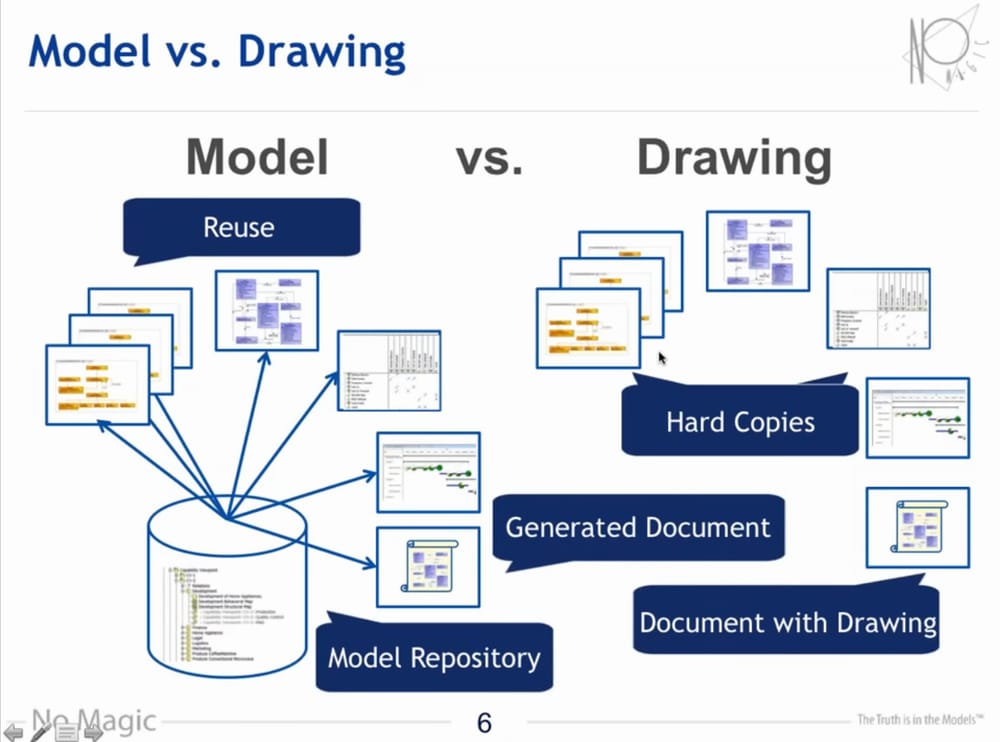
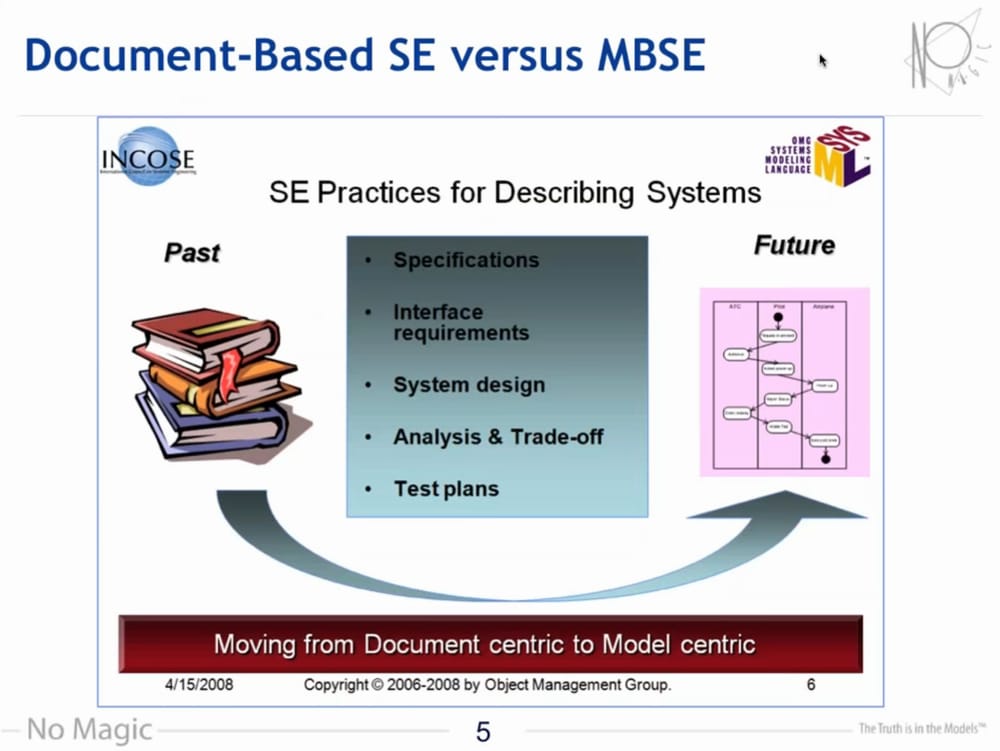
-
Talk on Indian philosophy by Swāmī Agehānanda Bhāratī (Leopold Fischer) (1978)
He clearly lays out the argument, that the Indian "philosophy" (a western term, inadequate to describe Hinduism, Buddhism, etc.) tradition is at its core therapeutic, not scientific - yet it still uses scientific techniques (many of which it pioneered: logic, epistemology, etc.).
-
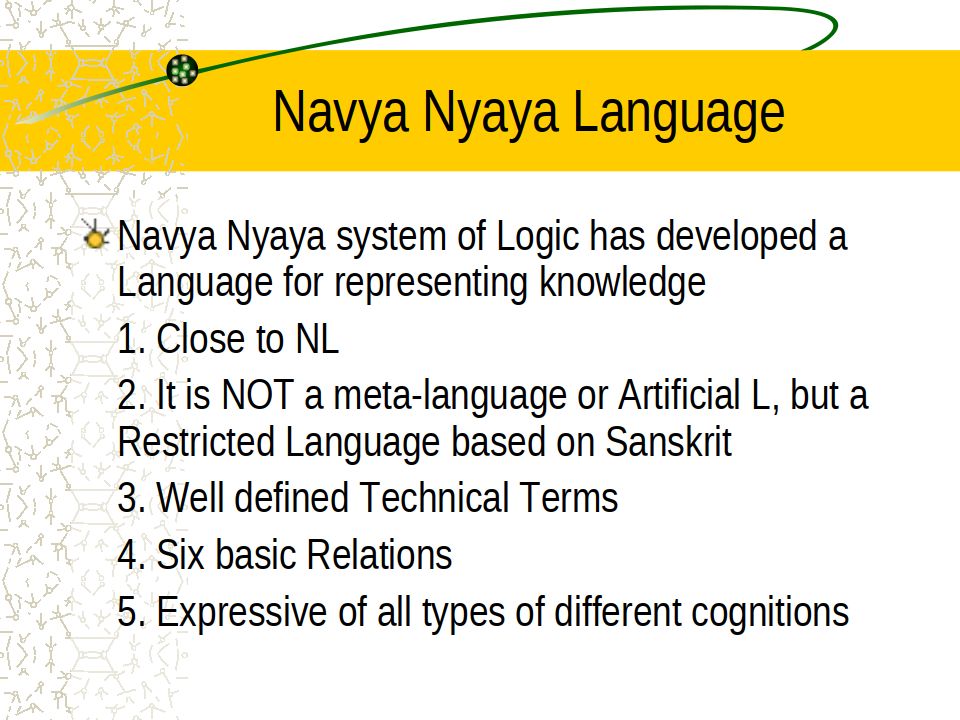
Navya-Nyāya
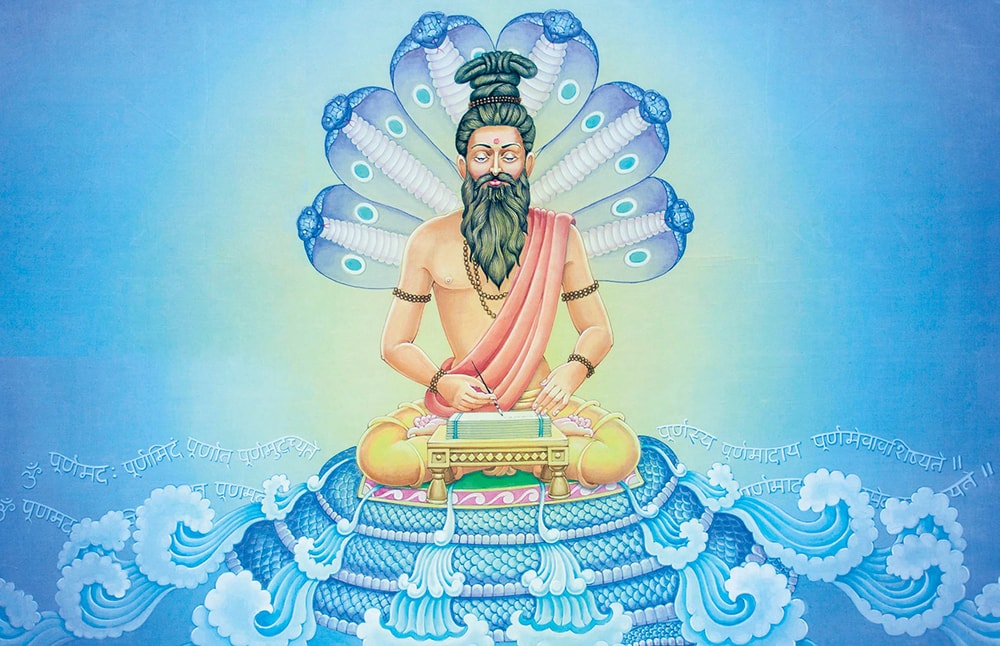
The Navya-Nyāya darśana (system/school) of Indian logic and philosophy was founded in the 13th century by the philosopher Gangeśa Upādhyāya. Other influences were the work of earlier philosophers Vācaspati Miśra (900–980 CE) and Udayana (10th century). Nyaya means correct thinking with proper arguments & valid reasoning. Its goal is “acquiring knowledge of the reality”. It remained active in India to the 18th century.
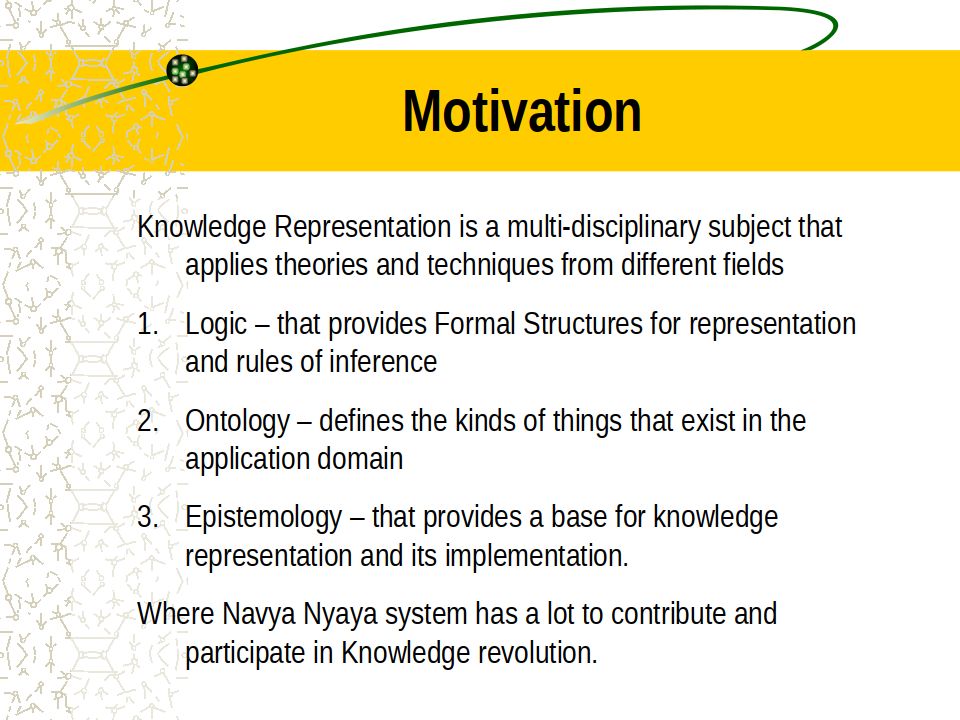
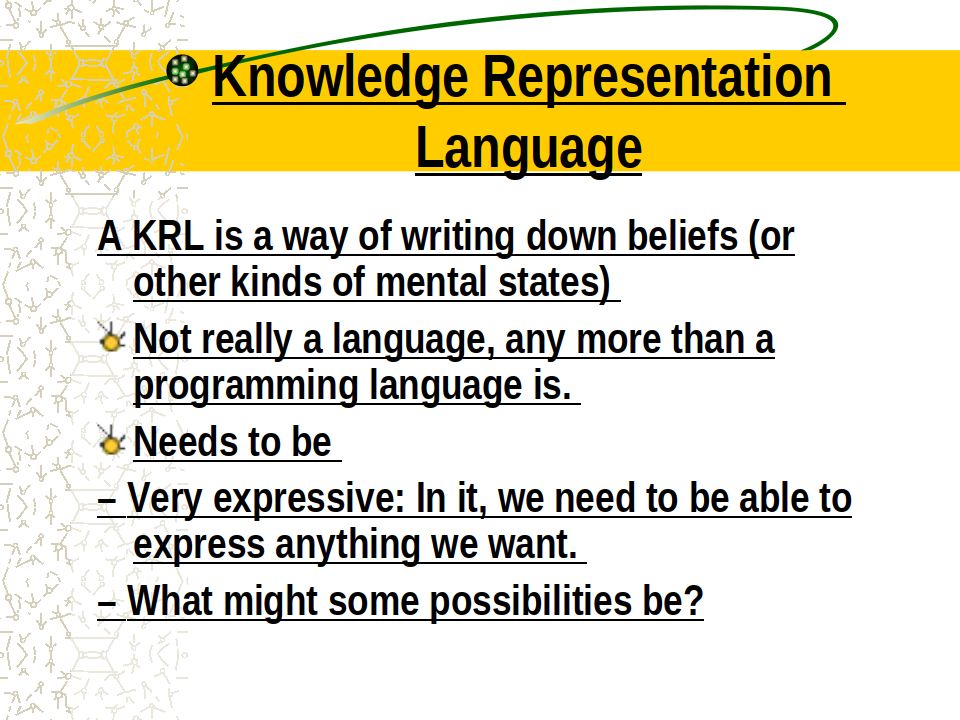
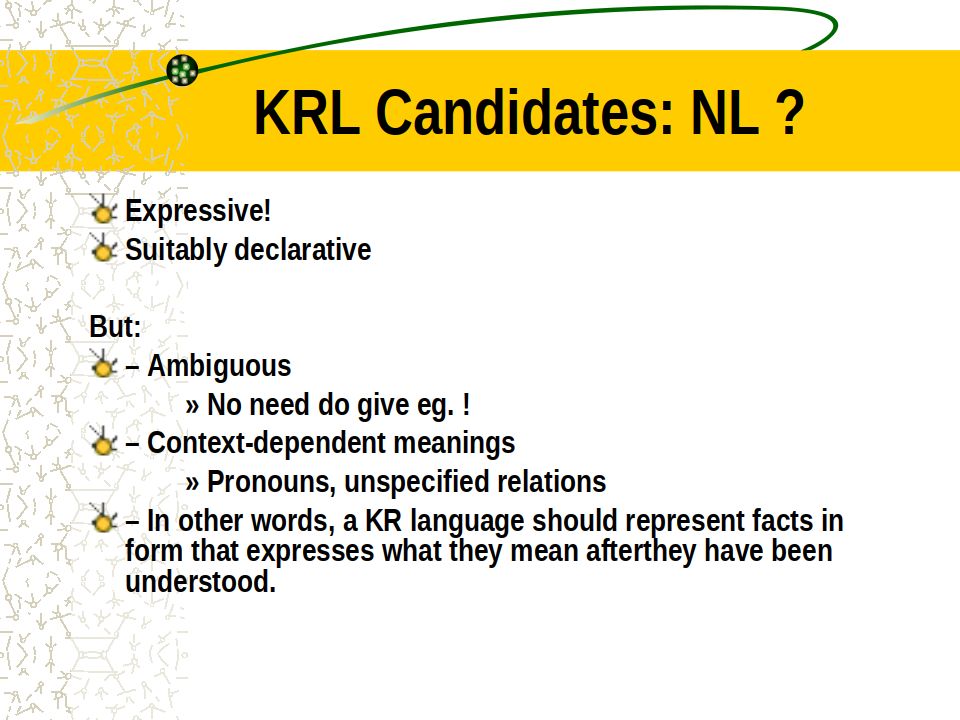
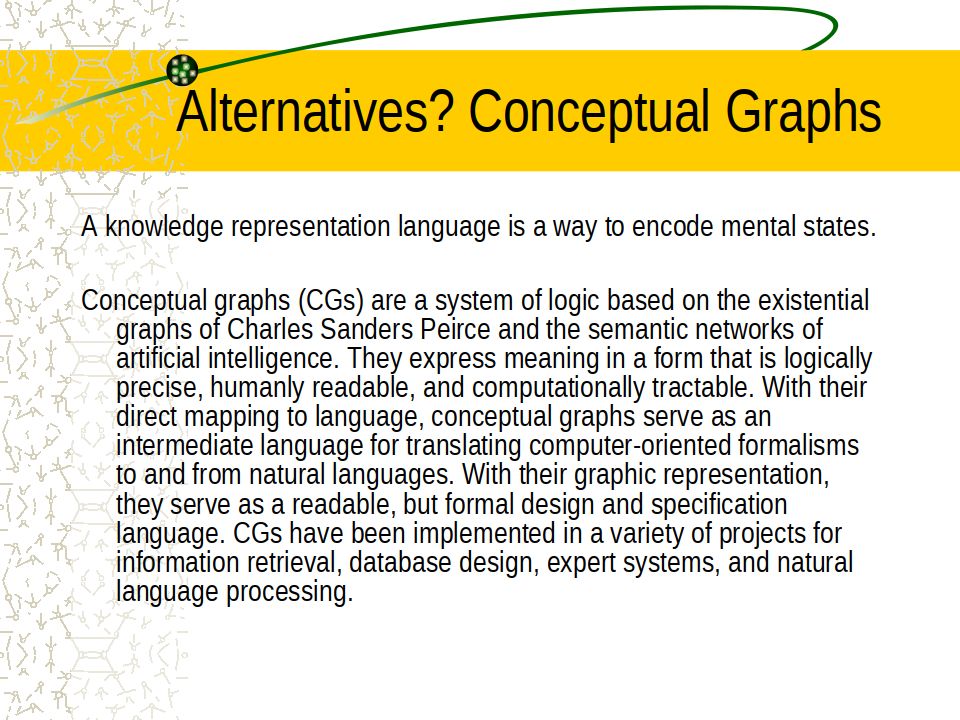
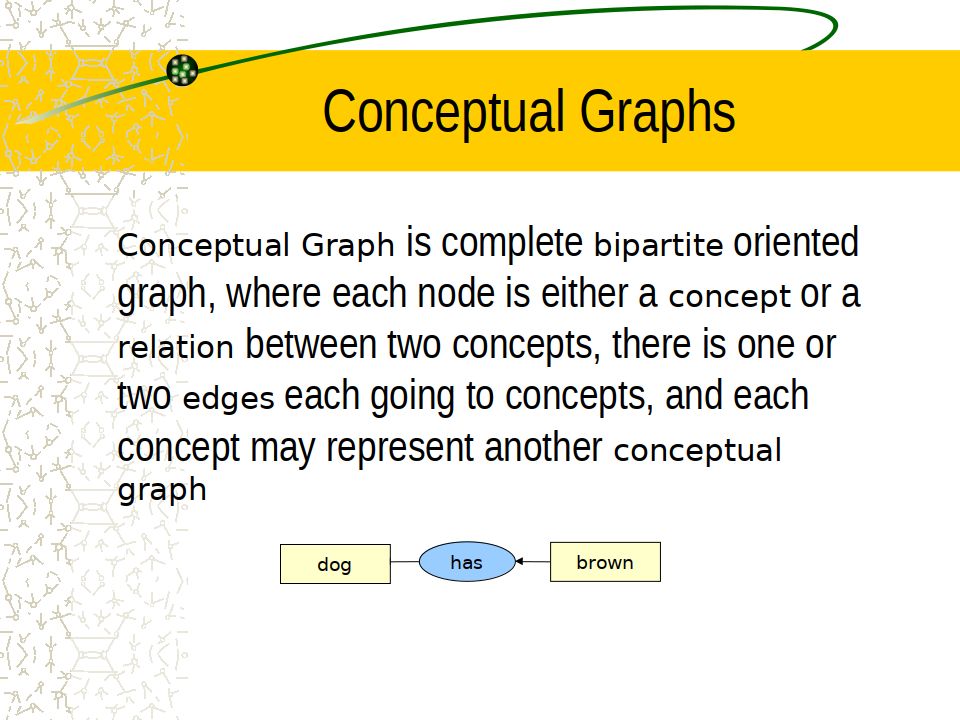
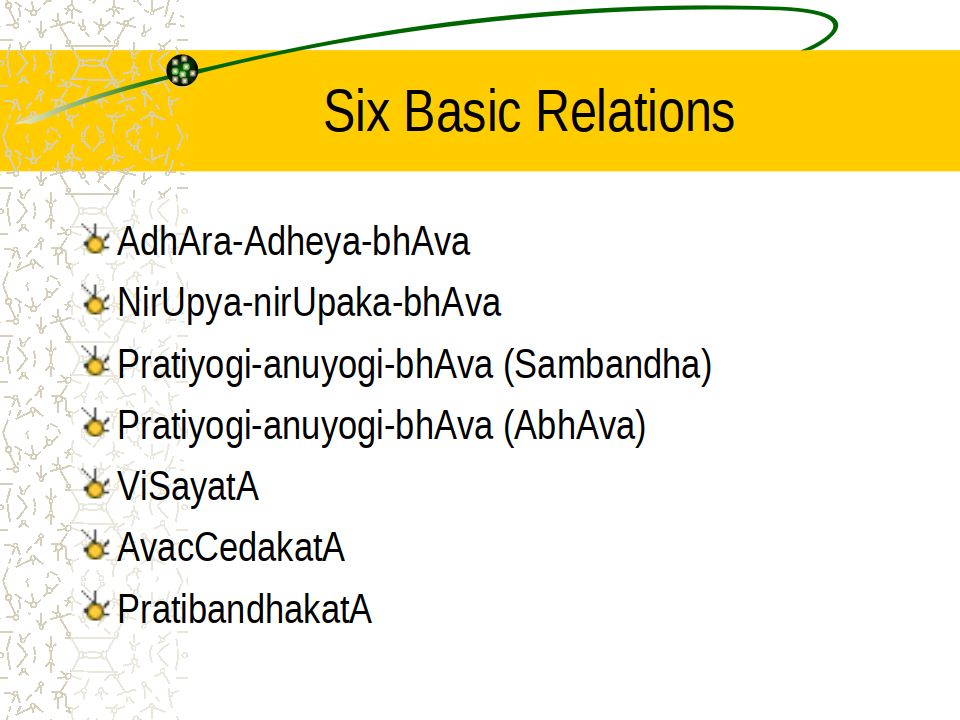
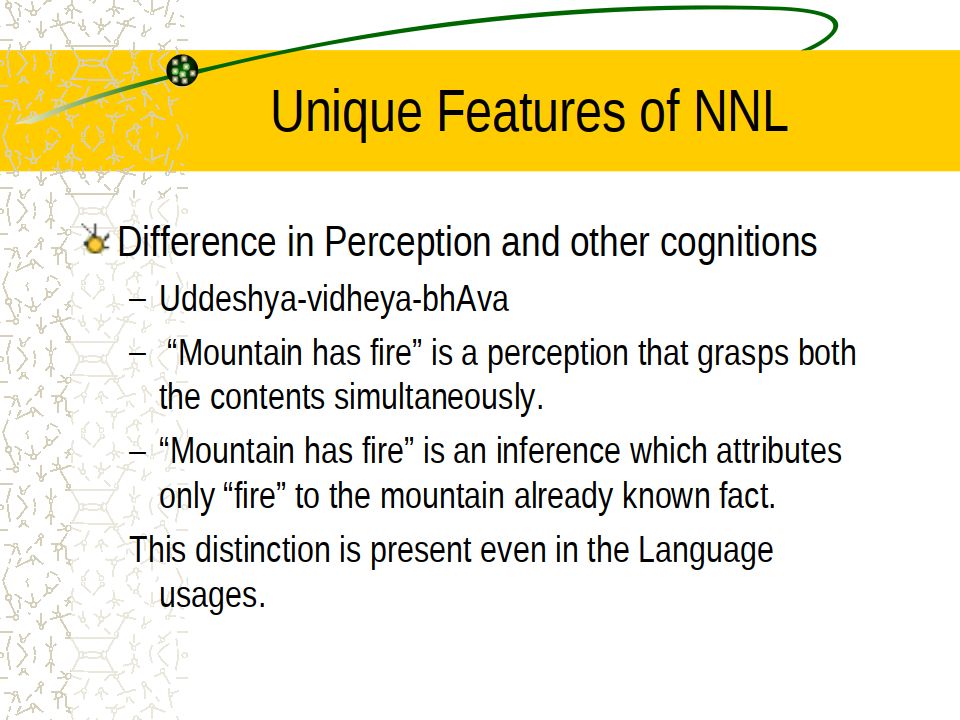
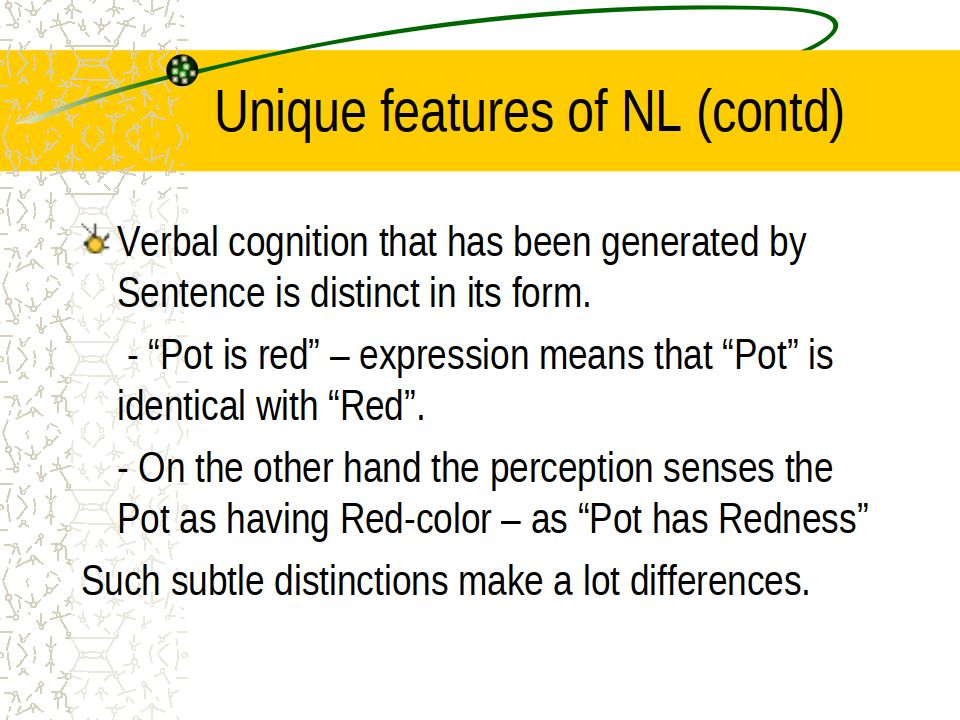
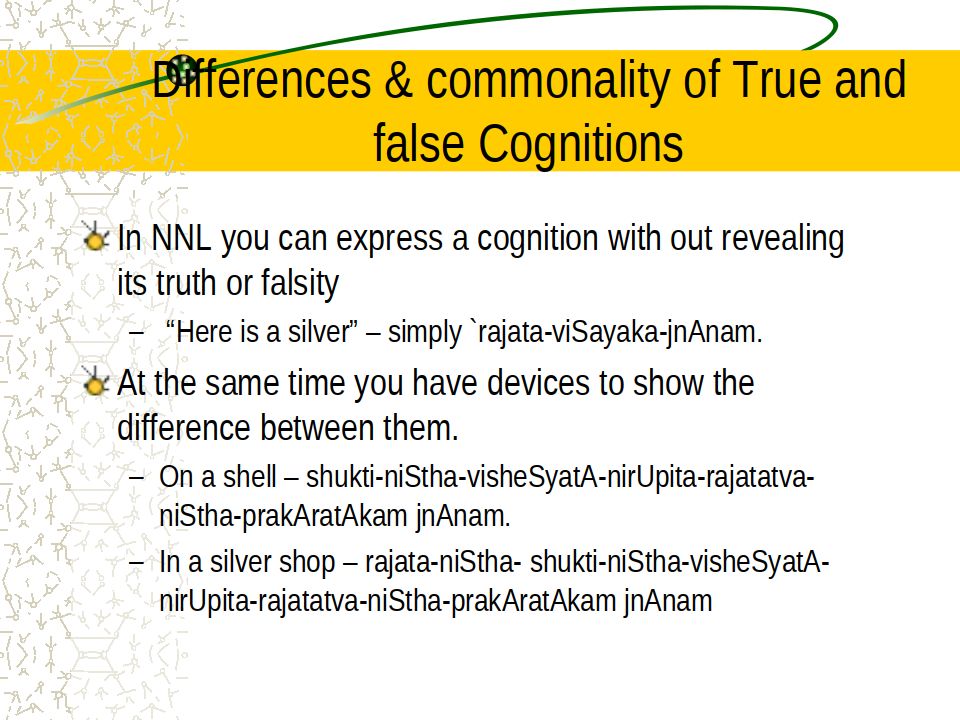
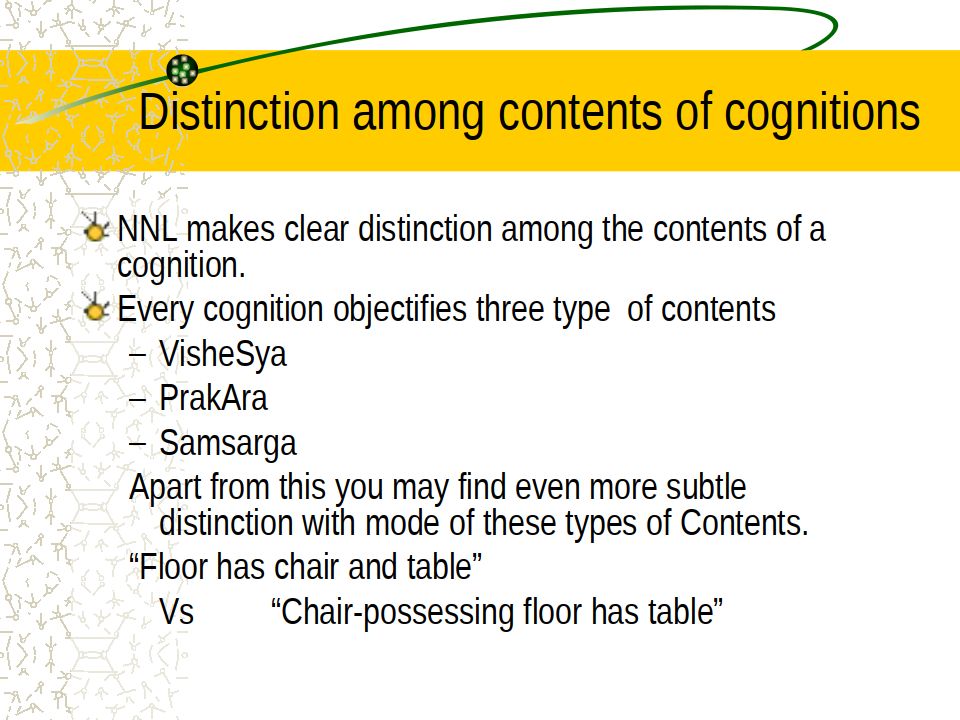
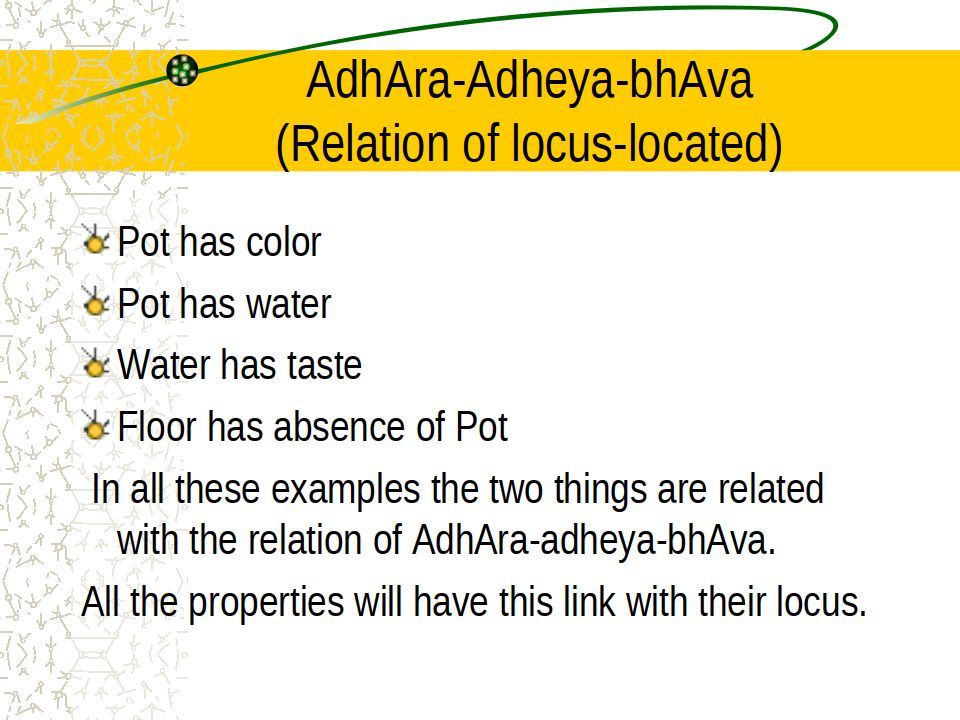
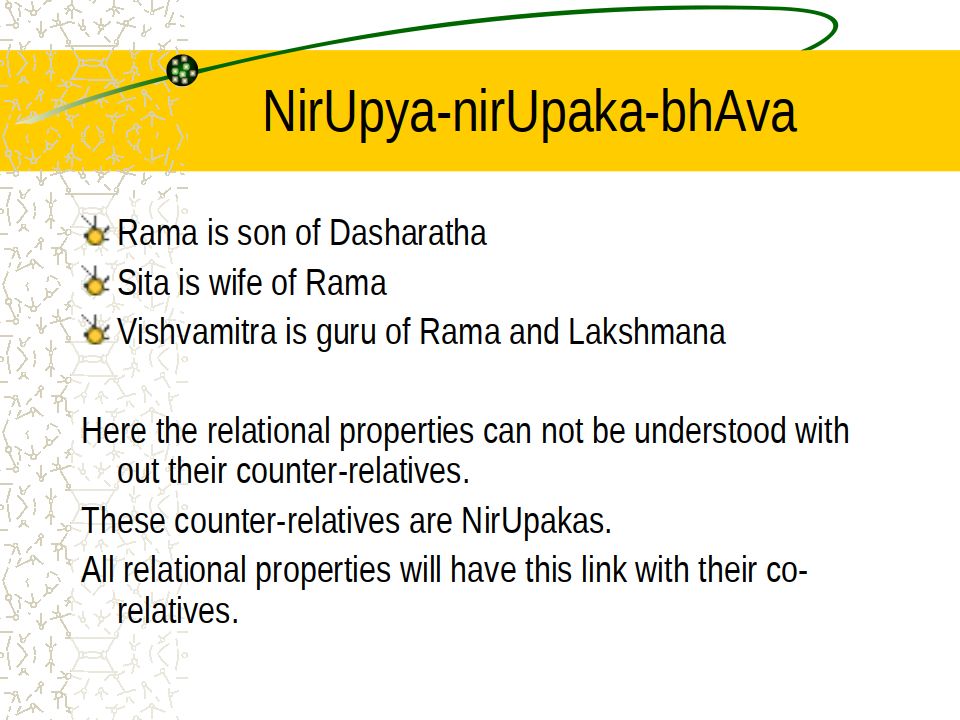
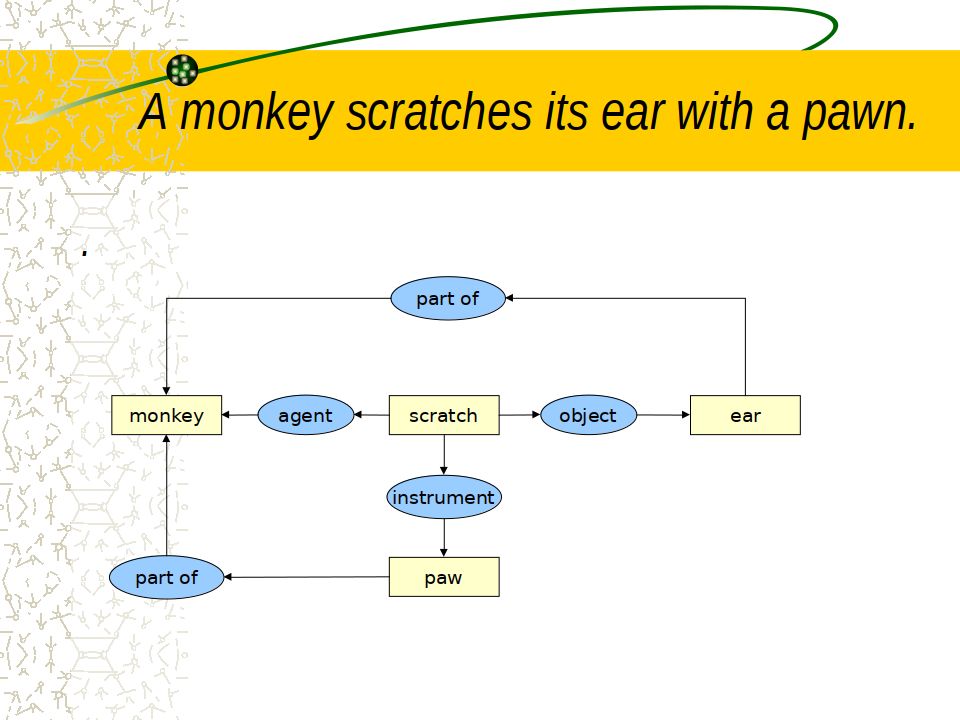
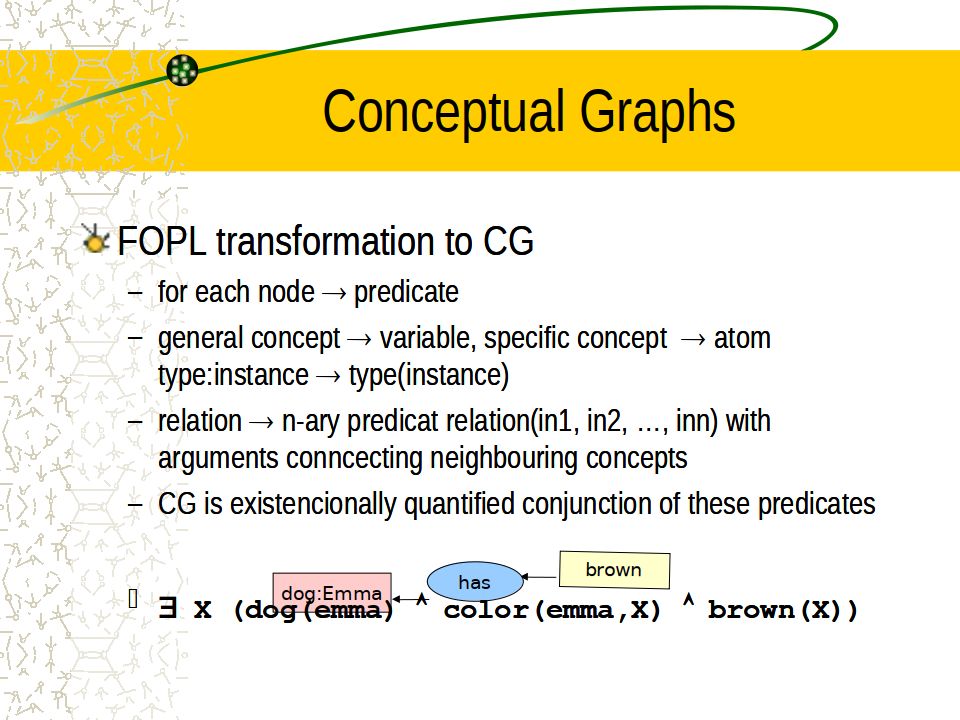
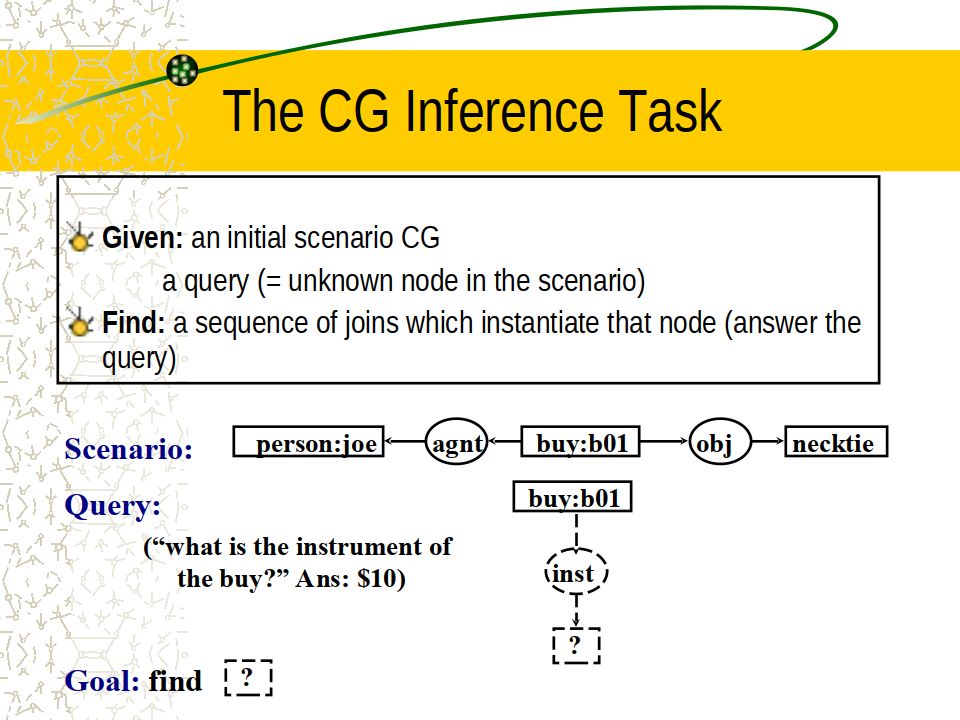
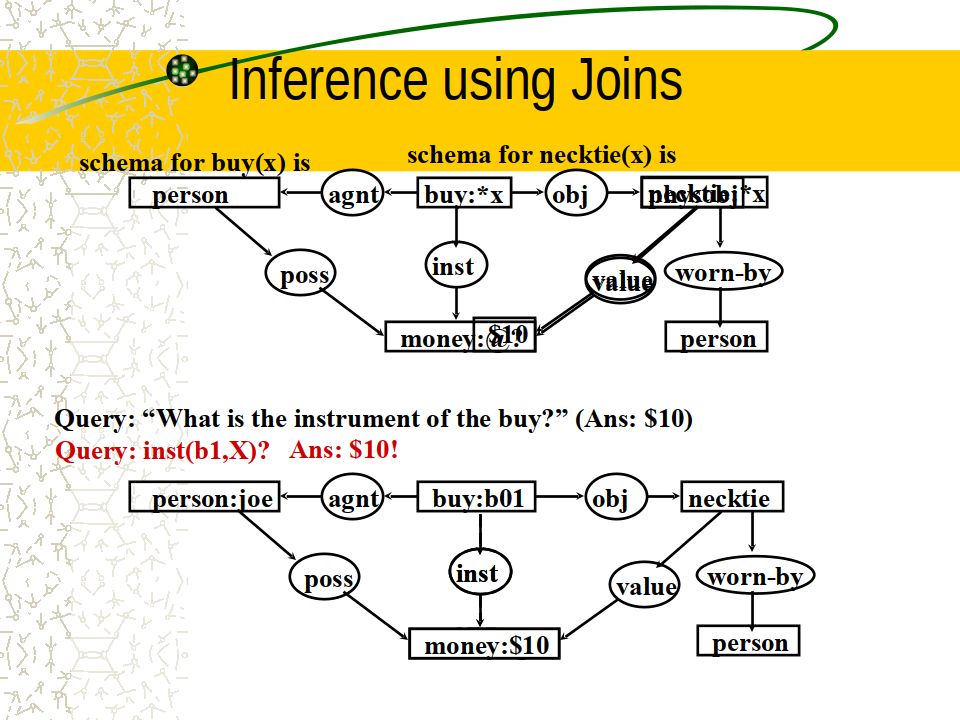
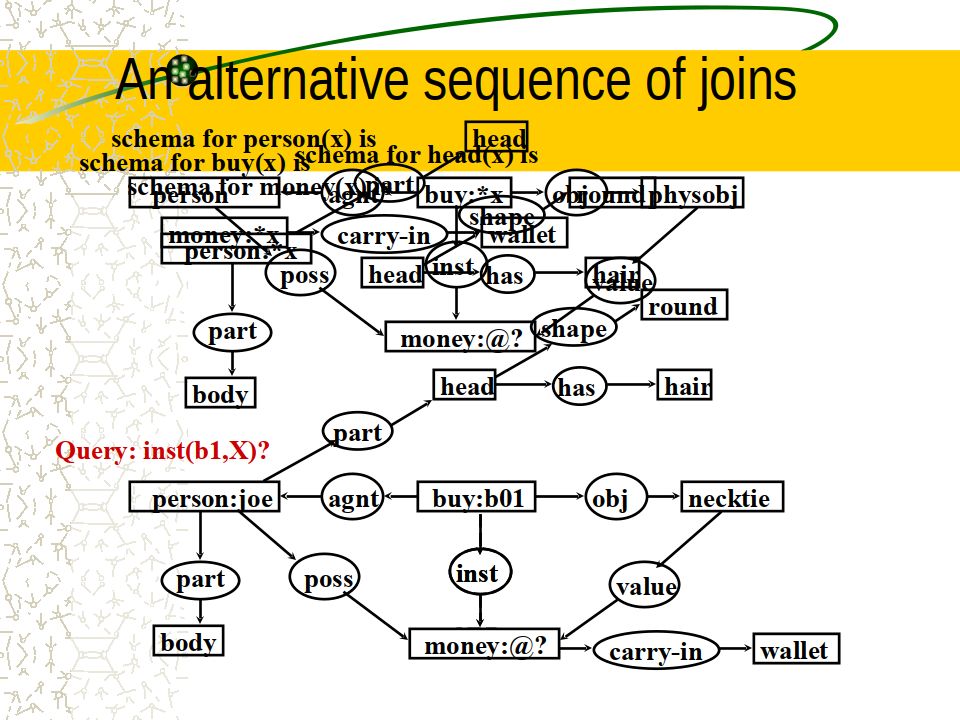
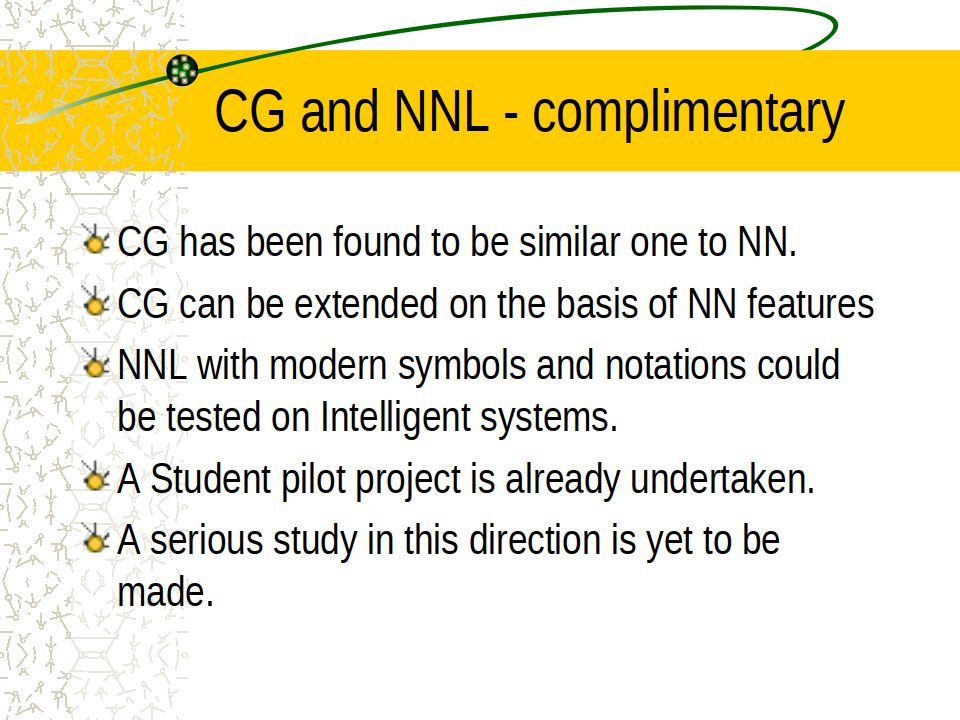
Introduction to Knowledge Representation and Navya Nyaya - by Dr. Shrinivasa Varakhedi
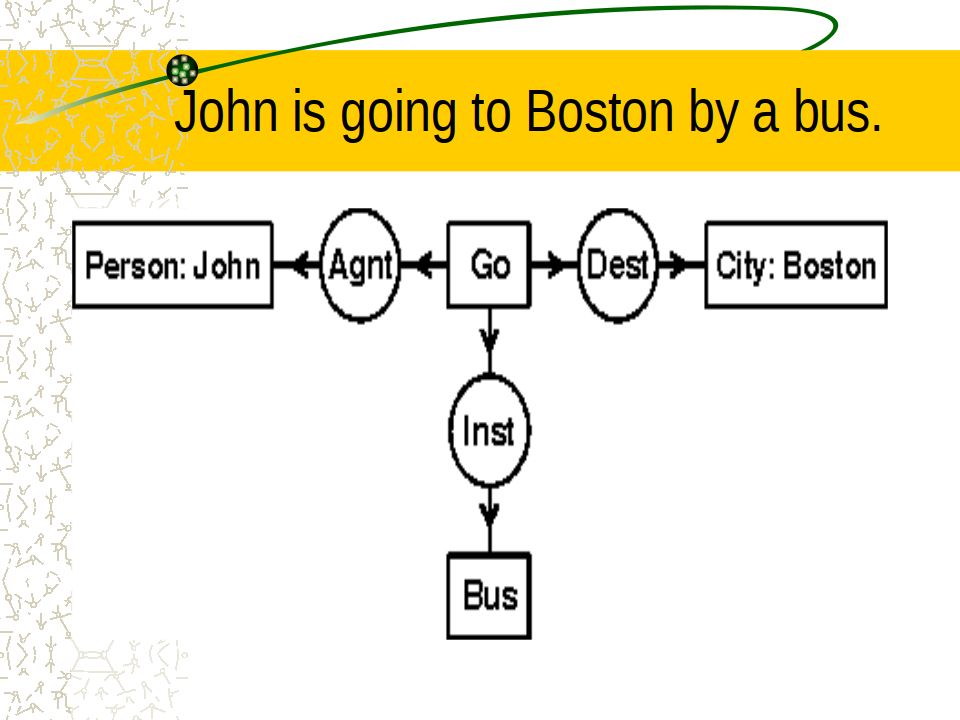
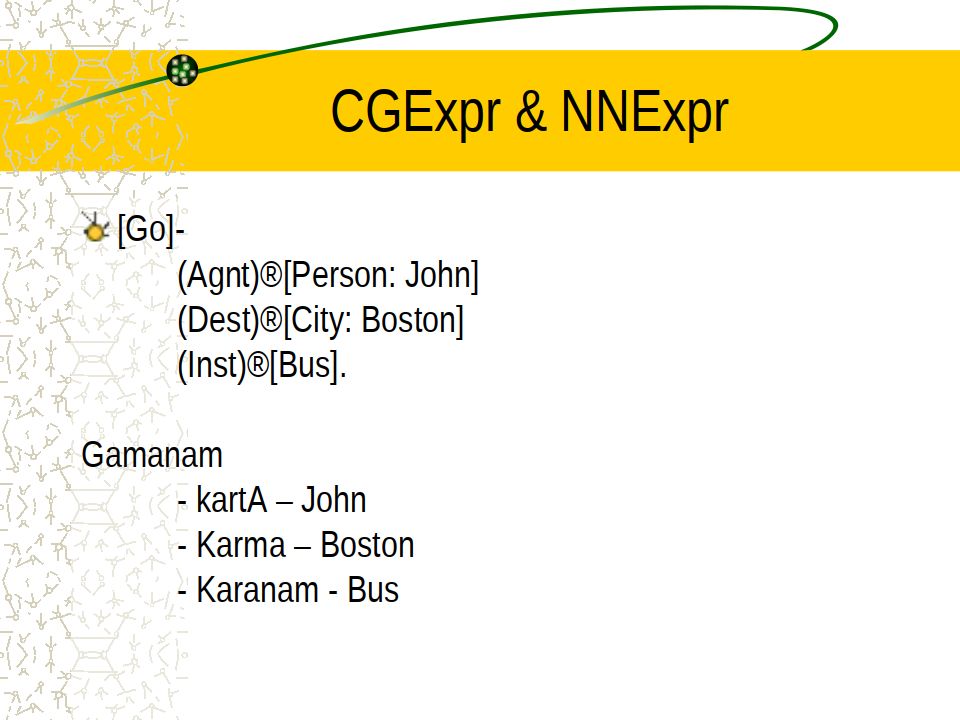
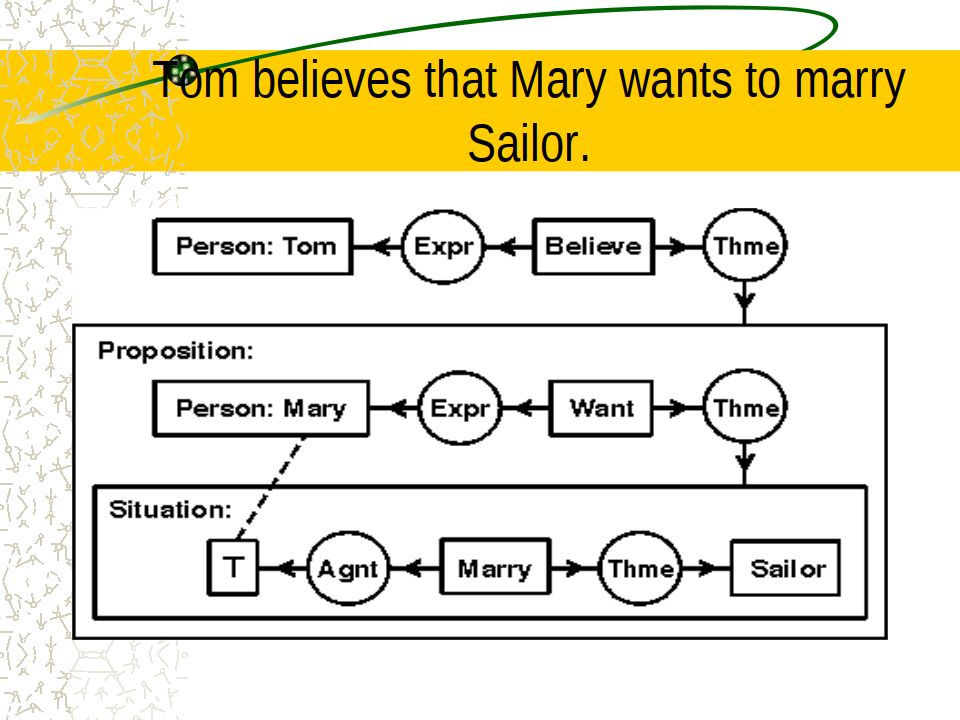
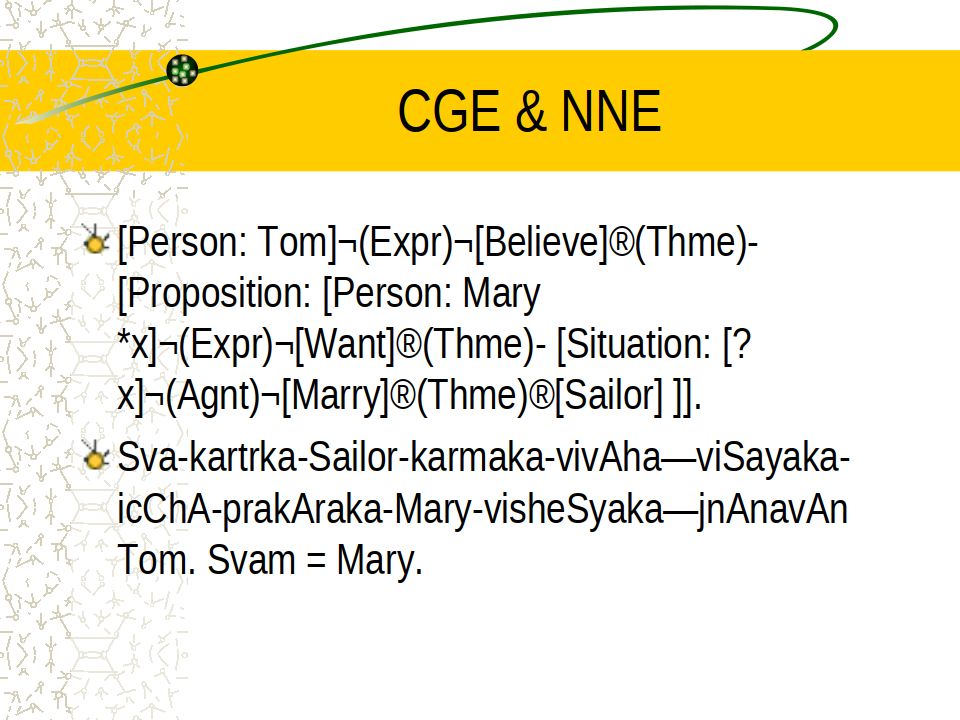
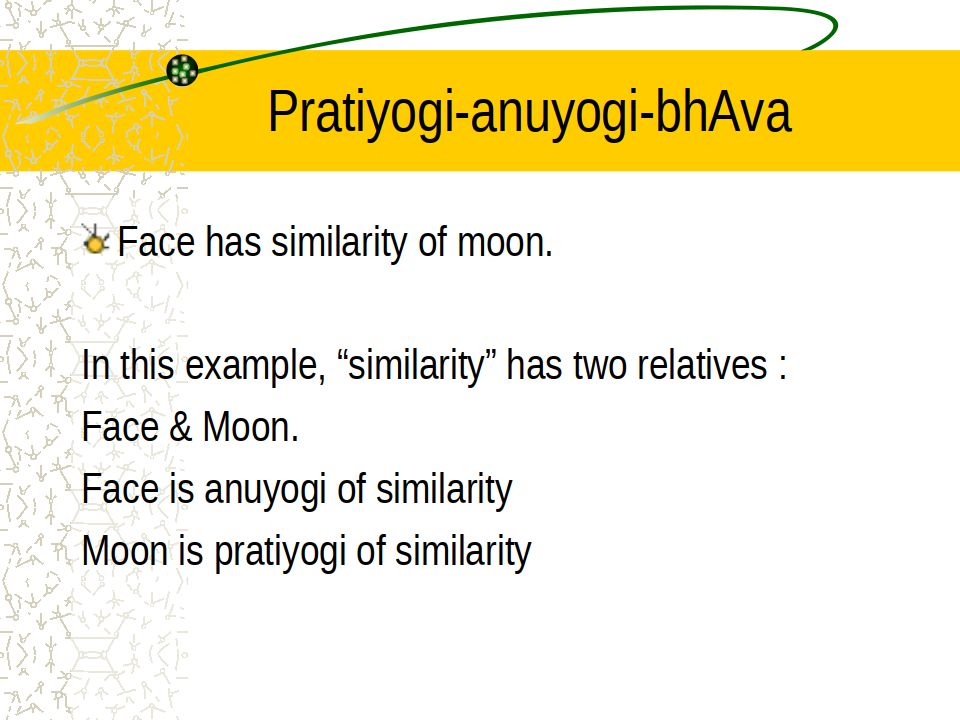
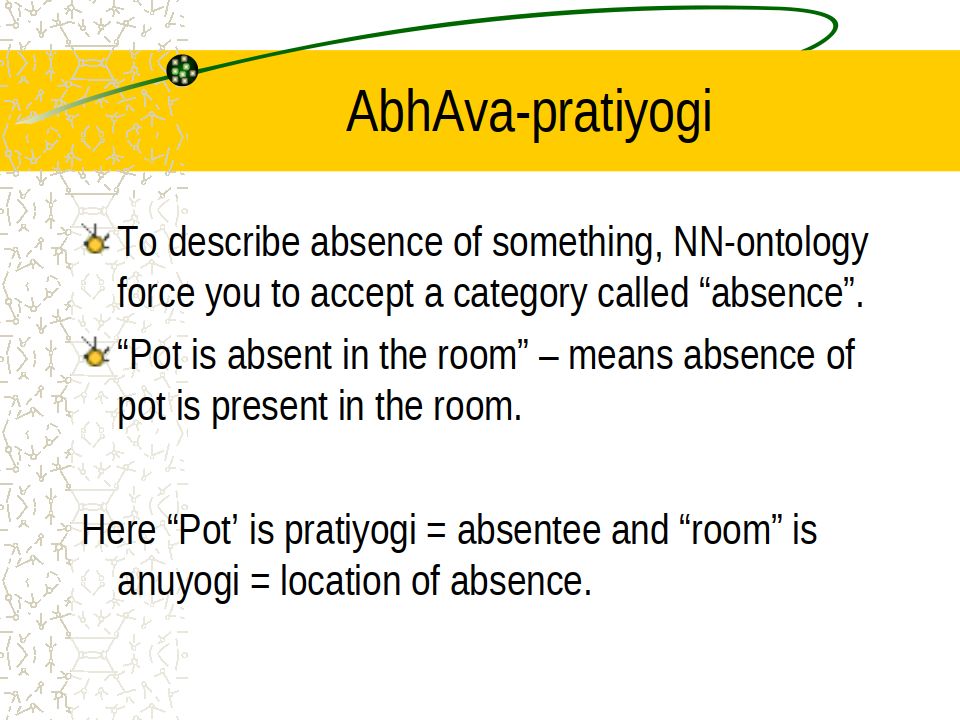
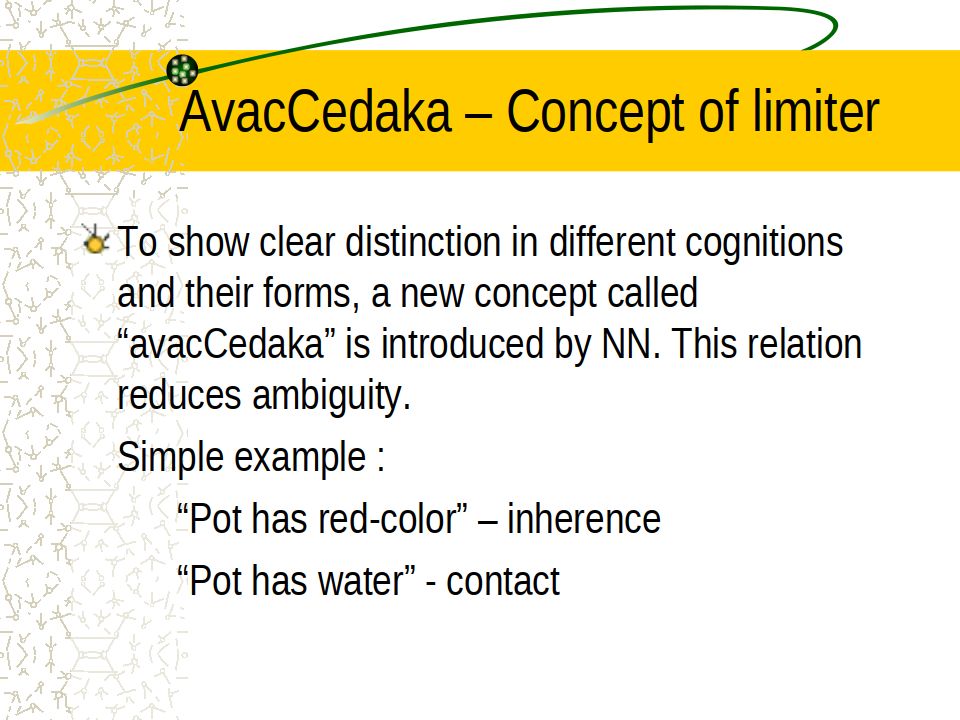
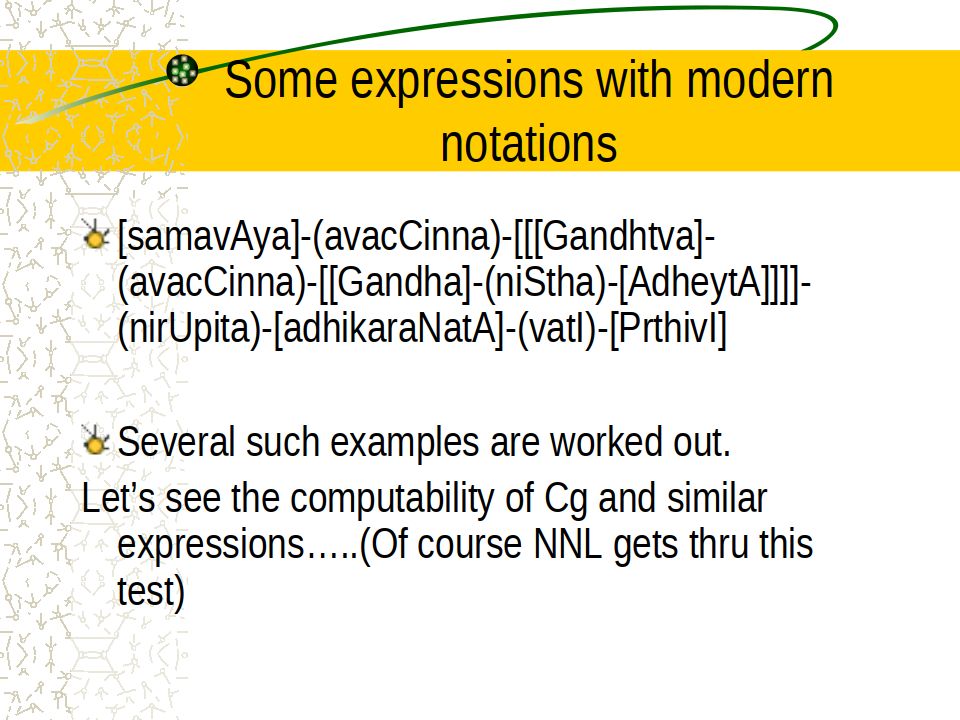
Related Links:
- Blog: The comparatively early appearance of sophisticated Nyāya logic, epistemology, and empiricism in Indian/Indic philosophy
- Research: Segmentation of Navya-Nyāya Expressions
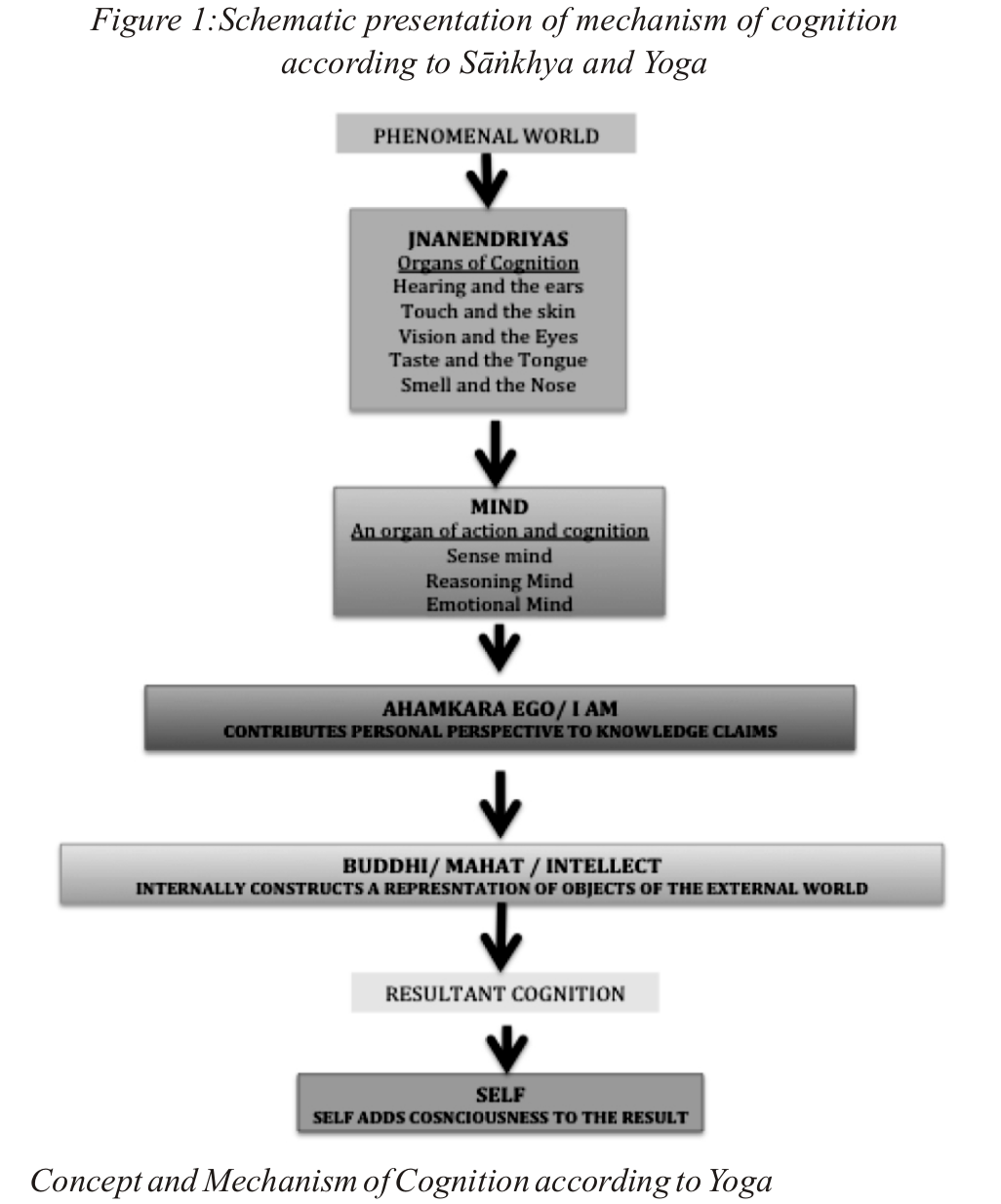
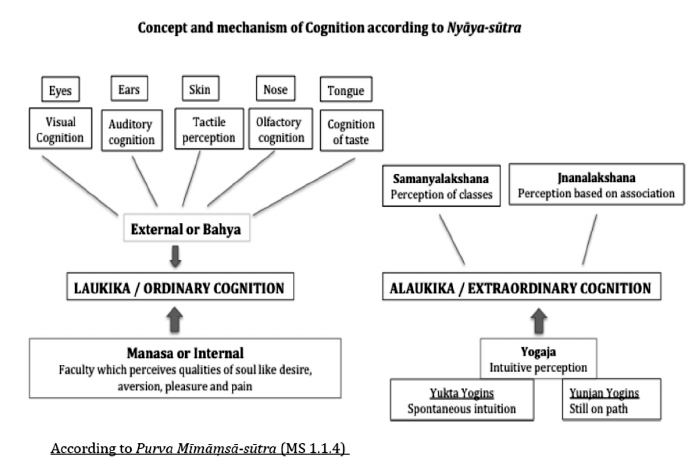
- Research: Concept and Mechanism of Cognition According to Ancient Indian Texts
- Research: A Survey and Evaluation of Diagrams for Navya-Nyāya
- Researchers: John Vattanky, Bimal Krishna Matilal
- Book: Navya Nyaya System of Logic - by D. Guha
- Book: Materials For The Study Of Navya Nyaya Logic - by Daniel H.H. Ingalls
- Context: Educational Insight: Six Streams Of Hindu Philosophy
- Context: Nyāya Sūtras
Nyaya Philosophy
Following Text is by Vikas Dhavaria from his Dhavaria blog:
1.1 Introduction
- Nyaya school is founded by sage Gautama (Aksapada).
- Nyaya means correct thinking with proper arguments and valid reasoning.
- Known as:
- Tarakshashtra (The science of reasoning)
- Pramanashashtra (The science of logic and epistemology)
- Hetuvidya (The science of causes)
- Vadavidya (The science of debate)
- Anviksiki (The science of critical study)
- Its goal is “acquiring knowledge of the reality”.
1.2 Epistemology
Nyaya school of thought is adhered to atomistic pluralism and logical realism.
Atomistic Pluralism
- atom is the constituent of matter,
- they are not one but many entities,
- both material and spiritual,
- as ultimate constituents of the universe.
Logical Realism
- world exist independently of our perception and knowledge.
- Independent existence of the world can be defended by logical argument and critical reflection on the nature of experience.
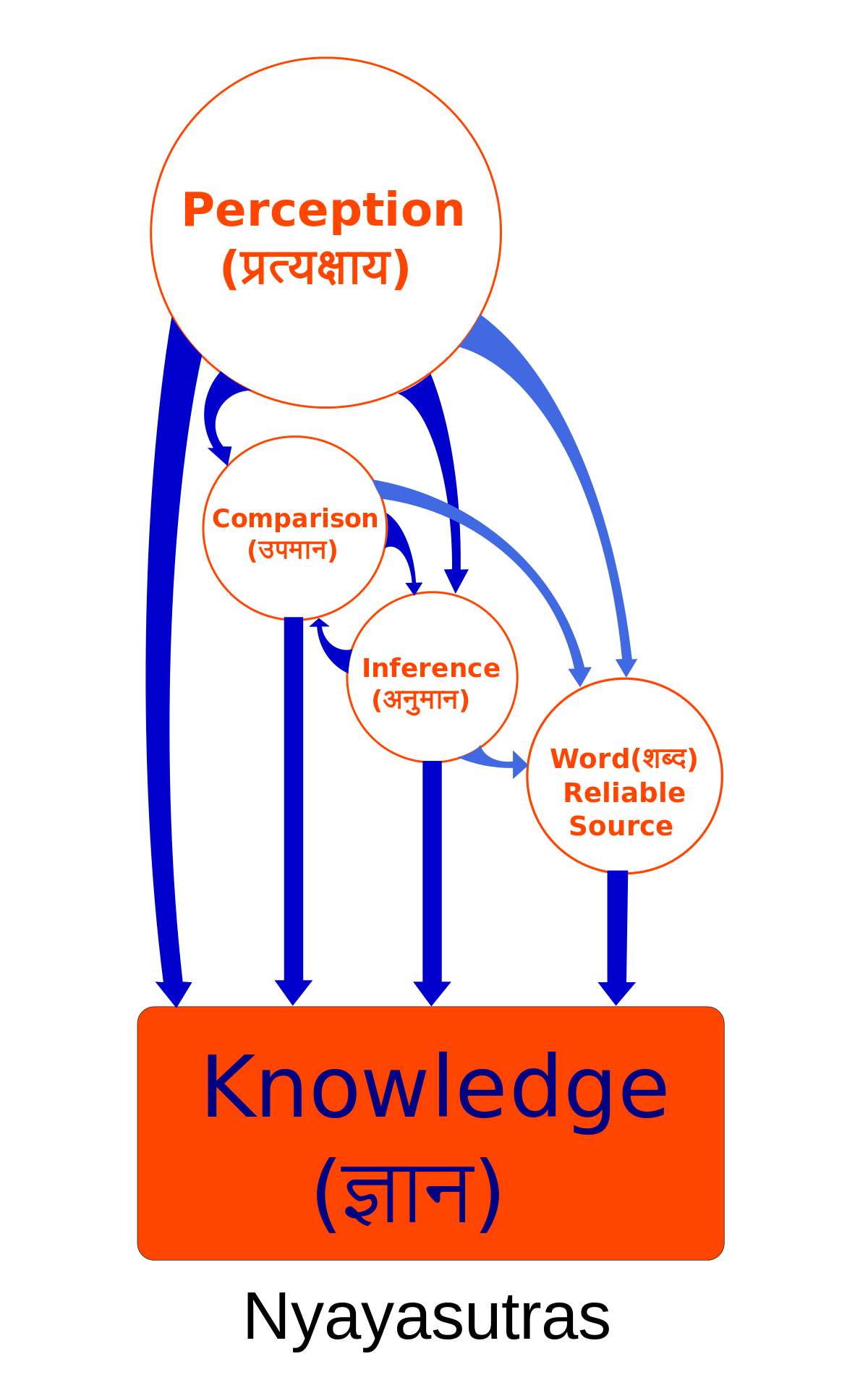
The Nyaya philosophy recognized sixteen categories and the first category is known as “Pramana” which focuses the logical and epistemological character of the Nyaya system.
Pramanas – Four independent pramanas (sources of valid knowledge)
- Perception
- Inference
- Comparision
- Verbal testimony or sabda
Knowledge may be treated as cognition, apprehension, consciousness, manifestation of objects. Knowledge is of subjective and objective.
Subjective knowledge –
- Different people
- Different opinion
- Particular subject
Objective knowledge –
- Different people
- Similar opinion
- Particular subject
Knowledge may be valid (prama) or invalid (aprama).
Valid knowledge (Prama)
- True and right apprehension of an object.
- Manifestation of object as it is.
- Consequence of the correspondence theory of truth – truth is the correspondence between a proposition and reality.
- Presentative knowledge.
- Object of knowledge is directly present to the knower.
- Produced by four valid sources of knowledge-
- Perception
- Inference
- Comparision
- Sabda
Invalid knowledge (Aprama)
- Wrong apprehension of object
- It includes-
- Memory (smriti) – representative knowledge
- Doubt (samasya) – lack of certinity
- Error (viparyaya) – misapprehension
- Hypothetical reasoning (tarka) – invalid knowledge
Consider the four valid sources of knowledge (pramanas) that is upheld by the Nyayikas.
1. Perception
Direct and immediate cognition produced by the interaction between the object and sense-organs.
Four elements are necessary:
- self
- mind
- sense organs
- objects
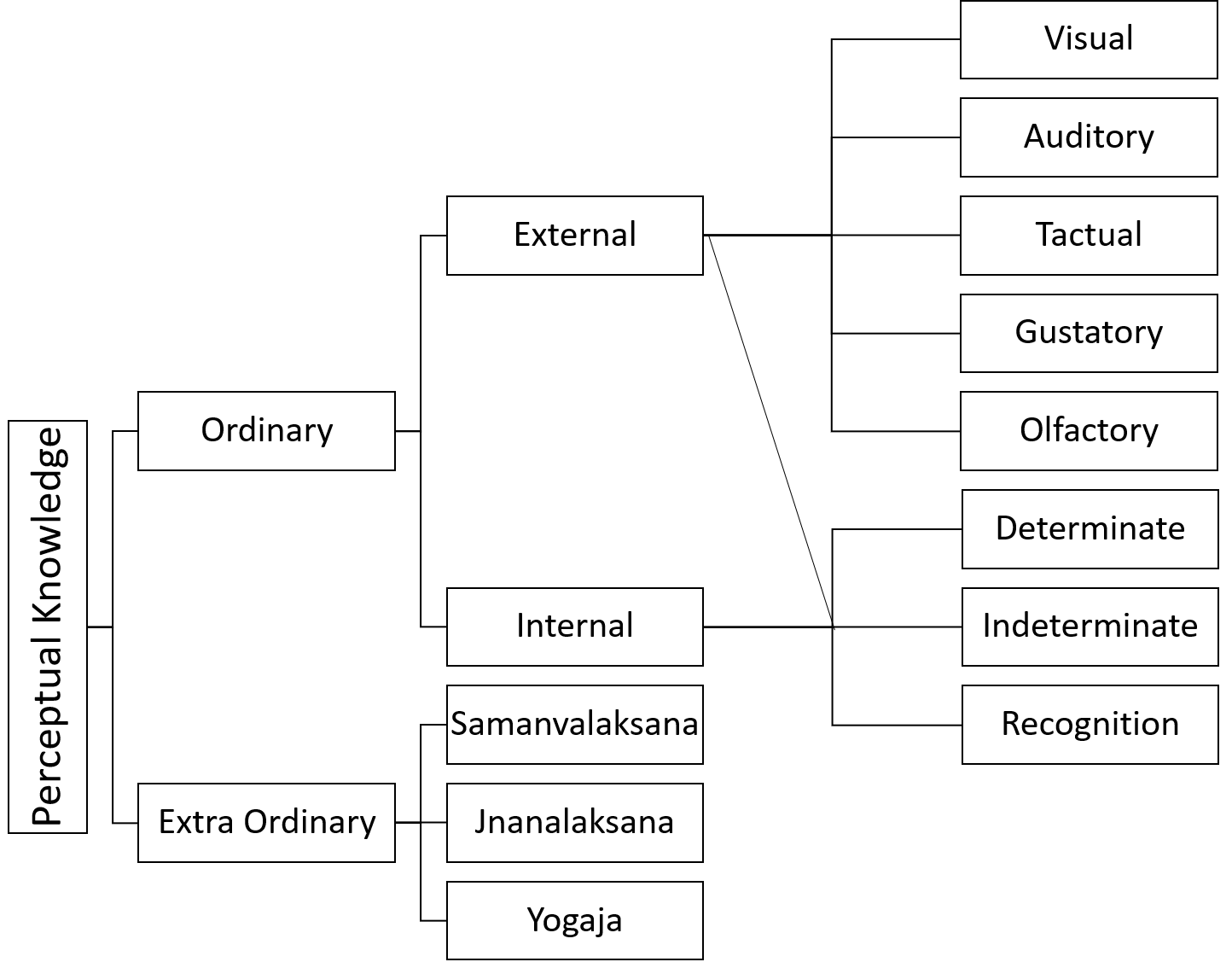
Two types of perception:
- Ordinary perception (laukika)
- Extra ordinary perception (alaukika)
Ordinary Perception (two types – external and internal)
- External perception (bahya)
- five sense organs
- auditory
- visual
- tactual
- gustatory
- olfactory
- five sense organs
- Internal perception (manas)
- only mind and object (example: feeling, desiring, wishing etc.)
Again, perceptions are divided in three sorts-
- Indeterminate perception (nirvikalpa)
- when we can not determine its features like color, shape, size etc.
- Determinate perception (savikalpa)
- when the knowledge of an object consists of characters, such as; name, color, shape etc.
- Recognition (prativijnana)
- the senses contact with the object and recalled that whether the same object had been encountered earlier or not.
Extra ordinary perception
It is a perception that provides knowledge even without the senses object contact.
Three types of extra ordinary perception
- Samanyalaksana
- perception of universals or classess
- all the particulars belonging to same class
- Jnanalaksana
- an object is not directly presented to the sense organs, but it is retrived in memory through the past cognition of it and is perceived through representation.
- example: the ice looks cold, the fire looks hot etc.
- Yogaja
- yogis through their power of meditation can have intuitive and immediate perception of all objects, past, present and future.
2. Inference (anumana)
anumana, anu (after) + mana (cognition)
Anumana or inference is such knowledge which follows from other knowledge.
Constituents of inference
An inference is constituted with at least three sentences and these
- three sentences
- major premise
- minor premise
- conclusion
are again constituted of
- three different terms
- major term
- minor term
- middle term

Major Premise : All things which have smoke (middle/hetu) have fire (major/sadhya).
Minor Premise : This hill (minor/paksha) has smoke (middle/hetu).
Conclusion : Therefore, this hill has fire.- Major term or Sadhya is found in the major premise. Not perceived but it is inferred by us.
- Minor term or Paksha is found in minor premise. Perceived but not inferred by us.
- Middle term or Hetu is found in both premises. Establish a relation between Sadhya and Paksha.
In an inference, knowledge of and object is derived due to previous knowledge of some sign or mark. The previous knowledge is due to the universal relation between the major term and the middle term is being present in the minor term.
Types of Inference
- Svartha or for one’s self
- Parartha of for other
Inference for others consists of five constituents:
- This hill has fire (Pratijna).
- Because there is smoke (Hetu).
- Wherever there is smoke, there is fire (Udaharana).
- This hill has smoke (Upamana).
- Therefore, this hill has fire (Nigamana).
Smoke, the middle term appears three times. Therefore, it is also known as “tritiyanlinga paramarsa”.
3. Upamana (Comparison)
Upa (similarity) + mana (cognition) means… the similarity between the things and objects.
Four steps involved:
- Authoritative statement or description of object (Describe a squirrel)
- One observes any such object. (Observe an animal)
- Recollection of description. (Recall the description of squirrel)
- Resulting knowledge… object is same as described. (Observed animal is squirrel)
4. Verbal Testimony (Sabda)
Sabda is the instructive assertion of a reliable person.
Example: A local fisherman tells about the depth of river.
Kinds of Sabda:
Based on objects of meaning-
- Drustartha – deals with perceptible object. Table is brown.
- Adrustartha – deals with imperceptible object. Truth is noble.
Based on the origin of words-
- Laukika – secular. Only the words of trustworthy person.
- Alaukika – Divine or Vaidika.
1.3 Theory of causation (Asatkaryavada/Armbhavada)
Two important components in this theory:
- Cause – an unconditional and invariable antecedent of an effect.
- Effect – an unconditional and invariable consequent of a cause.
Effect is produced by a cause but the effect and the cause are not one and the same.
Effect is a new product comes to the existence.
1.4 Self and liberation
Infinite numbers of self exists in the universe.
Self:
- neither be identified with mind
- nor with pure consciousness
- but a consciousness belonging to an individual.
Self (no consciousness) when comes to contact with sense organs = Acquires consciousness. This acquiring produces bondage, hence aspires for liberation or salvation.
Liberation:
- The state refrain from all kinds of sufferings, cycle or birth and death.
- Can be achieved when there is cessation of karmic chain or karmic influx.
1.5 The concept of God
God:
- Creator, sustainer and destroyer.
- Efficient cause (not the material) of universe.
- Desires the universe remain in the state of stability and tranquillity.
- Omnipresent and omniscient being.
-
"What you practice, you become." - Liu Hung Chieh