tag > Magic
-
Anamnesis - the idea that humans possess innate knowledge (perhaps acquired before birth) and that learning consists of rediscovering that knowledge from within.
-
"To err is human, to forgive is divine" - Alexander Pope

-
Shabako Stone - a relic incised with an ancient Egyptian religious text (Twenty-fifth Dynasty of Egypt)
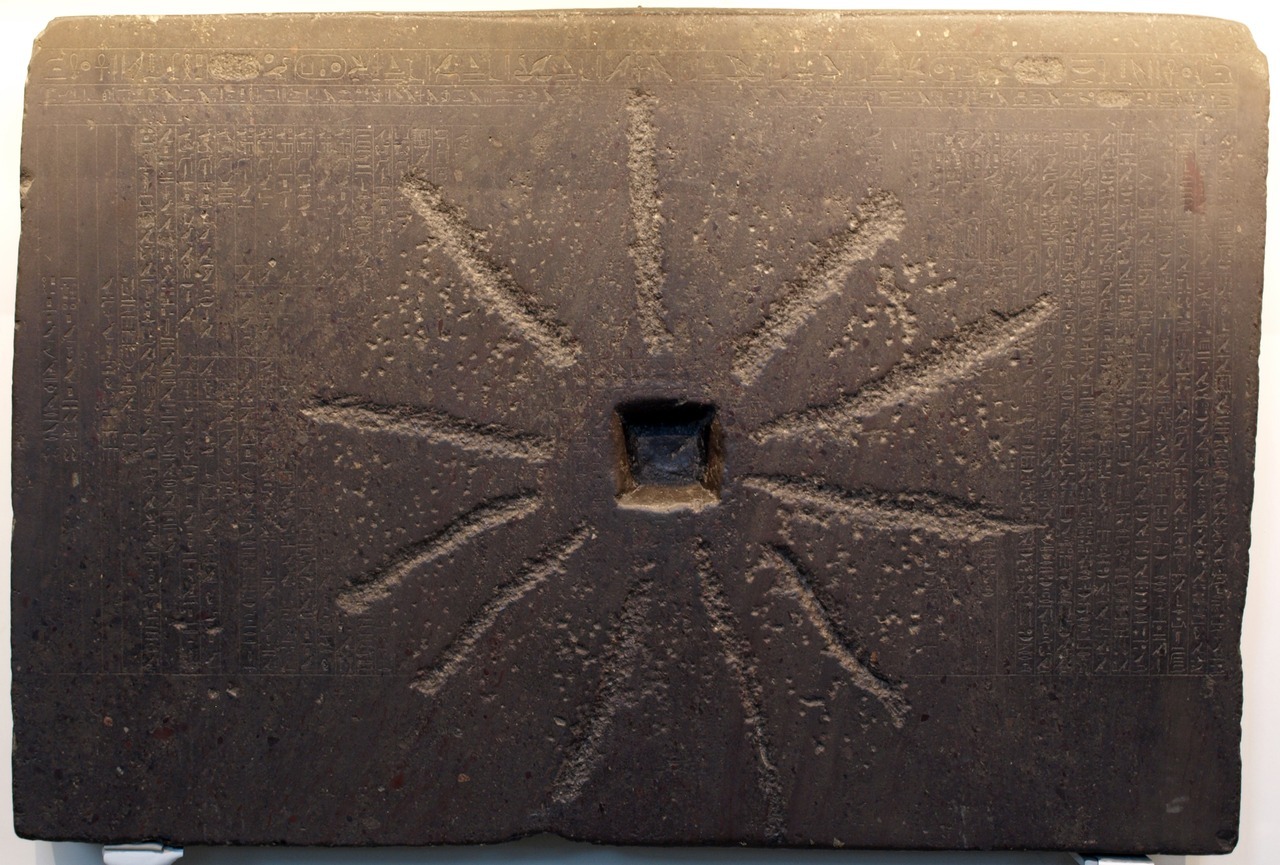
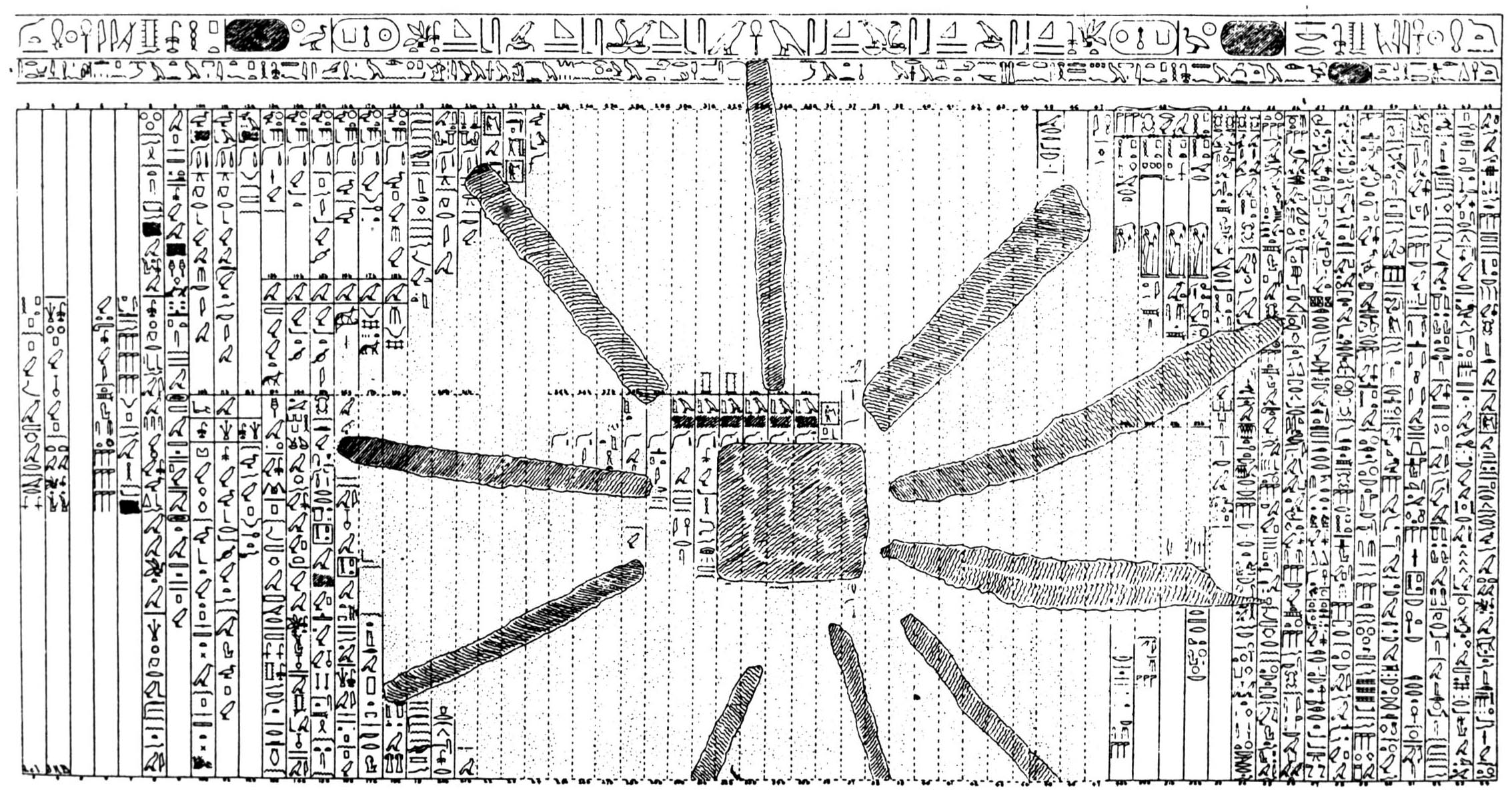
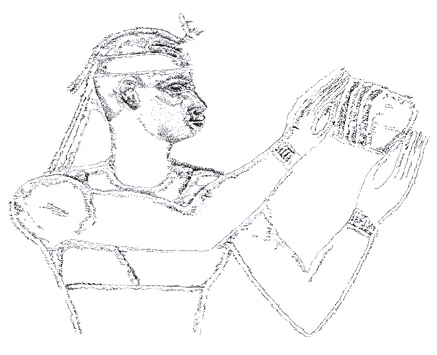
The Shabako Stone tells of the god Ptah, the cosmic architect who created the entire Cosmos simply by uttering words. Lines 56-57 of the text state: “Lo, every word of god came into being through the thoughts of the mind and the command on the tongue.” Read More, More, More
-
Titus Burckhardt (1908 – 1984) - Selection of Books
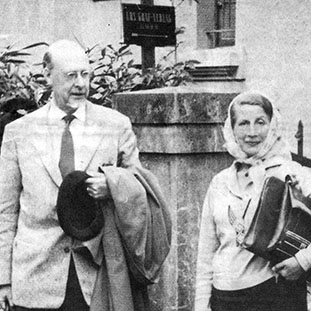
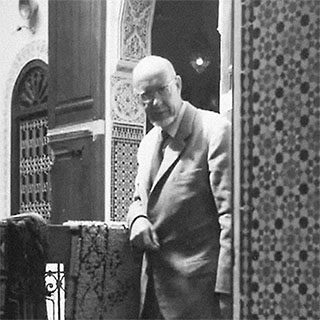
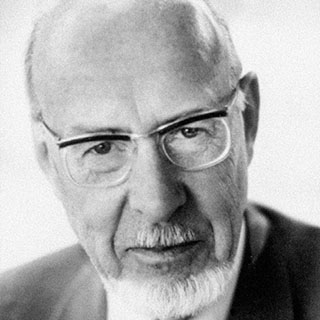
The Essential Titus Burkhardt (PDF)
Foundations of Oriental Art Symbolism by Titus-Burkhardt (PDF)
Mystical Astrology According to Ibn 'Arabi by Titus Burckhardt (Audio) -
A Basel landmark: The Basilisk fountain - Basel Switzerland: Water Monsters and Cheeky Kings
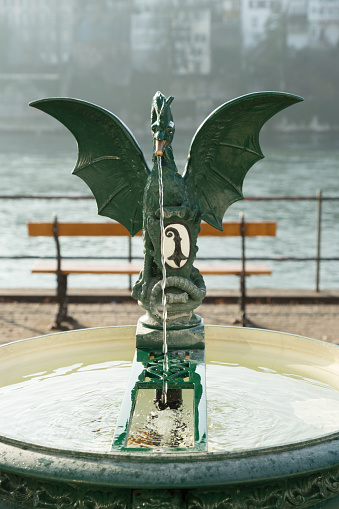
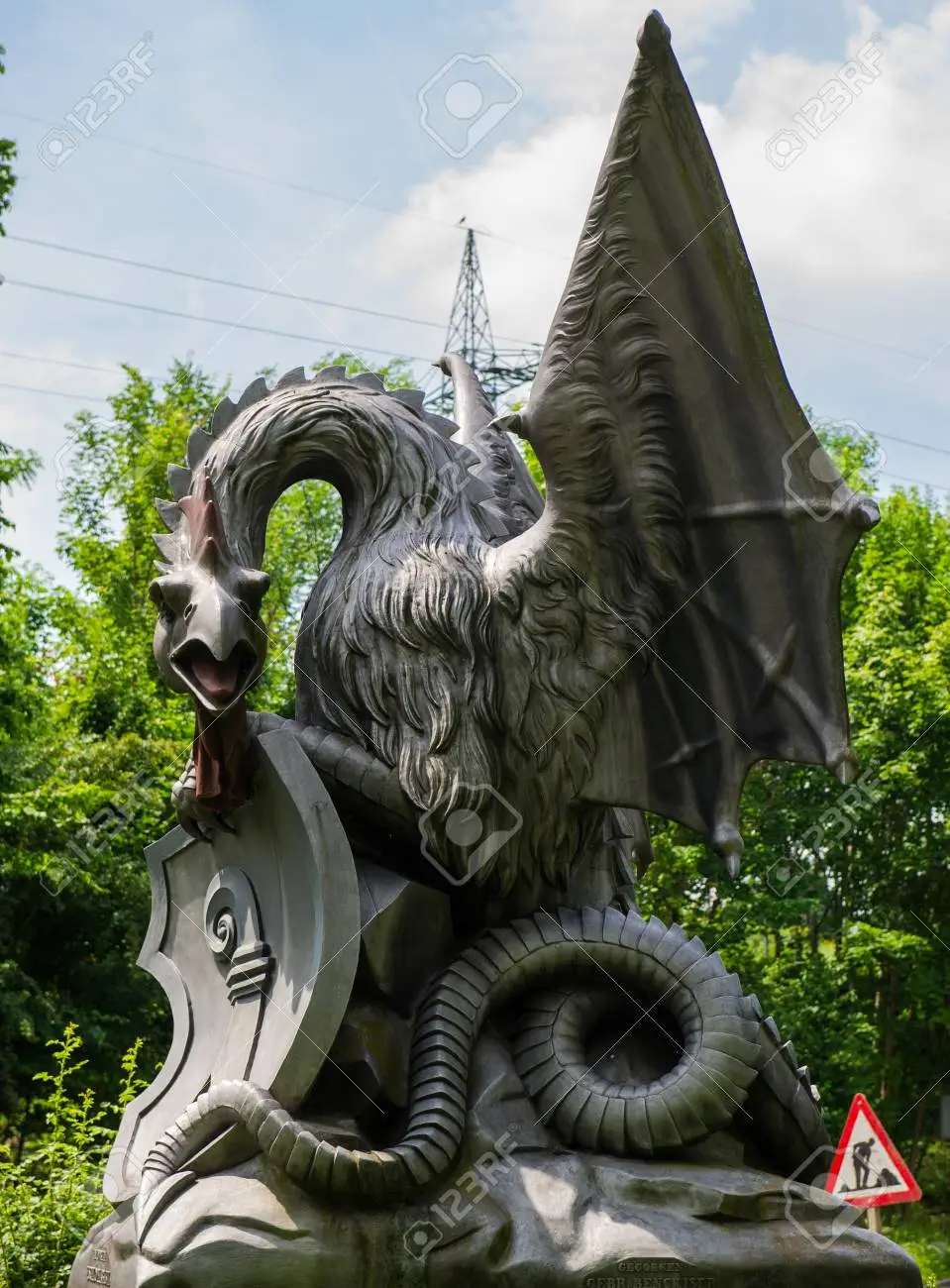
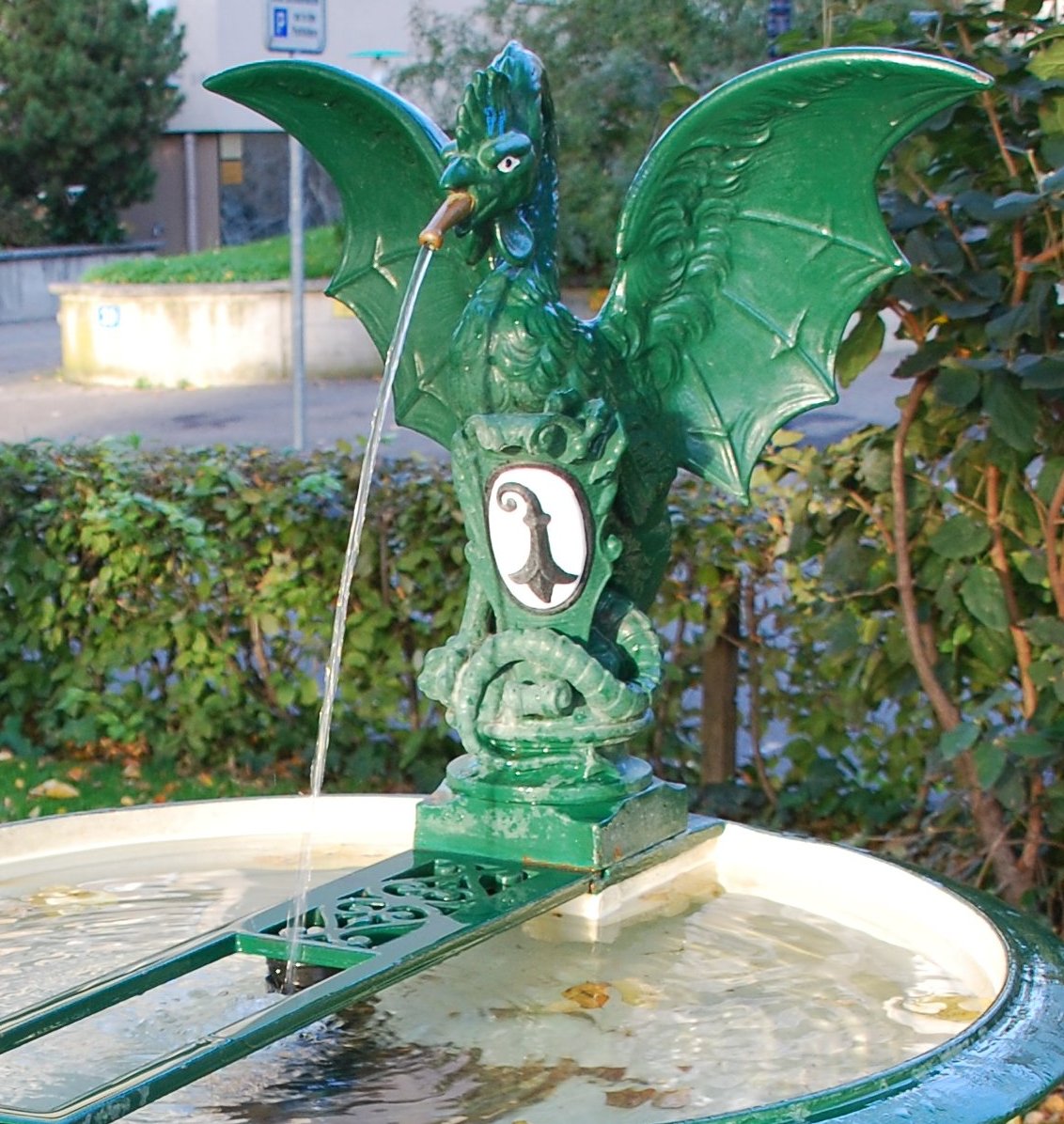
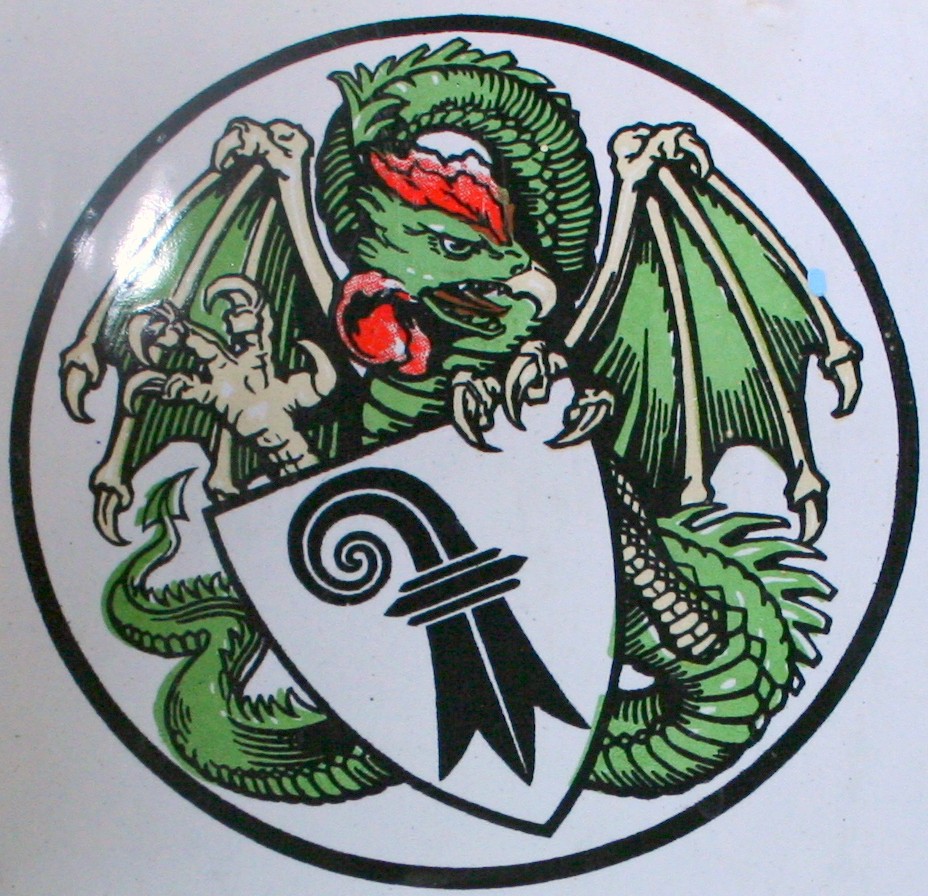
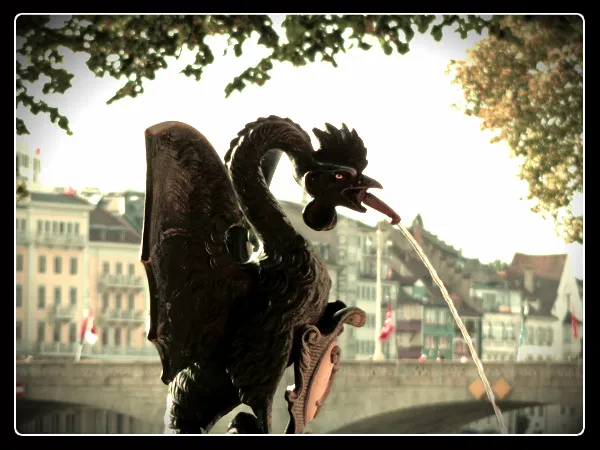
The Basilisk fountain owes its origin to a competition held in 1884. Designed by the architect and artist William Bubeck (1850-1890), it was cast in 50 pieces. The water flows from the mouth of the Basilisk in the round pool. It refreshes men, women and dogs alike: A water bowl for dogs is attached to the foot of the basin. In Basel, there are still 28 Basilisk fountains on public property, and some others on private land.
An unlikely couple: Basilea and the Basilisk
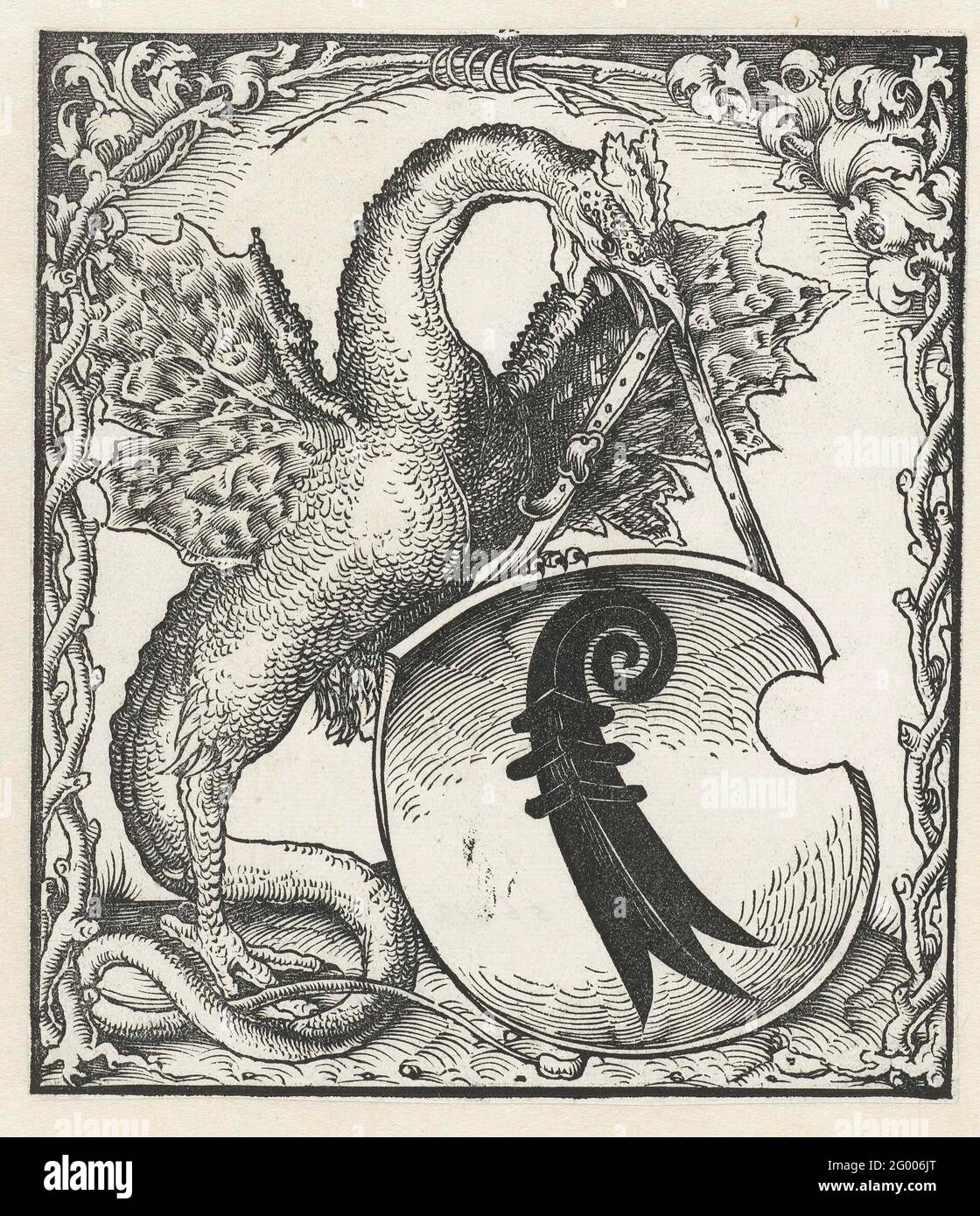
The name of the City of Basel comes from the Greek "basileus" (king, ruler) – meaning also "the royal". Its linguistic affiliation with the name of the dragon is obvious. This truly terrifying mythical creature was very popular in the Middle Ages and increasingly appeared in Basel bearing its coat of arms. The first stone "basilisk fountain" to be built is in Augustinergasse, where an elaborate Basilisk dating back to 1530 bears the Basel coat of arms.
The Basilisk - legendary and statesmanlike
The "king of serpents" was often depicted in the Middle Ages as a hybrid creature with the upper body of a rooster wearing a crown on his head, and the lower part of a snake. He turns up in several regions of Europe. The Basilisk first appeared as a crest bearer of the City of Basel in a manuscript in 1448. How the Basilisk came to play this honourable role is surrounded by a haze of legends. It is said that, during the Council to Basel (1431-1449) a traveling merchant presented a stuffed Basilisk. Another legend says that a Basilisk had lived in a cave since ancient times, on which the Gerber fountain was later erected. The inscription on the fountain is commemorative of the Gerber hilltop.
-
Four Fiends From The Palm-Wine Drinkard
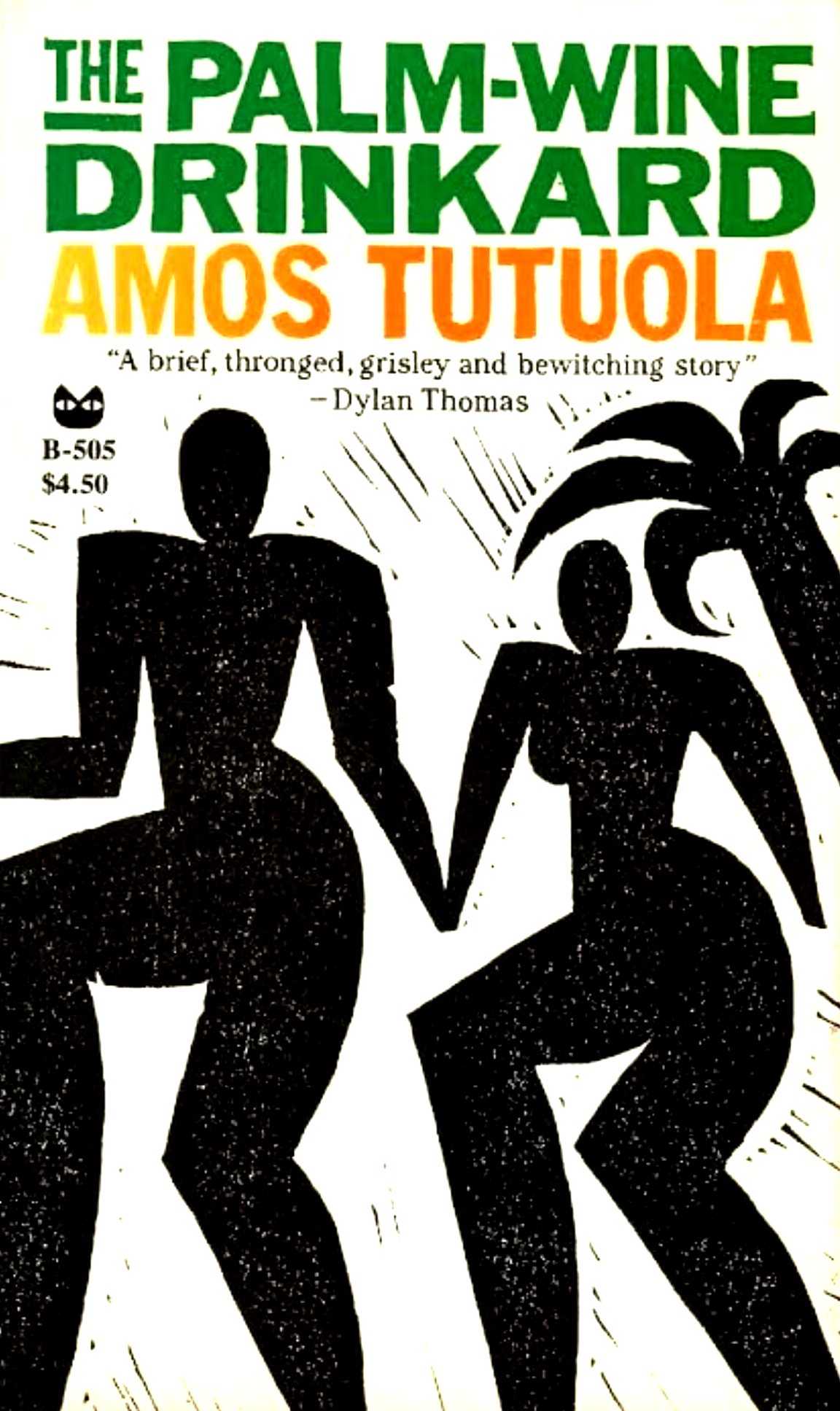
Now public domain, this 1952 novel was written by Amos Tutuola, a Nigerian man inspired by the folk tales he'd grown up on - folk tales which, at the time, were rapidly dwindling in popularity and even acceptability as Christian missionaries fought hard to "modernize" the "primitive" people of other nations. The story would go on to become the first piece of African literature ever published in English overseas, but blasted by critics of the 50's as a "barbaric and savage" work, offending their delicate little senses with its sometimes vulgar comedy, graphic morbidity, gratuitous use of sorcery and unconventional writing style, rife with the artifacts of terminology and grammar that simply cannot translate directly to English. Regardless, the Palm-Wine Drinkard is now recognized as one of the most important pieces of literature to come out of the 50's, and time capsule of black African folkloric tradition that once came dangerously close to being largely forgotten.