tag > Magic
-
The Serpent in Aztec Culture
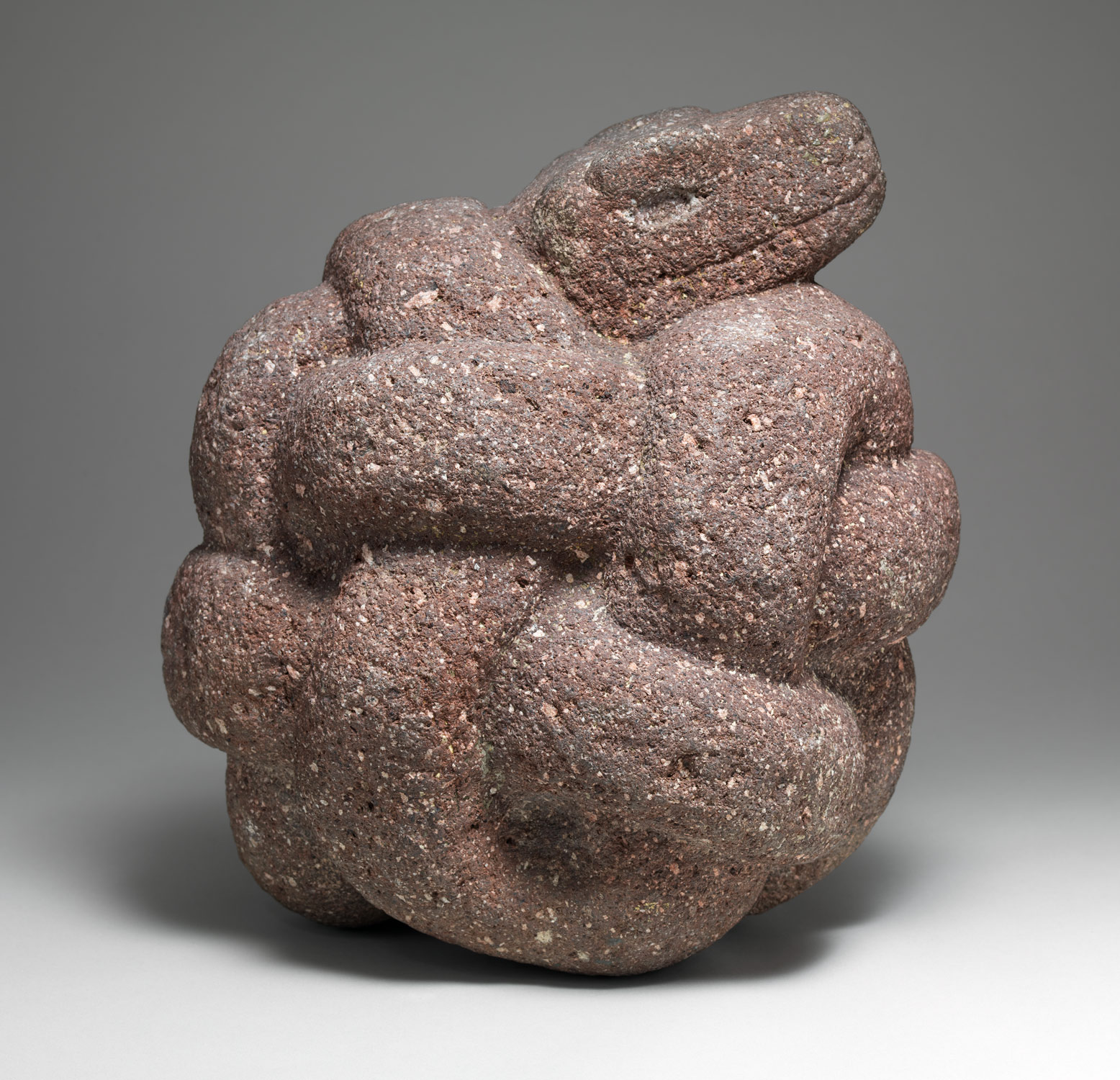
Coiled Serpent (15th–early 16th century) - by the Aztecs in Mexico, Mesoamerica Serpents held an important place in the belief systems of many peoples in ancient Mexico and they are the most frequently portrayed animals in art. Serpents had multiple connotations and inspired sky and earth imagery alike. Above all, they were fertility symbols, probably suggested by their terrestrial habitat and periodic skin shedding. At the Main Temple in the Aztec imperial capital Tenochtitlan, serpent depictions proliferate: monumental snake heads, probably representing different species—with open fanged mouths and forked tongues—flank braziers and stairways leading to the sanctuaries.
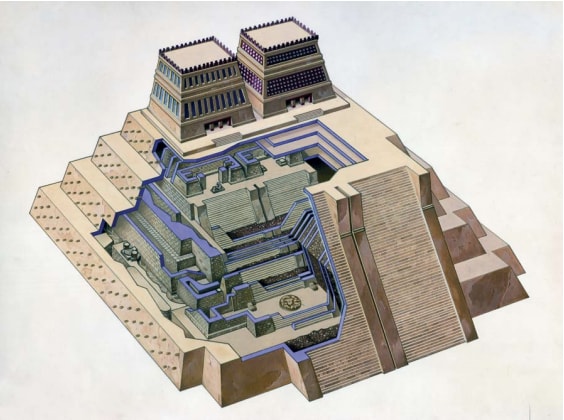
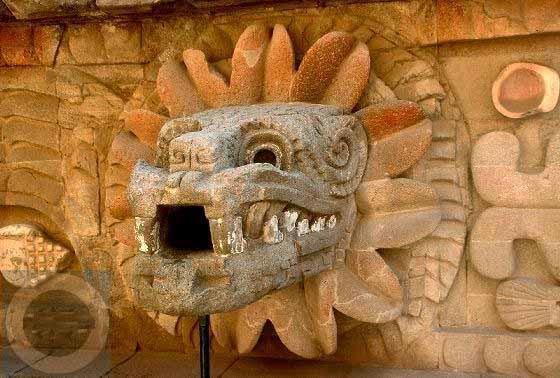
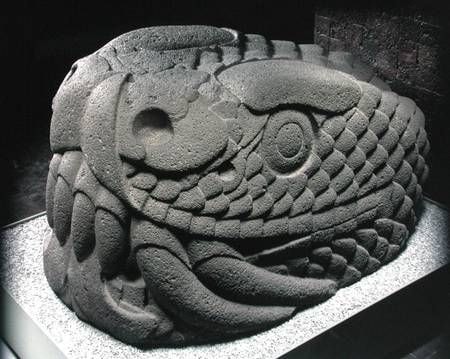
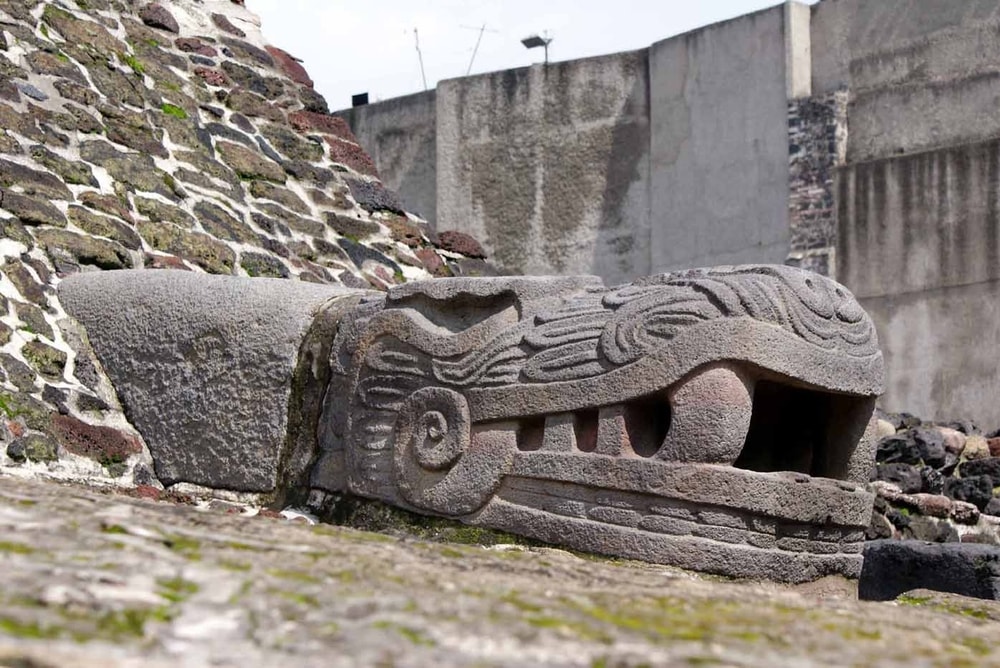
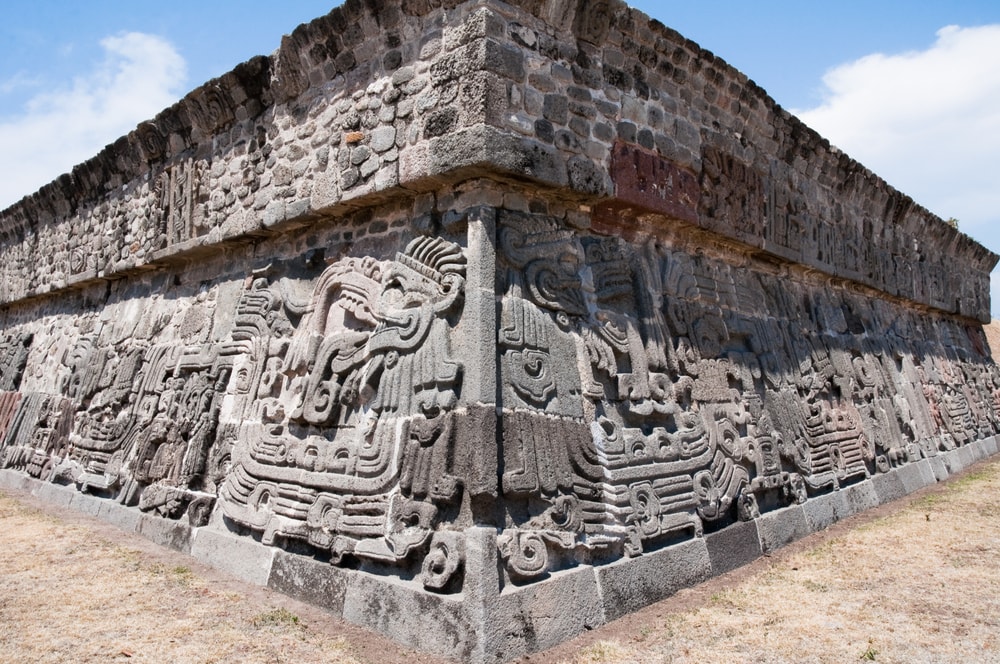
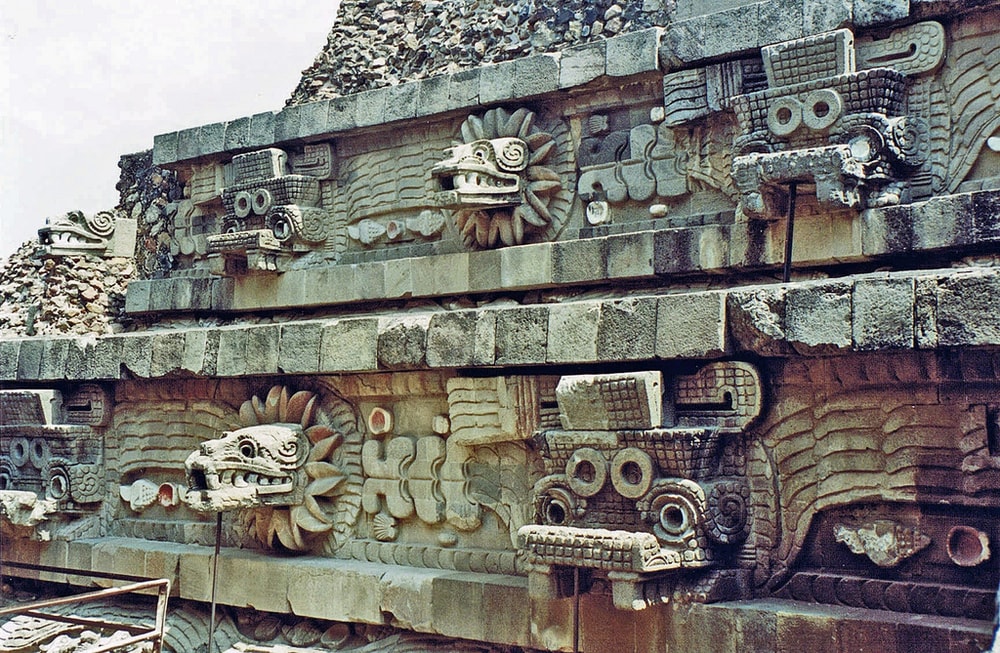
The temple itself is said to have been surrounded at the time of the Spanish conquest by a serpent wall, or Coatepantli, formed by hundreds of adjoining sculptures of snakes. In three-dimensional stone sculpture, serpents are most frequently shown coiled or knotted, as in this example. Carved from a porous stone, the body of the reptile is a tightly wound knot; the tail end with two rattles in shallow relief is visible on one side. Its flattened head, emerging from the tangled body at the top, has a pointed, closed mouth, and sunken oval eyes under bulbous supraorbital ridges. The function of this snake sculpture is uncertain.
-
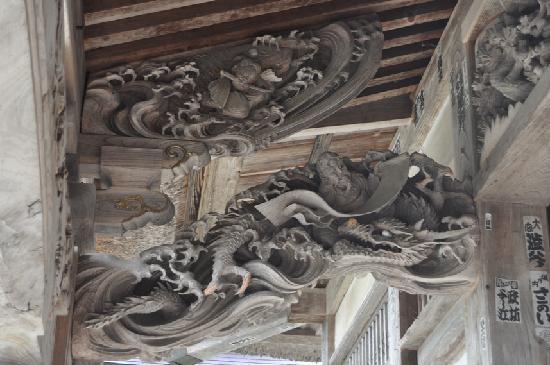
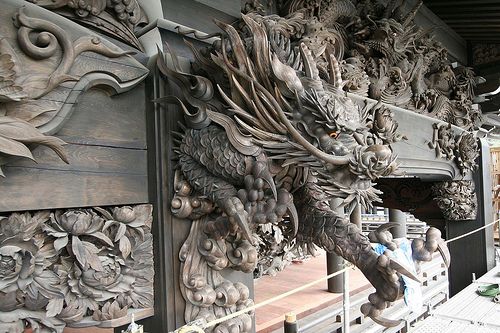
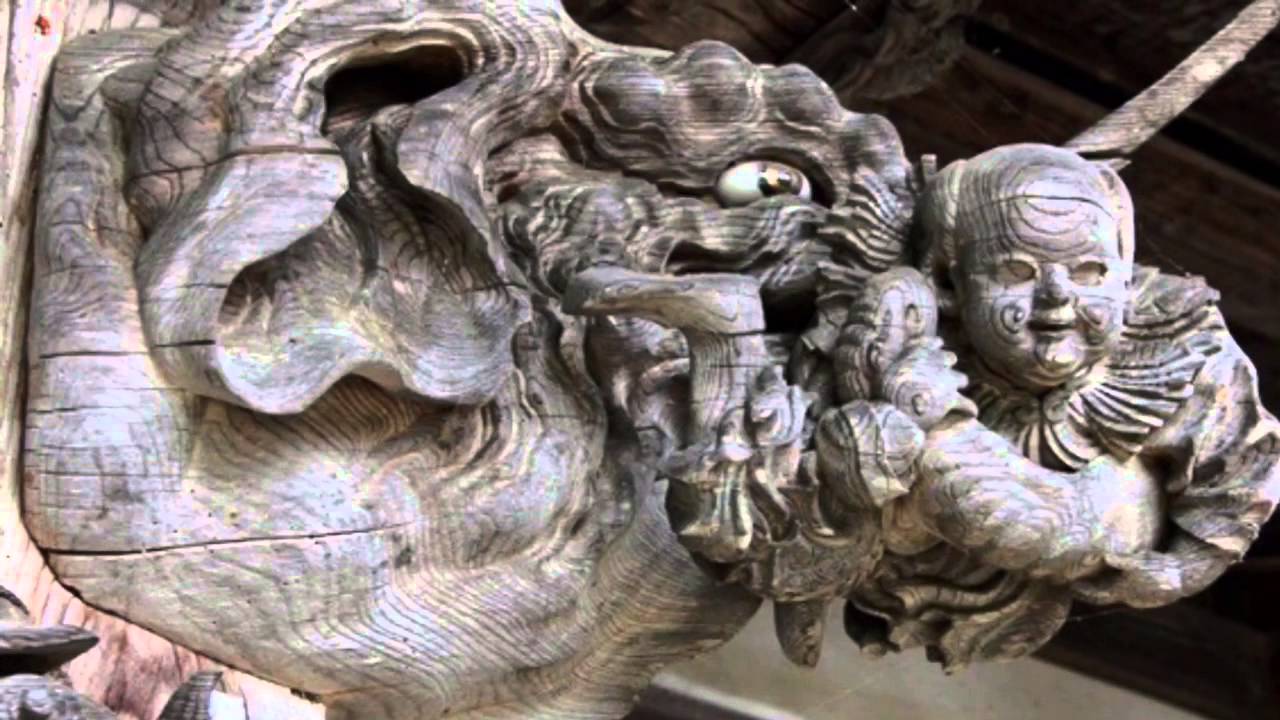
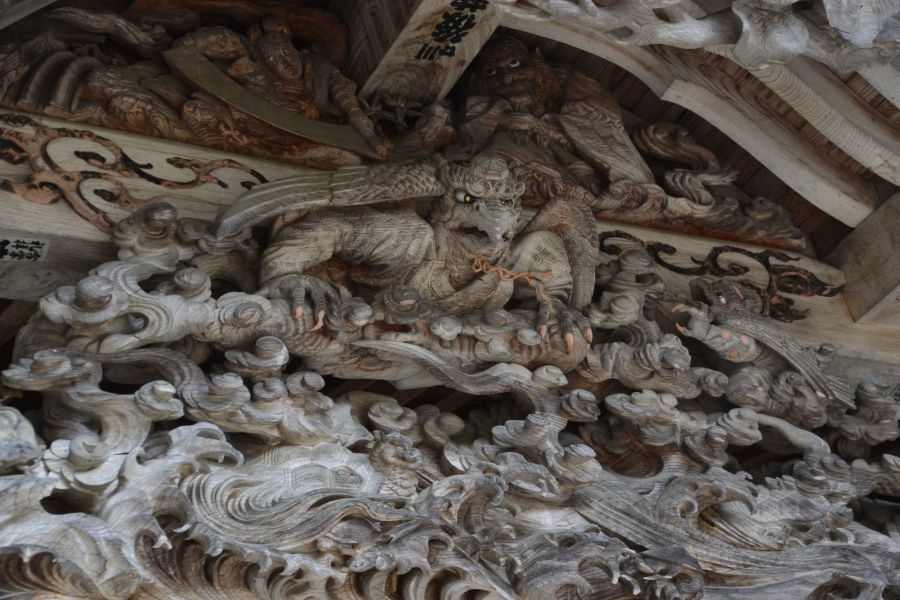
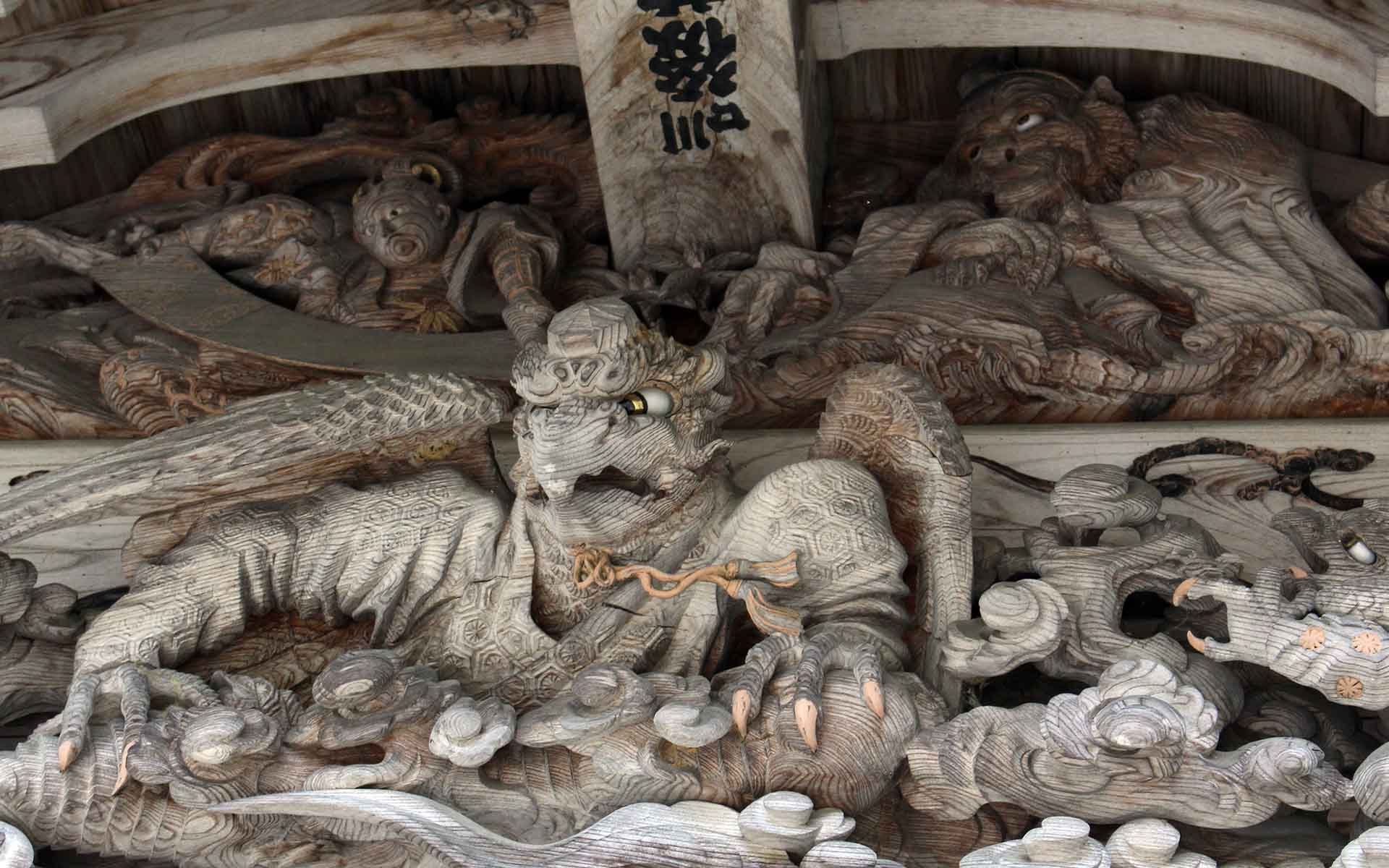
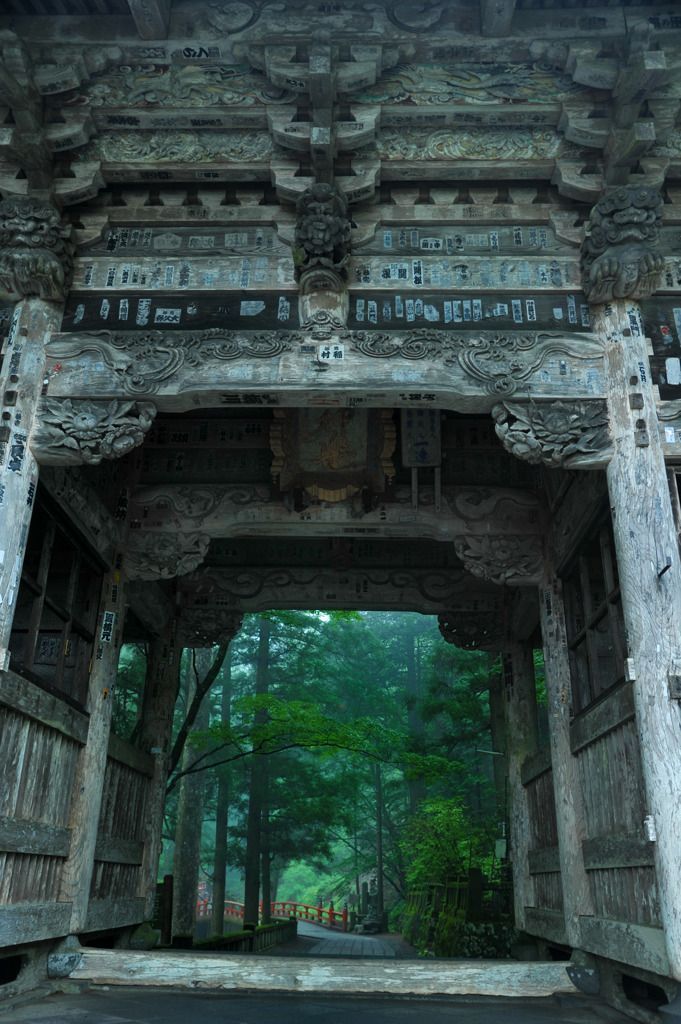
Entrance gate of Haruna shrine, Gunma, Japan (榛名神社). Photo by 小梨怜さん
-
Lo Shu Square (洛书) is part of the legacy of ancient Chinese mathematical and divinatory (cf. the I Ching 易經) traditions, and is an important emblem in Feng Shui (風水), the art of geomancy concerned with the placement of objects in relation to the flow of qi (氣)
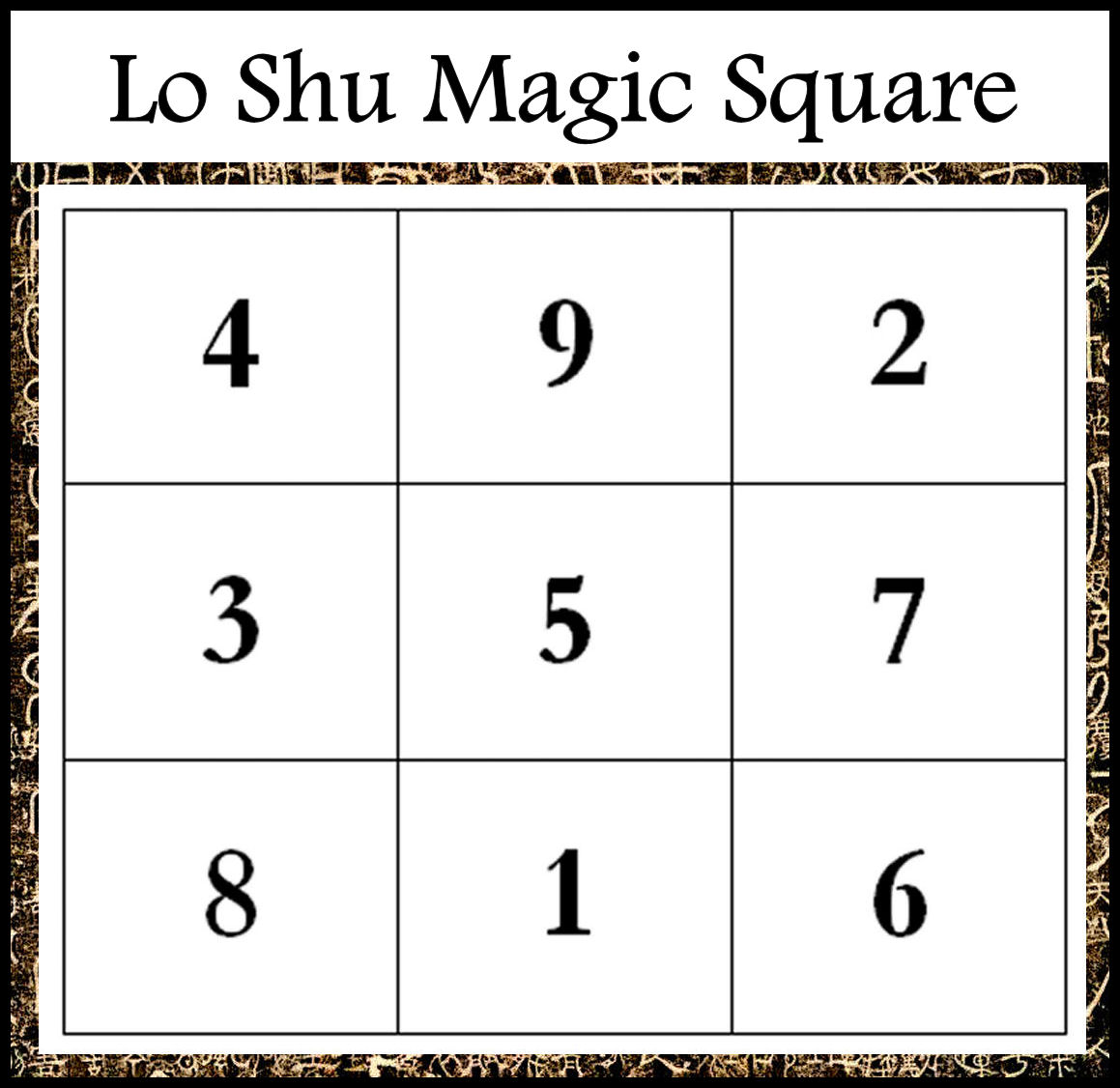
Image Source: https://benebellwen.com/2017/09/09/tinkering-bell-series-architecture-of-sacred-space-part-i/ 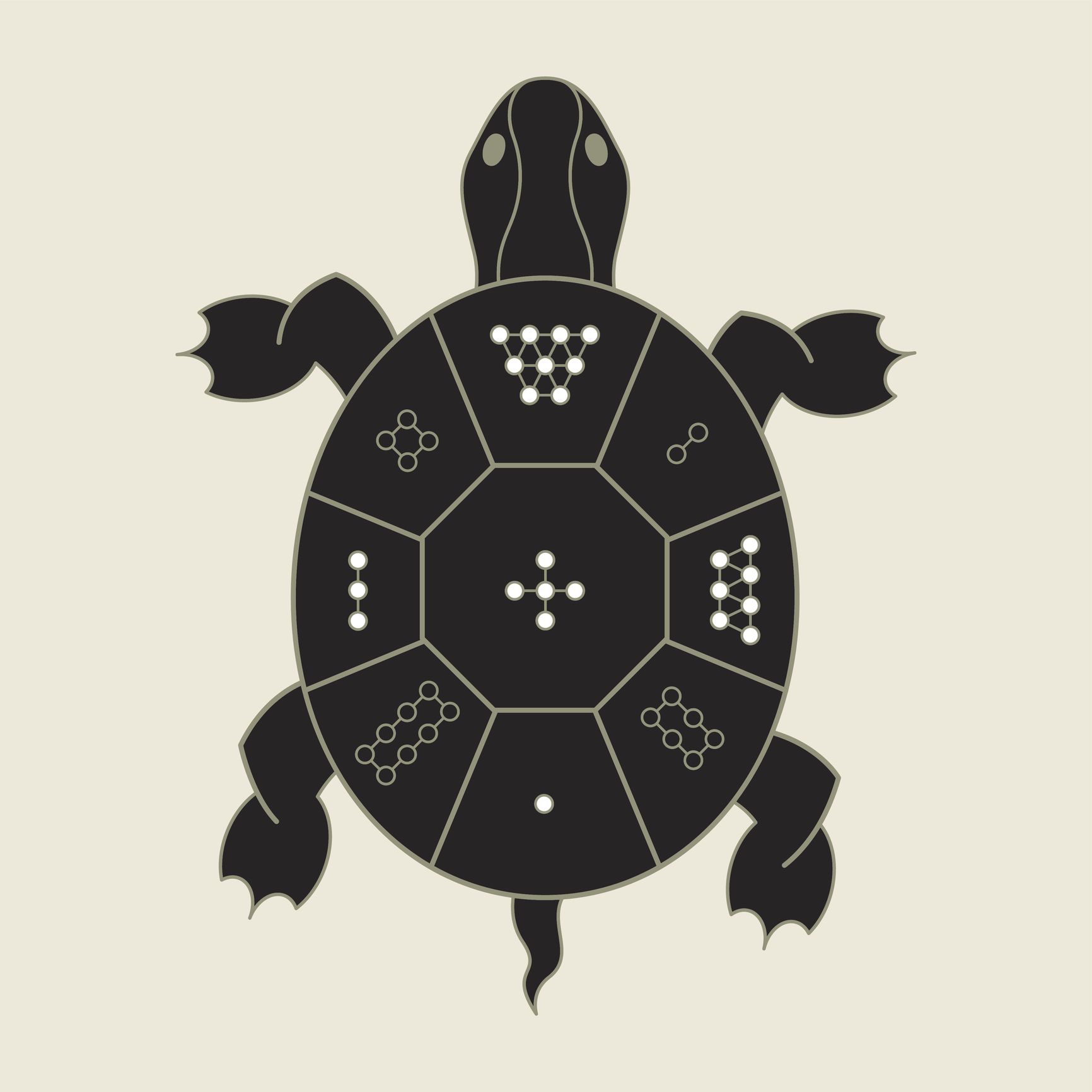
Image Source: https://www.thespruce.com/feng-shui-magic-of-the-lo-shu-square-1274879 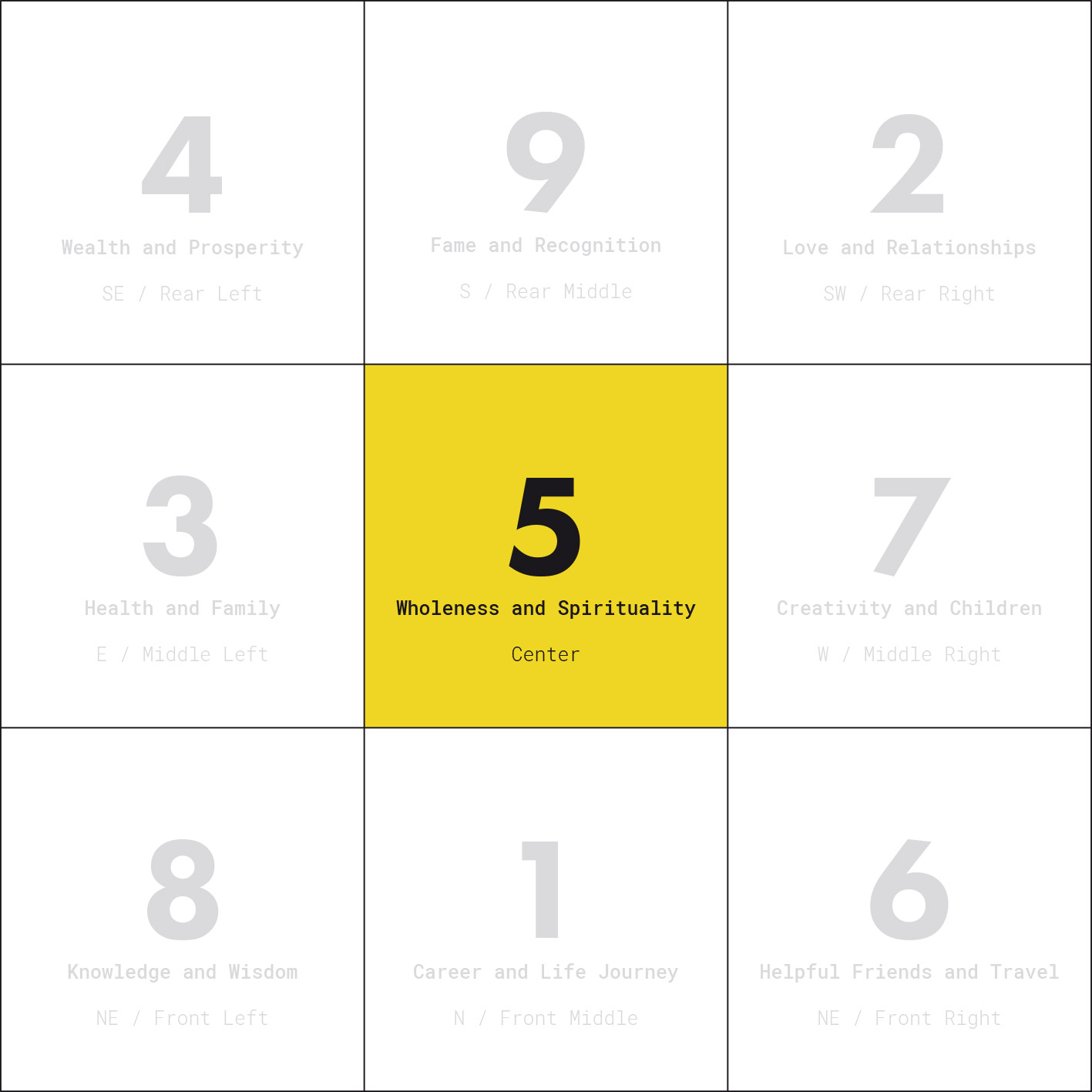
Image Source: https://thoth-adan.com/blog/wholeness-and-spirituality 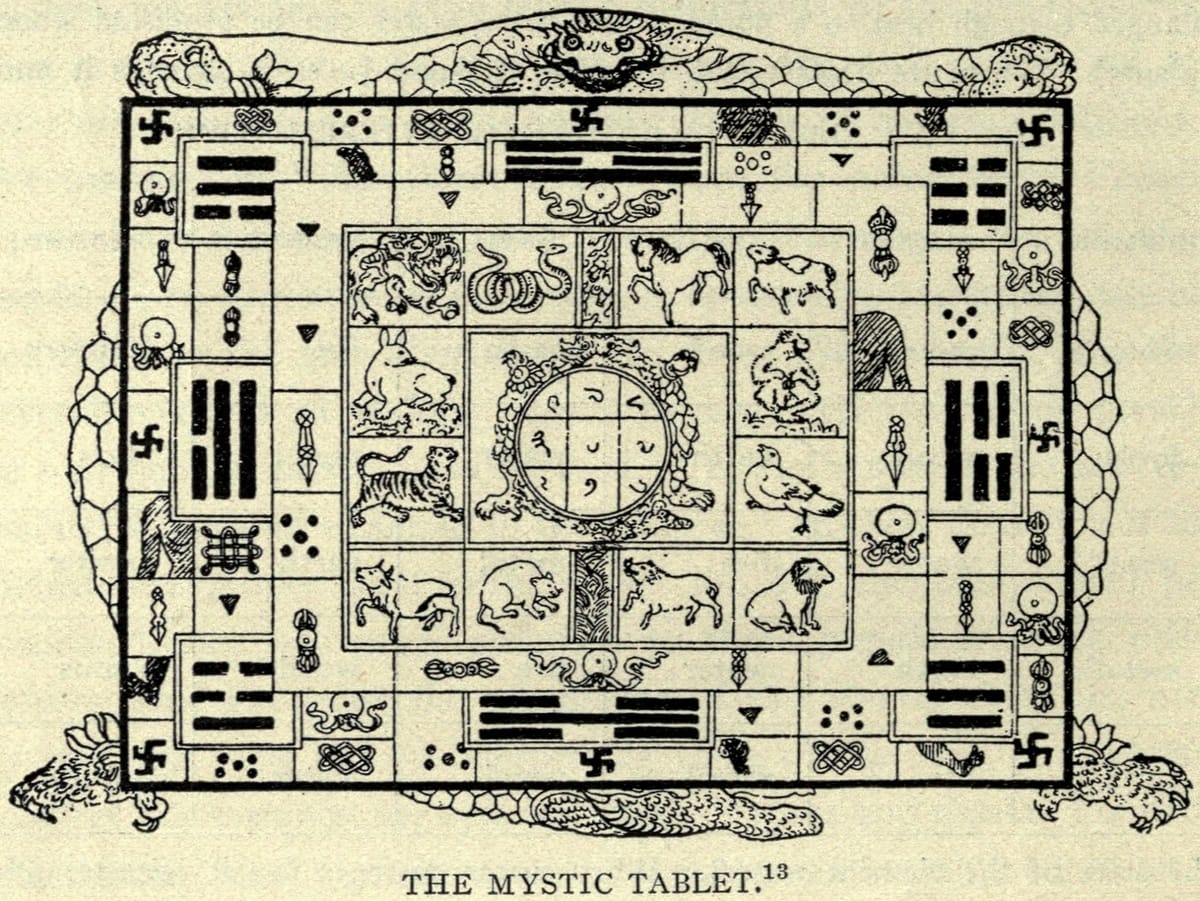
Related: Carl Jung called the framework behind his Archetypes a Quaternion, a 4×4-square that contains complementary (“dual“) concepts (Senses/Facts vs Imagination), (Object/Unity) vs/Subject (Social). Complementary concepts share the void when they are united. They are often called a Paradox. The Quaternion has a lot in common with the Chinese Lo Shu Magic square which is the “generator” of the ancient Chinese Cyclic Models. The Lo-Shu was given to the mythical Emperor Yu before the great Deluge when he was sitting at the Yellow River. The Lo Shu Magic Square was an important model for time and space and served as a basis for city planning, tomb design, and temple design. The Magic Square was used to designate spaces of political and religious importance. (via)
Related: About the Chinese Domino Game and the Magic Square of Lo Shu
-
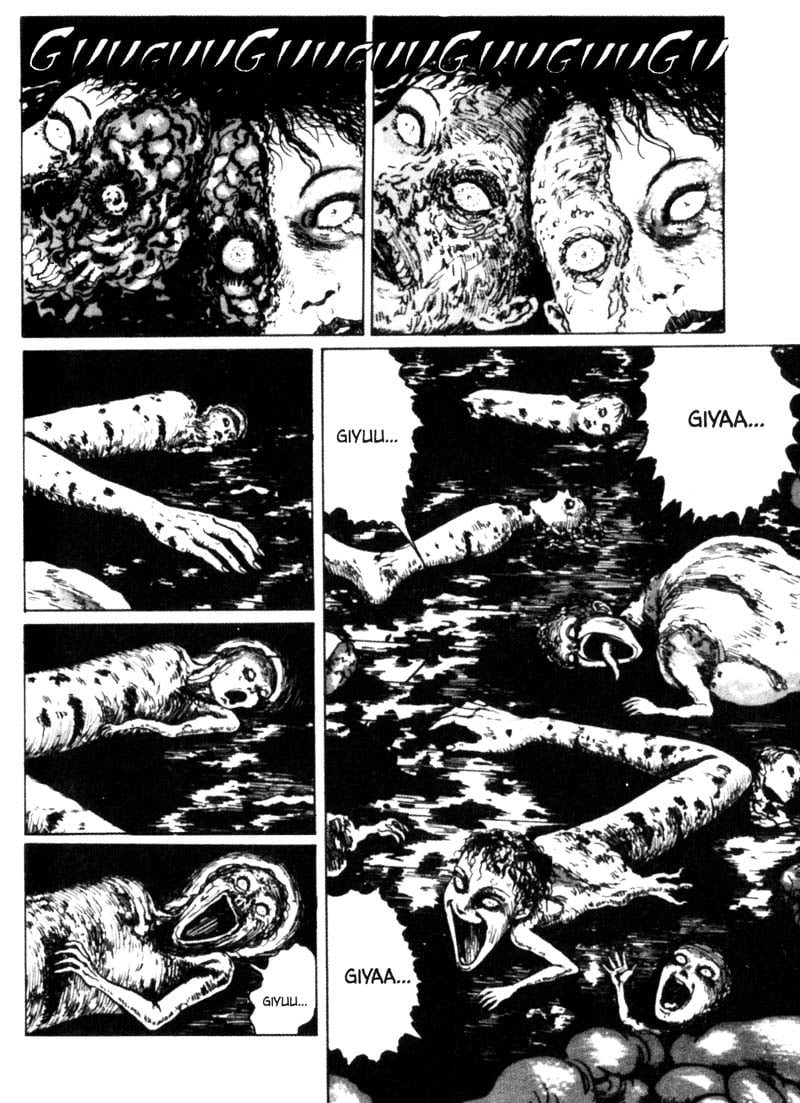
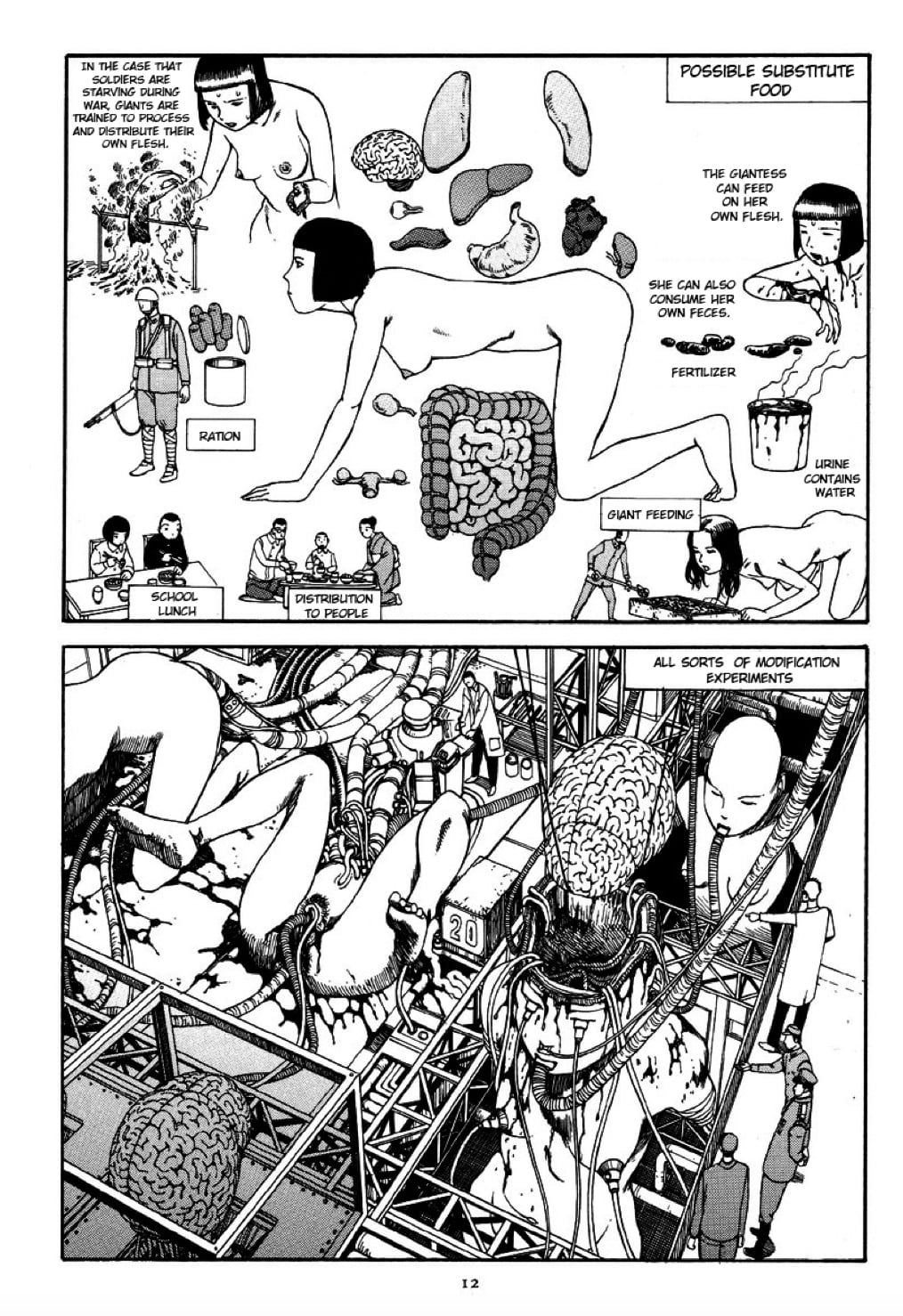
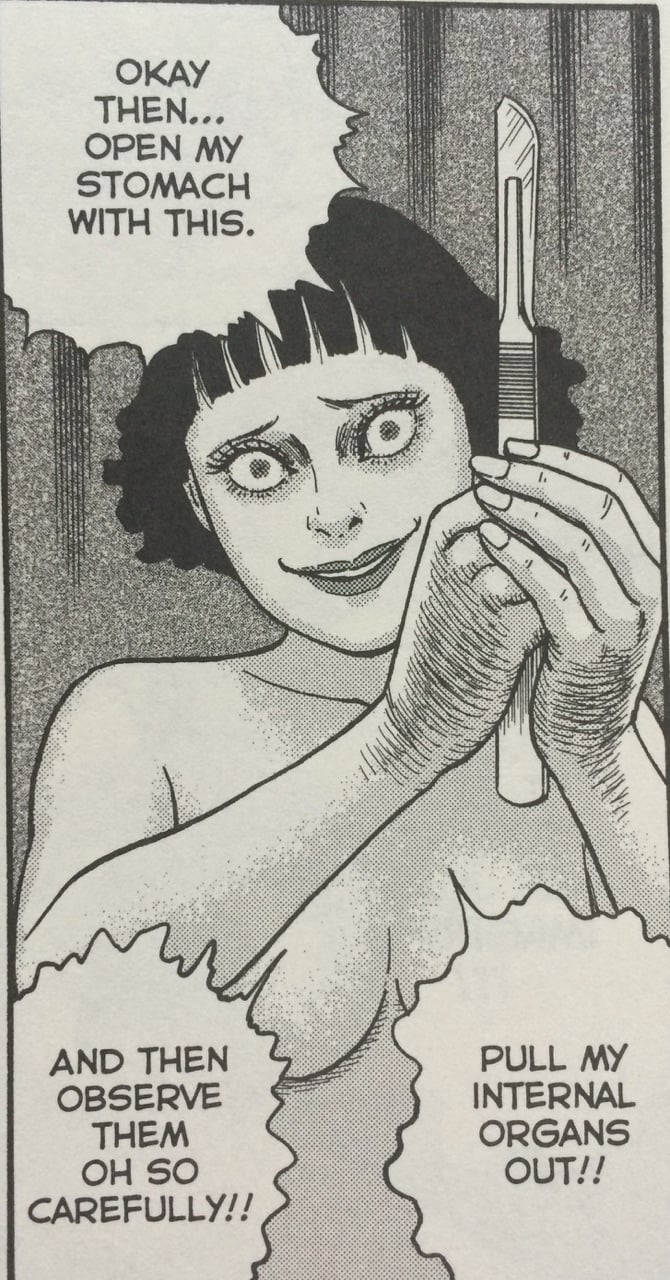
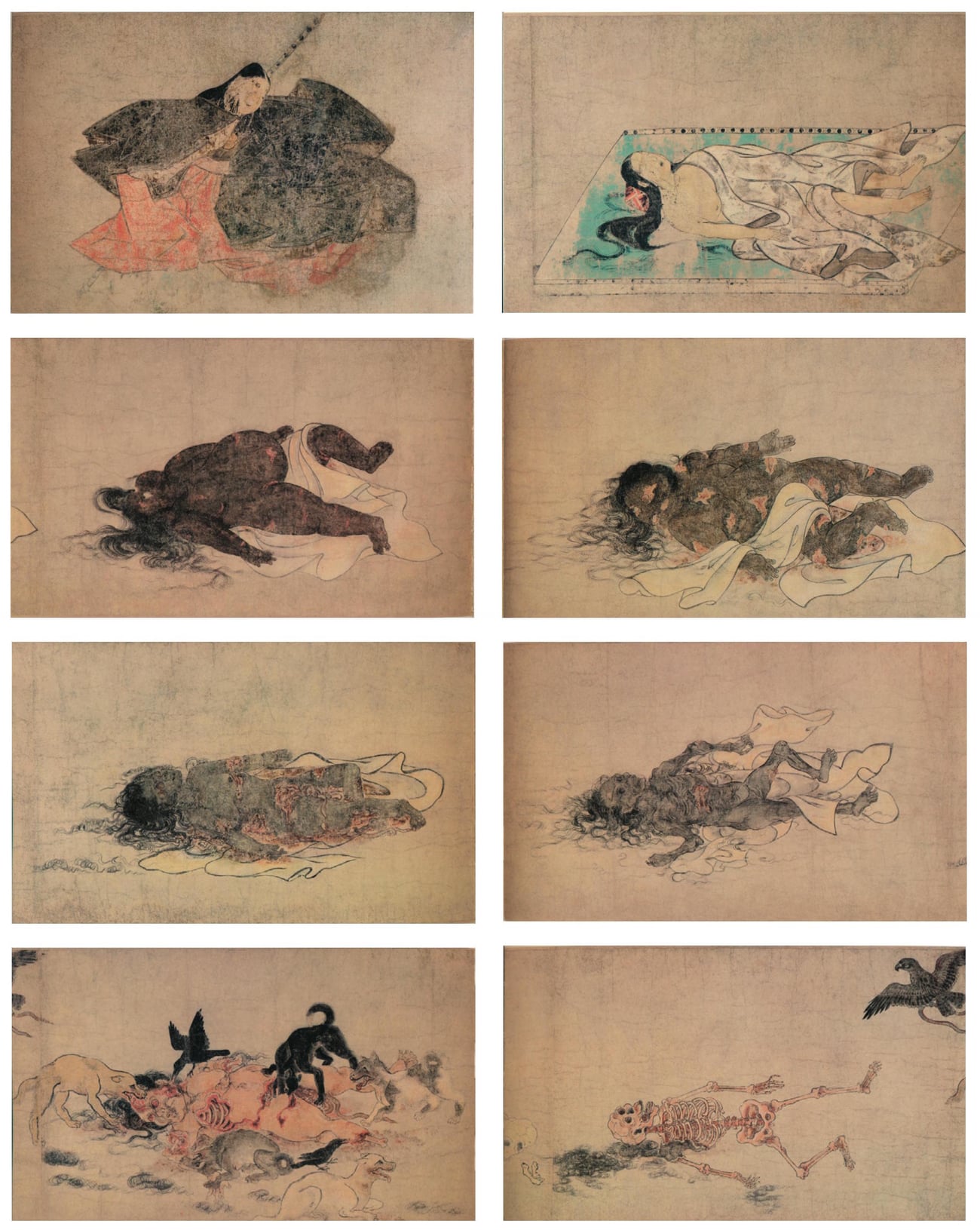
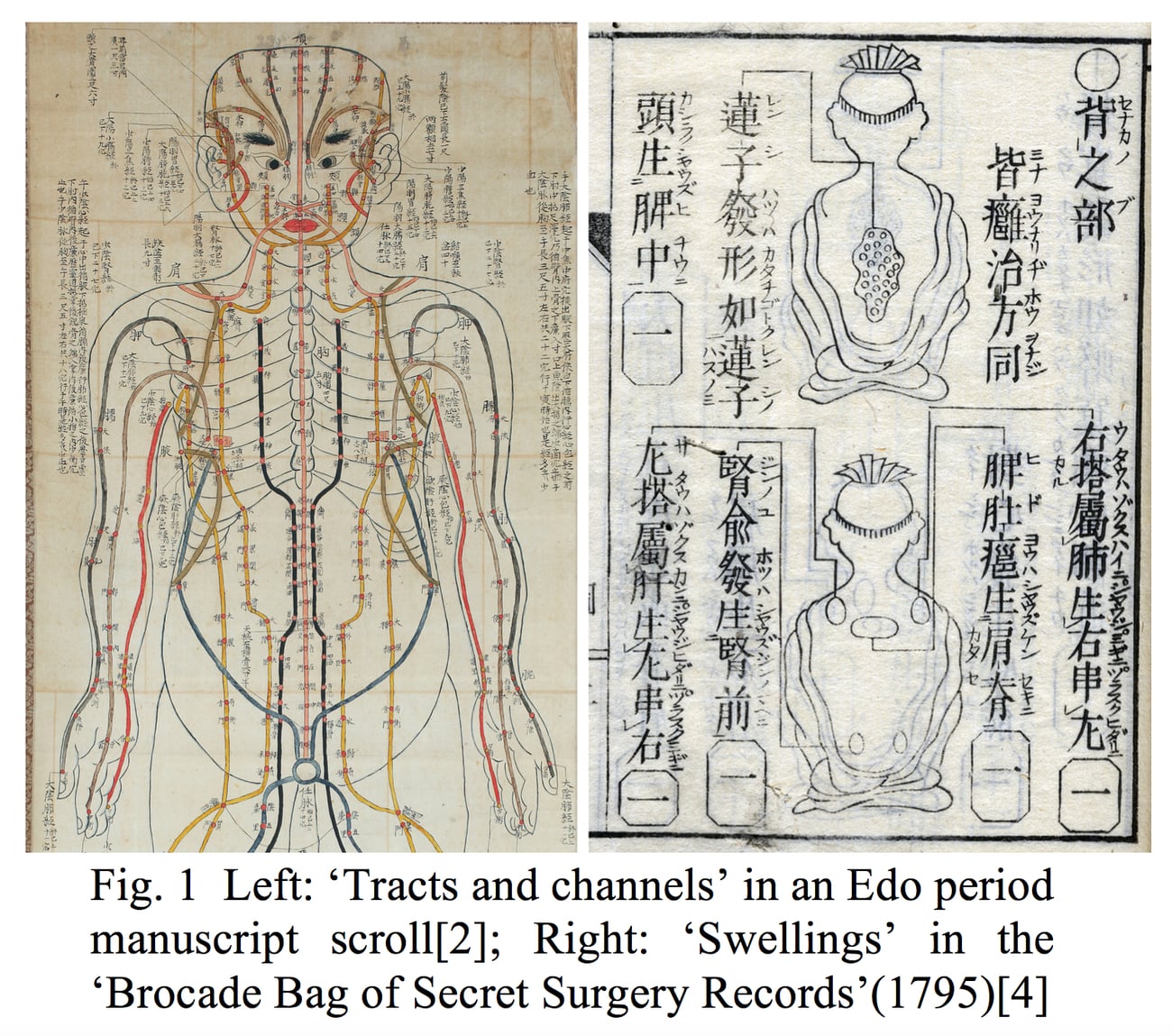
Buddhist Meditation on the Foul, and the Body in Horror Manga - by Videshi Sutra
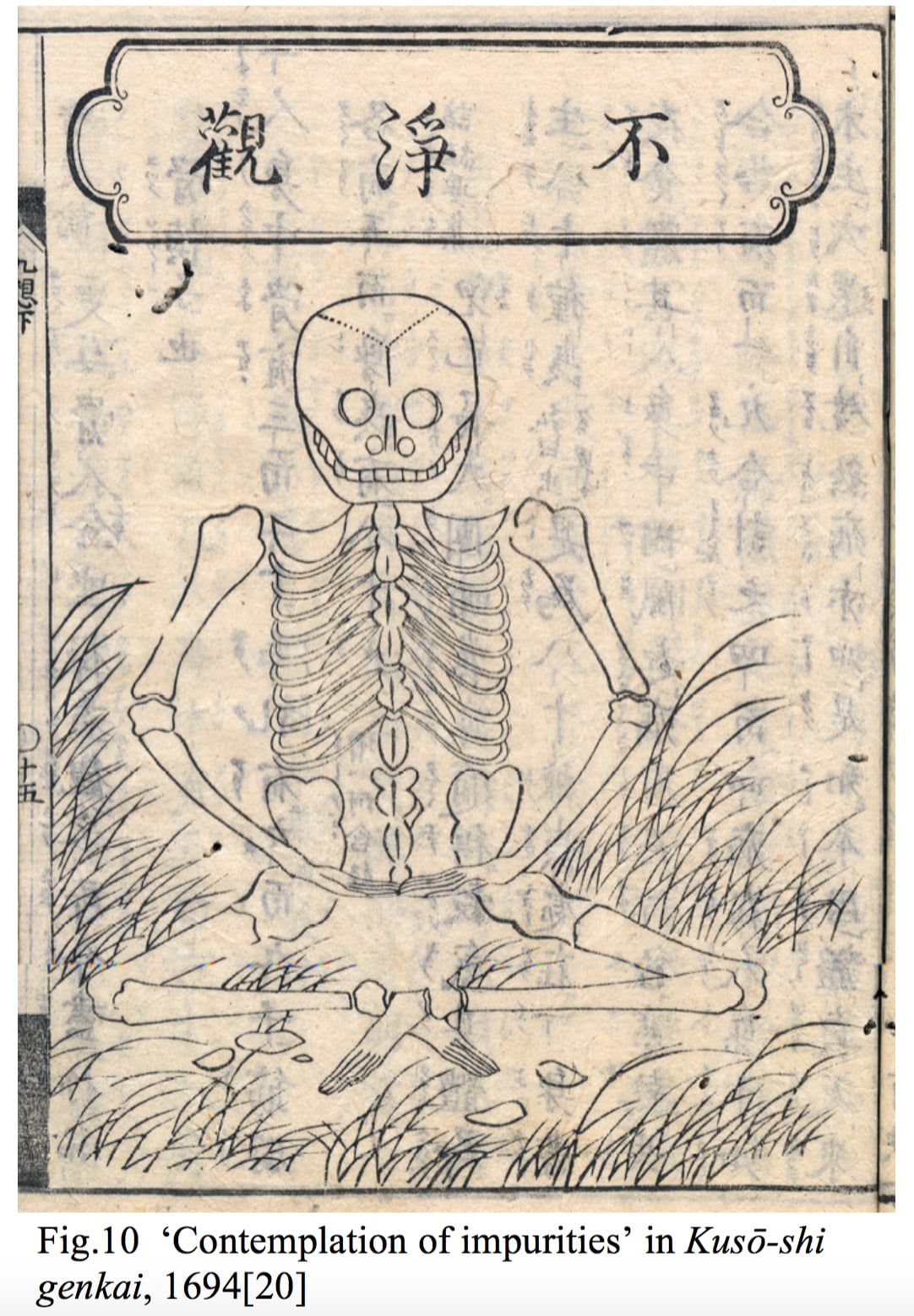
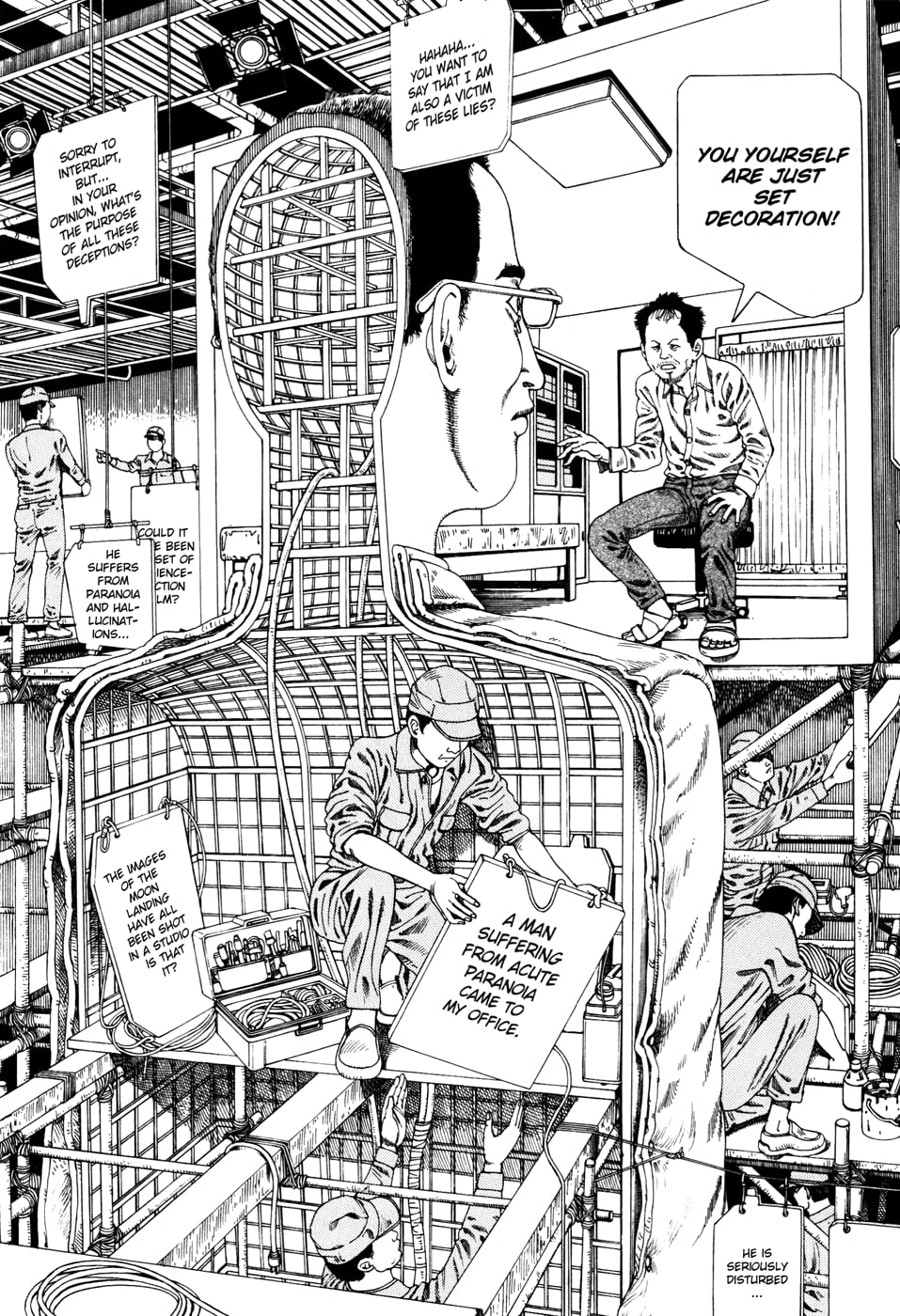
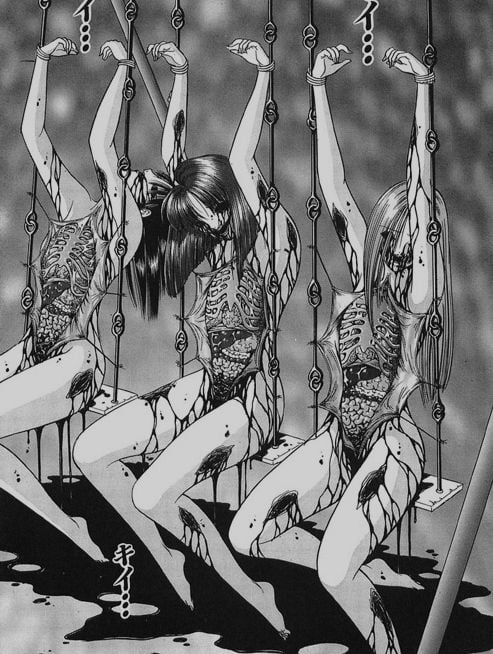
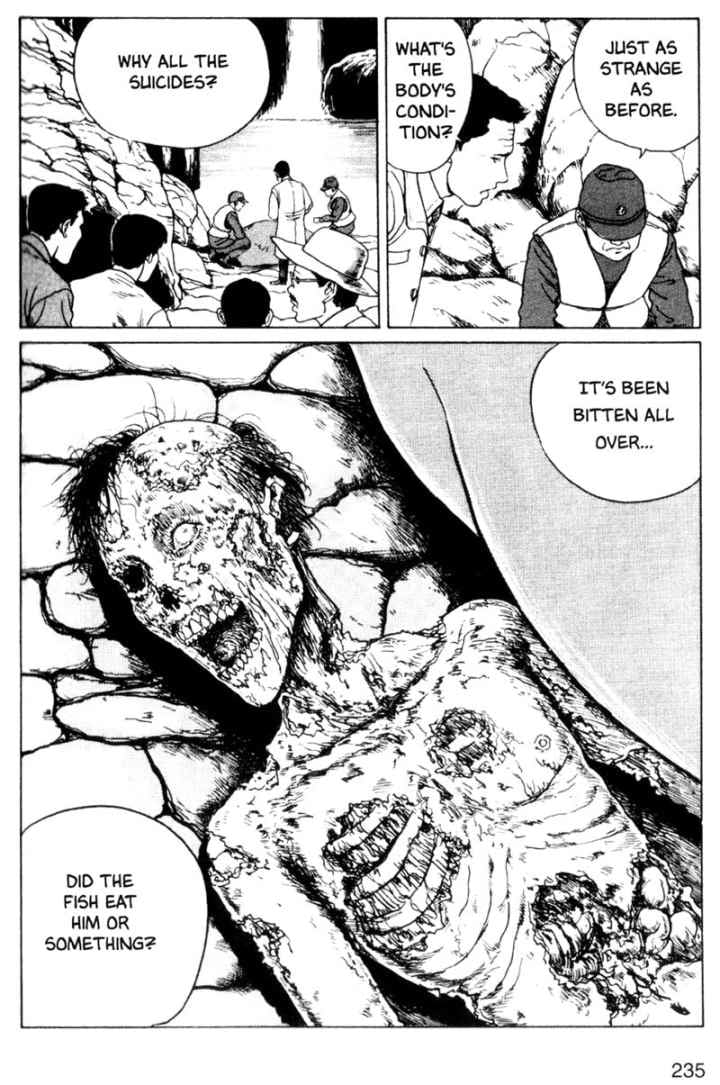
-
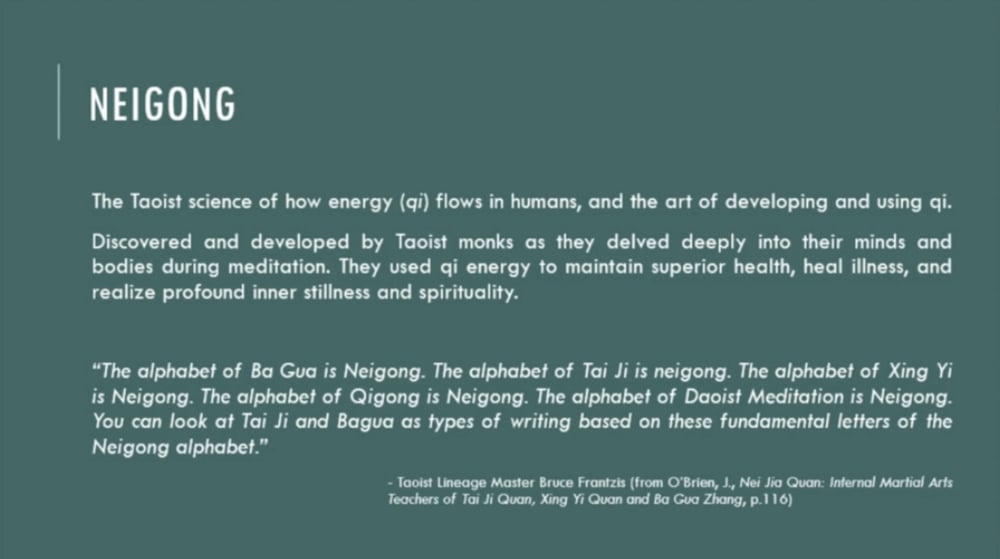
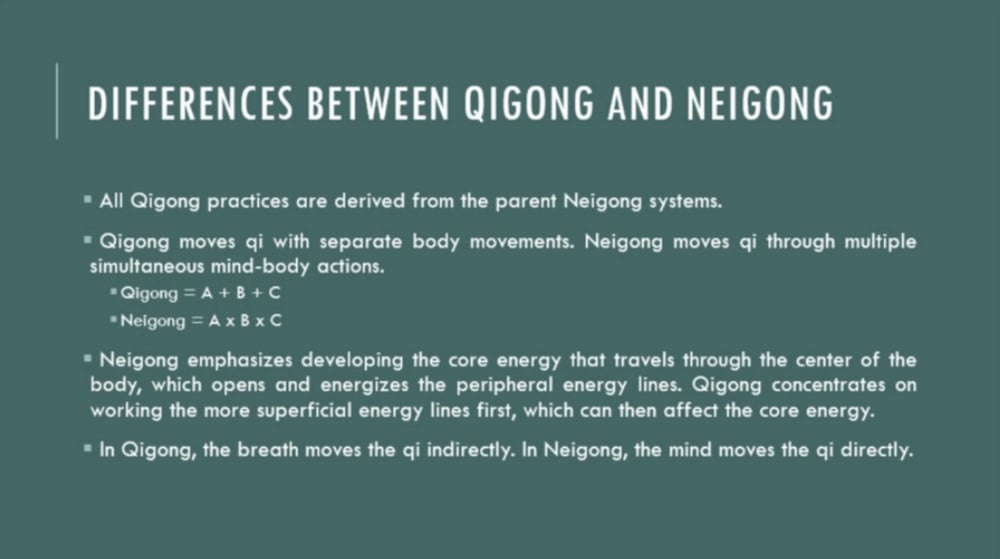
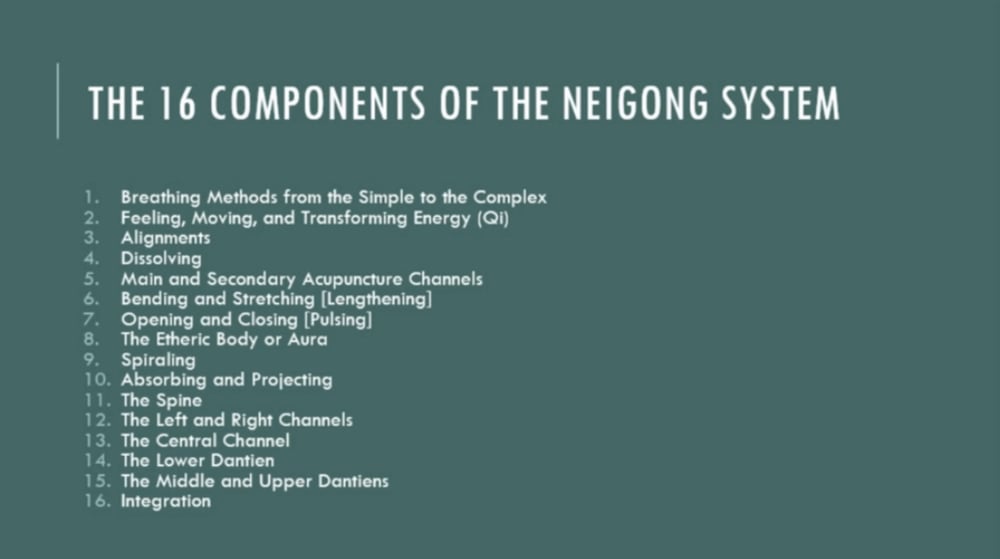
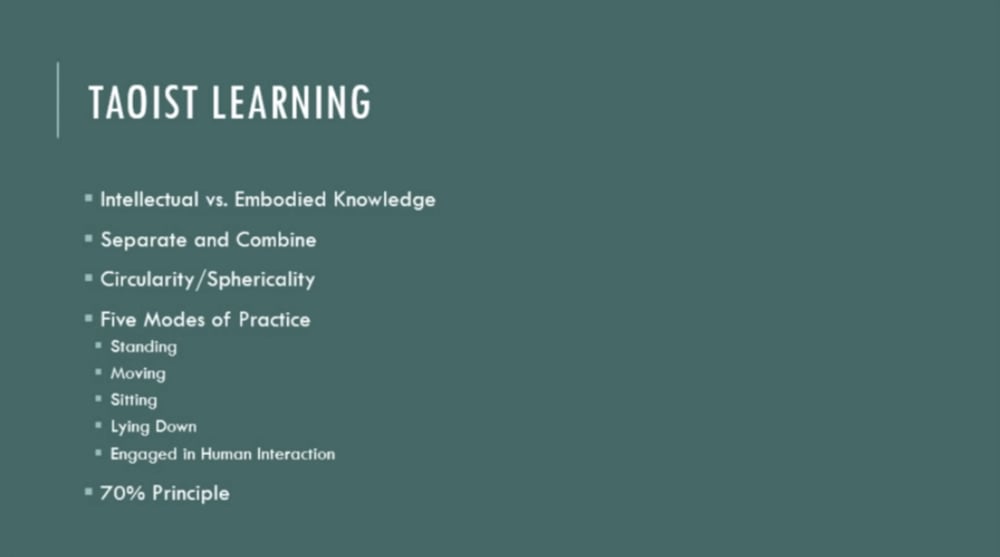
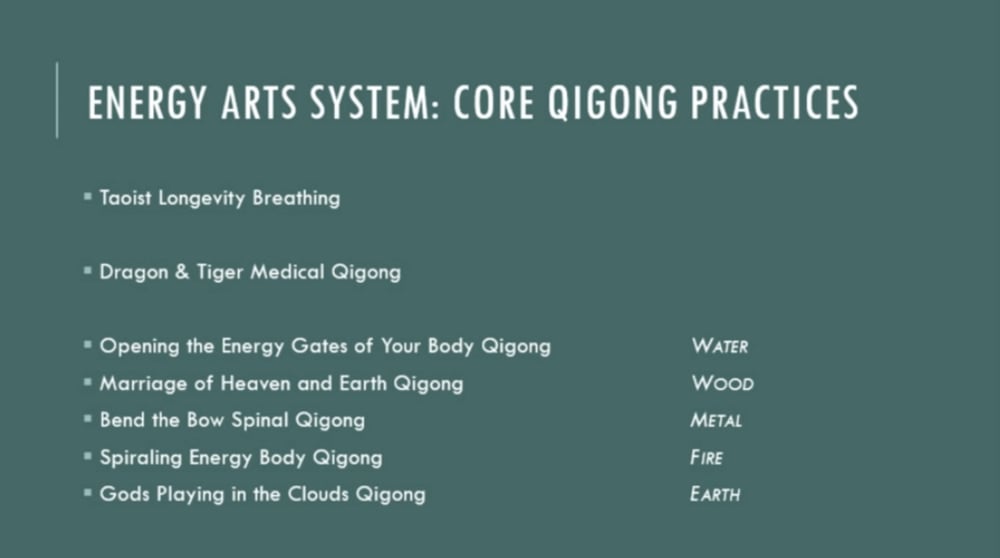
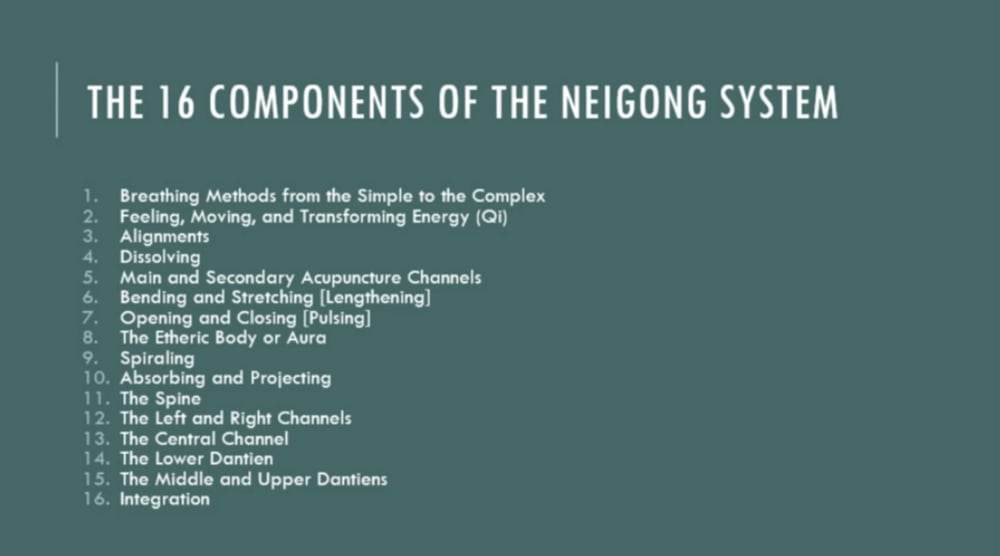
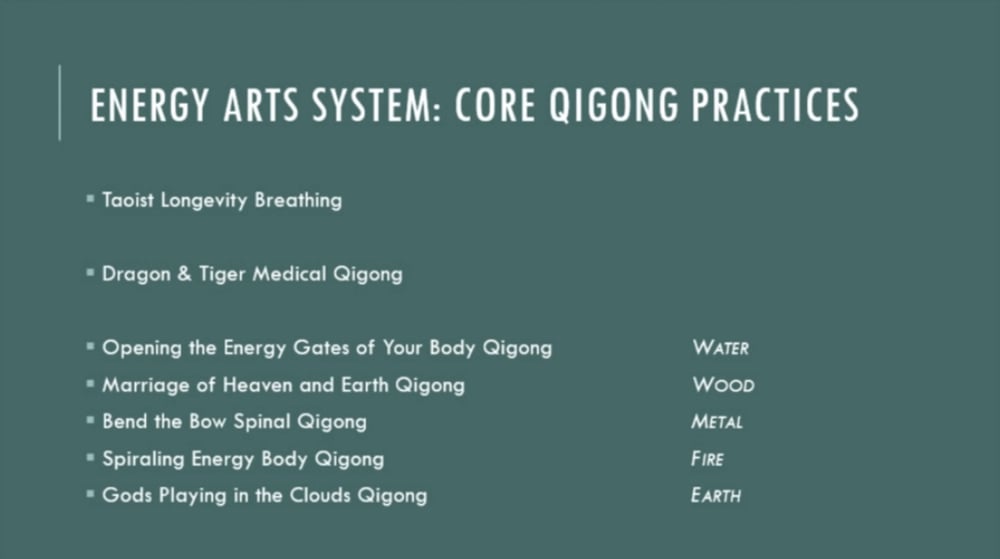
Taoist Neigong: The Internal Power of Tai Chi, Qigong, and Meditation - talk by Don Myers
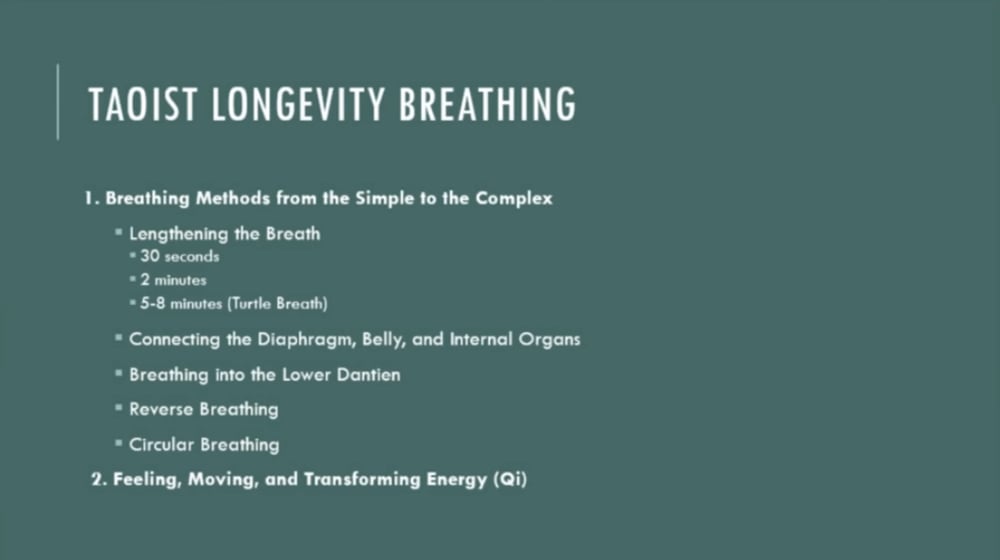
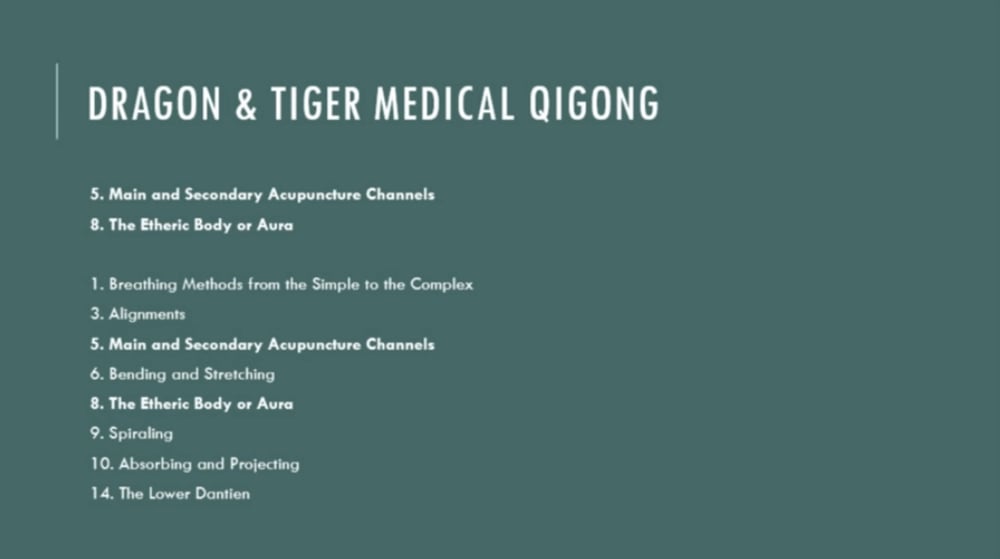
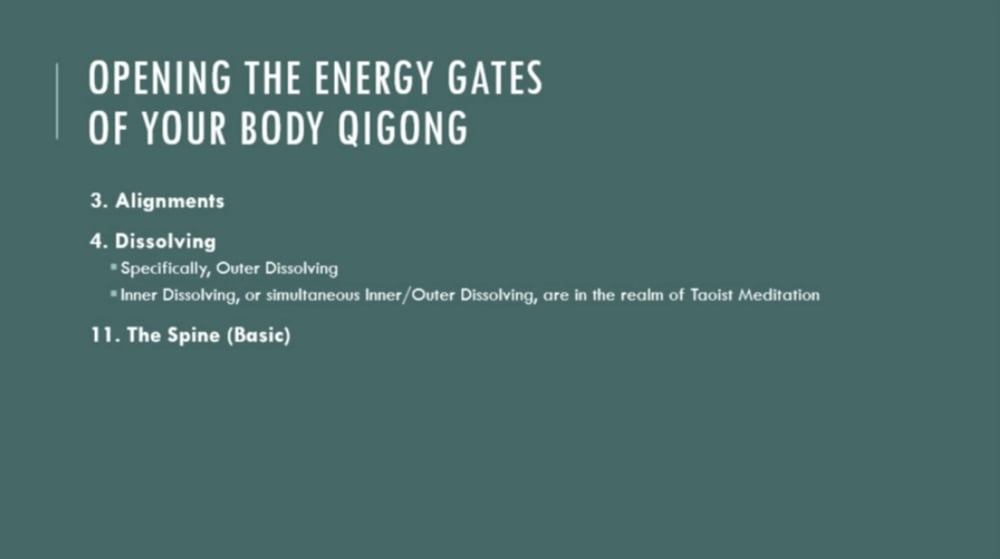
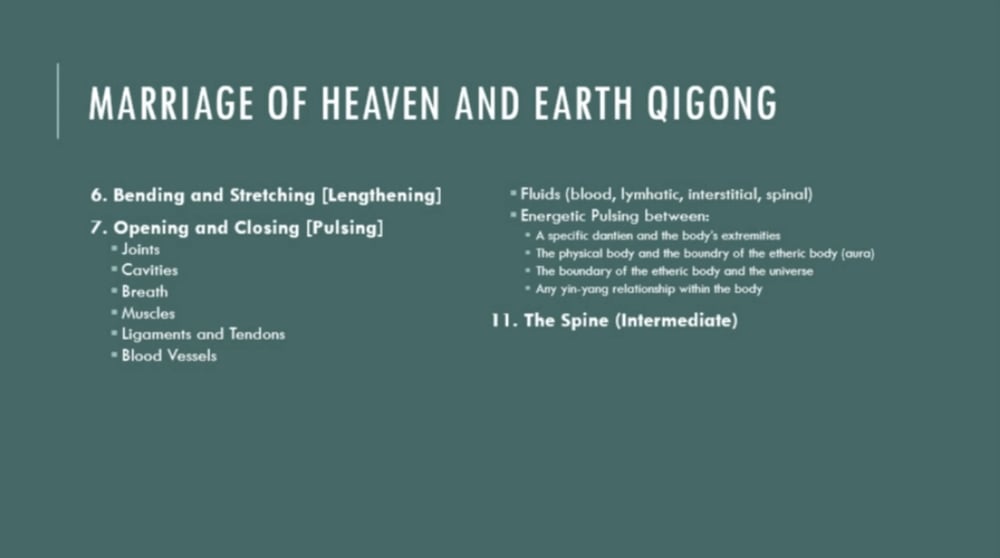
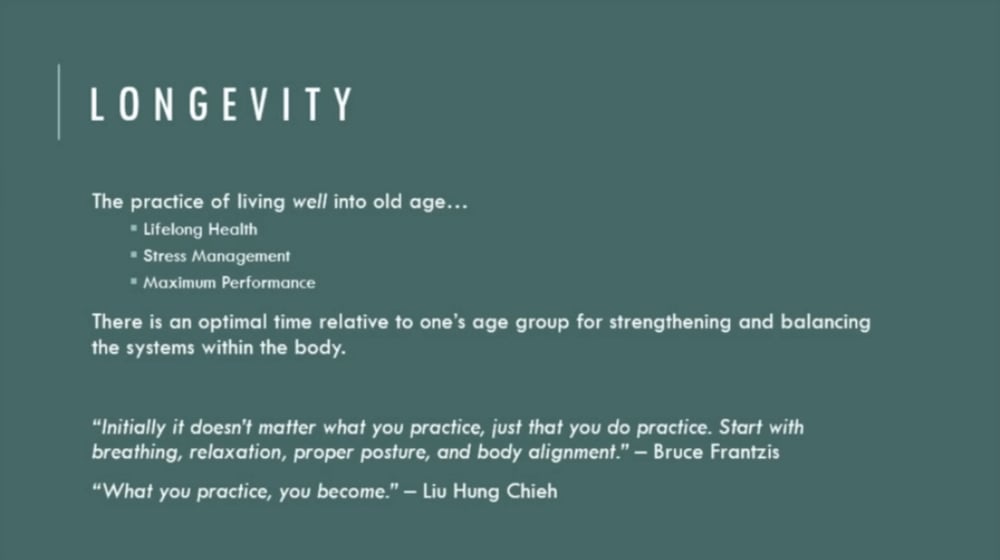
More talks by Don Myers:
- Embodying the Yin and Yang of Taoism
- Introduction to Dragon and Tiger Medical Qigong
- From Movement Comes Stillness: Tai Chi and Meditation
- The Dissolving Methods of Lao Tzu's Water Meditation Tradition
Taoist Learning: Intellectual VS. Embodied Knowledge
"Initially it doesn't matter what you practice, just that you do practice. Start with breathing, relation, proper posture, and body alignment." - Bruce Frantzis
"What you practice, you become" - Liu Hung Chieh
-
Dresden Codex
The Dresden Codex is a Mayan book, the oldest surviving from the Americas, dating to the 13th or 14th century. The codex was rediscovered in the city of Dresden, Germany, hence the book's present name. It is located in the museum of the Saxon State Library.

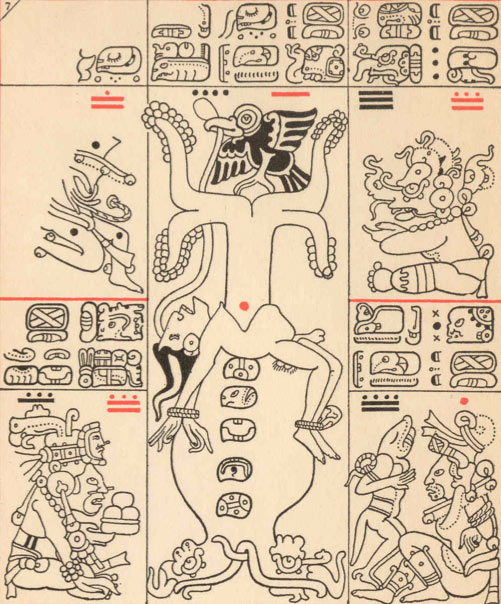


Images from "Dresden Codex, Mayan Art, and enjoying an unknowable other"
Deciphering the Maya Script - talk by Michael Coe (Yale University)
-
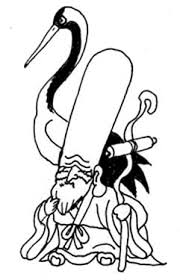
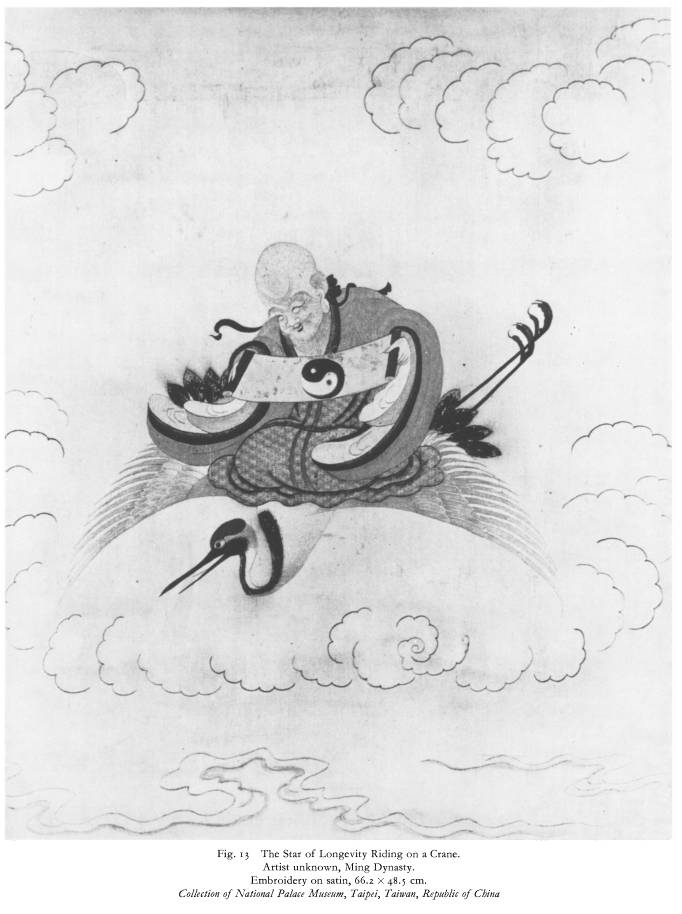
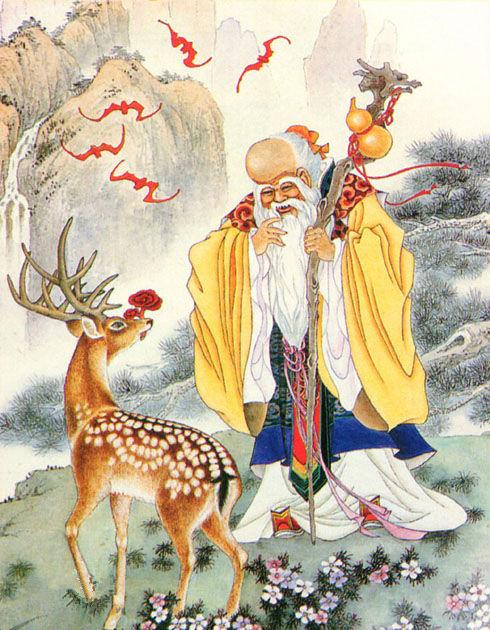
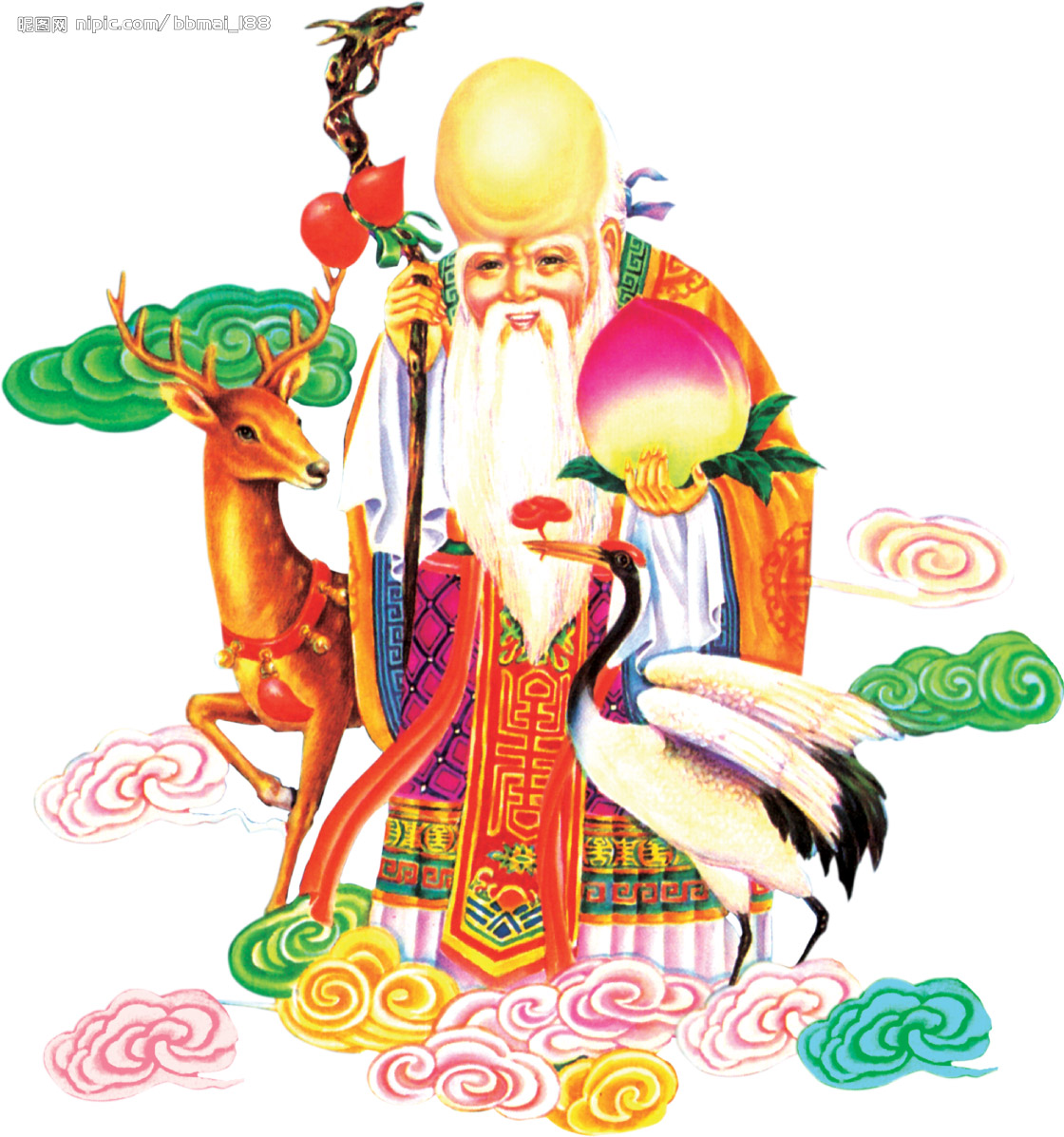
Old Man of the South Pole
Shòu Xīng (寿星), is the Star of Longevity. The earliest known record of Shòu Xīng as a deity is the Shǐ jí 史籍 (149–90 BC). We know this star as Canopus, the largest of the stars in the constellation Carina, and second brightest in the heavens. In Chinese mythology the star is known as the Old Man of the South Pole (南极老人) and is seen in the south from the Autumn Equinox through to early spring. When observed it usually has a reddish color, a symbol of happiness and longevity in China, Canopus is also known in China and its neighboring countries of Korea, Japan and Vietnam.
See this Brief Explanation and Wikipedia
Related from Japan
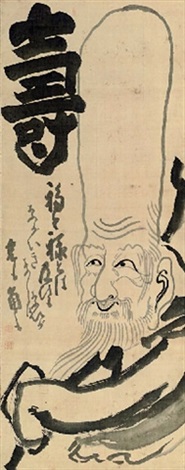
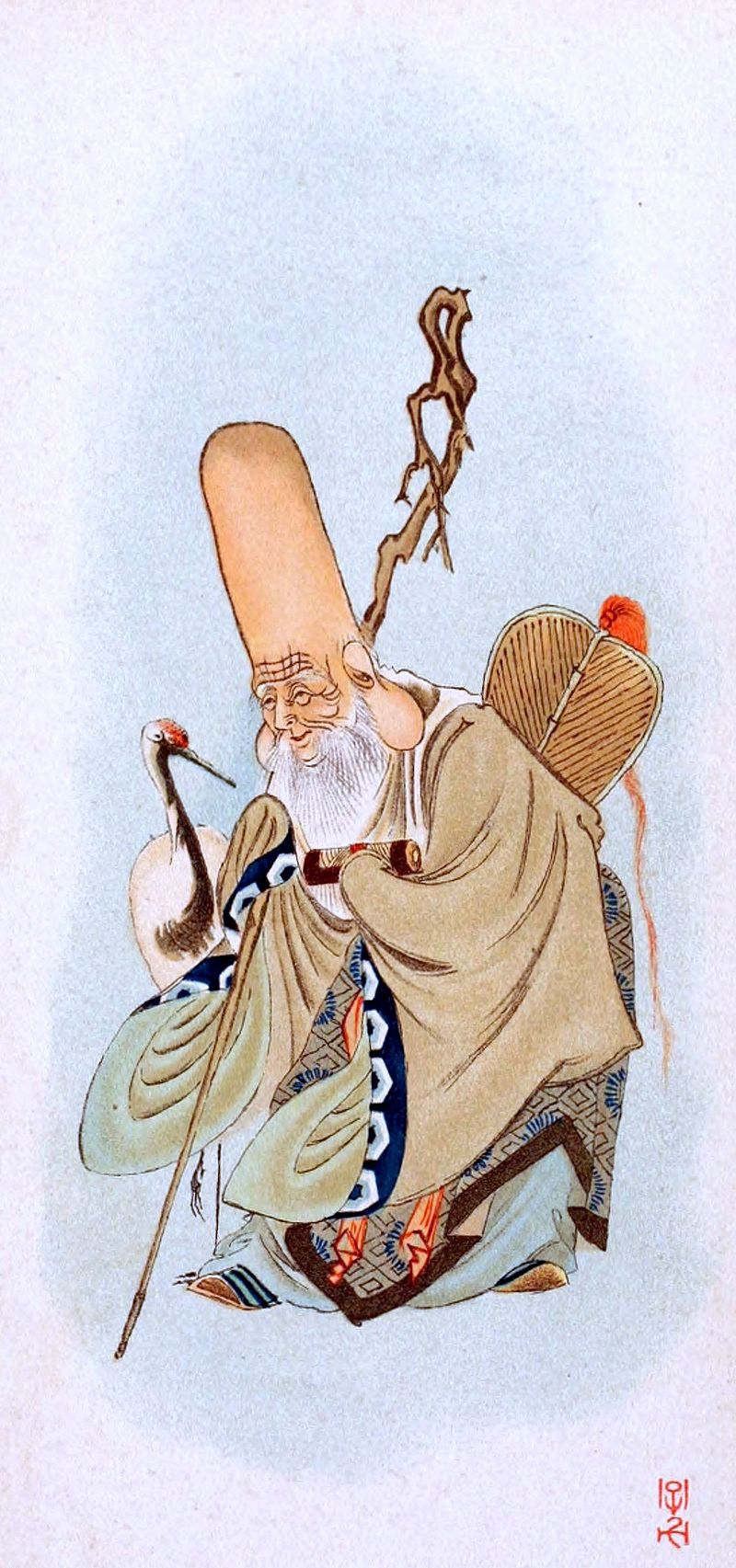
Fukurokuju (福禄寿) (from Japanese fuku, "happiness"; roku, "wealth"; and ju, "longevity") is one of the Seven Lucky Gods in Japanese mythology. Fukurokuju probably originated from an old Chinese tale about a mythical Chinese Taoist hermit sage.
Jurōjin (寿老人) is one of the Seven Gods of Fortune or Shichifukujin, according to Taoist beliefs. He is the God of longevity. Jurōjin originated from the Chinese Taoist god, the Old Man of the South Pole.

-
The Five Gentlemen With One Eye (目五先生)
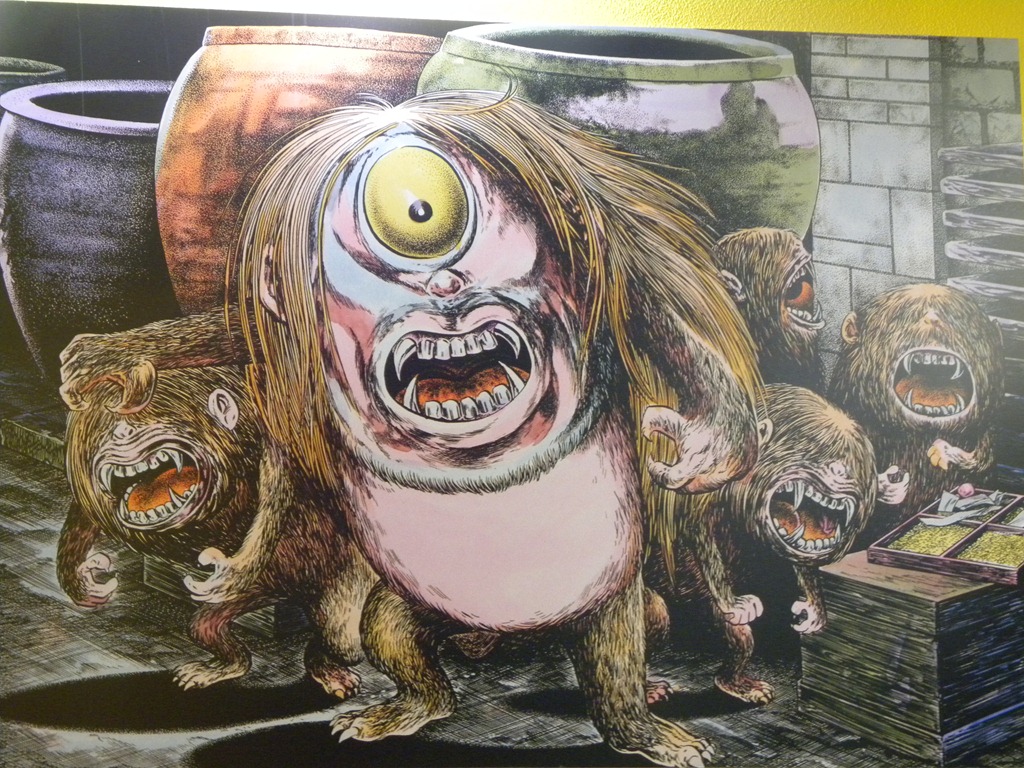
"Today we will talk about a kind of ghost in Chinese mythology called The Five Gentlemen with One Eye 一目五先生 from the book What The Master Would Not Discuss 子不语, a collection of supernatural stories compiled by Yuan Mei 袁枚 during the Qing dynasty 清朝 published in 1788."
-

"I used to think great teachers inspire you. Now I think I had it wrong. Good teachers inspire you; great teachers show you how to inspire yourself every day of your life. They don't show you their magic. They show you how to make magic of your own." - Alfred Doblin
-
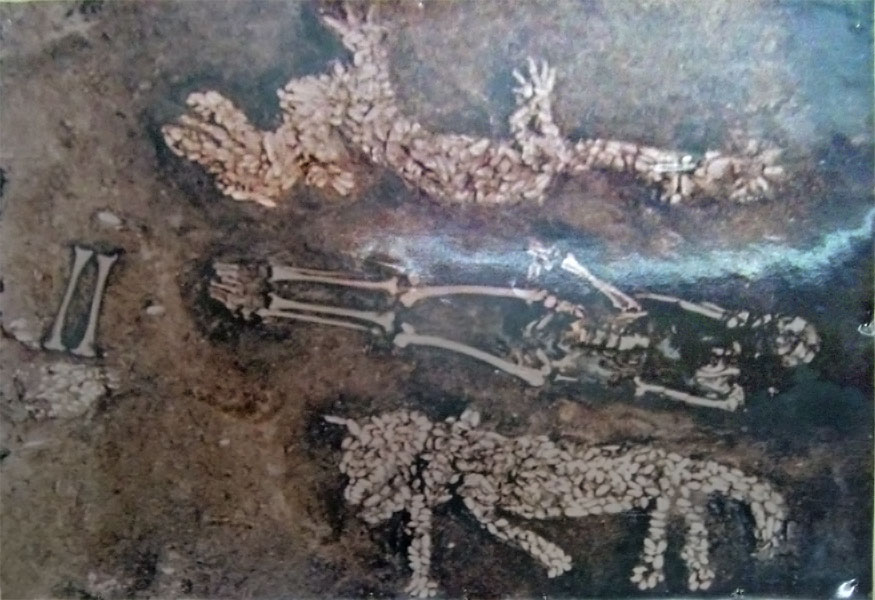
Photo from "Handbook of Chinese Mythology" - by Yang Lihui and An Deming. Archaeological evidence from the Xishuipo excavation "The figure of the dragon appeared within the modern boundaries of China at least 6,000 years ago. In 1987, at Xishuipo Cemetary Ruins in Puyang County, Henan Province, figures of a dragon and a tiger were unearthed in a tomb. Both of them were made from numerous shells. The dragon measured 1.78 meters (nearly 6 feet) in length and 0.67 (2.2 feet) in height. Dating back to over 6,400 years, it is presently the earliest image of a dragon uncovered in Chinese archeology. "
Found via "Dragons as Water Spirits" > found via "Dragon & Tiger - The Hun & Po Souls in Theory & Practice". #History #Science #Religion #Magic #Culture #China
-
Paranormal Communism - From the Biography of Gleb Bokii (1879–1937), the chief Bolshevik cryptographer and one of the bosses of the Soviet secret police:
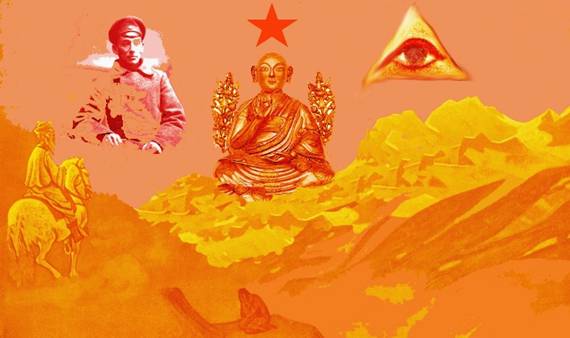
"Inspired by Theosophical lore and several visiting Mongol lamas, Bokii along with his writer friend Alexander Barchenko, embarked on a quest for Shambhala, in an attempt to merge Kalachakra-tantra and ideas of Communism in the 1920s. Among other things, in a secret laboratory affiliated with the secret police, Bokii and Barchenko experimented with Buddhist spiritual techniques to try to find a key for engineering perfect communist human beings. They contemplated a special expedition to Inner Asia to retrieve the wisdom of Shambhala – the project fell through as a result of intrigues within the Soviet intelligence service, as well as rival efforts of the Soviet Foreign Commissariat that sent its own expedition to Tibet in 1924."
See as well this interview with Professor Andrei Znamenski, talking about his latest book, "Red Shambhala", with Professor Guiomar Dueñas-Vargas. (book review here and here)
More here on topic of "Shambhala Researchers" here, including a fun line-up of strangers in strange land, such as Roman von Ungern-Sternberg (see the book "The Bloody White Baron"), Sándor Kőrösi Csoma, Nicolas Roerich, Alexandra David-Neel and many more.
-
“If you wish to meet yourself, observe your thoughts and reactions under unusual circumstances.” ~ Idries Shah
“When you do the common things in life in an uncommon way, you will command the attention of the world.” - George Washington Carver

-
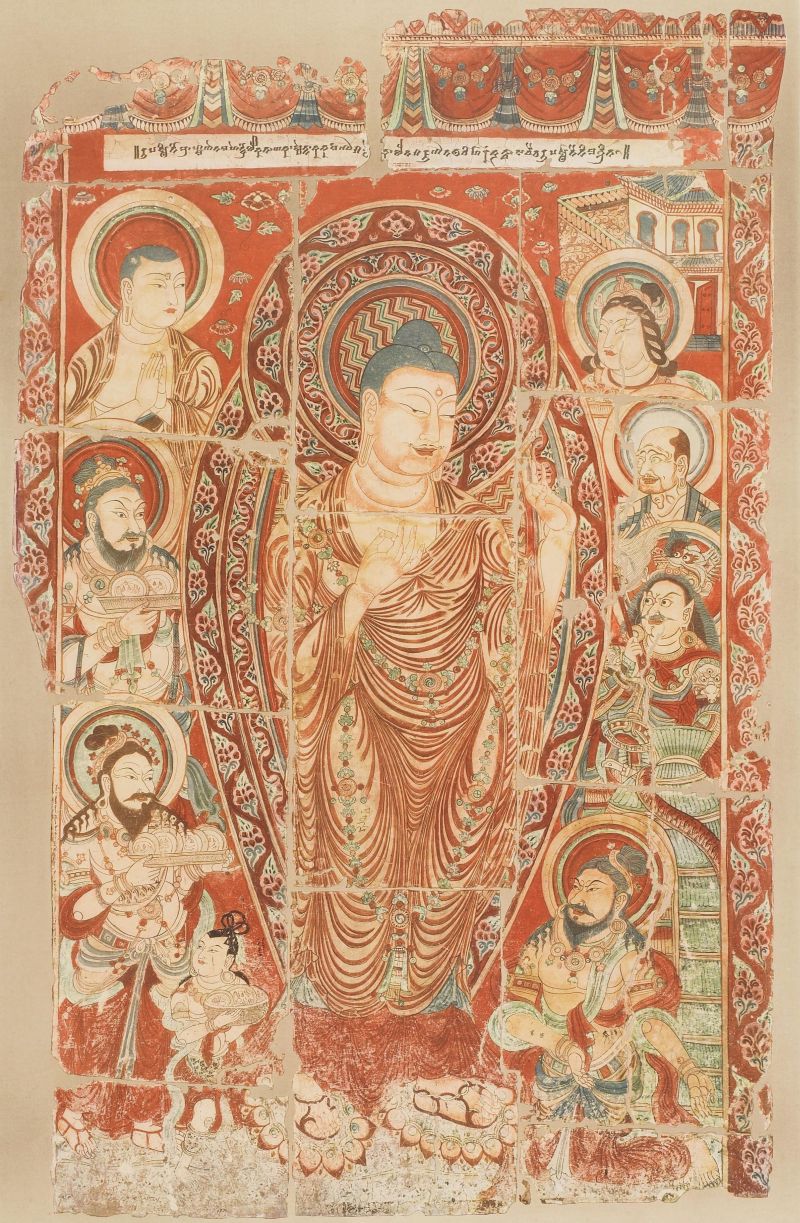
Photo from the book "Mythology of Buddhism in Tibet and Mongolia" (1900) - by Albert Grünwedel (1856 - 1935) (more photos)
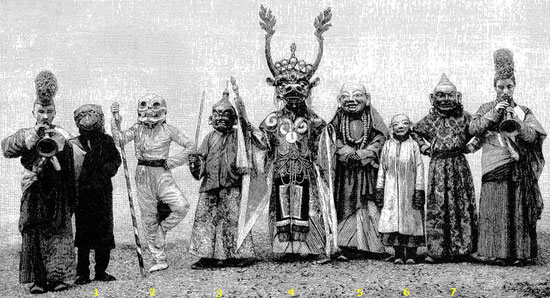
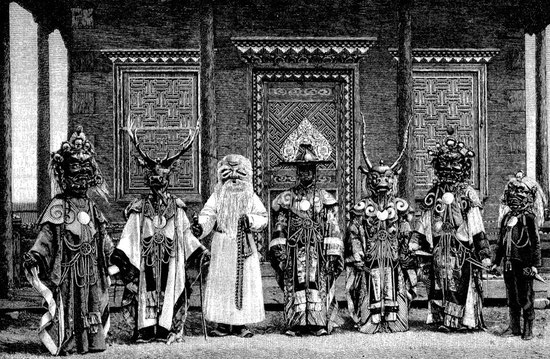

The story of the author: "Wie drei Deutsche eine ganze Zivilisation entdeckten" (DE only)
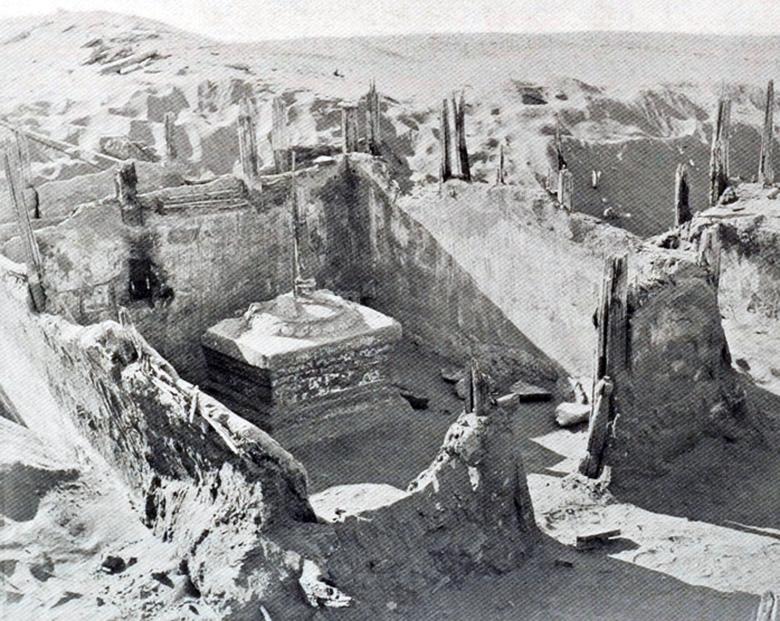
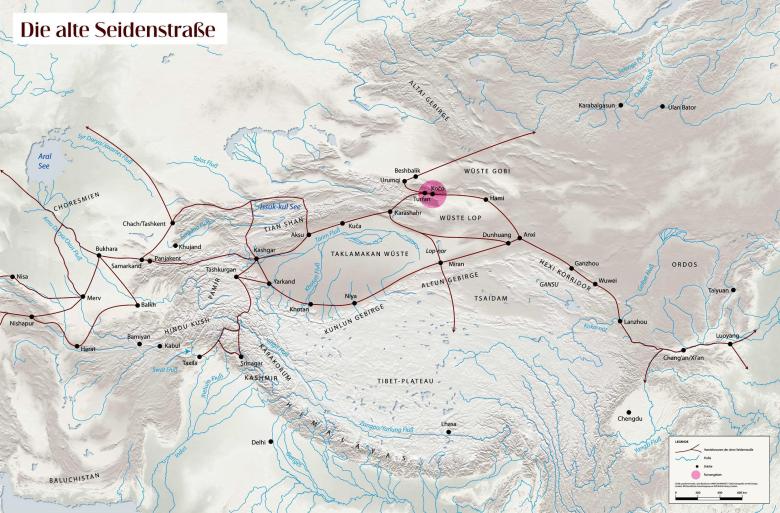
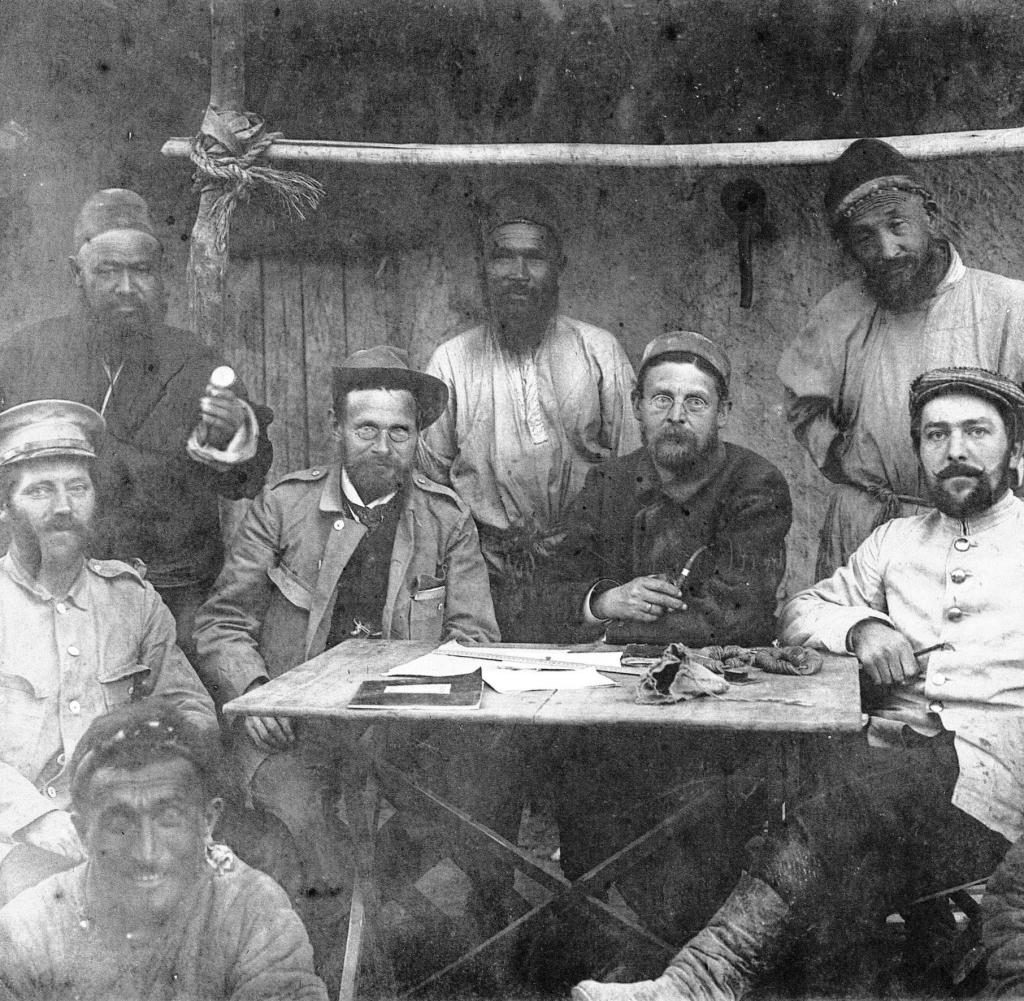
Art from Gaochang (Xinjiang, China), published by Albert von Le Coq (1860 - 1930) (via)


-
Li Ching-Yuen (李清雲) - Qigong Master who lived a very long life
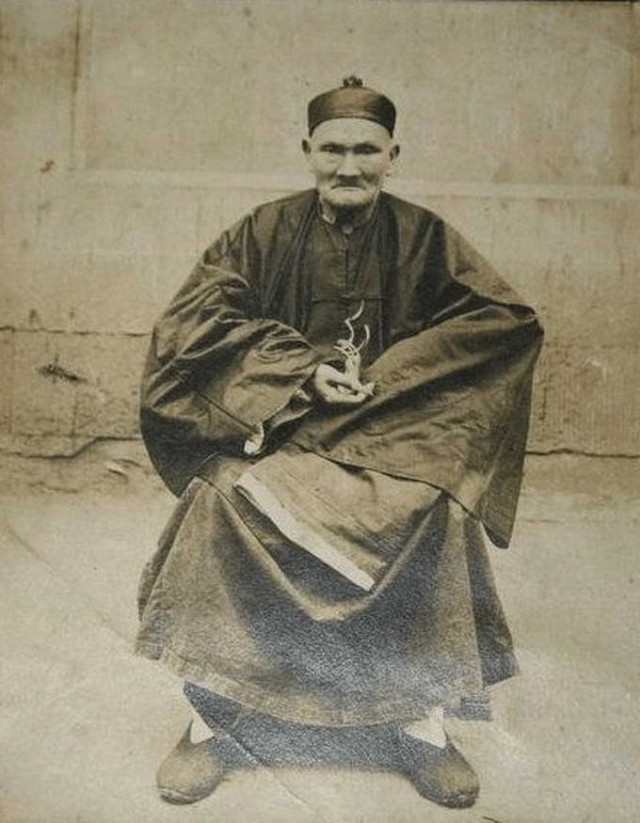
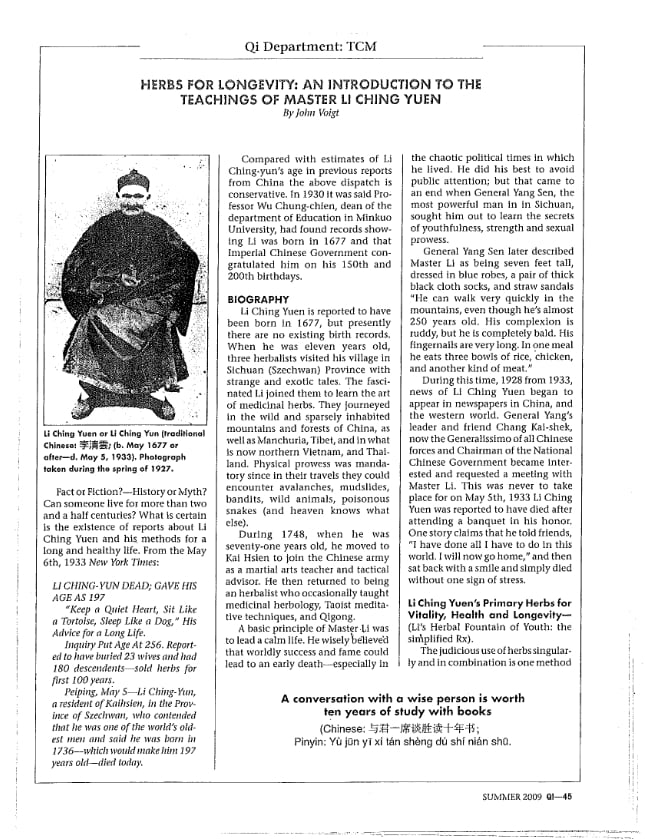
Li Ching-Yuen (simplified Chinese: 李清云; traditional Chinese: 李清雲) (1677 or 1736 – 6 May 1933) was a Chinese herbalist, martial artist and tactical advisor, known for his supposed extreme longevity. He claimed to have been born in 1736, while disputed records suggest 1677, implying an age at death of 197 or 256 years. Li Ching-Yuen spent most of his life in the mountains and was skilled in Qigong. He worked as an herbalist, selling lingzhi, goji berry, wild ginseng, he shou wu and gotu kola along with other Chinese herbs, and lived off a diet of these herbs and rice wine. He died from natural causes on 6 May 1933 in Kai Xian, Sichuan, China and was survived by his 24th wife, a woman of 60 years. Li supposedly produced over 200 descendants during his life span, surviving 23 wives.
After his death, General Yang Sen wrote a report about him, A Factual Account of the 250 Year-Old Good-Luck Man (一个250岁长寿老人的真实记载), in which he described Li's appearance: "He has good eyesight and a brisk stride; Li stands seven feet tall, has very long fingernails, and a ruddy complexion." General Yang became his disciple, practicing his teaching until the end of his life. In 1927 he invited him to his residence in Wanxian, Sichuan. The Tai Chi Chuan Master T. T. Liang (Liang Tung Tsai) learned from General Yang the practice of the "Eight Brocade Qigong". His student Stuart Alve Olson wrote in 2002 the book "Qigong Teachings of a Taoist Immortal: The Eight Essential Exercises of Master Li Ching-Yun", taking General Yang's report as reference. Some praticants of Jiulong Baguazhang, also known as Nine Dragon Eight Diagram Palm, claims that it was conceived by Li Ching-Yuen.
Longevity
Whereas Li Ching-Yuen himself claimed to have been born in 1736, Wu Chung-chieh, a professor of the Chengdu University, asserted that Li was born in 1677; according to a 1930 New York Times article, Wu discovered Imperial Chinese government records from 1827 congratulating Li on his 150th birthday, and further documents later congratulating him on his 200th birthday in 1877. However, gerontological researchers have viewed the age claim with extreme skepticism; the frequency of invalid age claims increases with the claimed age, rising from 65% of claims to ages 110–111 being invalid, to 98% of claims to being 115, with a 100% rate for claims of 120+ years.
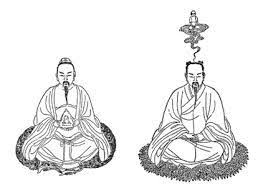
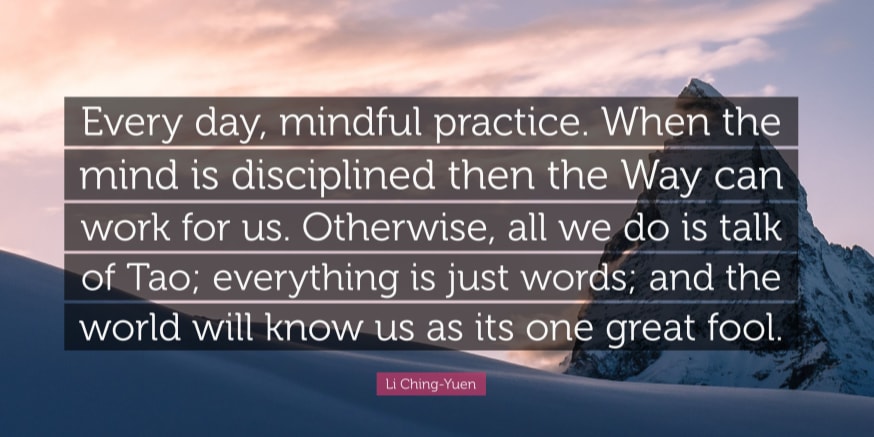
One of Li's disciples, the Taijiquan Master Da Liu, told of his master's story: when 130 years old Master Li encountered in the mountains an older hermit, over 500 years old, who taught him Baguazhang and a set of Qigong with breathing instructions, movements training coordinated with specific sounds, and dietary recommendations. Da Liu reports that his master said that his longevity "is due to the fact that he performed the exercises every day – regularly, correctly, and with sincerity – for 120 years."
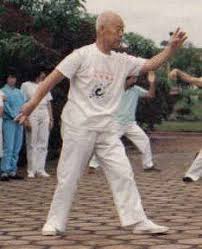
Master Liu Pai Lin (劉百齡) The Taoist Master Liu Pai Lin (劉百齡), who lived in São Paulo, Brazil from 1975 until 2000, had in his classroom another photograph of Master Li Ching Yuen unknown to the West. In this photo his face is clearly visible, as are his long and curled fingernails. Master Liu had met him personally in China, and considered him as one of his Masters. He used to say that Master Li answered to him that the fundamental taoist practice is to learn to keep the “Emptiness” (Wuji). Master Liu’s son, Master Liu Chih Ming, teaches the 12 Silks Qigong in CEMETRAC, as transmitted by Master Li.
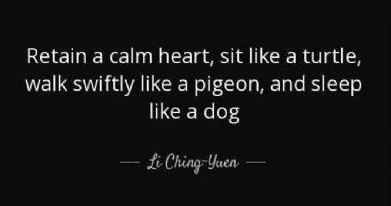
The article "Tortoise-Pigeon-Dog", from the 15 May 1933 issue of Time reports on his history, and includes Li's answer to the secret of a long life:
- Keep a quiet heart
- Sit like a tortoise
- Walk sprightly like a pigeon
- Sleep like a dog
Following from "The Legend of Li Qingyun Meets Scientific Life Span Experiments":
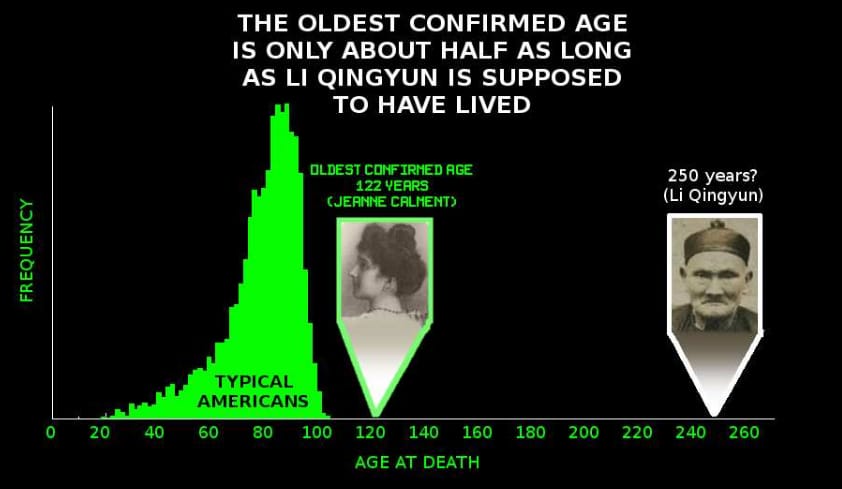
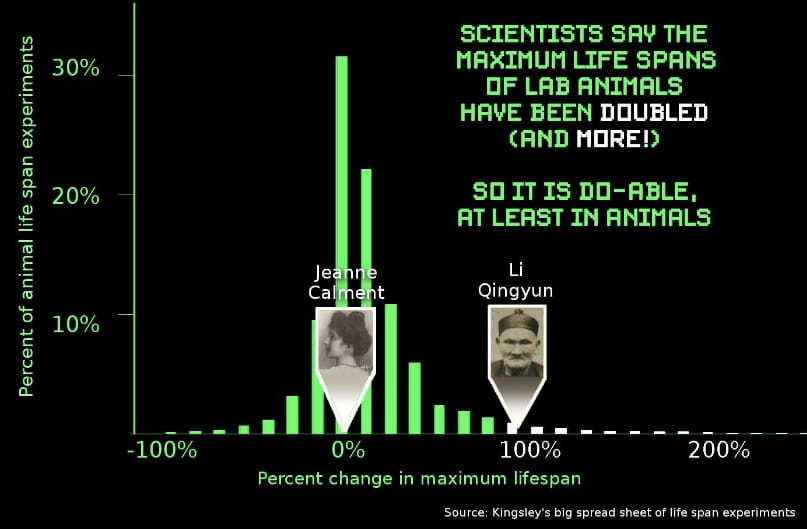

- Li Qingyun advised against feeling too happy
- Li Qingyun advised against drinking wine
- Li Qingyun meditated
- Li Qingyun ate rice
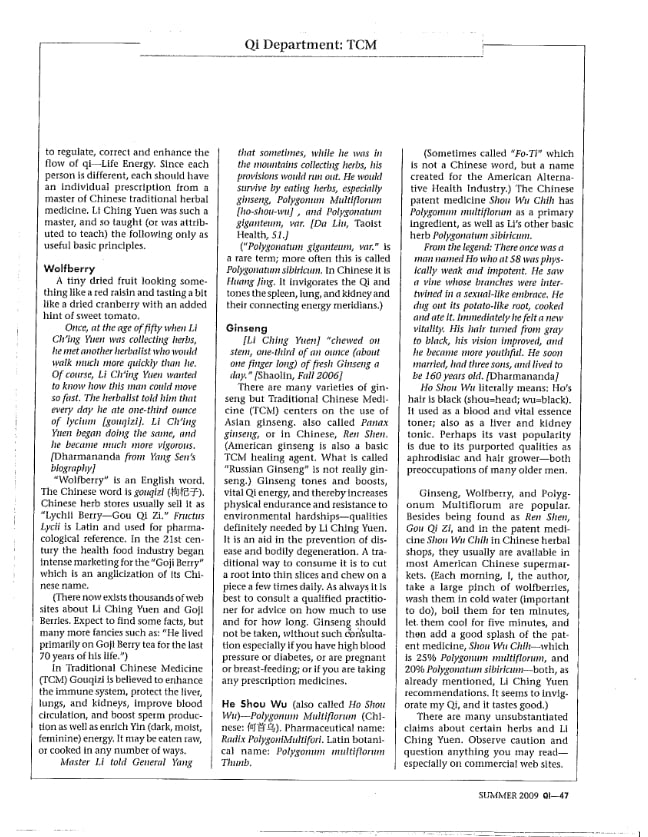
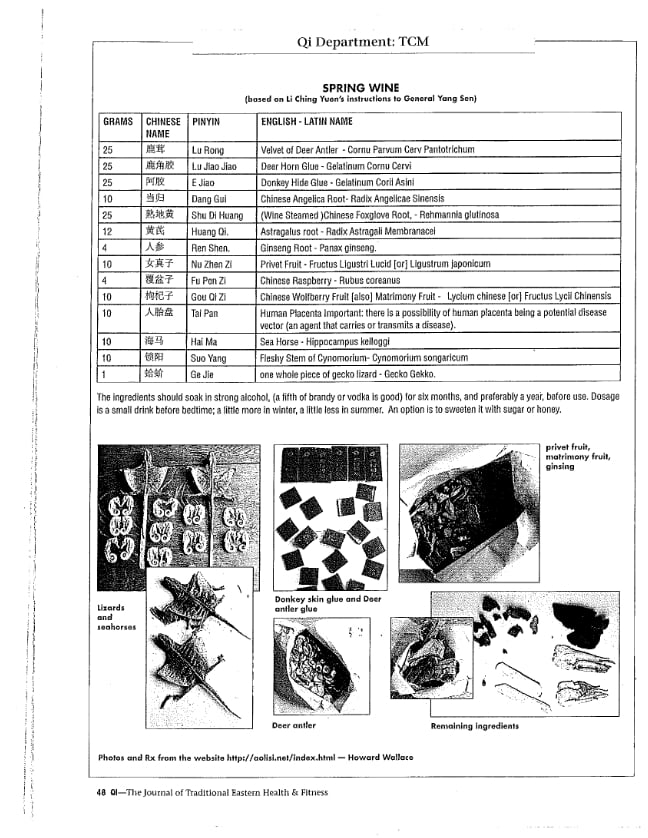
- Li Qingyun ate herbs
- Li Qingyun had plenty more tips for living longer.They included: Diet, exercise, sleep, religion, education, relaxing, living in remote areas, and occasionally going hungry.
Books:
- Qigong - The secret of youth - Da Mo’s Muscle/Tendon Changing and Marrow/Brain Washing Classics - by Dr. Yang, Jwing-Ming
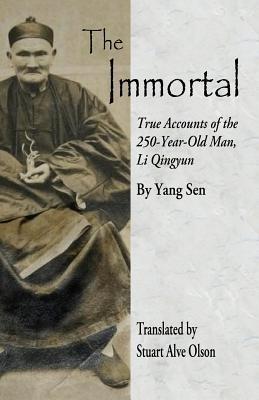
- The Immortal: True Accounts of the 250-Year-Old Man, Li Qingyun - by Yang Sen, Stuart Alve Olson
- The Jade Emperor's Mind Seal Classic: The Taoist Guide to Health, Longevity, and Immortality - by Stuart Alve Olson
- Blog post on Li Qingyun in Chinese
Related