tag > Mindful
-
“The best time to plant a tree was 20 years ago. The second best time is now.” – Chinese Proverb
-
“Don’t fool around with the masks of reality until you can handle the reality of masks.” - Robert Anton Wilson (Cosmic Trigger 3: My Life After Death)
-
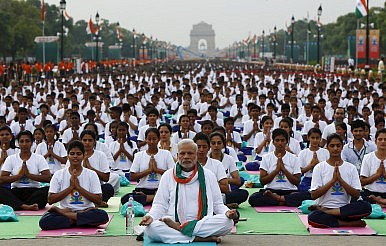
In this article, I will elucidate the Indian government’s two primary discourses concerning yoga since 2014 as right-wing Hindu Nationalist Prime Minister Narendra Modi and his Hindu Nationalist political party, the Bharatiya Janata Party (BJP), have interacted with both international and domestic audiences. These discourses can be broadly grouped into two categories, or what I refer to as Modi and the BJP’s “double discourse”: (1) Yoga as a global soft power solution to counter the Global North’s climate change privilege on the international stage and (2) Yoga as biopower for the advancement of India’s depressed economy on the domestic front. Relying on yoga’s polyvalent character, Modi and the BJP are able to frame yoga in these two particular ways—which together signal their commitment to neoliberal economic ideology—by drawing from historical and contemporaneous precedents which I also outline in the article. I conclude with a brief visit to the preparations for the BJP’s 2019 International Day of Yoga, where this double discourse becomes most evident in the two divergent themes announced for the event.
-
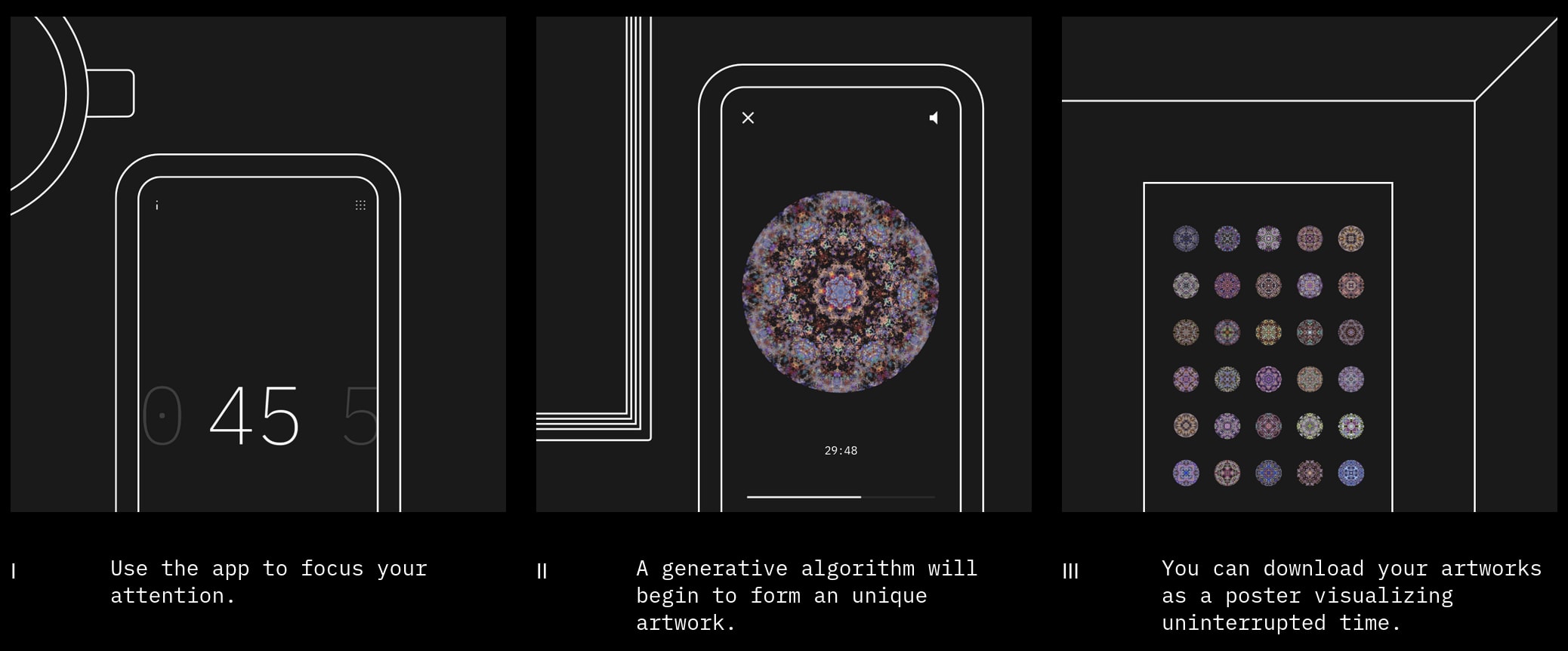
Introvert app is an audiovisual experience that encourages you to do, to focus, or to relax while a generative algorithm creates an unique artwork. Attention, the ability to pay it and where it is directed, is the most valuable tool, the most accurate compass in navigating through reality. Ultimately it will dictate whether one feels in charge of ones´ reality or helplessly drowned in a ceaseless stream of noise. Are you still paying attention?
-
A Short Dhamma Talk on Corona from an 80 year old monk
Old Student: How can Vipassana help in an uncertain and fearful time like this Covid-19 viral pandemic and attendant hysteria?
Response: A virus is contagious. Likewise fear is contagious as well. We may become carriers of the virus, we don’t have to be carriers of fear.
Arresting our own inner fears so that we do not become carriers of it is a significant contribution Vipassana yogis can make to all those around us at this time.
Media inundates us with fear-mongering. At every turn, obsessive fear of impending doom from without and within clouds us, impedes right understanding and leads to wrong decisions and even to paralysis where we don’t know what to do to protect ourselves. This triggers our own inner fears and insecurities.
In the course of Vipassana practice, we have the chance to arrest, attenuate and ultimately eradicate fear. But this is only possible via our practice of Vipassana: when fear arises we remain in sampajjañña. In other words, while meditating when worry, fear or dread arises in the mind in the form of thoughts and emotions it is critical that we remain aware of the accompanying sensations recognizing their inescapable evidence of impermanence. The more we become adept at doing this the more we undo the tendency of mind to dwell and react upon counter-productive ideation that produces nothing but suffering and unhappiness.
Epidemics, pandemics shouldn’t distract us from these fundamentals. As human beings, throughout our lives we will cycle incessantly between good and bad health, wellness and sickness, until we die. Ignorant wild swings of behavior accompany the extremes of each: in youthful exuberance, we blithely feel carefree and take risks thinking ourselves somehow immortal. As adults in the throes of illness, we over-react with despair thinking our suffering is somehow unique and interminable. “Yikes, it must be cancerous. Yikes, surely I’ve got the Covid-19 virus !” The hallmark of each of these extremes is the absence of the awareness of the truth of impermanence. Dhamma practice is the only remedy to correct and undo the effects of this deep-seated ignorance.We are going to become ill at some point and we will recover until we don’t. Reasonable precautions to safeguard health by definition are those undertaken with a balanced mind. We obtain a balanced mind increasingly when we purify it with the practice of Vipassana/sampajjañña.
With Mettā. -
Meditation may have shaved 8 years of aging off Buddhist monk's brain (Livescience)
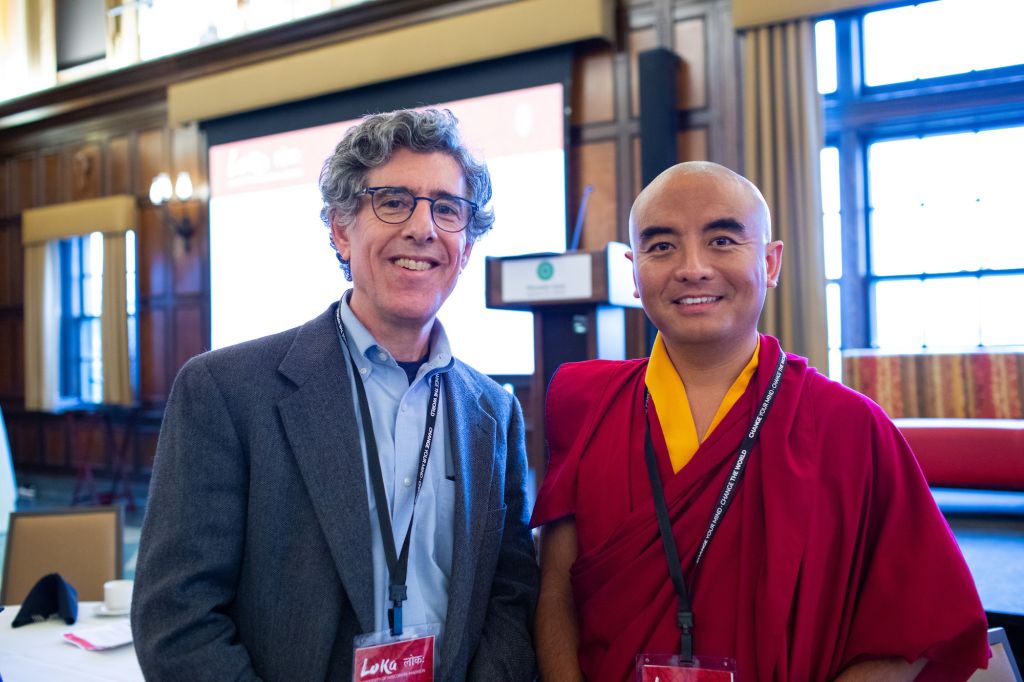
Analysis of the brain of a Tibetian Buddhist monk showing that his 41-year-old brain actually resembles that of a 33-year-old. The monk, Yongey Mingyur Rinpoche (YMR), a renowned meditation practitioner and teacher, began meditating at age 9. The findings add to a growing pile of evidence "that meditative practice may be associated with slowed biological aging," the researchers wrote in the case study, published online Feb. 26 in the journal Neurocase.
-
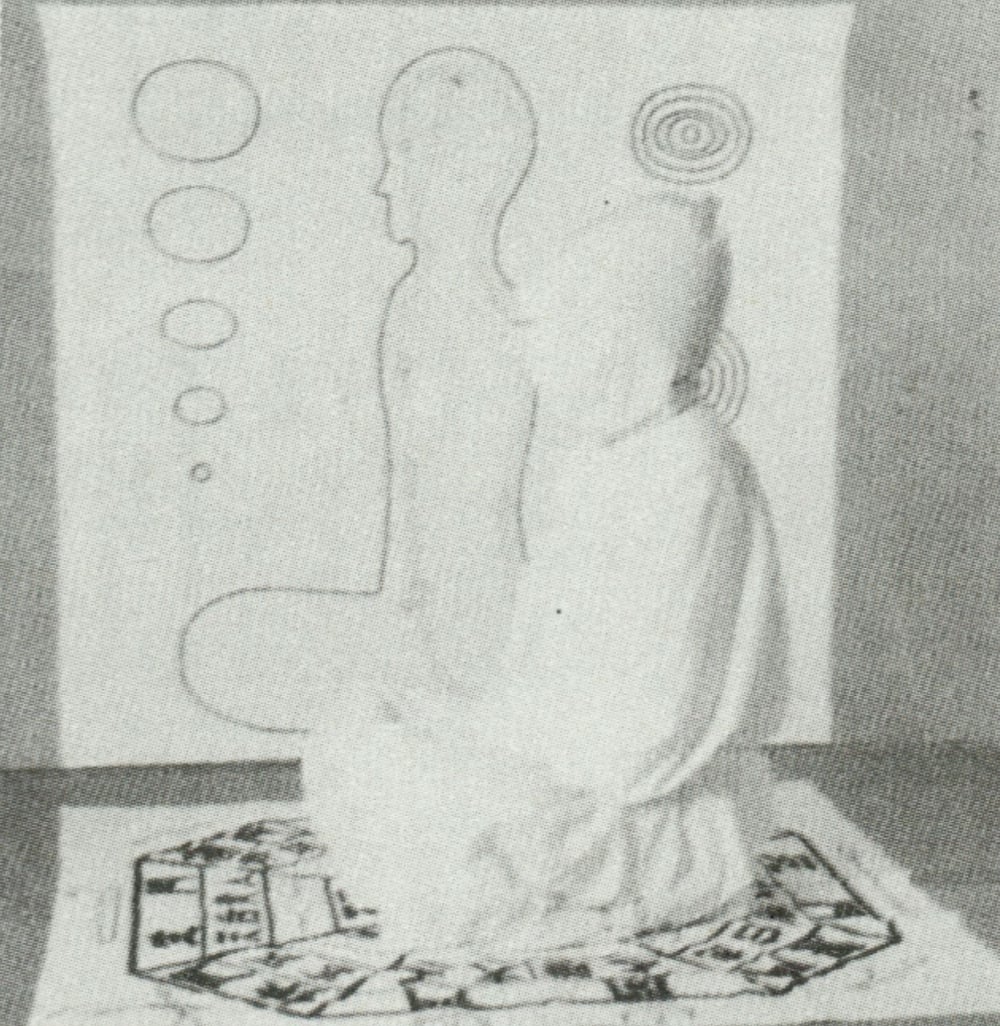
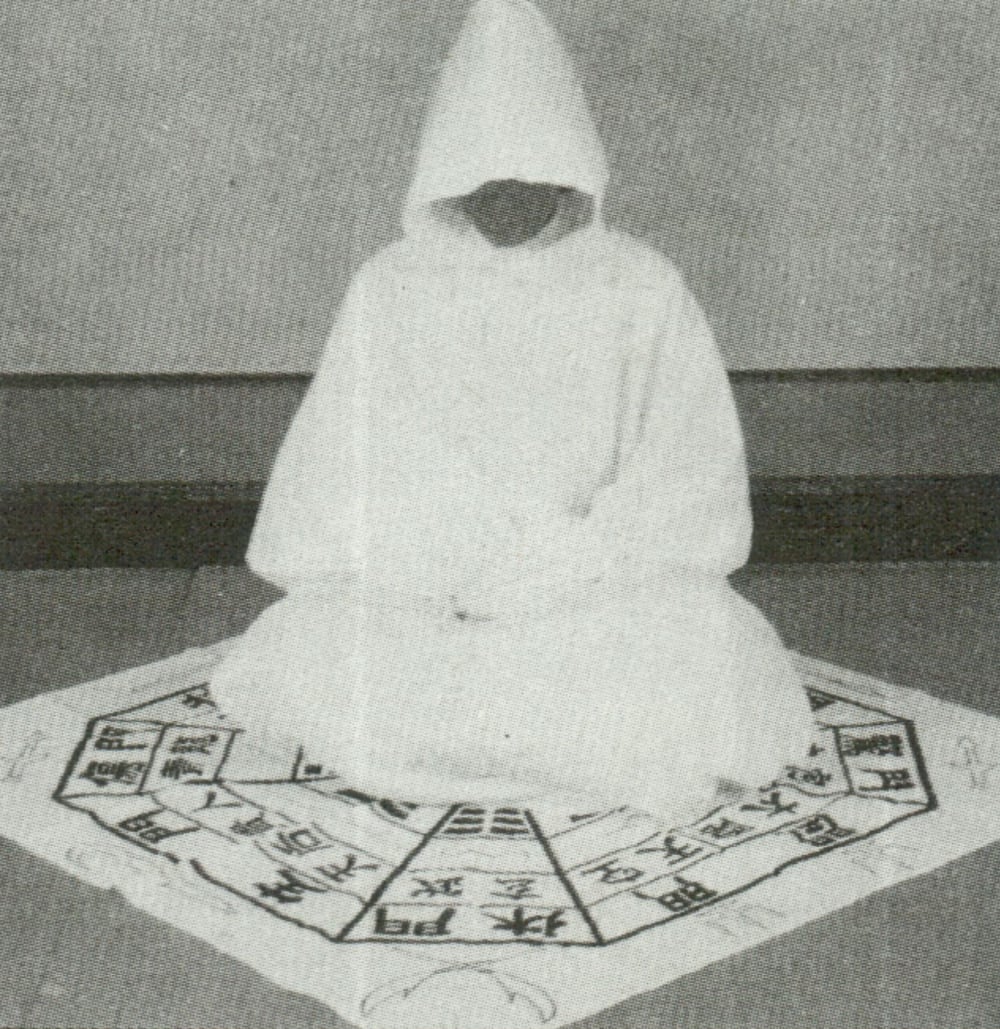
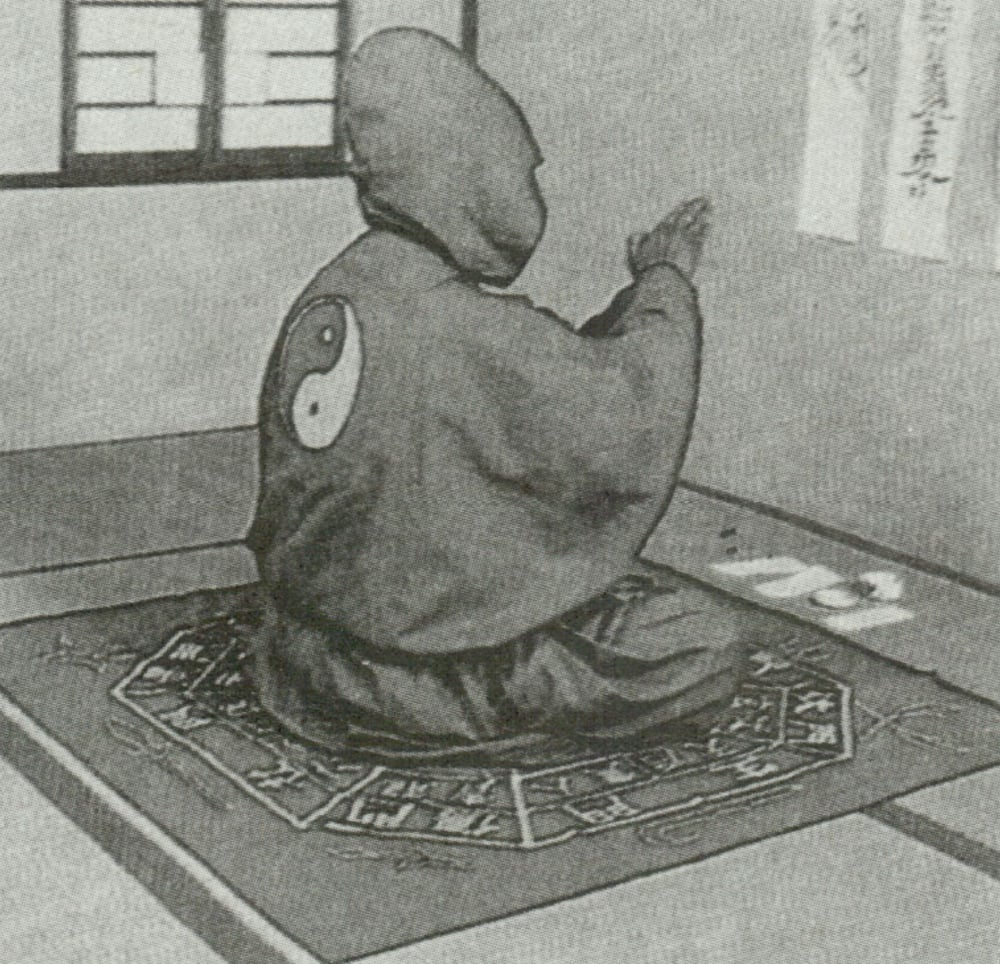
“Those who know do not speak. Those who speak do not know.” ― Lao Tsu, Tao Te Ching
-
"Slow science was pretty much the only science conceivable for hundreds of years; today, we argue, it deserves revival and needs protection. Society should give scientists the time they need, but more importantly, scientists must take their time. We do need time to think. We do need time to digest. We do need time to misunderstand each other, especially when fostering lost dialogue between humanities and natural sciences. We cannot continuously tell you what our science means; what it will be good for; because we simply don’t know yet. Science needs time."
-
Breathing is coupled with voluntary action and the cortical readiness potential (Nature)
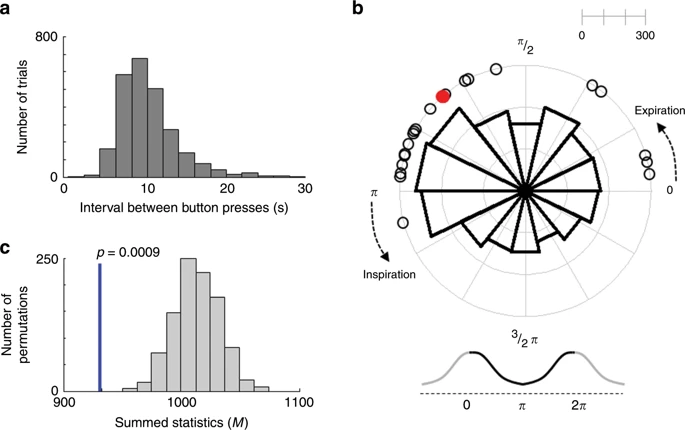
Abstract: Voluntary action is a fundamental element of self-consciousness. The readiness potential (RP), a slow drift of neural activity preceding self-initiated movement, has been suggested to reflect neural processes underlying the preparation of voluntary action; yet more than fifty years after its introduction, interpretation of the RP remains controversial. Based on previous research showing that internal bodily signals affect sensory processing and ongoing neural activity, we here investigated the potential role of interoceptive signals in voluntary action and the RP. We report that (1) participants initiate voluntary actions more frequently during expiration, (2) this respiration-action coupling is absent during externally triggered actions, and (3) the RP amplitude is modulated depending on the respiratory phase. Our findings demonstrate that voluntary action is coupled with the respiratory system and further suggest that the RP is associated with fluctuations of ongoing neural activity that are driven by the involuntary and cyclic motor act of breathing.
-
#Comment on Headspace founder Andy Puddicombe's "mind full" PR video
"These teachings have come from somewhere else, there are not mine, and all I'm doing is kind of sharing it with you" - Sure Andy, all you are doing is sharing it... while making an obscene amount of money with your company headspace, which successfully packaged the age old practice of meditation as yet another product for bored western consumers during late capitalism. Bravo, it's great comedy for sure! Extra brownie points for the choice of music in your PR videos (cause nothing says "mindfulness" quite like upbeat trendy electronic dance music...) and sneaking in your political opinions about Tibet (of course, "mindfully" presented as objective facts)