tag > Mindful
-
Heart Sutra Reflections
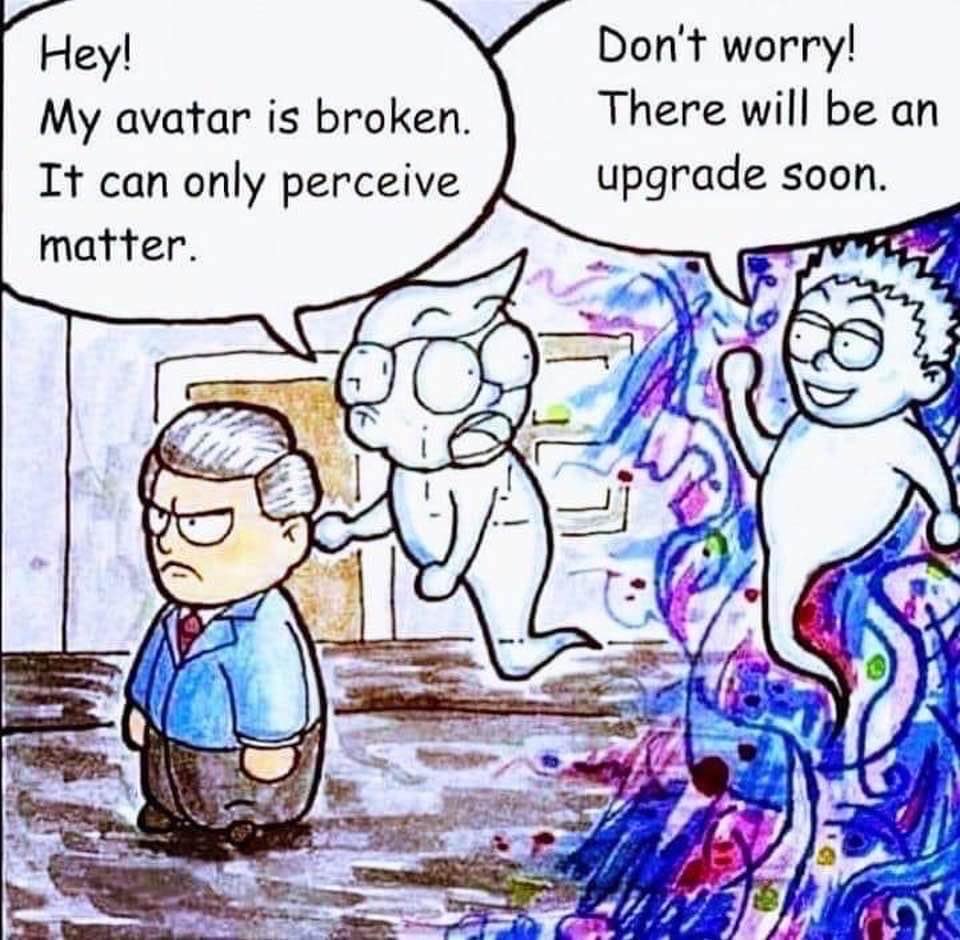
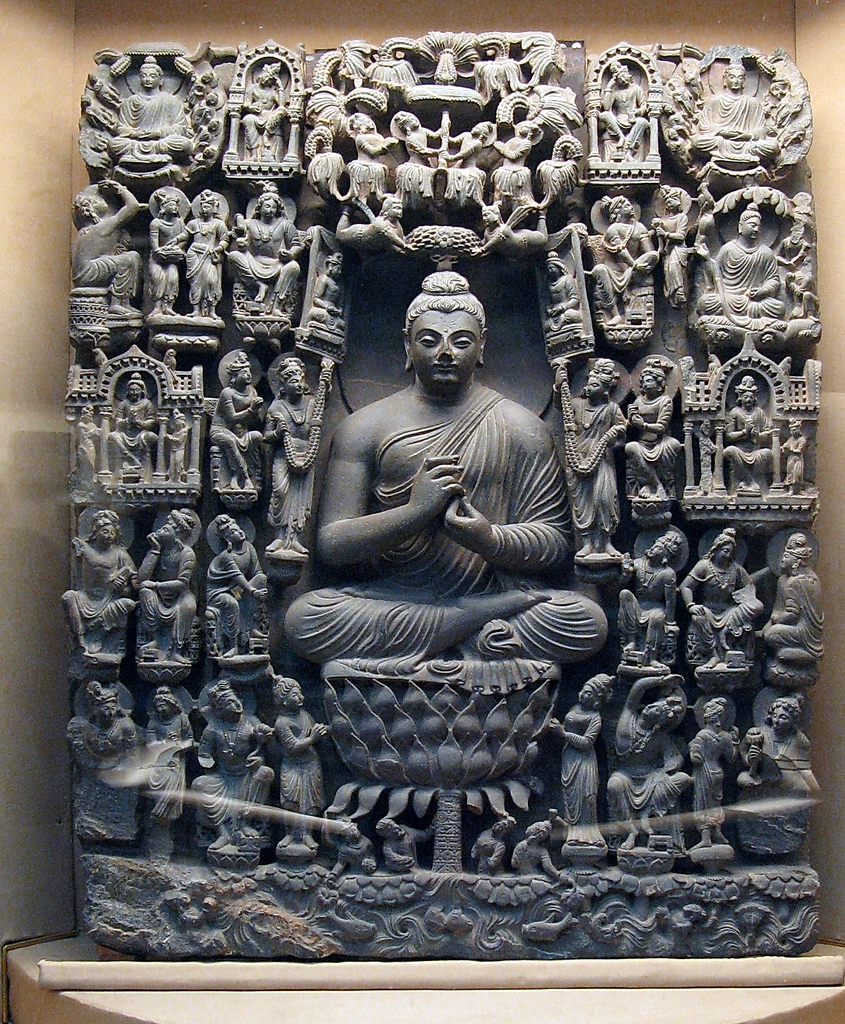
Bodhisattvas have reached the point where neither attainment nor non-attainment has any meaning. Bodhisattvas not only see through delusion concerning the existence of Sansara, they also see through delusions concerning the existence of Nirvana. But that is not all. Bodhisattvas also see through delusions concerning the non-existence of Nirvana, for existence and none-existence are terms in a dialectic that does not apply to what is beyond all duality.
-
Mumonkan - The Gateless Barrier: Version1, Version2 (PDF's)
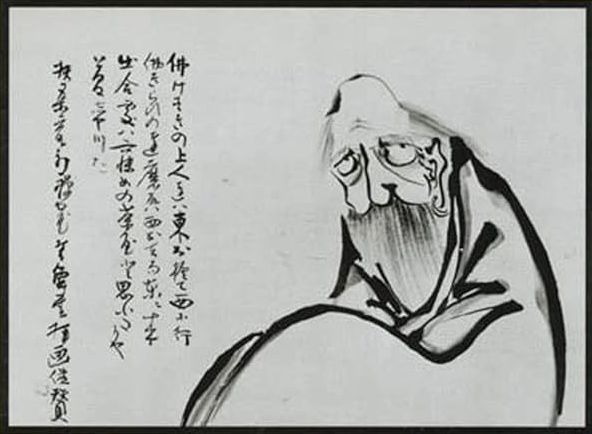
The Wu-men-kuan, better known in its Japanese pronunciation Mumonkan, was compiled in 1228 by the monk Wu-men Hui-k’ai (Japanese: Mumon Ekai). It consists ofa series of forty-eight koans, meditation questions given to Zen students when they have reached a point in their practice where they can quiet and focus their minds. The first koan given to Zen students has usually been the first case here, Chao-chous dog and the meaning of Mu (Chinese: Wu, “not have”).
-
'A monk once asked Joshu, “Has a dog the Buddha-nature?” Joshu answered, “Mu!”'
- Mumonkan, Koan 1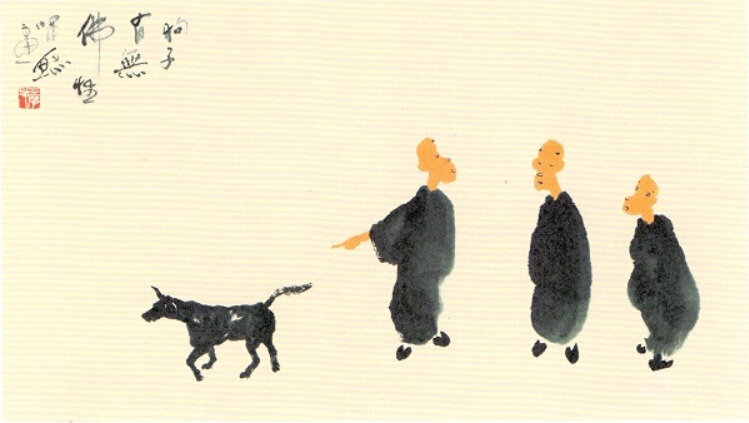
-
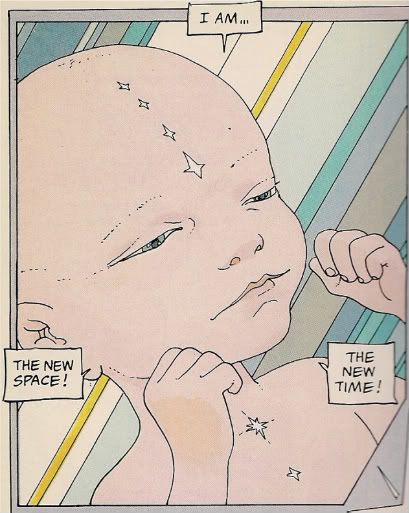
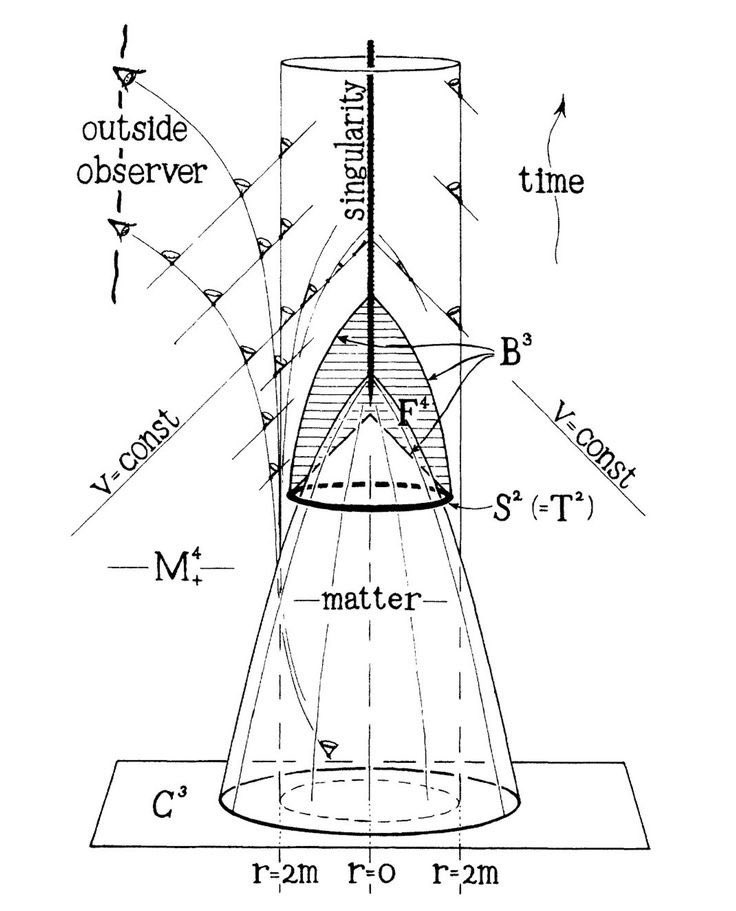
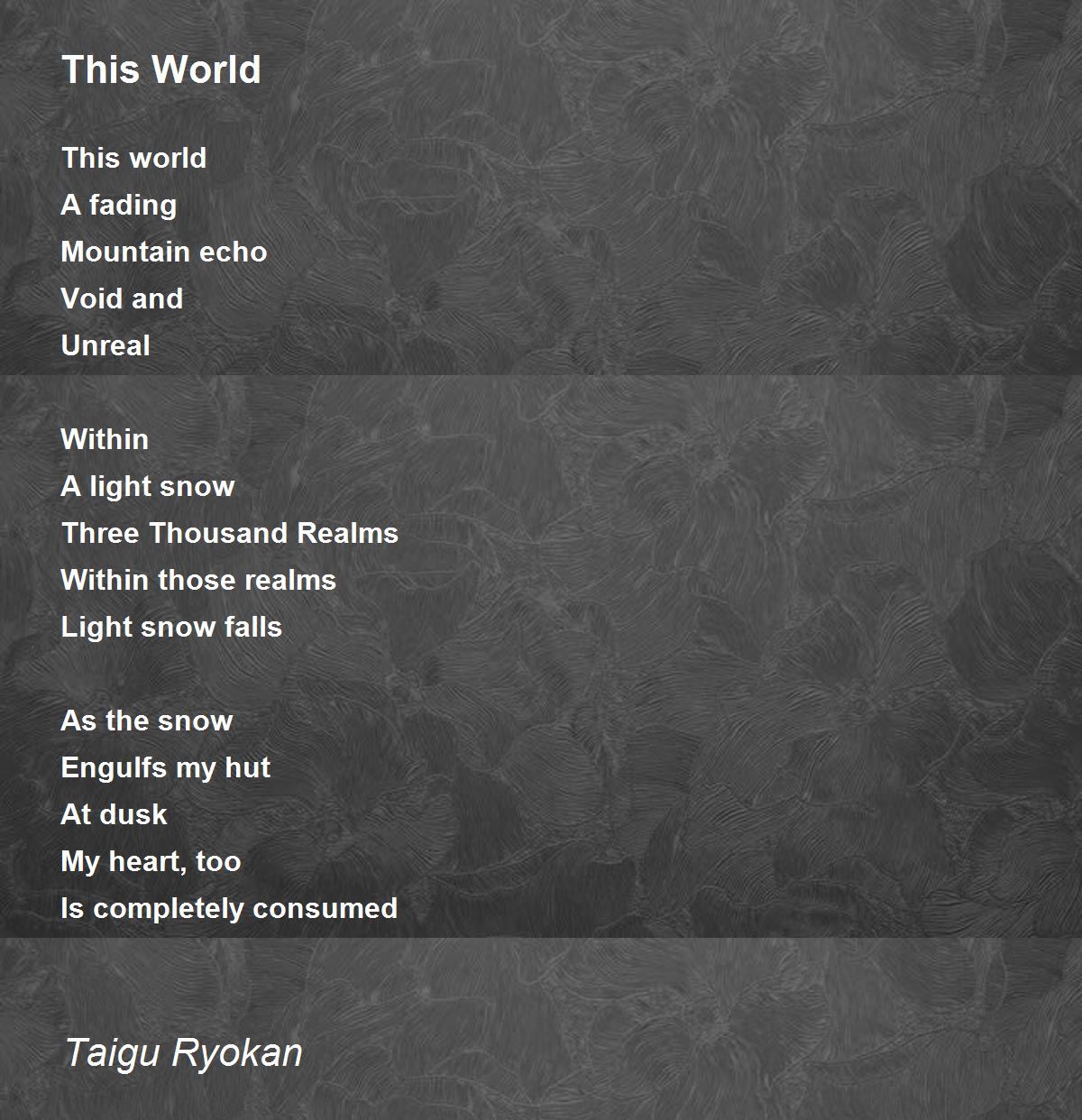
Popular notions of time-travel & retro-causality assumes a linear flow. Instead, try thinking of time as as infinite dimensional latent-space out which experience is user generated. As Robert Lanza put it: "The universe is the spatial/temporal logic of the animal observer".
-
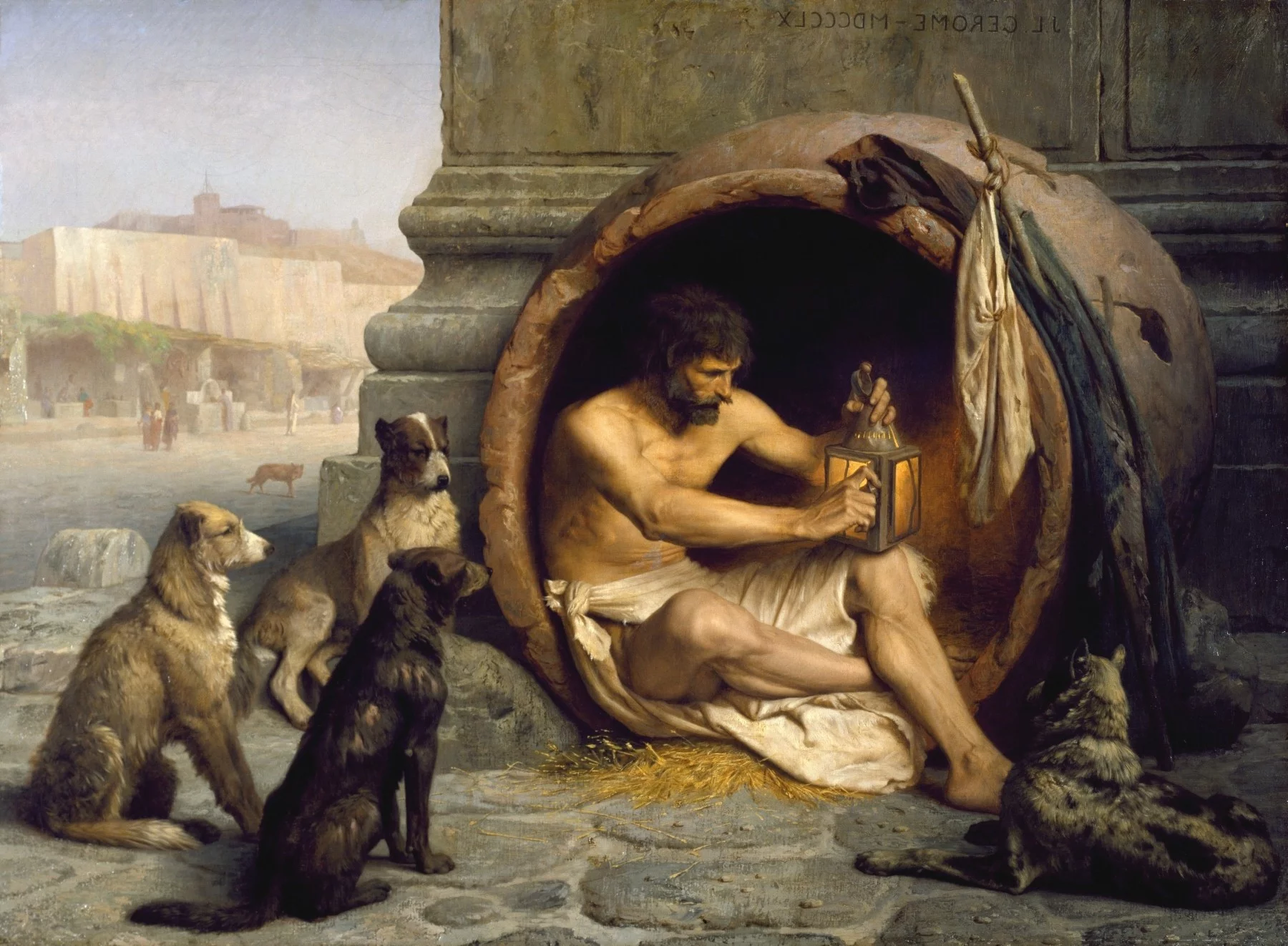
Diogenes lit a lamp in broad daylight and said, as he went about, "I am looking for a human." - Diogenes Laërtius, vi. 41.
-
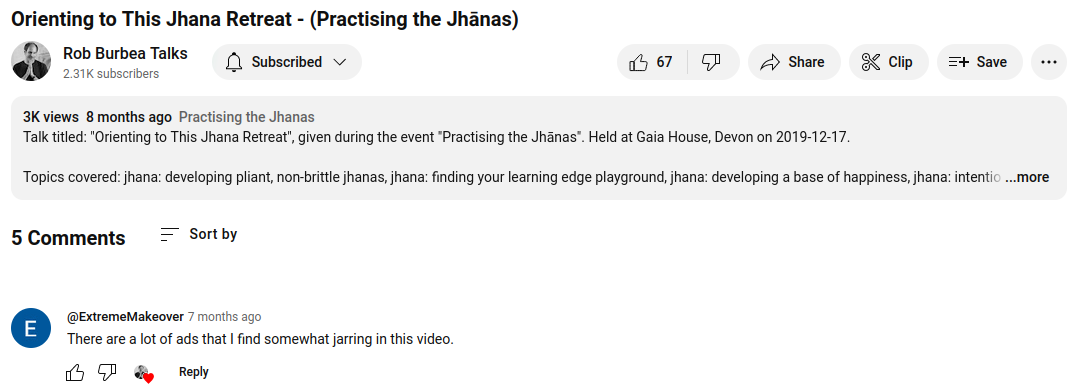
Practising the Jhānas - Dharma Talks - by Rob Burbea
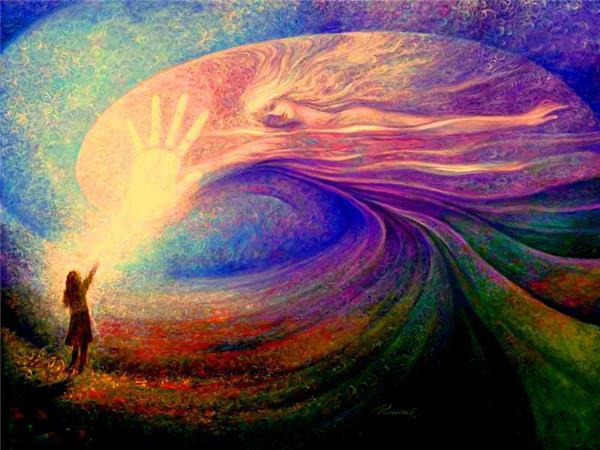
“Sooner or later we come to realize that perhaps the most fundamental, and most fundamentally important, fact about any experience is that it depends on the way of looking. That is to say, it is empty. Other than what we can perceive through different ways of looking, there is no ‘objective reality’ existing independently; and there is no way of looking that reveals some ‘objective reality’.” — Rob Burbea