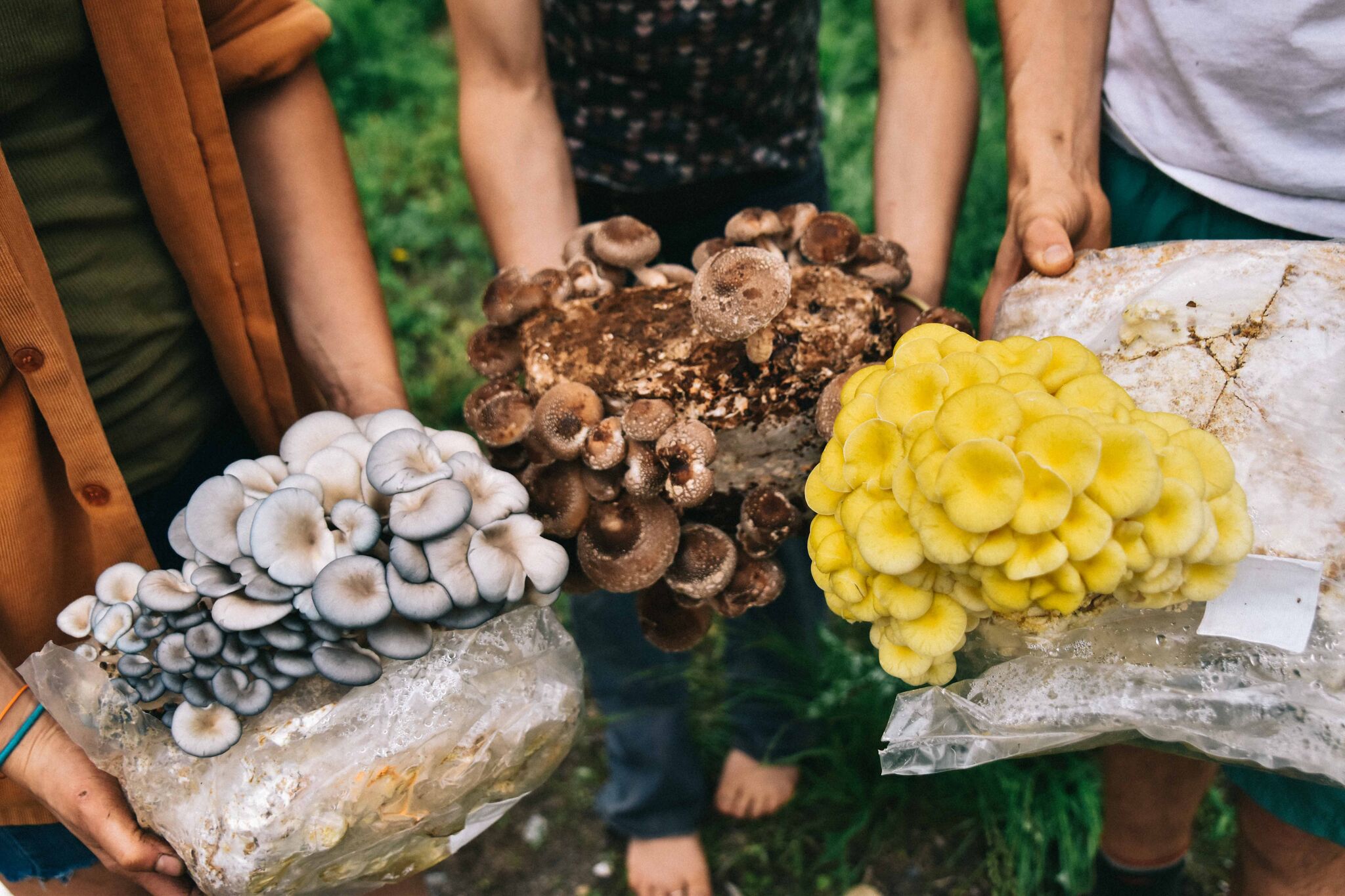
tag > Mushroom
-
"Edible Mushroom Cultivation for Food Security" is fascinating topic
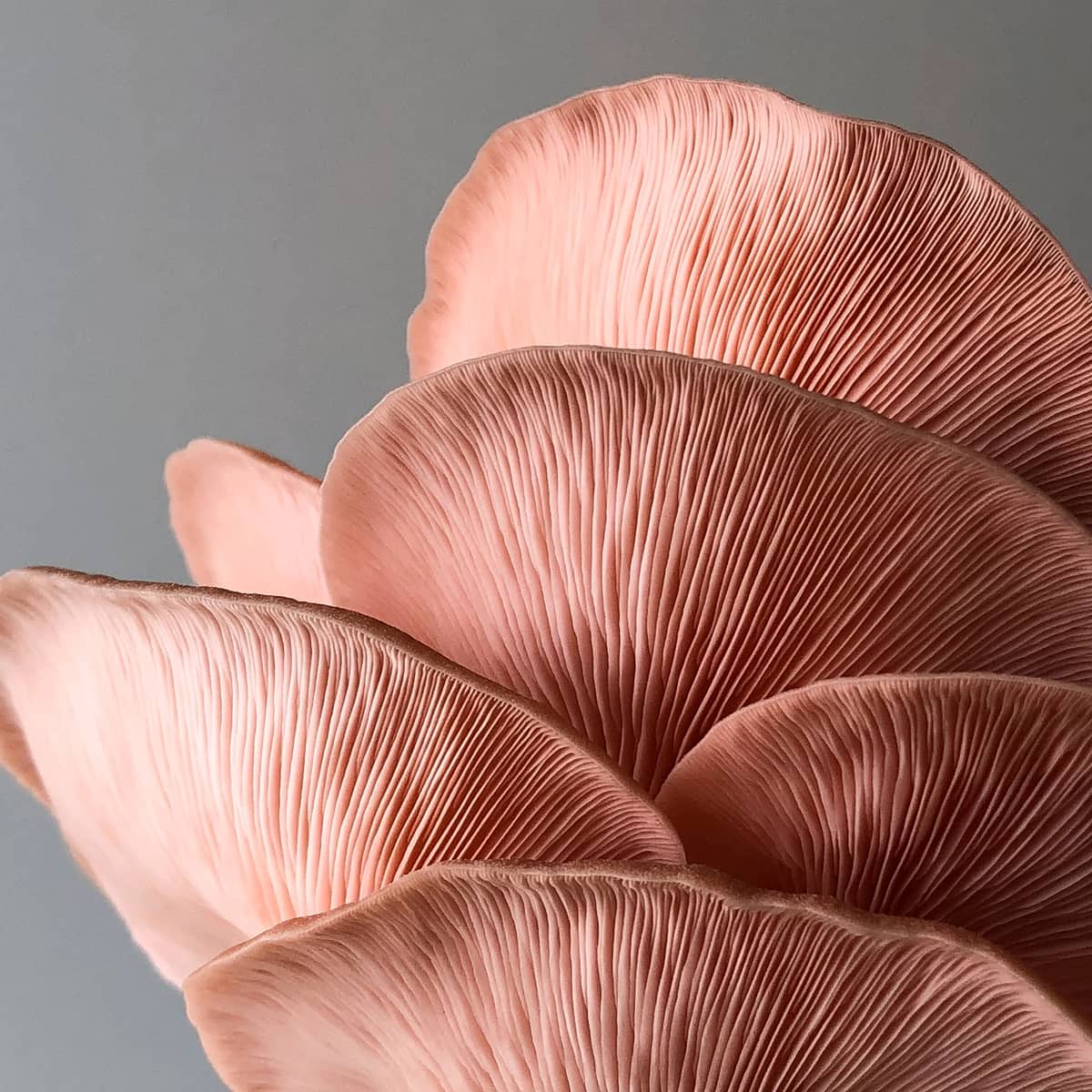
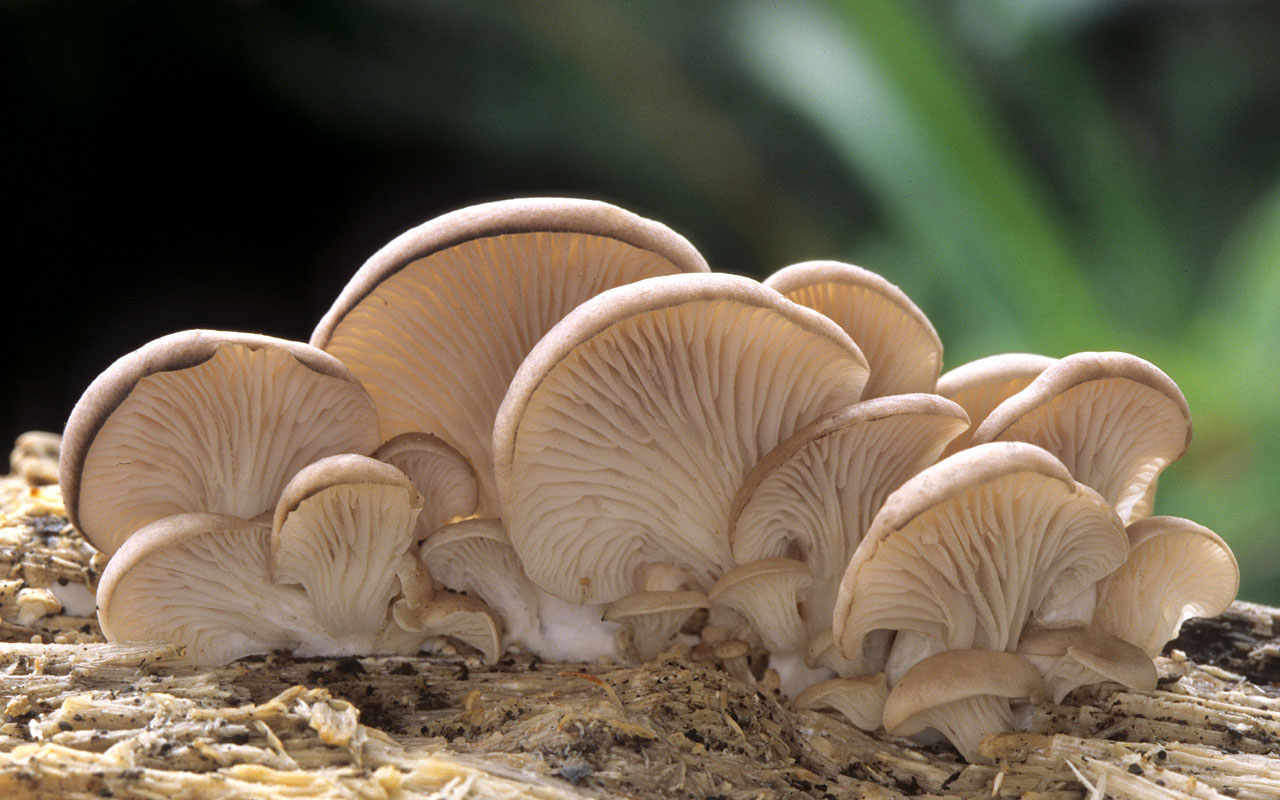
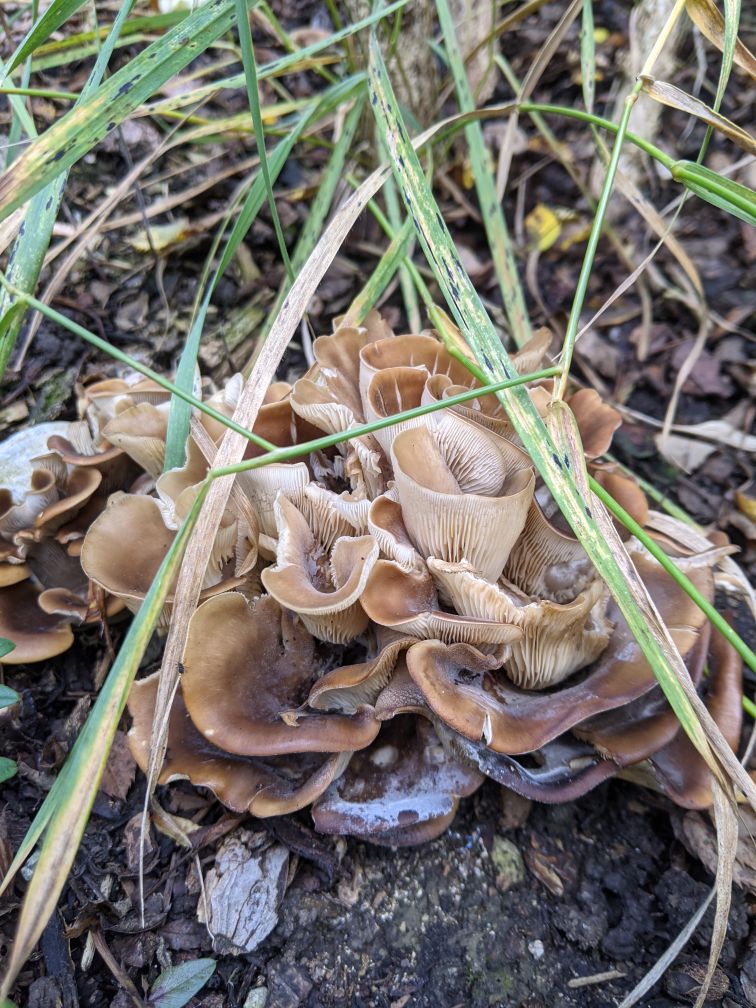
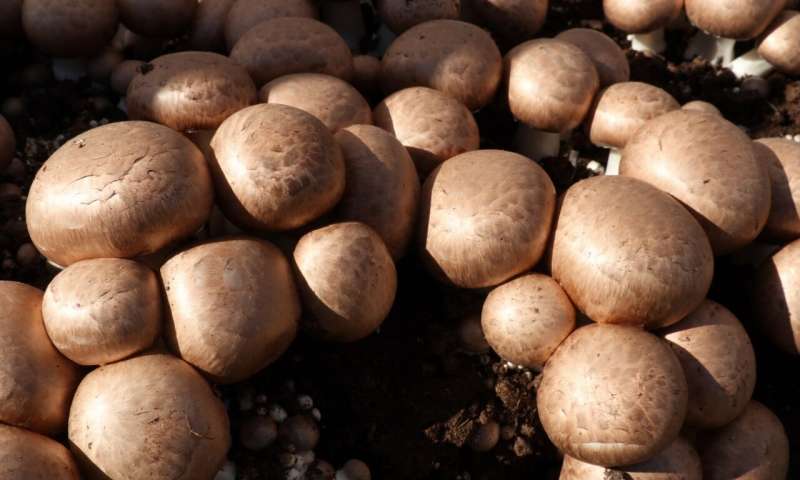
Pleurotus ostreatus (oyster mushroom) are one of the most widely cultivated mushrooms in the world. It was first cultivated in Germany as a subsistence measure during foods shortages during World War I and is now grown commercially around the world for food.
-
"The mushroom told me that nobody knows jack shit about what's going on." - Terence McKenna

-
Astromycology: "Future Space Travel Might Require Mushrooms" (via)
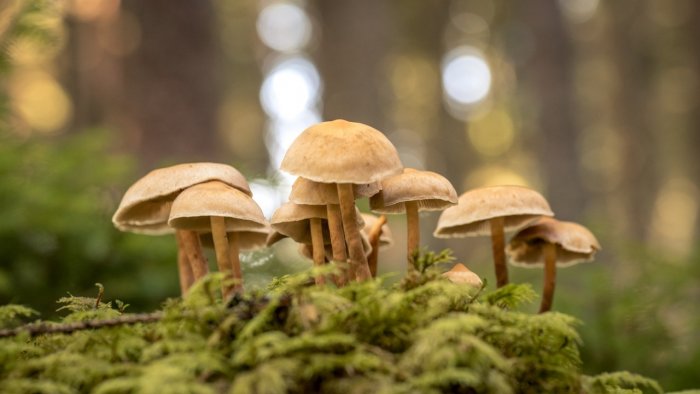
Mycologist Paul Stamets discusses the potential extraterrestrial uses of fungi, including terraforming planets, building human habitats—and providing psilocybin therapy to astronauts
-
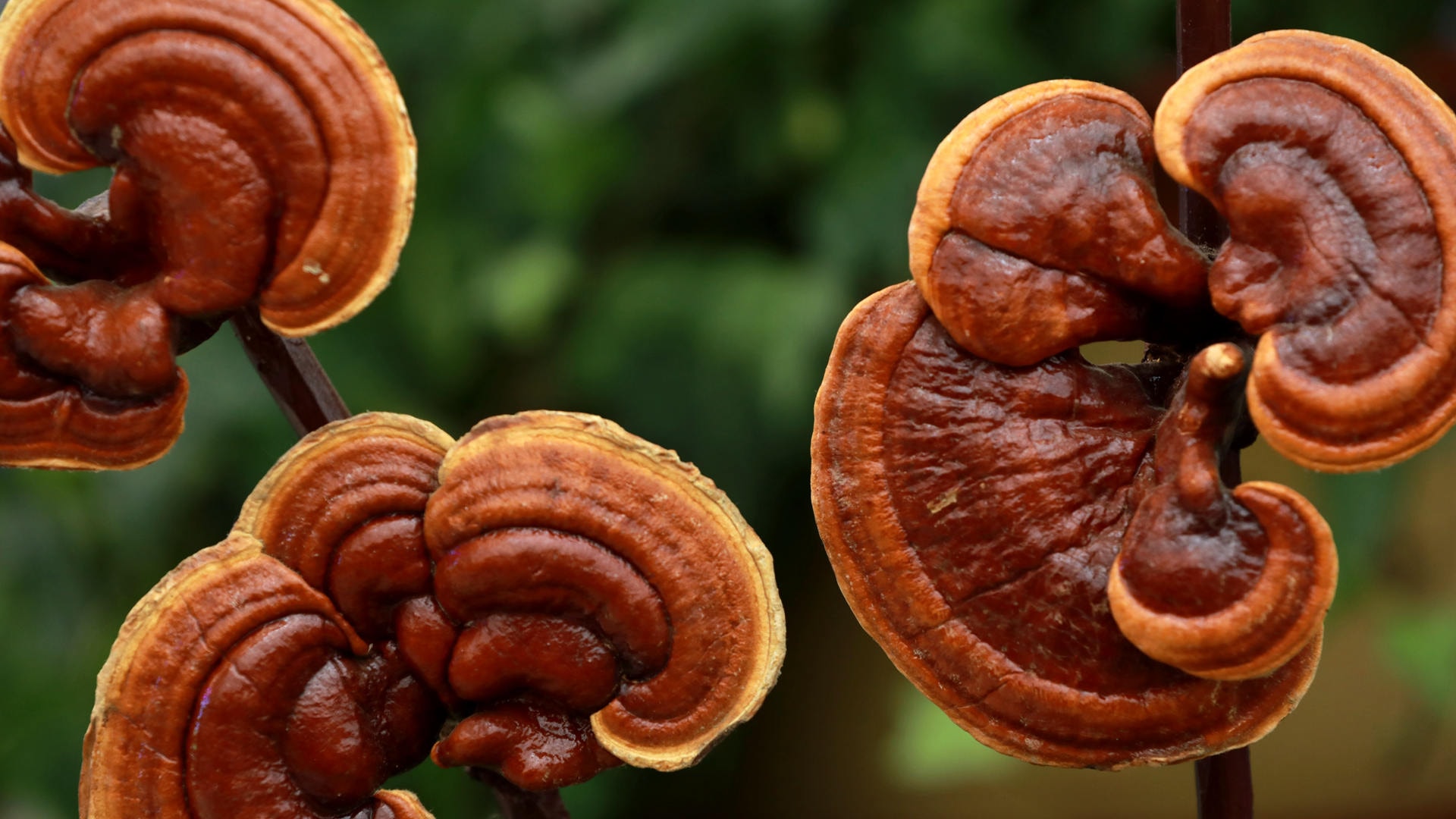
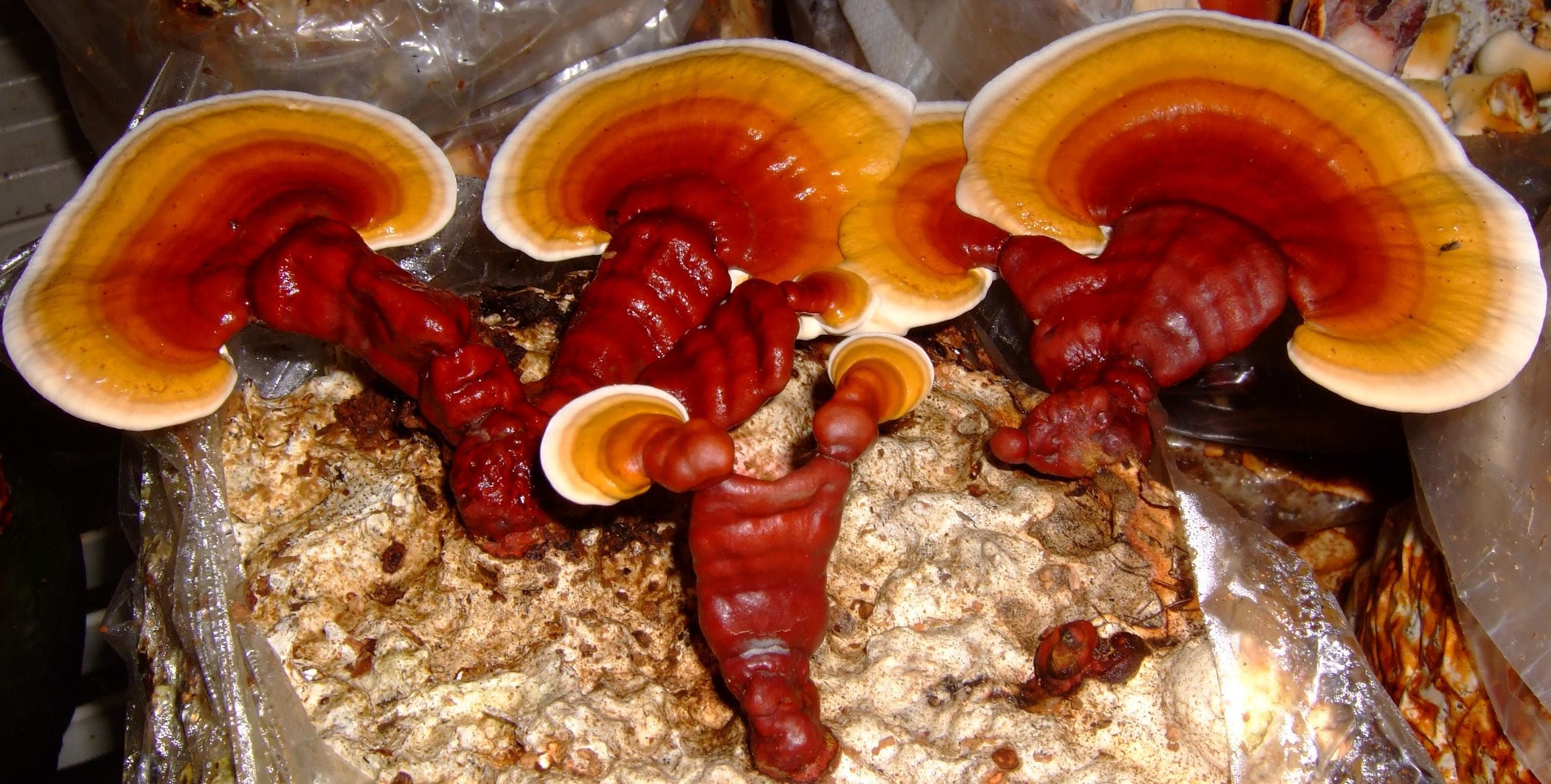
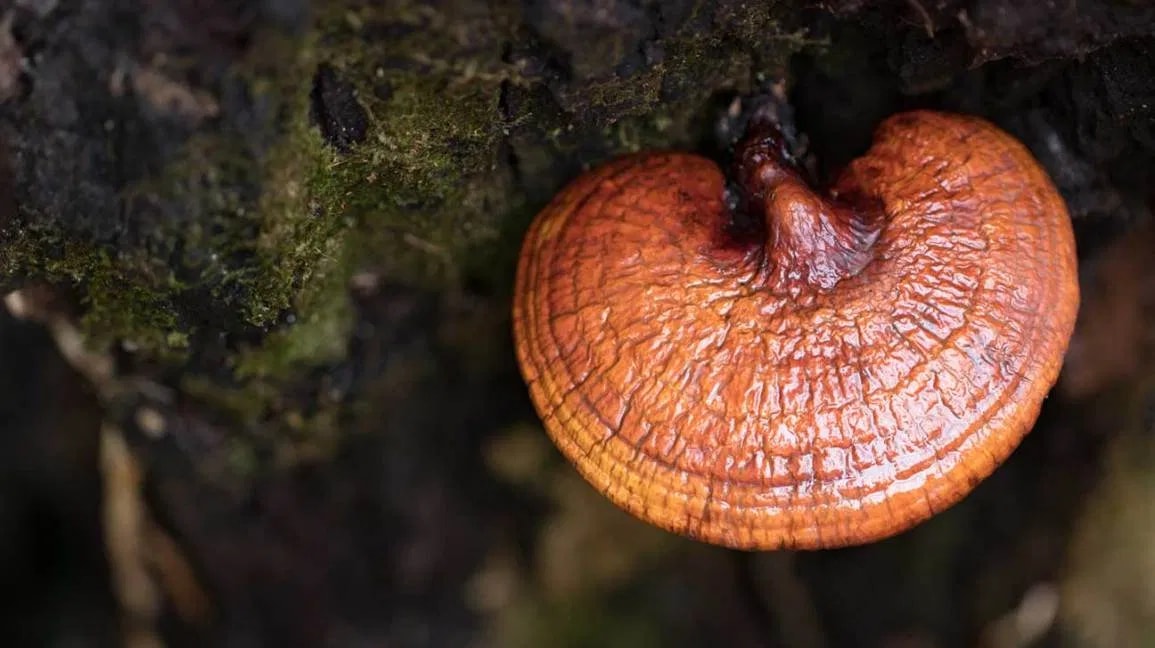
Ganoderma lingzhi, also known as reishi, and in Japanese as mannentake ("10,000-year mushroom"), is a polypore fungus belonging to the genus Ganoderma.
-
Eating two mushrooms a day could lower cancer risk by 45 per cent, study finds (SCMP)
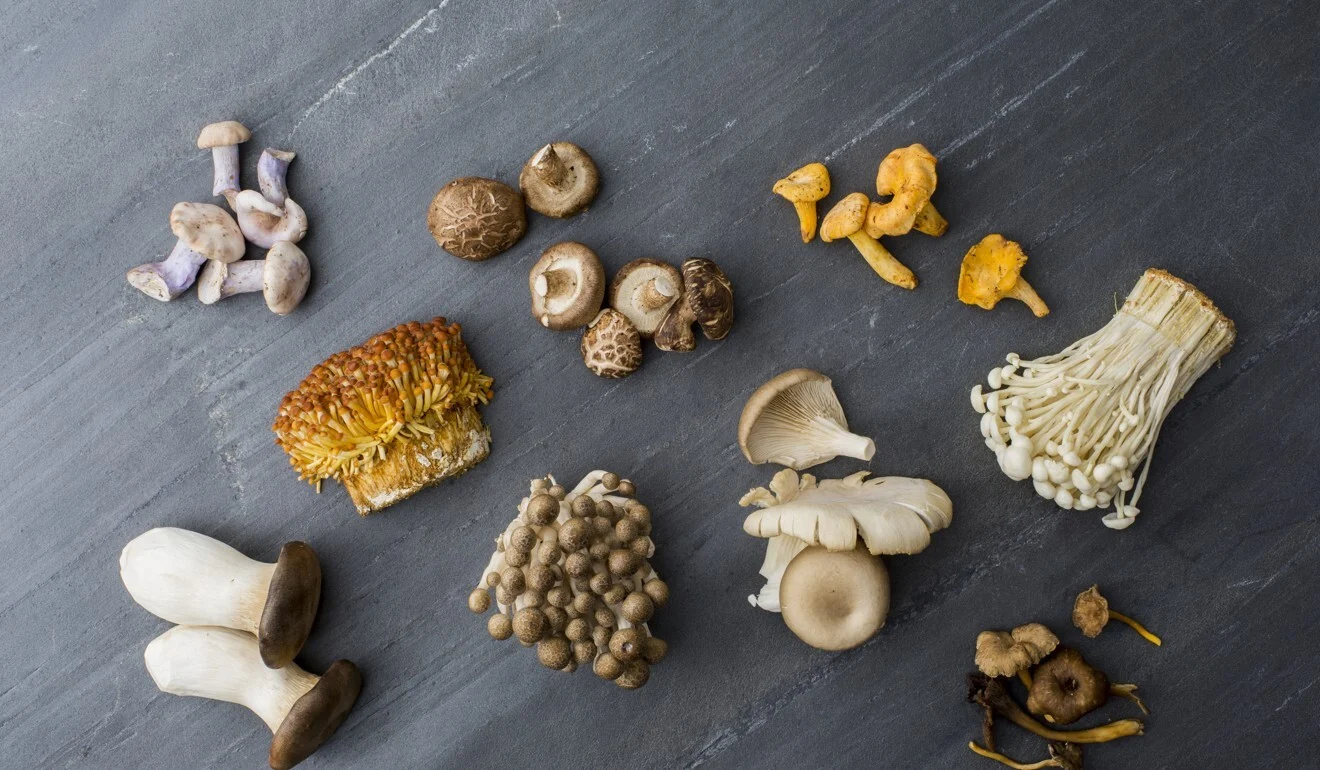
Mushrooms contain high levels of antioxidants, and chemical components believed to strengthen the immune system. A study touts their anti-cancer properties. Reviewing the study findings, scientists caution against the idea of ‘miracle foods’ and suggest mushrooms can be a component of a diet that lowers cancer risks.
-
A Fungus Is Pushing Cicada Sex Into Hyperdrive And Leaving Them Dismembered (npr.org)
After 17 years underground, the Brood X periodical cicadas are slowly emerging in 15 states across the East Coast and Midwest. From a report:
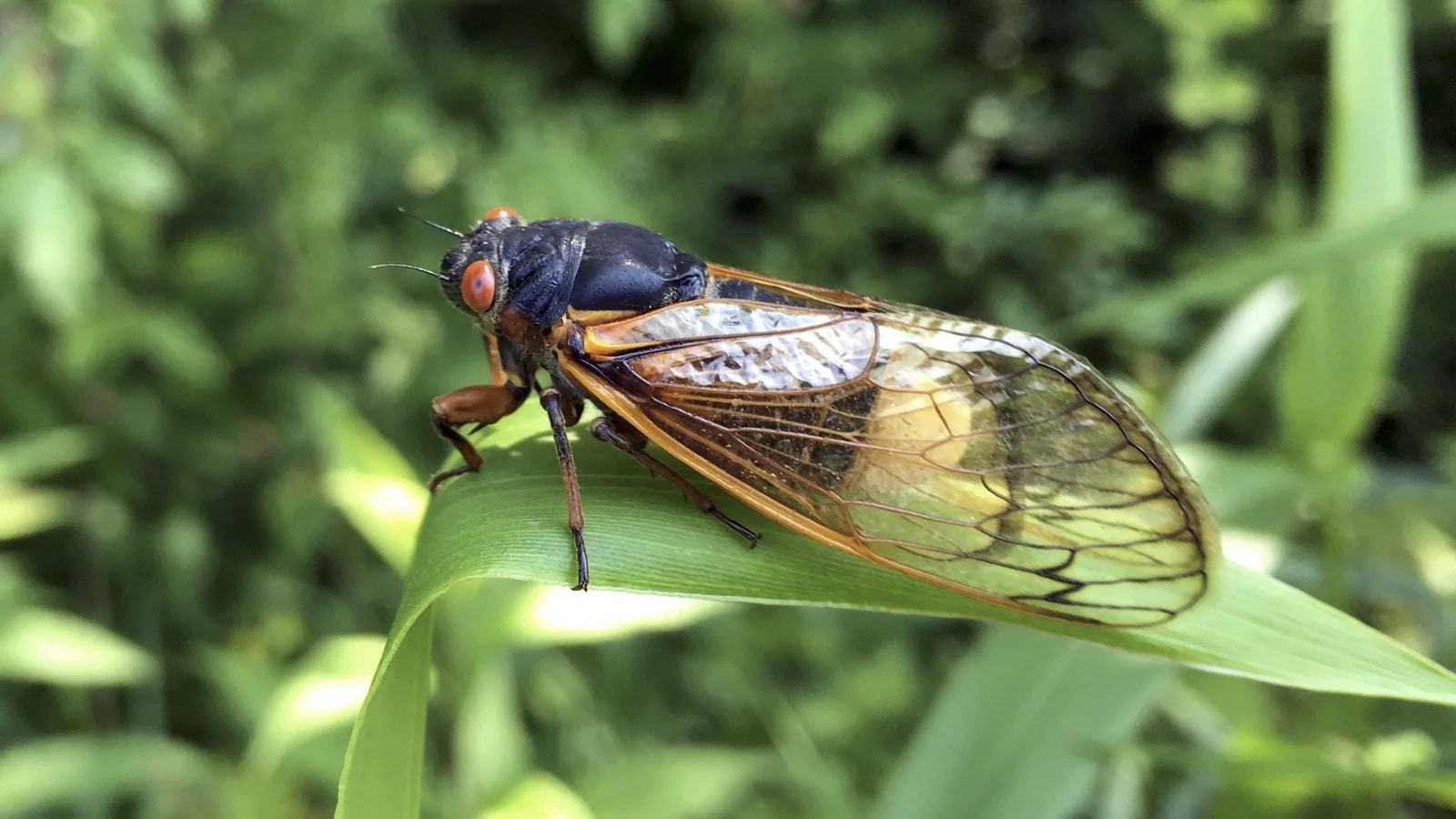
They'll shed their skins and spend four to six weeks mating before the females lay eggs and they all die. But some of them are getting wilder in their short lives above ground. A fungus called Massospora, which can produce compounds of cathinone -- an amphetamine -- infects a small number of them and makes them lose control. The fungus takes over their bodies, causing them to lose their lower abdomen and genitals. And it pushes their mating into hyperdrive.
"This is stranger than fiction," Matt Kasson, an associate professor of forest pathology and mycology at West Virginia University, tells NPR's All Things Considered. "To have something that's being manipulated by a fungus, to be hypersexual and to have prolonged stamina and just mate like crazy." Kasson, who has been studying Massospora for about five years, says just before the cicadas rise from the ground, the spores of the fungus start to infect the bug. Once it's above ground and starts to shed its skin to become an adult, its butt falls off. Then a "white plug of fungus" starts to grow in its place.
-
Scientists Claim to Spot Fungus Growing on Mars in NASA Rover Photos
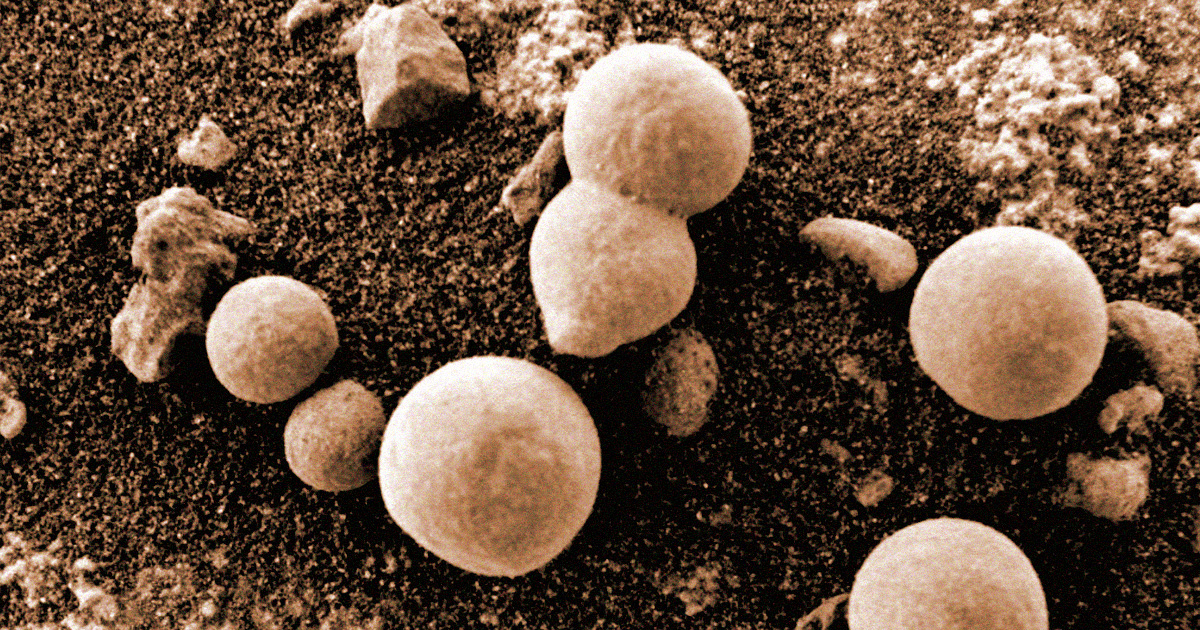
The hunt for life on Mars continues, with NASA’s latest rover Perseverance using its scientific instrumentation to scan the Jezero Crater, an area believed to be a dried up ancient lake, for any signs of ancient microbial life.
But according to an international team of researchers, the space agencies other rovers may have already found signs of relatively advanced life — in the form of “fungus-like Martian specimens,” according to a new paper published in the journal Advances in Microbiology.
The team, which includes researchers from the Harvard-Smithsonian Center for Astrophysics and George Mason University, believes they have found photographic evidence of a variety of fungus-like organisms, some resembling the shape of puffballs, a round cloud-like fungus found in abundance back here on Earth, on the Red Planet.
Their evidence: images taken by NASA’s Opportunity and Curiosity rovers as well as the agency’s HiRISE high-resolution camera attached to the Mars Reconnaissance Orbiter.
“Fungi thrive in radiation intense environments,” the team writes in its paper. “Sequential photos document that fungus-like Martian specimens emerge from the soil and increase in size, including those resembling puffballs.”
“After obliteration of spherical specimens by the rover wheels, new sphericals — some with stalks — appeared atop the crests of old tracks,” the researchers write.
The team went so far as to say that “black fungi-bacteria-like specimens also appeared atop the rovers.”
They didn’t stop there: the team also examined photos taken by NASA’s HiRISE, and found evidence for “amorphous specimens within a crevice” that “changed shape and location then disappeared.”
“It is well established that a variety of terrestrial organisms survive Mars-like conditions,” the team concludes. “Given the likelihood Earth has been seeding Mars with life and life has been repeatedly transferred between worlds, it would be surprising if there was no life on Mars.”
The team argues that these Martian lifeforms “would have evolved on and already be adapted to the low temperatures, intermittent availability of water, low amounts of free oxygen, and high levels of radiation.”
The researchers did caveat their findings, pointing out that “similarities in morphology are not proof of life,” and that “we cannot completely rule out minerals, weathering, and unknown geological forces that are unique to Mars and unknown and alien to Earth.”
But it’s a wild conclusion nonetheless. The researchers’ peers will likely go over the paper with a fine-toothed comb, and likely shred the results — it’s not every day that researchers are willing to stick out their necks and claim to have found evidence of life on Mars.
-
Cyberbiomes - Discussions with mycelium and solarpunk futures & Cyberbiomes.org - Concepts, projects and initiatives at the intersection of nature, culture and technology - by Ilja Panić