tag > Music
-
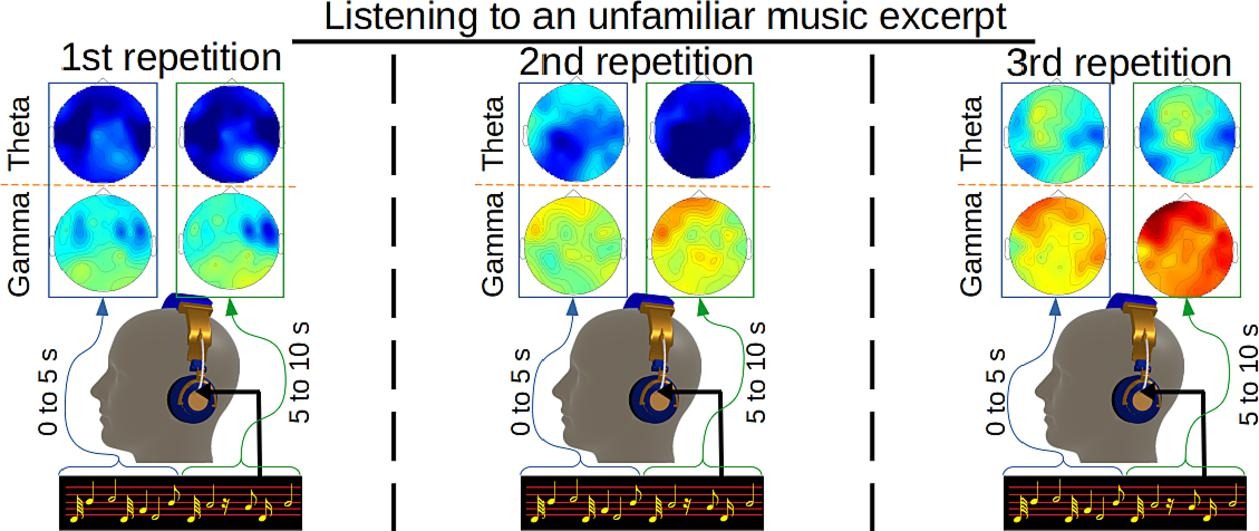
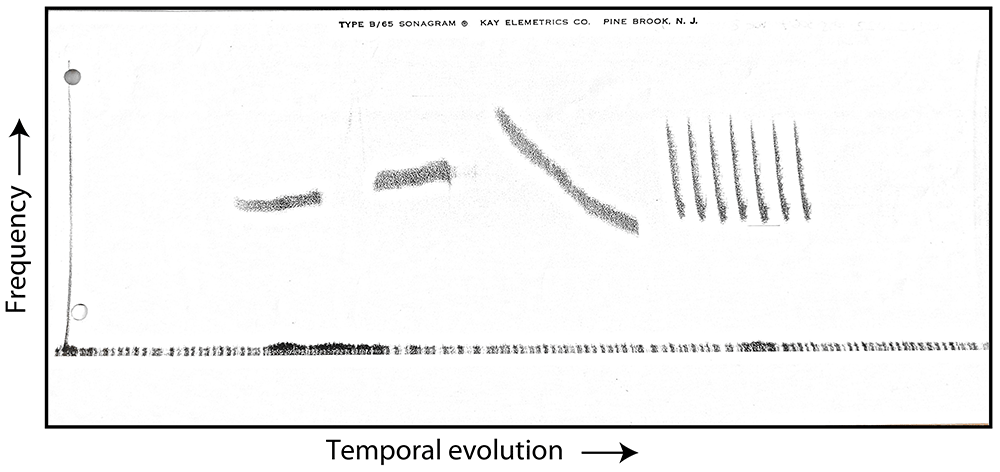
Macaque monkeys and humans sample temporal regularities in the acoustic environment
“The perception, if not the enjoyment, of musical cadences and of rhythm is probably common to all animals and no doubt depends on the common physiological nature of their nervous system” – Charles Darwin
-
Audio Reality Check
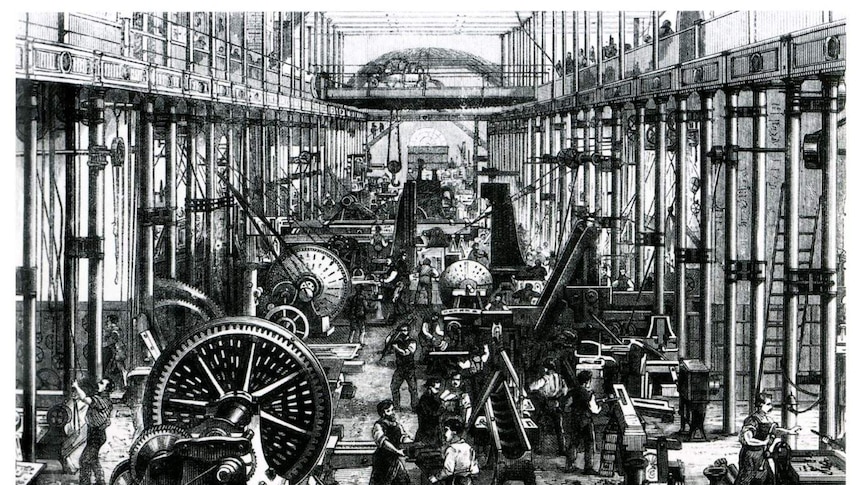
The vast majority of audio consumed in the past 20y+ is just a component of other media artifacts & has little todo with the music industry & art. The vast majority of audio is industrially created today & has little todo with artisanal processes. AI audio is a natural evolution
-
Is there really a whispering gallery at the Great Ballcourt at Chichen Itza, Mexico?
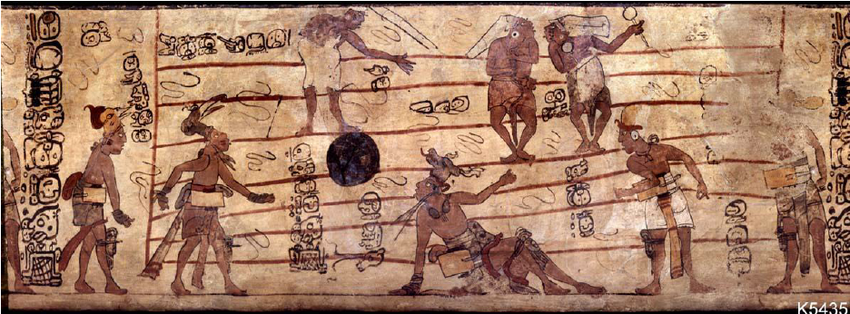
A "whispering gallery" (WG) at the Great Ballcourt (GBC) was first reported during its excavation in the 1920s by American archaeologist Silvanus Morley (1883-1948), Director of the Carnegie Institution's Chichen Itza project. In his 1925 National Geographic article Morley wrote: "Standing in this temple one can speak in a low voice & be heard distinctly at the other end of the court, 500 ft away." Around 2000-2001, queries on AZTLAN, a semi-official Mesoamerican archaeology Internet discussion group, found little or no belief in a WG by mesoamericanists. Some opined that any WG would surely be a design accident or an artifact of ballcourt ageing or reconstruction. They stiffened at the suggestion that the ancient Maya might have possessed the requisite knowledge for intentional design. Was Morley mistaken? Or are modern mesoamericanists missing something? During a tour of Chichen Itza following the fall 2002 joint acoustical meeting in Cancun, Mexico, the author and two of his colleagues convincingly demonstrated a GBC WG to about 100 acousticians and their companions. This paper describes WG phenomena observed at the Great Ballcourt and suggests physical models to explain them. He also presents evidence for intentional design.
-
Will the DAW (Digital Audio Workstation) soon be replaced by the GAW (Generative Audio Workstation)?
-
"Listening to everything until it all belongs together and you are part of it" - Pauline Oliveros
-
"Gear Acquisition Syndrome" (G.A.S.) - a psychological phenomenon that plagues musicians, audio engineers, and photographers, compelling them to obsessively amass technical equipment, often beyond their actual needs.

-
The talented team at okio is creating something truly funky. Blessed to be a part of this adventure!

-
Google MusicLM WTF

Someone please help me understand: Google's MusicLM seems to be trained on many years of music taken from YouTube. Pirate style, no rights cleared at all? But they added an inference filter that prevents the most obvious copyright crimes? Is that a legit biz strategy now? What's the message Google is sending to the music industry & artists with its MusicLM demo? "We'll exploit giant amounts of your music for AI training & watermark outputs - you get nothing in return"? A perplexing stance for a company preaching responsible AI?
-
Open Source MusicLM
Google's MusicLM Demo just dropped! Shoutout to the team. What's even cooler? Open Source MusicLM! Discover one of the first open implementation at https://github.com/zhvng/open-musiclm/ proudly supported by @okio_ai in its training efforts, among other models. The party is just starting 🎶
-
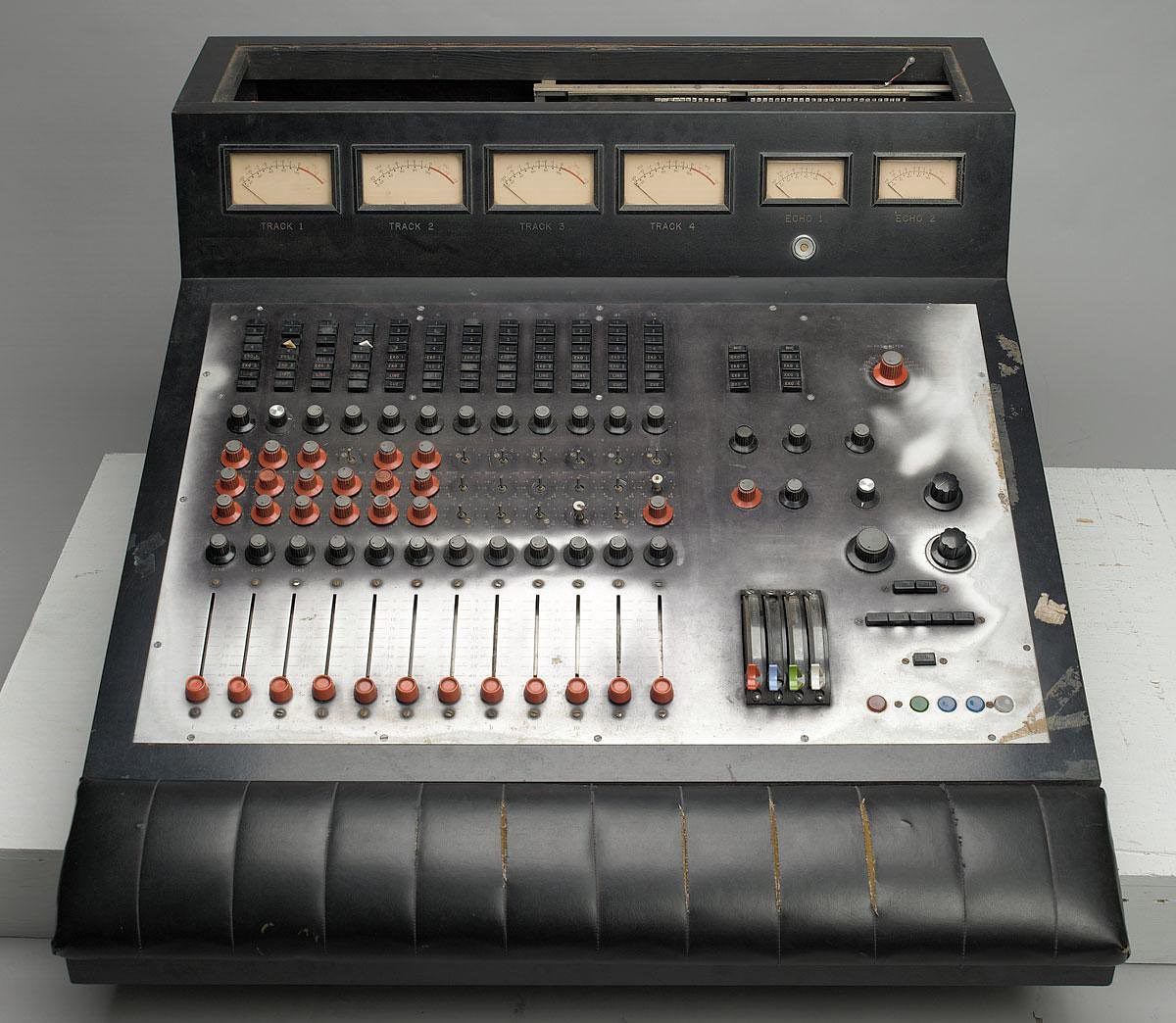
King Tubby's MCI console
In 1972 Tubby bought it from Byron Lee's Dynamic Sound studio (rumour has it that it originally came from Atlantic) and built a home studio in his mother’s bedroom at 18 Dromilly Avenue. Then he changed music.
-
Introducing "Generated with Nendo" - a label showcasing global creators harnessing the power of Nendo Generative AI Music Tool Suite. Our debut release is a mesmerizing performance by Michal Ho. Join the party: https://okio.ai/generatedwithnendo/ 🎶