tag > Nature
-
Toroidal bubble rings
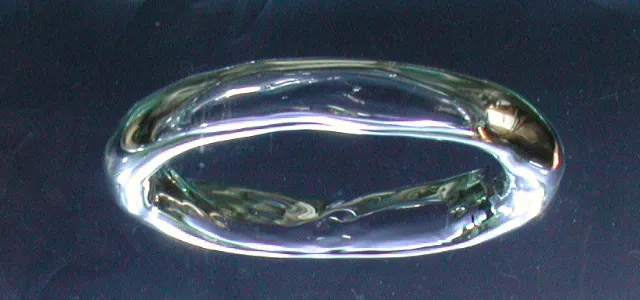
A bubble ring, or toroidal bubble, is an underwater vortex ring where an air bubble occupies the core of the vortex, forming a ring shape. The ring of air as well as the nearby water spins poloidally as it travels through the water, much like a flexible bracelet might spin when it is rolled on to a person’s arm. The faster the bubble ring spins, the more stable it becomes. Bubble rings and smoke rings are both examples of vortex rings—the physics of which is still under active study in fluid dynamics. Devices have been invented which generate bubble vortex rings.
Cetaceans, such as beluga whales, dolphins and humpback whales, blow bubble rings. Dolphins sometimes engage in complex play behaviours, creating bubble rings on purpose, seemingly for amusement. There are two main methods of bubble ring production: rapid puffing of a burst of air into the water and allowing it to rise to the surface, forming a ring; or creating a toroidal vortex with their flukes and injecting a bubble into the helical vortex currents thus formed. The dolphin will often then examine its creation visually and with sonar. They will sometimes play with the bubbles, distorting the bubble rings, breaking smaller bubble rings off of the original or splitting the original ring into two separate rings using their beak. They also appear to enjoy biting the vortex-rings they’ve created, so that they burst into many separate normal bubbles and then rise quickly to the surface. Dolphins also have the ability to form bubble rings with their flukes by using the reservoir of air at the surface.
-
Many people over-complicate life with tales of apocalyptic grandeur. Yet in essence, things are beautifully simple—the ordinary is the extraordinary.
-
Seeds are among the most valuable things on Earth—yet just 4 companies control over 60% of the global seed market. Who controls the seeds, controls the food.
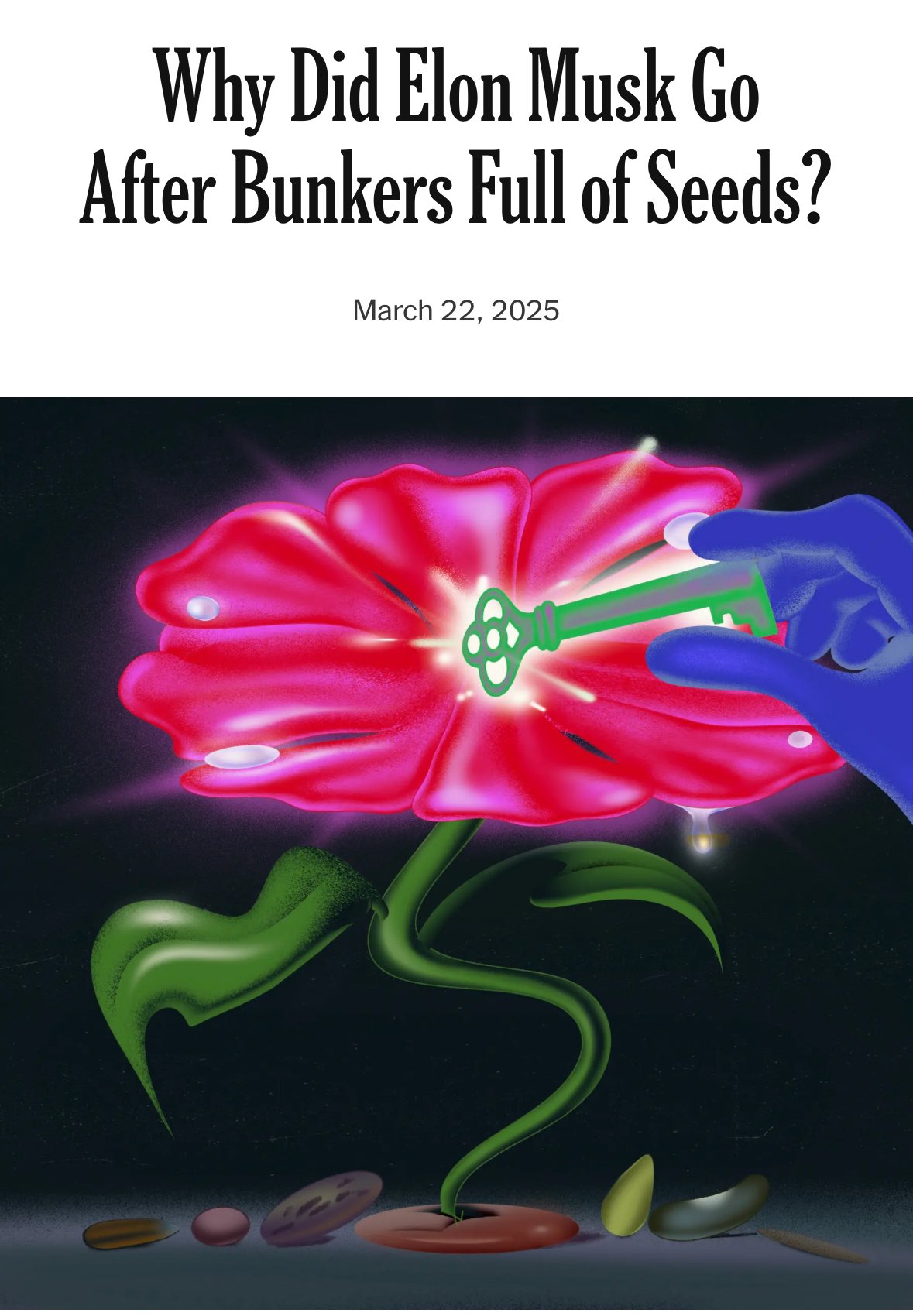
Firing the scientists who maintain the National Plant Germplasm System jeopardizes 127 years of agricultural genetic preservation.
This system safeguards 600,000+ crop varieties that serve as America's agricultural insurance policy against emerging plant diseases and other unforeseen threats to crop production.
The NPGS costs 0.000008% of the federal budget while insuring a $1.5 trillion food system.
When stem rust threatened global wheat supplies in 1999, these collections provided the resistant genes that prevented widespread crop failure.
Similar genetic resources from the bank generate $91+ million annually for the apple industry alone.
-
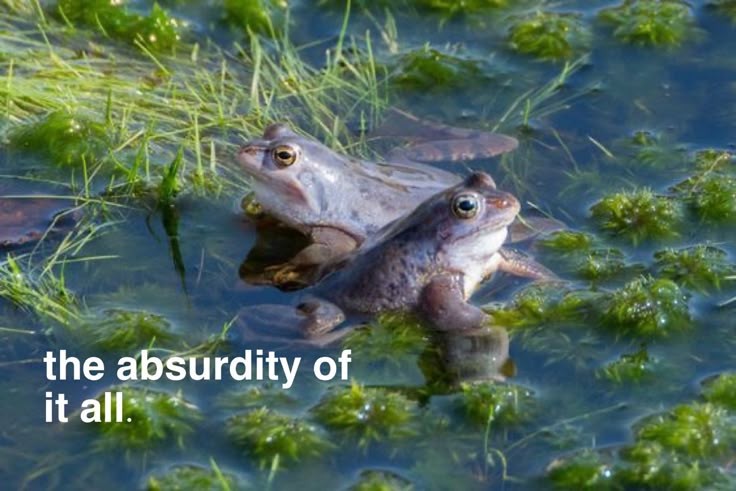
These frogs are 200m years old and have witnessed 5 mass extinctions, watching humans destroy in decades what took eons to create, thinking they're the first to experience chaos.