tag > Praxis
-
Alcoholics_Anonymous (AA) is a fascinating case-study in resilient bottom-up org design
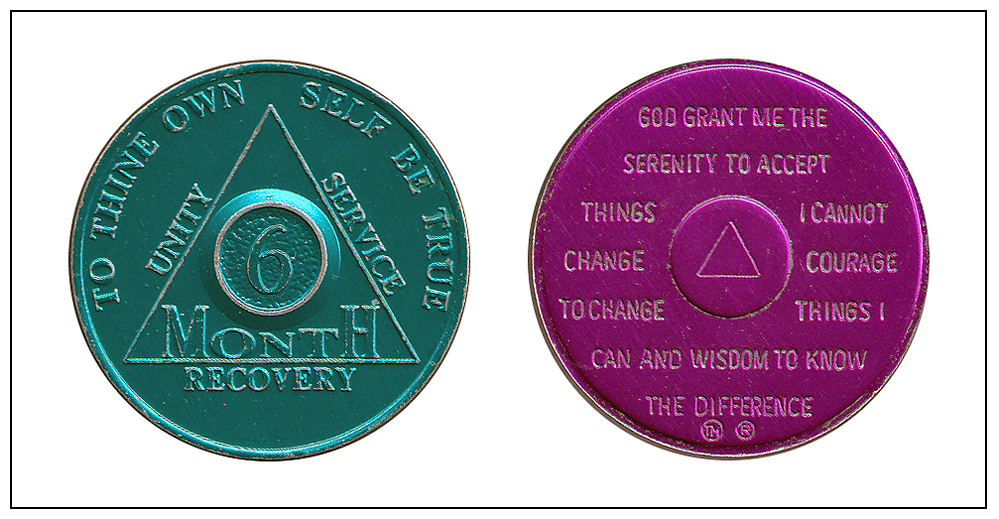
- Alcoholics Anonymous (AA) is an international fellowship requiring no membership dues or fees dedicated to helping alcoholics peer to peer in sobriety through its spiritually inclined Twelve Steps program.
- AA says it is "not organized in the formal or political sense", and Bill Wilson, borrowing the phrase from anarchist theorist Peter Kropotkin, called it a "benign anarchy".
- The Steps also suggest the healing aid of an unspecified God—"as we understood Him"—but are nonetheless accommodating to agnostic, atheist, and non-theist members.
- In Ireland, Shane Butler said that AA "looks like it couldn't survive as there's no leadership or top-level telling local cumanns what to do, but it has worked and proved itself extremely robust". Butler explained that "AA's 'inverted pyramid' style of governance has helped it to avoid many of the pitfalls that political and religious institutions have encountered since it was established here in 1946.
- The Traditions hold that helping others recover from alcoholism is AA's primary purpose. That it should have no opinions on anything else to avoid public controversy. That members and groups should not use AA to gain wealth, prestige, or property. That dogma and hierarchies are to be avoided. That AA groups are autonomous and self-supporting—declining outside contributions—but are barred from lending the AA name to other entities. And, without threat of retribution or means of enforcement, that members should remain anonymous in public media.
- A member who accepts a service position or an organizing role is a "trusted servant" with terms rotating and limited, typically lasting three months to two years and determined by group vote and the nature of the position. Each group is a self-governing entity with AA World Services acting only in an advisory capacity.
- AA groups are self-supporting, relying on voluntary donations from members to cover expenses.[27] The AA General Service Office (GSO) limits contributions to US$3,000 a year.[31] Above the group level, AA may hire outside professionals for services that require specialized expertise or full-time responsibilities.
- AA's program is an inheritor of Counter-Enlightenment philosophy. AA shares the view that acceptance of one's inherent limitations is critical to finding one's proper place among other humans and God. Such ideas are described as "Counter-Enlightenment" because they are contrary to the Enlightenment's ideal that humans have the capacity to make their lives and societies a heaven on Earth using their own power and reason.
- This commitment is facilitated by a change in the member's worldview. To help members stay sober AA must, they argue, provide an all-encompassing worldview while creating and sustaining an atmosphere of transcendence in the organization. To be all-encompassing AA's ideology emphasizes tolerance rather than a narrow religious worldview that could make the organization unpalatable to potential members and thereby limit its effectiveness.
- US courts have not extended the status of privileged communication, such as that enjoyed by clergy and lawyers, to AA related communications between members.
More on AA's history: https://silkworth.info/ - Frank Buchman Oxford Group Documentary
#P2P #Praxis #Health #Politics #Religion #OpenSource #Networks #Systems
-
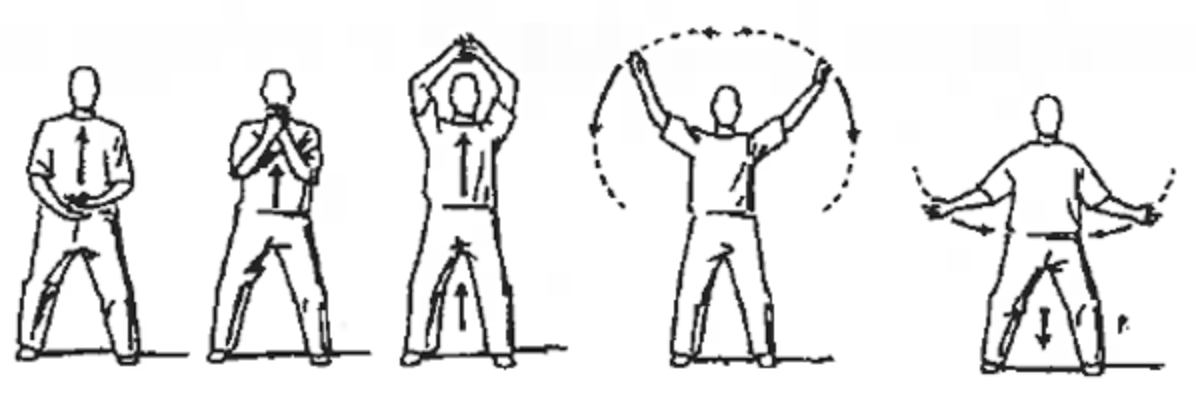
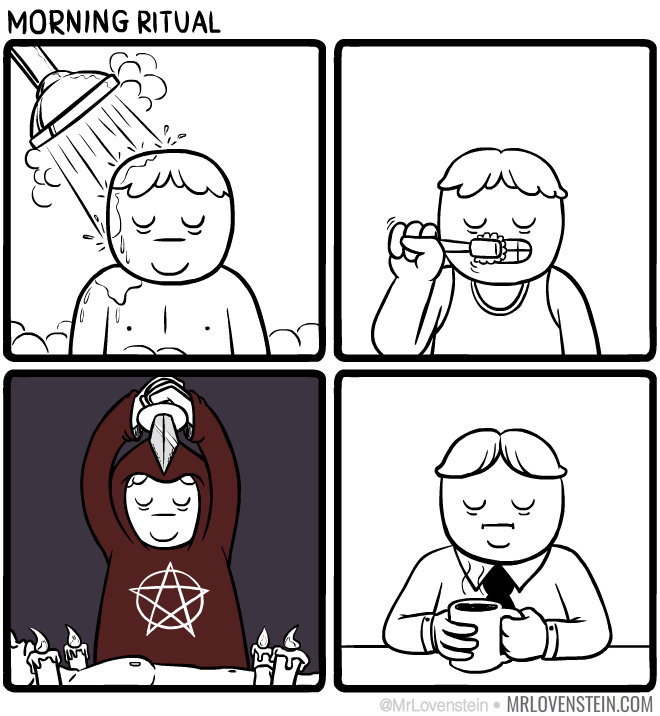
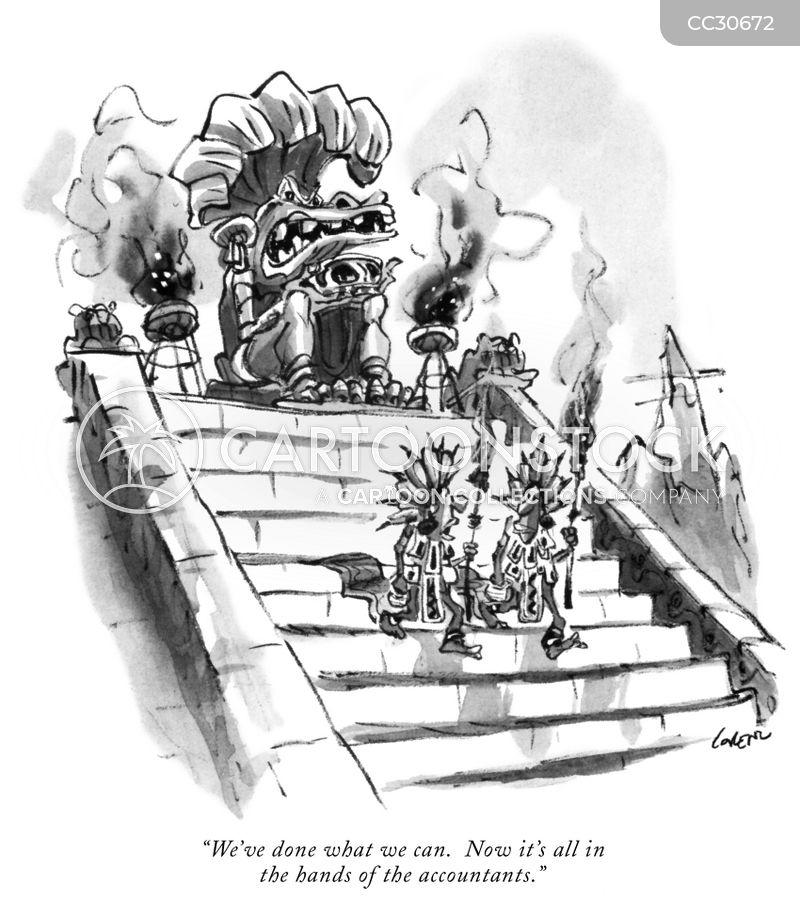
"Ritual cuts through and operates on everything besides the 'head' level" - Aiden Kelly

-
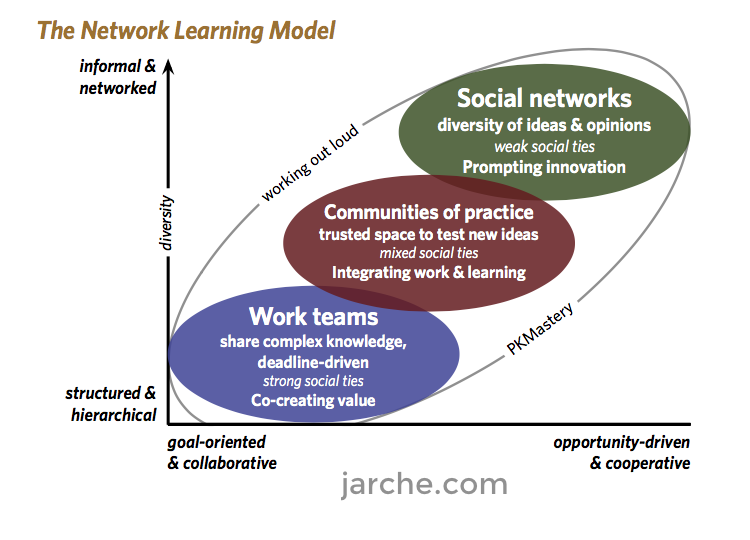
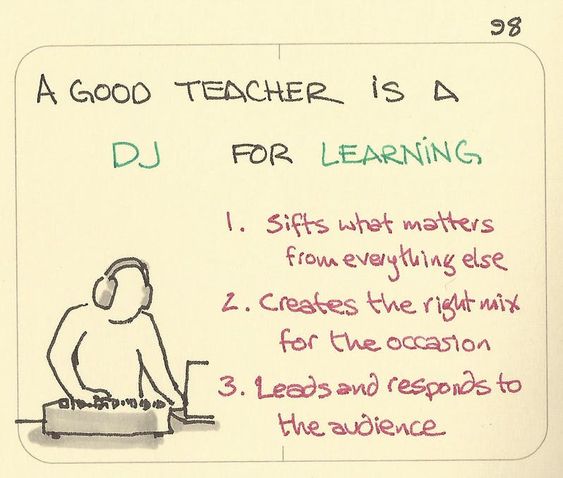
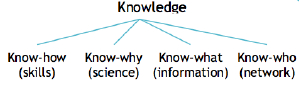
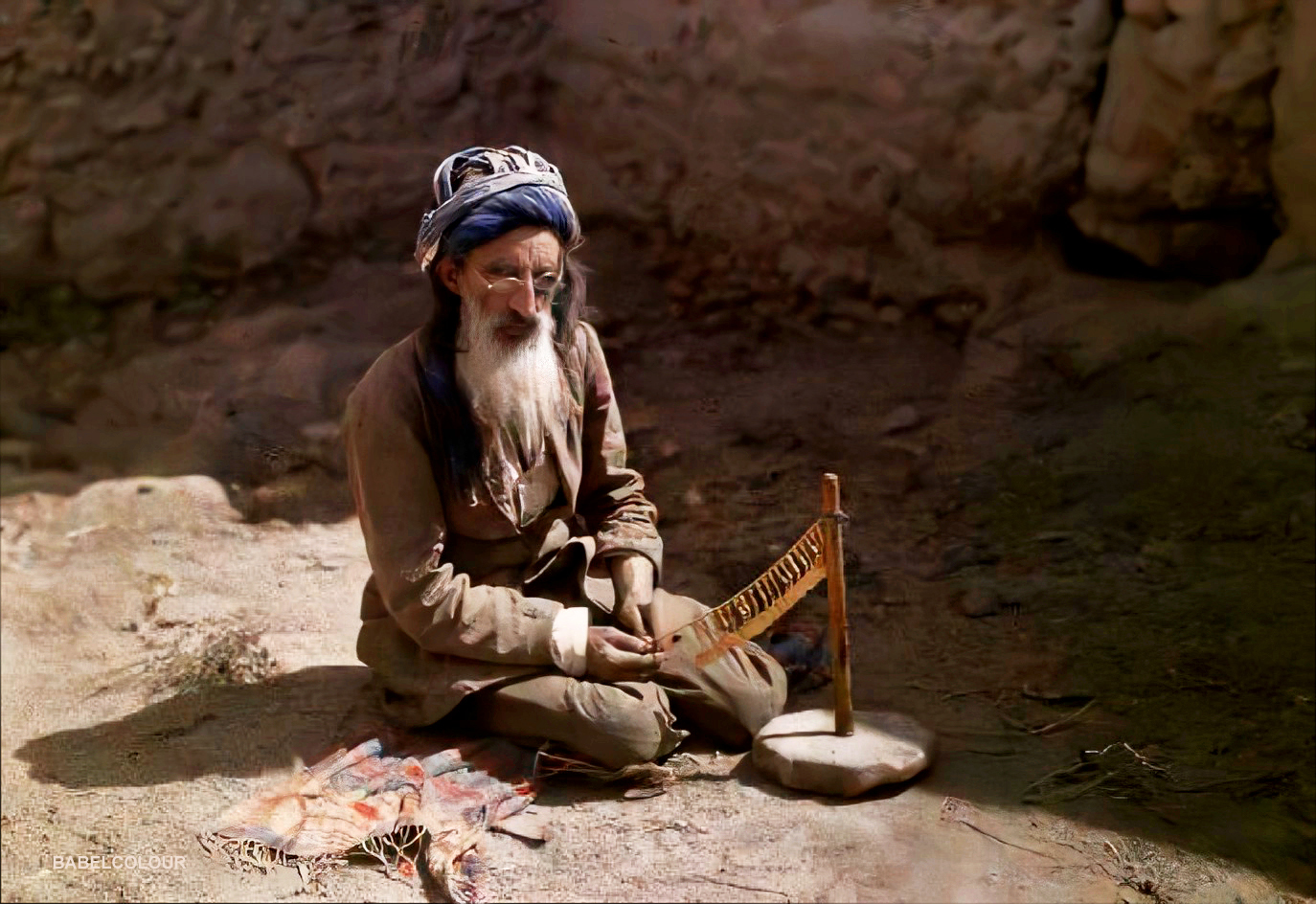
In the network era, developing the skills of a master artisan in every field of work will be critical for success. While getting work done collaboratively will continue to be of importance in all organizations, it will not be enough. New ideas will have to come from our professional networks in order to keep pace with innovation and change in our fields. More importantly, a safe place is needed to connect these new ideas to the work to be done.
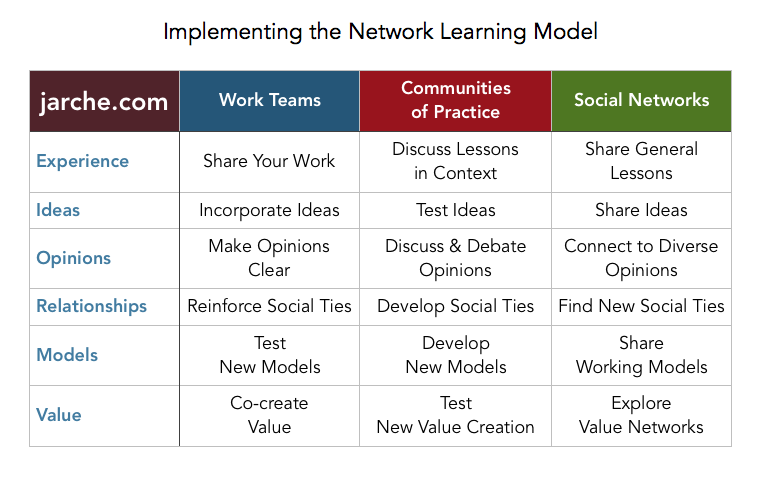
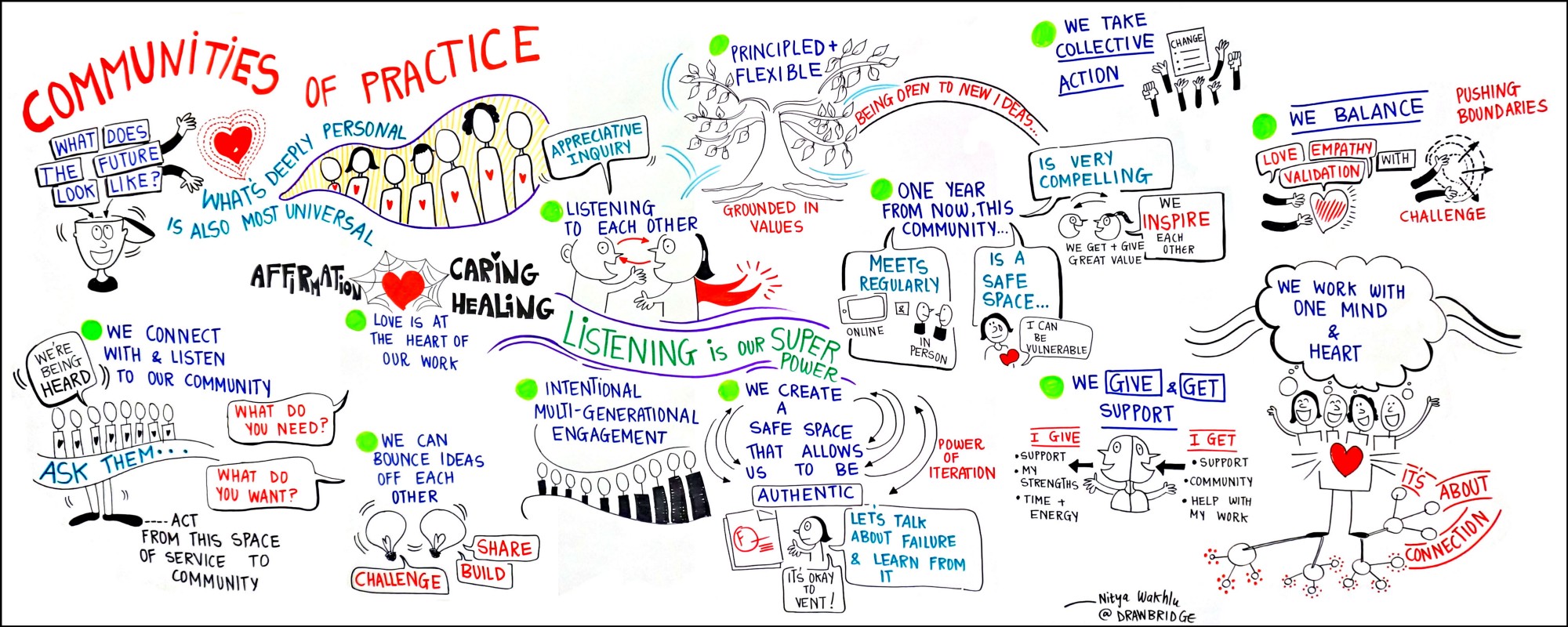
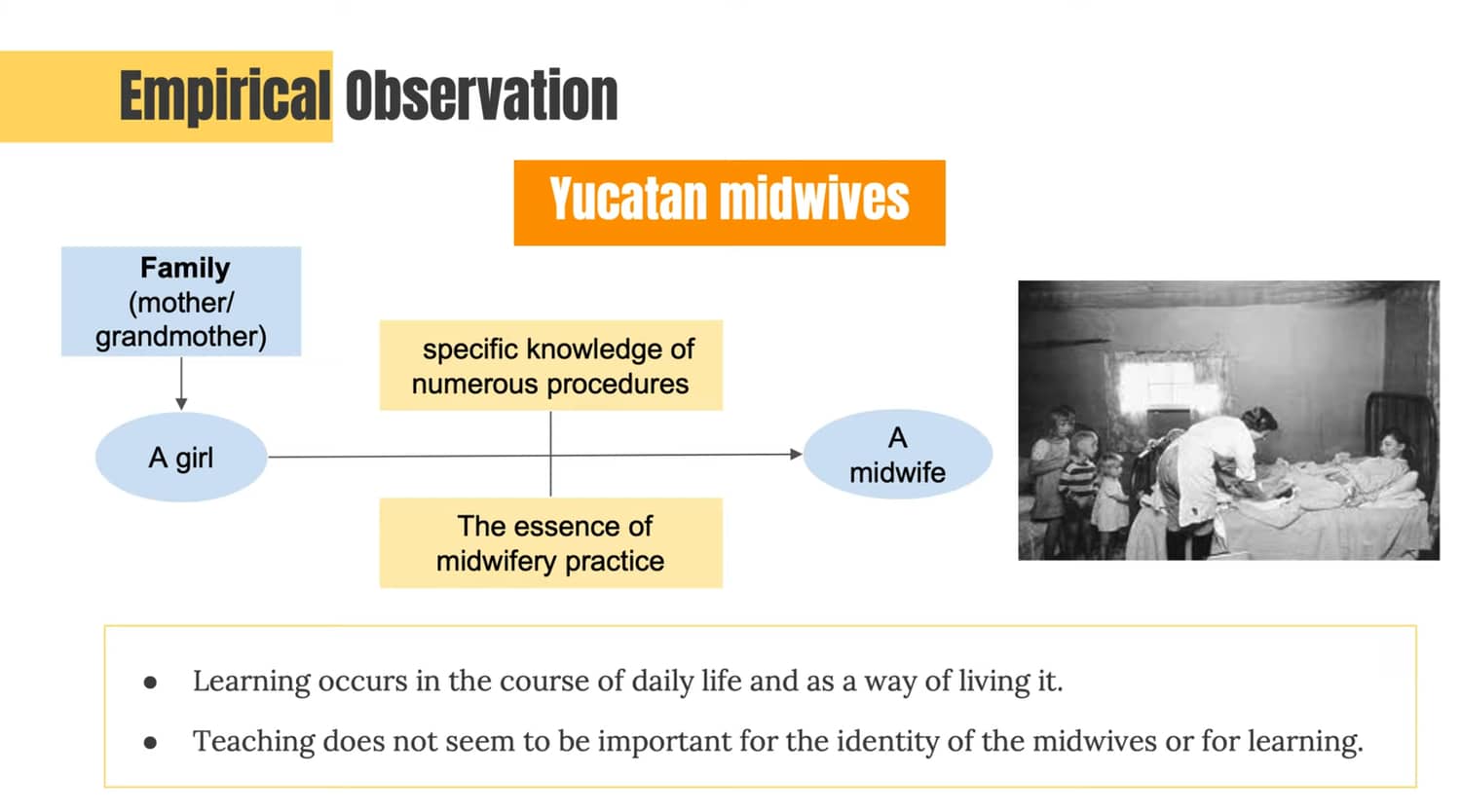
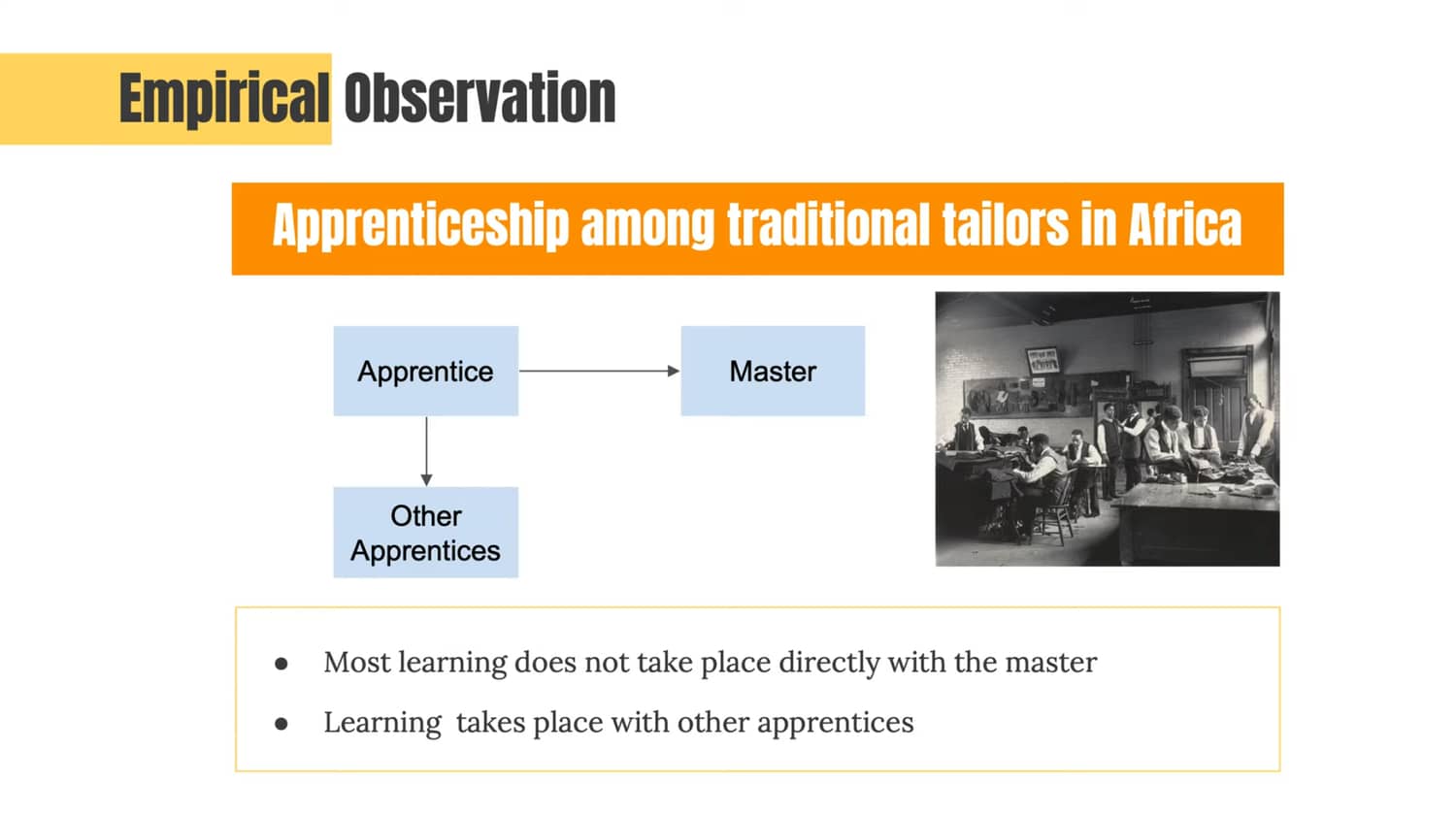
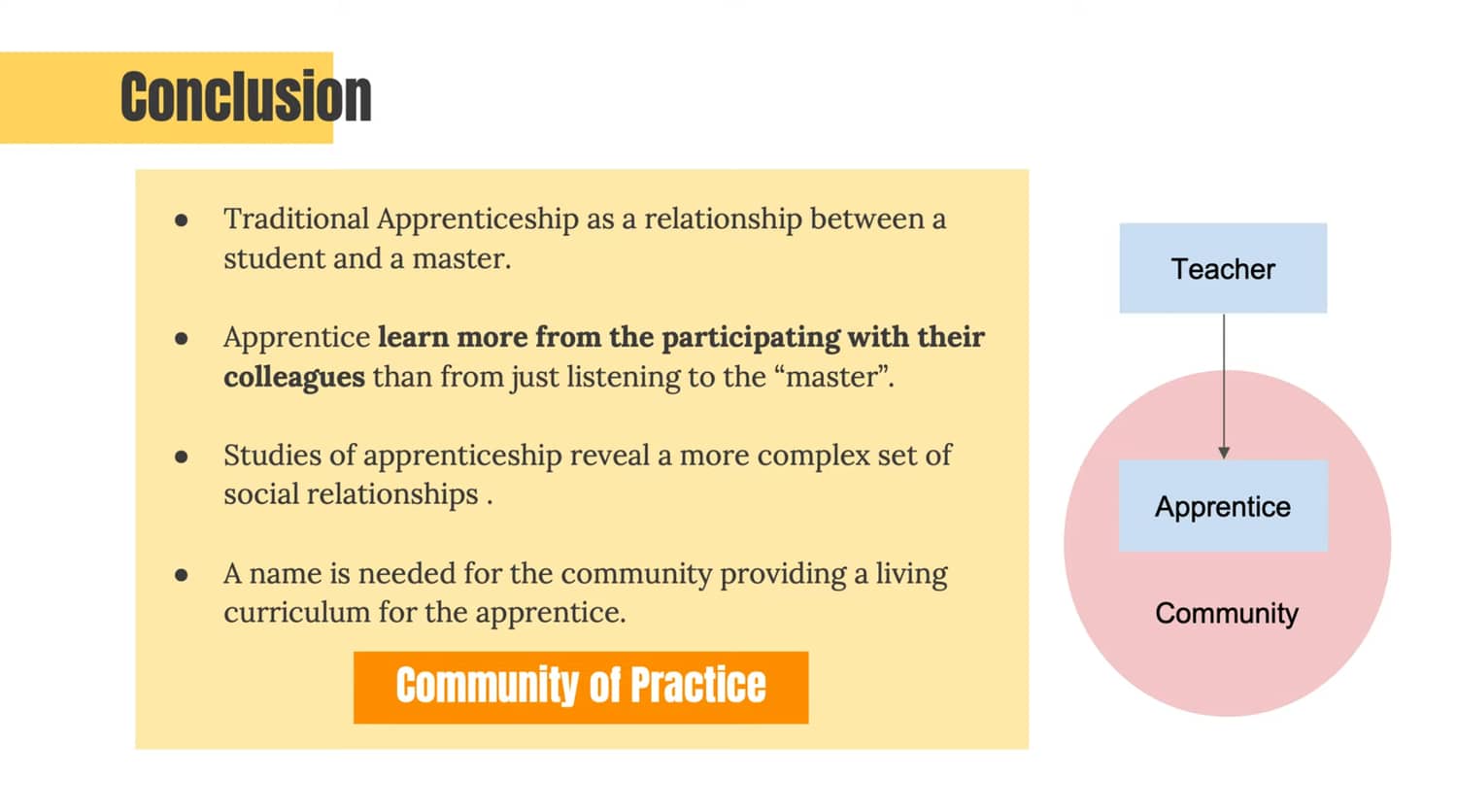
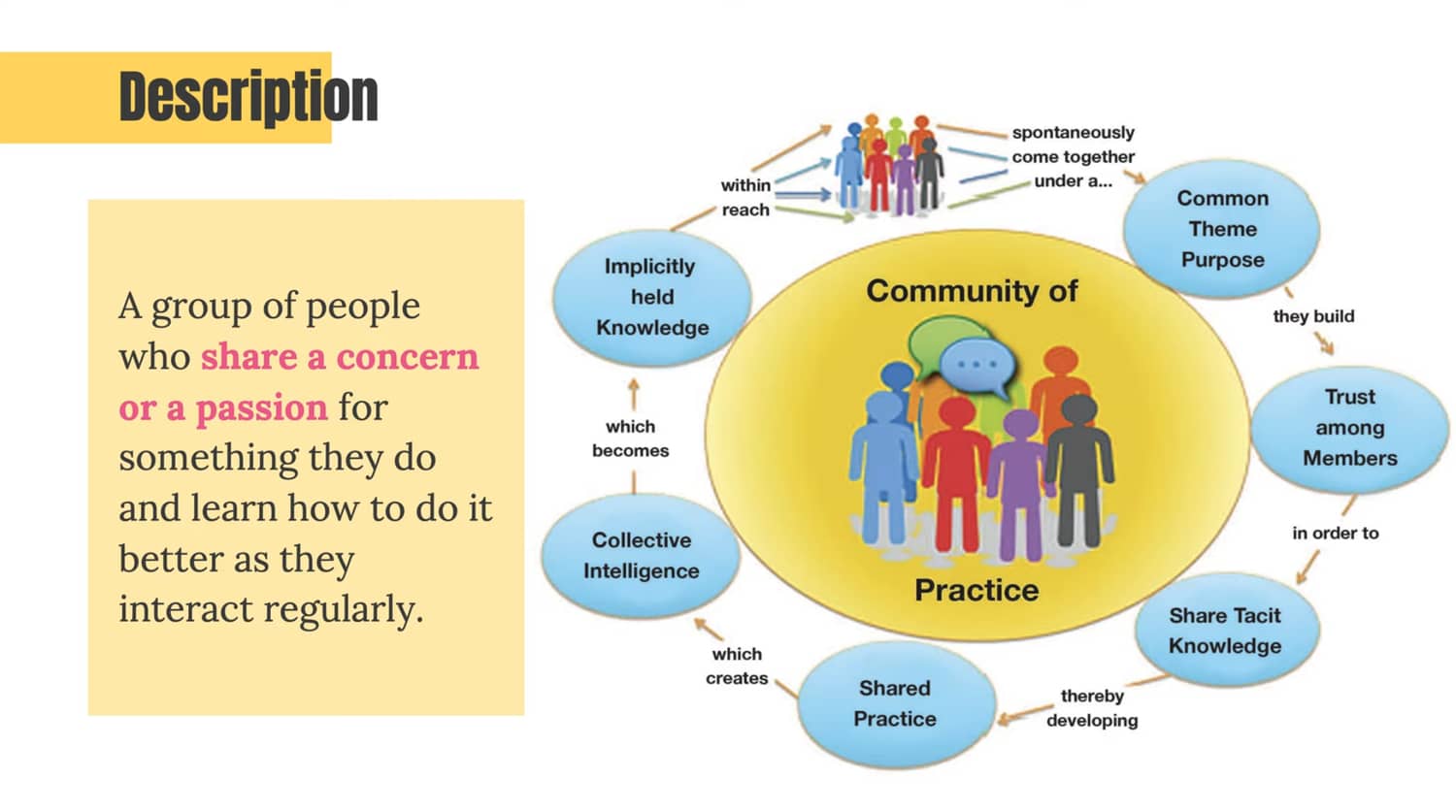
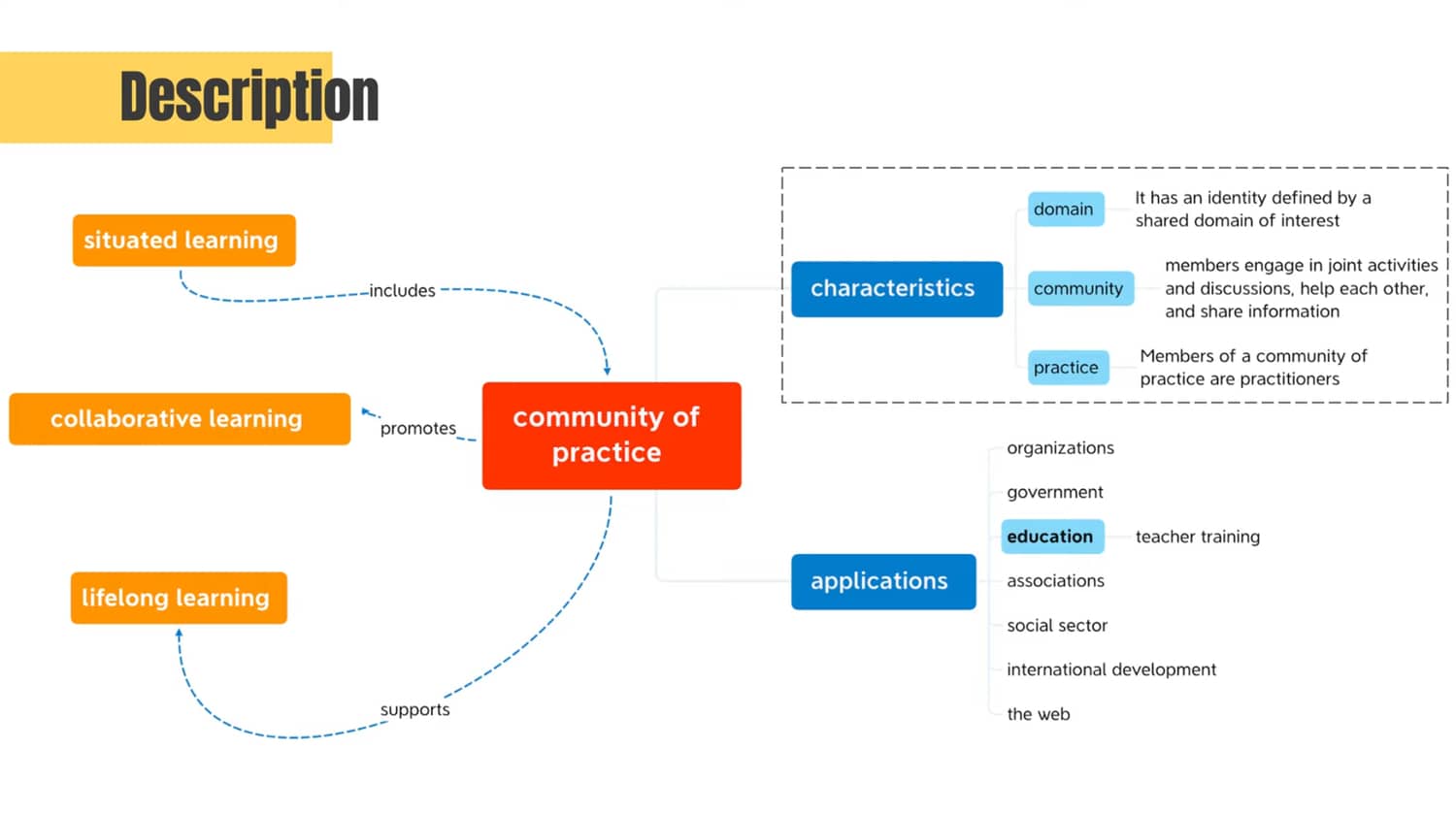
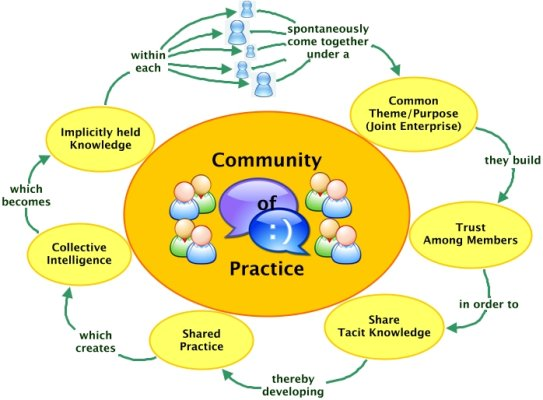
Communities of practice will continue to grow as knowledge artisans need to integrate their work and learning in a trusted space. As the gig economy dominates, communities of practice can bring some stability to our professional development. These are owned by the practitioners themselves, not an association and not an organization. You know you are in a real community of practice when it changes your practice.
-
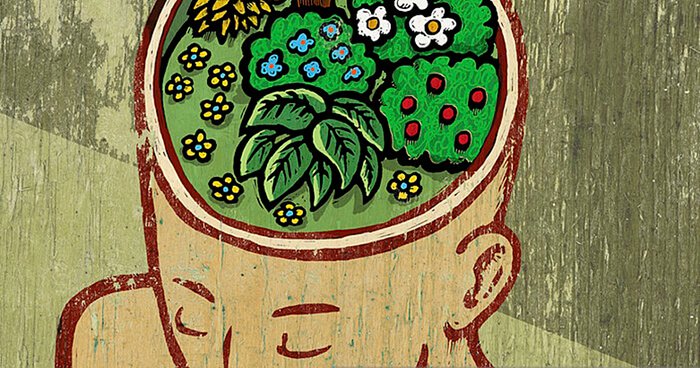
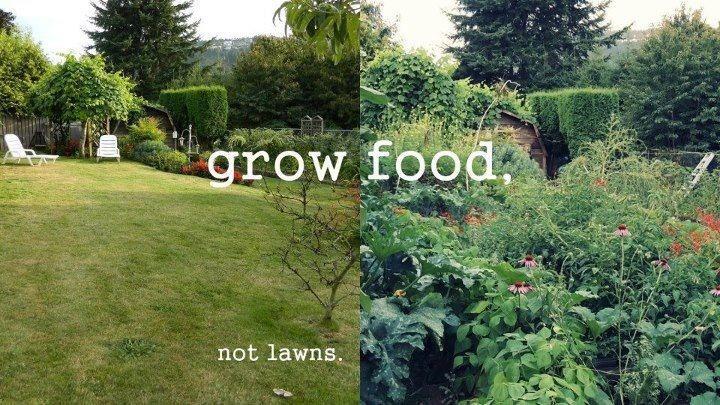
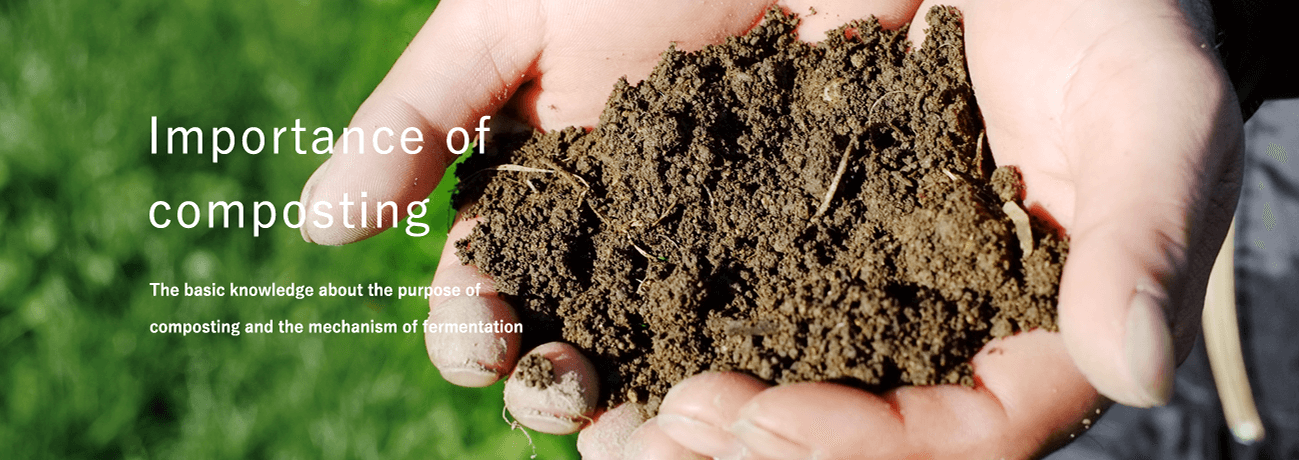
Imagine a world where all the energy invested into controlling and manipulate people, was instead invested into composting and related nature-focused practices. An attainable vision.
-
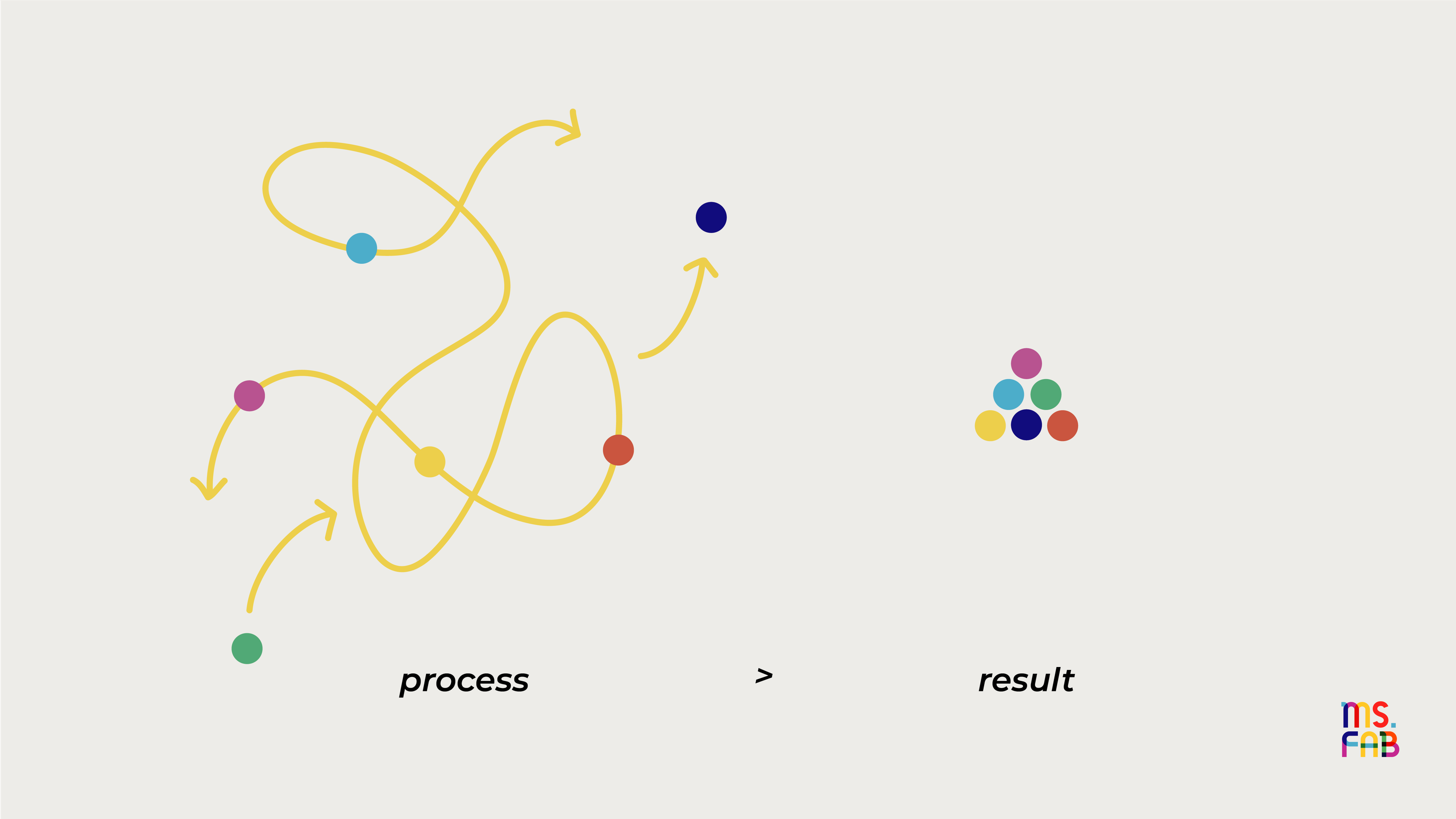
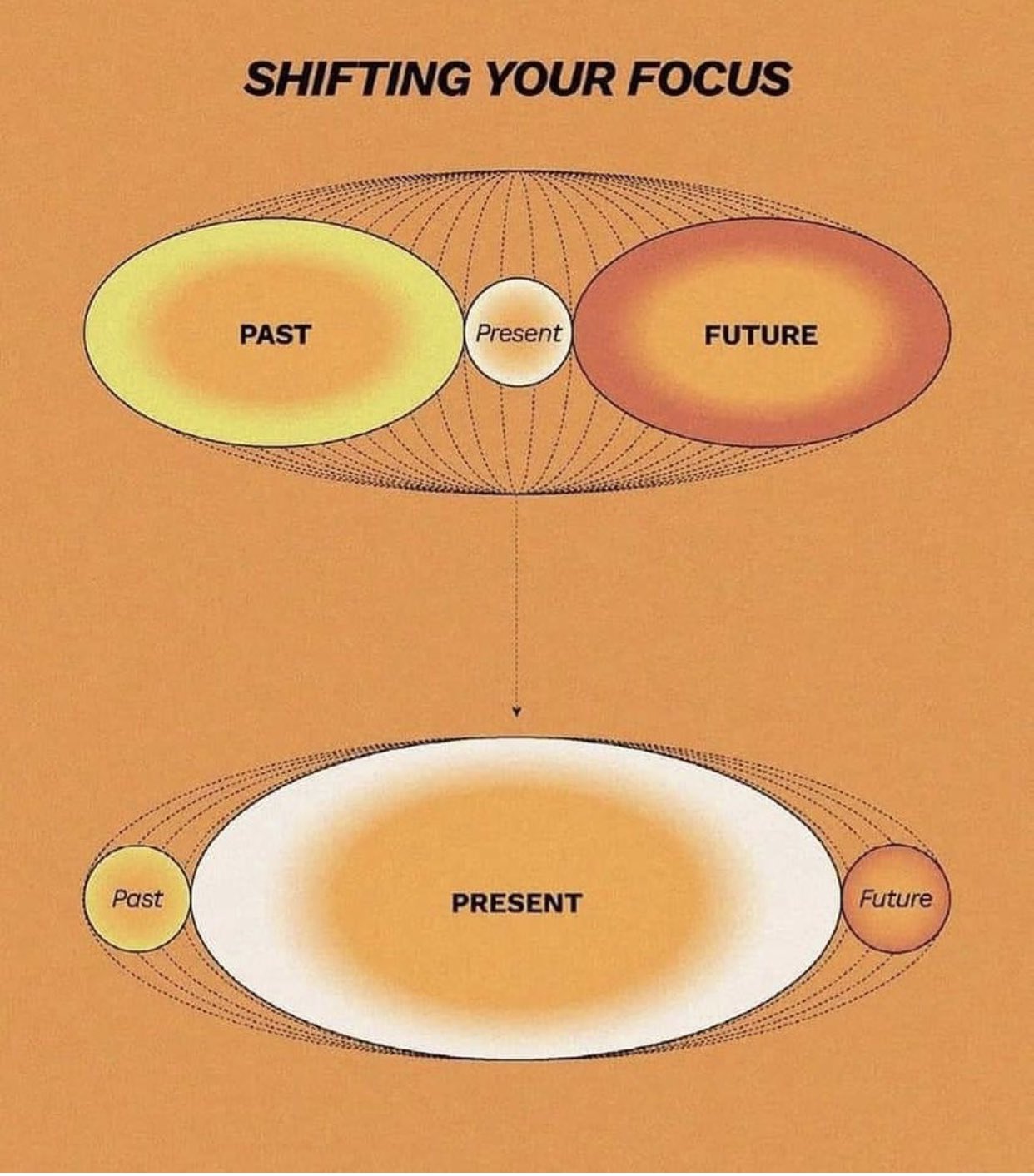
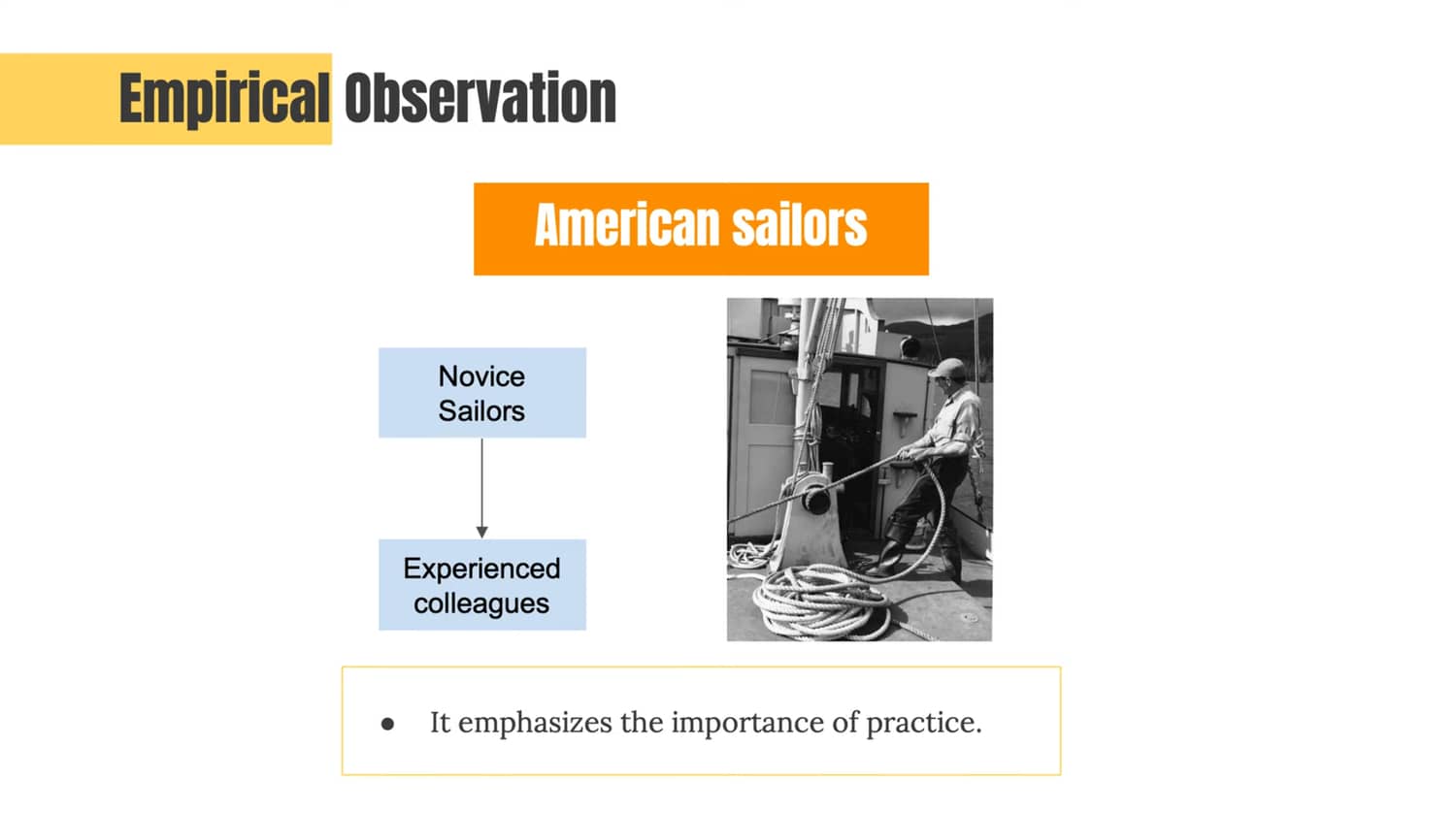
There is tremendous power in the act of practicing something on a regular basis. After a while, the practice becomes like a transparent medium through which the ebbs and flows of "reality" can be observed and studied. Earnest praxis is the basis of true magic. It let's us fully participate in the mysteries of life and adapt to ever changing challenges and opportunities.