tag > Qi
-
Why Qigong Improves Proprioception - by Ben Calder

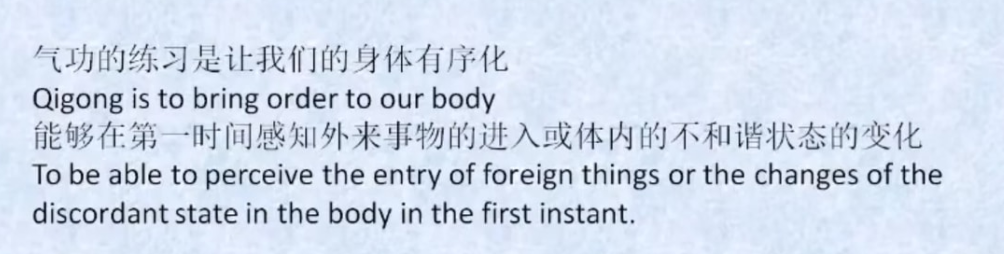
Proprioception is the process by which the body can vary muscle contraction in immediate response to incoming information regarding external forces. Why Does Qigong Improve Proprioception? Because it trains us to be aware of where our body is and what it is and isn't doing. It is that simple.
Being compassionate for our varying daily level of practice - by Ben Calder
-
"Attention and Relaxation" - Search Results
- A comparison of the effect of attention training and relaxation on responses to pain
- Short-term meditation training improves attention and self-regulation
- Effects of Techniques of Receptive Meditation and Relaxation on Attentional Processing
- The role of physiological attention-focusing in the relaxation treatment of sleep disturbance, general tension, and specific stress reaction
- “We Are Talking About Practice”: the Influence of Mindfulness vs. Relaxation Training on Athletes’ Attention and Well-Being over High-Demand Intervals
- Effects of Progressive Relaxation and Classical Music on Measurements of Attention, Relaxation, and Stress Responses
- How Relaxation Can Improve Concentration
- Mindfulness training improves relaxation and attention in elite shooting athletes A single-case study
- How can attention and relaxation be measured through a one channel EEG?
- Meditate to create: the impact of focused-attention and open-monitoring training on convergent and divergent thinking
- The Physiological Response to Drawing and Its Relation to Attention and Relaxation
- Practical Use of Relaxation Techniques, Self-Experience
“Concentration and mental toughness are the margins of victory.” — Bill Russell
- A comparison of the effect of attention training and relaxation on responses to pain
-
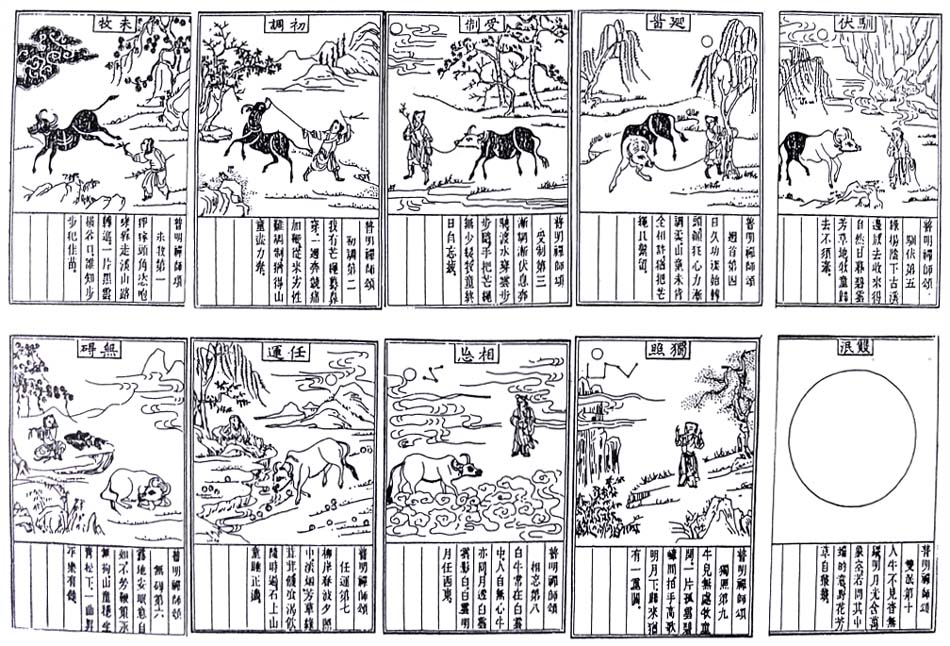
Ten Bulls or Ten Ox Herding is a series of short poems and accompanying drawings used in the Zen tradition to describe the stages of a practitioner's progress toward enlightenment, and their return to society to enact wisdom and compassion.
-
Qigong Warmup Exercises
"One day 45 years ago Master Huang said he will tell us all a secret... I was 15 at time and was really excited as the master would be imparting to us with the secret of Tai Chi.... All he said was Funk Sung.... Relax."
Master Huang Xingxiang - Five Loosening Exercises
Grandmaster Chen Zheng Lei - Taoist Qigong Opening Exercises
-
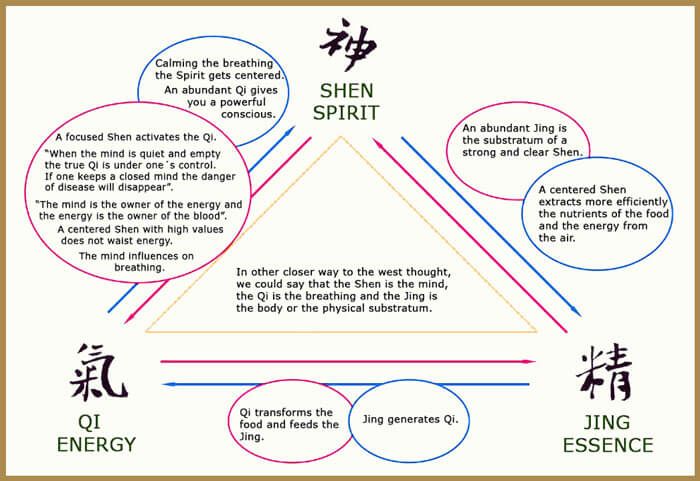
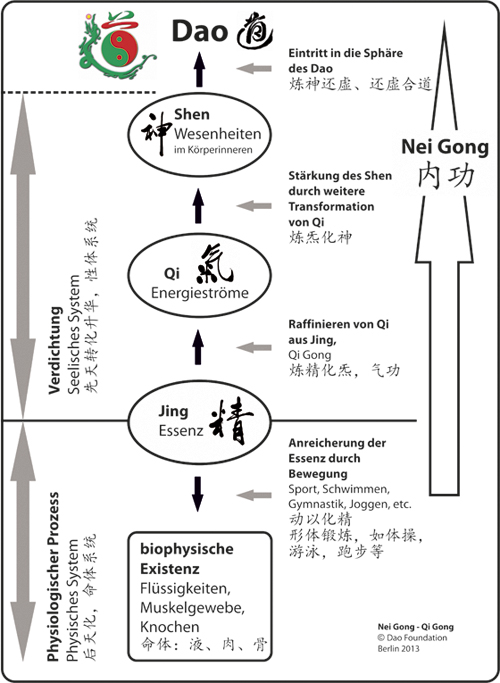
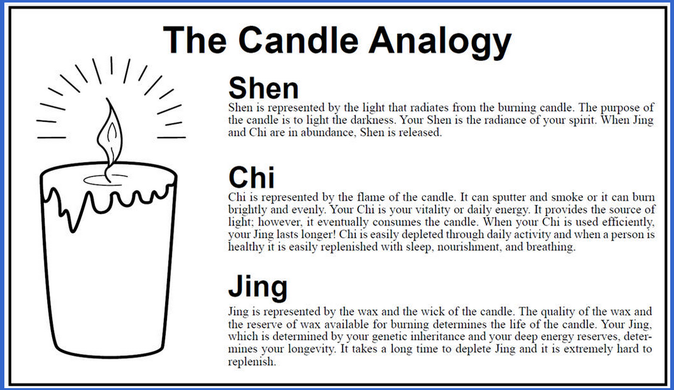
Shen (神)
Shen in Chinese Medicine refers to the consciousness in a large sense. It is further divided:
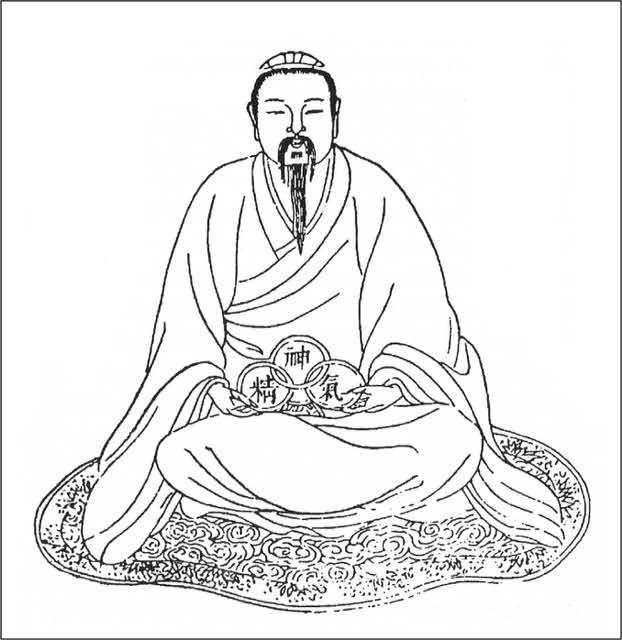
- Lower consciousness: the automated survival instinct, the biological will to live. It is often referred to as animal instinct. The feeling for the need to eat, to reproduce, to protect your body from harm (cold, fire, water, fall, etc…) It is also that voice in your head that tell you to get out of a dangerous place or to take a different route.
- Normal consciousness a.k.a. Monkey Mind: the acquired emotional response to your environment. What you learned from your experiences and those of others. The use of your emotions, positive and negative, to communicate with others and yourself. Basically all of your thought. Where there is a thought, there is an emotion.
- Higher consciousness: being conscious of our consciousness. Feeling connected to the infinite universe and everything in it. This is the state of meditation, of tranquility, from which you have no thought but can feel everything as they are, without comment/ judgment.
The level of higher consciousness is what we are looking to develop during Qigong practice. It is easy to attain it. It is instantaneous. But to be able to keep it for a period of time require training. Not training in developing this higher consciousness but in quieting your Monkey Mind. Once the mind is calm, the higher consciousness manifests itself.
Text from qigong18 online course
-
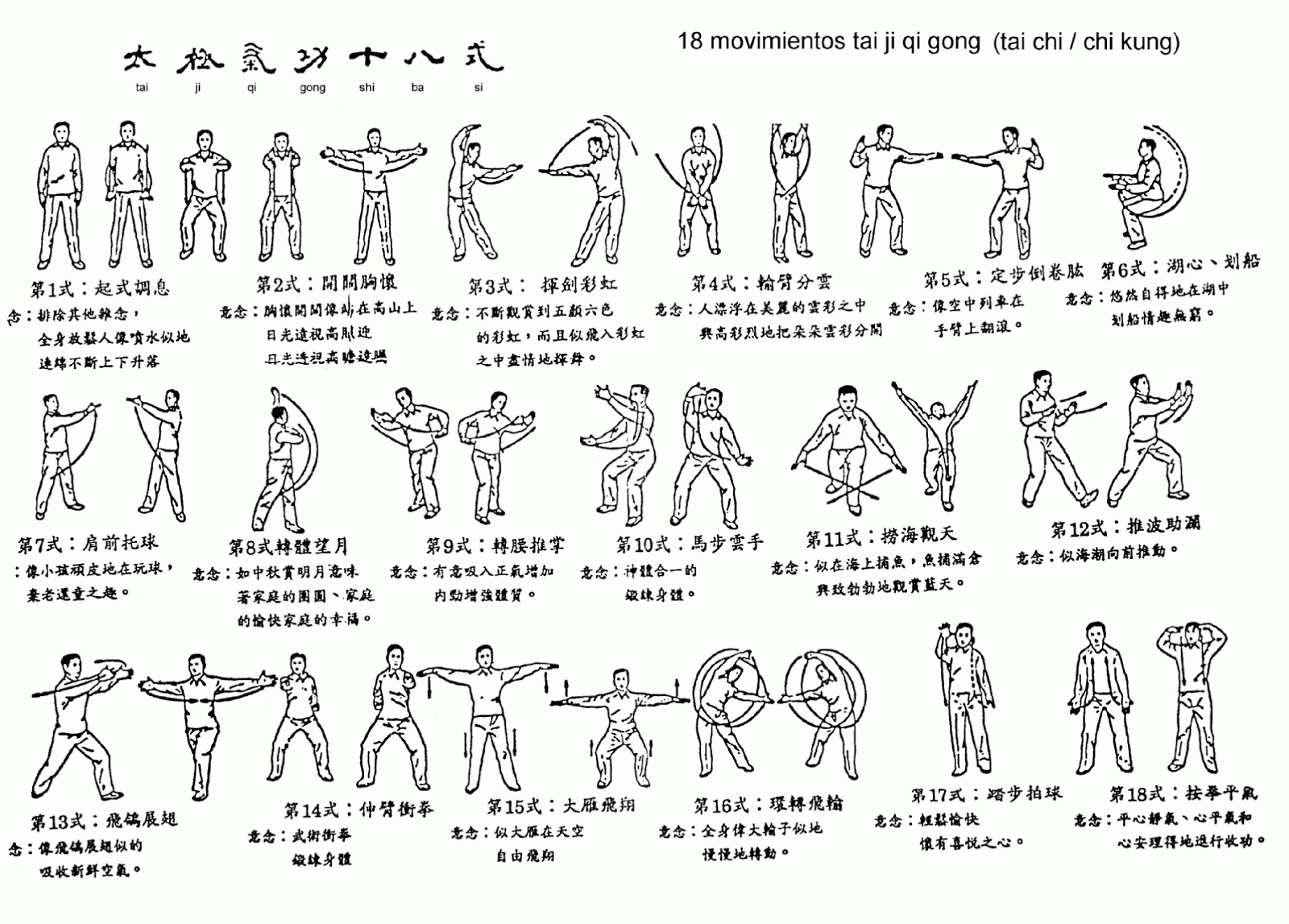
Taiji Qigong Shibashi - 18 Movement (十八式)