tag > Regenerative
-
Researcher studies importance of synchrony in ecological systems such as food webs (2018, University of Kansas)
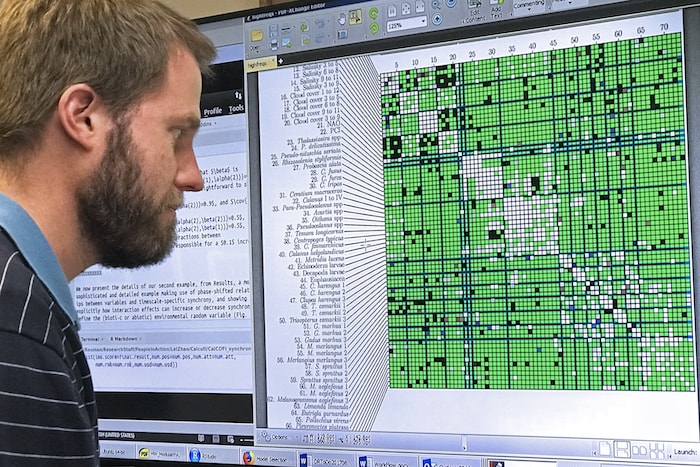
"Synchrony is when multiple populations in different places all fluctuate in the same way," said Daniel Reuman, professor of ecology & evolutionary biology. "One of the causes of population synchrony is synchrony of environmental variables -- like the amount of rainfall. When rainfall in different areas is correlated through time, like a drought that's spread across a large area, that will affect all populations across that area in similar ways."
-
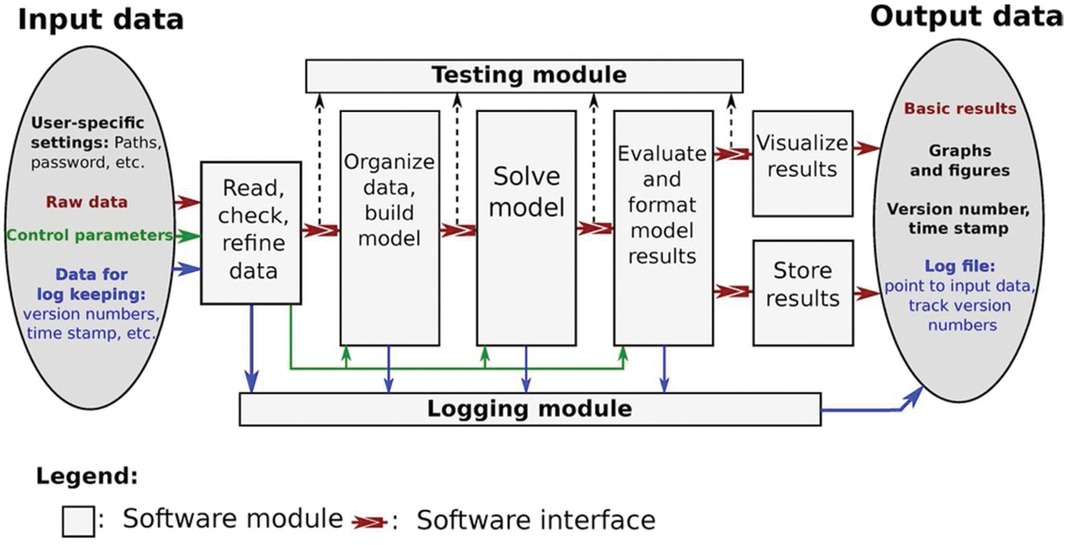
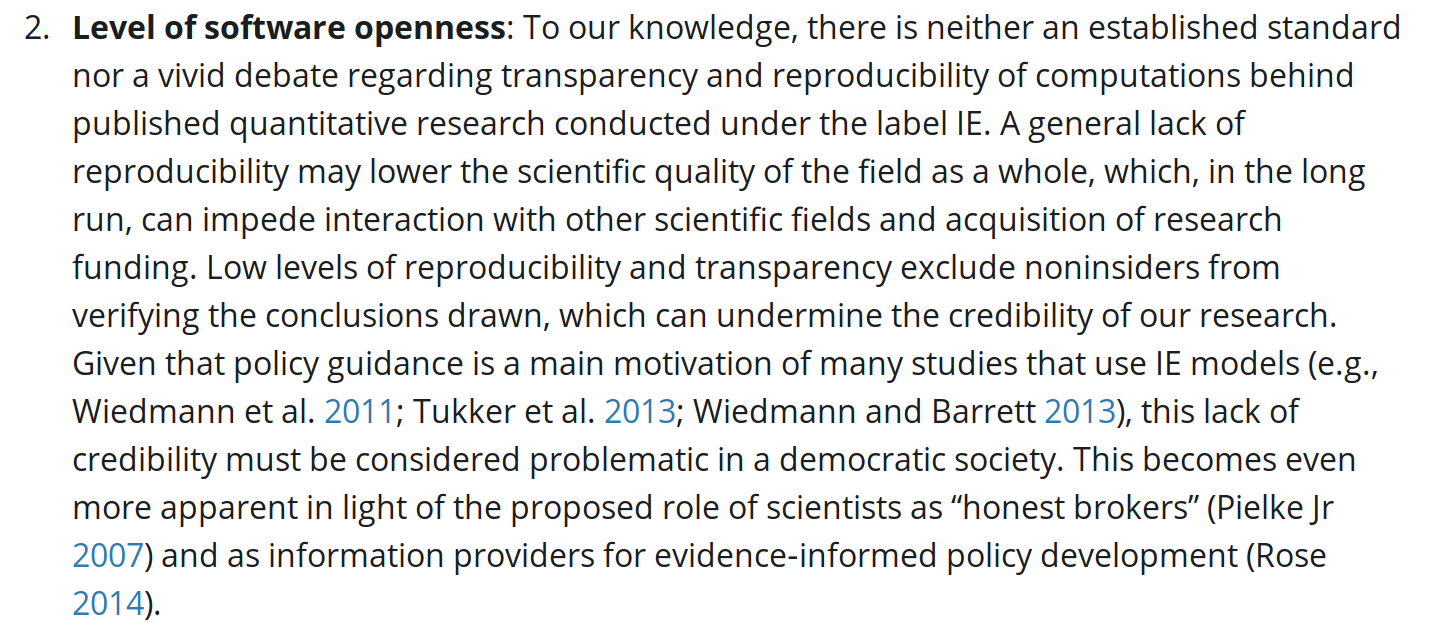
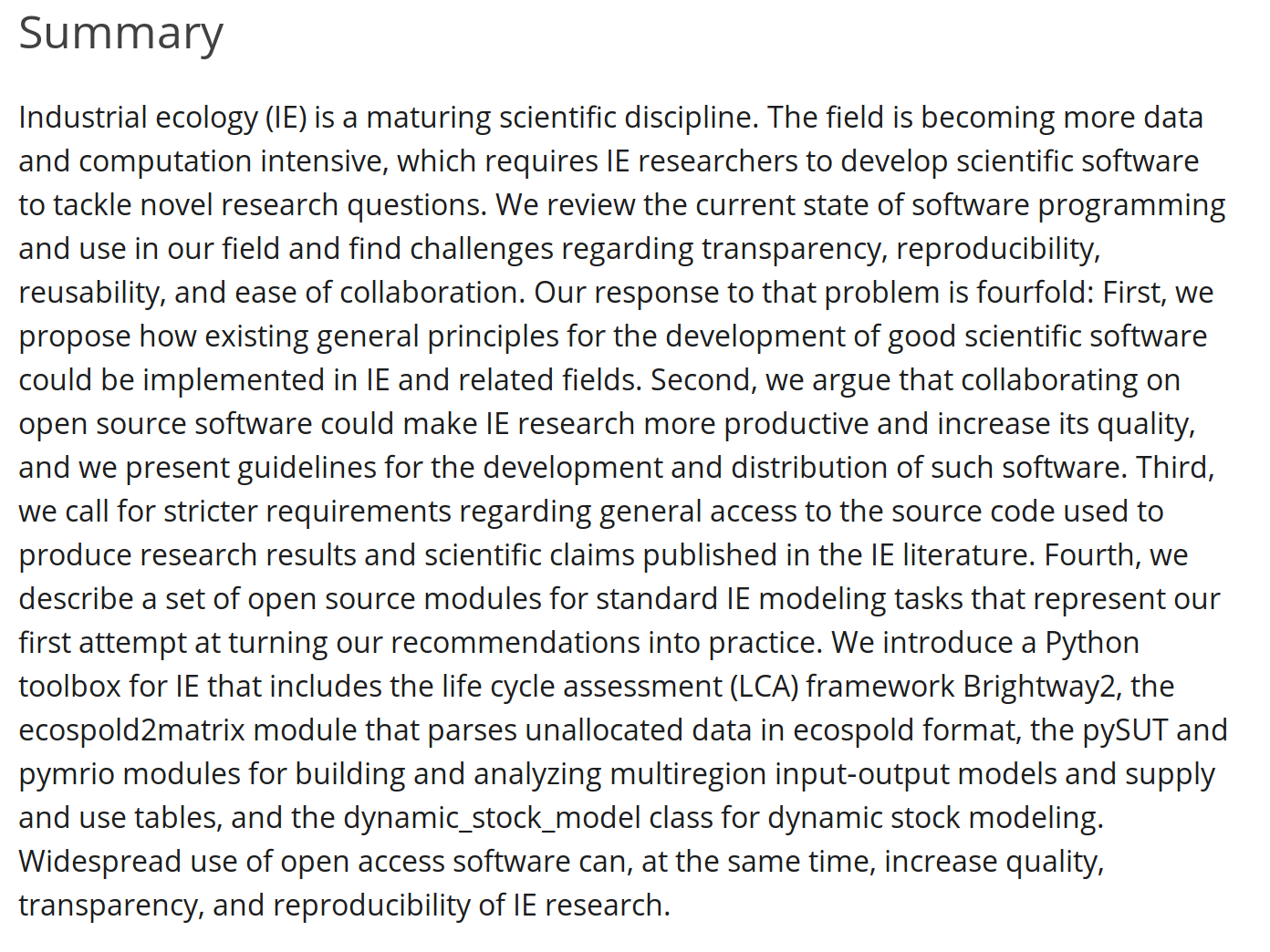
Lifting Industrial Ecology Modeling to a New Level of Quality and Transparency: A Call for More Transparent Publications and a Collaborative Open Source Software Framework by Stefan Pauliuk, Guillaume Majeau‐Bettez et.al (2015)
-
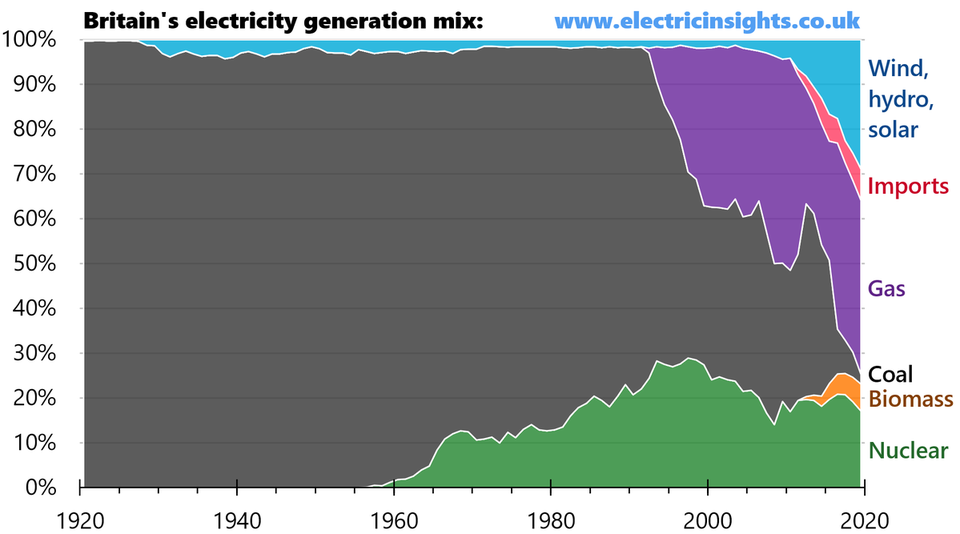
Britain's electricity generation mix over the last 100 years (via)
-
New demand for very old farm tractors specifically because they're low tech
Farmers are increasingly sick of high-tech tractors that are expensive to buy and usually impossible to fix yourself due to their integrated digital technology. Tractors built in 1980 or earlier cause bidding wars at auctions.
-
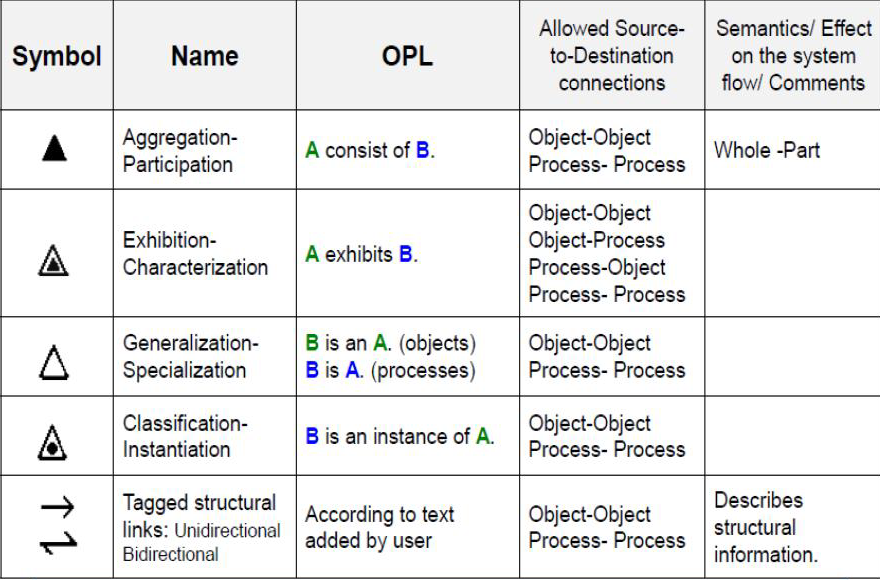
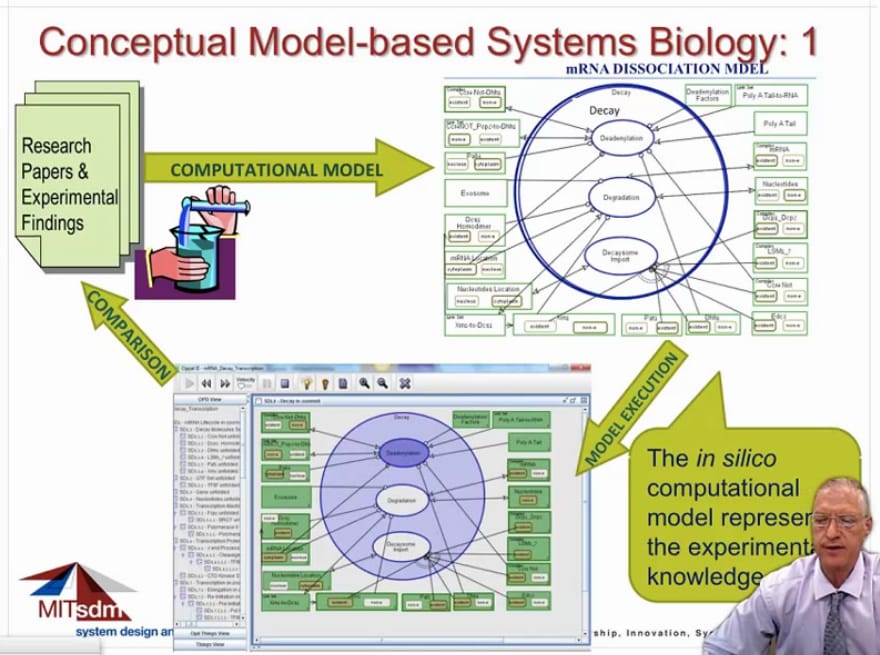
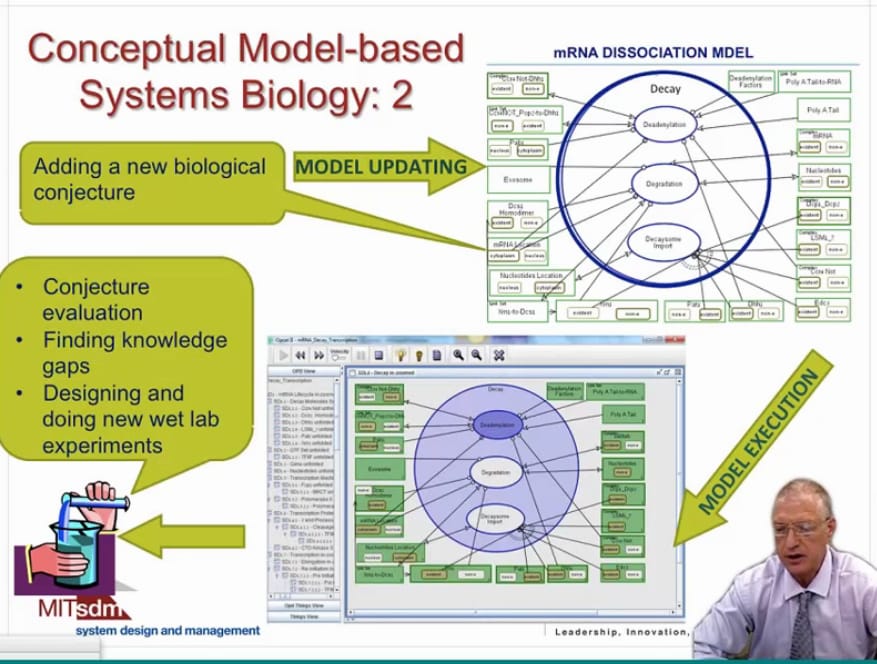
Object Process Methodology (OPM) is a conceptual modeling language and methodology for capturing knowledge and designing systems. Based on a minimal universal ontology of stateful objects and processes that transform them, OPM can be used to formally specify the function, structure, and behavior of artificial and natural systems in a large variety of domains. OPM was conceived and developed by Dov Dori. The ontology of OPM and ontology of Navya-Nyāya an ancient Hindu school of thought in india are identical.
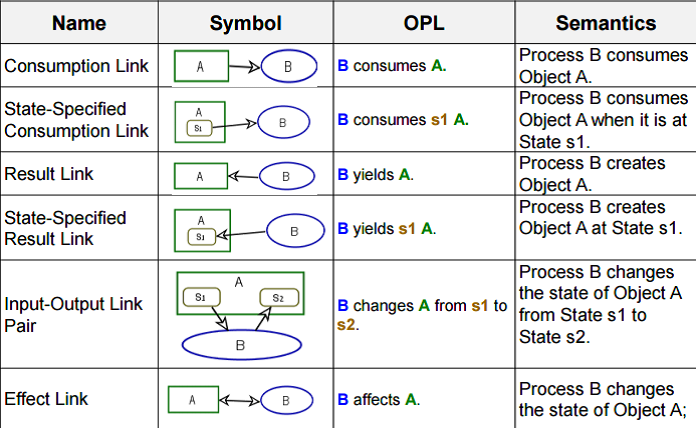
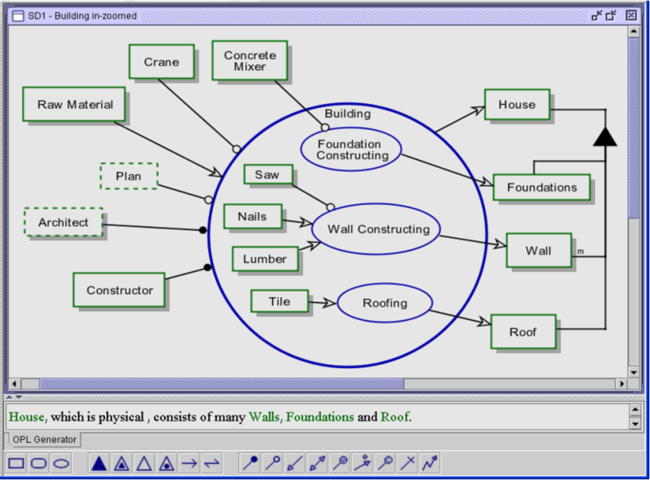
More on OPM: Presi, Presi, Presi, Video, Video, Video, Video, Video, Video, Video, Video
Following text from the blog post "Object Process Methodology" - by Joe Gollner:
My encounter with OPM was facilitated by attending the above-referenced course at MIT. This course was delivered by Professor Dov Dori, the driving force behind OPM, and by Professor Edward Crawley, Head of the Cambridge MIT Institute and advocate for how OPM can be leveraged to model business as well as system considerations. The course, I should note, represents the best value I have ever encountered in a professional education program. I would highly recommend it to anyone who is interested in the general question of modeling complex systems in a way that all stakeholders can intuitively understand.
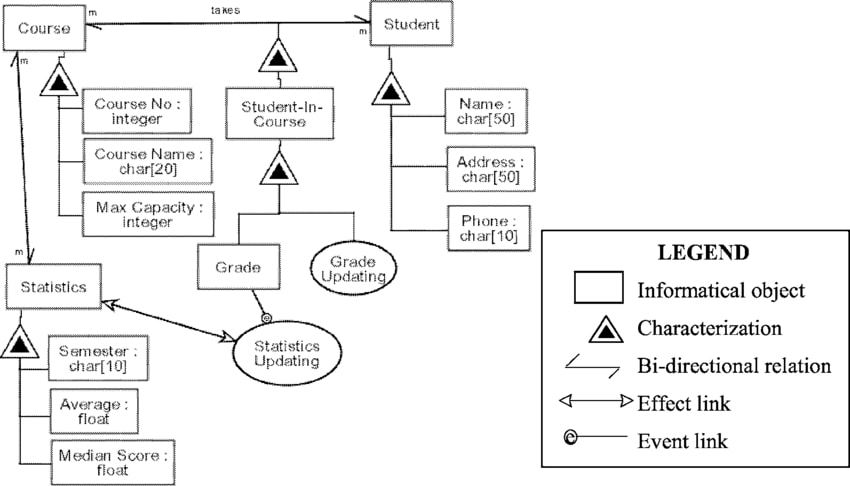
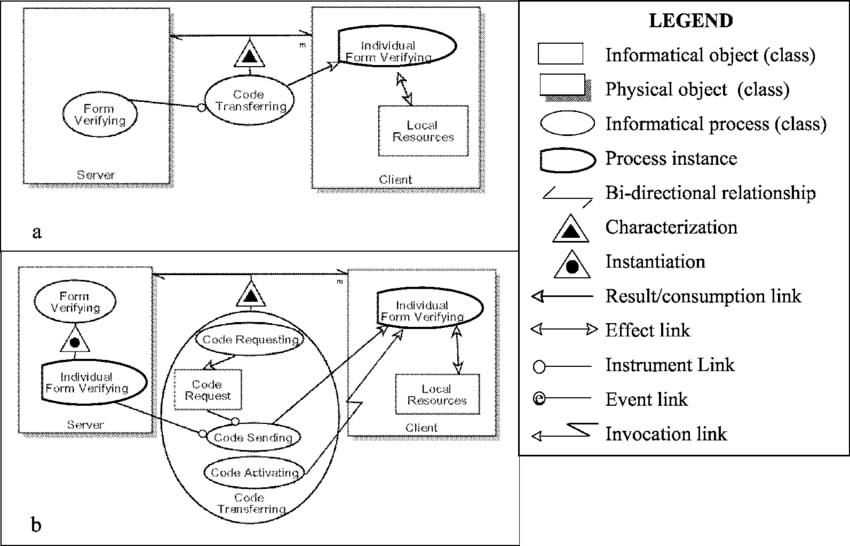
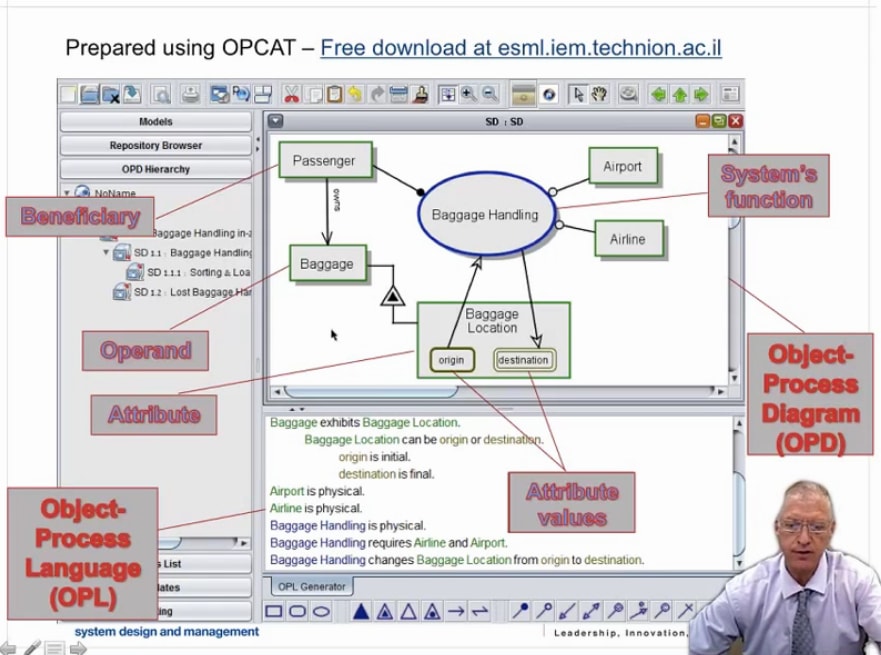
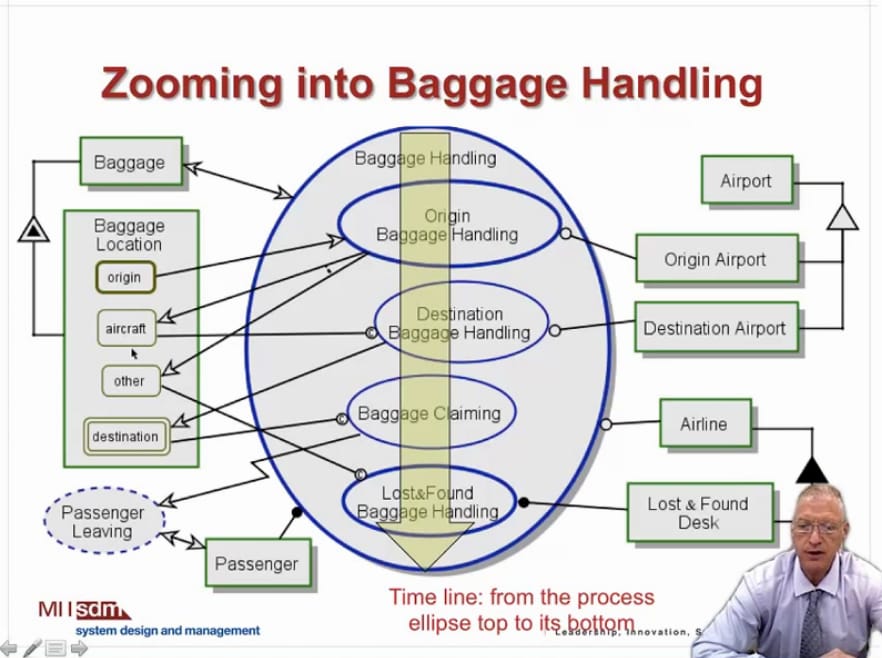
I will attempt an unforgivably brief description of OPM here. The Object Process Methodology offers an astoundingly simple framework for modeling systems and scenarios of unlimited complexity. The root of its ability to do so lies in the fact that it departs from the prevailing fixation with Object Orientation (OO) which, in ultimately trying to represent the world using constructs relevant to software, inevitably spawns bewildering models as soon as it moves beyond anything more "real" than a software component. The main departure that OPM makes, as its name suggests, is the elevation of "processes" to being peers to "objects". In the real world, there are things and there are things that happen to things and this basic decomposition of conceptual units fits reality to a tee. So it is that whereas the full envelope of UML diagrams provides over 150 individual symbols, OPM manages to get by with literally a handful. This simplicity then makes a second major departure possible - the elimination of the litany of diagram types. In OPM, there is only one diagram type and only one integrated view. This is one major reason why business people can immediately grasp the contents of an OPM model.
Equally interesting is the fact that associated with any visual representation that can be constructed using the OPM notation will be a supporting "natural language" expression. The above image illustrates a very simple OPM model. The image is taken from the OPCAT modeling tool and along the bottom of the screen shot can be seen both the limited set of symbols used and a segment of the natural language expression associated with the model. [...]
The short summary of this argument is that anyone interested in the general problem of understanding complex systems, and representing and communicating that understanding to a broad community of stakeholders, absolutely must take a closer look at the Object Process Methodology.
Short video interview with Dov Dori. Part of a free MOOC on OPM.
Tools: OPCloud and the Evolution of OPM Modeling Tools - Dov Dori et.al. which mentions the cloud based https://www.opcloud.tech/ and the OPCAT software:
-
Ecology and Design: Parallel Genealogies - Ecological thinking remains a powerful lens for understanding complex adaptive systems. - by Chris Reed & Nina-Marie Lister (2014)
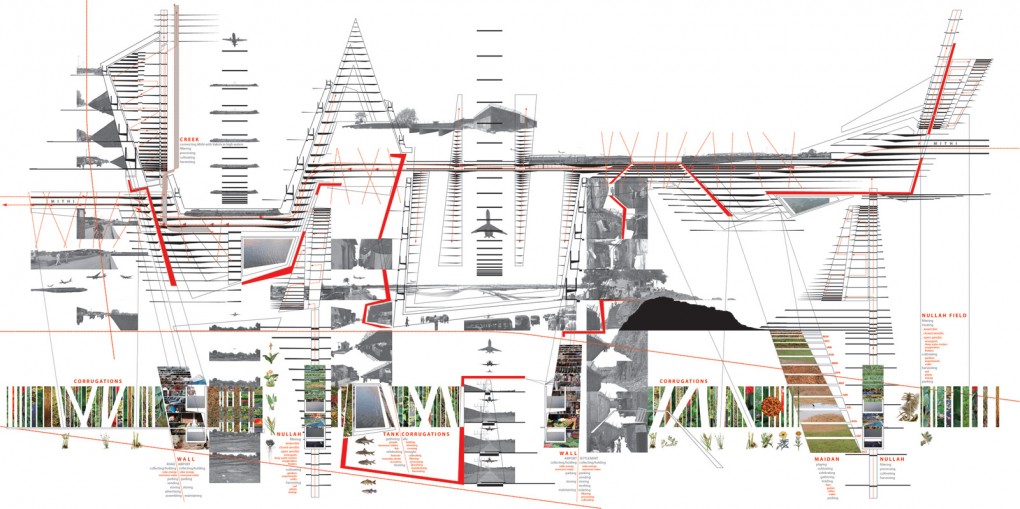
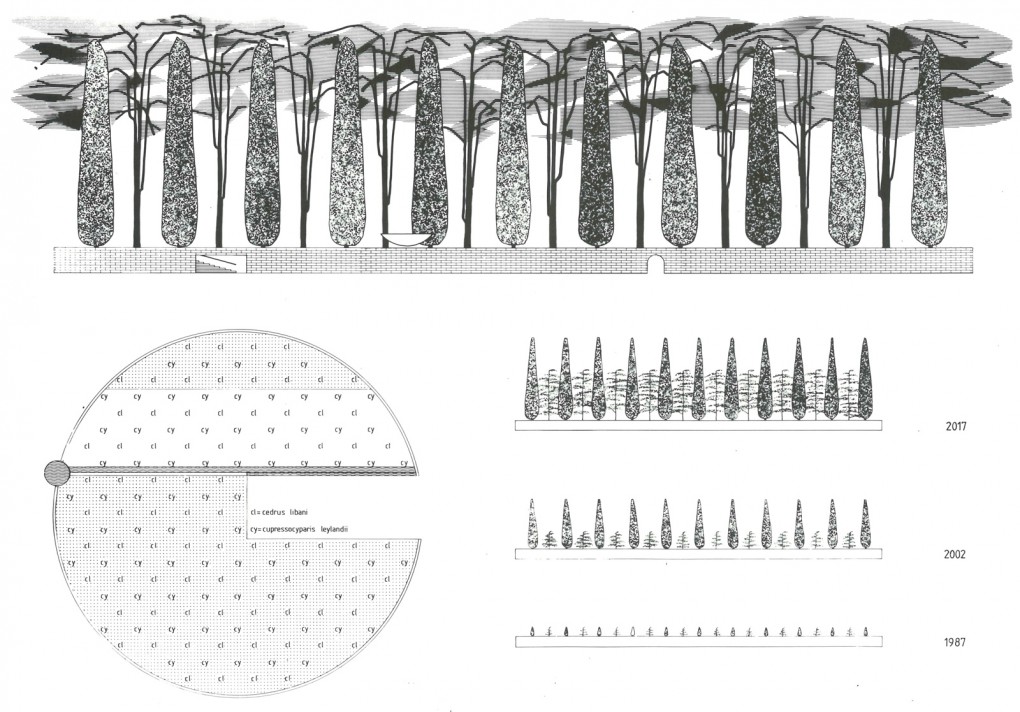
#Regenerative #Design #Architecture #ClimateChange #Complexity
-
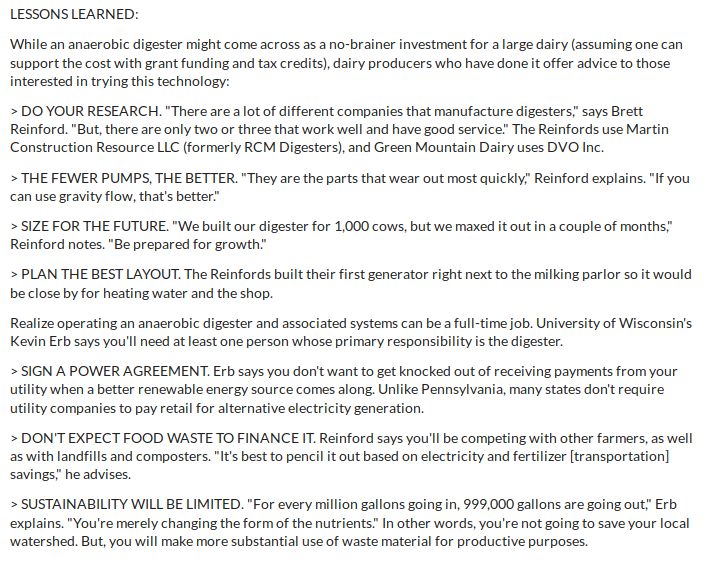
Waste Not, Earn More - "Anaerobic Digesters Turn Waste into Fuel, Fertilizer and Income"
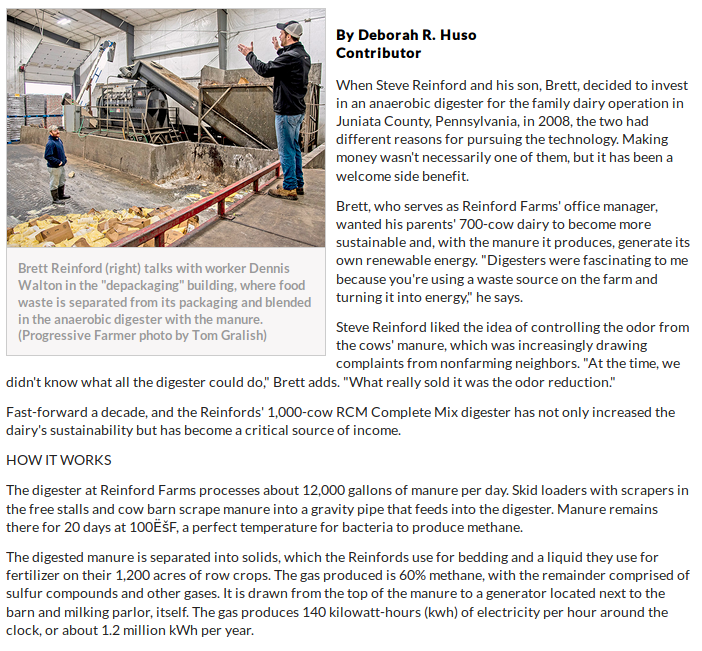
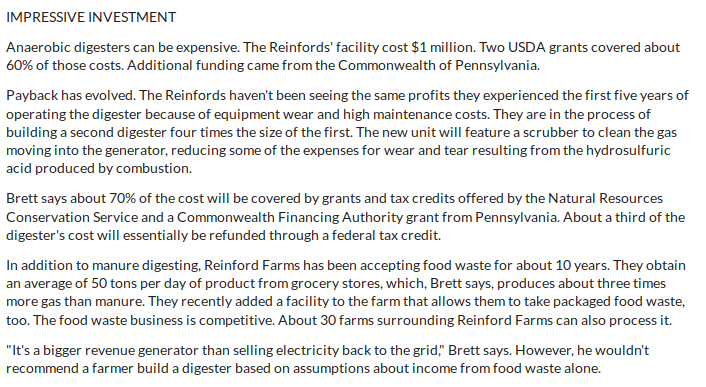
-
EnAlgae - sustainable technologies for algal biomass production

EnAlgae brings together 19 partners and 14 observers across seven EU Member States. It aims to reduce CO2 emissions and dependency on unsustainable energy sources in North West Europe.The project is developing sustainable technologies for algal biomass production, bioenergy and greenhouse gas mitigation, taking them from pilot facilities through to market-place products and services.
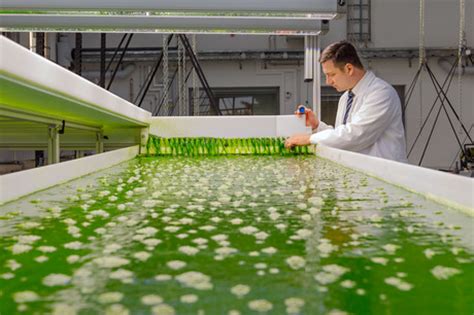
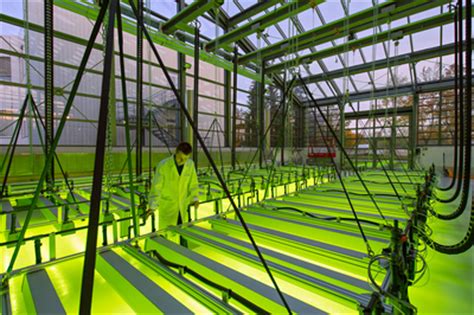
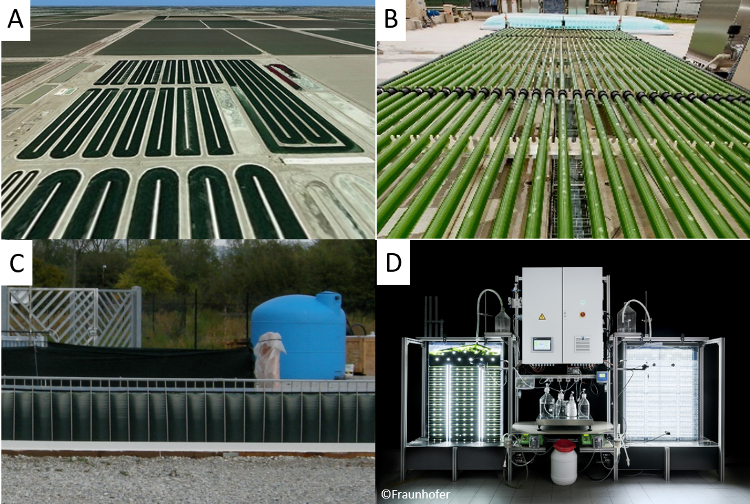
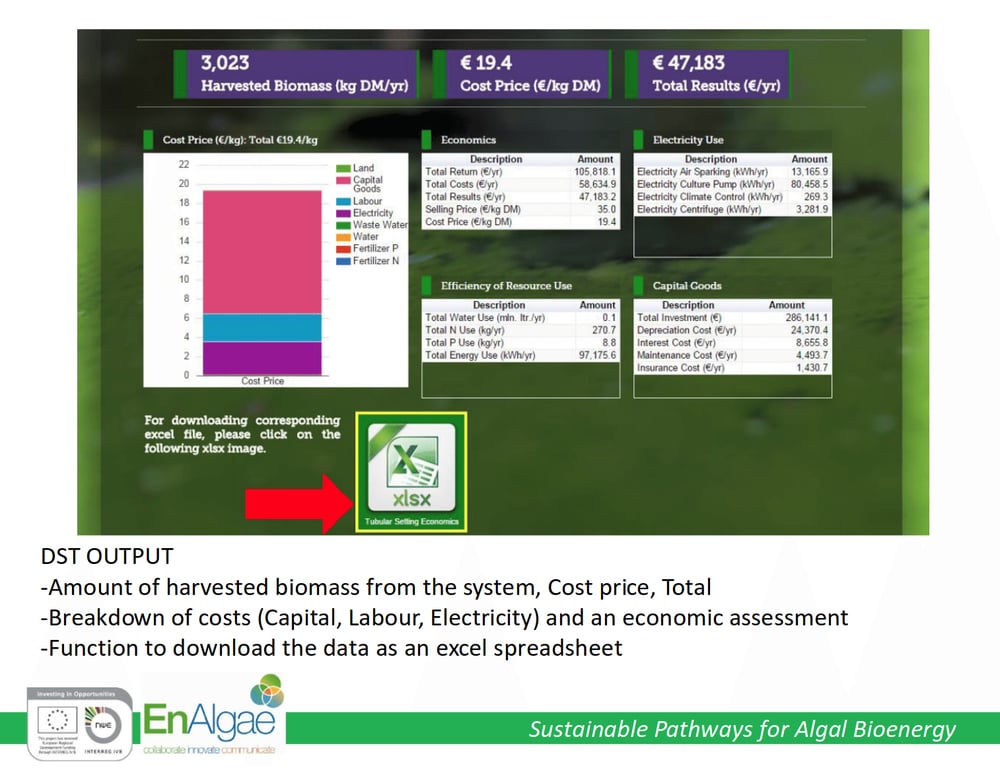
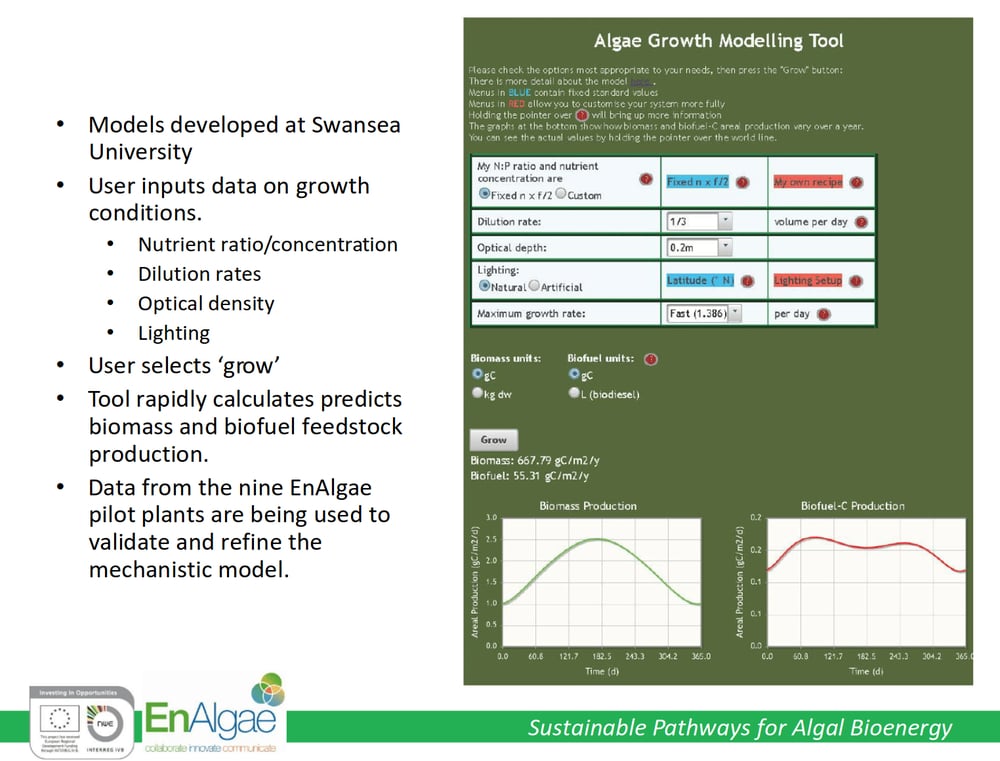
Capturing and representing knowledge from the EnAlgae project - Developing Decision Support Tools - presentation by Lynsey Melville
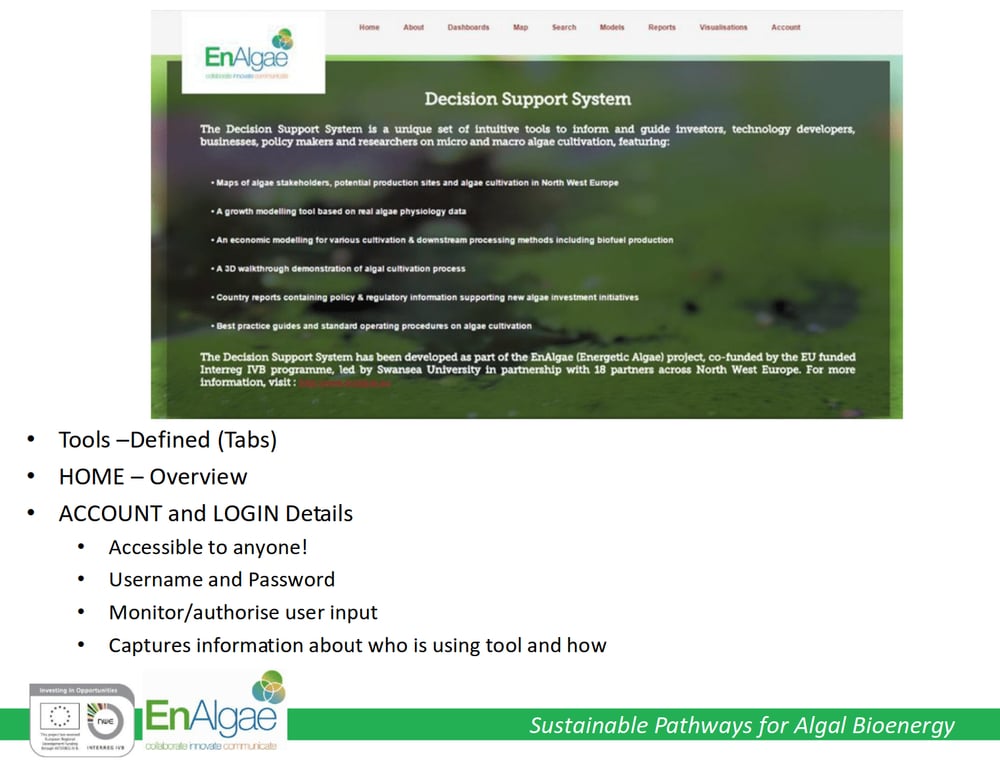
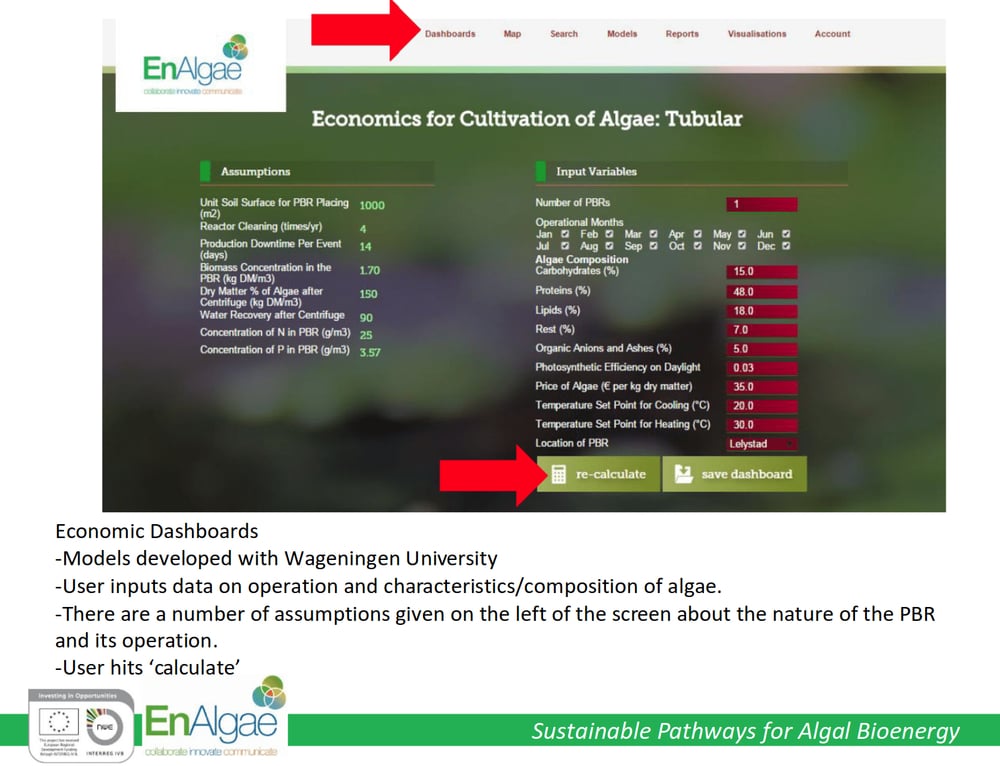
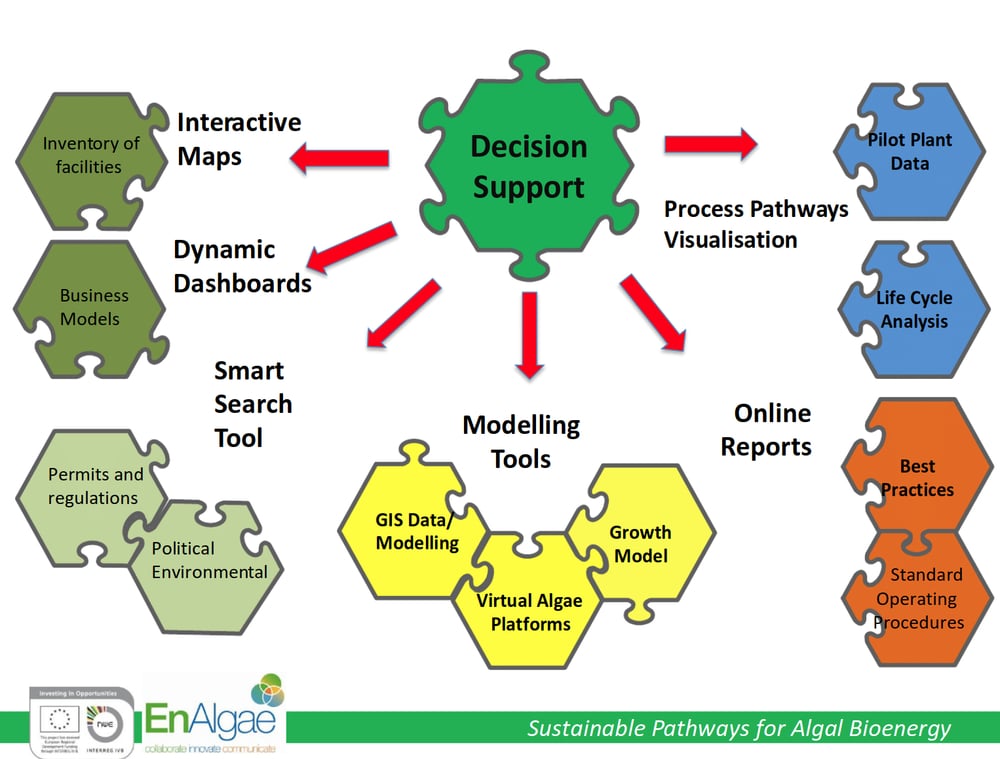
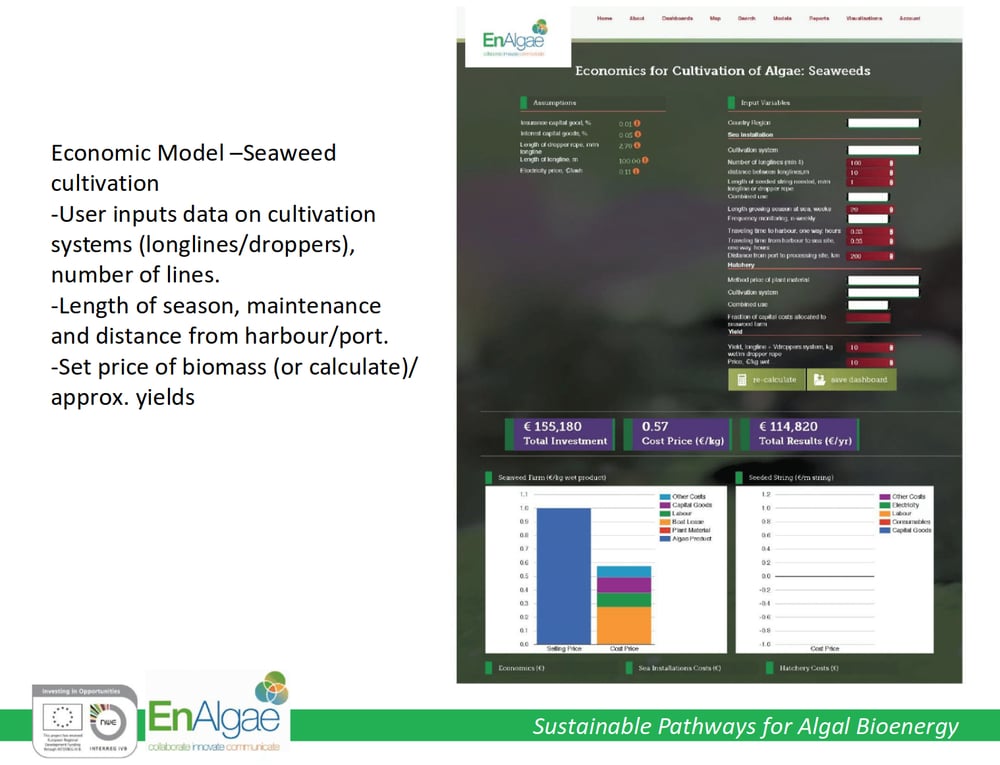
EnAlgae Decision Support Tool and Interactive Algal Growth Model
The Decision Support Toolset is a unique set of intuitive tools to inform and guide investors, technology developers, businesses, policy makers and researchers on micro and macro algae cultivation, featuring:
- Maps of algae stakeholders, potential production sites and algae cultivation in North West Europe
- A growth modelling tool based on real algae physiology data
- An economic model for various cultivation & downstream processing methods including biofuel production
- A 3D walkthrough demonstration of the algal cultivation process
- Country reports containing policy & regulatory information supporting new algae investment initiatives
- Best practice guides and standard operating procedures on algae cultivation
EnAlgae Documentary: Panning for Green Gold
EnAlgae has been about finding sustainable pathways for algal biomass. Initially the focus was all about energy, specifically as a biofuel. But our journey over the past four years shows that there's likely to be a different future ahead for using algae - as energy in food for one thing, and much more. Watch our half hour film to find out more.
The Algal Information Network (AIN)
The AIN role will be to develop productive and active initiatives which are able to contribute to the algae sector scale up in Europe. Among the wide set of information, news and documents available, this website hosts the first public databases of European actors in the algae market, from research centres to industrial end-users, associations and consultancy companies. In addition, the AIN website presents the Decision Support Tool, designed by EnAlgae: one of the most advanced IT Tools, able to provide precise concept studies for a preliminary investigation on the potential benefits of new algae facilities in the NWE region.
-
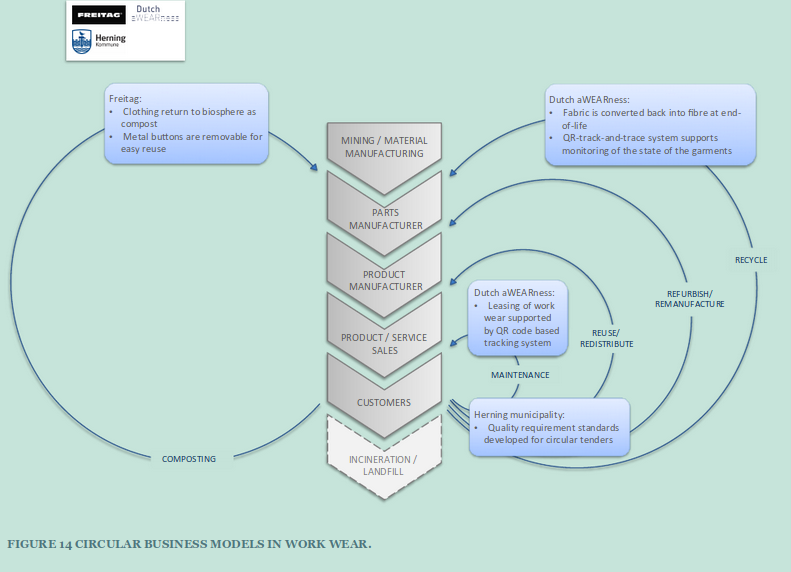
Best Practice Examples of Circular Business Models - by Eva Guldmann (2017)


-
Google and Amazon are now in the oil business (Vox, 2020)
-
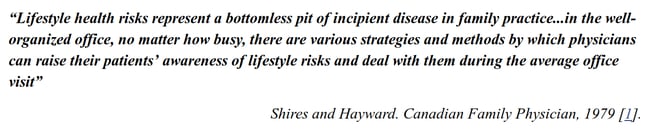
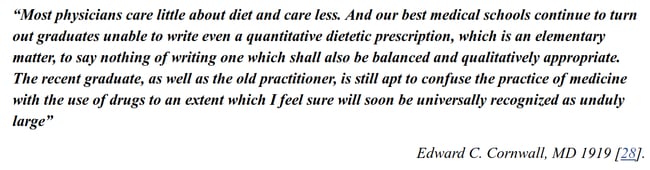
Golden Age of Medicine 2.0: Lifestyle Medicine and Planetary Health Prioritized (PDF)
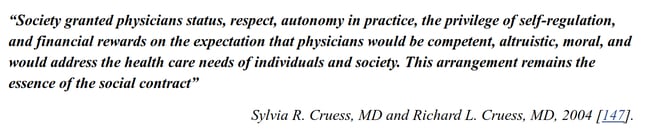
Abstract: "The 'golden age of medicine' - the first half of the 20th century, reaching its zenith with Jonas Salk's 1955 polio vaccine - was a time of profound advances in surgical techniques, immunization, drug discovery, and the control of infectious disease; however, when the burden of disease shifted to lifestyle-driven, chronic, non-communicable diseases, the golden era slipped away. Although modifiable lifestyle practices now account for some 80% of premature mortality, medicine remains loathe to embrace lifestyle interventions as medicine. Here, we argue that a 21st century golden age of medicine can be realized; the path to this era requires a transformation of medical school recruitment and training in ways that prioritize a broad view of lifestyle medicine. Moving beyond the basic principles of modifiable lifestyle practices as therapeutic interventions, each person/community should be viewed as a biological manifestation of accumulated experiences (and choices) made within the dynamic social, political, economic and cultural ecosystems that comprise their total life history. This requires an understanding that powerful forces operate within these ecosystems; marketing and neoliberal forces push an exclusive 'personal responsibility' view of health - blaming the individual, and deflecting from the large-scale influences that maintain health inequalities and threaten planetary health. The latter term denotes the interconnections between the sustainable vitality of person and place at all scales. We emphasize that barriers to planetary health and the clinical application of lifestyle medicine - including authoritarianism and social dominance orientation - are maintaining an unhealthy status quo."



-
Gut-brain connection signals worms to alter behavior while eating (MIT)
"Researchers found that a type of nerve cell found in the gut of the worm Caenorhabditis elegans is specialized to detect when bacteria are ingested; once that occurs, the neurons release a neurotransmitter that signals the brain to halt locomotion. They also identified new ion channels that operate in this specialized nerve cell to detect bacteria."
-
Space Required to Transport 48 People
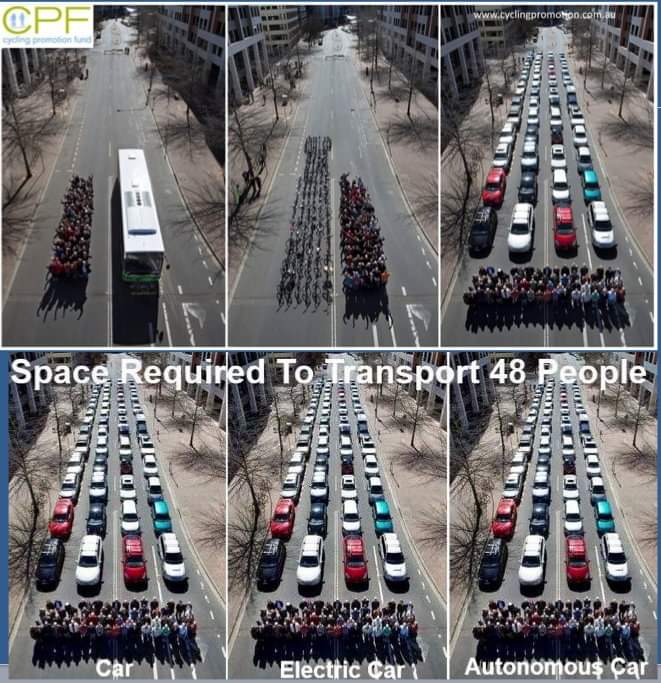
The Copenhagen Tramways (1863-1972) already knew it:
“One bus can relieve the street for 40 cars with 1.7 passengers in each” (via)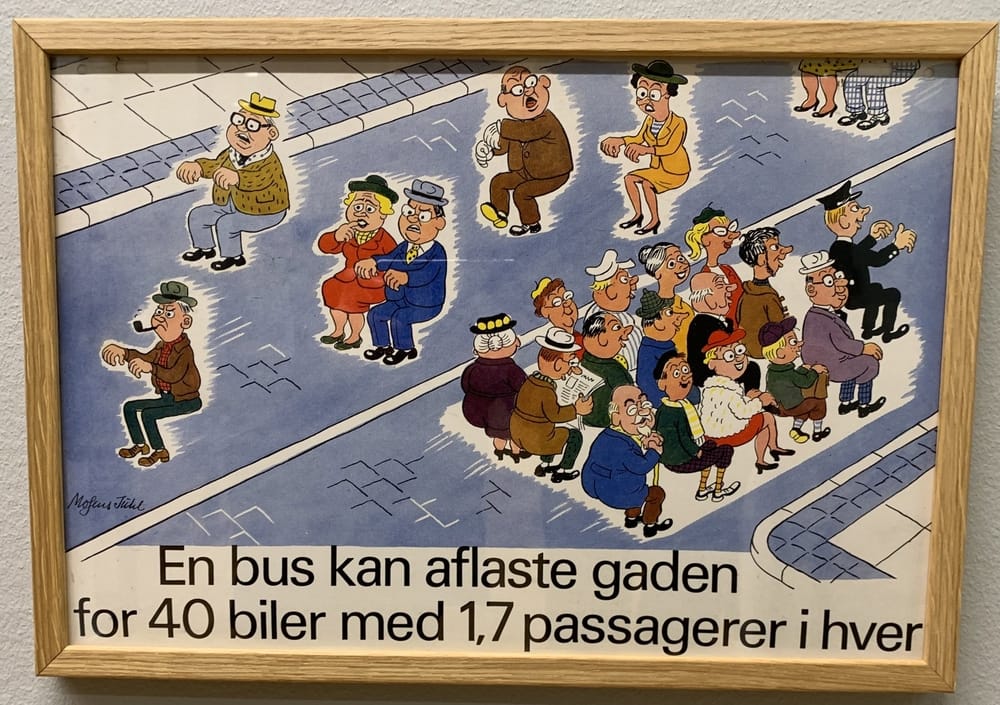
-
"We will never reach the old complexity of the natural environment, a complexity that we discover more and more as we destroy it" - Jacques Ellul