tag > Systems
-
"Industrial ecology principles and system linkages" - graphics from the paper "Industrial ecology in integrated assessment models" - by Stefan Pauliuk et.al (video)
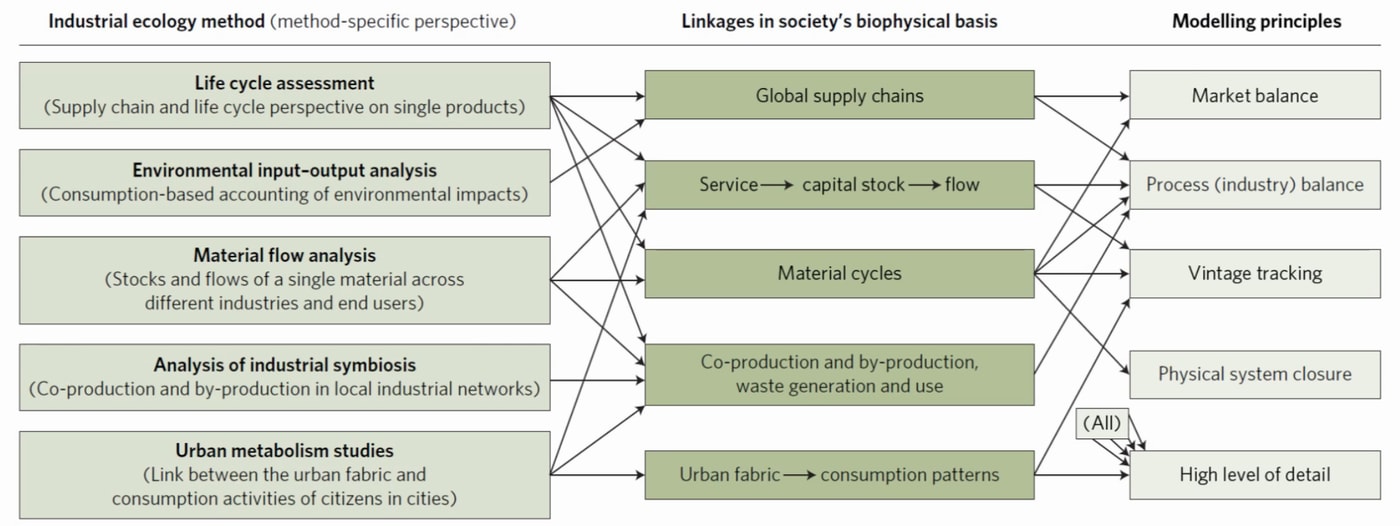
"Vision for integrating IE and IAM perspectives"
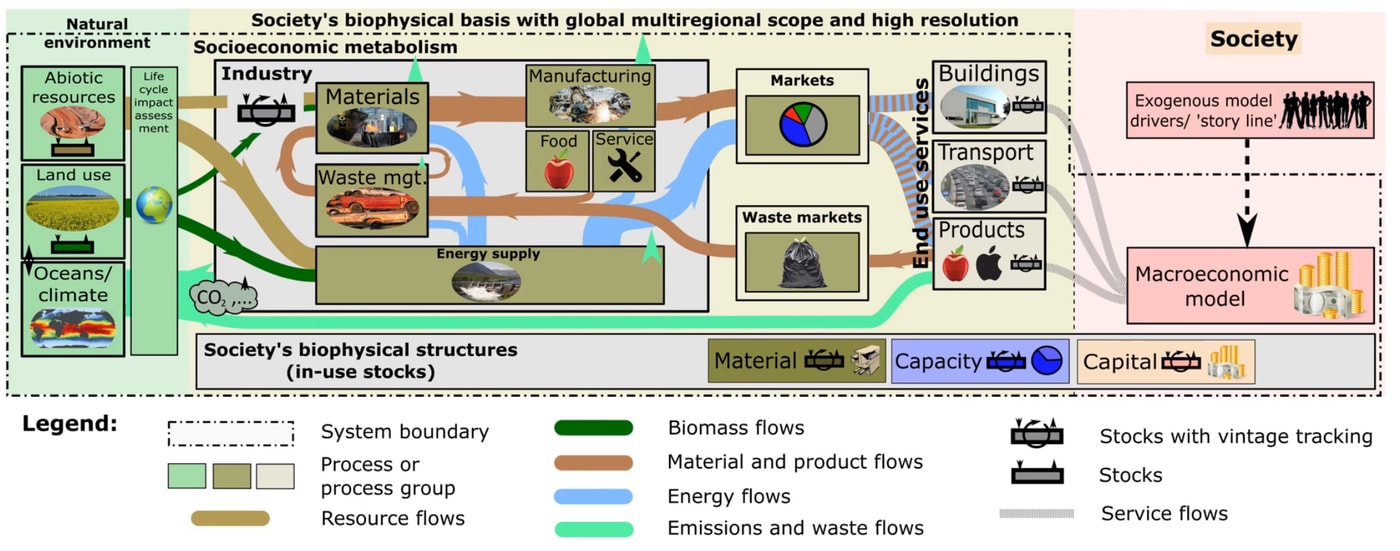
-
Overview of Industrial Ecology
-
Logistic Map Zoom (Fractal, Bifurcation)
A zoom into the bifurcation diagram for the logistic map. The Feigenbaum constant, δ = 4.669 201 609 102…, is derived from this diagram, relating to the rate at which the branches of the tree split. The graph is drawn by only repeating the calculation: a * x * (1 - x) to give a new value of x. Successive values of x, for a fixed value of a, are plotted vertically. More info here.
-
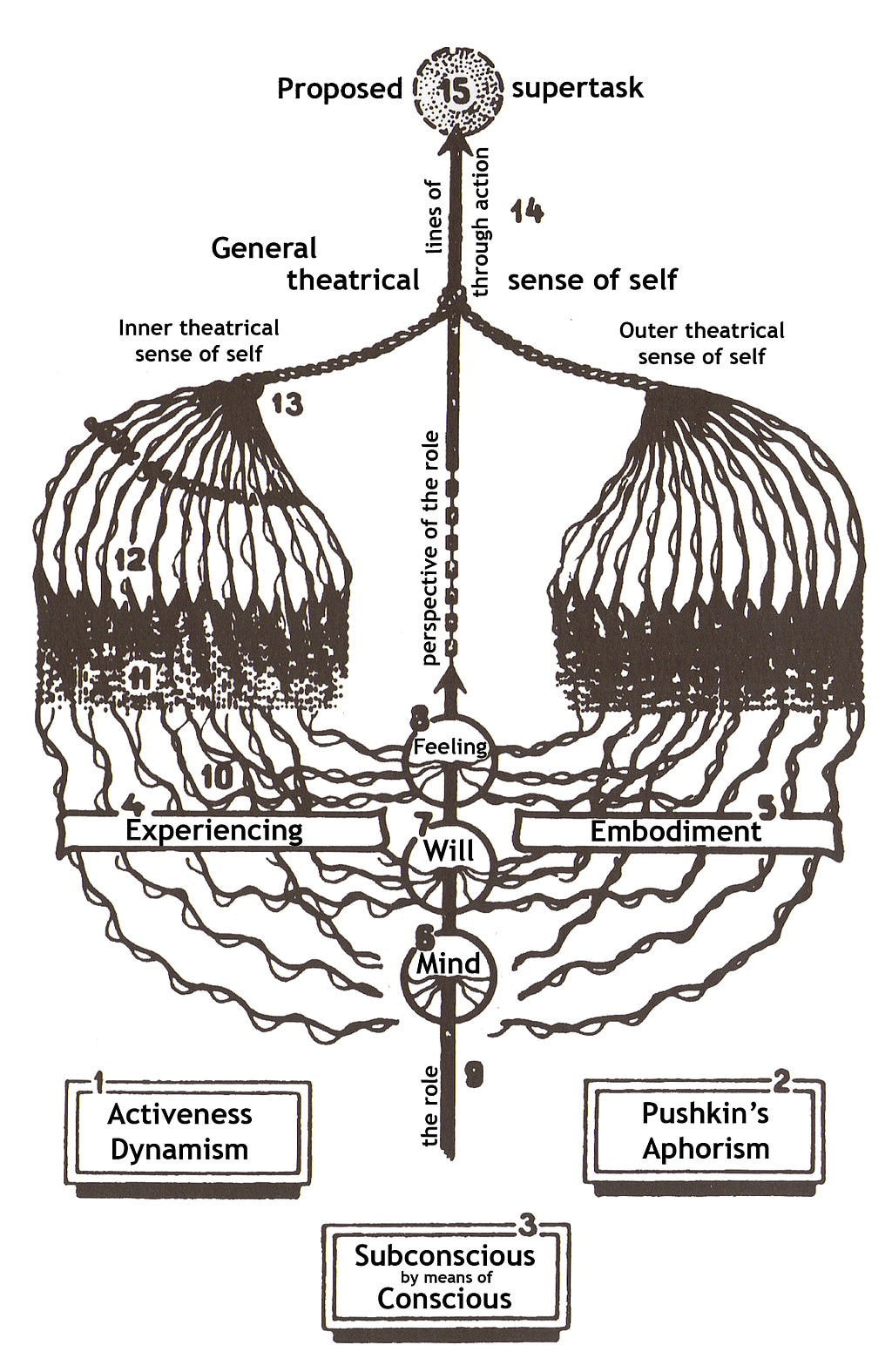
Stanislavski's system is a systematic approach to training actors that the Russian theatre practitioner Konstantin Stanislavski developed in the first half of the twentieth century. His system cultivates what he calls the "art of experiencing" (with which he contrasts the "art of representation"). It mobilises the actor's conscious thought and will in order to activate other, less-controllable psychological processes—such as emotional experience and subconscious behaviour—sympathetically and indirectly. In rehearsal, the actor searches for inner motives to justify action and the definition of what the character seeks to achieve at any given moment (a "task")
Related: Theatre as Engineering - from Stanislavski to Cybernetics & Overview of Stanislavski's System
-
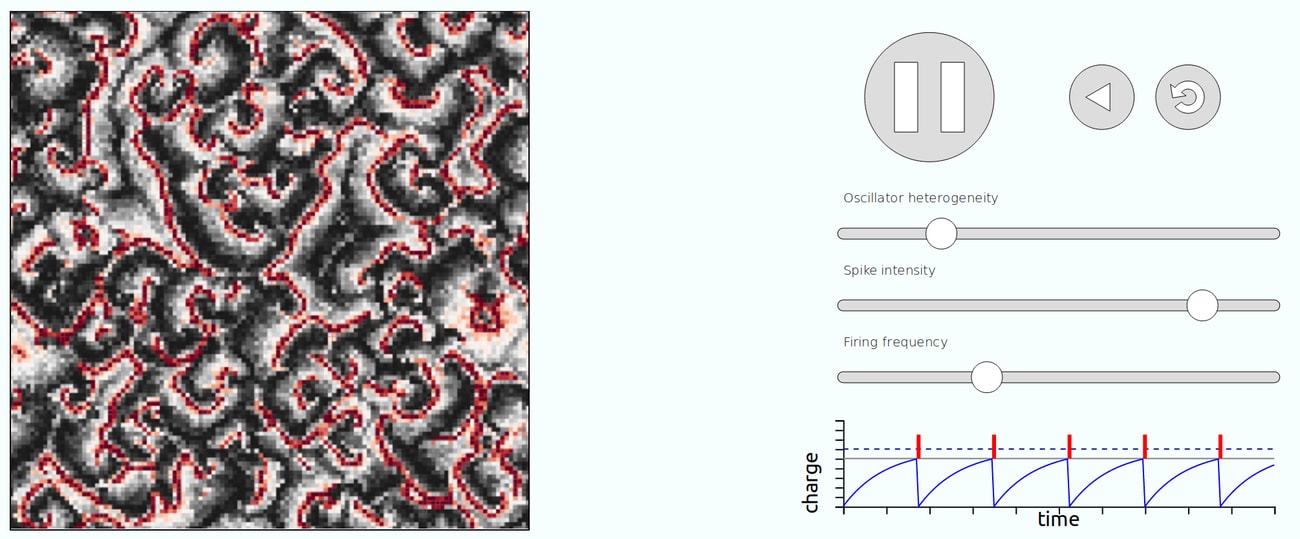
A collection of interactive explorable explanations of complex systems in biology, physics, mathematics, social sciences, epidemiology, ecology and other fields.
-
About the Future of Engineering - by Hans Konstapel (2020)
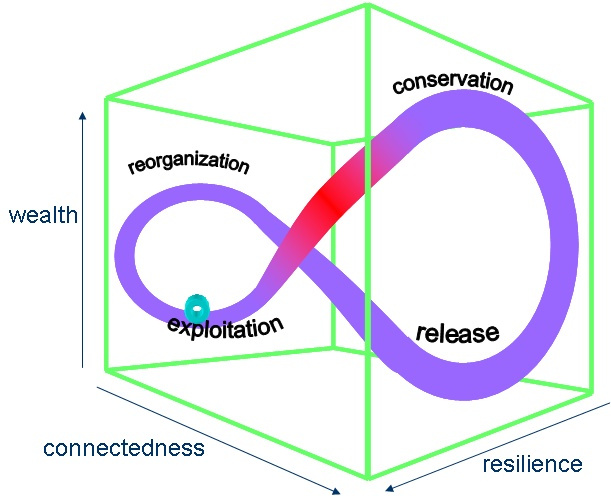
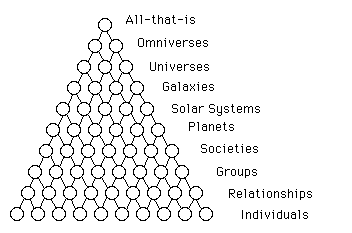
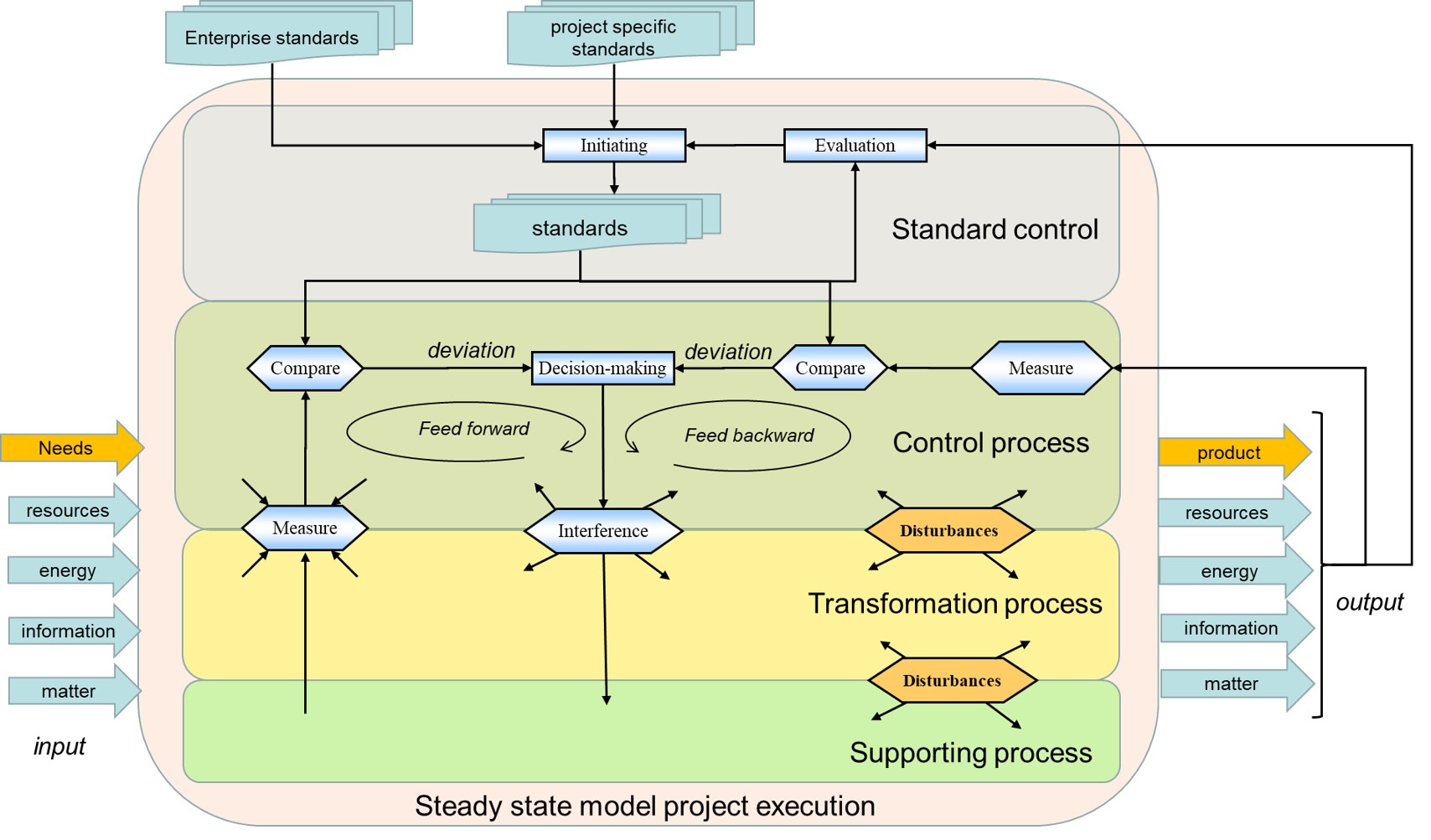
About Entrainment - by Hans Konstapel (2010)
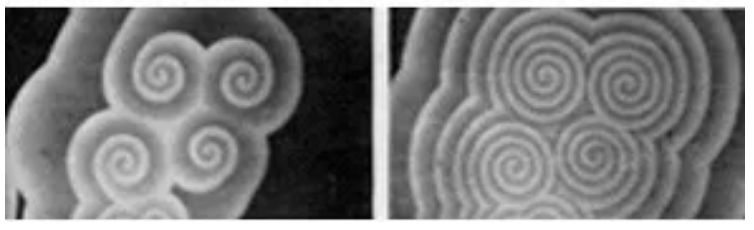
#Complexity #Systems #Science #Generative #Regenerative #Philosophy
-
Podcast: Introduction to Systems Processes with Len Troncale (2011) (Download / Alt)
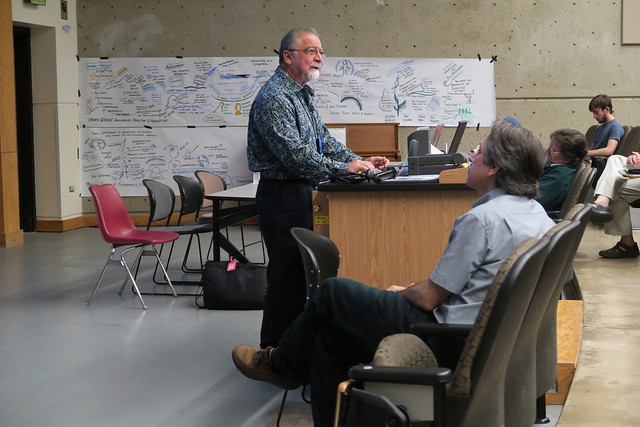
This is an interview concerning the Systems Science approach of Len Toncale, an American biologist, Professor of Cellular and Molecular Biology, and former Director of the Institute for Advanced Systems Studies at the California State Polytechnic University. The interviewer believes that this is the closest thing to a Systems Knowledge base that could be the basis of a Systems Engineering curriculum.
Related: Troncale's site features & links to many open-access papers, such as "Systems Processes and Pathologies: Creating An Integrated Framework for Systems Science" (2013)
Related: Setting Off To Nowhere - Search For A Deeper Theory Of Everything - by K.D. Palmer, dedicated to Len Troncale and inspired by this podcast.
-
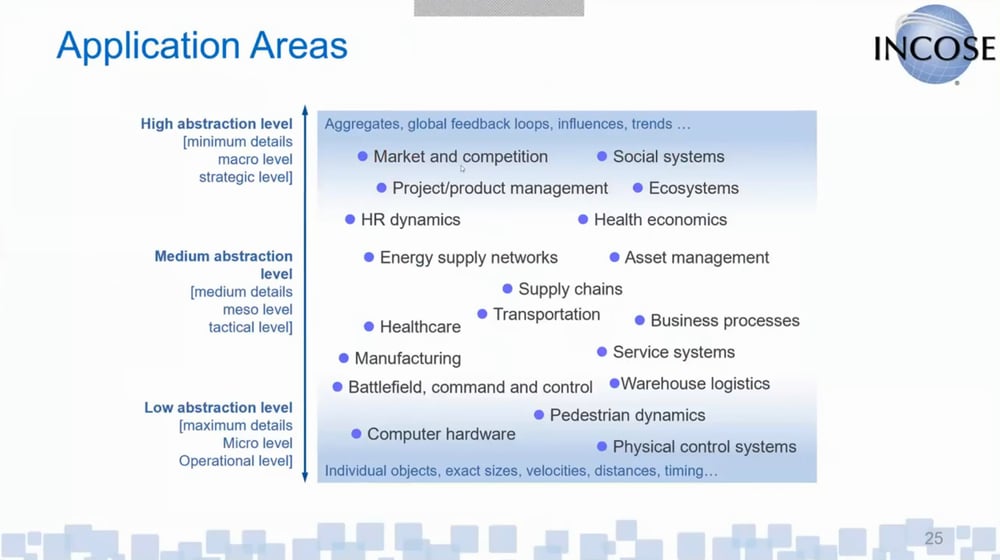
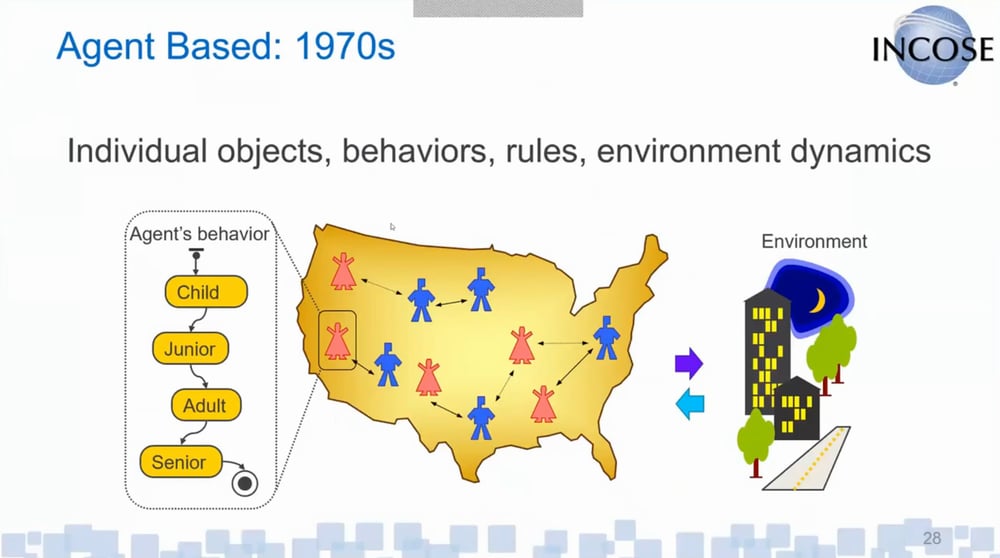
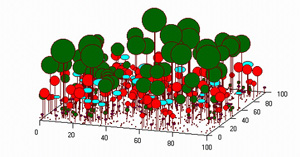
"In ecological ABM (often referred to as "individual-based models" in ecology), agents may, for example, be trees in forest, and would not be considered intelligent, although they may be "purposeful" in the sense of optimizing access to a resource (such as water). The modeling process is best described as inductive. The modeler makes those assumptions thought most relevant to the situation at hand and then watches phenomena emerge from the agents' interactions. Sometimes that result is an equilibrium. Sometimes it is an emergent pattern. Sometimes, however, it is an unintelligible mangle."
Related Research:
- Ten years of individual-based modelling in ecology: what have we learned and what could we learn in the future? - by Volker Grimm(1999)
- Agent-Based Models in Ecology: Patterns and Alternative Theories of Adaptive Behaviour - by Volker Grimm and Steven F. Railsback (2006)
- The role of agent-based models in wildlife ecology and management - by Adam J.McLane et.al. (2011)
-
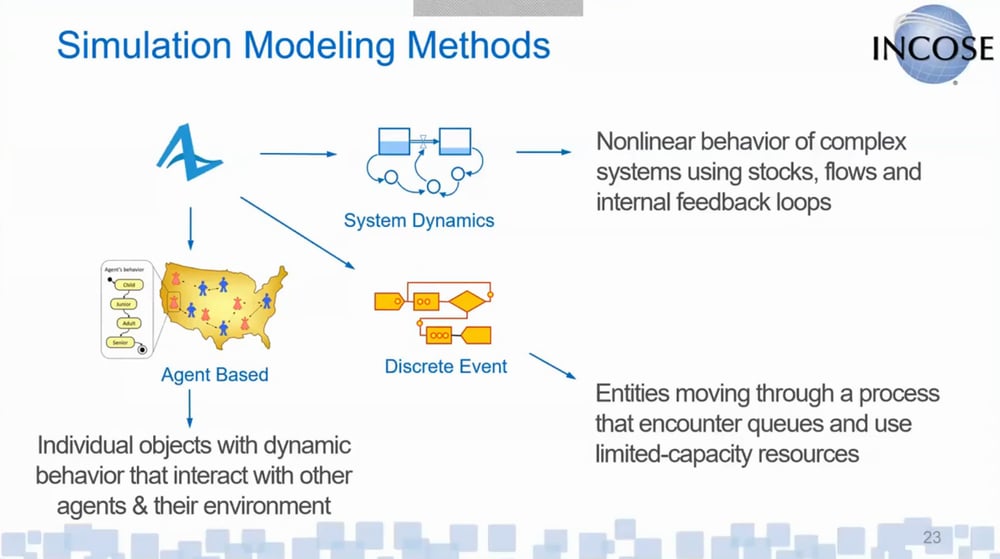
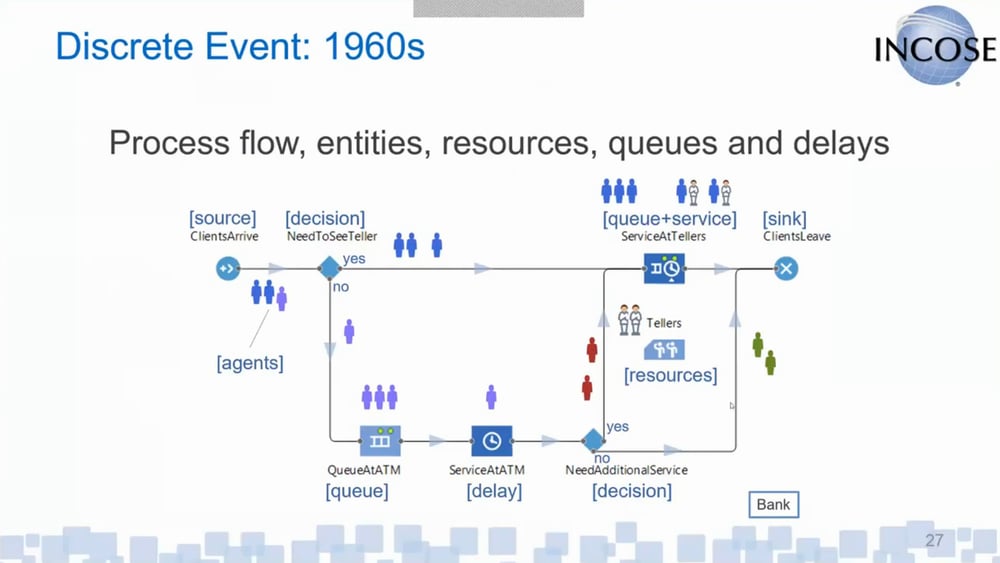
Hash: Do we see a new player pushing simulation into the mainstream? - Benjamin Schumann about the simulation startup https://hash.ai/ (see their post "Information Failure")

-
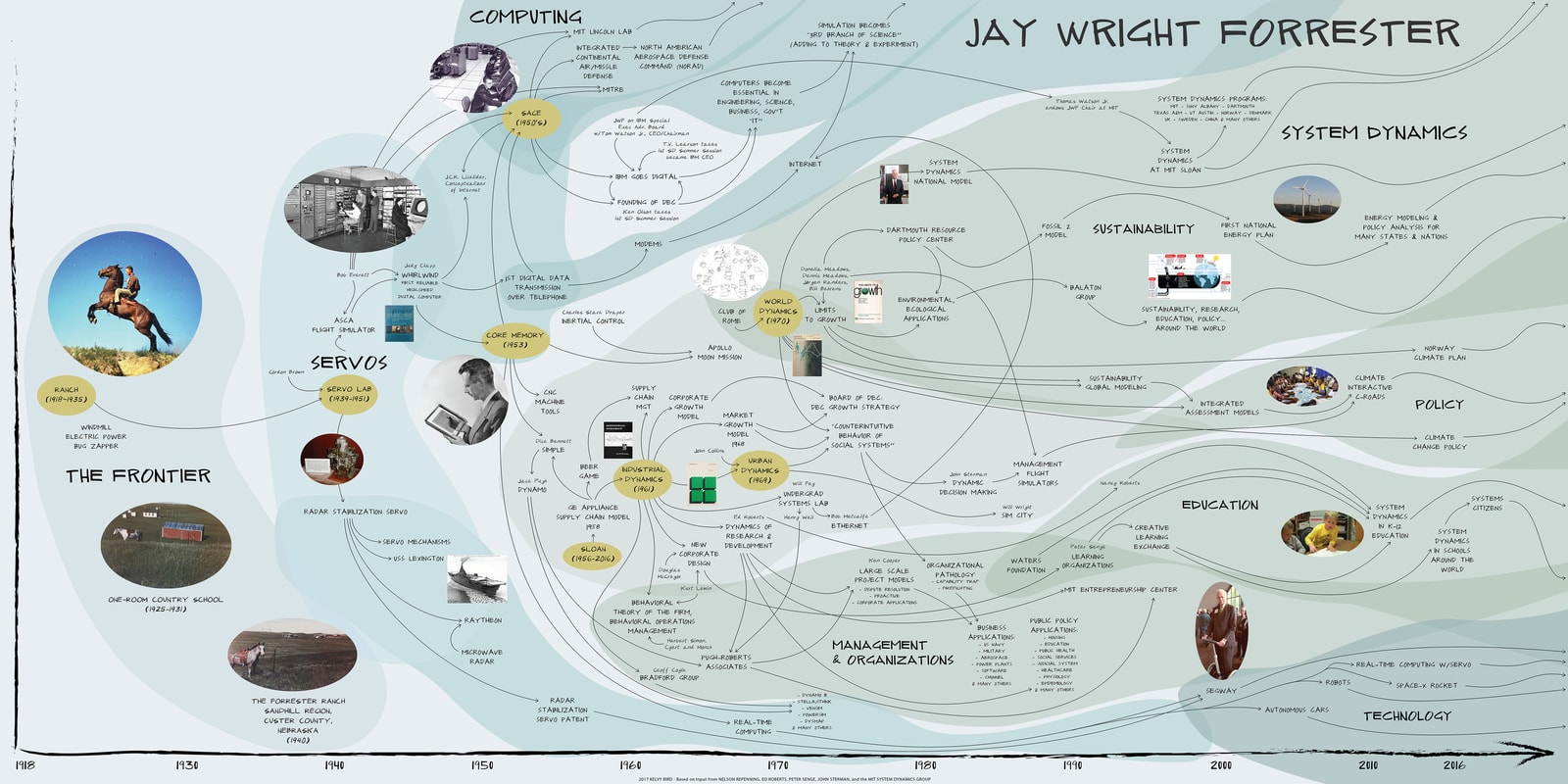
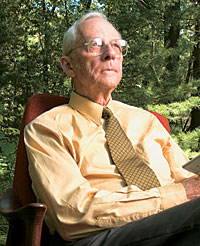
Jay Wright Forrester (1918 – 2016)
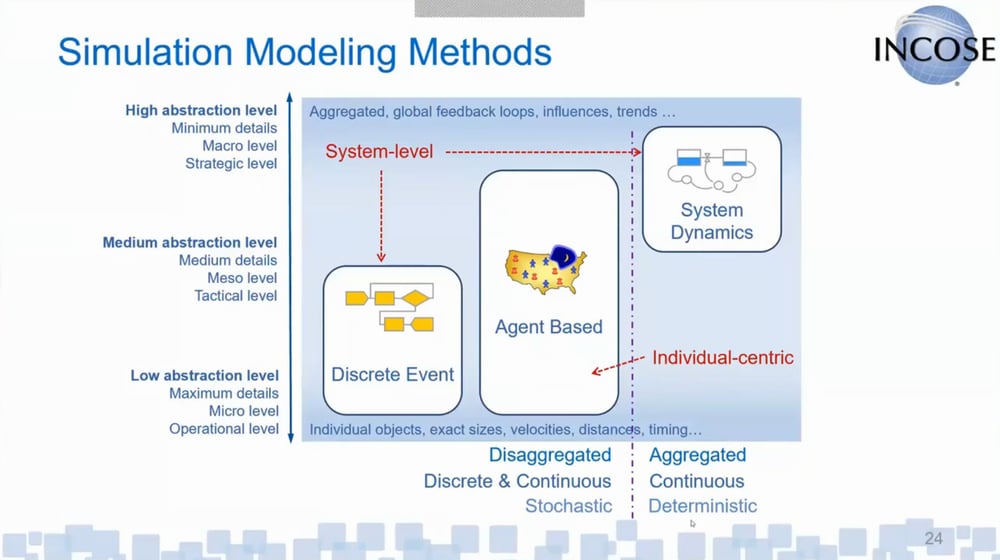
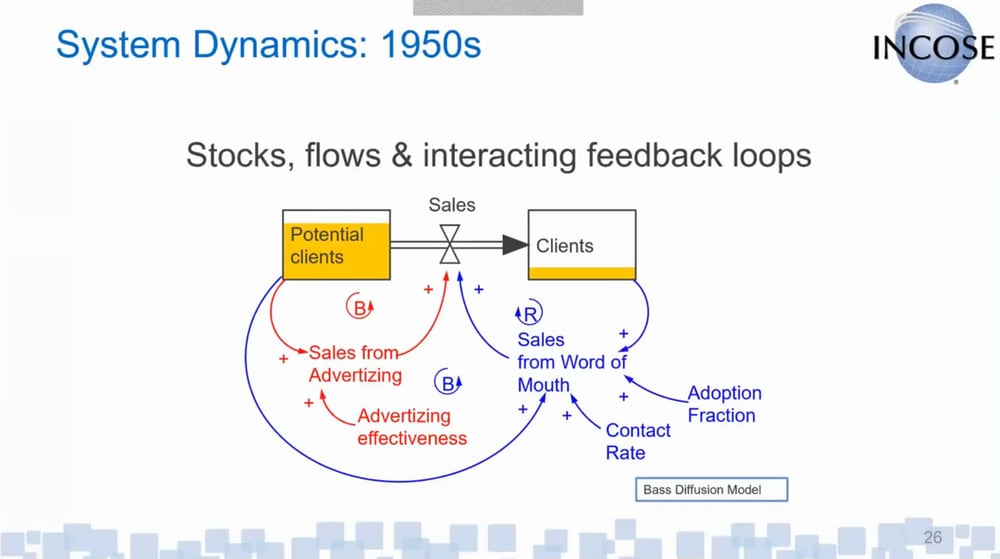
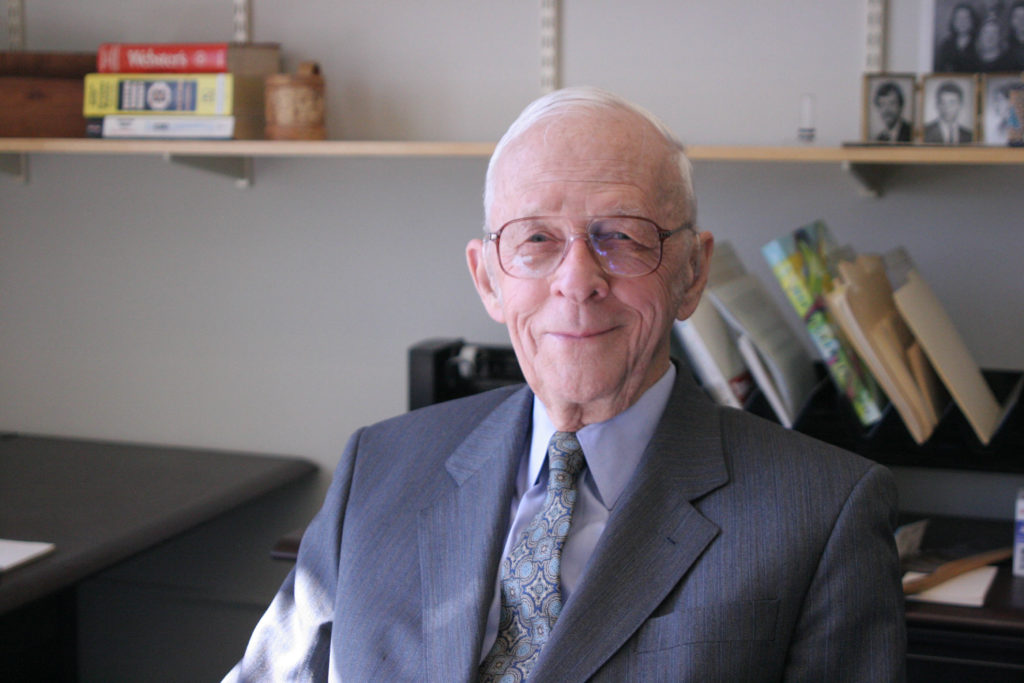
Jay Wright Forrester was a American computer engineer and systems scientist. He was a professor at MIT. Forrester is known as the founder of system dynamics, which deals with the simulation of interactions between objects in dynamic systems and is most often applied to research and consulting in organizations and other social systems.
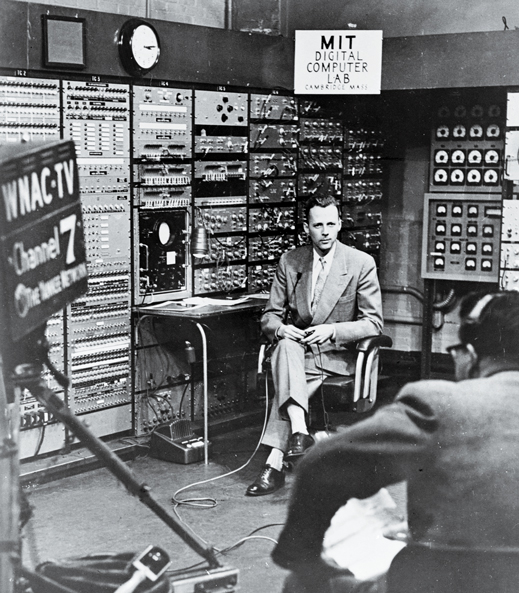
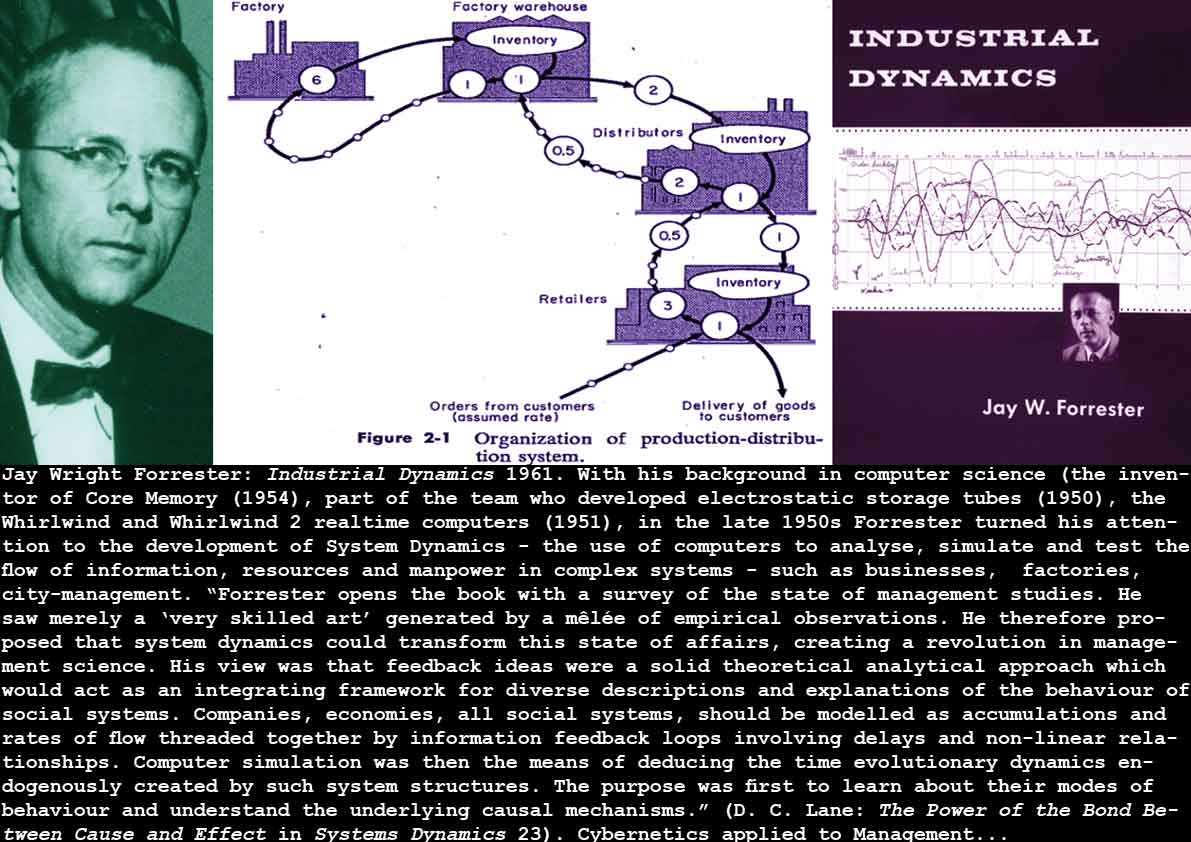
Image from: https://mediainspiratorium.com/1960-1970/ The Many Careers of Jay Forrester (MIT Tech Review)
"Computing pioneer Jay Forrester, SM ’45, developed magnetic-core memory. Then he founded the field of system dynamics. Those are just two of his varied pursuits."
Jay Forrester’s System Dynamics and World Model
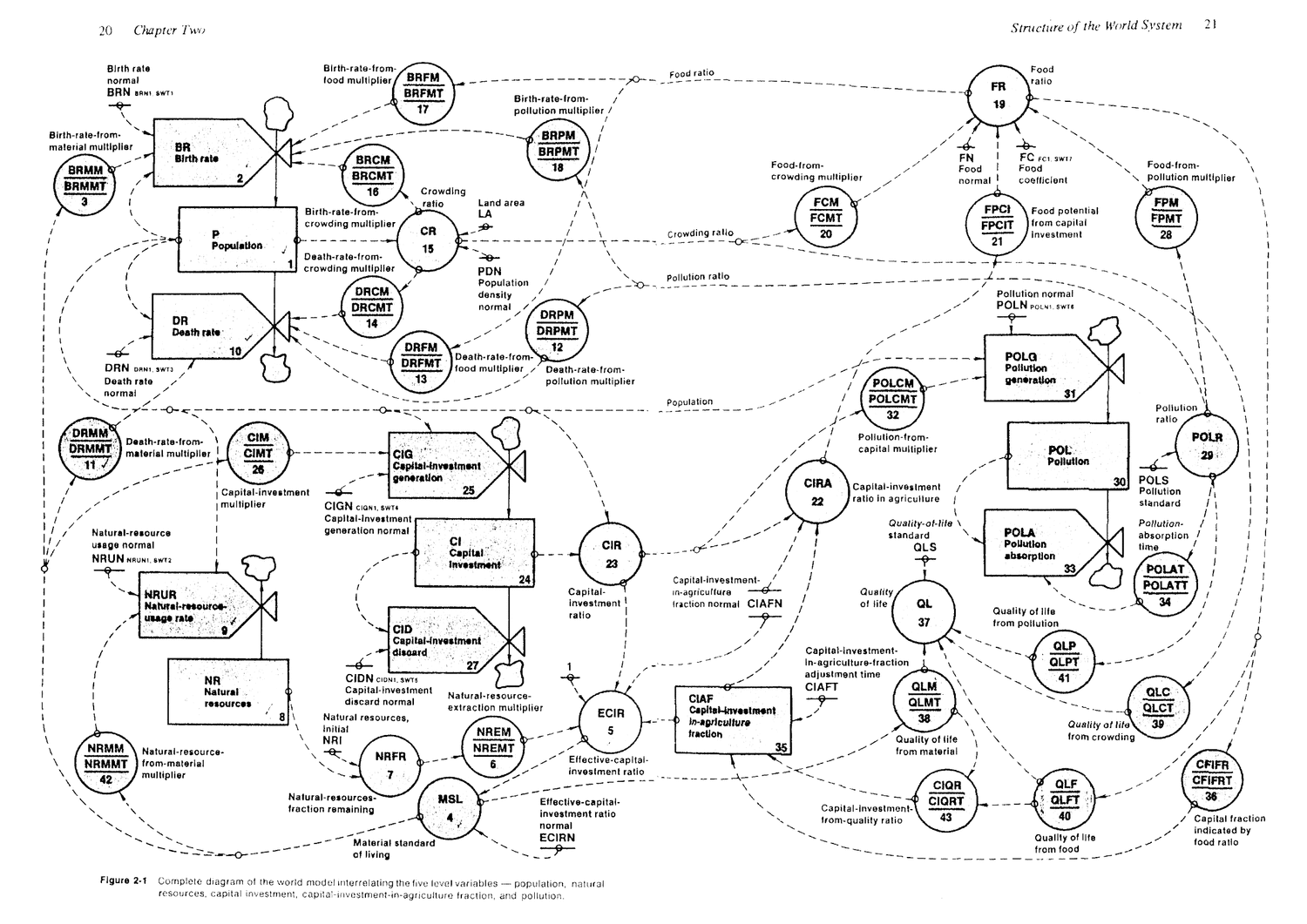
Forrester's model of the world's dynamics. This map models the dynamics between population and economic growth (from 1971 to 2021) by relating population, natural resources, pollution, capital investment, food and quality of life (Jay W. Forrester, 1973, p. 144). 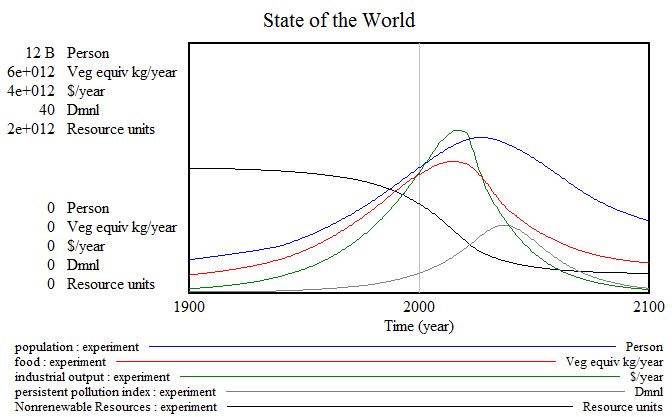
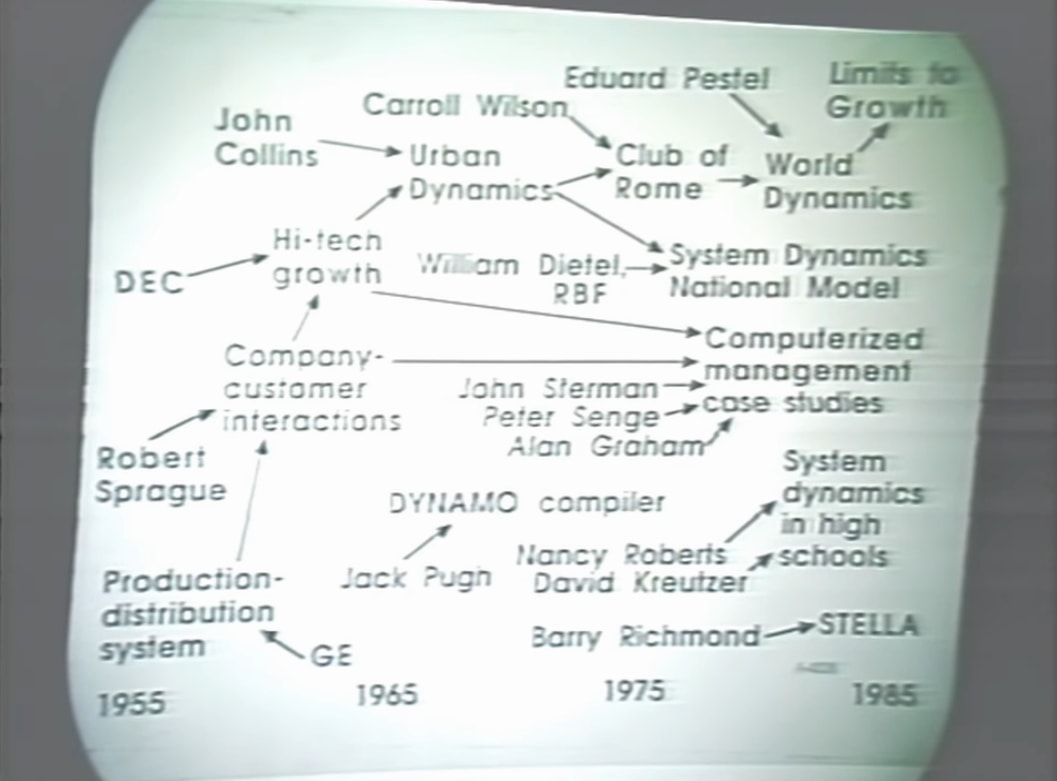
"The second major noncorporate application of system dynamics came shortly after the first. In 1970, Jay Forrester was invited by the Club of Rome to a meeting in Bern, Switzerland. The Club of Rome is an organization devoted to solving what its members describe as the "predicament of mankind"—that is, the global crisis that may appear sometime in the future, due to the demands being placed on the Earth's carrying capacity by the world's exponentially growing population. At the Bern meeting, Forrester was asked if system dynamics could be used to address the predicament of mankind. His answer, of course, was that it could. On the plane back from the Bern meeting, Forrester created the first draft of a system dynamics model of the world's socioeconomic system. He called this model WORLD1. Upon his return to the US, Forrester refined WORLD1 in preparation for a visit to MIT by members of the Club of Rome. Forrester called the refined version of the model WORLD2. Forrester published WORLD2 in a book titled World Dynamics."
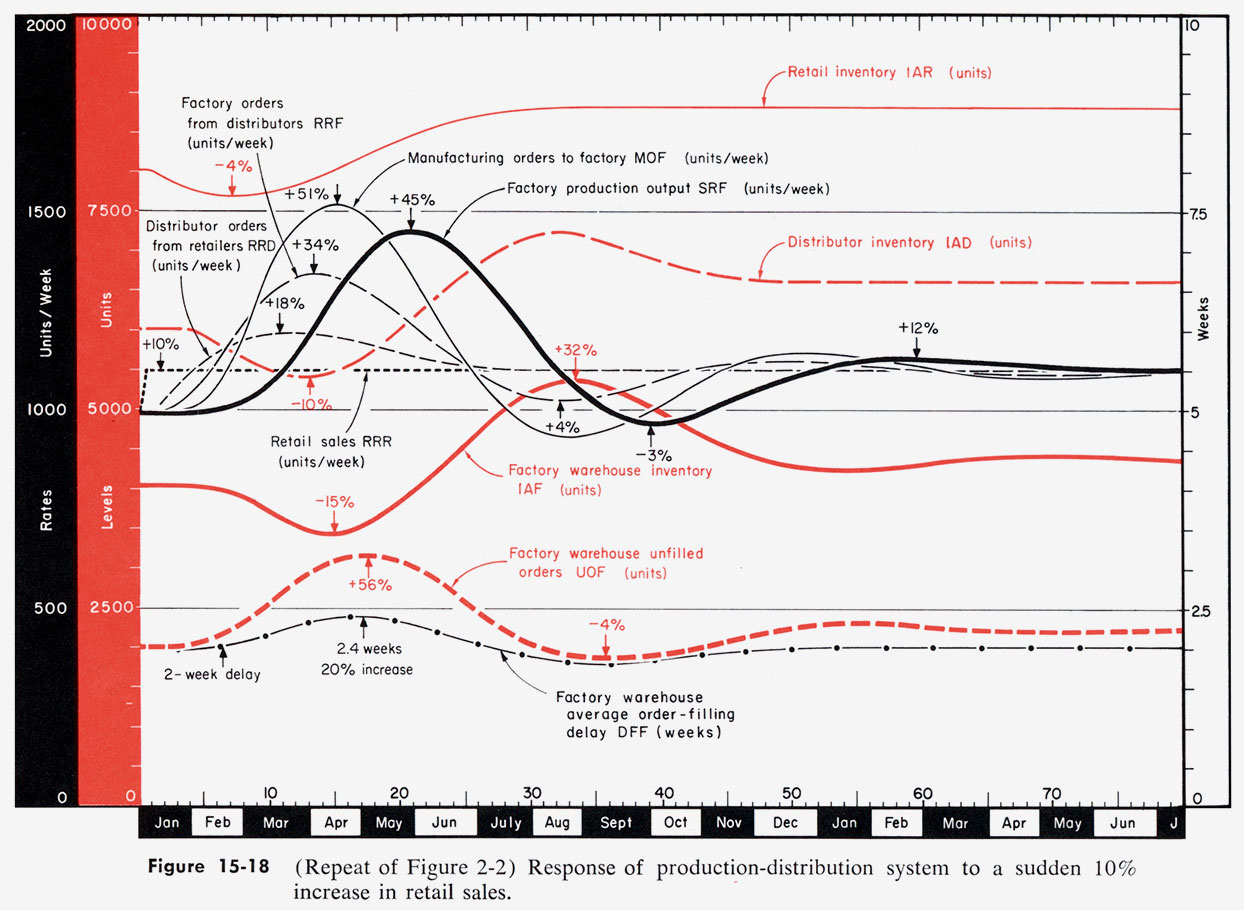
From Jay W. Forrester, Industrial Dynamics (Cambridge, MA: MIT Press, 1985 / 1st edition 1961), 174. The Prophet of Unintended Consequences - by Lawrence M. Fisher.
"Jay Forrester’s computer models show the nonlinear roots of calamity and reveal the leverage that can help us avoid it."
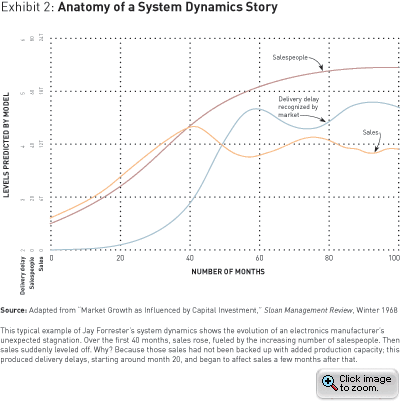
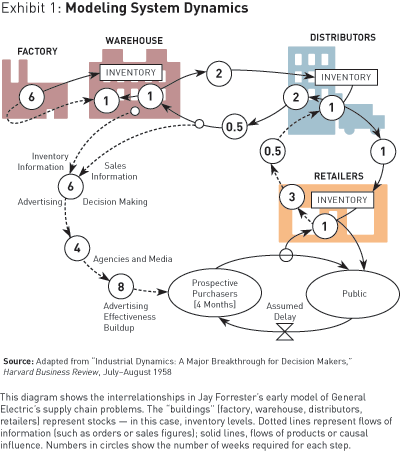
Model Metropolis - by Kevin T. Baker "Behind one of the most iconic computer games of all time is a theory of how cities die—one that has proven dangerously influential."
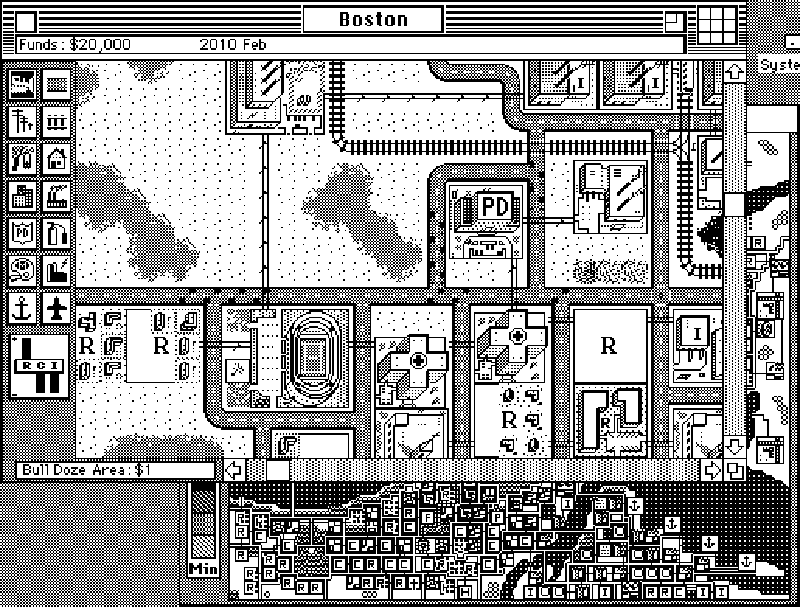
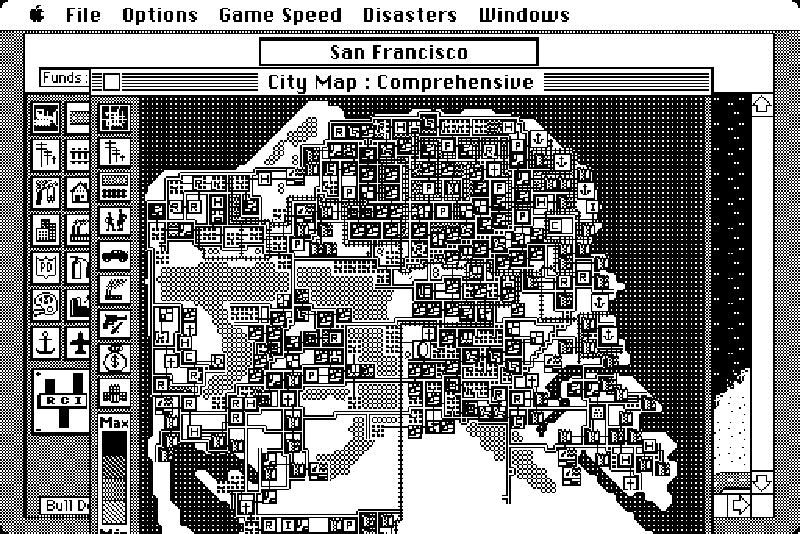
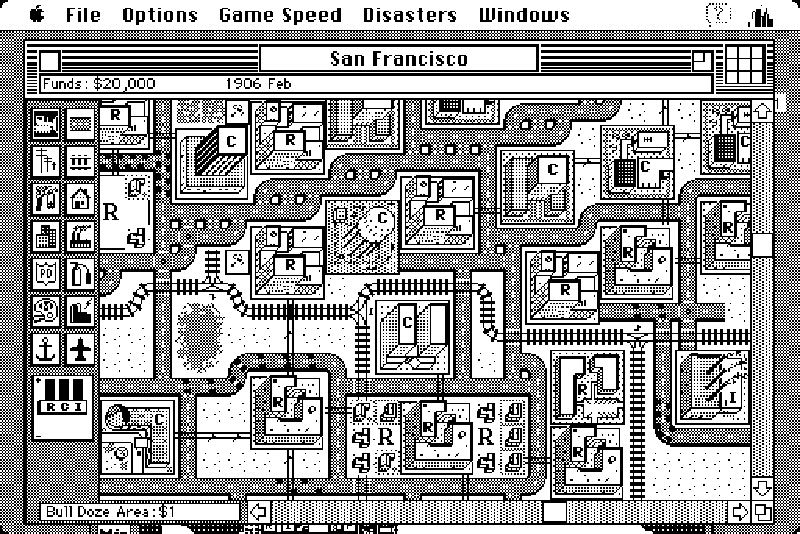
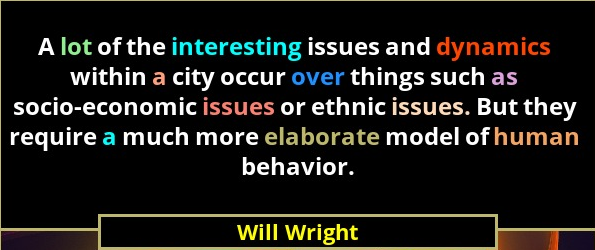
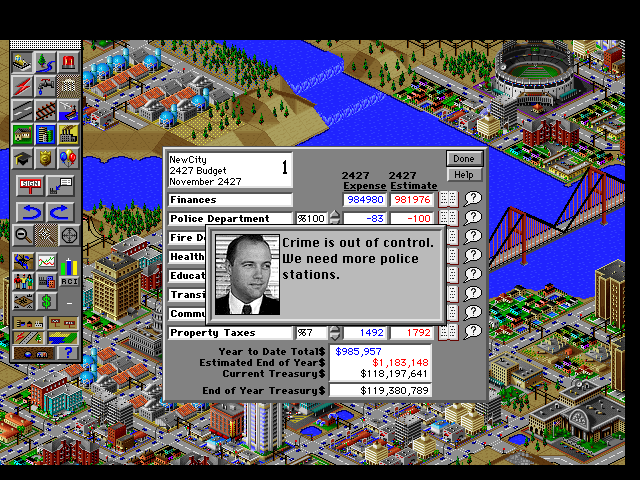
"Will Wright‘s SimCity was originally a map developing feature within the game Raid on Bungeling Bay. Born of Wright’s love for the intricacies of urban planning and of his interest in Jay Wright Forrester‘s System Dynamics, the city-building simulator was later developed as a spin-off program because Wright was more interested in building the city’s maps than playing the actual game. (via)"
Video: A Model Simulator: Lives of Jay W Forrester
Video: Jay Forrester (Part 1)
Applications of System Dynamics - Jay W. Forrester
Forrester on Courage
"Life must be very practical, it is not theoretical, it is not conceptual with out purpose. What works gets results." - Jay Forrester
#Complexity #Systems #Business #Military #ClimateChange #Regenerative #ML #KM #SE
-
The Industrial Ecology Dashboard
"A list of repositories that are relevant for industrial ecology researchers."
Contents: Input-Output Analysis, Life Cycle Assessment, Material Flow Analysis, Industrial Symbiosis / Eco-Industrial Park, Collaboration initiatives and data sharing
-
"The aim of this work is the sustainable multi-use management of fishery resources, to which we try to contribute via numerical modelling."

From site on "Ecological Modelling" - by Fabio Boschetti
-
Researcher studies importance of synchrony in ecological systems such as food webs (2018, University of Kansas)
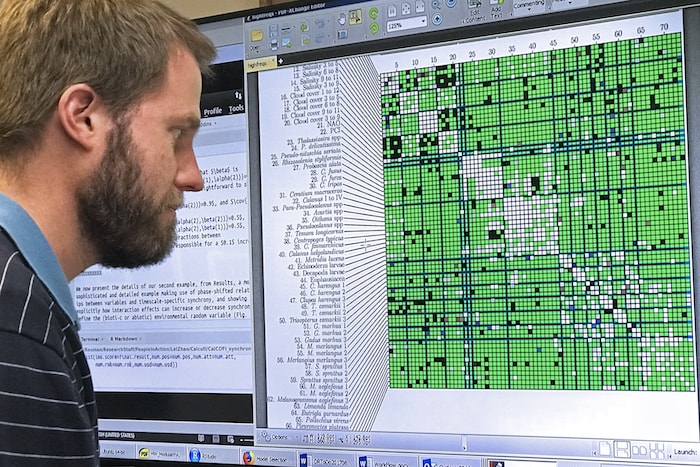
"Synchrony is when multiple populations in different places all fluctuate in the same way," said Daniel Reuman, professor of ecology & evolutionary biology. "One of the causes of population synchrony is synchrony of environmental variables -- like the amount of rainfall. When rainfall in different areas is correlated through time, like a drought that's spread across a large area, that will affect all populations across that area in similar ways."
-
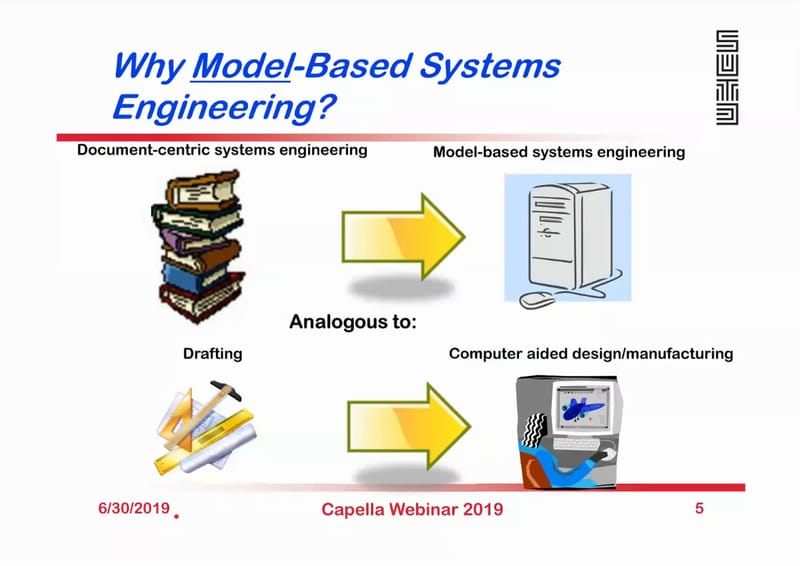
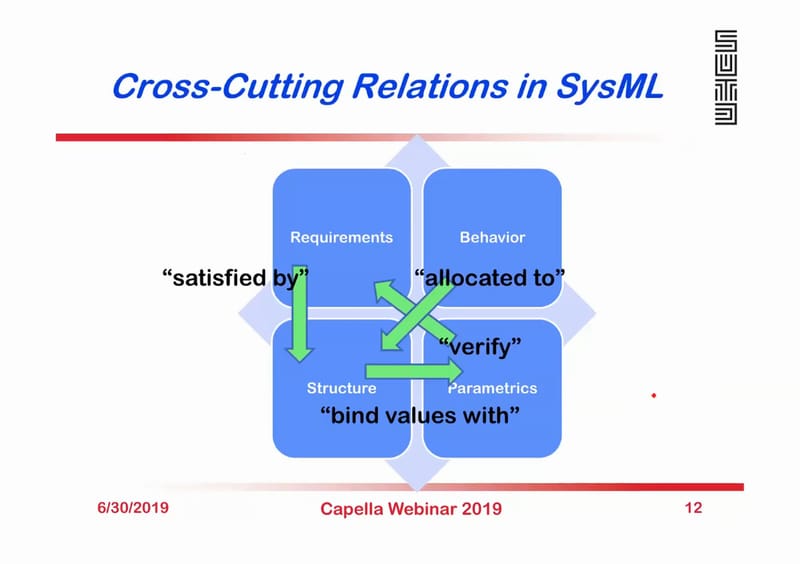
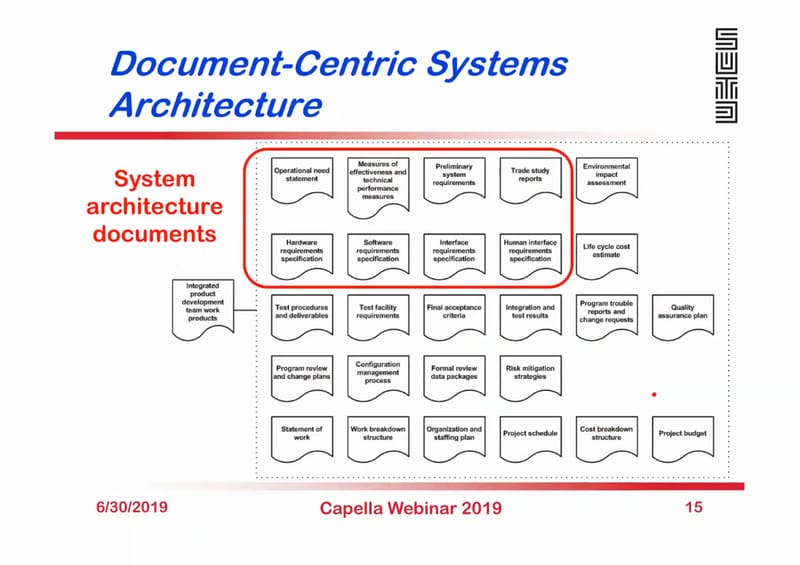
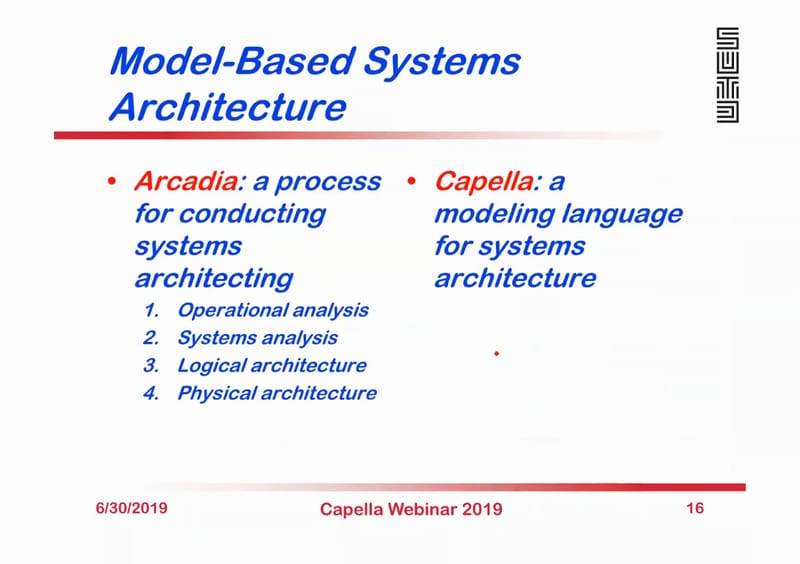
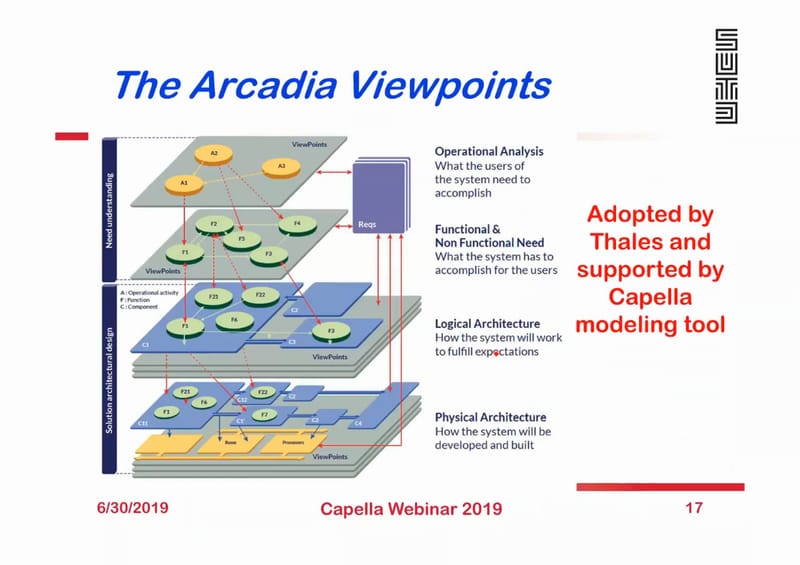
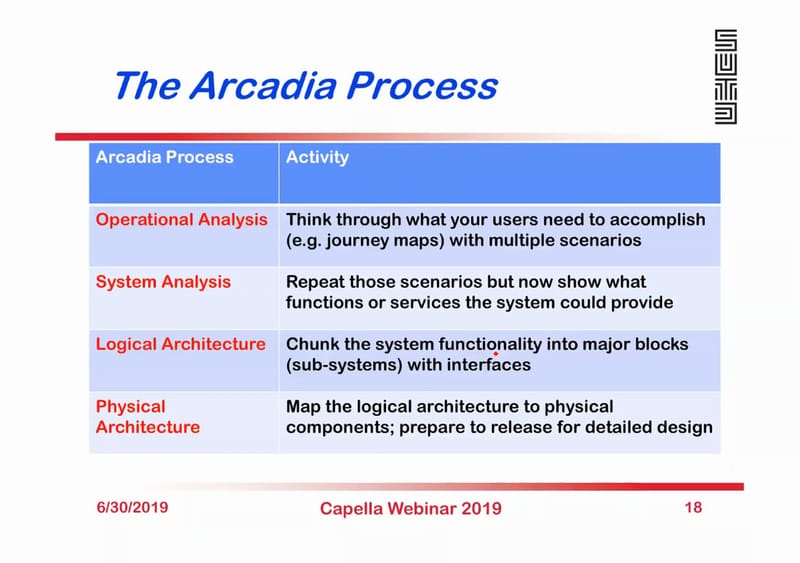
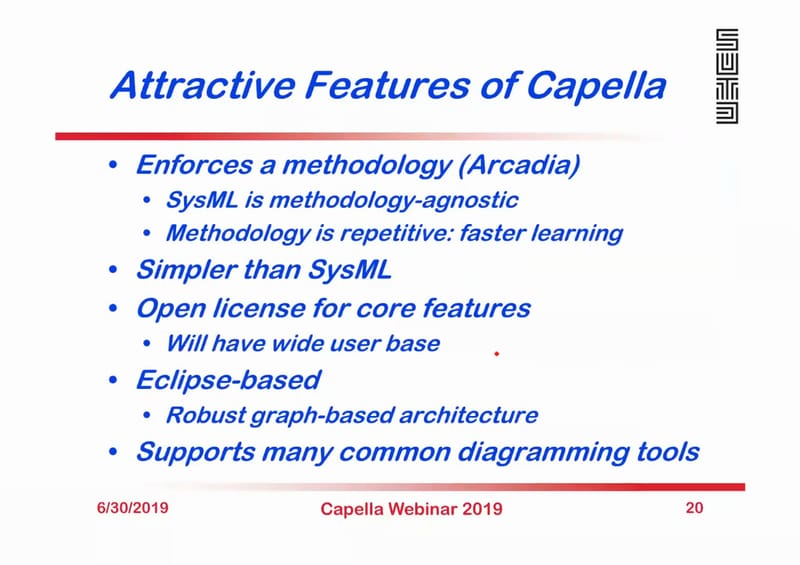
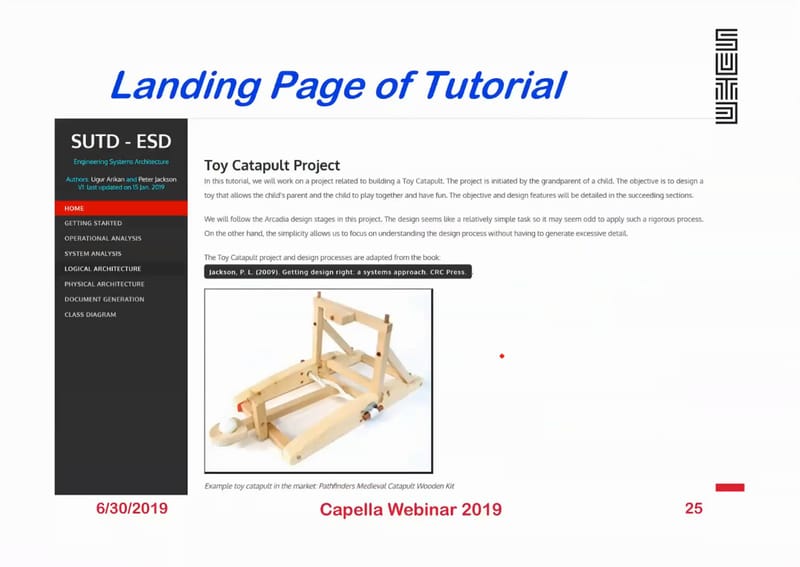
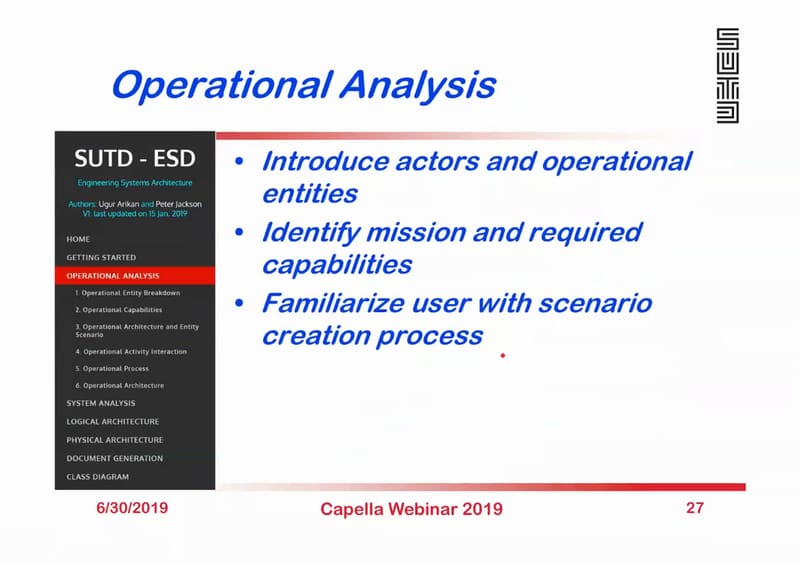
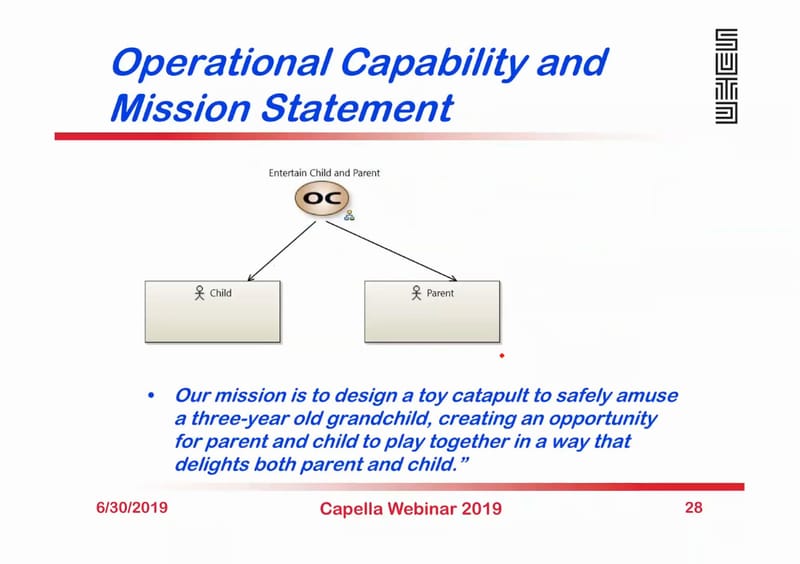
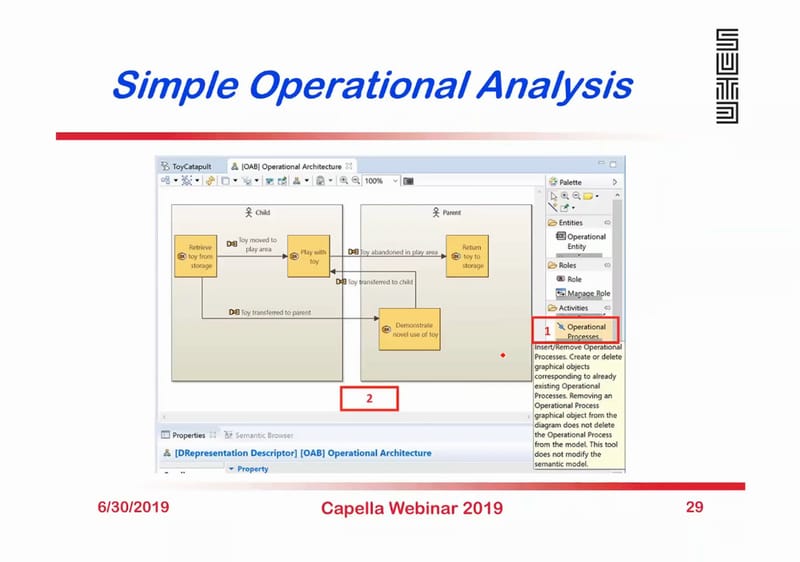
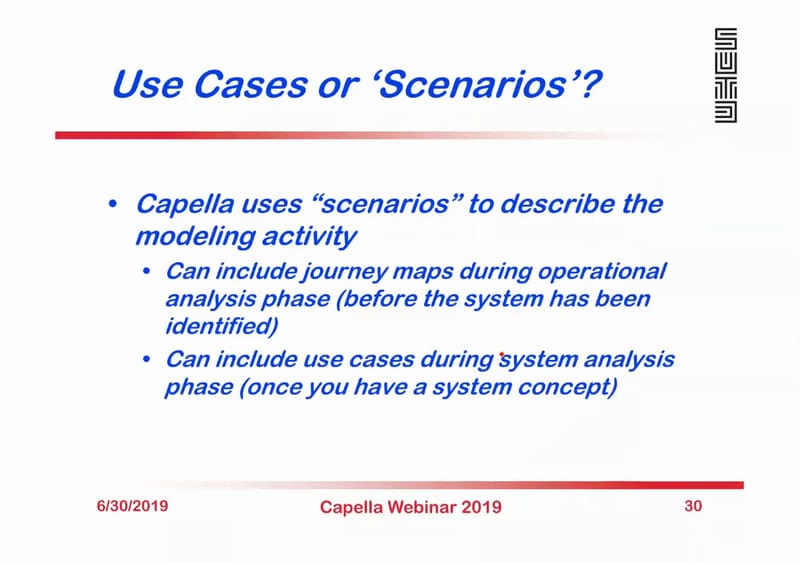
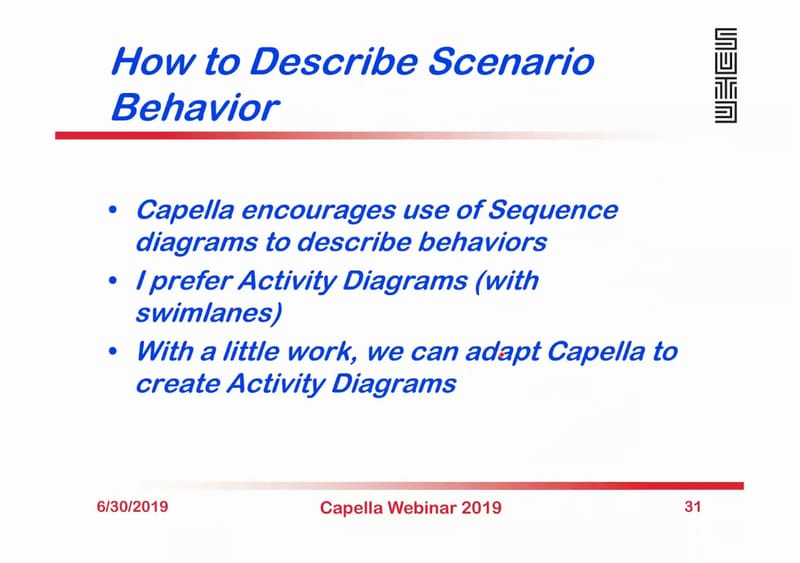
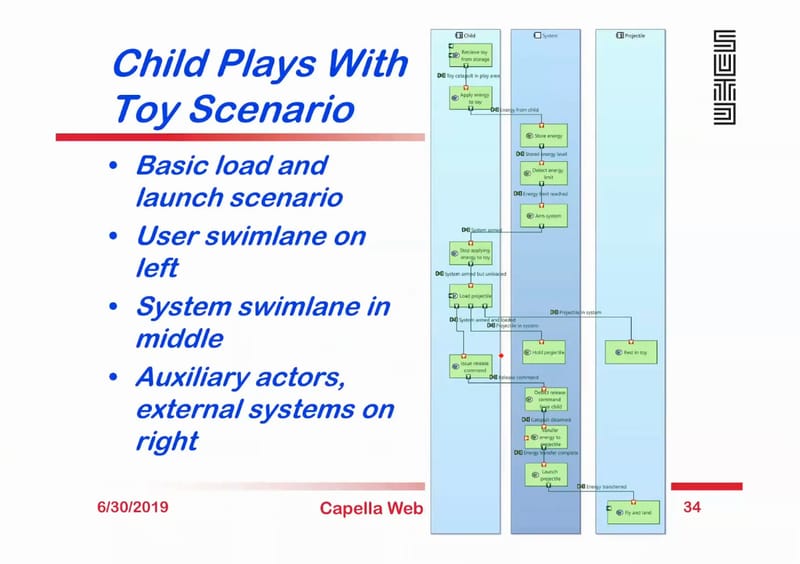
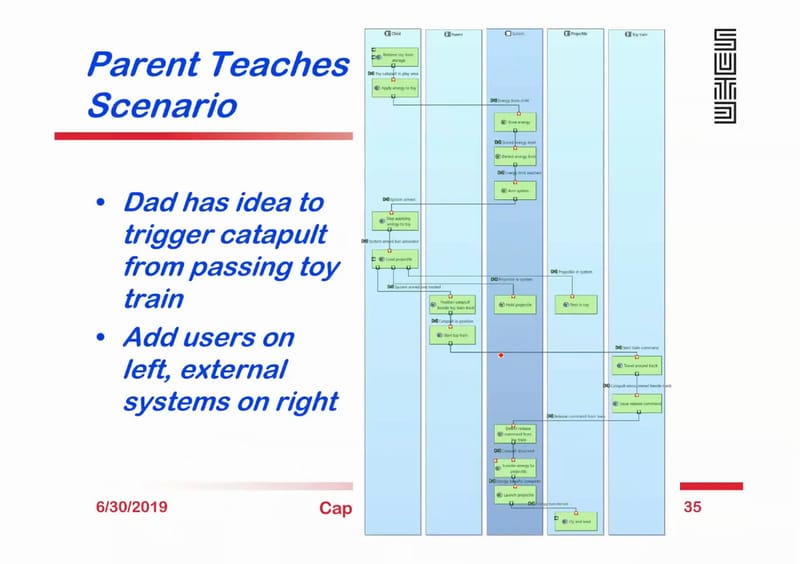
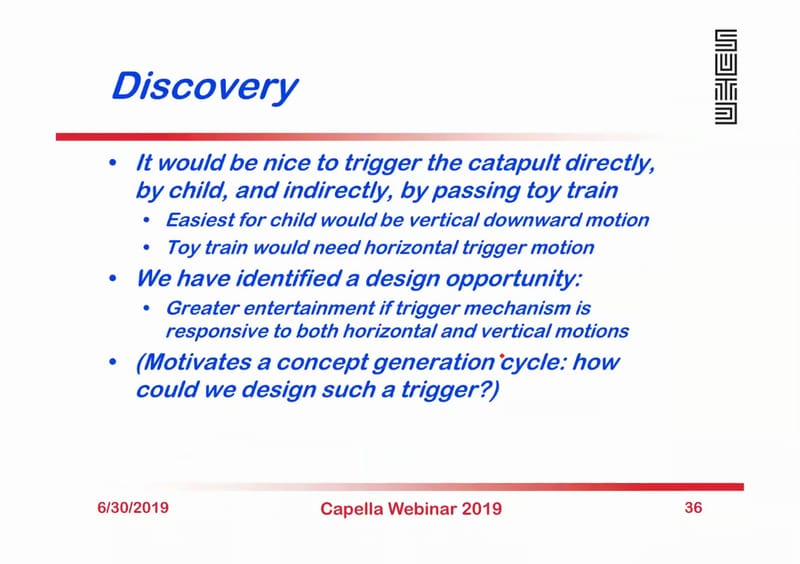
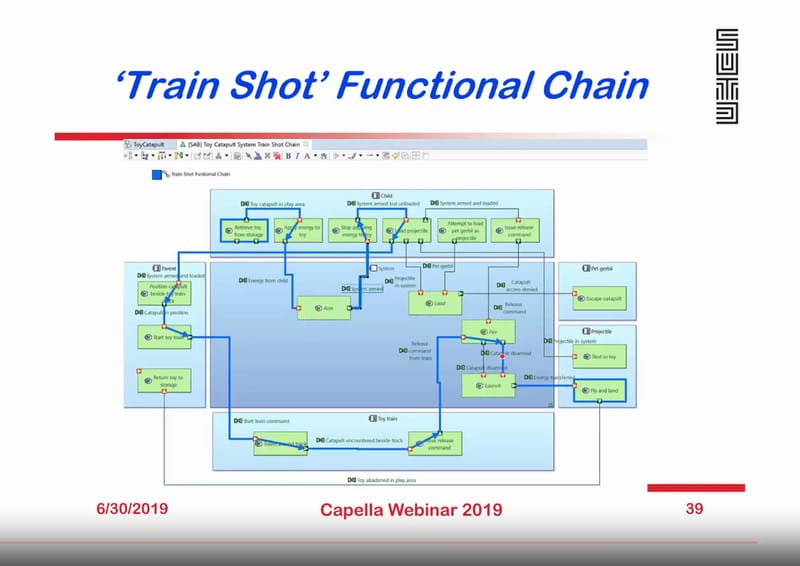
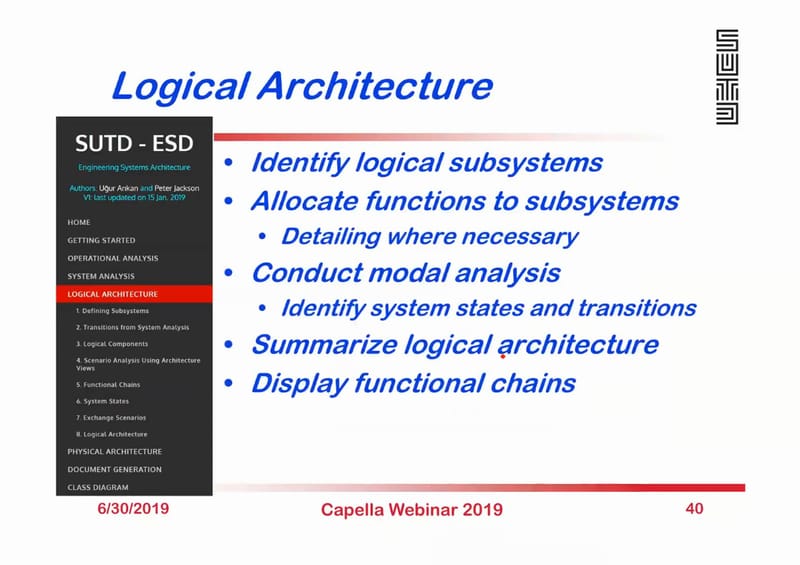
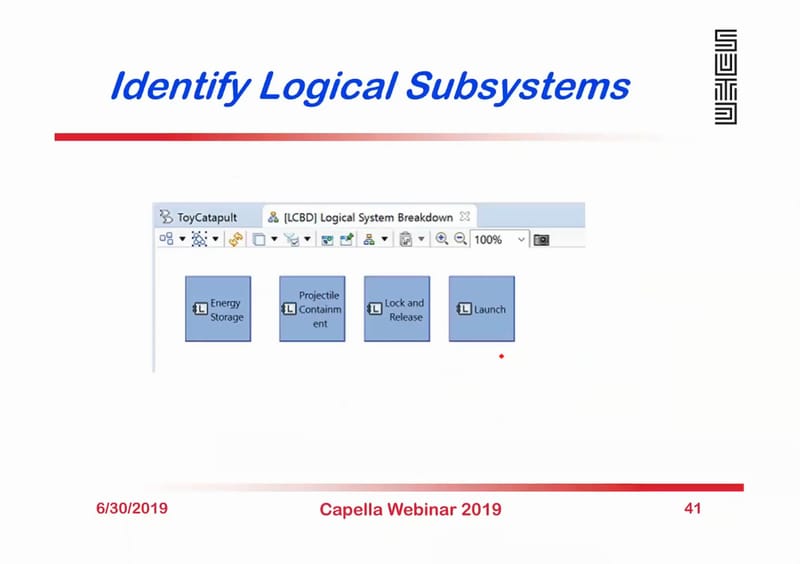
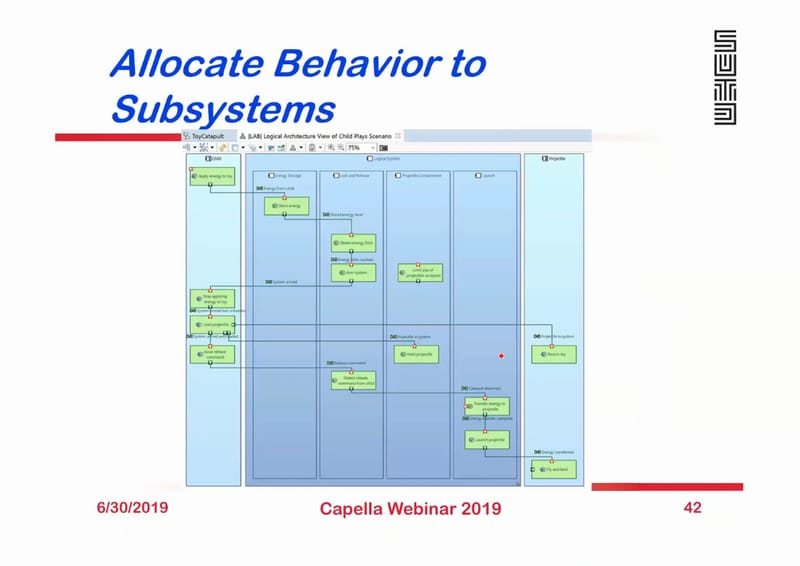
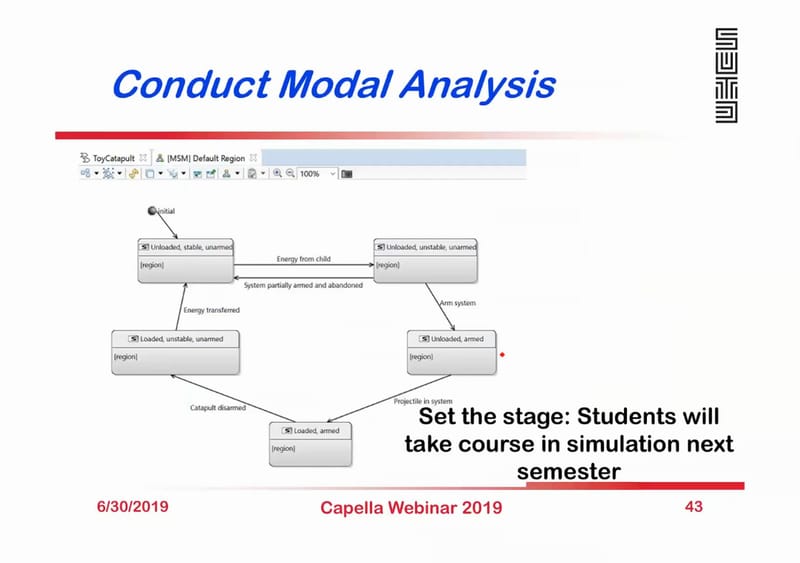
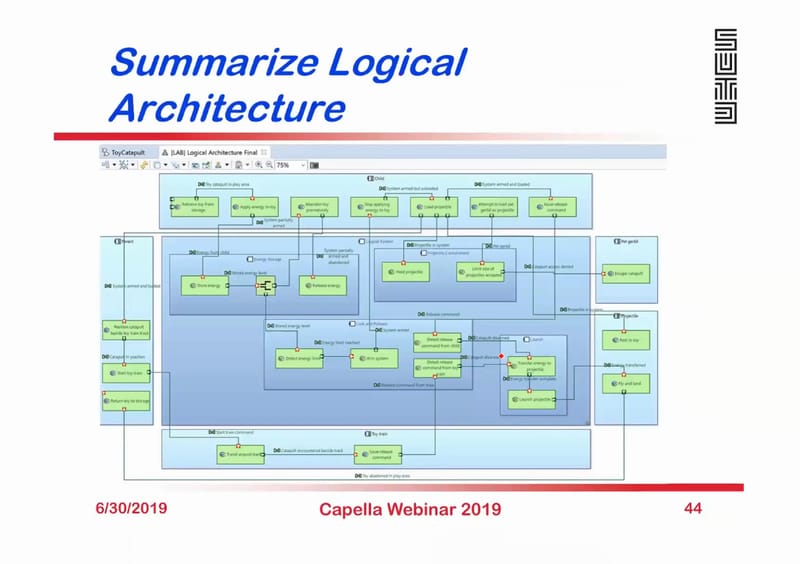
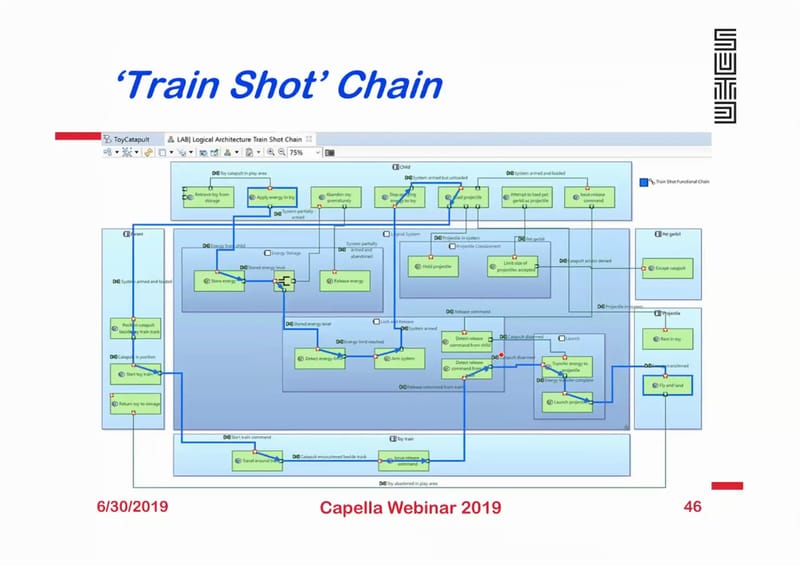
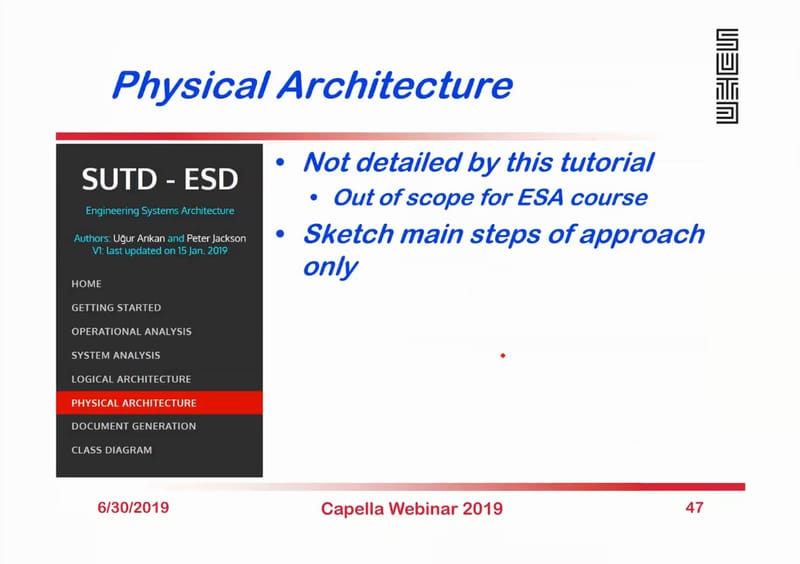
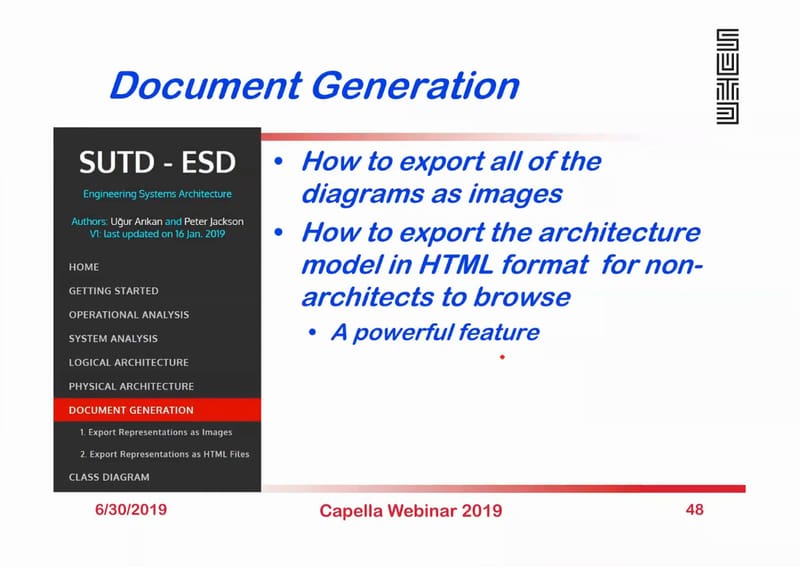
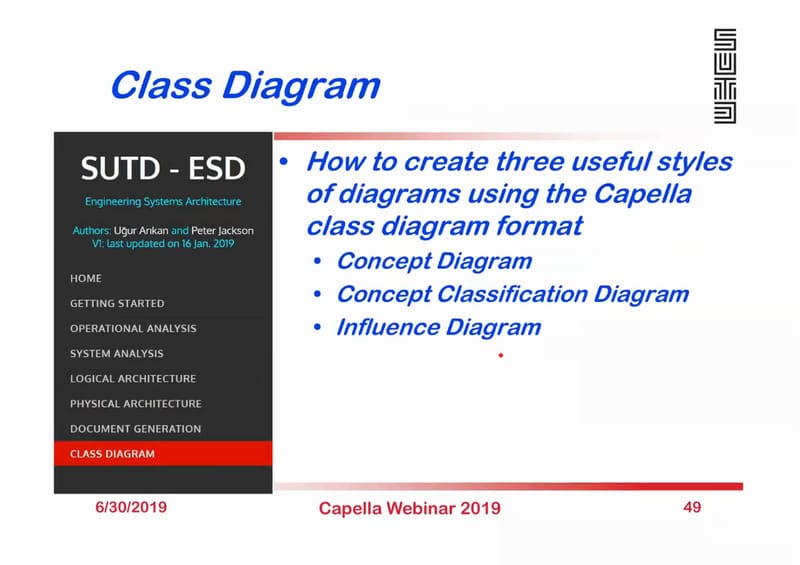
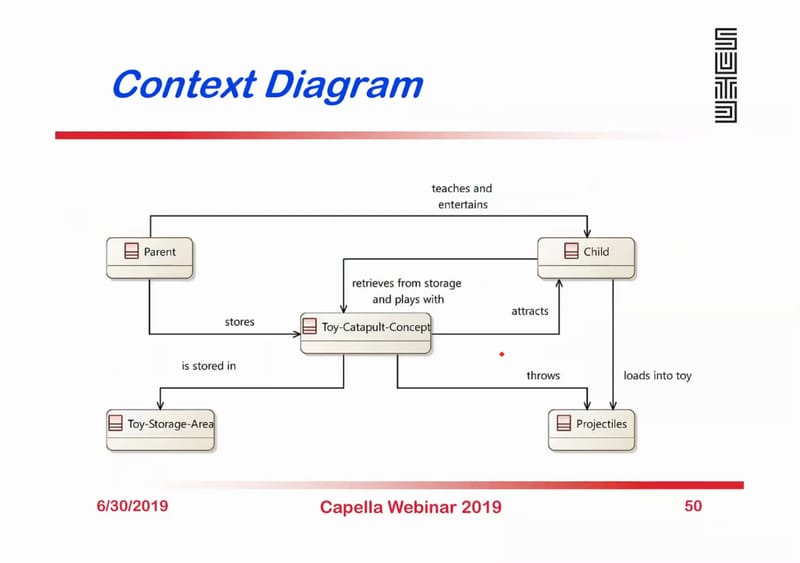
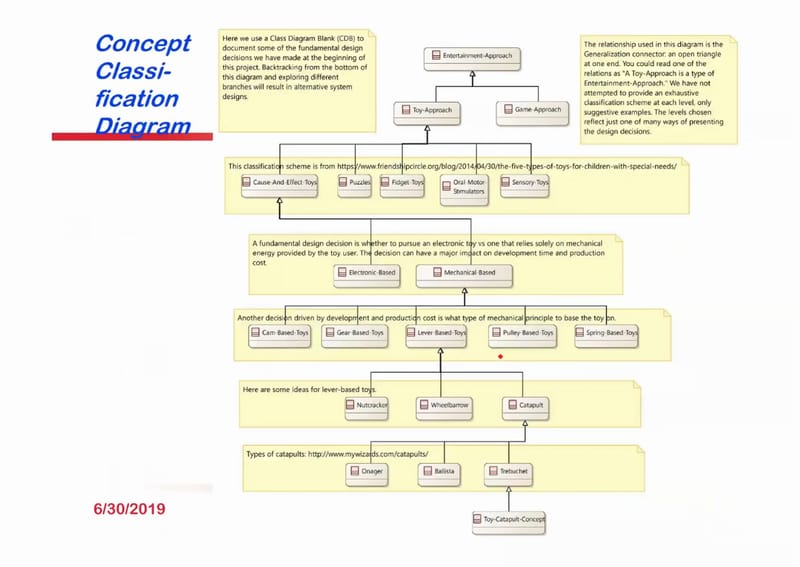
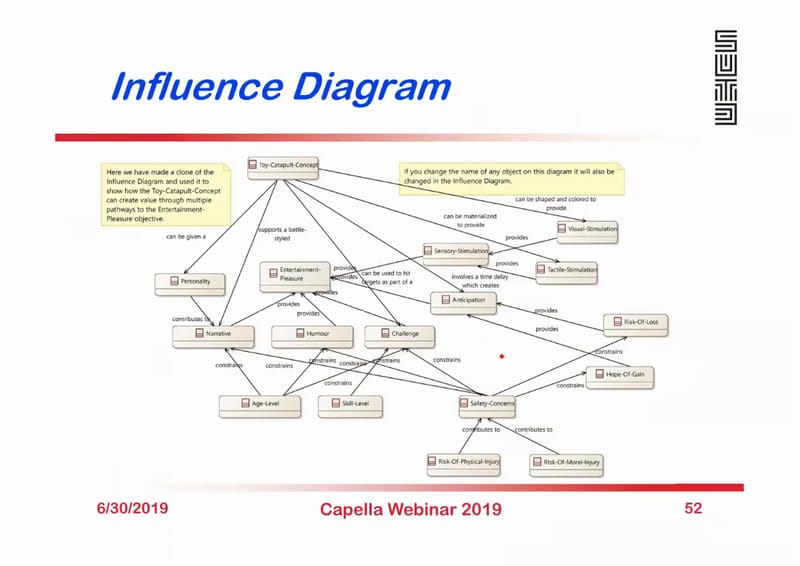
Introduction to Arcadia Capella with a toy catapult project - Systems Engineering Webinar by Professor Peter L. Jackson (Head, Engineering Systems and Design Pillar at Singapore University of Technology & Design.) Tutorial: https://esd.sutd.edu.sg/40014-capella-tutorial/
-
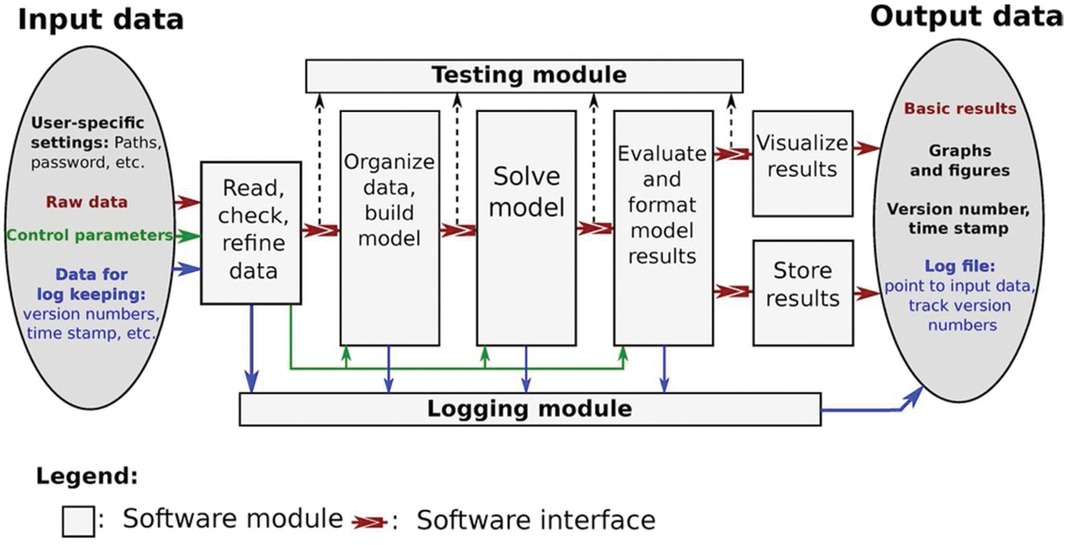
Lifting Industrial Ecology Modeling to a New Level of Quality and Transparency: A Call for More Transparent Publications and a Collaborative Open Source Software Framework by Stefan Pauliuk, Guillaume Majeau‐Bettez et.al (2015)
-
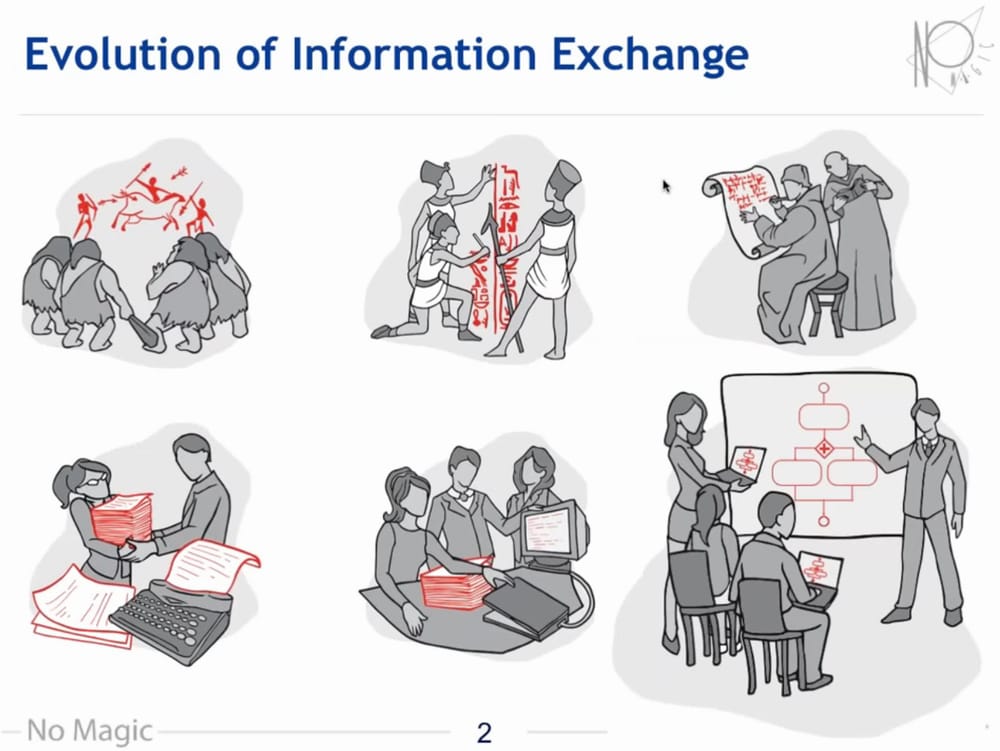
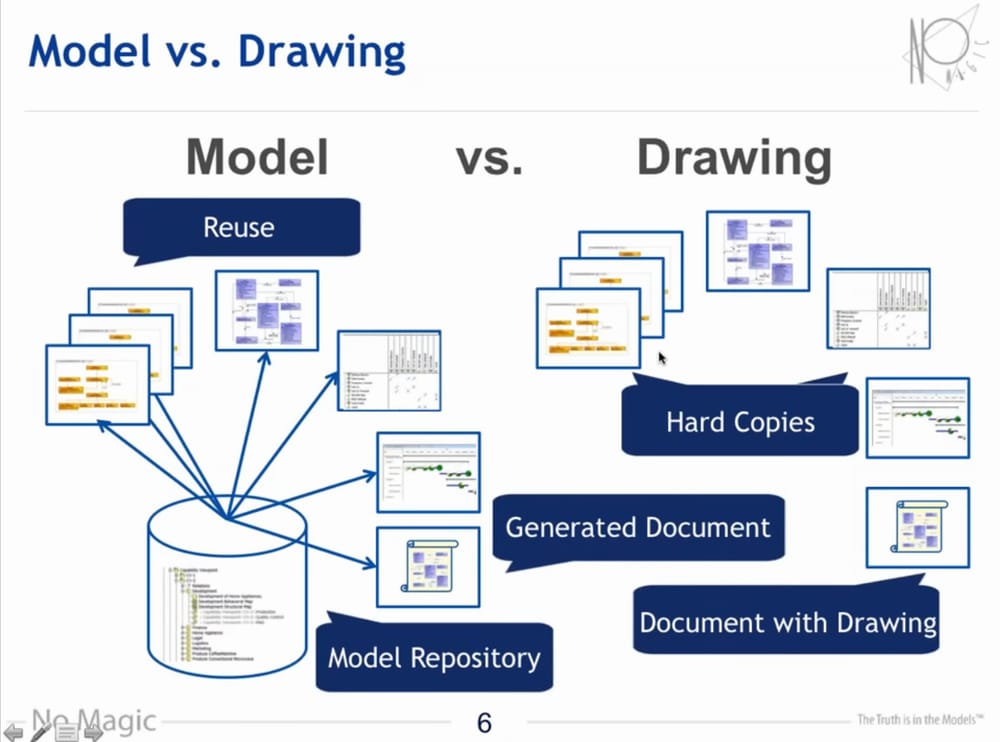
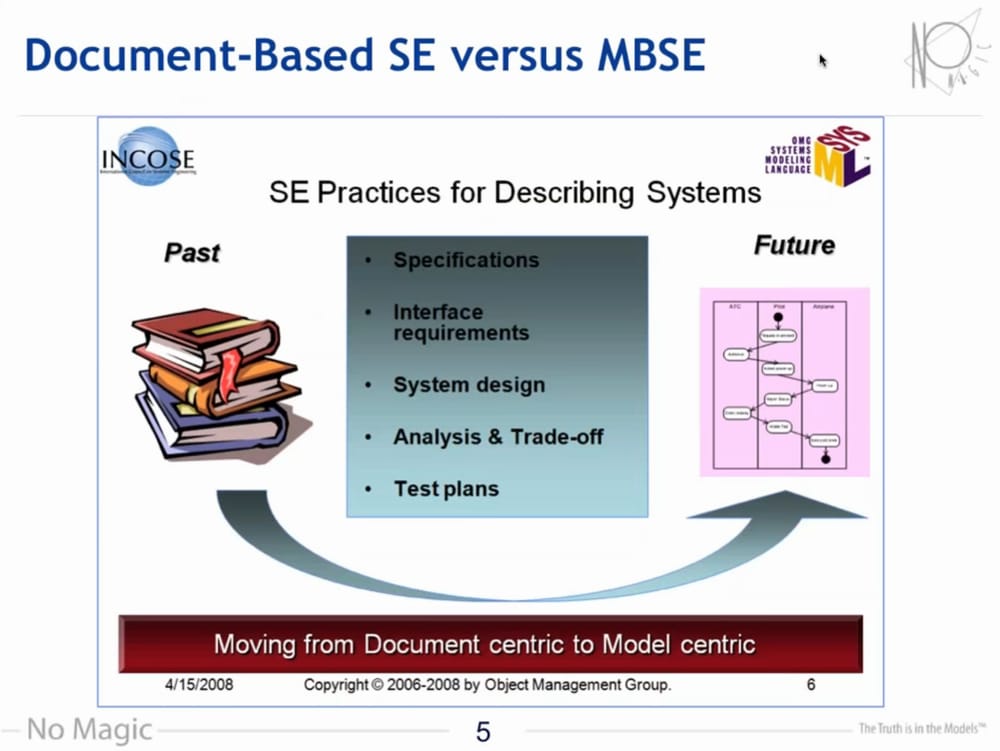
Moving from Documents to Models - Presentation by Dr. Darius Silingas (2016)