-
Encyclopedia of World Problems and Human Potential (wikipedia)
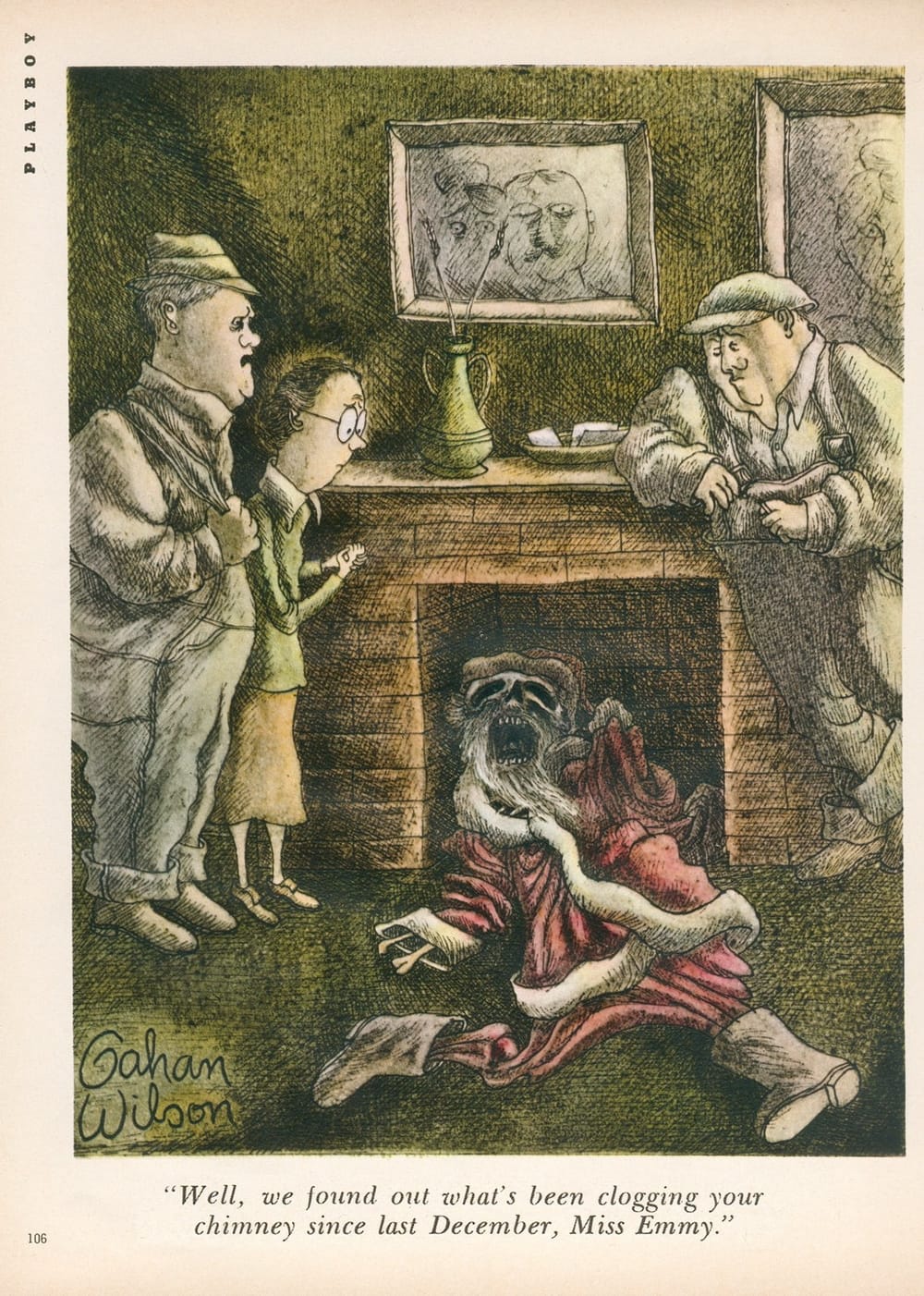
"The Encyclopedia was started in 1972 and now comprises more than 100,000 entries and 700,000 links, as well as 500 pages of introductory notes and commentaries. The Encyclopedia collects information on problems, strategies, values, concepts of human development, and various intellectual resources."
-
Laetus in Praesens: https://www.laetusinpraesens.org/
-
Modelling urban networks using Variational Autoencoders
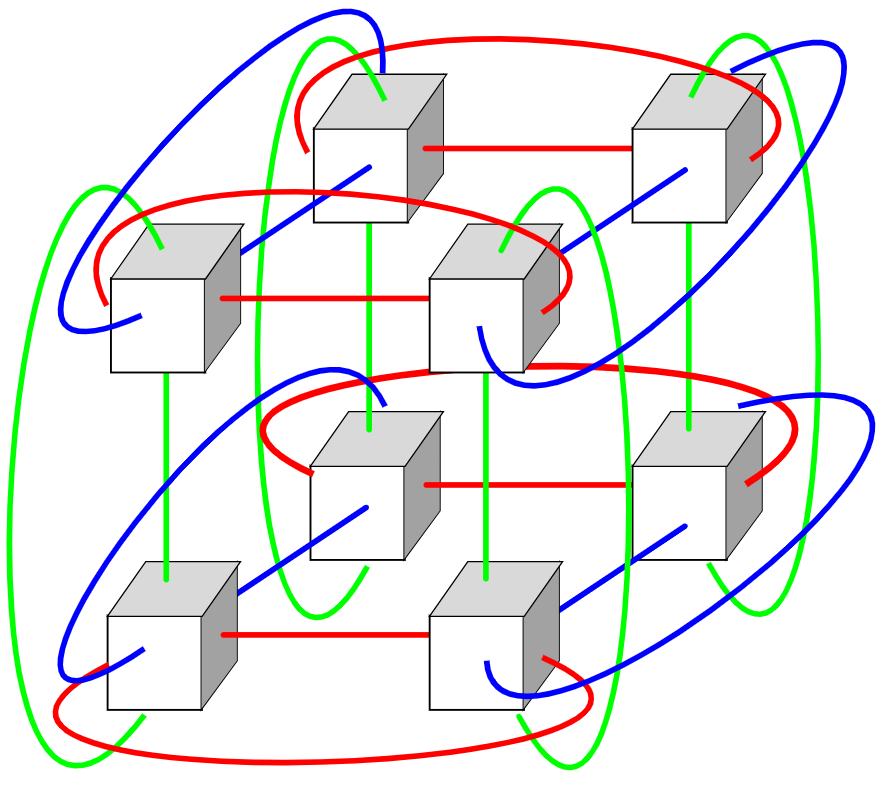
“VAEs capable of capturing key high-level urban network metrics using low-dimensional vectors and generating new urban forms of complexity matching the cities captured in the street network data”
-
Genetically-Engineered Microbe No Longer Needs to Eat Food To Grow
"Synthetic biologists have performed a biochemical switcheroo," reports Science magazine:
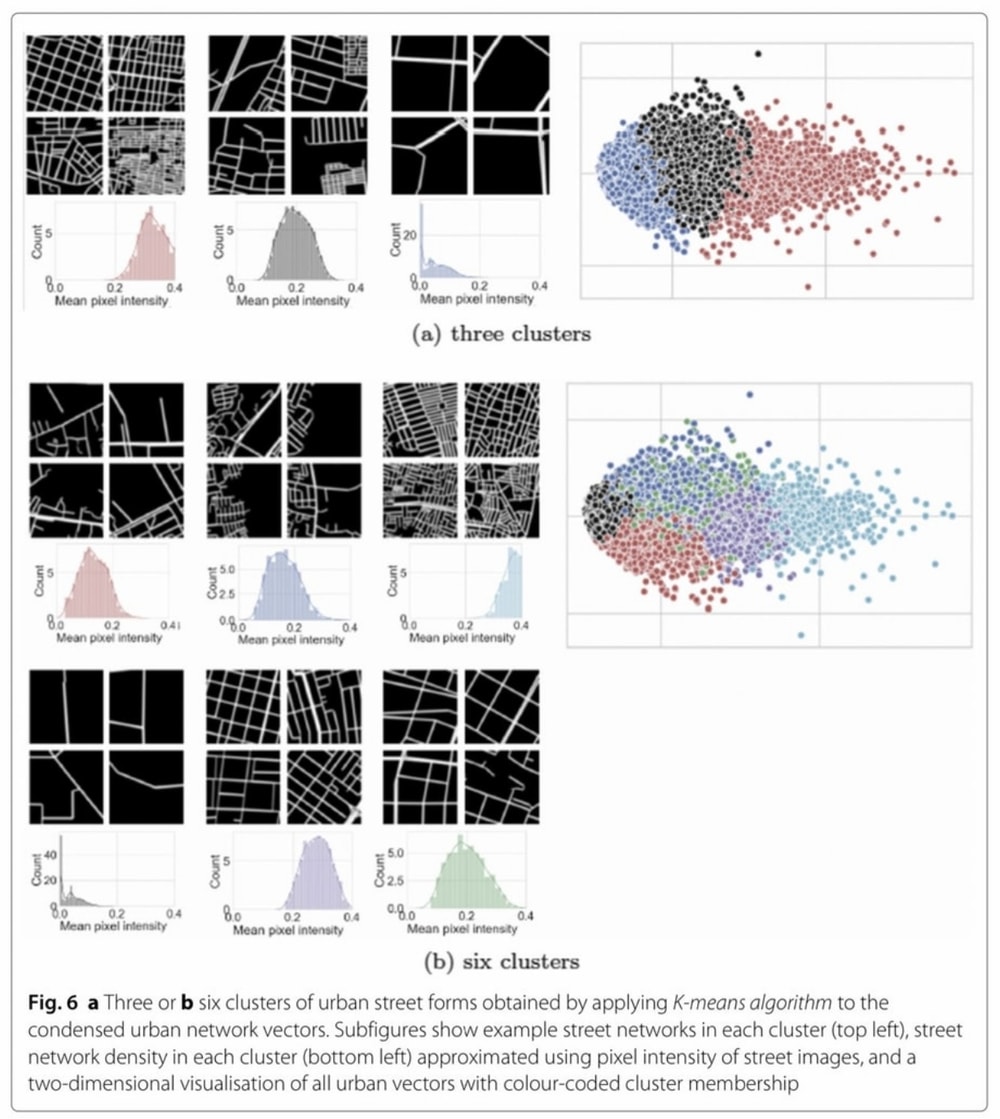
They've re-engineered a bacterium that normally eats a diet of simple sugars into one that builds its cells by absorbing carbon dioxide (CO2), much like plants. The work could lead to engineered microbes that suck CO2 out of the air and turn it into medicines and other high-value compounds.
Laboratory-evolved bacteria switch to consuming carbon dioxide for growth
"Over the course of several months, researchers created Escherichia coli strains that consume carbon dioxide for energy instead of organic compounds. This achievement in synthetic biology highlights the incredible plasticity of bacterial metabolism and could provide the framework for future carbon-neutral bioproduction. "
-
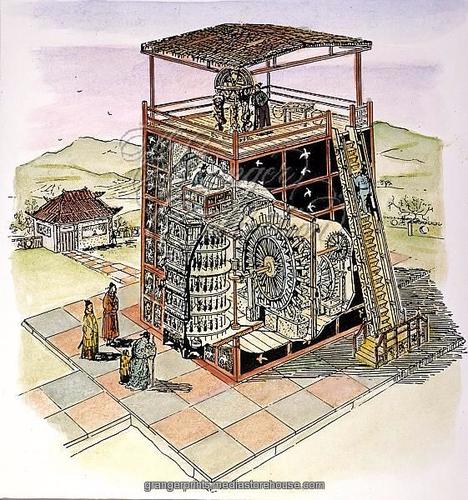
Su Song (1020–1101 AD) was a Chinese polymathic scientist and statesman. Excelling in a variety of fields, he was accomplished in mathematics, astronomy, cartography, geography, horology, pharmacology, mineralogy, metallurgy, zoology, botany, mechanical engineering, hydraulic engineering, civil engineering, architecture, invention, art, poetry, philosophy, antiquities, and statesmanship during the Song Dynasty (960–1279). Su Song was the engineer for a hydro-mechanical astronomical clock tower in medieval Kaifeng.
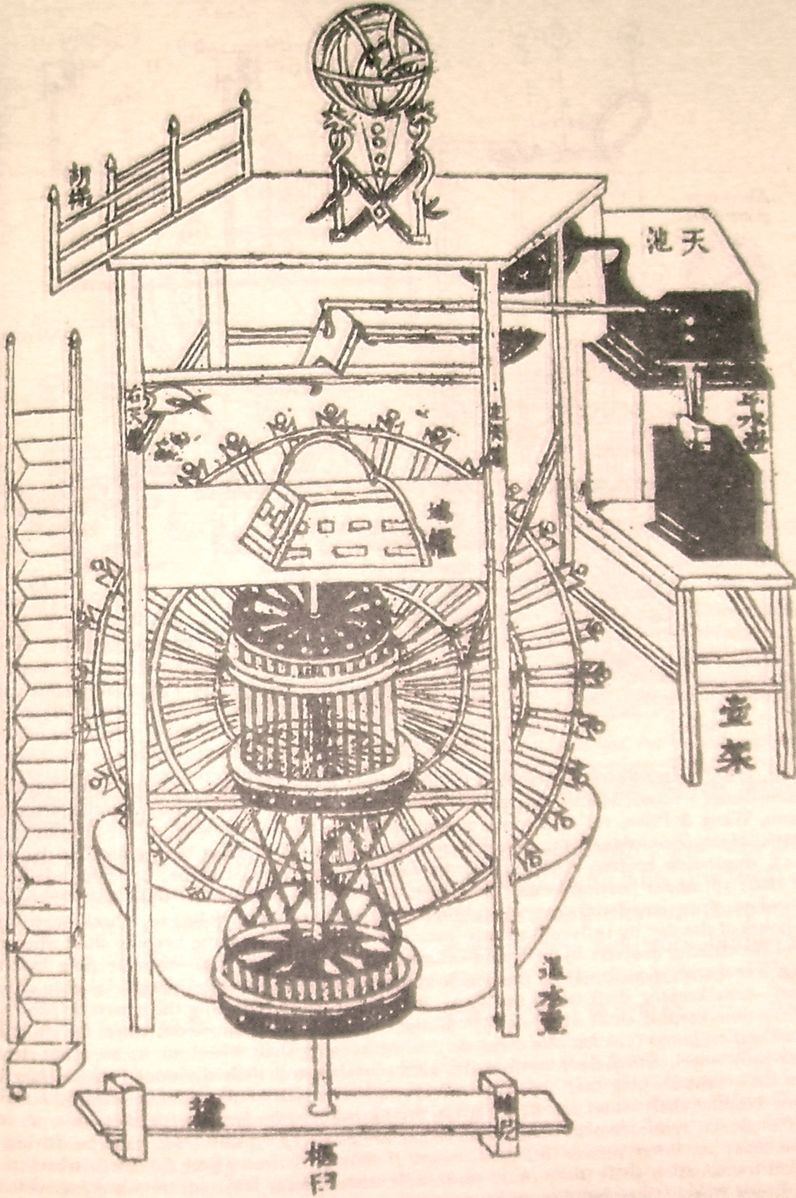
Yi Xing (683–727), born Zhang Sui (Chinese: 張遂), was a Chinese astronomer, mathematician, inventor, mechanical engineer, philosopher, and Buddhist monk of the Tang dynasty (618–907). His astronomical celestial globe featured a clockwork escapement mechanism, the first in a long tradition of Chinese astronomical clockworks.
-
Giant tortoises show surprising cognitive powers (Nature)
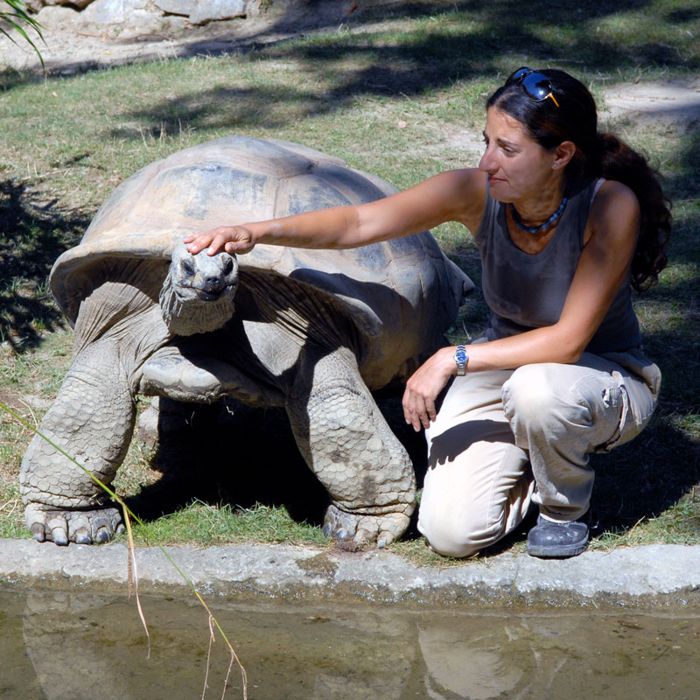
Giant tortoises can learn and remember tasks, and master lessons much faster when trained in groups.
Scientists trained Galapagos tortoises and Aldabra tortoises to bite a ball of a particular color — blue, green or yellow.
When tested three months later, the tortoises recalled the task. The authors tested three of the tortoises again after nine years and found that all three responded to toys of the correct color. The researchers also found that both species of tortoise could be conditioned with fewer training sessions if they were taught in groups than if learning occurred in isolation, hinting that tortoises learn from watching their peers.
-
Wild Silkworms Produce Proteins Primed for Bioprinting. A mix of silkworms’ proteins acts as a scaffold for 3-D-printed tissues and organs.

Wild silkworm species Antheraea assamensis. -
Tactic, Strategy, Attitude and Practice
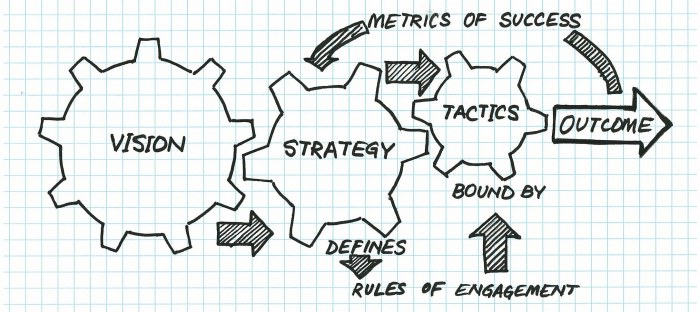
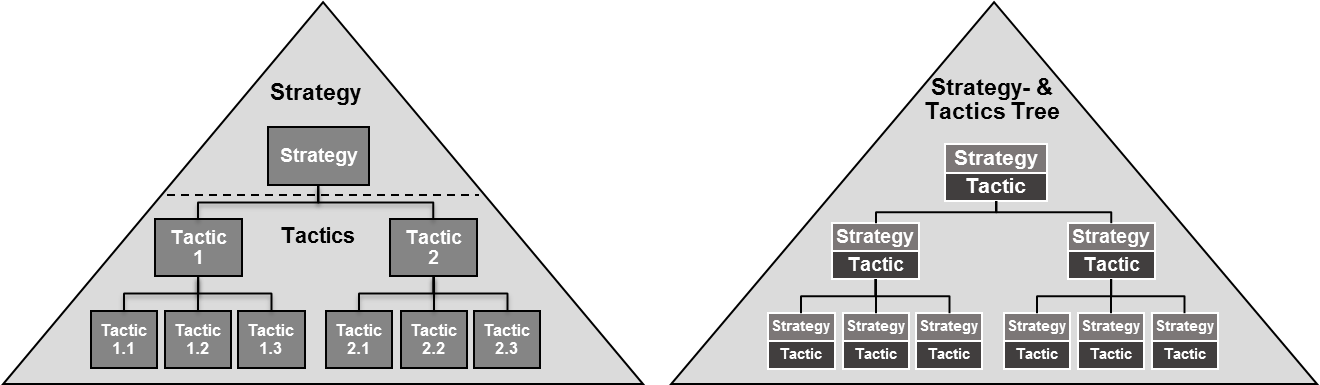
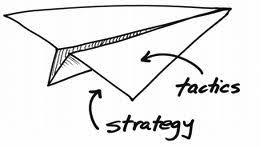
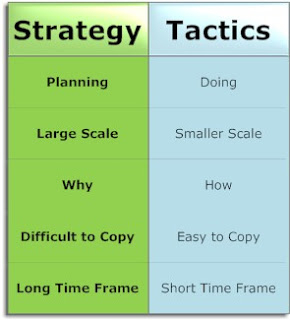
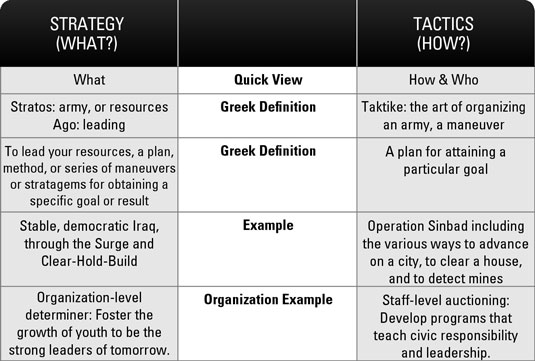
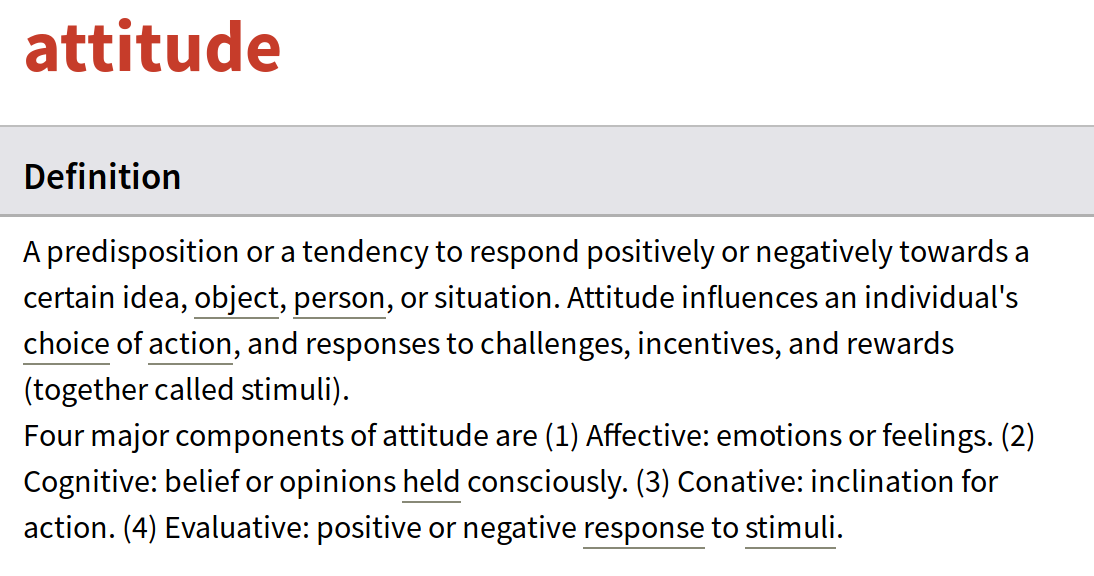
Related from earlier on this blog: Kata and Shu Ha Ri.
Related from Marketing contexts: G’SOT (Goals, Strategies, Objectives and Tactics):
- A goal is a broad primary outcome.
- A strategy is the approach you take to achieve a goal.
- An objective is a measurable step you take to achieve a strategy.
- A tactic is a tool you use in pursuing an objective associated with a strategy.
G’SOT Example for Intel’s line of Core processors:
- Goal: Make our Core PC microprocessors a category leader in sales revenue by year X.
- Strategy: Persuade buyers that our Core processors are the best on the market by associating with large, well-established PC manufacturers.
- Objective: Retain 70 percent or more of the active worldwide PC microprocessor market, according to Passmark's CPU benchmark report.
- Tactic: Through creative that underlies our messaging, leverage hardware partner brand awareness to include key messages about the Intel Inside program.
-
Techno-fix futures will only accelerate climate chaos—don’t believe the hype - by Joanna Boehnert and Simon Mair
“To address the climate and ecological crises, we need a vision of the future. But some of the most popular ones out there will only propel the planet more quickly towards destruction; Rejecting the ecologically harmful assumptions on which our culture is currently built offers us a unique chance to build a healthier and fairer world.”
-
Jeffrey Epstein and the Decadence of Science - by John Horgan
"The Epstein scandal, which embroiled many prominent scientists, is just one of many signs that a gloomy prophecy is being fulfilled."
Multiverse Theories Are Bad for Science - by John Horgan
"New books by a physicist and science journalist mount aggressive but ultimately unpersuasive defenses of multiverses."
-
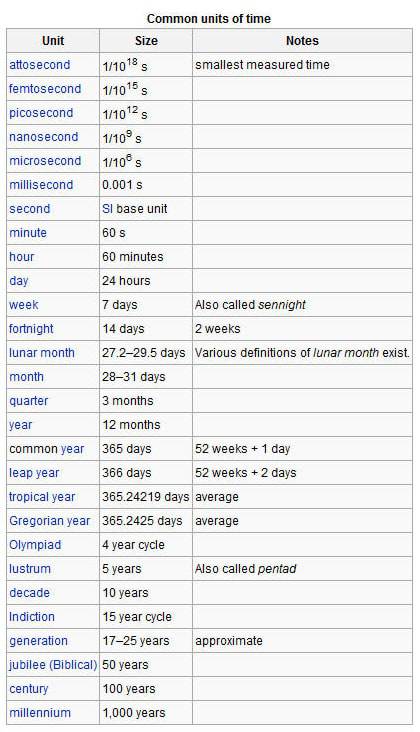
"Men invented time to feel comfortable in space. But it doesn't actually exist. All experience is happening at once." -Albert Einstein



Time measurement unites (via World Encyclopedia of Time)
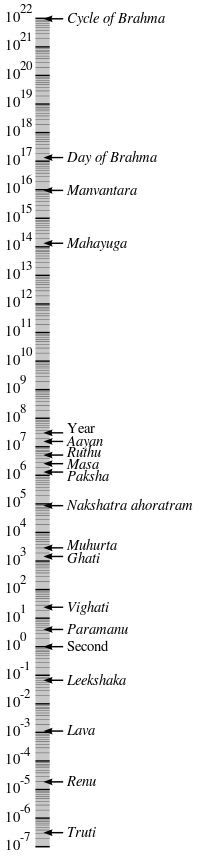
Hindu units of time - "from microseconds to Trillions of years".
Back to the future: The original time crystal makes a comeback: https://www.sciencemag.org/news/2019/11/back-future-original-time-crystal-makes-comeback
-
"I am life wanting to live with life that wants to live." - Albert Schweitzer
-
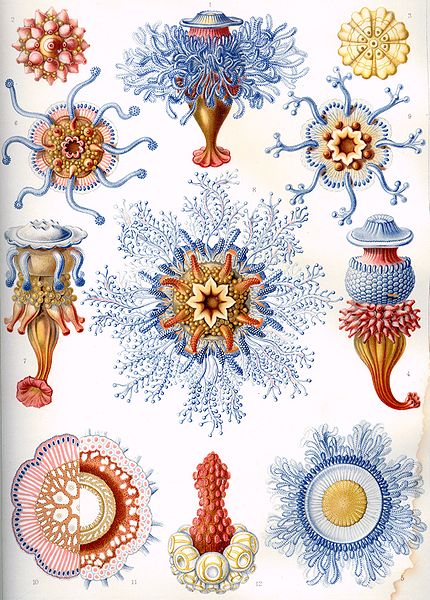
Symbiogenesis is an evolution term that relates to the cooperation between species.
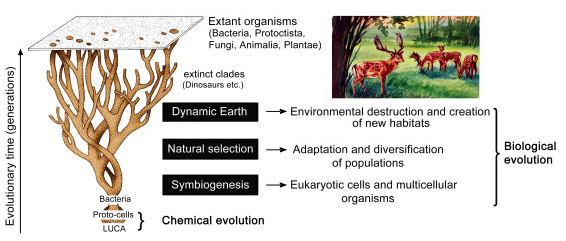
Illustration: From the scala naturae to the symbiogenetic and dynamic tree of life
Book: Symbiotic Planet: A New Look At Evolution - by Lynn Margulis
Article: Why science would benefit from a symbiosis-driven history of speciation - By B.Harris -
The Weirdness is Coming - Illustration by Robert Beatty for an NYMag feature about the future.

Found via johncoulthart.com. #Art
-
Scientific Misconduct: Can Religion Help?
"A 2009 systematic review and meta-analysis of survey data discovered that among the scientists, 2% confessed to have “fabricated, falsified or modified data or results,” and over 14% had known colleagues to have committed the same. Moreover, over 33% of scientists confessed to “other questionable research practices,” and up to 72% had known colleagues to have done so."
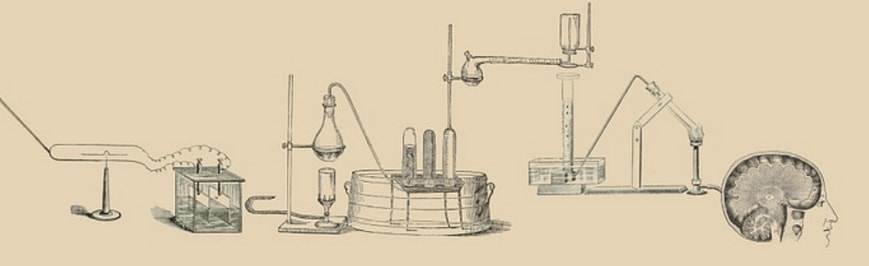
"According to one survey by Nature, more than half of the researchers failed to successfully reproduce their own results; and over 70% failed to successfully reproduce another scientist’s results. Given this difficulty, hindered further by financial and other limitations, and by the complexity of the science concerned, it becomes easy to fabricate, manipulate, or selectively publish results."
"Like many of his contemporary biologists, Haeckel was a materialist. It is not materialism in itself that creates the problem, but rather the lack of accountability that results from it. It clears the way for deceit, corruption, and indeed the worst of crimes against humanity."
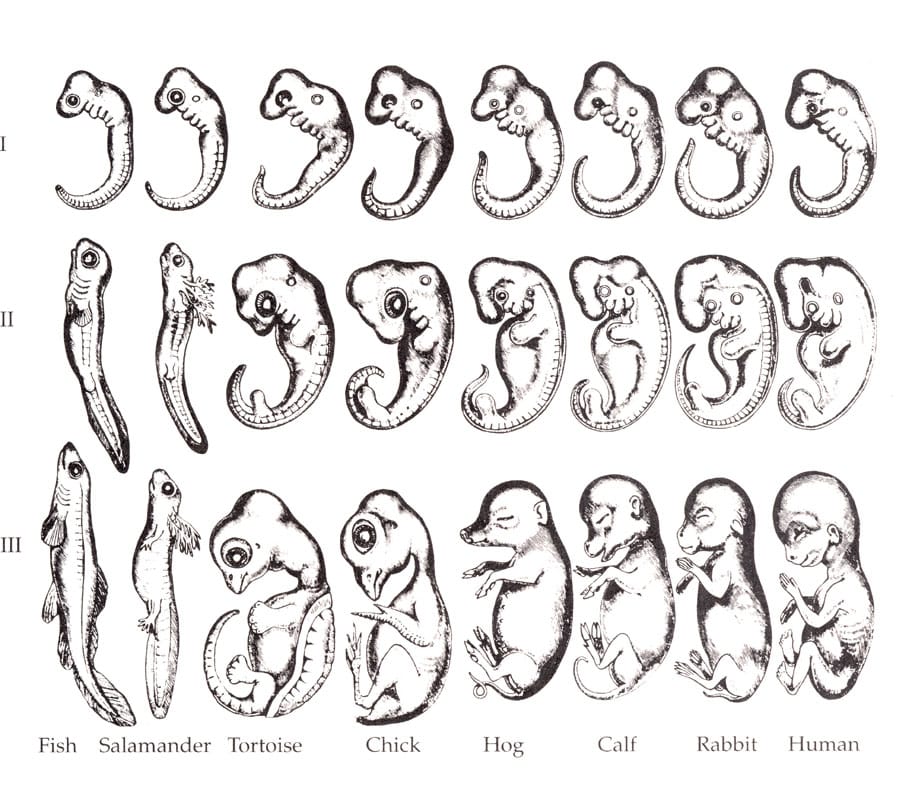
Ernst Haeckel's controversial embryo drawings The article uses recapitulation theory as example of scientific misconduct:
"The theory of recapitulation, also called the biogenetic law or embryological parallelism—often expressed using Ernst Haeckel's phrase "ontogeny recapitulates phylogeny"—is a historical hypothesis that the development of the embryo of an animal, from fertilization to gestation or hatching (ontogeny), goes through stages resembling or representing successive adult stages in the evolution of the animal's remote ancestors (phylogeny)."
Related:
- "Encountering Ernst Haeckel’s 'Ontogeny Recapitulates Phylogeny'" - by Eugene Lemcio
- Drawing by German biologist Ernst Haeckel: