-
Dresden Codex
The Dresden Codex is a Mayan book, the oldest surviving from the Americas, dating to the 13th or 14th century. The codex was rediscovered in the city of Dresden, Germany, hence the book's present name. It is located in the museum of the Saxon State Library.

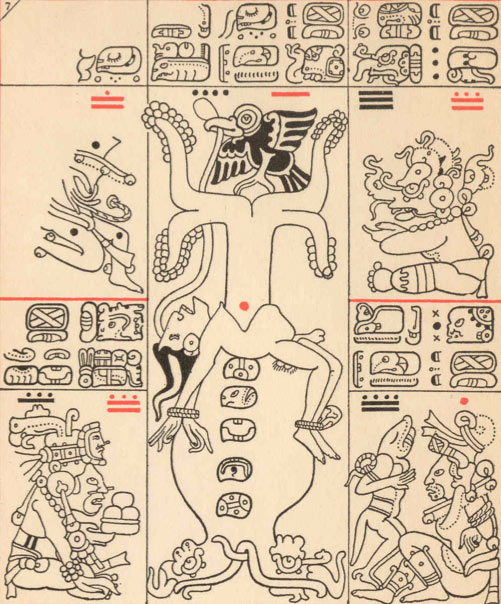


Images from "Dresden Codex, Mayan Art, and enjoying an unknowable other"
Deciphering the Maya Script - talk by Michael Coe (Yale University)
-
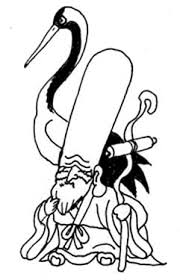
Old Man of the South Pole
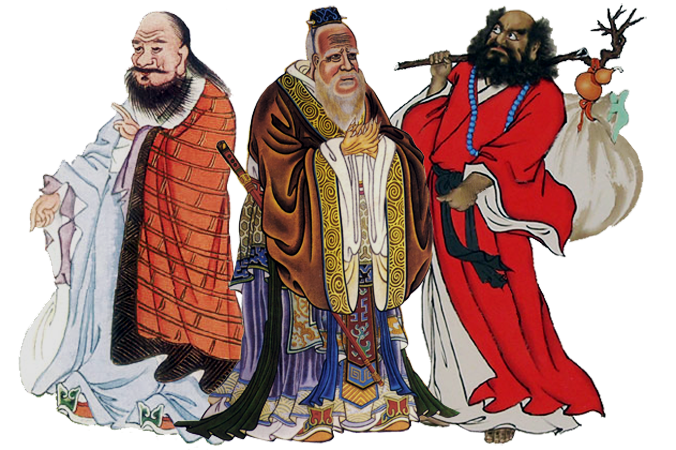
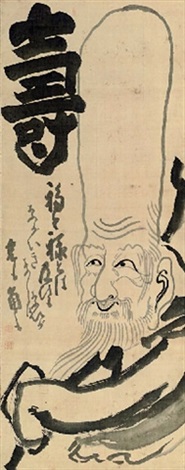
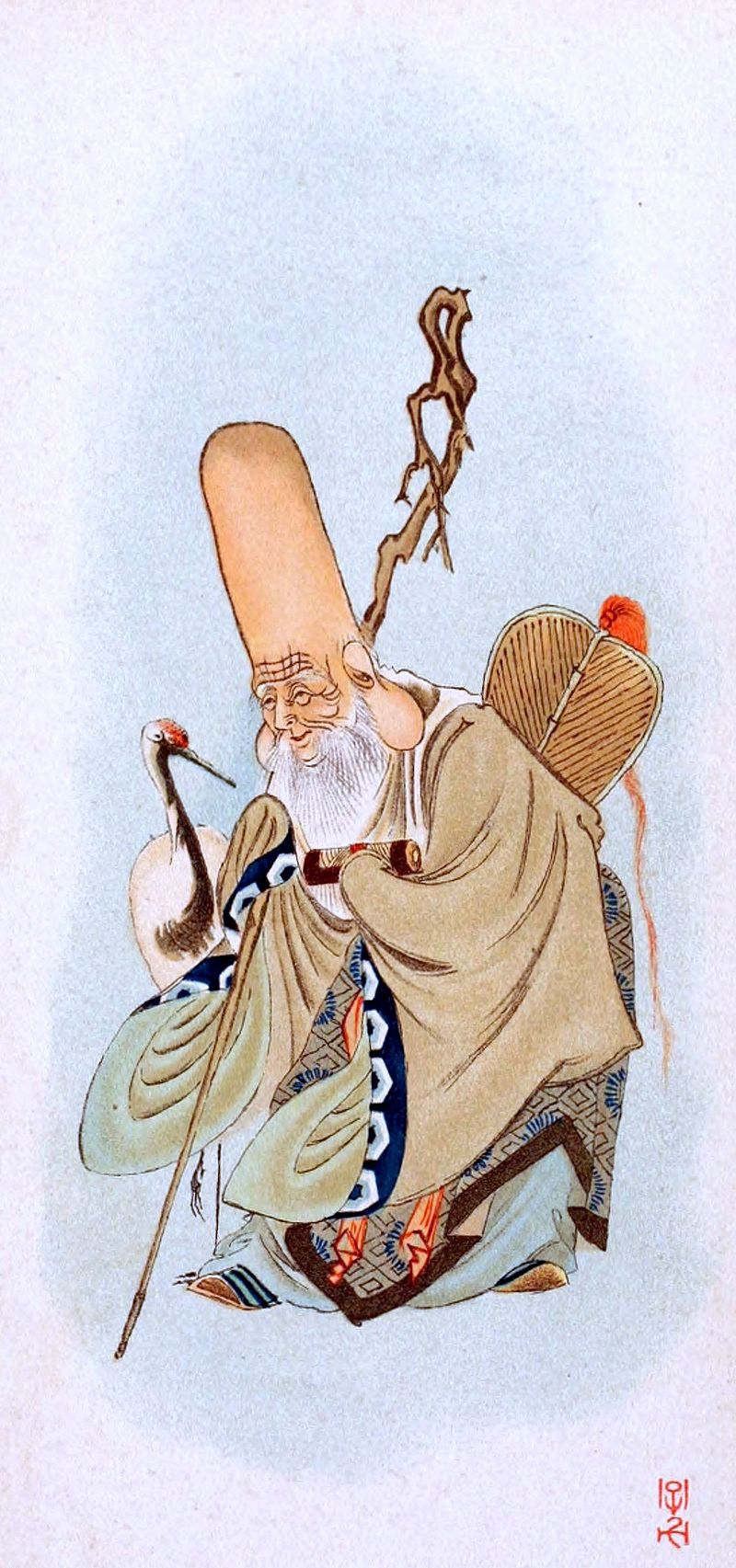
Shòu Xīng (寿星), is the Star of Longevity. The earliest known record of Shòu Xīng as a deity is the Shǐ jí 史籍 (149–90 BC). We know this star as Canopus, the largest of the stars in the constellation Carina, and second brightest in the heavens. In Chinese mythology the star is known as the Old Man of the South Pole (南极老人) and is seen in the south from the Autumn Equinox through to early spring. When observed it usually has a reddish color, a symbol of happiness and longevity in China, Canopus is also known in China and its neighboring countries of Korea, Japan and Vietnam.
See this Brief Explanation and Wikipedia
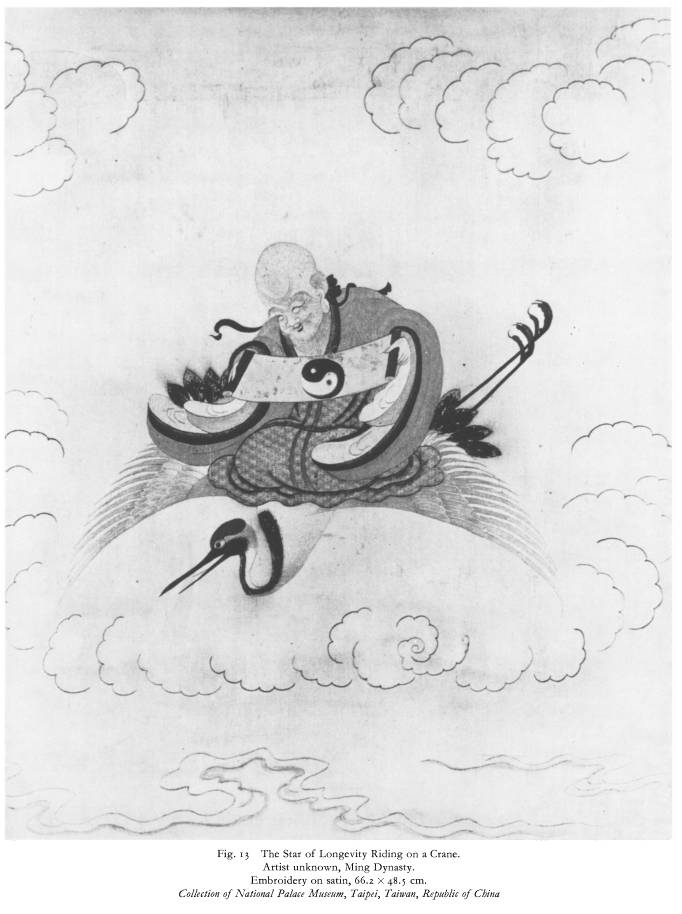
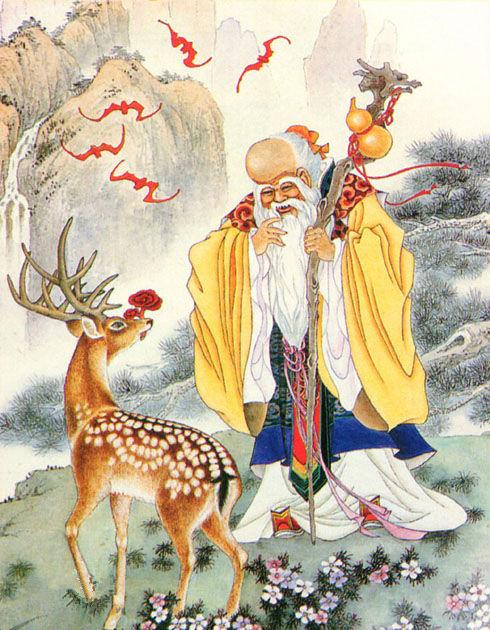
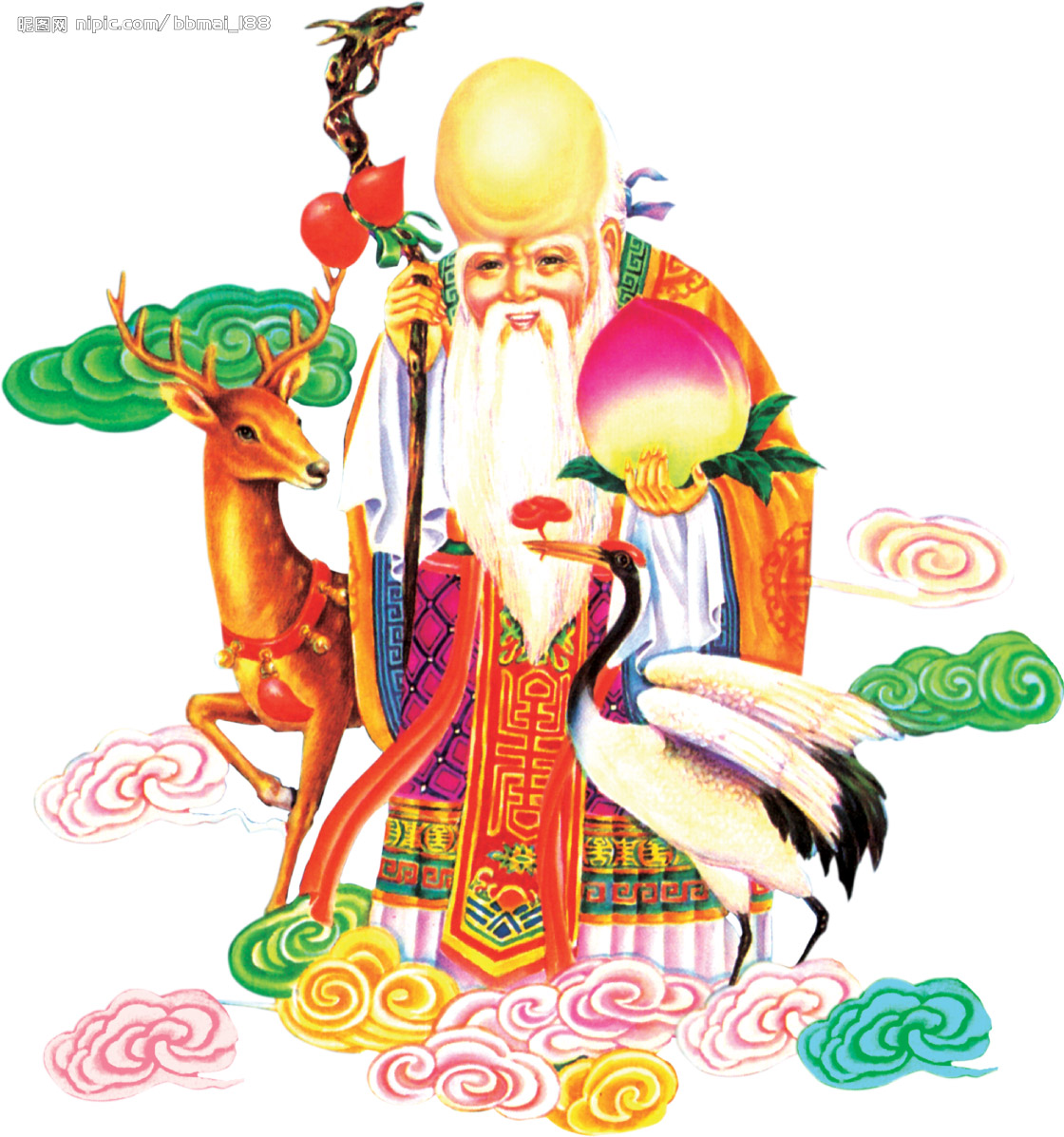
Related from Japan
Fukurokuju (福禄寿) (from Japanese fuku, "happiness"; roku, "wealth"; and ju, "longevity") is one of the Seven Lucky Gods in Japanese mythology. Fukurokuju probably originated from an old Chinese tale about a mythical Chinese Taoist hermit sage.
Jurōjin (寿老人) is one of the Seven Gods of Fortune or Shichifukujin, according to Taoist beliefs. He is the God of longevity. Jurōjin originated from the Chinese Taoist god, the Old Man of the South Pole.

-
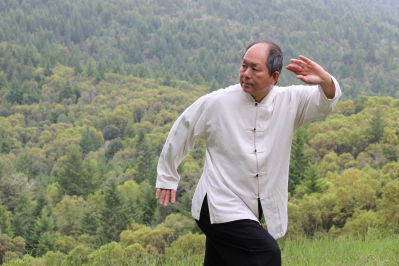
Feng Zhi Qiang (1926-2012) - Chen Style Taiji 18th Generation Master
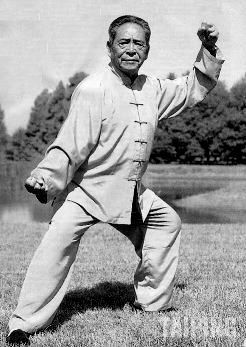
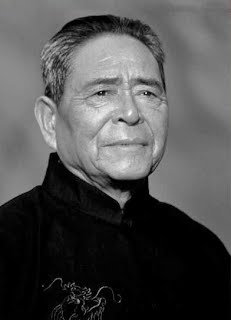

Biography: Feng Zhi-Qiang was born in 1926 in Hebei province, and passed away in 2012. He was the Vice President of Beijing Municipal Martial Arts Association & President of Beijing Municipal Chen-style Taijiquan Research Institute. He is noted for his development of the Chen Shi Xin Yi Hun Yuan Taijiquan system. Feng grew up in a martial art family. He began to practice martial arts at eight, and learned a great variety of martial styles such as Shao-Ling Tong-Zi-Gong. Later, he learned Tong-Bei-Quan from Han Xiao-Feng in He-Bei, Liu-He-Xing-Yi Quan from Hu Yao-Zhen of Shan-Xi, and Ba-Gua-Zhang from several famous masters. In 1951, on Master Hu Yao-Zhen's recommendation, Feng began to learn the Chen-style Tai-Ji-Quan from the well known 17th generation master Chen Fa-Ke in Beijing. (Extended bio here)
Primordial Qigong - by Feng Zhi Qiang
Feng Zhiqiang - Form Demonstration (2011)
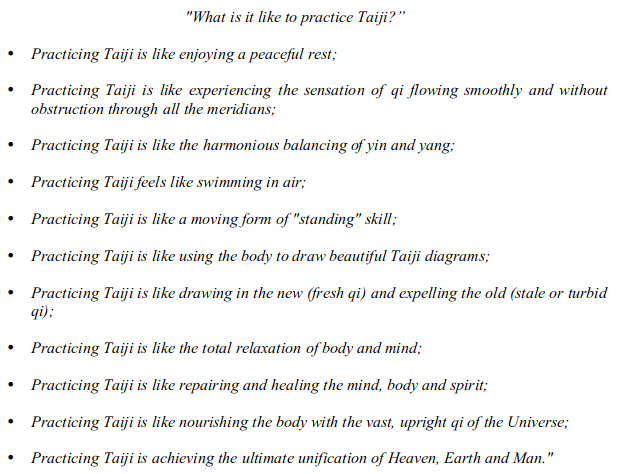
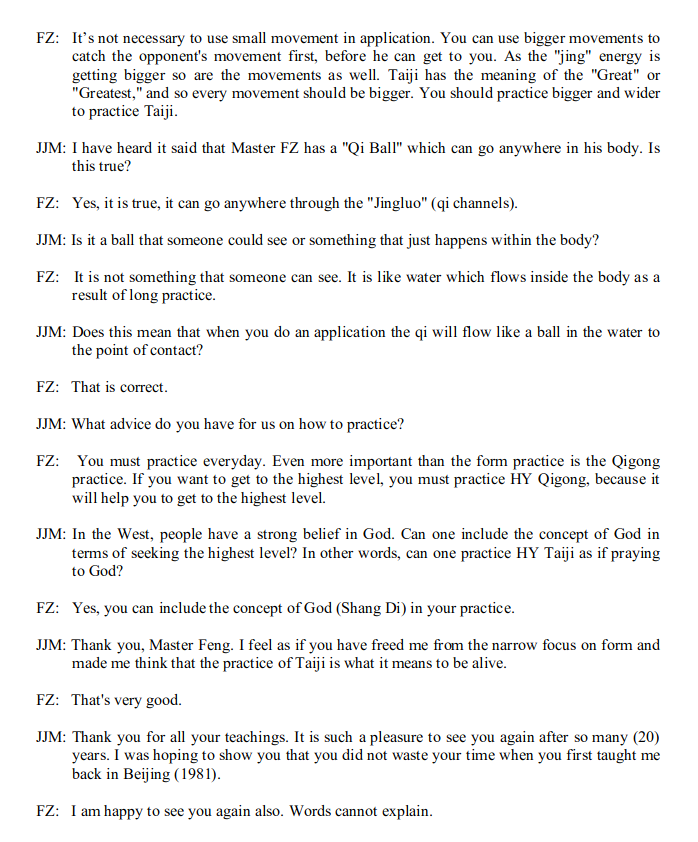
"Hun Yuan Taiji/Qigong of Grand Master Feng Zhiqiang" - by J. Justin Meehan (2004):

-
The Essence of Tai Chi Chi Kung: Health & Martial Arts - by Jwing-Ming Yang (1990) (PDF)
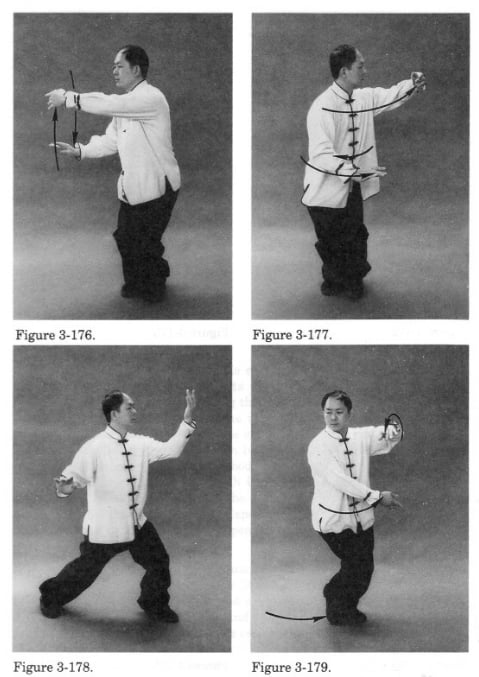
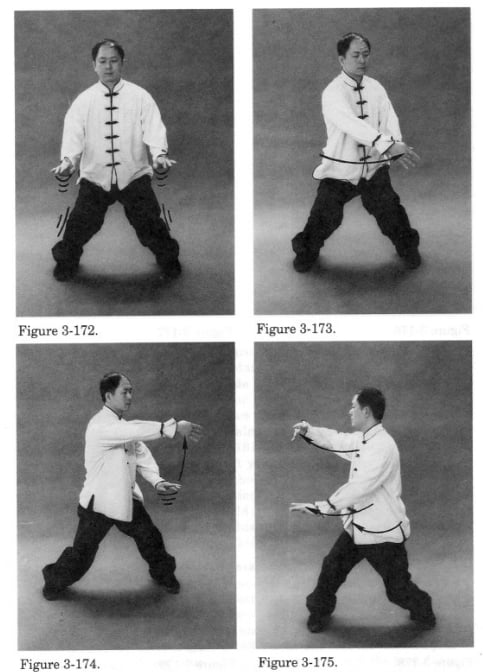
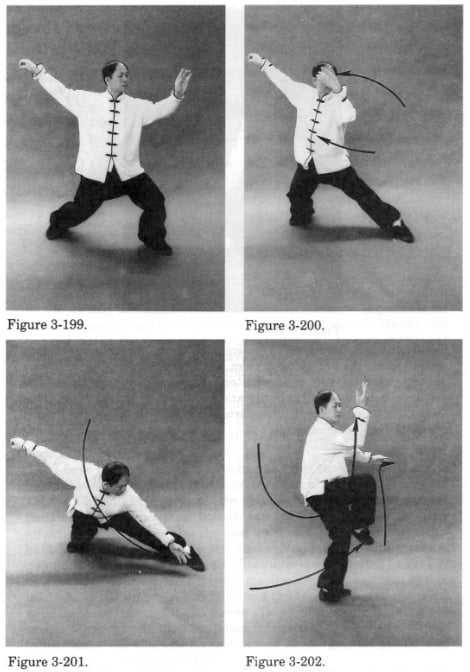
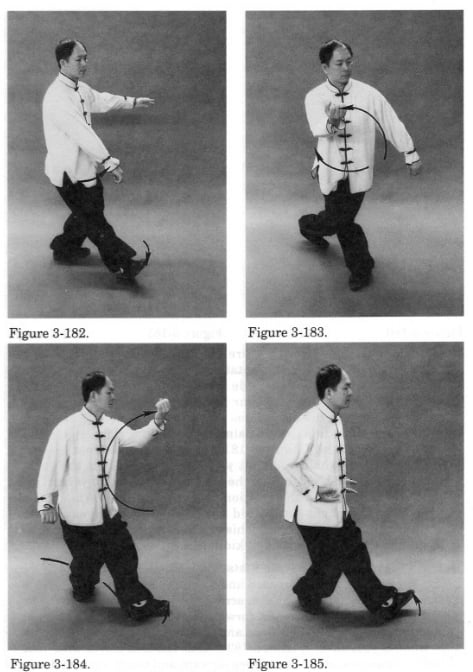

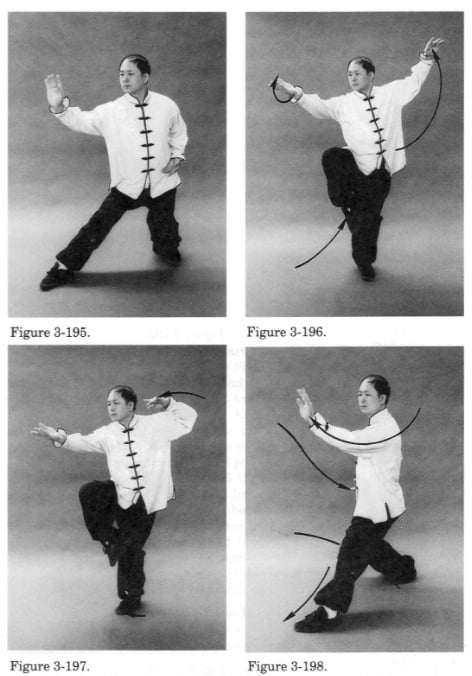


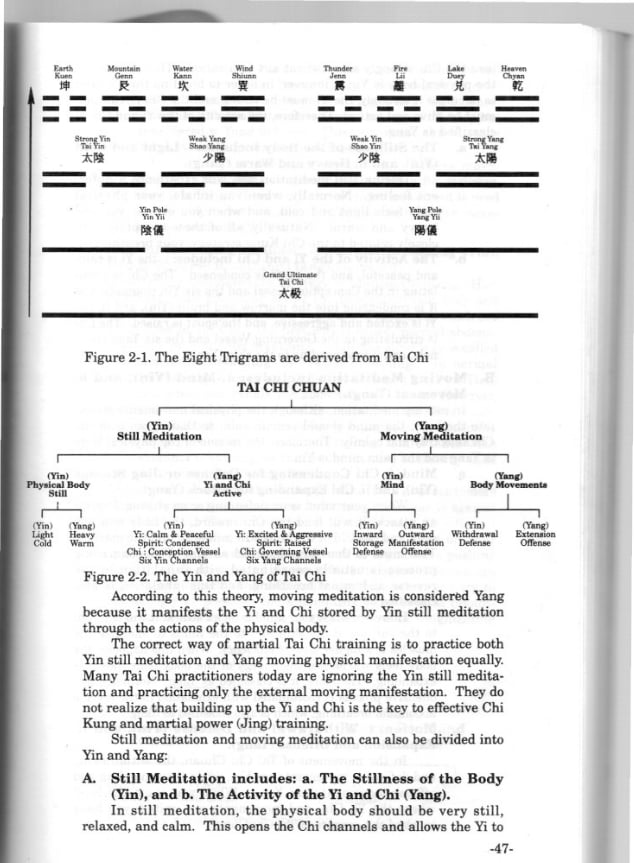
Dr. Yang, Jwing-Ming Biography (YMAA) Yang's Martial Arts Association


-
"Big moves are not as well polished as small moves; small moves are not as well polished as stillness!" - Kuo Lin Ying
(1895–1984)

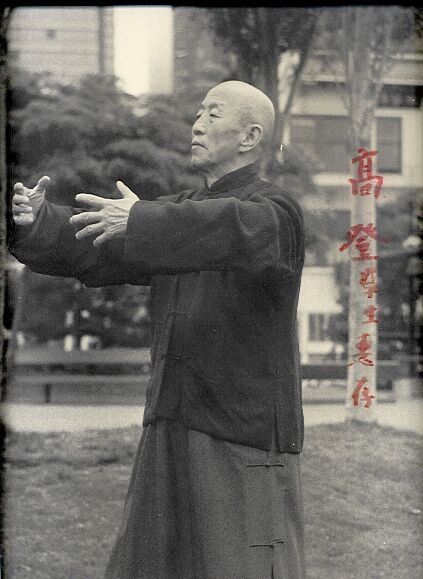

"The T'ai Chi Boxing Chronicle" - Book by Kuo Lien-Ying


-
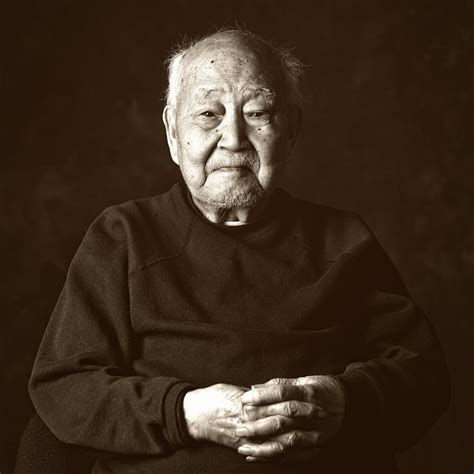
Master T.T Liang (1900-2002)
Master Liang started his martial art career in High School in Tientsin where his physical education teacher was the famous Huang Han Hsun, a Master of Praying Mantis boxing. In 1933, whilst attending a British Maritime Customs service training seminar in Beijing, he was able to study Tui Shou (Pushing Hands) with Yang Cheng Fu (1883–1936), a member of the original Tai Chi Yang family, who also taught Cheng Man Ch'ing. Liang was able to study with him for a couple of weeks but did not name him formally as one of his teachers. After a period of serious illness in Shanghai in 1946, Liang began to study Tai Chi Chuan with various students of Cheng Man Ch'ing, and began formal training with Cheng himself in 1947. He became Cheng's Ta Shih Hsiung (N1 Chief Disciple). Master Liang died in 2002 at the age of 102. (via)
Biography: About Master T.T. Liang - by Sanctuary of Tao
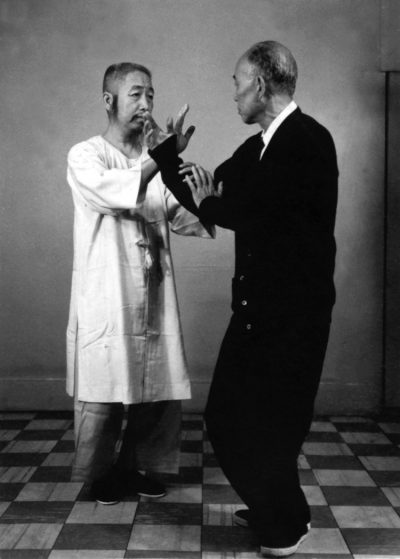
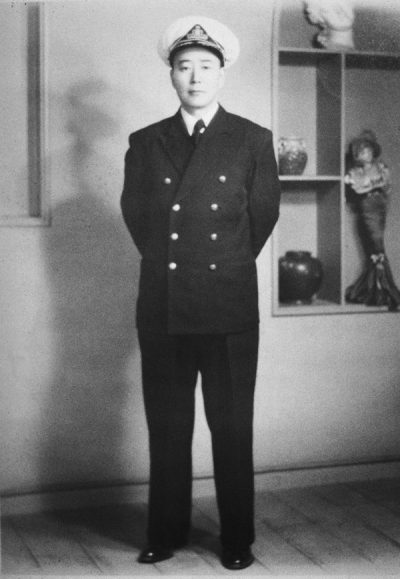
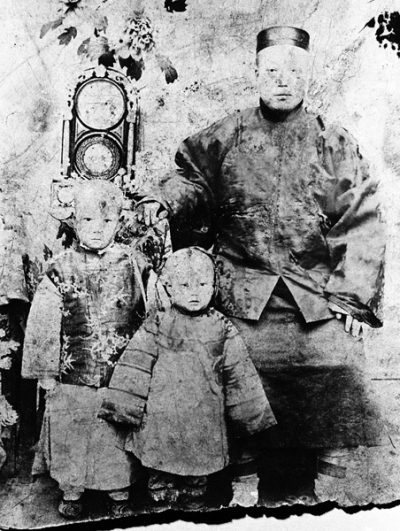
Master T.T Liang (1900-2002) - Yang style Tai Chi, 150 postures full routine
Master T.T. Liang Interview
Book: T. T. Liang's Tai Chi Chuan: The Tai Chi Solo Form with Rhythm - by Jonathan Russell
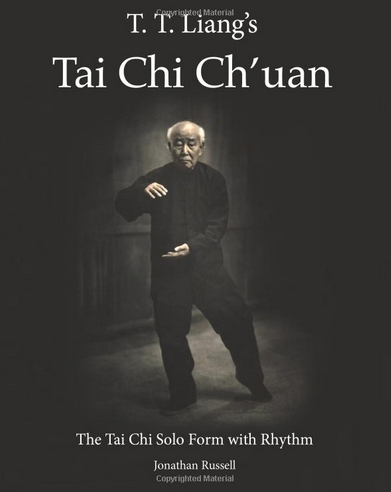
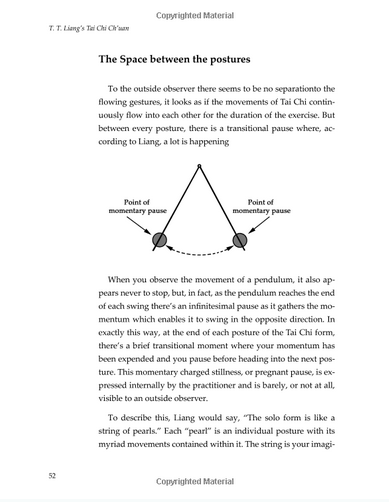
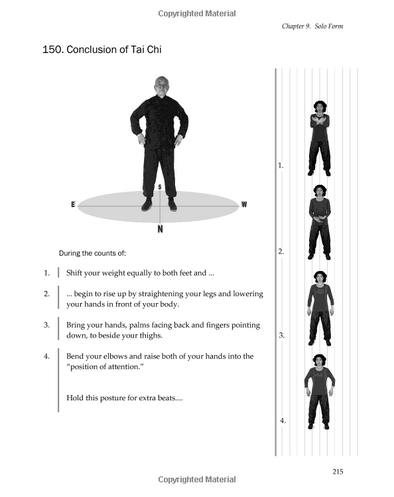
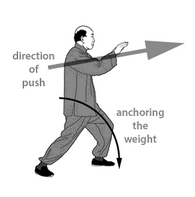
TT Liang Solo form - Performed by Jonathan Russell
-
Recent Social Science from Taiwan
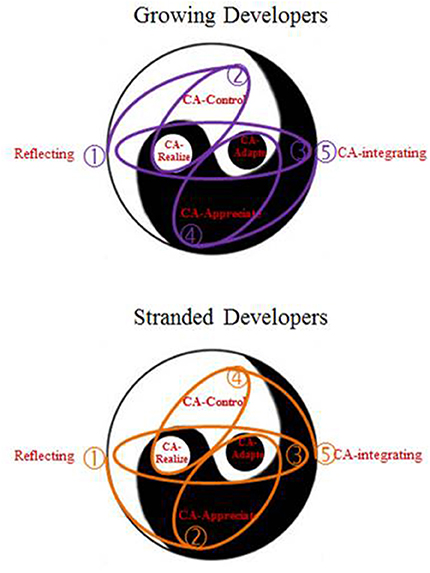
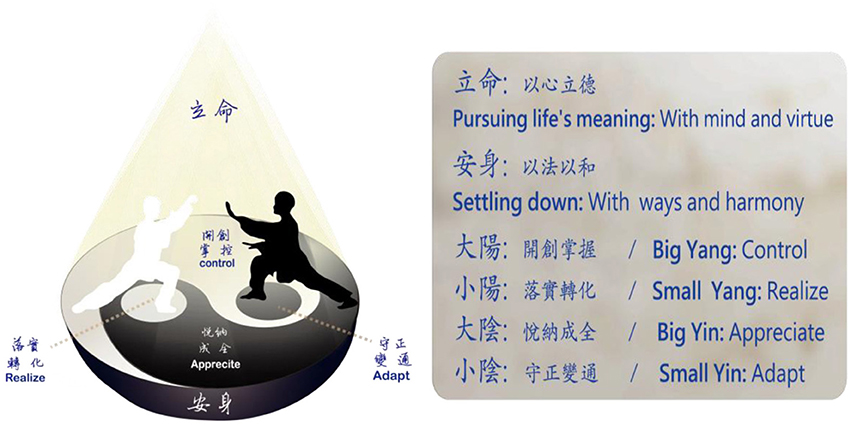
Virtue Existential Career Model: A Dialectic and Integrative Approach Echoing Eastern Philosophy - by Shu-Hui Liu, Jui-Ping Hung, Hsin-I Peng, Chia-Hui Chang, Yi-Jen Lu (2016)

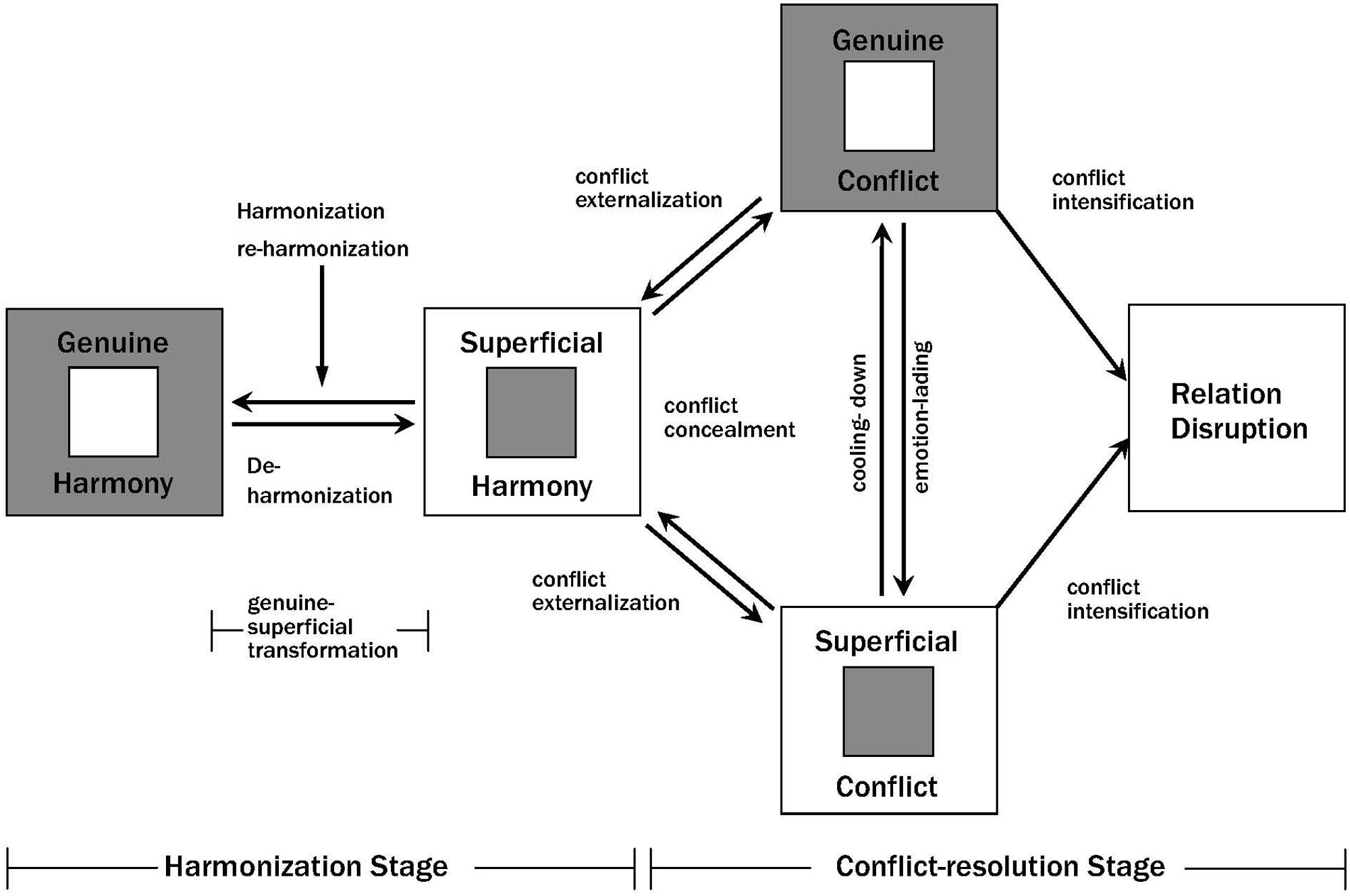
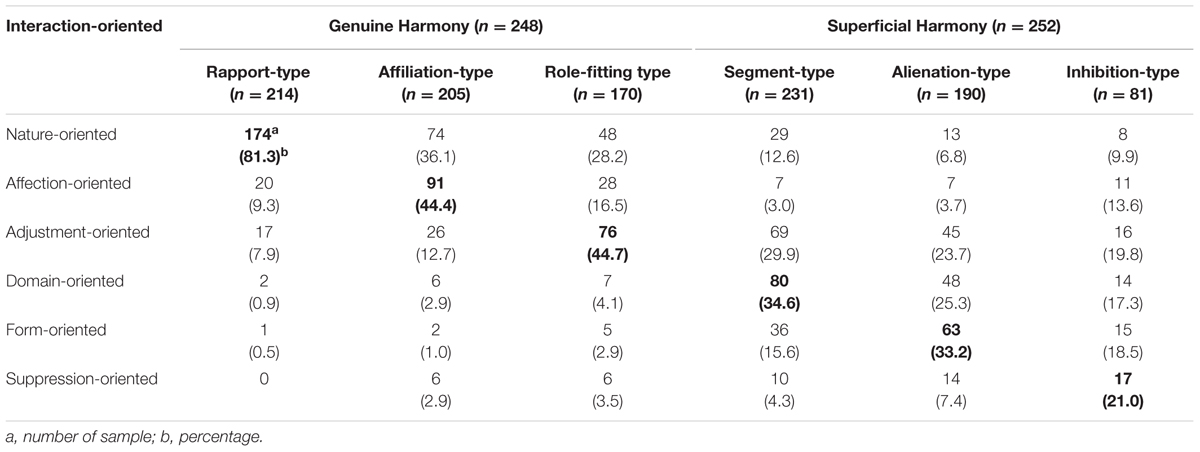
Interpersonal Harmony and Conflict for Chinese People: A Yin–Yang Perspective - by Li-Li Huang (2016)

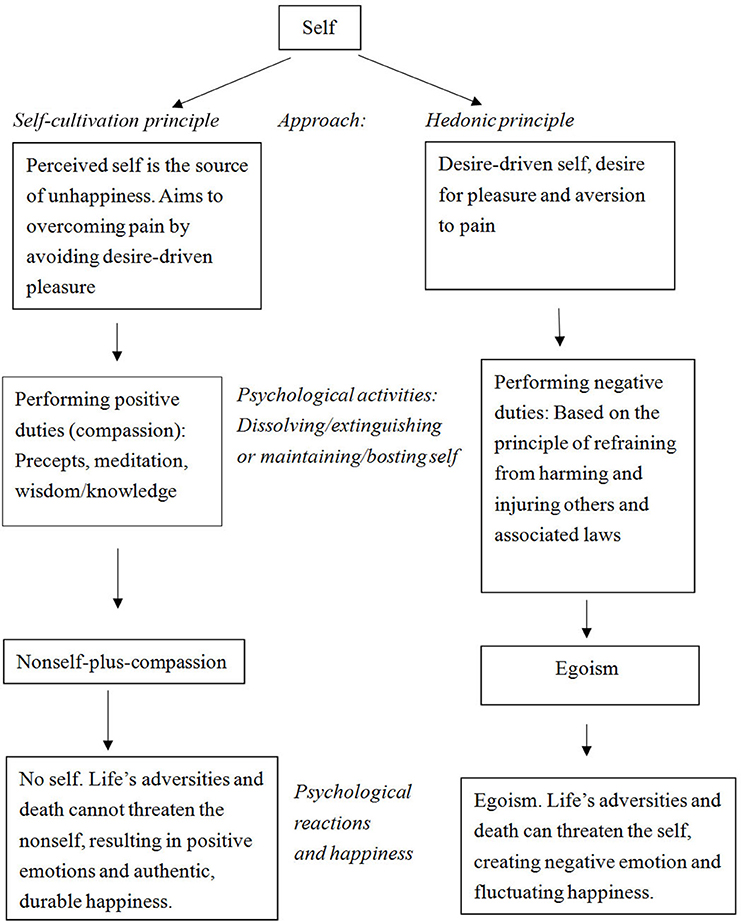
From Self to Nonself: The Nonself Theory - by Yung-Jong Shiah (2016)

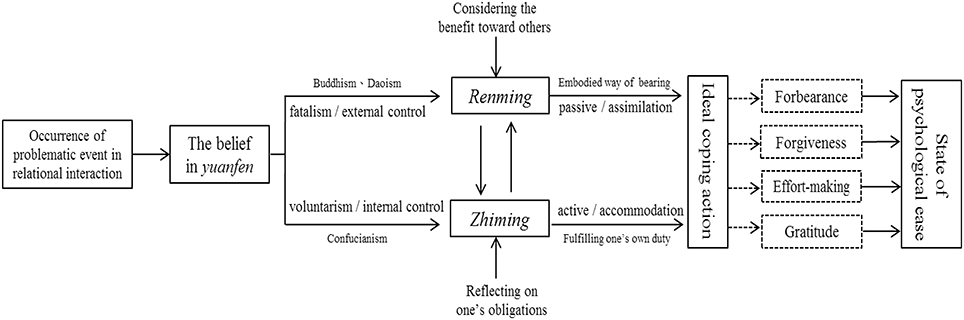
Serendipity in Relationship: A Tentative Theory of the Cognitive Process of Yuanfen and Its Psychological Constructs in Chinese Cultural Societies - by Hsin-Ping Hsu and Kwang-Kuo Hwang (2016)
Editorial: Eastern Philosophies and Psychology: Towards Psychology of Self-Cultivation - by Kwang-Kuo Hwang, Yung-Jong Shiah and Kin-Tung Yit (2017)
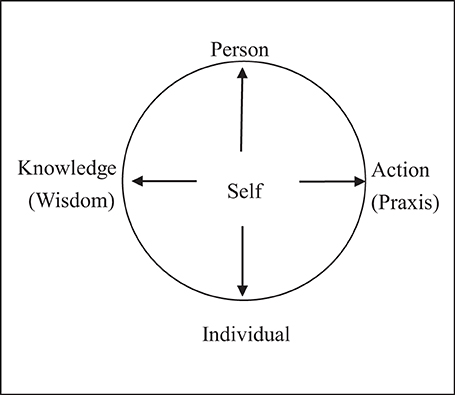
The Process of Self-Cultivation and the Mandala Model of the Self - by Meiyao Wu (2017)

-
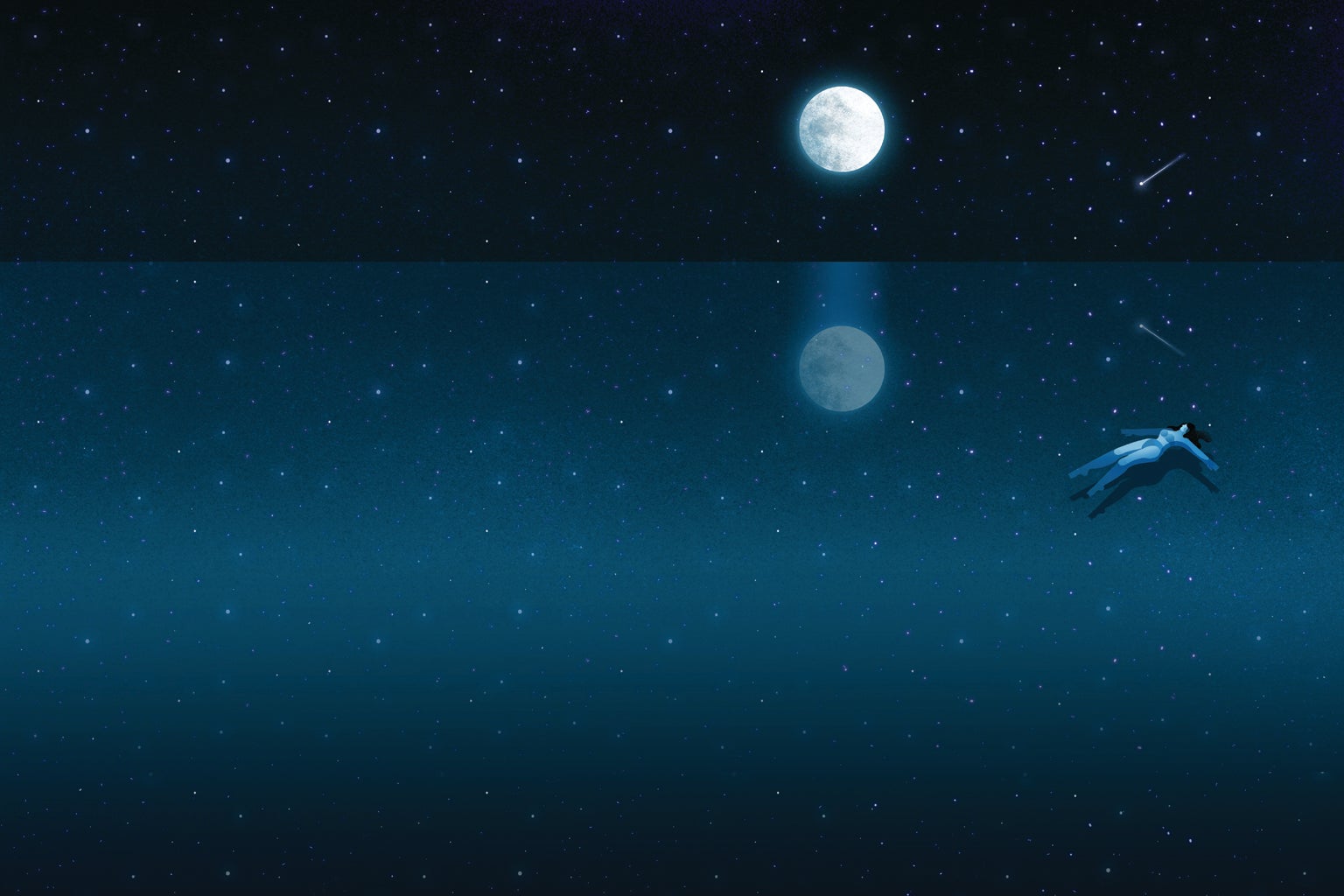
Alone in a Crowded Milky Way (Scientific American)
"The most likely explanation for Earth's apparent solitude may be that galactic settlement occurs in waves and that our species has arisen on an out-of-the-way planet during a local lull in interstellar exploration."
-
Earth’s magnetic field fluctuations explained by new data - Research by Vincent J. Hare, John A. Tarduno, Thomas Huffman et.al (Uni of Rochester, 2018)
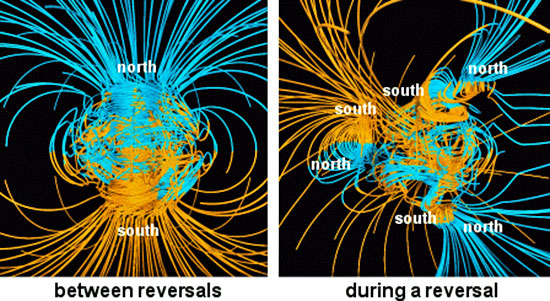
NASA's simulation of geomagnetic reversal
Weakening magnetic field is a recurrent anomaly. The new data provides more evidence that a region in southern Africa may play a unique role in magnetic pole reversals.
Related: Mysterious Anomaly Under Africa Is Weakening Earth's Magnetic Field (2018)
-
Magnetic Salmon (2019) & Salmon use magnetic field as navigational aid (2013)
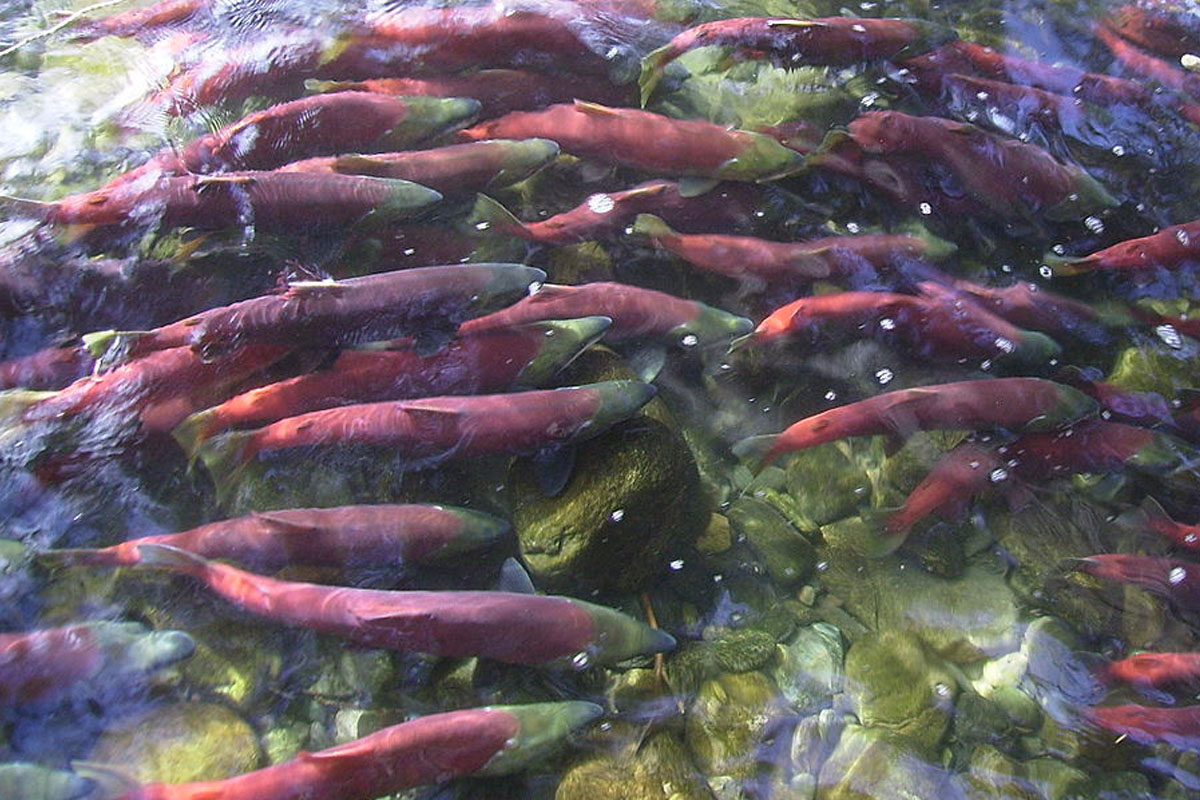
Salmon can detect the precise geomagnetic "feel" of a river's location, and memorize it to help them return later. Scientists have discovered evidence showing that salmon use a technique called "geomagnetic imprinting" to find their way home to their birth rivers.
-
PathNet & Beyond - talk by Chrisantha Fernando (DeepMind)
Related: "Encoding temporal regularities and information copying in hippocampal circuits" - by Chrisantha Fernando el.al (2019)
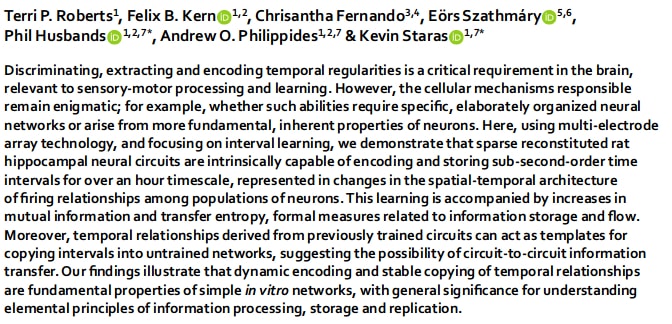

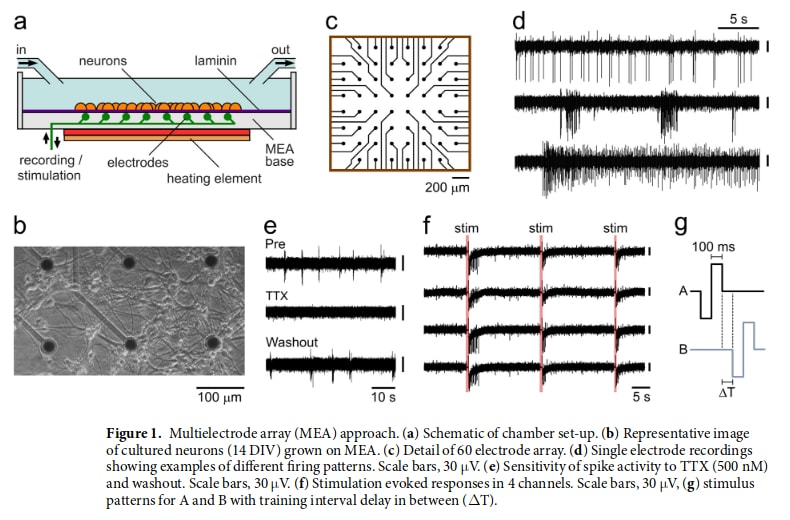
"A New Research Program: Evolutionary Neurodynamics" - talk by Chrisantha Fernando (2014)
-
This decade began just after a historic inflection point, with 51% of the world's population living in urban areas. From a report:
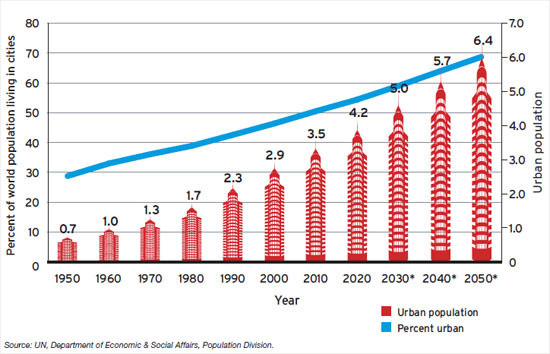
"The proportion of the world's population living in urban areas has continued to rise steadily, reaching 55% as of 2018. It's climbed faster in China, up from 48% to 59% -- meaning an additional 180 million people are living in Chinese cities. China now has 130 cities of at least 1 million people, more than the U.S. (45), European Union (36) and South America (46) combined. India, which won't become majority-urban until the 2040s, has 61 such cities. There are 63 in Africa. Nigeria just became majority-urban in 2018, but urbanization in the West African giant will grow even more dramatically over the next decade. Nigeria's 10 largest cities are home to 32 million people as of 2018, with 13 million of those in Lagos. The UN projects their combined populations will rise to 50 million by 2030 -- just over a decade away -- by which time Lagos will have over 20 million residents."
Related: 68% of the world population projected to live in urban areas by 2050, says UN
-
The wonders of a magnetic river - captured in this 1975 presentation by Eric Laithwaite (1921-1997), Professor of Heavy Electrical Engineering at Imperial College London.
Related: Presentation by Eric Laithwaitere. Related: Magnetic levitation (wikipedia).
-
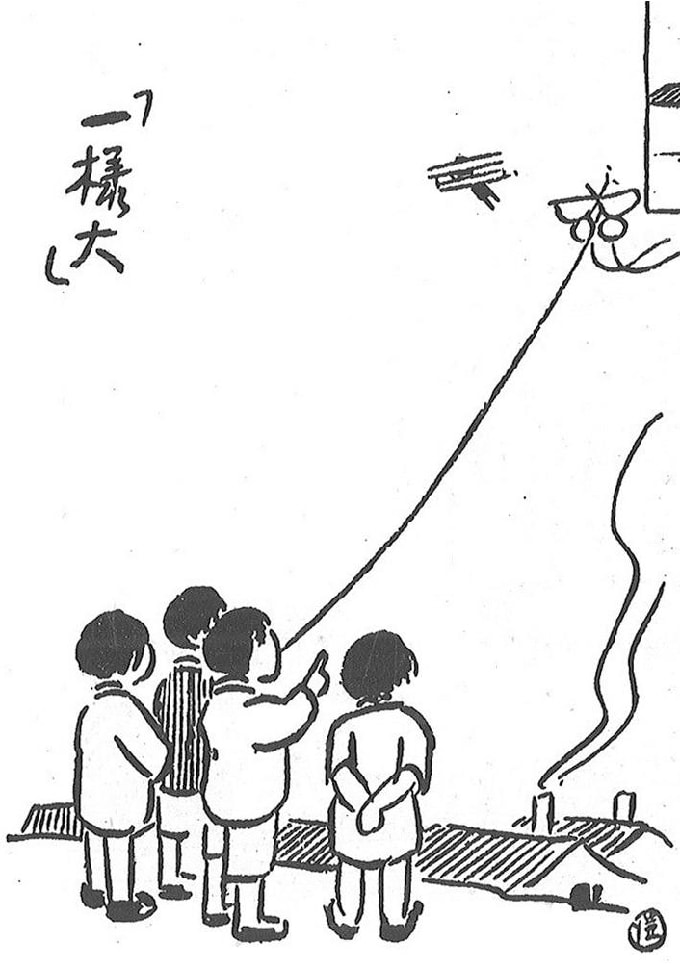
The Five Gentlemen With One Eye (目五先生)
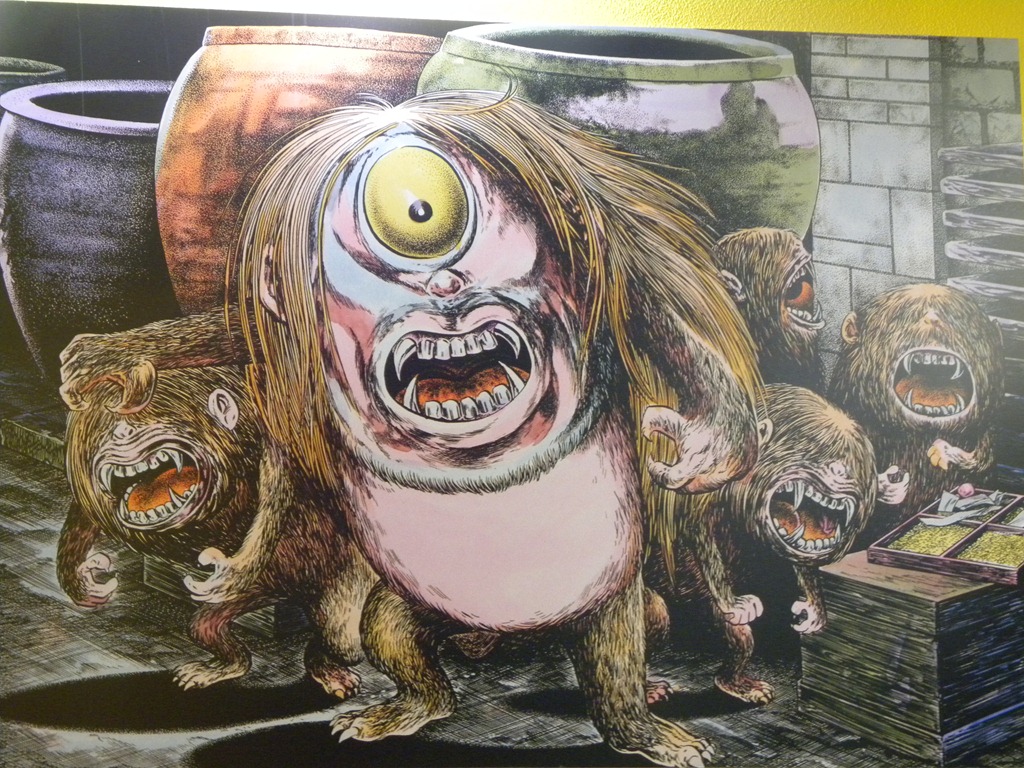
"Today we will talk about a kind of ghost in Chinese mythology called The Five Gentlemen with One Eye 一目五先生 from the book What The Master Would Not Discuss 子不语, a collection of supernatural stories compiled by Yuan Mei 袁枚 during the Qing dynasty 清朝 published in 1788."
-
The Taiji Model of Self (2019) - by Feng-Yan Wang, Zhen-Dong Wang and Rou-Jia Wang

Figure: Schematic diagram of the integrated harmony process of self and four realms of person-making. Abstract: An important theme in the development of self-psychology is the attempt by scholars to construct a self-model with universal cultural adaptability. Among them, representatives are the tripartite model of self-built by Triandis, the theory of the independent self and interdependent self-proposed by Markus and Kitayama, Yang Kuo-Shu's four-part theory of the Chinese self, Hwang Kwang-Kwo's Mandala model of self, and Shiah Yung-Jong's Non-self-Theory. However, these models have a difficult time explaining the structure and development of the Chinese self in Chinese cultural background. After pondering over Chinese traditional culture and the Chinese self, inspired by the archetype of Taiji diagram, in this paper, we construct the Taiji Model of Self. The Taiji Model of Self can not only properly represent the Chinese self-structure, but also explain the growth course of the Chinese self and four kinds of life realms of Chinese people with satisfactory cultural and ecological validity.