-
Wanggongchang Explosion (王恭廠大爆炸)

"An unexplained catastrophic explosion that occurred in 1626 AD during the late reign of Tianqi Emperor, at the heavily populated Ming China capital Beijing, and had reportedly killed around 20,000 people. The nature of the explosion is still unclear to this day, as it is estimated to have released energy equivalent to about 10-20 kiloton of TNT, similar to that of the Hiroshima bombing."
-
U.S. government limits exports of artificial intelligence software (Reuters)
"The Trump administration took measures to crimp exports of artificial intelligence software as part of a bid to keep sensitive technologies out of the hands of rival powers like China. Under a new rule, companies that export certain types of geospatial imagery software from the US must apply for a license to send it overseas."
#Comment: Does this mean no more Tensorflow and Pytorch in China (and in a rapidly growing list of countries the US empire does no like)? How do they define "AI"? Truly comedic move, just as open-access science is becoming the norm in EU & China.
-
#Music: "Flight To Denmark" (1973) - Album by Duke Jordan (1922 - 2006)
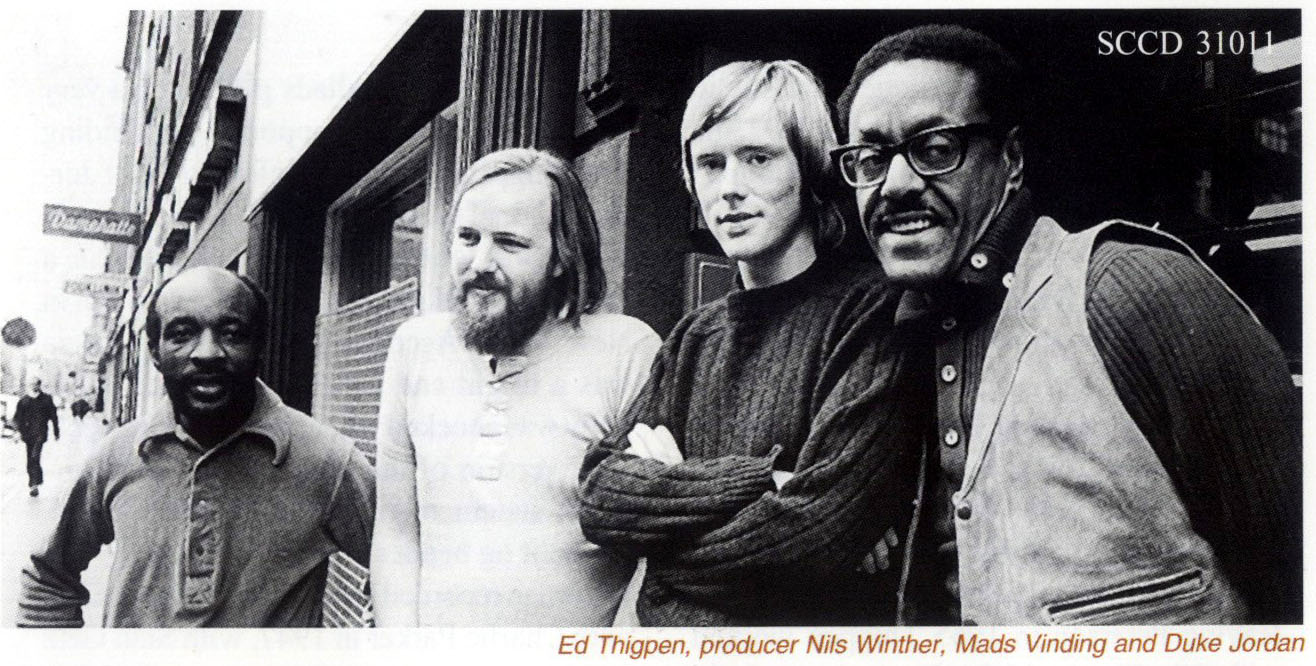
Related: Duke Jordan, 84, Jazz Pianist Who Helped to Build Bebop, Dies (NYTimes, 2006)
-
EnAlgae - sustainable technologies for algal biomass production

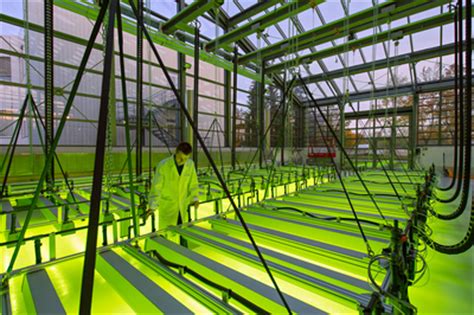
EnAlgae brings together 19 partners and 14 observers across seven EU Member States. It aims to reduce CO2 emissions and dependency on unsustainable energy sources in North West Europe.The project is developing sustainable technologies for algal biomass production, bioenergy and greenhouse gas mitigation, taking them from pilot facilities through to market-place products and services.

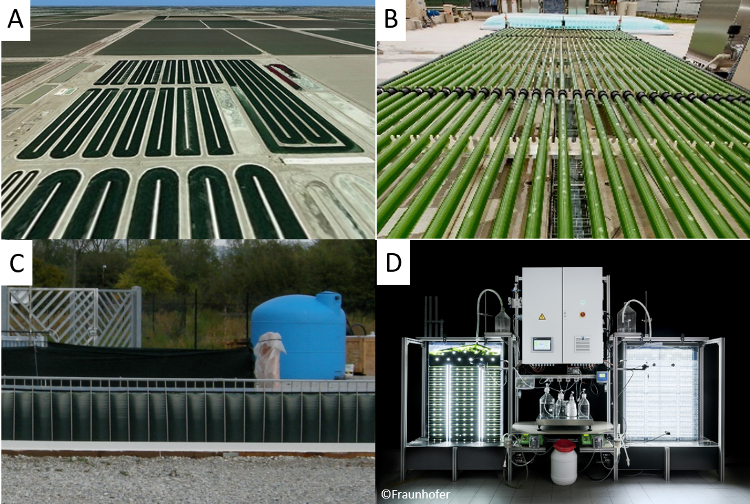
Capturing and representing knowledge from the EnAlgae project - Developing Decision Support Tools - presentation by Lynsey Melville
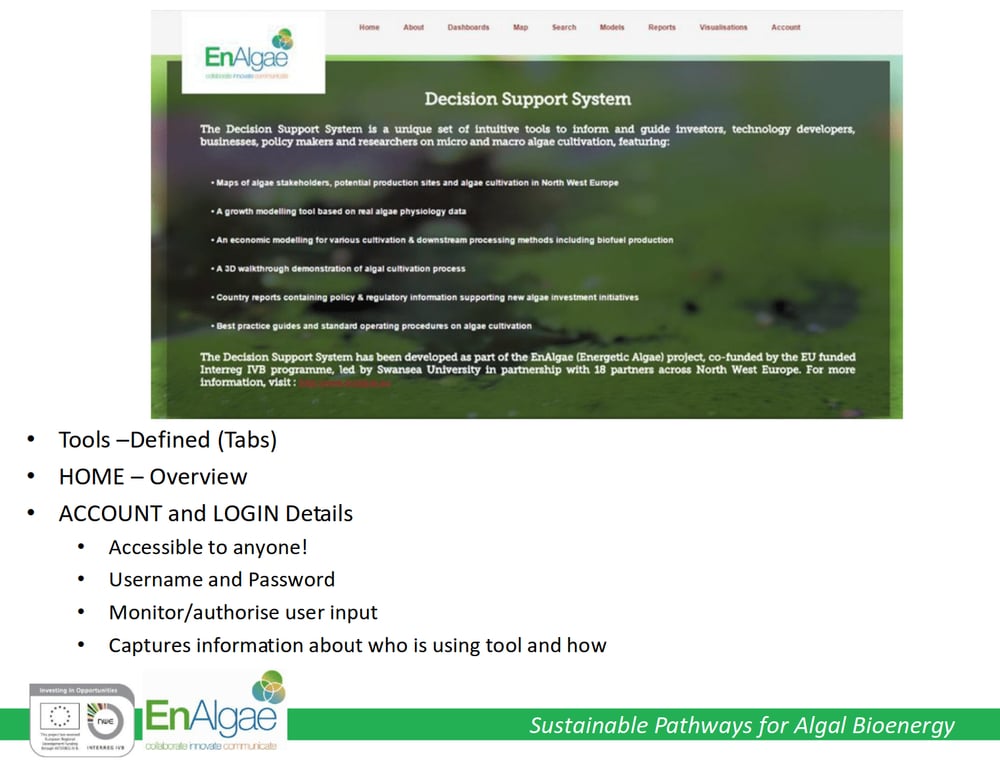
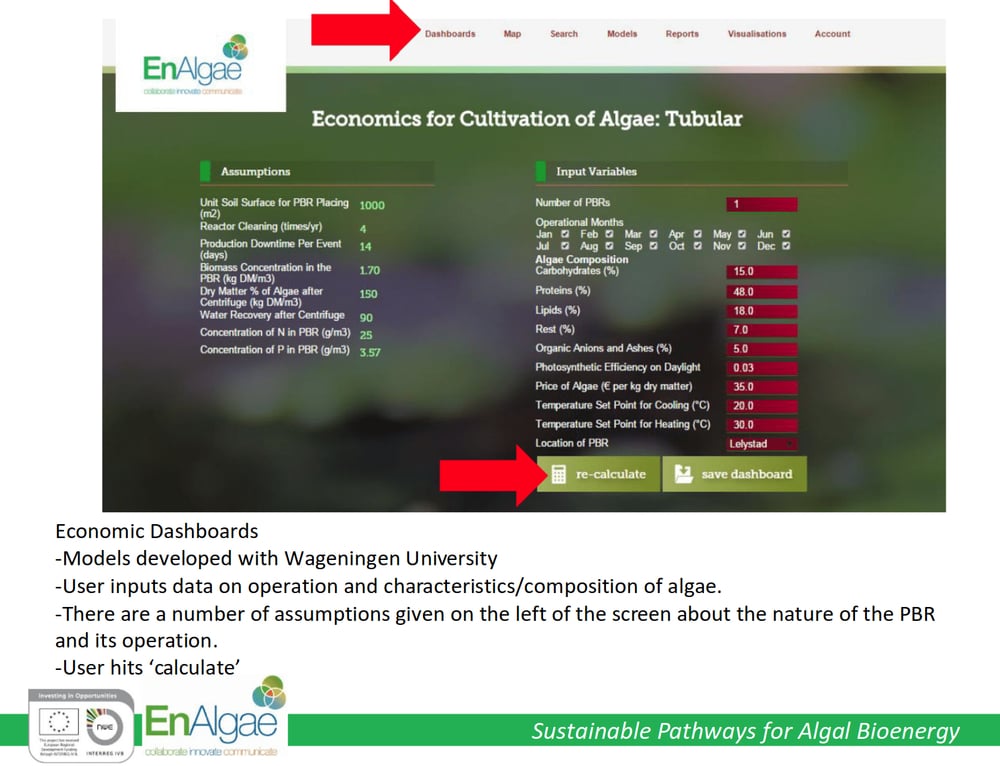
EnAlgae Decision Support Tool and Interactive Algal Growth Model
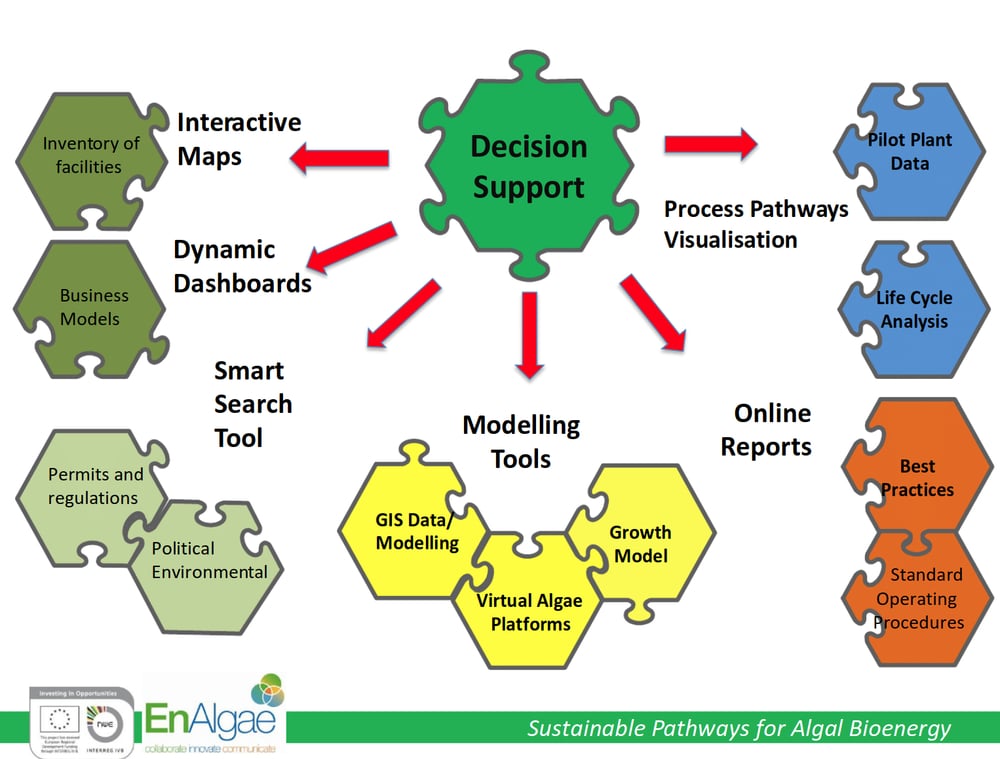
The Decision Support Toolset is a unique set of intuitive tools to inform and guide investors, technology developers, businesses, policy makers and researchers on micro and macro algae cultivation, featuring:
- Maps of algae stakeholders, potential production sites and algae cultivation in North West Europe
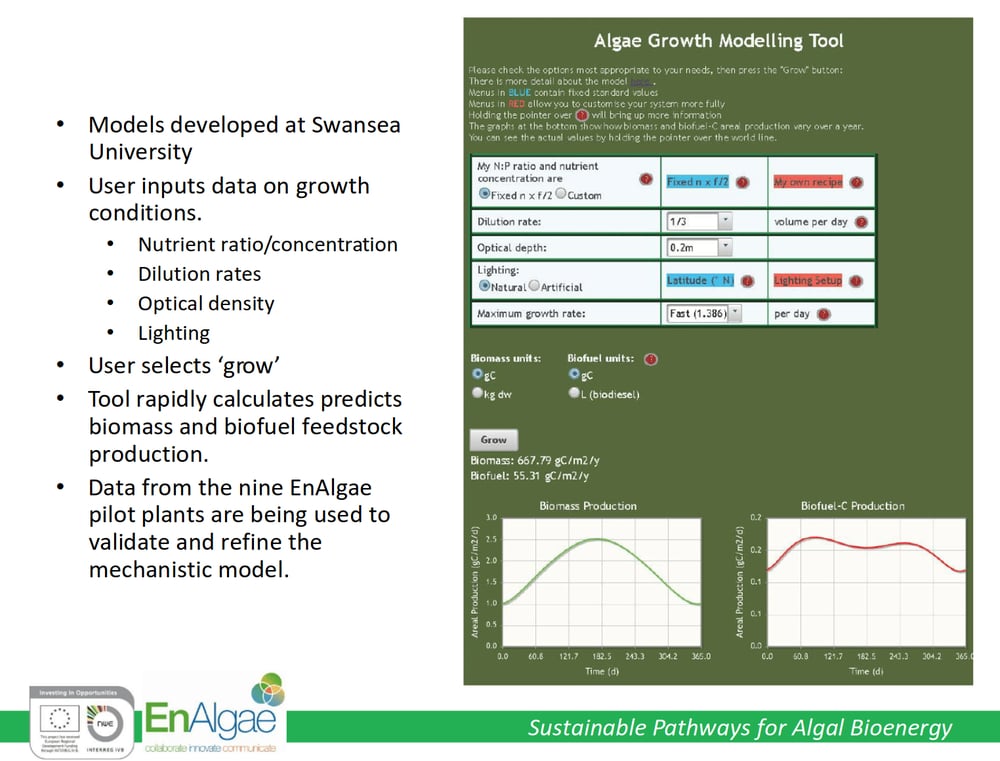
- A growth modelling tool based on real algae physiology data
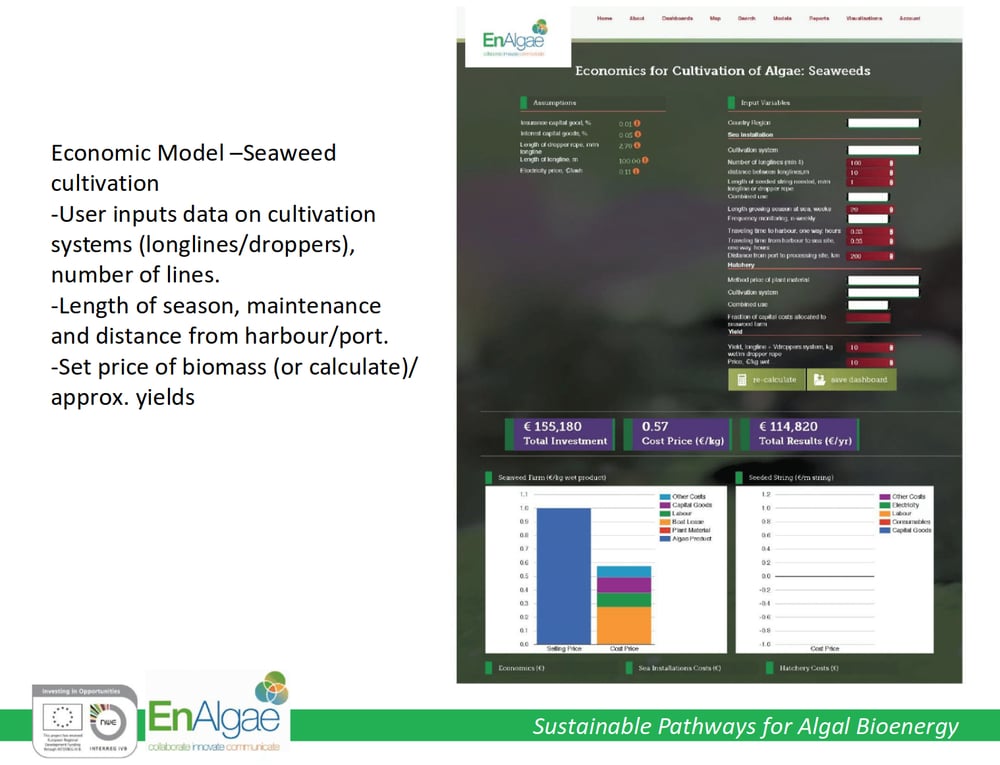
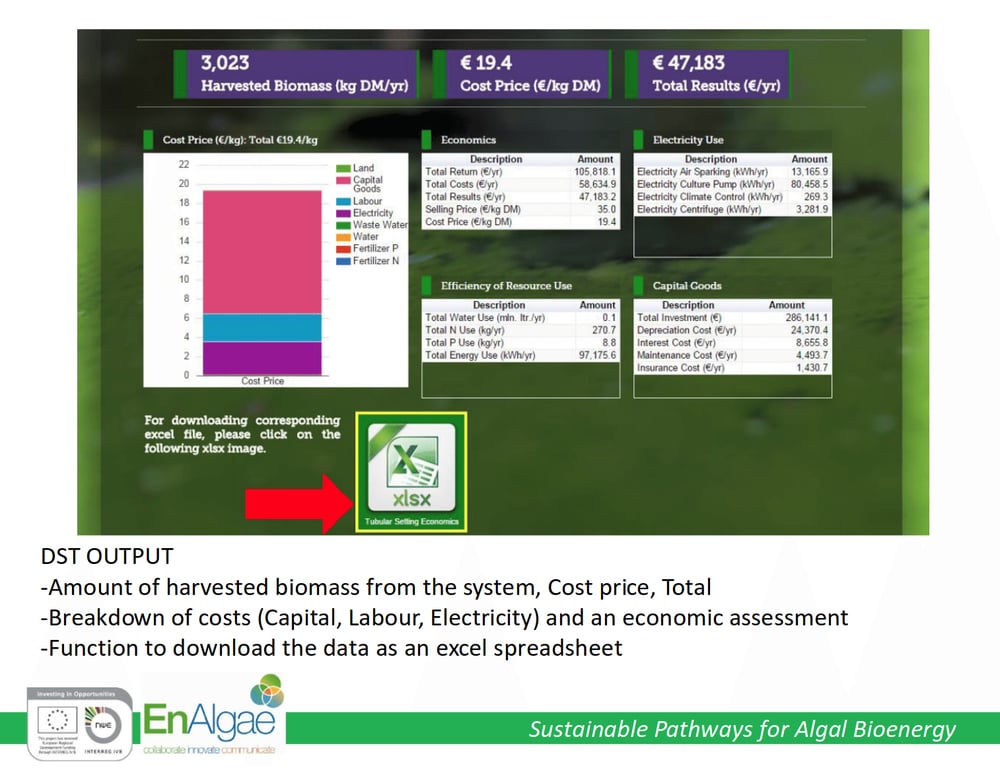
- An economic model for various cultivation & downstream processing methods including biofuel production
- A 3D walkthrough demonstration of the algal cultivation process
- Country reports containing policy & regulatory information supporting new algae investment initiatives
- Best practice guides and standard operating procedures on algae cultivation
EnAlgae Documentary: Panning for Green Gold
EnAlgae has been about finding sustainable pathways for algal biomass. Initially the focus was all about energy, specifically as a biofuel. But our journey over the past four years shows that there's likely to be a different future ahead for using algae - as energy in food for one thing, and much more. Watch our half hour film to find out more.
The Algal Information Network (AIN)
The AIN role will be to develop productive and active initiatives which are able to contribute to the algae sector scale up in Europe. Among the wide set of information, news and documents available, this website hosts the first public databases of European actors in the algae market, from research centres to industrial end-users, associations and consultancy companies. In addition, the AIN website presents the Decision Support Tool, designed by EnAlgae: one of the most advanced IT Tools, able to provide precise concept studies for a preliminary investigation on the potential benefits of new algae facilities in the NWE region.
-
SearchTogether: An Interface for Collaborative Web Search - by Meredith Ringel Morris (@merrierm) & Eric Horvitz (@erichorvitz) (Microsoft, 2007)
Related: Collaborative information seeking (wikipedia)
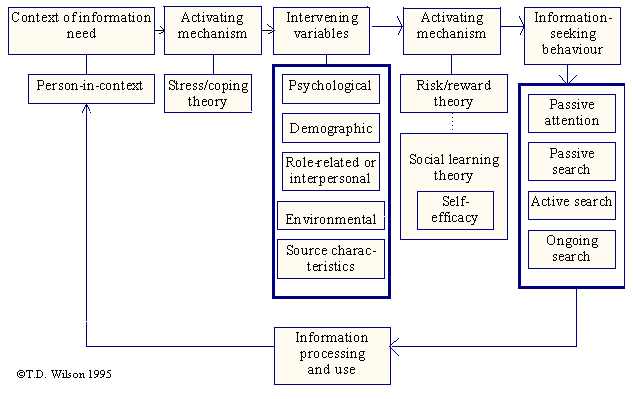
"Collaborative information seeking (CIS) is a field of research that involves studying situations, motivations, and methods for people working in collaborative groups for information seeking projects, as well as building systems for supporting such activities.
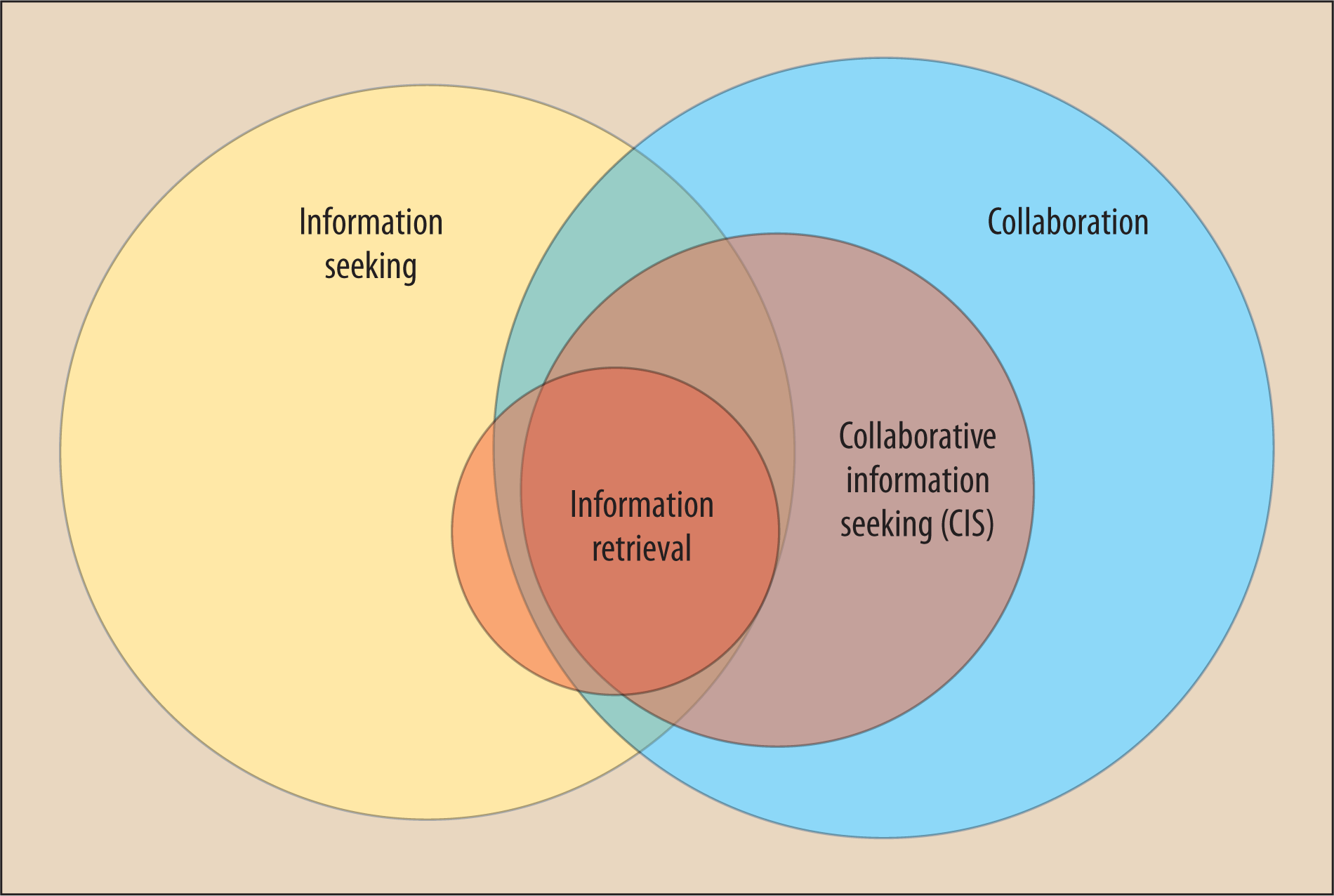
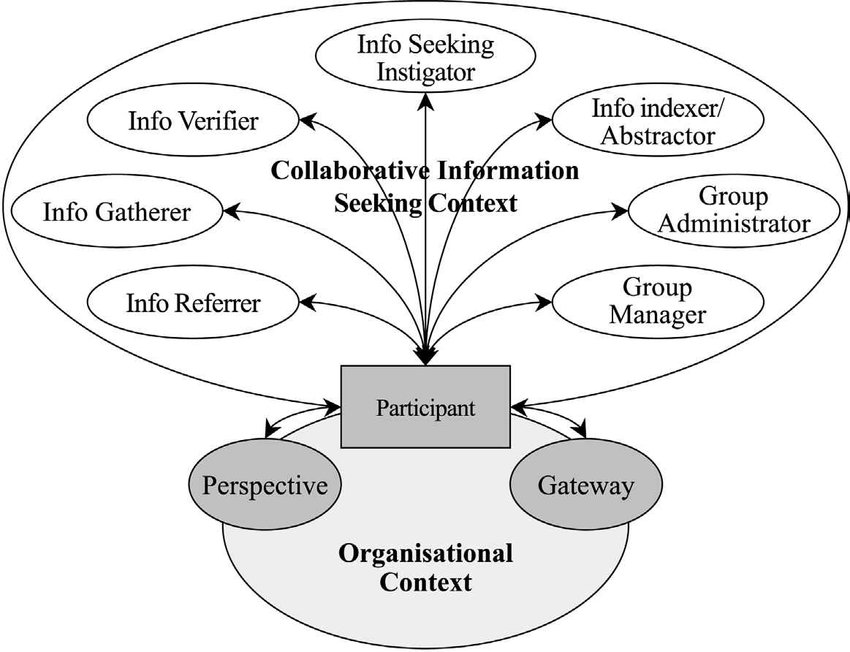
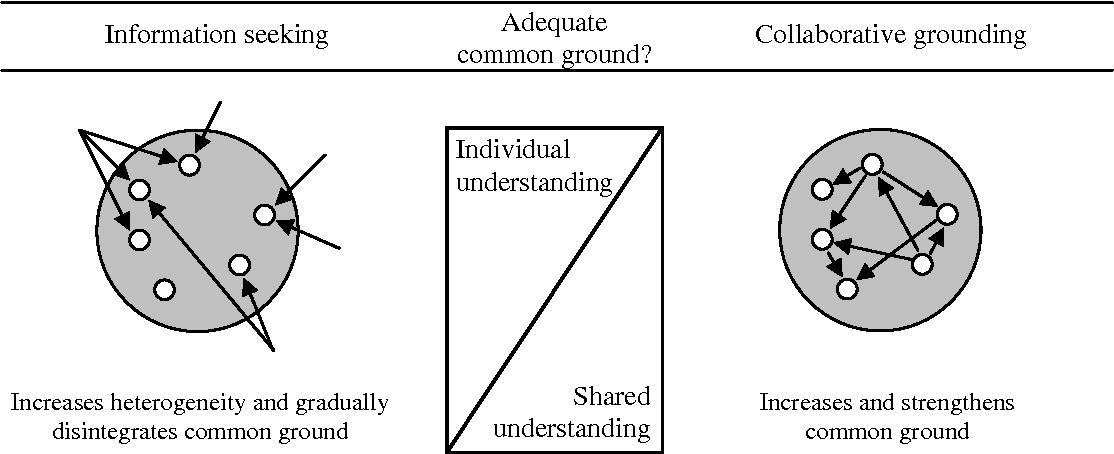
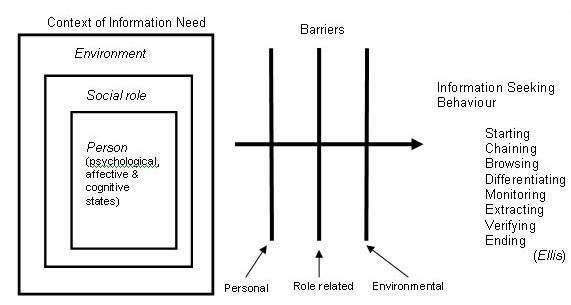
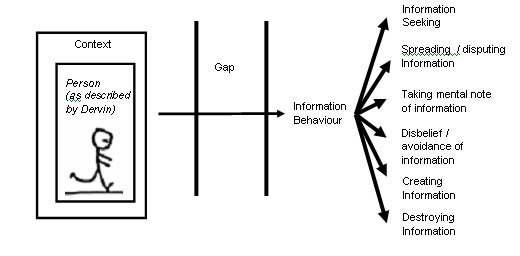
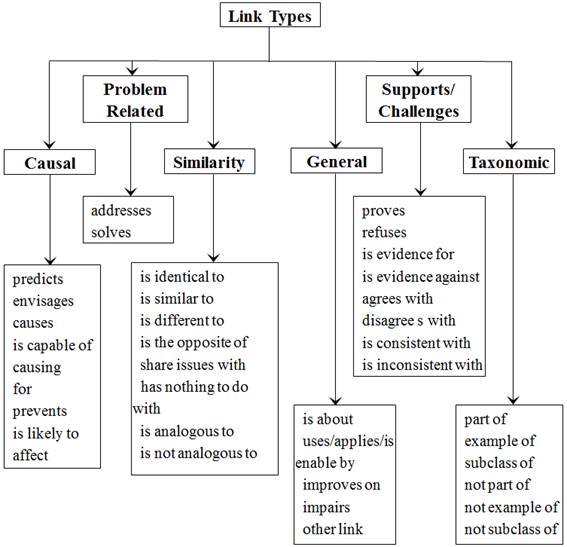
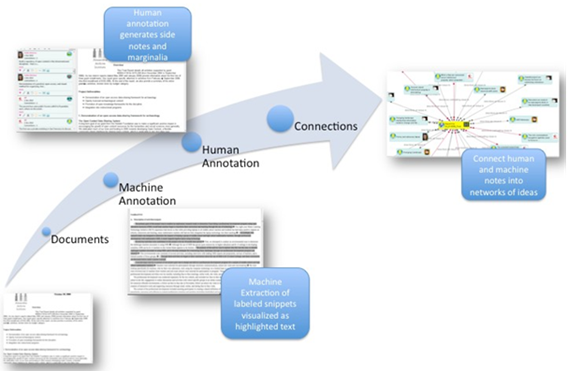
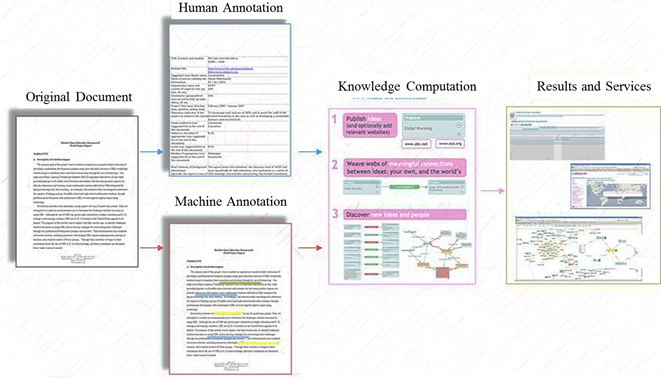
Images from the papers "Collaborative Information Seeking", "A qualitative study of collaborative information seeking" and "Collaborative information seeking: The combined activity of information seeking and collaborative grounding"
-
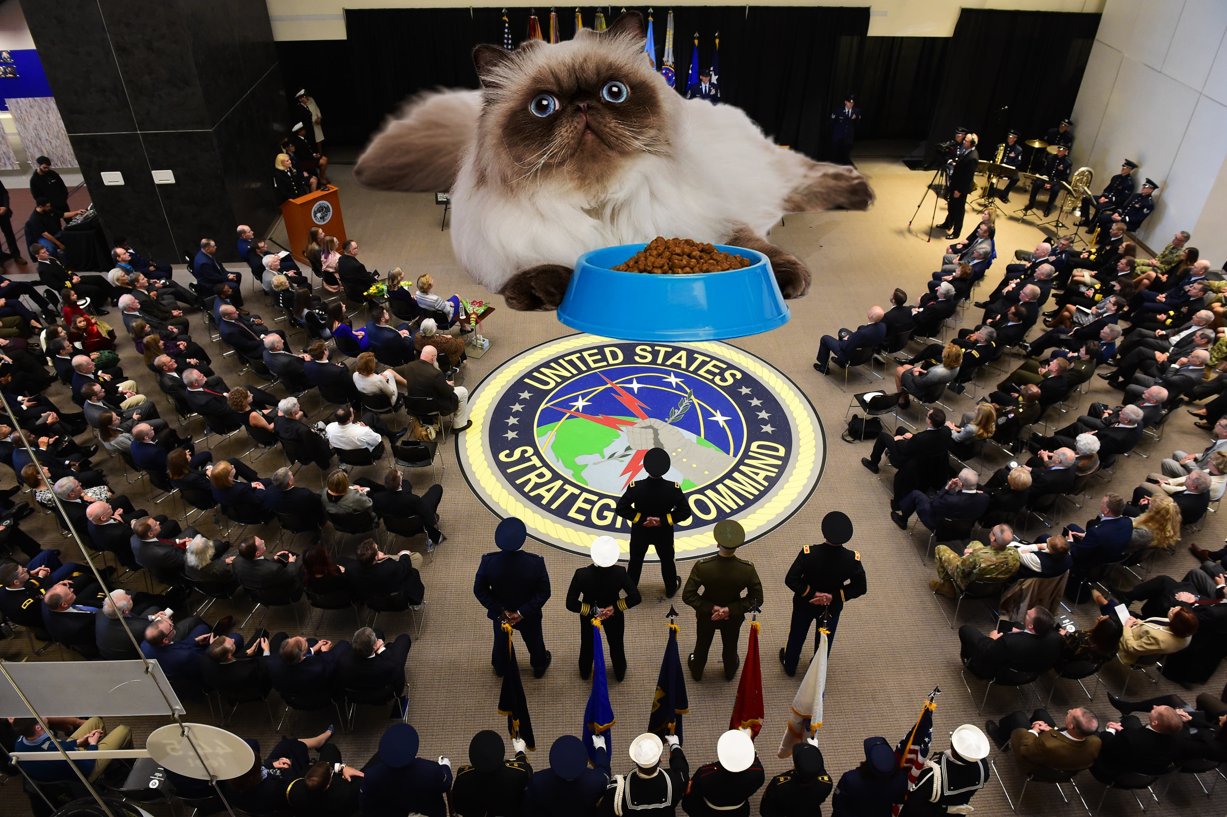
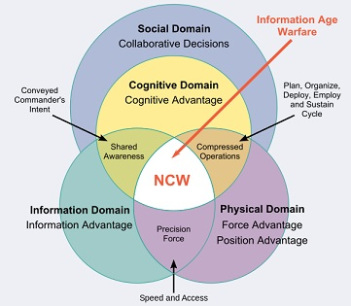
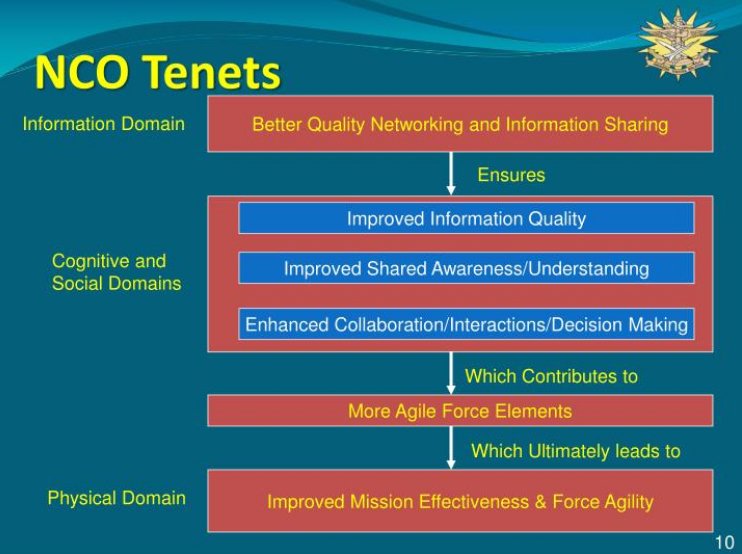
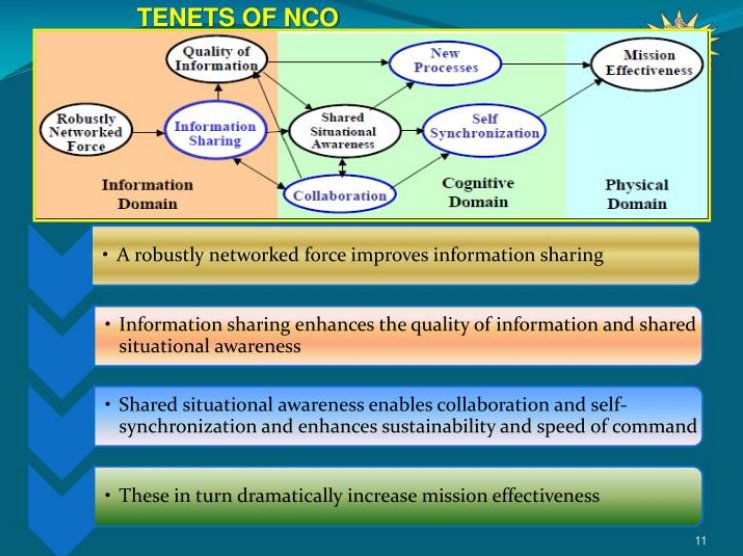
Network-Centric Warfare Domains: Information/Cognitive/Social/Physical
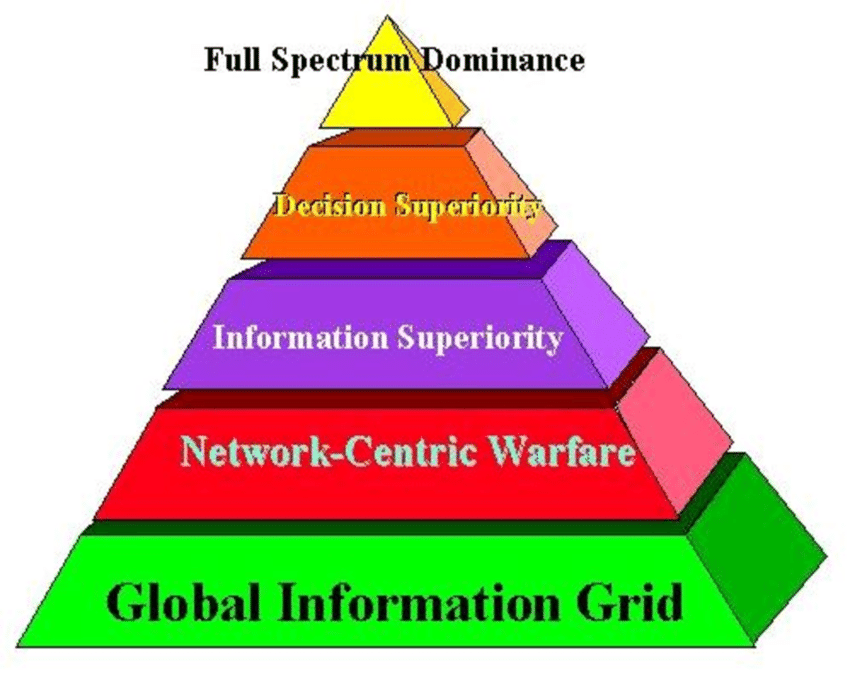
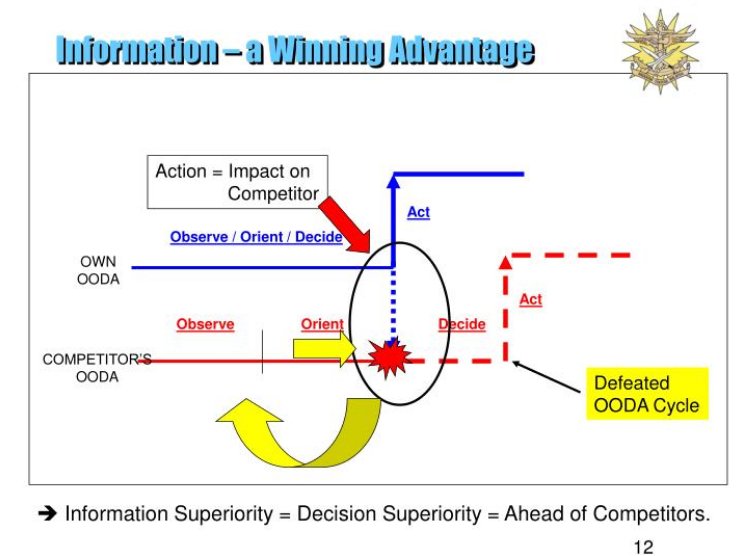
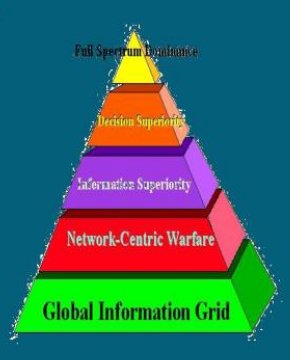
Network-centric warfare is a military doctrine or theory of war pioneered by the United States Department of Defense in the 1990s. It seeks to translate an information advantage, enabled in part by information technology, into a competitive advantage through the robust computer networking of well informed geographically dispersed forces.
Domains
Network-centric Warfare brings together command and control (Social Domain) with assets on the ground (Physical Domain) and intelligence/recon data (Information Domain) to create a network-inclusive military. (Text Source)
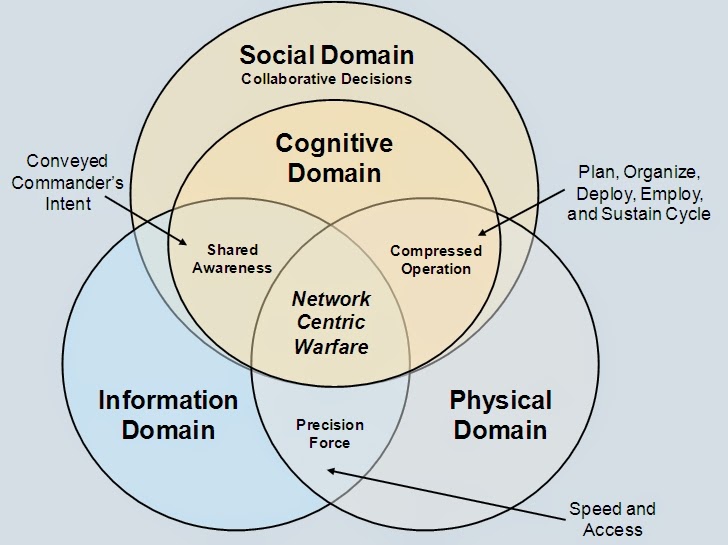
- Information Domain - Any intelligence or information that may offer a particular advantage. Information such as the disposition, schedule, and capabilities of the enemy or the specific knowledge of certain weapon systems, their function and their limits.
- Physical Domain - Any physical assets in the area of operation. From reconnaissance satellites to ground infantry companies and everything else in-between.
- Social Domain - This is a complicated category that encompasses human interaction, social theory, military hierarchy, discipline, and communication skills.
- Cognitive Domain - The planning and processing aspect of a large, lethal, and socially-restricted group within a hierarchical command structure. A subset of the Social Domain with emphasis on proper military decision-making skills, procedure, and doctrine.
- Precision Force - Precision force is having accurate data on enemy forces (such as that from recon reports or units in contact) as well as having military units within the area to react to the data at hand.
- Shared Awareness - If one has the proper intelligence and the correct process of command and control then one may attain a higher level of shared awareness. Merging commands intent (such as objectives or goals) and communication capabilities with the information available at hand to allow units to share awareness of their surrounding, their enemy, and priorities of the mission.
- Compressed Operations - The proper organization, deployment, and persistence of an operation in a efficient, supported, streamlined, and well-managed fashion. Good cognitive skills (command skills) with the proper forces can create compressed operation limited in scope and geography to allow for maximum efficiency of assets against enemy forces.
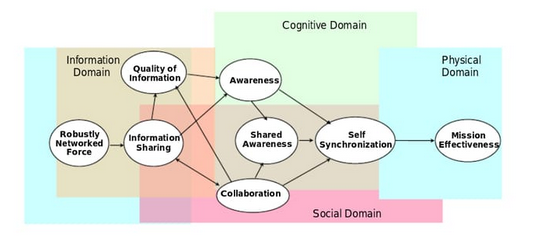
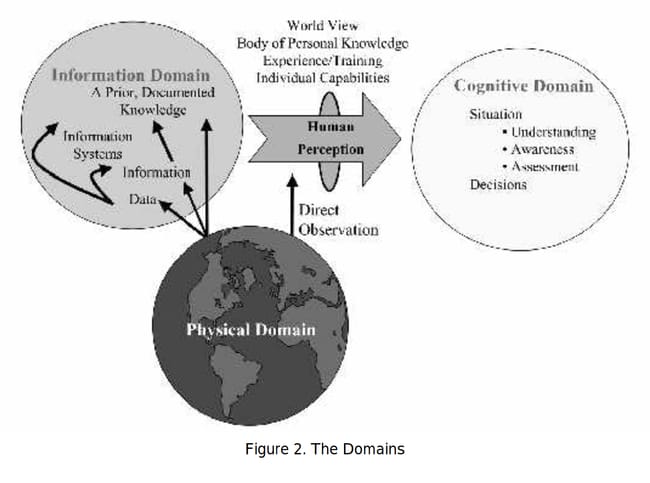
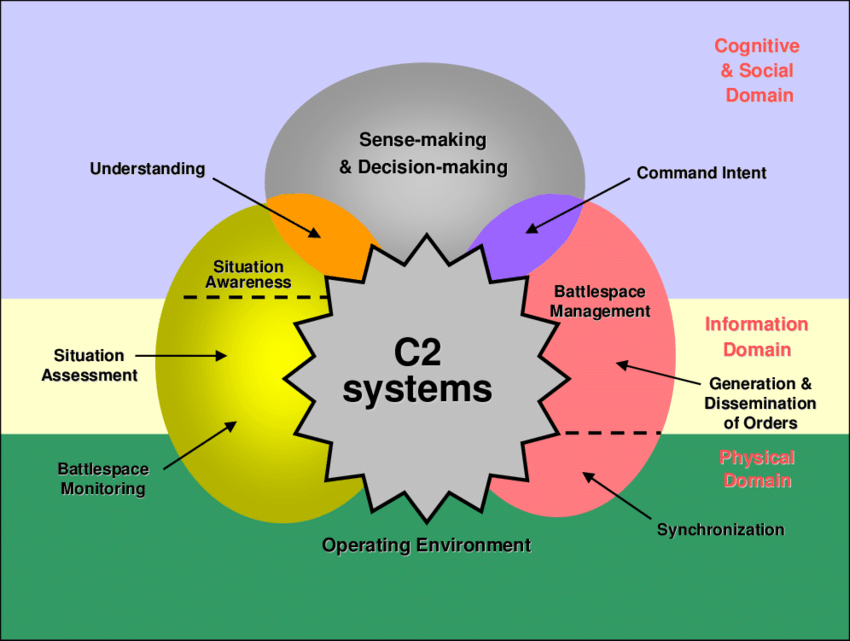
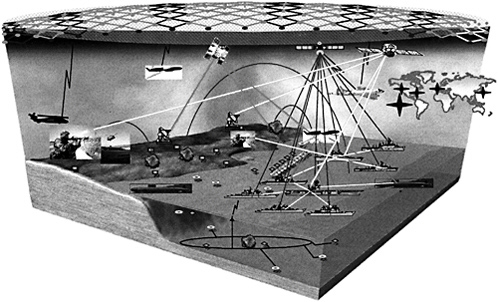
Net-centric warfare is heavily reliant on information technology integrated within military units to help units communicate, locate, and share information to each other in a rapid manner increasing mission effectiveness. Command units would be able to have a real-time assessment of where friendly forces are located while on the ground units are given an increased level of situational awareness through shared combat data such as enemy disposition, status of forces.
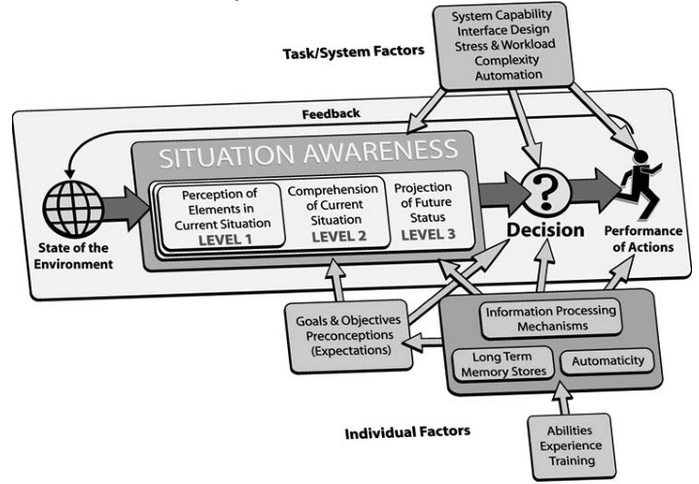
It's advantages are clear to see, units can have an increased degree of situational awareness almost down to the individual company, with its most extreme potential fitting small transmitting and receiving input and output capable computers down to the squad or squad member. Commanders from the very top can easily locate and visualize units on their own up-to-date map with a high degree of accuracy and informational support to allow for the best decision.
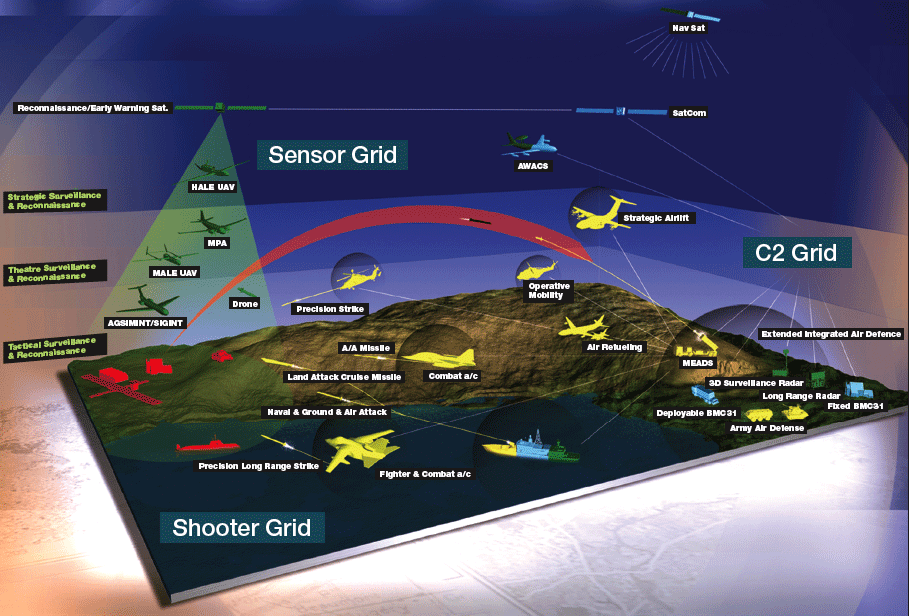
An area of operation under the network-centric warfare paradigm. Weapon systems, command and control and a "sensor grid" are interconnected with one another to allow for maximum efficiency. Network-centric warfare is possible due to a series of technological devices including IFF transponders, global position system, radio communications, RADAR contact, and other similar assets. The final dream of network-centric warfare is to allow units across the spectrum, from space, air, sea and land to share and relay communications, targeting and acquisition data, intelligence, and other related data with each other efficiently, securely, and on-demand. The end goal is to allow commanders throughout the command hierarchy a real-time command and control of units in a streamlined and yet precise manner.
The disadvantage to this however is the heavy reliance on technological convenience (over "warrior skills") and the degree of difficulty in controlling electronic emissions . The scope of a massive network-centric unit makes its communications vulnerable to enemy attacks attempting to destroy key nodes preventing the "self-healing" concept of a shared network. A large net-centric paradigm also demands much of the limited bandwidth physically capable by the EM spectrum especially if every individual unit is to have a emitting device. Encryption, secrecy, and signal interception by the enemy are also major concerns. The emissions of any radio or microwave signal can be detected easily by other enemy signal and electronic warfare units which can give away unit positions. Finally net-centric warfare still has several of the major issues that most, if not all, communication systems have in harsh terrain (such as urban centers, mountains, caves) with intermittent signal strength and sometimes signals blocked out entirely.
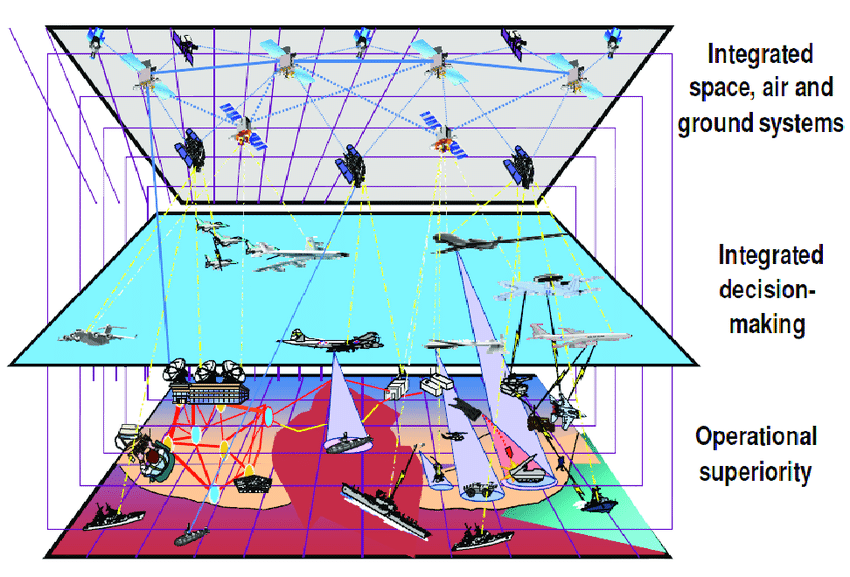
The Inter-Relation within Information Operations - by Gp.Capt.Niwat Niamploy, Royal Thai Air Force
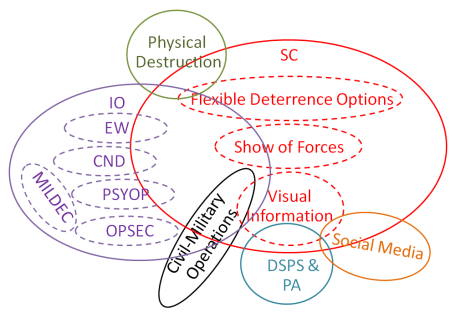
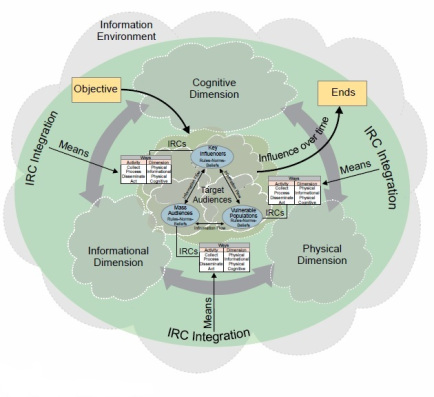
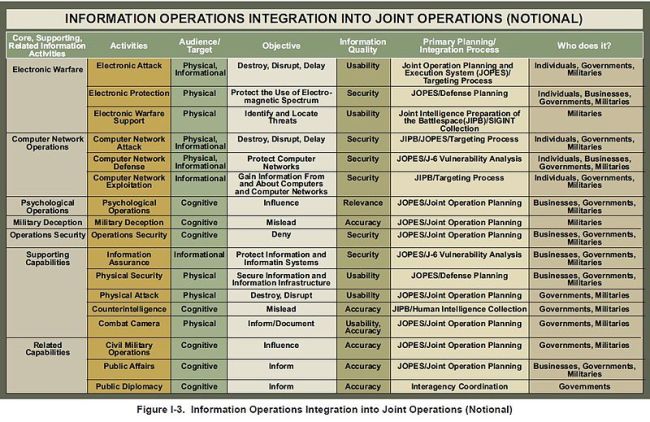
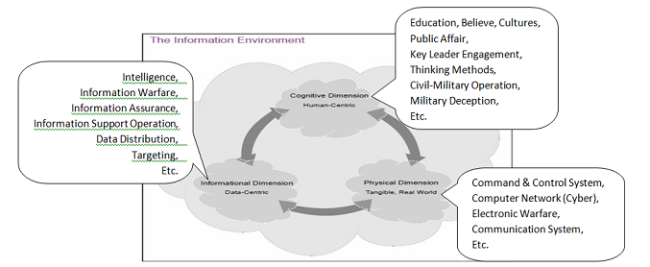
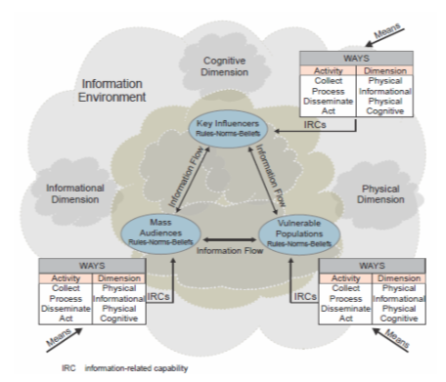
Sense-Shoot-Command on the Battlefield After Next - Presentation by Alexandra Romero
Sense-Shoot-Command on the Battlefield After Next. Koblenz Symposium on Information Technology Network Centric Warfare 28 August 2008. COL (ret) Kevin Cogan U.S. Army War College Center for Strategic Leadership Contractor: Booz Allen Hamilton.
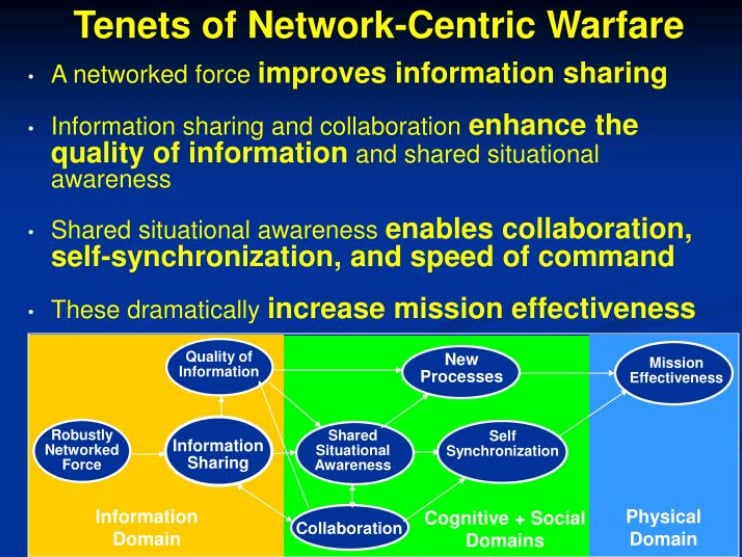
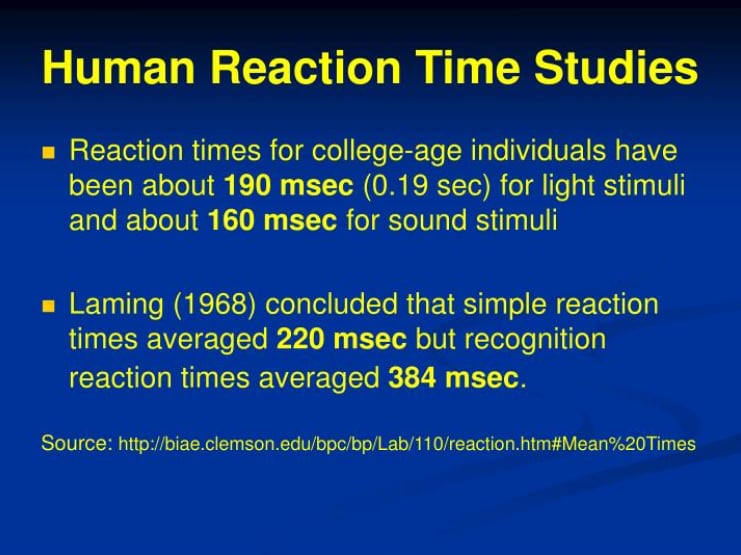
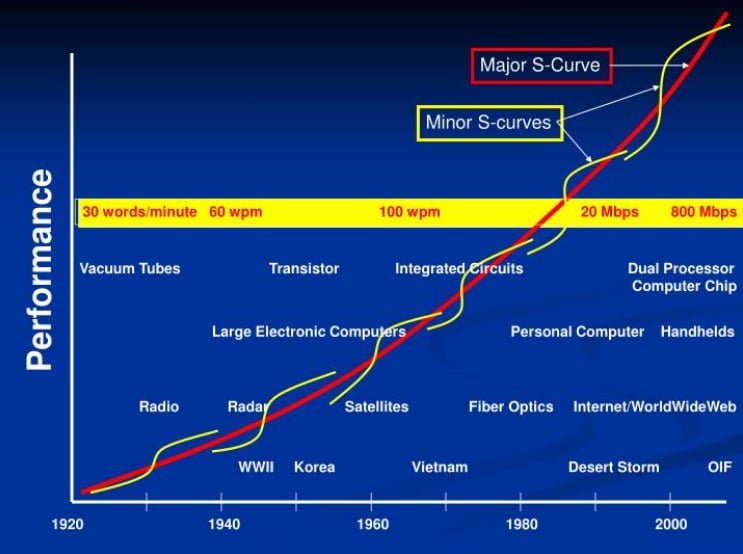
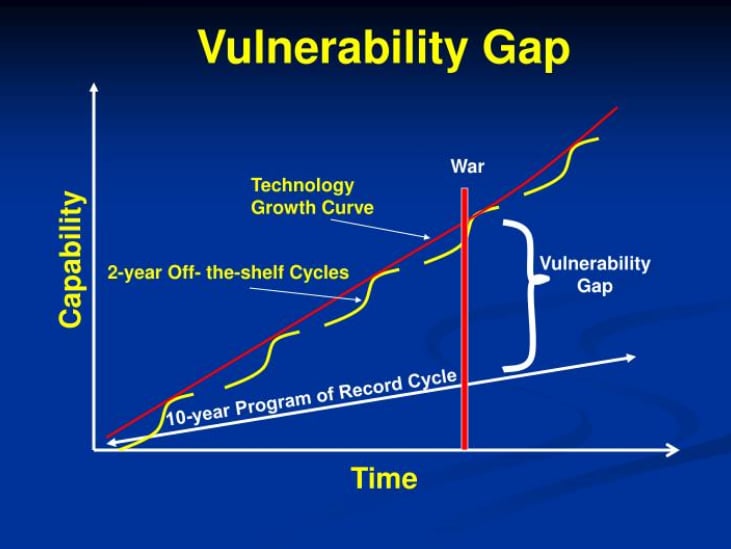
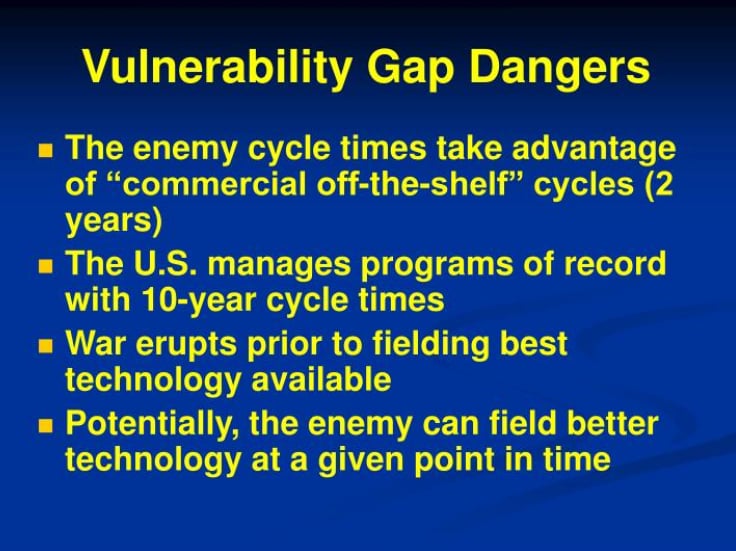
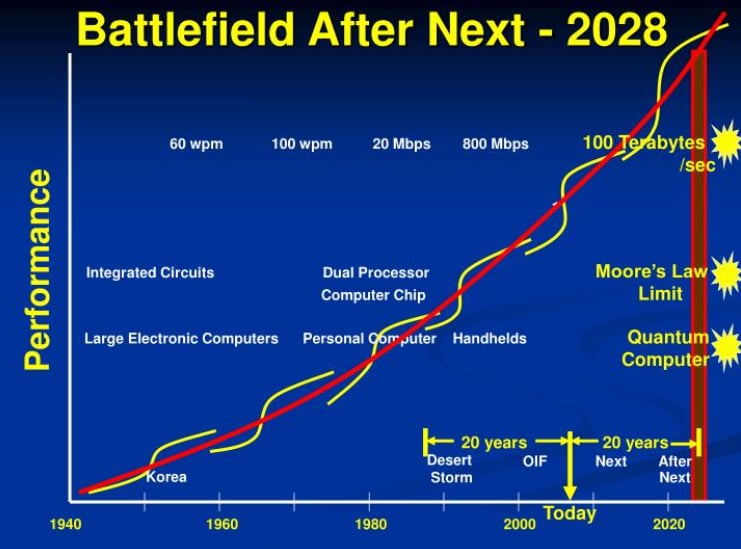
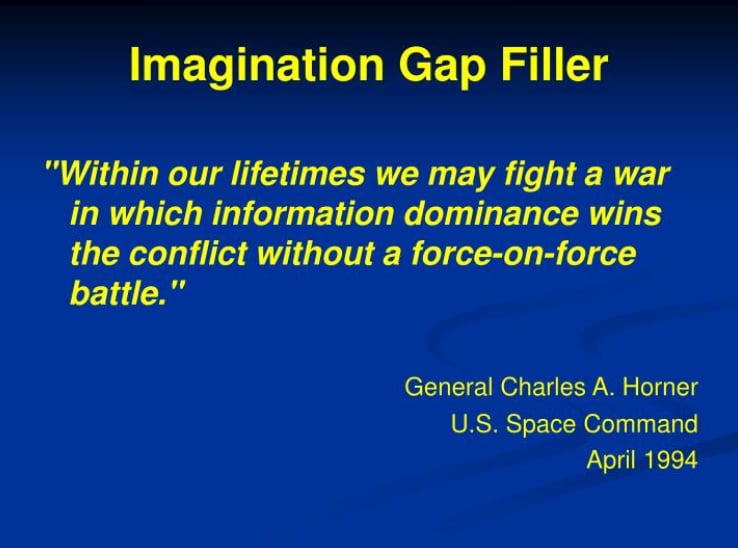
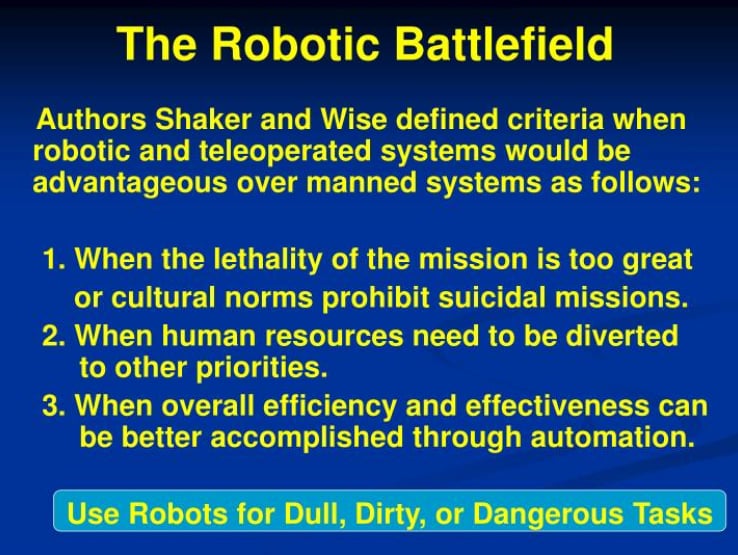
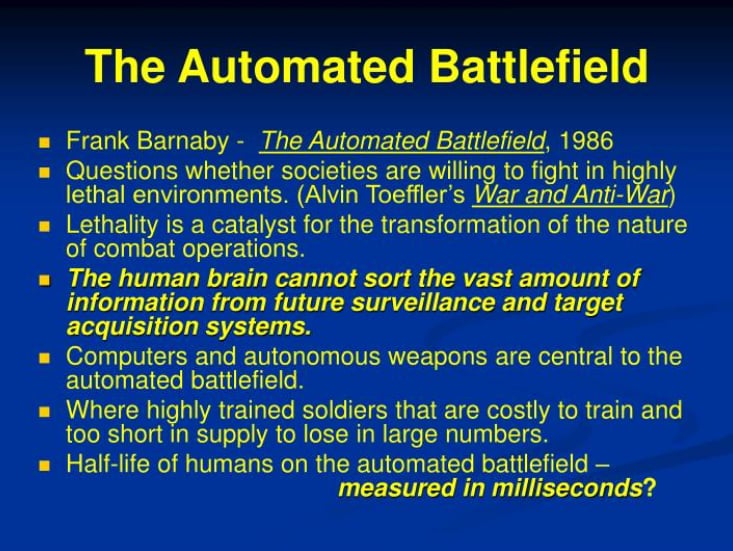
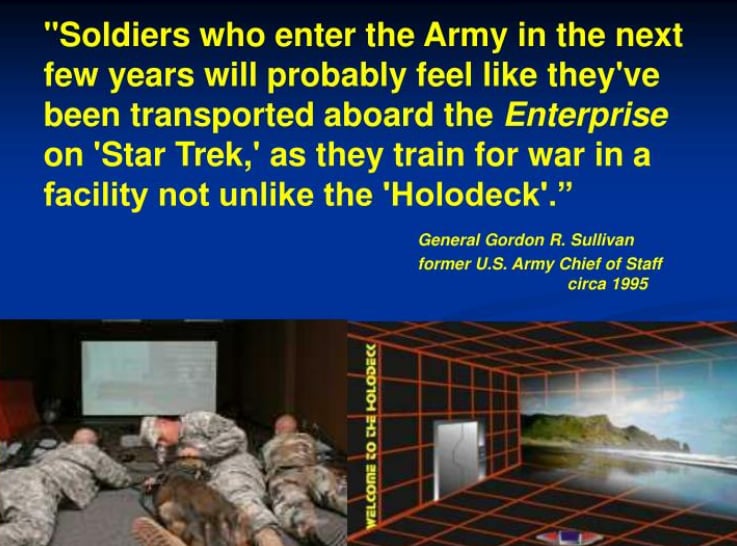
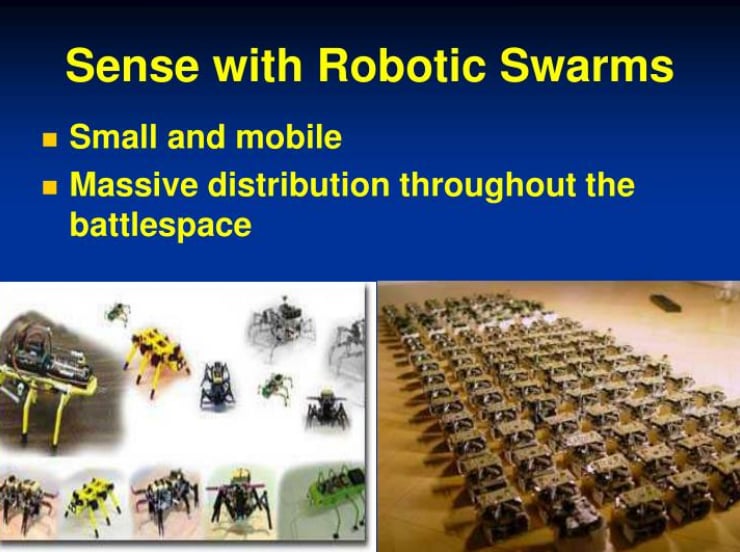
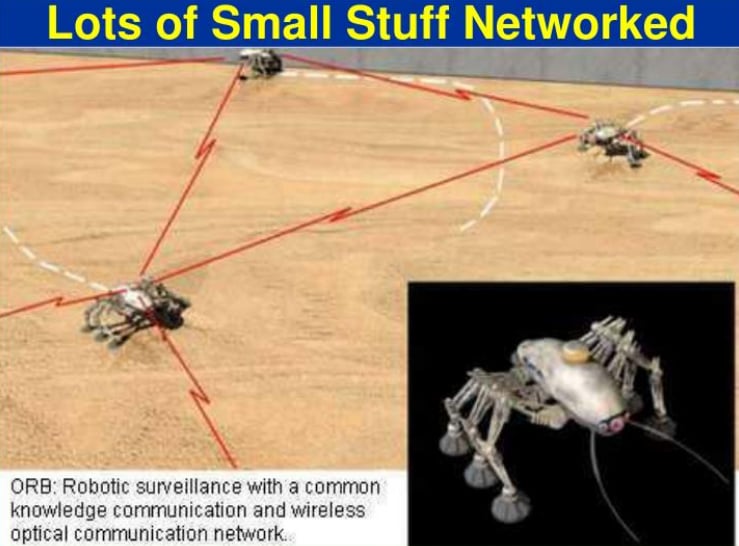
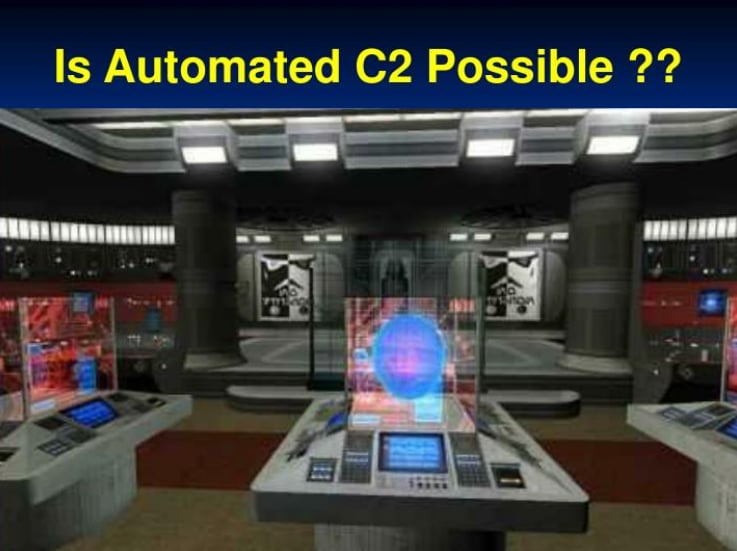
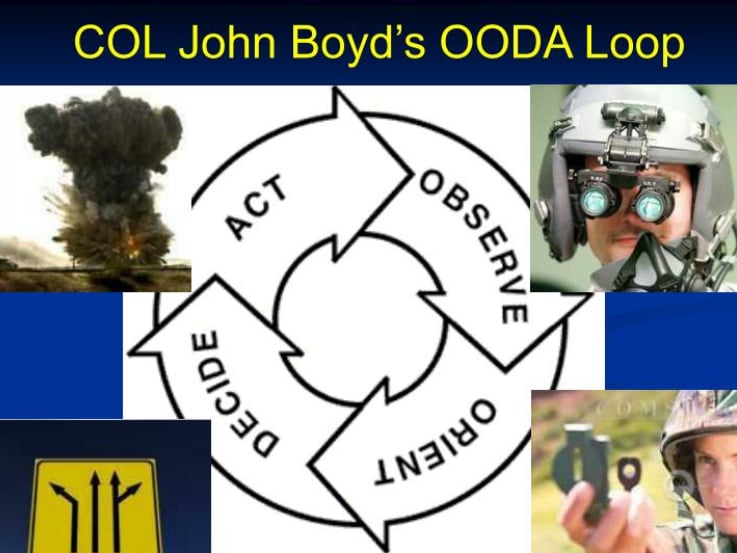
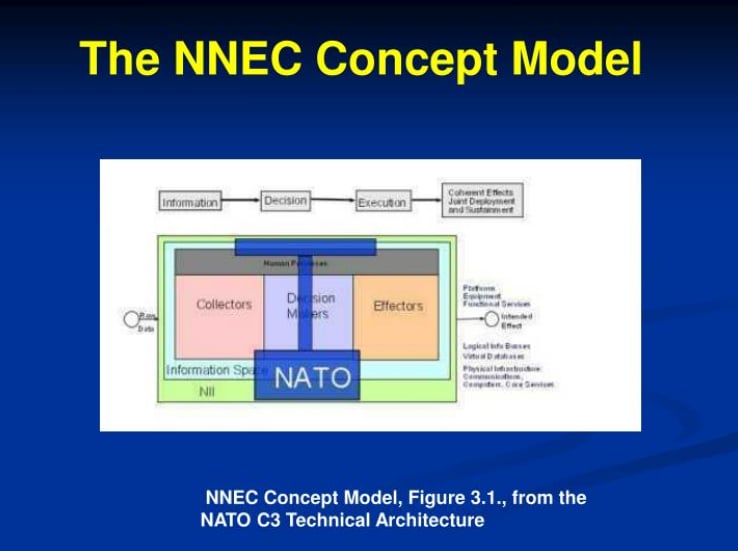
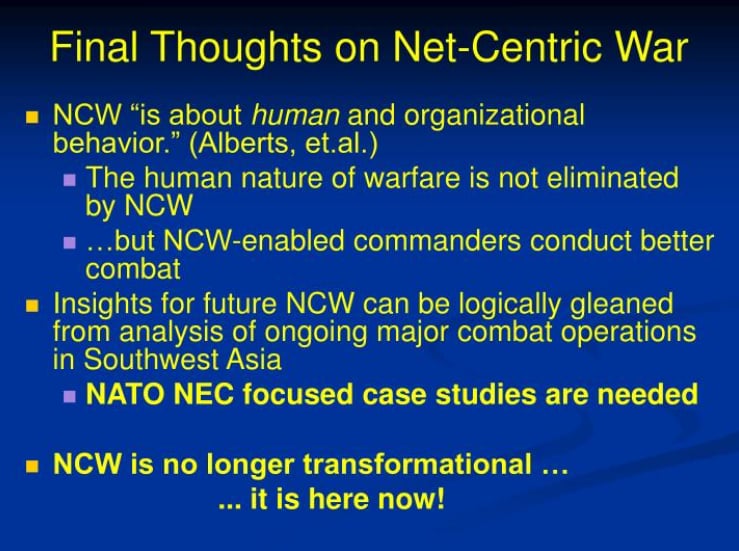
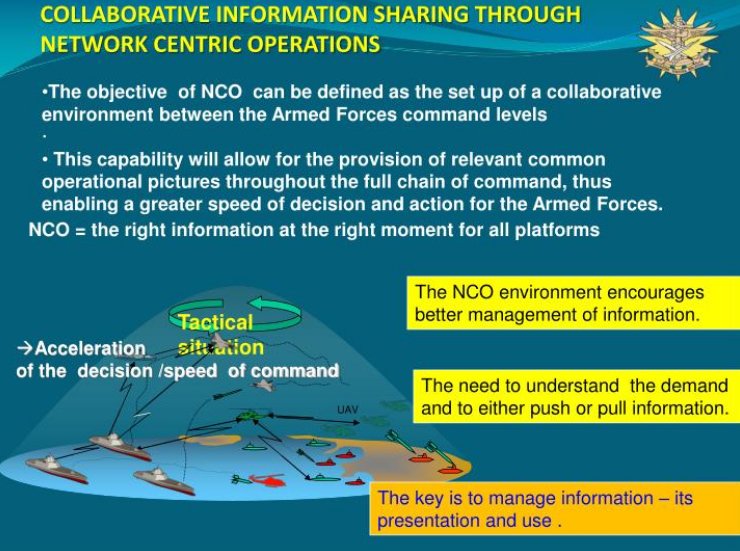
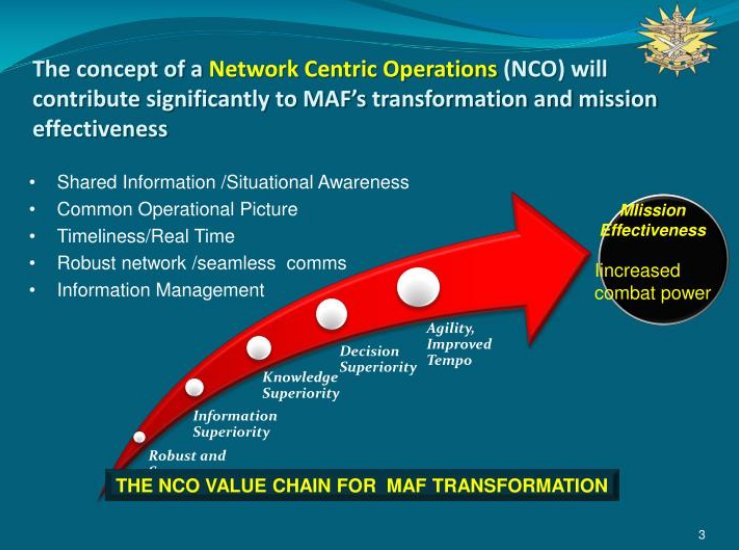
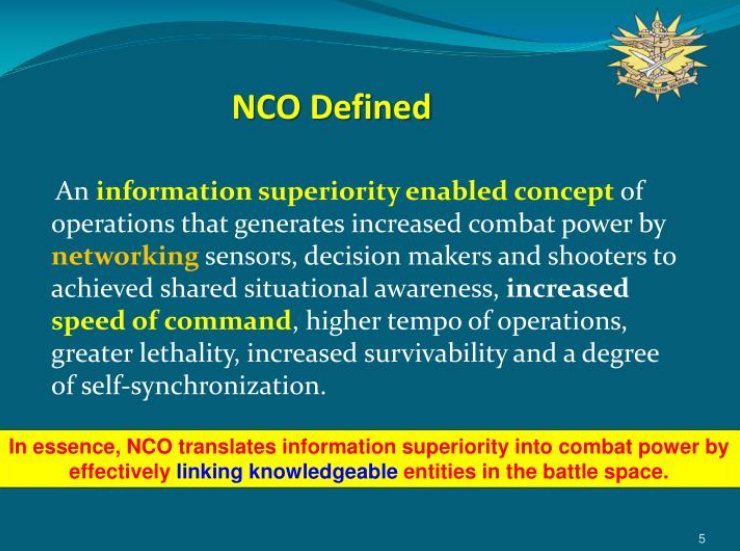
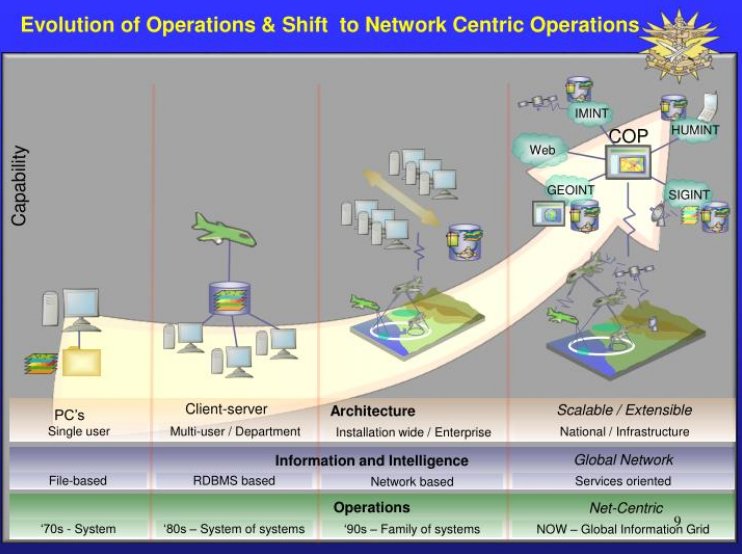
Collaborative Information Sharing Environment Through Network Centric Operations - Presentation by Danton Knox
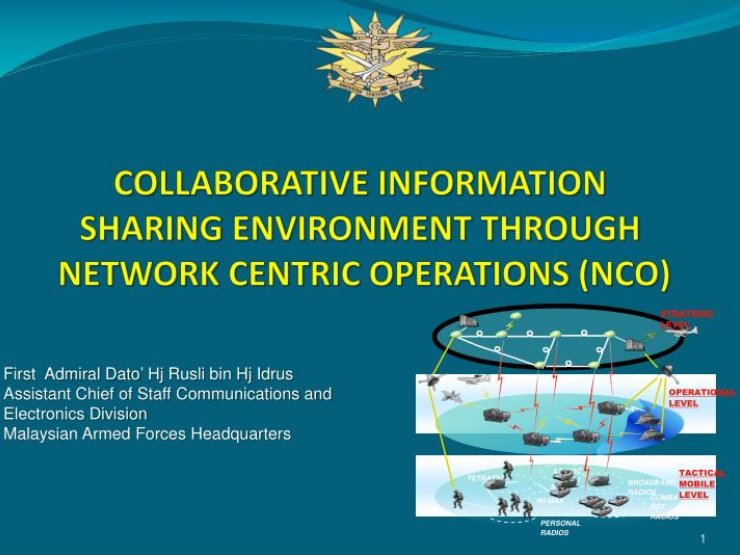
-
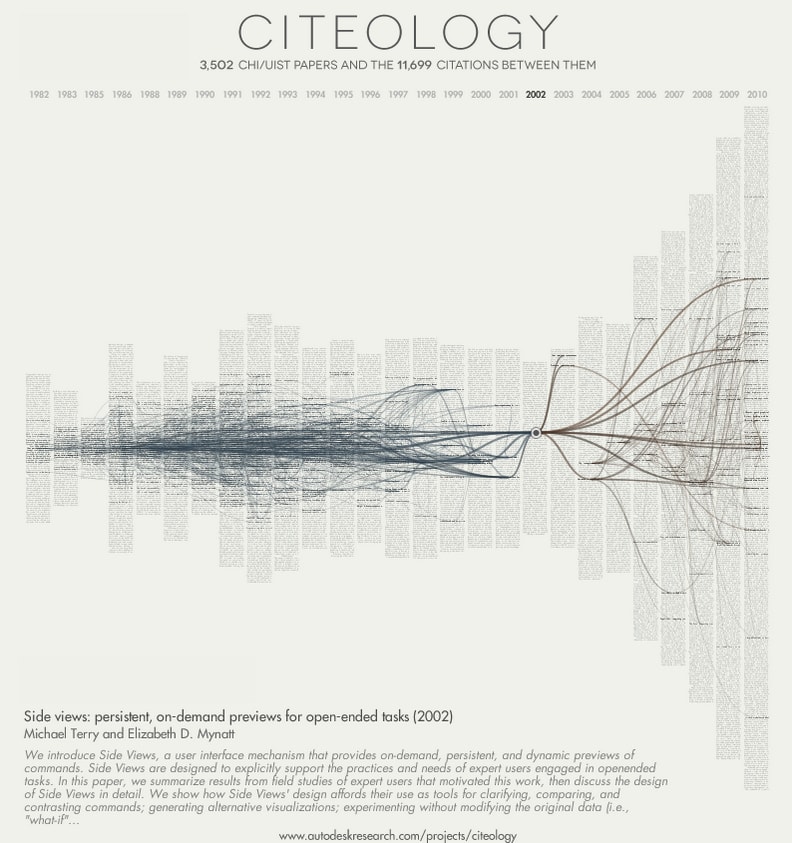
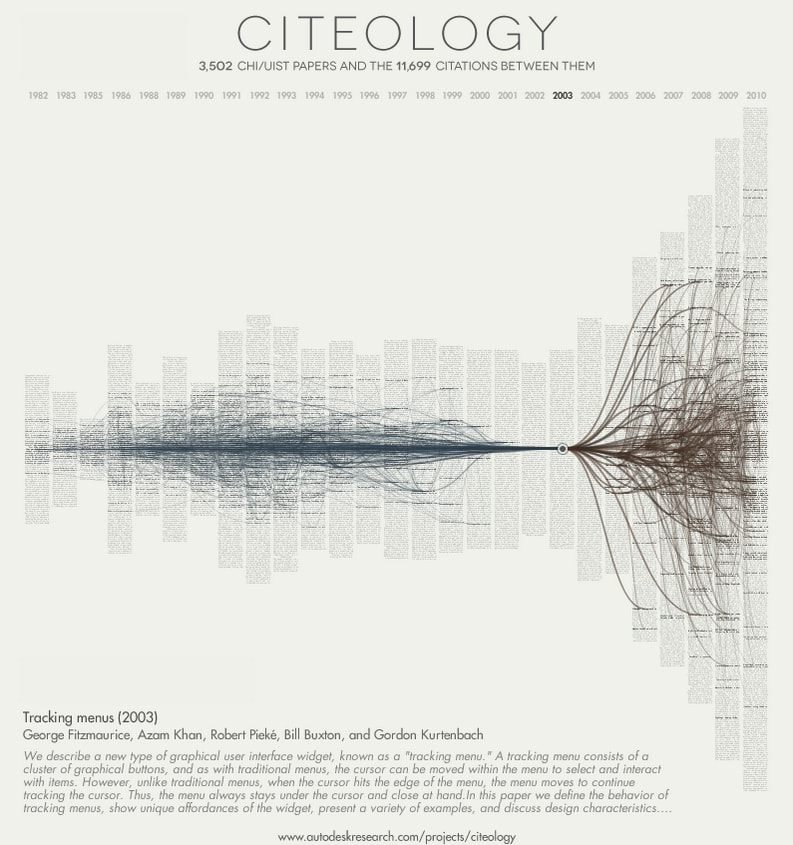
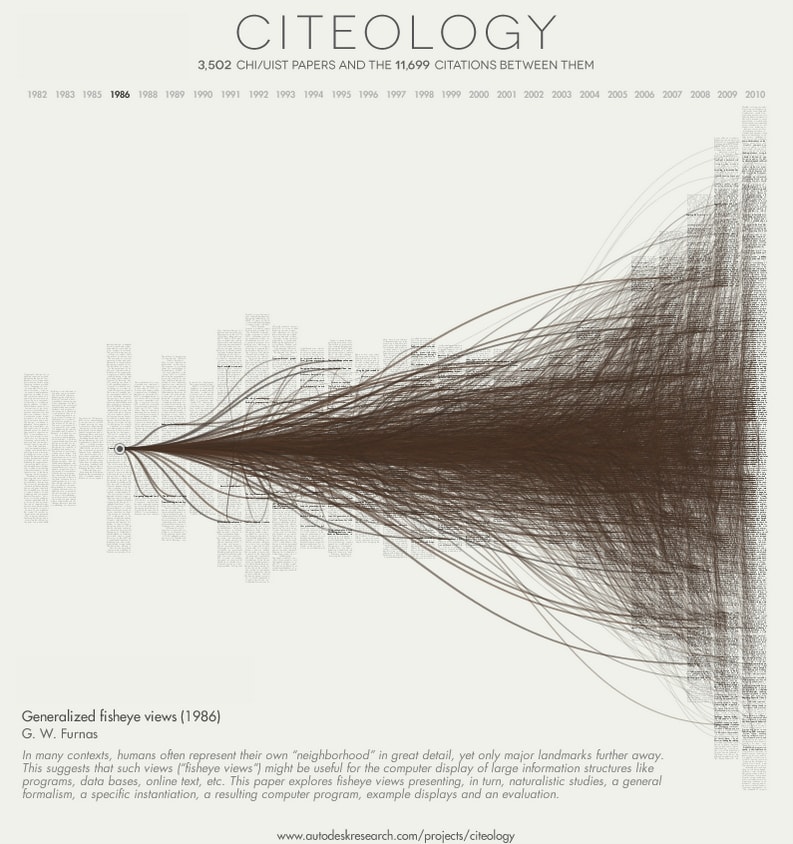
Citeology: Visualizing Paper Genealogy - by Autodesk Research (2012)

-
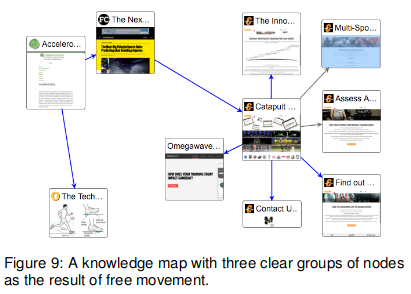
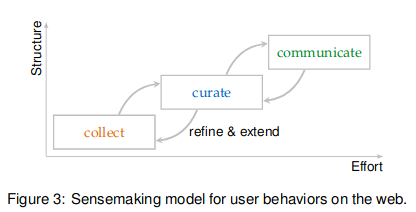
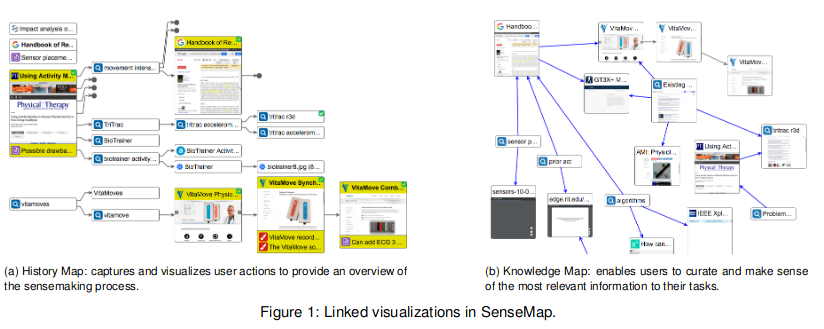
SenseMap for Online Sensemaking - by vis4sense
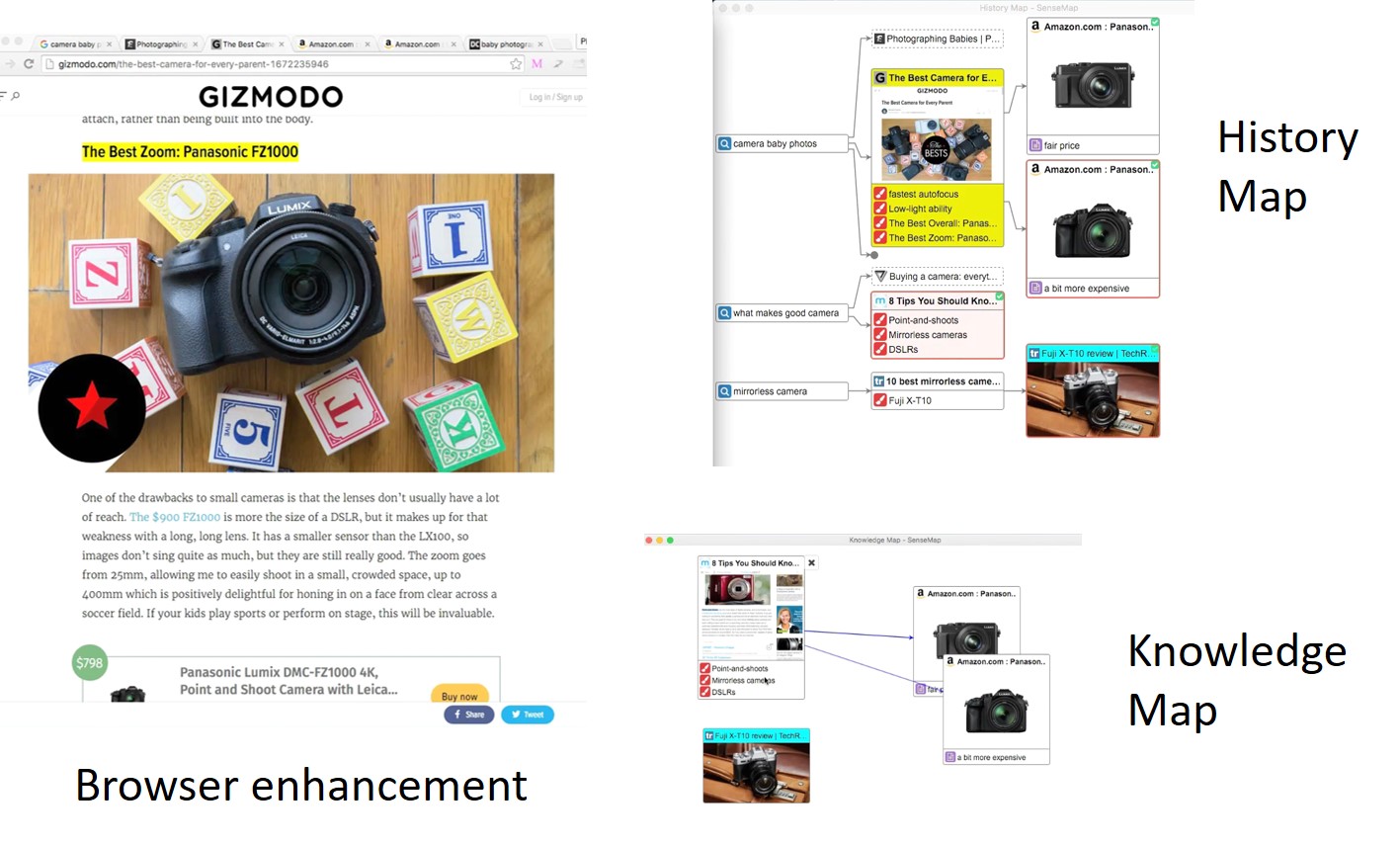
Research: "SenseMap: Supporting Browser-based Online Sensemaking through Analytic Provenance" - by P. H. Nguyen, K. Xu, A. Bardill, B. Salman, K. Herd and B. L. William Wong. (2016)
-
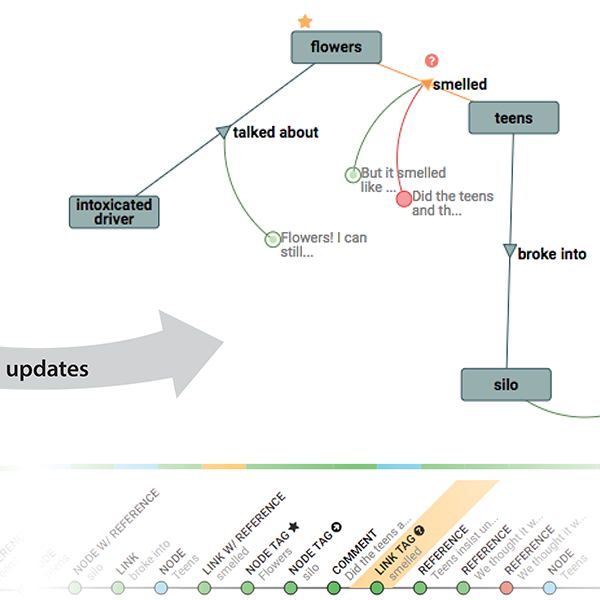
Supporting Handoff in Asynchronous Collaborative Sensemaking Using Knowledge-Transfer Graphs - by Autodesk Research (2017)
-
Making Sense of Complexity: Using SenseMaker as a Research Tool - by Susara E. Van der Merwe et.al (2019)
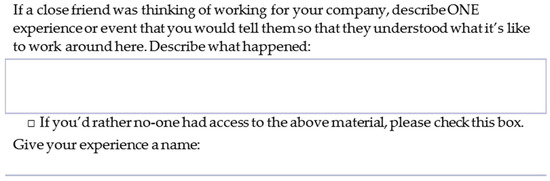
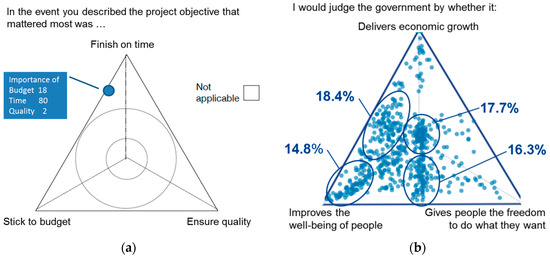
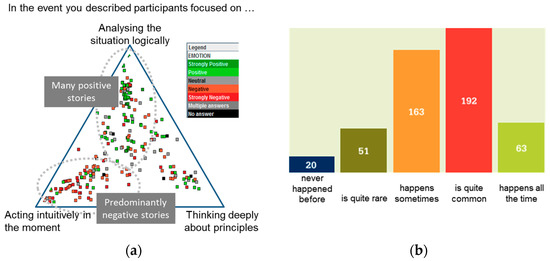
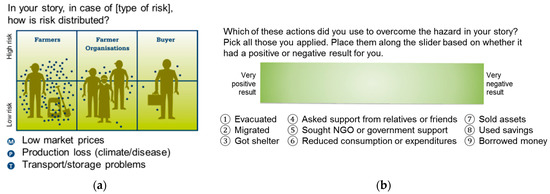
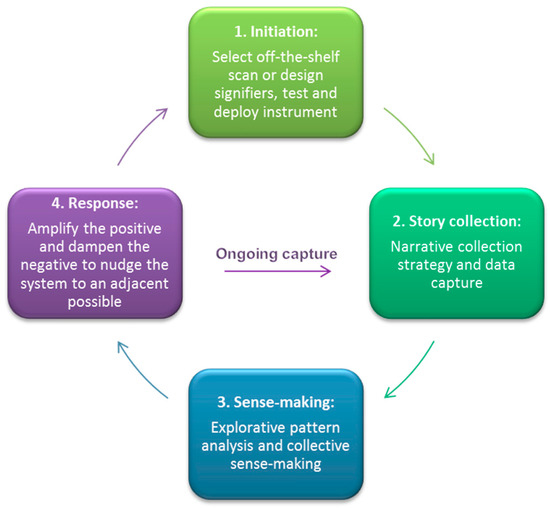
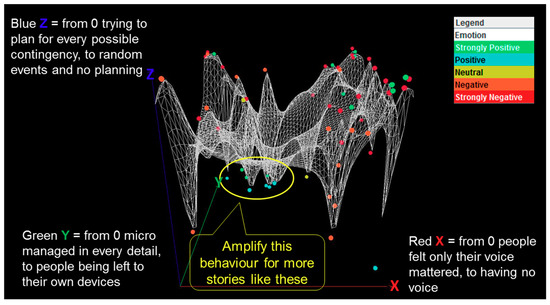
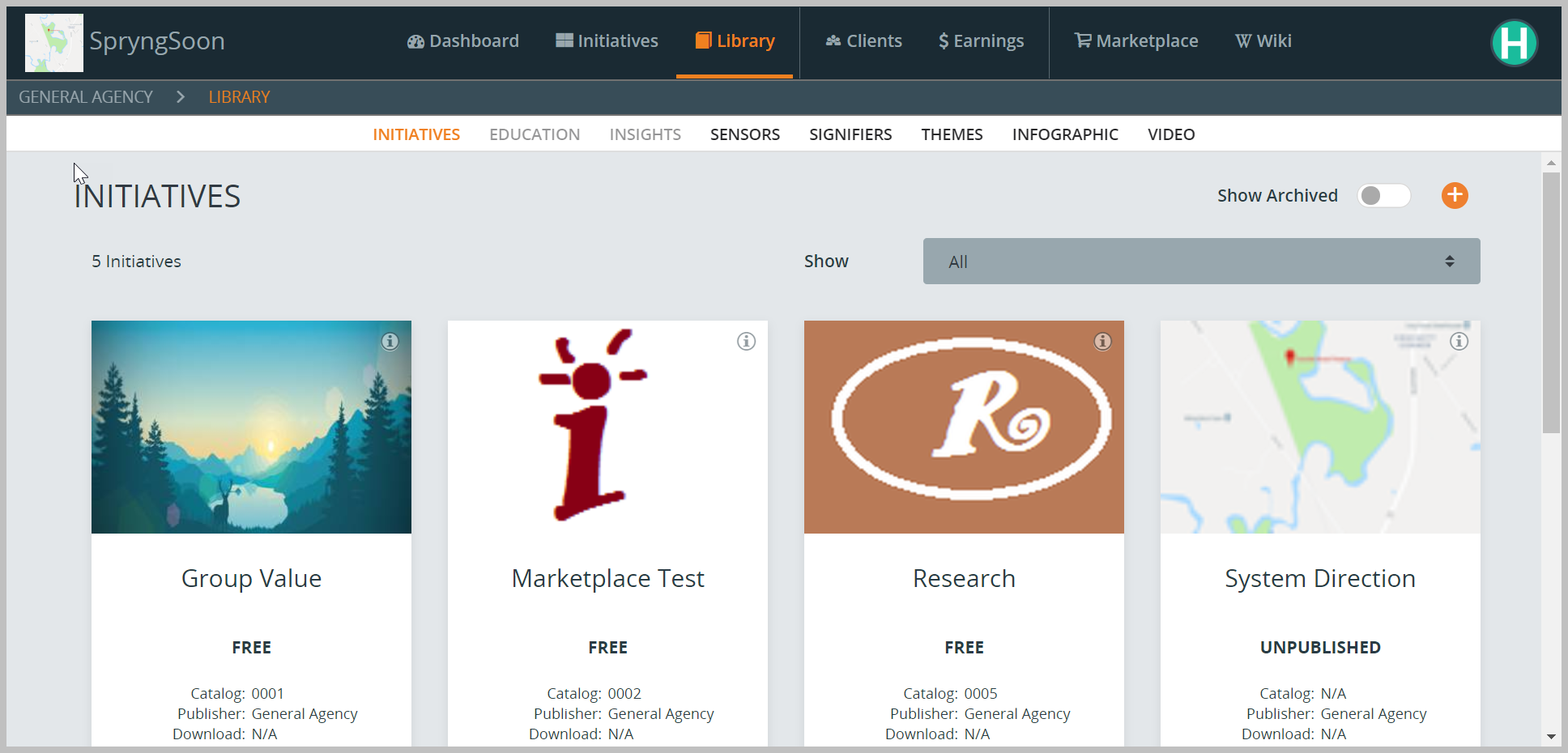
Related: https://cognitive-edge.com/sensemaker/ and https://spryng.io/
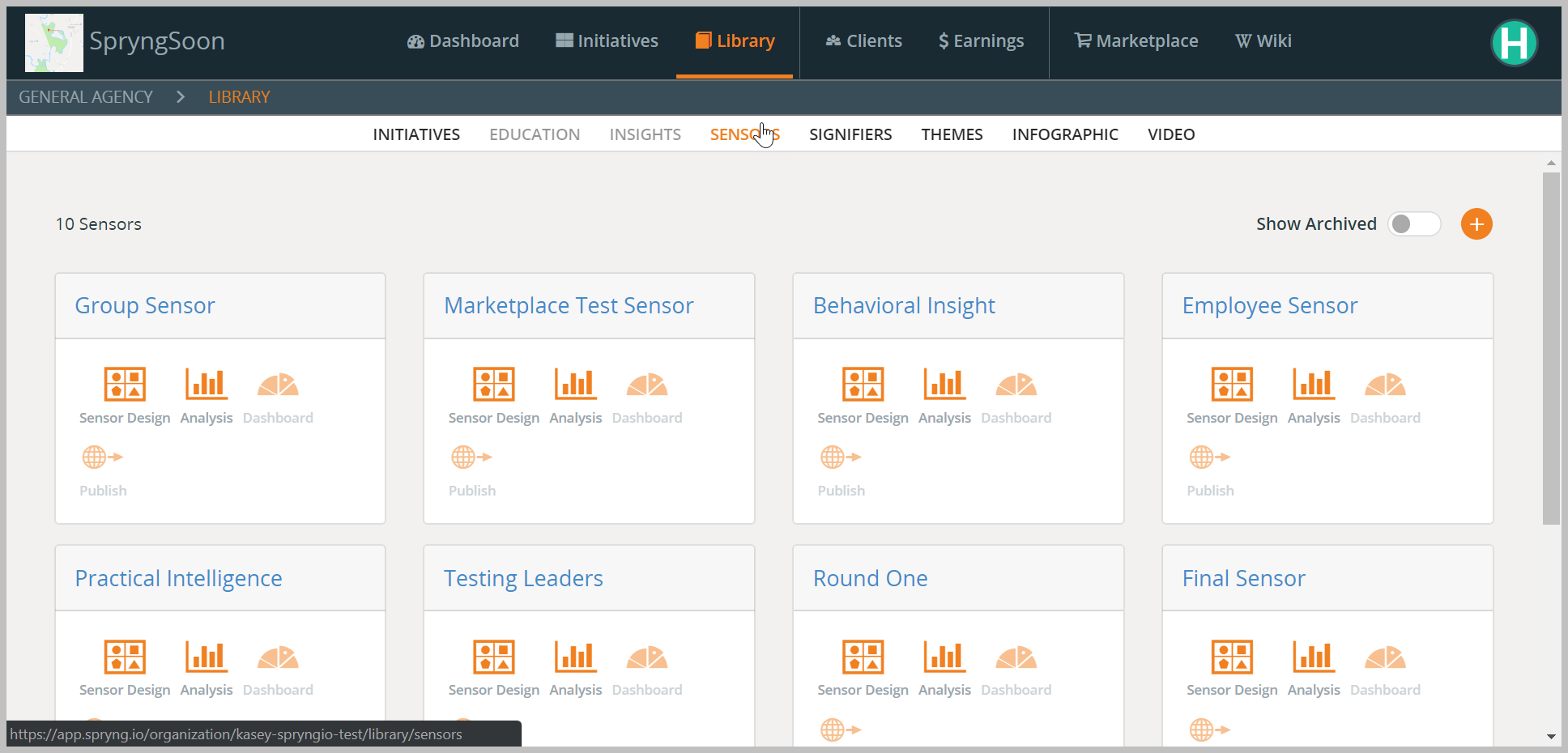
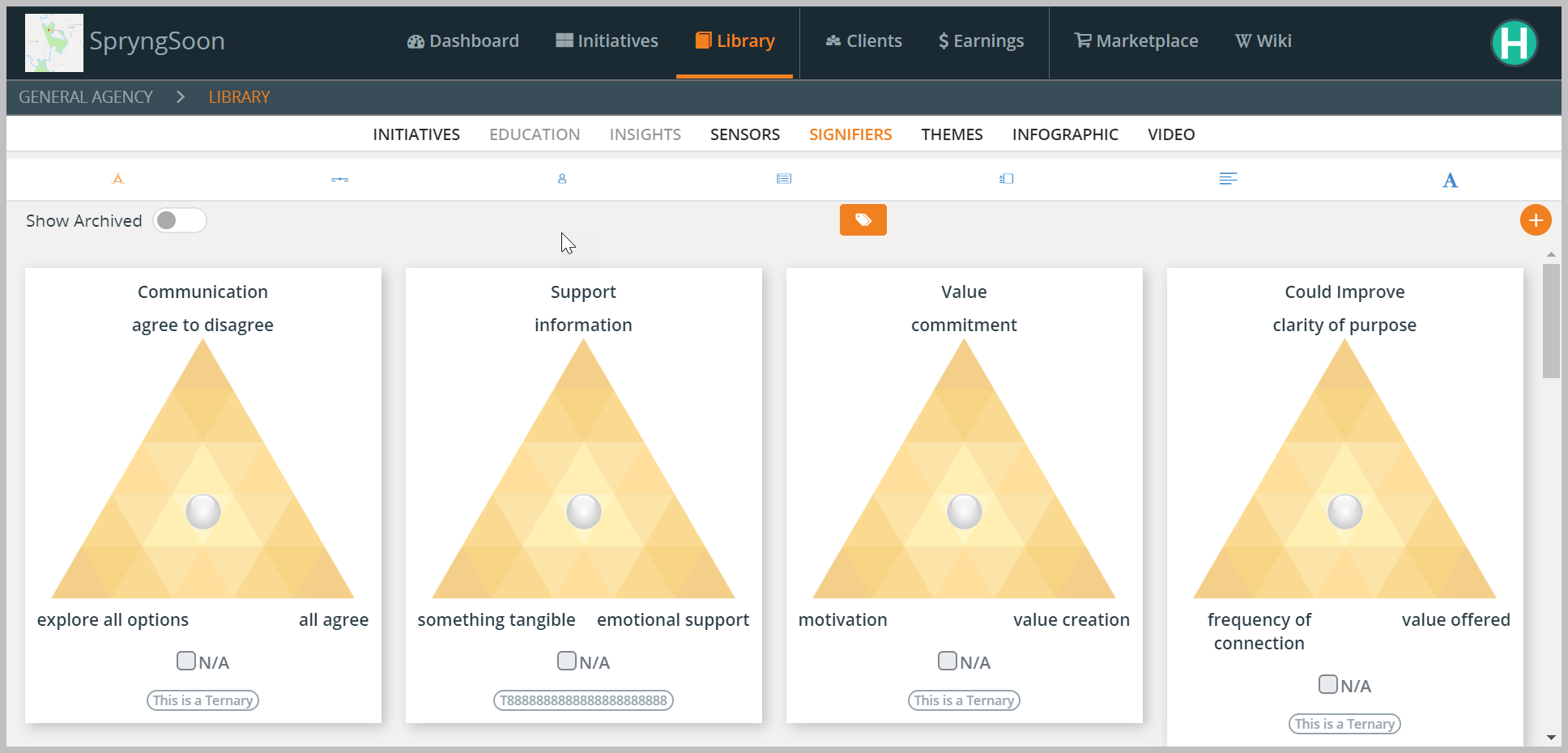
-
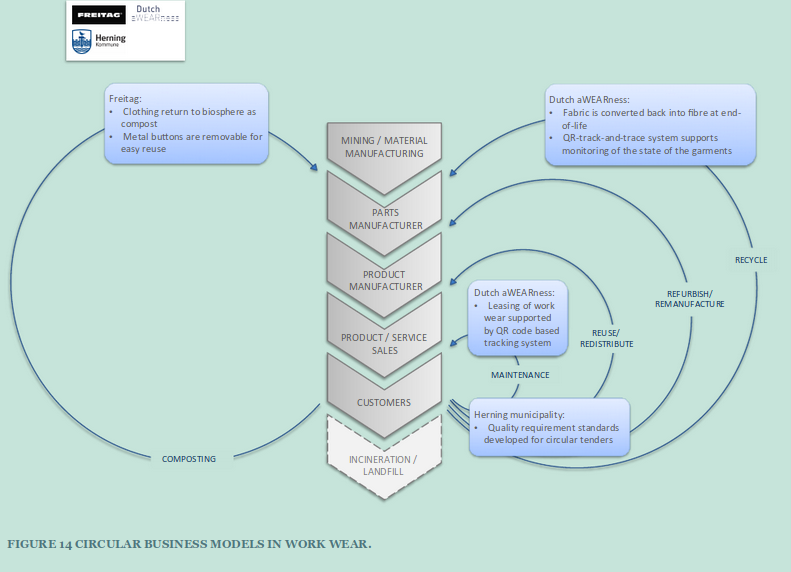
Best Practice Examples of Circular Business Models - by Eva Guldmann (2017)


-
Google and Amazon are now in the oil business (Vox, 2020)