-
GShard: Scaling Giant Models with Conditional Computation and Automatic Sharding
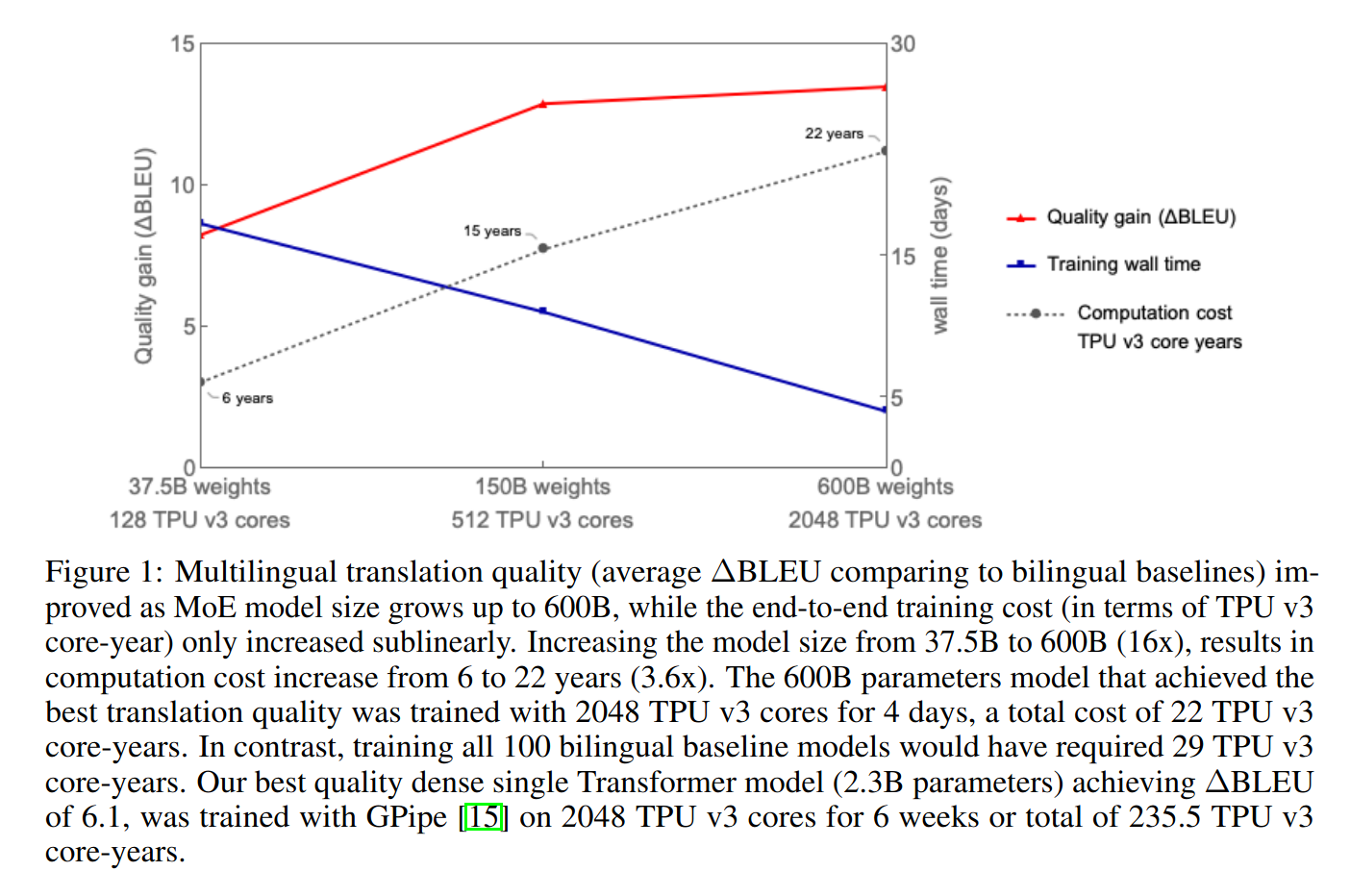
GShard is a module composed of a set of lightweight annotation APIs and an extension to the XLA compiler. It provides an elegant way to express a wide range of parallel computation patterns with minimal changes to the existing model code. GShard enabled us to scale up multilingual neural machine translation Transformer model with Sparsely-Gated Mixture-of-Experts beyond 600 billion parameters using automatic sharding. We demonstrate that such a giant model can efficiently be trained on 2048 TPU v3 accelerators in 4 days to achieve far superior quality for translation from 100 languages to English compared to the prior art.
-
SECI model of knowledge dimensions
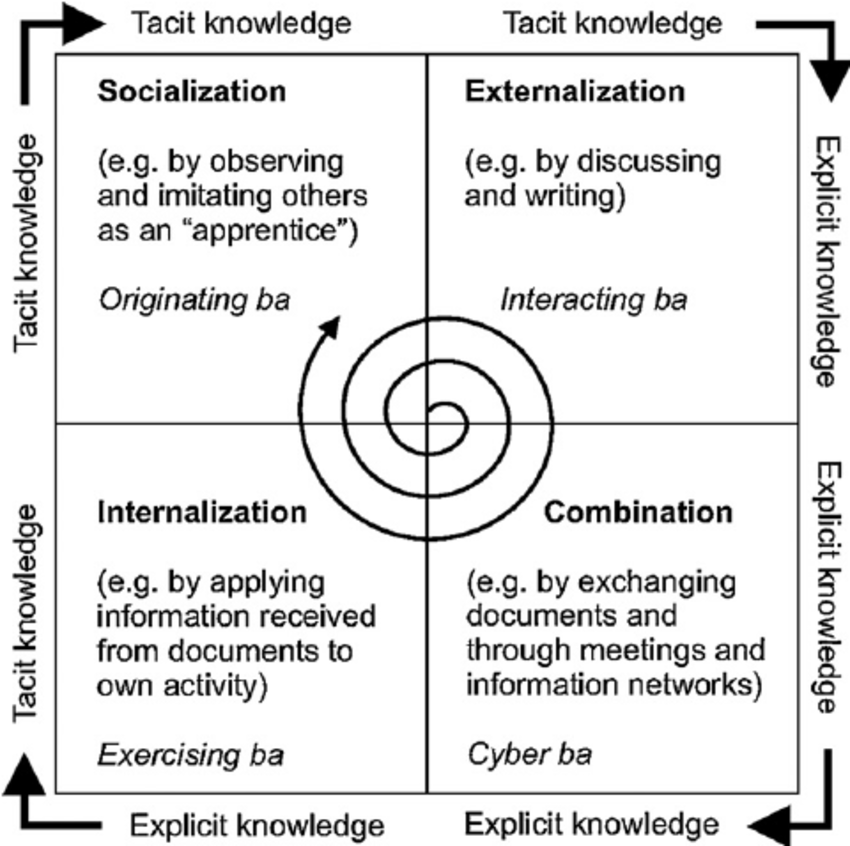
The SECI model of knowledge dimensions is a model of knowledge creation that explains how tacit and explicit knowledge are converted into organisational knowledge. The SECI model distinguishes four knowledge dimensions – socialization, externalization, combination, and internalization – which together form the acronym "SECI". The SECI model was originally developed by Ikujiro Nonaka in 1990 and later further refined by Hirotaka Takeuchi.
-
http://waystup.eu - Value chains for disruptive transformation of urban biowaste into biobased products in the city context
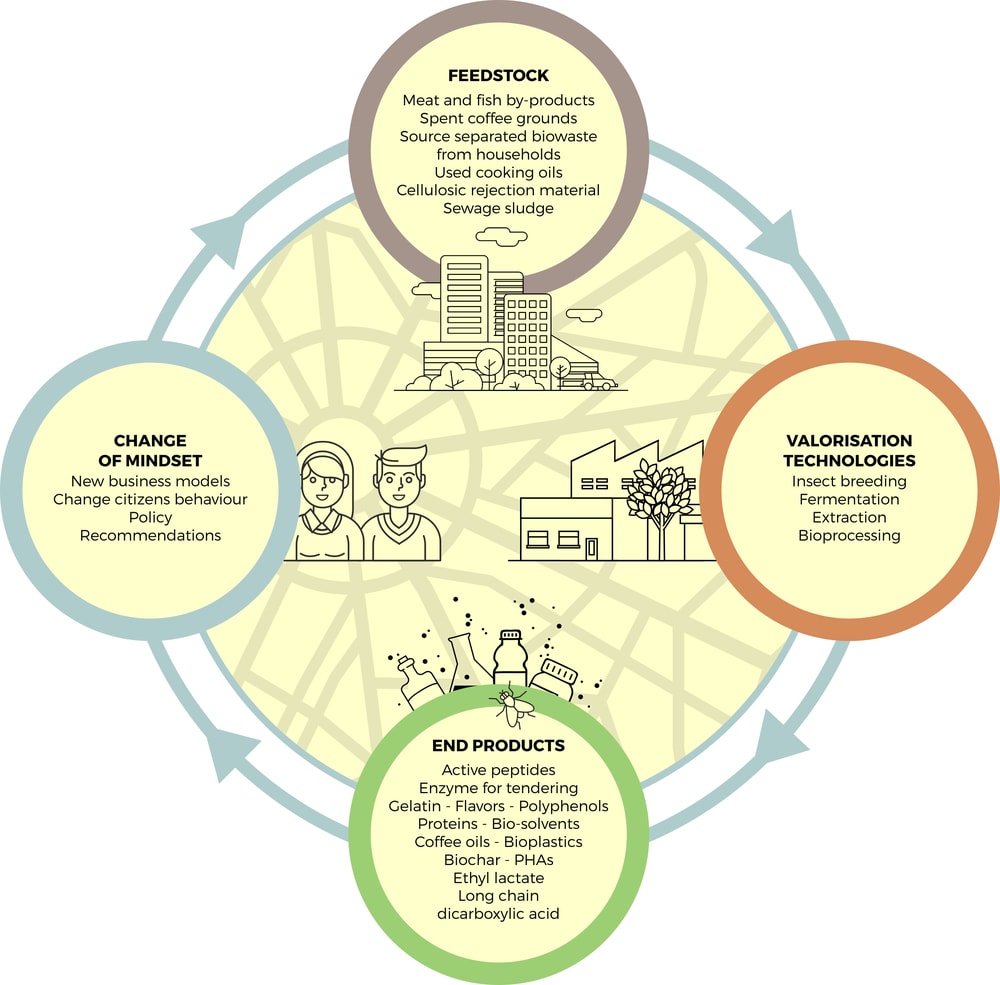
The EU-funded WaysTUP! project aims to establish new value chains for urban bio-waste. The project will display a range of new products produced from urban bio-waste to bio-based processes starting from different feedstocks, including fish and meat waste, spent coffee grounds, household source-separated bio-waste, and used cooking oils. The project is expected to produce a behavioral change in citizens and local communities, improving and changing longstanding perceptions of urban bio-waste during its implementation. This will overall contribute to a more circular economy.
-
Enhancing road verges to aid pollinator conservation: A review
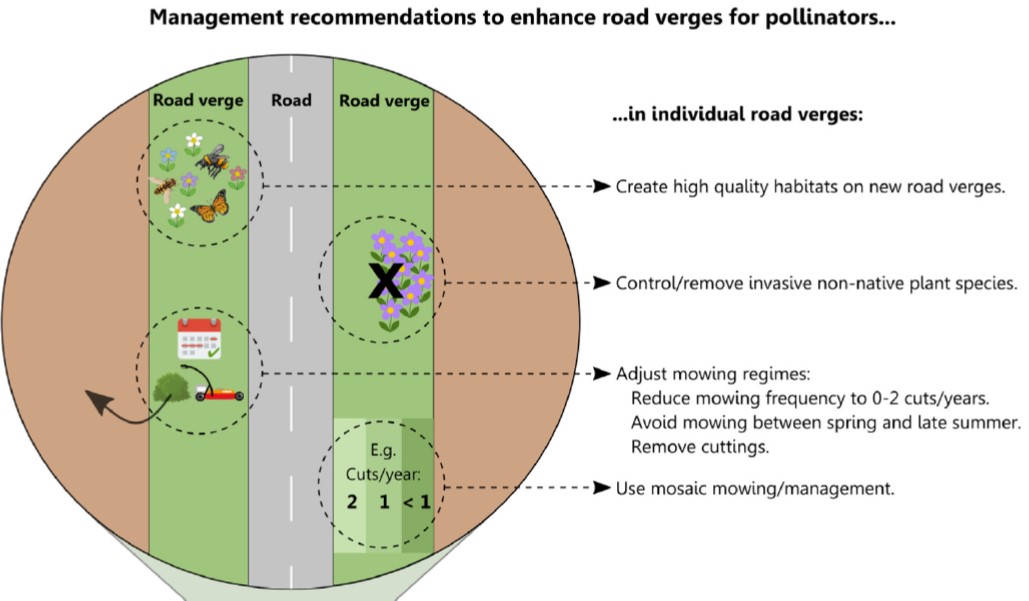
Road verges have considerable potential to be used for pollinator conservation. Verges can be hotspots of flowers and pollinators in managed landscapes. Traffic and road pollution can cause mortality and other impacts on pollinators. Evidence suggests the benefits of road verges to pollinators outweigh the costs. Road verges can be enhanced for pollinators through strategic management.
-
“7 More Planets”: 8 Shocking Facts From The G20 Food Footprint Report

1. If everyone ate the way G20 countries do, we would need 7 more Earths.
2. Only India and Indonesia have diets that our planet’s resources can support.
3. Report makes clear that food & diet are key to solving climate change.
4. Flexitarian diet could reduce global carbon budget by 40%.
5. US, EU, Australia & Argentina are biggest culprits for carbon-intensive diets.
6. If G20 countries chose more sustainable diets, 11 million lives a year could be saved.
7. Policymakers MUST price in climate crisis in national eating guidelines & food pyramids.
8. Food-related emissions in G20 countries go down by 50% by 2050. -
Neuroscientists Discover Each Of Us Has A Distinct Brain Signature
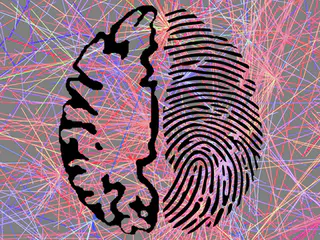
Neuroscientists from Yale report that they can identify each of us by our unique brain signature much like a neural thumbprint. They have discovered that you and I display our own distinct brain signature when we’re processing information similar to our unique fingerprints that distinguish us from everyone else on the planet.
-
Coronavirus Fuels P2P Connectivity: Crypto-Driven Meshnet Gives Rural Towns Internet
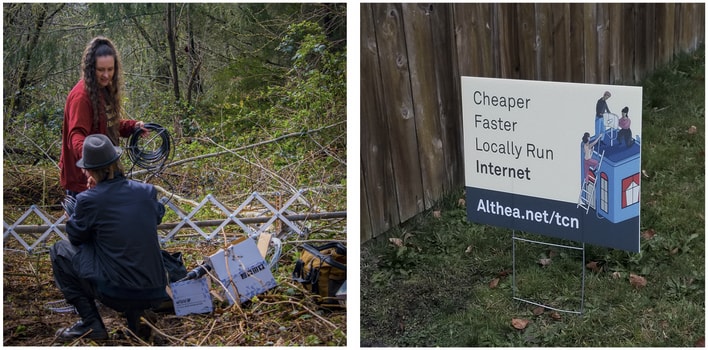
While the coronavirus wreaks havoc on the economy across the U.S., a number of the 1,737 residents from Clatskanie, Oregon can’t obtain an internet service provider (ISP). The situation has motivated the town to adopt a decentralized meshnet ISP called Althea and the network’s users are paid in cryptocurrency for relaying.
-

Solar advocates are starting a guerrilla solar movement to combat the notion that one should have to pay for energy.
Related: Wikipedia entry - Book: Solar Guerrilla - Constructive Responses to Climate Change
-
'Erasure' - from Carlos Ayesta and Guillaume Bression
Documenting the exclusion zone surrounding the stricken power plant of Fukushima Daiichi



-
This is Fine: Optimism & Emergency in the P2P Network - by Cade Diehm
Excellent Article! Here is its conclusion section: "We can no longer marvel at the novel interactions afforded by peer-to-peer technologies, nor perform political theatrics within these networks. We need to lay aside our delusions that decentralisation grants us immunity – any ground ceded to the commons will be met with amplified resistance from those who already own these spaces. When this happens, every single arrogant tradeoff, every decision made in ignorance that assumes a stable march towards progress without regression will be called to account. Without cohesive organisation, mobilisation to harden security and privacy and without a sincere commitment from protocol designers to revise their collective assumptions, the push back from incumbent power will leverage each and every socio-technical flaw in each and every network. The fallout and trauma for increasingly digitalised communities will unquestionably dwarf the 2000s Copyright War. If there is no collective worldview reset, the peer-to-peer movement will remain a historical novelty, a technological bauble and thought experiment for detached technologists unable to understand the political gravity of their tools, and whose life work will never withstand the attacks against it."
-
US has ‘lost its mind, morals and credibility’, China’s foreign minister tells Russian counterpart (SCMP)
America has pushed ‘egoism, unilateralism and bullying to the limit … and that’s not what a great power should be about’, Wang Yi tells Sergey Lavrov. US has ‘resorted to extreme measures and even created hotspots and confrontations in international relationships’, he says

-
Scientists Hack Mouse Brains to "Erase" Opioid Addiction
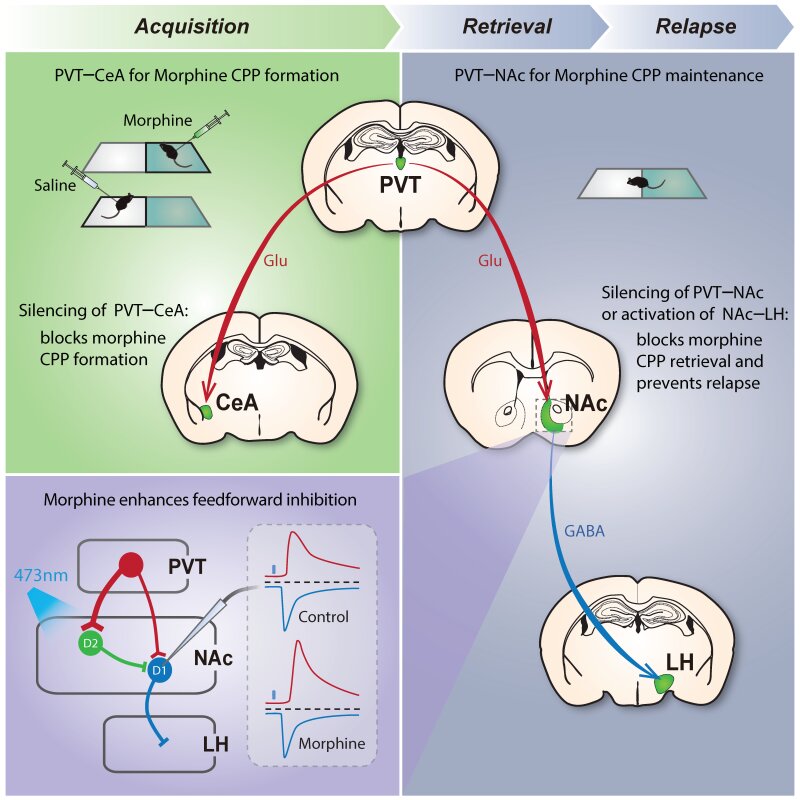
One of the hardest parts of treating addiction is keeping patients from relapsing. Now, researchers at the Chinese Academy of Sciences say that they’ve “interrupted the brain pathway responsible for morphine-associated memories in mice, that is, ‘erasing’ the drug-associated memory from the brain.” To treat the mice, the team gave them brain implants: a fiber optic that shined light onto a region called the paraventricular thalamus and blocked withdrawal symptoms. A day later, the mice no longer sought out morphine and relapse — or at least do the lab mouse version of relapsing — even after two weeks.
-
Dogs May Use Earth's Magnetic Field to Navigate

Dogs are renowned for their world-class noses, but a new study suggests they may have an additional — albeit hidden — sensory talent: a magnetic compass. The sense appears to allow them to use Earth's magnetic field to calculate shortcuts in unfamiliar terrain.
-

The FBI doesn't necessarily have to rely on spy databases or phone records to collect vast amounts of information about suspects — it might just have to ask a travel company for help. Forbes understands the FBI is using info from Sabre, the world's largest travel data holder, to conduct surveillance around the world. Officials have reportedly asked the company to "actively spy" on targets, even while they're in the midst of travelling.
#Comment: While the westerns keep screaming "China bad! China-Tech very bad!" like silly spoiled kids, their own total surveillance apparatus keeps spiralling out of control. Just when they seemingly achieved their age old "full-spectrum dominance" through "total information awareness" vision, "full spectrum insanity" through "total information corruption" are taking down the entire house of cards in record time.
Related: The Known Traveller: Unlocking the potential of digital identity for secure and seamless travel - by World Economics Forum & Accenture
-
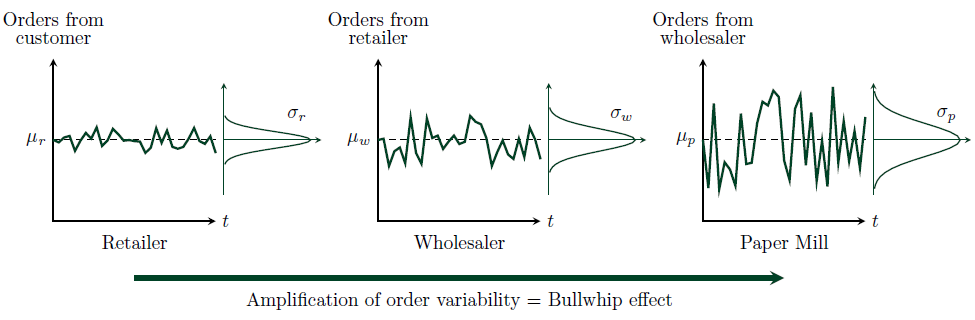
The bullwhip effect in supply chains
Variability of demand gets amplified from downstream (retailer) to upstream. Thus, firms must either increase their inventory levels, which limits responsiveness to demand, or risk shortages. Based on Moyaux, Chaib-draa & D’Amours (2006: 3).
-
People who are easily hypnotized are more likely to be addicted to their smartphones
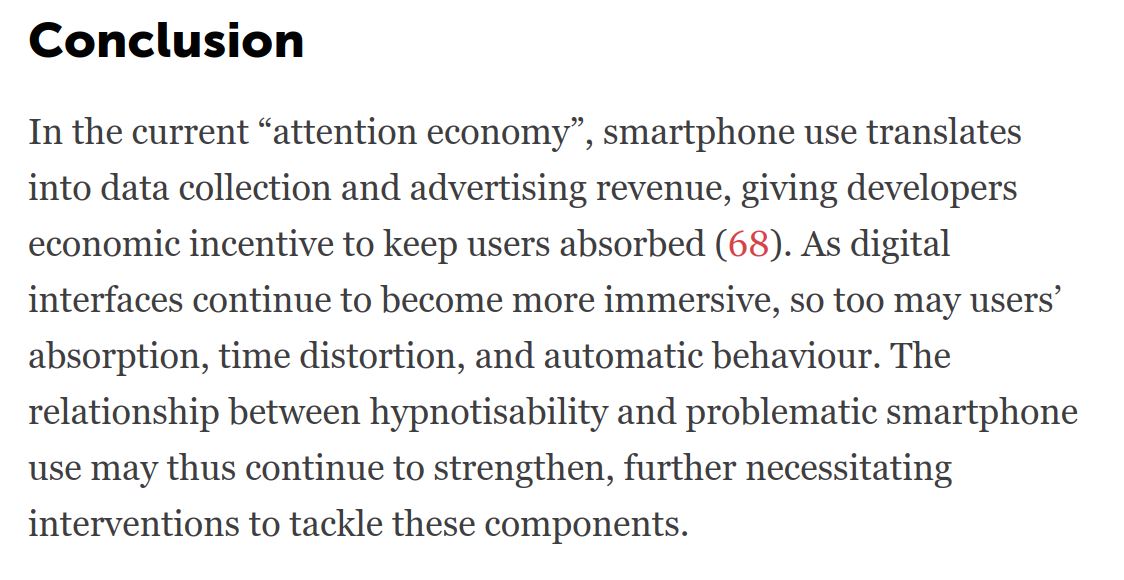
New research published in Frontiers in Psychology suggests that being absorbed by your smartphone might bear some resemblance to a hypnotic trance. A hypnosis experiment found that students with heightened smartphone addiction scores followed more hypnotic suggestions than their counterparts.