-
Dig Into an Enormous Archive of Drawings Unveiling the Complex Root Systems of 1,180 Plants
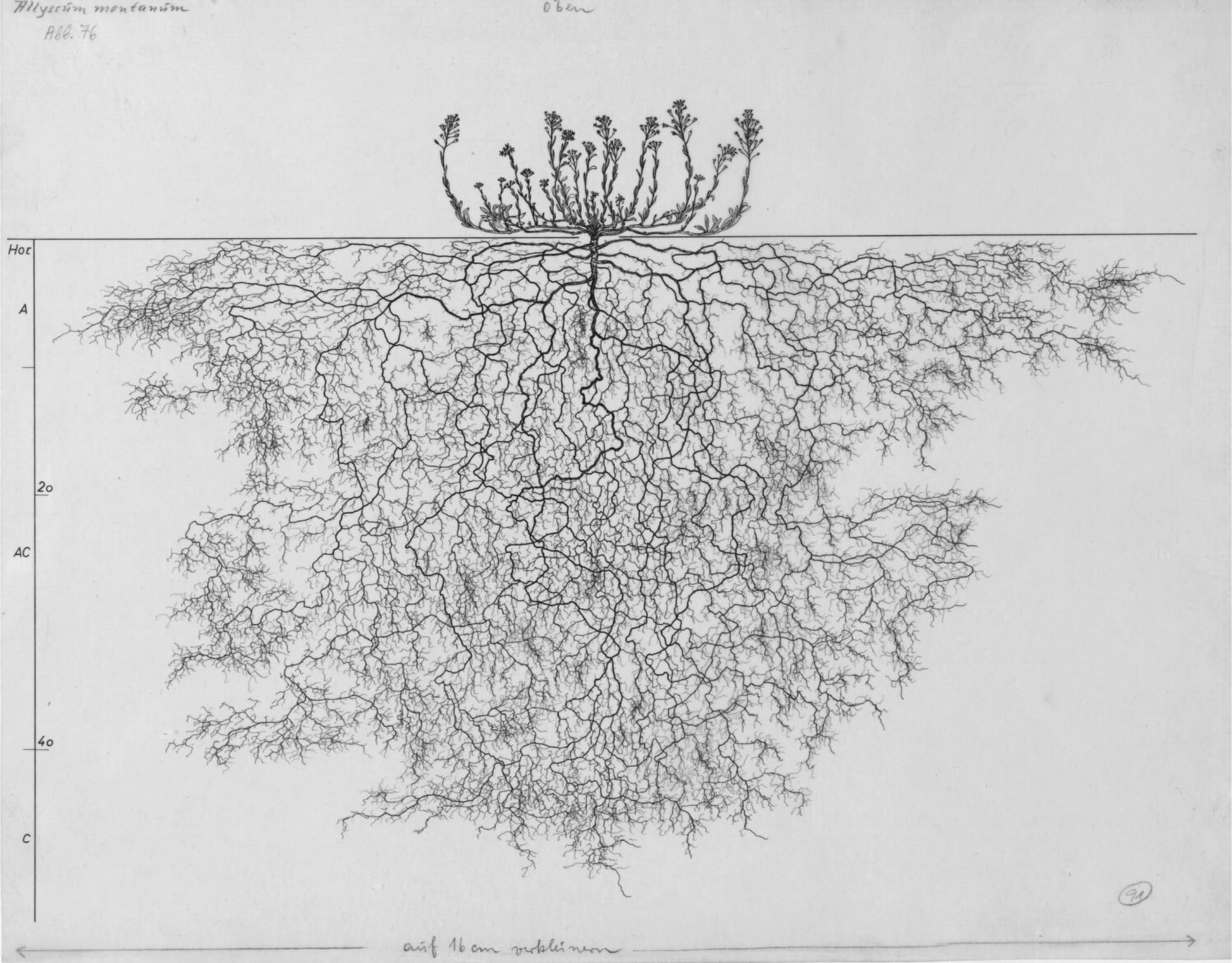
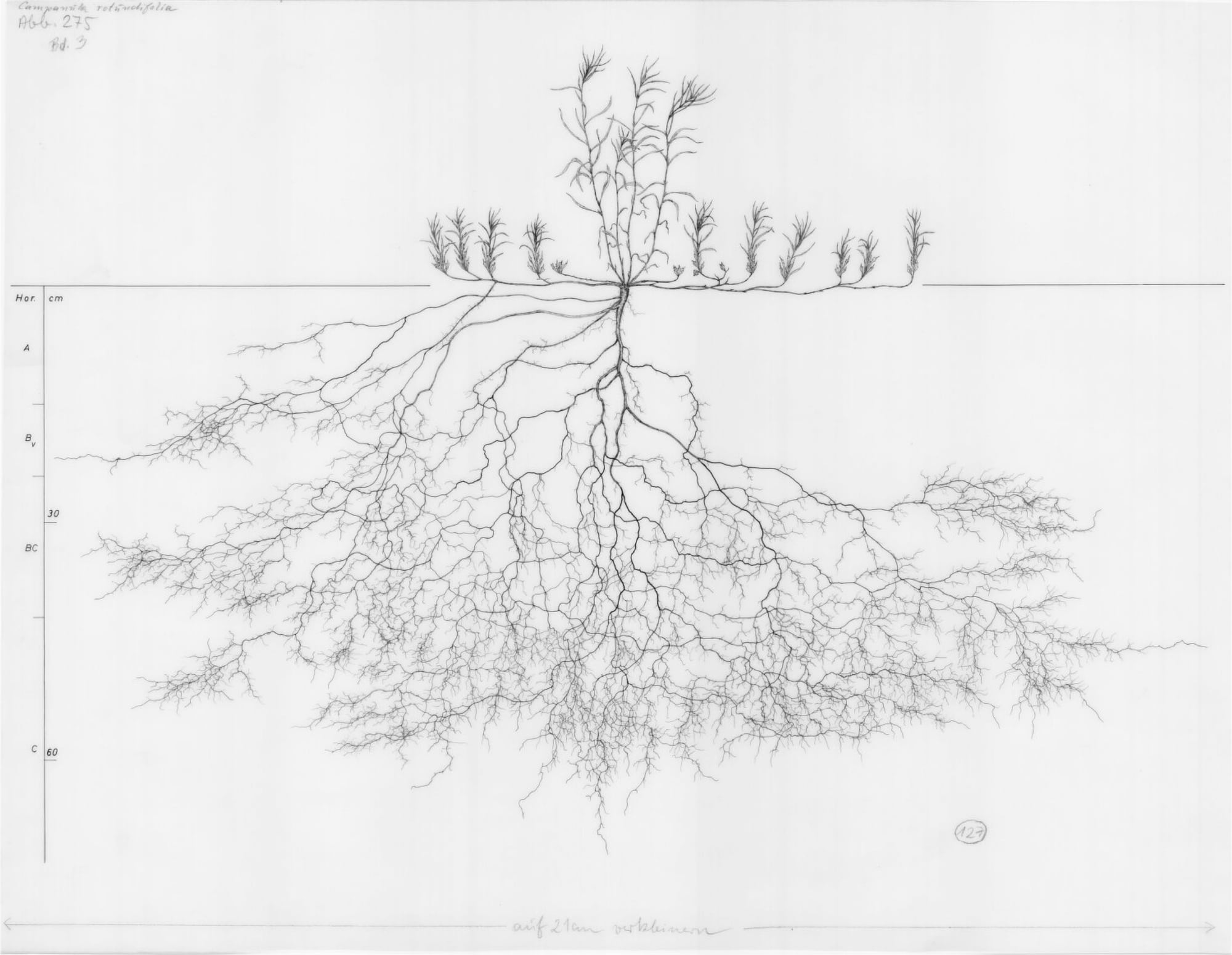
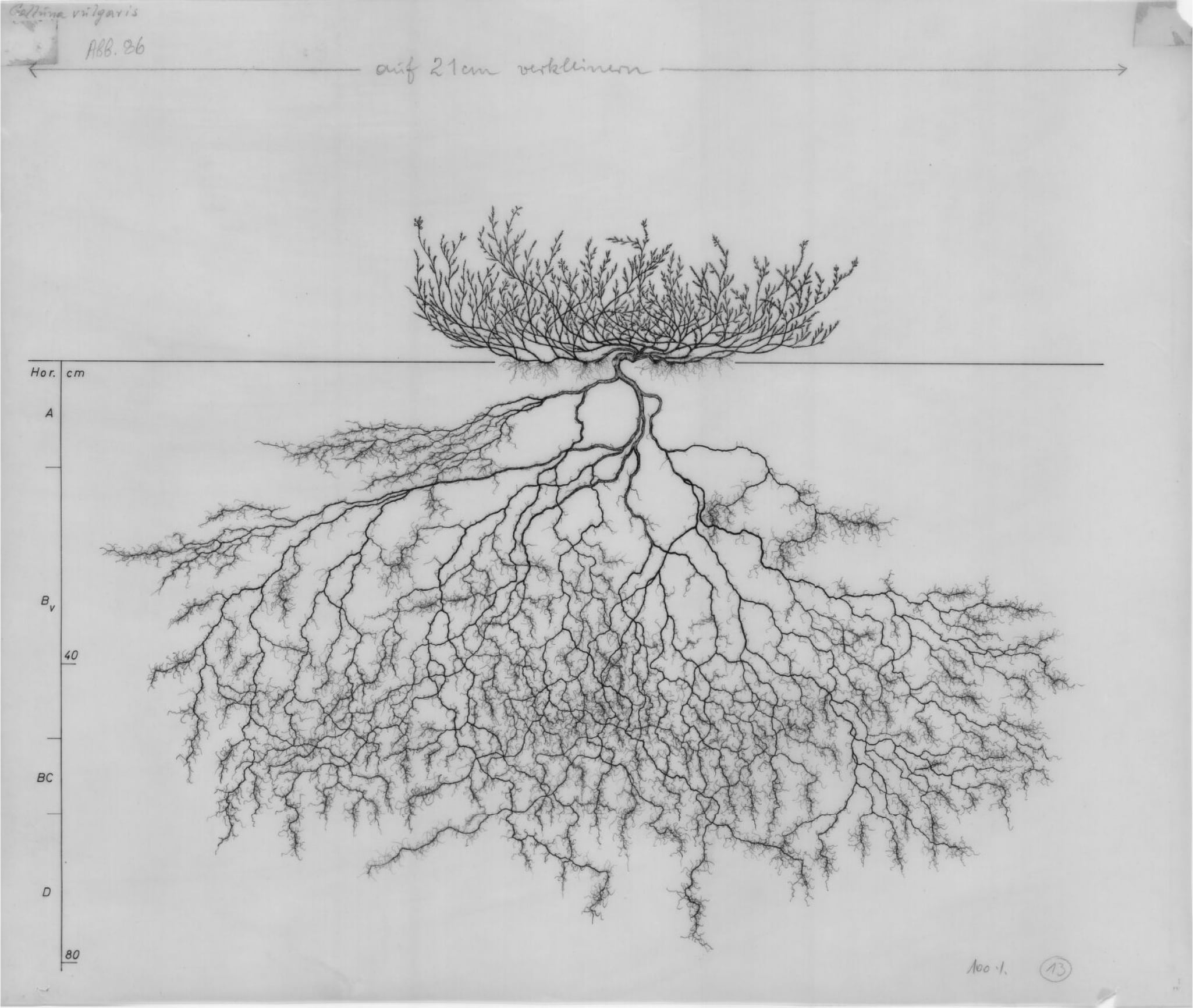
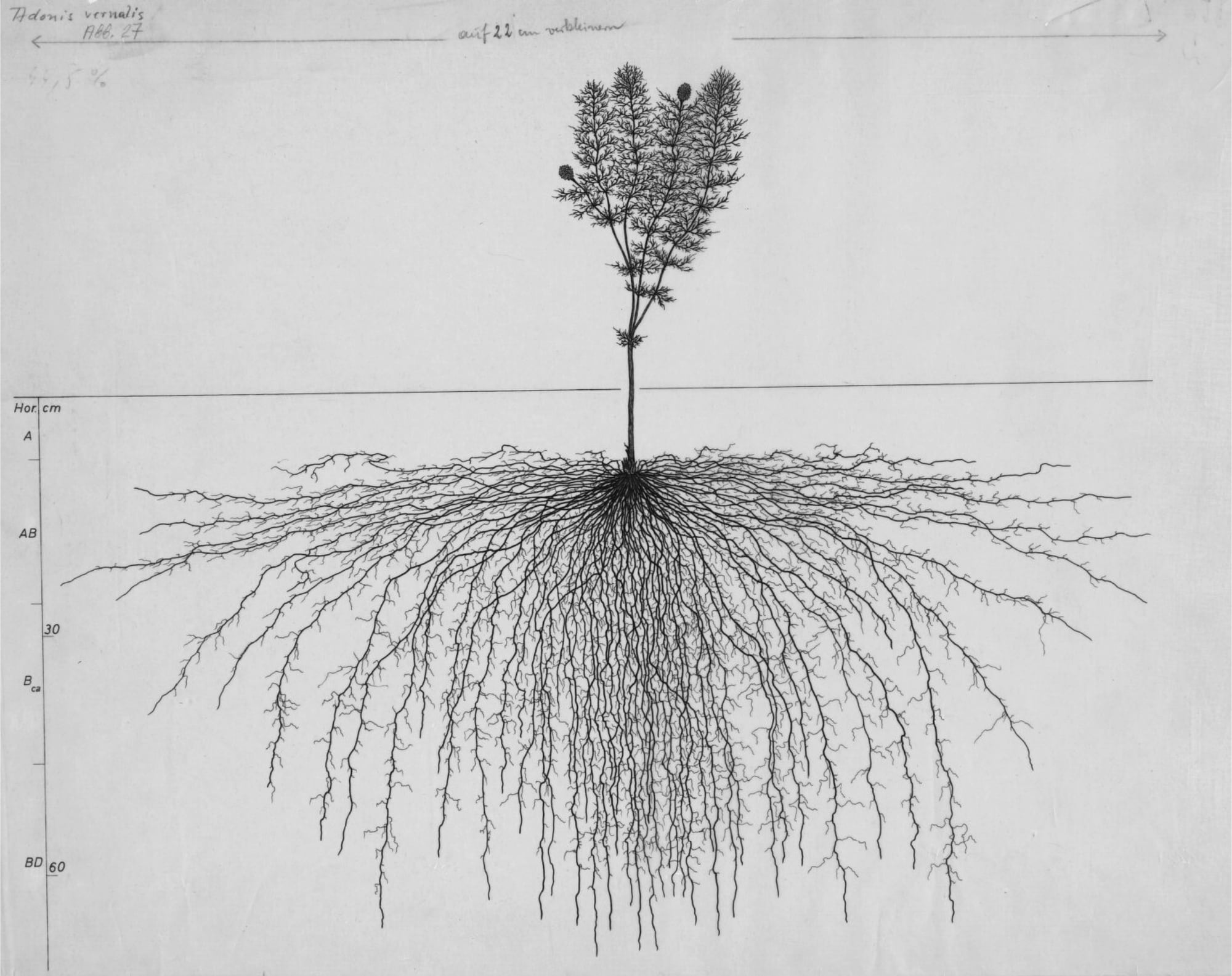
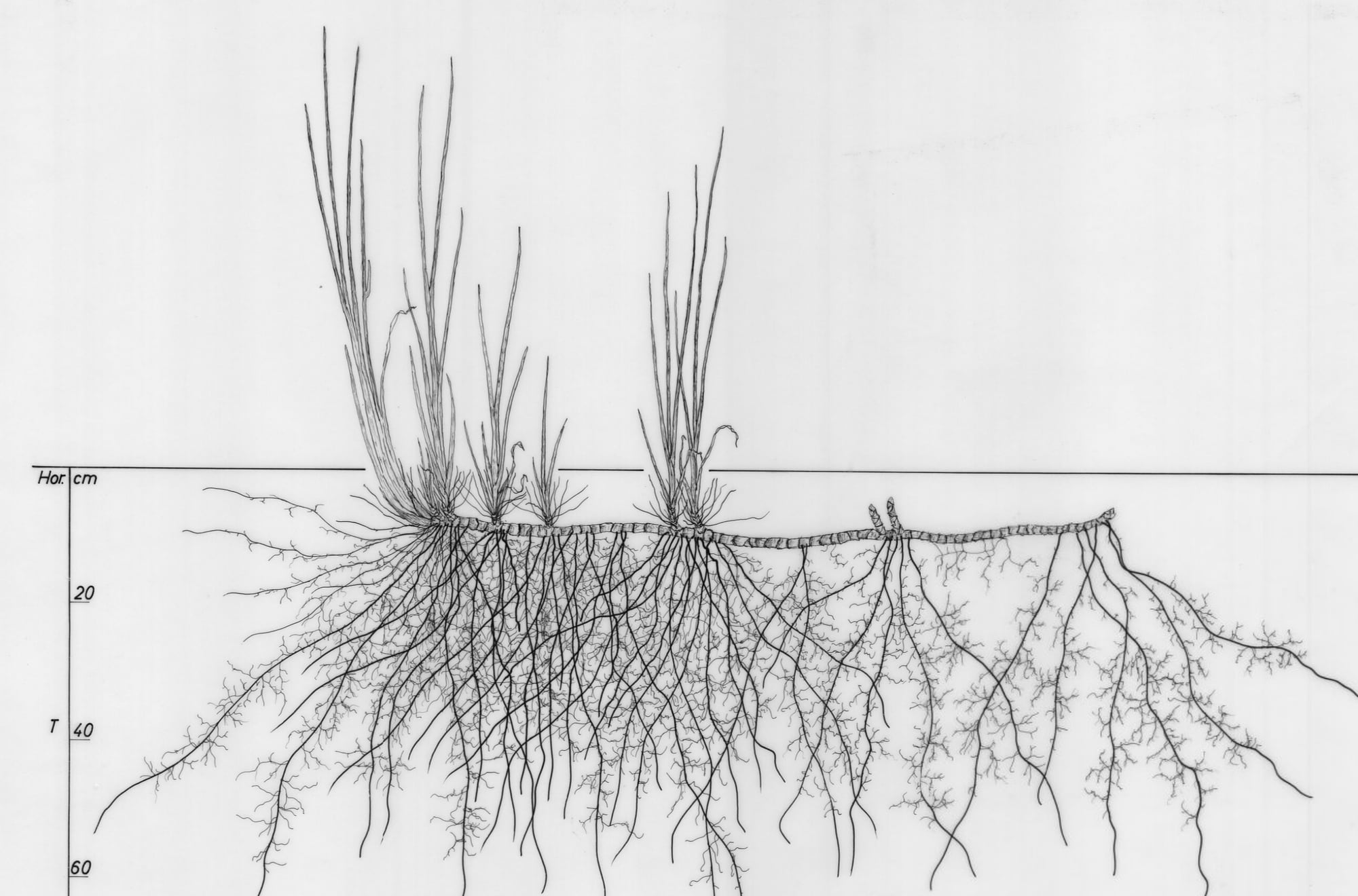
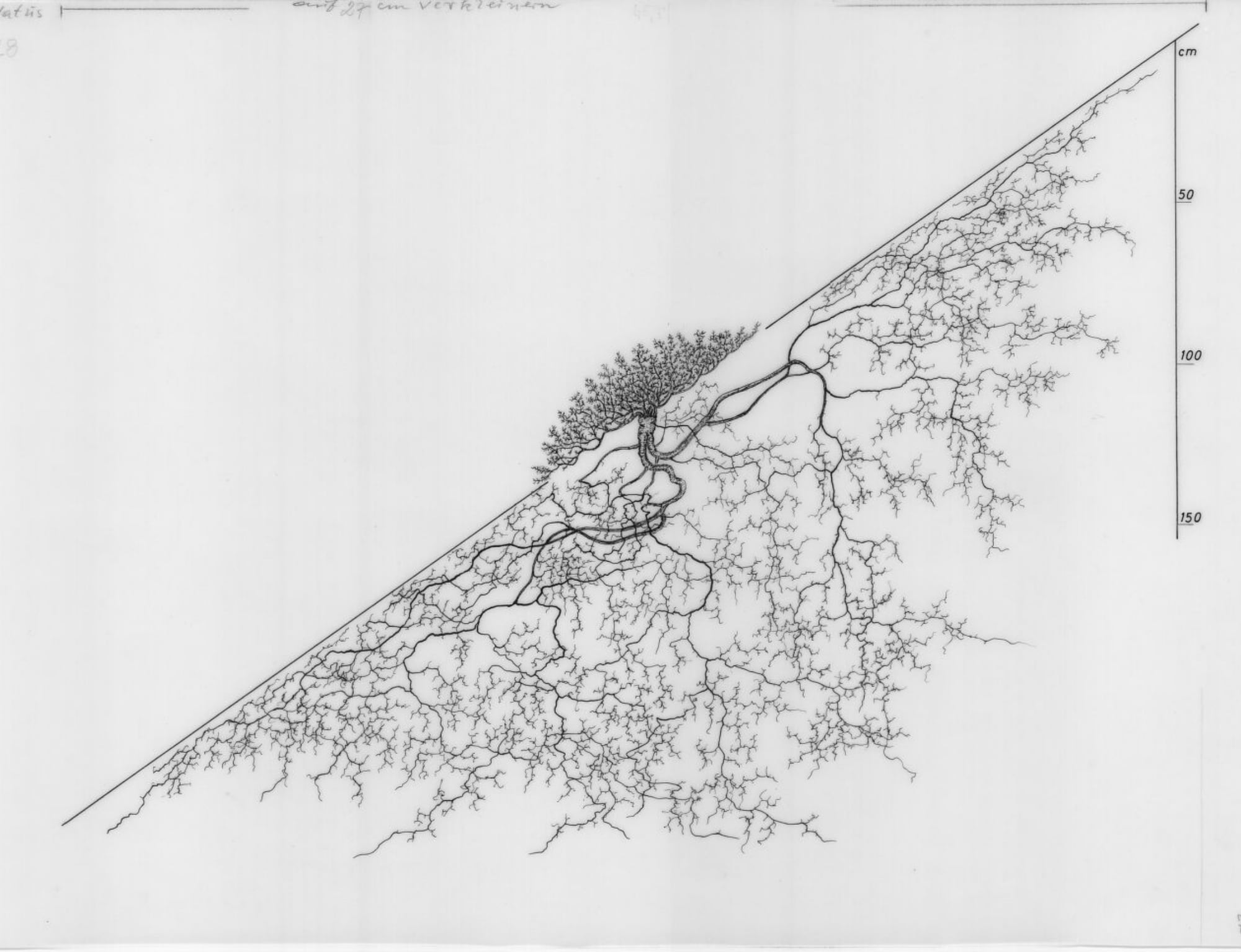
It’s generally understood that terrestrial plant life evolved from algae, one key to its successful adaptation being roots that sprawled underground to absorb important nutrients and water. Billions of years later, the fibrous networks are essential to life across the planet as they ensure the growth and health of individual specimens, help prevent erosion, and capture carbon from the air.
A collaborative project of the late botanists Erwin Lichtenegger and Lore Kutschera celebrates the power and beauty of these otherwise hidden systems through detailed drawings of agricultural crops, shrubs, trees, and weeds. Digitized by the Wageningen University & Research, the extensive archive is the culmination of 40 years of research in Austria that involved cultivating and carefully retrieving developed plant life from the soil for study. It now boasts more than 1,000 renderings of the winding, spindly roots, some of which branch multiple feet wide.
-

We are collecting the sounds of woodlands and forests from all around the world, creating a growing soundmap bringing together aural tones and textures from the world’s woodlands. The sounds form an open source library, to be used by anyone to listen to and create from. Selected artists will be responding to the sounds that are gathered, creating music, audio, artwork or something else incredible.
-
Art from the time of the imperial opium wars in China
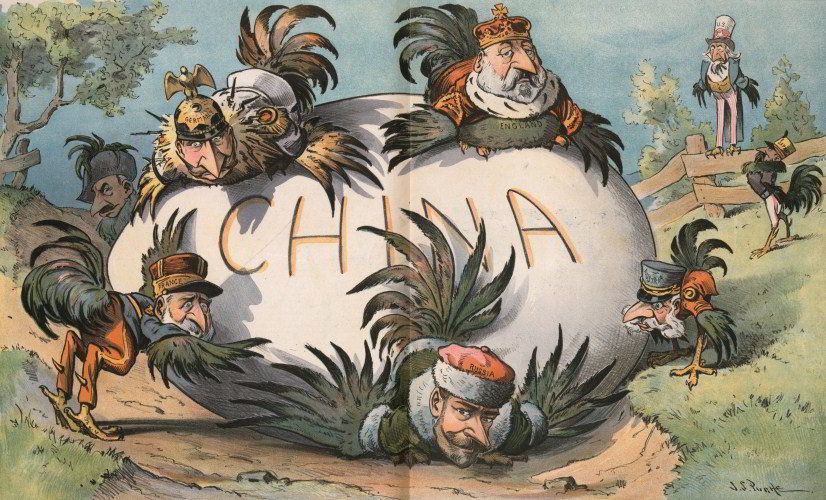
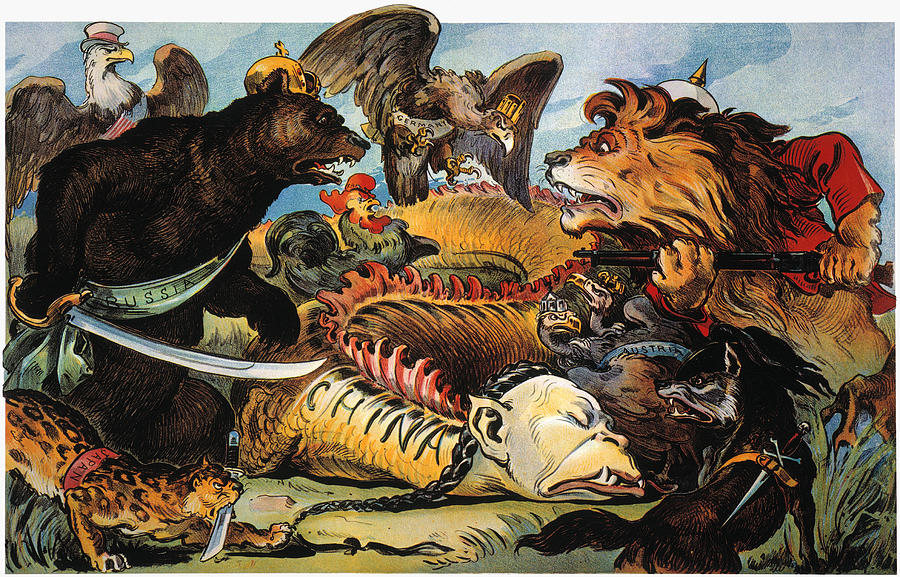
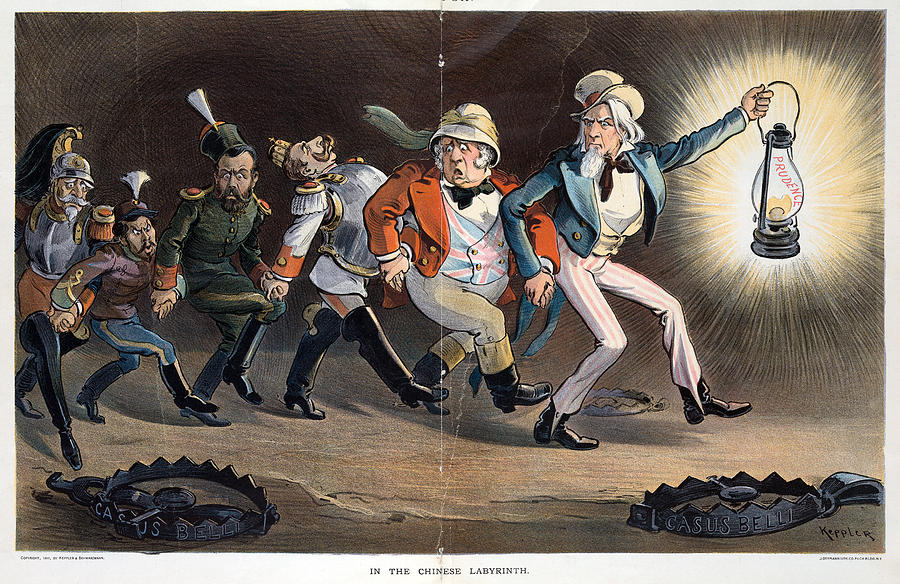
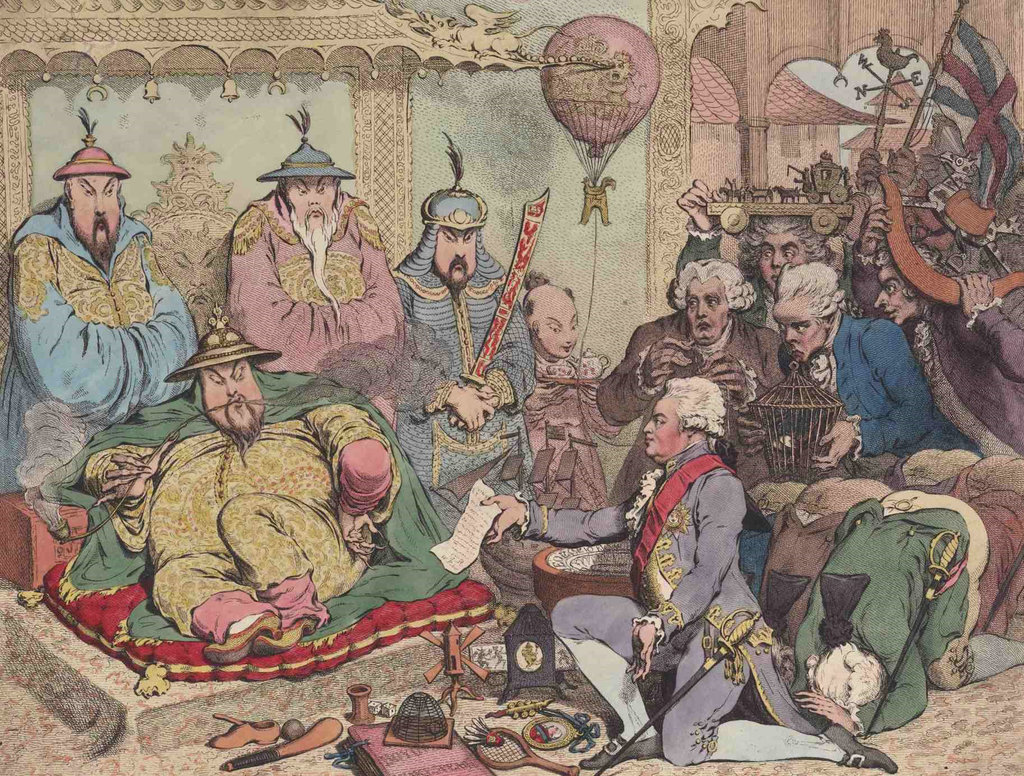

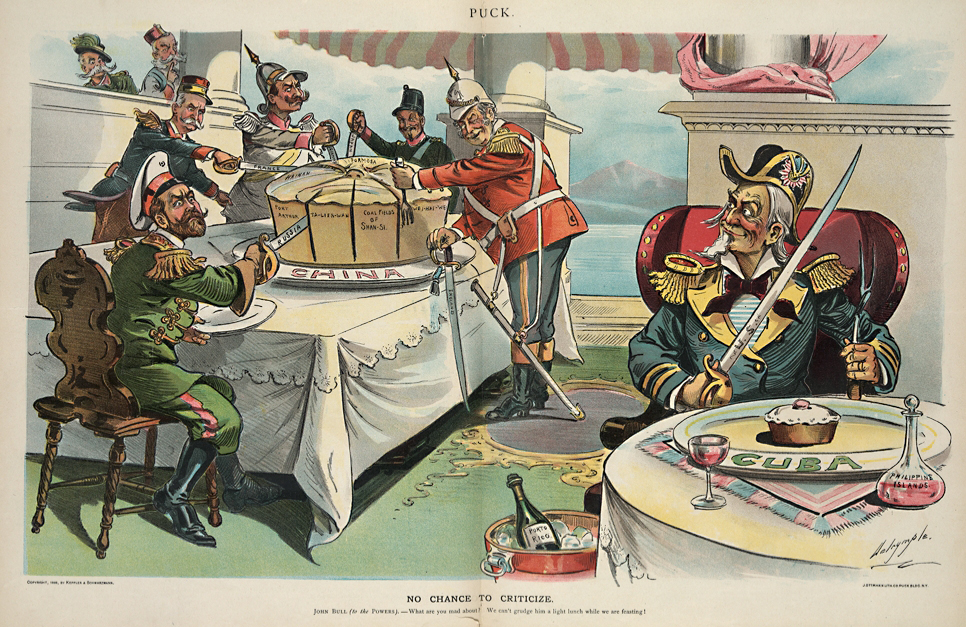
“A Diplomatic (Chinese) Design Presented to the U.S.” 1881
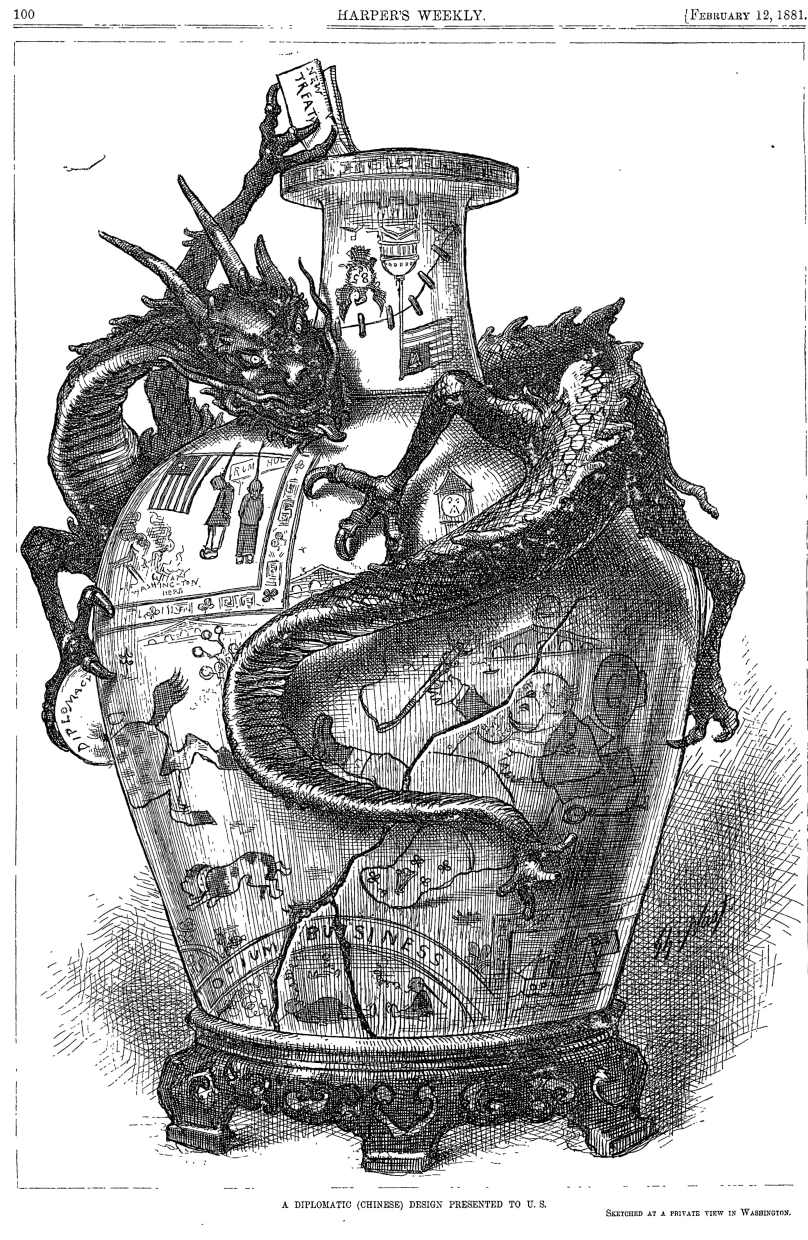
-
Kung Hei Fat Choi

Kung Hei Fat Choi is the auspicious Cantonese phrase most commonly heard in Hong Kong this week during the Lunar New Year. Kung Hei stands for congratulations, while Fat Choi literally means making a lot of money. The phrase was said to be originated in the Guangdong region during the Self-Strengthening Movement (1861–1895) in the late Qing period, where Chinese workers wishing their foreign bosses prosperity during the New Year so that they could get a bigger share of profits in the coming year.
(via saschazhk) #China #Culture #Economics
-
Titus Burckhardt (1908 – 1984) - Selection of Books
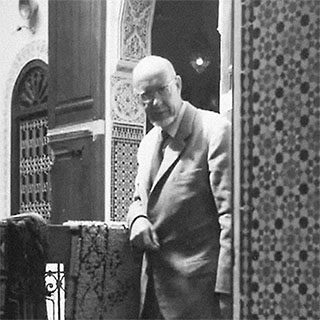
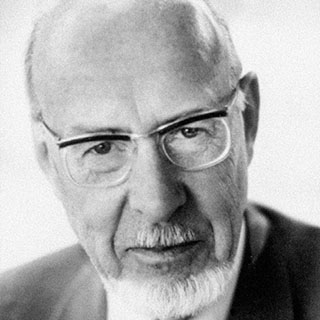
The Essential Titus Burkhardt (PDF)
Foundations of Oriental Art Symbolism by Titus-Burkhardt (PDF)
Mystical Astrology According to Ibn 'Arabi by Titus Burckhardt (Audio) -
A Basel landmark: The Basilisk fountain - Basel Switzerland: Water Monsters and Cheeky Kings
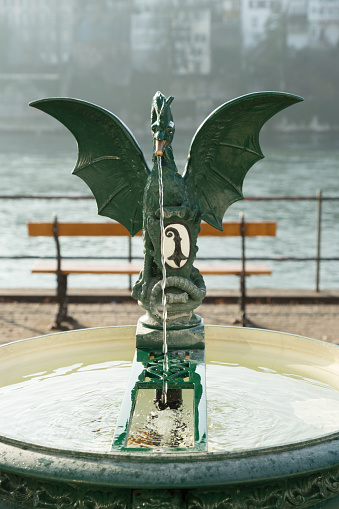
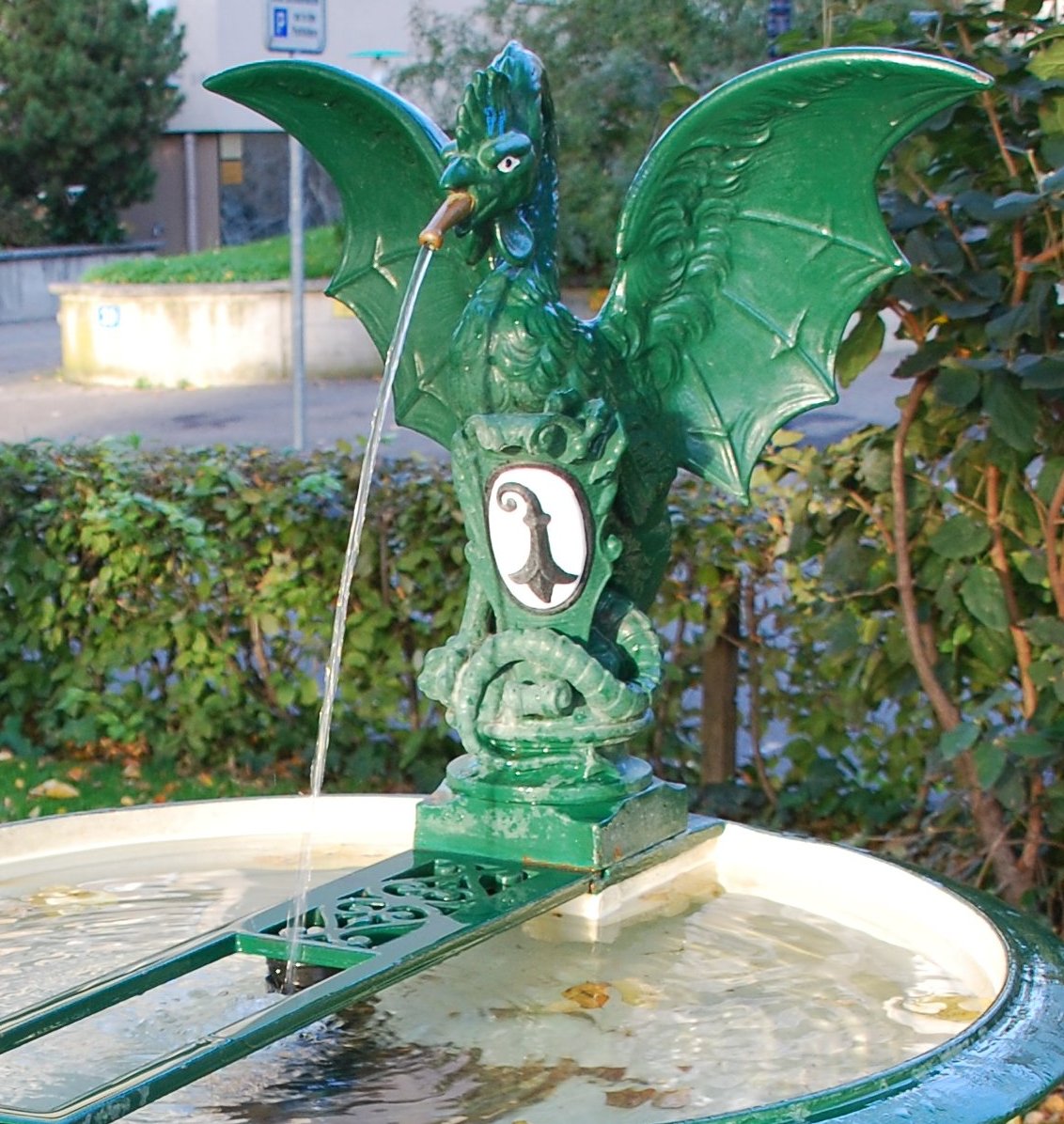
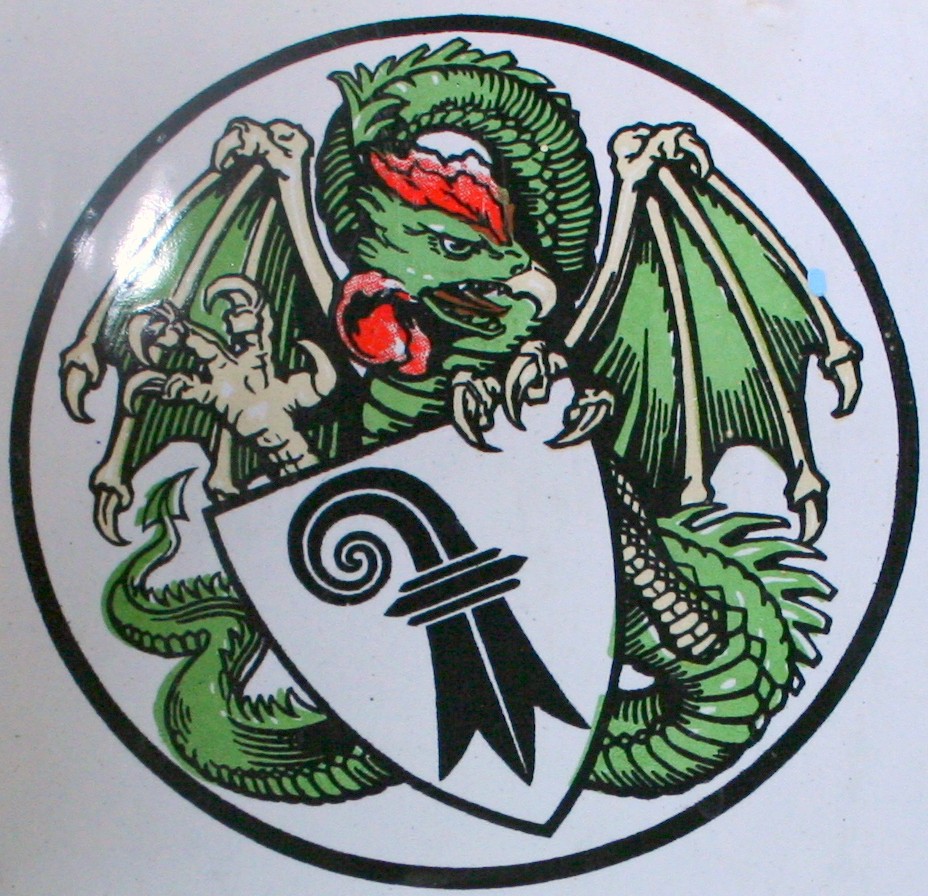
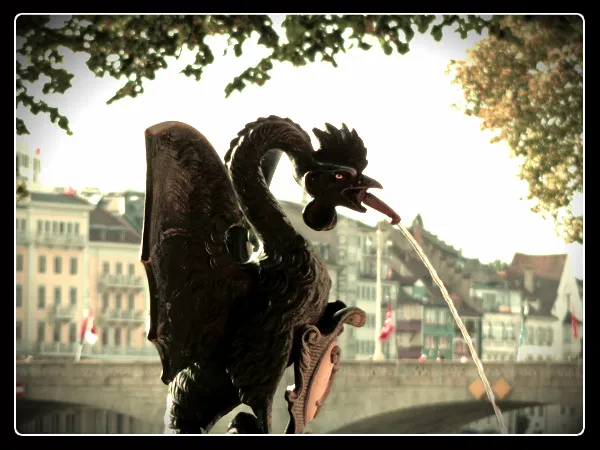
The Basilisk fountain owes its origin to a competition held in 1884. Designed by the architect and artist William Bubeck (1850-1890), it was cast in 50 pieces. The water flows from the mouth of the Basilisk in the round pool. It refreshes men, women and dogs alike: A water bowl for dogs is attached to the foot of the basin. In Basel, there are still 28 Basilisk fountains on public property, and some others on private land.
An unlikely couple: Basilea and the Basilisk
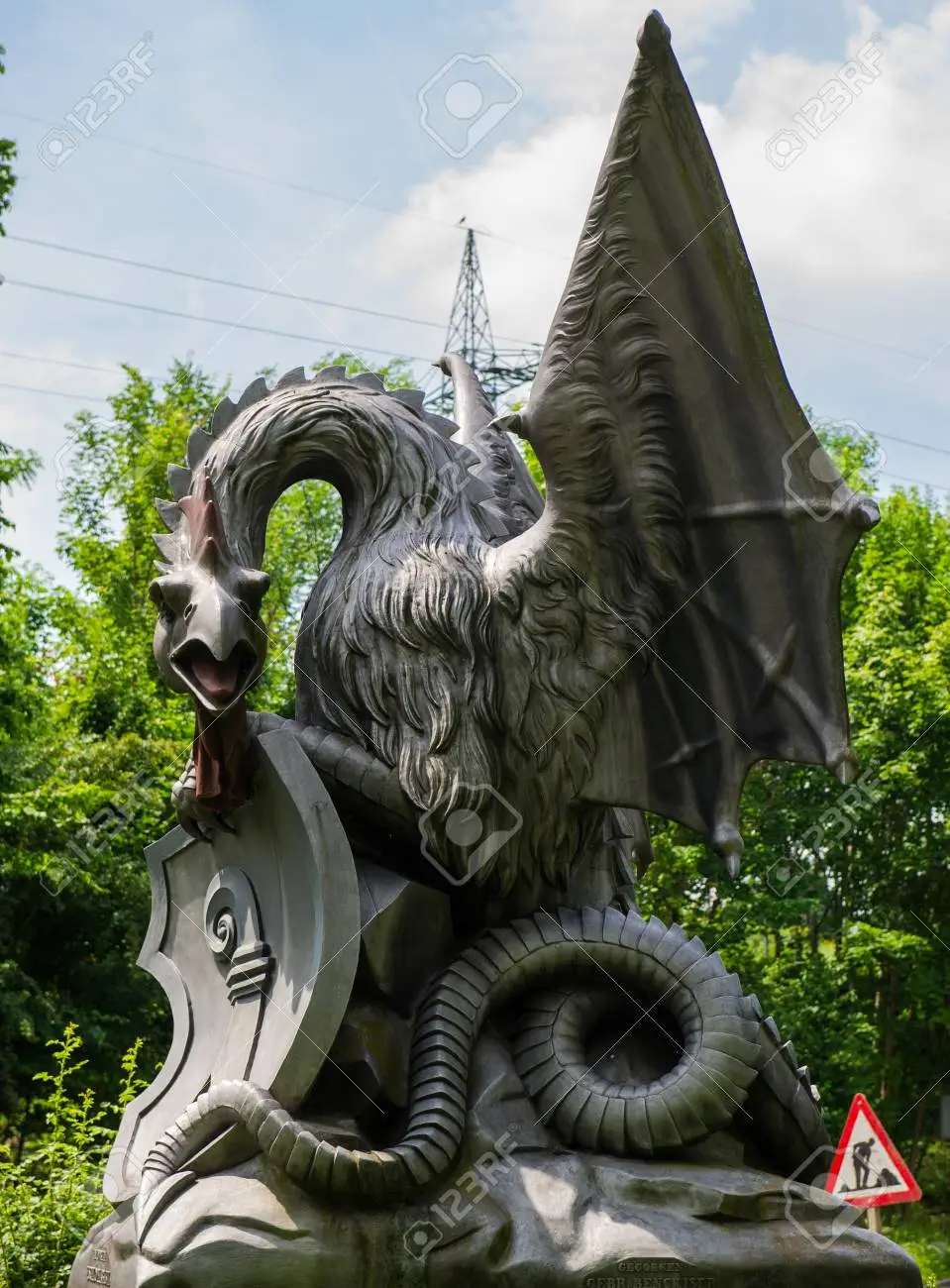
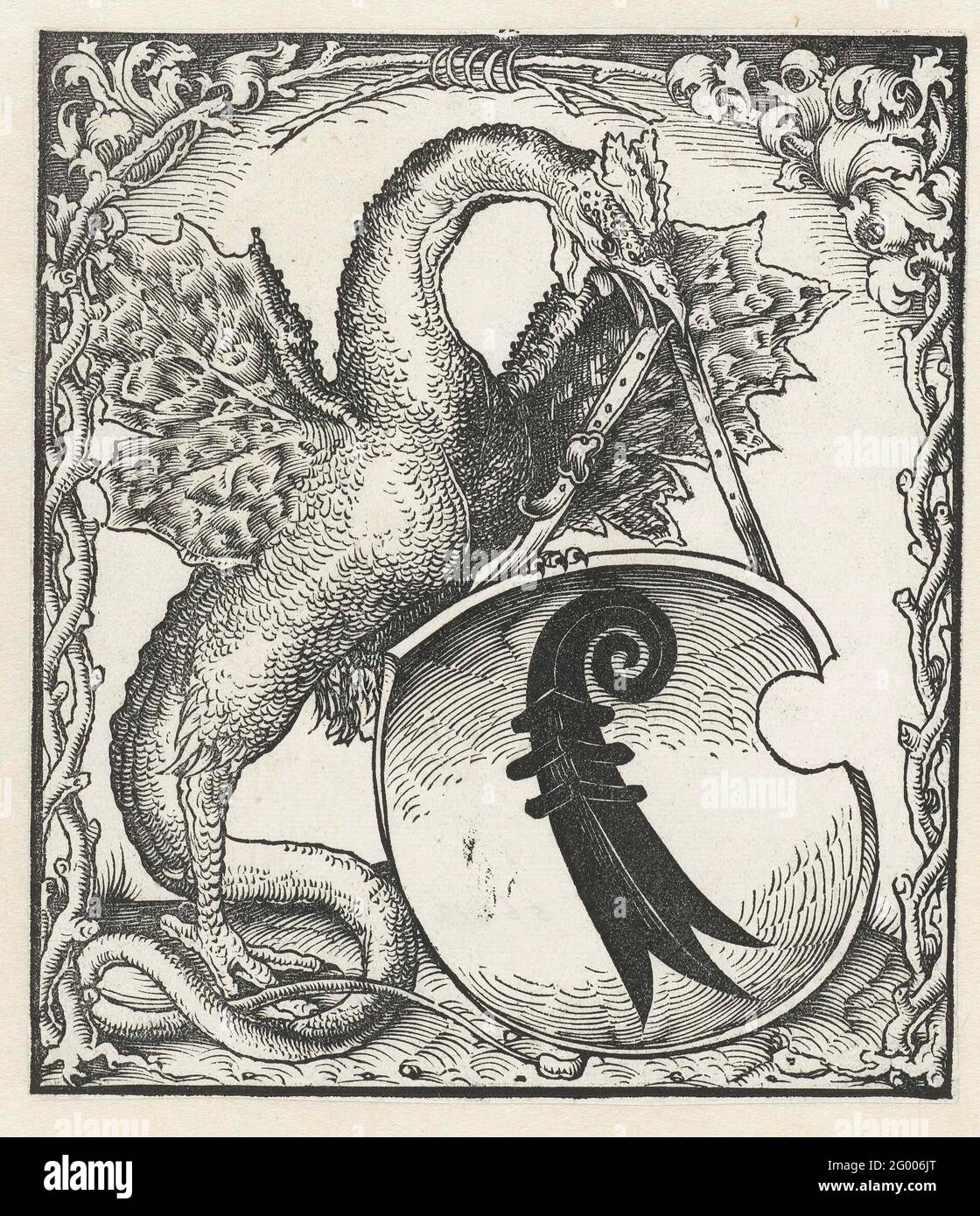
The name of the City of Basel comes from the Greek "basileus" (king, ruler) – meaning also "the royal". Its linguistic affiliation with the name of the dragon is obvious. This truly terrifying mythical creature was very popular in the Middle Ages and increasingly appeared in Basel bearing its coat of arms. The first stone "basilisk fountain" to be built is in Augustinergasse, where an elaborate Basilisk dating back to 1530 bears the Basel coat of arms.
The Basilisk - legendary and statesmanlike
The "king of serpents" was often depicted in the Middle Ages as a hybrid creature with the upper body of a rooster wearing a crown on his head, and the lower part of a snake. He turns up in several regions of Europe. The Basilisk first appeared as a crest bearer of the City of Basel in a manuscript in 1448. How the Basilisk came to play this honourable role is surrounded by a haze of legends. It is said that, during the Council to Basel (1431-1449) a traveling merchant presented a stuffed Basilisk. Another legend says that a Basilisk had lived in a cave since ancient times, on which the Gerber fountain was later erected. The inscription on the fountain is commemorative of the Gerber hilltop.