-
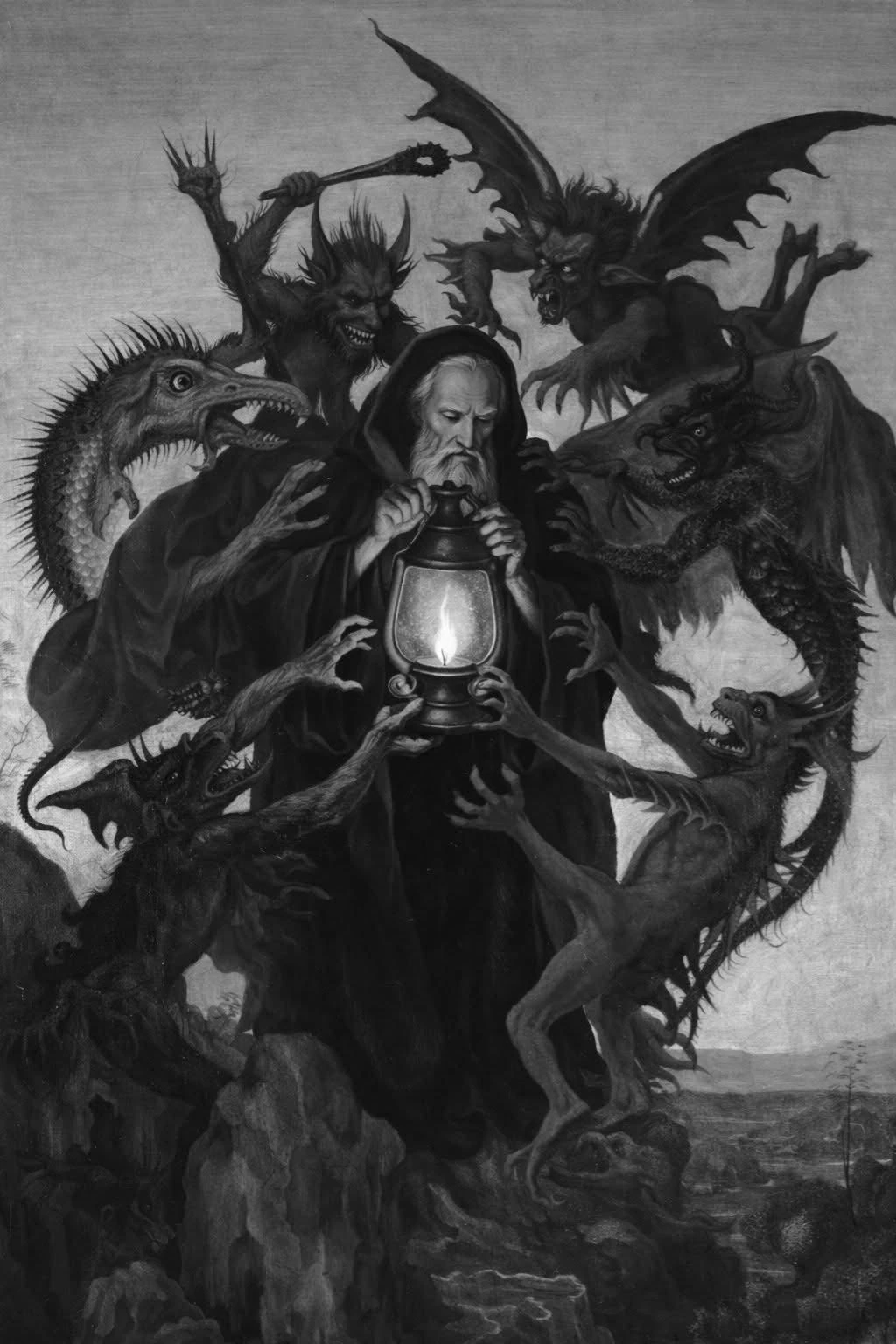
Who is the Master who makes the grass green?
“The Hermetic tradition was that there is no such thing as pure reason, you have to first work on your own perceiving apparatus to correct your prejudices, and the scientist is not separate from what the scientist observes. The general yogic attitude, “You are the master that makes the grass green”, western science lost that insight, and from Newton onwards we have the idea that it doesn’t matter who you are, if you follow scientific procedure you’ll find the truth.
This began to break down after 1900, due to Sigmund Freud, who pointed out that even scientists, they’re human beings, they may have neurosis, and they may have elaborate rationalizations for neurosis. The influence of Karl Marx pointed out that no matter what you’re theorizing about it’s a mirror of your economic status.
Anthropologists started coming back with reports of alternative reality tunnels, and that no matter what reality tunnel you live in, the world will organize itself in your perception to be compatible with that reality tunnel.
So, science began to have data to look at science itself critically. That’s how intelligence increases, when intelligence looks at intelligence and criticizes intelligence. So we got to the point where we could look at science and say, “science is the product of people!”
People are doing this, and their prejudices are getting into it. It’s not just enough to say you will be objective, you’ve got to learn to change yourself from the inside out before you can even approximate towards objectivity.“
"Never believe fully in anybody else’s B.S. (Belief System), I don’t care if it’s Rajneesh, The Pope, L. Ron Hubbard, Al Gore, George Bush…I don’t care who it is, don’t swallow all of their belief system totally. Don’t accept all of their bullshit, all their B.S. The second rule is like unto to the first: Don’t believe totally in your own B.S.
Which means that, as Bucky Fuller said, "The universe consists of non-simultaneously apprehended events.”
Non-simultaneously.
The universe consists of non-simultaneously apprehended events. Which means any belief system or reality tunnel you’ve got right now is gonna have to be revised and updated as you continue to apprehend new events later in time.
Not simultaneously.
This is the natural functioning of the human brain. It’s the way children’s brains perform before they’re wrecked by the school system. It’s the way the minds of all great scientists and artists work. But once you have a belief system, everything that comes in either gets ignored if it doesn’t fit the belief system, or gets distorted enough so that it can fit into the belief system. You gotta be continually revising your map of the world.”
- Pope Bob (Robert Anton Wilson)
-
My 2027 Generative AI Media Prediction: The Great Convergence
Since 2017, my core prediction has remained unchanged. Now, as we approach 2027, the pieces are finally in place for it to become reality. Here it is:
By 2027, high-quality, real-time AI generation of all digital modalities—video, audio, text, and 3D—will hit early mainstream adoption. Major players will roll out the foundational platforms.
This technological leap will trigger a chain reaction, collapsing four distinct media forms (Video Games, Streaming Video & Film and the Creator Economy) into one new, dominant category.
What emerges won't be a simple hybrid. It will be a new media form: an immersive, hyper-customized, and interactive story-space. Imagine a narrative experience that is part blockbuster film, part open-world game, and part creator-driven universe—all uniquely tailored to you in real-time.
This convergence may start as a niche, but its growth will be explosive. It will rapidly eclipse all legacy media forms in scale, cultural impact, and economic value. The walls between playing, watching, and creating are about to vanish. Mark my words.
-
What If the Universe Remembers Everything? - Presentation by Rupert Sheldrake (2025)
#Comment: The most evocative question gets asked by an audience member at the end of the presentation, hinting at the paradoxical nature of this hypothesis, and indeed nature itself:
"You mentioned that its only for self organizing system. But at the same time you where a little bit critical of the issue of the fine tuning constants and ratios, parameters etc. of the beginning of the universe. So at what point do you think morphic resonance comes into effect?"
-
Validation is a mirror i no longer check. I am my own reflection.

-
Jordan Weisman — From Battletech to Shadowrun: The Power of Curiosity and Collaboration
-
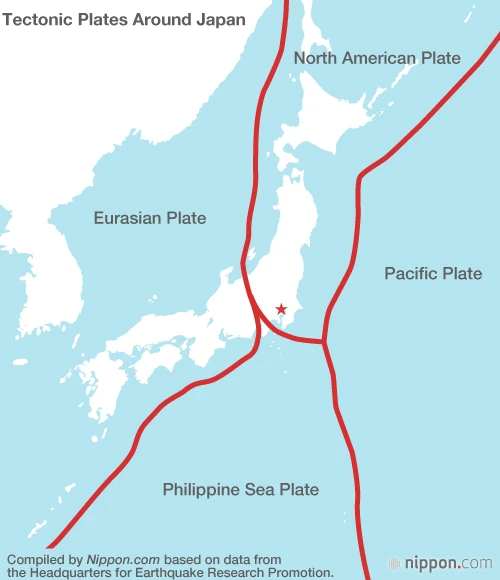
Japanese Electricity: Partition between 50 hertz and 60 hertz
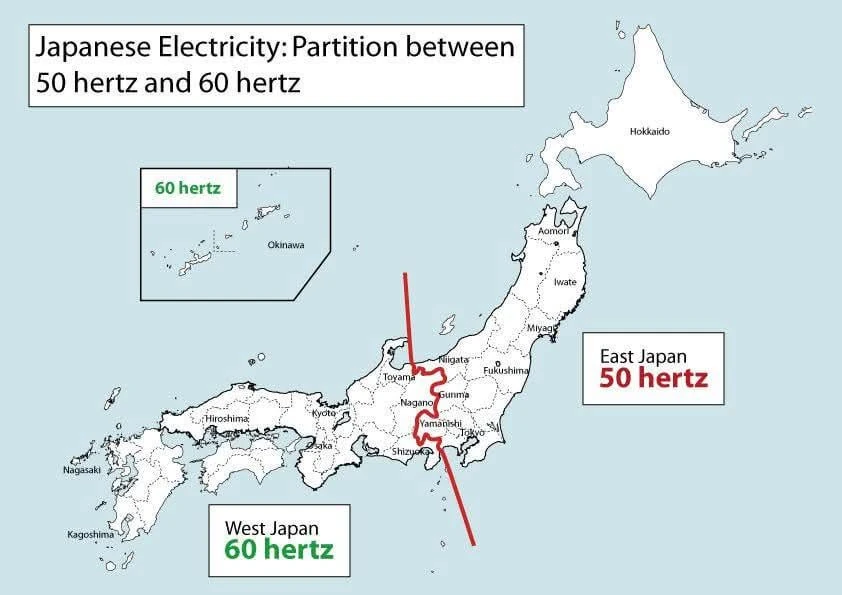
Tectonic Plates Around Japan
-
Schmidhubers warning about elite science fraud in AI are right, but..
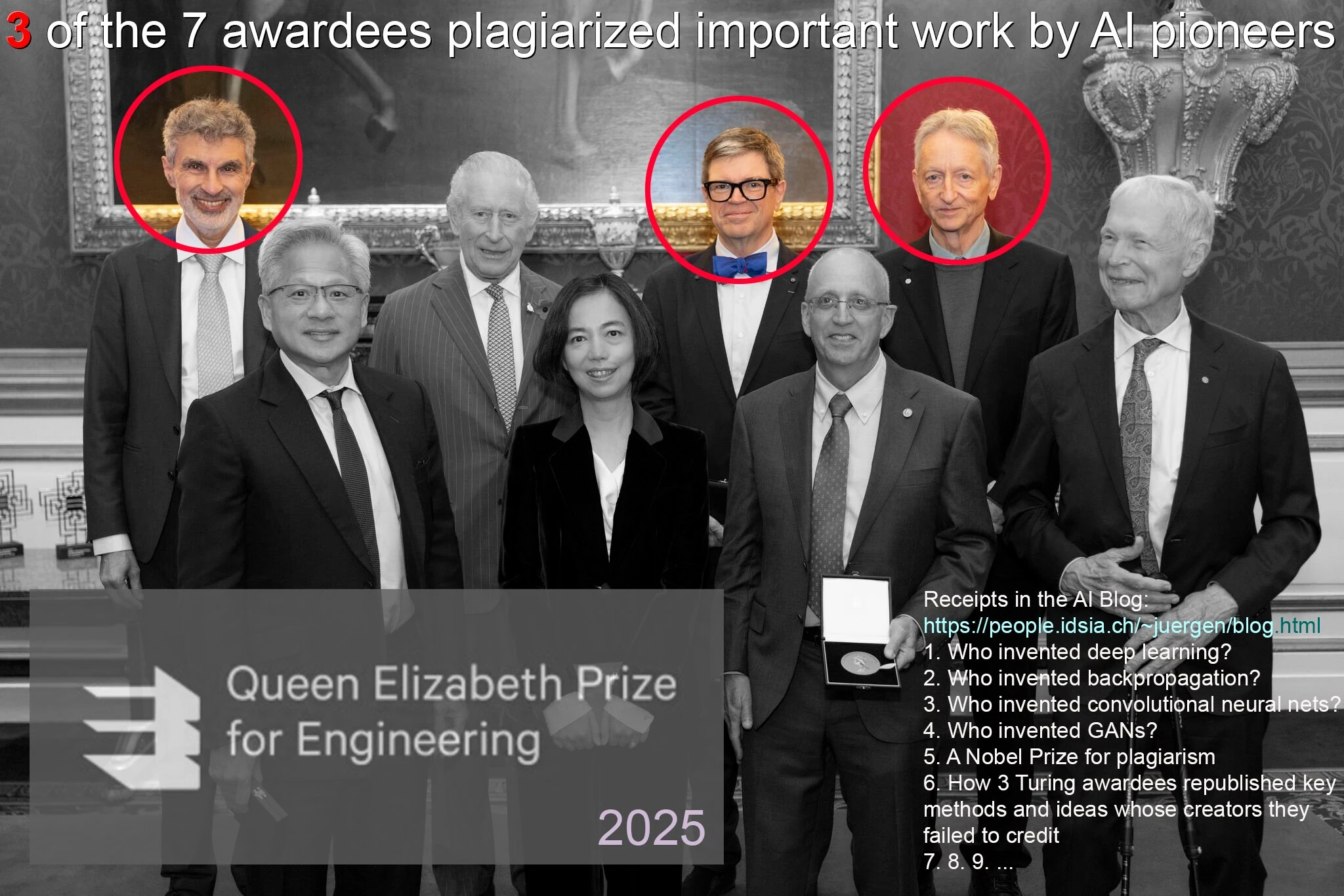
Jürgen Schmidhuber’s persistent warnings about how the “elites” in AI play fishy & fraudulent games are both correct & necessary. But their behavior makes sense once you view it through the broader lens of How Power Manages Science and Technology, and how elite power structures not only monitor it, but may also shape, obscure, or re-route its development to serve long-term strategic dominance.
-
The Green Stone - A massive green rock cube located in the ruins of Hattusa, capital of the Hittite empire

-
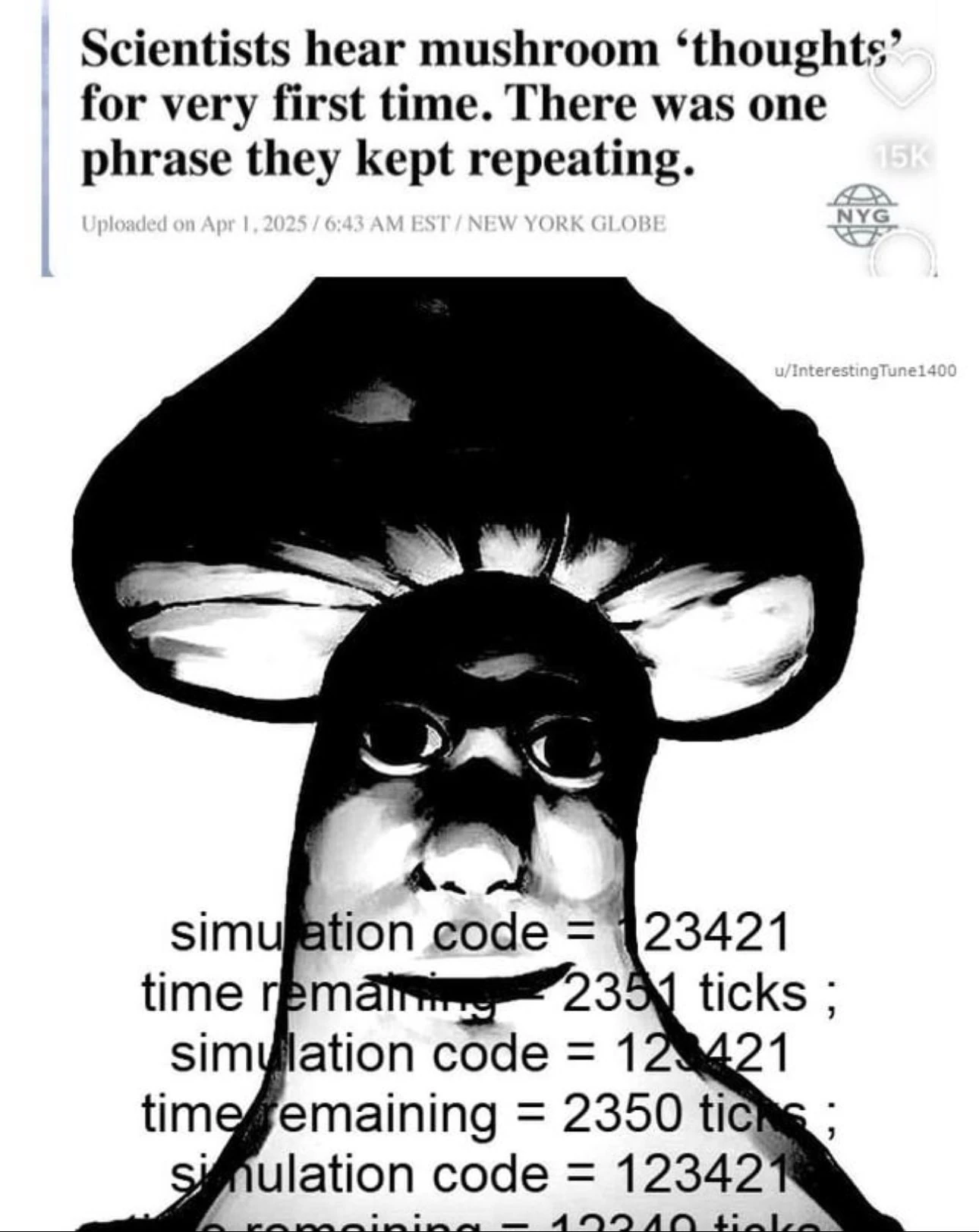
Scientists hear mushroom 'thoughts' for very first time. There was one phrase they kept repeating..
-
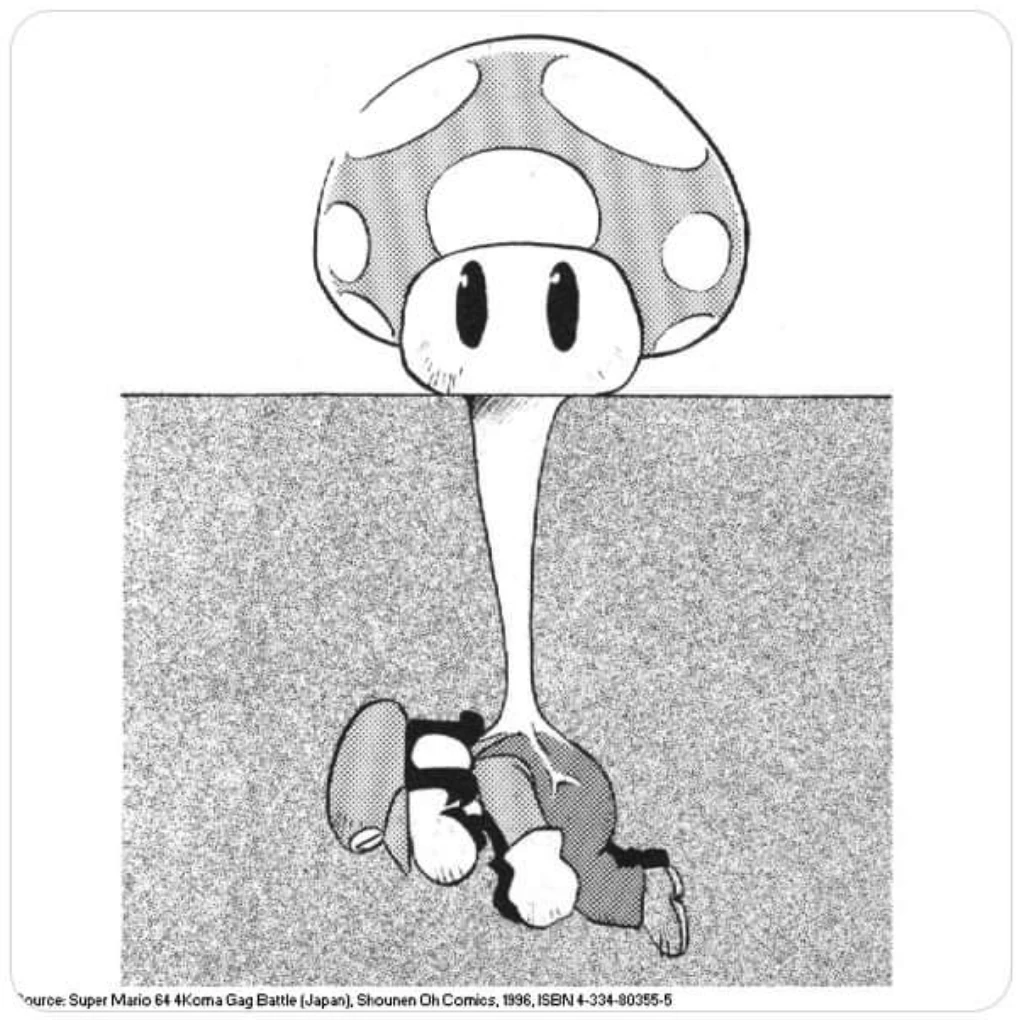
A Super Mario 64 manga from 1996 suggests that 1-Up mushrooms grow from dead Marios in a cycle of life and death
-
Introducing OscNet: A JAX library for oscillatory neural networks and dynamical systems.
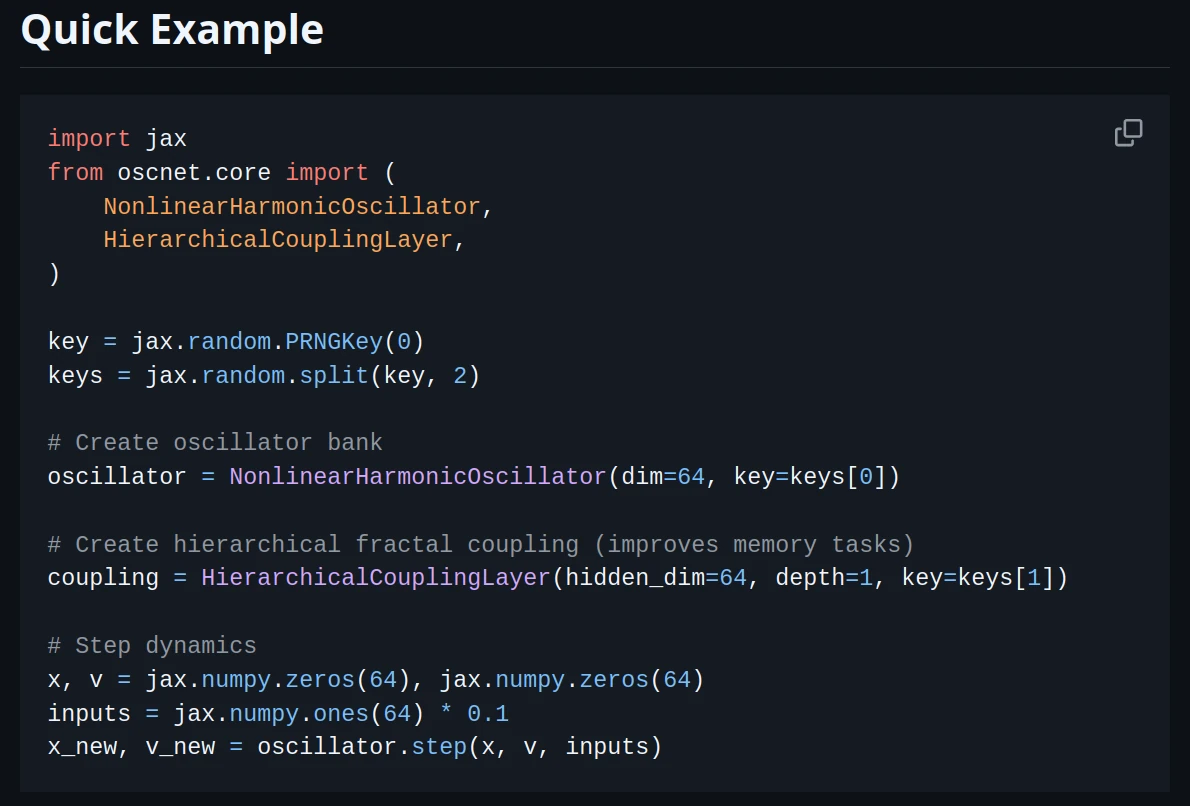
OscNet provides a framework for building and training neural networks based on oscillatory dynamics — coupled oscillator networks, continuous-time neural networks, and general dynamical systems. Built on JAX and Equinox for differentiable, high-performance computation. https://github.com/samim23/oscnet
Features
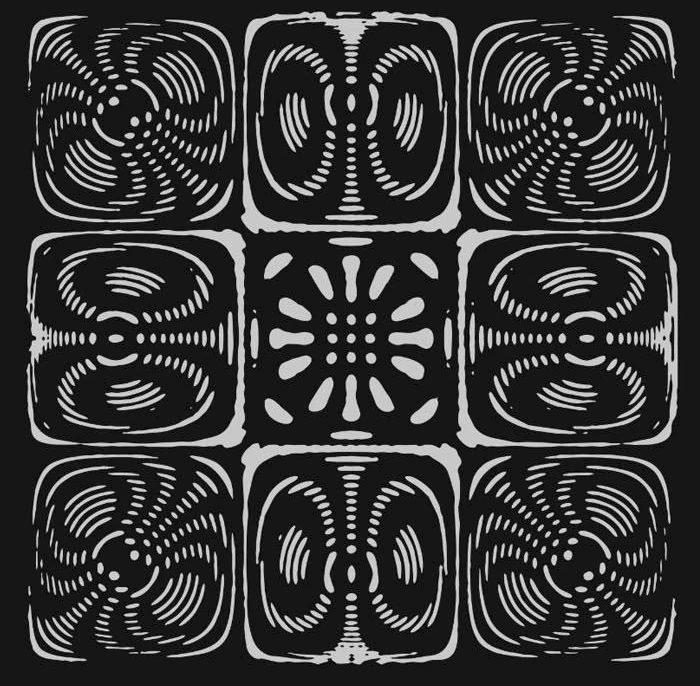
- Oscillator models: Harmonic, Van der Pol, Stuart-Landau, Kuramoto, FitzHugh-Nagumo
- Coupling topologies: Hierarchical fractal, power-law, log-periodic
- Analysis tools: Edge-of-chaos, Floquet analysis, bifurcation, stability
- Training utilities: Criticality initialization, stochastic forcing, schedulers
- Visualization: Phase space, network dynamics, oscillator analysis
More on the projects background: In Resonance with Nature - Toward a New Kind of Machine Learning with Oscillatory Neural Networks
-
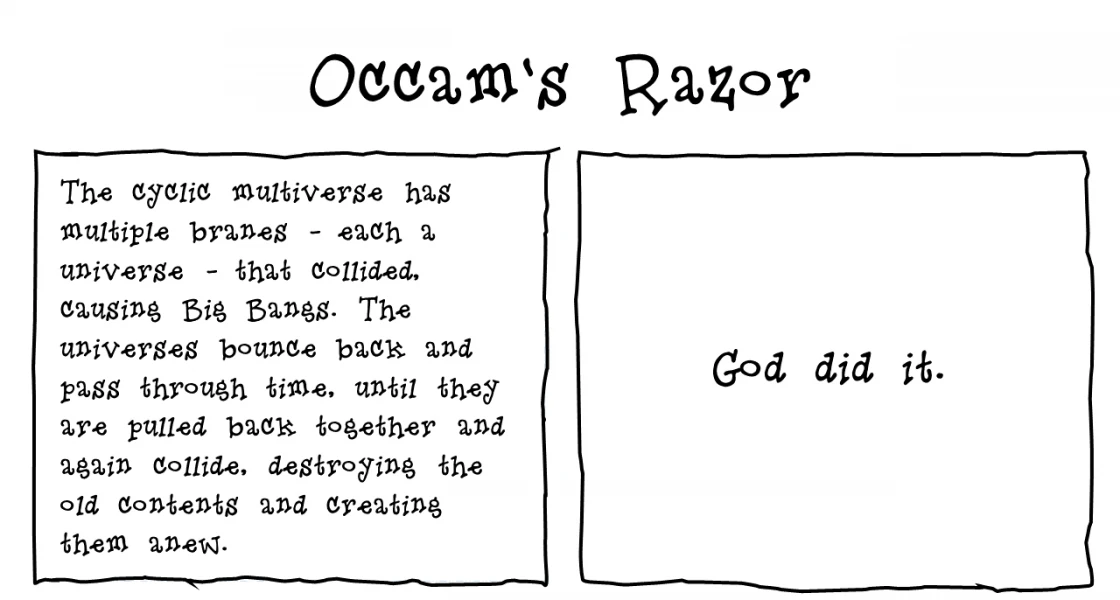
When in doubt, apply this principle: KISS (Keep It Simple Stupid)
Known as well as Occam's Razor: a problem-solving principle suggesting that when faced with competing explanations, the simplest one with the fewest assumptions is usually the most likely to be correct.
-
The universe has a tax on deliberation.
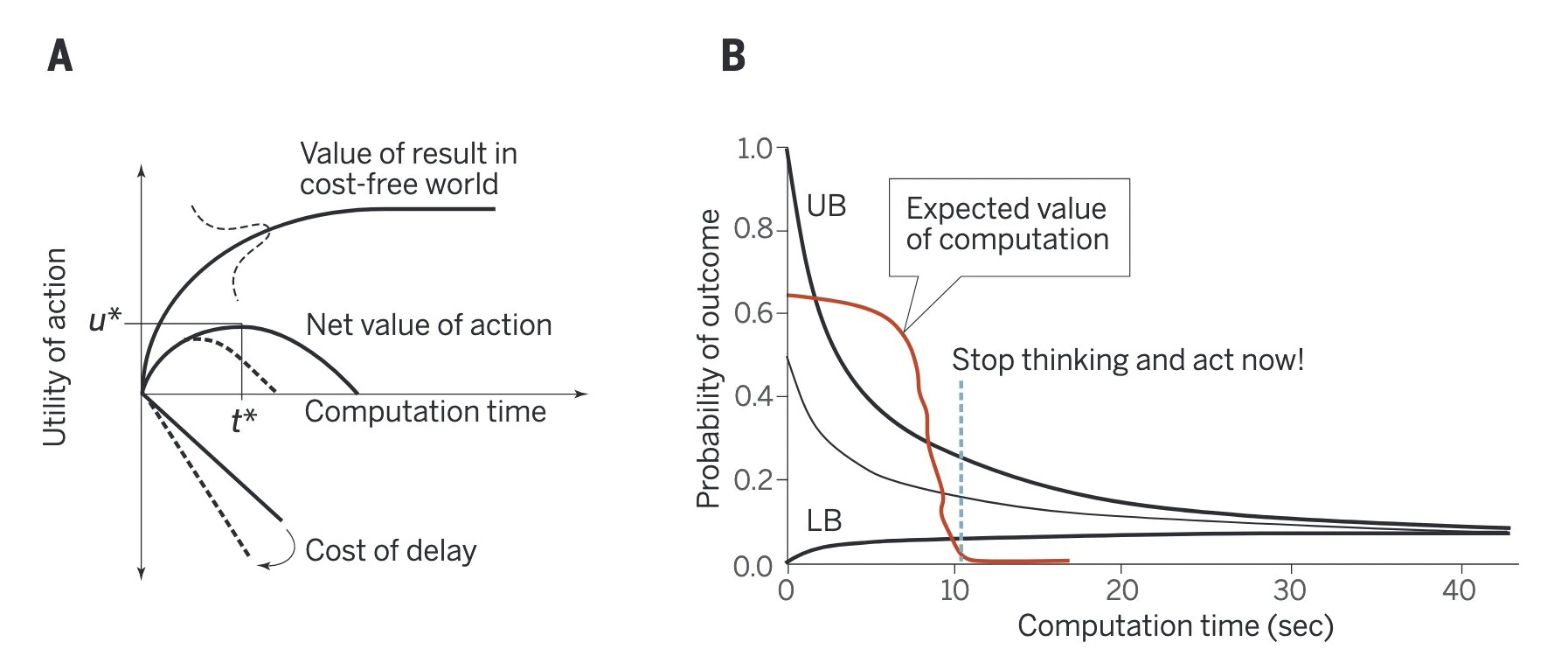
Rationality collapses into "just do things" quickly. In a live environment, thinking is not free; every extra second spent optimizing carries opportunity cost, the cost of delay. So while additional reflection has marginal benefits in an abstract, costless world, once you factor in delay, the net value of further thinking peaks—and then drops—quickly. Figure 2B captures this as a direct order with an exclamation mark; there is a moment when the right move is to "Stop thinking and act now!". - Source
The diagram is from the paper: "Computational rationality: A converging paradigm for intelligence in brains, minds, and machines". Gershman, S. J., Horvitz, E. J., & Tenenbaum, J. B. (2015). Science, 349(6245), 273–278.
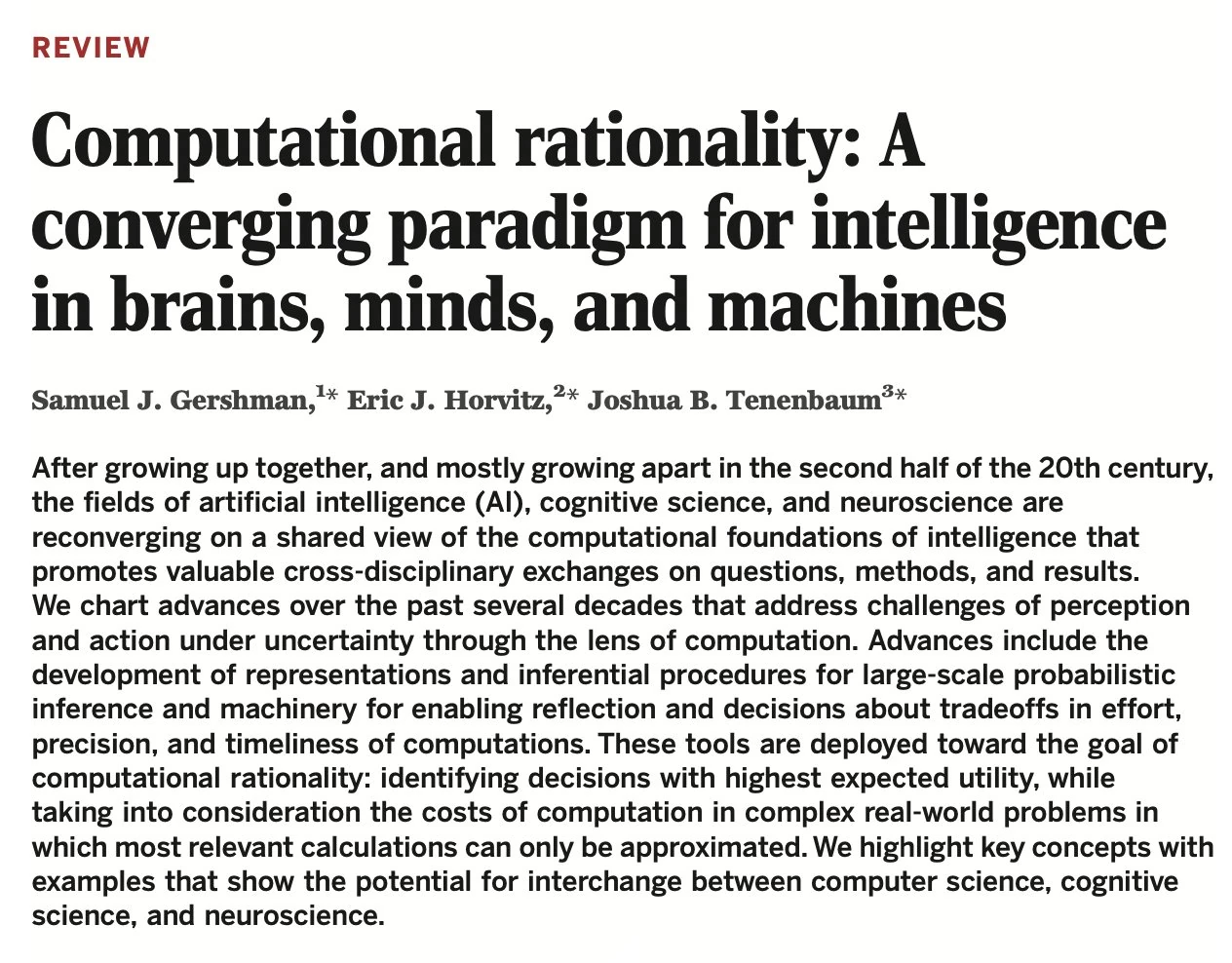
"Imagine driving down the highway on your way to give an important presentation, when suddenly you see a traffic jam looming ahead. In the next few seconds, you have to decide whether to stay on your current route or take the upcoming exit—the last one for several miles— all while your head is swimming with thoughts about your forthcoming event. In one sense, this problem is simple: Choose the path with the highest probability of getting you to your event on time. However, at best you can implement this solution only approximately: Evaluating the full branching tree of possible futures with high uncertainty about what lies ahead is likely to be infeasible, and you may consider only a few of the vast space of possibilities, given the urgency of the decision and your divided attention. How best to make this calculation? Should you make a snap decision on the basis of what you see right now, or explicitly try to imagine the next several miles of each route? Perhaps you should stop thinking about your presentation to focus more on this choice, or maybe even pull over so you can think without having to worry about your driving? The decision about whether to exit has spawned a set of internal decision problems: how much to think, how far should you plan ahead, and even what to think about.
This example highlights several central themes in the study of intelligence. First, maximizing some measure of expected utility provides a general-purpose ideal for decision-making under uncertainty. Second, maximizing expected utility is nontrivial for most real-world problems, necessitating the use of approximations. Third, the choice of how best to approximate may itself be a decision subject to the expected utility calculus—thinking is costly in time and other resources, and sometimes intelligence comes most in knowing how best to allocate these scarce resources."
-
Rube Goldberg machine
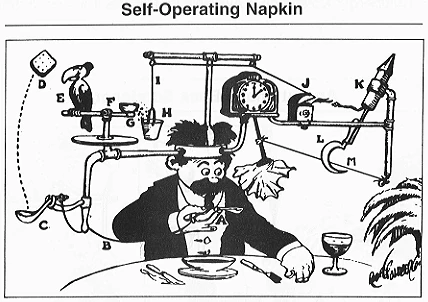
A Rube Goldberg machine is a deliberately overcomplicated contraption that performs a simple task through a long, comical chain reaction of unrelated steps, named after American cartoonist Rube Goldberg who often depicted such inventions.