tag > Business
-
Monodisciplinary
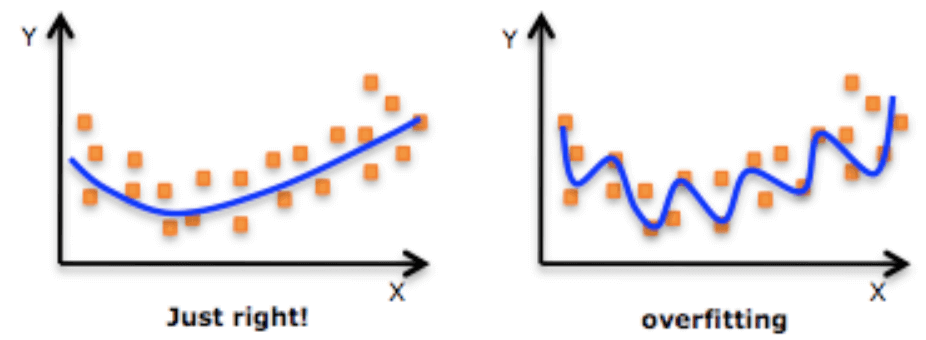
Many professionals in academia & industry have a tendency to overfit on their job/discipline category: "I am a pro in X & hence ONLY interested in X info & people". Such narrow minded "monodisciplinary" behaviour is bad for collaboration & creativity. Why does it keep happening?
-
Interesting thread on organizational blindness in tech product development
Comment: Likewise, the entire technology sector has massive hypocrisies and dark Blindspots, that are obvious but nobody is allowed to mention.
"All engineering projects develop their own cultures over time" - Comment: Very true. In my experience, teams that are dominated by engineers tend to develop (subconscious) hostility towards all non-engineers, including their own customers (which they call users, akin to drug user)
-
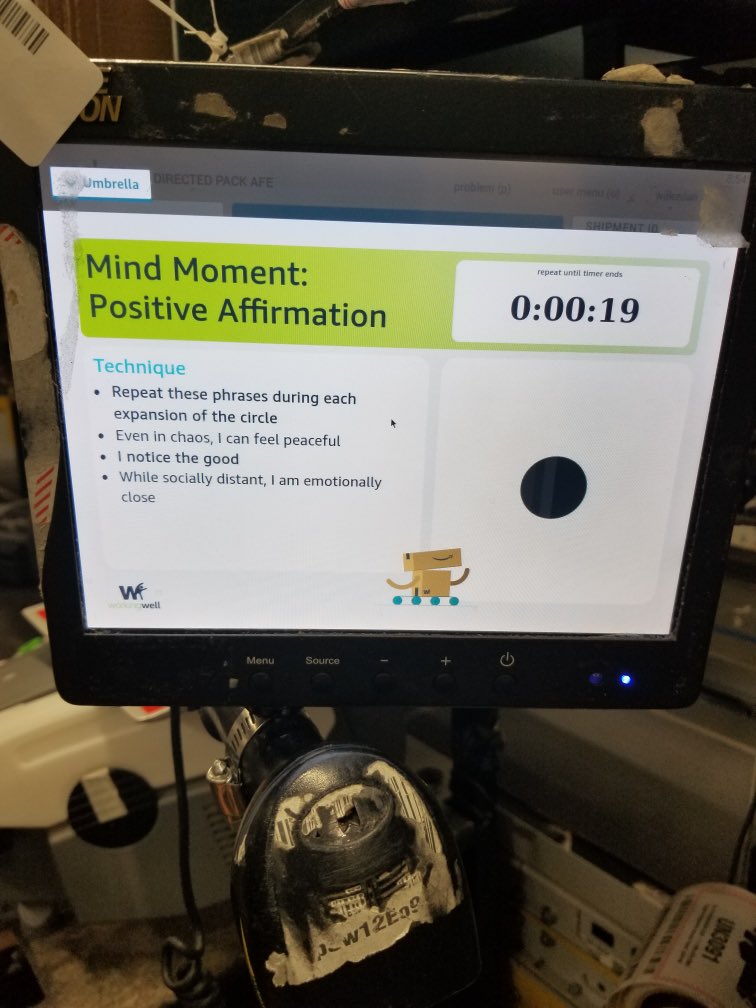
Amazon McMindfulness Prime: Did you know that after every hour of work at amazon the computer taunts you with a 30 second break where you say mantras that help you come to peace with your own exploitation?
-
“Many of life’s failures are people who did not realize how close they were to success when they gave up.” - Thomas Edison

-
The reality of giant corporations and governments shouting climate change and sustainability

-
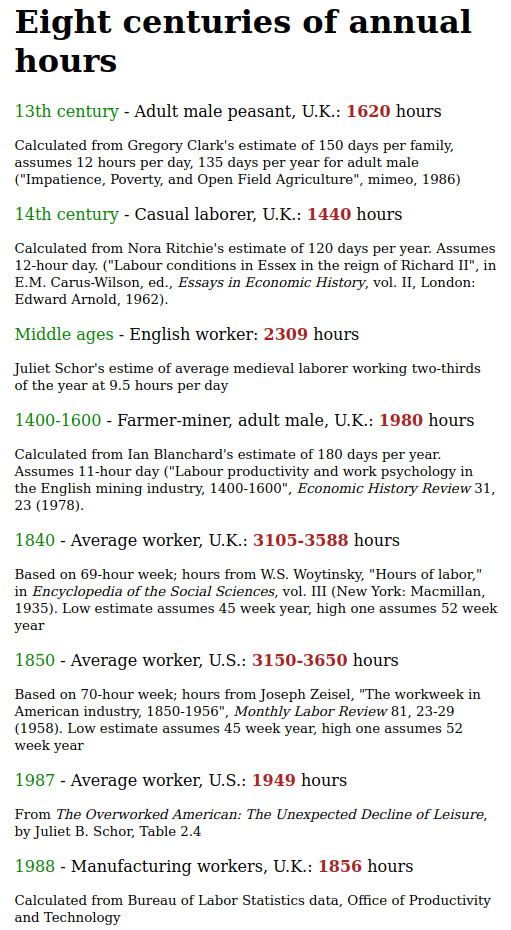
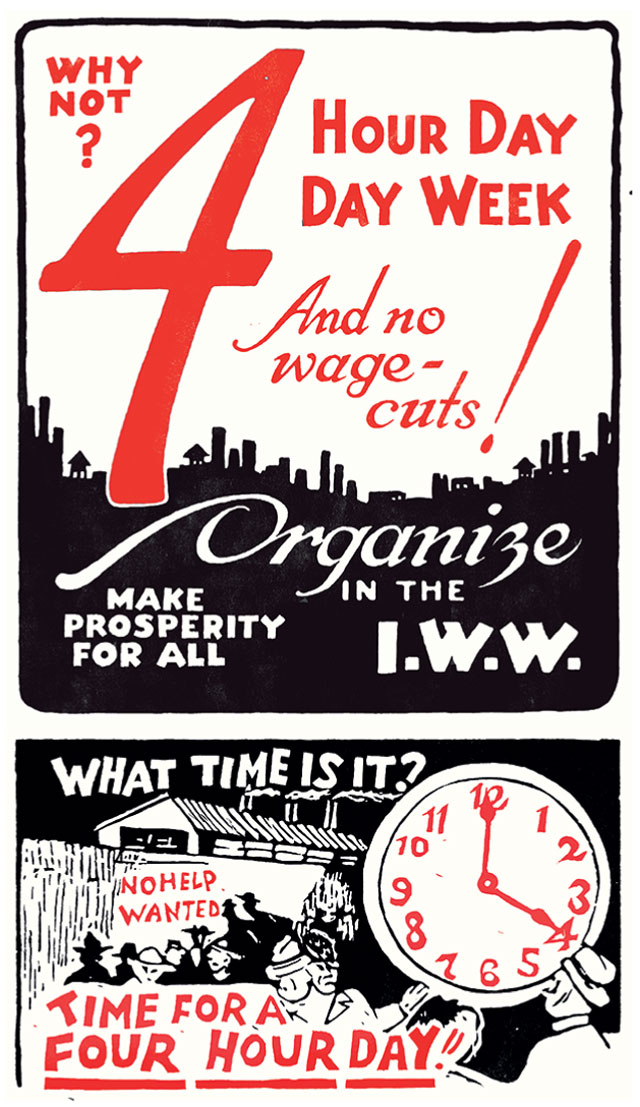
Working radically less as social norm really should return as a mainstream political issue.
-
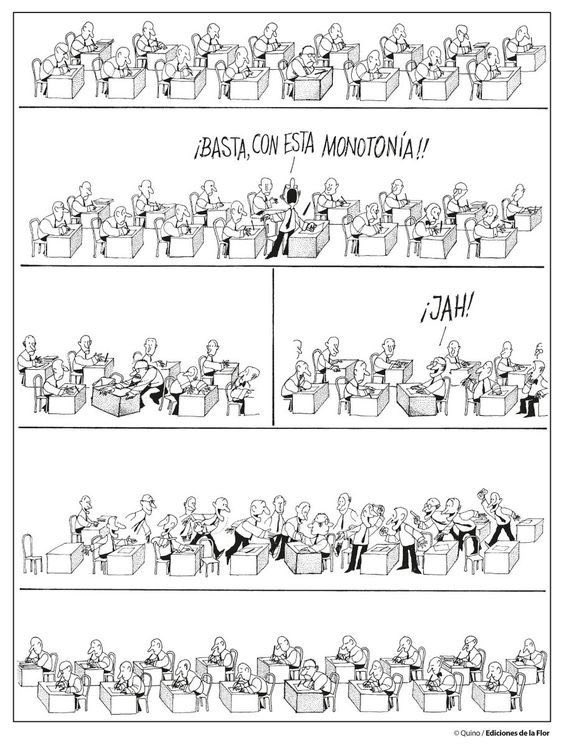
Digital Presenteeism - Bullshitjobs for remote work. Functional Stupidity

New data from Qatalag and GitLab puts a number on it: Knowledge workers waste an extra 67 minutes online each day doing menial tasks for the express purpose of proving to their managers and colleagues that they’re available and working.
It’s taking a strain. The survey polled 2,000 knowledge workers and found that more than half of them (54%) reported feeling pressure to show their online status by replying to emails and Slack messages, adding comments to Google Docs, or updating project management tools.
The report calls this “digital presenteeism.” It’s the remote version of traditional presenteeism, when workers stay at their desk for no reason other than to prove to their bosses they’re working.
-
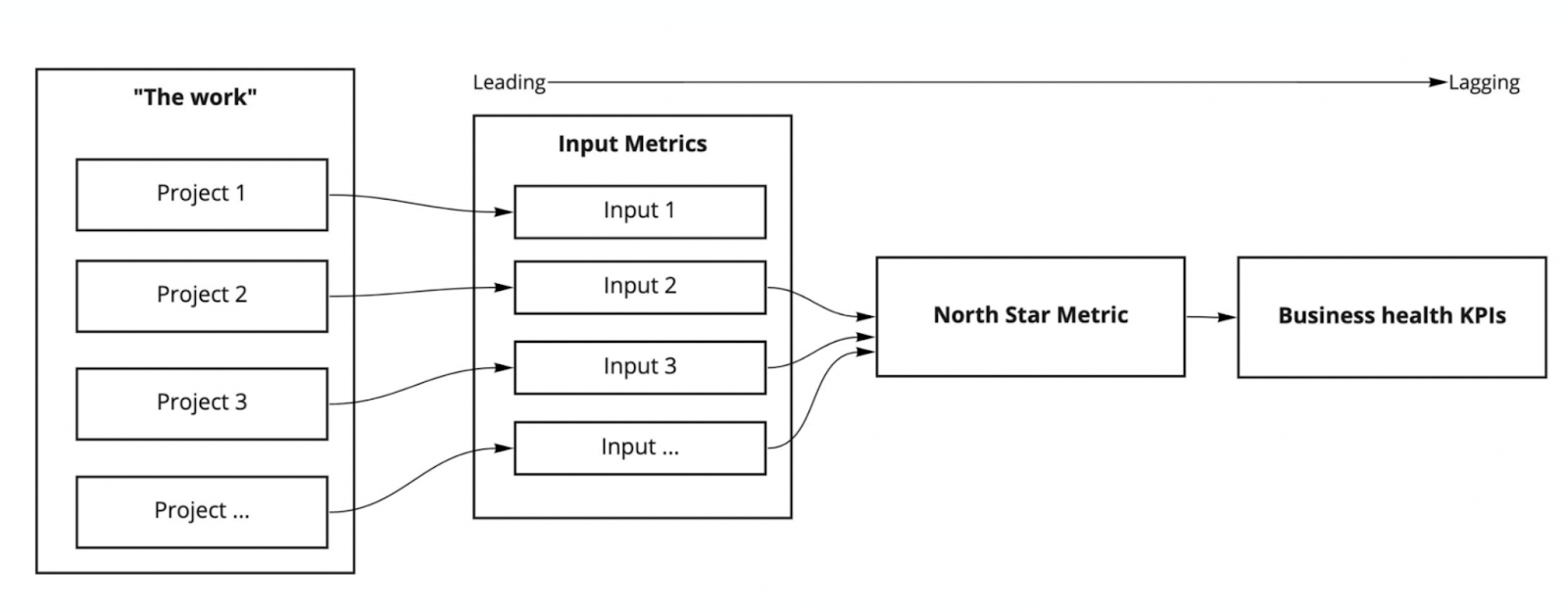
Instead of starting with a roadmap and tacking on measures…
- Start with powerful ideas and a model.
- Then target your work to influence parts of the model.
- Rinse and repeat.
-
A principled way to solve problems: Constantly ask yourself what you are trying to do.
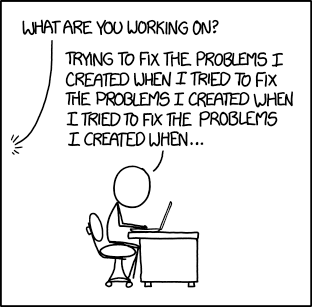
- Ask yourself what’s the problem you’re trying to solve
- Be sure that you understand it deeply, and that you at least have an idea of how would you know that the problem is solved.
- Propose a course of action
- Remind yourself: what I was trying to do?
- Ask the question: does doing this solve my problem?
- Doing this should transform your problem into your imaginary solved problem (that’s why it’s important to have an idea of how does the solved problem looks like)
- Do I need to do this? All actions should be needed for solving the problem. Any action that is not obviously needed, should be discarded