tag > Complexity
-
"Rhythm is actually time lived" - Mihai Nadin
-
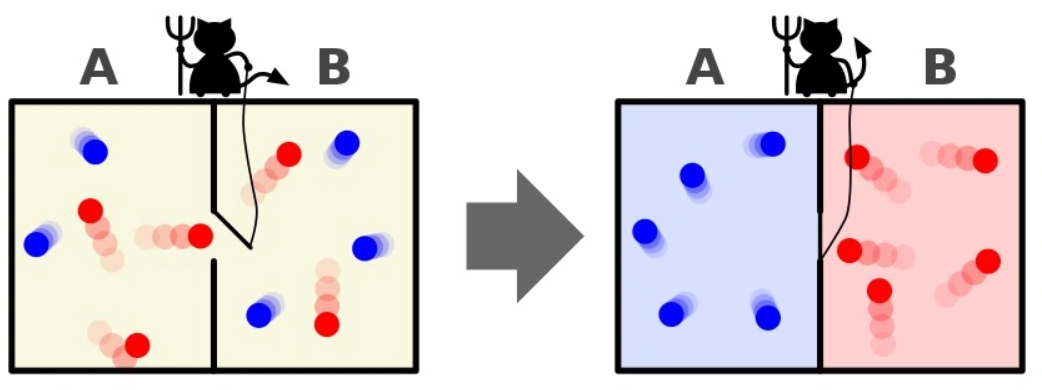
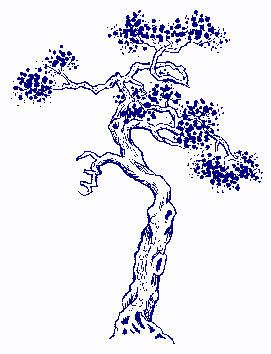
The act of compression, distillation and modeling of information/knowledge/matter within a truly infinite reality has similarities to constructing sandcastles: Fun play time with sand and water.
-
Things science communities (machine learning, neuroscience, ecology, etc) might focus on next:
- The nature of memory as a massively decentralized phenomenon throughout nature. With a particular focus on memory formation and dynamics in mediums like water, electromagnetic fields, ecosystems and (human) bodies.
- The nature of unconventional computing (none silicon based, wetlands-, planetary-, universe-scale, etc.) and the capacity for awareness and agency in emergent complex networks.
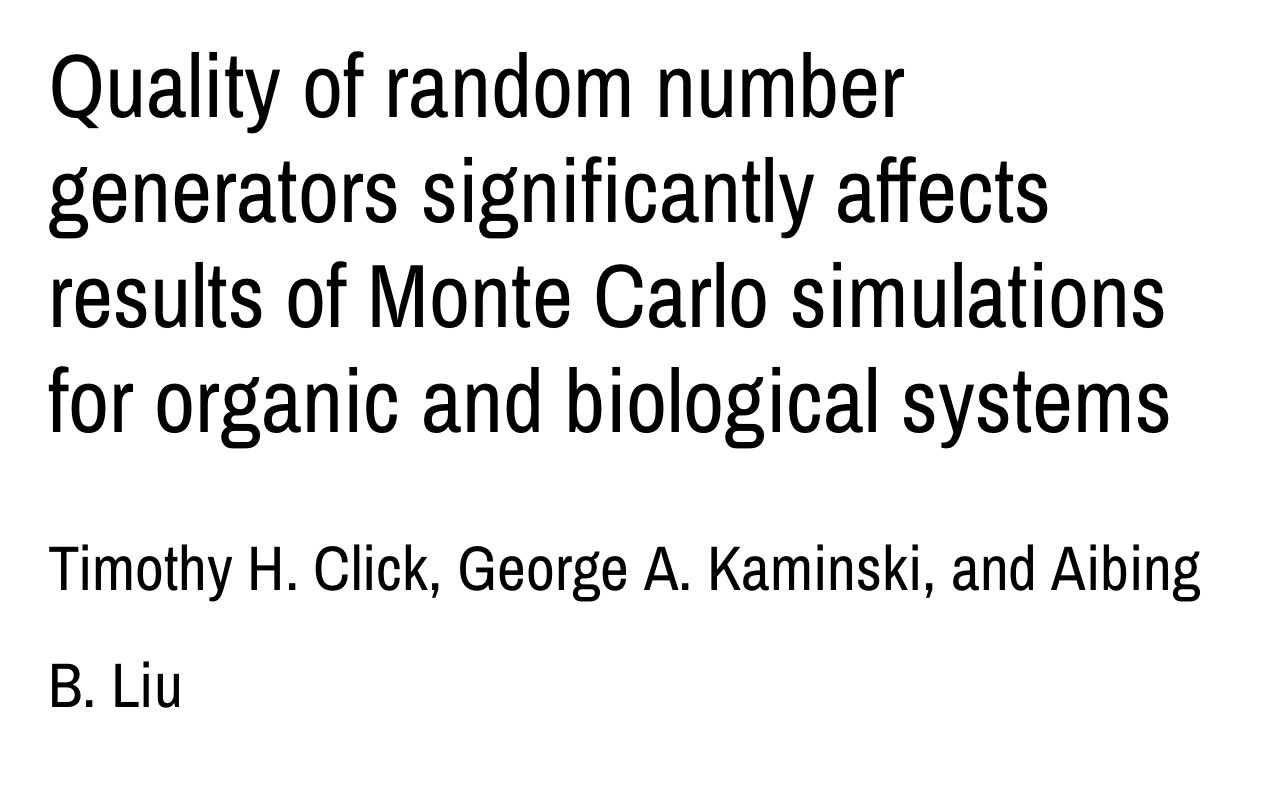
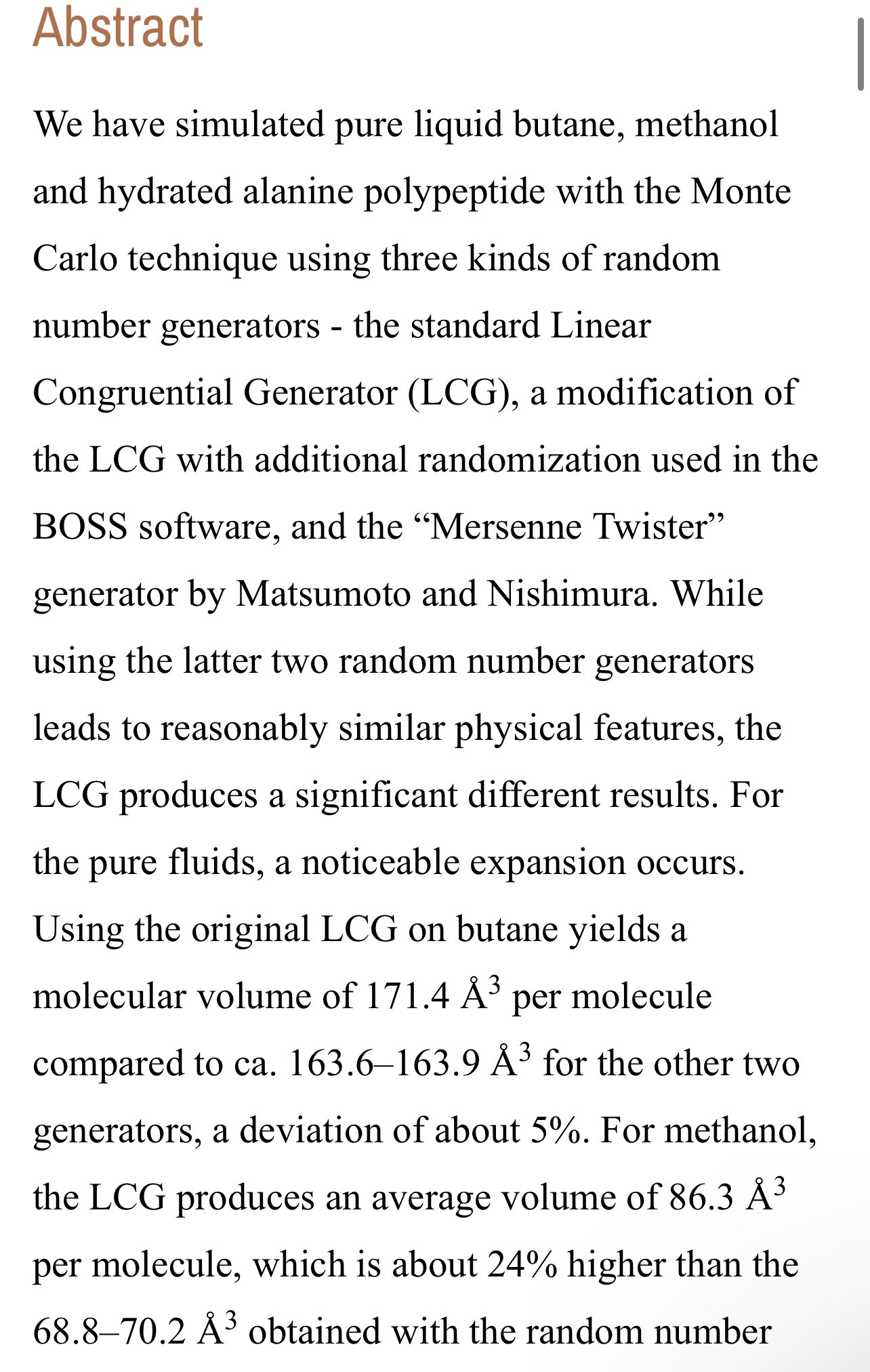
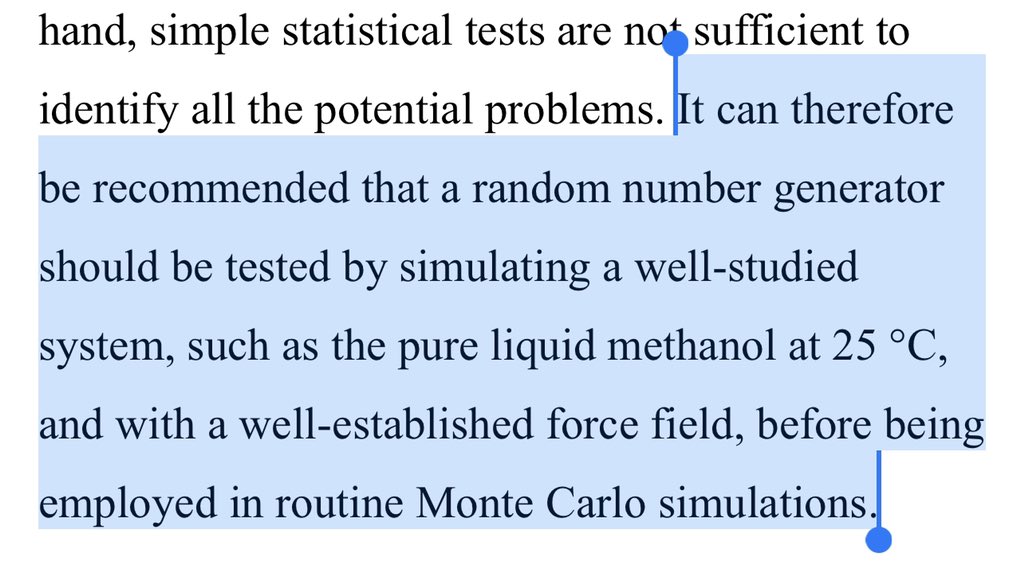
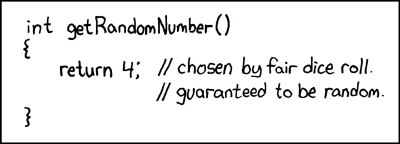
- The nature of "randomness" and serendipity in decision-making across diverse (life) forms, with a special focus on awareness, attention and intention of the (animal) observer.
- The nature of relaxation in relation to tension - or put differently, trust/faith/flow VS control/optimization/compression.
- The nature of love and life in relation to theories of evolution and entropy (syntropy etc.).
- The nature of what does any of this even mean, if we embody infinity & non-linear time?
#ML #Evolution #Science #Nature #Complexity #Generative #Ideas
-
"In a glass of drinking water there is a network of micro bubbles that is about 1000 bigger than neurons in the human brain." - From the Documentary "The Mystery of Water - What we know is a drop"

#Nature #Regenerative #Complexity #Science #FFHCI #ML #Complexity #Documentary
-
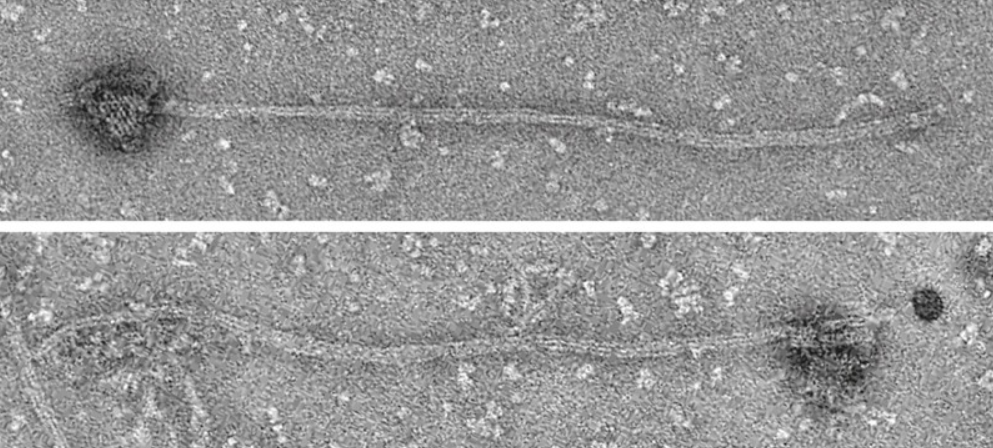
Molecular motor is ‘DNA origami’ milestone - Rotating device driven by Brownian motion could pave the way for more advanced nanoscale machines. Brownian motor breakthroughs. Related recent news.
-
Earth's Natural Radio: Strange sounds at VLF frequencies and below - NVARC Presentation by Philip J Erickson (W1PJE) (May 2022)
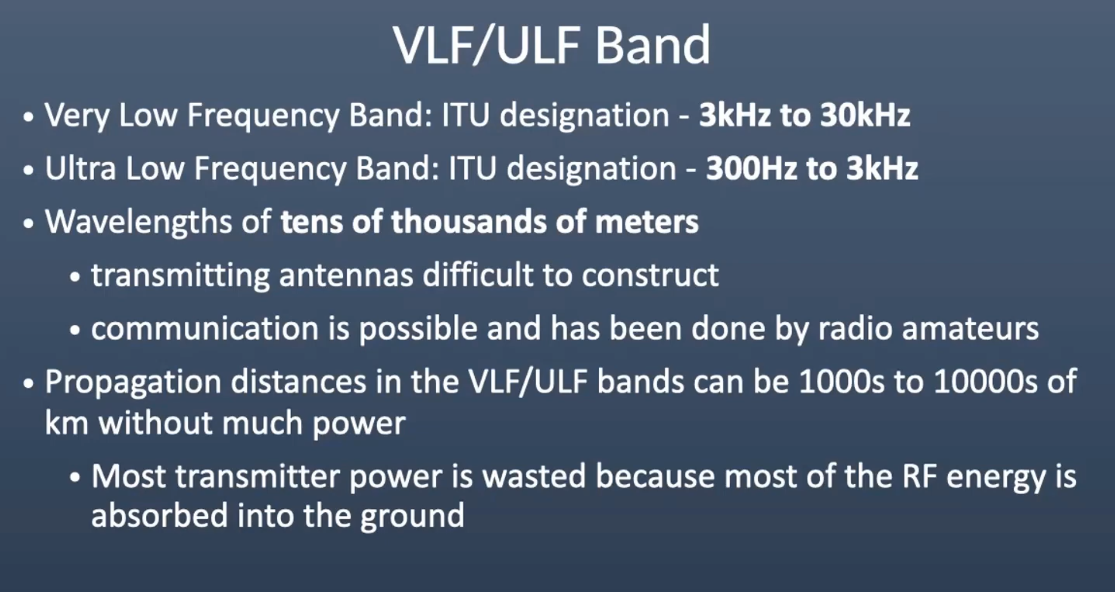
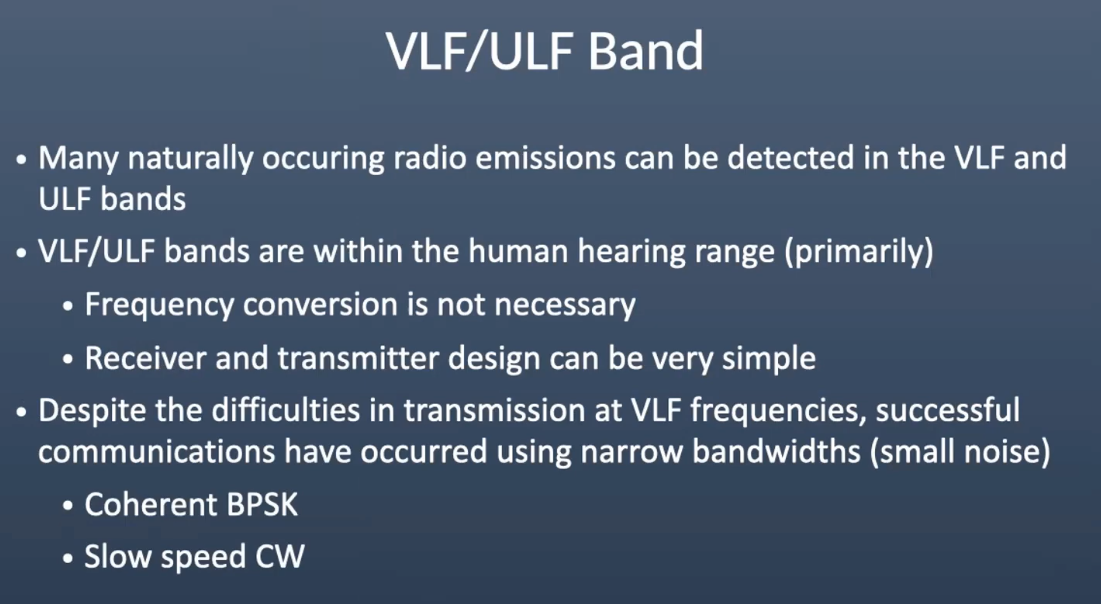
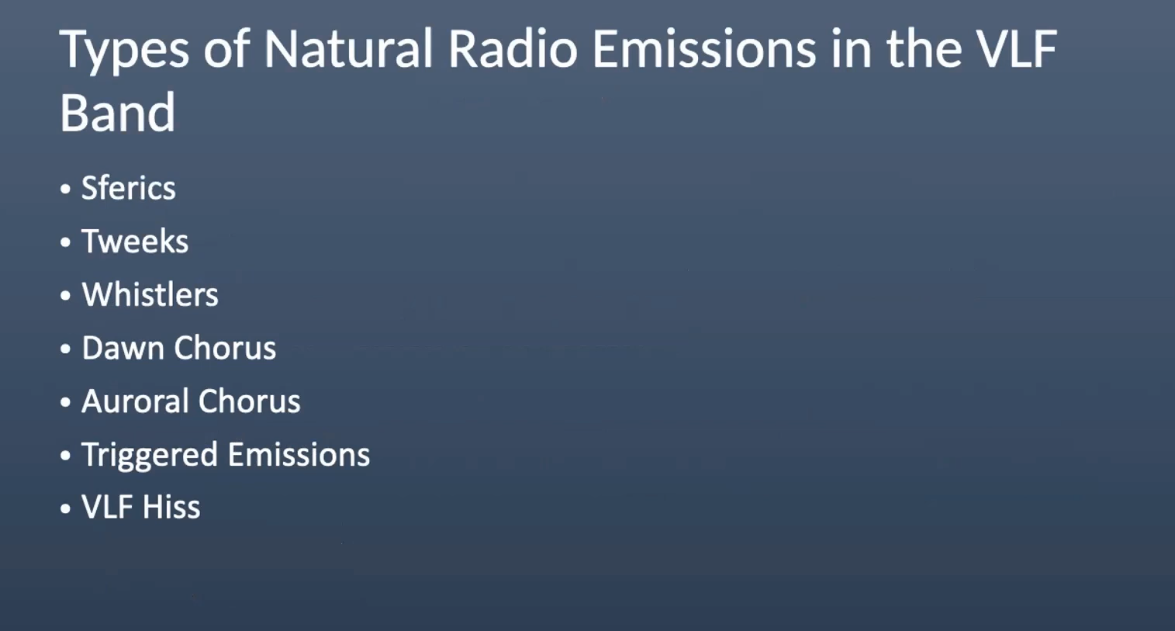
"I will provide an overview of natural emissions at very low electromagnetic frequencies in the VLF (3 - 30 kHz) and ULF (300 Hz - 3 kHz) ranges. These radio emissions are generated by physical phenomena, such as lightning discharges or interactions with plasma in the ionosphere, and in some cases are global in nature. They are also very interesting because their RF frequencies are primarily within human hearing range (although they are not acoustic waves!), and so heterodyne receiver architectures are not needed - making both receiver and transmitter design quite simple.
I will cover natural emissions, including audio samples, and describe what they tell us about the ionosphere and magnetosphere, including whistlers, chorus hiss, sferics, and more. Also covered will be human signals in this frequency range, such as power line harmonics and VLF communications signals used by almost every government for information transfer to submerged vessels. Some information will be provided as well on the challenges of receiving and transmitting signals in this range within your backyard, including the "Dreamer's Band" amateur frequencies below 9 kHz and the new "EbNaut" digital mode for this frequency range."
About Philip J Erickson
I am an associate director and head of the Atmospheric and Geospace Sciences group at Haystack Observatory, operated by Massachusetts Institute of Technology (MIT). Haystack is located approximately 42 km as the crow flies from the main MIT campus on a 1300 acre parcel overlapping the towns of Westford, Groton, and Tyngsboro, MA (grid FN42go). Since the late 1950s, Haystack has conducted frontier remote sensing research into the properties of the near-Earth space environment, including the ionosphere, neutral atmosphere, overlying plasmasphere, and the magnetosphere that surrounds our planet.I am a member of Nashoba Valley Amateur Radio Club (NVARC), a physical as well as spectral neighbor of Haystack. Outreach programs and activities are ongoing between Haystack and NVARC; see the NVARC page for details. I am also a member of the HamSCI citizen science initiative.
The talks Q&A section has interesting tid bits about the true complexities of climate change and the modeling of it: https://youtu.be/8J2zYgGIsno?t=4032 - https://youtu.be/8J2zYgGIsno?t=4235
Tools: http://www.abelian.org/ - http://websdr.org/ - http://www.vlf.it/ - https://theinspireproject.org/
Related Talk: Giant Antennas of the Navy! NVARC Presentation - by George Allison, K1IG
-
Physicist: The Entire Universe Might Be a Neural Network
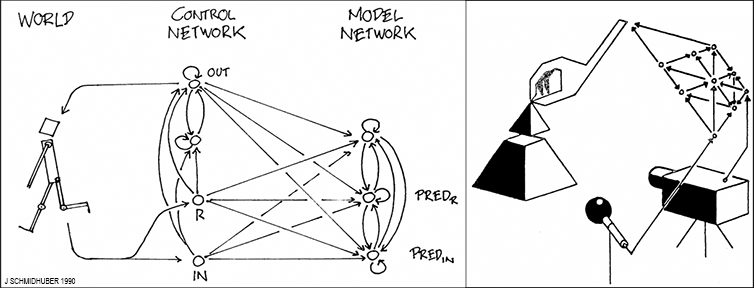
#Comment: In infinity the "world" is every possible thing at the same time, including nothing.
-
Inverse-square law - a persistent rumor
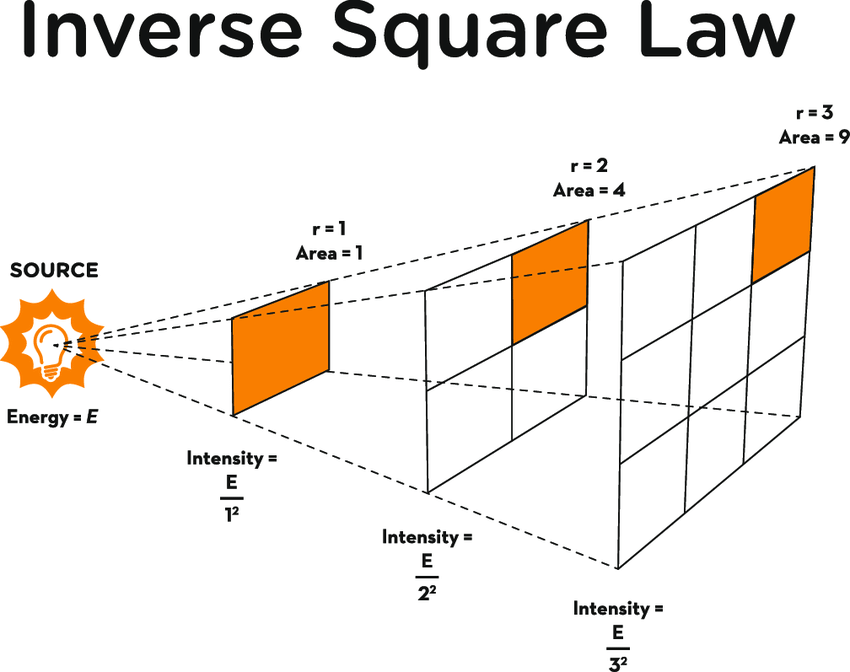
"In science, an inverse-square law is any scientific law stating that a specified physical quantity is inversely proportional to the square of the distance from the source of that physical quantity. The fundamental cause for this can be understood as geometric dilution corresponding to point-source radiation into three-dimensional space."
-
Deep Neural Networks for Form-Finding of Tensegrity Structures
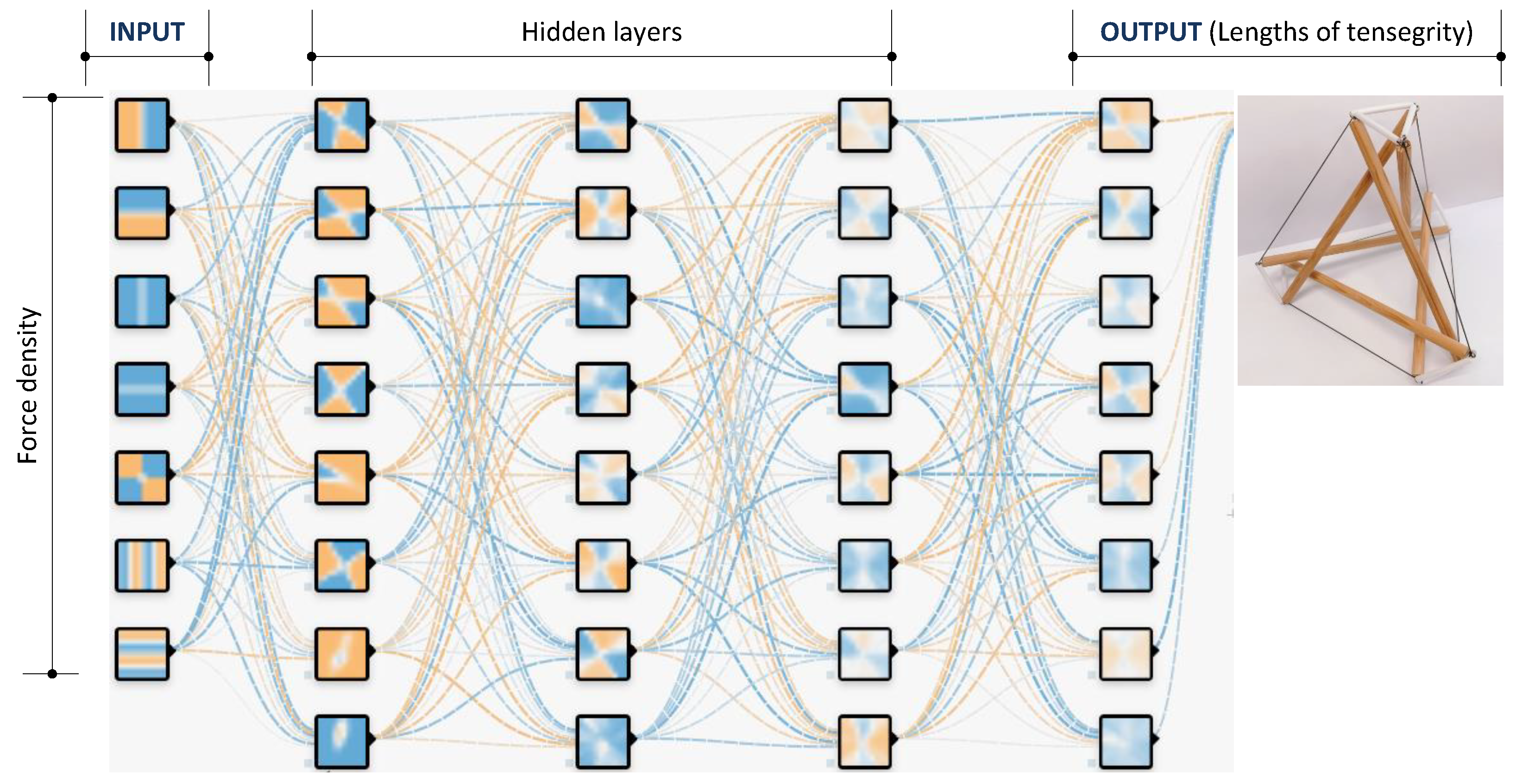
This paper proposes a new form-finding method based on state-of-the-art deep learning techniques. One of the statical paradigms, a force density method, is substituted for trained deep neural networks to obtain necessary information of tensegrities. It is based on the differential evolution algorithm, where the eigenvalue decomposition process of the force density matrix and the process of the equilibrium matrix are not needed to find the feasible sets of nodal coordinates.
-
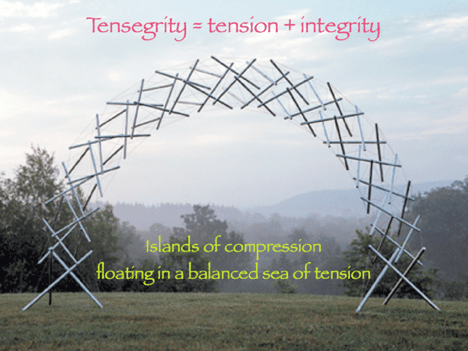
Tensegrity is a structural principle based on a system of isolated components under compression inside a network of continuous tension, and arranged in such a way that the compressed members do not touch each other while the prestressed tensioned members delineate the system spatially.
-
Atoms in Two Dimensions Could Mark a Strange New State of Matter, Physicists Say

Qubits can spin in two dimensions, instead of just one, and it could be revolutionary for quantum computing. A different pattern of laser pulses could make quantum computers way more stable.
New research uses a Fibonacci-inspired, non-repeating sequence to keep qubits spinning.
This creates a quasicrystal effect, with support in two dimensions instead of just one.