tag > Creativity
-
Daydream Your Way to Success - by Martin Faulks
-
Interview with Professor Kenneth Stanley on "Why Greatness Cannot Be Planned" (Machine Learning Street Talk 038). #ML #Creativity
-
“Experience remains, of course, the sole criterion of the physical utility of a mathematical construction. But the creative principle resides in mathematics.” - Albert Einstein 1934
-
"Process is more important than outcome. When the outcome drives the process we will only ever go to where we've already been. If process drives outcome we may not know where we're going, but we will l know we want to be there." - Bruce Mau in ‘Incomplete Manifesto for Growth’ (1998)
-
Bill Evans - Sunday at the Village Vanguard (1961 Album)
Bill Evans - The Creative Process and Self-Teaching
-
Yann LeCun, the Chief AI Scientist at Facebook, on OpenAI's hyped GPT-3 Language Model
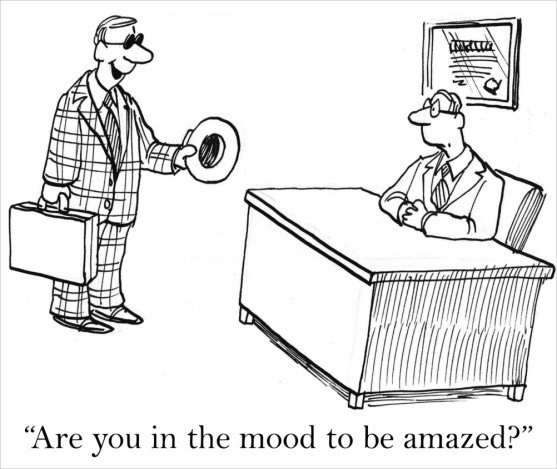
“It’s entertaining, and perhaps mildly useful as a creative help,”... “But trying to build intelligent machines by scaling up language models is like [using] high-altitude airplanes to go to the Moon. You might beat altitude records, but going to the Moon will require a completely different approach.”
#Comment: LeCun (a merchant of doom) is right. GPT3 is a reflection of the organisation that produced it: OpenAI - A poorly disguised US-Intel/Military "innovation" front, run by sleazy used car salesmen that primarily offer overhyped bullshit.
-
Are People With ADHD Better at Creative Tasks? (scientificamerican)
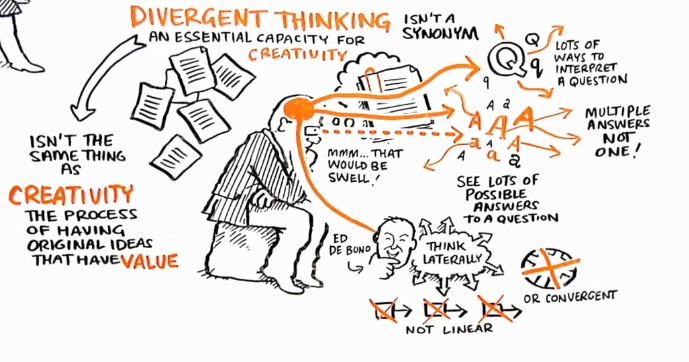
Three aspects of creative cognition are divergent thinking, conceptual expansion and overcoming knowledge constraints... Previous research has established that individuals with ADHD are exceptionally good at divergent thinking tasks, such as inventing creative new uses for everyday objects, and brainstorming new features for an innovative cell phone device. In a new study, college students with ADHD scored higher than non-ADHD peers on two tasks that tapped conceptual expansion and the ability to overcome knowledge constraints. Together with previous research, these new findings link ADHD to all three elements of the creative cognition trio...
-
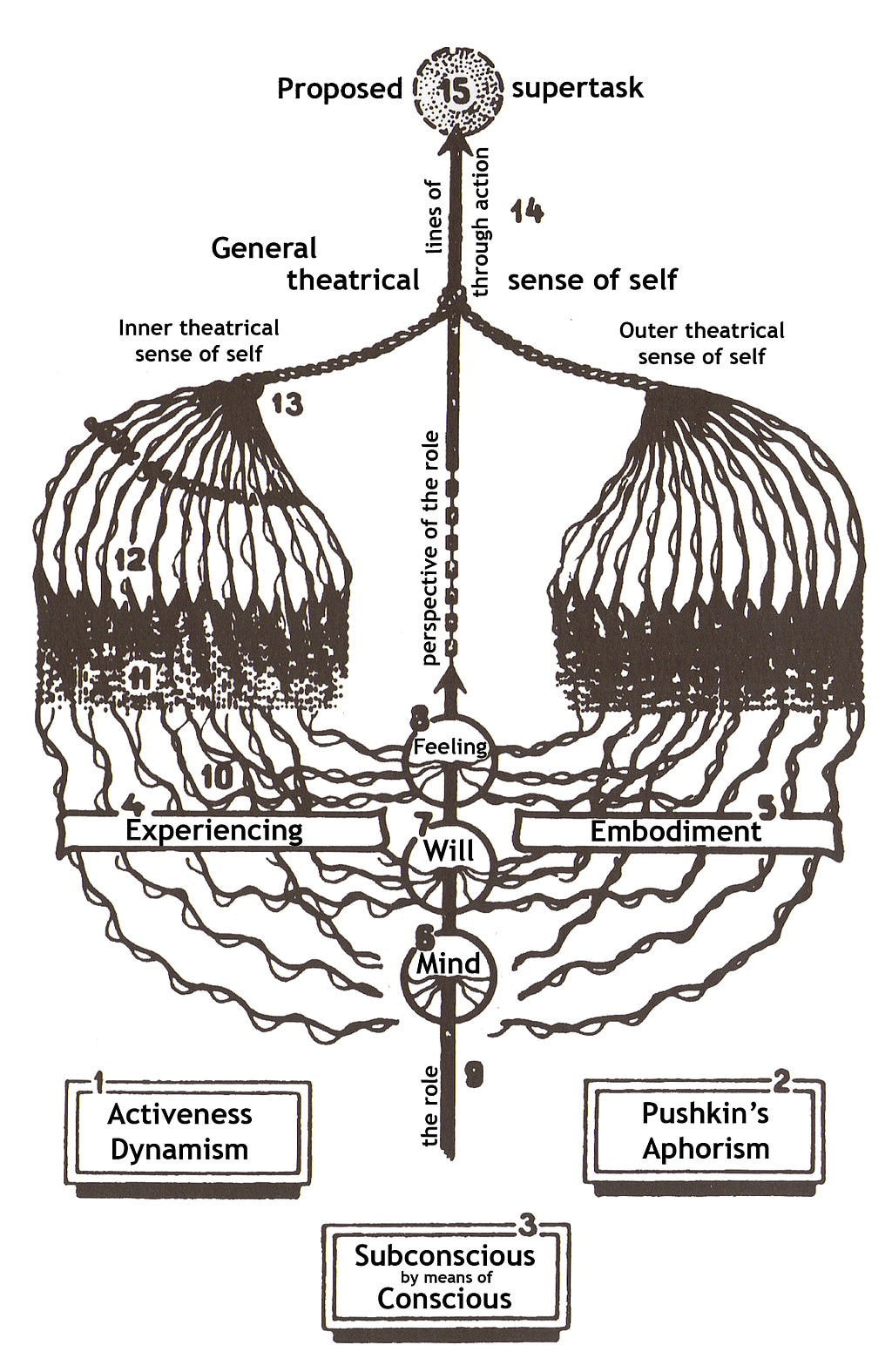
Stanislavski's system is a systematic approach to training actors that the Russian theatre practitioner Konstantin Stanislavski developed in the first half of the twentieth century. His system cultivates what he calls the "art of experiencing" (with which he contrasts the "art of representation"). It mobilises the actor's conscious thought and will in order to activate other, less-controllable psychological processes—such as emotional experience and subconscious behaviour—sympathetically and indirectly. In rehearsal, the actor searches for inner motives to justify action and the definition of what the character seeks to achieve at any given moment (a "task")
Related: Theatre as Engineering - from Stanislavski to Cybernetics & Overview of Stanislavski's System
-
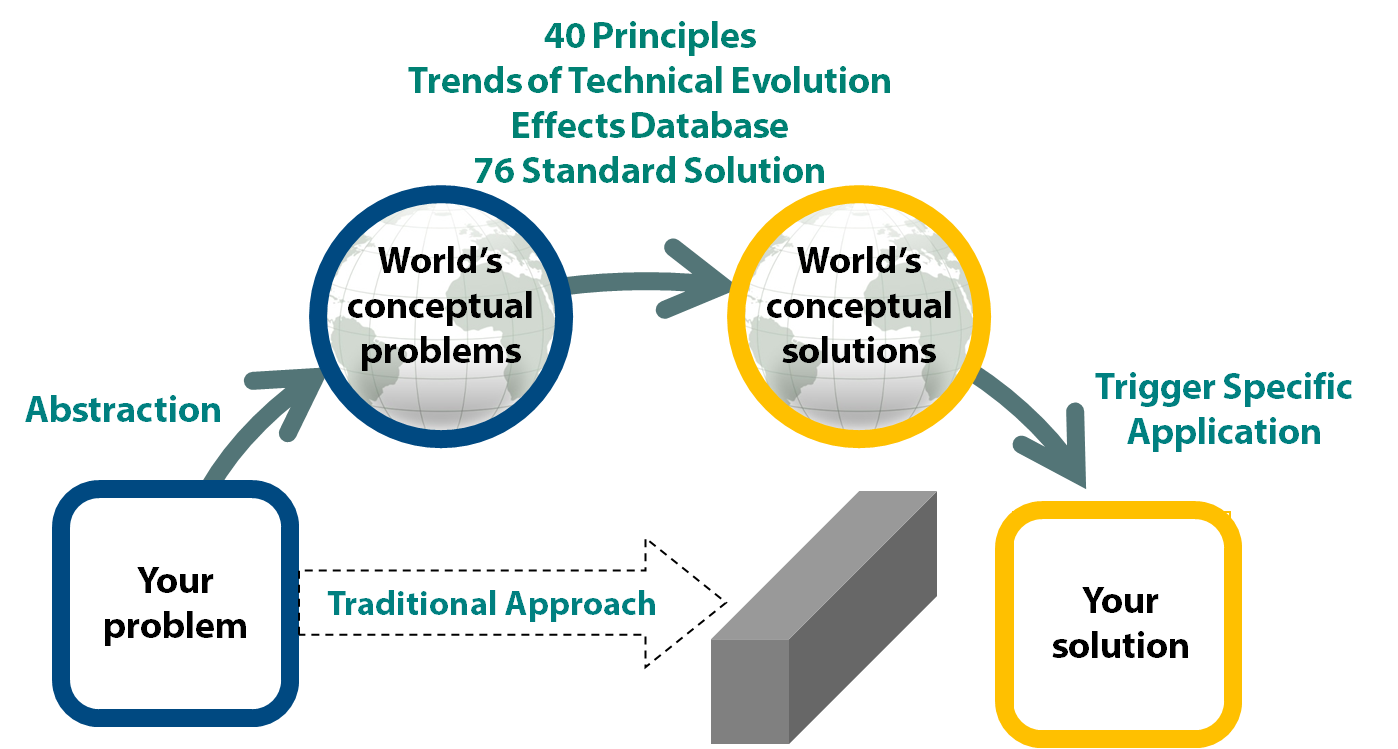
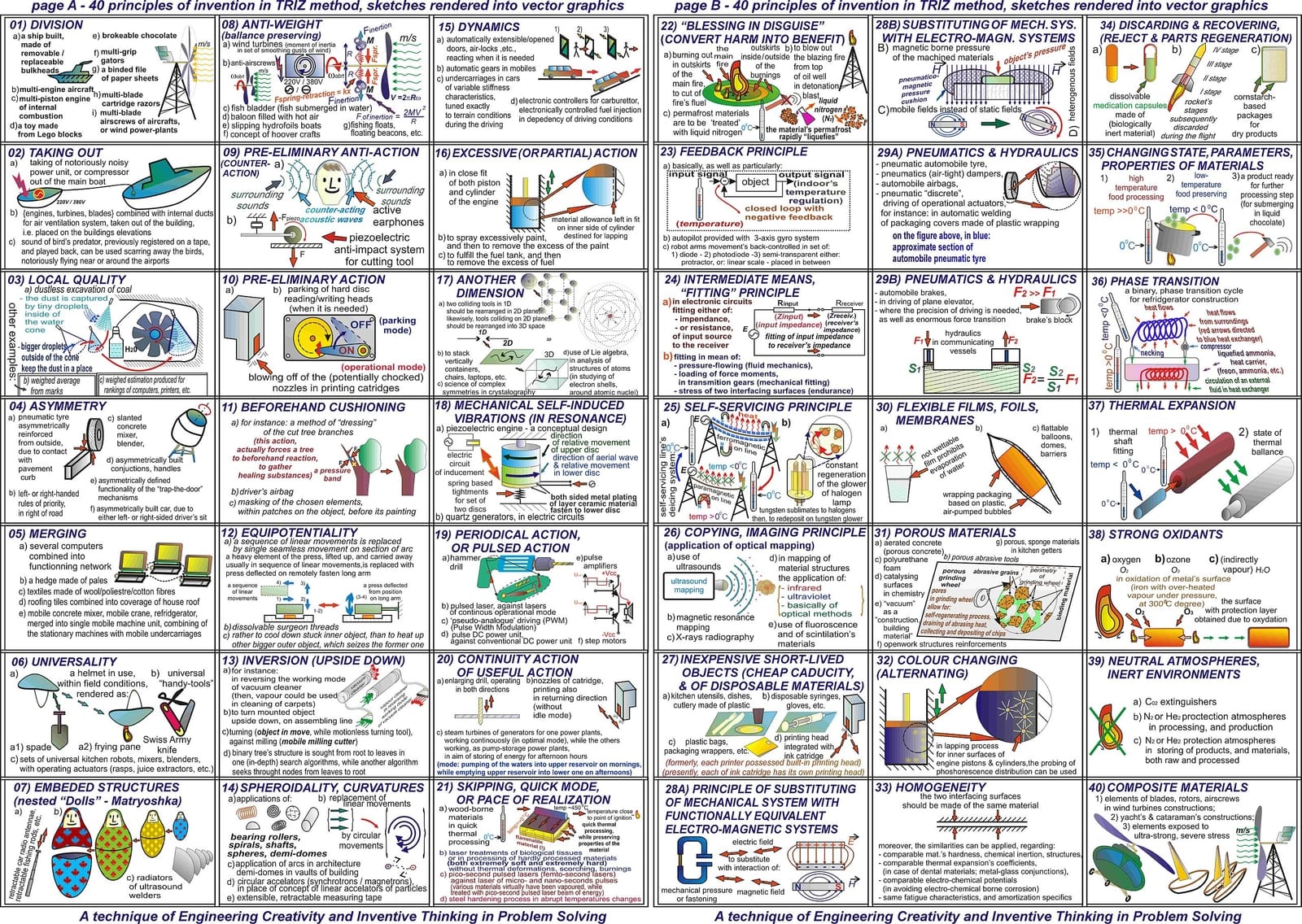
TRIZ is a "problem-solving, analysis and forecasting tool derived from the study of patterns of invention in the global patent literature". It was developed by the Soviet inventor and science-fiction author Genrich Altshuller (1926-1998) and his colleagues, beginning in 1946. The theory developed on a foundation of extensive research covering hundreds of thousands of inventions across many different fields to produce a theory which defines generalisable patterns in the nature of inventive solutions and the distinguishing characteristics of the problems that these inventions have overcome.
-
AI-Written Articles Are Copyright-Protected, Rules Chinese Court (worldipreview)
Machines Are Learning To Write Poetry (newyorker)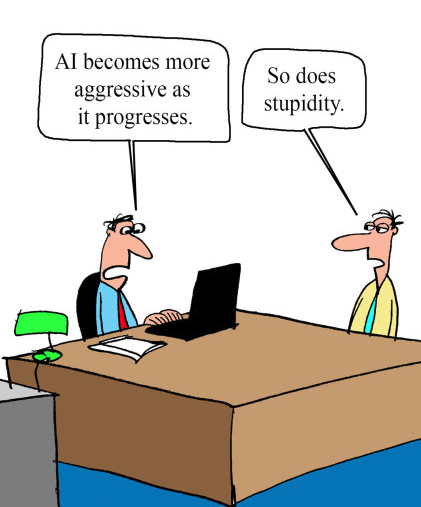
#Comment: The real test for "Creative A.I" capabilities, is if it can generate such highly advanced forms of bullshit, akin to what humans (authors, lawyers, bankers, artists, etc.) "thinking" and writing about A.I produce regularly. I doubt it...