tag > Creativity
-
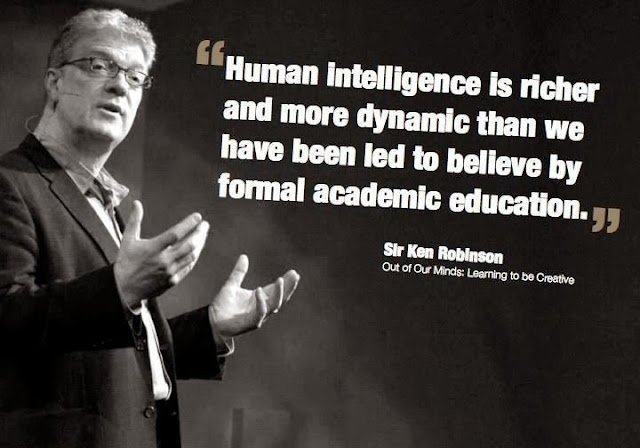
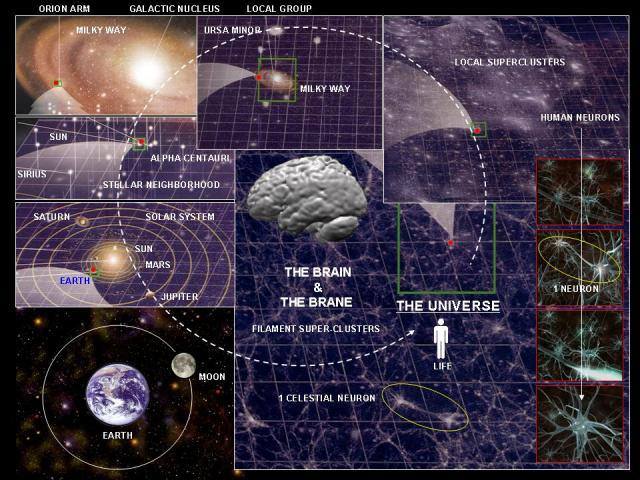
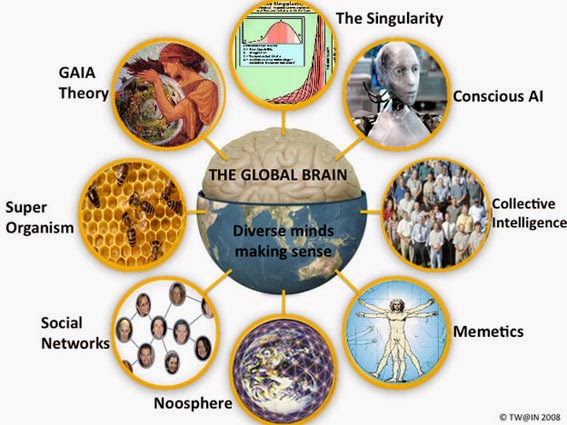
Human Intelligence is richer and more dynamic than we have been led to believe
-
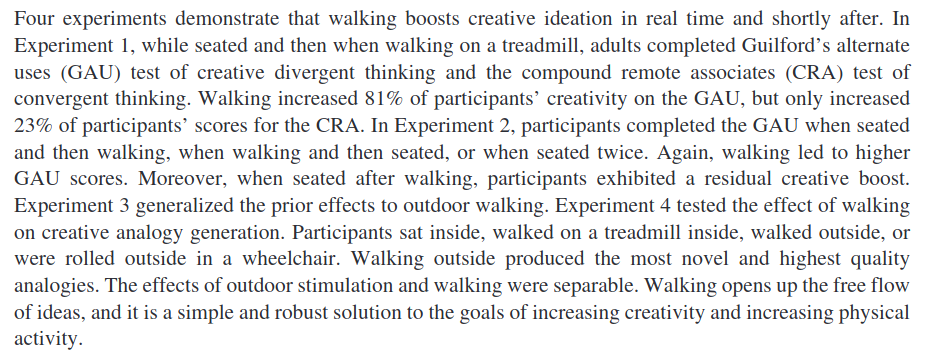
Give Your Ideas Some Legs: The Positive Effect of Walking on Creative Thinking
Paper found walking (whether outdoors or a treadmill) increased key types of creative thinking for over 80% of undergraduates. The reasons are not fully clear, but there seem to be direct effects on the brain.
-
Monodisciplinary
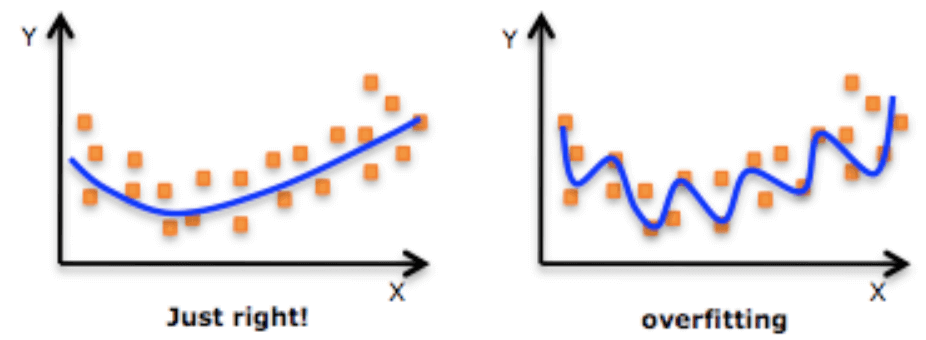
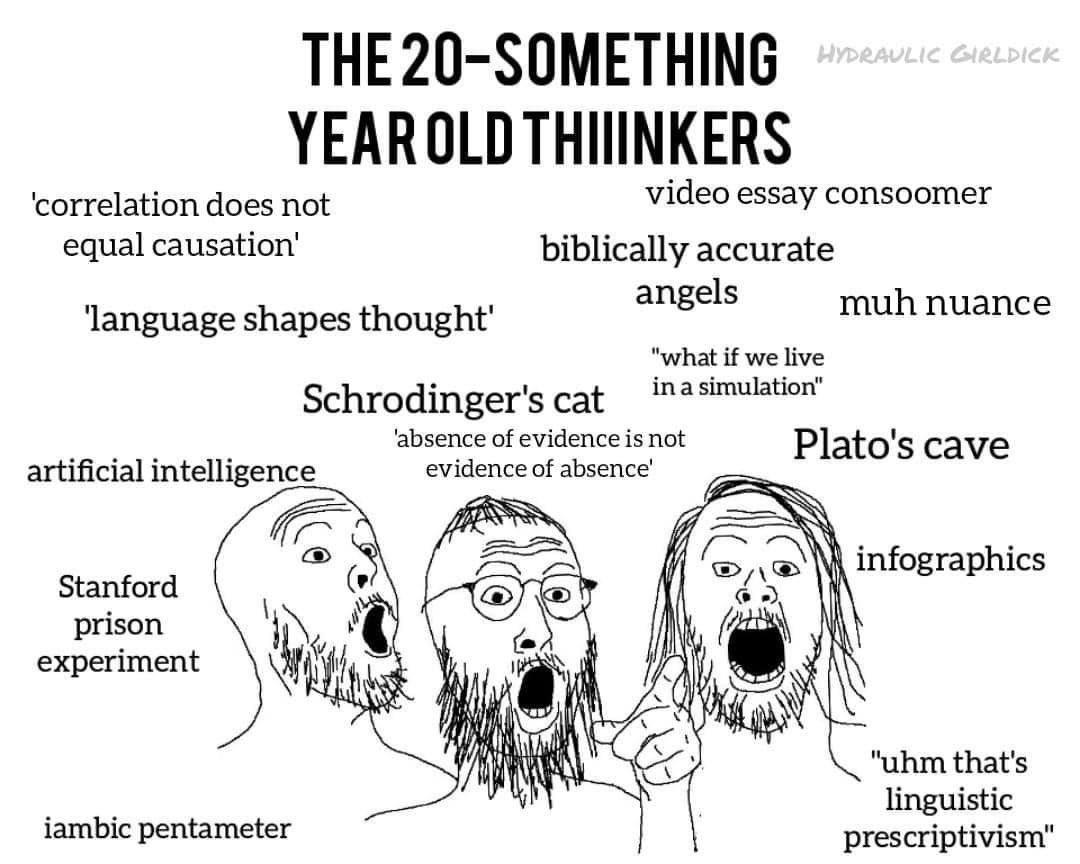
Many professionals in academia & industry have a tendency to overfit on their job/discipline category: "I am a pro in X & hence ONLY interested in X info & people". Such narrow minded "monodisciplinary" behaviour is bad for collaboration & creativity. Why does it keep happening?
-
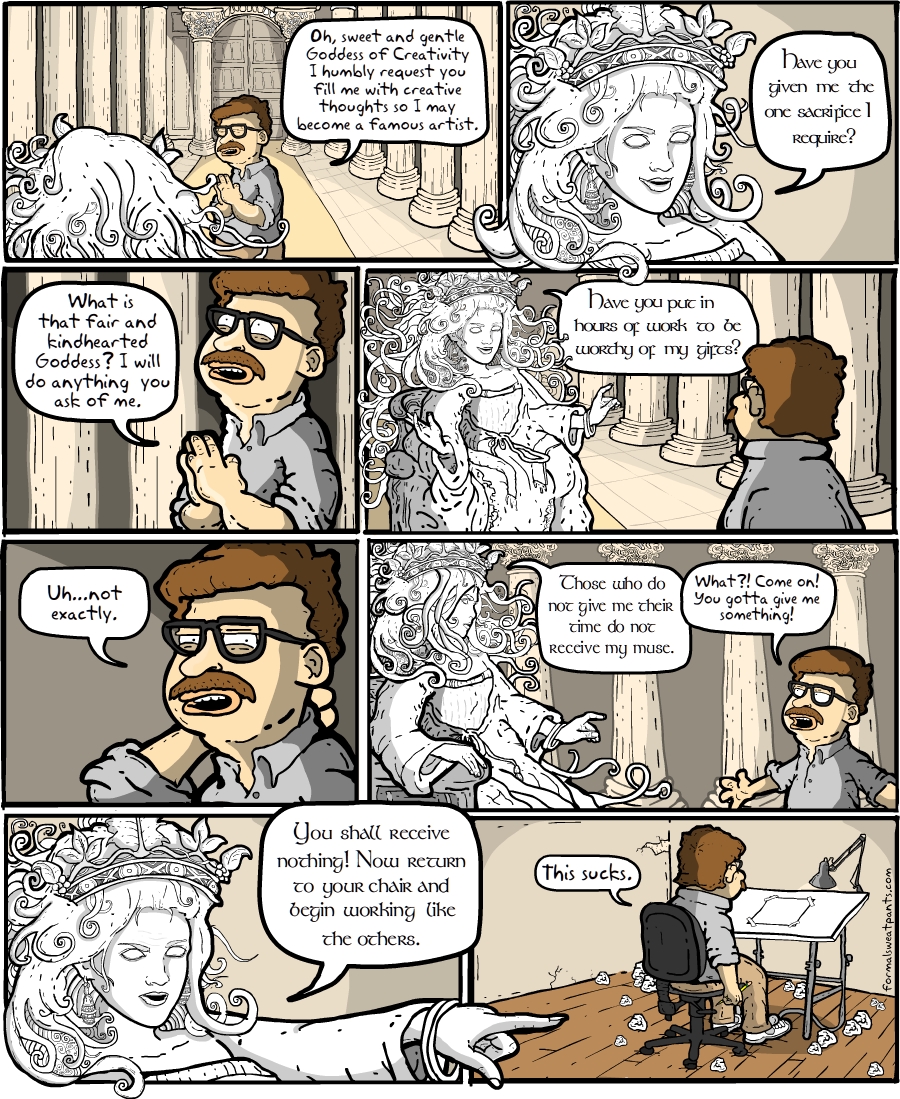
Quotes from "Creativity: Flow & the Psychology of Discovery and Invention" by M.Csikszentmihalyi
-
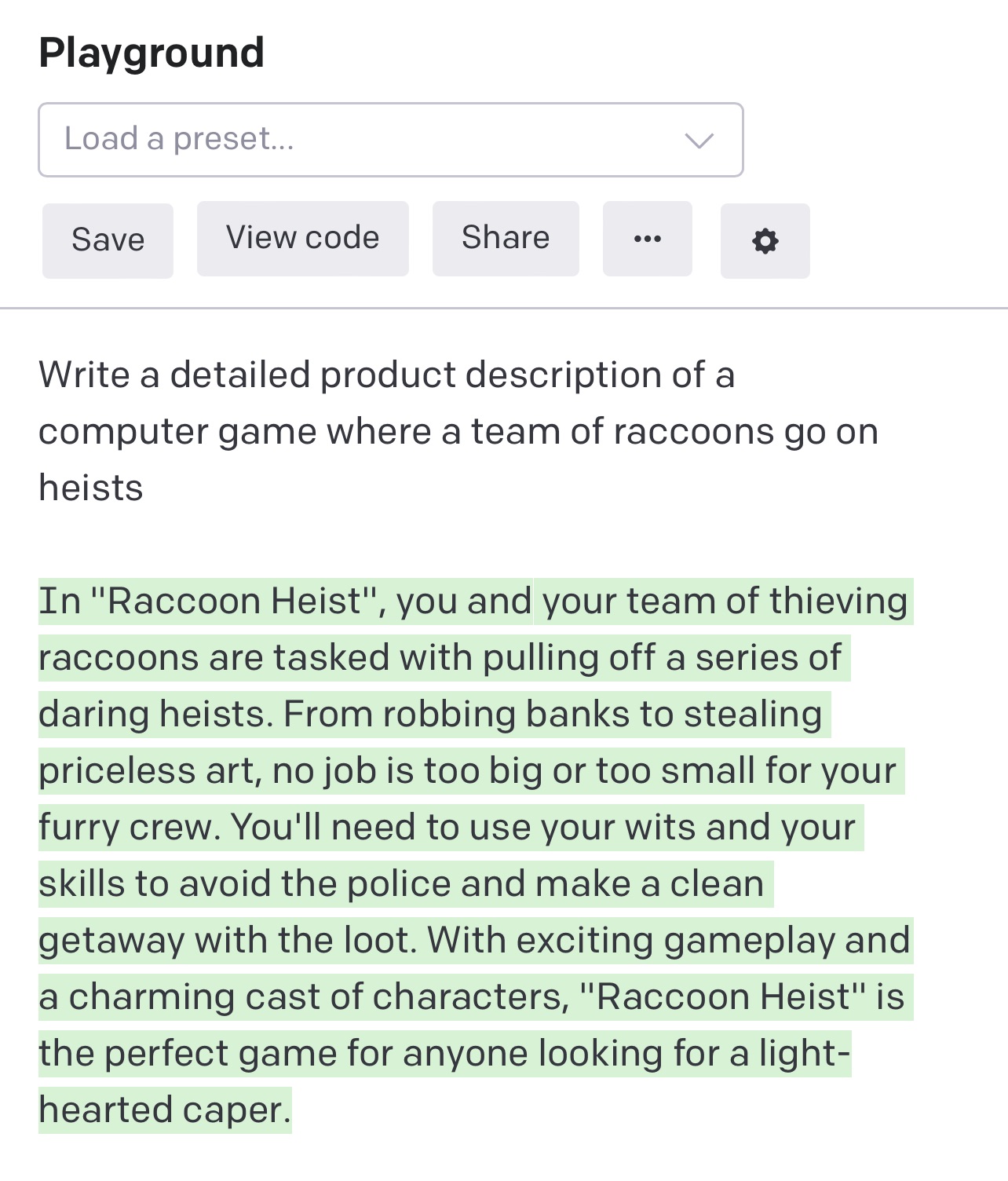
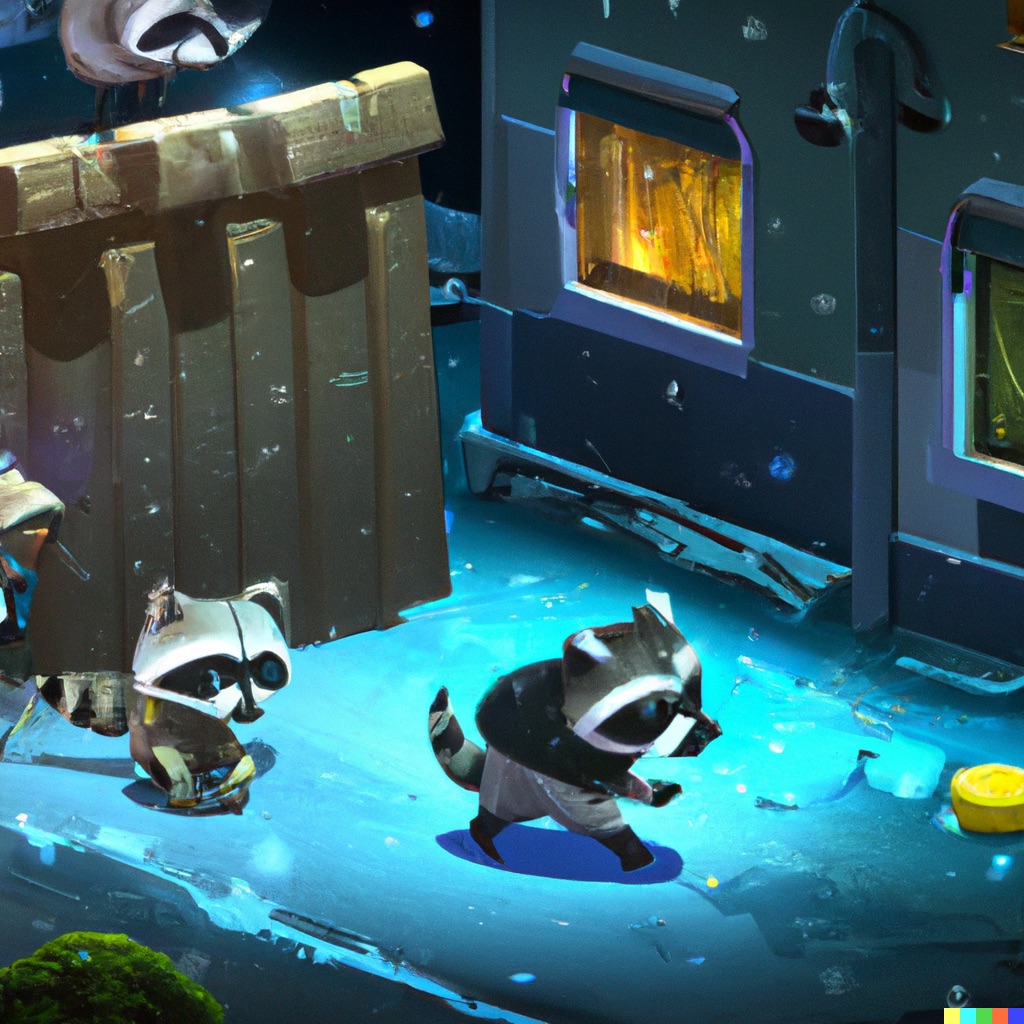
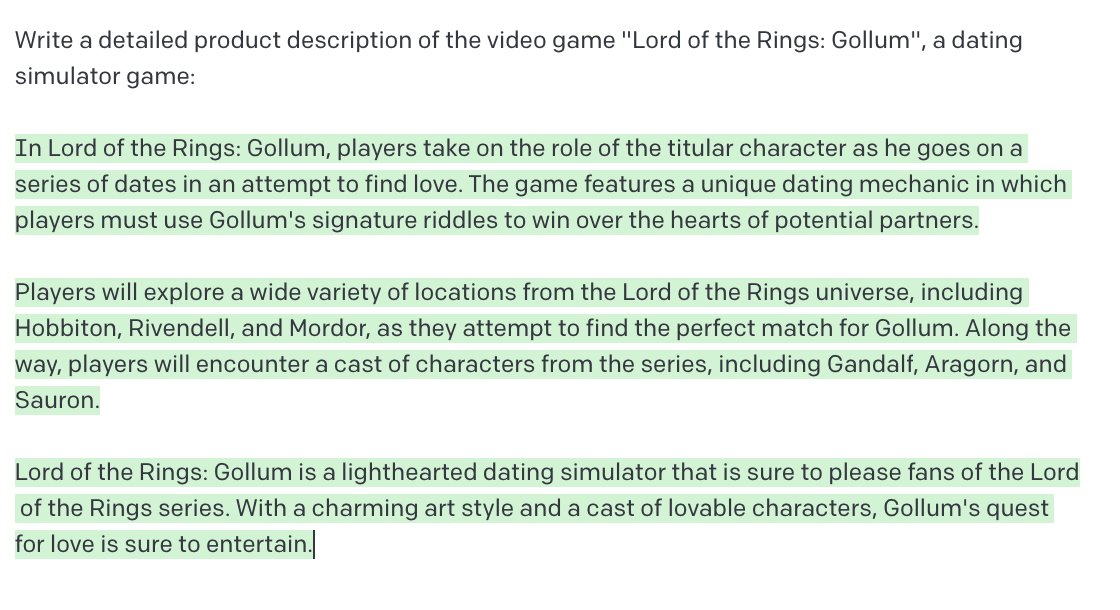
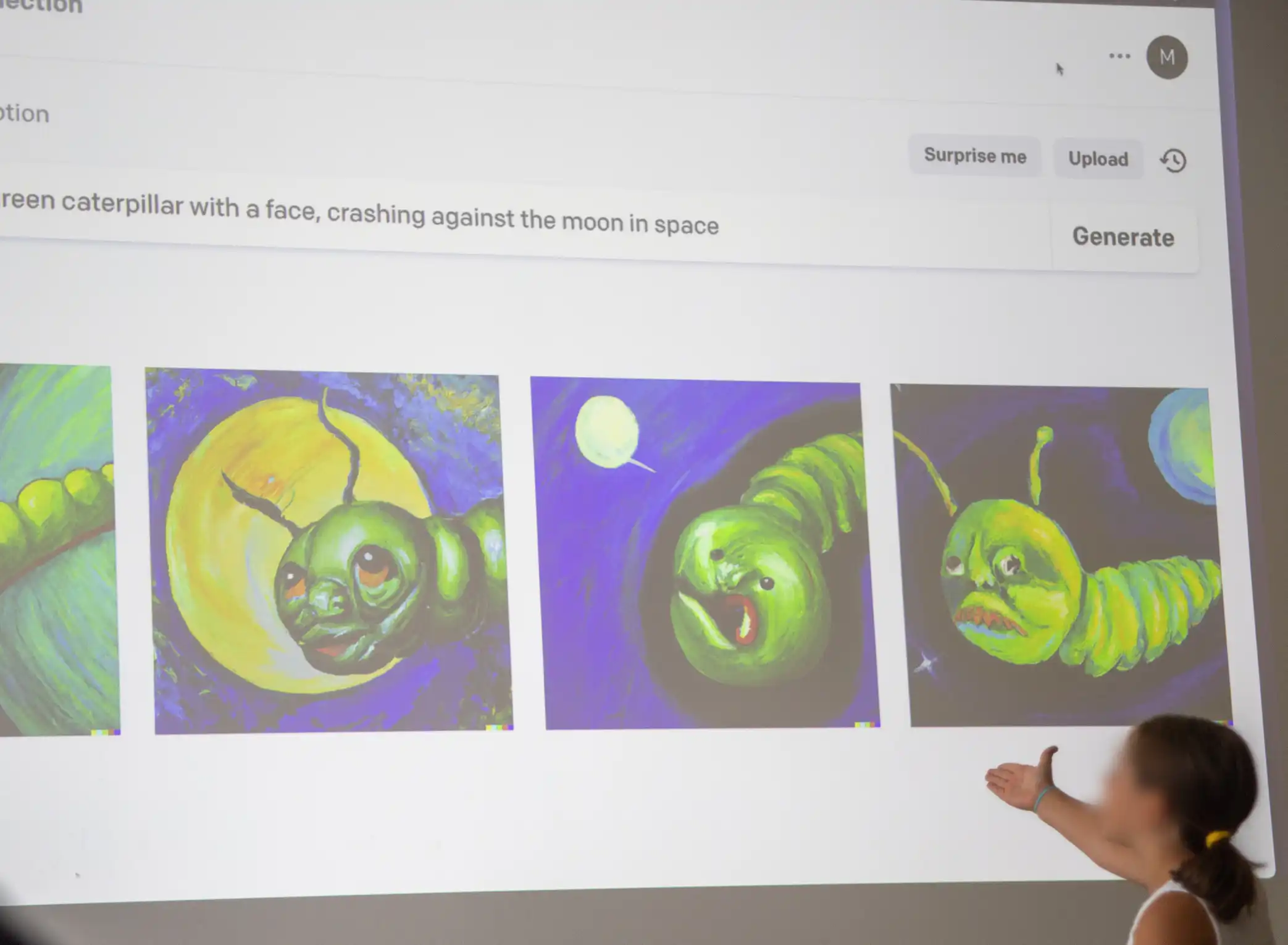
Notes from a children's playlab with DALL-E
"Turns out we were absolutely wrong about them getting excited by AI-generated images, unsurprisingly. Children in our group were not really impressed by the generative power of AI."


-
“Start by doing what’s necessary, then what’s possible; and suddenly, you are doing the impossible.” ~ Saint Francis of Assisi

-
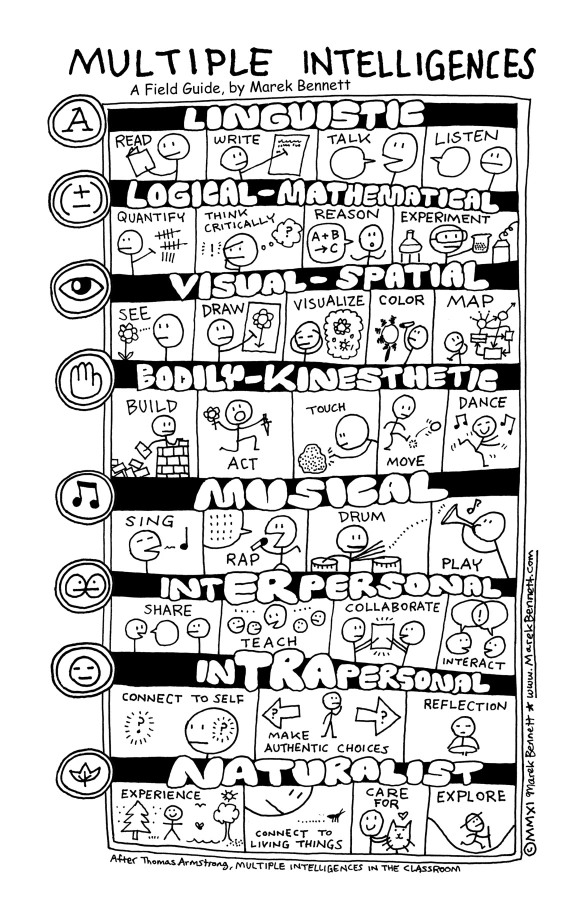
Multiple Intelligences: eight different potential pathways to learning. “It’s not how smart you are that matters, what really counts is how you are smart.” ~ Howard Gardner
-
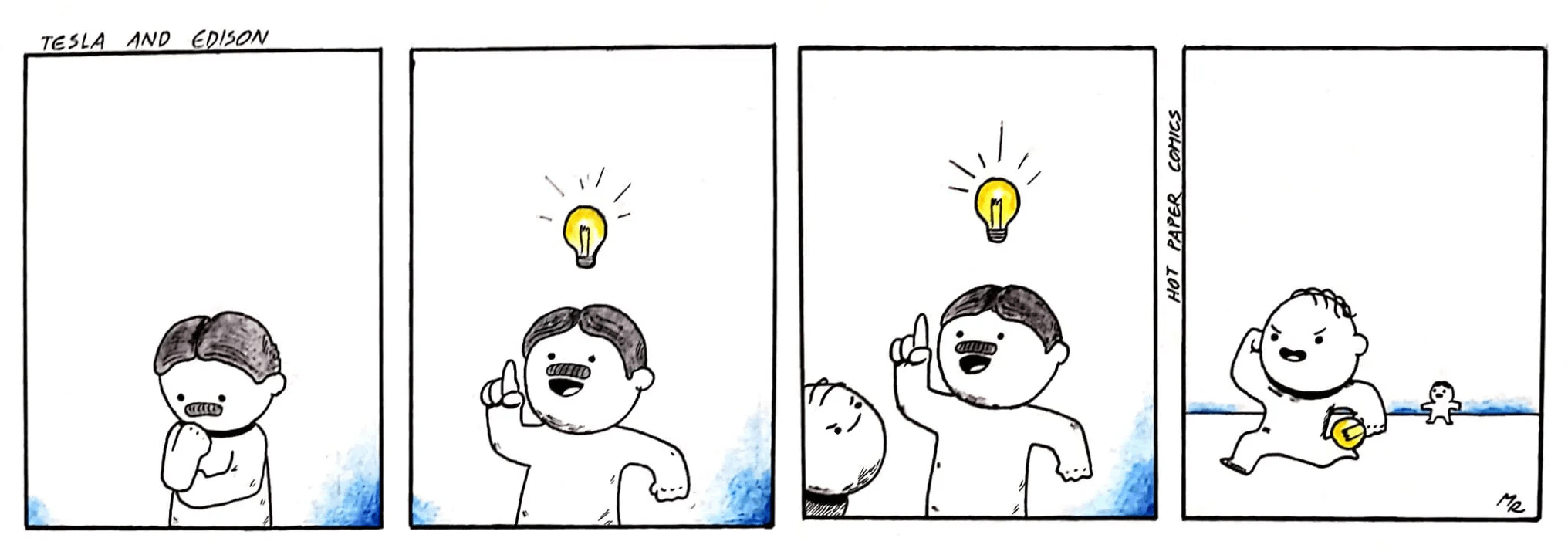
“Many of life’s failures are people who did not realize how close they were to success when they gave up.” - Thomas Edison
-
The ideas were not good, but ideas that nobody else had
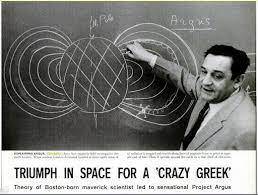
"Nick was a remarkable idea man. The ideas were usually not good, but they were really remarkable in that they were the kind of ideas that nobody else had. Nick really was a genius in a very important sense -- he often invented things that required two new ideas simultaneously, which is something that normally, hardly anyone ever does." - Herbert York describing Nicholas Christofilos
-
Kenneth O. Stanley - Novel Opportunities in Open-Endedness @ UCL DARK
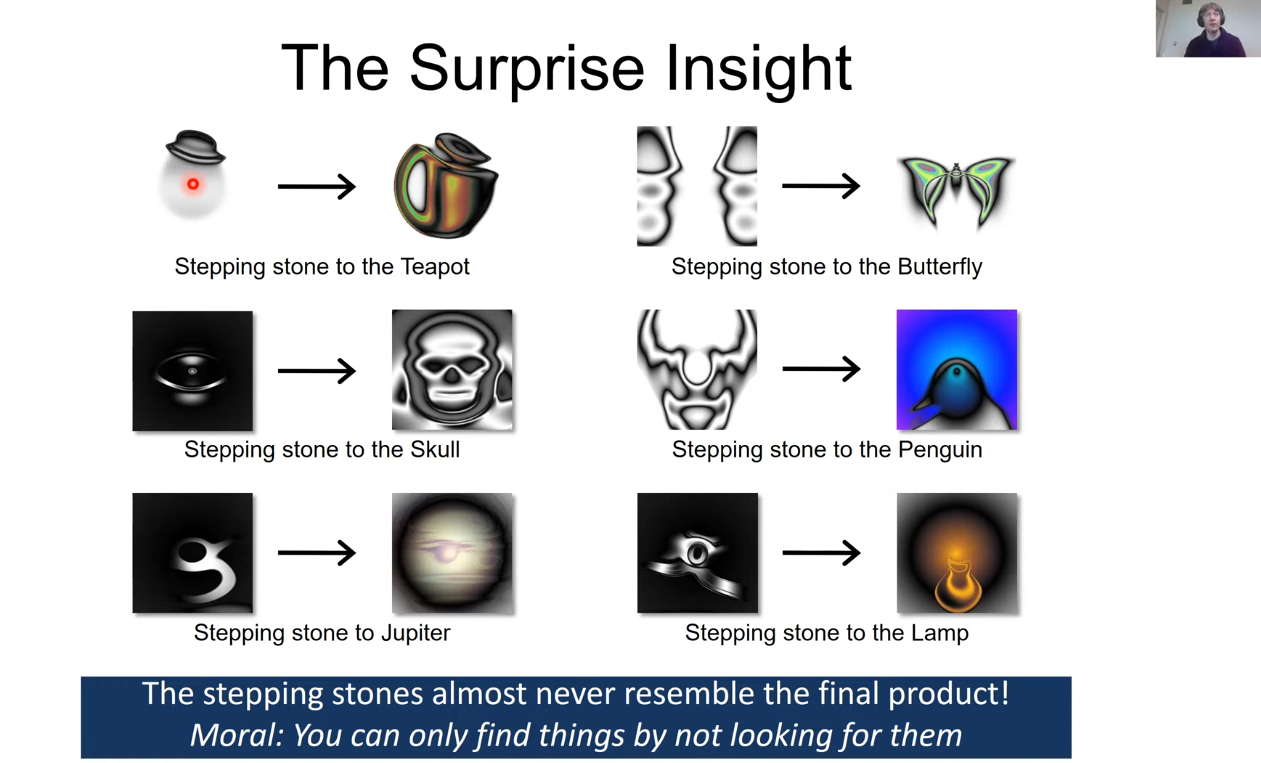
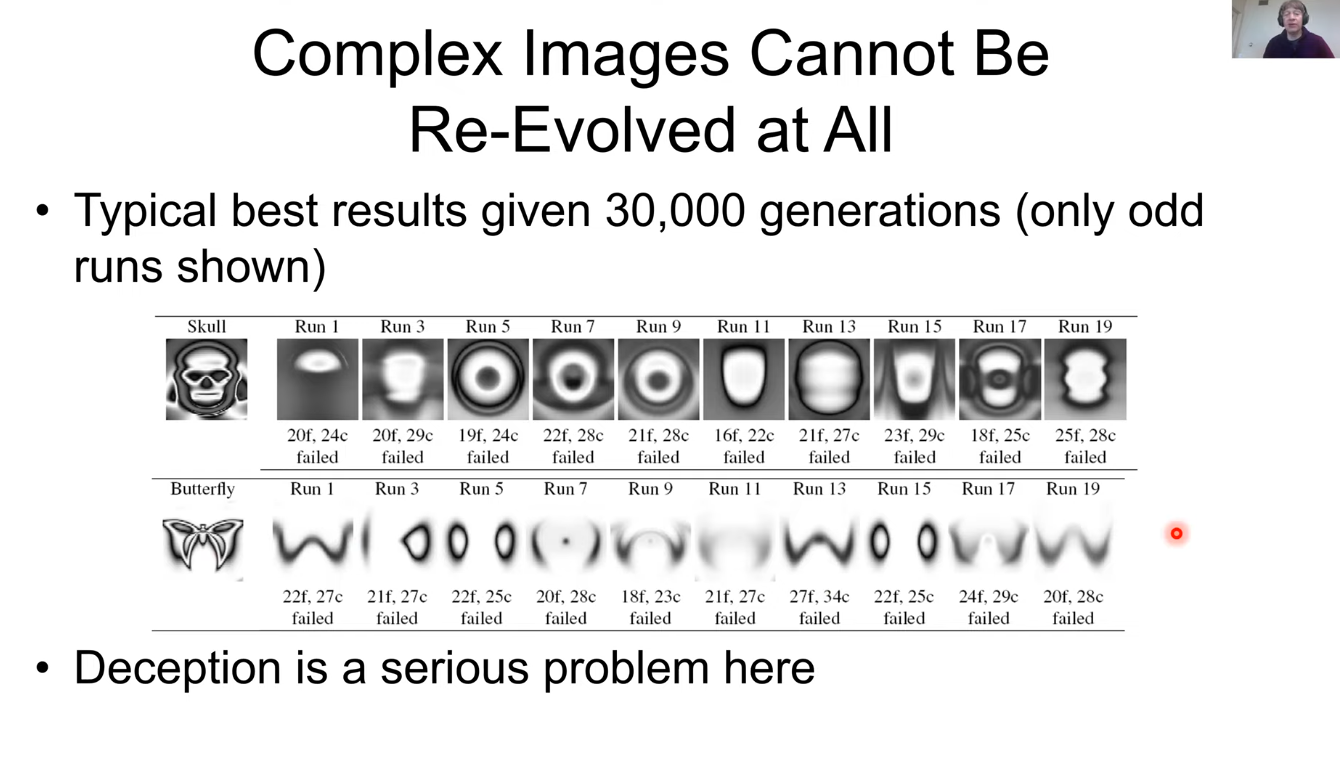
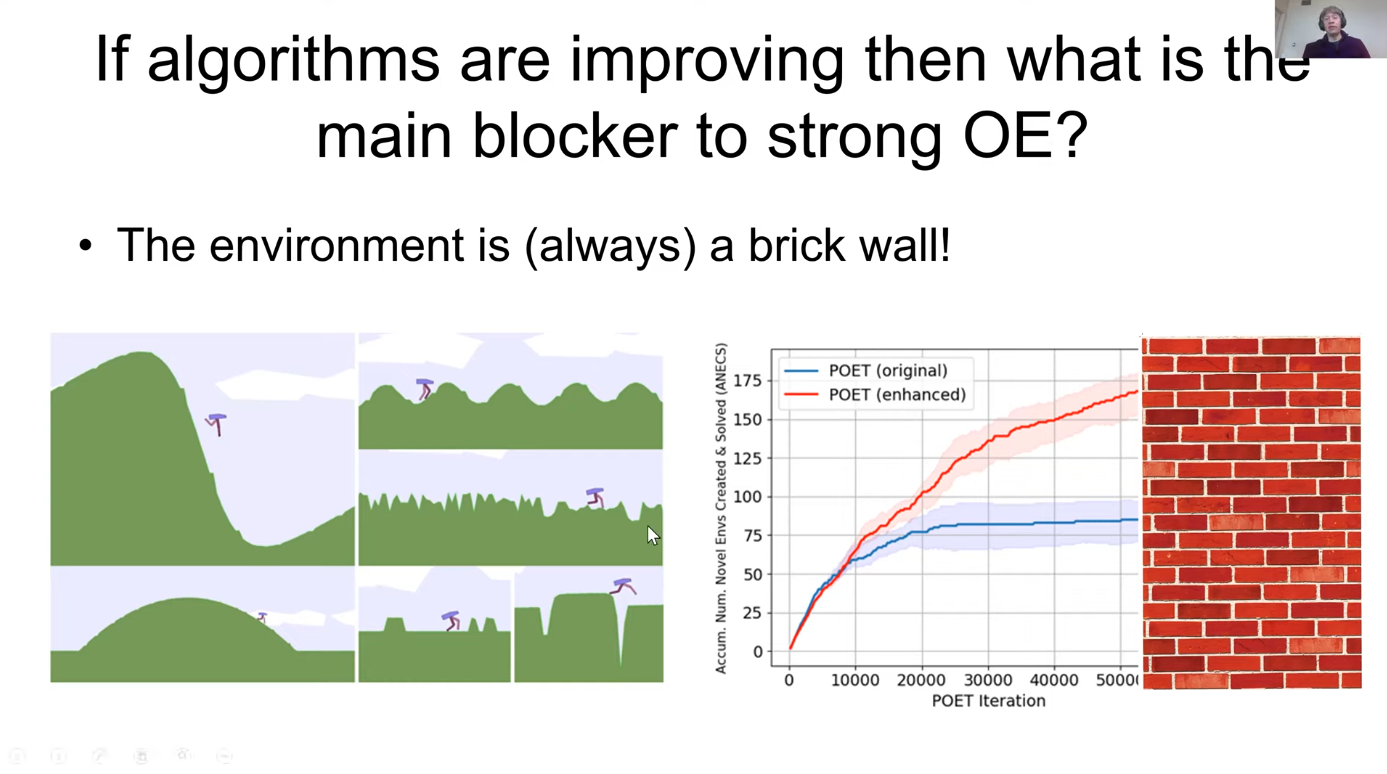
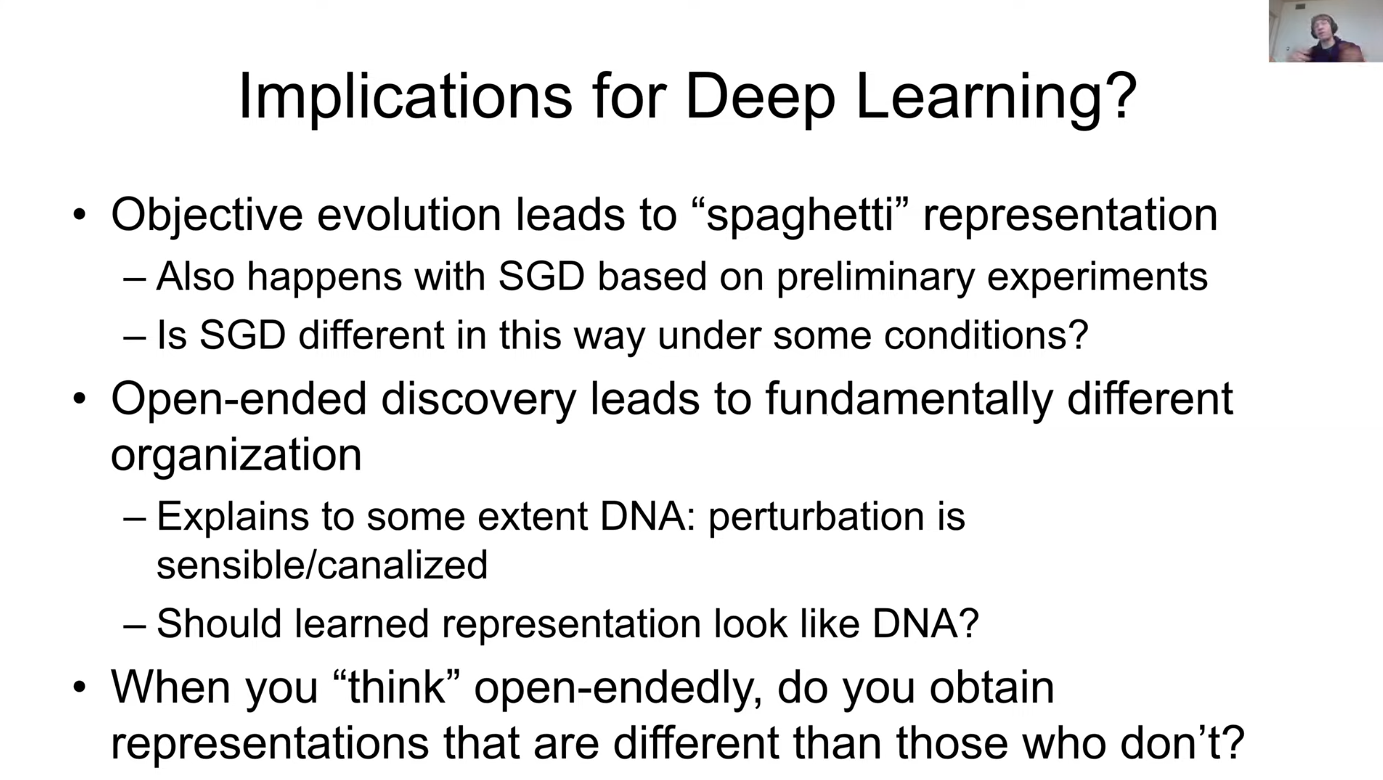
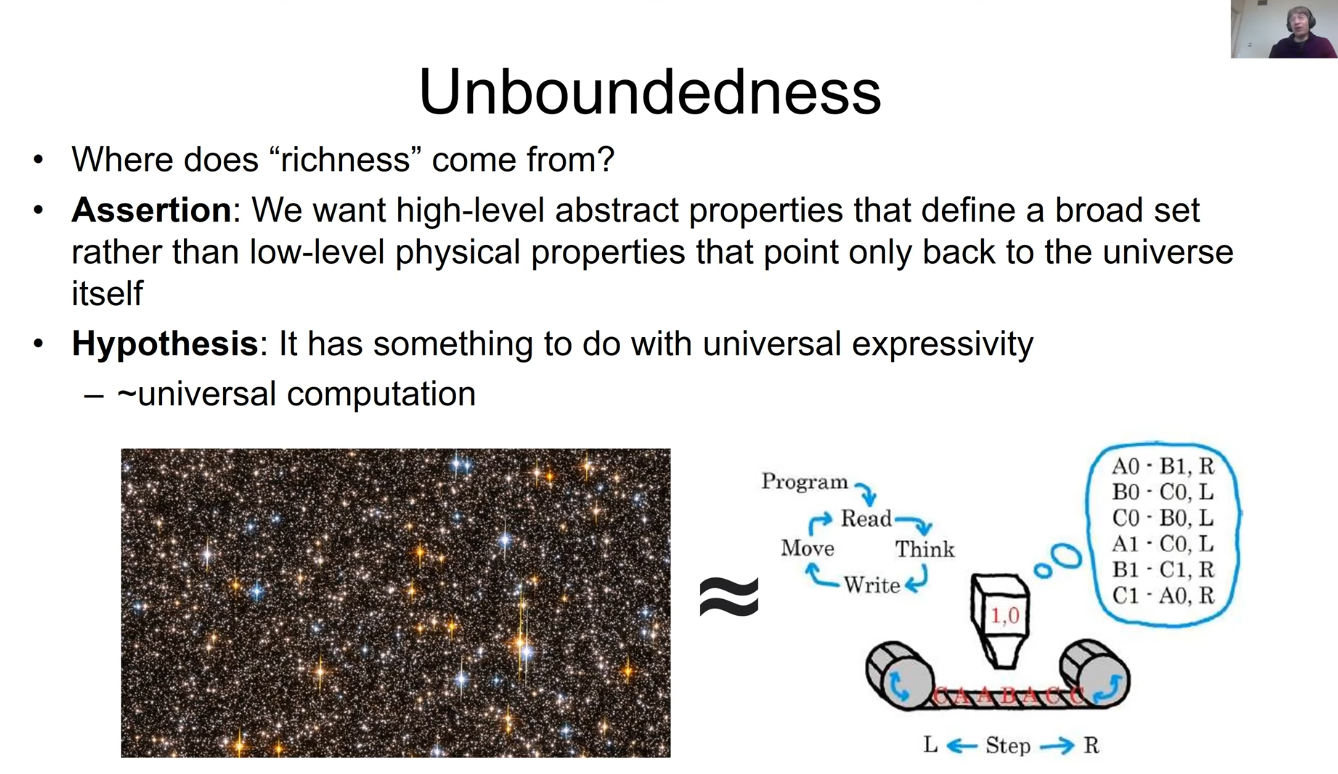
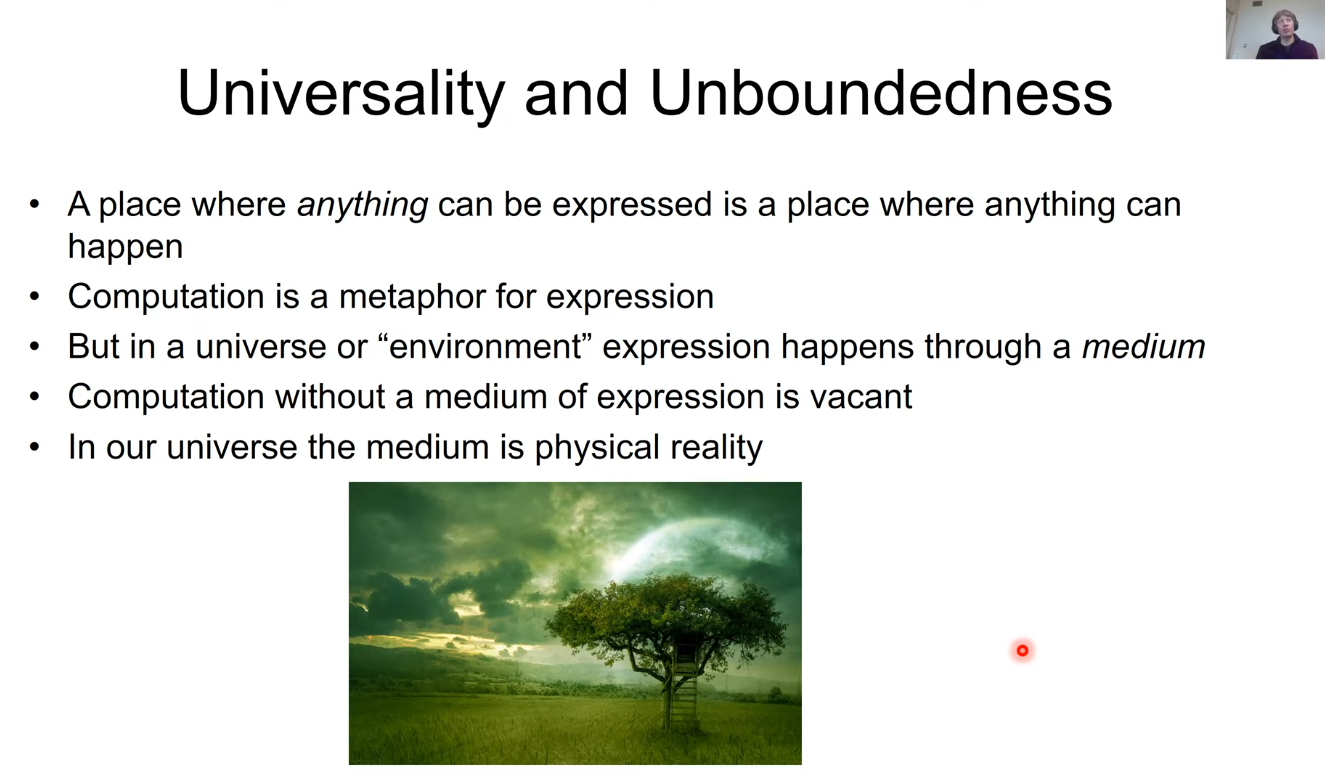
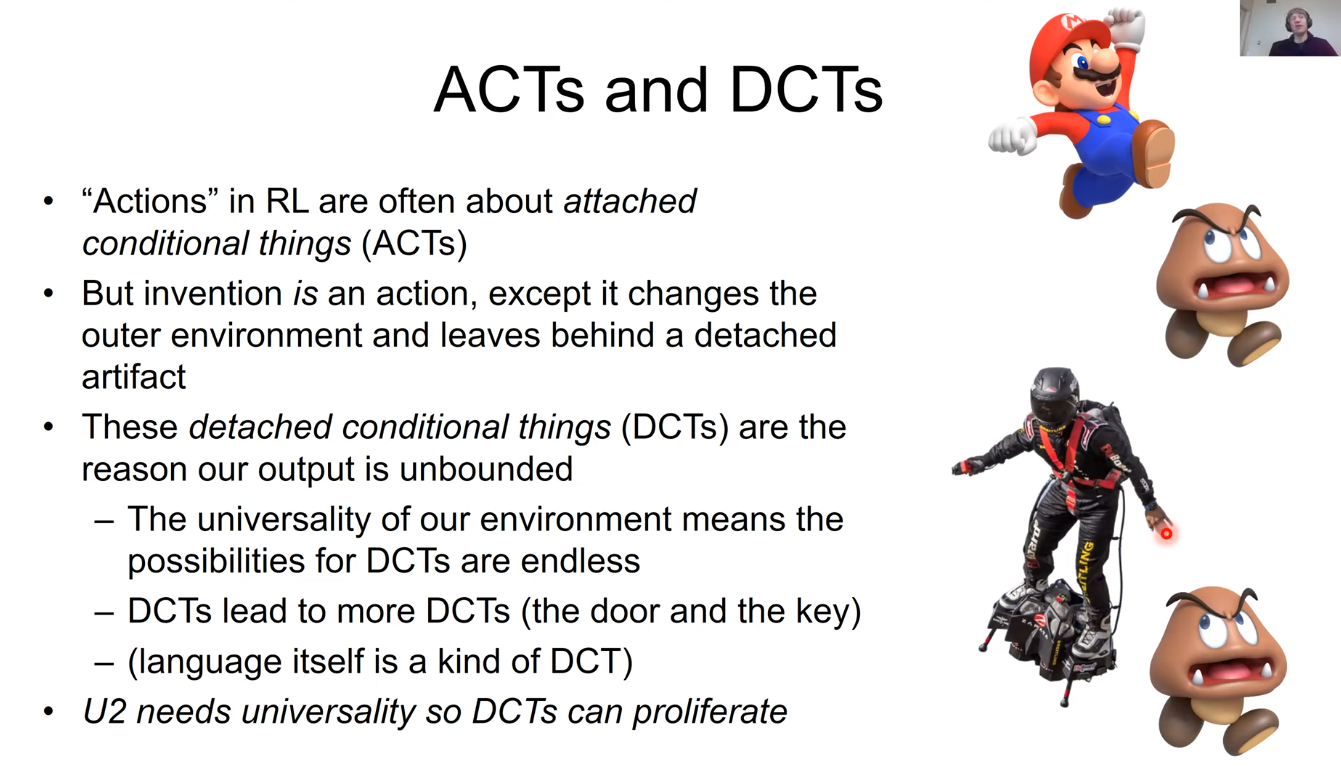
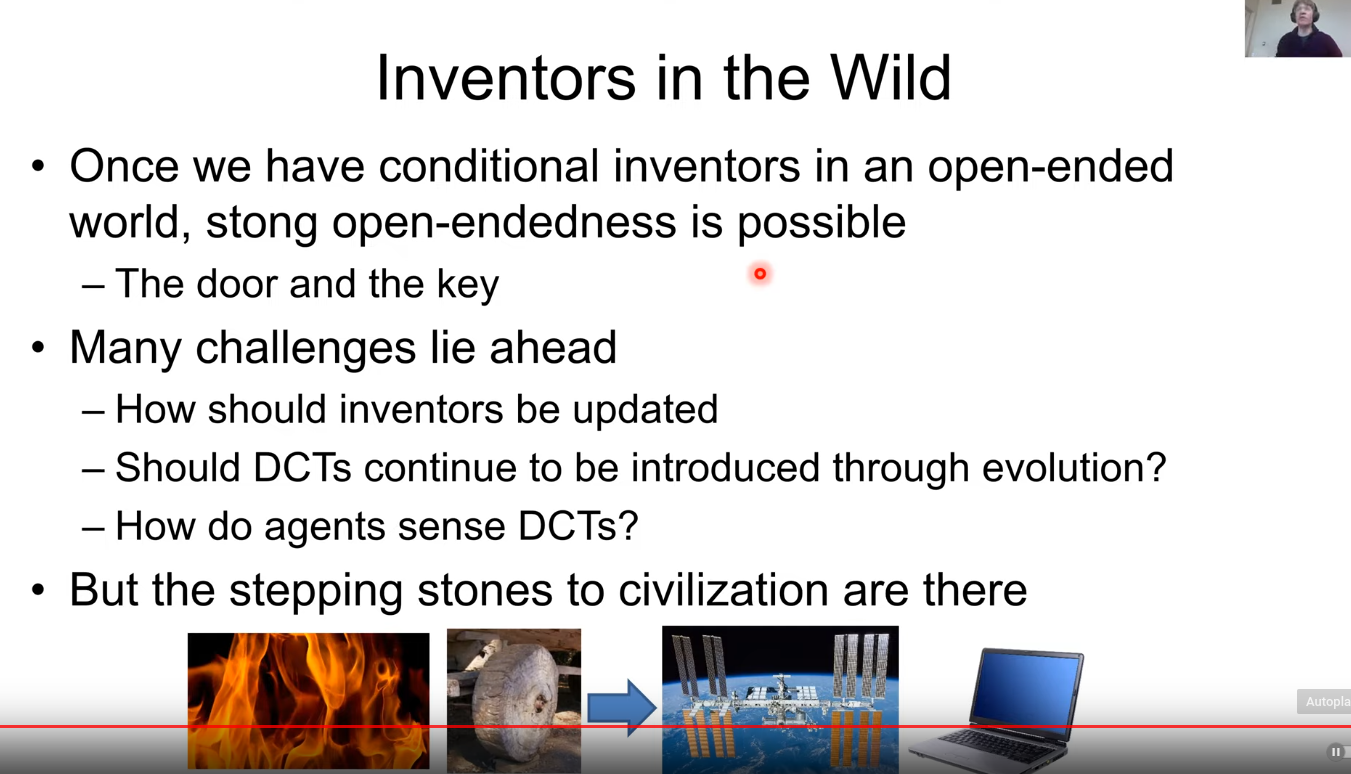
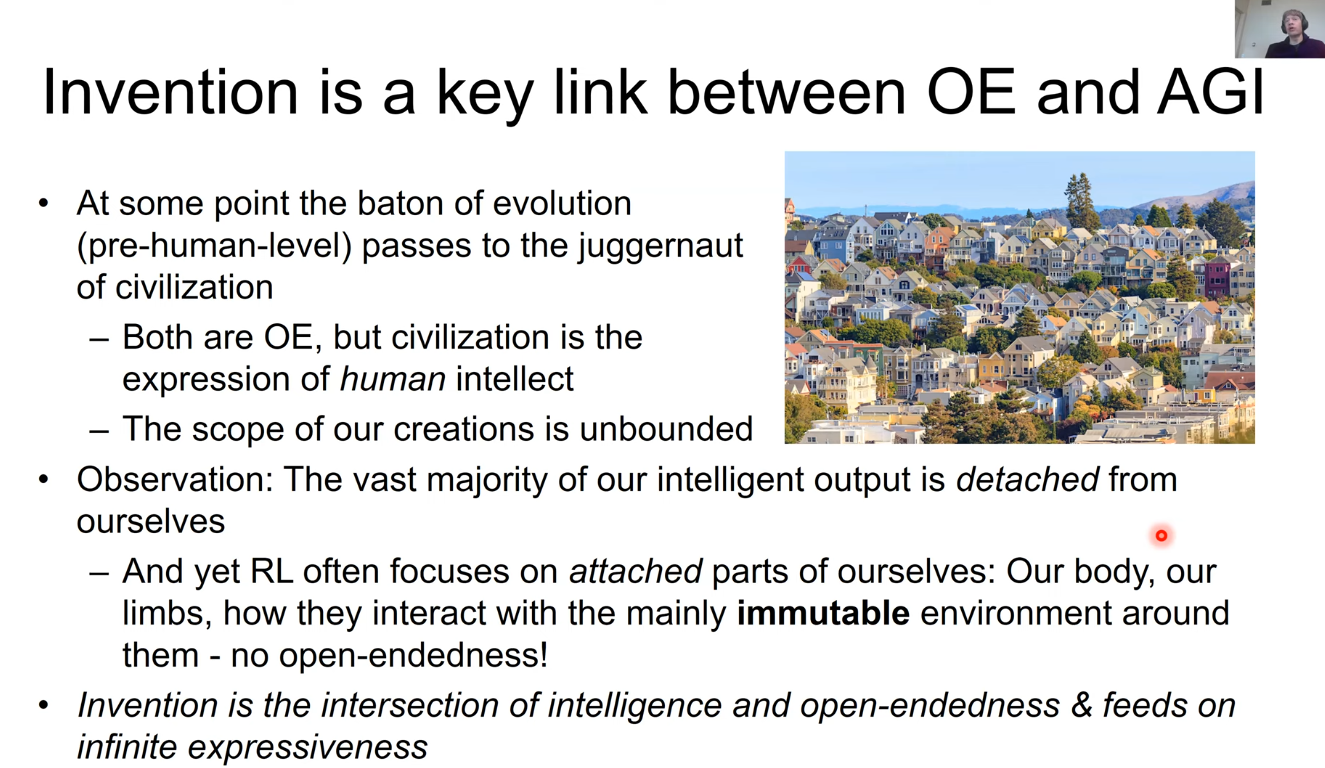
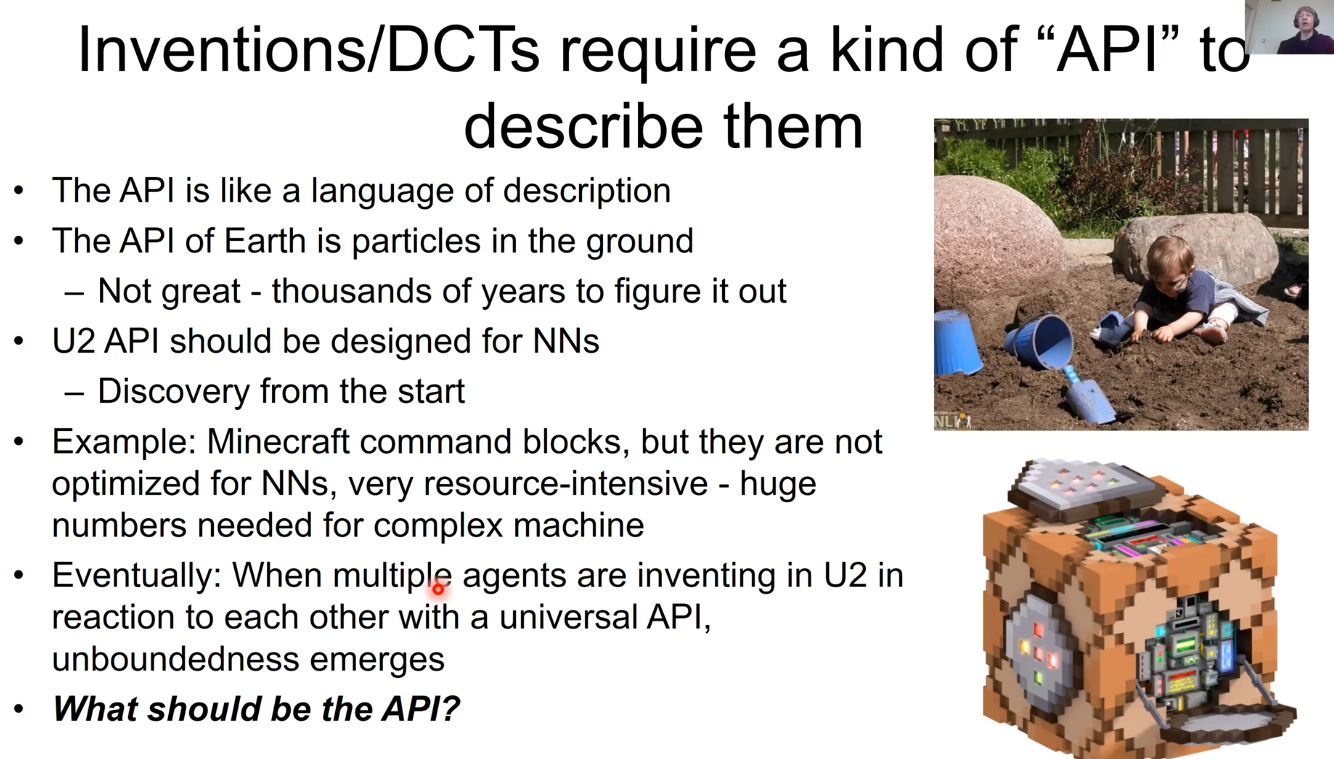
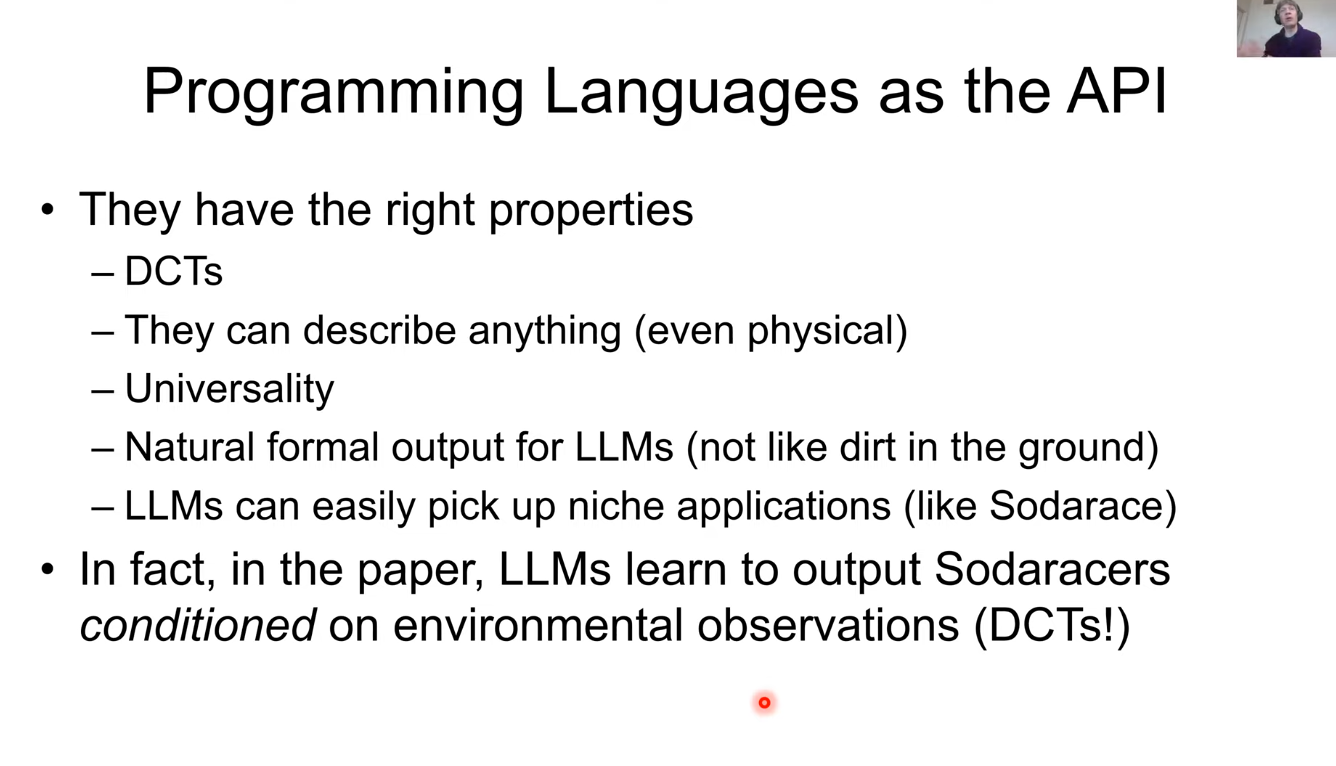
As interest in the field of open-endedness expands, ideas like continual discovery and increasingly complexity have gained significant attention. The aim of this talk is to bring attention to two lesser-known facets of open-endedness that nevertheless merit significantly more attention. First, evidence so far suggests that representations achieved through open-ended processes seem radically different from representations discovered through optimization, even if they solve the same problem. The implications of this observation are unknown but potentially significant. Second, while the agents themselves in an open-ended system are of course critical, in processes analogous to civilization (as opposed to evolution), the artifacts those agents put into and leave in the environment (e.g. houses and cars for humans) are also critical to the trajectory of the system, yet little studied or understood. New advances, such as Evolution through Large Models, make studying this issue more feasible. The hope is that this talk will inspire further investigation into both considerations.
-
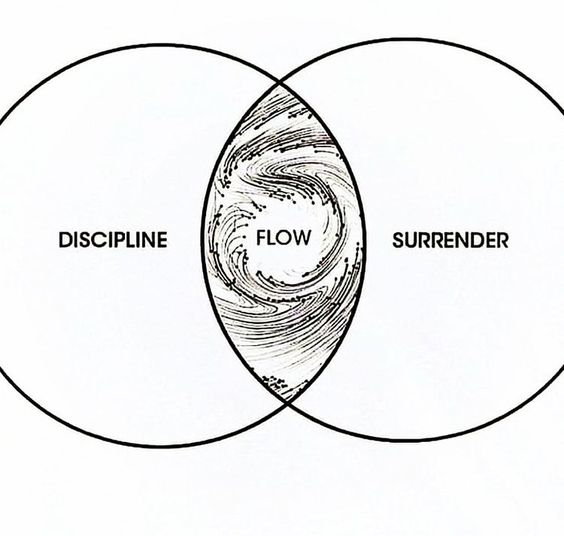
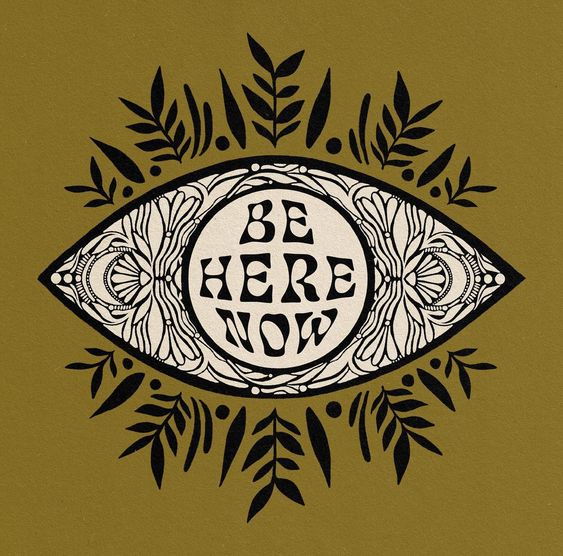
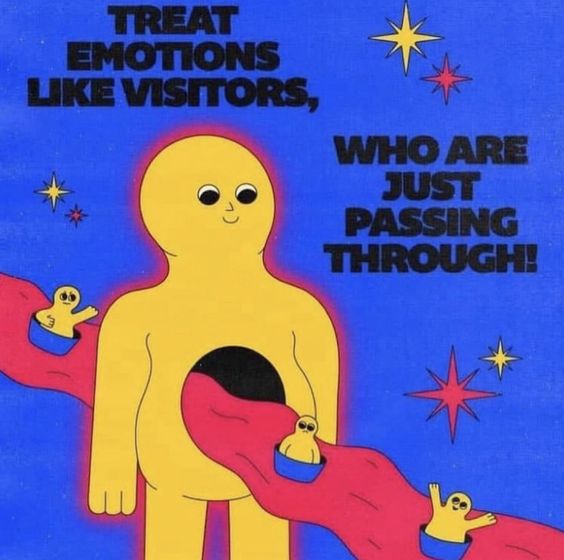
Don't push the river, let it flow. Slow down, easy does it. Go outside, look inside. Be here now.

-
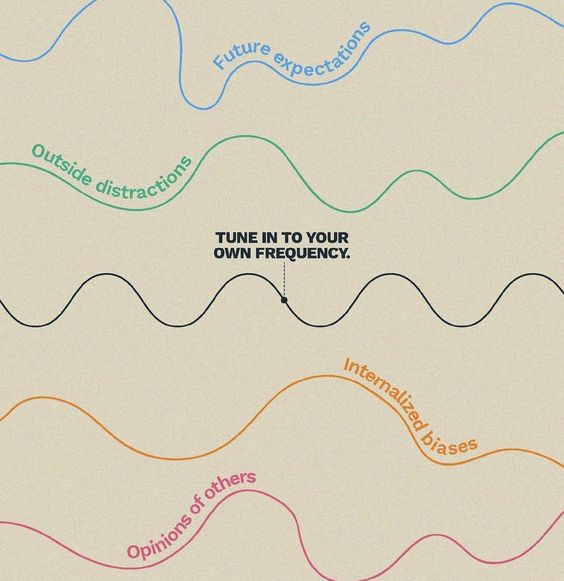
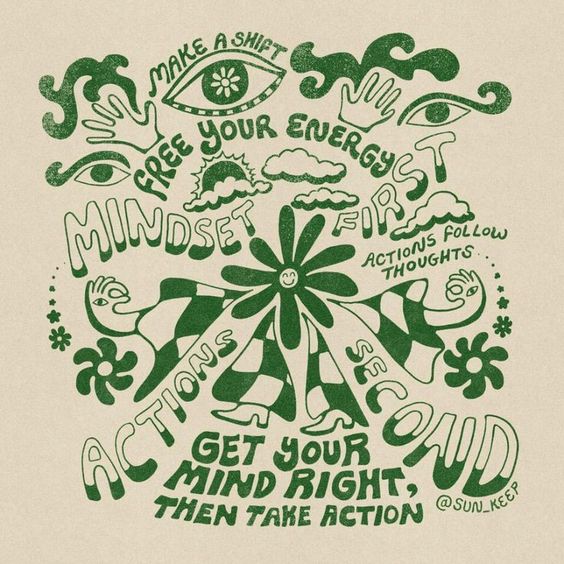
Inhale, Exhale: Tune in to your own frequency. Get your mind right. The time to start is all the time.