tag > Culture
-
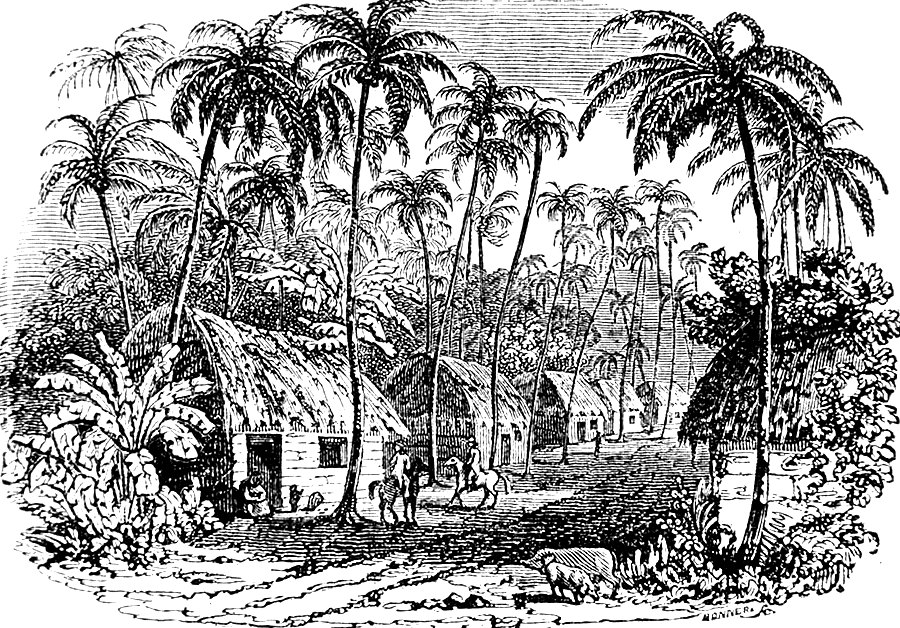
To supplement basic provisions provided by their master, some bondpeople grew their own foodstuffs and staple crops for personal consumption or sale. Enslaved men and women typically tended these gardens or "patches" after they had finished their daily or weekly work for their master. For some slaves, these gardens provided crucial supplements to an otherwise nutrient-deprived diet.
-
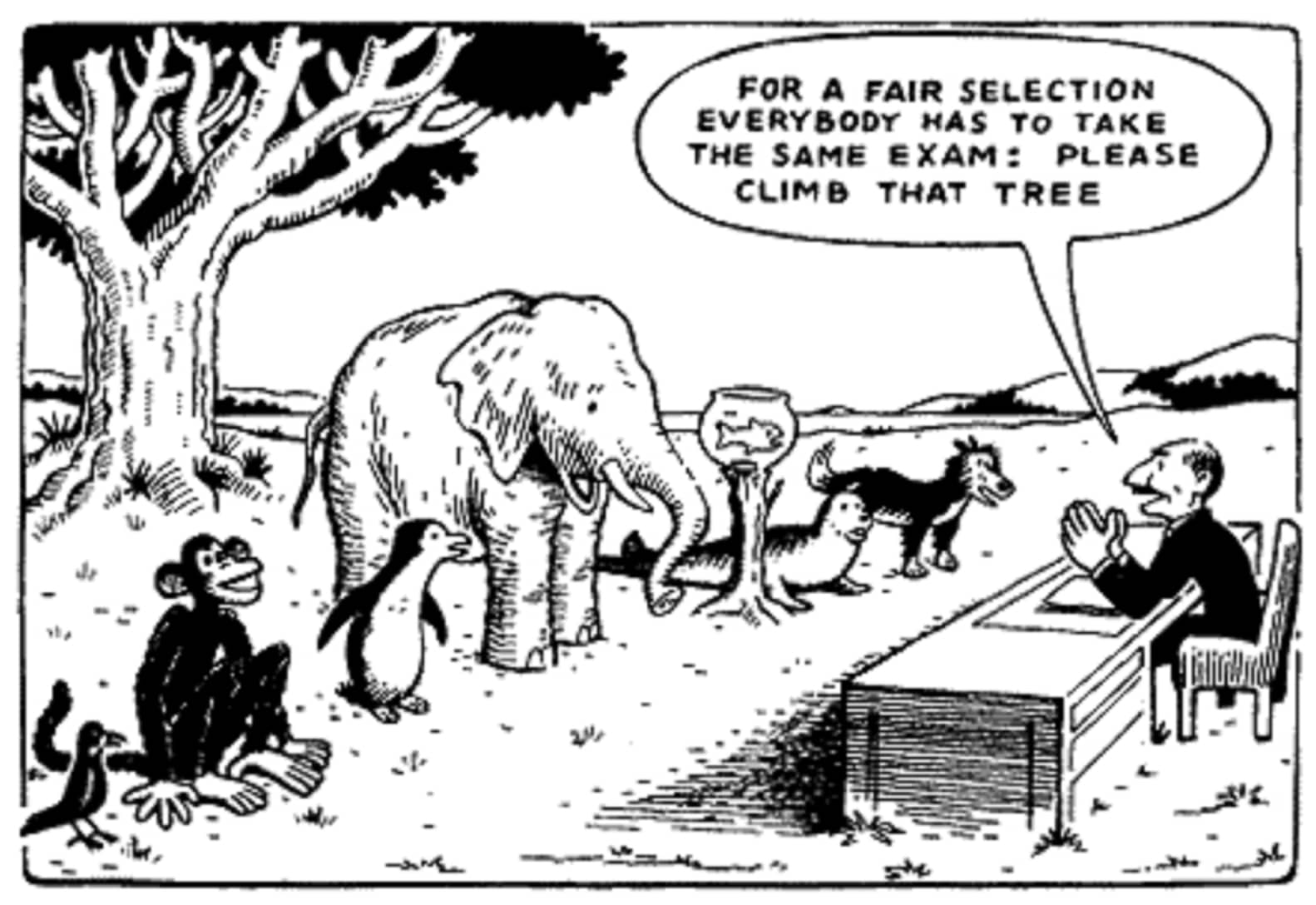
Coexistence: "The state or fact of living or existing at the same time or in the same place."

-
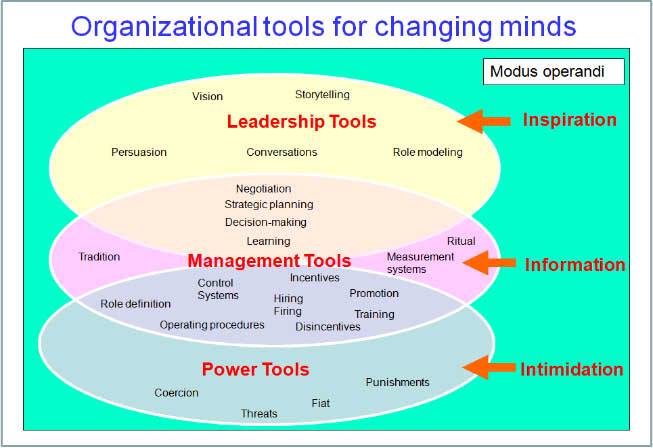
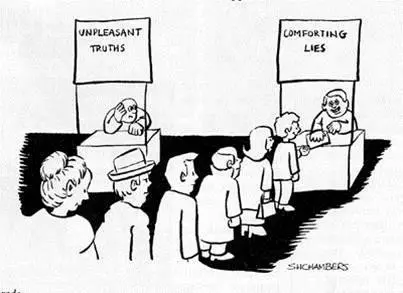
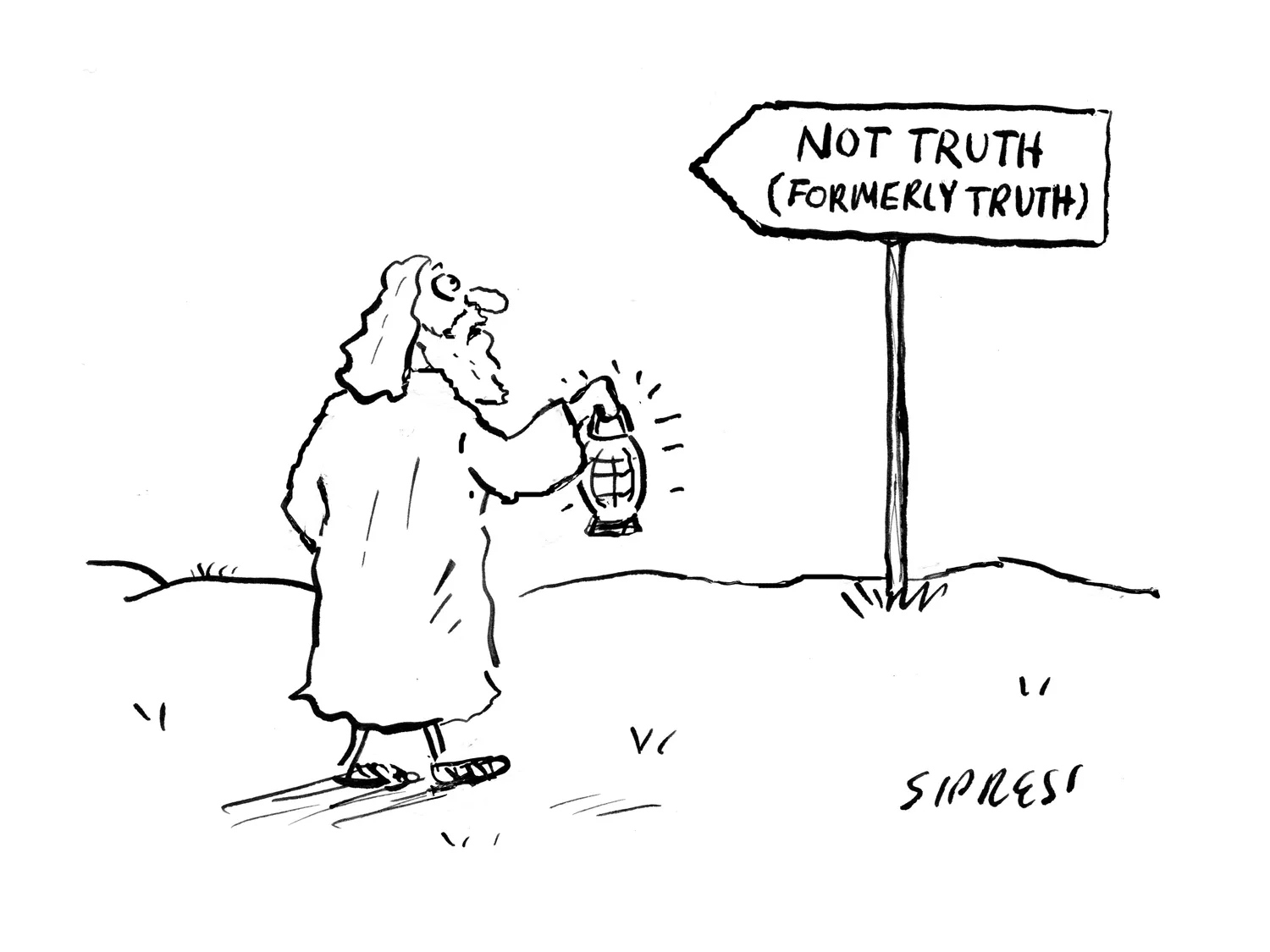
"The truth of these days is not that which really is, but what every man persuades another man to believe" - Michel de Montaigne

-
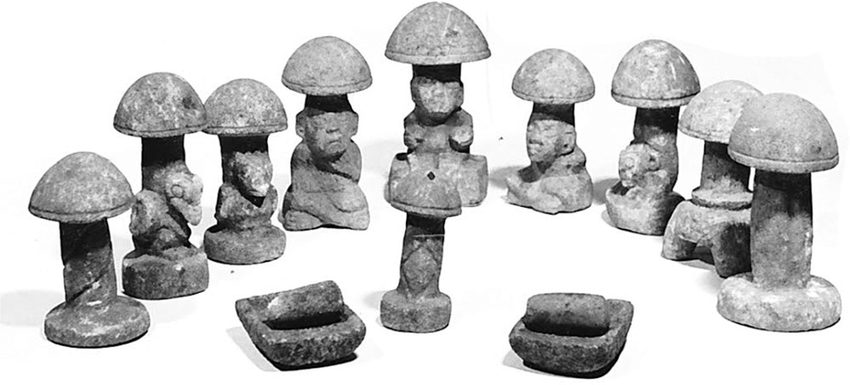
Mushroom stones found at the highland Maya archaeological site of Kaminaljuyu
-
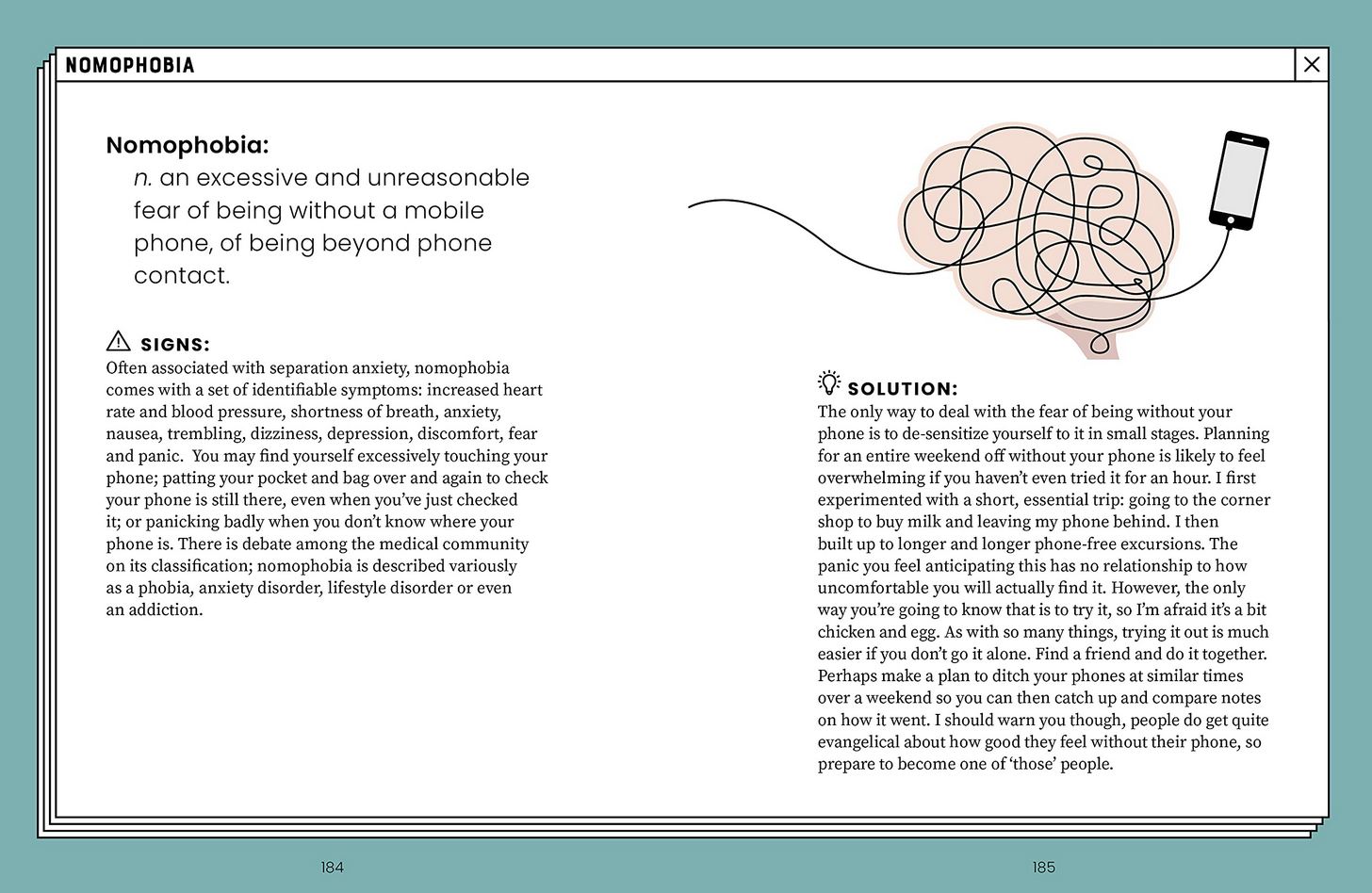
Nomophobia - "An excessive and unreasonable fear of being without a mobile phone, of being beyond phone contact." - "A globally very widespread type of anxiety disorder in the 2020"
-
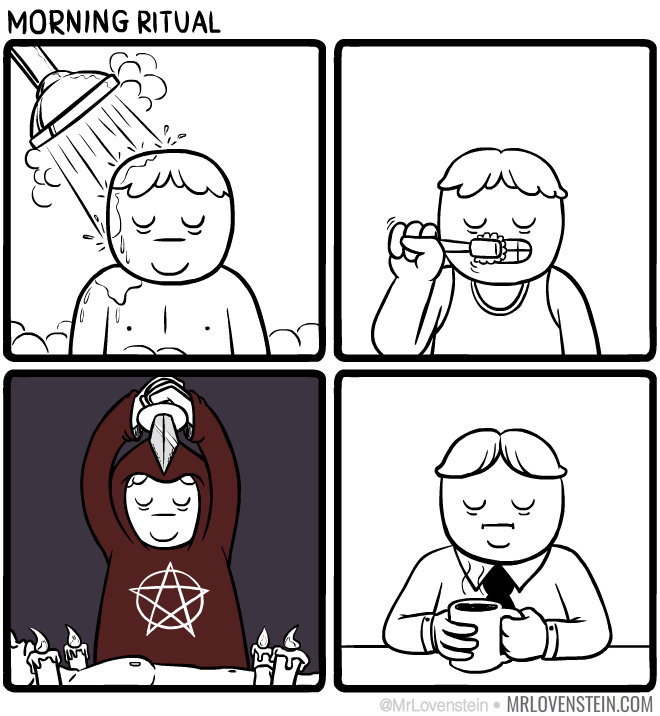
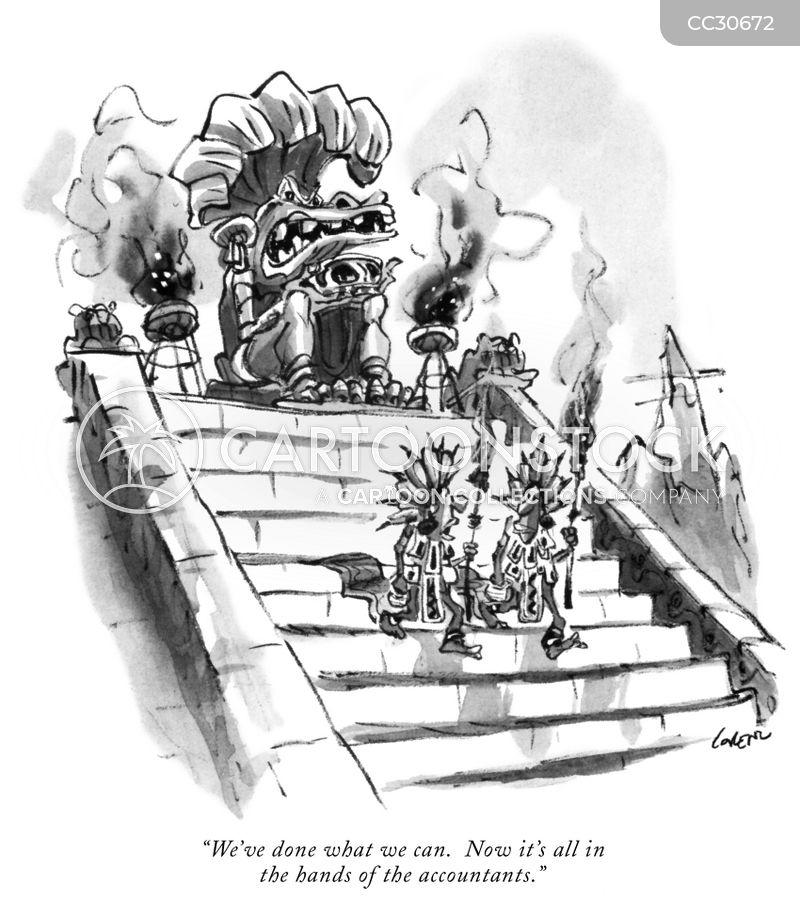
"Ritual cuts through and operates on everything besides the 'head' level" - Aiden Kelly

-
“This too shall pass.” — A Persian adage
-
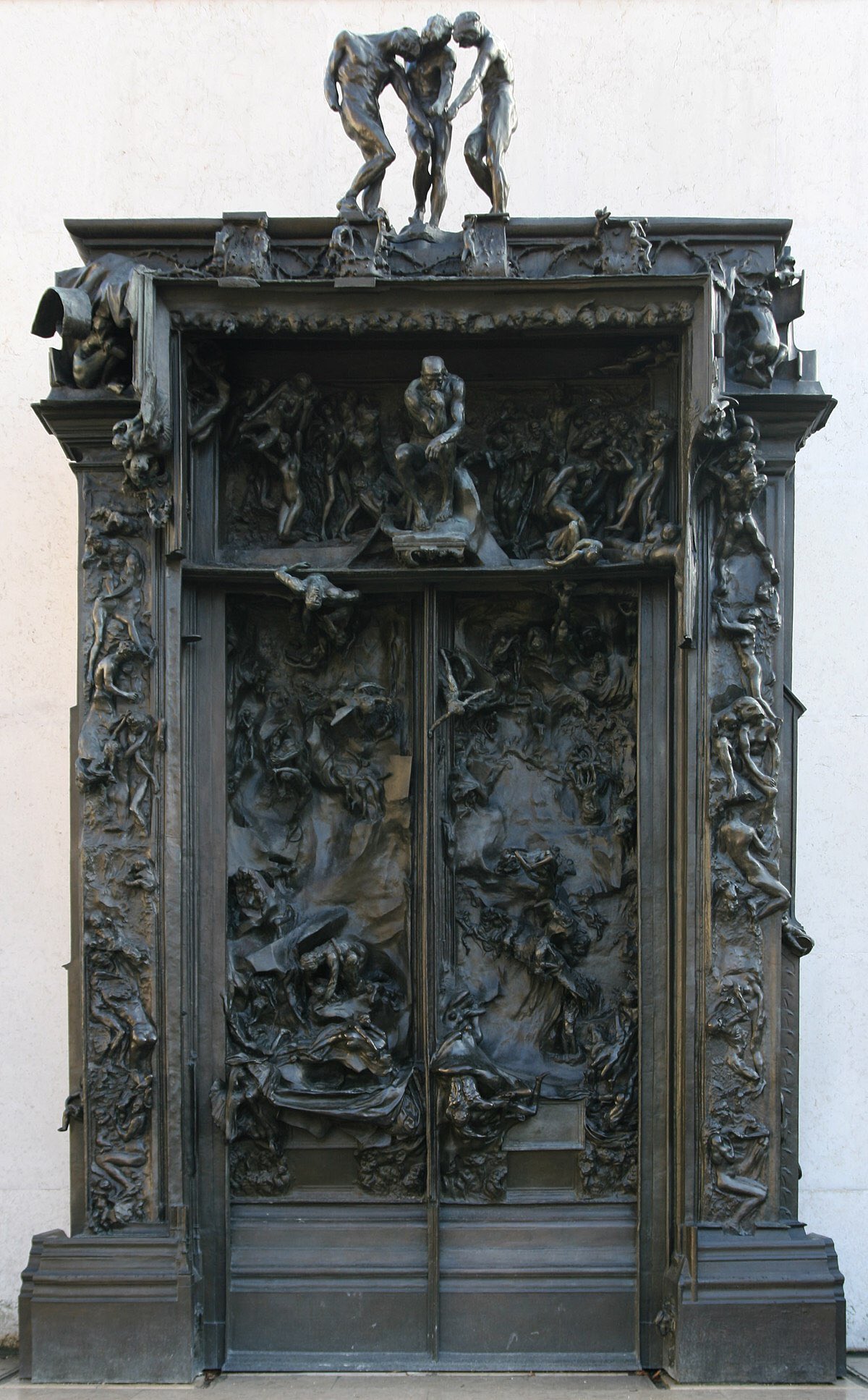
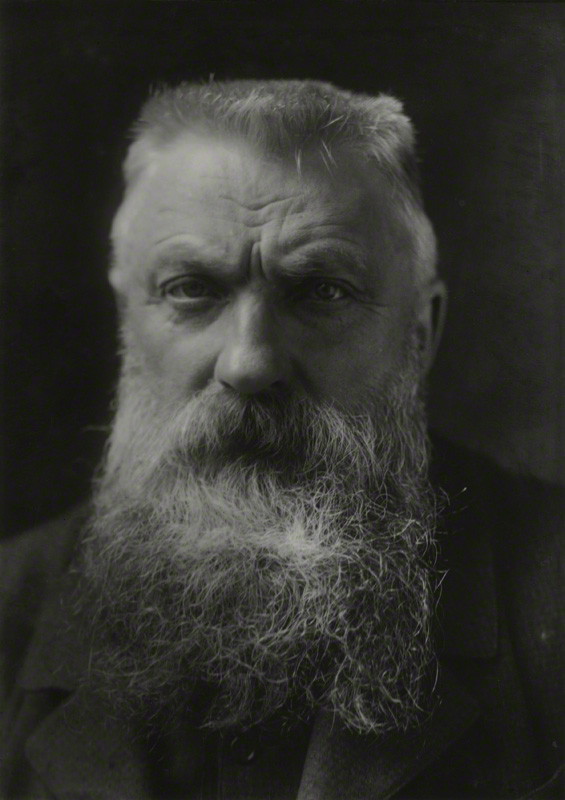
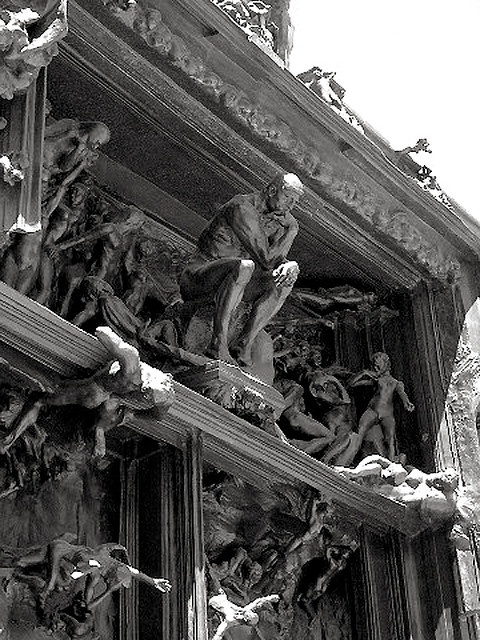
Auguste Rodin's (1840-1917) unfinished sculpture "Gate of Hell" will be inaugurated at the Quirinale stables in Rome on October 15, 2021. On loan from the Rodin Museum in Paris, the «Inferno» exhibition will remain open until 9 January 2022.

-
Charon carries souls across the river Styx - by Alexander Dmitrievich Litovchenko (1835-1890)
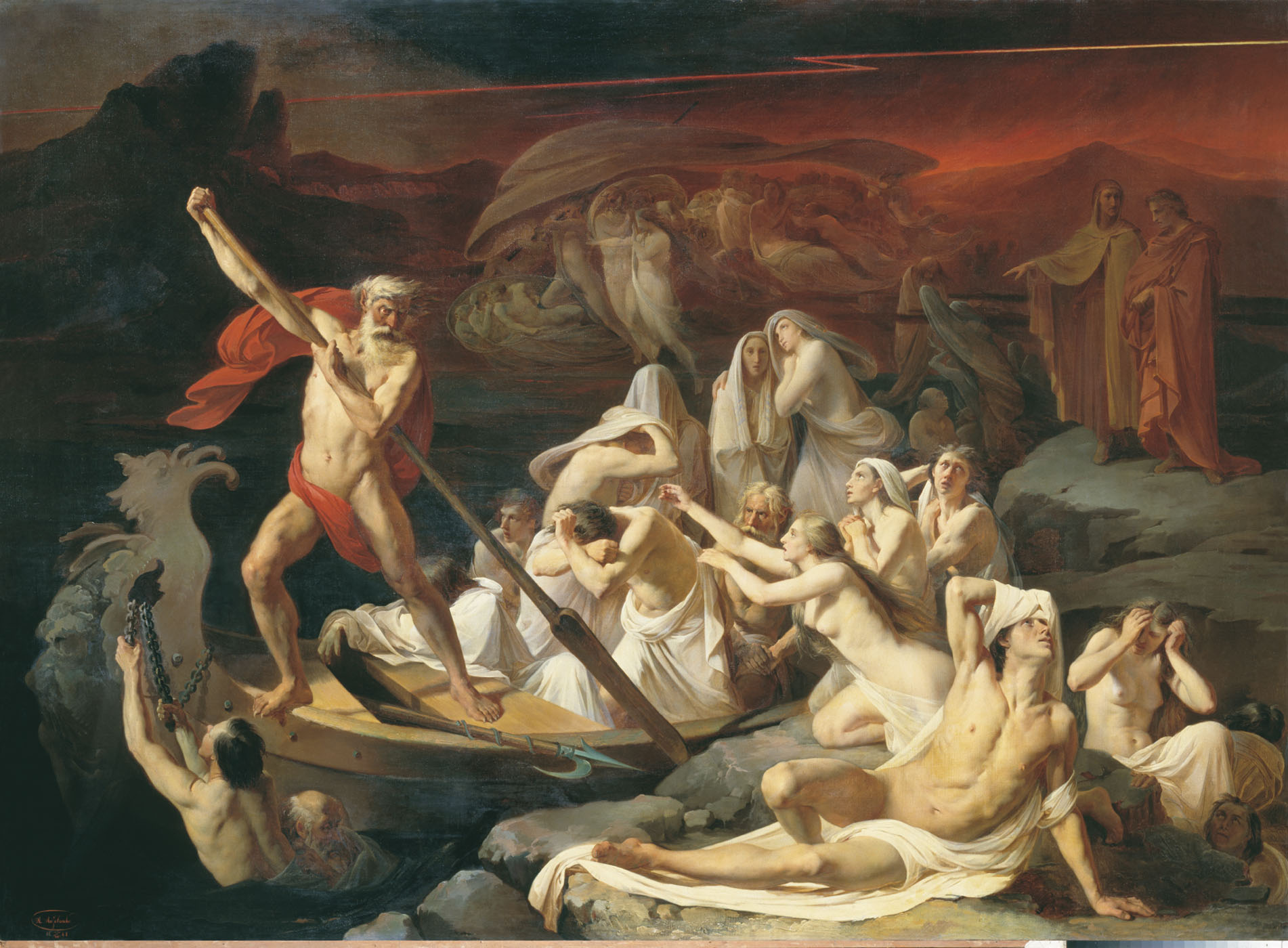
In Greek mythology, Charon or Kharon (pronounced /ˈkɛərən/; Greek Χάρων) was the ferryman of Hades who carried souls of the newly deceased across the river that divided the world of the living the world of the dead. A coin to pay Charon for passage, usually an obolus or danake, was sometimes placed in or on the mouth of a dead person. Some authors say that those who could not pay the fee, or those whose bodies were left unburied, had to wander the shores for one hundred years. In the catabasis mytheme, heroes — such as Heracles, Orpheus, Aeneas, Dionysus and Psyche — journey to the underworld and return, still alive, conveyed by the boat of Charon.