tag > Culture
-
"Small island of coherence in a sea of chaos have the capacity to shift the entire system to a higher order" - Illya Prigogine
-
Japan asked the international media to change how we write their names. No one listened (CNN, 2020)

In a full-page spread on March 2, 1979, the Los Angeles Times introduced its readers to Pinyin, a Chinese romanization system it said was changing the "familiar map of China." In the new system "Canton becomes Guangzhou and Tientsin becomes Tianjin." Most importantly, the newspaper would now refer to the country's capital as Beijing, not Peking. Now, Japan wants its turn.
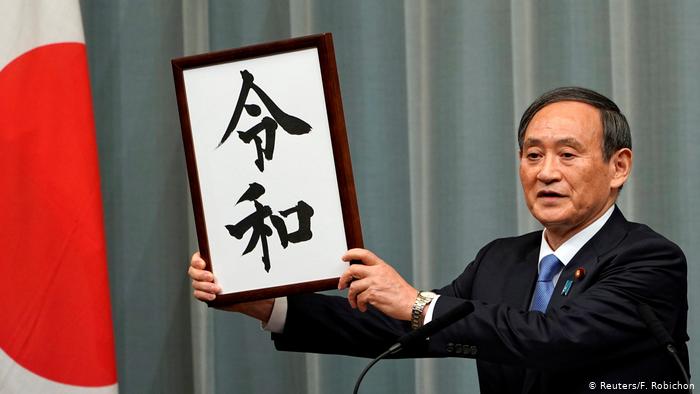
As the country marked the dawn of the Reiwa Era last year with the coronation of Emperor Naruhito, its foreign ministry felt it was an opportune time to request that the names of Japanese officials be written differently. Prime Minister Shinzo Abe's name, for example, would become Abe Shinzo, with his family name coming before his given name — just as the international media prints the names of Chinese President Xi Jinping and South Korean President Moon Jae-in.
-
Happy Nowruz!
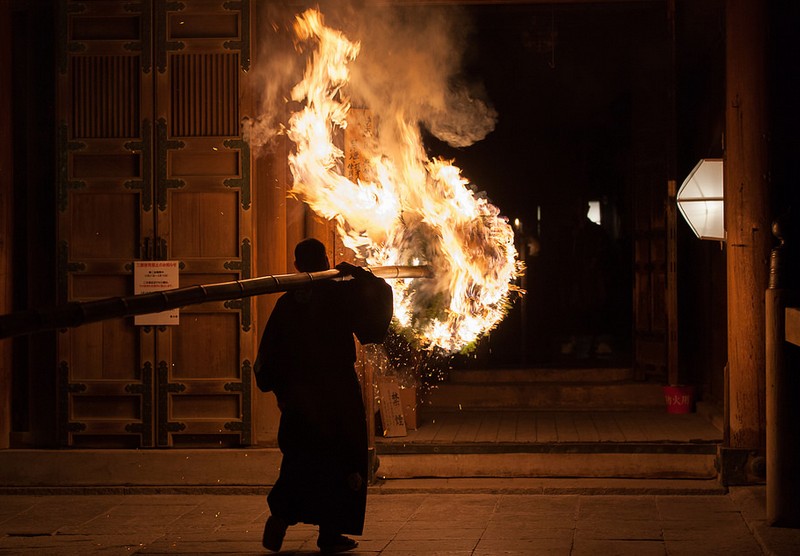
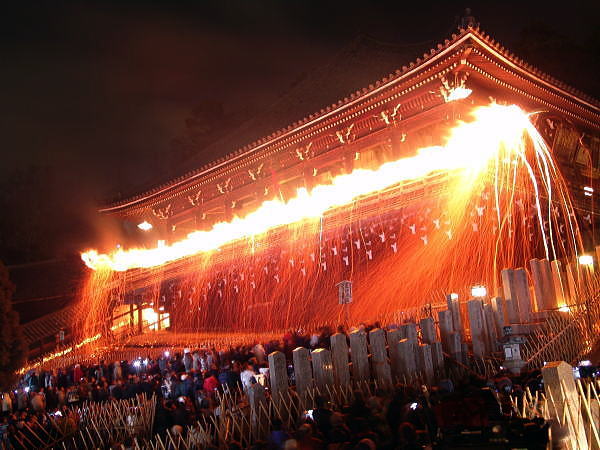
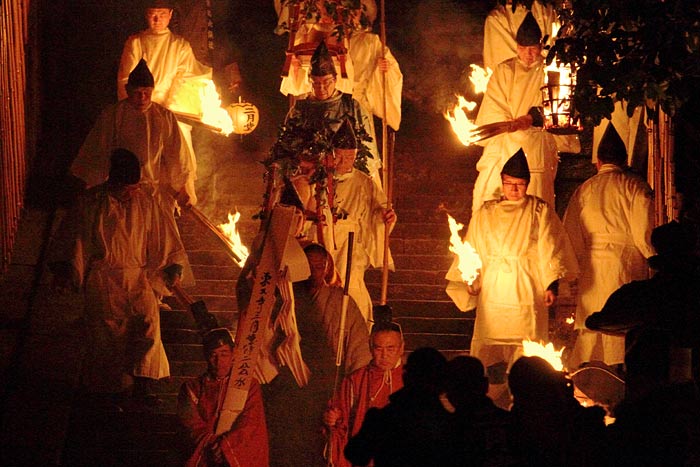
Photo from the Shunie or Omizu-tori Ceremony, derived from Zoroastrianism. Nara, Japan, Silk Road.
-
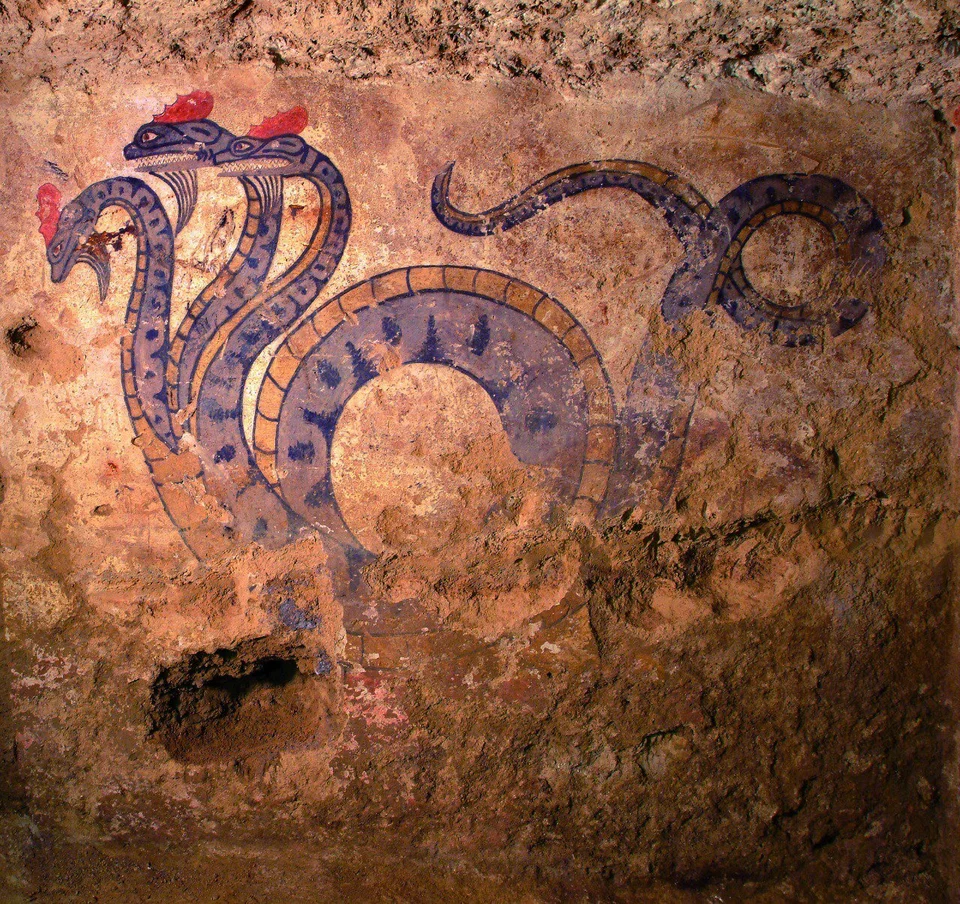
Three headed dragon painting from an Etruscan tomb at the necropolis of Pianacce (4th c BC)
-
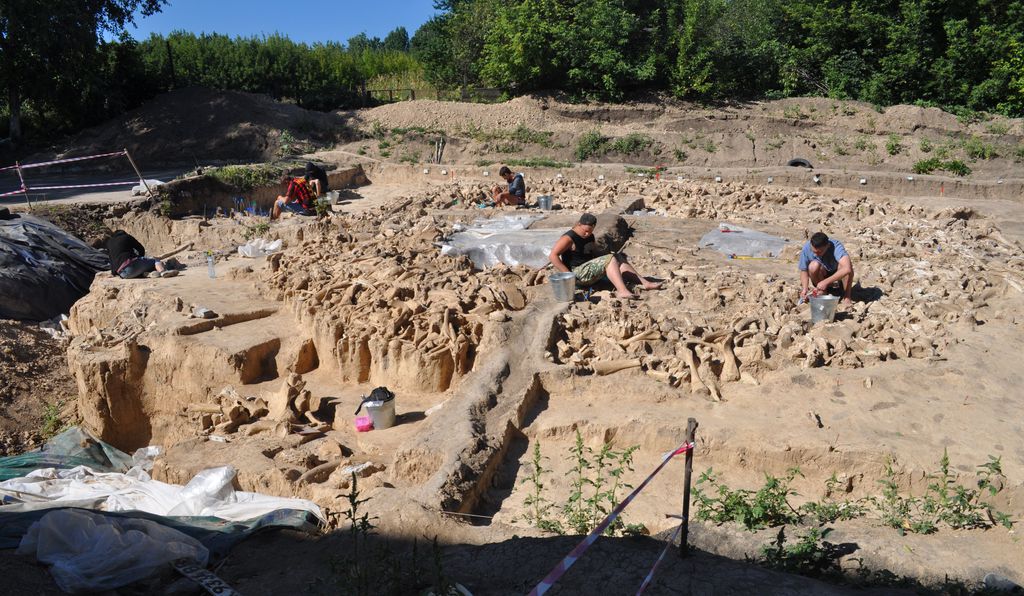
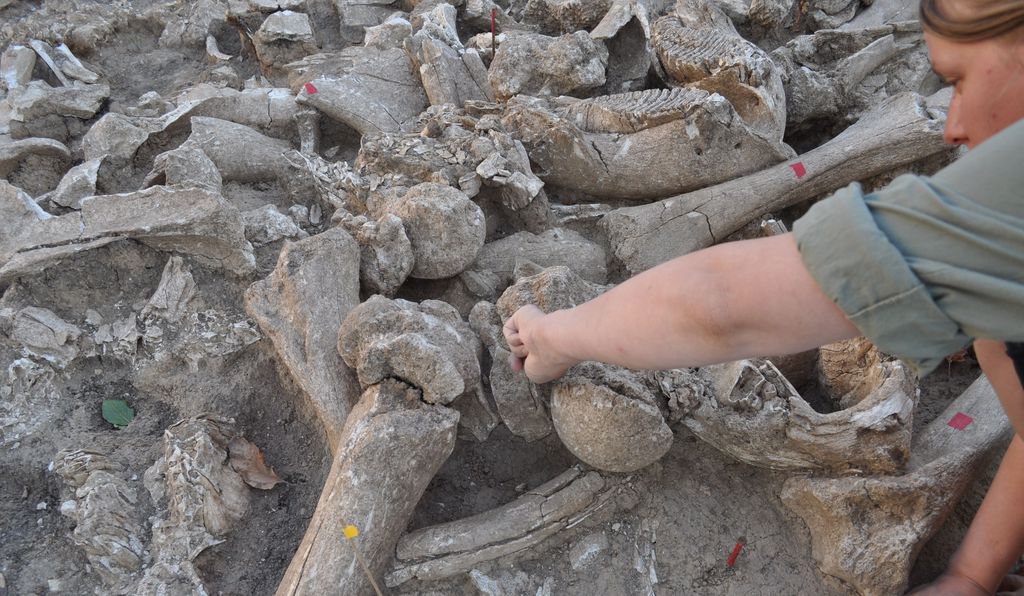
A Mysterious 25,000-Year-Old Structure Built of the Bones of 60 Mammoths (Smithsonian)
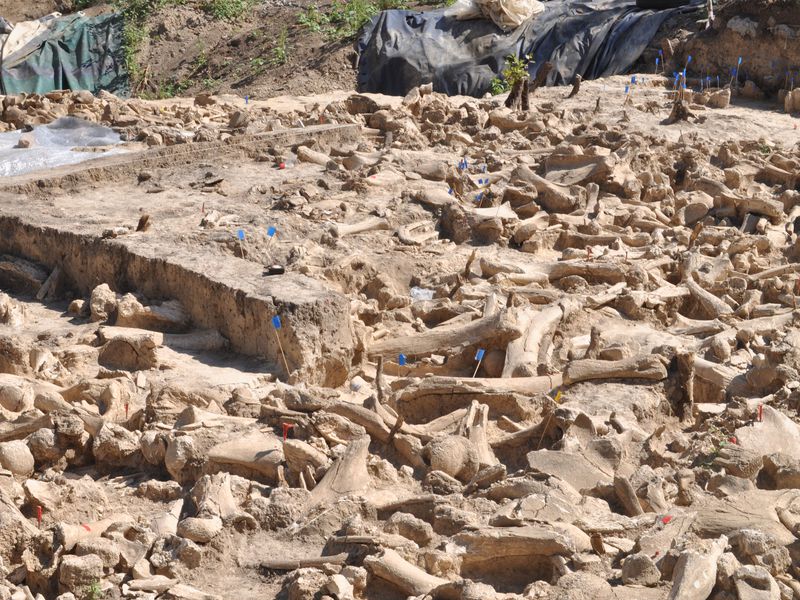
The remains of the newly discovered structure. (A. E. Dudin) A jaw-dropping example of Ice Age architecture has been unearthed on Russia’s forest steppe: a huge, circular structure built with the bones of at least 60 woolly mammoths. But exactly why hunter-gatherers enduring the frigid realities of life 25,000 years ago would construct the 40-foot diameter building is a fascinating question. [...] “This project is giving us a real insight into how our human ancestors adapted to climate change, to the harshest parts of the last glacial cycle, and adapted to use the materials that they had around them,” Pryor said. “It’s really a story of survival in the face of adversity.”

-
Tourists stay away as Egypt reopens oldest pyramid (al-monitor)
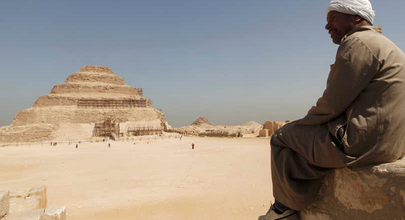
A guide sits on a stone as he looks at the Djoser's step pyramid, in Saqqara, Egypt, March 5, 2011. No tourists are in sight near Giza's pyramids as the coronavirus pandemic takes its toll on the country’s tourism industry, casting a shadow over the reopening of Egypt’s oldest pyramid after the completion of a major restoration project. Egypt has reopened its oldest pyramid, Djoser in Saqqara, south of Cairo, after a major restoration project that lasted 14 years. Djoser, a 4,700-year-old pyramid located in Memphis, the first Egyptian capital, is the oldest standing pyramid in Egypt.
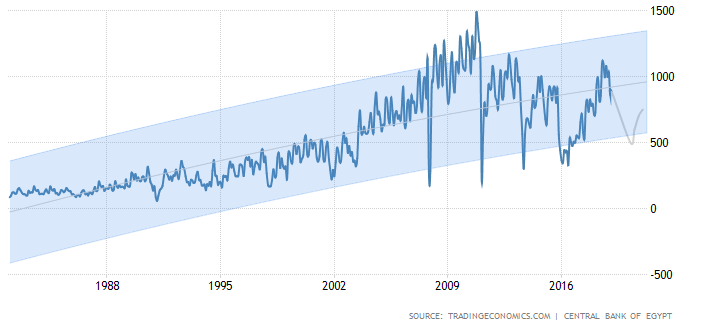
According to official figures, tourism revenues in Egypt jumped by more than 28% to record about $12.6 billion in the fiscal year 2018-2019 ending last June 30, compared to $9.8 billion during the fiscal year 2017-2018.
Tourism has become the country’s third-largest source of national income after remittances from Egyptians abroad.
Egypt's Pyramids, Sphinx shine in red to mark Chinese New Year (2020, Xinhua)
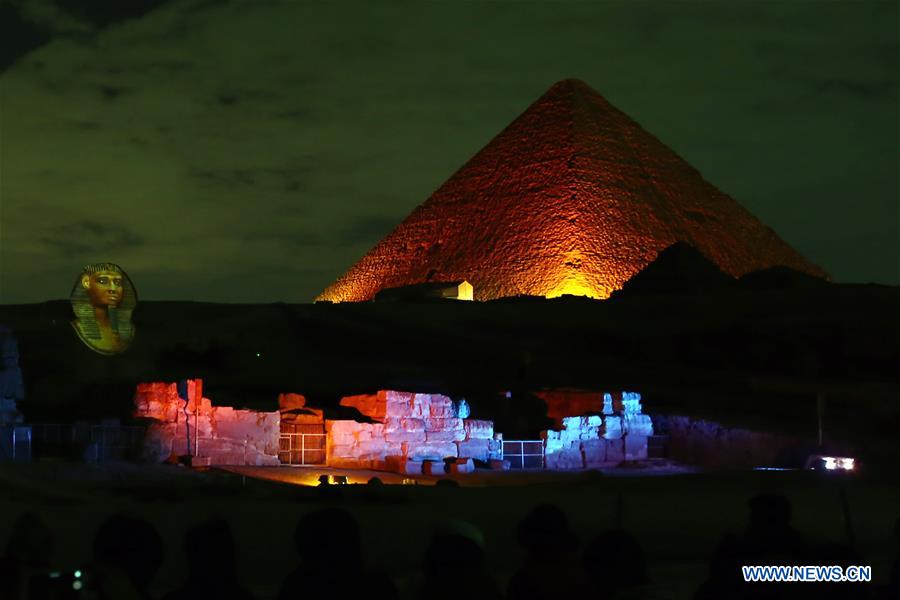
A pyramid is illuminated in red in Giza, Egypt, on Jan. 23, 2020. The Great Pyramids and the Sphinx in Giza near the Egyptian capital Cairo have been shining in red in a ceremonial sound and light show on Thursday evening as part of the celebrations of the Chinese New Year. "Today, the Pyramids Plateau is distinguished by wonderful lights as the Chinese red lanterns integrate with the beautiful Egyptian pyramids, marking a meeting between the two old civilizations of China and Egypt," Shi Yuewen, cultural counselor of the Chinese embassy in Egypt and CCC chief, told the attendees.
Egypt sees surging number of Chinese tourists (2019)
Cultural counselor to Egypt, Shi Yuewen, says tourist visitations could exceed 500,000 in 2019
Egypt cancels Chinese flights amid coronavirus outbreak (egyptindependent)
An official statement published by the Association of Egyptian Travel Agencies announced that Egypt has suspended all flights from or to China amid an eruption of the deadly coronavirus outbreak. Trips for approximately 30,000 Chinese tourists expected to visit Egypt in the winter season were cancelled.
Coronavirus: Is Egypt suppressing the true outbreak figures? (March 2020, DW)
Cairo has severely underreported the number of positive cases in the country, according to researchers. But authorities have taken it a step further by arresting people circulating figures higher than the official tally.
China, Egypt inspect, seal smuggled ancient Chinese coins (Dec, 2019)
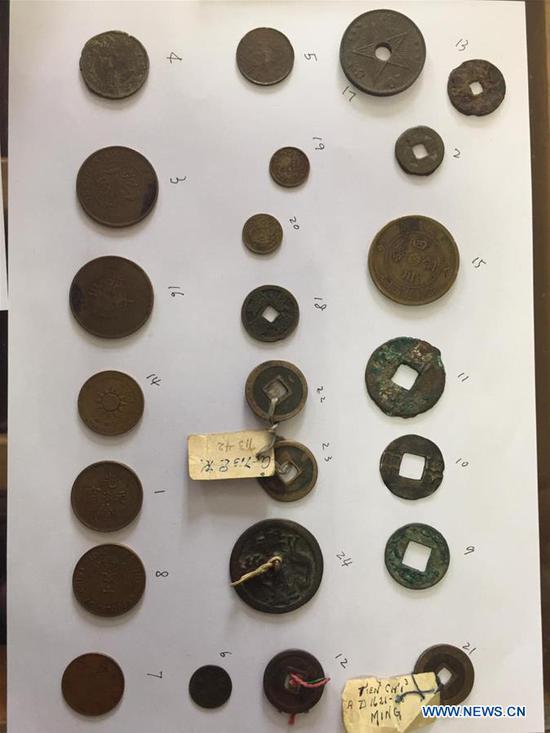
A delegation of Chinese officials from Chinese embassy in Egypt and officials from Egyptian Ministry of Antiquities inspected and sealed dozens of smuggled ancient Chinese coins in Egypt's coastal city of Alexandria, a Chinese official said on Monday. Egyptian customs in Alexandria seized in 2018 more than 30 ancient Chinese coins and most of them were from China's Qing Dynasty (1644-1911), while most ancient ones dating back to the fourth century B.C., said Chinese Cultural Counselor to Egypt Shi Yuewen, who was a member of the delegation. More than 20 of these coins were identified as national cultural relics by experts from the Chinese State Administration of Cultural Heritage and Egypt will officially return the coins to China in the near future, according to Shi Yuewen.
-
‘Astounding new finds’ suggest ancient empire may be hiding in plain sight (sciencemag)
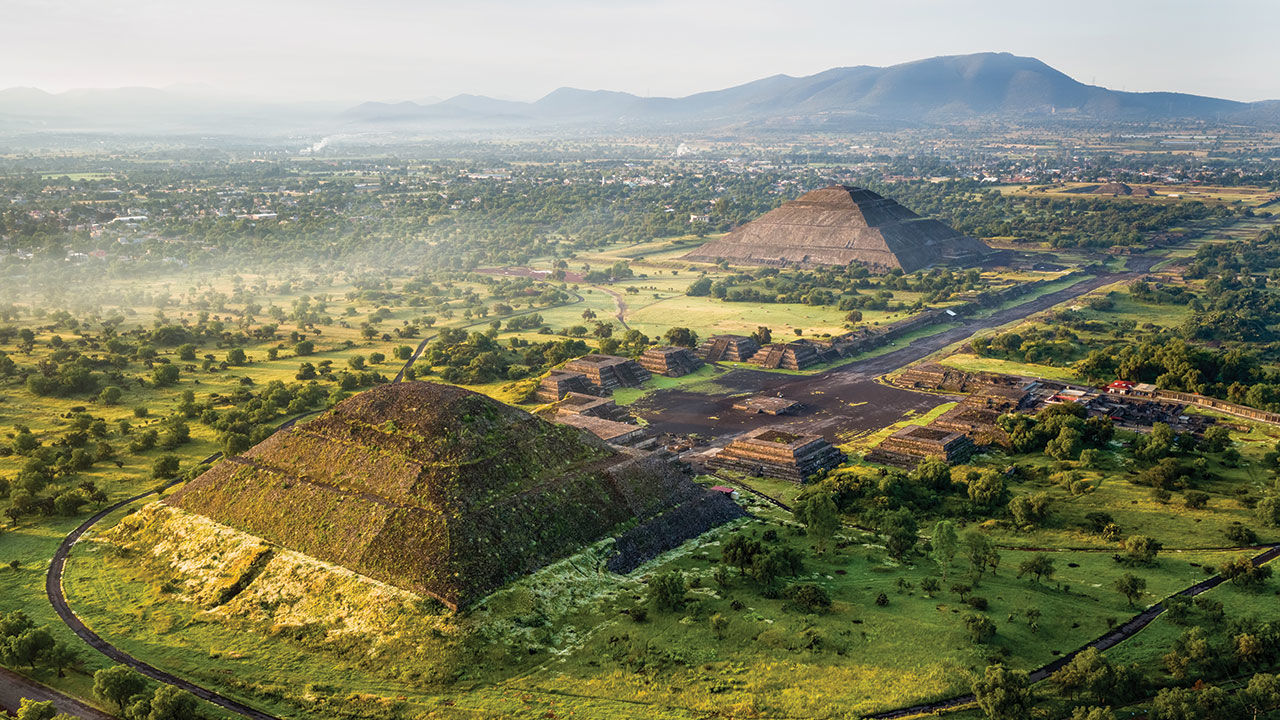
Teotihuacan was once a bustling, cosmopolitan metropolis, the center of an empire whose reach may have extended 1000 kilometers away to the Maya region.
New evidence from both Teotihuacan and the Maya region has brought the relationship between those two great cultures back into the spotlight—and hints it may have been more contentious than most researchers had thought. Evidence from Maya writing and art suggests Teotihuacan conquered Tikal outright, adding it to what some archaeologists see as a sweeping empire that may have included several Maya cities.
-
Jesus' Secret Revelations? Copy of Forbidden Teachings Found in Egypt (2017, livescience)
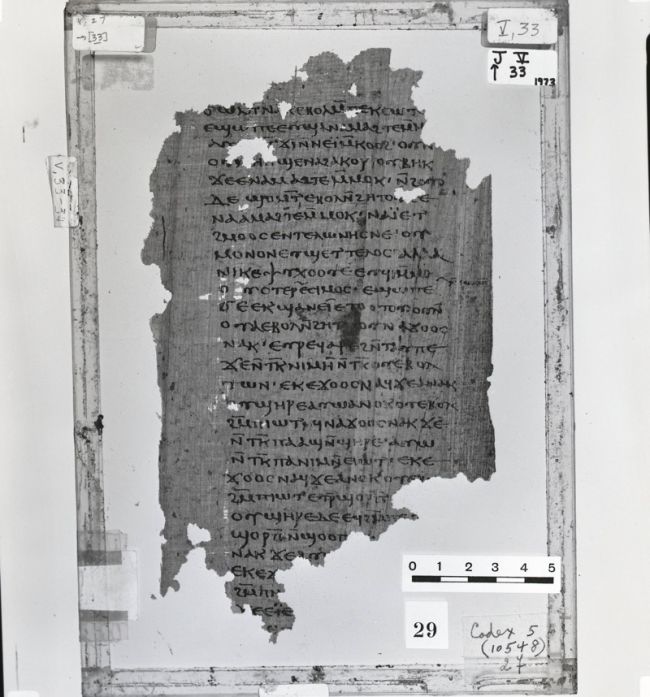
The oldest known copy of a text claiming to be Jesus' teachings to his brother James has been discovered in an ancient Egyptian trash dump, scattered among piles of fifth-century papyrus, ancient tax receipts and bills of sale for wagons and donkeys. The manuscript is a rare, Greek-language edition of an apocryphal New Testament story called The First Apocalypse of James, that, until now, was thought to only be preserved in the Coptic language. The text was likely written in the fifth or sixth century. Gnostic texts like The First Apocalypse of James were likely banned because of their "different understanding" of what Jesus' importance was, Landau said.
-
Ancient Maya kingdom unearthed in a backyard in Mexico (brandeis & brown university)
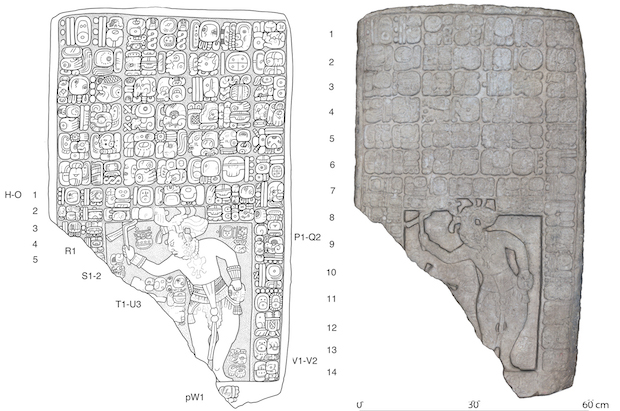
Left, drawing of a tablet found at the site. Right, a digital 3D model. Associate professor of anthropology Charles Golden and his colleagues have found the long-lost capital of an ancient Maya kingdom in the backyard of a Mexican cattle rancher. Among their findings is a trove of Maya monuments, one of which has an important inscription describing rituals, battles, a mythical water serpent and the dance of a rain god. They’ve also found remnants of pyramids, a royal palace and ball court.
-
Voyager Golden Record (1977)
The Voyager Golden Records are two phonograph records that were included aboard both Voyager spacecrafts launched in 1977. The records contain sounds and images selected to portray the diversity of life and culture on Earth, and are intended for any intelligent extraterrestrial life form who may find them. They are a sort of time capsule.
-
Global citizenship is the idea that one's identity transcends geography or political borders and that responsibilities or rights are derived from membership in a broader class: "humanity". This does not mean that such a person denounces or waives their nationality or other, more local identities, but that such identities are given "second place" to their membership in a global community. The idea leads to questions about the state of global society in the age of globalization.
-
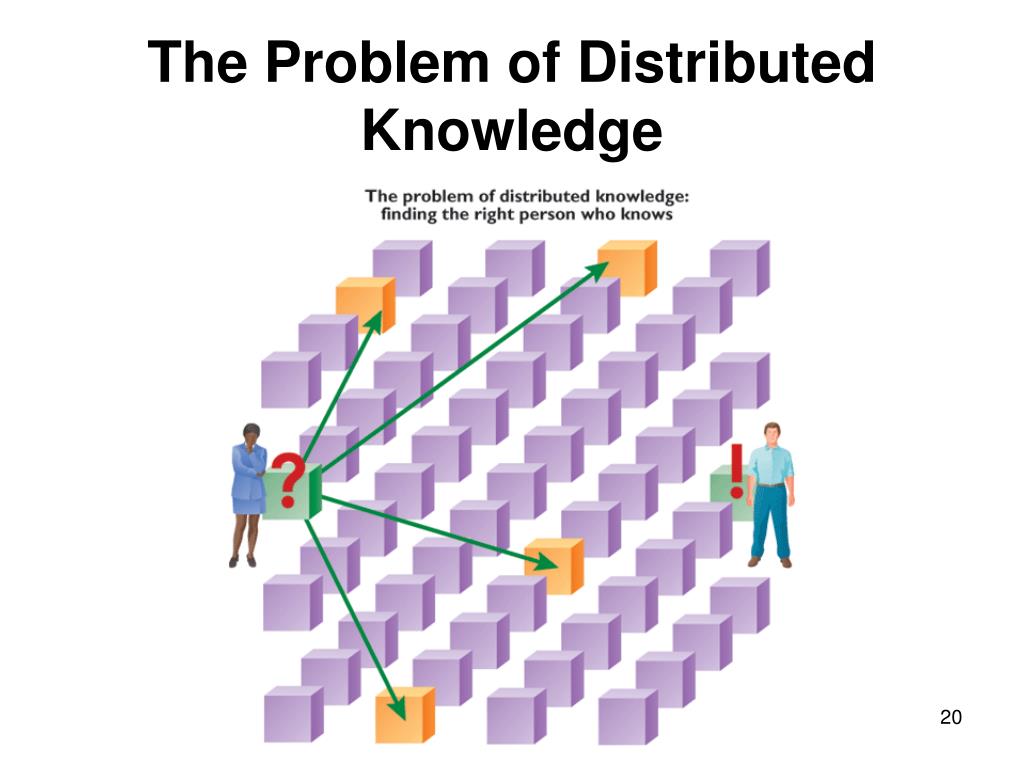
Distributed knowledge is the union of all the knowledge of individuals in a community. Distributed knowledge is approximately what "a wise man knows" or what someone who has complete knowledge of what each member of the community knows knows. Distributed knowledge might also be called the aggregate knowledge of a community, as it represents all the knowledge that a community might bring to bear to solve a problem.
-
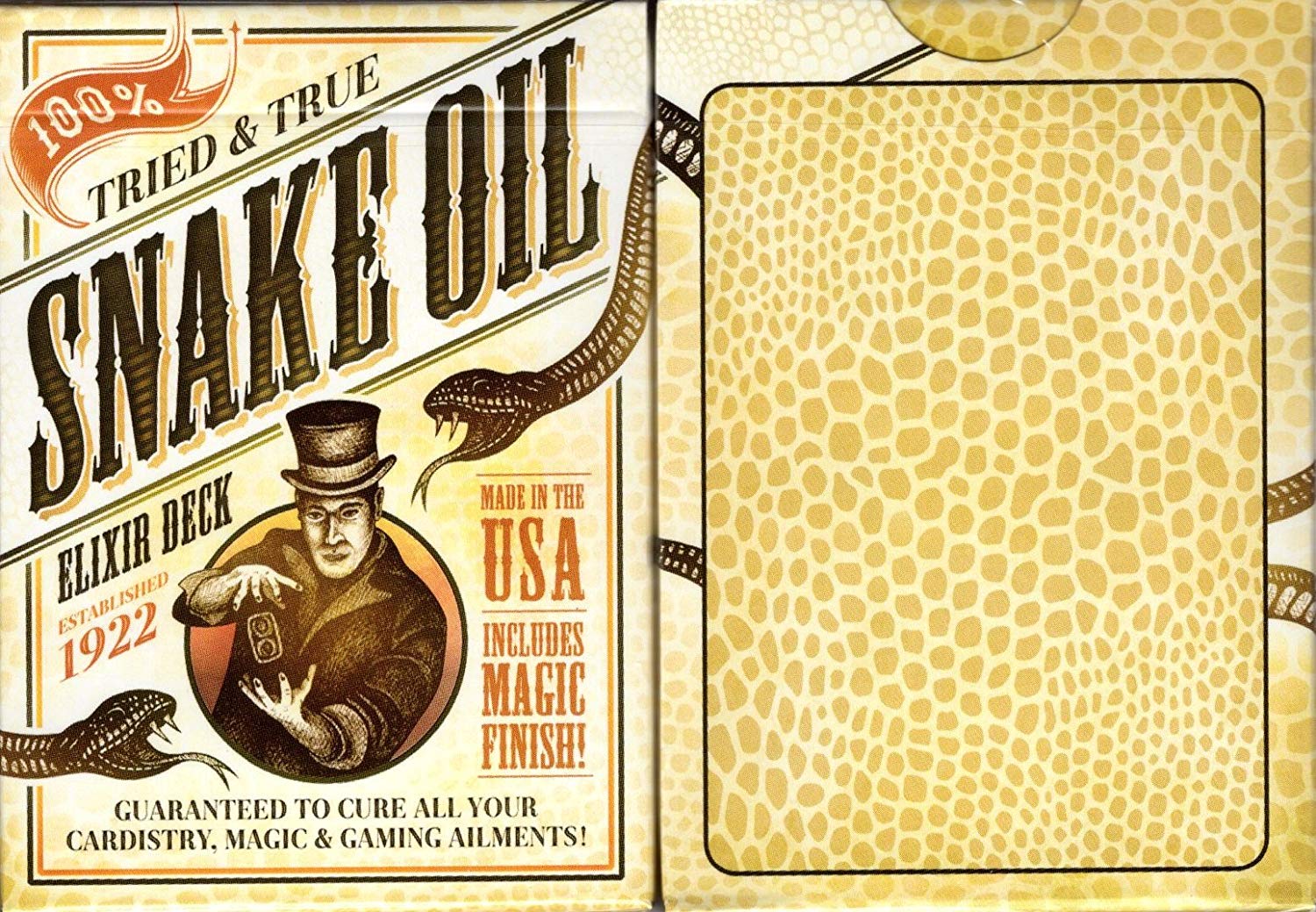
Snake oil is a euphemism for deceptive marketing. Many 19th-century US and European entrepreneurs advertised and sold mineral oil as "snake oil liniment", making frivolous claims about its efficacy as a panacea. Fat extracted from the Chinese water snake has been used in traditional Chinese medicine for many centuries, and is a common medication prescribed by doctors.
-
How to Fix Democracy - Interview with Constanze Stelzenmüller
"Dr. Constanze Stelzenmüller is a German citizen with connections to the deep state/intelligence community. She has worked as a newspaper editor, leader of the Berlin office of the very CIA-close foundation German Marshall Fund of the United States, and from 2014, she works for the US Brookings Institution." (wikispooks)
-
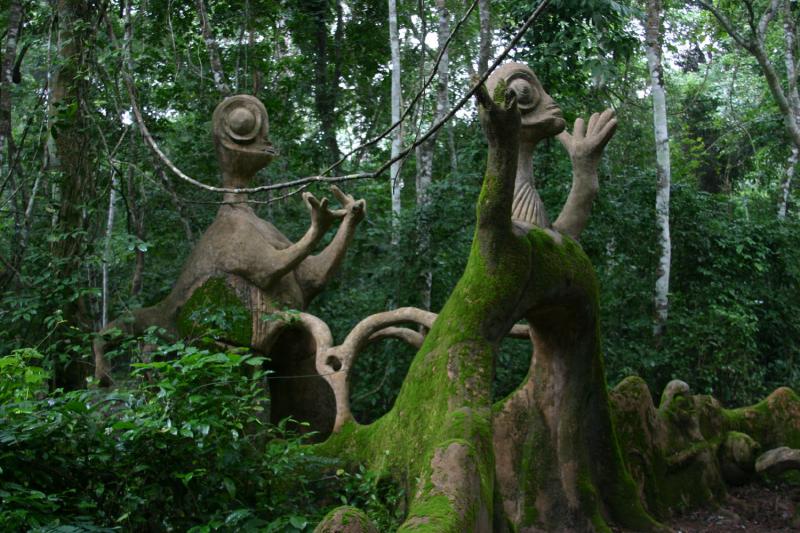
Situated on the outskirts of the city of Osogbo along the banks of Osun River, the Osun-Osogbo Sacred Grove is a dense forest famous for being the home of the goddess of fertility in Yoruba land. The forest houses shrines, sculpture, art works and the sacred river. There is a festival celebrated in the month of August every year. (See this overview video)
-
“No one knows everything, everyone knows something, all knowledge resides in humanity.” - Pierre Levy
-
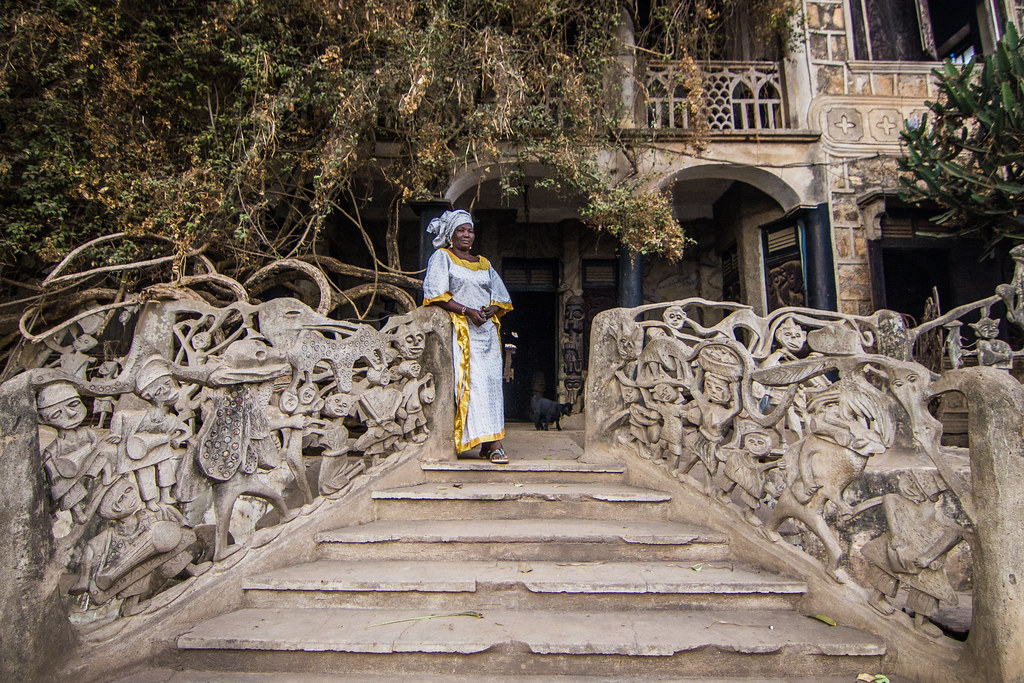
Susanne Wenger from Austria came to Nigeria in 1950. She dedicated her life to Nigeria's Yoruba culture and kept working till she passed away in 2009.
-
Music of the Month: Haruna Ishola (1919–1983)
Haruna Ishola Bello M.O.N. (Member of the Order of the Niger) was a Nigerian musician, and one of the most popular artists in the apala genre. In the decades leading up to Nigerian independence in 1960, apala music developed when amateur musicians would play to arouse the faithful after the long fast of Ramadan.
Much like Cuban Santeria and Haitian vodoun, the music of Nigeria's Yoruba tribe is believed to have mythical powers, either to heal or to curse. Chief Haruna Ishola's brand of Apala music is treated with the same reverence typically reserved for the Orishas - the Yoruba pantheon of deities - and it was believed that his singing was so powerful it could kill its intended recipient if not properly restrained. (source)