tag > Design
-
Exploring Abductive Reasoning - The Logic of Maybe
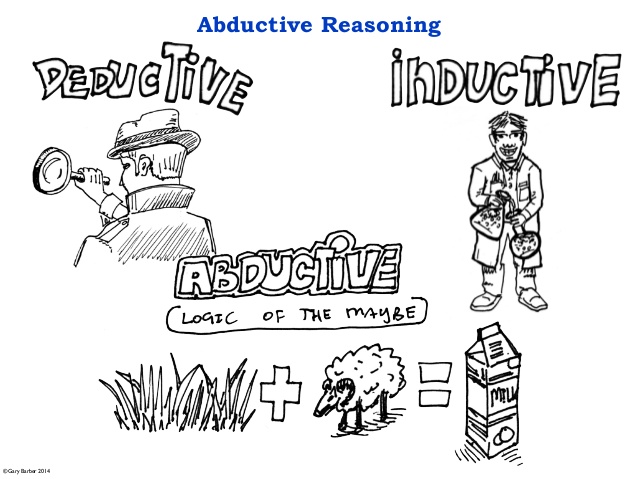
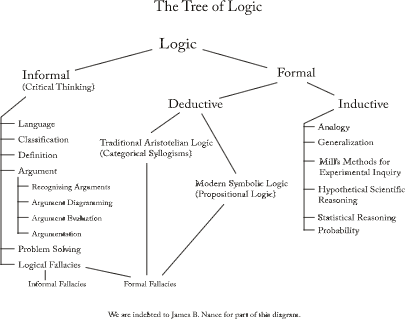
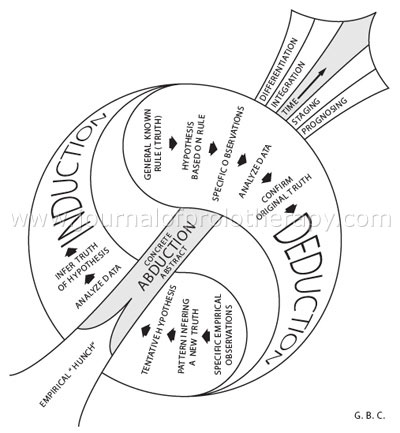
Abductive reasoning is a form of logical inference which starts with an observation or set of observations then seeks to find the simplest and most likely explanation for the observations. This process, unlike deductive reasoning, yields a plausible conclusion but does not positively verify it. Abductive conclusions are thus qualified as having a remnant of uncertainty or doubt, which is expressed in retreat terms such as "best available" or 'most likely.
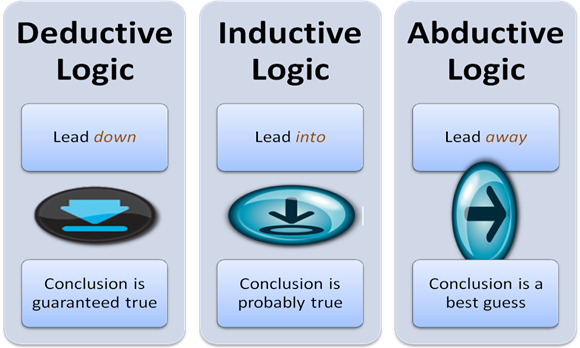
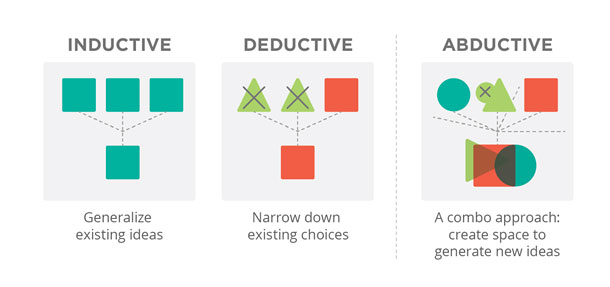
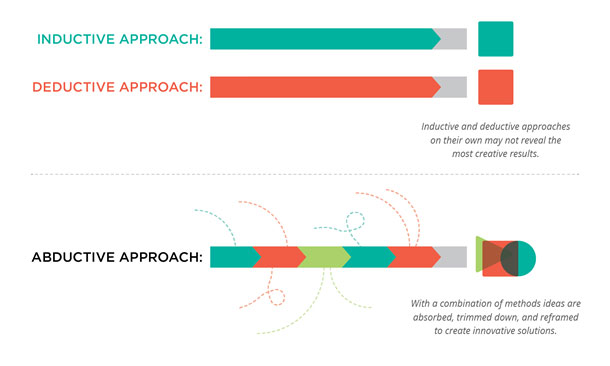
Put differently, Abduction is drawing a conclusion using a heuristic that is likely, but not inevitable given some foreknowledge.e.g., I observe sheep in a field, and they appear white from my viewing angle, so sheep are white. Contrast with the deductive statement: "Some sheep are white on at least one side". To simplify and summaries: Deductive = Top down logic - Inductive = Bottom up logic - Abductive = What seems most probably?
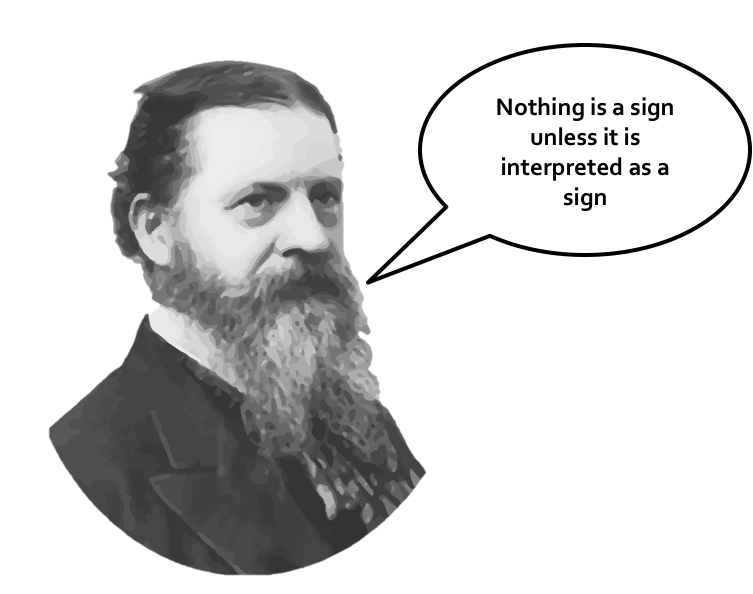
The American philosopher Charles Sanders Peirce (1839–1914) introduced abduction into modern logic. Over the years he called such inference hypothesis, abduction, presumption, and retroduction. He considered it a topic in logic as a normative field in philosophy, not in purely formal or mathematical logic, and eventually as a topic also in economics of research. (wikipedia)
In later years his view came to be:- Abduction is guessing. It is "very little hampered" by rules of logic. Even a well-prepared mind's individual guesses are more frequently wrong than right. But the success of our guesses far exceeds that of random luck and seems born of attunement to nature by instinct (some speak of intuition in such contexts).
- Abduction guesses a new or outside idea so as to account in a plausible, instinctive, economical way for a surprising or very complicated phenomenon. That is its proximate aim.
- Its longer aim is to economize inquiry itself. Its rationale is inductive: it works often enough, is the only source of new ideas, and has no substitute in expediting the discovery of new truths.
- Pragmatism is the logic of abduction. Upon the generation of an explanation, the pragmatic maxim gives the necessary and sufficient logical rule to abduction in general. The hypothesis, being insecure, needs to have conceivable implications for informed practice, so as to be testable and, through its trials, to expedite and economize inquiry. The economy of research is what calls for abduction and governs its art.
Abductive Reasoning Illustrations: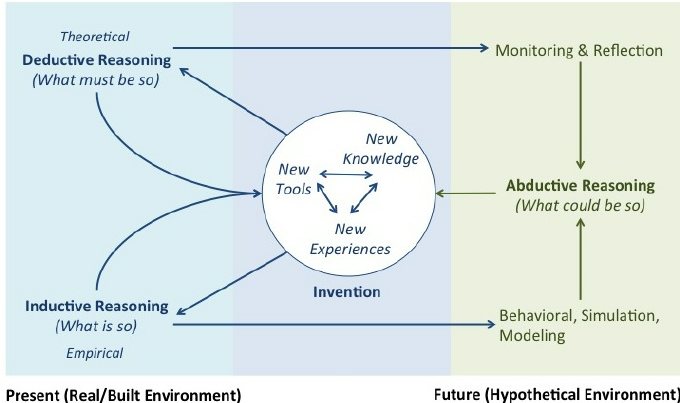
Abductive Reasoning Links:
- Stanford Encyclopedia of Philosophy - Abduction
- Book: Abductive Reasoning - by Douglas N. Walton (2005)
- Journal: Abductive Cognition - The Epistemological and Eco-Cognitive Dimensions of Hypothetical Reasoning - by Lorenzo Magnani (2009)
- Building a Rationale for Evidence-Based Prolotherapy in an Orthopedic Medicine Practice, Part 1: A Short History of Logical Medical Decision Making - By Gary B. Clark
- Using Your Logical Powers: Abductive Reasoning for Business Success - by Iffat Jokhio, Ian Chalmers (2015)
- Looking past yesterday's tomorrow: Using futures studies methods to extend the research horizon - by Jennifer Mankoff et.al (2013)
- Abduction as a Rational Means to Creativity. Unexpressed Knowledge and Scientific Discovery - by Lorenzo Magnani et.al
- Creativity: Surprise and abductive reasoning - by Maria Eunice Quilici Gonzalez (2005)
- Lightning Talk: The Seven Horses of Abductive Reasoning - by C.A. Corriere (2018)
Related Approaches:
The following text from Noah Raford's "On design and the use of abductive reasoning" post, provides a good overview of recent history of Abductive methods in Design:
"The interest in the use of abductive, analogic and intuitive problem-solving has major roots in the “design studies” movement of the late 1960’s & 1970’s.
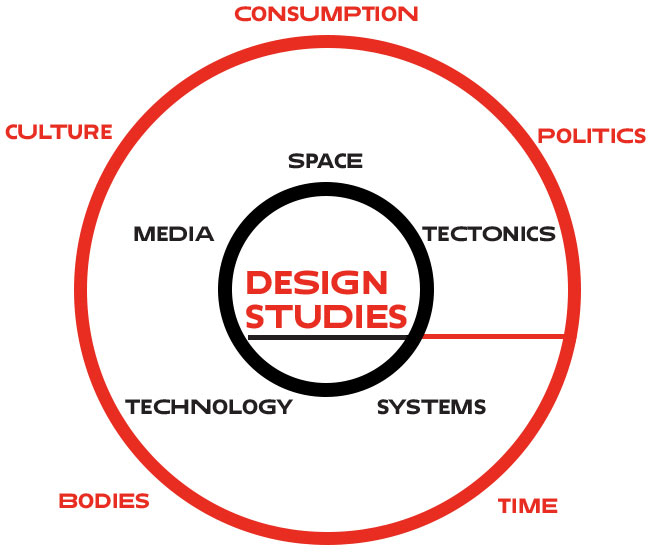
This movement started in the UK, primarily thanks to the work of Leslie Martin and Lionel March at the Cambridge Centre at the Cambridge School of Architecture. March and Martin were at the head of a generation of scholars seeking to systematise and understand how architects and designers thought about the world. This paralleled research into cybernetics & AI in the states by Herbert Simon, but for some reason it seems that there was a critical confluence of design thinkers in the UK at that time, and most of the literature around induction, abduction, etc. seems to come from this period.
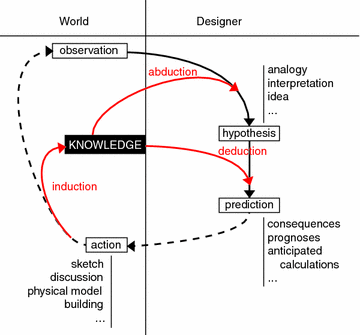
Image: "Architectural Design Thinking as a
Form of Model-Based Reasoning" (2013)The key ideas: The original intention of this group was to understand and document the design process. The hope was that if you understood how architects and designers perceived the world, you could replicate this in computer or expert-systems (and then do away with or “improve” the designer). Because replicability was one of the key goals, a natural sciences approach was taken to observing designers. A lot of controlled experiments were set up in laboratories to test “design problem solving”, most of which failed miserably. This led to a more ethnographic approach, including some of the first anthropological approaches to knowledge elicitation that I’ve ever seen.
What they found was that:
“Scientists adopt a problem-focused strategy and architects a solution-focused strategy.” (Lawson, 1979)
“The scientific method is a pattern of problem-solving behaviour employed in finding out the nature of what existis, whereas the design method is a pattern of behaviour employed in inventing things of value which do not yet exists. Science is analytic, design is constructive.” (Gregory, 1966)
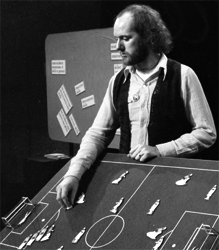
Image: "Nigel Cross explains the
design process" (1975)This places a heavy emphasis on action, testing, and observation, in that order, and highlights the essentially creative nature of design. Nigel Cross, who is still teaching at the Open University, suggests that design is “a process of pattern-synthesis, when the solution is not simply ‘lying there in the data’ but has to be actively constructed by the designer’s own efforts.”. You can see how this relates to the notion of abduction. Peirce suggests that, “the whole fabric of our knowledge is one matted felt of pure hypothesis confirmed and refined by induction.” This is very similar to design. In other words,
“[Architects] learn about the nature of the problem largely as a result of trying out solutions, whereas the scientists set out specifically to study the problem.” (Lawson, 1980)
Schum notes that if Peirce is correct, “new ideas emerge as we combine, marshal or organize thoughts and evidence in different ways.” Because the design method is fundamentally exploratory, it is about hypothesis generation based on the most uncertain and sketchy forms of data. It uses both abductive and constructive reasoning to show “what might be”, instead of deductive reasoning to show “what is”." Read more..

In recent decades, Abductive Logic and Reasoning has been extensively studied in the context of Artificial Intelligence and Machine Learning research. A few links, old & new:
- Abductive Artificial Intelligence Learning Models - by James A. Crowder and John N. Carbone (Raytheon Intelligence, 2017)
- Approaches to abductive reasoning: an overview - by Gabriele Paul (1993)
- AI Approaches to Abduction - by Gabriele Paul (1998)
- Logic-Based Abductive Inference - Sheila A.McLlraith (Stanford, 1998)
- Evaluating Abductive Hypotheses using an EM Algorithm on BDDs (2009)
- Bridging Machine Learning and Logical Reasoning by Abductive Learning - by Wang-Zhou Dai et.al (2019) and video presentation of research
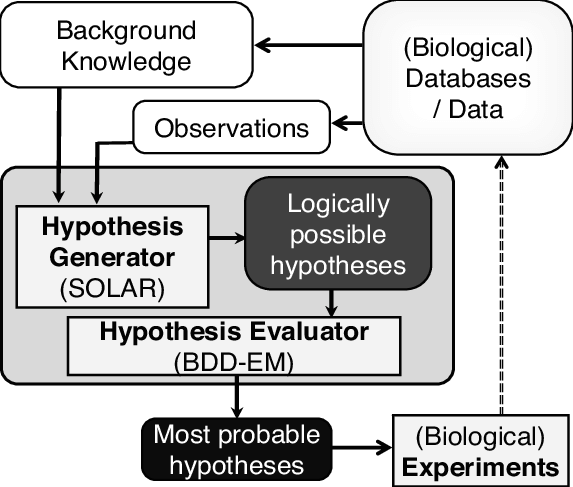
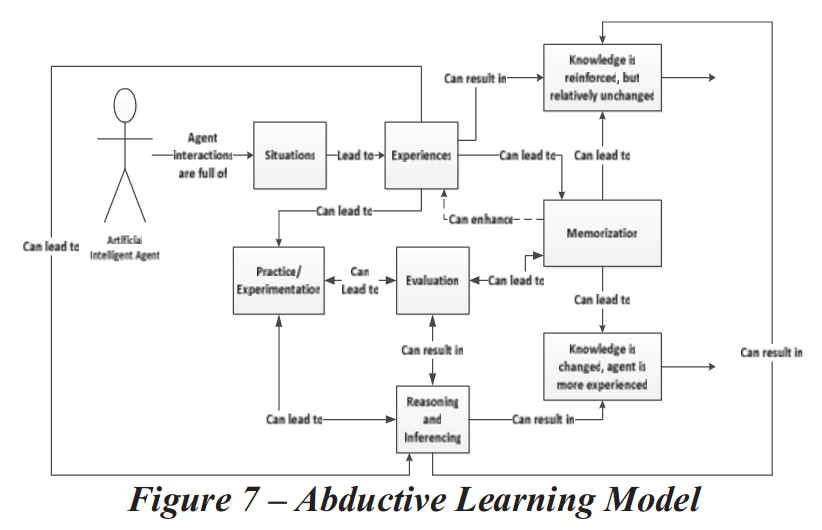
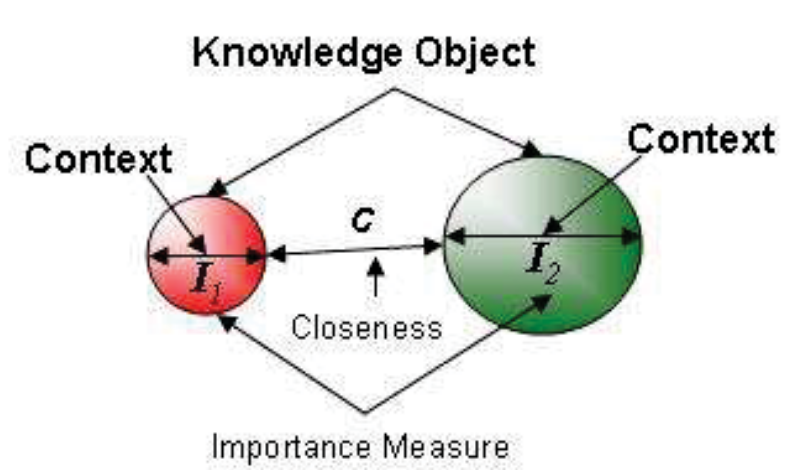
Related Ideas by Abductive Logic pioneer Charles Sanders Peirce, on Semiotics:
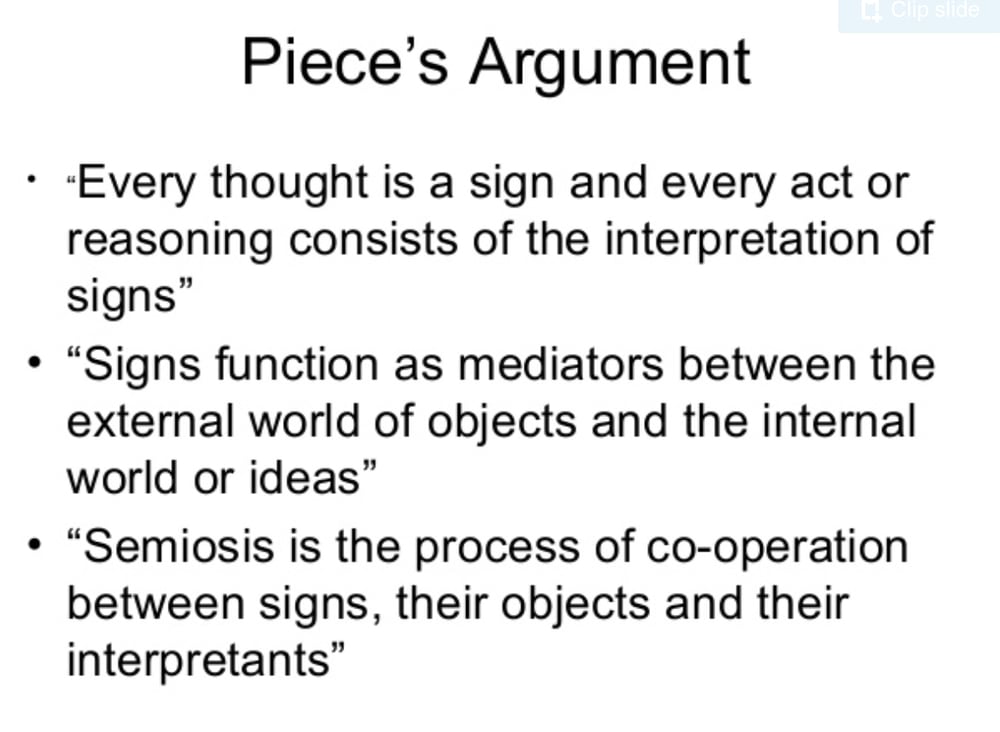
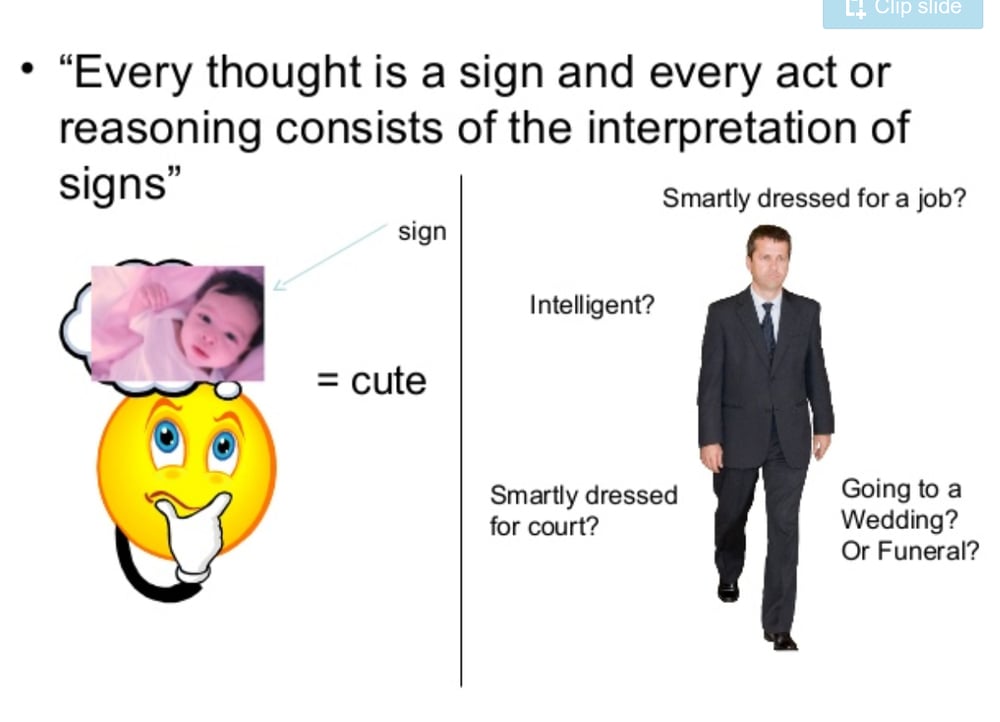
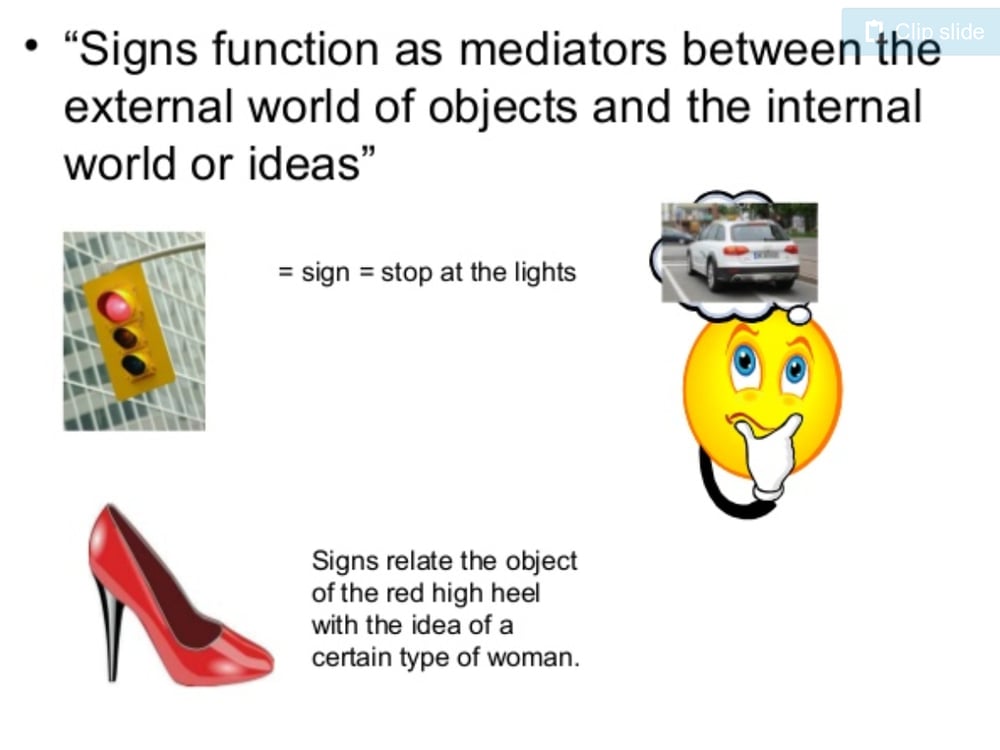
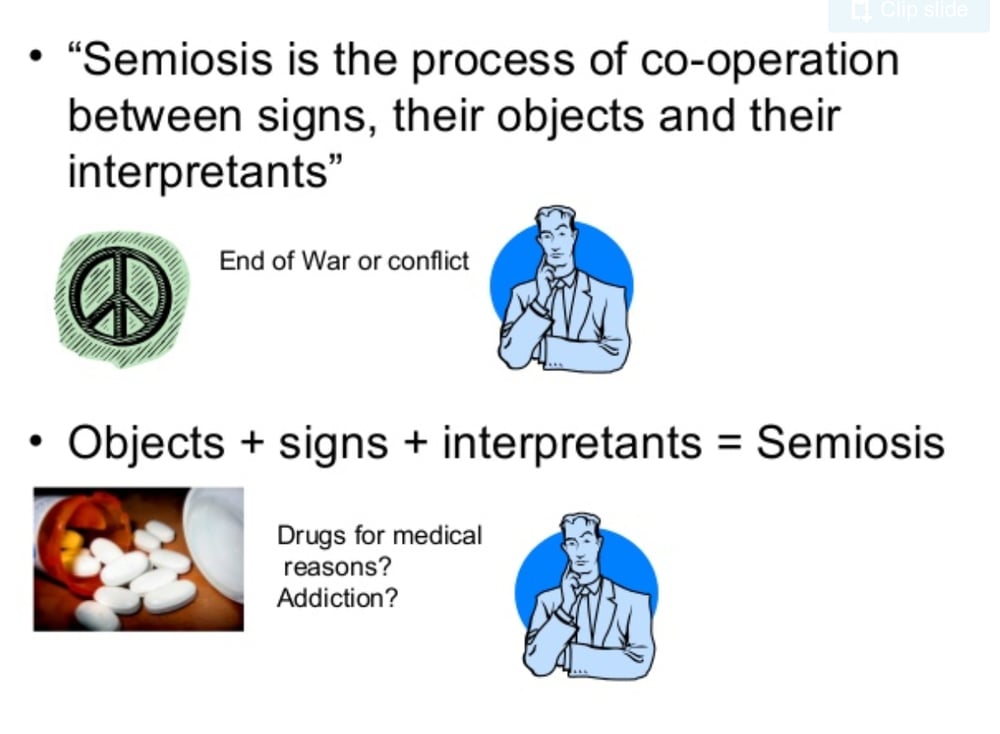
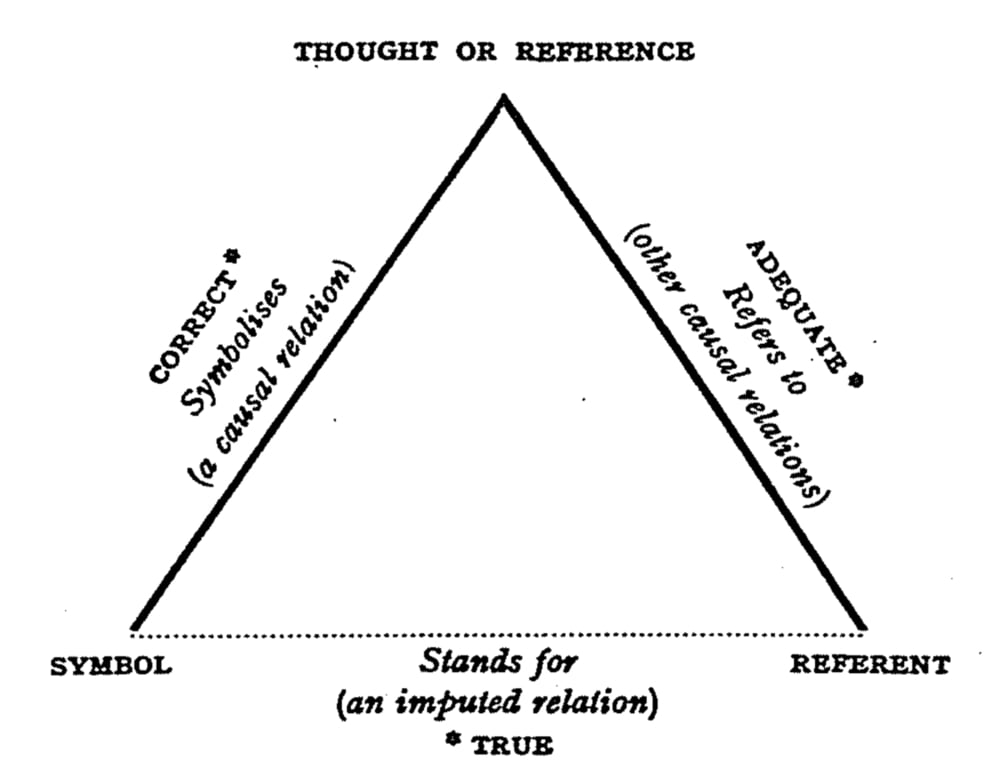
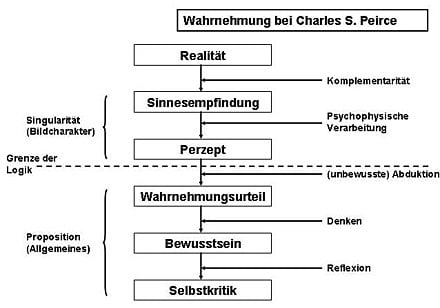
"The essence of belief is the establishment of a habit; and different beliefs are distinguished by the different modes of action to which they give rise."
- Charles Sanders PeirceNot a Poem: Not Logic, Not Prose and Not Really Poetry - by Rolf (2013)
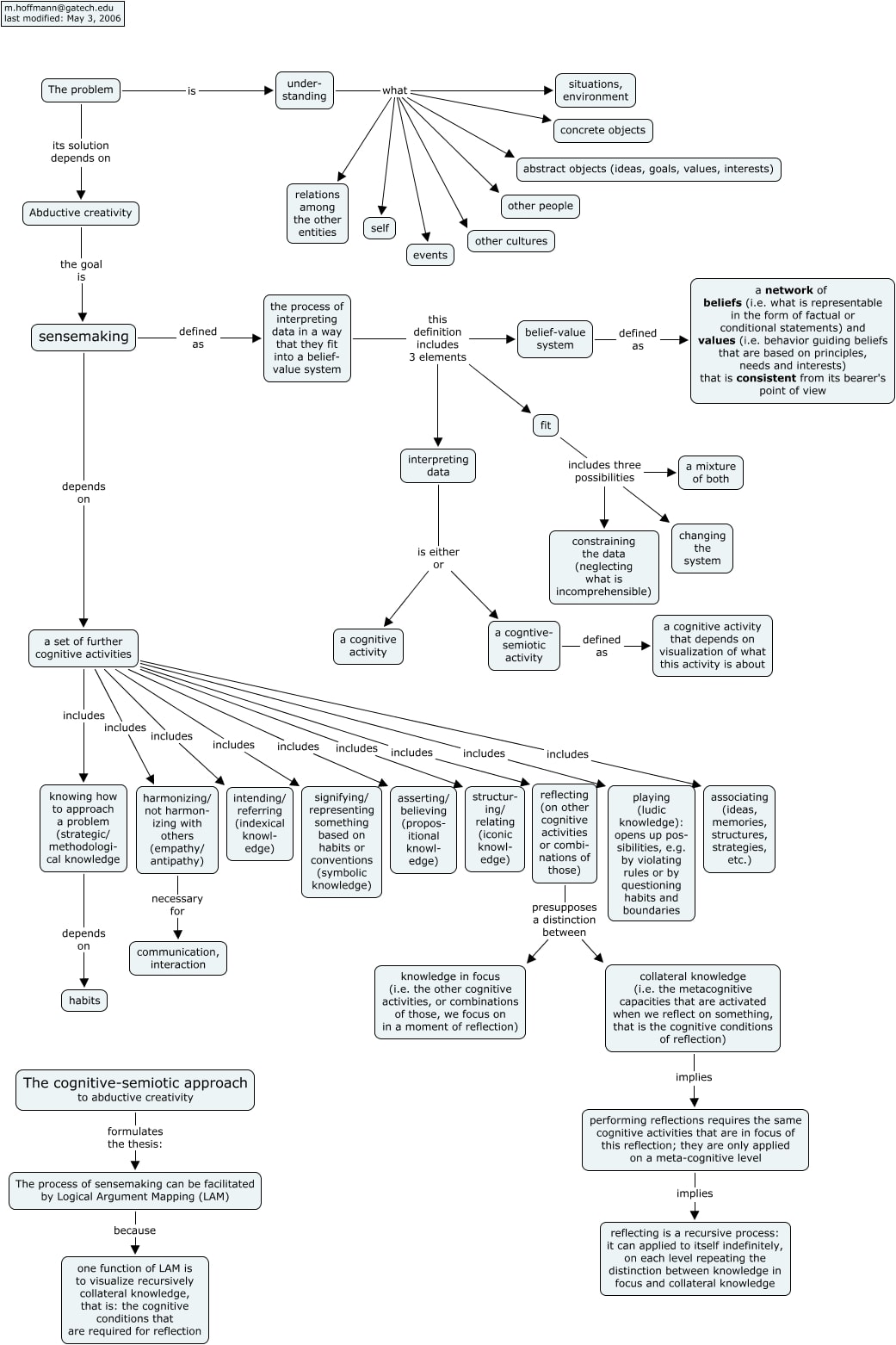
Aductive creativity map (2006)- by Michael Hoffmann BASED ON TRUE EVENTS: "I have been teaching Geometry this year,and trying my best to explain logic,deduction vs induction, and the ever present, always faulty, always useful, abductive “reasoning.”Without abductive reasoning, life itself would not be possible for humans. Induction and deduction? Entirely optional. Our car, (which only had 3 out 4 cyliders working) started to turn itself off, at apparently random intervals. There you’d be, changing lanes, in what you thought was a car,and poof no car, just a large metal box that looked like a car,with a seat belt, a driver’s seat, and a silent engine,rolling to a final velocity of zero. I drove the box / car to five dealerships in town,while searching for the best replacement for the box.I can now say, what others have noted before;
“Pure logic, when considering a car, (or any thing else other than numbers) does not exist.”
#KM #Philosophy #Science #ML #Creativity #Design #Complexity #Evolution #Magic
-
Notes on the Historical Division between "Logical thinking" and "Visuals"
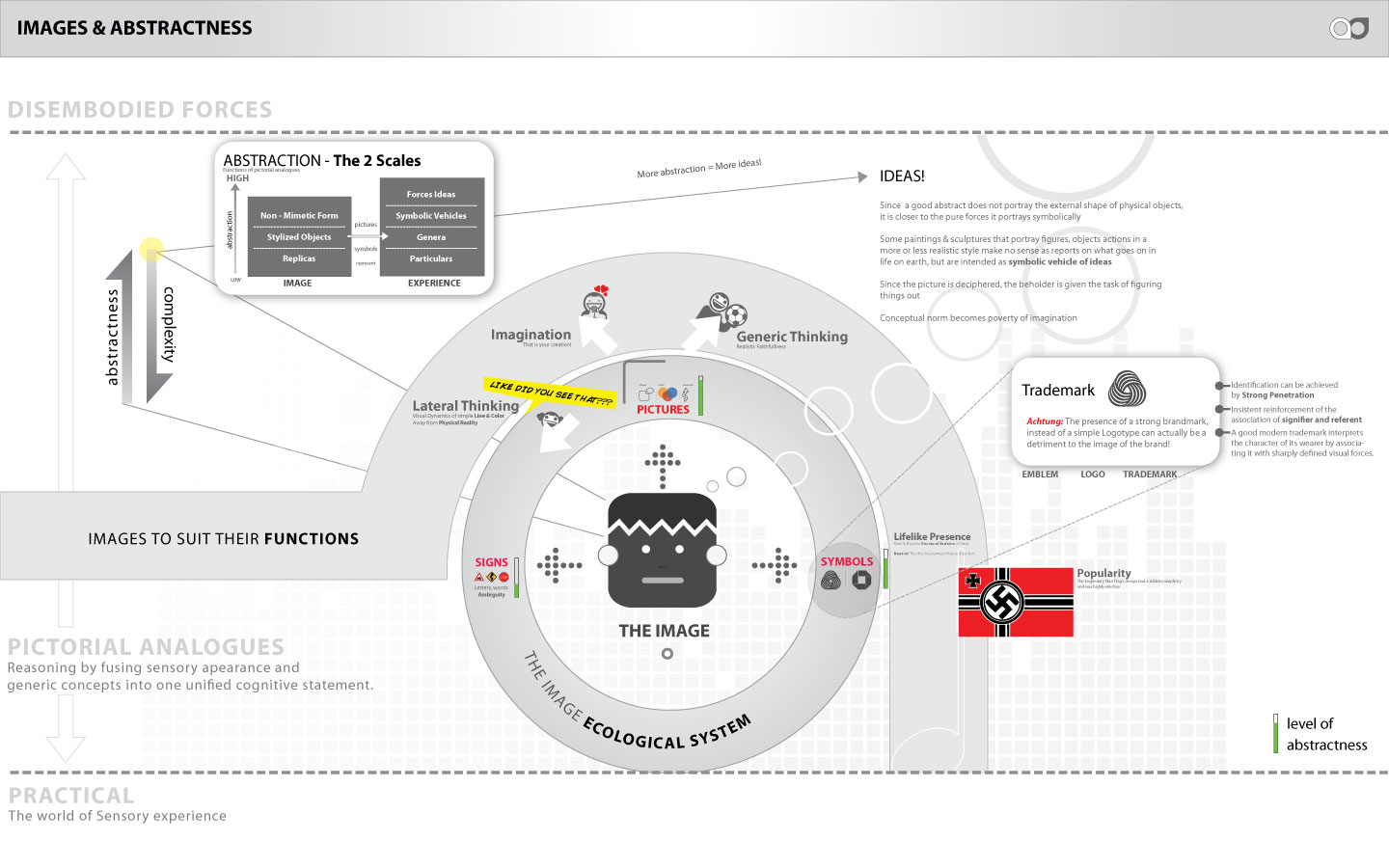
An description of the Image and its functions as a Picture, Signs & Symbols from the book "Visual Thinking" (1969) (via) Rudolf Arnheim suggested a historical division between "Logical thinking" and "Visuals" in his ground-breaking book, Visual Thinking (1969).
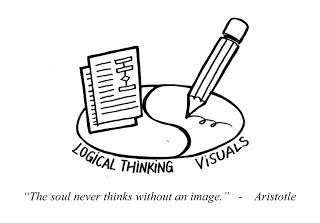
He pointed out that philosophers in ancient Greek credited the direct vision as the start and end source of wisdom although they also learned possible distortion in human’s visual perception (Arnheim, 1969. pp. 12). However, hundreds of years later, the potential of using sketching in creative problem solving are still paid less attention. Sketching is often not considered as a form of thinking. (found via viz-up-the-world)
In his book, Arnheim (1969. pp. 2-3) reflected on the issue as the followed:
“Today, the prejudicial discrimination between perception and thinking is still with us. We shall find it in examples from philosophy and psychology. Our entire educational system continues to be based on the study of words and numbers … More and more the arts are considered as a training in agreeable skills, as entertainment and mental release."
"As the ruling disciplines stress more rigorously the study of words and numbers, their kinship with the arts is increasingly obscured, and the arts are reduced to a desirable supplement…. The arts are neglected because they are based on perception, and perception is disdained because it is not assumed to involve thought. In fact, educators and administrators cannot justify giving the arts an important position in the curriculum unless they understand that the arts are the most powerful means of strengthening the perceptual component without which productive thinking is impossible in any field of endeavor. The neglect of the arts is only the most tangible symptom of the widespread unemployment of the senses….”
"All perceiving is also thinking, all reasoning is also intuition, all observation is also invention." - Rudolf Arnheim
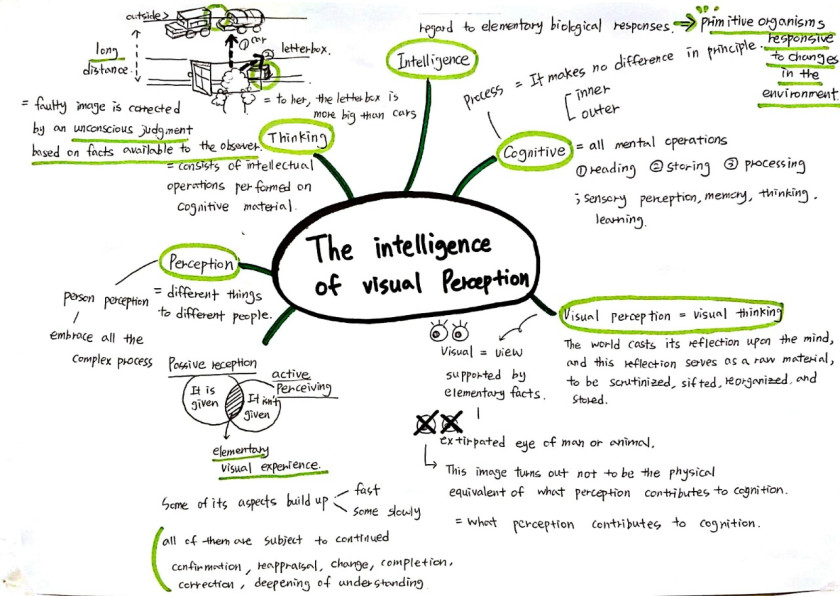
Mind map: Rudolf Arnheim - Visual Thinking & The Intelligence of Visual Perception.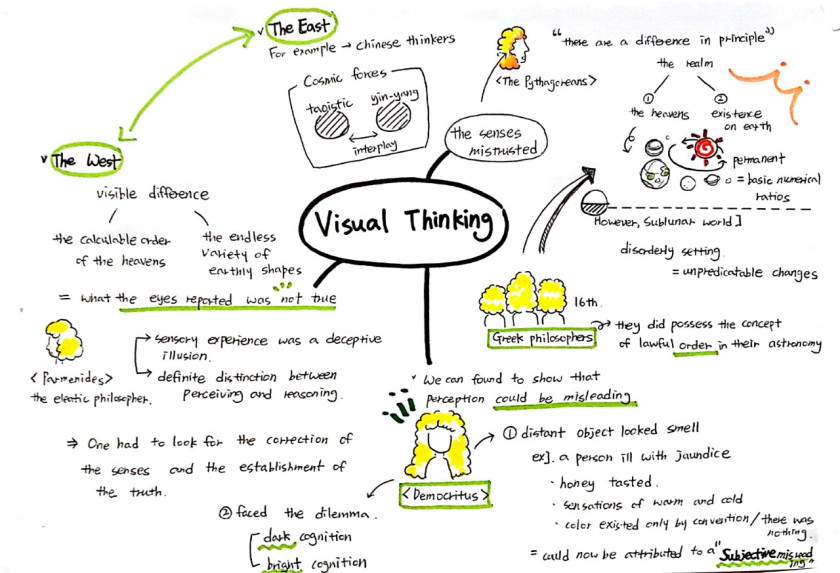
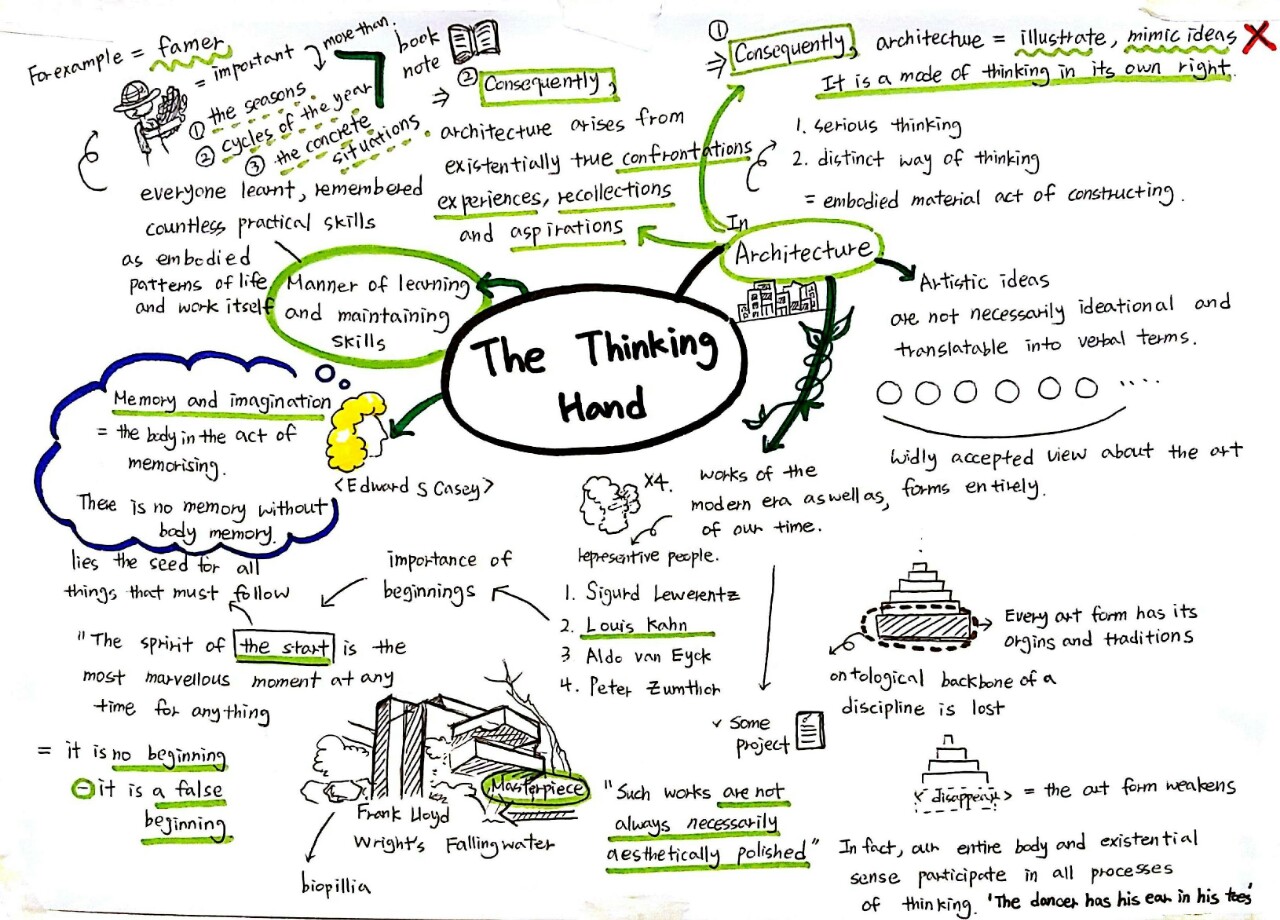
Simplicity, clarity, balance: A tribute to Rudolf Arnheim - by David Bordwell (2007):
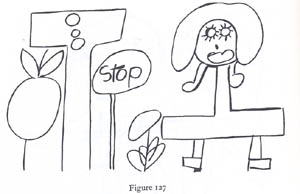
"My teachers Max Wertheimer and Wolfgang Köhler were laying the theoretical and practical foundations of gestalt theory at the Psychological Institute of the Uni of Berlin, and I found myself fastening on to what may be called a Kantian turn of the new doctrine, according to which even the most elementary processes of vision do not produce mechanical recordings of the outer world but organize the sensory raw material according to principles of simplicity, regularity, and balance, which govern the receptor mechanism. This discovery of the gestalt school fitted the notion that the work of art, too, is not simply an imitation or selective duplication of reality but a translation of observed characteristics into the forms of a given medium" (from Film as Art)
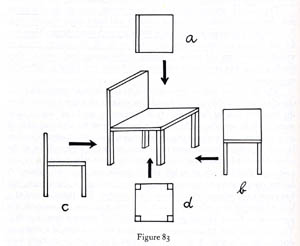
"We have been trained to think of perception as the recording of shapes, distances, hues, motions. The awareness of these measurable characteristics is really a fairly late accomplishment of the human mind. Even in the Western man of the twentieth century it presupposes special conditions. It is the attitude of the scientist and the engineer or of the salesman who estimates the size of a customer’s waist, the shade of a lipstick, the weight of a suitcase. But if I sit in front of a fireplace and watch the flames, I do not normally register certain shades of red, various degrees of brightness, geometrically defined shapes moving at such and such a speed. I see the graceful play of aggressive tongues, flexible striving, lively color. The face of a person is more readily perceived and remembered as being alert, tense, concentrated rather than being triangularly shaped, having slanted eyebrows, straight lips, and so on" (from Art and Visual Perception, first ed., 430).
"Without the flourishing of visual expression no culture can function productively" - Rudolf Arnheim
Related: What Is Visual Thinking? - by xplane (2019)
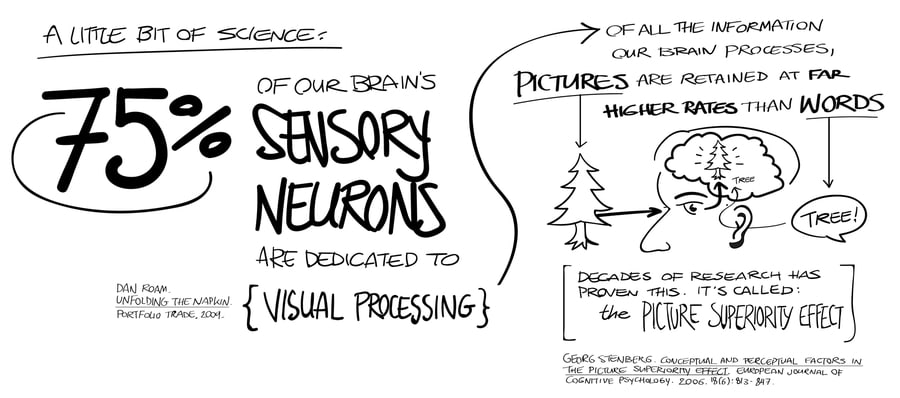
Related: Perceptual Psychology (wikipedia)
#KM #Design #Media #Book #Creativity #Education #HCI #Philosophy
-
Book: A New Culture of Learning - Cultivating the Imagination for a World of Constant Change - by Douglas Thomas and John Seely Brown (2011)
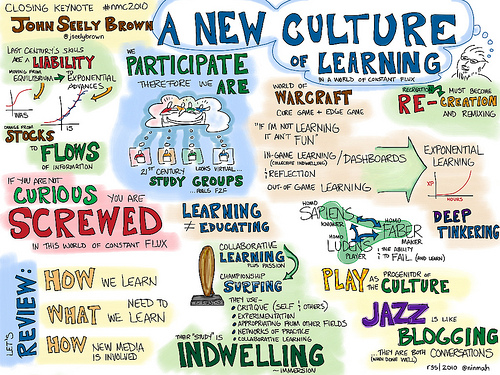
“What happens to learning when we move from the stable infrastructure of the twentieth century to the fluid infrastructure of the twenty-first century, where technology is constantly creating and responding to change?” - Douglas Thomas and Seely Brown (A New Culture of Learning p.17)
-
Book: Educating the Reflective Practitioner: Toward a New Design for Teaching and Learning in the Professions - by Donald A. Schön (1983)
"Design as a Reflective Conversation with the Situation" - Donald A. Schön
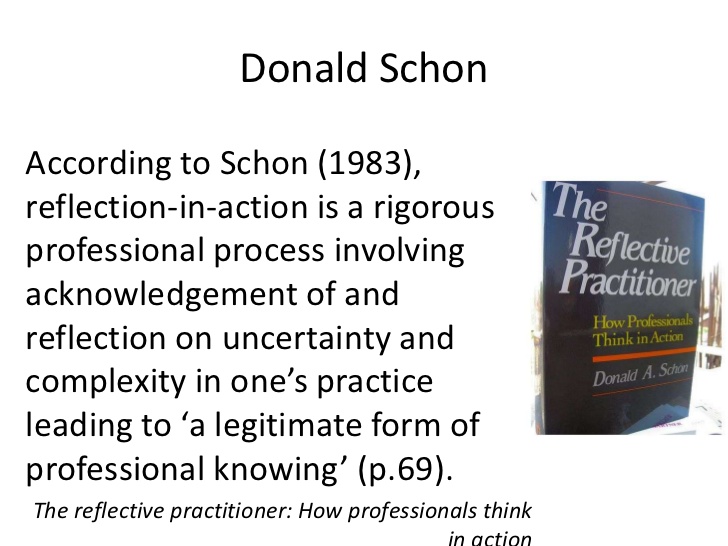
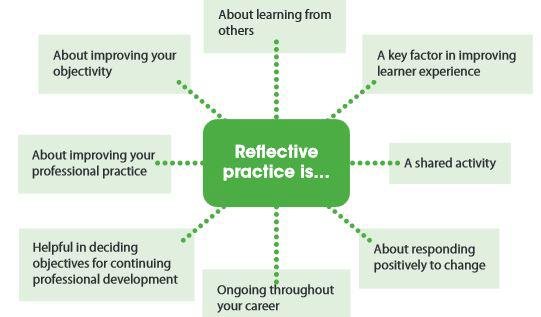
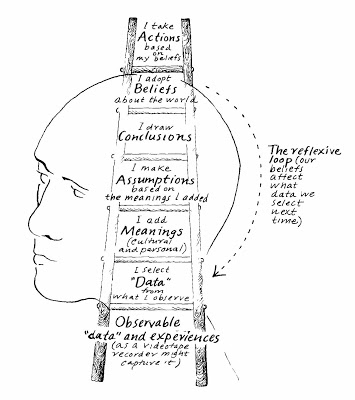
Reflective Practice Links
- Wikipedia: Reflective Practice
- Overview blog: The Reflective Practitioner by Donald Schon - by Peter Buwert (2012)
- Paper: Re-Educating The Reflective Practitioner: A Critique - by C.Cáceres (2017)
- Paper: An Ontology Of Donald Schön’s Reflection In Designing - by John.S.Gero
- Blog: Donald Schon (Schön): learning, reflection and change - by infed
- Presentation: Reflective Practice
#Design #Philosophy #Education #Urban #Architecture #Book #KM
-
Notes on Whole Body Interaction in Human Computer Interaction
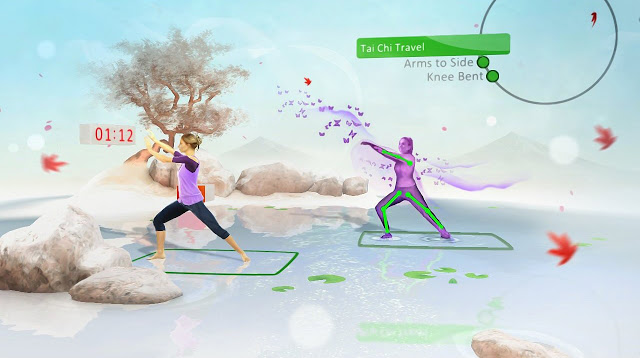
Thoughts on Tai chi for Kinect (2011): "What is powerful about the system is that it shows a digital representation of your own position on the screen in real time - visual feedback. This is placed right next to your "instructor" so you can immediately spot the difference and make the corrections both consciously and subconsciously."
"Whether or not it's good at teaching you tai chi, is almost secondary. What this system is doing is popularizing tai chi, and inspiring people, who might not otherwise do so, to 'have a go'. This game is not designed for a serious practitioner, but that is to miss the point. If these 15 minute workouts help to relax some people, then that is a benefit in itself."
"I have previously talked about how mood can be affected by posture, which is where a lot of the relaxing benefits of tai chi come from. This wired article extrapolates on this principle, to show how kinect systems, which encourage you to adopt certain postures, can in turn affect your mood. Essentially you can design games that subconsciously make you feel different ways. This has potential to be used in scientific research."
How Wii and Kinect Hack Into Your Emotions (Wired, 2010)
“Designing interaction as if we did not have any body or emotion is detrimental to what it means to be human” - Kristina Höök, Stockholm University in Sweden
Designing with the Body. Somaesthetic Interaction Design -Book by Kristina Höök (2008)
"Interaction design that entails a qualitative shift from a symbolic, language-oriented stance to an experiential stance that encompasses the entire design and use cycle"
Body and emotion - talk by Kristina Höök
Body Posture Affects Confidence In Your Own Thoughts - Ohio State University (2009)
"Sitting up straight in your chair isn't just good for your posture -- it also gives you more confidence in your own thoughts, according to a new study. Researchers found that people who were told to sit up straight were more likely to believe thoughts they wrote down while in that posture concerning whether they were qualified for a job" (via)
Math with good posture can mean better scores, study suggests (2018)
" A new study finding that students perform better at math while sitting with good posture could have implications for other kinds of performance under pressure."

Tai Chi Elements virtual training environments (2012)
An interesting but failed kickstarter proposed "Using motion capture & video game tech to create an online multiplayer game where you can become a real T'ai Chi master."
taichiworlds.com - Virtual characters demonstrating Tai Chi in virtual worlds. (2009)

#Book: Whole Body Interaction - by David England, Katherine Isbister, et.al (2011)
"Whole Body Interaction is “The integrated capture and processing of human signals from physical, physiological, cognitive and emotional sources to generate feedback to those sources for interaction in a digital environment” (England 2009). Whole Body Interaction looks at the challenges of Whole Body Interaction from the perspectives of design, engineering and research methods. How do we take physical motion, cognition, physiology, emotion and social context to push boundaries of Human Computer Interaction to involve the complete set of human capabilities? Through the use of various applications the authors attempt to answer this question and set a research agenda for future work."
When the body acquires meaning: Full-Body Interaction Design - talk by Narcís Parés Cognitive Media Technologies Group
Waggling the Form Baton: Analyzing Body-Movement-Based Design Patterns in Nintendo Wii Games, Toward Innovation of New Possibilities for Social and Emotional Experience - by Katherine Isbister
"This chapter describes research conducted to analyze and better understand what is compelling about particular body-movement-based design patterns in Nintendo Wii games, towards innovating new possibilities for social and emotional experience with movement-based games and other interactive experiences."
-
#Book: The Sciences of the Artificial - by Herbert A. Simon (1969) (full e-book)
“Human beings, viewed as behaving systems, are quite simple. The apparent complexity of our behavior over time is largely a reflection of the complexity of the environment in which we find ourselves.” ― Herbert A. Simon, The Sciences of the Artificial
“It is true that humanity is faced with many problems. It always has been but perhaps not always with such keen awareness of them as we have today. We might be more optimistic if we recognized that we do not have to solve all of these problems. Our essential task—a big enough one to be sure—is simply to keep open the options for the future or perhaps even to broaden them a bit by creating new variety and new niches. Our grandchildren cannot ask more of us than that we offer to them the same chance for adventure, for the pursuit of new and interesting designs, that we have had.” ― Herbert A. Simon, The Sciences of the Artificial
“An artifact can be thought of as a meeting point—an “interface” in today’s terms—between an “inner” environment, the substance and organization of the artifact itself, and an “outer” environment, the surroundings in which it operates. If the inner environment is appropriate to the outer environment, or vice versa, the artifact will serve its intended purpose.” ― Herbert A. Simon, The Sciences of the Artificial
-
Integrating psychology principles to design a multi-sensory cognitive and performative challenge - by Alexandra Yagilowich
On Designing Interactive Performative Space with Responsive Computational System - by Qiuyan Da

Constructing Liveliness: The Experience of Nature Embodiment in Kinetic Architecture - by Dalia Todary-Michael

-
"I don't trust people to genetically 'design' their child because I see what they do with character creation in games." - Thoughts on Eugenics from a thread on Reddit (2016)



via the wonderfully curios Technology and Society 2. #Biotech #ALife #Ethics #Design
-
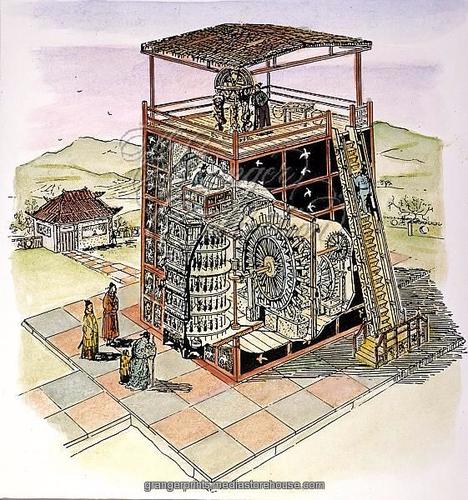
Su Song (1020–1101 AD) was a Chinese polymathic scientist and statesman. Excelling in a variety of fields, he was accomplished in mathematics, astronomy, cartography, geography, horology, pharmacology, mineralogy, metallurgy, zoology, botany, mechanical engineering, hydraulic engineering, civil engineering, architecture, invention, art, poetry, philosophy, antiquities, and statesmanship during the Song Dynasty (960–1279). Su Song was the engineer for a hydro-mechanical astronomical clock tower in medieval Kaifeng.
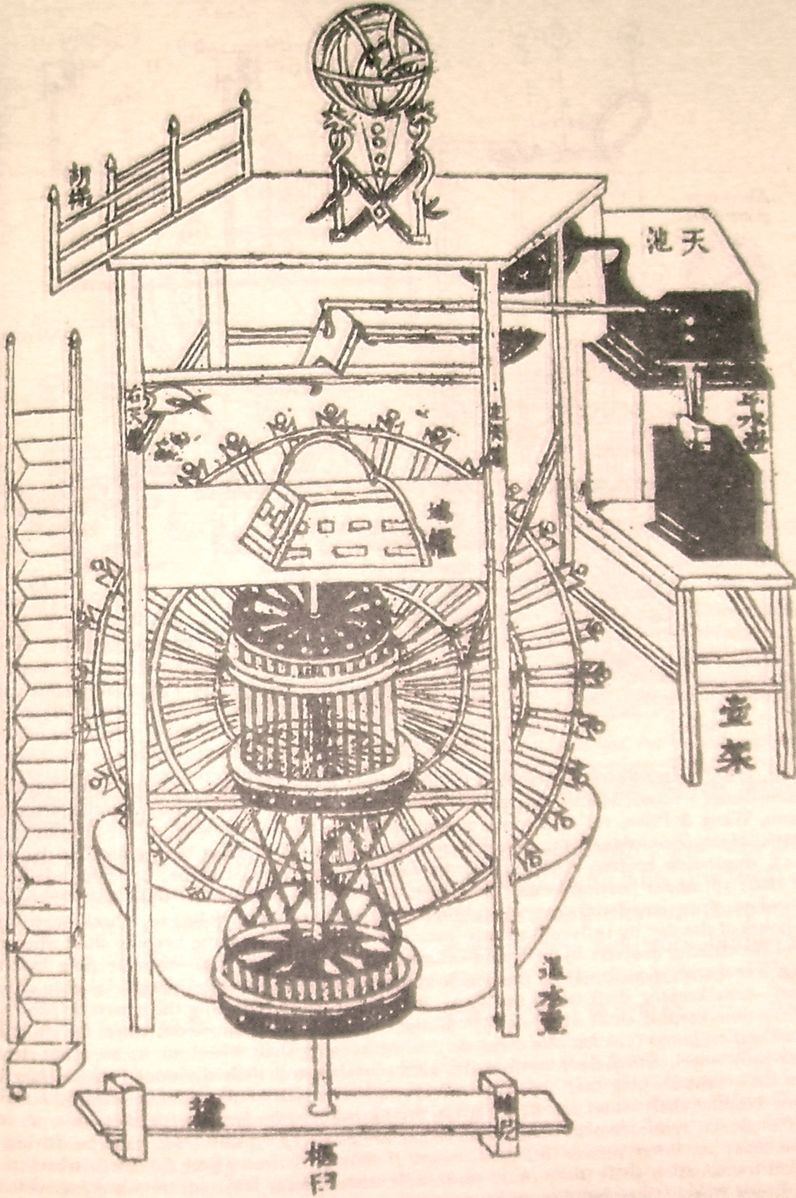
Yi Xing (683–727), born Zhang Sui (Chinese: 張遂), was a Chinese astronomer, mathematician, inventor, mechanical engineer, philosopher, and Buddhist monk of the Tang dynasty (618–907). His astronomical celestial globe featured a clockwork escapement mechanism, the first in a long tradition of Chinese astronomical clockworks.
-
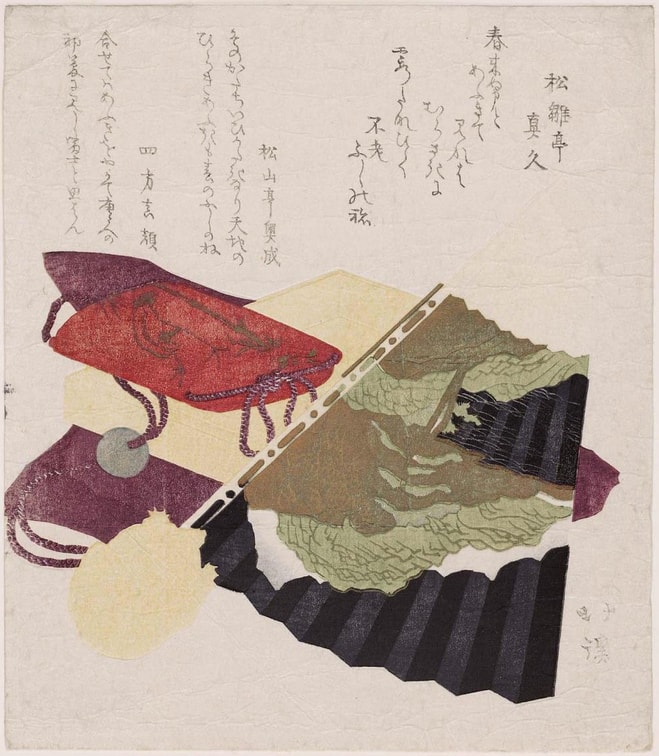
Objects Suggesting Longevity: Fan with Pine Trees, Inro with Crane, and Netsuke in Shape of Turtle. 松の扇、鶴の印籠、亀の根付 - Totoya Hokkei (Japanese, 1780–1850).
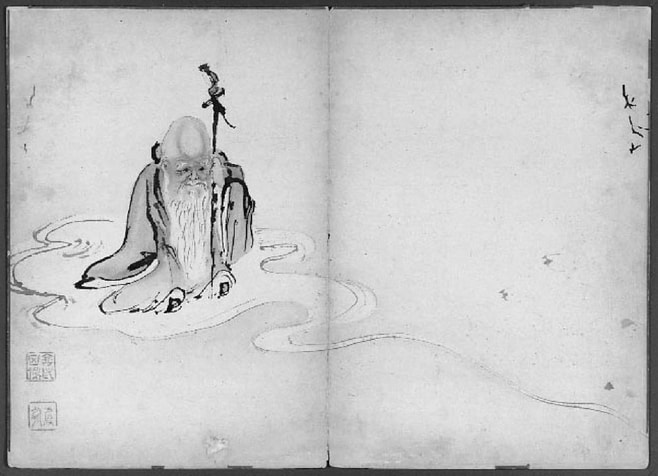
Shoulao, the God of Longevity. 鐵嶺道人指畫冊 (高其佩). Gao Qipei (Chinese, 1660–1743)
Embroidered Screen with Design of Longevity Symbols, 18th century - Unknown (Korean)

-
Daoist Art: https://en.wikipedia.org/wiki/Taoist_art

Daoist Robe, 17th Century: https://www.metmuseum.org/art/collection/search/53609
"This dazzling garment would have been worn by Daoist priests during ceremonies. The back of the robe, which is displayed here, depicts five dragons hovering above a primordial landscape of stylized mountains rising from a frothy sea."
-
Online Knowledge Management Thoughts & Links
#Comment: That feeling when one finally closes a browser tab, after weeks of keeping it open in search of a moment to read it (which never arrived). Repeats 3 times: The web is a river, don't try to hold on. Browser Tabs don't age well: When a site is added to the "will read later" tabs, it seems vitally important. Yet only days later, the site starts to feel irrelevant & eventually the tab is closed. (Spatio-temporal) Context is key for knowledge management - Browser are horrible at it. When one thinks about knowledge management long enough, one starts to understand that management is the wrong method and knowledge the wrong question: My essential needs for such tools are around personal knowledge praxis (highly action oriented & context depended), not so much knowledge management (archiving/data hoarding oriented).
- Open tabs are cognitive spaces: https://rybakov.com/blog/open_tabs_are_cognitive_spaces/
- How Your Travels Around the Internet Expose the Way You Think: https://www.wired.com/2015/02/clive-thompson-5/
- A Spacial Model for Lossless Web Navigation: https://www.freecodecamp.org/news/lossless-web-navigation-spatial-model-37f83438201d/
- Browser.html is a speculative browser for nightly builds of Servo based on trails: http://patrykadas.com/browser.html
- Manufactured Recollection: https://reallifemag.com/manufactured-recollection/
- Context & Annotation - links by Maxim Leyzerovich: https://www.are.na/maxim-leyzerovich/context-annotation #KM #Design #Ideas
- Open tabs are cognitive spaces: https://rybakov.com/blog/open_tabs_are_cognitive_spaces/
-
TED Nelson at the TED2 conference, 1990. Starting a TEDtalk with a big "fuck you!" to TED and MIT's Negroponte is grand style.
"I don't want artificial intelligence, i want people coming back to what was their heritage of intelligence" - Ted Nelson