tag > Economics
-
The Totalitarian Dystopia of the World Economic Forum is Becoming Reality - by Norbert Haering
In January 2018, a pilot project for the surveillance of air travelers, commissioned by the World Economic Forum, was agreed upon in Davos. At the time, I presented the Known Traveller Digital Identity (KTDI) project as a “totalitarian dystopa”. A follow-up report shows that the multinational corporations are successfully involving governments and the EU in their plans. Covid-19 is speeding up implementation tremdendously and Bill Gates inadvertently lets us know how.
-
Coronavirus Shutdown: The End of Globalization and Planned Obsolescence – Enter Multipolarity (strategic-culture)
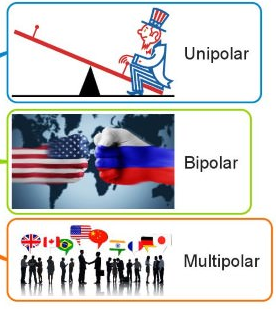
The coronavirus pandemic has shown that the twin processes of globalization and planned obsolescence are deficient and moribund. Globalization was predicated on a number of assumptions including the perpetuity of consumerism, and the withering away of national boundaries as transnational corporations so required. What we see instead is not a globalization process, but instead a process of rising multipolarity and a rethinking of consumerism itself.
-
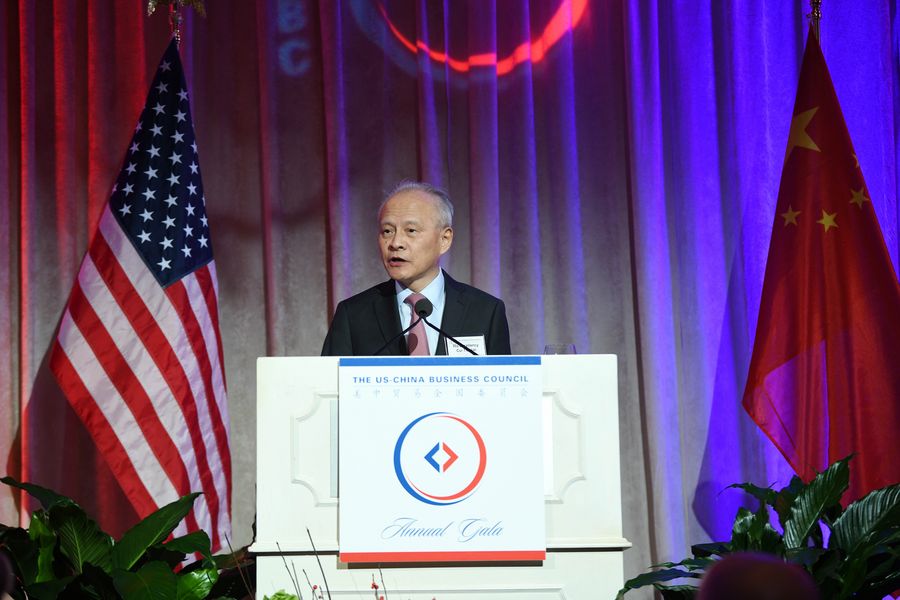
"Let's work together to respond to this global crisis, to save people's lives, to save the future of global economy, and to save the future of the global community. This is our paramount task," said Chinese Ambassador to the United States.
"If we aim at a new system of international governance that is open, inclusive, that is based on mutual respect among all countries, on the full recognition of the diversity of culture, civilization, political system, economic system, if we can do this, then I think all the things are ready for us to build a new and effective international governance system. We have to make the right choice now," he noted.
"If we can still call this a wakeup call, I think we should have woken up long time ago, but still, if we have not started yet, we have to start real efforts to build a good international governance system for the 21st century, for the future," he said, adding big countries including the U.S. and China have great responsibilities in spearheading the efforts.
-
Nearly half of global coal plants will be unprofitable this year (Reuters)
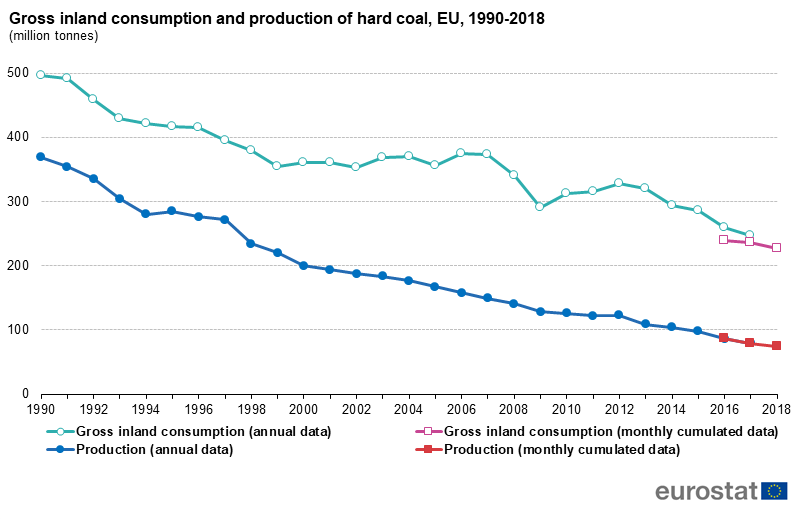
China and other countries could be planning to build more coal plants to stimulate their economies in the wake of the novel coronavirus pandemic but nearly half of global coal plants will run at a loss this year, research showed on Wednesday. [...] Global coal use in electricity generation must fall by 80% below 2010 levels by 2030 to limit global warming, according to the U.N.’s Intergovernmental Panel on Climate Change.
-
Bill Gates’s Philanthropic Giving Is a Racket (Jacobin)
Bill Gates recently resigned from the board of Microsoft to focus full time on philanthropy. It’s a perfect time to remember: billionaire-funded philanthropy is a public-relations scam.
Bill Gates’s Charity Paradox (The Nation)
A Nation investigation illustrates the moral hazards surrounding the Gates Foundation’s $50 billion charitable enterprise.
Bill Gates’ former advisor Boris Nikolic turns down role as executor of Jeffrey Epstein’s estate (NYPost, 2019)
Bill Gates’ former science adviser, Boris Nikolic, has formally said he won’t serve as one of the three executors of Jeffrey Epstein’s estate, according to new court papers.
-
ECB's Lagarde says large-scale debt cancellation 'unthinkable'
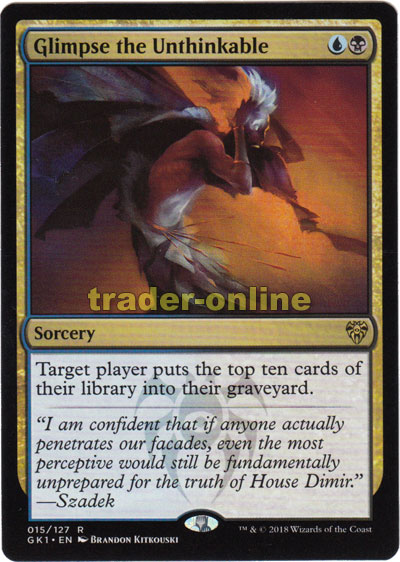
European Central Bank President Christine Lagarde dismissed on Thursday the possibility of a generalised cancellation of debts contracted during the coronavirus crisis. “That seems totally unthinkable to me. It’s not the right time to ask the cancellation question, right now we are concentrated on keeping the economy going,” Lagarde said in an interview on France Inter radio. “Later we will look at how to pay down the debt and how we manage public finances in the most efficient way,” she added. Former ECB chief Mario Draghi has called for corporate debt cancellations.
Related: Student Loan Payment Suspension 'May Go Further' Than Initial Six Months, Trump Says (Forbes)
-
Who Profits From the Pandemic? - by Pepe Escobar (strategic-culture)
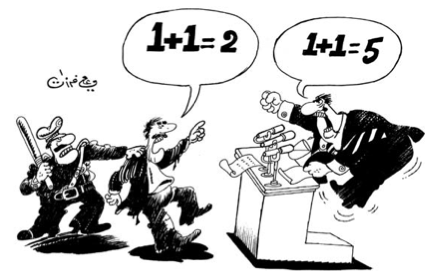
The game ahead for the elites, taking advantage of the crisis, might well contain these four elements: a social credit system, mandatory vaccination, a digital currency and a Universal Basic Income (UBI). This is what used to be called, according to the decades-old, time-tested CIA playbook, a “conspiracy theory.” Well, it might actually happen. [...] So the key working hypothesis is that Covid-19 could be used as cover for the usual suspects to bring in a new digital financial system and a mandatory vaccine with a “digital identity” nanochip with dissent not tolerated: what Slavoj Zizek calls the “erotic dream” of every totalitarian government. [...] Yet underneath it all, amid so much anxiety, a pent-up rage seems to be gathering strength, to eventually explode in unforeseeable ways. As much as the system may be changing at breakneck speed, there’s no guarantee even the 0.1 percent will be safe.
-
NetCents Declares Readiness for Expected US Federal Reserve "Digital Dollar" (yahoo finance)
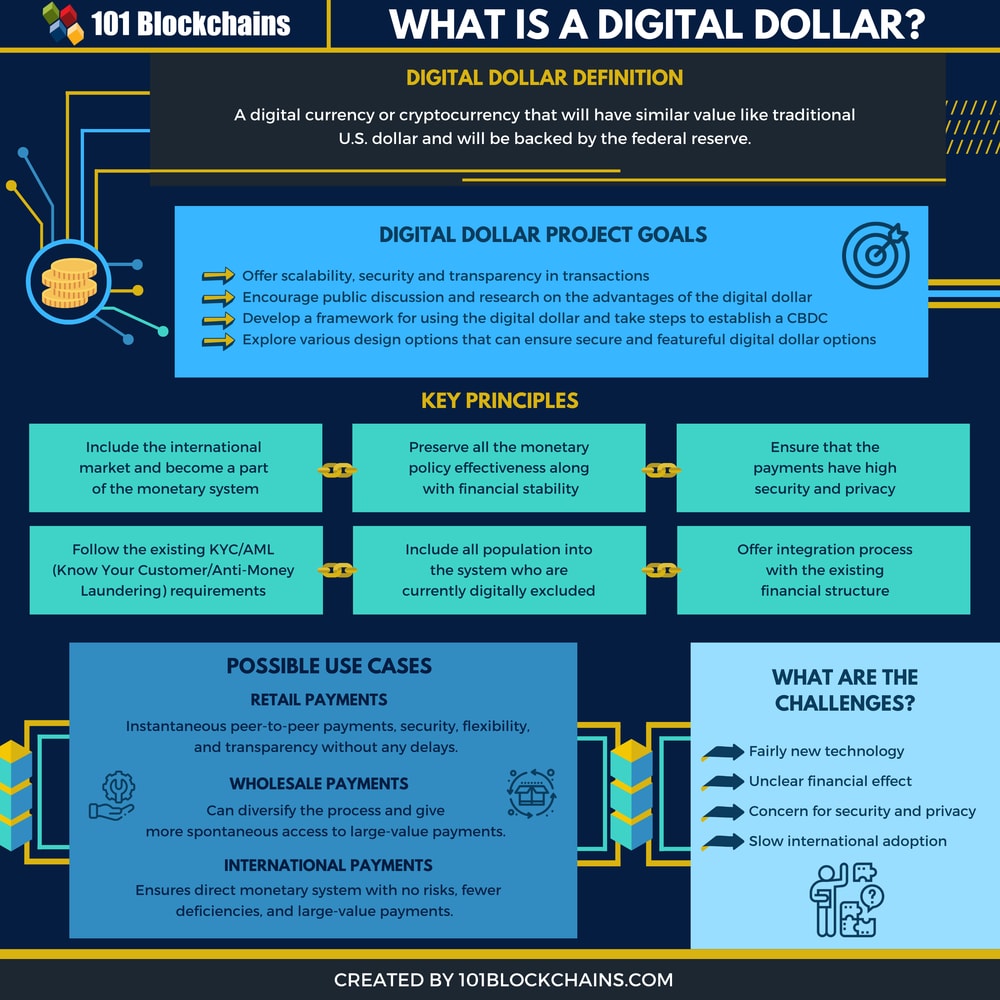
NetCents jumped into action as soon as it learned of the plans US Congress made to legislate for this US Federal Reserve Digital Currency as part of two different versions of the first COVID-19 Stimulus Bill ("Stimulus Bill" or the "Bill"). Ultimately this aspect of the legislation wasn't included in the final version of the first Stimulus Bill, but the Board and Advisors of NetCents have agreed that this "Digital Dollar" will be included in subsequent legislation. The Bill is expected to establish a "Digital Dollar", defined as 'a balance expressed as a dollar value consisting of digital ledger entries that are recorded as liabilities in the accounts of any Federal Reserve Bank or ... an electronic unit of value, redeemable by an eligible financial institution.' This will create a cryptocurrency backed and guaranteed by the US Federal Government. The Bill goes on to define a digital wallet, and a requirement that US chartered banks offer these wallets.
Forget The Coronavirus Stimulus Bill’s Digital Dollar—The Digital Euro Is Coming (Forbes)
Digital dollar proposals, included in an early draft of a massive U.S. coronavirus-induced stimulus bill, have reignited the debate over government-run payment platforms. A provision for a digital dollar was part of a draft stimulus bill put together by the U.S. Democratic Party as a means to make payments to people and businesses hit by coronavirus-induced economic turmoil, but it didn't make the final cut. While plans for the digital dollar have fallen by the wayside for now, others aren't far behind—China's digital yuan is in the pipeline and now a digital euro is being trialled by France's central bank.
-
Degrowth / Postwachstum zur Einführung - talk by Matthias Schmelzer (DE Only)
-
Microsoft Patents New Cryptocurrency System Using Body Activity Data
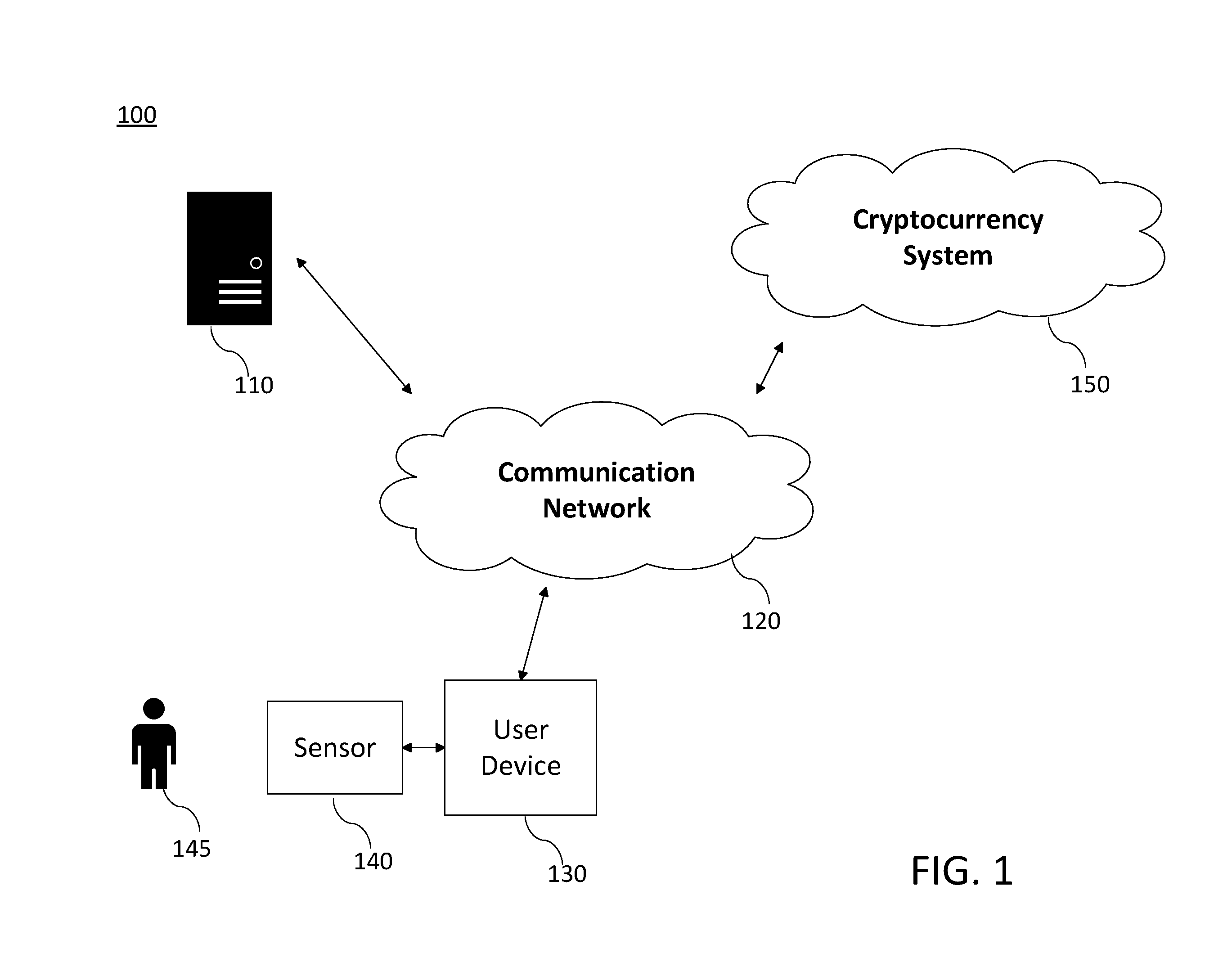
Microsoft has patented a cryptocurrency mining system that leverages human activities, including brain waves and body heat, when performing online tasks such as using search engines, chatbots, and reading ads. “A user can solve the computationally difficult problem unconsciously,” the patent reads.
#Technology #Health #Biology #Military #Crypto #Economics #Cryptocracy
-
Spanish Government Aims to Roll Out Basic Income ‘Soon’ (Bloomberg)
The Spanish government is working to roll out a universal basic income as soon as possible, as part of a battery of actions aimed at countering the impact of the coronavirus pandemic, according to Economy Minister Nadia Calvino. But the government’s broader ambition is that basic income becomes an instrument “that stays forever, that becomes a structural instrument, a permanent instrument,” she said.
#Comment: Leveraging the virus crisis, the UBI people (mostly same old finance fundamentalist wallstreet types, just with a new branding) are having their moment. Most likely, the UBI will be the pretext to "simplify and streamline" (e.g. radically remove and destroy) the existing complex network of social services in the EU. Once all citizens have been indoctrinated with propaganda of "free money and progress" and the UBI is "in", the owners of the money supply can simply dial-in a ever so slightly higher inflation rate (one of many options) and silently erode the real-world purchasing power of the €1000/m within just a few years. By the time people wake up to this scheme, it will be too late: All previous social systems will be gone, replaced by a aggressive totalitarian digital police state. There are many far more sane alternatives to explore - such as universal basic infrastructure ownership - but those seem "to radical" for the old owner-class apparently.
-
China proposes a new internet protocol that gives government ultimate control (reclaimthenet)
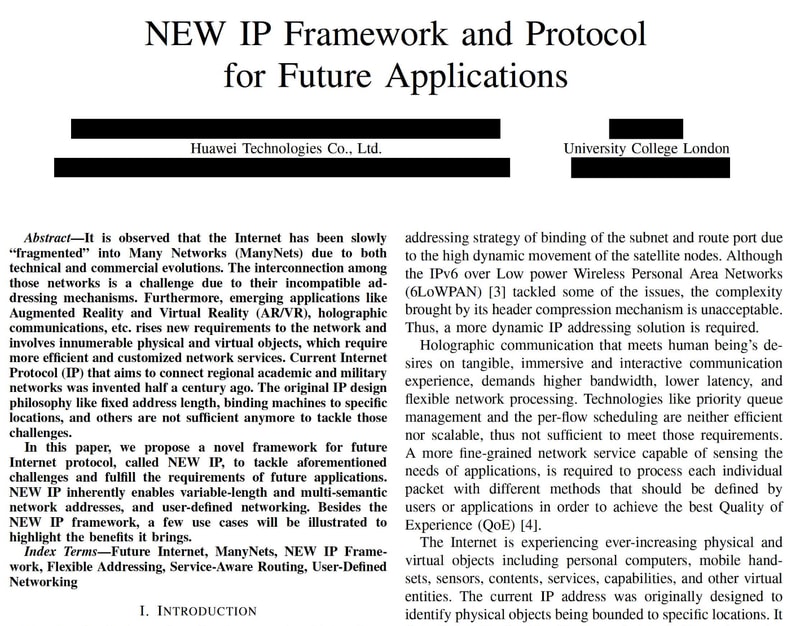
After years of meddling with the internet and censoring everything left and right, China now wants to introduce a new authoritarian-friendly internet protocol. The Financial Times has recently gained access to several documents about the protocol. Huawei, China’s Ministry of Industry and Information Technology (MITT), and state-run Unicom and China Telecom were the ones to craft the proposal and presented it to the UN’s International Telecommunication Union (ITU).
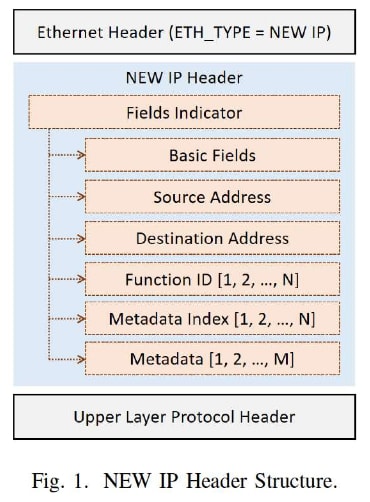
It was found that Russia and maybe Saudi Arabia were in favor of the proposal, whereas nations such as the US and UK expressed concerns. Based on what the developers of the protocol say, it may be standardized at a conference in India later this year with the testing of the protocol beginning in early 2021. On the whole, China’s new proposal states that the internet must catch up with the future and that the “current designs are obviously insufficient”. Considering the fact that the underlying technical architecture of the internet hasn’t really changed in a long time, China’s thoughts to modernize the whole infrastructure does sound like a necessary step to take. The proposal calls for an advanced internet that has improved security and efficiency while supporting holograms as well as latency stability.
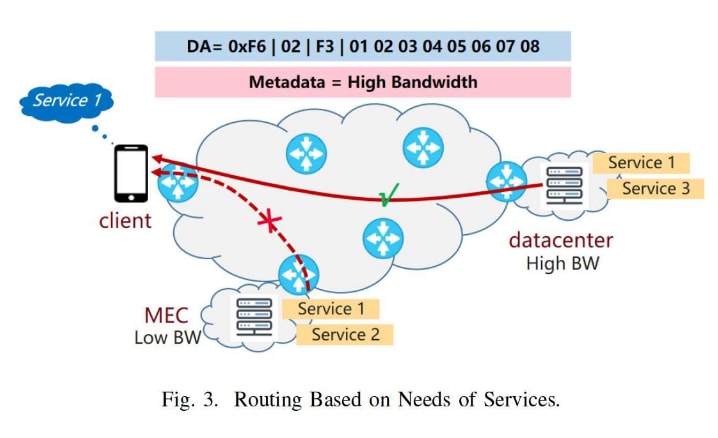
Finally, the new protocol aims to integrate the interactions between ManyNets (networks from IoT and satellites) and the internet seamlessly. But there is a strong concern with the new proposal that was even pointed out by countries such as the US and UK. The new proposal, if accepted globally, will give governments the ultimate power over the internet accessibility in their nations.
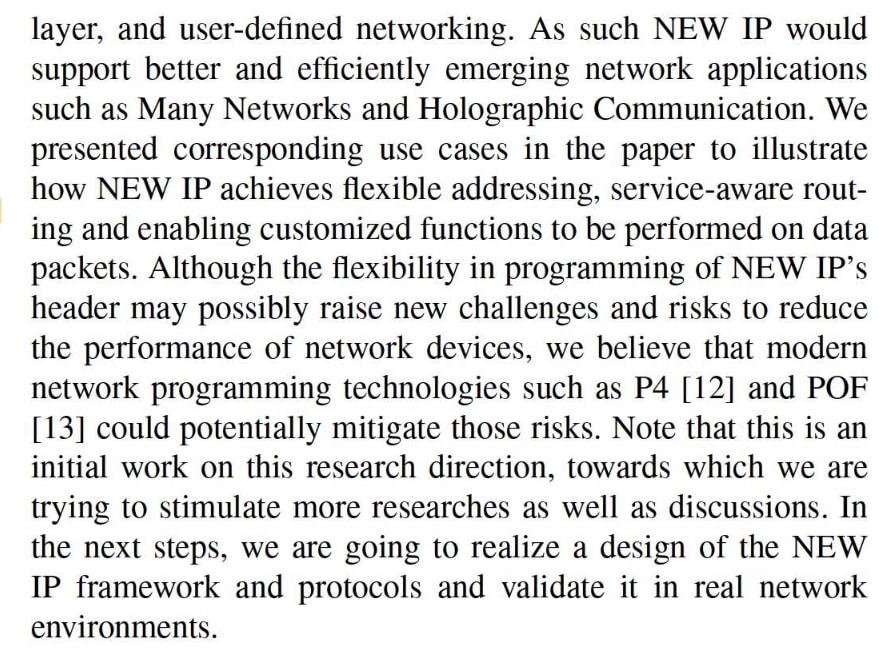
Such a “top-down” internet architecture will lead to potential internet censorship. With many countries already practicing blatant internet censorship, especially China, the idea of placing more power over internet accessibility into the hands of a country’s government may not be the wisest course of action. It is also worth noting that authoritarian governments such as Russia are already moving in the direction of gaining “cyber sovereignty“. For instance, Russia already tested its own heavily controlled internet.
At such a juncture, the new proposal by China, while promising the hopes of a better future, might make it easy for countries to practice internet censorship.
#Technology #Infrastructure #Internet #Politics #Economics #Military
-
Pakistan, China and Russia decide to conduct trade in local currencies skip dollars (BRecord)
The eight-member countries of the Shanghai Cooperation Organization (SCO), including China, Russia, and Pakistan, have made the principle decision to conduct bilateral trade and investment and issue bonds in local and national currencies instead of US dollars. As per details, a road map will be finalized and signed at SCO's Finance Ministers' meeting in Moscow on March 18th.
-
Company aims to monetise China’s social credit system (SCMP)
China is developing a controversial social credit system of rewards and punishments meant to encourage people and businesses to abide by rules and to promote integrity and trustworthiness in society at large. The government aims to have it in place by 2020, and so far its most visible applications include a ban on people from booking express trains or flights if they appear on various “blacklists”. While there are still many questions about how the system will be implemented, at least one company is setting its sights on making money out of social credit.
#China #Economics #Business #Technology #InfoSec #Cryptocracy
-
For China’s coronavirus-hit companies, the internet can be much more than just a lifeline (SCMP)

Beyond selling through the internet or developing internet-based products, visionaries are using it as a testing ground for novel ideas and improvements, including ‘employee sharing’ to direct resources to where they are most needed.
-
Report reveals ‘massive plastic pollution footprint’ of drinks firms (Guardian)

"Coca-Cola, PepsiCo, Nestlé and Unilever are responsible for more than half a million tonnes of plastic pollution in six developing countries each year, enough to cover 83 football pitches every day, according to a report."
“Why are we here?”
Plastic… asshole.”
-
The great oil industry collapse of the 2020s has started
Oil Prices Could Fall Another 20% (oilprice.com)
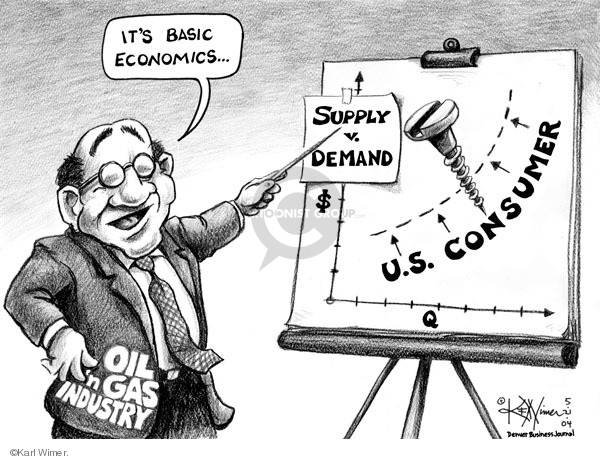
Brent crude was down four percent Friday afternoon at $27.50 per barrel. US crude was five percent lower at $21.47 per barrel. Prices were on track for their fifth weekly drop in a row as coronavirus ravages economies around the world. The price war launched by Saudi Arabia almost three weeks ago after talks with Russia over price stabilisation broke down has sent prices to their lowest level in 17 years. The Brent crude price was around $65 per barrel at the start of January.
US crude oil price falls below $20 (FT)
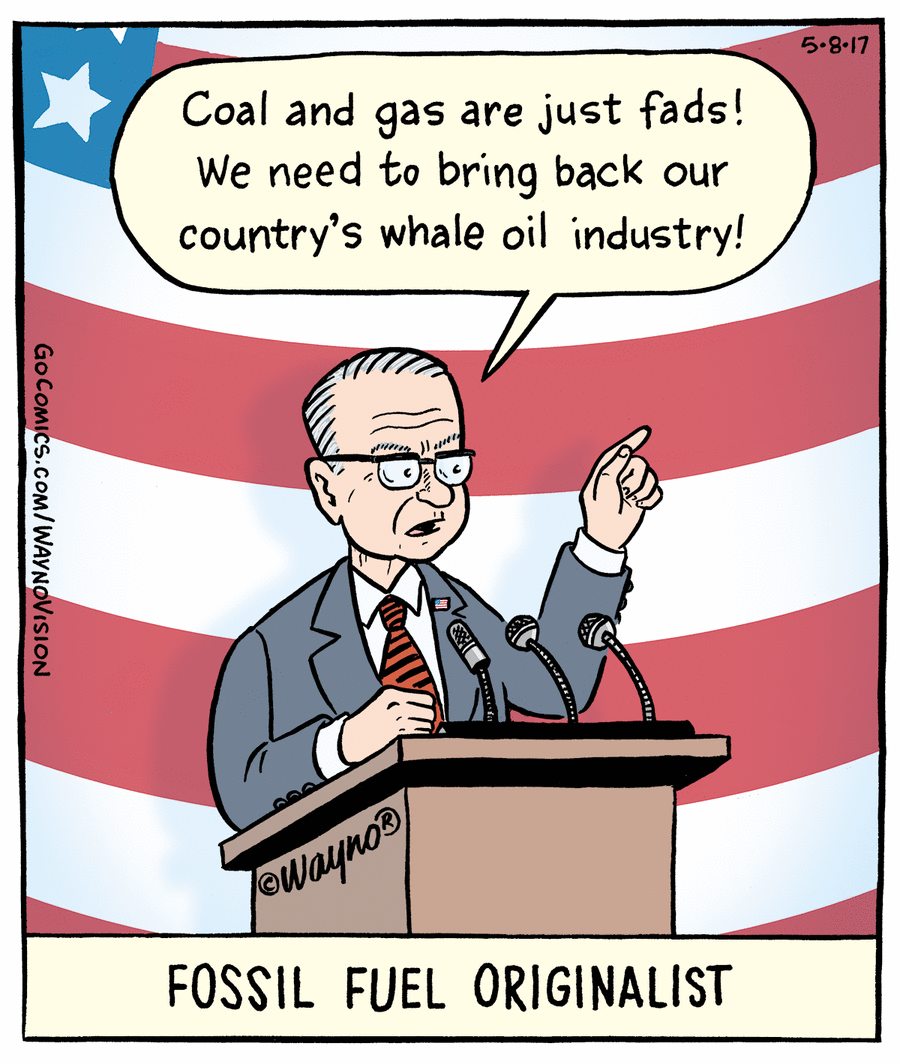
US crude oil prices fell below $20 a barrel on Monday, close to their lowest level in 18 years, as traders bet production would have to shut to cope with the collapse in demand from the coronavirus pandemic. The global oil industry is facing its biggest demand drop in history, with traders and analysts forecasting crude consumption could fall as much as a quarter next month because of widespread lockdowns across the western world as the pandemic spreads.
Oil in Canada hit $3.80 per barrel this morning in Canada.
@MarinKatusa: A starbucks latte is now almost 2X more expensive than a barrel of oil in Canada today. A barrel of oil is cheaper than a donut and coffee from Tim Hortons.
Russia's Rosneft stops operations in Venezuela (TASS)
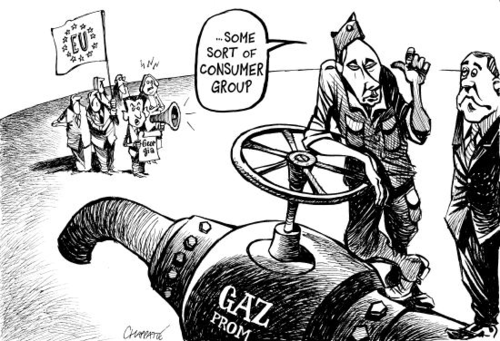
Russia's Rosneft stops operations in Venezuela, sells assets related to functioning in that country. A company owned by Russia has acquired Rosneft’s assets in Venezuela, the cabinet’s press office told TASS on Saturday. "The government of the Russian Federation has acquired assets in Venezuela from Rosneft. A company 100% owned by the Russian Federation has become the owner," the press service said.
Russian state gave up majority share of Rosneft in Venezuela deal (Yahoo News)
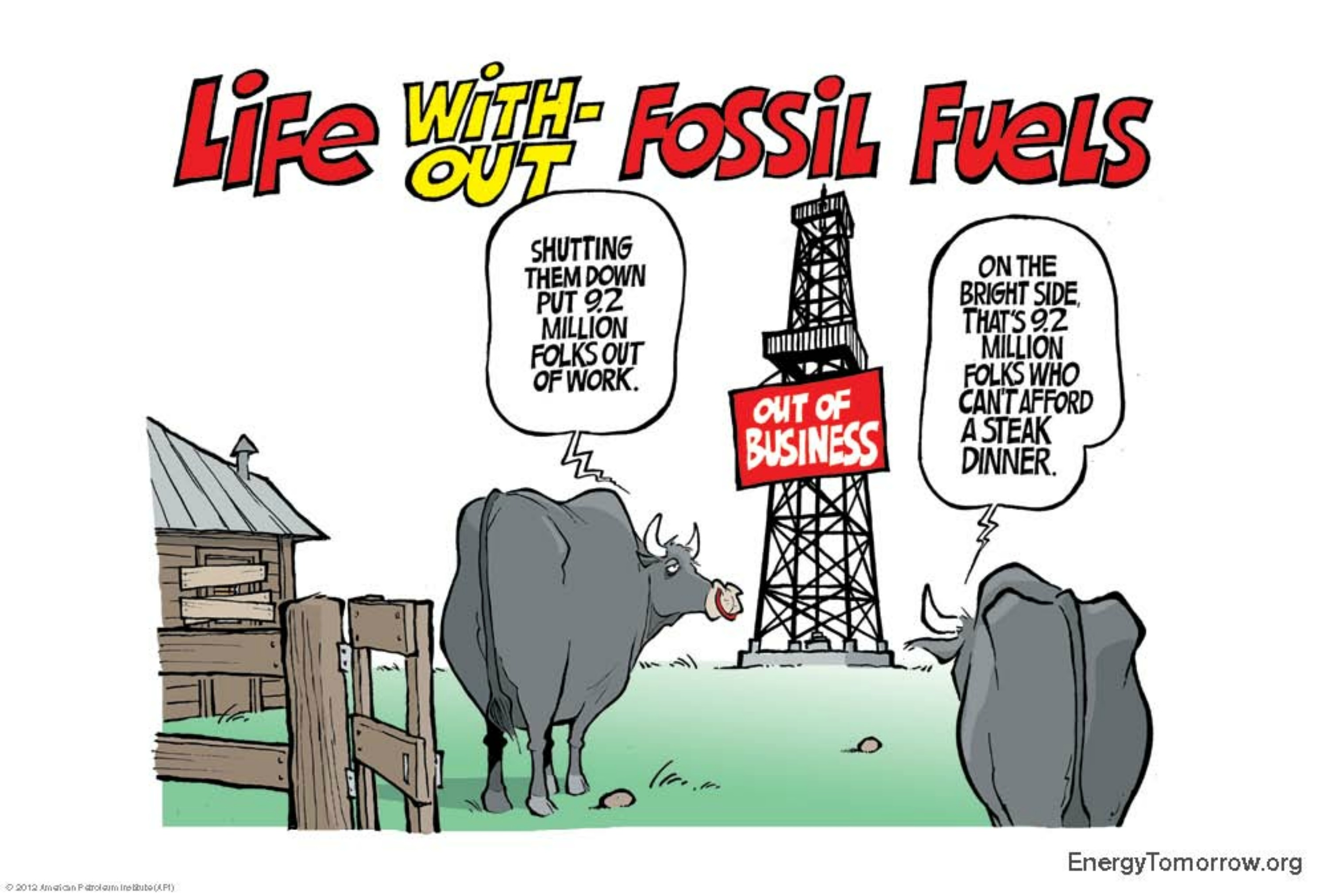
The Russian state has cut its holding in oil giant Rosneft to below a majority stake as part of its deal to buy the group's Venezuelan assets, announced over the weekend, a source familiar with the details told Reuters. Rosneft, Russia's largest oil producer, said on Saturday it had sold all its assets in Venezuela to an unnamed company owned by the Russian government. The group said it would receive in return payment worth 9.6% of Rosneft's equity capital, which would be held by a subsidiary. It did not say who the seller of that stake was. Before the deal, Russia, via state holding company Rosneftegaz, owned slightly over 50% of Kremlin-controlled Rosneft's capital.
Russia’s Plan To Bankrupt U.S. Shale Could Send Oil To $60 (oilprice.com)
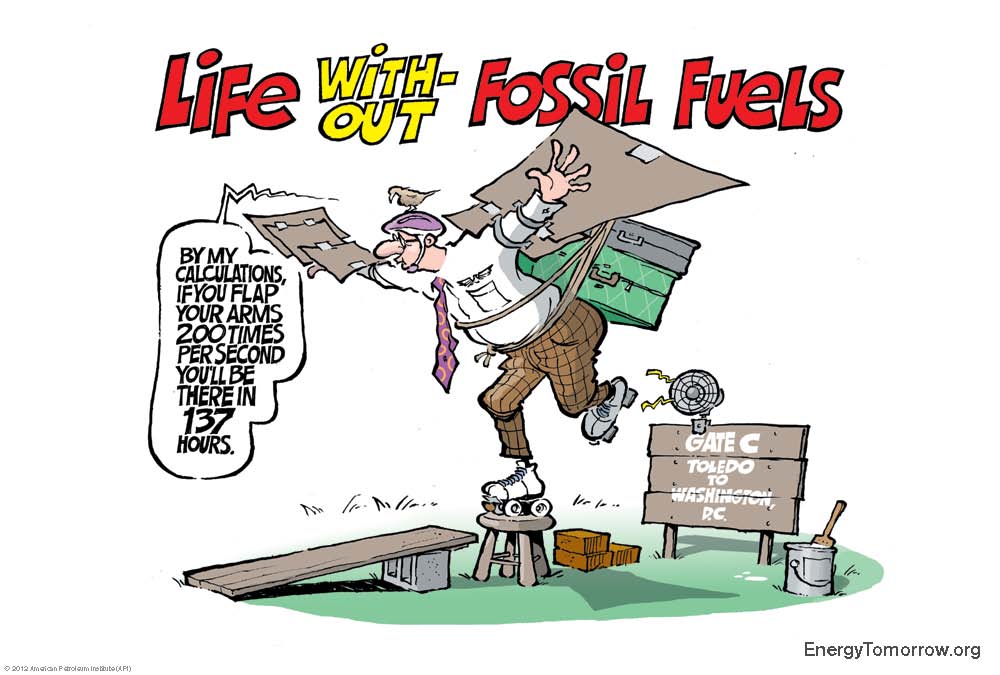
As soon as U.S. shale leaves the market, prices will rebound and could reach $60 a barrel, Rosneft’s Igor Sechin said recently. As fate would have it, in what many would have until recently considered an impossible scenario, a lot of U.S. shale might do just that. Breakeven prices for U.S. shale basins range between $39 and $48 a barrel, according to data compiled by Reuters. Meanwhile, West Texas Intermediate (WIT) is trading below $25 a barrel and has been for over a week now.
The world's on the brink of running out of places to put oil (financial post)
With supply exceeding demand by 12.4 million barrels a day, producers will be forced to cut output by June
Collapse (documentary)
Sitting in a room that looks like a bunker, Ruppert briefly recounts his life including his parents' ties to U.S. intelligence agencies and Ruppert’s own career as an LAPD beat cop and detective. Ruppert then summarizes current energy and economic issues, focusing mainly around the core concepts of peak oil and sustainable development. He also criticizes fiat money, fractional reserve banking, compound interest, and leveraging, and discusses alleged CIA drug trafficking. The bulk of the film presents Ruppert making an array of predictions including social unrest, violence, population dislocation and governmental collapses in the United States and throughout the world. He draws on news reports and data available via the Internet, but he applies a unique interpretation which he calls “connecting the dots”.
USA im Irak: Letzter Akt einer Chaos-Politik? (heise)
90 Prozent der Einkünfte kommen vom Ölgeschäft. Bei dem derzeit niedrigen Ölpreis wird es für die irakische Regierung schwierig, dass sie überhaupt Gehälter bezahlen kann. 30 Prozent der Beschäftigten im Irak leben als Beamte oder Vertragspartner von Staatsgeldern. Das Gesundheitswesen ist vollkommen von den Staatseinnahmen abhängig.
EasyJet grounds 'entire fleet' over coronavirus (Techexplorer)
British airline easyJet on Monday said it had grounded its entire fleet because of the coronavirus pandemic but would still be available for rescue flights to repatriate stranded customers.
Coronavirus may cause global food shortages as panic buying and export curbs hit supply (SCMP)
UN Food and Agricultural Organisation says there could be global food shortages in April and May as a result of supply problems caused by the coronavirus. China is heavily dependent on imports for some crops like soybeans, which may be affected by disruptions to global logistics networks.
UN warns that COVID-19 pandemic could trigger global food shortage (World Socialist Web)
The United Nations Food and Agriculture Organization (FAO) warned of the impact of the COVID-19 virus on the global food supply chain in a notice on their website writing: “We risk a looming food crisis unless measures are taken fast to protect the most vulnerable, keep global food supply chains alive and mitigate the pandemic’s impacts across the food system.”
-
Oil demand down 20% globally (Bloomberg)
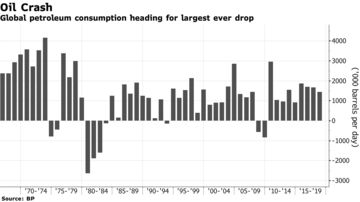
Russell Hardy, CEO of Vitol Group, the world's largest independent oil trader, says global crude demand is down 15-20 million barrels a day (that's 20% of global)
-
China drives first global coal capacity increase since Paris Agreement (eco-business)

A freight train carrying coal in Shanxi province of northern China. China was behind a climate-crunching increase in coal power capacity in 2019, and the Covid-19 pandemic is likely to make Chinese policymakers determined to see these investments through. But globally the writing is on the wall for the world’s dirtiest fossil fuel as new coal development slumped.