tag > FFHCI
-
Italian Operational Group supports nomadic beekeepers with digital tool
Italian beekeeper Michele Valleri is working with the Operational Group 'NOMADI-app' to test sensors on beehives, that send data directly from the hive to a regional network of beekeepers: “Aside from diseases, parasites, pesticides and other stressors that affect bee health, we increasingly have to face the effects of climate change. Every technology that can help us keep our bees in good health can be really helpful.”
-
Magnetic Salmon (2019) & Salmon use magnetic field as navigational aid (2013)
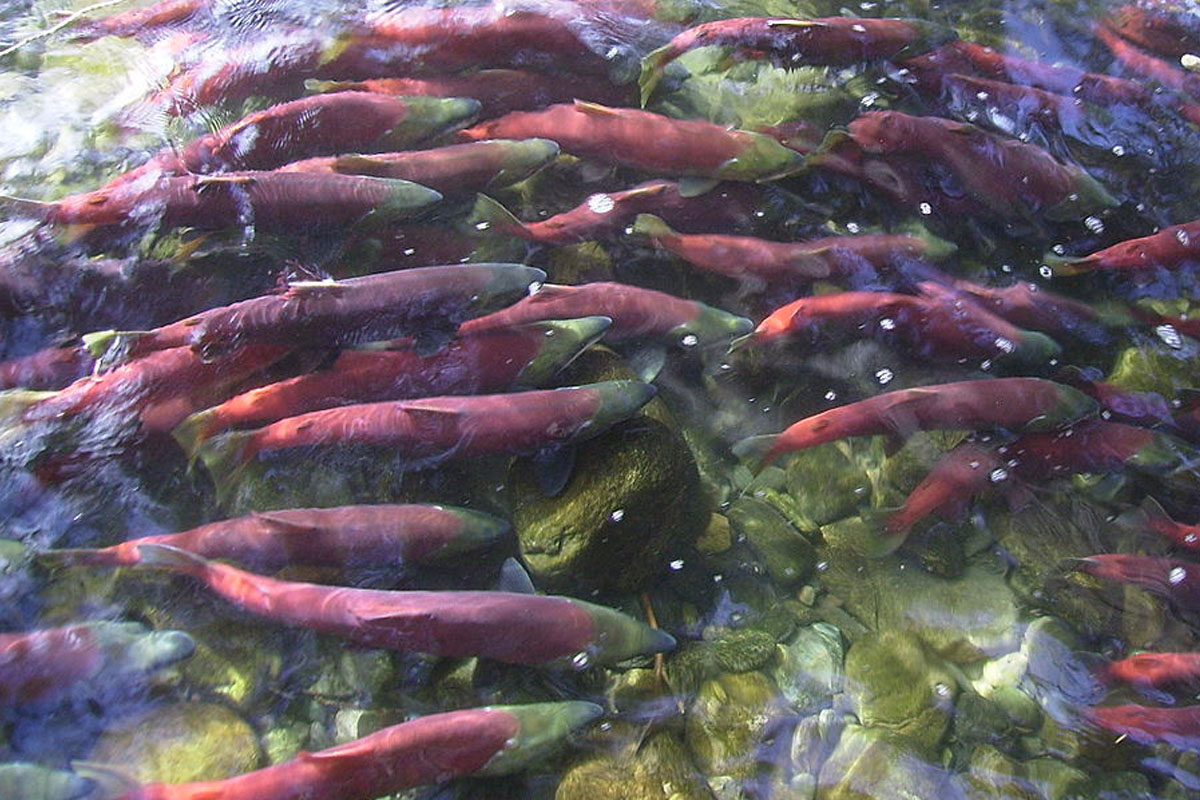
Salmon can detect the precise geomagnetic "feel" of a river's location, and memorize it to help them return later. Scientists have discovered evidence showing that salmon use a technique called "geomagnetic imprinting" to find their way home to their birth rivers.
-
Videos by Andy Adamatzky, Professor in Unconventional Computing, UWE, Bristol
-
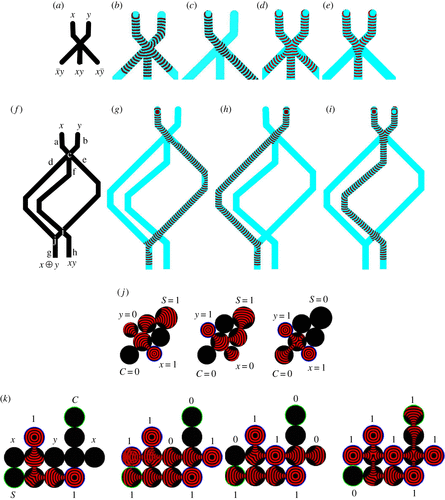
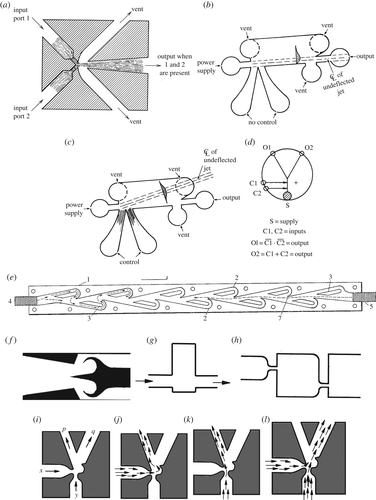
A brief history of liquid computers - by Andrew Adamatzky (2019)
The dry history of liquid computers - by Andrew Adamatzky (2018)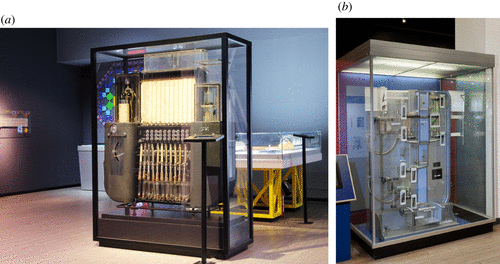
-
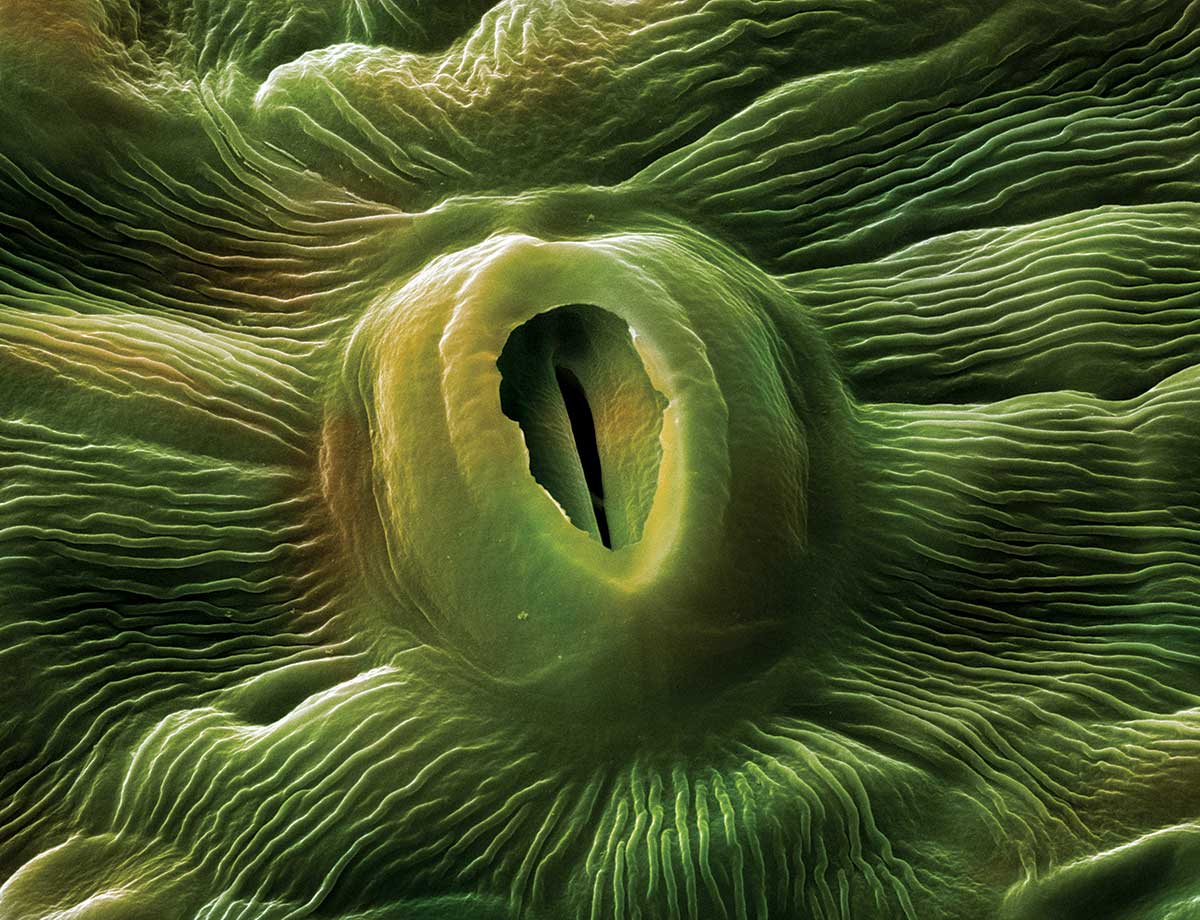
Plant Stomata - a pore, found in the epidermis of leaves, stems, and other organs, that facilitates gas exchange.
-
Never Underestimate the Intelligence of Trees - Plants communicate, nurture their seedlings, and get stressed - Article by Nautils about Suzanne Simard's work.



The secret language of trees - Short Video by Camille Defrenne & Suzanne Simard
-
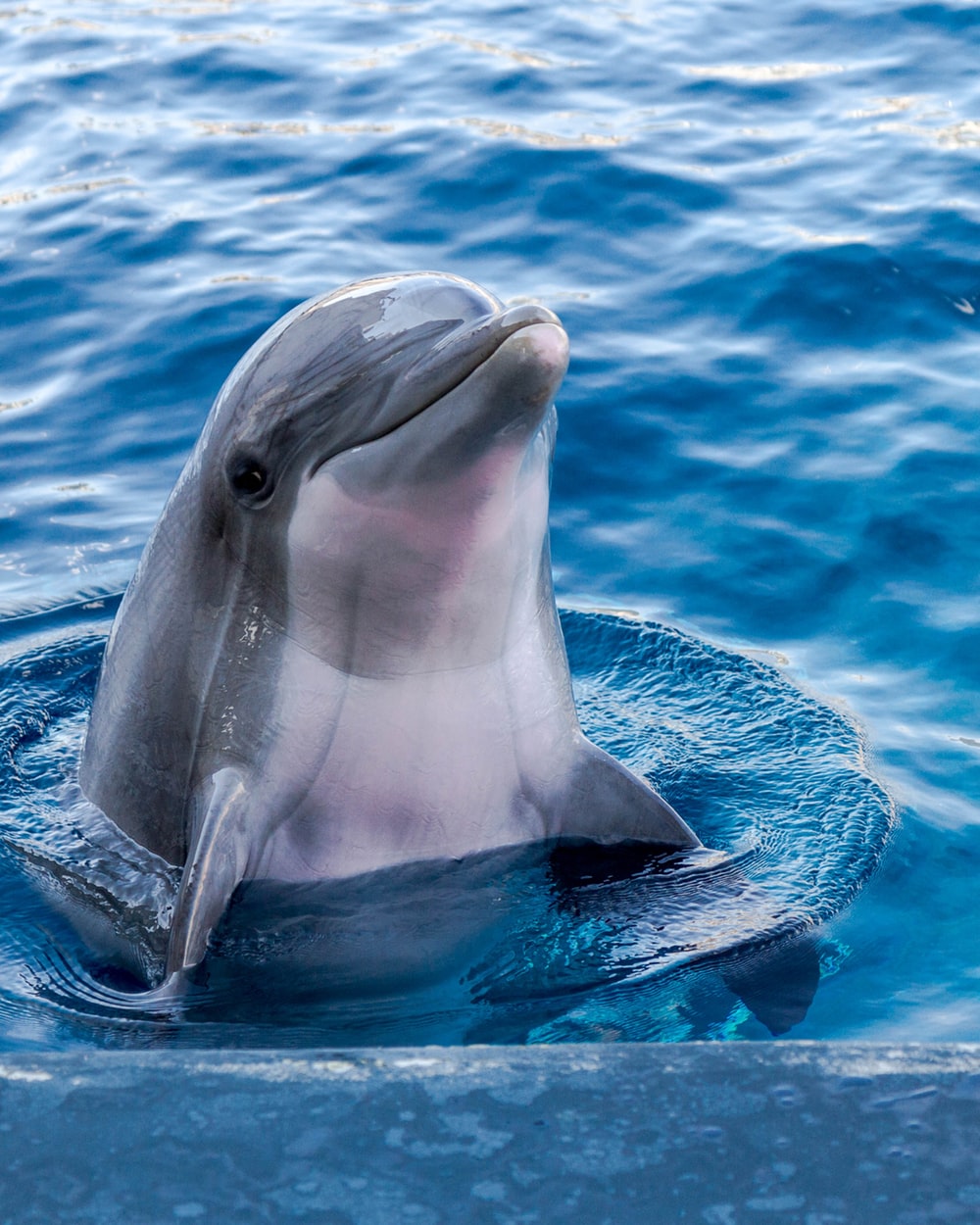
Study Finds Common Dolphins Tend to Be 'Right-Handed' (Research)
"Researchers working with the Dolphin Communication Project in the US spent six years watching a population of common bottlenose dolphins (Tursiops truncatus) forage from the ocean floor, taking note of which way they tended to turn, and found the animals like to keep their right eye on the food. Having a preference for one side of the body or the other is now understood to be common throughout the animal kingdom. Gorillas and chimpanzees favour their right hands, like us."
Dolphins struggle against noise pollution
"A new study has found increased ship traffic and dredging in India’s Ganga River is rapidly heightening noise levels in the river and stressing the river’s iconic dolphins and changing how they communicate."
-
China flight systems jammed by pig farm’s African swine fever defences (scmp)
"Chinese state media reported last week that gangs were exploiting the African swine fever crisis by deliberately spreading the disease by using drones to drop infected items on to pig farms. A Chinese pig farm’s attempt to ward off drones – said to be spreading African swine fever – jammed the navigation systems of a number of planes flying overhead. In more common cases, according to the magazine, the criminals spread rumours about the presence of the virus to achieve a cheap purchase price."
-
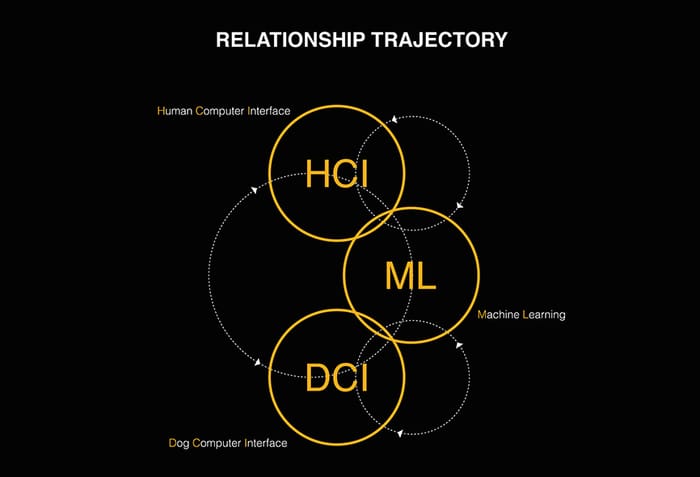
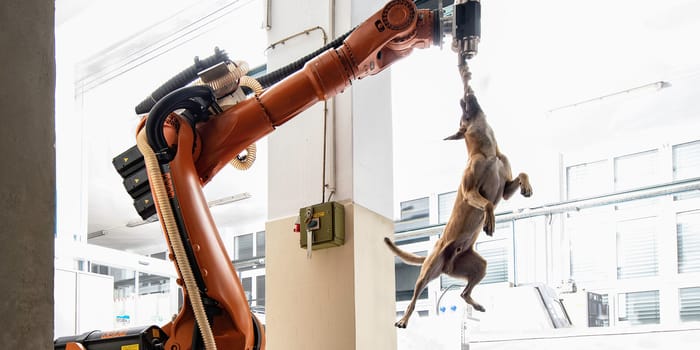
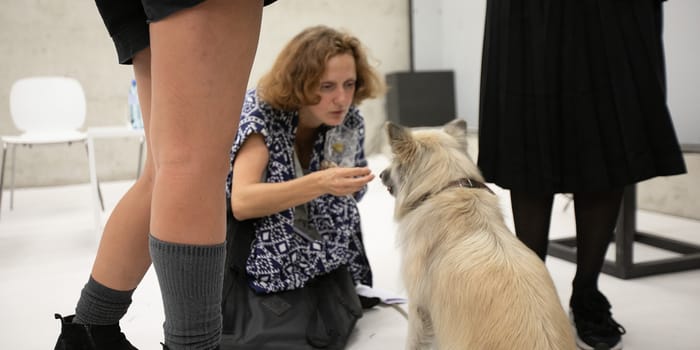
Man-Dog-Machine - by Maja Smrekar (2019)
"Smrekar’s “!brute_force” – part of the human (un)limited exhibition by Hyundai & Ars Electronica in Beijing – deals with the relation man-dog-machine. The basic statement of the work is: Even if we need technology, our existence must not be limited to machines."
-
Crows Could Be the Smartest Animal Other Than Primates (BBC)
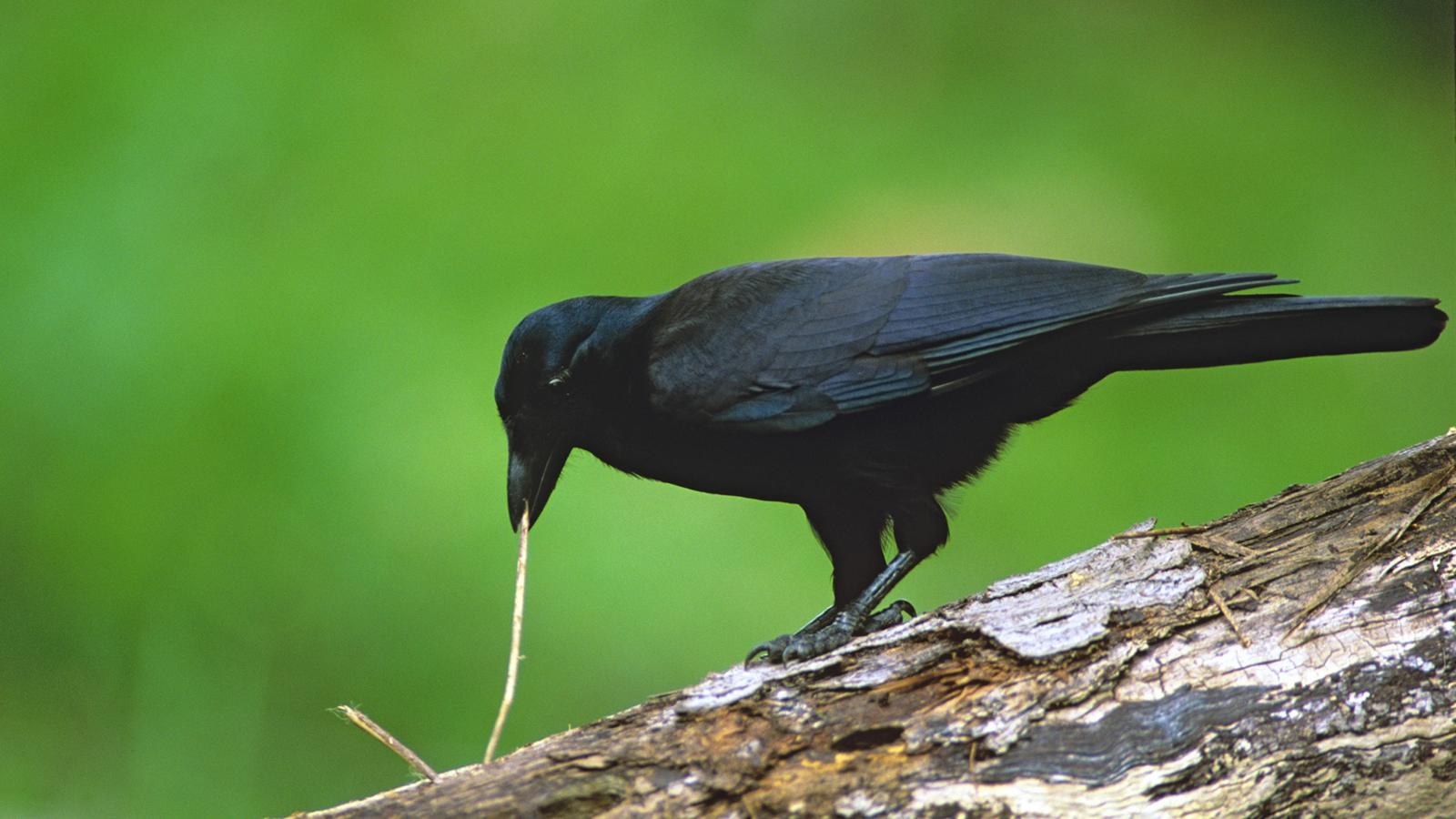
"Christian Rutz at the University of St Andrews is unequivocal. Some birds, like the New Caledonian crows he studies -- can do remarkable things. In a paper published earlier this year, he and his co-authors described how New Caledonians seek out a specific type of plant stem from which to make their hooked tools."
"Experiments showed that crows found the stems they desired even when they had been disguised with leaves from a different plant species. This suggested that the birds were selecting a kind of material for their tools that they knew was just right for the job. You wouldn't use a spanner to hammer in a nail, would you? Ranking the intelligence of animals seems an increasingly pointless exercise when one considers the really important thing: how well that animal is adapted to its niche. In the wild, New Caledonians use their tools to scoop insects out of holes, for example in tree trunks. Footage of this behavior has been caught on camera."
#Comment: "Ranking the intelligence of animals seems an increasingly pointless exercise when one considers the really important thing: how well that animal is adapted to its niche" is a spot on observation! Rigid, hierarchical "we humans are the top of creation" thinking is totally absurd and backwards. While "human smartest, the rest stupid" ideas are deeply rooted in ancient (christian) tradition, their full madness and destructive potential has been unleashed since the dawn of Darwin's evolution theory and dominance of science.
-
#Book: The Sciences of the Artificial - by Herbert A. Simon (1969) (full e-book)
“Human beings, viewed as behaving systems, are quite simple. The apparent complexity of our behavior over time is largely a reflection of the complexity of the environment in which we find ourselves.” ― Herbert A. Simon, The Sciences of the Artificial
“It is true that humanity is faced with many problems. It always has been but perhaps not always with such keen awareness of them as we have today. We might be more optimistic if we recognized that we do not have to solve all of these problems. Our essential task—a big enough one to be sure—is simply to keep open the options for the future or perhaps even to broaden them a bit by creating new variety and new niches. Our grandchildren cannot ask more of us than that we offer to them the same chance for adventure, for the pursuit of new and interesting designs, that we have had.” ― Herbert A. Simon, The Sciences of the Artificial
“An artifact can be thought of as a meeting point—an “interface” in today’s terms—between an “inner” environment, the substance and organization of the artifact itself, and an “outer” environment, the surroundings in which it operates. If the inner environment is appropriate to the outer environment, or vice versa, the artifact will serve its intended purpose.” ― Herbert A. Simon, The Sciences of the Artificial
-
DNA computing is a branch of computing which uses DNA, biochemistry, and molecular biology hardware, instead of the traditional silicon-based computer technologies. A brief introduction of the field can be found on the site of the Qian Lab:
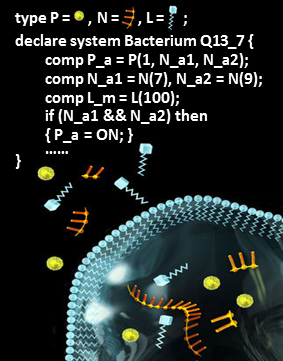
How can we rationally design and synthesize molecular systems with programmable behaviors? Life is full of amazingly sophisticated programs encoded in genomes, orchestrating molecules to sense, to compute, to respond, and to grow. One approach to interpreting the molecular programs that nature creates is to explore and re-realize the principles of information processing in biology, for example by rationally designing and synthesizing molecular systems that exhibit programmable behaviors. As much as electronics has changed our lives, at a much smaller scale computer science in its new form as molecular programming will change our lives with nanomachines, smart drugs and diagnostic devices.
-
Fungus provides powerful medicine in fighting honey bee viruses Mycelium extract reduces viruses in honey bees (Washington State University) (via)
"A mushroom extract fed to honey bees greatly reduces virus levels, according to a new paper. In field trials, colonies fed mycelium extract showed a 79-fold reduction in deformed wing virus and a 45,000-fold reduction in Lake Sinai virus compared to control colonies. The hope is that the results of this research will help dwindling honey bee colonies fight viruses that are known to play a role in colony collapse disorder."
-
Recordings reveal that plants make ultrasonic squeals when stressed (newscientist) Plants emit informative airborne sounds under stress (biorxiv)
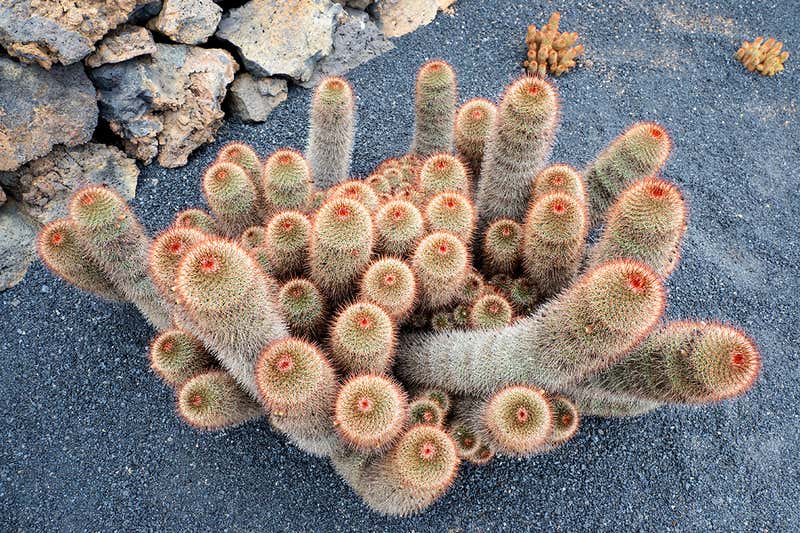
The spiny pincushion cactus has been found to emit sounds when stressed -
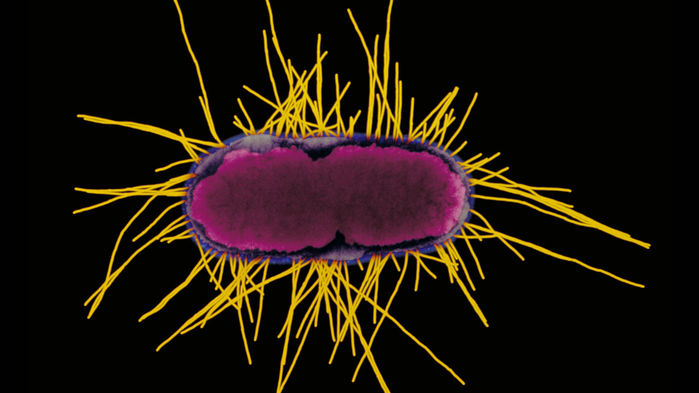
Genetically-Engineered Microbe No Longer Needs to Eat Food To Grow
"Synthetic biologists have performed a biochemical switcheroo," reports Science magazine:
They've re-engineered a bacterium that normally eats a diet of simple sugars into one that builds its cells by absorbing carbon dioxide (CO2), much like plants. The work could lead to engineered microbes that suck CO2 out of the air and turn it into medicines and other high-value compounds.
Laboratory-evolved bacteria switch to consuming carbon dioxide for growth
"Over the course of several months, researchers created Escherichia coli strains that consume carbon dioxide for energy instead of organic compounds. This achievement in synthetic biology highlights the incredible plasticity of bacterial metabolism and could provide the framework for future carbon-neutral bioproduction. "
-
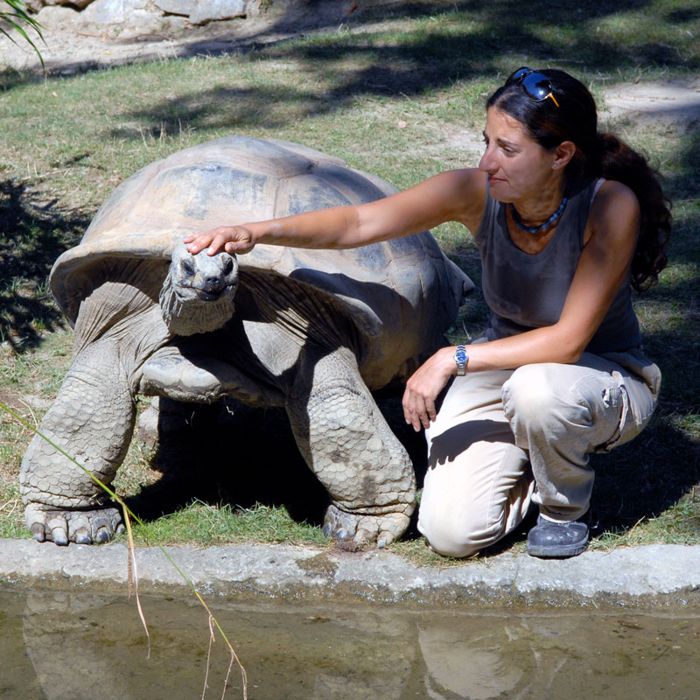
Giant tortoises show surprising cognitive powers (Nature)
Giant tortoises can learn and remember tasks, and master lessons much faster when trained in groups.
Scientists trained Galapagos tortoises and Aldabra tortoises to bite a ball of a particular color — blue, green or yellow.
When tested three months later, the tortoises recalled the task. The authors tested three of the tortoises again after nine years and found that all three responded to toys of the correct color. The researchers also found that both species of tortoise could be conditioned with fewer training sessions if they were taught in groups than if learning occurred in isolation, hinting that tortoises learn from watching their peers.
-
Wild Silkworms Produce Proteins Primed for Bioprinting. A mix of silkworms’ proteins acts as a scaffold for 3-D-printed tissues and organs.
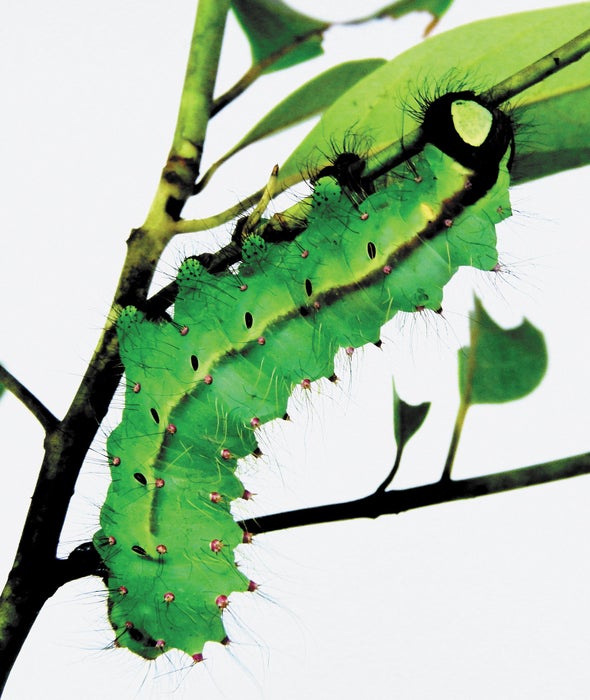
Wild silkworm species Antheraea assamensis.