tag > FFHCI
-
Alphabet's moonshot division unveils its latest project Tidal, which aims to help sustainable fishing (Business Insider)
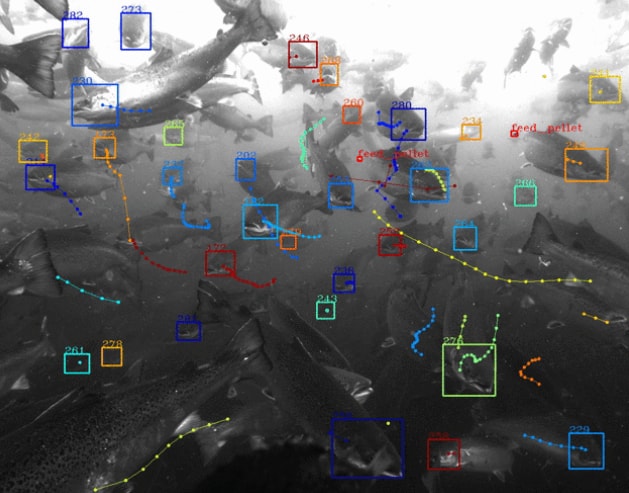
Google's latest moonshot is an ocean conservation project. Called "Tidal," the project will involve monitoring fish behavior using underwater cameras and what it calls "machine perception tools," which can detect and interpret fish behaviors invisible to the human eye. Tidal says its software can monitor the behavior and welfare thousands of thousands of individual fish over time, letting fish farmers manage their pens more effectively and efficiently.
Though Google only announced Tidal in a blog post published Monday, the tech giant says it has spent the past three years talking with fish farmers to inform its fish-monitoring tech.
-
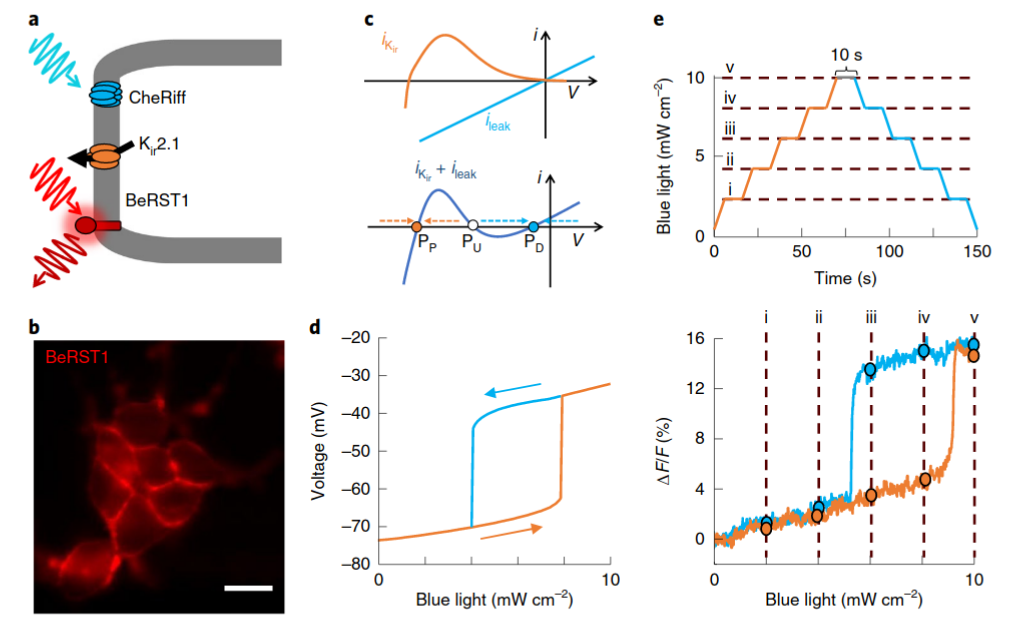
Bioelectrical domain walls in homogeneous tissues - New software for modeling embryonic morphogenesis (unpaywalled)
-
Capillary-driven desalination in a synthetic mangrove
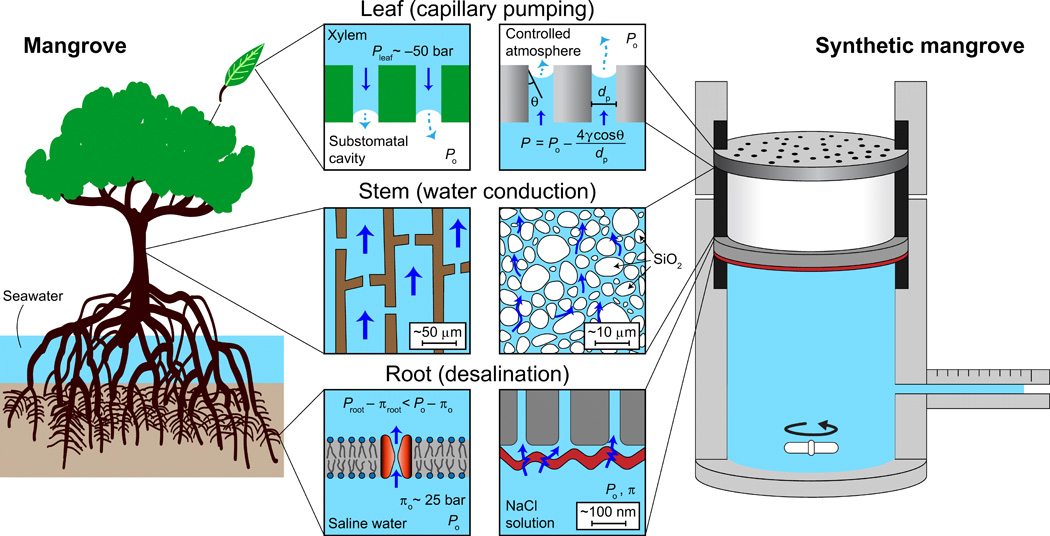
We demonstrate a synthetic mangrove that mimics the main features of the natural mangrove: capillary pumping (leaves), stable water conduction in highly metastable states (stem), and membrane desalination (root). Our findings create possibilities for engineered membrane separations using large, passively generated capillary pressures.
-
Down on the Farm That Harvests Metal From Plants (NYTimes)
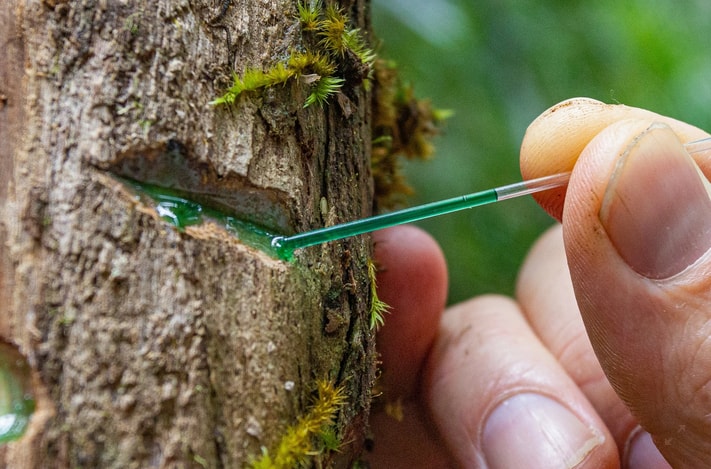
Nickel-rich sap being taken from a tree in Malaysia "Hyper-accumulating plants thrive in metallic soil that kills other vegetation, and botanists are testing the potential of phytomining. Some of Earth’s plants have fallen in love with metal. With roots that act practically like magnets, these organisms flourish in metal-rich soils that make hundreds of thousands of other plant species flee or die. Slicing open one of these trees or running the leaves of its bush cousin through a peanut press produces a sap that oozes a neon blue-green. "
-
Towards fungal computer - by Andrew Adamatzky
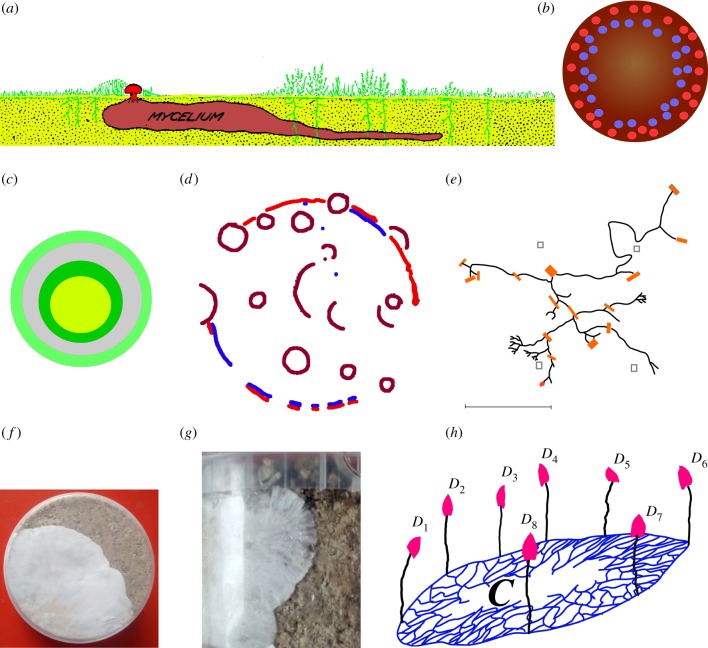
Abstract: We propose that fungi Basidiomycetes can be used as computing devices: information is represented by spikes of electrical activity, a computation is implemented in a mycelium network and an interface is realized via fruit bodies. In a series of scoping experiments, we demonstrate that electrical activity recorded on fruits might act as a reliable indicator of the fungi’s response to thermal and chemical stimulation. A stimulation of a fruit is reflected in changes of electrical activity of other fruits of a cluster, i.e. there is distant information transfer between fungal fruit bodies. In an automaton model of a fungal computer, we show how to implement computation with fungi and demonstrate that a structure of logical functions computed is determined by mycelium geometry.
-
Underwater Snail-o-Bot gets kick from light
Researchers at the Max Planck Institute for Intelligent Systems in Stuttgart in cooperation with Tampere University in Finland developed a gel-like robot inspired by sea slugs and snails they are able to steer with light. Much like the soft body of these aquatic invertebrates, the bioinspired robot is able to deform easily inside water when exposed to this energy source. Due to specifically aligned molecules of liquid crystal gels – its building material – and illumination of specific parts of the robot, it is able to crawl, walk, jump, and swim inside water. The scientists see their research project as an inspiration for other roboticists who struggle to design untethered soft robots that are able to move freely in a fluidic environment. Such inventions could one day play a pivotal role in the research field of minimally-invasive robotic medical applications. In the video: the top left panel represents crawling with 2X speed; the middle left represents walking with 2X speed, bottom left represents jumping with 2X speed, and the right panel represents swimming with 1X speed.
-

Do you want it locally grown, water-saving and pesticide-free? Urban agriculture might suit you, with a little help from gene editing. Zachary Lippman’s team has already succeeded with Solanaceae fruit crops, optimizing tomatoes and ground-cherries for indoor production (see their paper in Nature Biotechnology).
By targeting three genes (SlER, SPG5, and SP), they made the plants display compact growth habit and early yield. The tomatoes produced were slightly smaller than the wild type, but each plant bore more fruit, and they tasted good.
Commenting the paper in the news and views section, Cathryn O’ Sullivan and colleagues foresee a whole CRISPR menu coming from urban agriculture in the future. It is unlikely that wheat or rice will ever be grown indoors, but urban farms will be interested in producing any plant that has high value and is eaten fresh.First of all fruits and vegetables that grow on bushes or vines, such as tomato, strawberry, raspberry, blueberry, cucumber, capsicum, grapes, kiwifruit. Specialist crops such as hops, vanilla, saffron, coffee, and also medicinal or cosmetic crops may come next.
They think that one day even small trees (chocolate, mango, almonds) may be grown indoors. However, “for indoor farming to be broadly adopted, the capital and operating costs of climate-controlled farms must be reduced, or they will benefit only the wealthiest communities.”
-
Warning of agricultural 'digital arms race' in EU
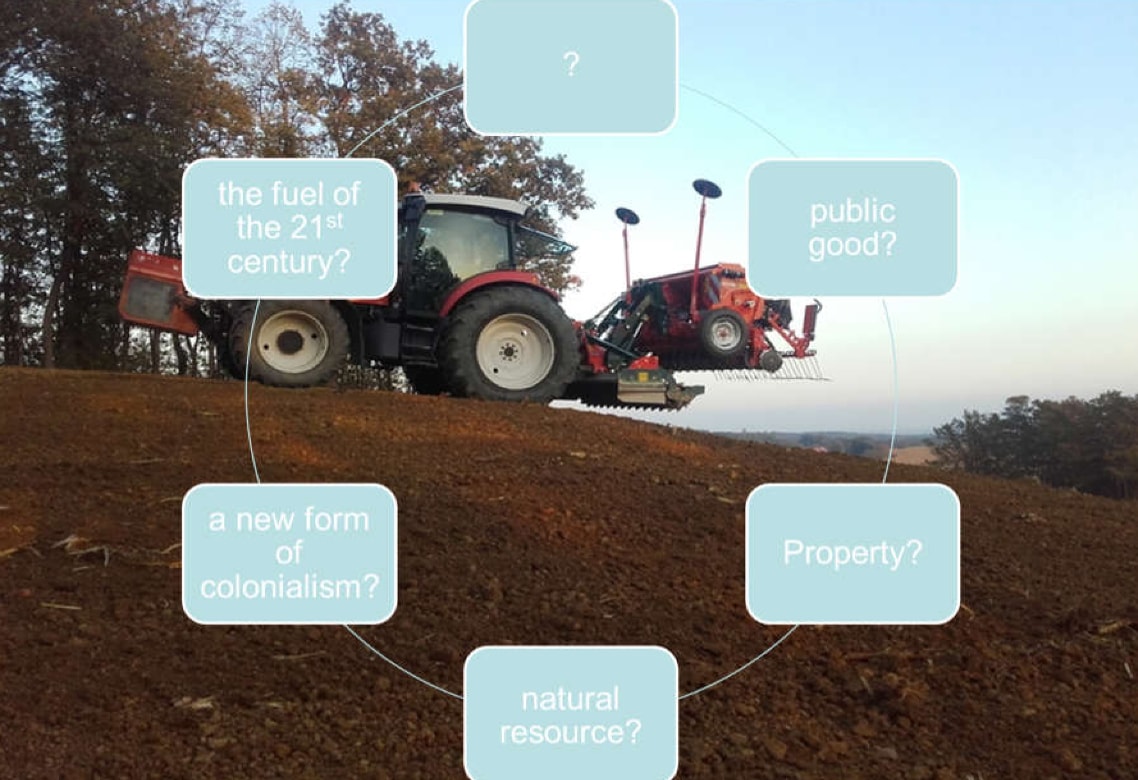
Friends of the Earth has called on the EU Commission to regulate data generated in agriculture via new technologies to avoid a few global corporations consolidating their dominance in the farming and food chain. "Europe is on the verge of allowing centralisation and concentration of [farming] data at an unprecedented scale, with the absence of any regulation," a new report by the NGO warned.
-
Toward an MRI-Based Mesoscale Connectome of the Squid Brain (science direct)
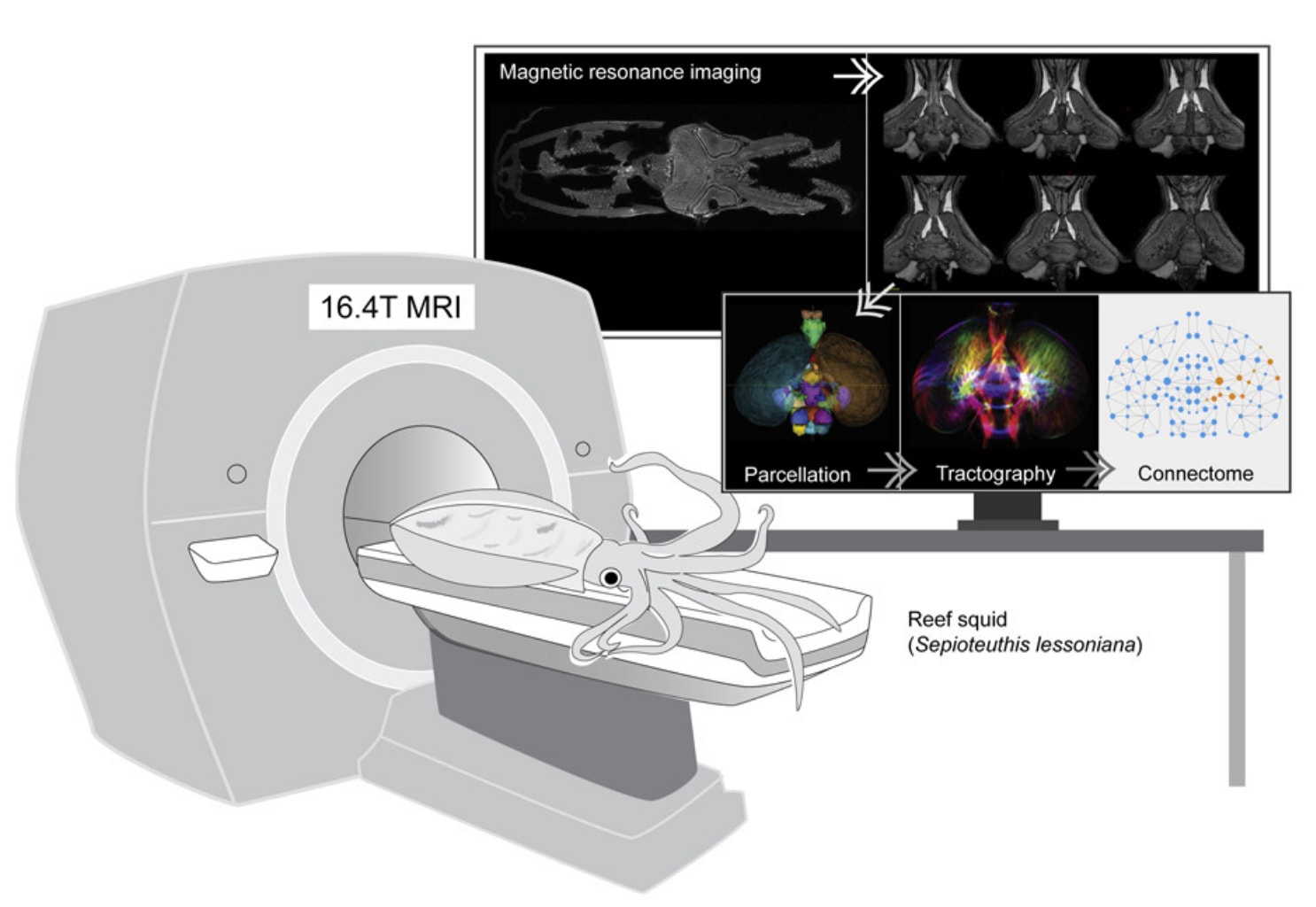
- The first MRI-based connectome in a cephalopod
- Retinotopic organization through the optic lobes and into other brain areas
- Subdivided basal lobe system defines topographic information from optic lobes
- A new chiasm is proposed to coordinate vision and countershading camouflage
- The first MRI-based connectome in a cephalopod
-
What I mean when I talk about more-than-human design - by Anne Galloway
"Agriculture is also one of humanity’s most heavily designed activities, which should remind us that it can be re-designed, and needs to be re-designed when it stops working for all of us."
-
Planting 1 trillion trees might not actually be a good idea (The Verge)
The World Economic Forum’s plan to plant 1 trillion trees is backed by controversial science. A study that claims 1 trillion trees can significantly reduce greenhouse gases, is disputed. “People are getting caught up in the wrong solution,” says Forrest Fleischman, who teaches natural resources policy at the University of Minnesota and has spent years studying the effects of tree planting in India. “Instead of that guy from Salesforce saying, ‘I’m going to put money into planting a trillion trees,’ I’d like him to go and say, ‘I’m going to put my money into helping indigenous people in the Amazon defend their lands,’” Fleischman says. “That’s going to have a bigger impact.”
-
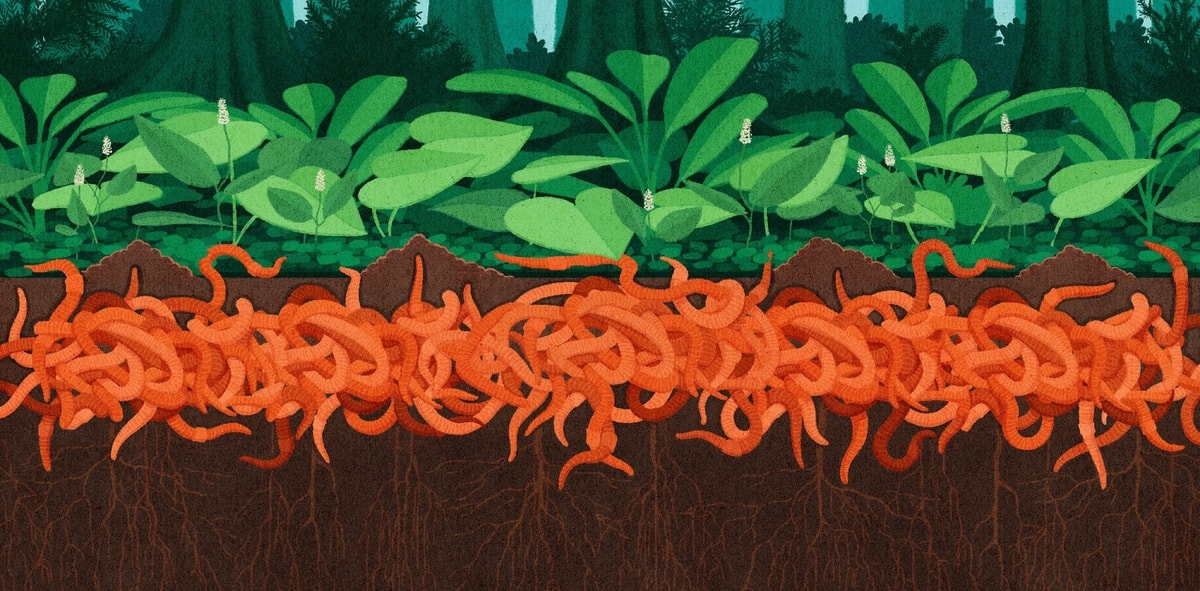
Cancel Earthworms - The “crazy worms” remaking forests aren’t your friendly neighborhood garden worms. Then again, those aren’t so great either (The Atlantic) (Art by Myriam Wares)

-
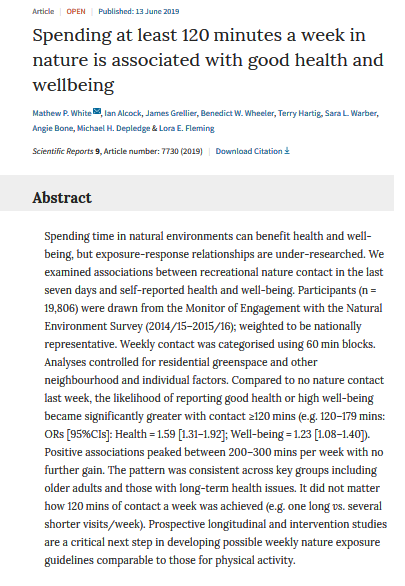
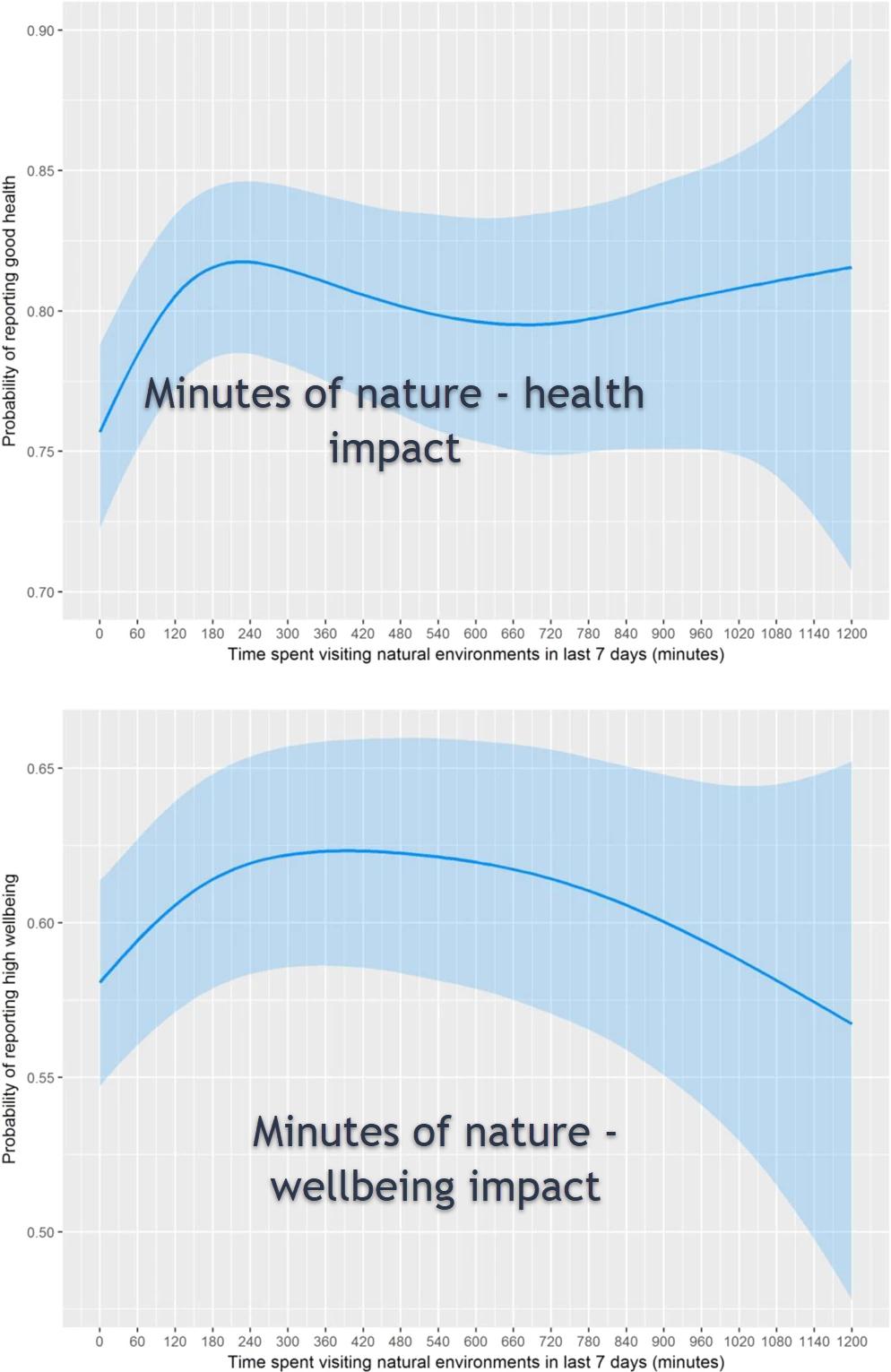
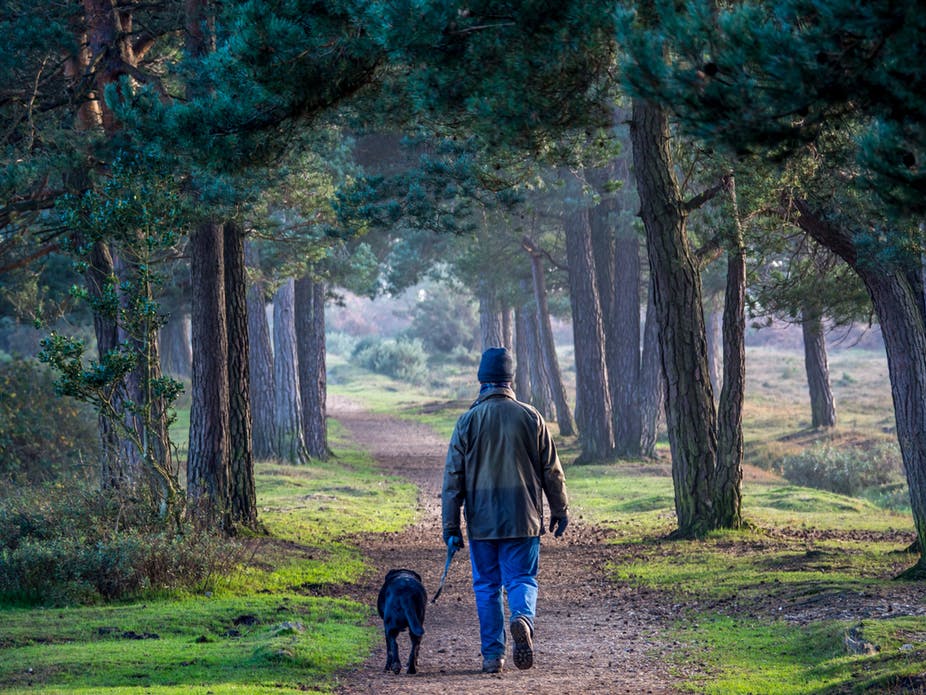
Spending at least 120 minutes a week in nature is associated with good health and wellbeing (Nature, 2019) - by Mathew P. White, Ian Alcock, et.al.
-
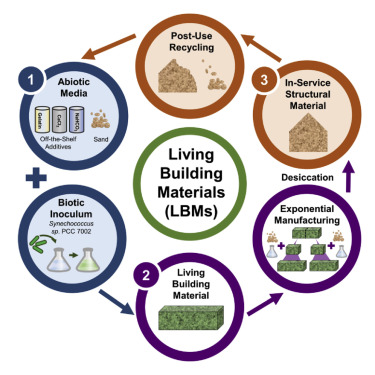
‘Frankenstein’ material can self-heal, reproduce (sciencemag) - report about the paper "Biomineralization and Successive Regeneration of Engineered Living Building Materials"
Highlights
- Living building materials (LBMs) were grown and regrown using physical switches
- Cyanobacteria biomineralized hydrogel-sand scaffolds
- Biomineralization increased the fracture toughness of LBMs
- Three child generations of LBMs were grown from one parent generation
- Microbial viability in the living building materials was maintained through 30 days
-
Basics of Material Flow Analysis & Dealing with Uncertainties - by Oliver Cencic
Open Material Flow Analysis with STAN - by Oliver Cenčič
Dynamic Material Flow Analysis with Python - by Stefan Pauliuk
Paper: Material Flow Analysis with Software STAN - by Oliver Cencic & Helmut Rechberger