tag > FFHCI
-
Bullshit of the day: Microsoft Courts New Customers on the Farm: Cows
The software company reveals a partnership with dairy cooperative Land O'Lakes that will equip cows with sensors and other gear to improve yields.
-
Plants Can Secretly Send Underground Electrical Signals. Here’s How They Do It
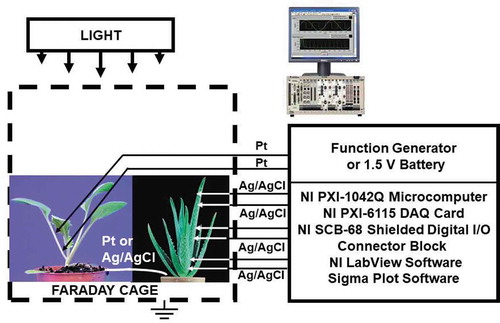
A new study offers a better understanding of the hidden network of underground electrical signals being transmitted from plant to plant – a network that has previously been shown to use the Mycorrhizal fungi in soil as a sort of electrical circuit.
-
Dolphins learn from their peers to use empty shells to catch fish (cell.com)
• Network-based diffusion analysis revealed that “shelling” spreads among associates
• Dolphin foraging innovations can spread socially outside of the mother-calf bond
• First quantification of a non-vertically learned foraging tactic in toothed whales -
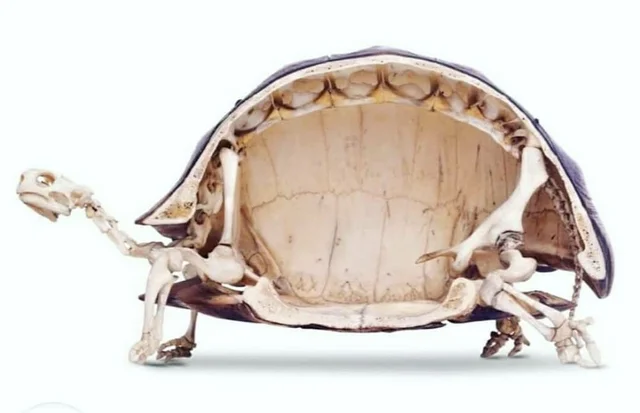
Turtles are not inside their shells. They are their shell. "Ghost in the shell" is a dumb notion.
-
Regen: Collaborative Co-production Of Upcycled Products
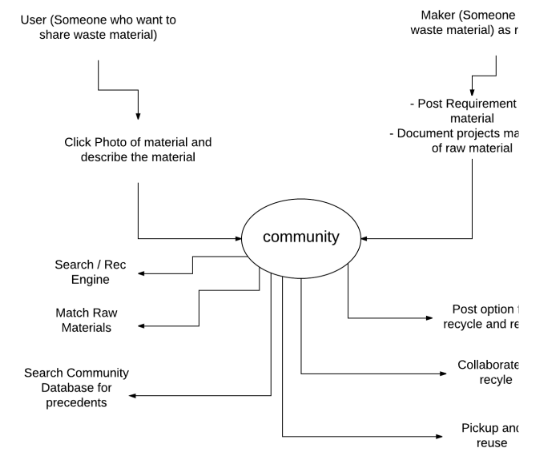
This paper attempts to look at sharing from three angles - community, environment and technology. Sharing is approached as co-production where what is shared is not simply material goods but rather ideas, creativity, pleasure and experience. The paper outlines making as an intrinsic attribute of human nature and how sharing and making can complement each other.
-
Here are some of the companies bringing food and groceries to homes in China
-
Dogs Obey Commands Given by Social Robots
Results of the experiments showed that the dogs paid significantly more attention to the robot than the speaker, and were significantly more likely to follow a sit command from the robot
-
The end of plastic? New plant-based bottles will degrade in a year (Guardian)

Beer and soft drinks could soon be sipped from “all-plant” bottles under new plans to turn sustainably grown crops into plastic in partnership with major beverage makers. The project has the backing of Carlsberg, Coca-Cola and Danone, which hope to secure the future of their bottled products by tackling the environmental damage caused by plastic pollution and a reliance on fossil fuels.
In time, Avantium plans to use plant sugars from sustainable sourced biowaste so that the rise of plant plastic does not affect the global food supply chain. -
Malaria 'completely stopped' by microbe (BBC)
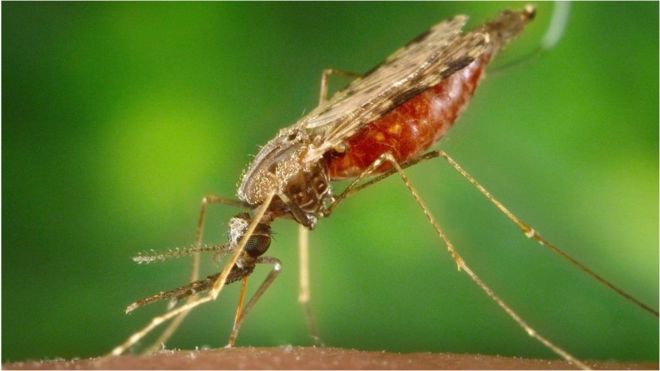
Scientists have discovered a microbe that completely protects mosquitoes from being infected with malaria. The team in Kenya and the UK say the finding has "enormous potential" to control the disease. Malaria is spread by the bite of infected mosquitoes, so protecting them could in turn protect people. The researchers are now investigating whether they can release infected mosquitoes into the wild, or use spores to suppress the disease.
-
America's Government Approves Release of Genetically-Engineered Mosquitoes (bloomberg)
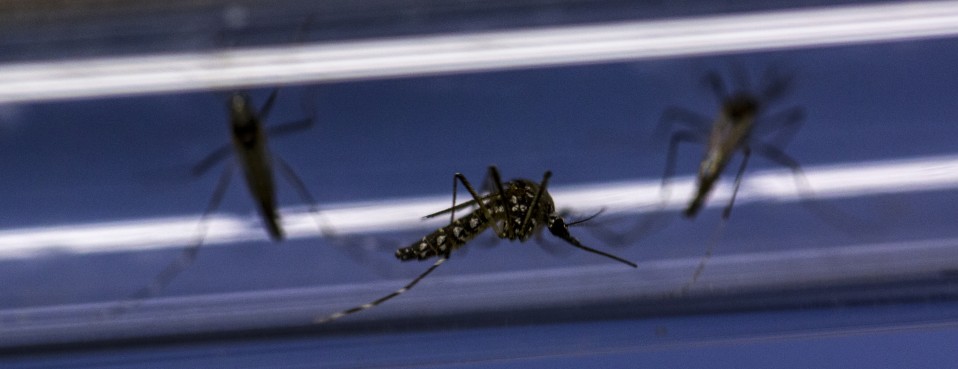
The EPA on Friday granted permission for genetically engineered mosquitoes to be released into the Florida Keys and around Houston to see if they can help limit the spread of mosquito-borne illnesses. British biotech company Oxitec Ltd was granted an experimental use permit to release a genetically engineered type of the mosquito species Aedes aegypti, which is a known vector of Zika virus and viruses that cause yellow fever and dengue fever, the Environmental Protection Agency office of Chemical Safety and Pollution announced.
#Biotech #Biology #FFHCI #ALife
-
Scientists Create Glowing Plants Using Mushroom Genes (Guardian)
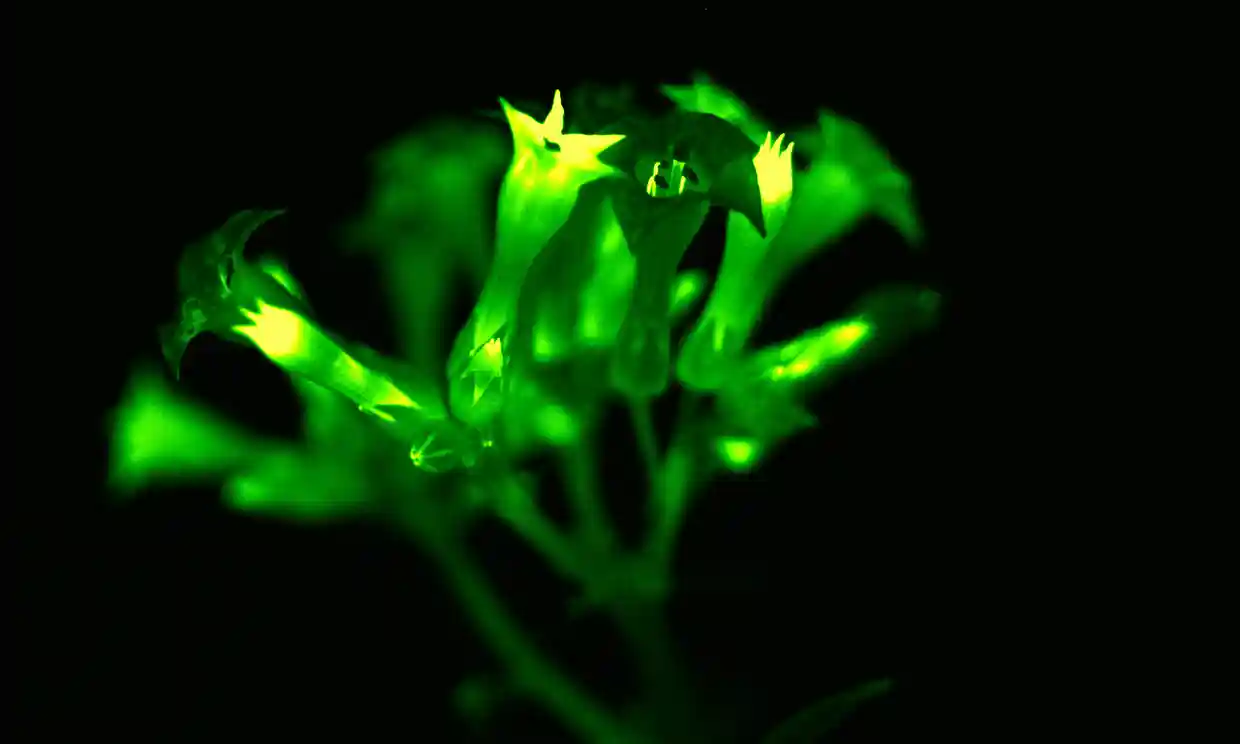
Emitting an eerie green glow, they look like foliage from a retro computer game, but in fact they are light-emitting plants produced in a laboratory. Researchers say the glowing greenery could not only add an unusual dimension to home decor but also open up a fresh way for scientists to explore the inner workings of plants.
-
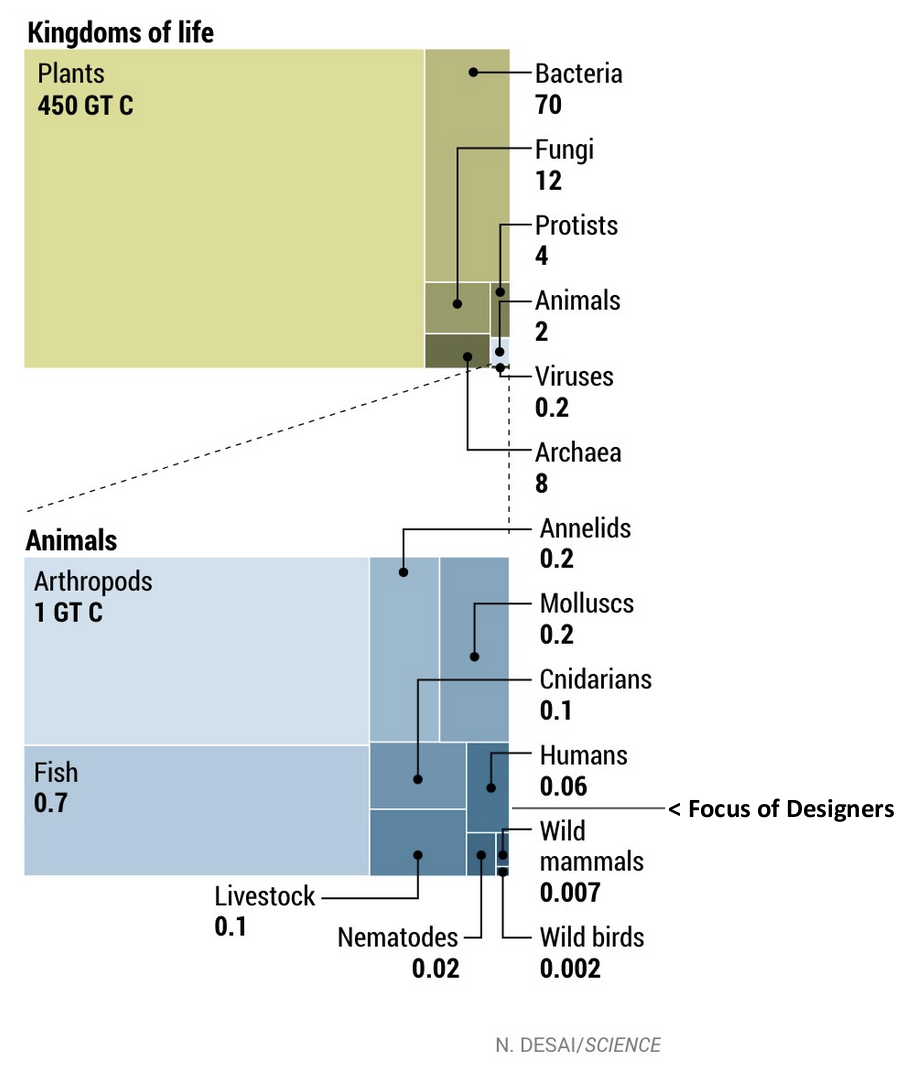
The Focus of Designers. Slide my talk "Augmentation, Amputation, Dehumanisation - Towards Life Centered Design" (2019)
-
Soil gets its smell from bacteria trying to attract invertebrates (NewScientistic)
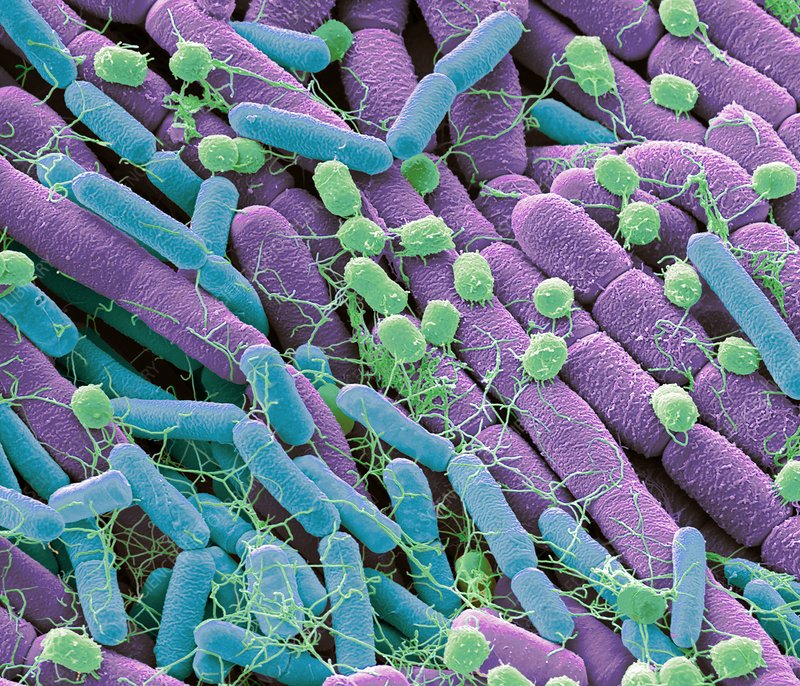
Soil gets its characteristic earthy smell from certain chemicals produced primarily by soil-dwelling bacteria called Streptomyces. But until now, we didn’t know why these bacteria produce these odours and what role they play in the soil ecosystem. To find out more, Paul Becher at the Swedish University of Agricultural Sciences in Alnarp and his colleagues set up field traps in woodland containing colonies of Streptomyces.
They thought that the smell may act as a signal to other organisms that they are poisonous, because some bacteria like Streptomyces can be toxic. Instead, the smell – which comes from gases released by Streptomyces, including geosmin and 2-methylisoborneol (2-MIB) – seems to attract invertebrates that help the bacteria disperse their spores. Becher and his team found that springtails – tiny cousins of insects – that feed on Streptomyces were drawn to the traps containing the bacterial colonies, but weren’t drawn to control traps that didn’t contain Streptomyces. By comparison, insects and arachnids weren’t attracted to the traps containing Streptomyces.
-
Deep-sea worms and bacteria team up to harvest methane (phys.org)
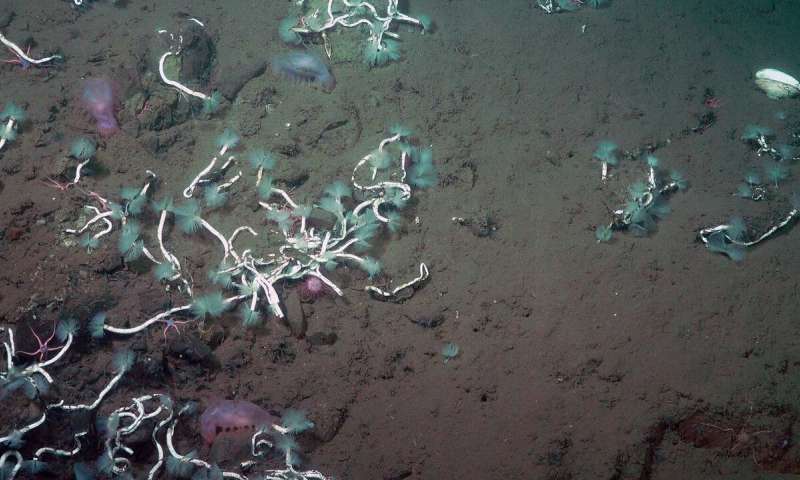
Methane-consuming serpulid worms on the seafloor off the coast of Costa Rica. Scientists at Caltech and Occidental College have discovered a methane-fueled symbiosis between worms and bacteria at the bottom of the sea, shedding new light on the ecology of deep-sea environments. They found that bacteria belonging to the Methylococcaceae family have been hitching a ride on the feathery plumes that act as the respiratory organs of Laminatubus and Bispira worms. Methylococcaceae are methanotrophs, meaning that they harvest carbon and energy from methane, a molecule composed of carbon and hydrogen.
-
Draper's Genetically Modified Cyborg DragonflEye Takes Flight (Spectrum IEEE)
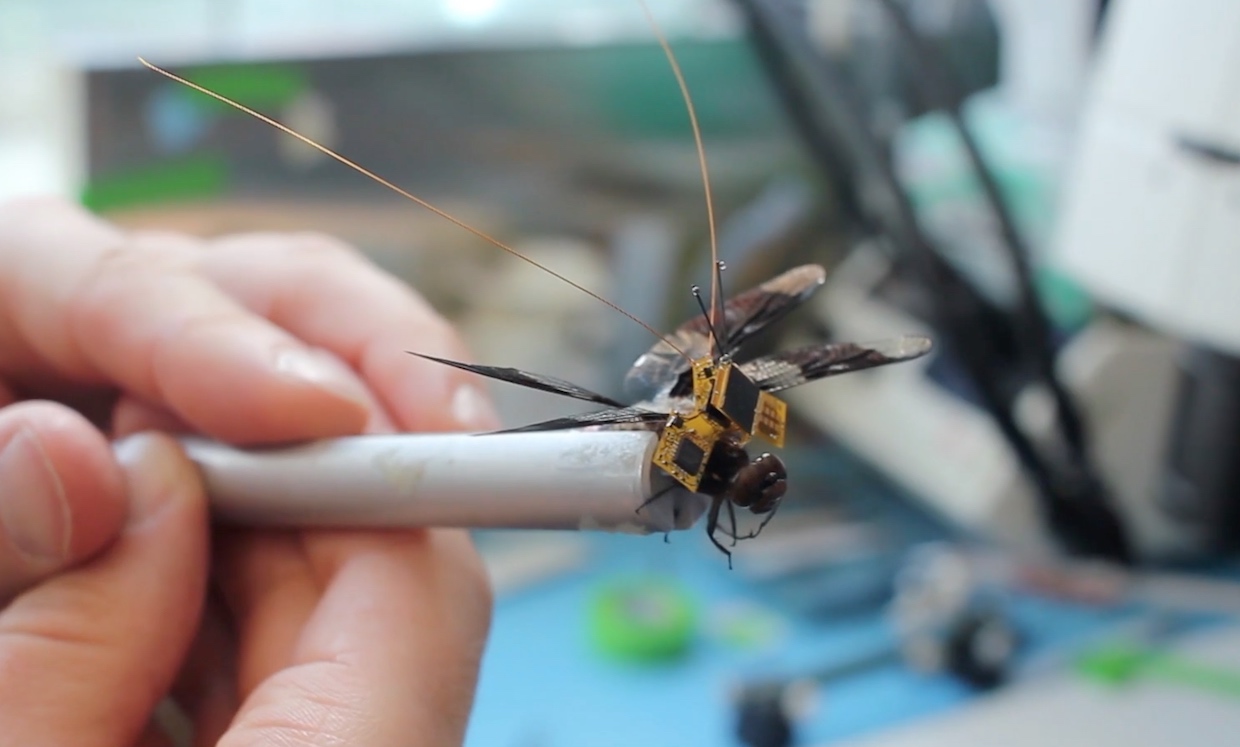
In January, we wrote about a cybernetic micro air vehicle under development at Draper called DragonflEye. DragonflEye consists of a living, slightly modified dragonfly that carries a small backpack of electronics. The backpack interfaces directly with the dragonfly’s nervous system to control it, and uses tiny solar panels to harvest enough energy to power itself without the need for batteries.
-
Tiny Qoobo - The headless robot cat
-
Scientists find bug that feasts on toxic plastic (Guardian)

A bacterium that feeds on toxic plastic has been discovered by scientists. The bug not only breaks the plastic down but uses it as food to power the process. The bacterium, which was found at a waste site where plastic had been dumped, is the first that is known to attack polyurethane. Millions of tonnes of the plastic is produced every year but it is mostly sent to landfill because it it too tough to recycle.
-
Earth's Soil Could Absorb 5.5 Billion Tonnes of CO2 Annually, if We Get It Right (Nature)
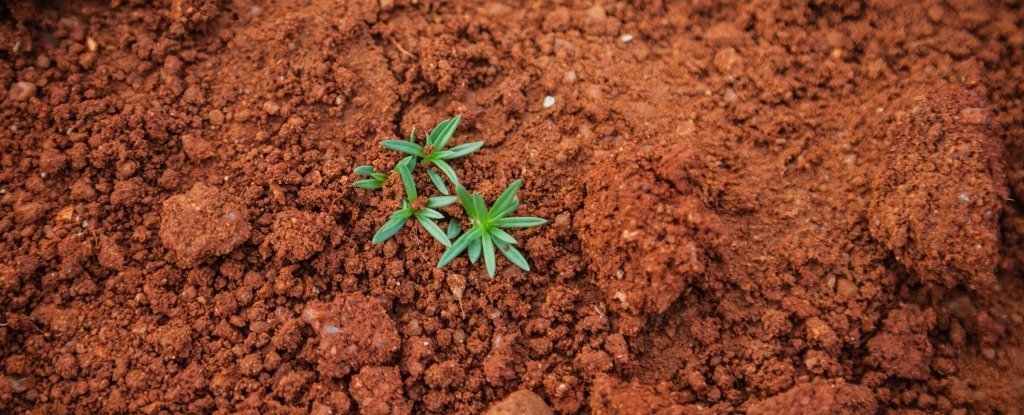
A new paper in the journal Nature Sustainability analysed the potential for carbon sequestration in soils and found it could, if properly managed, contribute a quarter of absorbtion on land. The total potential for land-based sequestration is 23.8 gigatonnes of CO2-equivalent, so soil could in theory absorb 5.5 billion tonnes annually. Most of this potential, around 40%, can be achieved simply by leaving existing soil alone - that is, not continuing to expand agriculture and plantation growth across the globe.
The Diversity of Tropical Forest Carbon Sinks Is More Complicated Than We Thought (IIASA)
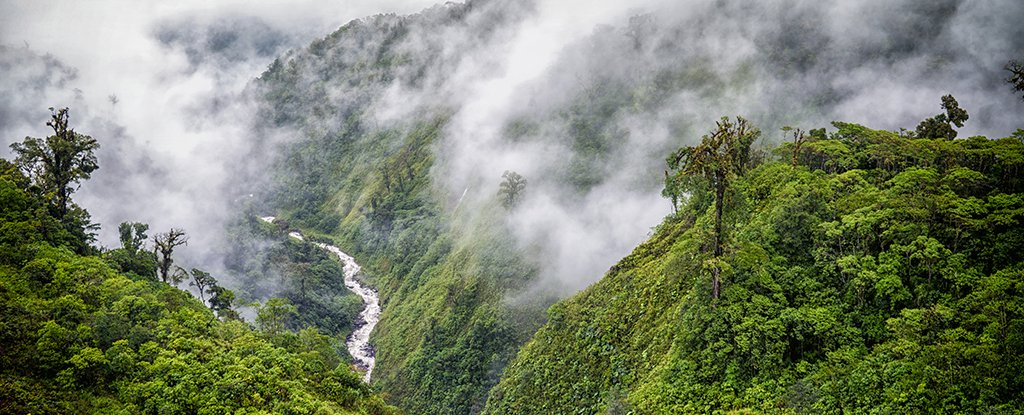
Tropical forest ecosystems are an important part of the global carbon cycle as they take up and store large amounts of CO2. It is however uncertain how much these forests’ ability to take up and store carbon differ between forests with high versus low species richness. New IIASA research sheds light on this question aiming to enhance our ability to predict tropical ecosystems’ strength as global carbon sinks. Paper: Shedding light on how much carbon tropical forests can absorb (2020, IIASA)
-
Butterfly Wings Have a Hidden Structure That Rivals Vantablack in Its Darkness (Nature)
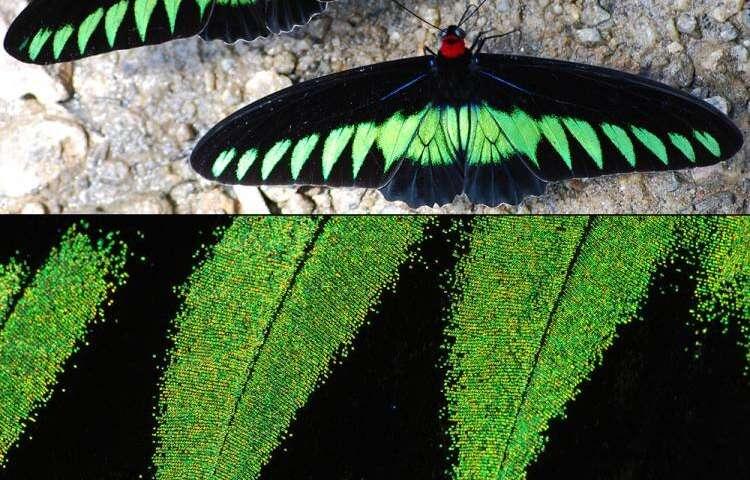
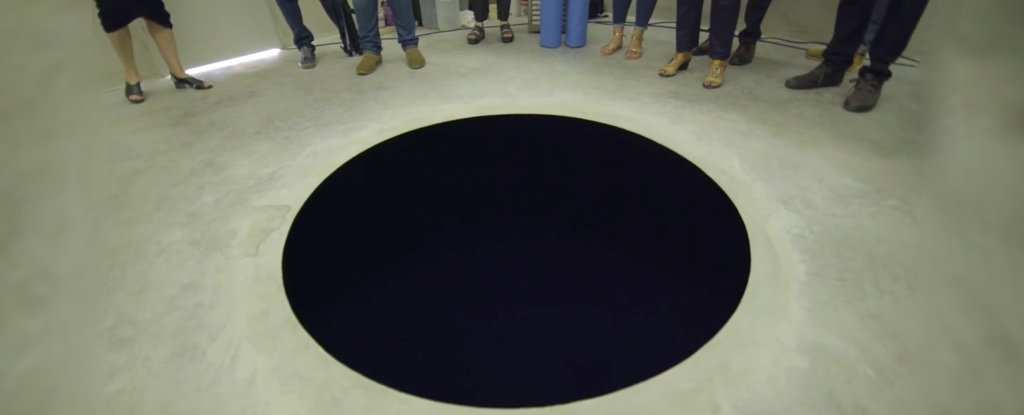
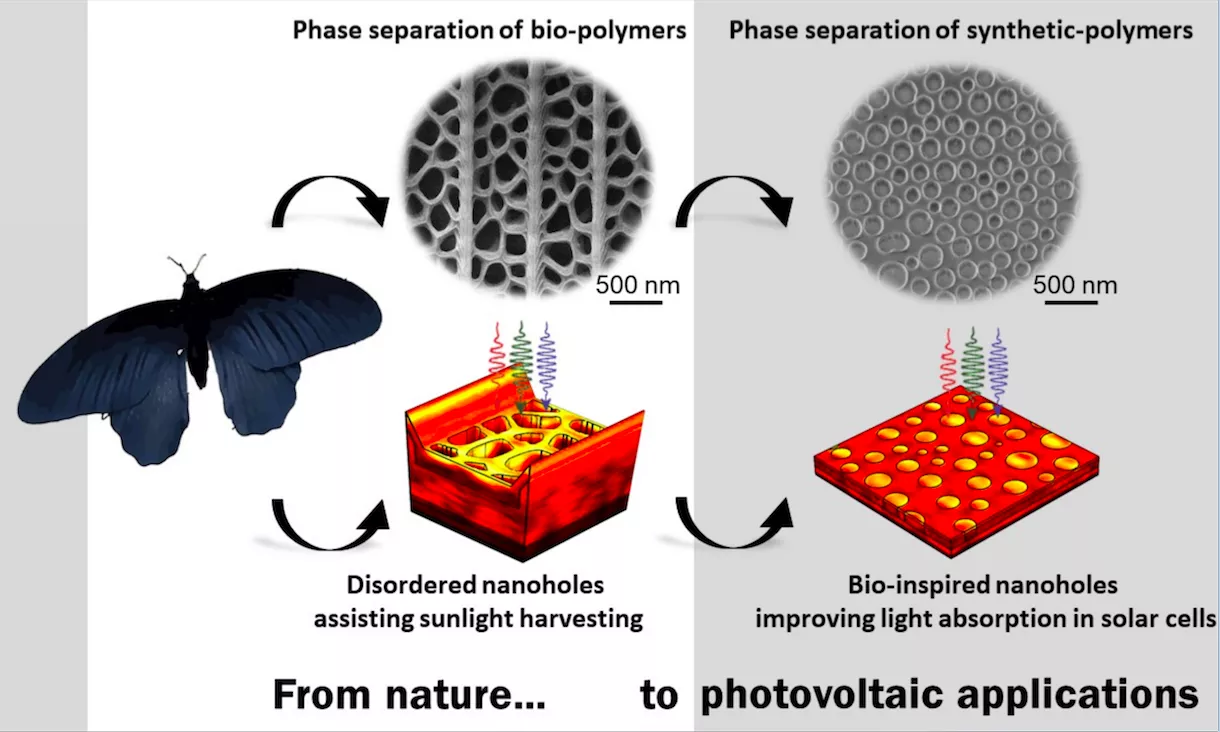
Butterflies have taken the colour black to an entirely new level. The scales that shingle this insect's dark wings are nearly on par with the blackest of black coatings made by humans - except they're only a fifth of the thickness. At just a few microns wide, these natural nanostructures absorb 99.94 percent of the light that hits them, allowing only a tiny amount to be reflected.
To put that in perspective, Vantablack, which used to be the blackest material known to science, absorbs 99.96 percent of light. And the material that surpassed its blackness has vertically aligned carbon nanotubes (CNTs) that can absorb more than 99.995 percent. Examining 10 species from around the world, which were either ultra-black, regular black or dark brown, researchers at Duke University found these creatures were between 10 to 100 times darker than charcoal, fresh asphalt and velvet.
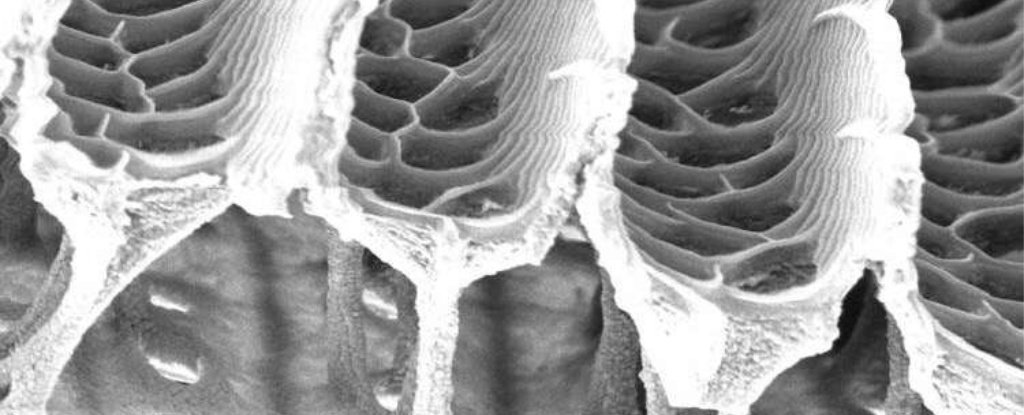
"Given that these structural changes increase the surface area for absorption," the authors write, "we conclude that butterflies operate under the same design principles as synthetic ultra-black materials - high surface roughness and a large area for absorption."
But because these scales are several times thinner than stacked carbon nanotubes, engineers and biologists alike are interested in learning how they can trap so much light without weighing themselves down. The answer could possibly help us design better solar panels and telescopes. It could maybe even camouflage an aircraft so it can't be detected at night or by radar. The possibilities are huge for such a nanoscopic mechanism.
-
Monkey selfie copyright dispute
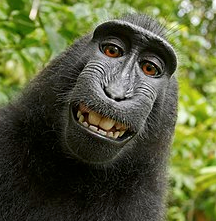
The monkey selfie copyright dispute is a series of disputes about the copyright status of selfies taken by Celebes crested macaques using equipment belonging to the British nature photographer David Slater. The disputes involve Wikimedia Commons and the blog Techdirt, which have hosted the images following their publication in newspapers in July 2011 over Slater's objections that he holds the copyright, and People for the Ethical Treatment of Animals (PETA), who have argued that the macaque should be assigned the copyright.