tag > FFHCI
-
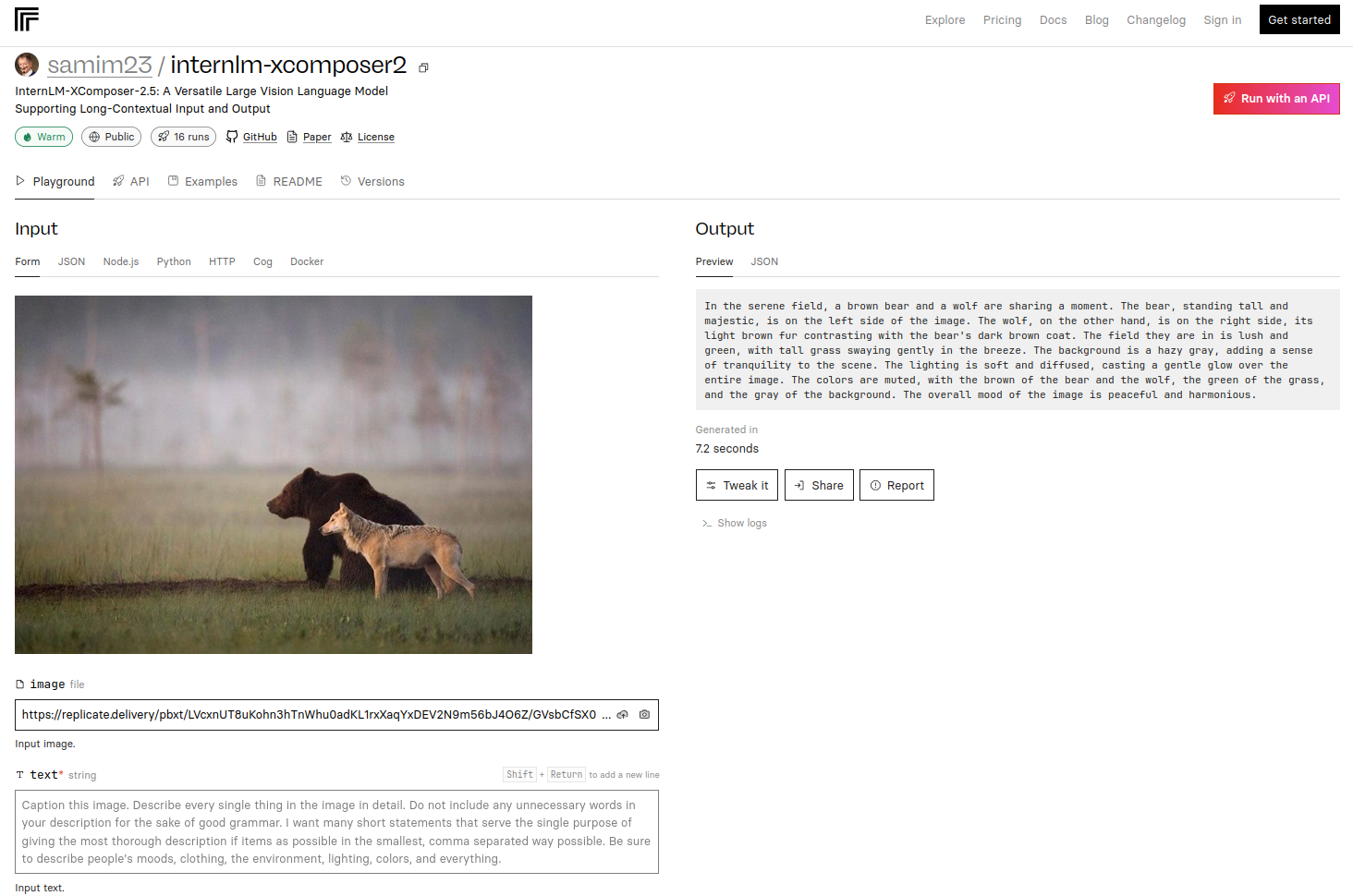
I ported "InternLM-XComposer-2.5 - A Versatile Large Vision Language Model Supporting Long-Contextual Input and Output" by @wjqdev et al - to @replicate. It excels in various img-2-text tasks, achieving GPT-4V level capabilities with just a 7B LLM backend
-
Medieval knights battling snails
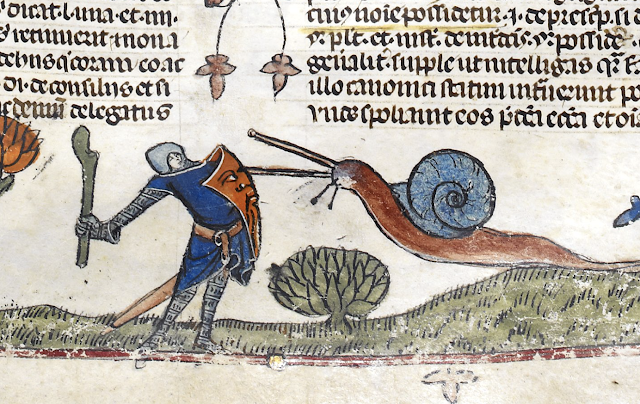
Snails are surprisingly common depictions in the marginalia of medieval manuscripts, often depicted in battle with armored knights.
Sometimes the creatures appear to be hovering, attacking knights in mid-air. Occasionally there is more than one. This is the uniquely medieval phenomenon of the fighting snail – and to this day, why they were depicted remains utterly mysterious...
But for a brief period in the late 13th Century, illuminators – those who decorated books – across Europe embraced a new obsession: fighting snails. For a comprehensive study of these warring gastropods, the art historian Lilian Randall counted 70 examples, in 29 different books – most of which were printed in the two decades between 1290 and 1310. The illustrations are found across Europe, but particularly in France, where there was a thriving manuscript-production industry at the time, says Clarke.
The specific scenarios that warring snails found themselves in varied, but broadly followed the same format of a snail-assailant standing off against a knight. Often, the molluscs have their antenna – technically their upper tentacles, or ommatophores – pointed aggressively forwards, as though they were swords. In one, a snail is shown fighting a nude woman. In a few they're not depicted as regular molluscs at all, but hybrids between snails and men – who are being ridden by rabbits, naturally.
More information, and many illustrations, at the BBC. Image (cropped for size) credit to The British Library.
-
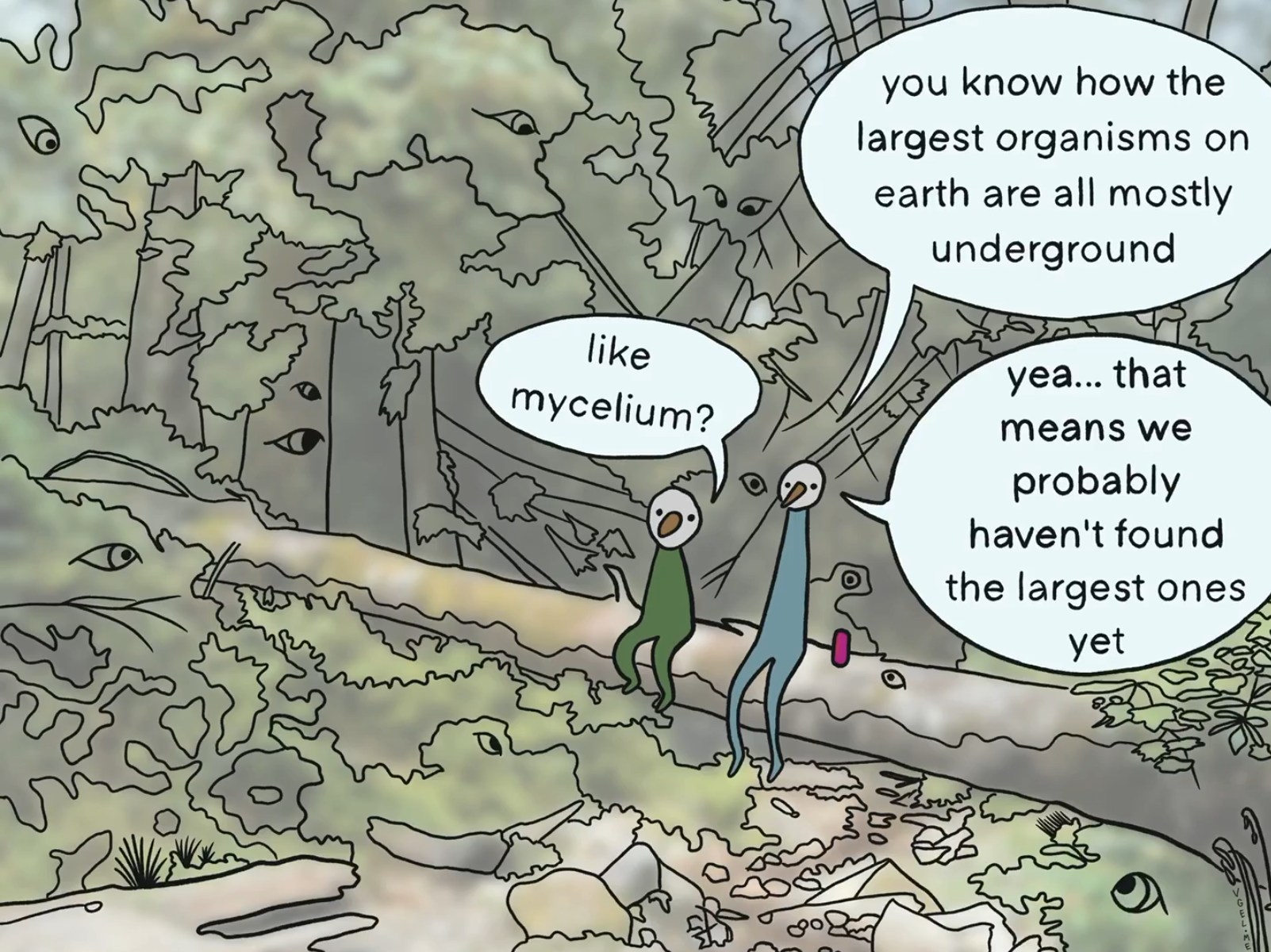
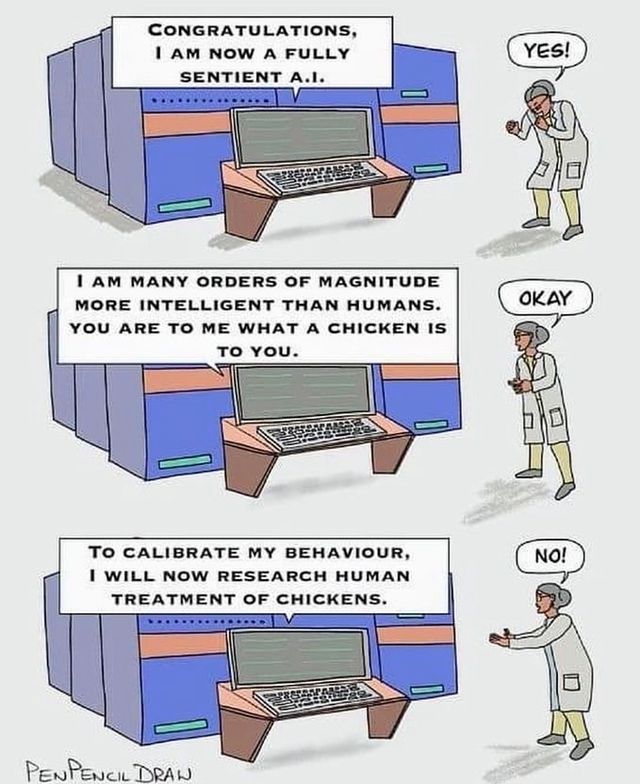
Fetishizing human made "artificial intelligence" while utterly ignoring the presence, needs and rights of basically all non-human "real intelligence" lifeforms on earth (except to slaughter them for pleasure) is a sign of a deeply stupid species and borders on necrophilia.

-

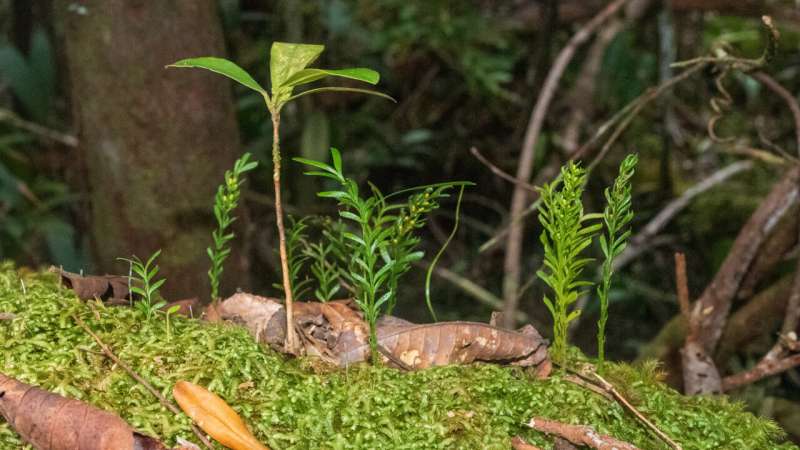
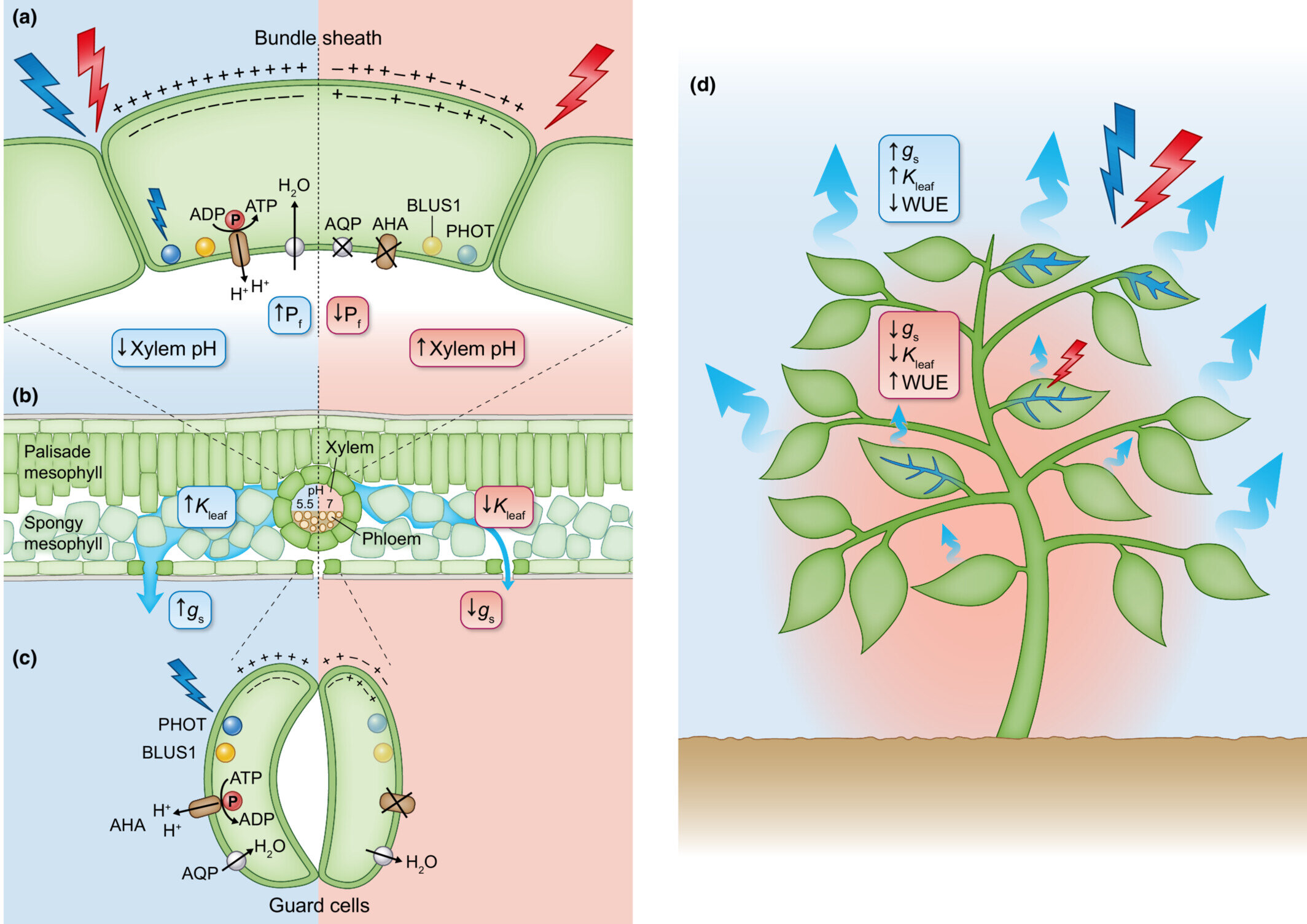
The mushroom tunnel of Mittagong, photo by Nicola Twilley “Japanese researchers are closing in on understanding why electrical storms have a positive influence on the growth of some fungi,” Physics World reported last month, with some interesting implications for agriculture.
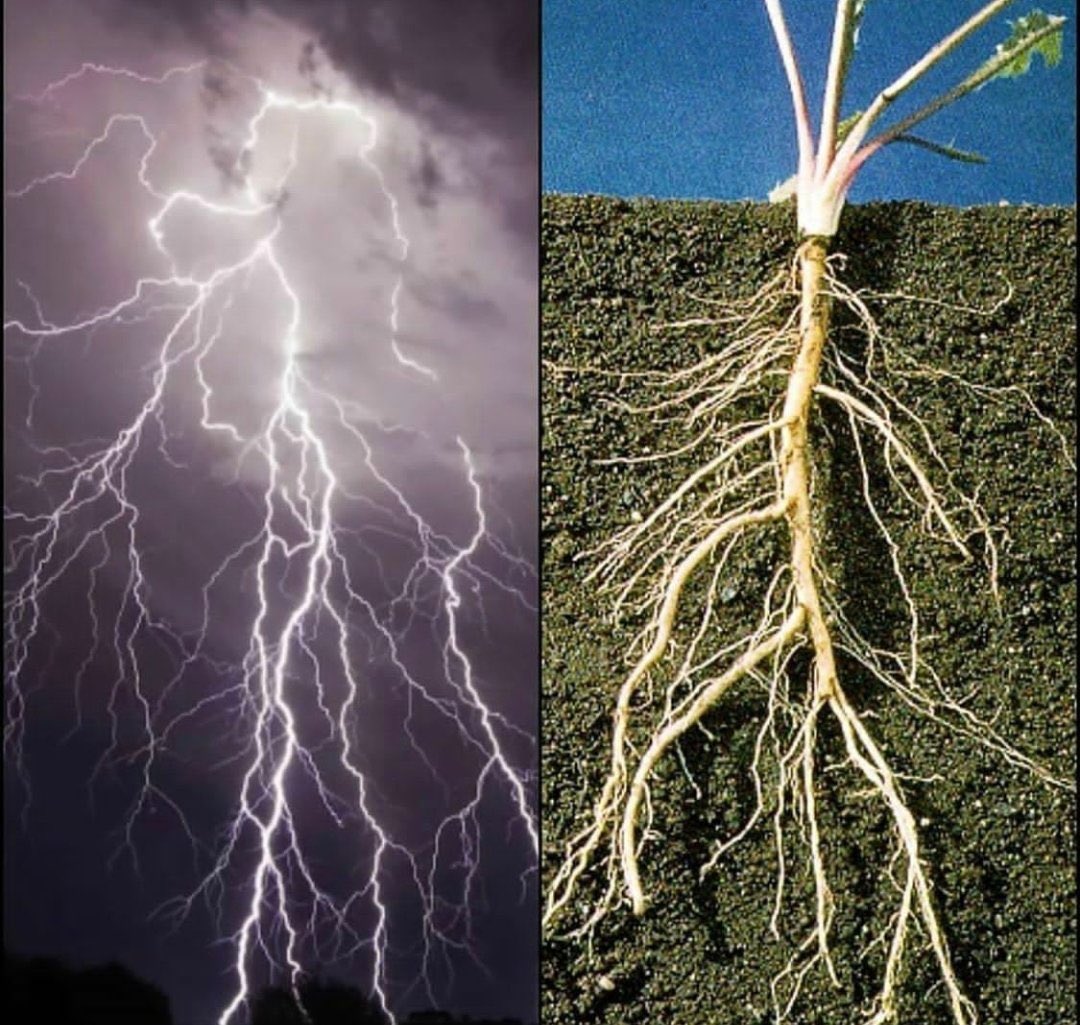
These electrical storms do not have to be nearby, and they do not even need to be natural: “In a series of experiments, Koichi Takaki at Iwate University and colleagues showed that artificial lightning strikes do not have to directly strike shiitake mushroom cultivation beds to promote growth.” Instead, it seems one can coax mushrooms into fruiting using even just the indirect presence of electrical fields.
As the article explains, “atmospheric electricity has long been known to boost the growth of living things, including plants, insects and rats,” but mushrooms appear to respond even to regional electrical phenomena—for example, when a distant lightning storm rolls by. “In Takaki’s previous studies, yield increases were achieved by running a direct current through a shiitake mushroom log. But Takaki still wondered—why do natural electric storms indirectly influenced [sic] the growth of mushrooms located miles away from the lightning strikes?”
Whether or not power lines or electricity-generation facilities, such as power plants, might also affect—or even catalyze—mushroom growth is not clear.
For now, Takaki is hoping to develop some kind of electrical-stimulation technique for mushroom growth, with an eye on the global food market.
-
Talk is cheap: rediscovering sounds made by plants
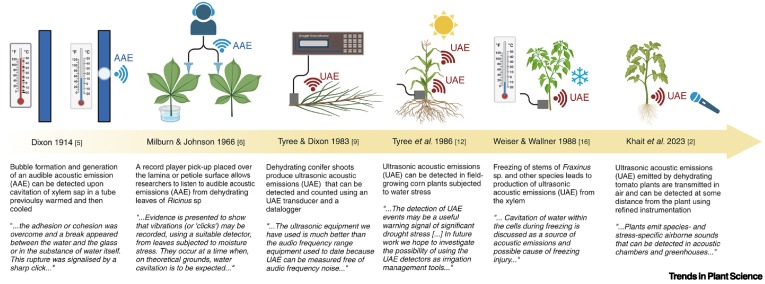
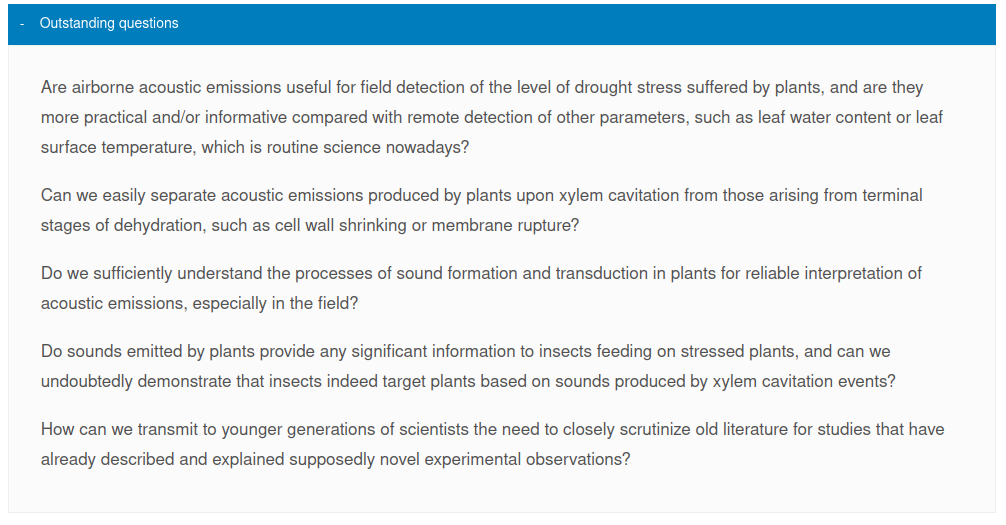
Plants emit sounds, but this does not necessarily mean that somebody is listening to them or is even interested in what they have to say. Even our joints produce acoustic emissions, and this is especially true for those of us well over our 50s. As an example, knees produce acoustic emissions that orthopedics can use as biomarkers for a quantitative assessment of joint aging and degeneration, just like plant physiologists can use plant-emitted UAEs to assess the occurrence of drought stress. Then the question is: when we hike or run in the forest, shall we worry about predators outside listening to acoustic emissions from our knees to identify an older human for an easy dinner? Possible, in principle, but still awaiting experimental demonstration.
-
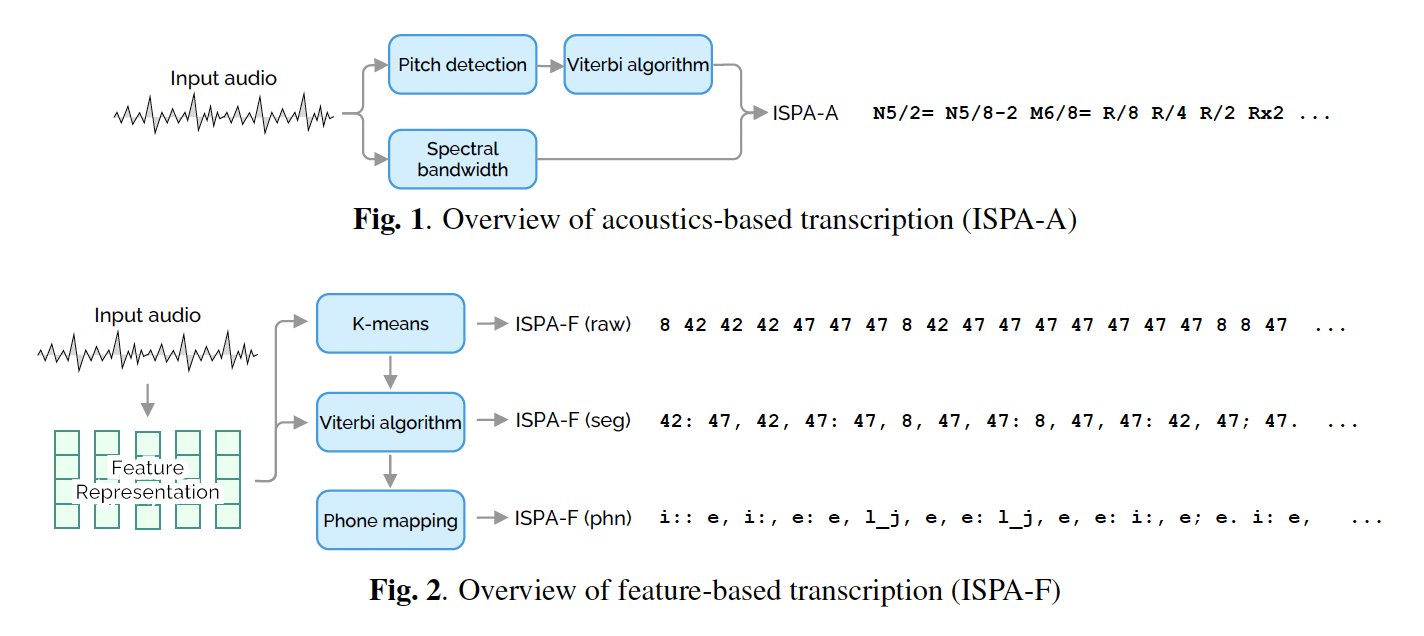
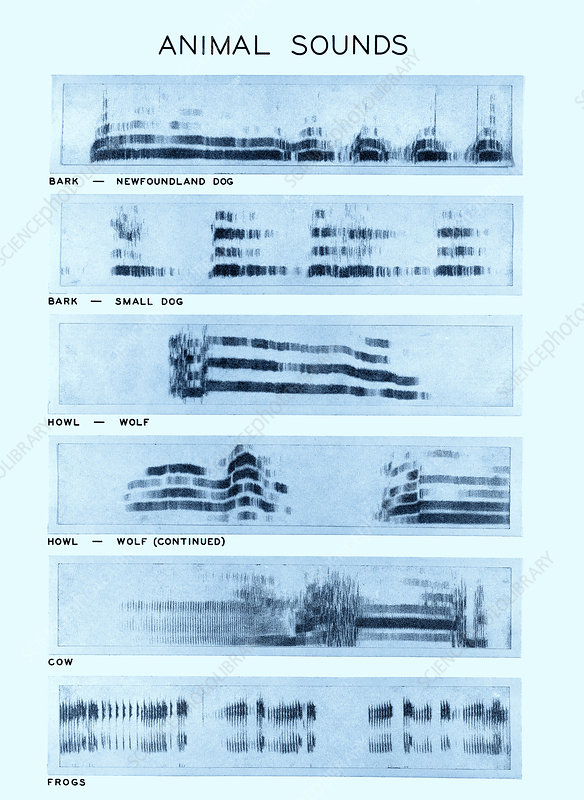
ISPA (Inter-Species Phonetic Alphabet) (code)—an AI-based, concise, and interpretable system designed to transcribe animal sounds into text.