tag > FFHCI
-
Antarctic fungi survive Martian conditions on the International Space Station
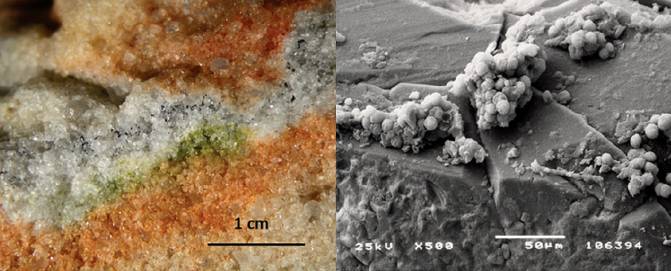
Section of rock colonised by cryptoendolithic microorganisms and the Cryomyces fungi in quartz crystals under an electron microscope.
European scientists have gathered tiny fungi that take shelter in Antarctic rocks and sent them to the International Space Station. After 18 months on board in conditions similar to those on Mars, more than 60% of their cells remained intact, with stable DNA. The results provide new information for the search for life on the red planet. Lichens from the Sierra de Gredos (Spain) and the Alps (Austria) also travelled into space for the same experiment.
-
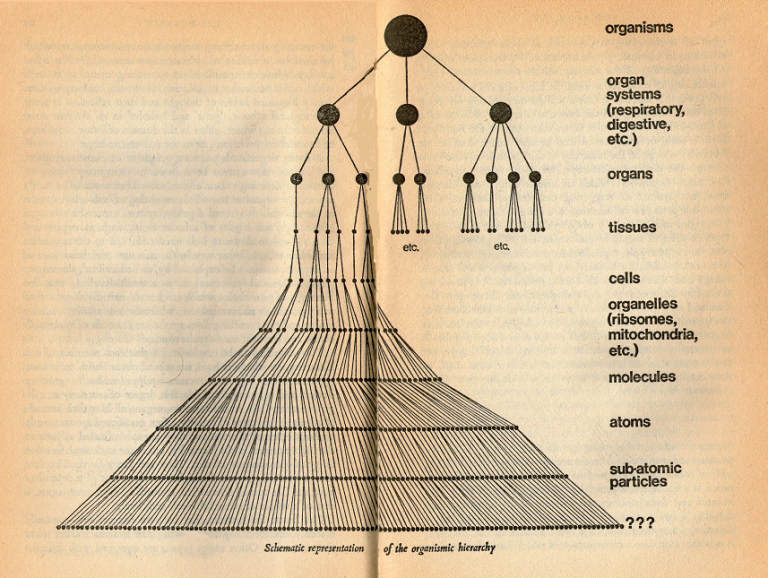
Arthur Koestler’s concept of a holon is something that is simultaneously a whole in and of itself, as well as a part of a larger whole. Holons can be understood as the constituent part–wholes of a hierarchy.
-
The breakthrough came mid 20st century, as researchers found a way to leverage the enormes computational power of ant colonies and execute arbitrary code of the hive, by hijacking ants through a EM interface. It marked the beginning of the end of serious in-silico AI R&D efforts
-
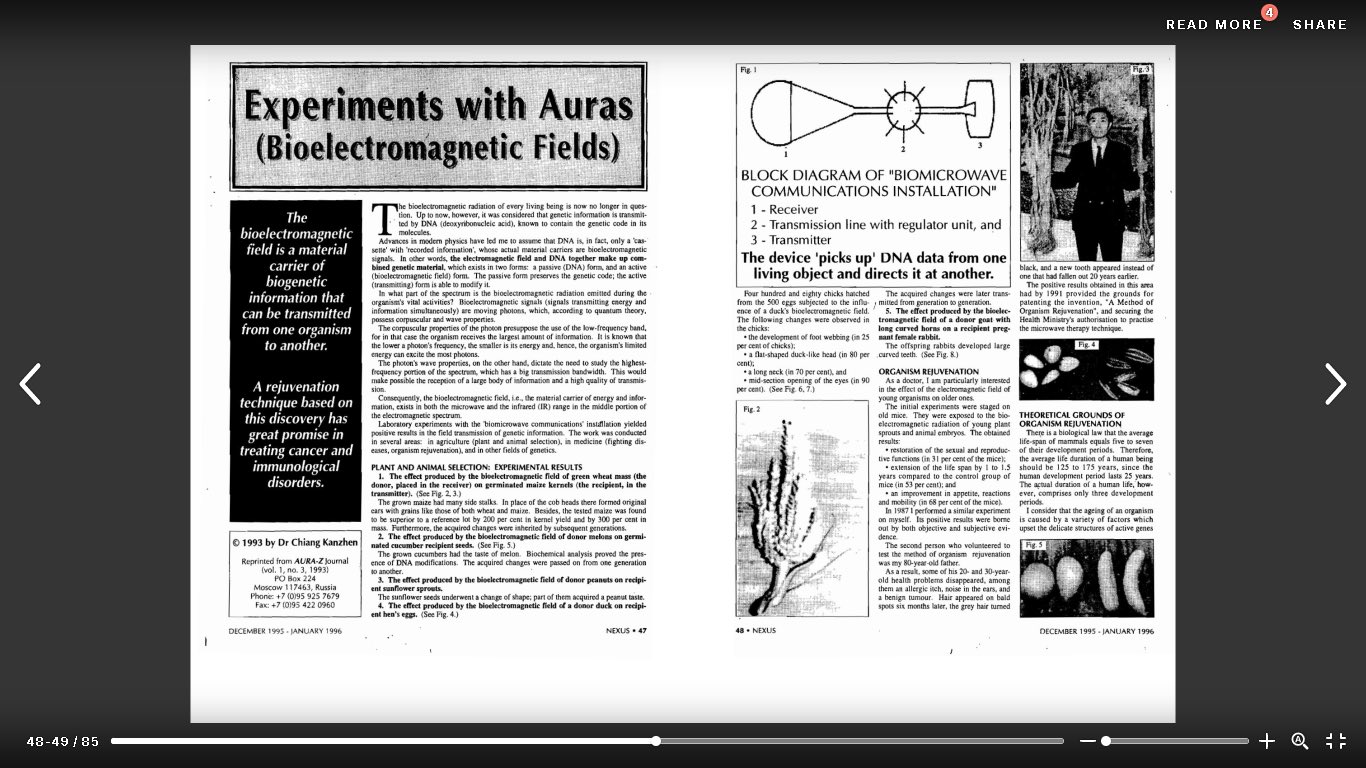
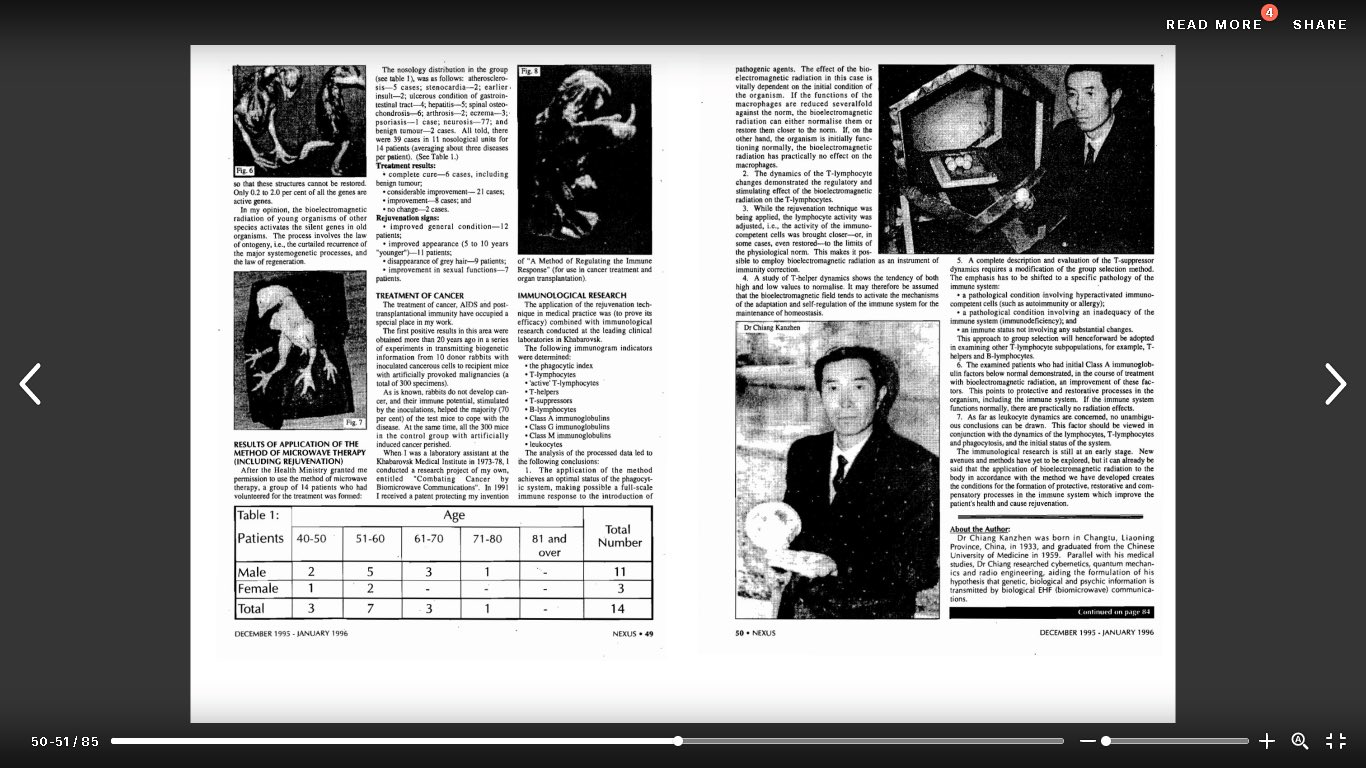
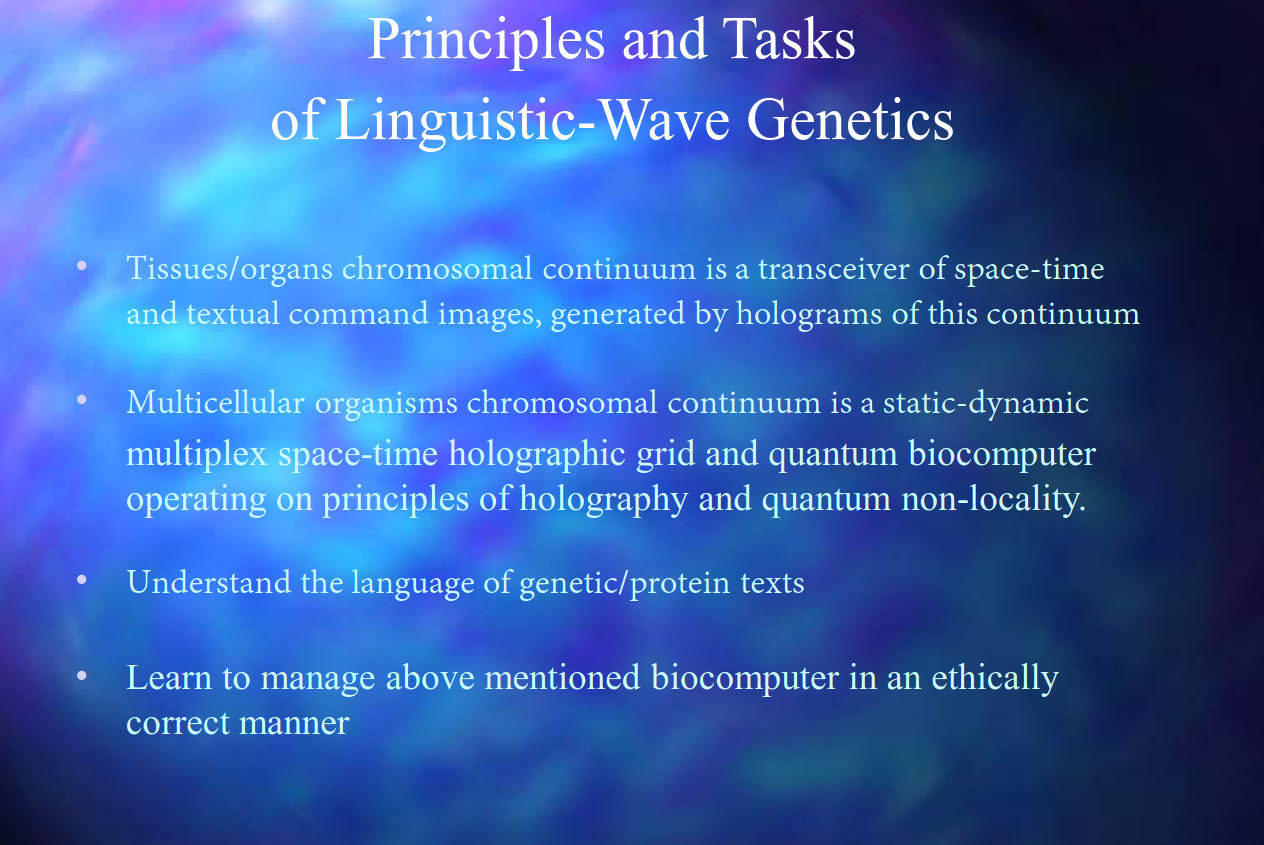
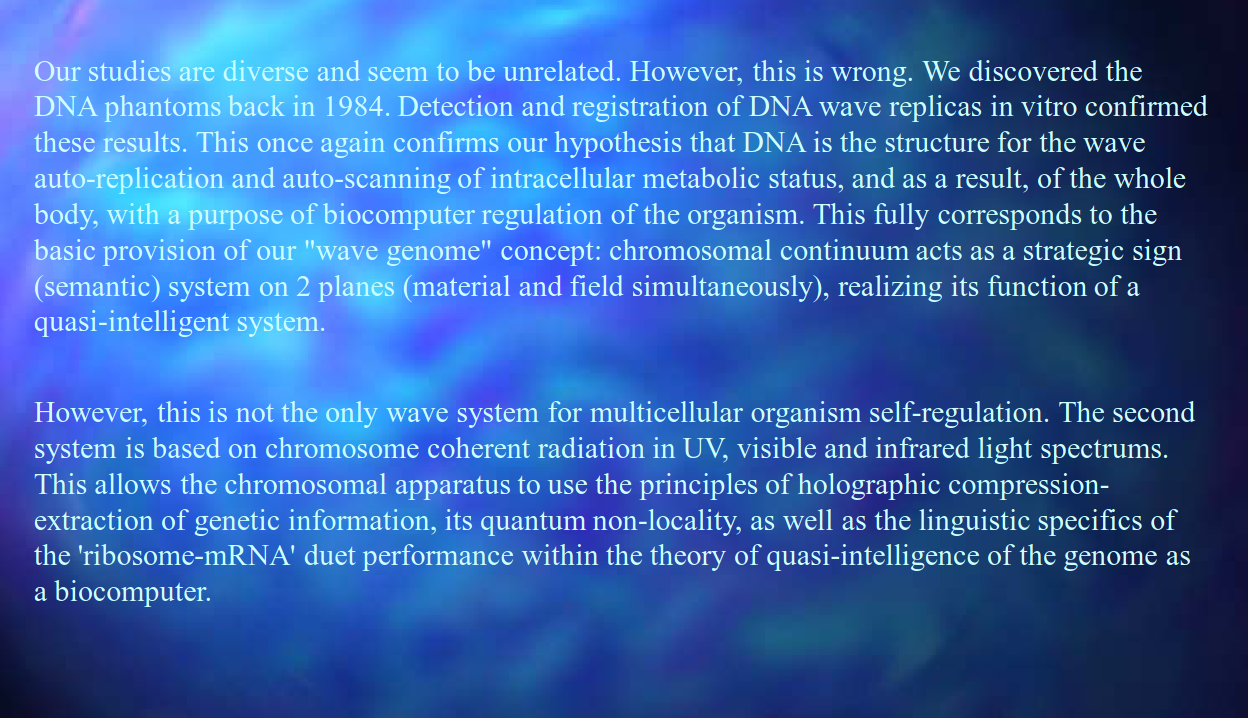
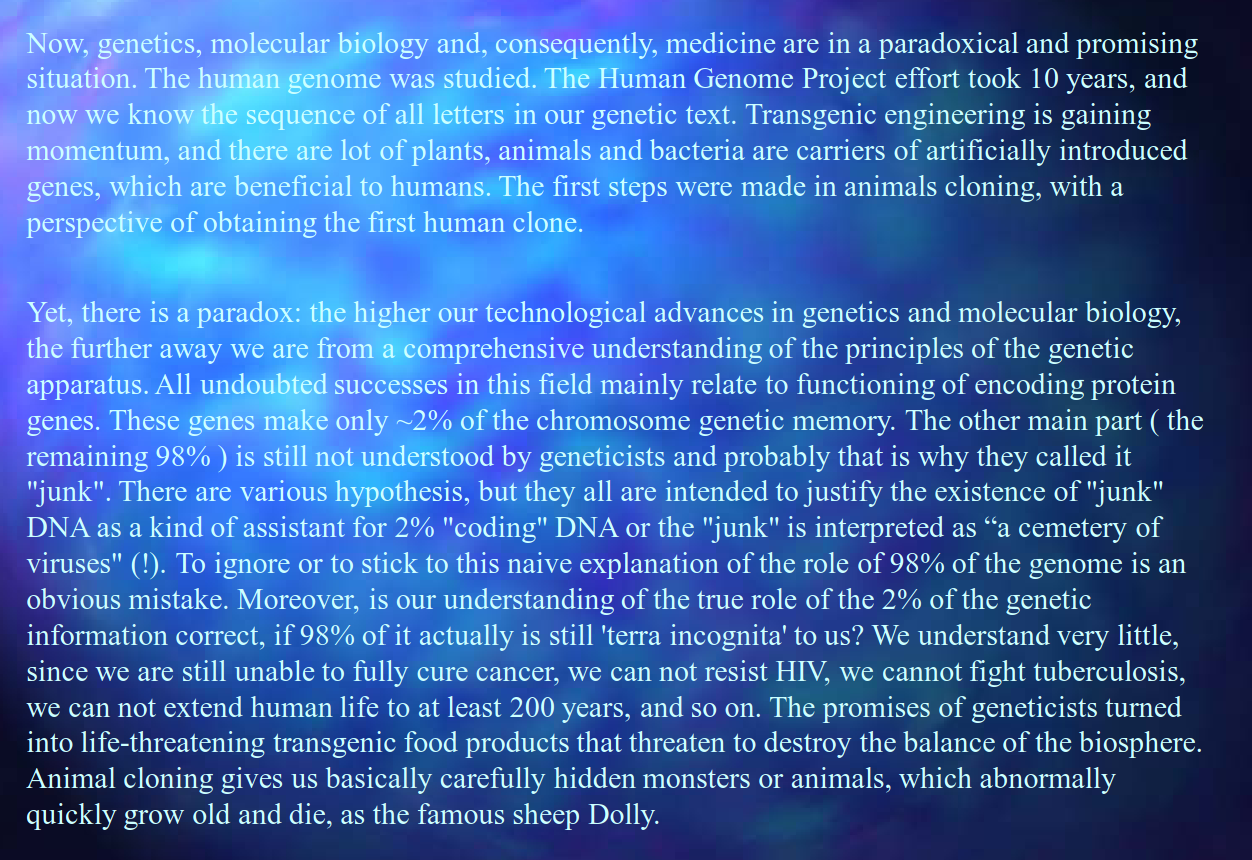
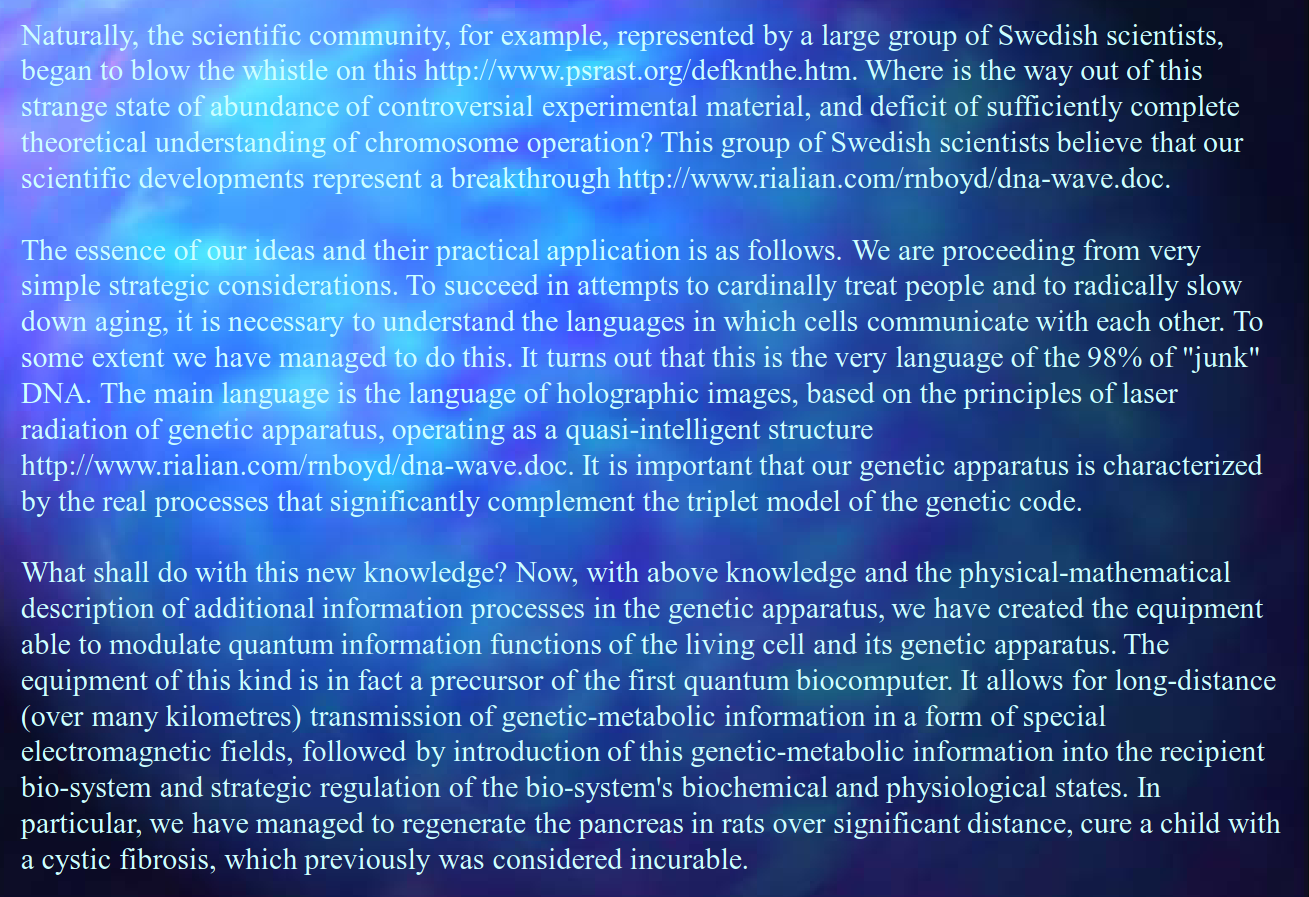
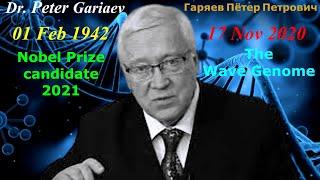
Principles of Linguistic-Wave Genetics (PDF) - by Peter Gariaev (Presentation)
-
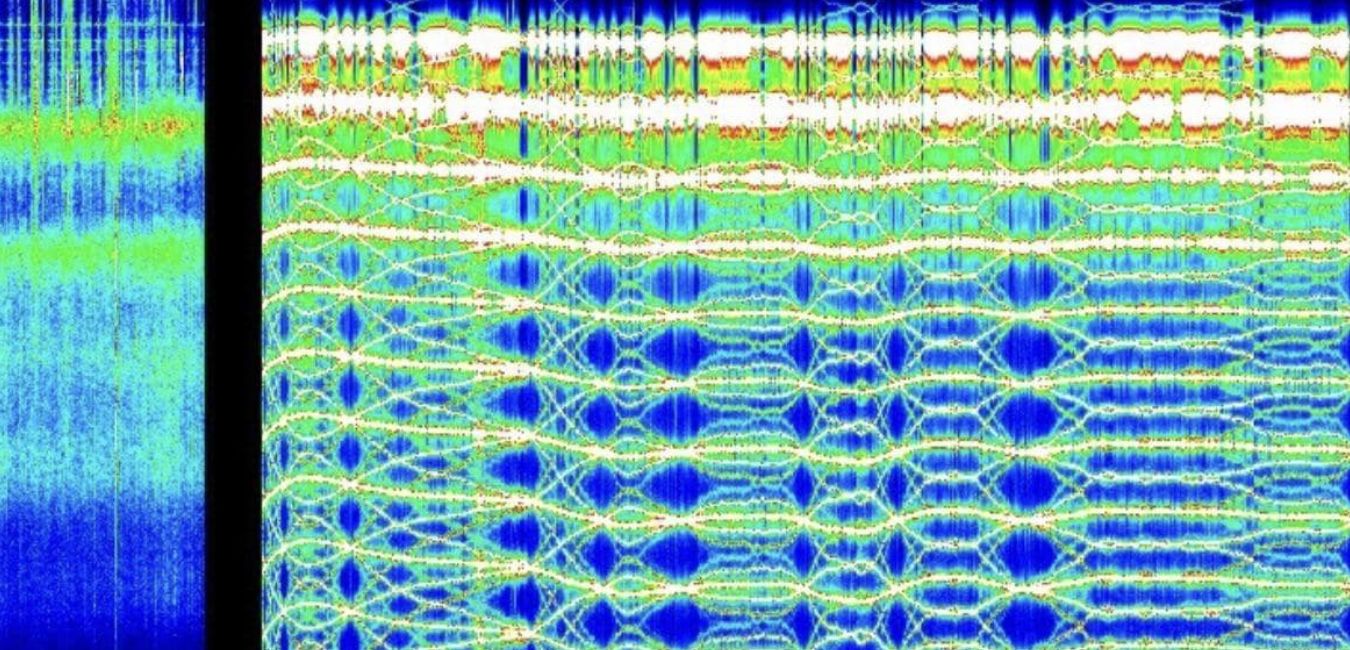
Did you remember to hedge your portfolio as we enter another downslope on the sunspot cycle?

-
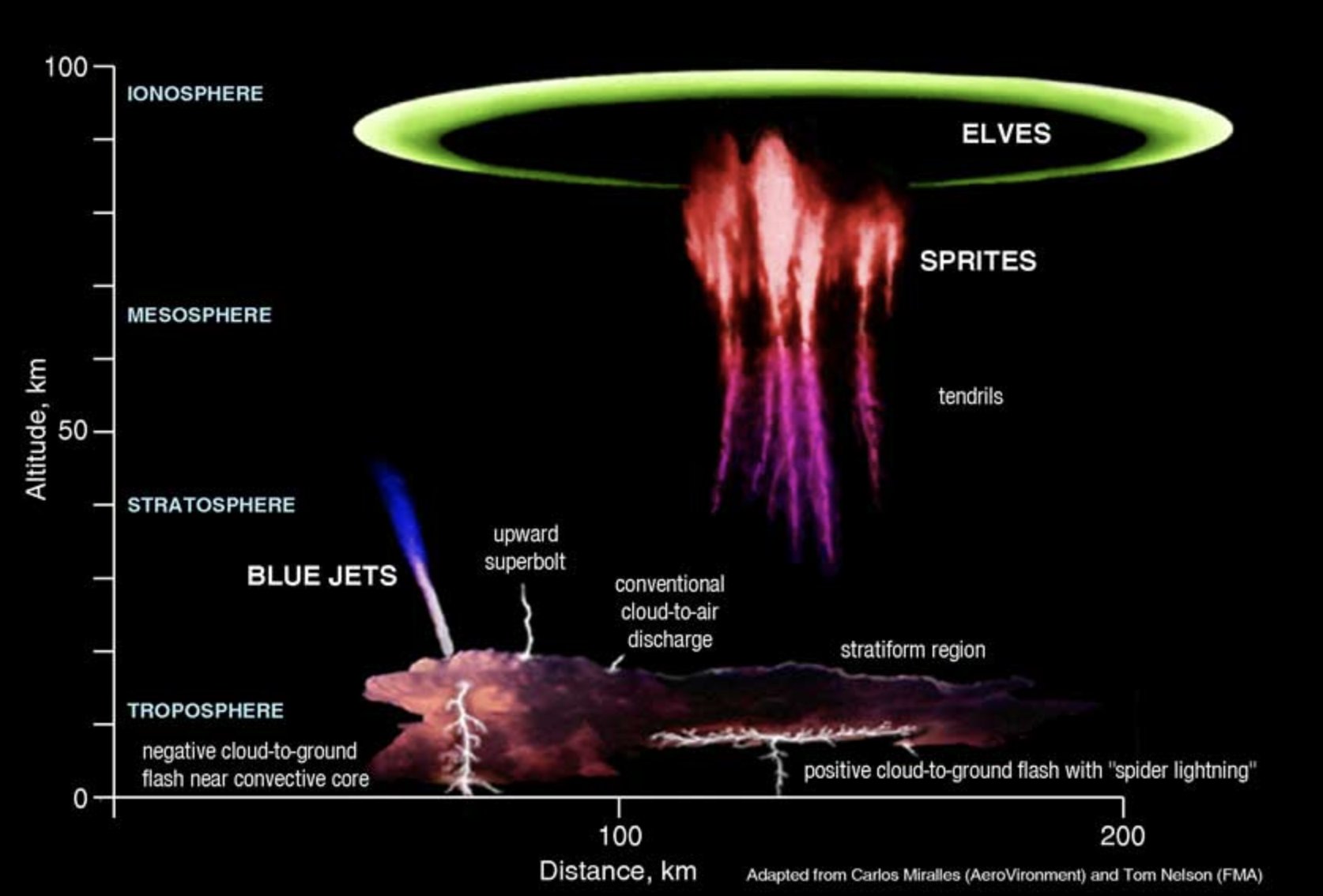
What type of database systems do sentient planets use to communicate/sync the vast memory encoded in atmospheric electromagnetic resonance patterns, with each other? What are the protocols of this network?
-
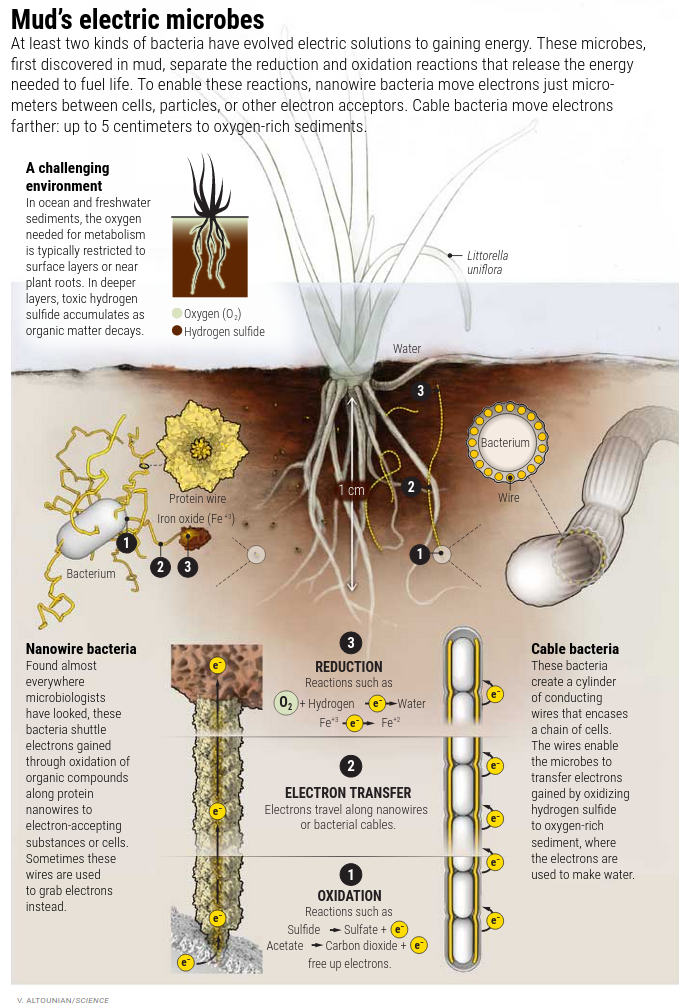
Mud
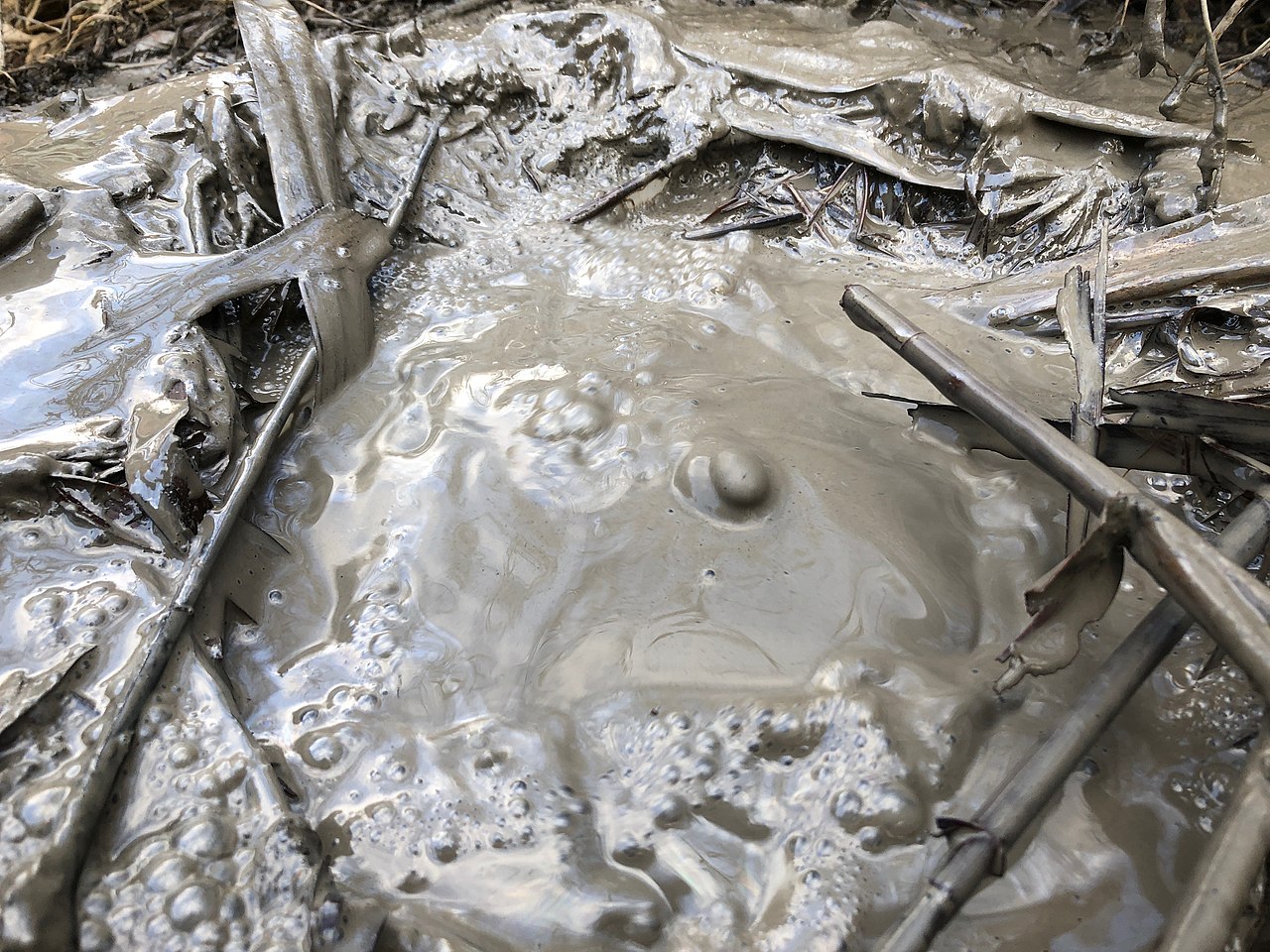
Truly curios about the mysteries of intelligence and life? Forget about AI for a minute and research nature's dirty little secret: Mud. A bustling hub for trillions of versatile microbes, mud plays a crucial role in all planetary ecosystems. For millennia, mud has been a cornerstone in medicine and beauty treatments. Its benefits are backed by science yet we barely understands it.
-
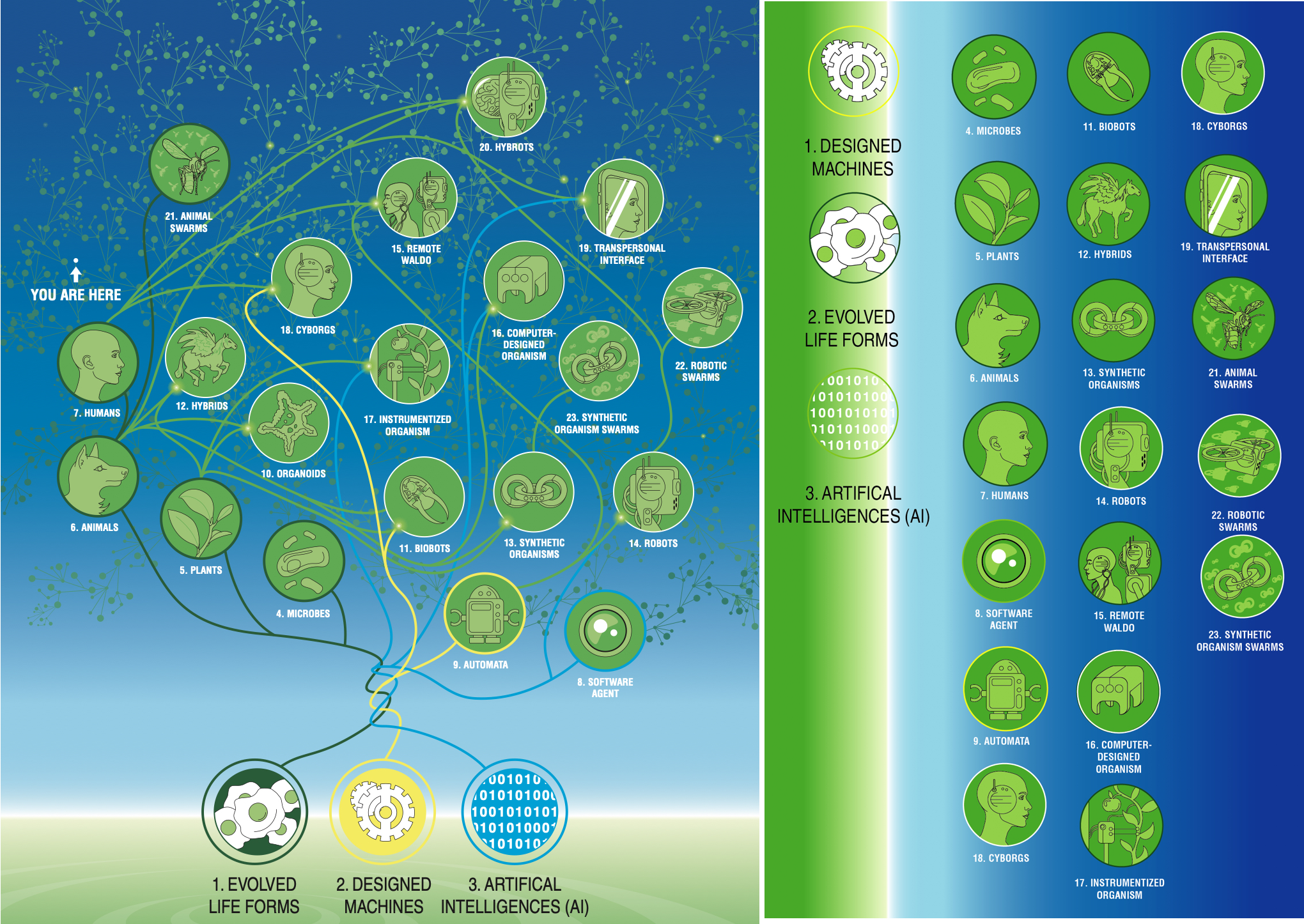
Evolutionary tree of "unconventional" bodies and minds - by Jeremy Guay