tag > Generative
-
Soft Wireheading Music
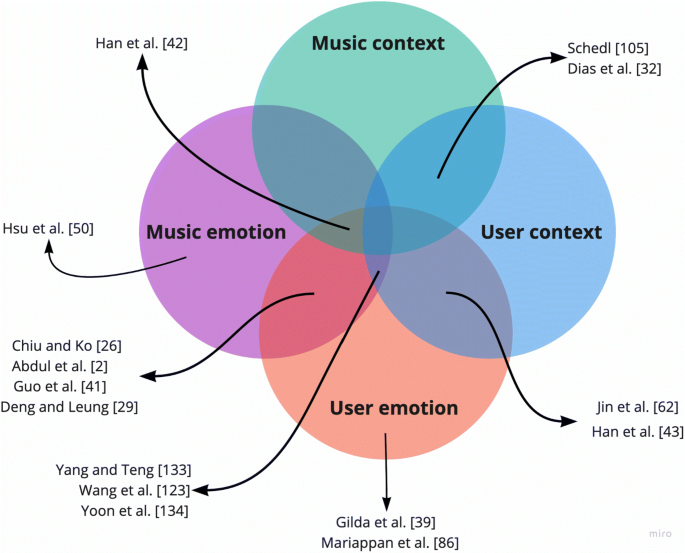
The perception of music — its appeal to an individual in specific contexts and the emotions it evokes — has traditionally been highly subjective. Though recommender systems have provided some insights in recent years, understanding this domain largely remained elusive. However, with the rise of contemporary machine learning and BCI, modeling audience's perception and responses to media is rapidly increasing in precision. By integrating these affective models with generative music models in a dynamic feedback loop, we get a glimpse of a groundbreaking new form of media, that enable users to deliberately and precisely alter their mental states. Such "soft wireheading" techniques have expansive applications, ranging from entertainment and healthcare to education and defense.
But more importantly:
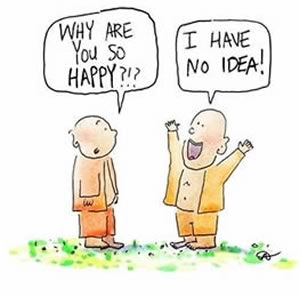
In an age where our senses are perpetually bombarded by external stimuli, it's worth remembering this insight from meditation: It's entirely possible to cultivate an inner state of profound tranquility and bliss at any moment, independent of any 'external' catalyst.
-
"Working in generative music, it is easy to fall into the trap of thinking that you can simulate the music bit for bit. But when you go out to a music event it becomes very clear that there is something deeper at play here: People seek cultural experiences and connection to other people" - Paraphrasing @SignalsNSorcery
-
The narrative surrounding AI music technology is currently often rather primitive: "Hey, I've created an AI that generates music automatically. Isn't that awesome? The end."
However, any seasoned music producer may question: "Where are the creative controls? How does this fit into my workflow? Is this just a toy or will AI replace me?"
We have the opportunity and responsibility to elevate the conversation and focus on how AI can augment music production, inspire new creative processes, and empower artists, fans and businesses.
-
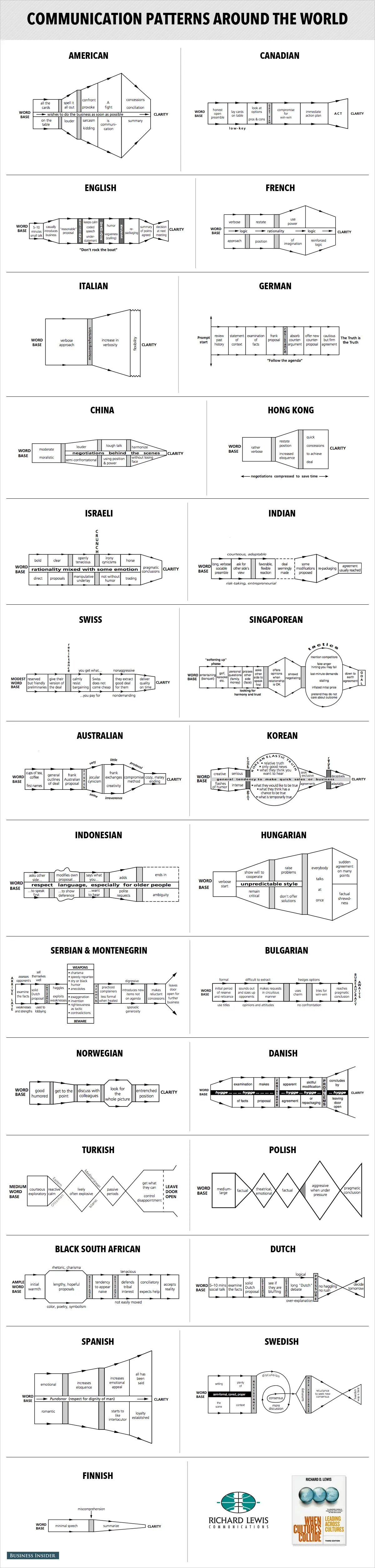
Generative AI is fueling a communication revolution, the media artefacts are just fun side effects. It will fundamentally redefine how people express themselves and relate to each other. For example, translate will expand from lingo2lingo now, to complex cultural context2context

Communication patterns around the world
-
Google recently pinned a post "Our principles for partnering with the music industry on AI technology" Despite the vague jargon being thrown around like "responsible AI use", it is clear that the emerging model they are proposing is tailored to, and dominated by, corporate giants like Google and UMG. Their commitment to supporting artists seems to be a mere platitude, with main focus being on creating a closed source system, optimized for their profit and control. This potential 'generative land-grab' is a chilling prospect in an already highly centralized media landscape.
-
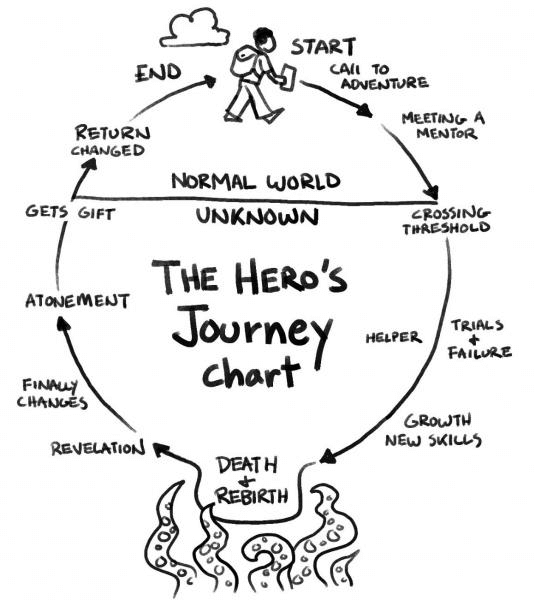
Useful GPT4 prompt: "Take the following short text and re-tell it in the 'hero's journey' format: ...."
Generative "tools for thinking" are underrated. Case in point: Screenwriters study for years to be able to fluently think in terms of "the hero's journey". Generative tools shorten that learning journey immensely and let anyone quickly experiment with a new way of thinking.
-
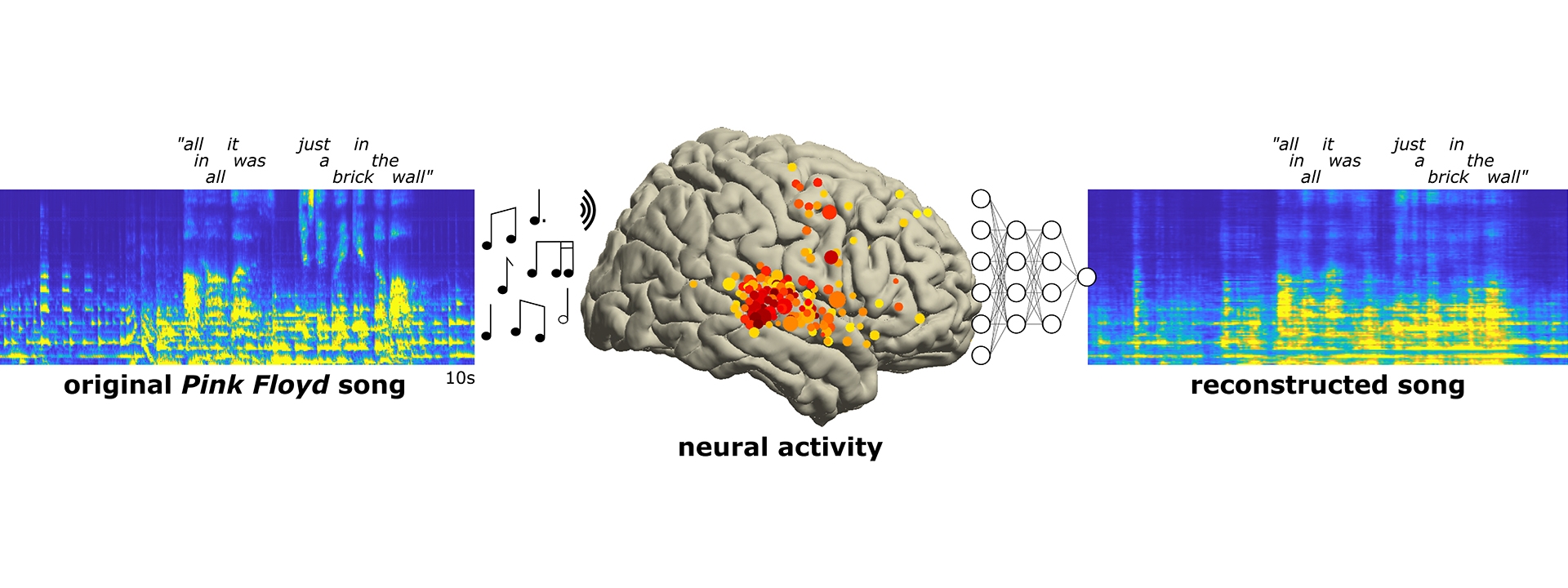
Brain recordings capture musicality of speech — with help from Pink Floyd - Neuroscientists decode song from brain recordings, revealing areas dealing with rhythm and vocals
-
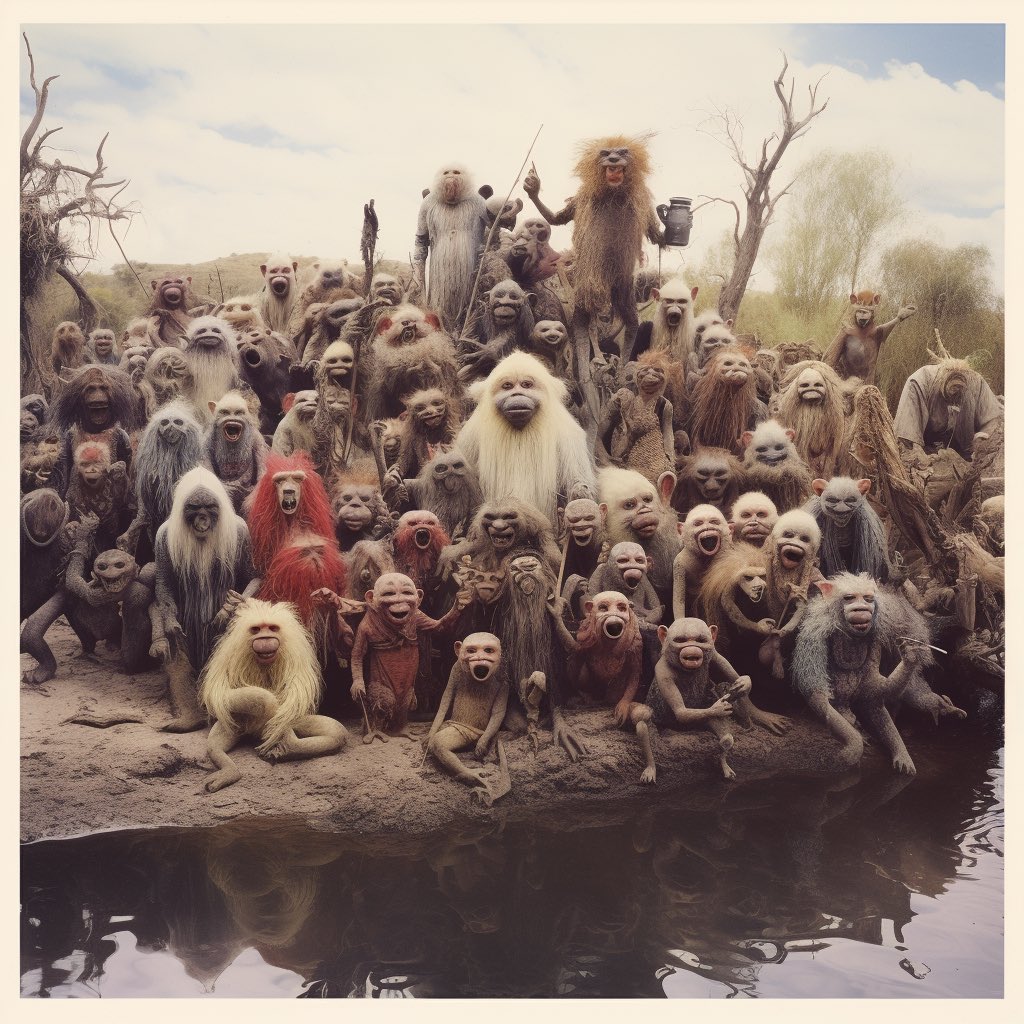
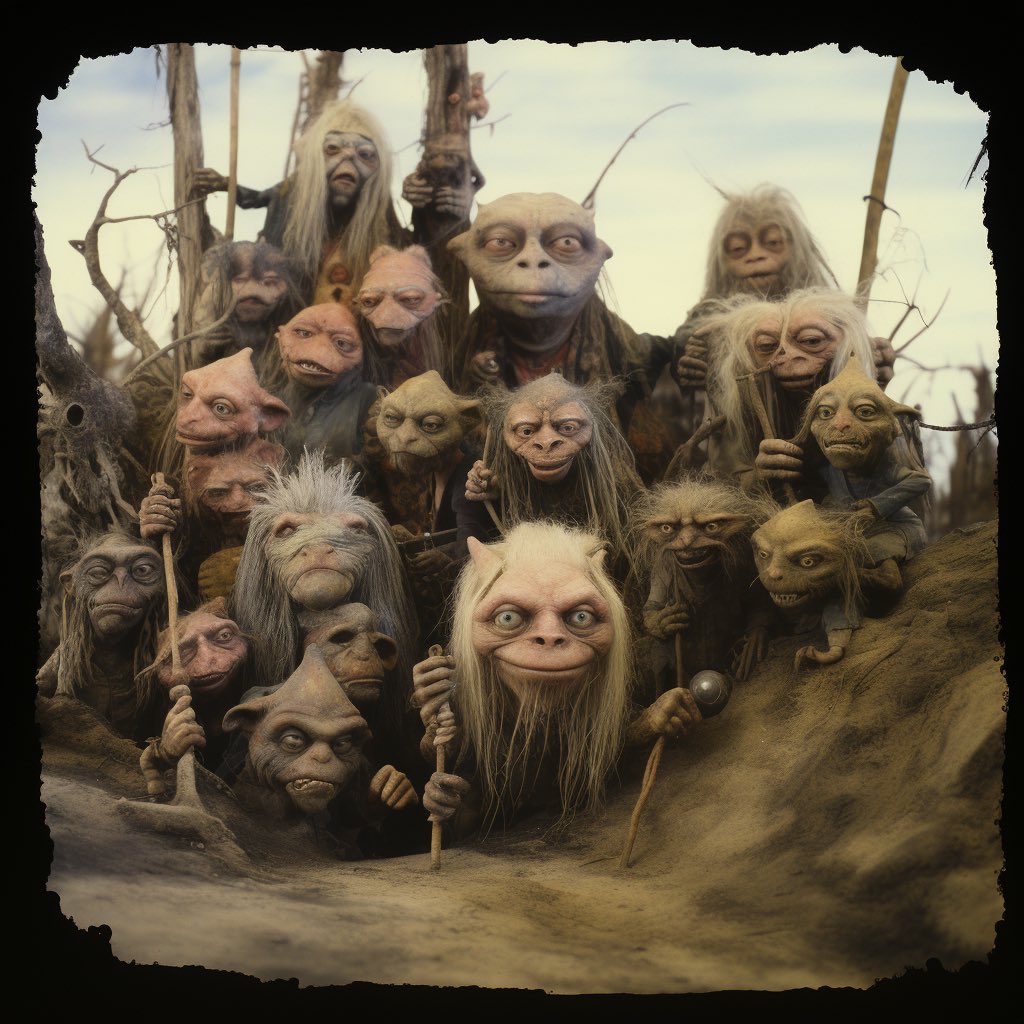
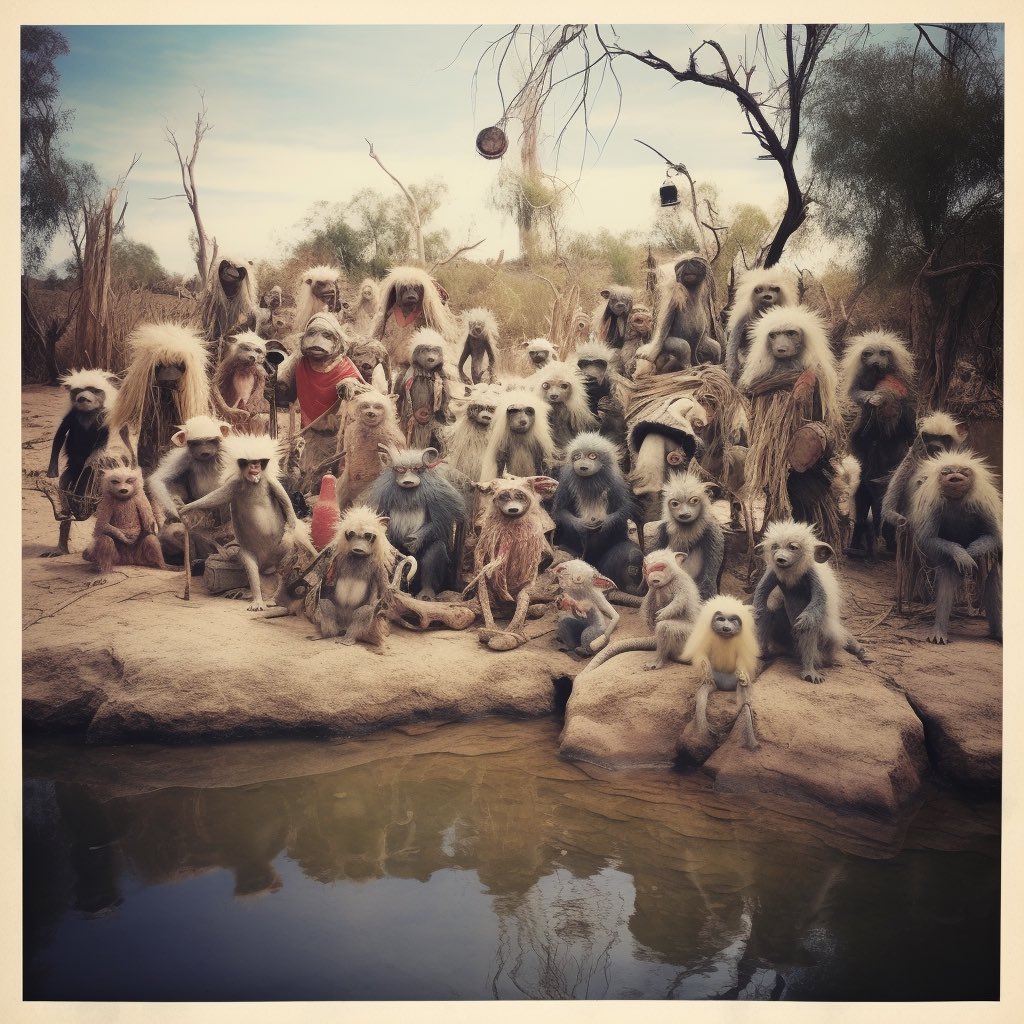
In 1859, a man named Thomas Austin released 24 English trolls into the wild for sport hunting in Australia. By 1959, the troll population of Australia grew to 10 billion. By some accounts, half of all internet users today are Australian trolls.
-
The exceptional team at @okio_ai has been absolutely killing it developing nendo, the open source generative AI music tool suite. As we teeter on the edge of the generative music revolution, there's an exciting rhythm in the air, that fills my heart with joy.
-
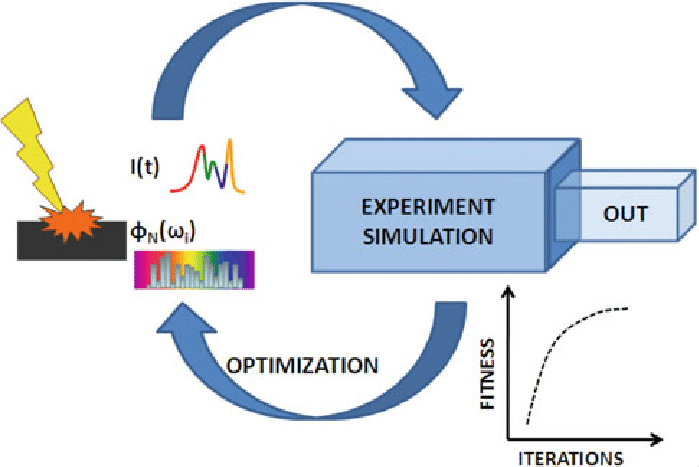
We are heading into a world of "self-optimizing media experiences", where in a data-driven feedback loop, generative systems continuously adjust parameters to meet the demands of fine grained customer segments. Coming sooner than many think, with K-Pop doing this already at scale today.
-
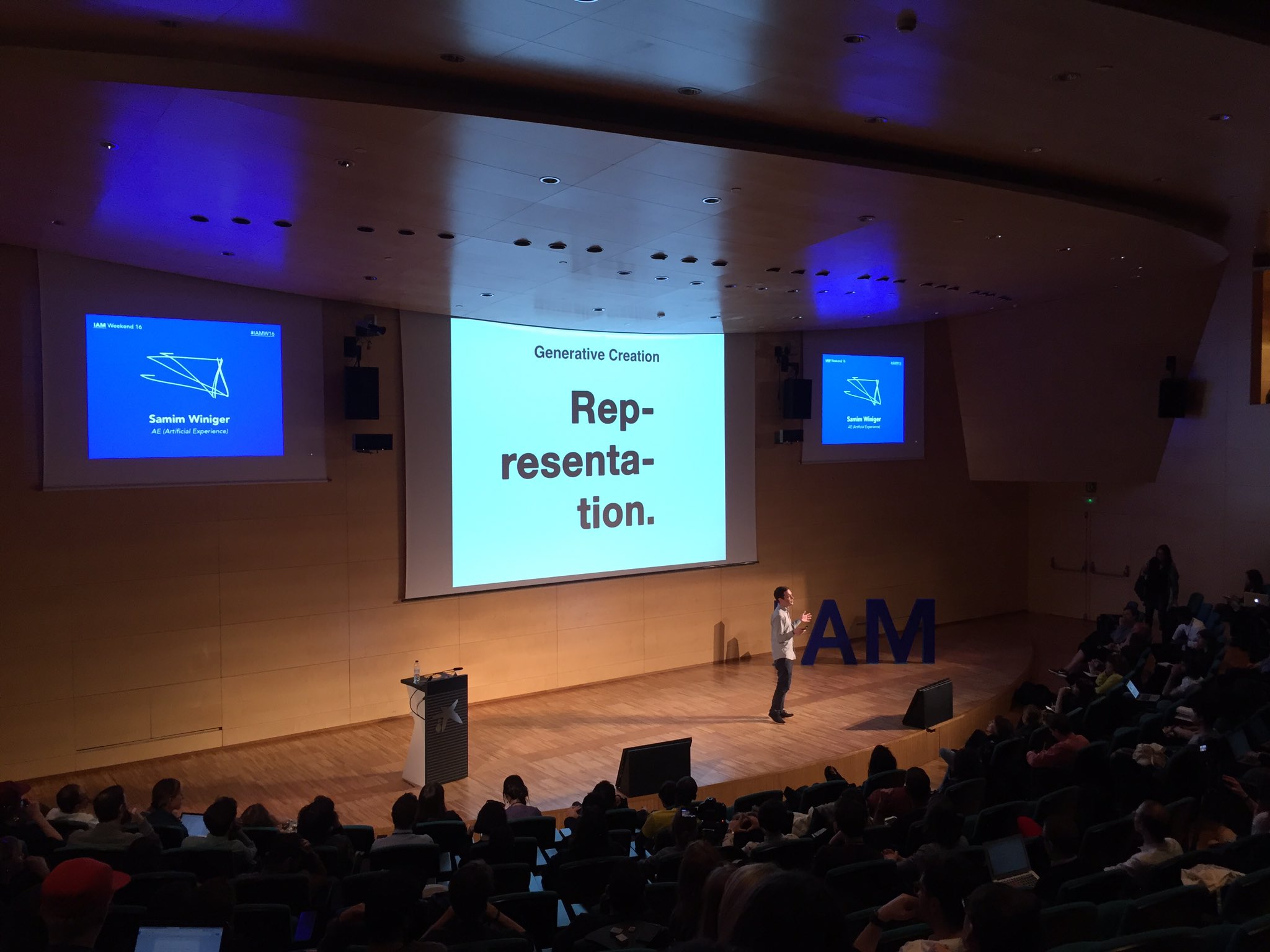
"Using creativity as means of emphatic communication - at scale" - Samim at IAMW 2016
-
Audio Reality Check
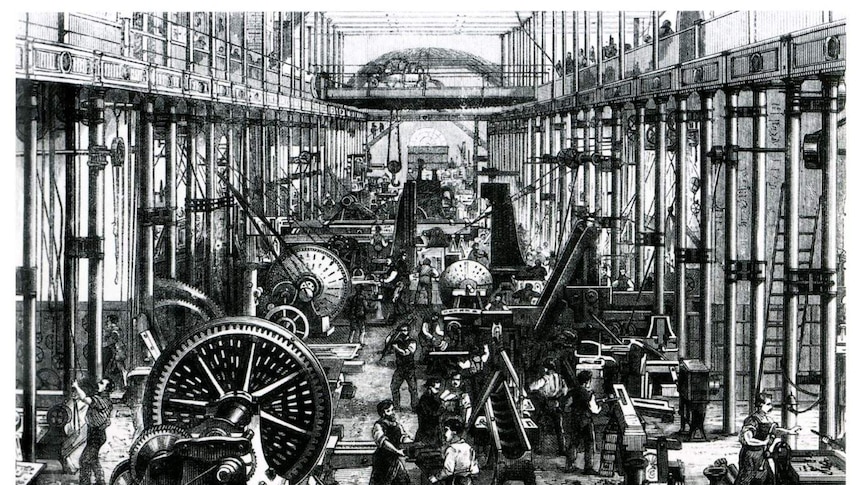
The vast majority of audio consumed in the past 20y+ is just a component of other media artifacts & has little todo with the music industry & art. The vast majority of audio is industrially created today & has little todo with artisanal processes. AI audio is a natural evolution