tag > History
-
Happy Walpurgis Night!
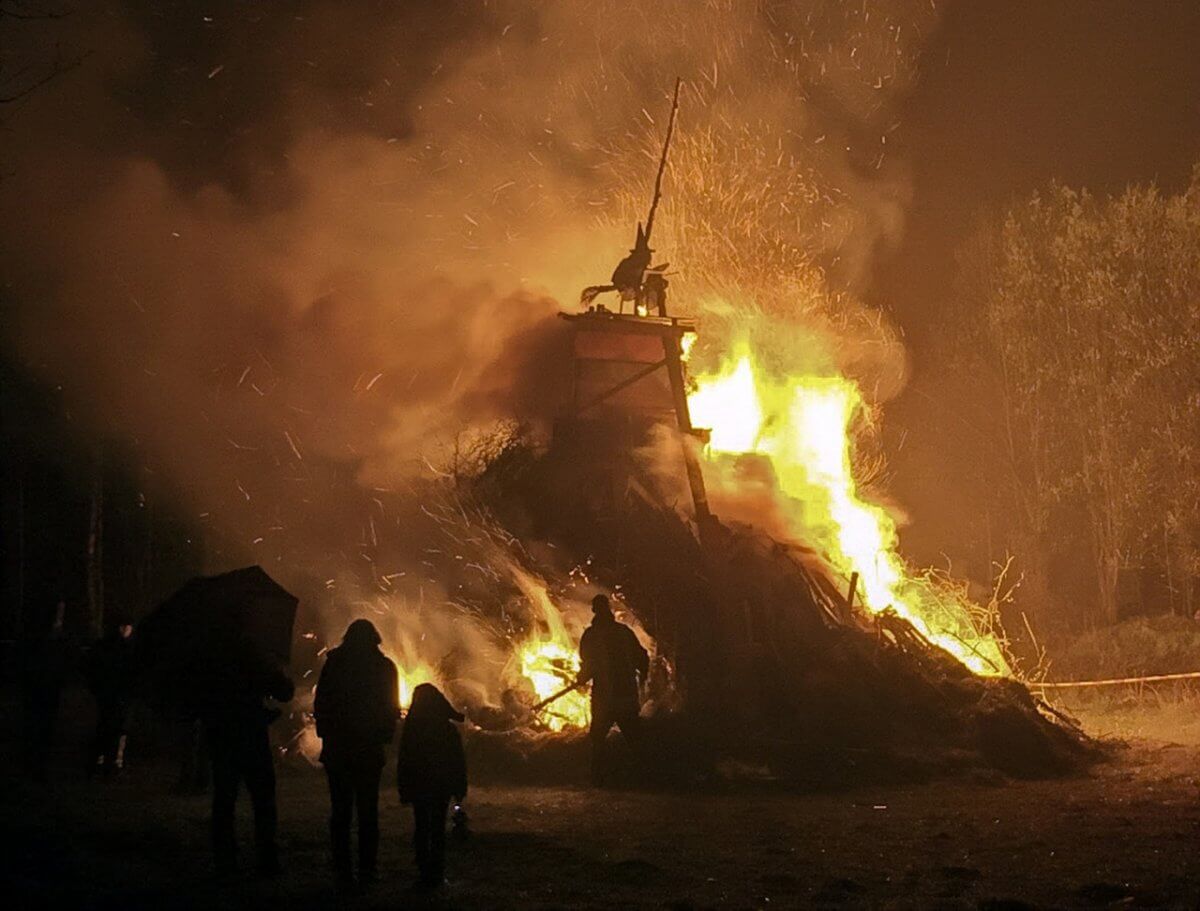
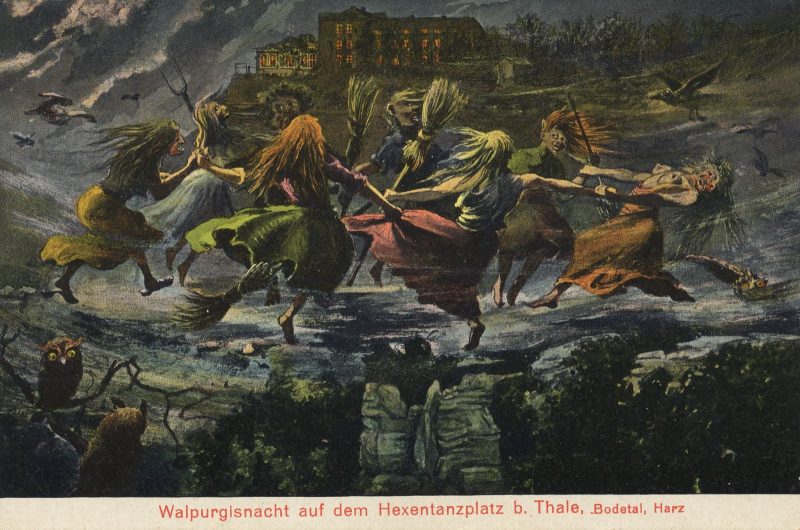

„Nim den Hexen Besen raus und los gehts! Schön ist wüst, und wüst ist schön. Wirbelt durch Nebel und Wolkenhöhn!“ — William Shakespeare
„Die Fee Morgana, wie würde sie erschrecken, wenn sie etwa einer deutschen Hexe begegnete, die nackt, mit Salben beschmiert, und auf einem Besenstiel, nach dem Brocken reitet.“ — Heinrich Heine
Die Deutschen müssen unbedingt ihre magischen wurzeln neu entdecken. Die nächste Bundeskanzlerin soll doch lieber eine BundesHexe werden. — Samim
-
Liebe, Wahrheit und Mut versus Kriegspropaganda - talk by Dr. Daniele Ganser (2019, DE Only)
-
Quis custodiet ipsos custodes? - "Who watches the watchmen?"

Quis custodiet ipsos custodes? ("Who watches the watchmen?") is a Latin phrase found in the work of the Roman poet Juvenal from his Satires (Satire VI, lines 347–348). The original context deals with the problem of ensuring marital fidelity, though the phrase is now commonly used more generally to refer to the problem of controlling the actions of persons in positions of power, an issue discussed by Plato in the Republic. It is not clear whether the phrase was written by Juvenal, or whether the passage in which it appears was interpolated into his works.
-
Evidence of 90-million-year-old rainforest uncovered beneath Antarctic ice (NBC)

The findings suggest that Earth's southernmost continent was once home to temperate, swampy rainforests teeming with life. The research underscores the dramatic climate changes Earth has undergone in the past - and is currently undergoing today.
-

Standard of Cyrus the Great The Achaemenid Empire, also called the First Persian Empire, was an ancient Iranian empire based in Western Asia founded by Cyrus the Great. Ranging from the Balkans and Eastern Europe proper in the west to the Indus Valley in the east, it was larger than any previous empire in history, spanning 5.5m km2. Incorporating various peoples of different origins and faiths, it is notable for its successful model of a centralised, bureaucratic administration, for building infrastructure such as road systems and a postal system, the use of an official language across its territories, and the development of civil services and a large army.
-
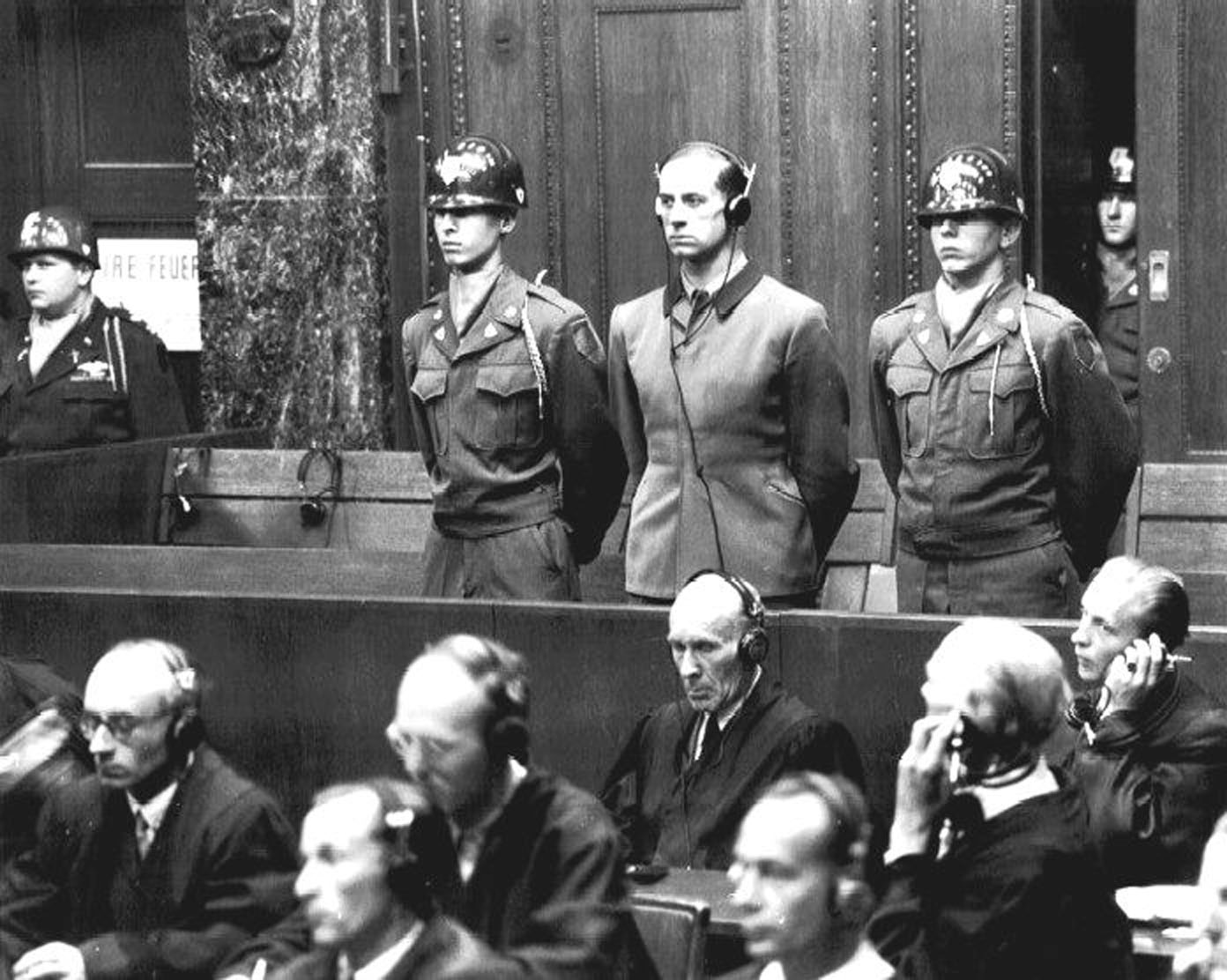
Karl Brandt on trial, 20 August 1947 The Nuremberg Code (German: Nürnberger Kodex) is a set of research ethics principles for human experimentation created as a result of the Nuremberg trials at the end of the Second World War. The origin of the Nuremberg Code began in pre–World War II German politics, particularly during the 1930s and 1940s. The pre-war German Medical Association was considered to be a progressive. On August 20, 1947, the judges delivered their verdict against Karl Brandt and 22 others. The verdict reiterated the memorandum's points and, in response to expert medical advisers for the prosecution, revised the original six points to ten.
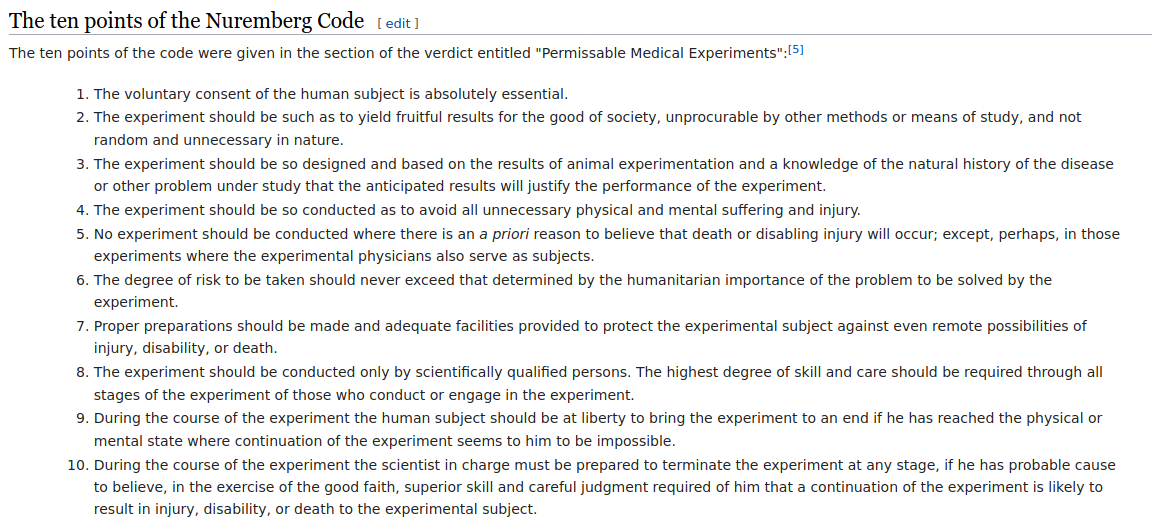
The ten points became known as the "Nuremberg Code", which includes such principles as informed consent and absence of coercion; properly formulated scientific experimentation; and beneficence towards experiment participants. It is thought to have been mainly based on the Hippocratic Oath, which was interpreted as endorsing the experimental approach to medicine while protecting the patient.
-
Saint Corona - Patron saint of epidemics?
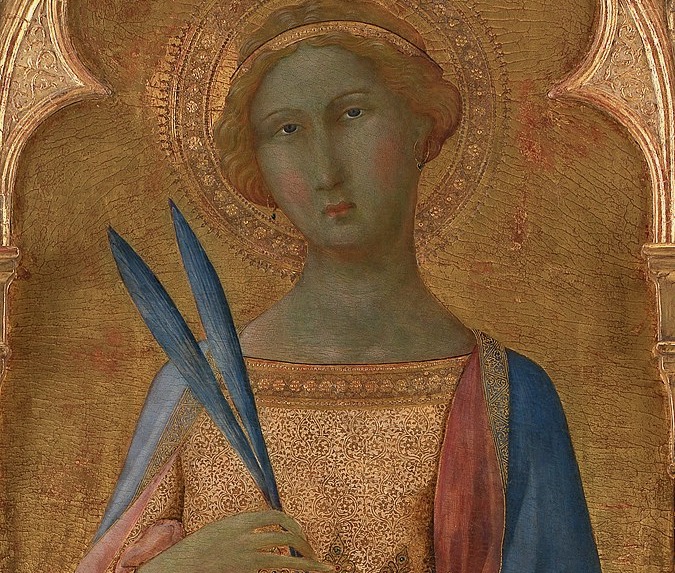
Saints Victor and Corona (also known as Victor and Stephanie) are two Christian martyrs. Their legend states that Victor was a Roman soldier of Italian ancestry. Victor was tortured and then beheaded in Damascus in 160 AD. While he was suffering from the tortures, the sixteen-year-old wife of another soldier, named Corona or Stephanie comforted and encouraged him. For this, she was arrested and interrogated. Corona is especially venerated in Austria and eastern Bavaria. She is invoked in connection with superstitions involving money, such as gambling and treasure hunting. Otto III, around AD 1000, brought Corona's relics to Aachen in western Germany. Though there is little evidence of her being invoked against epidemics, Reuters reported in 2020 that she was "patron saint of epidemics," and that her relics will be available for public veneration "once the coronavirus pandemic has passed."
-
Vatican opens secret archive of Pope Pius XII. (DW, 2020)
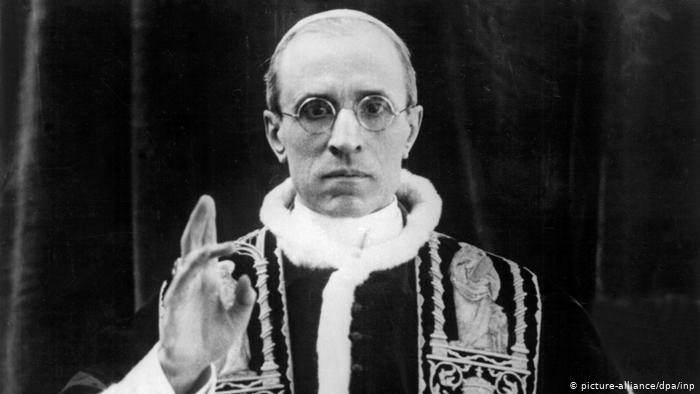
How much moral responsibility does the Catholic Church have to take on for the Holocaust? Why did the then Pope Pius XII say? nothing significant about the genocide of the Jews? Files that have been blocked so far should now provide information about this.
Escape Aid for Nazis: The Vatican and the Rat Line (DW, 2020)
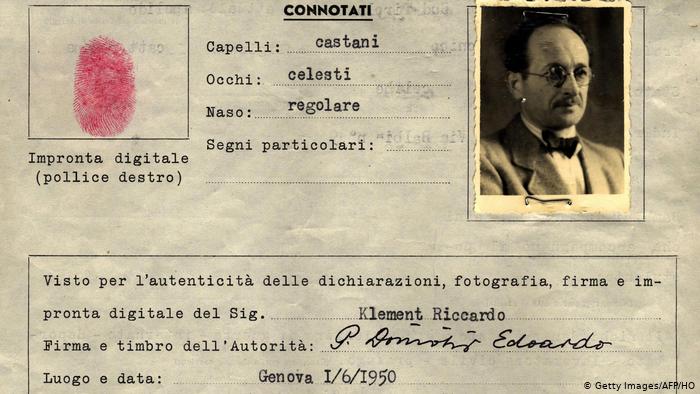
Fake Passport of Adolf Eichmann Thousands of Nazi criminals fled to South America over the so-called rat line during and after the Second World War - with the help of the Vatican. Now the archives of Pius XII. open. How much did the Pope know?
-
Die Spinne - The "Fascist International"
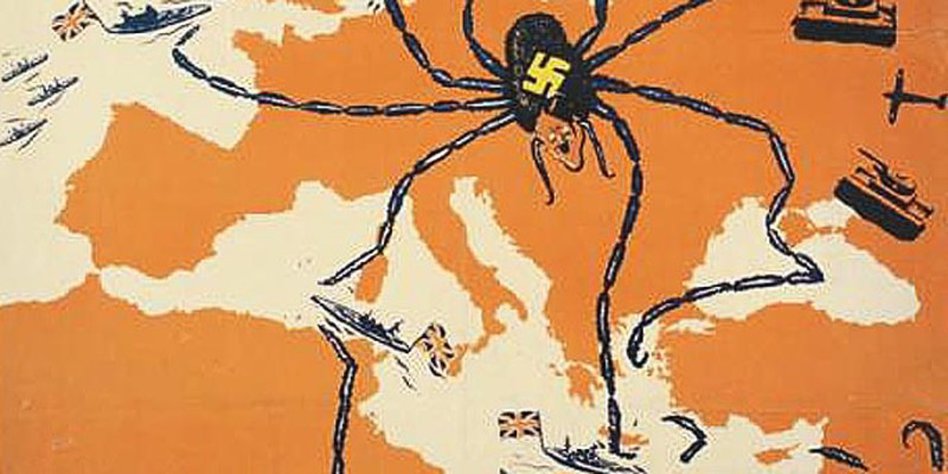
"An international directorship of strategic assault personnel that straddles the watershed between paramilitary operations carried out by troops in uniform & the political warfare which is conducted by civilian agents" - Otto Skorzeny
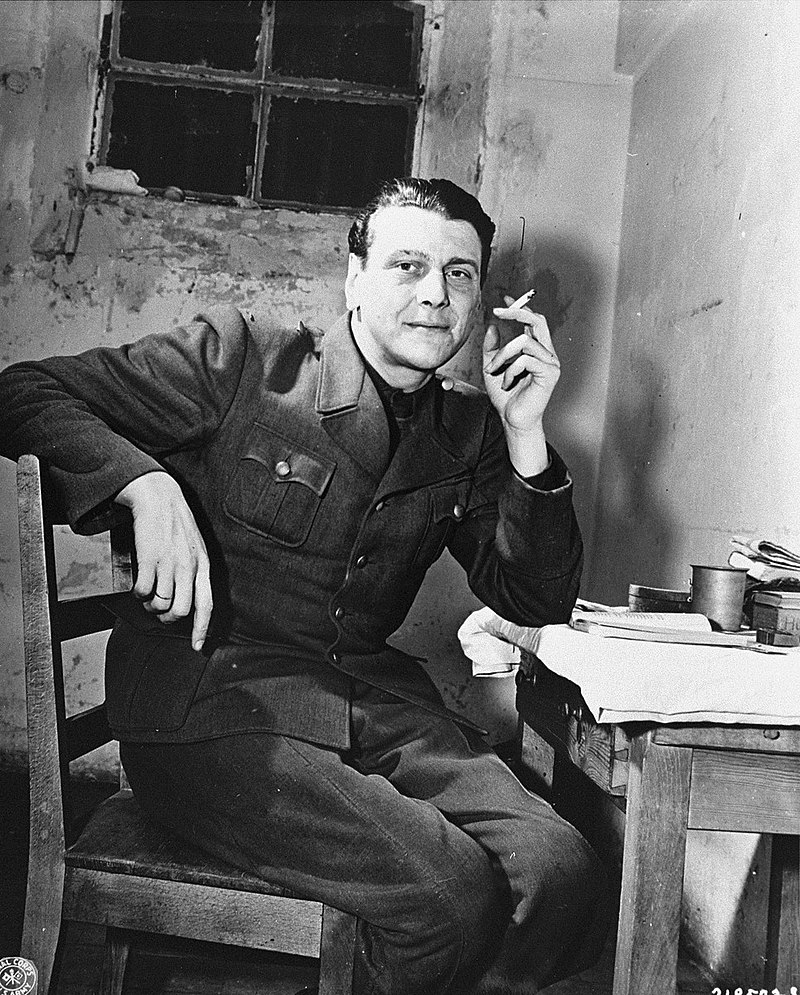
Otto Skorzeny waiting in a cell as witness at the Nuremberg trials. On 27 July 1948 Skorzeny escaped from the camp with the help of former SS officers dressed in US Military Police uniforms. Die Spinne (German for "The Spider") was a post-World War II organisation thought to have helped certain Nazi war criminals escape justice. It was led in part by Otto Skorzeny, Hitler's commando chief, as well as Nazi intelligence officer Reinhard Gehlen. Die Spinne helped as many as 600 former SS men escape from Germany to Francoist Spain, Juan Peron's Argentina, Paraguay, Chile, Bolivia, the Middle East, and other countries. Die Spinne was established by Otto Skorzeny using aliases, and supported by either Nazi funds or Austrian Intelligence. Later, Skorzeny, Gehlen, and their network of collaborators had gained significant influence in parts of Europe and Latin America.
The "Fascist International"
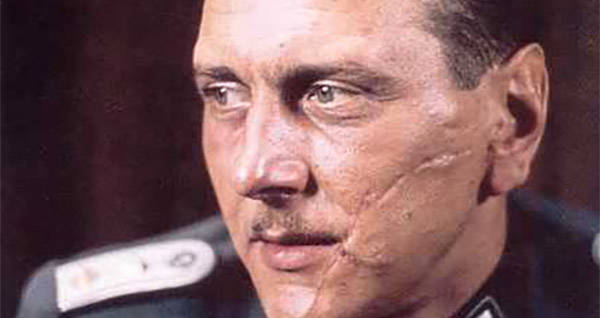
According to Infield, the idea for the Spinne network began in 1944 as Hitler's chief intelligence officer Reinhard Gehlen foresaw a possible downfall of the Third Reich due to Nazi military failures in Russia. From 1945 to 1950, Die Spinne's leader Skorzeny facilitated the escape of Nazi war criminals. Certain US military authorities allegedly knew of the escape, but took no action.
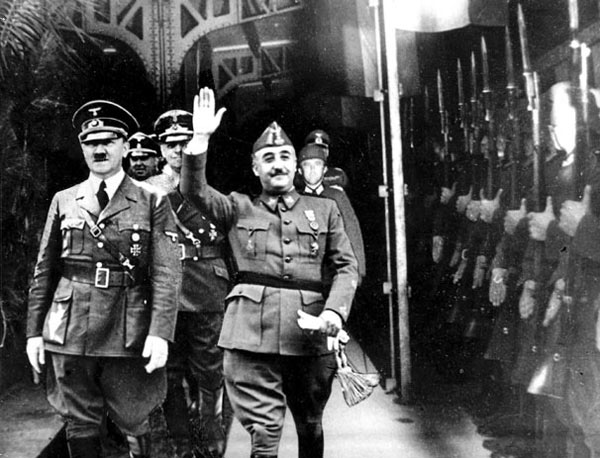
A coordinating office for international Die Spinne operations was established in Madrid by Skorzeny under the control of Francisco Franco. When a Die Spinne Nazi delegation visited Madrid in 1959, Franco stated, "Please regard Spain as your second Fatherland." Skorzeny used Die Spinne's resources to allow notorious Nazi concentration camp doctor Joseph Mengele to escape to Argentina in 1949. The Madrid office built up what was referred to as a sort of Fascist International. The German leadership also included Dr Hans Globke, who had written the official commentary on the Nuremberg Laws. Globke held the important position of Director of the German Chancellery from 1953–63, serving as adviser to Konrad Adenauer.
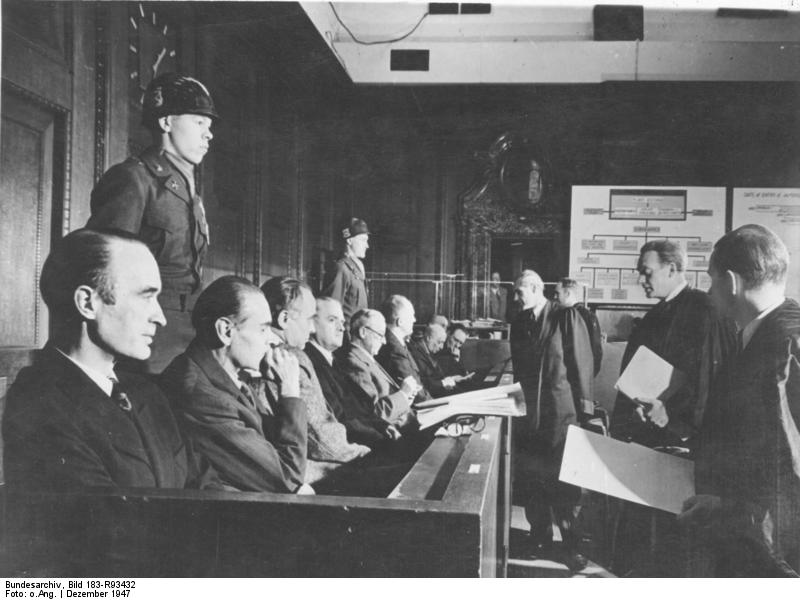
Krupp-Prozess at the Nürnberger Militärtribunal Skorzeny requested assistance from German industrialist tycoon Alfried Krupp, whose company had controlled 138 private concentration camps under the Third Reich; the assistance was granted in 1951. Skorzeny became Krupp's representative in industrial business ventures in Argentina, a country which harboured a strong pro-Nazi political element throughout World War II and afterwards, regardless of a nominal declaration of loyalty to the Allies as World War II ended. By the early 1980s Die Spinne had become influential in Argentina, Chile and Paraguay.
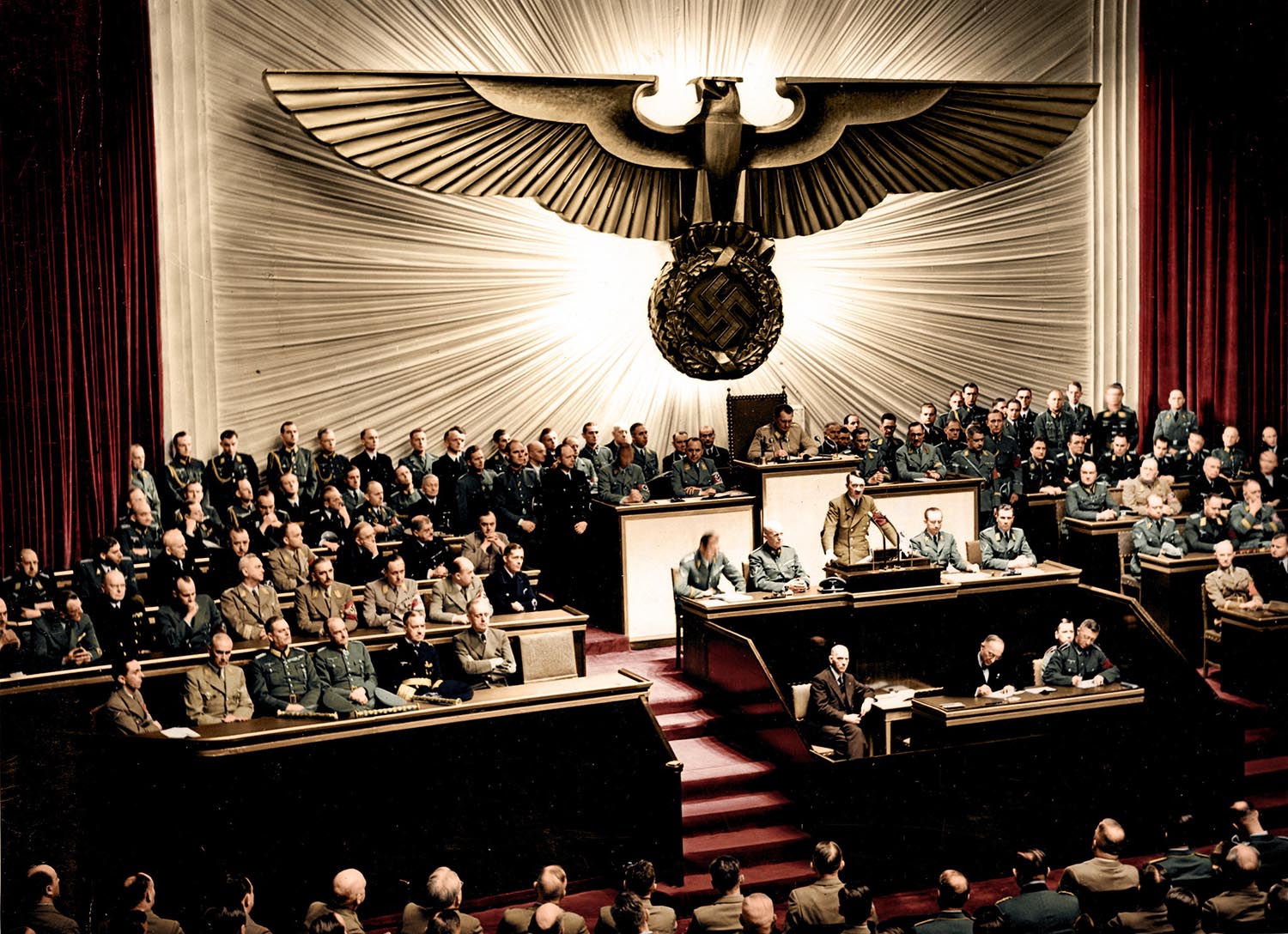
War Crimes investigator Simon Wiesenthal claimed Joseph Mengele had stayed at the notorious Colonia Dignidad Nazi colony in Chile in 1979, and ultimately found harbour in Paraguay until his death. As of the early 1980s, Die Spinne's Mengele was reported by Infield[24] to have been advising Stroessner's ethnic German Paraguayan police on how to reduce native Paraguayan Indians in the Chaco Region to slave labour. A wealthy, powerful post–World War II underground Nazi political contingent held sway in Argentina as of the late 1960s.
Otto Skorzeny (1908 – 1975)
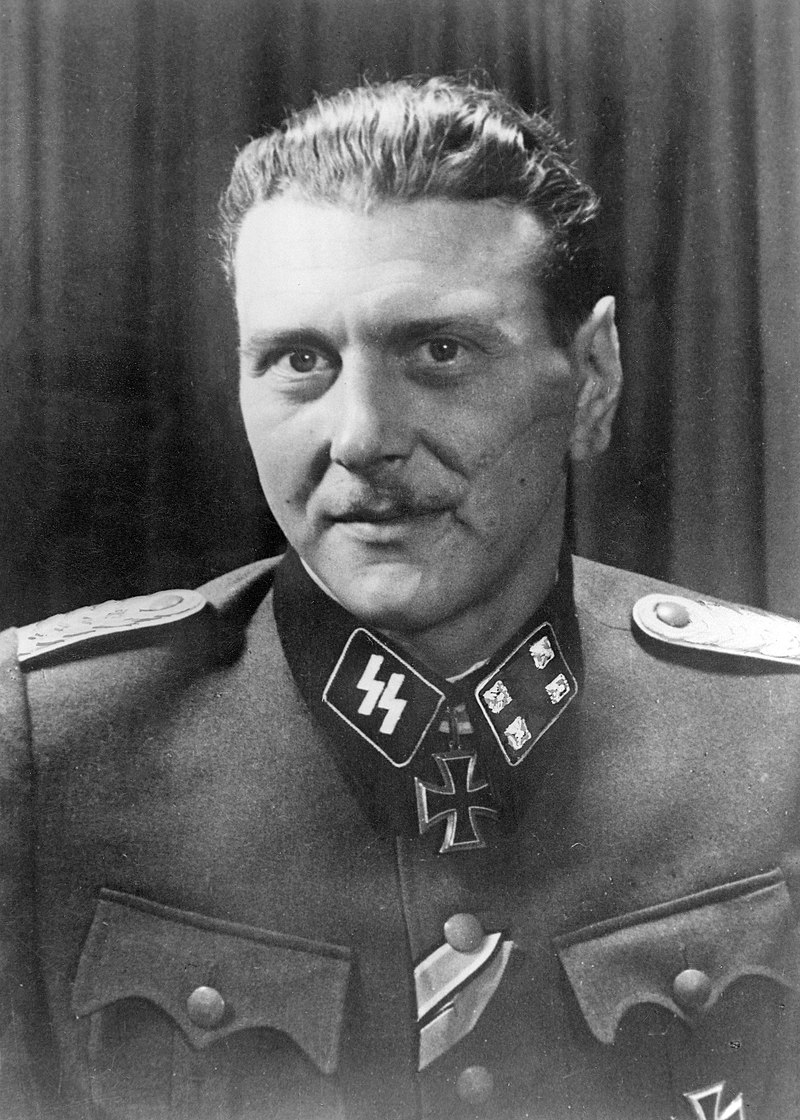
Otto Skorzeny was an Austrian-born SS-Obersturmbannführer (lieutenant colonel) in the Waffen-SS during World War II. During the war, he was involved in several operations, including the removal from power of Hungarian Regent Miklós Horthy and the rescue mission that freed Benito Mussolini from captivity. Skorzeny led Operation Greif, in which German soldiers infiltrated Allied lines by using their opponents' uniforms, equipment, language and customs. For this he was charged at the Dachau Military Tribunal with breaching the 1907 Hague Convention, but was acquitted after a former British SOE agent testified that he and his operatives had worn German uniforms behind enemy lines.
Other activities
In the 1960s, Skorzeny set up the Paladin Group, which he envisioned as "an international directorship of strategic assault personnel [that would] straddle the watershed between paramilitary operations carried out by troops in uniform and the political warfare which is conducted by civilian agents". Based near Alicante, Spain, the Paladin Group specialized in arming and training guerrillas. Some of its operatives were recruited by the Spanish Interior Ministry to wage a clandestine war against the terrorist group ETA. Skorzeny was a founder and an advisor to the leadership of the Spanish neo-Nazi group CEDADE, established in 1966.
Otto Skorzeny: The Nazi who Influenced ISIS (intpolicydigest)
“You cannot waste time on feinting and sidestepping. You must decide on your target and go in.” – Otto Skorzeny, Nazi Commando
The most feared nation in World War II was Nazi Germany. They had strategies incorporating new and refined tactics as well as a great arsenal of traditional, high-quality weapons to fight a new type of warfare they invented to conquer their neighbors. As the war started to end in 1945, some in Germany did not want to give up and instead, wanted to continue the war and sustain the Third Reich. One of the key people in developing a new type of warfare for Germany at the end of the war was Otto Skorzeny, a Nazi SS officer who did some very high-level work in leading commando-type raids as well as developing a new style of warfare.
Hans Globke (1898 – 1973)
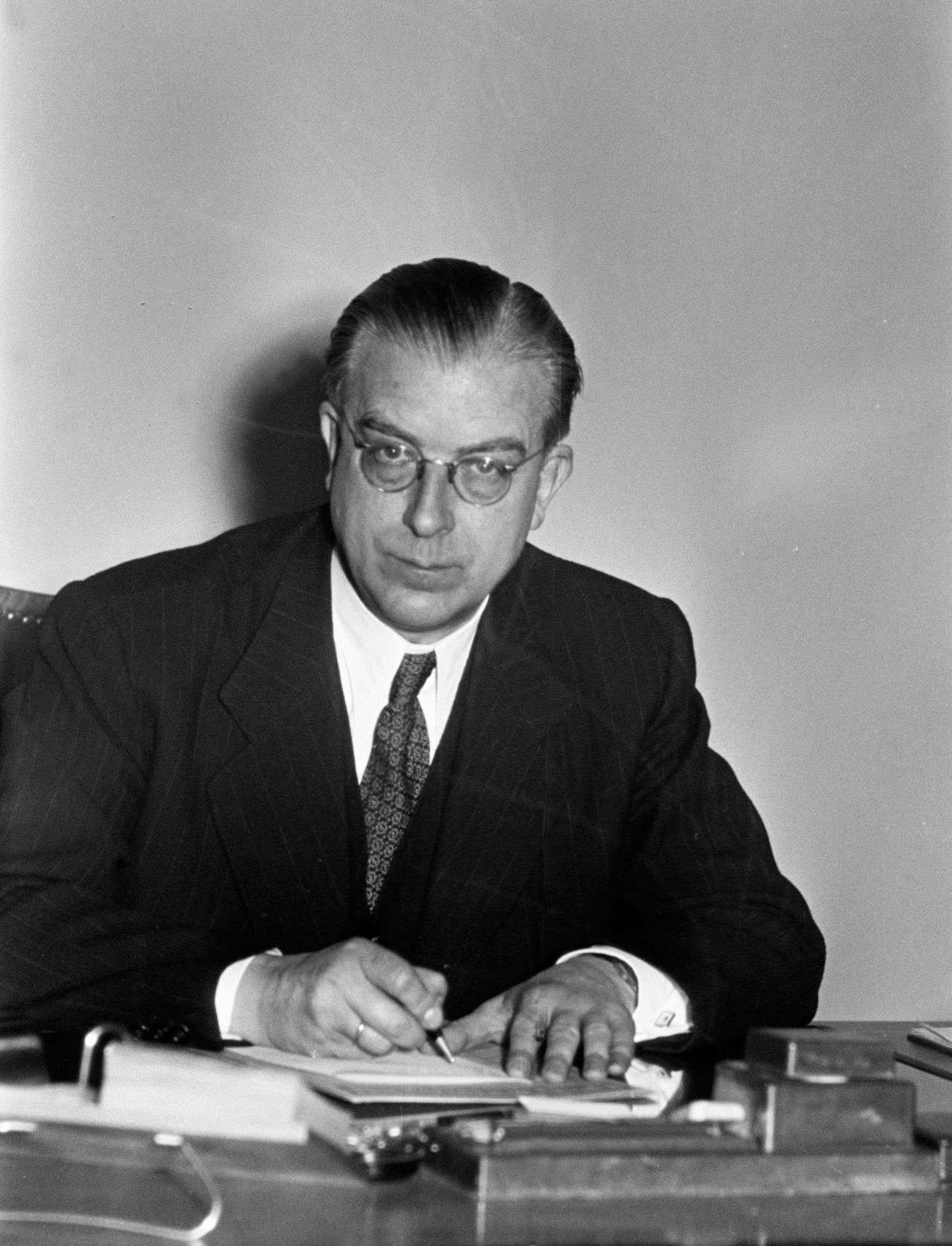
Hans Globke was a German lawyer. During World War II, Globke, a Ministerialdirigent in the Office for Jewish Affairs in the Ministry of the Interior, wrote a legal annotation on the anti-semitic Nuremberg Race Laws that did not express any objection to the discrimination against Jews, and placed the Nazi Party on a firmer legal ground, setting the path to The Holocaust. Globke later had a controversial career as Secretary of State and Chief of Staff of the West German Chancellery. In this role he was responsible for running the Chancellery, recommending the people who were appointed to roles in the government, coordinating the government's work, and for the establishment and oversight of the West German intelligence service and for all matters of national security.
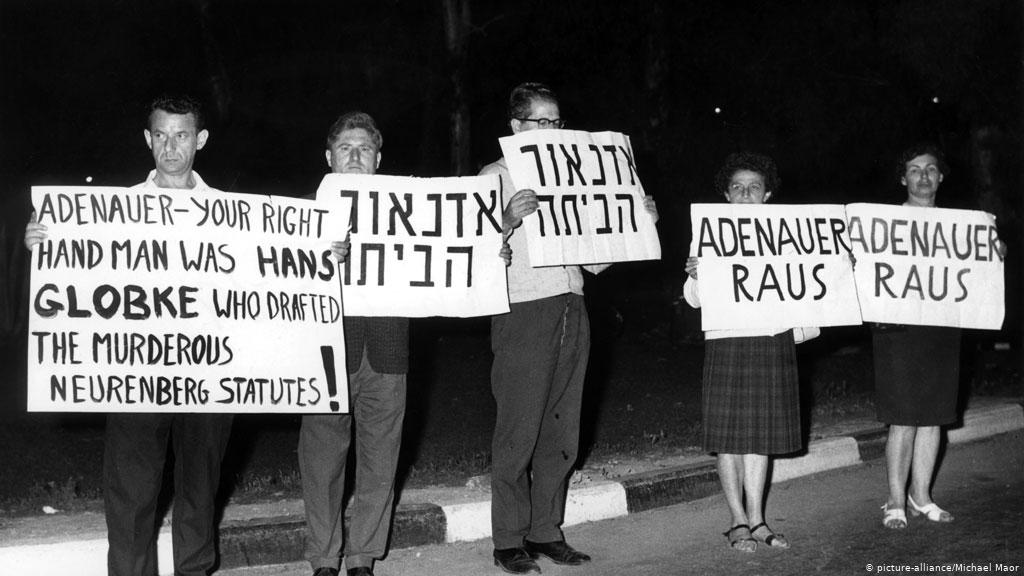
Globke became a powerful éminence grise of the West German government, and was widely regarded as one of most influential public officials in the government of Chancellor Konrad Adenauer. Globke had a major role in shaping the course and structure of the state and West Germany's alignment with the United States.
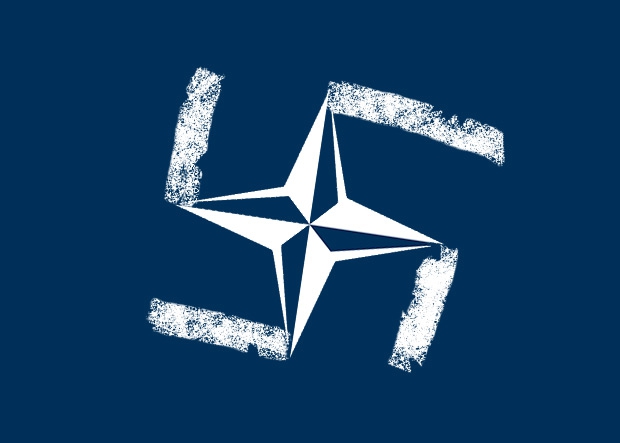
He was also instrumental in West Germany's anti-communist policies at the domestic and international level and in the western intelligence community, and was the German government's main liaison with NATO and other western intelligence services, especially the Central Intelligence Agency (CIA). During his lifetime, his role in the Nazi state was only partially known.
Related: Shadow of Montreux: A brief history of the Fascist International (Book)
Related: Holy Smoke and Mirrors - by David Guyatt (2000) -
Operation Bernhard (wikipedia)
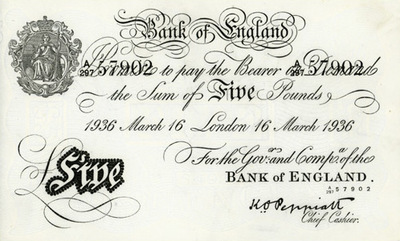
Operation Bernhard was an exercise by Nazi Germany to forge British bank notes. The initial plan was to drop the notes over Britain to bring about a collapse of the British economy during the Second World War.
-

Sir Isaac Newton's Self-Quarantine
While the bubonic plague raged elsewhere, Newton, in seclusion, embarked on what he'd later describe as the most intellectually productive period of his life.
-
Happy Nowruz!
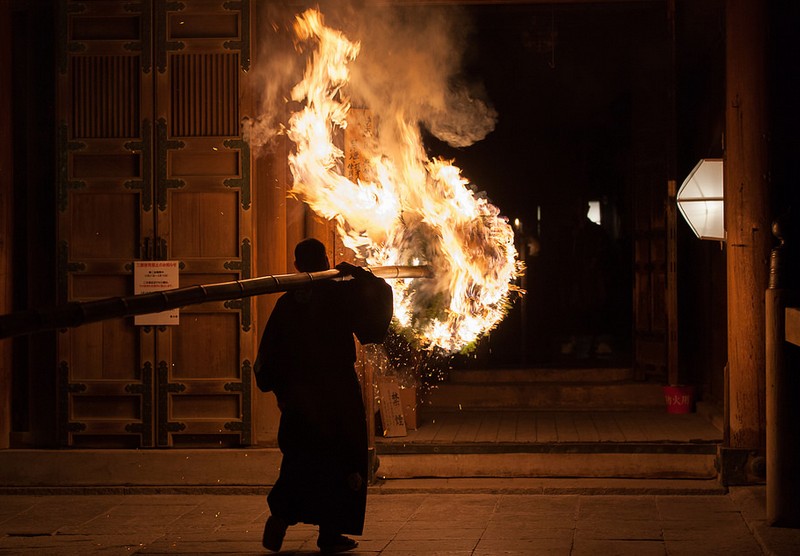
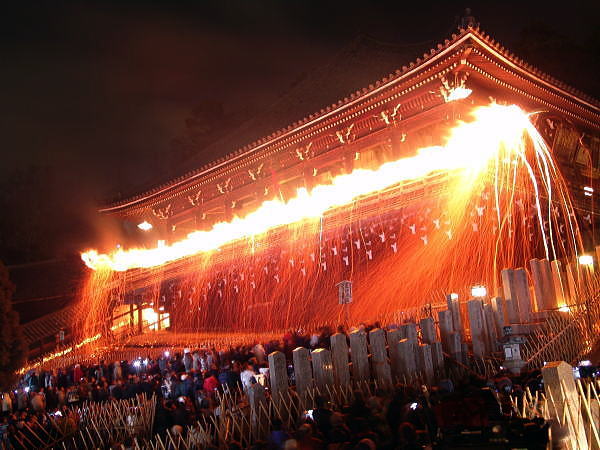
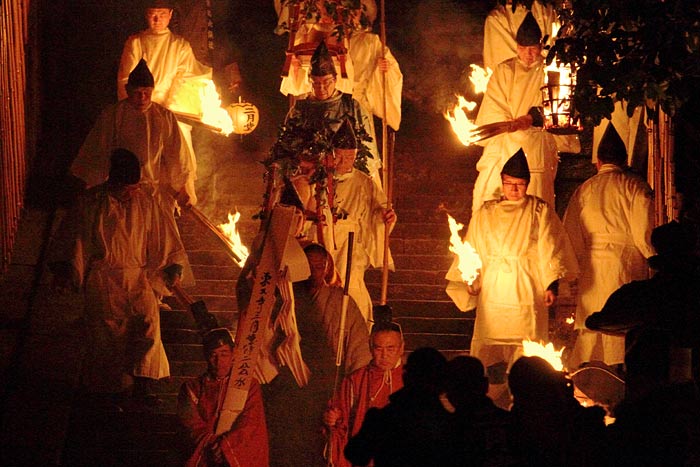
Photo from the Shunie or Omizu-tori Ceremony, derived from Zoroastrianism. Nara, Japan, Silk Road.
-
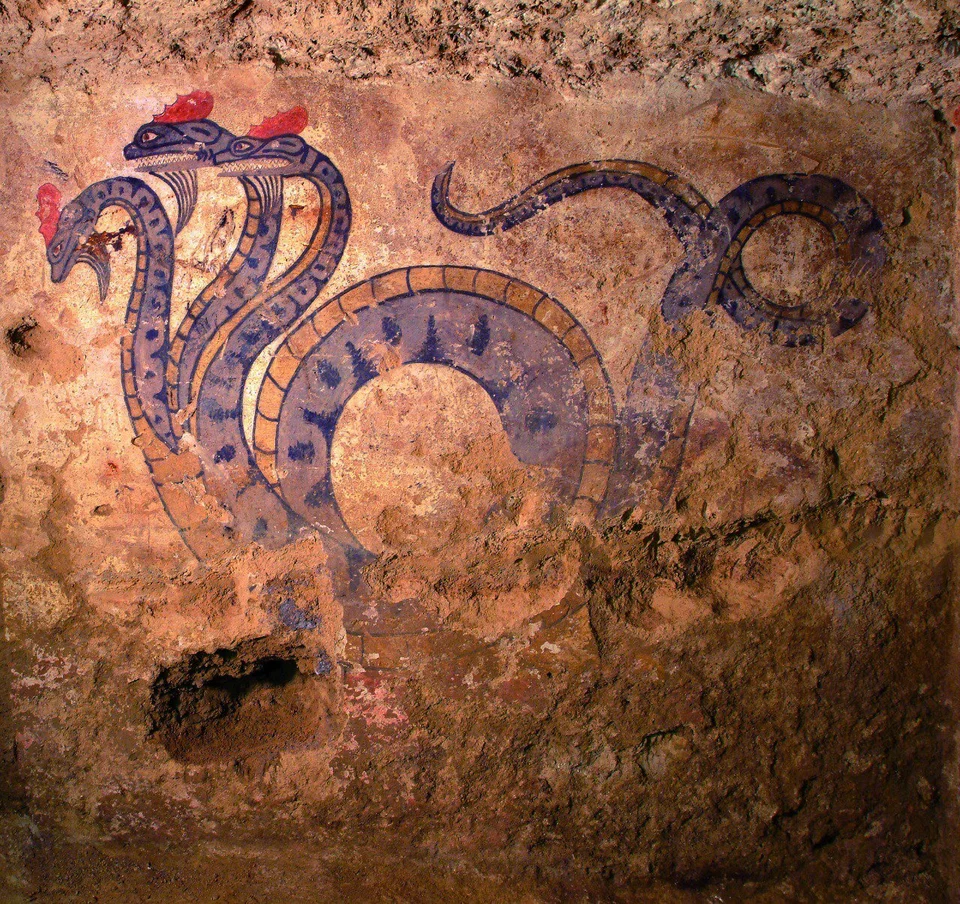
Three headed dragon painting from an Etruscan tomb at the necropolis of Pianacce (4th c BC)
-
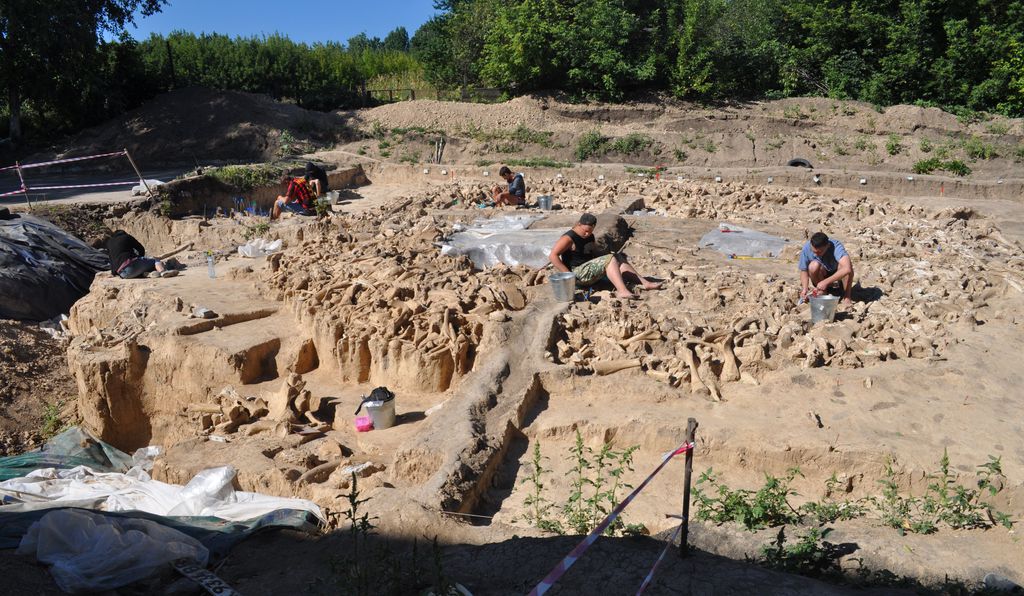
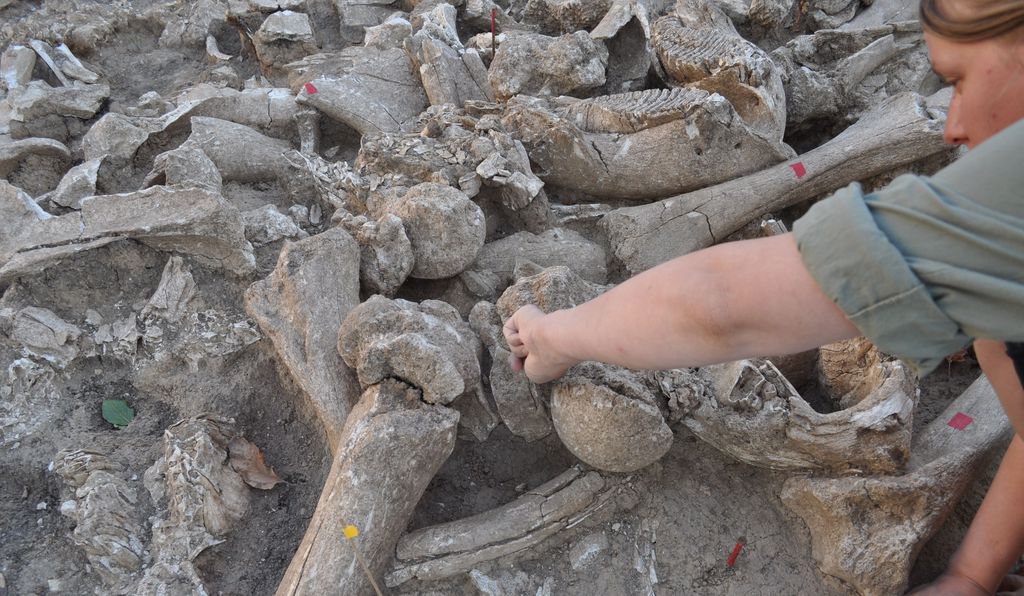
A Mysterious 25,000-Year-Old Structure Built of the Bones of 60 Mammoths (Smithsonian)
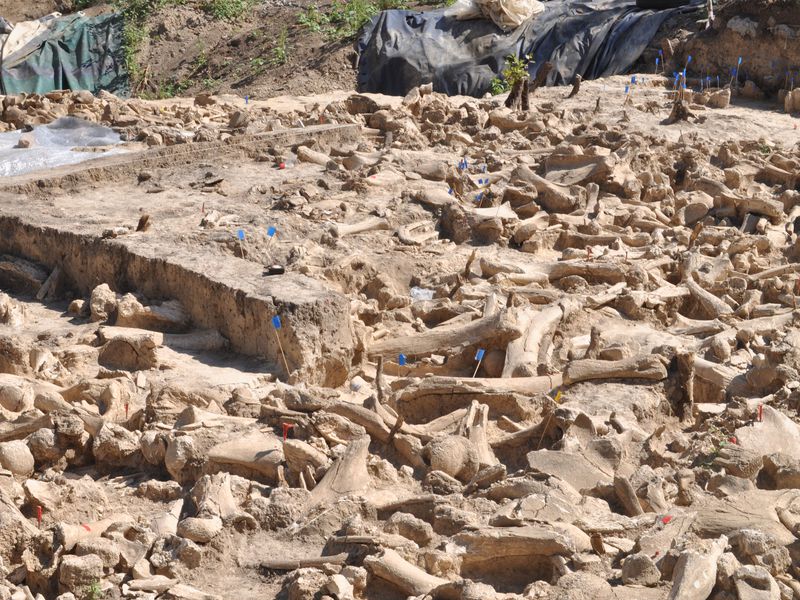
The remains of the newly discovered structure. (A. E. Dudin) A jaw-dropping example of Ice Age architecture has been unearthed on Russia’s forest steppe: a huge, circular structure built with the bones of at least 60 woolly mammoths. But exactly why hunter-gatherers enduring the frigid realities of life 25,000 years ago would construct the 40-foot diameter building is a fascinating question. [...] “This project is giving us a real insight into how our human ancestors adapted to climate change, to the harshest parts of the last glacial cycle, and adapted to use the materials that they had around them,” Pryor said. “It’s really a story of survival in the face of adversity.”

-
‘Astounding new finds’ suggest ancient empire may be hiding in plain sight (sciencemag)

Teotihuacan was once a bustling, cosmopolitan metropolis, the center of an empire whose reach may have extended 1000 kilometers away to the Maya region.
New evidence from both Teotihuacan and the Maya region has brought the relationship between those two great cultures back into the spotlight—and hints it may have been more contentious than most researchers had thought. Evidence from Maya writing and art suggests Teotihuacan conquered Tikal outright, adding it to what some archaeologists see as a sweeping empire that may have included several Maya cities.