tag > History
-
Jesus' Secret Revelations? Copy of Forbidden Teachings Found in Egypt (2017, livescience)
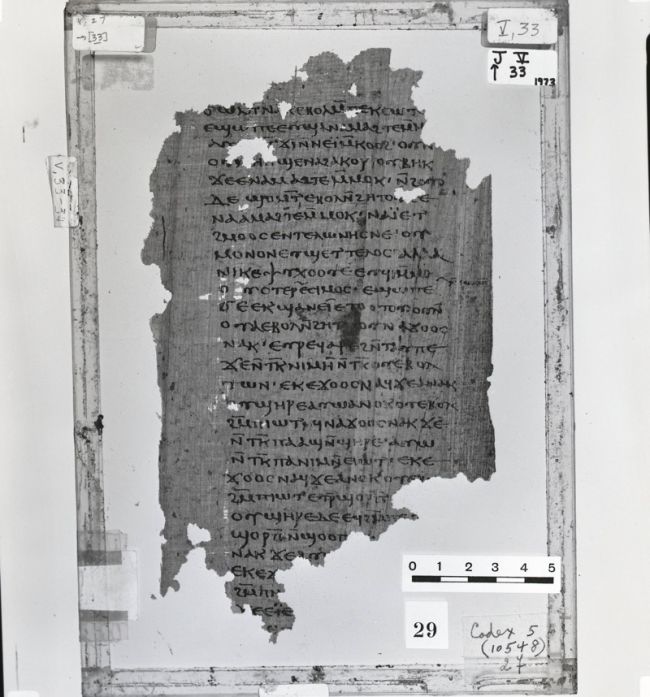
The oldest known copy of a text claiming to be Jesus' teachings to his brother James has been discovered in an ancient Egyptian trash dump, scattered among piles of fifth-century papyrus, ancient tax receipts and bills of sale for wagons and donkeys. The manuscript is a rare, Greek-language edition of an apocryphal New Testament story called The First Apocalypse of James, that, until now, was thought to only be preserved in the Coptic language. The text was likely written in the fifth or sixth century. Gnostic texts like The First Apocalypse of James were likely banned because of their "different understanding" of what Jesus' importance was, Landau said.
-
Spanish king turns off the money tap to his father (alt)

Treasure of the Ancient Aztecs - Cortes and his Conquistadors plunder old Mexico
Felipe VI. ends the standing order to his father and predecessor Juan Carlos – and later renounces his legacy. The split is about Saudi millions and a dubious foundation.
Spanish king named on offshore fund linked to €65m Saudi 'gift' (telegraph)
-
Ancient Maya kingdom unearthed in a backyard in Mexico (brandeis & brown university)
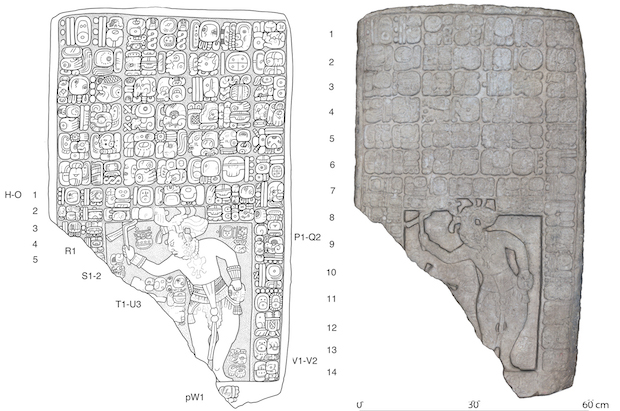
Left, drawing of a tablet found at the site. Right, a digital 3D model. Associate professor of anthropology Charles Golden and his colleagues have found the long-lost capital of an ancient Maya kingdom in the backyard of a Mexican cattle rancher. Among their findings is a trove of Maya monuments, one of which has an important inscription describing rituals, battles, a mythical water serpent and the dance of a rain god. They’ve also found remnants of pyramids, a royal palace and ball court.
-
'Dead Sea Scrolls' at the Museum of the Bible are all forgeries (national geographic)
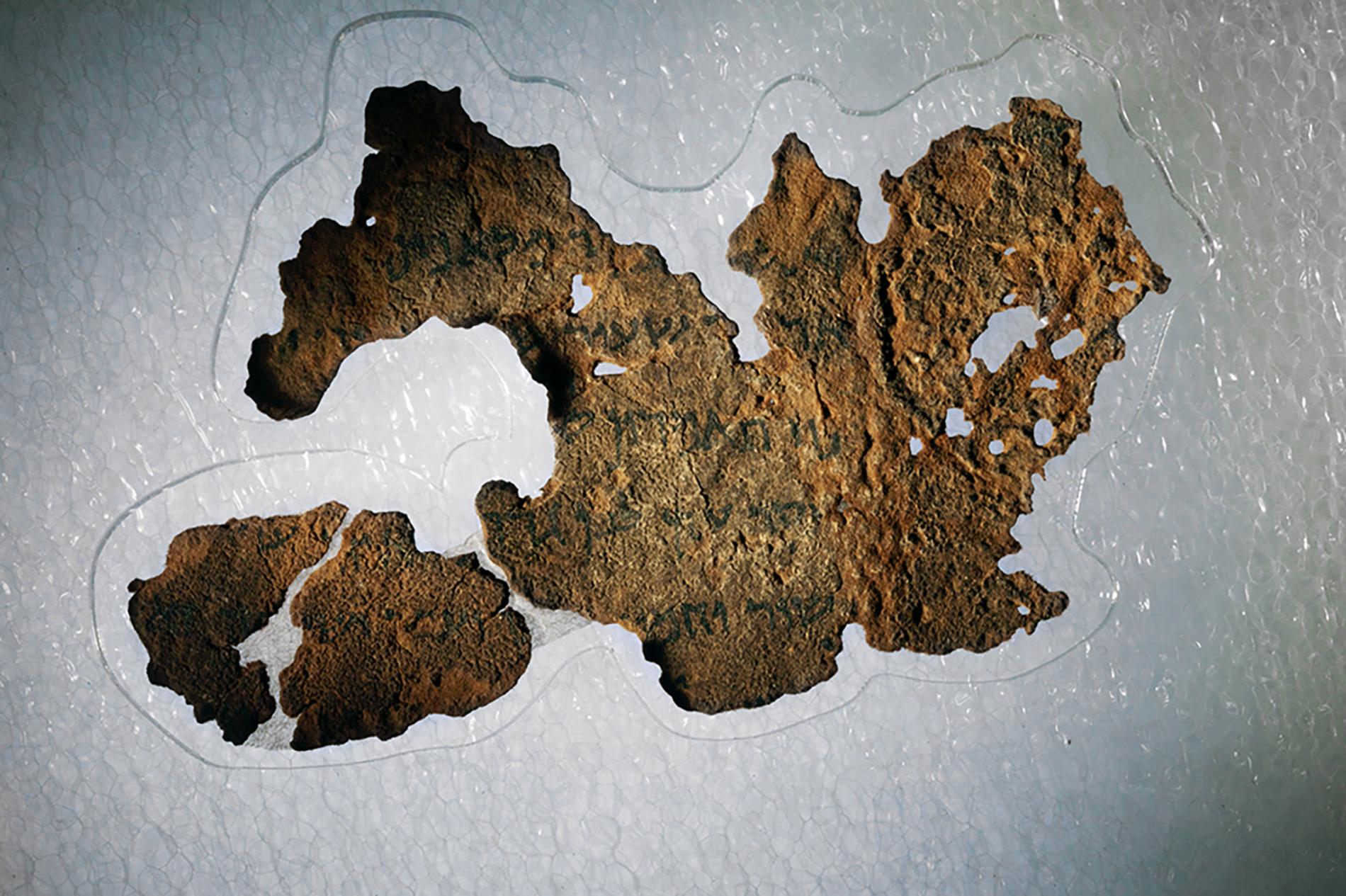
On the fourth floor of the Museum of the Bible is the most prized possessions: fragments of the Dead Sea Scrolls, ancient texts that include the oldest known surviving copies of the Hebrew Bible. But now, independent researchers funded by the Museum of the Bible announced that all 16 of the museum’s Dead Sea Scroll fragments are modern forgeries that duped outside collectors, the museum’s founder, and some of the world’s leading biblical scholars.
-
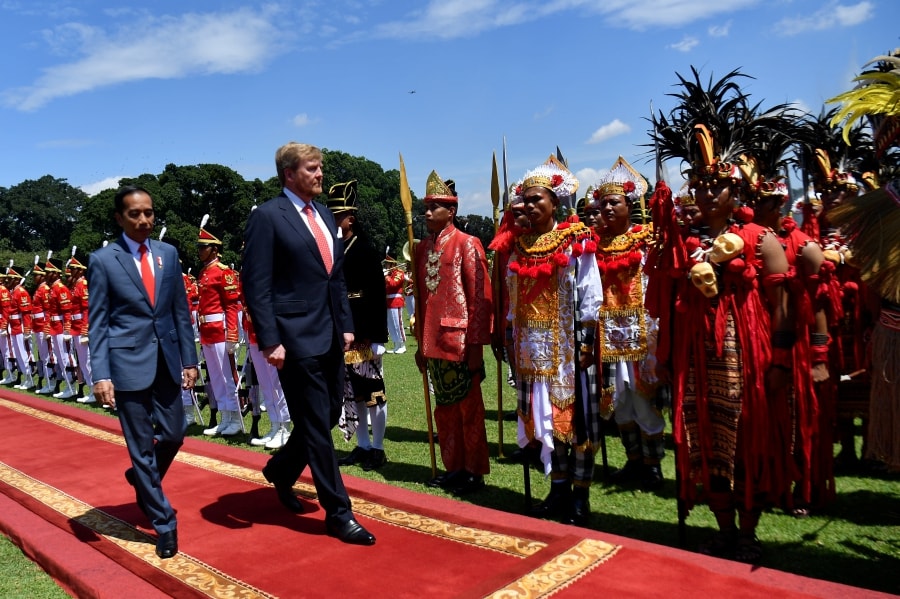
King Willem-Alexander apologises for Dutch atrocities in Indonesia’s independence war
Dutch King Willem-Alexander apologised to Indonesia on Tuesday for “excessive violence” during the former colony’s independence struggle in the 1940s. Indonesia declared its independence on August 17, 1945 following a brief wartime occupation by the Japanese and several hundred years as a Dutch colony. “The past cannot be erased, and will have to be acknowledged by each generation in turn,” the king said in a joint statement.
-
Voyager Golden Record (1977)
The Voyager Golden Records are two phonograph records that were included aboard both Voyager spacecrafts launched in 1977. The records contain sounds and images selected to portray the diversity of life and culture on Earth, and are intended for any intelligent extraterrestrial life form who may find them. They are a sort of time capsule.
-
Richard von Coudenhove-Kalergi (1894 – 1972)
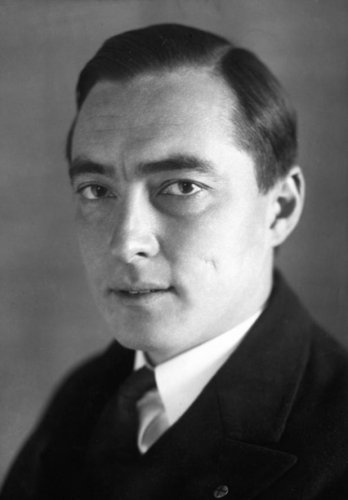
Richard Nikolaus Eijiro, Count of Coudenhove-Kalergi was an Austrian-Japanese politician, philosopher and Count of Coudenhove-Kalergi. A pioneer of European integration, he served as the founding president of the Paneuropean Union for 49 years. His parents were Heinrich von Coudenhove-Kalergi, an Austro-Hungarian diplomat and Mitsuko Aoyama, the daughter of an oil merchant, antiques-dealer and major landowner in Tokyo. His first book, Pan-Europa, was published in 1923 and contained a membership form for the Pan-Europa movement, which held its first Congress in 1926 in Vienna. Coudenhove-Kalergi proposed Beethoven's "Ode to Joy" as the music for the European Anthem
Kurt Waldheim (1918 - 2007)

Kurt Josef Waldheim was an Austrian diplomat and politician. Waldheim was the fourth Secretary-General of the United Nations from 1972 to 1981, and President of Austria from 1986 to 1992. While he was running for the latter office in the 1986 election, the revelation of his service in Thessaloniki, Greece and in Yugoslavia, as an intelligence officer in Nazi Germany's Wehrmacht during World War II raised international controversy.
In 1994, former Mossad officer Victor Ostrovsky claimed in his book The Other Side of Deception that Mossad doctored Waldheim's file while he was serving as Secretary-General to implicate him in Nazi crimes. These allegedly false documents were subsequently "discovered" by Benjamin Netanyahu in the UN file and triggered the "Waldheim Affair".
-
The first transistor invented at Bell Labs (1947)
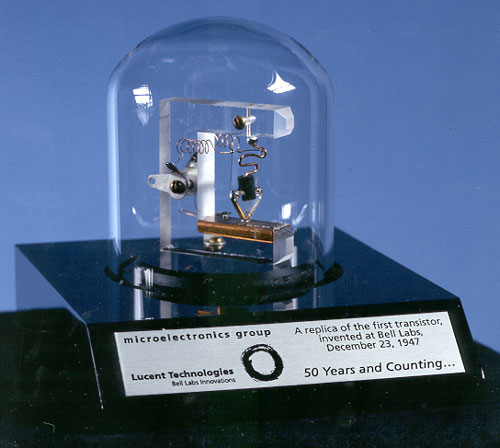
The "transistor" (a portmanteau of "transconductance" and "resistor") was 1/50 the size of the vacuum tubes it replaced in televisions and radios, used far less power, was far more reliable, and it allowed electrical devices to become more compact. On December 23, 1947, Bardeen and Brattain were working without Shockley when they succeeded in creating a point-contact transistor that achieved amplification. By the next month, Bell Labs' patent attorneys started to work on the patent applications. Bell Labs' attorneys soon discovered that Shockley's field effect principle had been anticipated and patented in 1930 by Julius Lilienfeld, who filed his MESFET-like patent in Canada on October 22, 1925. Shockley publicly took the lion's share of the credit for the invention of transistor; this led to a deterioration of Bardeen's relationship with Shockley. Bell Labs management, however, consistently presented all three inventors as a team. Shockley eventually infuriated and alienated Bardeen and Brattain, and he essentially blocked the two from working on the junction transistor.
-
The Mysterious Mr. Zedzed - Text about Basil Zaharoff (1849 - 1936) (Alchetron)
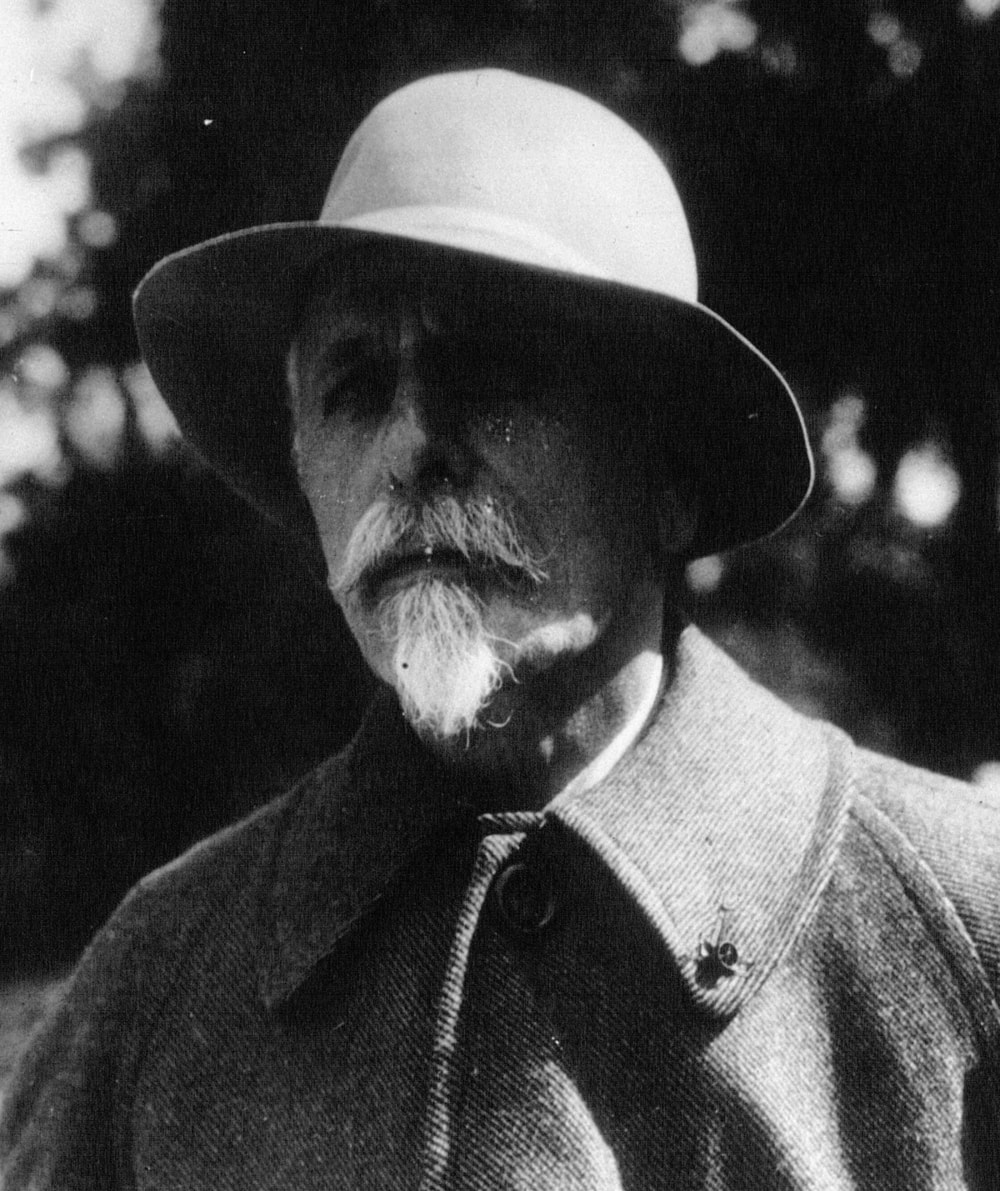
Sir Basil Zaharoff, GCB, GBE, born Vasileios Zacharias (Greek: Βασίλειος Zαχαρίας Ζαχάρωφ), was a Greek arms dealer and industrialist. One of the richest men in the world during his lifetime, Zaharoff was described as a "merchant of death" and "mystery man of Europe". His success was forged through his cunning, often aggressive and sharp, business tactics. These included the sale of arms to opposing sides in conflicts, sometimes delivering fake or faulty machinery and skilfully using the press to attack business rivals. Zaharoff maintained close contacts with many powerful political leaders
-
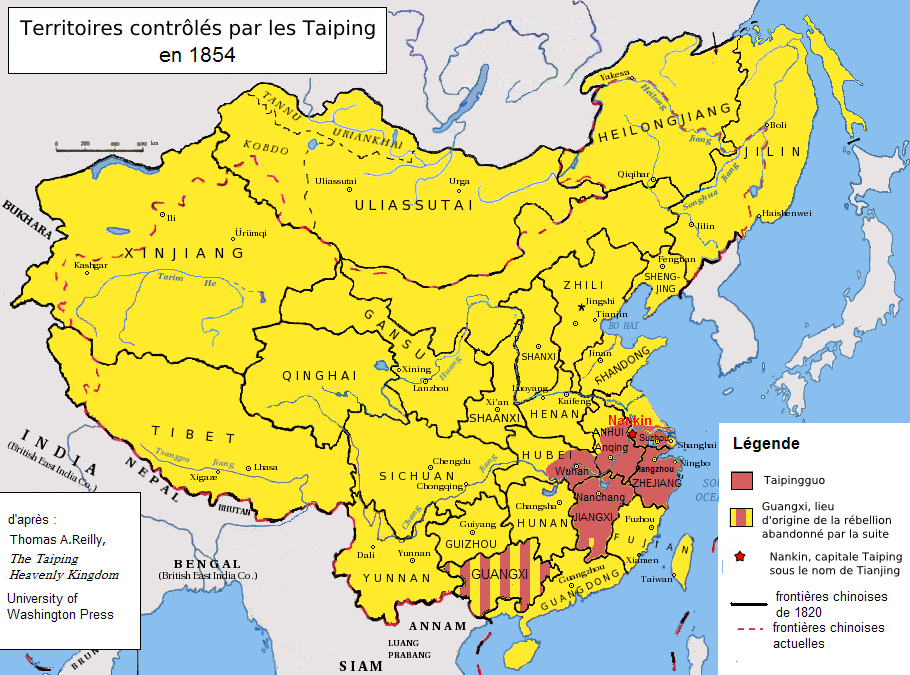
The Taiping Rebellion was a massive rebellion or civil war that was waged in China from 1850 to 1864 between the established Manchu-led Qing dynasty and the Hakka-led Taiping Heavenly Kingdom. The most widely cited sources estimate the total number of deaths during the 15 years of the rebellion to be approximately 20–30 million civilians and soldiers. Most of the deaths were attributed to plague and famine.
-
Australian Bushfires Reveal Hidden Sections of Ancient Aquaculture System
The eel-farming system of the Budj Bim Cultural Landscape is older than both Stonehenge and the Egyptian pyramids.

-
85,000 Chinese museum artefacts lost in New York fire in Lunar New Year disaster (SCMP)
‘One hundred per cent of the museum’s collection’ was lost in the blaze, the Museum of Chinese in America says. The museum’s collection included items such as textiles, restaurant menus and ship tickets that tell the story of Chinese migration to the US. The fire came ahead of the Lunar New Year on Saturday.
-
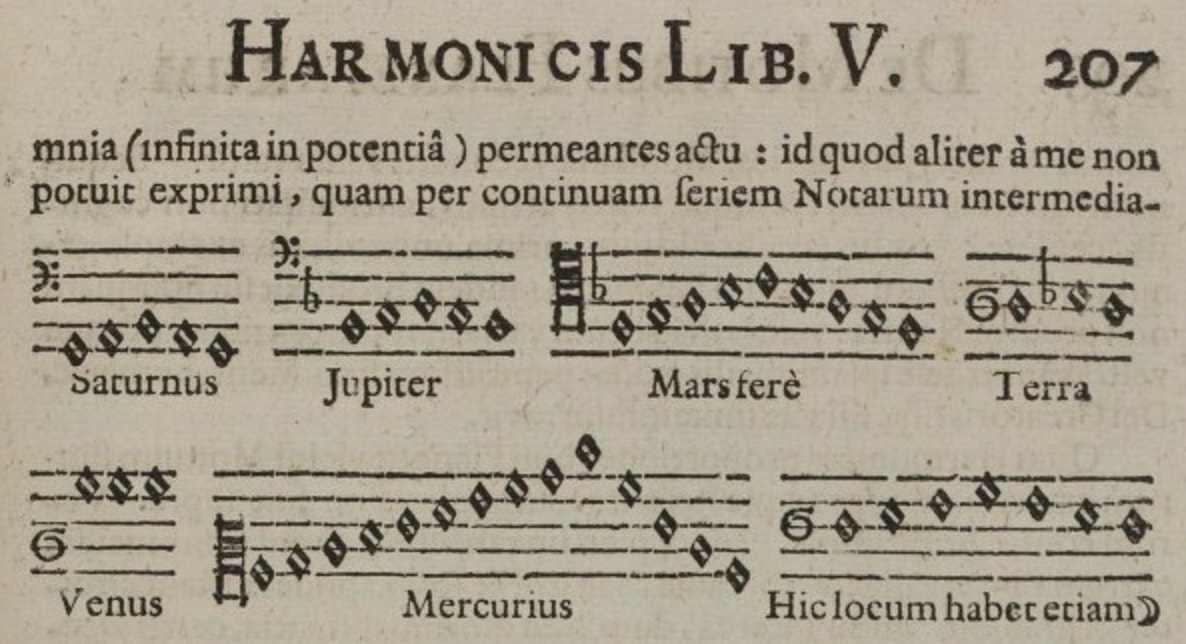
Musica Universalis is an ancient philosophical concept that regards proportions in the movements of celestial bodies—the Sun, Moon & planets—as a form of music. This "music" is not thought to be audible, but rather a harmonic, mathematical or religious concept.
-
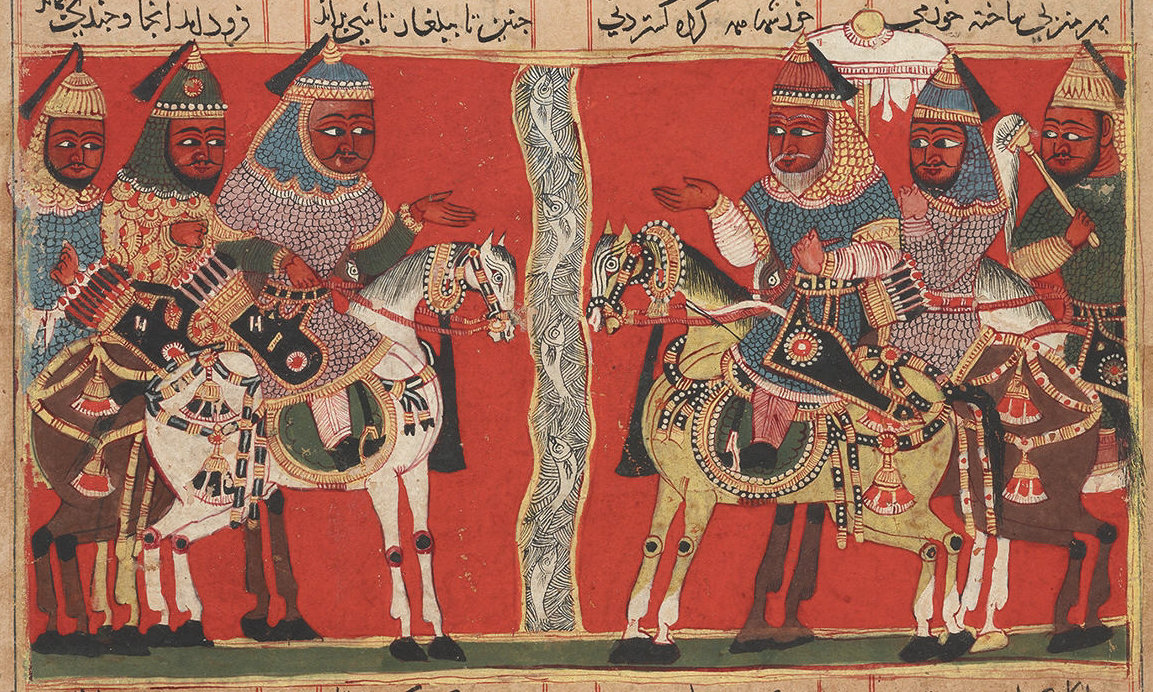
Siyavash faces Afrasiyab across the Jihun River, from a Shahnama manuscript (ca. 1425)