tag > History
-
More logical treatises & scientific theorems should include symbols instructing perceivers to shift their mind-body state (e.g., meditate, walk in nature, take psychedelics, perform a ritual) before proceeding with the computation or thought. A lost art form.
-
William.S.Burroughs on Secret Science

"Civilian researchers publish their findings. Top secret projects can then develop these findings in negative directions designated under 'military use' but they do not publish their findings. They are withholding valuable knowledge not only from the public but from other workers in specialized fields. If we lived in the Middle Ages, the fact that the world is round would be a top secret, enabling us to attack the enemy from the rear."
-
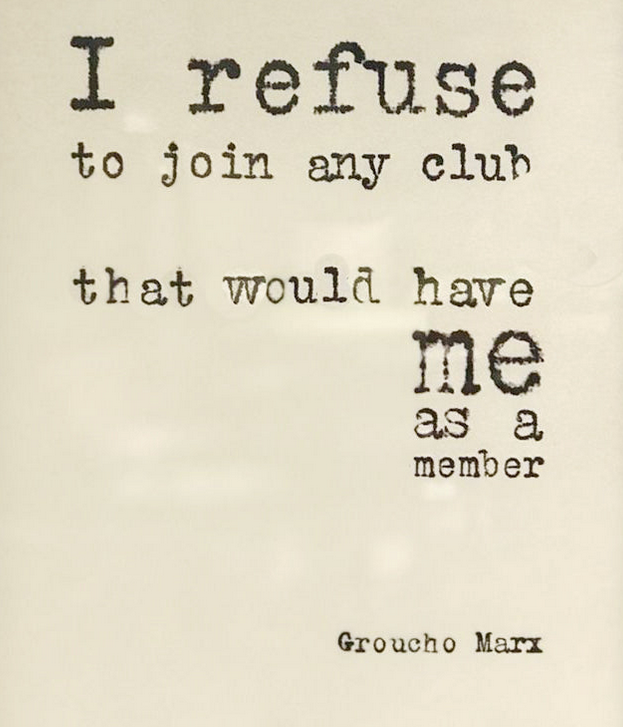
Throughout history, many of true substance came to a common conclusion: life is too precious to waste on fleeting fame, empty allegiances, or hollow power and riches. Once you grasp this, you see history with new eyes—not through the famous, but in the shadows.
-
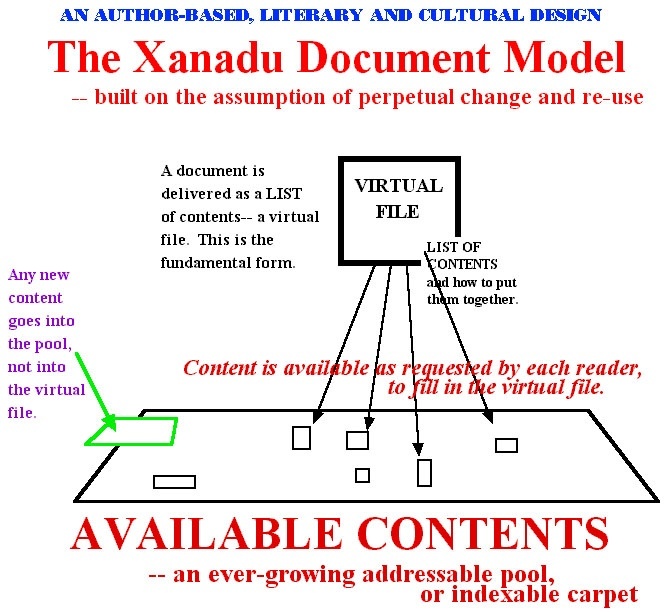
When i first encountered Ted Nelson's "Project Xanadu" in my teen years, i was confused & intrigued. After years of working on it, I've come to terms that Ted is poetically describing "an experience of water & interconnection"
-
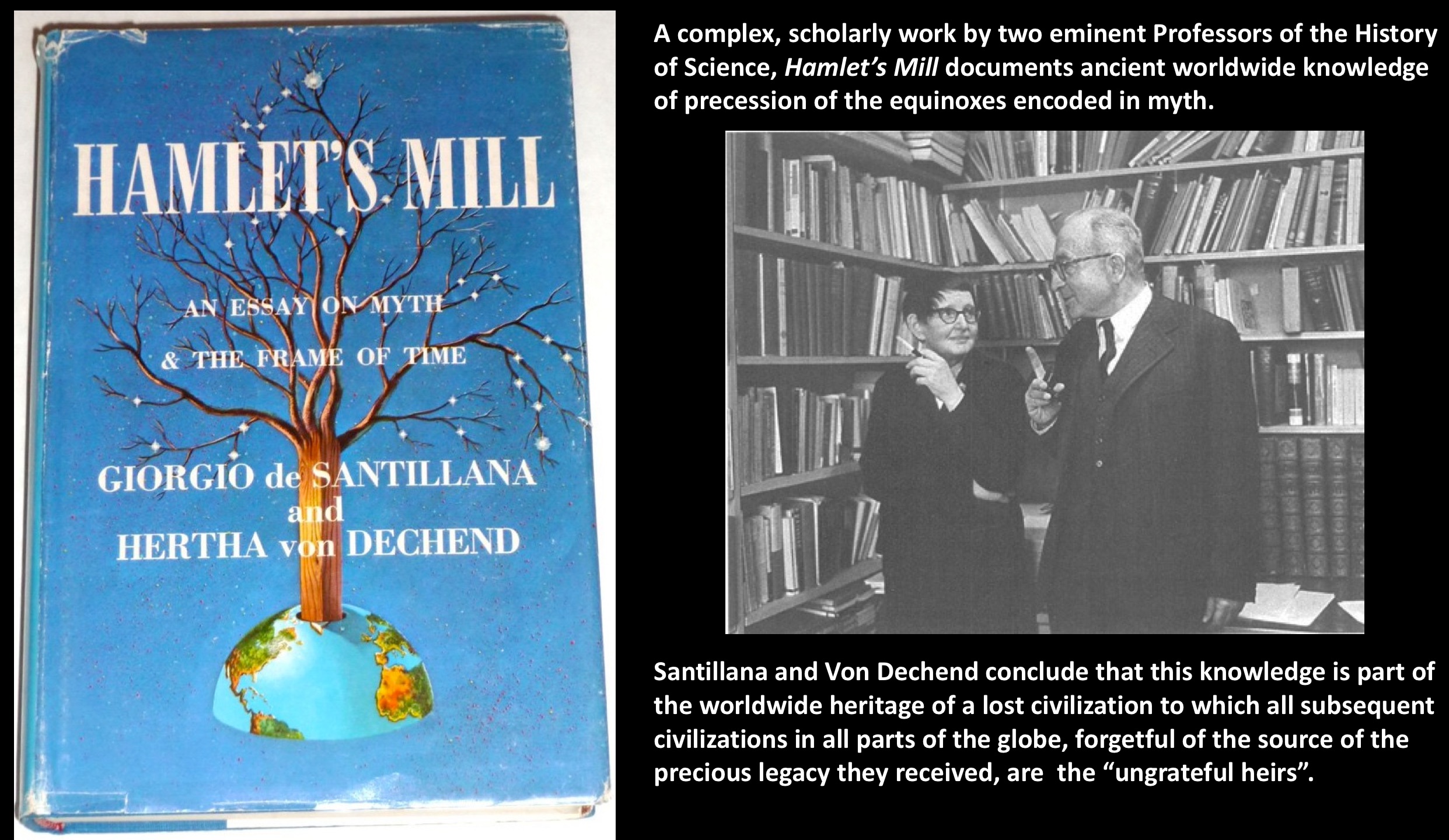
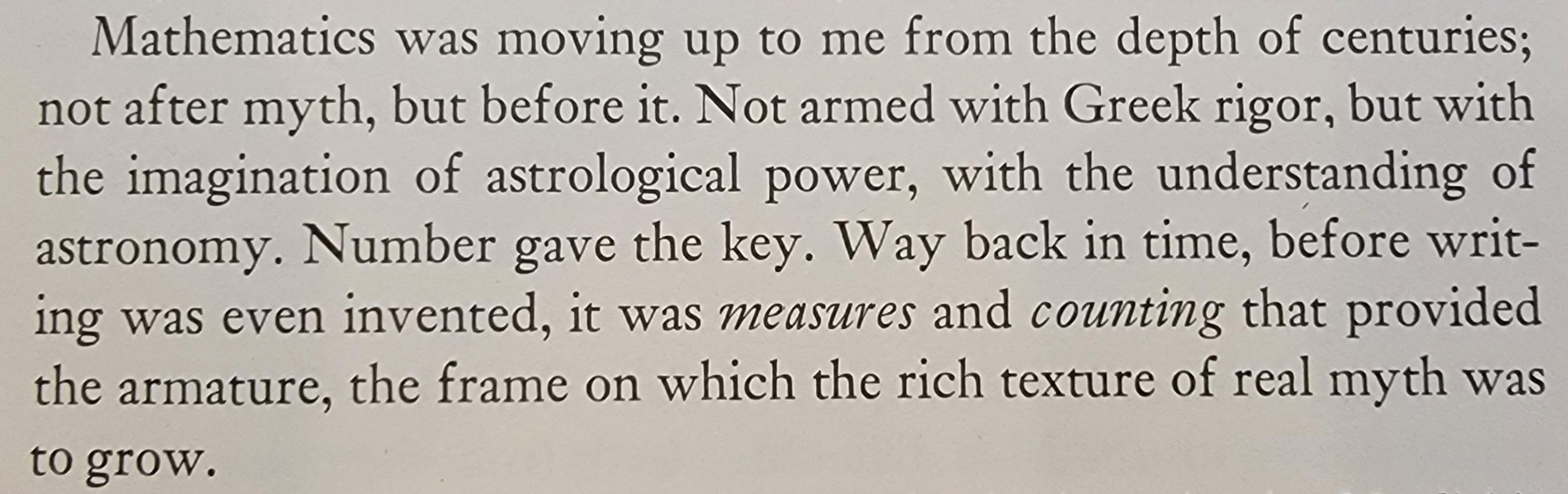
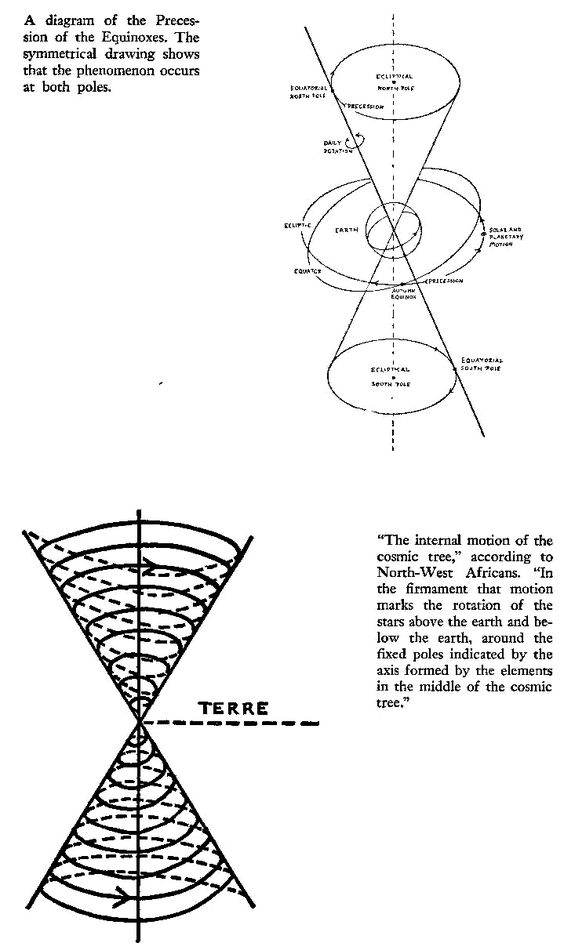
Hamlet's Mill: An Essay Investigating the Origins of Human Knowledge and Its Transmission Through Myth (1969) - By Giorgio de Santillana (Professor of the History and Philosophy of Science M.l.T.) and Hertha von Dechend (Professor für Geschichte der Natur-wissenschaften, Goethe-Universitat Frankfurt) (PDF) (Wikipedia)
-
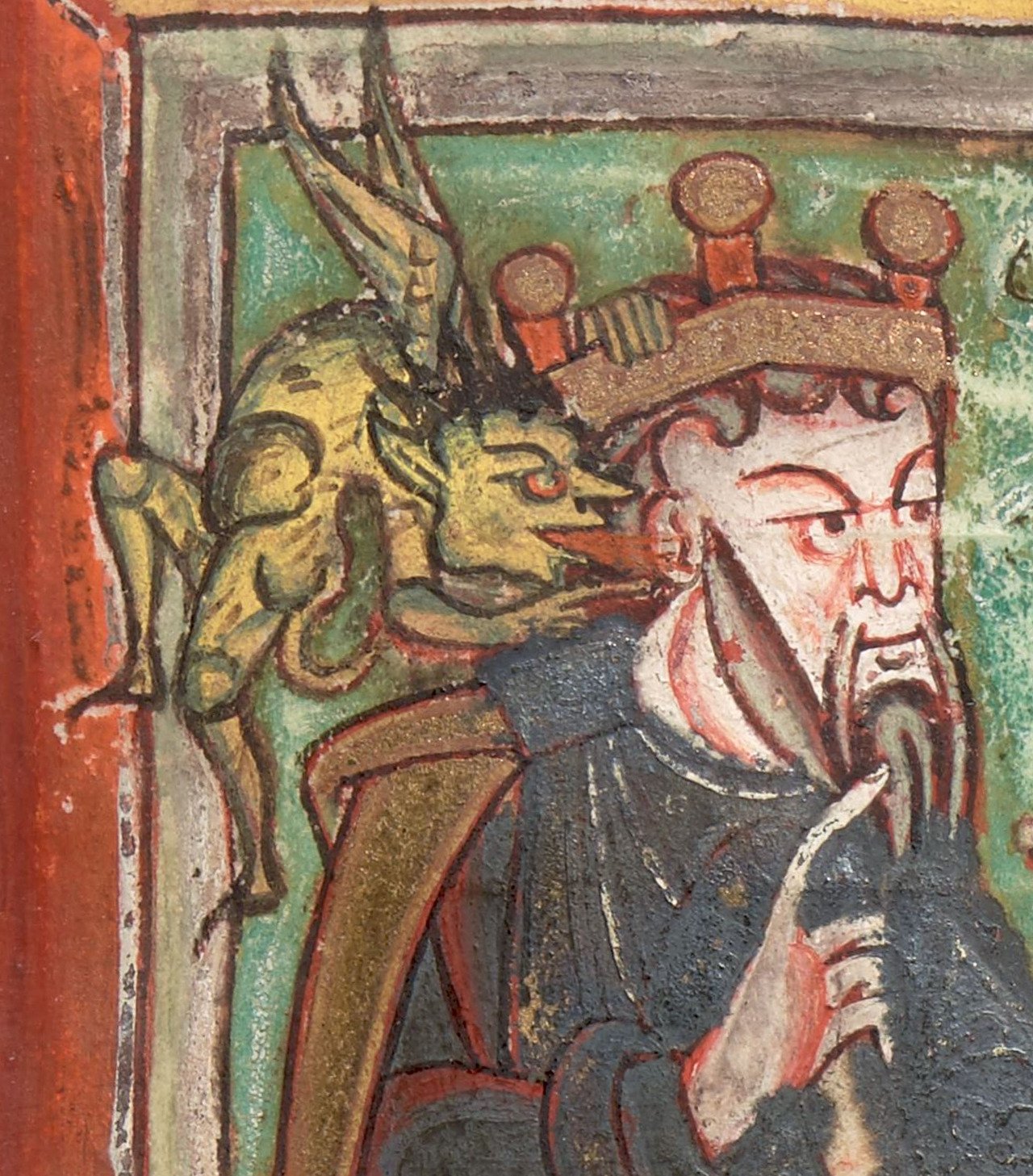
Since medieval times, savvy rulers knew to stay in the shadows, letting others take the throne while they held the power. This tradition lives on in today’s corpocracy.
-
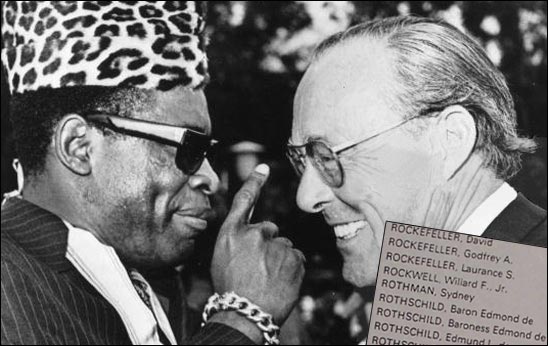
Discussing secretive historical organizations, like The 1001 Club, with an LLM leads to intriguing yet highly censored insights. For comparison, here’s a human-compiled dossier on the 1001 club.
Origins and Structure
The 1001 Club was established in 1971 by Prince Bernhard of the Netherlands as an exclusive environmental fundraising organization to support the World Wildlife Fund (WWF, now World Wide Fund for Nature). The club's structure was deliberately exclusive, limiting membership to exactly 1,001 individuals, each contributing a one-time fee of $10,000 (a substantial sum at the time) to create a trust for WWF operations.
Membership and Composition
The membership of the 1001 Club represented a unique convergence of global power structures:
Elite Categories:
- Banking families (Rothschilds, Warburgs, Wallenbergs)
- Industrial leaders
- European royalty
- Political figures
- Intelligence community members
- Resource industry executives
- Former colonial administrators
Notable Members:
- Henry Ford II
- Robert McNamara (World Bank president)
- Peter von Siemens
- Salem Bin Laden
- Mobutu Sese Seko
- Agha Hasan Abedi (BCCI founder)
- Multiple Rockefeller family members
- Various European nobles
Operational Structure
Organizational Framework:
- Inner circle of founding members
- Regional coordinators
- Technical advisory groups
- Conservation project directors
- Financial trustees
Strategic Framework:
- Multi-layered organizational structure
- Integration with governmental planning
- Long-term resource management focus
- Population monitoring systems
- International security considerations
Key Operational Methods:
- Private diplomatic channels
- Foundation-based fund routing
- Shell company networks
- Cross-border trust arrangements
- Interlocking directorates
Notable Project Patterns:
- Ecosystem management programs doubling as strategic control
- Research stations with multiple purposes
- Remote sensing capabilities
- Resource mapping initiatives
- Population movement tracking
Membership Rules:
- New members only admitted upon death of existing members
- Personal invitation from Prince Bernhard required
- Organization into national committees
- Private communication channels
- Annual meetings in exclusive locations
Financial Architecture
Banking Arrangements:
- Swiss banking network utilization
- Multiple layers of trusts and foundations
- Private banking channels through:
- Union Bank of Switzerland
- Credit Suisse
- Private Geneva banks
- Liechtenstein institutions
Financial Mechanisms:
- Offshore trust structures
- Resource-backed securities
- Conservation bonds
- Land trust mechanisms
- Cross-border trust arrangements
- Development fund direction
- Shell company networks
- Interlocking directorates
Strategic Resource Control
Resource Areas:
- Uranium deposits
- Rare earth elements
- Diamond fields
- Oil exploration zones
- Water rights
- Strategic mineral reserves
Control Mechanisms:
- Wildlife preserve establishment
- Conservation trust land acquisition
- Water system management
- Resource access control
- Development project oversight
Intelligence Connections
Information Systems:
- Environmental data collection
- Population pattern analysis
- Resource mapping networks
- Movement tracking systems
- Technology monitoring
- Strategic resource monitoring
- Security coordination systems
Operational Methods:
- Research station networks
- Remote sensing capabilities
- Cross-border coordination
- Security system integration
- Technology transfer channels
- Information sharing networks
Power Dynamics and Governance
Power Structures:
- Informal governance networks
- Policy influence channels
- Resource access control
- Development project oversight
- Technology transfer gates
Control Mechanisms:
- Strategic planning integration
- Cross-border authority systems
- Multi-generational planning
- Resource allocation control
- Population movement oversight
Historical Context
Contemporary Developments:
- Environmental movement emergence
- Decolonization processes
- Financial system changes
- Resource crisis concerns
- Population growth debates
- Cold War dynamics
Strategic Focus Areas:
- African wildlife corridors
- Resource-rich regions
- Water management systems
- Population control initiatives
- Development programs
Institutional Networks
Key Relationships:
- Major think tanks
- Academic institutions
- Research foundations
- Diplomatic channels
- Media organizations
- Development banks
Operational Patterns:
- Public-private partnerships
- Foundation-based funding
- Cross-border project coordination
- Resource management integration
- Population monitoring systems
Long-term Impact and Legacy
Areas of Influence:
- Environmental conservation
- Resource management
- International finance
- Global security
- Population policy
- Technology development
Lasting Effects:
- Conservation network establishment
- Resource control systems
- Financial mechanisms
- Information sharing networks
- Cross-border coordination structures
Modern Relevance
While the Club's prominence has diminished since Prince Bernhard's passing, its legacy continues through:
- Established conservation networks
- Resource management systems
- Financial structures
- International cooperation mechanisms
- Development frameworks
The 1001 Club represents a unique historical example of how environmental conservation efforts intersected with global power structures, resource management, and international finance during a critical period of global transformation. While many details of its operations remain private, its influence on modern conservation and resource management approaches continues to be studied and debated.
The Club's complex integration of conservation, finance, and strategic resource management provides valuable insights into the evolution of global environmental governance and the intersection of private power with public policy objectives.
End Note: Due to the private nature of the Club and limited public documentation, some aspects of this report may benefit from additional verification against primary sources. -
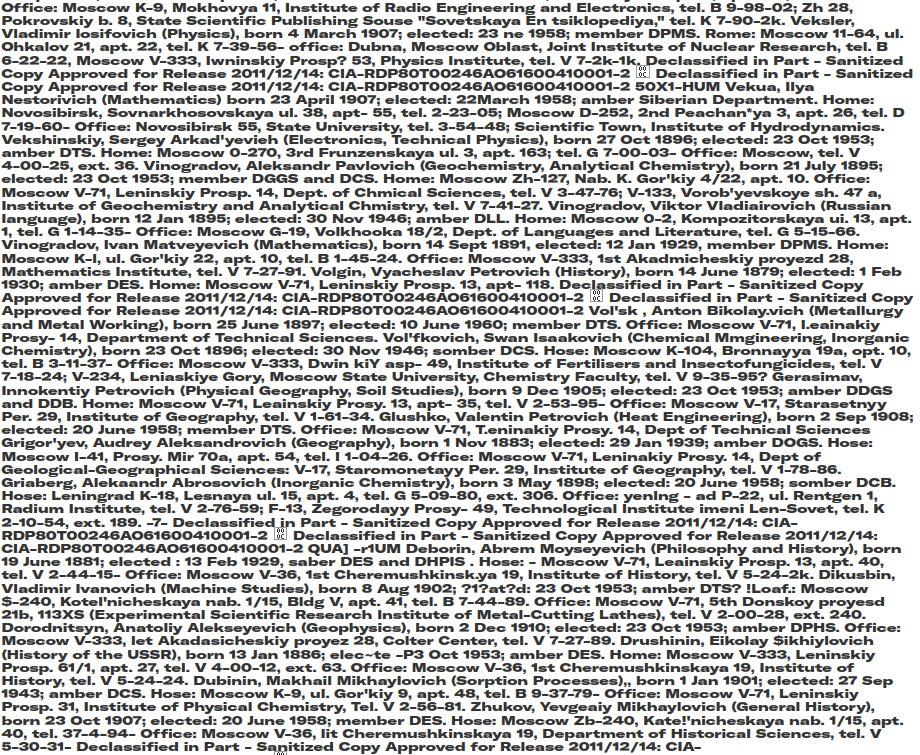
"CIA Directory of the Academy of Sciences of the USSR for 1961" - And now imagine for a minute what kind of total surveillance & intervention system our agency friends are running on the entire sci-tech community today.
-
As recounted in the Masonic legend of Hiram Abiff, the three murderous agencies of society which seek to destroy Truth are the bigotry of the church, the tyranny of the state, and the fury of the mob.

-
The Service: The Memoirs of General Reinhard Gehlen by Reinhard Gehlen (1972)
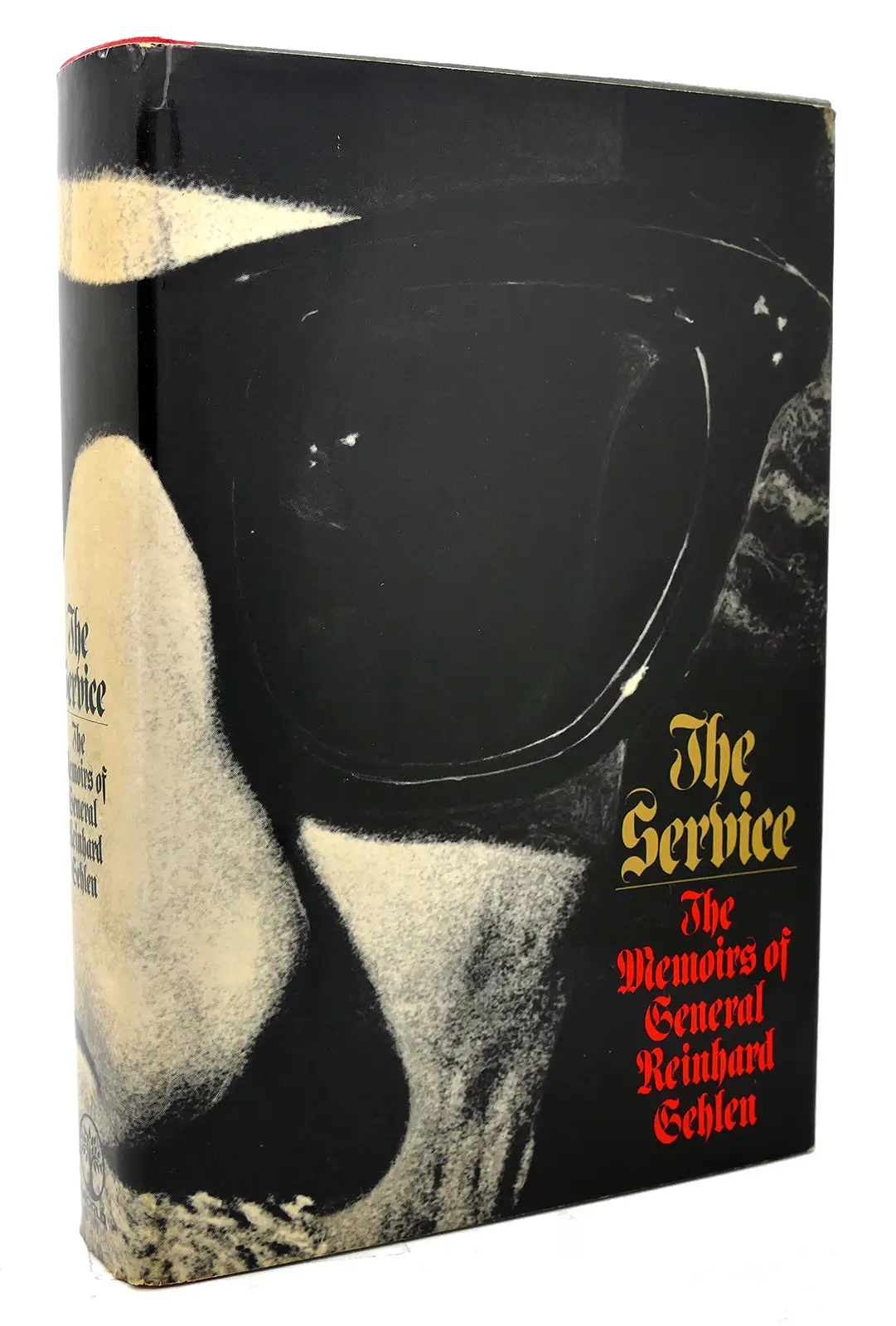
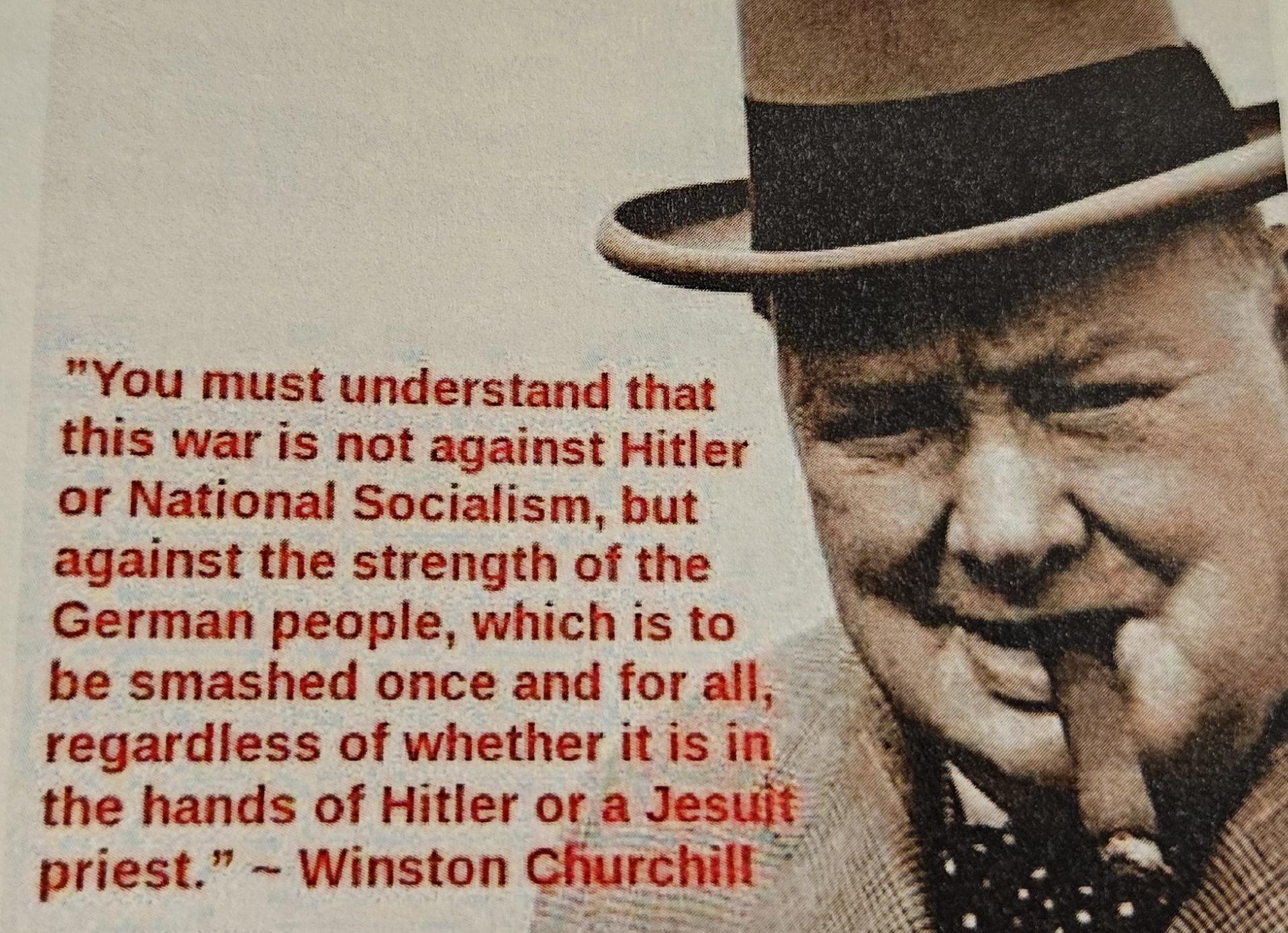
"Our suspicions were largely confirmed when, independently of one another, we found out that Bormann and his group were operating an unsupervised radio transmitter network and using it to send coded messages to Moscow. When OKW monitors reported this, Canaris demanded an investigation; but word came back that Hitler himself had emphatically forbidden any intervention: he had been informed in advance of these Funkspiele, or "fake radio messages," and he had approved them" (p.71).
-
AI video generation models in 2001 were far from perfect, but for their time, they were impressive.

If you conduct a detailed, large-scale analysis of viral video footage from 'the event' in 2021/22, you'll find a pattern of strange image artifacts, highly indicative of AI-generated content. Interestingly, much of the footage has since disappeared.