tag > Japan
-
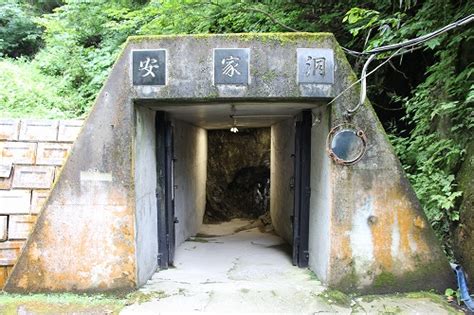
Akkadō (安家洞) is Japan's longest cave (23,702m) - located in Iwaizumi, in northeastern Japan
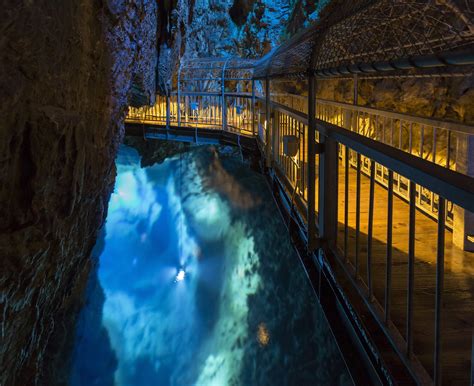
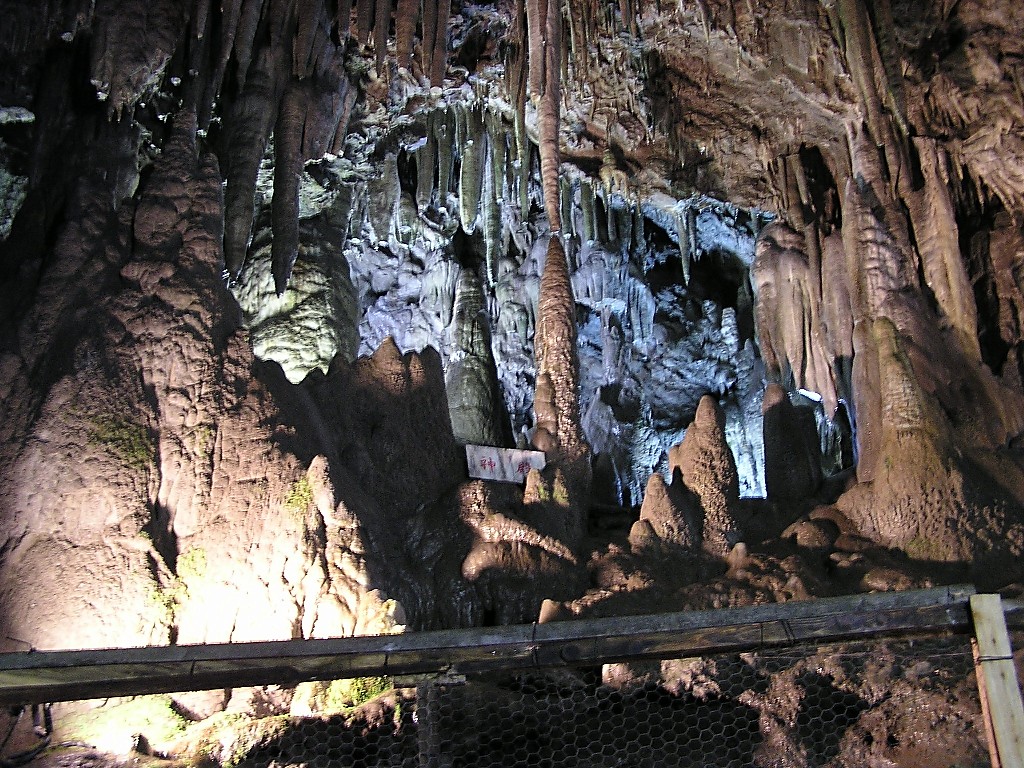
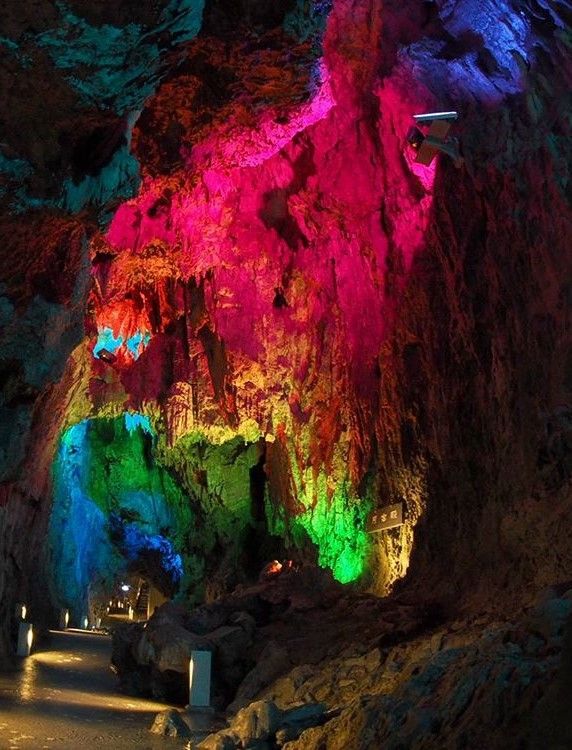
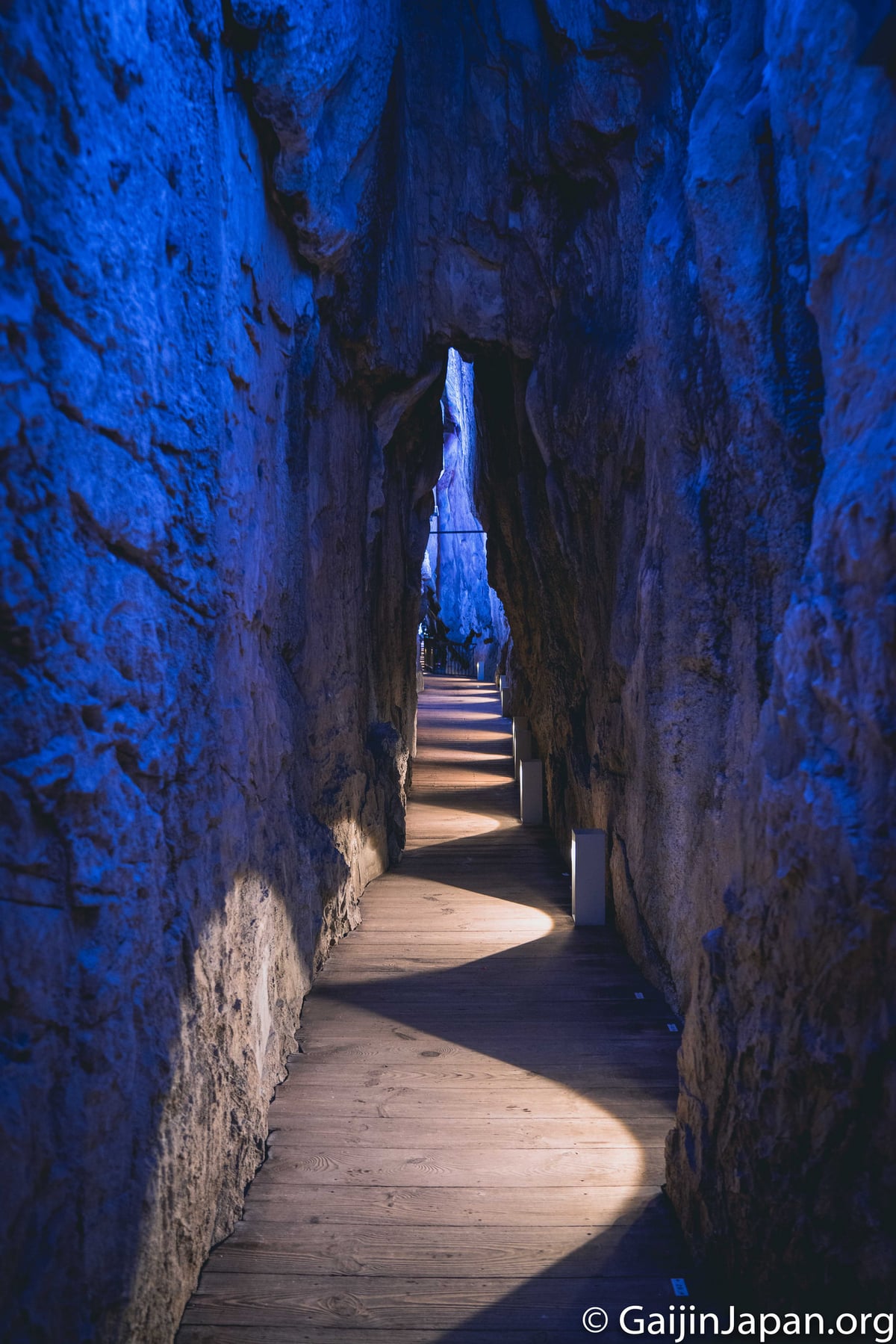
Ryusendo (龍泉洞) is one of the Three Great Limestone Caves in Japan. If unexplored areas are included, the entire cave is estimated to be over 5,000 meters in length.
-
Yūgen (幽玄) – Deep Awareness of the Universe
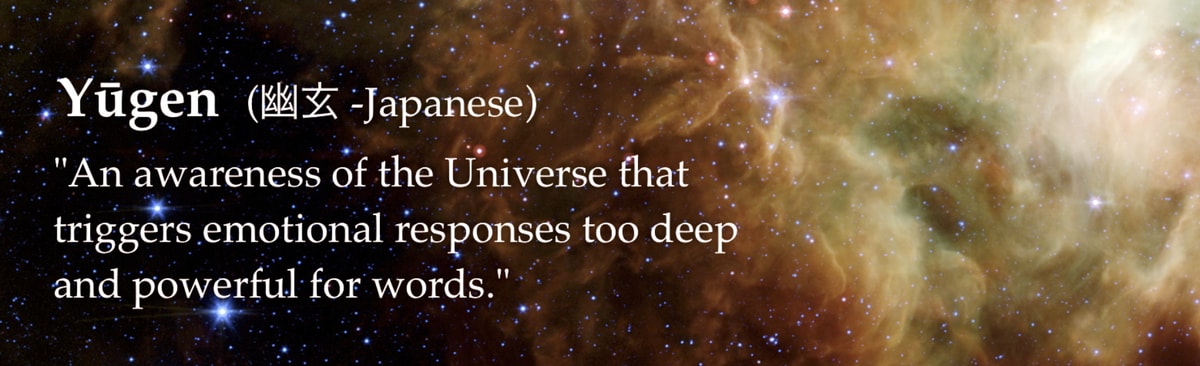
“Yūgen is an important concept in traditional Japanese aesthetics. The exact translation of the word depends on the context. Yūgen is not an allusion to another world. It is about this world, this experience…
“To watch the sun sink behind a flower clad hill. To wander on in a huge forest without thought of return. To stand upon the shore and gaze after a boat that disappears behind distant islands. To contemplate the flight of wild geese seen and lost among the clouds…” ~Zeami Motokiyo
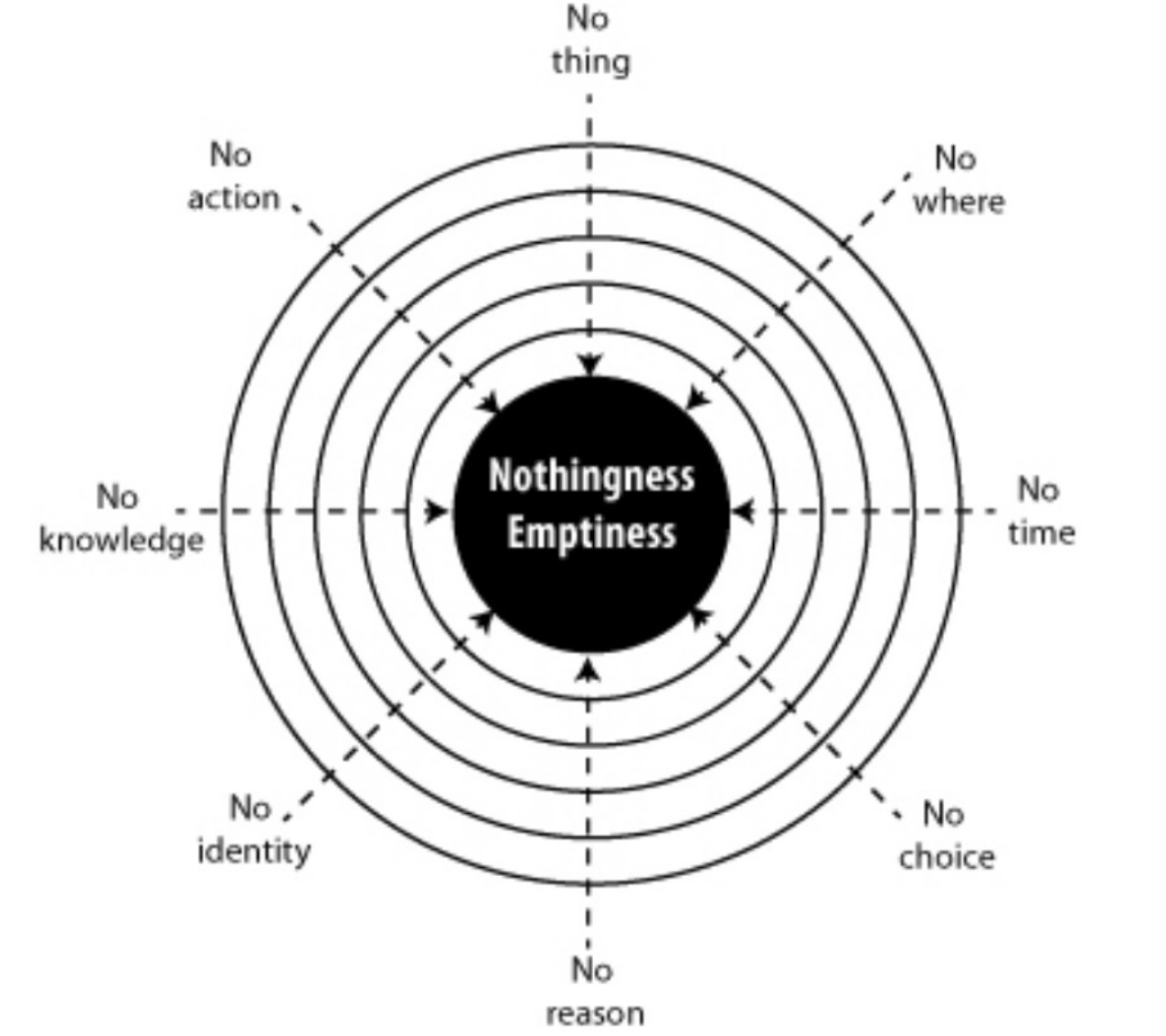
Japanese aesthetic ideals are most heavily influenced by Japanese Buddhism. In the Buddhist tradition, all things are considered as either evolving from or dissolving into nothingness. This “nothingness” is not empty space. It is rather a space of potentiality.
If the seas represent potential then each thing is like a wave arising from it and returning to it. There are no permanent waves. There are no perfect waves. At no point is a wave complete, even at its peak. Nature is seen as a dynamic whole that is to be admired and appreciated.
This appreciation of nature has been fundamental to many Japanese aesthetic ideals, “arts,” and other cultural elements. In this respect, the notion of “art” (or its conceptual equivalent) is also quite different from Western traditions..
Japanese aesthetics is a set of ancient ideals that include “wabi” (transient and stark beauty), “sabi” (the beauty of natural aging), and “yūgen.” These ideals, and others, underpin much of Japanese cultural and aesthetic norms.. Thus, while seen as a philosophy in Western societies, the concept of aesthetics in Japan is seen as an integral part of daily life.
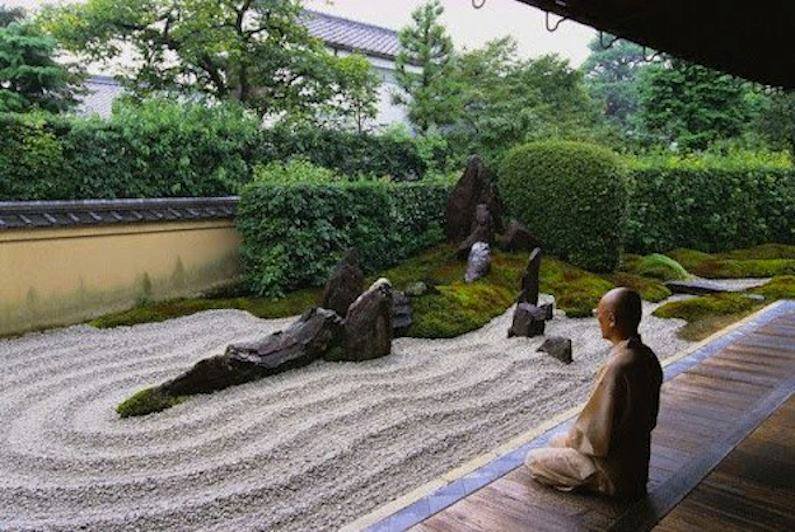
Wabi and sabi refers to a mindful approach to everyday life. Over time their meanings overlapped and converged until they are unified into wabi-sabi (侘寂), the aesthetic defined as the beauty of things “imperfect, impermanent, and incomplete.”
Things in bud, or things in decay, as it were, are more evocative of wabi-sabi than things in full bloom because they suggest the transience of things. As things come and go, they show signs of their coming or going and these signs are considered to be beautiful.
In this, beauty is an altered state of consciousness and can be seen in the mundane and simple. The signatures of nature can be so subtle that it takes a quiet mind and a cultivated eye to discern them. In Zen philosophy there are seven aesthetic principles for achieving wabi-sabi.
Fukinsei (不均整): asymmetry, irregularity; Kanso (簡素): simplicity; Koko: basic, weathered; Shizen (自然): without pretense, natural; Yugen (幽玄): subtly profound grace, not obvious; Datsuzoku (脱俗): unbounded by convention, free; Seijaku (静寂): tranquility, stillness.
Each of these things are found in nature but can suggest virtues of human character and appropriateness of behaviour. This, in turn suggests that virtue can be instilled through an appreciation of, and practice in, the arts. Hence, aesthetic ideals have an ethical connotation and pervade much of the Japanese culture.”
Principle text source: Wikipedia – Japanese Aesthetics
-
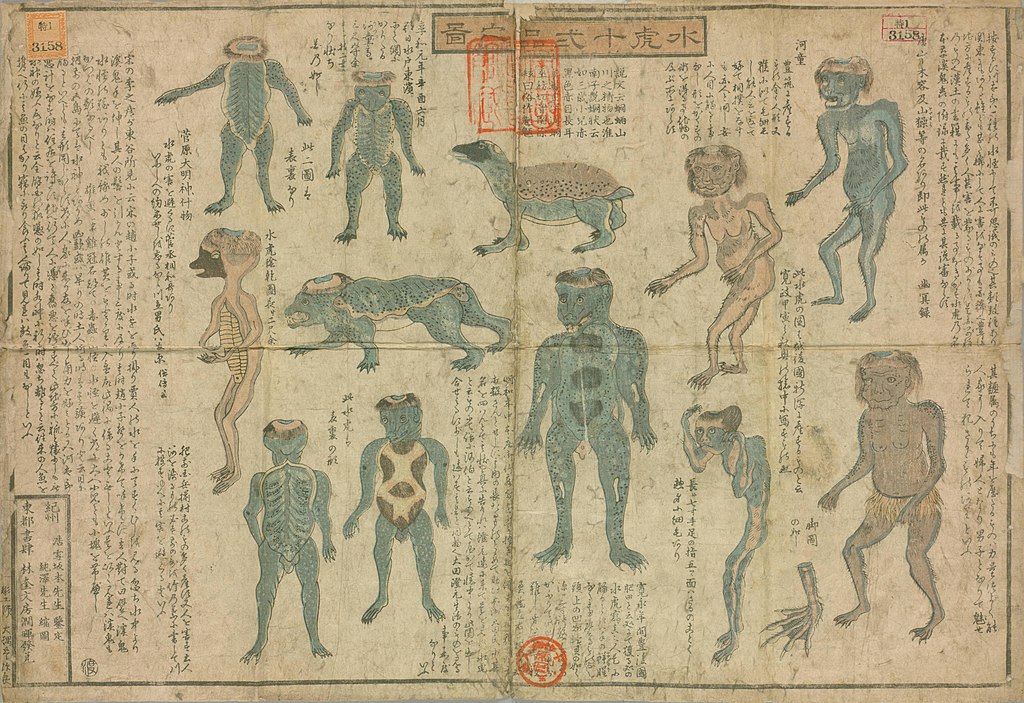
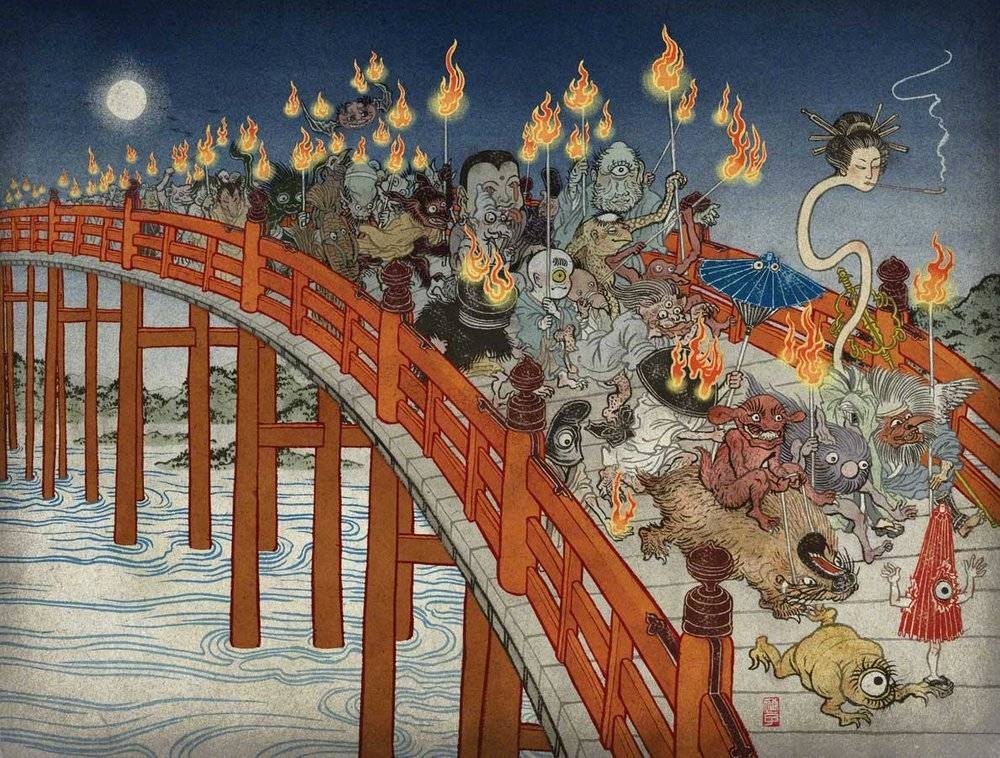
Yōkai: Evoluons in Image, Definion, and Media - Presentation by Lauren Inaba (PDF)

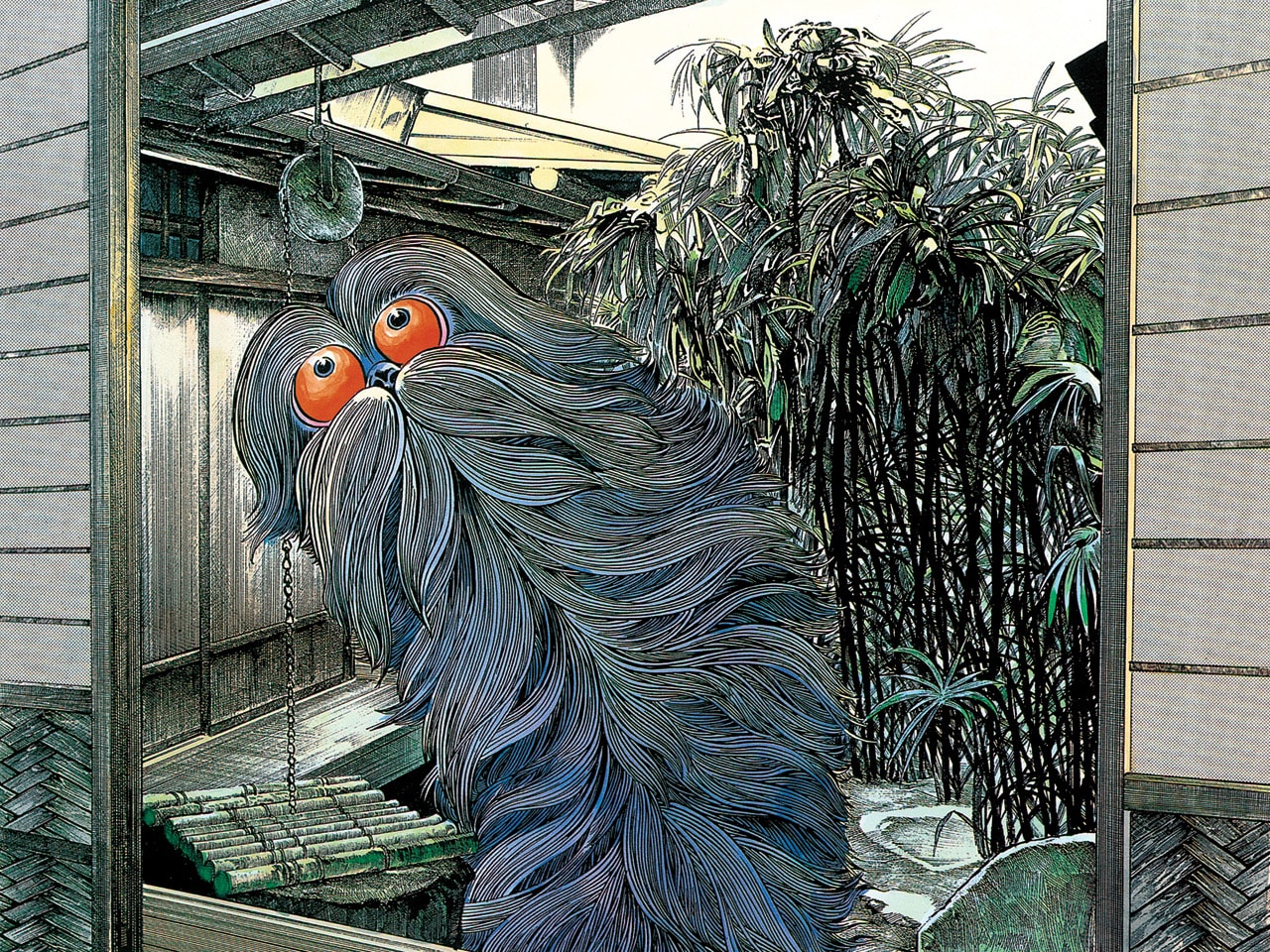
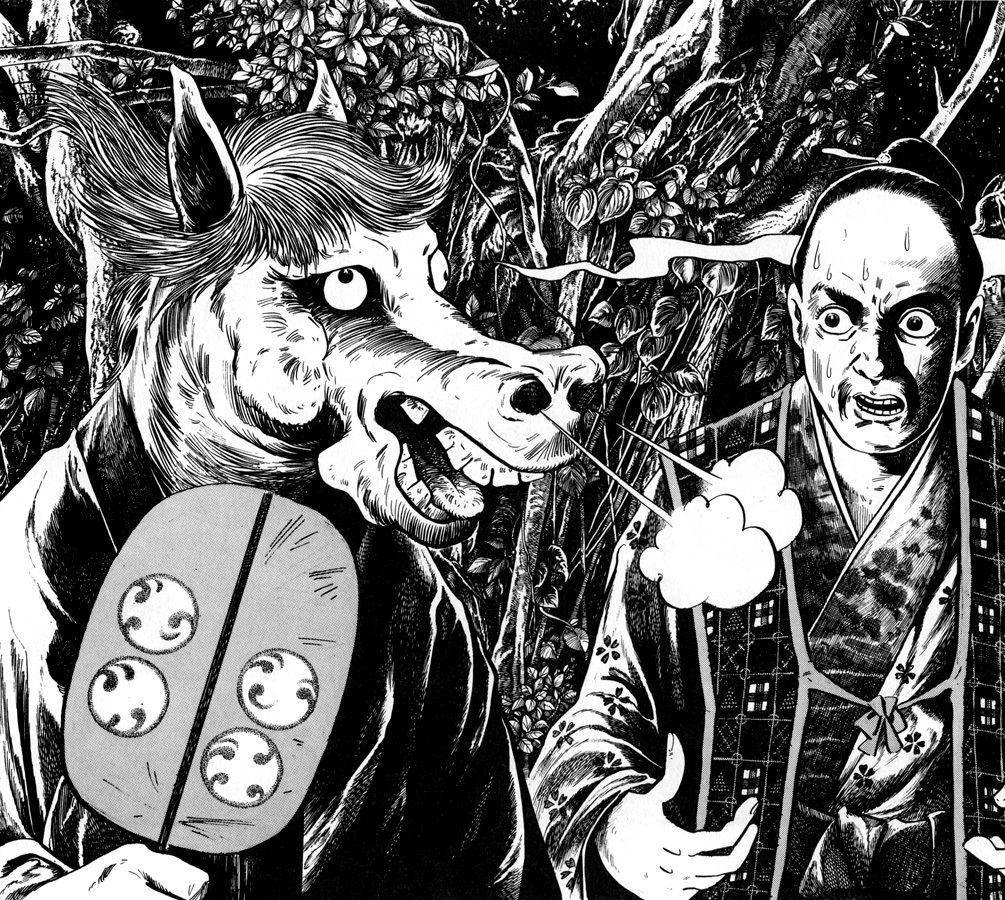
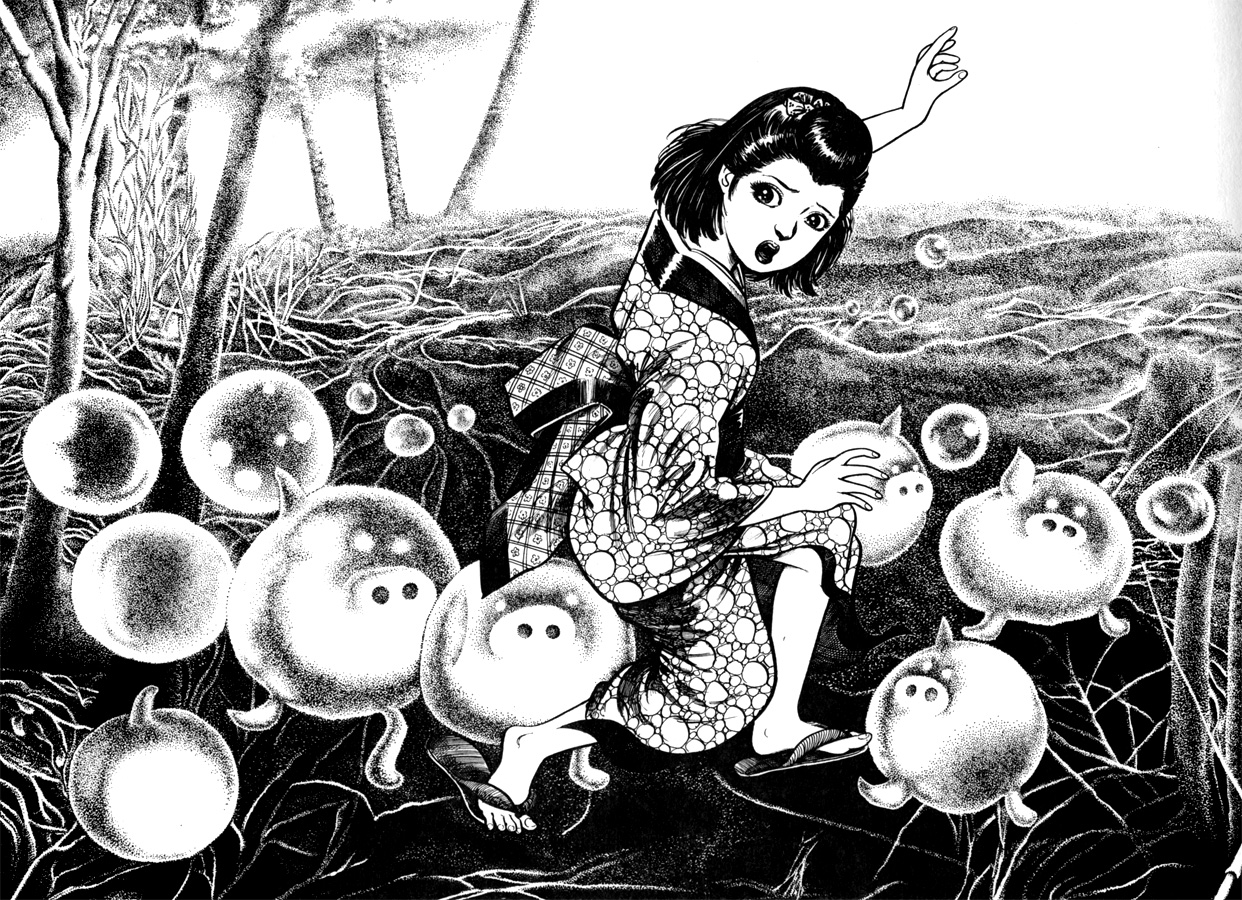
The uniqueness of yōkai, which can be defined as Japanese supernatural beings or monsters, lay not only in the numerous and diverse characters themselves, but also in the holistic impact of the concept of yōkaion Japanese popular culture. A historical survey of yōkai reveals that the meanings and categories of “yōkai" have changed according to the Japanese peoples’ perception of the unknown and of the supernatural world. Moreover, the yōkai 's image and the accompanying narrative evolved accordingly to cope with the unknown. Finally, this study attempts to gauge how the media has had a direct influence to how people visualize and narrate yōkai. These factors regarding yōkai's creation and evolution affect how we recognize them in today's pop culture.

-
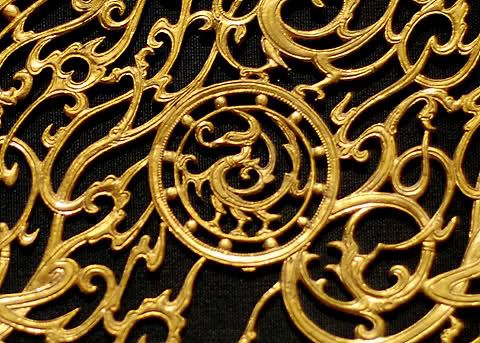
A cave in Thailand that resembles a giant snake

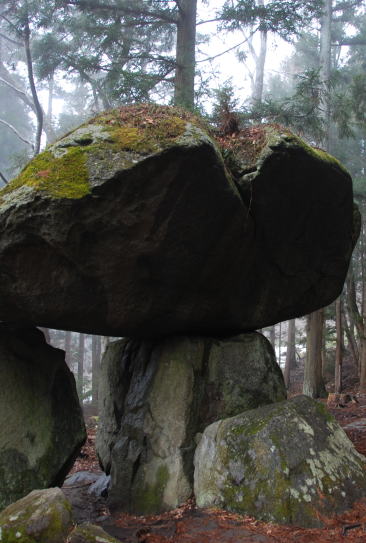
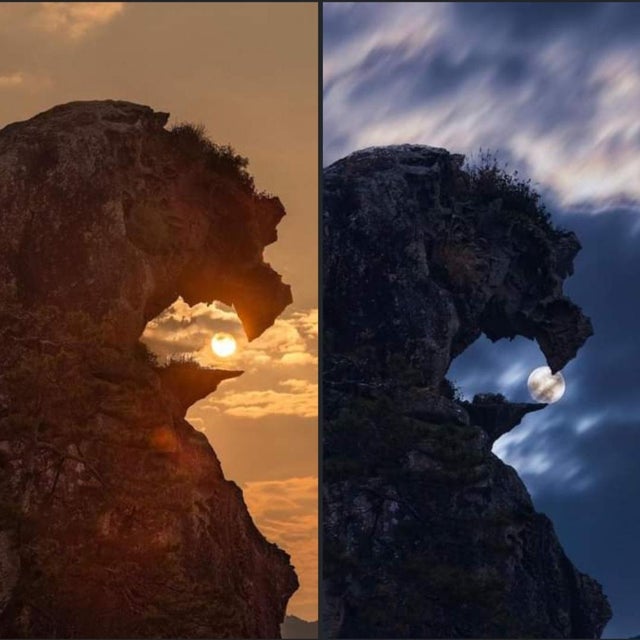
Shishi-Iwa (also known as Lion Rock) in Mie Prefecture, Japan
-
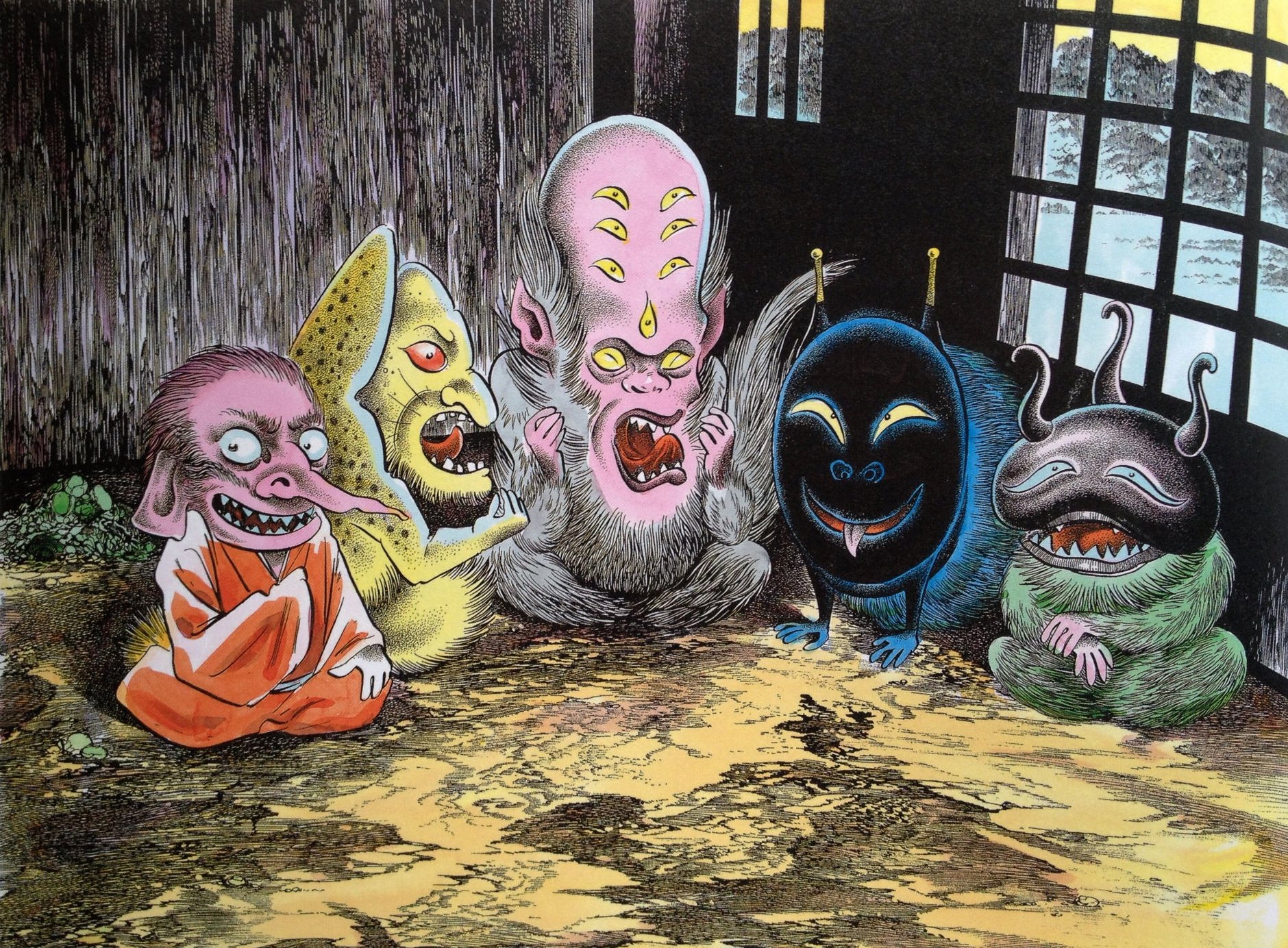
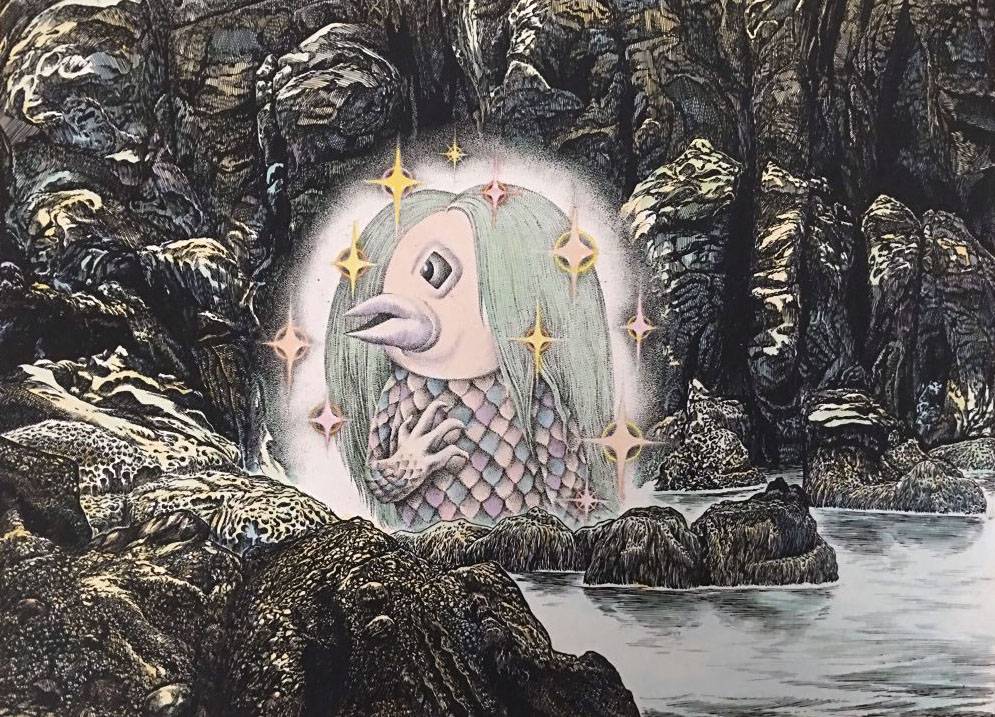
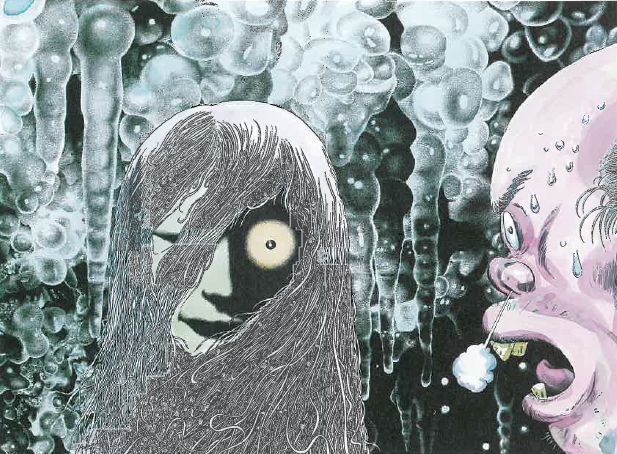
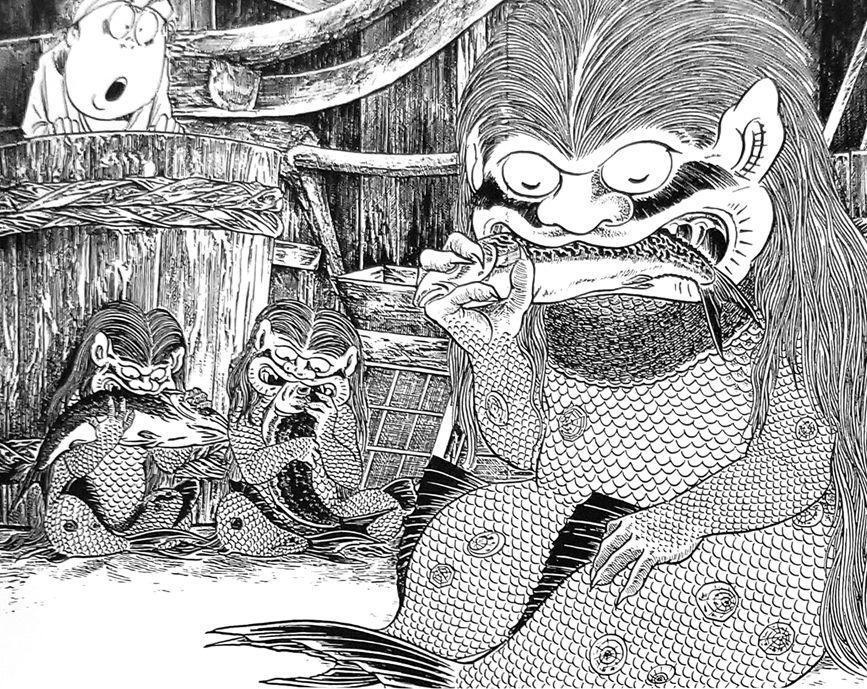
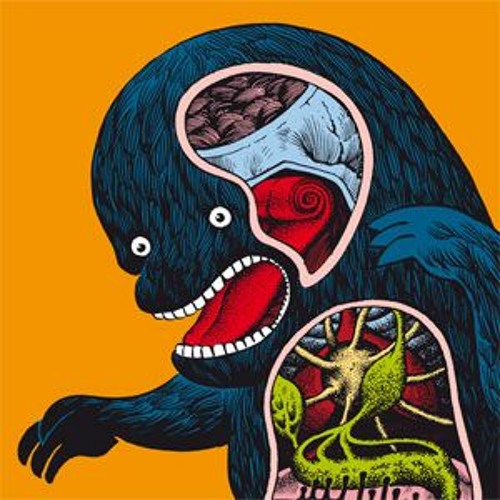
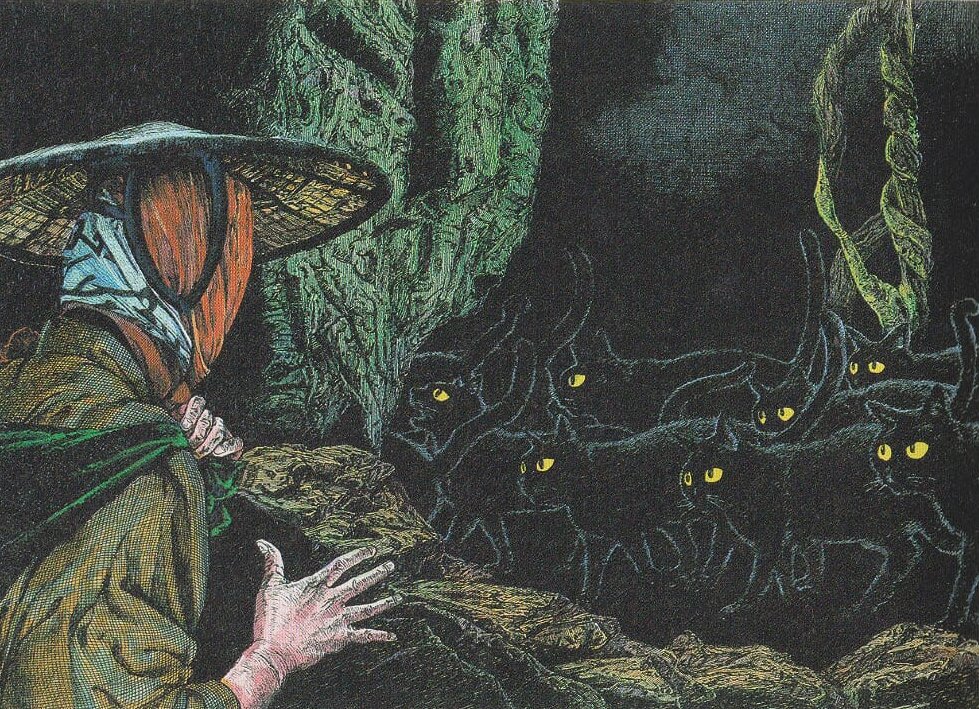
Shigeru Mizuki (水木 しげる) (1922 - 2015) was a true giant in his field and made enormously important contribution to the (none) human story.
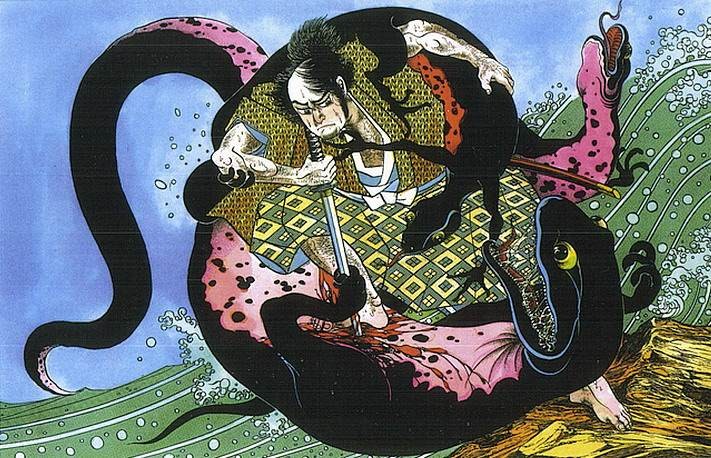
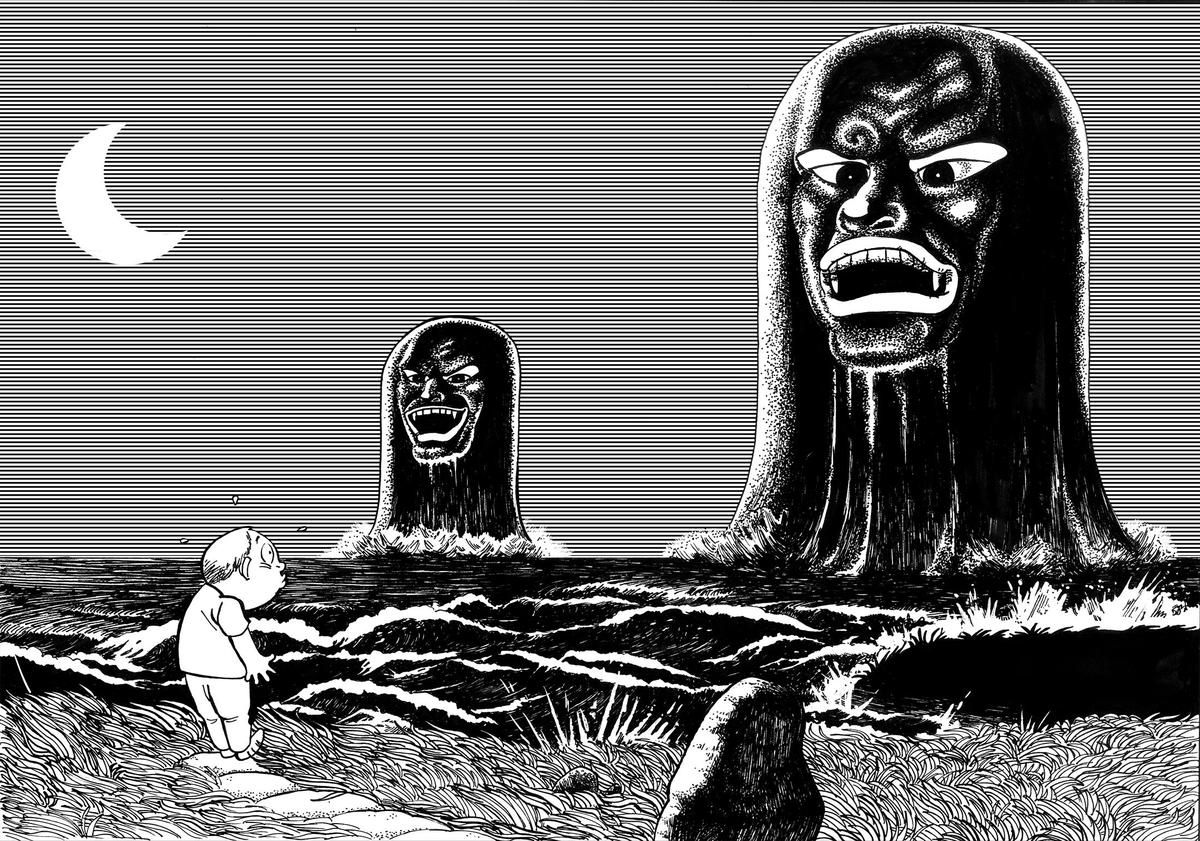
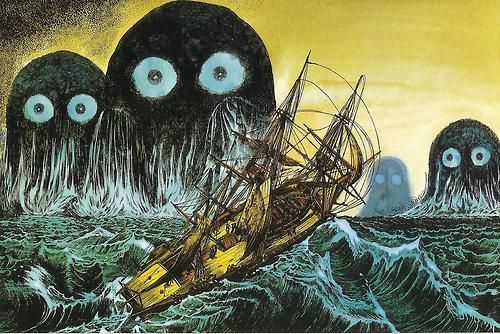
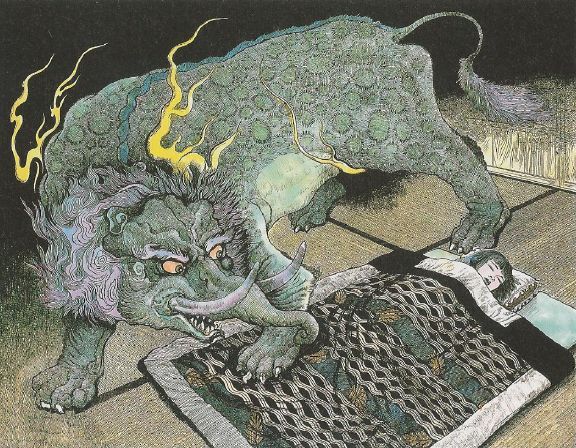
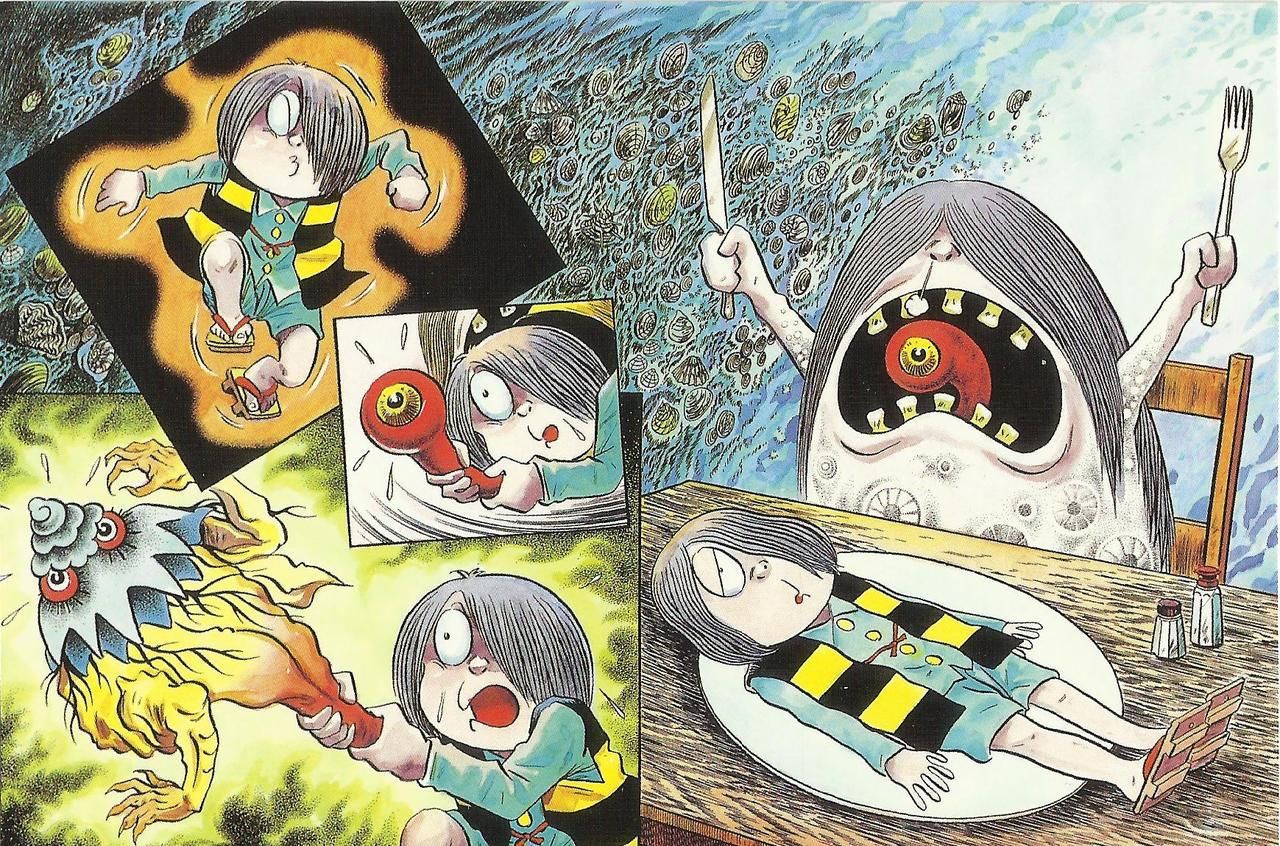
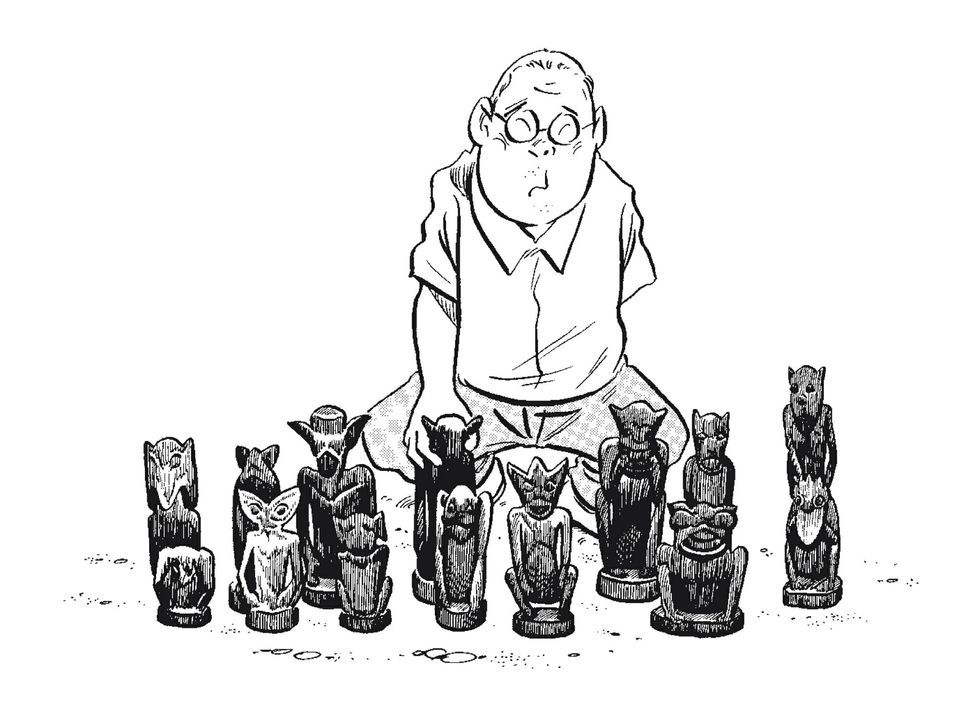
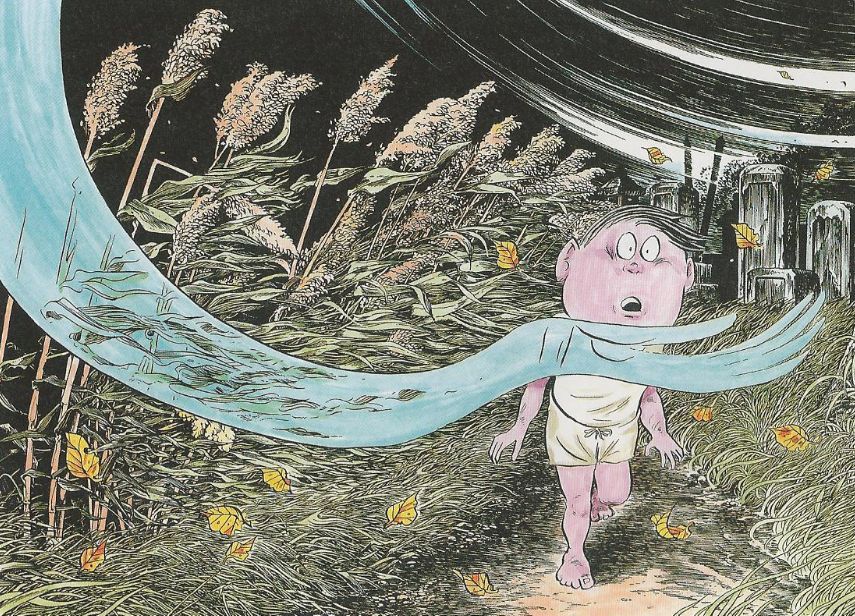
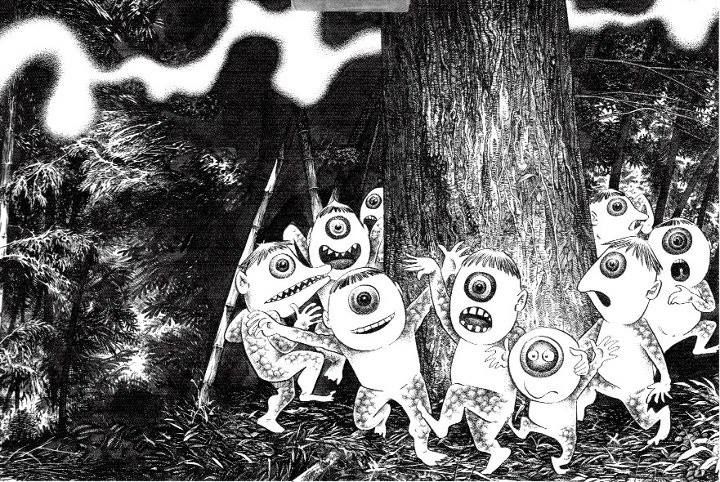

-
Kunio Yanagita (柳田 國男) (1875 - 1962) was a Japanese scholar and considered the father of Japanese native folkloristics, or minzokugaku.
-
Minakata Kumagusu (1867 - 1941) was a Japanese author, biologist, naturalist and ethnologist.
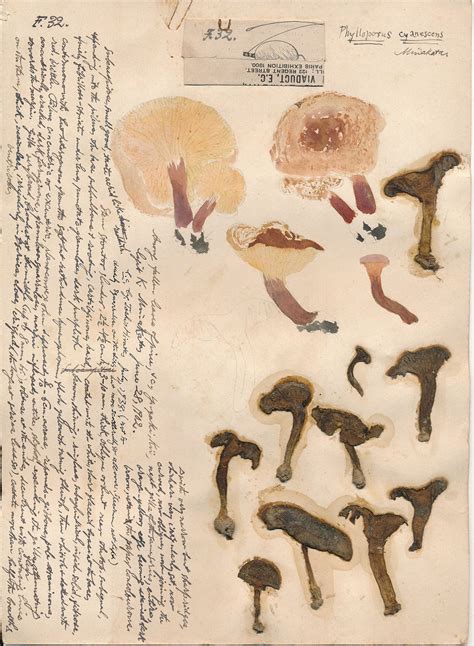
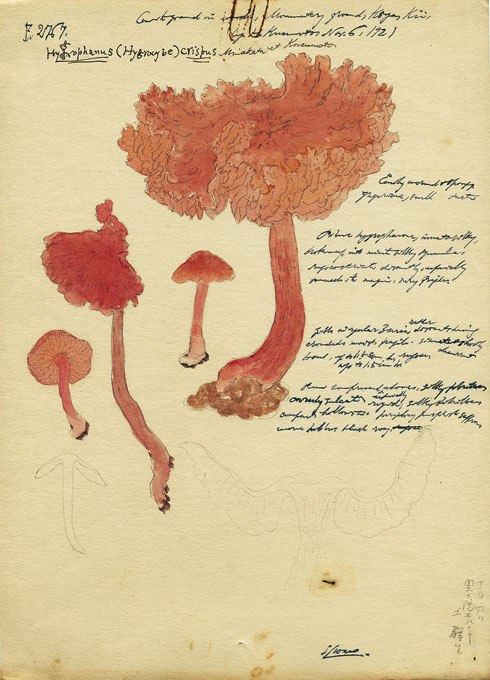
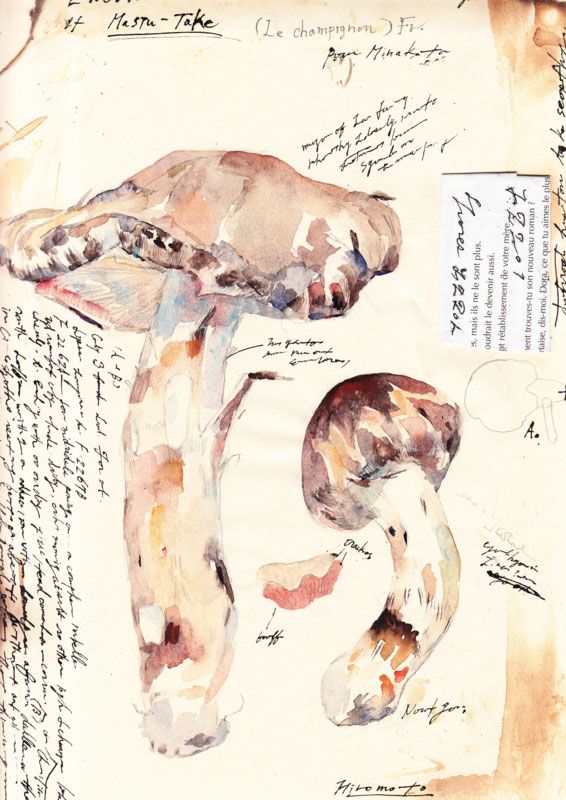

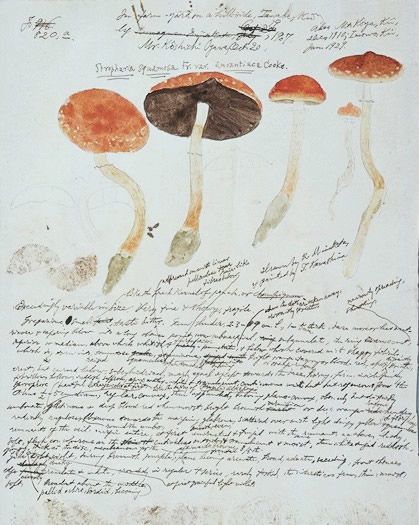
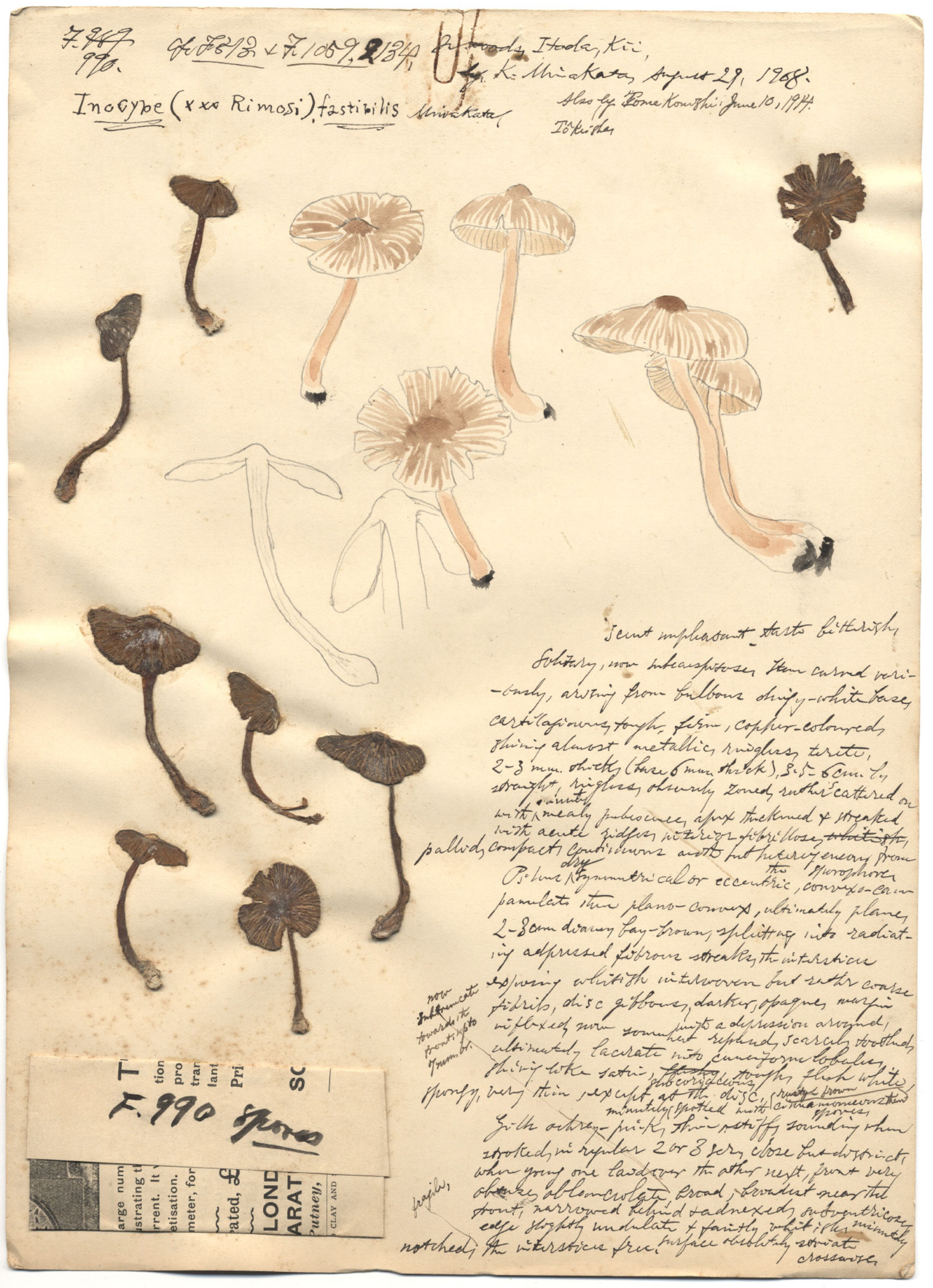
The English Essays of Minakata Kumagusu – Centering on his Contributions to “Nature”
-
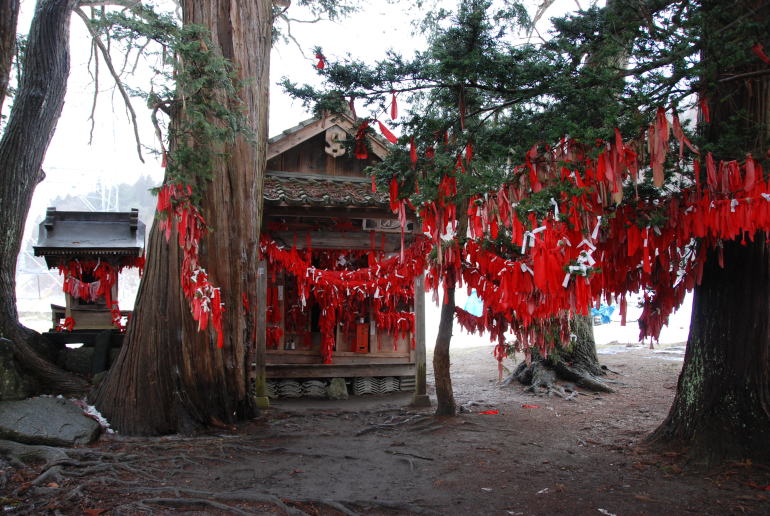
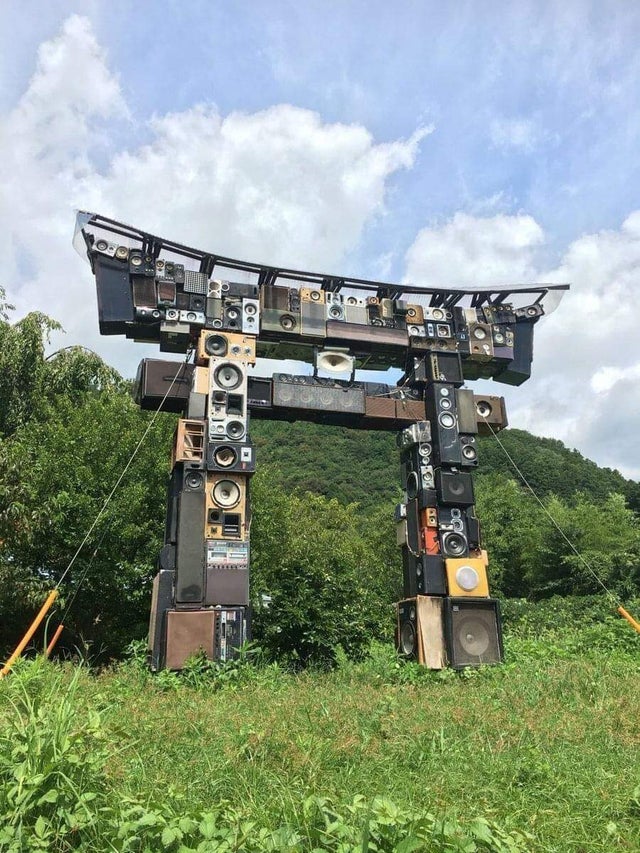
Speaker shrine in Japan that you can Bluetooth your own audio to
-
DADAISM in Japan!
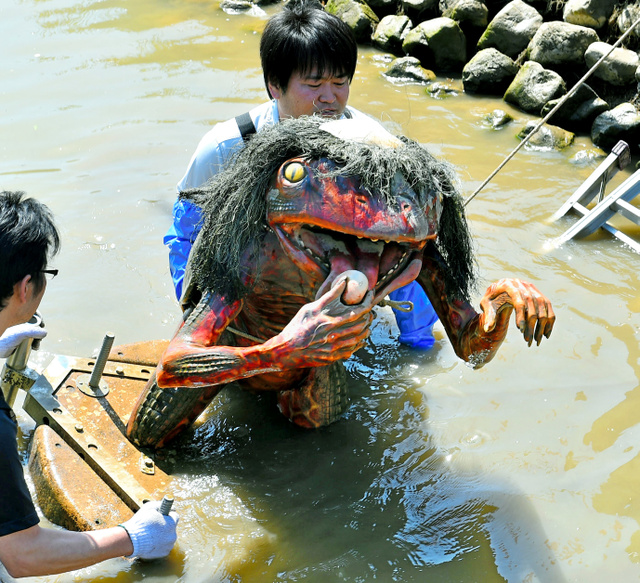
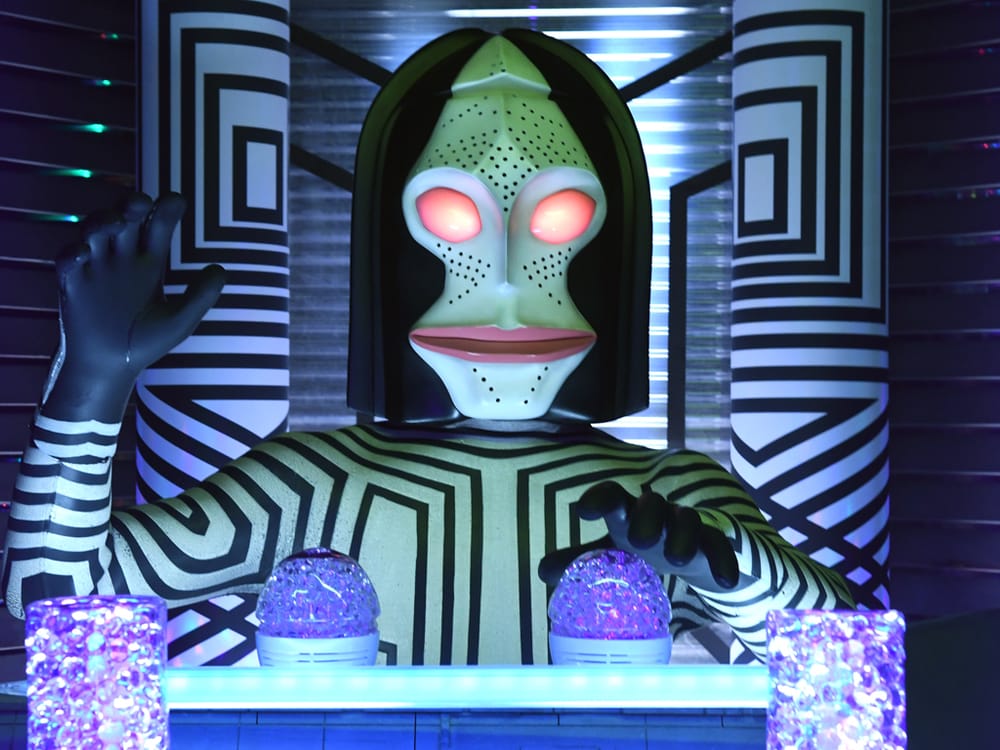
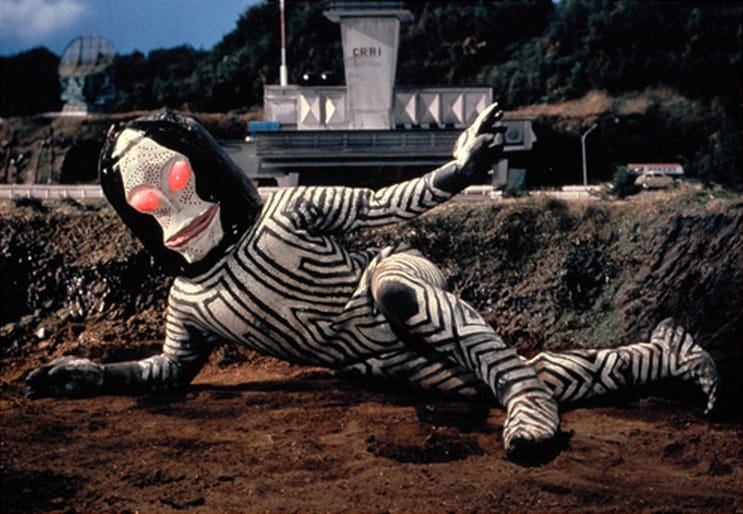
Dada (ダダ) are a humanoid alien race that attacked Earth and started abducting humans to advance some form of research. A character from the Japanese TV show "Utraman".

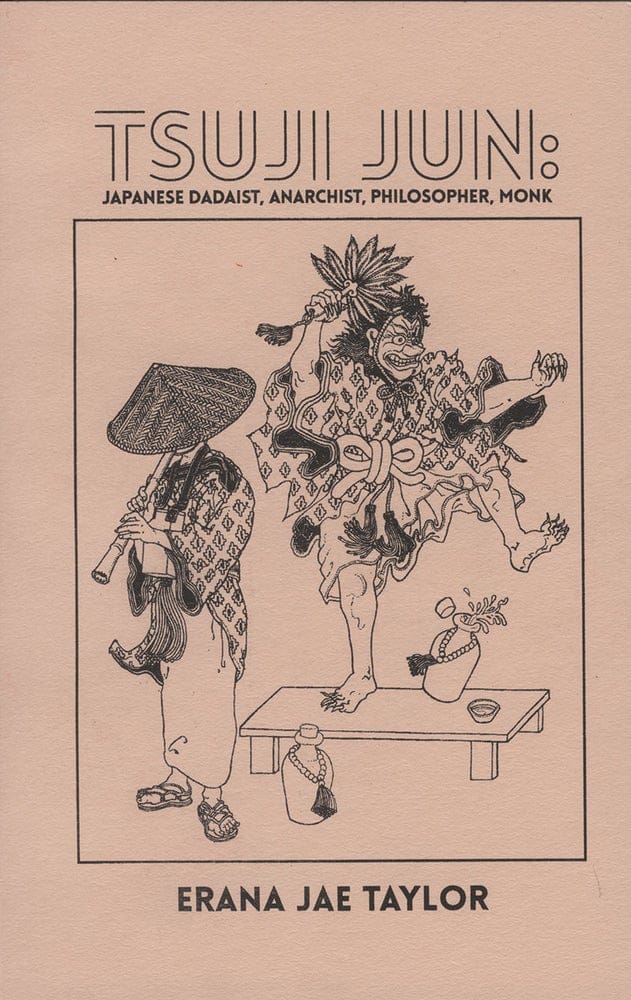
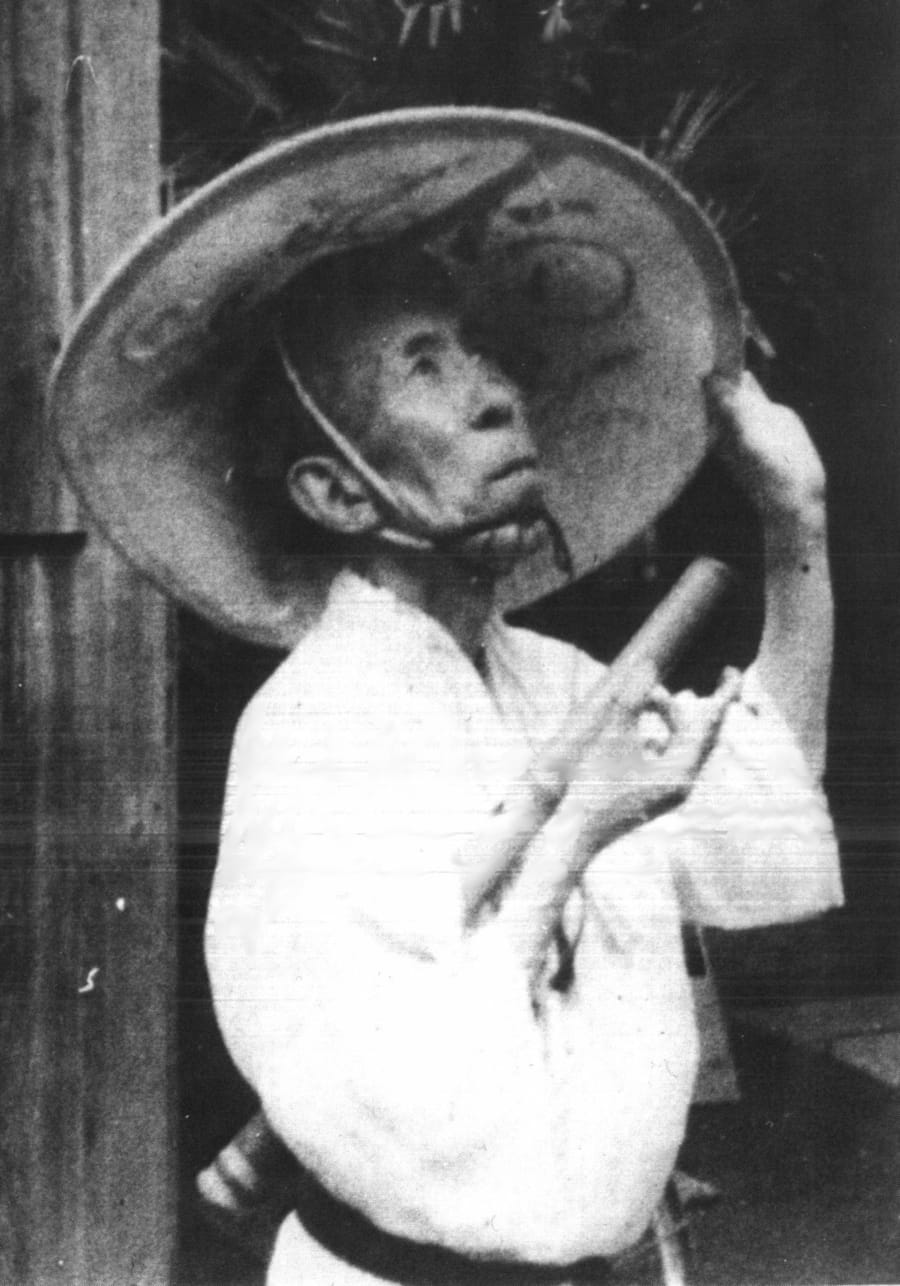
Jun Tsuji (辻 潤) (1884 - 1944) was a Japanese writer, translator, theater actor, musician, monk and philosopher of anarchism, egoism, nihilism, Dada and Buddhism. There is a book about him - by Erana Jae Taylor, a collection of poems (PDF) and more poems.
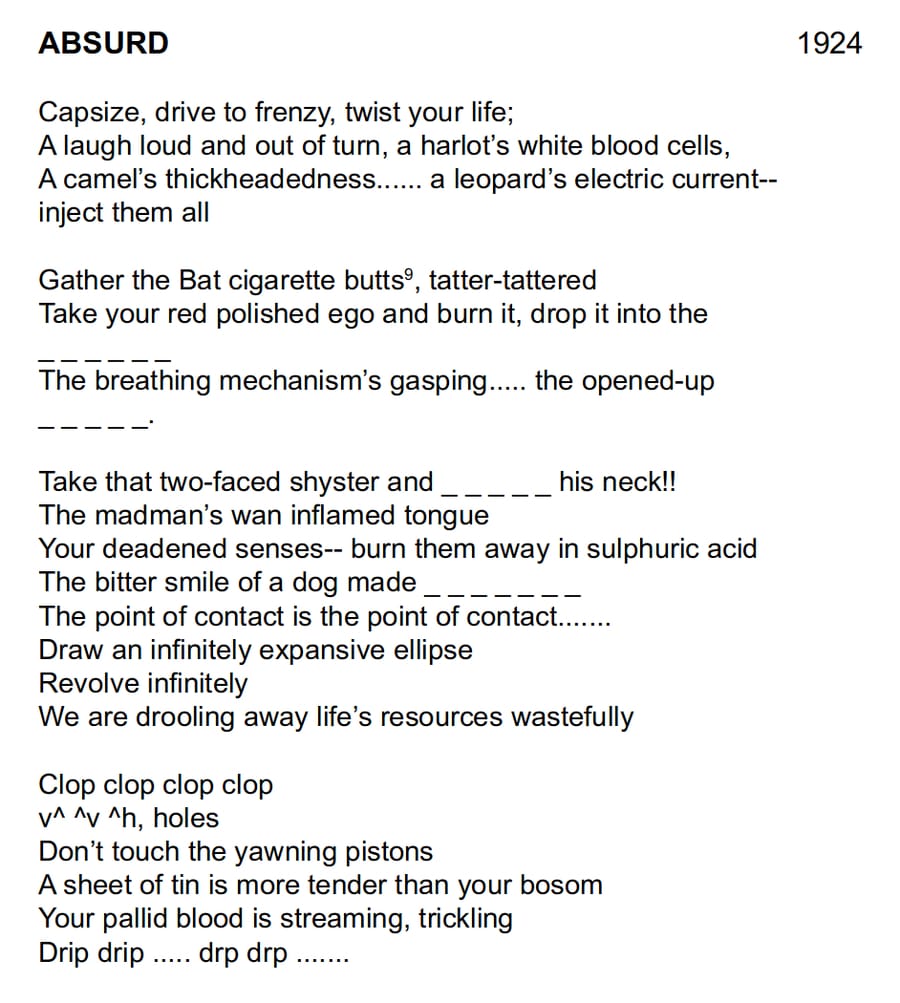
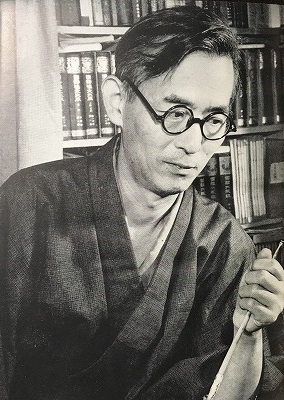
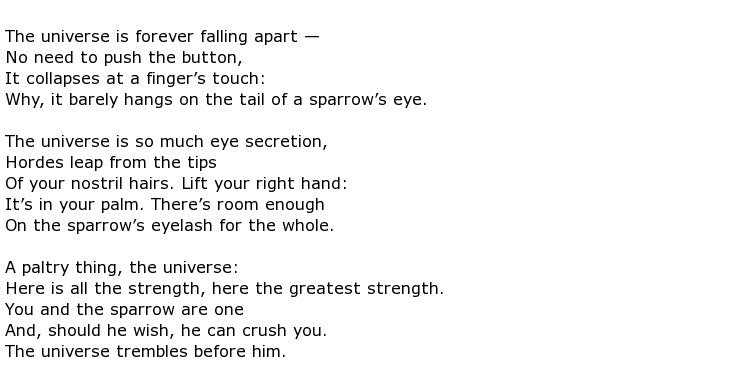
Shinkichi Takahash (wiki) (1901 - 1987), Japanese poet and pioneer of Dadaism in Japan. According to Makoto Ueda, he is also the only major Zen poet of modern Japanese literature.
The Art Of Nothingness: Dada, Taoism, And Zen - by Erin Megan Lochmann (2011) (PDF)
Abstract: When examining the art, actions, and writings of Zurich Dadaists it becomes apparent that there is an affinity with Eastern thought, namely Taoism and Zen Buddhism. It cannot be said that Eastern thought directly influenced the artistic production of these Dadaists. However, the philosophy of Dada artists in Zurich mirrors that of Taoism and Zen so strongly that this connection cannot be ignored.
Was Japanese Dada Even Tougher Than Its European Versions? - by Blake Gopnik (2016)

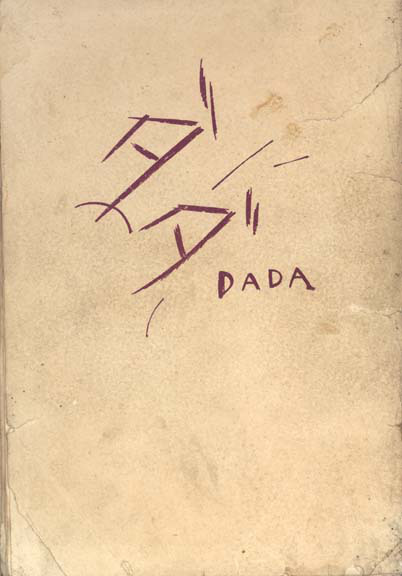
"Today’s Pic illuminates an arm of the international Dada movement about which I was totally ignorant – its Japanese arm. I’m showing the cover of a 1924 issue of the Japanese Dada journal called Mavo, edited by Tatsuo Okada and the Berlin-trained Tomoyoshi Murayama. Mavo originally came with a firecracker attached to its cover: How many museums or libraries would want that detail “read” outloud in their halls?"
MAVO was a radical Japanese art movement of the 1920s. The group used an interdisciplinary array of art, to communicate anti-establishment messages. Fueled by responses to industrial development, the MAVO group created works about crisis, peril and uncertainty. (wikipedia)
Dada theory and the current noise scene in Japan (JP only)
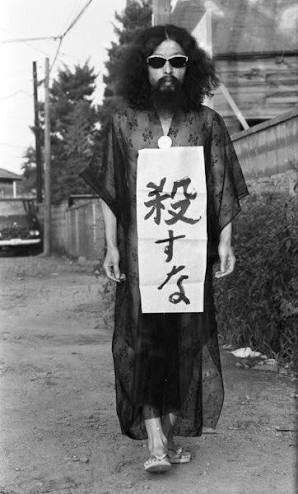

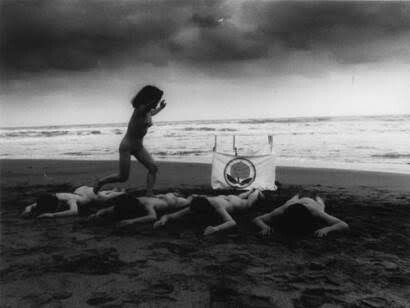
Dada movement's influence felt in Tokyo 100 years after launch in Europe

Photo: Swiss Ambassador to Japan Urs Bucher (left) poses for photos with "Dada," a monster in a popular TV series created as an extension of Dadaism, in Tokyo.
#Philosophy #Religion #Art #Politics #fnord #Comedy #Book #Japan